
You may not be a Papaya fan, but if you want to step into the fitness world, then this fruit can be your saviour. This soft, sweet, and vibrant coloured fruit is a powerhouse of nutrients. It is one of the best fruits one can have daily to stay fit. The famous Christopher Columbus refers to papayas as the ‘Fruit of the angels’ because of their deliciousness.
The papaya plant is scientifically known as the Carica papaya plant. It is currently trending for the management of various types of fevers, especially dengue fever. Interestingly, not only papaya fruit but papaya seeds and leaves also have medicinal properties and can be used to help manage fever and its complications.
The papaya fruit and its seeds and leaves are an excellent source of vitamins, minerals, fibre, and antioxidants. It contains an abundant amount of vitamin A, vitamin B, vitamin C, vitamin E, and vitamin K, and is a potent antioxidant. Papaya leaves are rich in minerals such as phosphorus, iron, potassium, calcium, and magnesium. Papaya seeds contain fatty acids and papaya oil.
Papaya is low in calories and high in fibre; therefore, it can help promote satiety. For example, if you have papaya between meals, it can suppress untimely hunger pangs, which can help in weight loss.
The entire papaya tree, from its fruit to the leaves, is healthy and has medicinal properties that make it a great option to include in your diet.

Papaya leaf juice is one of the traditional treatments for dengue fever. Along with allopathic medicines, this traditional medicine works to taper off the body temperature. Dengue fever brings down the blood platelet count; however, papaya leaf extract helps manage this by increasing platelet count. Malaysian studies have proved that papaya leaf extract can contribute to the production of platelets and increase platelet counts. It can also help in the management of dengue complications, such as rashes on the body and haemorrhage1. During dengue fever, a small glass of papaya juice twice a day can significantly increase the platelet count and reduce the fever. However, it should be used only as a supportive measure alongside standard medical care and not be used to replace medical treatment. Its use should be discussed with a healthcare professional, and platelet count changes must be monitored medically.

Papaya leaves can help in the management of malaria and dengue fever. The leaves of papaya contain acetogenin and other antiviral compounds that may inhibit some proteins in the virus and help avoid diseases like malaria or dengue2.

Papaya leaves and seeds contain certain compounds, water and fibres that help ease digestive issues like constipation and bloating. Papain and other enzymes in papaya help ease the digestion process by breaking down proteins. The regular intake of papaya can help alleviate many digestive problems such as bloating, constipation, and heartburn and symptoms of irritable bowel syndrome3.
Also Read: 11 Surprising Health Benefits Of Coriander Leaves You Should Know

The papaya plant contains many phytochemicals such as lycopene that potentially have anti-carcinogenic properties. It may help avoid cancer cell development and further complications. As per studies, the papaya leaf extract may be useful in the management of colon, breast, and prostate cancer. The papaya extract is also rich in antioxidants that can help protect against cancer-cell activity4.

Papaya leaves contain flavonoids, phenolic compounds, papain, and alkaloids that have antiviral properties and may enhance the body’s immunity. They are a rich source of various vitamins and antioxidants that make you strong. The vitamin C in papaya increases your immunity and can keep you safe from several infections. It also helps in wound healing, digestion, and damaged cell regeneration5.
Also Read: Basil Leaves: Uses, Benefits, Side Effects By Dr. Smita Barode

Papaya leaves, fruit, and seeds have antioxidant properties and are beneficial for individuals with diabetes as they have anti-diabetic properties and are potentially useful in the healing of diabetes-related wounds. According to some research, the consumption of papaya leaf extract helps to maintain blood sugar levels and lower cholesterol levels due to the presence of dietary fibres in it6.

Excessive weight gain increases the risk of diabetes. Papaya leaf juice is low in calories and high in fibre and can keep you full for a long time. The dietary fibres naturally found in it help detoxify your body and increase your metabolism, which can lead to weight loss. Also, papaya seeds may help in reducing fat absorption, thus playing a role in weight loss6,7.

Many women experience painful menstrual cramps in their lives. This pain may be caused by the secretion of hormone-like prostaglandins in menstrual blood. Papaya leaf extract helps in decreasing menstrual pain as it has anti-inflammatory effects and decreases prostaglandin levels in women with painful periods8.

Papaya leaves and seeds have antioxidant and anti-inflammatory properties. They also contain many nutrients like vitamins and minerals. These nutrients together may have potentially beneficial effects like protecting the body against cardiovascular conditions, including stroke and heart attack, reducing high blood pressure, and promoting healthy blood circulation7,8.

One of the great benefits of papaya and its leaves is to the skin. Due to the presence of different nutrients in papaya leaves, they keep your skin clean and clear. Papaya has a moisturising effect and can help you manage dry and cracking skin when applied topically. The antioxidant properties in papaya leaves can help you to slow down the ageing process. They also promote wound healing and help you avoid infection9. Papaya leaves are overall beneficial for skin health in all terms.
Also Read: What Is Hantavirus? Symptoms, Causes, & Effective Prevention
Papaya leaves and seeds are rich in nutrients and natural compounds that may support overall well-being. When used appropriately and with professional medical advice, they can be a beneficial addition to a balanced lifestyle. So if you want to be healthy, don’t forget to add a little bit of papaya to your diet every day.
Also Read: Can You Check Thyroid at Home
Disclaimer: The information provided here is for educational/awareness purposes only and is not intended to be a substitute for medical treatment by a healthcare professional and should not be relied upon to diagnose or treat any medical condition. The reader should consult a registered medical practitioner to determine the appropriateness of the information and before consuming any medication. PharmEasy does not provide any guarantee or warranty (express or implied) regarding the accuracy, adequacy, completeness, legality, reliability or usefulness of the information; and disclaims any liability arising thereof.
 332
332
 7
7
Ayurveda is an ancient Indian medical system. Ayurveda means the science or knowledge of life, where ‘Ayur’ means life and ‘Veda’ means knowledge.
The Ancient and Traditional practice of Ayurvedic is 5,000 years old and works on three basic three principles or doshas (Vata, Pitta, and Kapha) and ayurveda practice is based on three classical texts the Charaka Samhita, the Sushruta Samhita, and the Ashtanga Hridaya which were written in Sanskrit over 2,000 years ago and are collectively known as the Great Trilogy.
Ayurveda takes a holistic approach to health, focusing on lifestyle, diet, and natural substances. It is important to note that while Ayurveda is a recognised traditional system of healthcare in India, its treatments should be approached responsibly and under the guidance of qualified practitioners. Individuals are encouraged to consult registered medical professionals for the diagnosis and management of any medical condition1.
Ayurvedic herbs are an integral part of the Ayurvedic medicine system. Since ancient times, these herbs have been used to help manage different diseases, promote mental clarity, boost immunity, and support healthy skin. In Ayurvedic practice, attention is given to the person as a whole, addressing the mind, body, and lifestyle rather than focusing solely on the symptoms of a condition. A wide range of herbs are used in Ayurveda to treat illnesses, with active ingredients derived from leaves, roots, flowers, and bark. These herbs are selected with the intention of promoting internal balance and supporting the body’s natural functions2.
Manjistha, for instance, may be beneficial in managing bone-related conditions. A 2020 study found that the root of Manjistha contains a compound that may be effective as a phytomedicine in the treatment of bone disorders16.
Dr. Siddharth Gupta, B.A.M.S, M.D (Ayu)
The Ayurvedic system offers a traditional, holistic approach to wellness, focusing on balance and overall health rather than isolated symptoms. Some of the benefits of ayurvedic herbs are as follows:
The following ayurvedic herbs have been traditionally valued for their various properties and uses over many years. Below is an overview of some commonly known herbs and their traditionally associated benefits:
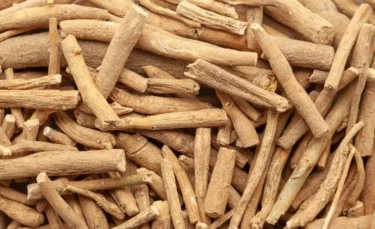
Ashwagandha is a well-known herb in traditional Ayurvedic practice, used for various purposes over many centuries. The name ‘Ashwagandha’ is derived from Sanskrit, where ‘Ashva’ means horse and ‘Gandha’ means smell, suggesting, in traditional texts, the vitality and strength associated with a horse.
It is sometimes referred to as ‘Winter Cherry’ or ‘Indian Ginseng’, and is particularly noted in Ayurveda for its traditional association with supporting the body’s resilience and overall vitality. The roots of the Ashwagandha plant are commonly used in Ayurvedic preparations5. The benefits of Ashwagandha are as follows:
Ashwagandha is a versatile herb and is traditionally available in various forms, including powders, tablets, and liquid extracts. It may be taken with or without food, depending on individual preference and practitioner guidance.
Caution: The use of Ashwagandha during pregnancy is not generally recommended unless under the supervision of a qualified medical professional. Individuals with thyroid-related conditions, particularly hyperthyroidism, should seek advice from a healthcare practitioner before using Ashwagandha or related preparations.
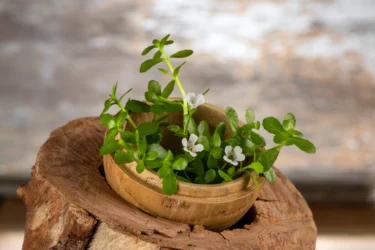
Brahmi, also known as Bacopa monnieri, is a well-regarded herb in traditional Ayurvedic practice. It has been traditionally used for its association with supporting cognitive health and mental clarity. The plant’s leaves are considered particularly valued in Ayurvedic literature and are often used in various preparations
Brahmi is also noted in traditional sources for its natural antioxidant and soothing properties, which have contributed to its continued use over generations.
Below are some traditionally associated uses of Brahmi7:

Shatavari also known as ‘queen of herbs’. is a medicinal herb with many health benefits. The presence of saponins contributes to its antioxidant properties. Shatavari is traditionally associated with supporting immune function and female reproductive health, as described in classical Ayurvedic texts.
Here are some benefits of Shatavari8:
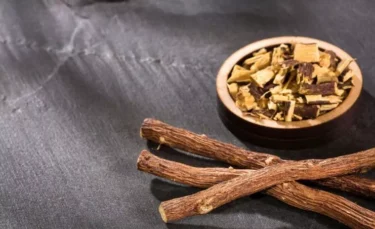
Liquorice has been used since ancient times in various traditional systems of medicine, including those of India, Greece, and Egypt. Owing to its naturally sweet flavour, it continues to be used in a range of preparations such as herbal teas, confectionery, capsules, and liquid extracts.
The benefits of Liquorice are as follows9,10:
Also Read: Dashmularishta: Uses, Benefits, Side Effects & More!
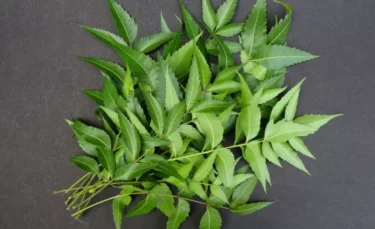
Neem has been mentioned extensively in classical Ayurvedic texts and is included in a large number of traditional formulations. It is often associated with supporting general hygiene, skin care, and internal balance in Ayurvedic practice11.
The benefits of neem are as follows:
Licorice root has been traditionally studied for its potential benefits in supporting oral hygiene. Some research17 suggests that compounds found in licorice may help in maintaining dental cleanliness and overall oral health. However, its use should be approached with caution and under the supervision of a qualified healthcare professional.
Dr. Rajeev Singh, BAMS
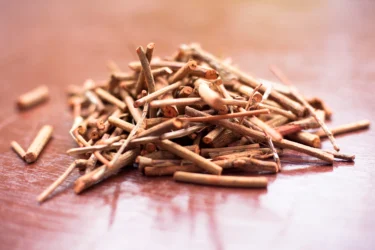
Manjistha is particularly noted for its long-standing use in Ayurvedic practices related to circulatory and skin wellness12. The benefits of Manjistha are as follows;
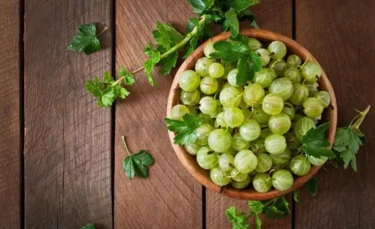
Amala is highly regarded in Ayurvedic tradition as a nourishing and revitalising fruit. It has naturally occurring antioxidants and helps support the body’s internal balance. The benefits of amala are as follows13:
Some studies18 suggest that Amla contains antioxidants and phytonutrients that may help support cognitive health. Its naturally high Vitamin C content is also believed to play a role in maintaining normal brain function.
Dr. Smita Barode, B.A.M.S, M.S.
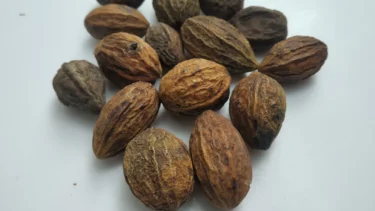
Haritaki is known as the ‘king of herbs’ in Ayurveda. In traditional Ayurvedic belief, Haritaki is associated with promoting internal balance and supporting clarity of mind, vitality, and overall well-being. The benefits of Haritaki are as follows:
Also Read: Black Salt: Uses, Benefits, Side Effects, Precautions & More!
Ayurveda offers a time-tested, holistic approach to health, rooted in balance and natural practices. When used under the guidance of qualified professionals, Ayurvedic herbs may support general well-being as part of a balanced lifestyle.
Also Read: Tamarind (Imli): Uses, Benefits, Side Effects and More!
Disclaimer: The information provided here is for educational/awareness purposes only and is not intended to be a substitute for medical treatment by a healthcare professional and should not be relied upon to diagnose or treat any medical condition. The reader should consult a registered medical practitioner to determine the appropriateness of the information and before consuming any medication. PharmEasy does not provide any guarantee or warranty (express or implied) regarding the accuracy, adequacy, completeness, legality, reliability or usefulness of the information; and disclaims any liability arising thereof.
Links and product recommendations in the information provided here are advertisements of third-party products available on the website. PharmEasy does not make any representation on the accuracy or suitability of such products/services. Advertisements do not influence the editorial decisions or content. The information in this blog is subject to change without notice. The authors and administrators reserve the right to modify, add, or remove content without notification. It is your responsibility to review this disclaimer regularly for any changes.
139
6
We often hear about antioxidant-rich foods for skin health and heart health, but have you ever thought about what it actually means? You have been told that these are good for your health and protect your heart from various issues. Let’s understand some basics about antioxidants first.
Antioxidants are compounds that are produced by our bodies or obtained from certain foods. They help delay or reduce cell damage in your body caused by free radicals. Free radicals are molecules that can damage your DNA and other cells in the body and may contribute to oxidative stress. Oxidative stress can increase your risk of getting chronic diseases like arthritis, Alzheimer’s disease, cancer, and heart disease1. Please note that you should always speak to a doctor before starting new medicines or supplements and making any major dietary changes.
Antioxidants are present in our blood plasma or cell membranes. Certain vitamins and minerals, such as vitamins E and C, copper, zinc, iodine, and manganese, and certain proteins, such as glutathione and alpha-lipoic acid, can also function as antioxidants. Phytochemicals like quercetin, carotenoids, zeaxanthin, ellagic acid, and flavonoids may also function as antioxidants1,2.
From my experience, I may suggest trying out recipes with avocado if you are looking for antioxidant-rich foods. It might be an excellent choice because it has unmatched levels of vitamin E13.
Dr. Siddharth Gupta, B.A.M.S, M.D (Ayu)
Antioxidants are found in certain foods and may help protect the body by neutralising free radicals and reducing the damage they may cause. Although the health benefits of antioxidant-rich foods can vary, and evidence is still evolving, here are 10 foods that are known for their antioxidant-rich content:

Dark chocolate is very nutritious as it is packed with cocoa, minerals, and antioxidants. It is one of the foods with the highest amount of antioxidants. Dark chocolate contains cocoa flavanols, which are potent antioxidants that might protect your skin from the sun. It also known to have anti-inflammatory properties that may help regulate blood pressure and help lower the chance of heart disease. Before buying dark chocolate, make sure it contains at least 70% cacao as it has high amounts of fibre and magnesium as compared to dark chocolate with lower percentage of cacao3.
For individuals in search of antioxidant-rich foods, I may recommend incorporating sesame seeds and bran into your diet. These particular foods are notable sources of lignans, which are known for their antioxidant properties14.
Dr. Rajeev Singh, BAMS
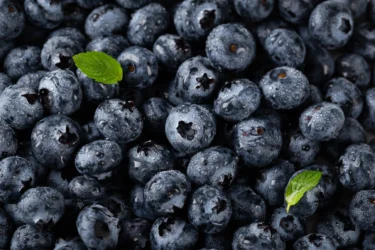
Blueberries are small in size but are rich in antioxidants and vitamin C, are low in calories, and have anti-inflammatory properties. Many studies4 have suggested that blueberries contain the highest amount of antioxidants among all fruits and vegetables and contain anthocyanins that may help reduce the chance of heart disease. Blueberries might help improve brain function and lower blood pressure and cholesterol levels4.

Strawberries are sweet, delicious, red-coloured fruits that are full of antioxidants, minerals, and vitamins, and have anti-inflammatory properties. Similar to blueberries, they also contain anthocyanins. The brighter red a strawberry is, the higher the anthocyanin levels might be. Strawberries may help protect your heart by reducing bad cholesterol levels. They may also help protect your healthy cells from certain cancers5.
To increase your intake of antioxidant-rich foods, I advocate incorporating selenium into your diet. Selenium may be found in eggs, tuna, and salmon, making them excellent sources of this beneficial nutrient13.
Dr. Smita Barode, B.A.M.S, M.S.
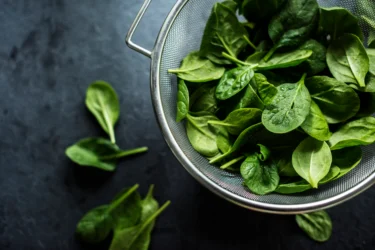
This green leafy vegetable is a good source of vitamins, minerals, antioxidants, iron, and fibre. It contains two excellent antioxidants, zeaxanthin and lutein, that might help improve your eyesight. Spinach may also be helpful in reducing the chances of age-related macular degeneration6.
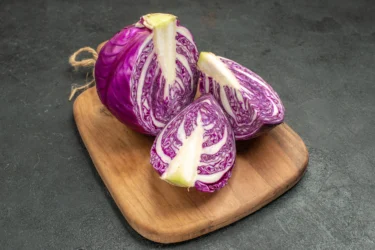
Red cabbage, also known as purple cabbage, contains high amounts of antioxidants, vitamins, and polyphenols. It might help strengthen the immune system and pave the way for healthy, glowing skin. Red cabbage, like strawberries, contains anthocyanins and is believed to have anti-inflammatory and anti-cancer properties and may help reduce the chances of heart conditions7.
If you’re looking to enhance your antioxidant intake through beverages, I have several options worth considering for you. Espresso is one choice known for its antioxidant properties. Additionally, other beverages rich in antioxidants include red wine, pomegranate juice, grape juice, prune juice, and black tea15.
Dr. Anuja Bodhare, B.A.M.S, M.D (Ayu)
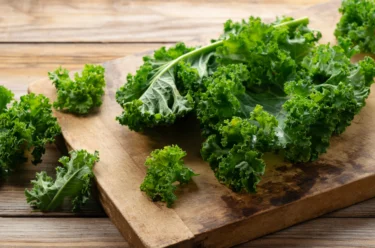
Kale is a nutritious vegetable rich in various vitamins, antioxidants, and calcium. It is believed to have anti-inflammatory and anticancer properties and may also help in reducing heart and gastrointestinal diseases8. Red kale is known to be more potent than regular kale for good bone health.
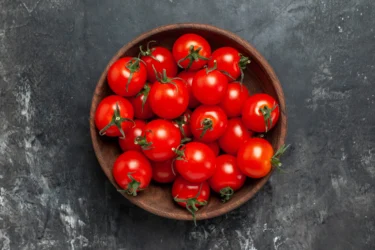
Tomatoes are an essential vegetable in our kitchen. They are rich in antioxidants, vitamins C and beta-carotene. Cooked tomatoes contain a high amount of lycopene, an antioxidant, which may help lower the risk of heart attacks and help improve your skin9.

Beets are root vegetables that contain antioxidants called betalains. Betalains may help reduce the occurrence of digestive issues, diabetes, heart conditions, and certain types of cancers. Beets are also a good source of dietary fibre, minerals, proteins, and amino acids and have anti-inflammatory properties10.
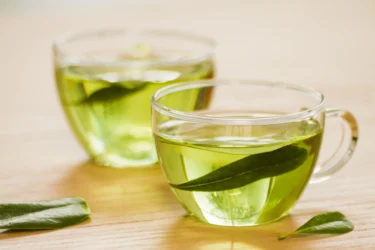
Green tea is commonly known for its potential in weight management, but its uses go beyond that, as it is high in antioxidants. It contains a large amount of catechin, which might help reduce cell damage. Green tea is also believed to have protective effects against oxidative damage that leads to the development of cancer11.
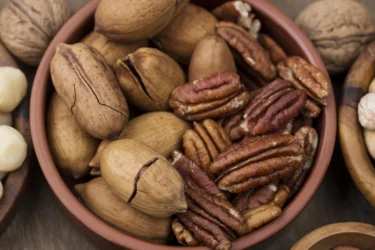
Pecans are a great source of minerals, fibre, and antioxidants. Eating raw pecans may help increase antioxidant levels in the blood and help decrease the oxidised bad cholesterol. They may help manage conditions like diabetes and cardiovascular conditions12.
I would like to suggest adding apricots, mangoes, and carrots to your antioxidant-rich diet. These fruits and vegetables are rich in beta-carotene, which might be a potent antioxidant13.
Dr. Ashok Pal, BAMS
Also Read: Best Iodine-Rich Foods to Support Thyroid Health Naturally
Antioxidants are compounds that form in your body or are obtained by consuming certain foods. Eating antioxidant-rich foods regularly may help your body fight against free radicals that can cause cell damage. Including a variety of antioxidant-rich foods as part of a balanced diet may support overall health and well-being. While antioxidants are not a substitute for medical treatment, maintaining a healthy diet rich in fruits, vegetables, nuts, and whole foods can help support the body’s natural defence systems. For individual dietary needs or health concerns, it is always advisable to consult a healthcare professional.
Also Read: 10 Iron Rich Foods to Add to Your Diet
Whole foods are generally better because they provide fiber, vitamins, minerals, and multiple antioxidants that work together. Supplements usually contain isolated compounds and may not offer the same protective effects.
A simple rule is to “eat the rainbow.” Include colourful fruits and vegetables like berries, spinach, carrots, tomatoes, and purple cabbage across meals to naturally increase antioxidant intake.
Yes. Frozen produce is often flash-frozen soon after harvesting, which helps preserve many antioxidants and nutrients. In some cases, frozen foods can be as nutritious as fresh ones.
In many cases, yes. Deep colours like dark purple, red, and green often indicate higher levels of compounds such as anthocyanins, carotenoids, and chlorophyll, which have antioxidant properties.
1. Antioxidants. 2022. https://www.healthdirect.gov.au/antioxidants
2. Understanding antioxidants. 2019. https://www.health.harvard.edu/staying-healthy/understanding-antioxidants
3. Katz DL, Doughty K, Ali A. Cocoa and Chocolate in Human Health and Disease. Antioxidants & Redox Signaling. 2011;15(10):2779-2811. doi:10.1089/ars.2010.3697. https://pubmed.ncbi.nlm.nih.gov/21470061/
4. Kalt W, Cassidy A, Howard LR, et al. Recent Research on the Health Benefits of Blueberries and Their Anthocyanins. Advances in Nutrition. 2020;11(2):224-236. doi:10.1093/advances/nmz065. https://pubmed.ncbi.nlm.nih.gov/31329250/
5. Newerli-Guz J, Śmiechowska M, Drzewiecka A, Tylingo R. Bioactive Ingredients with Health-Promoting Properties of Strawberry Fruit (Fragaria x ananassa Duchesne). Molecules. 2023;28(6):2711. doi:10.3390/molecules28062711. https://pubmed.ncbi.nlm.nih.gov/36985683/
6. Chokkara SL. Spinach and its health benefits: A review. 2022;11(8). https://www.thepharmajournal.com/archives/2022/vol11issue8S/PartP/S-11-8-47-875.pdf
7. Vega-Galvez A, Gomez-Perez LS, Zepeda F, et al. Assessment of Bio-Compounds Content, Antioxidant Activity, and Neuroprotective Effect of Red Cabbage (Brassica oleracea var. Capitata rubra) Processed by Convective Drying at Different Temperatures. Antioxidants. 2023;12(9):1789. doi:10.3390/antiox12091789. https://pubmed.ncbi.nlm.nih.gov/37760092/
8. Ortega-Hernández E, Antunes-Ricardo M, Jacobo-Velázquez DA. Improving the Health-Benefits of Kales (Brassica oleracea L. var. acephala DC) through the Application of Controlled Abiotic Stresses: A Review. Plants. 2021;10(12):2629. doi:10.3390/plants10122629. https://www.mdpi.com/2223-7747/10/12/2629
9. Collins EJ, Bowyer C, Tsouza A, Chopra M. Tomatoes: An Extensive Review of the Associated Health Impacts of Tomatoes and Factors That Can Affect Their Cultivation. Biology. 2022;11(2):239. doi:10.3390/biology11020239. https://pubmed.ncbi.nlm.nih.gov/35205105/
10. Chen L, Zhu Y, Hu Z, Wu S, Jin C. Beetroot as a functional food with huge health benefits: Antioxidant, antitumor, physical function, and chronic metabolomics activity. Food Science & Nutrition. 2021;9(11):6406-6420. doi:10.1002/fsn3.2577. https://pmc.ncbi.nlm.nih.gov/articles/PMC8565237/
11. Jurgens TM, Whelan AM, Killian L, Doucette S, Kirk S, Foy E. Green tea for weight loss and weight maintenance in overweight or obese adults. Cochrane Metabolic and Endocrine Disorders Group, ed. Cochrane Database of Systematic Reviews. 2012;2012(12). doi:10.1002/14651858.CD008650.pub2. https://pubmed.ncbi.nlm.nih.gov/23235664/
12. Sandhu AK, Edirisinghe I, Burton-Freeman B. Pecans and Human Health: Distinctive Benefits of an American Nut. Nutrients. 2025;17(23):3686. doi:10.3390/nu17233686. https://pubmed.ncbi.nlm.nih.gov/41373975/
13. Cleveland Clinic. Everything you need to know about antioxidants [Internet]. Cleveland Clinic Health Essentials; 2021 Dec 27 [cited 2026 Mar 12]. Available from: https://health.clevelandclinic.org/what-do-antioxidants-do
14. Better Health Channel. Antioxidants [Internet]. Melbourne (AU): Victorian State Government; 2024 May 3 [cited 2026 Mar 12]. Available from: https://www.betterhealth.vic.gov.au/health/healthyliving/antioxidants
15. Carlsen MH, Halvorsen BL, Holte K, Bøhn SK, Dragland S, Sampson L, Willey C, Senoo H, Umezono Y, Sanada C, Barikmo I, Berhe N, Willett WC, Phillips KM, Jacobs DR Jr, Blomhoff R. The total antioxidant content of more than 3100 foods, beverages, spices, herbs and supplements used worldwide. Nutr J. 2010 Jan 22;9:3. doi: 10.1186/1475-2891-9-3. PMID: 20096093; PMCID: PMC2841576. Available from: https://pmc.ncbi.nlm.nih.gov/articles/PMC2841576/
Disclaimer: The information provided here is for educational/awareness purposes only and is not intended to be a substitute for medical treatment by a healthcare professional and should not be relied upon to diagnose or treat any medical condition. The reader should consult a registered medical practitioner to determine the appropriateness of the information and before consuming any medication. PharmEasy does not provide any guarantee or warranty (express or implied) regarding the accuracy, adequacy, completeness, legality, reliability or usefulness of the information; and disclaims any liability arising thereof.
Links and product recommendations in the information provided here are advertisements of third-party products available on the website. PharmEasy does not make any representation on the accuracy or suitability of such products/services. Advertisements do not influence the editorial decisions or content. The information in this blog is subject to change without notice. The authors and administrators reserve the right to modify, add, or remove content without notification. It is your responsibility to review this disclaimer regularly for any changes.
5
Looking for a healthy as well as tasty snack? Pumpkin seeds are the perfect choice! These seeds offer many health benefits and a delicious, sweet and nutty taste that you’ll enjoy. From promoting heart health to helping you sleep better, pumpkin seeds are a powerhouse of nutrition. In this article, we’ll share 14 health benefits of pumpkin seeds, but first, let’s look at their nutritional content.
Friendly Reminder: The information shared here is for educational purposes only and the reader should consult a registered medical practitioner before implementing any changes to their health routine.
There are many benefits to eating pumpkin seeds. Let’s check them out.
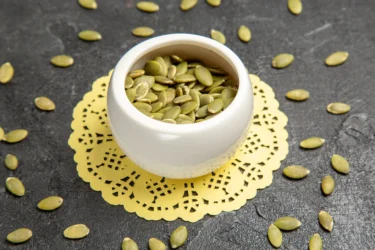
Pumpkin seeds have antioxidant potential due to Vitamin E and carotenoids. These antioxidants help reduce inflammation and protect our body from damage caused by free radicals[1].

Pumpkin seeds are good for heart health. Their antioxidants protect the heart from various disorders. Magnesium in pumpkin seeds helps regulate blood pressure. It also lowers bad cholesterol (LDL) levels and triglycerides, which makes it beneficial for people with high blood pressure and heart disease[2]. Fibre present in pumpkin seeds also reduces cholesterol levels, thus protecting our hearts[4].

Consuming pumpkin seeds in moderation may reduce some risk factors related to gastric, breast, and colorectal cancers[6]. This is due to the presence of powerful antioxidants in these seeds. Carotenoids in pumpkin seeds benefit in reducing the risk of prostate cancer[1].
For those managing diabetes, pumpkin seeds are a boon. Rich in magnesium, proteins, and fibres, they are known to benefit people with diabetes mellitus. These nutrients, when included in a diabetes diet plan, can help regulate blood sugar levels effectively[1].
Pumpkin seeds are good for our immune system due to the presence of vitamin E and zinc. Vitamin E enhances immune responses and protects against several infectious diseases[12]. It is also a powerful antioxidant and prevents free radicals from damaging healthy cells in our bodies. Zinc protects our body from inflammation, allergies and invading pathogens, thus preventing infections and increasing overall immunity. Pumpkin seeds exhibit antimicrobial, antifungal and antiviral properties.

Amino acid tryptophan present in pumpkin seeds is good for sleep. It is a precursor to serotonin and melatonin. Both serotonin and melatonin help regulate the sleep-wake cycle[7].

Pumpkin seeds benefit bone health because they are rich in proteins and fibre. They make us feel full for a long time, reduce our food intake, and reduce the number of calories consumed. This makes them a good addition to a weight-loss diet.

Pumpkin seeds are rich in magnesium. Magnesium is good for the growth and strength of bones. It has been observed that people with ample amounts of magnesium in their diet tend to have a higher density of minerals in their bones. This helps to avoid risks like bone fractures and osteoporosis[10]. Low levels of magnesium have also been linked to increased inflammation. Another side effect of magnesium deficiency is that calcium levels in the blood also get low.
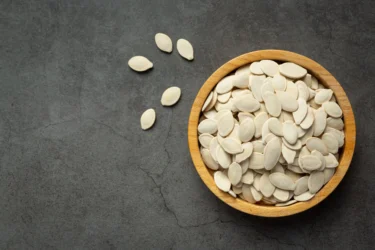
For those dealing with Benign Prostatic Hyperplasia (BPH), pumpkin seeds can be a helpful addition to their diet. Rich in zinc, these seeds reduce the chances of prostate cancer[6]. Limited data[13] suggests that pumpkin seed oil may help treat and prevent urinary diseases/disorders.

Pumpkin seeds benefit male health because they are rich in zinc. Zinc plays a supportive role in male fertility as it may help support the quality and quantity of sperm[5].

Pumpkin seeds benefits for female health are especially notable during pregnancy, as they are a good source of zinc. Zinc boosts immunity and helps the baby grow healthy[8]. It is helpful to consume zinc-rich foods during pregnancy. Pregnant and breastfeeding women should not consume anything against their doctor’s advice.

The magnesium and tryptophan in pumpkin seeds may help improve sleep patterns. They may also support relaxation and ease of depression and anxiety symptoms[9].

Pumpkin seeds’ benefits for hair include promoting healthy, strong strands with their rich nutrients. Consuming them makes our hair strong, silky, and shiny.

Pumpkin seeds contribute to skin health. The zinc in pumpkin seeds helps improve collagen production[11], which helps in the repair and rejuvenation of the skin. These nutrient-dense seeds may help ease skin problems when consumed in addition to a healthy diet and lifestyle.
Also Read: Papaya Leaves and Seeds to Treat Fever and Other Ailments
Pumpkin seeds are not considered highly allergenic, but you may experience an allergy in rare cases. People allergic to pumpkin seeds may show symptoms like headaches, itching, rashes, difficulty breathing, etc. If you are worried about having an allergy to pumpkin seeds, speak with your doctor before trying them out, especially if you have never eaten them.
Also Read: 14 Amazing Health Benefits of Pumpkin Seeds!
The best way to use pumpkin seeds is to roast them and have them as a snack. We also get pumpkin seed oil and pumpkin seed butter in the market. These seeds can also be added to or sprinkled on:
A powerhouse of nutrition, pumpkin seeds support better heart health and digestion; they’re a delicious snack that promotes overall well-being and are easy to add to your diet.
Also Read: 15 Amazing Health Benefits of Papaya Seeds That You Should Know!
Pumpkin seeds are generally high in fibre, which helps prevent constipation in some individuals. However, if you have an underlying digestive condition or consume them in excessive amounts, they may contribute to constipation. It’s advisable to discuss any concerns with a healthcare professional.
Pumpkin seeds can support weight loss as they are rich in protein and fibre, promoting feelings of fullness and curbing overeating. However, weight loss depends on overall diet and lifestyle factors. It’s advisable to consult with a healthcare professional or a registered dietitian on incorporating pumpkin seeds into a weight loss plan.
Roasting pumpkin seeds can lead to some nutrient loss, particularly with sensitive vitamins like vitamin C. However, the impact on overall nutrient content is relatively modest, and roasted pumpkin seeds remain a healthy snack.
Yes, pepitas are a type of pumpkin seed. They are hulled pumpkin seeds, which means the outer white shell has been removed, leaving the green seed. Pepitas are often smaller, tender, and easier to snack on than whole pumpkin seeds, and they’re used in various culinary dishes and as a nutritious snack.
Pumpkin seeds are considered “heaty” in traditional Chinese medicine, which means they can generate warmth in the body. This quality may make them a suitable choice during colder seasons or for individuals seeking foods with warming properties.
Incorporating pumpkin seeds into your daily diet is generally beneficial. They provide essential nutrients like magnesium, zinc, and healthy fats, promoting overall health when consumed in moderation. However, it is recommended to consult a healthcare professional before consuming excess.
Disclaimer: The information provided here is for educational/awareness purposes only and is not intended to be a substitute for medical treatment by a healthcare professional and should not be relied upon to diagnose or treat any medical condition. The reader should consult a registered medical practitioner to determine the appropriateness of the information and before consuming any medication. PharmEasy does not provide any guarantee or warranty (express or implied) regarding the accuracy, adequacy, completeness, legality, reliability or usefulness of the information; and disclaims any liability arising thereof.
300
7
Soursop or Lakshman Phal in India is a heart-shaped green fruit, having thorns on its outer skin, Found on a bushy tree that stands at about 6 meters in height and can be distinguished by its broad, oblong leaves, this fruit actually originated in Brazil. Soursop is often said to resemble a custard apple, as it has creamy pulp fruit inside with blackish-brown seeds. Also, many say that it tastes like a combination of pineapple and strawberry. It is rich in antioxidants and has very high nutritional value. Apart from the fruit, the tree itself, its leaves, stem, flowers, etc. have amazing natural compounds and medicinal benefits to help against many diseases. Clinically, it is known to benefit individuals with headaches, insomnia, etc1.
In this blog, we will discuss the several health benefits this fruit has to offer.
Did You Know?
Also called the miracle fruit, Lakshman phal has some amazing benefits. It may help with the following:

Lakshman phal is known to have high fiber content that helps food move smoothly through the gut and its rich water content softens the stool, thereby helping fight condtipation2.
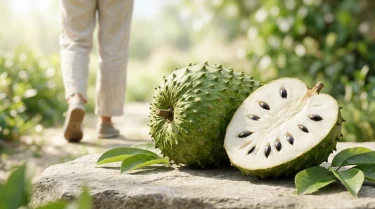
Leg cramps can be painful and usually happen due to low potassium levels in the body. Lakshman Phal is rich in potassium, calcium, magnesium, and has some amount of sodium as well. When consumed regularly, it may help to overcome weak muscles and avoid cramps. The exact amount and quantity could vary and thus it’s best to check with your doctor before consuming routinely.

Water retention is a common cause for feeling bloated. As Lakshman Phal is rich in certain active compounds that may slightly increase urination and flush out excess fluids, it helps reduce the chances of water retention. The high amounts of magnesium in the fruit also helps avoid bloating.
I recently came across a study that revealed another power of lakshman phal. The study9 found that it might be effective in reducing blood sugar levels in diabetic rats. This suggests that lakshman phal may have anti-hyperglycemic properties.
Dr. Smita Barode, B.A.M.S, M.S.

Lakshman phal or soursop can help retain energy levels and build strength. It is naturally rich in electrolytes and contains Vitamin B and thiamin, which help to increase the production of energy in the body. It is also an excellent source of natural carbohydrates, which give instant energy to the body3.

Bone health depends on calcium and small amounts of magnesium, manganese, copper, and zinc. Zinc and copper also help to absorb vitamin D, which helps to retain calcium in the body. Lakshman Phal is known to have high amounts of copper, aiding bone health2. It also provides calcium and phosphorus required to maintain bones strength.
I may have noticed something interesting about the unripe fruit of lakshman phal. In traditional African medicine, it’s used to manage disorders like neuralgia, rheumatism, and arthritic pain. So, researchers10 decided to investigate its effects on rats, and guess what they found? It may actually have pain-relieving and anti-inflammatory properties. Thus, it might help with different types of pain and inflammation.
Dr. Rajeev Singh, BAMS

Lakshman Phal contains tryptophan, a chemical that help you relax and promotes sleep. For those who have insomnia, this fruit is can be beneficial4. Also, the leaves of this fruit can be used in aromatherapy. Also, read the side effects of less sleep.
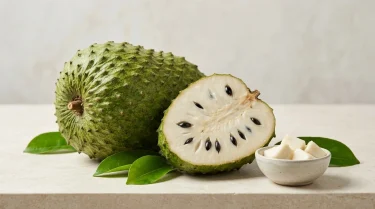
Lakshman Phal (soursop) contains niacin (vitamin B3), a nutrient that has been studied for its role in lipid metabolism and its potential to support healthy HDL (“good cholesterol”) levels. Niacin is thought to work by influencing enzymes involved in lipoprotein breakdown, which may help the body manage cholesterol more efficiently2,5.

A paste made from blended Lakshman Phal leaves has traditionally been applied to mouth ulcers, a practice linked to the leaves’ natural tannin content. Tannins are known for their astringent and antimicrobial properties, which may help mildly tighten irritated oral tissue and support the healing environment of the mucosa6.
From what I have seen, lakshman phal extract may show strong effectiveness against both bacteria and fungi. This suggests that lakshman phal extract may have antimicrobial and antifungal properties when used against oral microorganisms. In simple terms, it might help fight harmful bacteria and fungi in the mouth6.
Dr. Siddharth Gupta, B.A.M.S, M.D (Ayu)

Soursop has traditionally been used to support individuals with anaemia, and emerging research has examined its potential hematopoietic properties, including compounds that may influence red blood cell-related pathways7. Moreover, it is rich in Vitamin C that helps absorb iron and improve hemoglobin levels3.

Soursop also contains magnesium and riboflavin (vitamin B2), which research suggests may support healthy mitochondrial energy metabolism in cells, a mechanism that may help to lower migraine frequency8. Moreover, its sedative properties may help relax the nervous system and help with migraines.
Also Read: Ber Fruit: Uses, Benefits, Side Effects & More!
Lakshman Phal may offer a range of nutrients and natural compounds that can support overall health when included as part of a balanced diet. However, further scientific research is required to confirm its health benefits, and it should not be considered a substitute for medical treatment. Enjoying Lakshman Phal in moderation, along with a varied and nutritious diet, is a sensible approach.
Lakshman phal can be eaten fresh by removing the outer skin and consuming the soft pulp after discarding the seeds. It is often eaten directly or used in juices and desserts. Wash the fruit properly before consumption.
Lakshman phal contains nutrients, but there is limited scientific evidence about its safety and benefits during pregnancy. Pregnant women should consult their doctor before adding it to their diet, especially in large amounts or as a supplement.
Lakshman phal may contain natural sugars, so people with diabetes should consume it in moderation. It is advisable to check blood sugar levels and consult a healthcare professional before including it regularly in a diabetic diet.
No, Hanuman phal and Lakshman phal are generally considered different fruits, although their names are sometimes used interchangeably in different regions. The exact identity may vary by local naming practices.
Lakshman phal usually has a sweet, creamy, and mildly tangy flavor with a soft custard-like texture. Its taste is often compared to other custard apple varieties.
1. Mutakin M, Fauziati R, Fadhilah FN, Zuhrotun A, Amalia R, Hadisaputri YE. Pharmacological Activities of Soursop (Annona muricata Lin.). Molecules. 2022;27(4):1201. doi:10.3390/molecules27041201 https://pubmed.ncbi.nlm.nih.gov/35208993/
2. Nagaraju V, Shankara Swamy J, Ento S. Not only Sita Phal but also Ramphal, Lakshman Phal, and Hanuman Phal: Nutritional Importance and Health Benefits, Article ID: 60124. 2024;06:412-416. https://www.researchgate.net/publication/385495184_Not_only_Sita_Phal_but_also_Ramphal_Lakshman_Phal_and_Hanuman_Phal_Nutritional_Importance_and_Health_Benefits_Article_ID_60124
3. Candra A, Prasetyo BE, Tarigan JB. Study of vitamin C level of soursop leaves (Annona muricata l.) and galactomannan utilization in kombucha during fermentation. In: 2021:100007. doi:10.1063/5.0045669 https://pubs.aip.org/aip/acp/article-abstract/2342/1/100007/951893/Study-of-vitamin-C-level-of-soursop-leaves-Annona?redirectedFrom=fulltext
4. Afolabi F, Alabi BA, Badejo JA, Nsor OO, Lawal SK, Iwalewa EO. Scopolamine-induced memory impairment in mice: Soursop leaf extract and fractions protect the hippocampus and prefrontal cortex. Iran J Basic Med Sci. 2025;28(3):355-365. doi:10.22038/ijbms.2024.80289.17379 https://pubmed.ncbi.nlm.nih.gov/39906616/
5. Ganji SH, Kamanna VS, Kashyap ML. Niacin and cholesterol: role in cardiovascular disease (review). J Nutr Biochem. 2003;14(6):298-305. doi:10.1016/s0955-2863(02)00284-x https://pubmed.ncbi.nlm.nih.gov/12873710/
6. Pai BM, Rajesh G, Shenoy R, Rao A. Anti-microbial Efficacy of Soursop Leaf Extract (Annona muricata) on Oral Pathogens: An In-vitro Study. J Clin Diagn Res JCDR. 2016;10(11):ZC01-ZC04. doi:10.7860/JCDR/2016/18329.8762 https://pubmed.ncbi.nlm.nih.gov/28050493/
7. Matano F, Patra A. Annona muricata (Soursop) and Hematopoiesis: Ethnomedicinal Insights, Immunomodulatory Mechanisms, and Translational Challenges. Antioxidants. 2026;15(5):579. doi:10.3390/antiox15050579 https://www.mdpi.com/2076-3921/15/5/579
8. Ishola IO, Awodele O, Olusayero AM, Ochieng CO. Mechanisms of Analgesic and Anti-Inflammatory Properties of Annona muricata Linn. (Annonaceae) Fruit Extract in Rodents. J Med Food. 2014;17(12):1375-1382. doi:10.1089/jmf.2013.0088 https://pubmed.ncbi.nlm.nih.gov/25133801/
9. Mutakin M, Fauziati R, Fadhilah FN, Zuhrotun A, Amalia R, Hadisaputri YE. Pharmacological activities of soursop (Annona muricata Lin.). Molecules. 2022 Feb 10;27(4):1201. doi:10.3390/molecules27041201. https://pmc.ncbi.nlm.nih.gov/articles/PMC8878098/
10. Ishola IO, Awodele O, Olusayero AM, Ochieng CO. Mechanisms of analgesic and anti-inflammatory properties of Annona muricata Linn. (Annonaceae) fruit extract in rodents. J Med Food. 2014 Dec;17(12):1375-82. doi:10.1089/jmf.2013.0088. https://pmc.ncbi.nlm.nih.gov/articles/PMC4259190/
Disclaimer: The information provided here is for educational/awareness purposes only and is not intended to be a substitute for medical treatment by a healthcare professional and should not be relied upon to diagnose or treat any medical condition. The reader should consult a registered medical practitioner to determine the appropriateness of the information before consuming any medication. PharmEasy does not provide any guarantee or warranty (express or implied) regarding the accuracy, adequacy, completeness, legality, reliability or usefulness of the information; and disclaims any liability arising thereof.
Links and product recommendations in the information provided here are advertisements of third-party products available on the website. PharmEasy does not make any representation on the accuracy or suitability of such products/services. Advertisements do not influence the editorial decisions or content. The information in this blog is subject to change without notice. The authors and administrators reserve the right to modify, add, or remove content without notification. It is your responsibility to review this disclaimer regularly for any changes.
89
3
To maintain optimal health, meet the superfruit amla! You probably know it as a sour and bitter tasting fruit which your mother may have frequently included in some recipes.
Amla, consumed in any form, may be equally beneficial. In India, its use has been a longstanding tradition, with its medicinal properties passed down through generations. Today, modern scientific research emphasises on the wide-ranging health benefits of amla, which support the treatment and prevention of various diseases1.

Amla is the richest known natural source of Vitamin C, a nutrient known to have excellent immunity-boosting and antioxidant properties. Regular consumption of vitamin C is associated with improved function of macrophages and other cells of the immune system.
As an antioxidant, vitamin C helps with the metabolism of free radicals that are formed from the reactions between oxygen and hydrogen from food and the environment. Free radicals are responsible for premature ageing and cell damage; consuming amla helps in its reduction2.

Amla helps in lowering bad cholesterol and keeps the levels of good cholesterol optimal. It can reduce the accumulation of fats in arteries and veins. Amla helps in lowering the risk of getting atherosclerosis and promotes healthy circulation, along with overall cardiovascular health3.

Amla’s high-fat burning properties have been shown in various studies. This plant accelerates metabolism, improving protein synthesis and reducing fat deposits. It also favours fluid reduction because it promotes diuresis with the excretion of organic toxins through the urine.
Due to its effect on weight, it is useful for controlling obesity, especially in people with diseases such as diabetes and cardiovascular problems4.

This fruit is fibrous, and its fibre content stimulates intestinal transit. The Indian population consumes a diet rich in fibre; however, in countries like the United States and many regions of Europe, this is not so, therefore people tend to have a slow intestinal transit time, constipation, and other digestive discomforts.
The fibre content of amla reduces these problems. Also, in the stomach, it favours digestion because it increases the effect of gastric juices for the breakdown of food. Thus, it is also useful to relieve stomach heaviness and gas5.

Studies have shown the effectiveness of amla extract for hay fever, arthritis, osteoporosis and joint pain. This plant is capable of acting at the cellular level, reducing the expression of proinflammatory cells such as cytokines, COX, and other mediators that are present in chronic diseases such as rheumatoid arthritis and cancer, among others6.

Amla may help with metabolism by helping in glucose uptake and maintaining blood glucose levels.
It also reduces oxidative stress and protects pancreatic cells from oxidative damage. The benefits of eating amla include helping in insulin release, which prevents post-meal sugar spikes7.

Various studies have determined that the consumption of amla extract is capable of preventing the process of oncogenesis, which has 4 major mechanisms as follows5:
In my experience, I have observed that amla has shown potential anticoagulant properties. Amla supplementation appeared to prolong the coagulation time, suggesting its anticoagulant activity11.
Dr. Rajeev Singh, BAMS
Studies suggest that amla may have antitumor properties, particularly with certain cancers such as those in the colon and lung. The extract of this fruit can induce apoptosis (programmed cell death) in cancer cells without affecting too many healthy cells.
In some cases, amla does not induce apoptosis, but may help stop the rate of tumour growth; this provides time for conventional pharmacological treatments to target malignant cells. It is important to note that one should not self-treat but should always seek the advice of a healthcare provider5.
Did you know that according to ancient Indian mythology, the amla tree is believed to be the first tree ever created in the universe? It holds a special significance in mythology and is considered sacred12.
Dr. Siddharth Gupta, B.A.M.S M.D (Ayu)
The high vitamin C content in amla makes it an excellent antioxidant. In addition, amla contains significant levels of Emblicanin A and B, which are among the most powerful antioxidants. It also includes bioflavonoids, tannins, and a combination of phenols, such as gallic acid and ellagic acid. These antioxidant compounds help reduce cellular oxidation and free radical proliferation, which are key contributors to the aging of both the skin and hair5,8,9.

Amla may be used as a tonic for its astringent effect, which helps remove impurities and deeply cleanses and purifies the skin, providing luminosity to the face. Amla is indicated for all skin types, especially for those that are dull, devitalised, and ageing skin. Always seek medical guidance before using a product, to know if it is right for you8.

It is a powerful hair care agent that stimulates the hair roots, strengthens the hair strands, and helps promote its growth, with the exception of cases involving congenital alopecia. Its antioxidant properties helps to reduce premature greying. It also has a conditioning effect, providing softness and shine to the hair, improving its texture and helping with split ends9.
Amla-based products are distributed globally, they may be found in organic stores, spice markets, and online shopping sites10.
Over the years, I have observed that amla, with its bioactive compounds, may offer potential protection against neurological alterations, specifically the biochemical changes seen in individuals with Alzheimer’s disease. Amla’s mechanisms of action is believed to help reduce these changes, possibly by reducing oxidative stress, inflammation, and promoting brain health12.
Dr. Smita Barode, B.A.M.S, M.S.
Also Read: 8 Great Benefits of Sapota or Chikoo
Choosing the right presentation of amla will depend on the individual’s preference and needs, these formulations include5,10:
One of the most used formulation of amla are capsules, to avoid the classic bitter taste of amla. However, there are powdered forms available which are mixed with other plants which help improve the flavour.
When purchasing an amla-based product, you must verify that the proportion of amla is the predominant one, so you will consume an adequate amount to fully benefit from its medicinal properties.
Also Read: 7 Home Remedies for Glowing Skin
Amla, or Indian gooseberry, is a superfruit with numerous health benefits, from boosting immunity to supporting weight loss and digestive health. Rich in Vitamin C, it enhances the immune system, lowers cholesterol, helps in weight loss, and has anti-inflammatory properties. Amla also helps regulate blood glucose levels, reduces oxidative stress, and supports cancer prevention, making it a versatile and powerful fruit for overall health. Additionally, it offers cosmetic benefits for skin and hair, promoting youthful skin and stimulating hair growth.
Also Read: Celtic Salt: Benefits, Nutritional Value, Side Effects & More!
No, it is not a substitute for any medication. However, if consumed on its alone, it may improve cholesterol levels. Consult a doctor before making changes to your diet.
Amla based products come in two forms orally consumable or for external use and both of these are generally considered safe in children. However, it should not be consumed or applied in excess as it may cause discomfort. Always seek a doctor’s advice before using a these products.
Yes, amla is a gluten-free product suitable for celiacs. It can improve the symptoms of colitis by reducing inflammation and protecting the intestinal mucosa. It also promotes the regeneration of normal microbial flora of the intestine.
Yes, amla is considered a natural energiser that enhances energy and stamina by relieving fatigue, stress,and eliminating toxins from the body. It can be consumed as whole fruit juice, or amla powder can be mixed with water, smoothies, tea or soups.
1. American Indian Health – Health [Internet]. aihd.ku.edu. [cited 2025 Apr 28]. Available from: https://aihd.ku.edu/foods/currants_gooseberries.html
2. Baliga MS, Dsouza JJ. Amla (Emblica officinalis Gaertn), a wonder berry in the treatment and prevention of cancer. European Journal of Cancer Prevention [Internet]. 2011 May [cited 2025 Apr 28];20(3):225–39. Available from: https://pubmed.ncbi.nlm.nih.gov/21317655/
3. Kapoor MP, Suzuki K, Derek T, Ozeki M, Okubo T. Clinical evaluation of Emblica Officinalis Gatertn (Amla) in healthy human subjects: Health benefits and safety results from a randomized, double-blind, crossover placebo-controlled study. Contemporary Clinical Trials Communications [Internet]. 2020 Mar [cited 2025 Apr 28];17:100499. Available from: https://pmc.ncbi.nlm.nih.gov/articles/PMC6926135/
4. Nazish I, Ansari SH. Emblica officinalis – Anti-obesity activity. Journal of Complementary & Integrative Medicine [Internet]. 2017 Dec 5 [cited 2025 Apr 28];15(2). Available from: https://www.ncbi.nlm.nih.gov/pubmed/29206643
5. Gul M, Liu ZW, Iahtisham-Ul-Haq, Rabail R, Faheem F, Walayat N, et al. Functional and Nutraceutical Significance of Amla (Phyllanthus emblica L.): A Review. Antioxidants [Internet]. 2022 May 1 [cited 2025 Apr 28];11(5):816. Available from: https://www.mdpi.com/2076-3921/11/5/816/htm
6. Wang C, Yuan J, Wang C, Yang N, Chen J, Liu D, et al. Anti-inflammatory Effects of Phyllanthus emblica L on Benzopyrene-Induced Precancerous Lung Lesion by Regulating the IL-1β/miR-101/Lin28B Signaling Pathway. Integrative Cancer Therapies [Internet]. 2016 Aug 24 [cited 2025 Apr 28];16(4):505–15. Available from: https://pmc.ncbi.nlm.nih.gov/articles/PMC5739133/
7. Sharma P, Joshi T, Joshi T, Chandra S, Tamta S. In silico screening of potential antidiabetic phytochemicals from Phyllanthus emblica against therapeutic targets of type 2 diabetes. Journal of Ethnopharmacology [Internet]. 2020 Feb [cited 2025 Apr 28];248:112268. Available from: https://www.sciencedirect.com/science/article/abs/pii/S0378874119305914?via%3Dihub
8. Fujii T, Wakaizumi M, Ikami T, Saito M. Amla (Emblica officinalis Gaertn.) extract promotes procollagen production and inhibits matrix metalloproteinase-1 in human skin fibroblasts. Journal of Ethnopharmacology [Internet]. 2008 Sep [cited 2025 Apr 28];119(1):53–7. Available from: https://www.sciencedirect.com/science/article/abs/pii/S0378874108002961?via%3Dihub
9. Yu JY, Gupta B, Park HG, Son M, Jun JH, Yong CS, et al. Preclinical and Clinical Studies Demonstrate That the Proprietary Herbal Extract DA-5512 Effectively Stimulates Hair Growth and Promotes Hair Health. Evidence-Based Complementary and Alternative Medicine [Internet]. 2017 [cited 2025 Apr 28];2017:1–11. Available from: https://pmc.ncbi.nlm.nih.gov/articles/PMC5429933/
10. AMLA PROCESSING PURPOSE OF THE DOCUMENT [Internet]. [cited 2025 Apr 28]. Available from: https://kviconline.gov.in/pmegp/pmegpweb/docs/commonprojectprofile/AmlaProcessing.pdf
11. Du X, Chen Z, Jin Y, Zeng Z, Li X, Rong C, Cai Z. Role of gut microbiota in the effects of high fructose diet on the liver: Evidence and mechanisms. Front Nutr. 2019 Nov 12;6:128. doi:10.3389/fnut.2019.00128. PMCID: PMC6926135. Available from: https://pmc.ncbi.nlm.nih.gov/articles/PMC6926135/
12. Gul M, Liu Z-W, Iahtisham-Ul-Haq, Rabail R, Faheem F, Walayat N, Nawaz A, Shabbir MA, Munekata P, Lorenzo JM, Aadil R. Functional and Nutraceutical Significance of Amla (Phyllanthus emblica L.): A Review. Antioxidants (Basel). 2022 Apr 22;11(5):816. doi:10.3390/antiox11050816. PMCID: PMC9137578; PMID: 35624683. Available from: https://pmc.ncbi.nlm.nih.gov/articles/PMC9137578/
Disclaimer: The information provided here is for educational/awareness purposes only and is not intended to be a substitute for medical treatment by a healthcare professional and should not be relied upon to diagnose or treat any medical condition. The reader should consult a registered medical practitioner to determine the appropriateness of the information and before consuming any medication. PharmEasy does not provide any guarantee or warranty (express or implied) regarding the accuracy, adequacy, completeness, legality, reliability or usefulness of the information; and disclaims any liability arising thereof.
Links and product recommendations in the information provided here are advertisements of third-party products available on the website. PharmEasy does not make any representation on the accuracy or suitability of such products/services. Advertisements do not influence the editorial decisions or content. The information in this blog is subject to change without notice. The authors and administrators reserve the right to modify, add, or remove content without notification. It is your responsibility to review this disclaimer
126
5
While leafy greens like kale, spinach, lettuce, and fenugreek are commonly recommended for their health benefits, amaranth, also known as chaulai, has often been unnoticed. Resembling spinach in appearance, amaranth is primarily found in the foothills of the Himalayas and along the coasts of South India. This versatile plant comes in a range of colours, including gold, red, green, and purple. Historically, amaranth seeds were a staple food for many ancient civilizations, including the Aztecs. In recent years, amaranth has regained popularity as a superfood, especially after studies revealed the numerous health benefits of its seeds.
Amaranth leaves are gaining popularity due to their rich nutritional content, including essential vitamins, potassium, and fibre, which may help reduce the risk of heart disease. As a result, they are considered a heart-healthy food. In addition, the seeds of the amaranth plant provide a valuable source of gluten-free protein. Native to tropical climates, amaranth is found across various regions of India, with leaves ranging from green, gold, purple, or red depending on the area where it grows.
Amaranth is often used as part of winter dishes such as saag sometimes considered a less popular alternative to spinach. However, they are in fact nutritionally superior to many commonly consumed leafy greens. Amaranth leaves are a powerhouse of essential nutrients, making them a valuable addition to a balanced diet. Let’s explore some of the key health benefits they offer.

Amaranth leaves are a storehouse of essential phytonutrients and antioxidants that help to reduce inflammation in the body and provide an extra boost of nutrition to one’s health1.

Amaranth leaves are an excellent choice for those seeking a nutrient-dense, low-calorie food. Just 100 grams of these leaves contain only 371 calories, with negligible fat and no cholesterol, making them ideal for individuals aiming to manage or reduce their weight2.
In addition to being low in calories, amaranth leaves are rich in both soluble and insoluble fibre, which support digestive health and help in regulating cholesterol levels. The combination of fibre and protein in these leaves may promote satiety, reduce appetite, and contribute to healthy weight management. These attributes make amaranth leaves a valuable addition to a balanced, heart healthy diet.
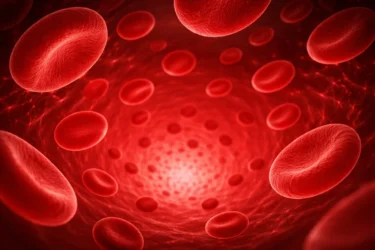
Amaranth leaves are a valuable source of iron, a vital mineral required for the production of red blood cells and for supporting cellular metabolism. To enhance the absorption of iron from plant-based sources like amaranth, it is recommended to consume them alongside a source of vitamin C, which helps in maximizing iron uptake in the body3. For example, adding a dash of lemon juice to cooked amaranth leaves or pairing the dish with a glass of orange juice can significantly improve iron absorption and help boost overall nutritional benefit.

Amaranth leaves are an excellent source of vitamin C, a powerful water-soluble antioxidant essential for maintaining overall health1. Having 100 grams of the leaves will meet 70% of your daily requirement for vitamin C. This vitamin is a water-soluble vitamin and helps in fighting off infections and in wound healing4. It also helps to reduce the effect of free radicals in the environment which cause ageing and many types of cancer.
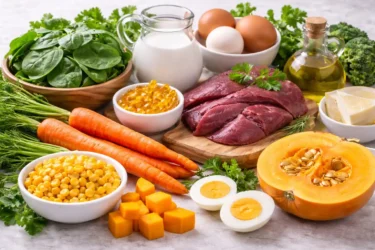
Amaranth leaves are rich in vitamin A and a cup of amaranth leaves may meet 97% of your daily requirement of vitamin A. They are also rich in flavonoid polyphenolic antioxidants like beta-carotene, zeaxanthin, and lutein which provide a protective layer against oxidative stress caused by free radicals. Vitamin A is also needed for healthy skin and proper vision1.
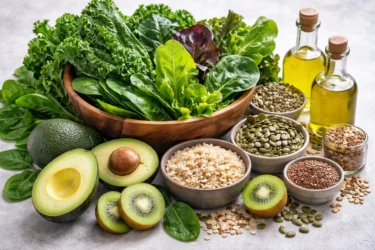
Amongst all the green leafy vegetables, amaranth leaves have the highest quantity of vitamin K. This vitamin is needed for bone health and also plays an important role in blood clotting. It promotes osteoblastic activity and strengthens bone mass. It is also beneficial for those who have Alzheimer’s disease as it controls the neural damage in the brain1.
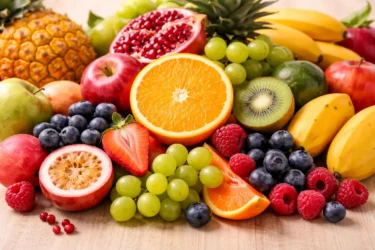
Amaranth leaves are rich in B vitamins, these include, folates, riboflavin, niacin, and thiamine. They help prevent birth defects in newborn babies and are needed for optimal mental and physical health1.
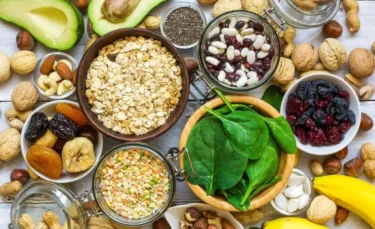
The leaves of this plant are rich in potassium, which supports cardiac health. Potassium is necessary to maintain a balanced cellular fluid environment. It also controls the heart rate in the human body1.

The seeds of the amaranth plant are used as a grain substitute and can be ground to be made into flour. This protein-rich flour is entirely gluten-free, so it is incredibly beneficial for those who have gluten intolerance5.
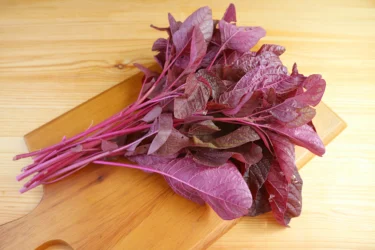
Amaranth leaves and seeds are excellent sources of plant-based protein, surpassing even oats in protein content1. Obtaining protein from plant sources is often considered a healthier alternative to animal-based proteins, as it typically involves lower levels of fat and cholesterol. The high protein content in amaranth leaves may also help in appetite regulation. Protein-rich foods contribute to a feeling of fullness by lowering insulin levels and promoting satiety, which can be beneficial for those aiming to manage their weight or reduce overall calorie intake.

Amaranth leaves have lysine, an essential amino acid that is needed for energy production and helps in the absorption of calcium. Lysine in amaranth may also promote hair growth and is beneficial to the skin. Those who have hair loss or greying may benefit significantly from eating amaranth leaves1.

Amaranth leaves are known to lower bad cholesterol, which are responsible for many cardiac problems6.

Amaranth leaves are rich in calcium and thus are beneficial for those who have osteoporosis and other bone health problems related to a deficiency of calcium7.

Amaranth leaves are often recommended for individuals recovering from illness or those observing fasts, as they are easy to digest. Amaranth leaves are also helpful in supporting digestive health such as in cases of diarrhoea and minor internal bleeding (haemorrhages). Regular consumption has been known to be associated with improved digestion and overall gastrointestinal well-being, making them a suitable addition to a diet focused on recovery and nourishment8.
Amaranth leaves are known by a variety of names across different cultures and regions. Some of the commonly used names include African spinach, callaloo, bush greens, Chinese spinach, Joseph’s coat, and golden grain of the Gods. The term “Amaranth” is derived from the Greek word amarantos, meaning “unfading”, a name that reflects the ancient belief of the plant’s enduring and resilient nature. This symbolism, along with its nutritional richness, has contributed to amaranth’s esteemed status throughout history10.
Dr. Siddharth Gupta, B.A.M.S, M.D (Ayu)
Also Read: Harad: Uses, Benefits, Side Effects, and More!
Amaranth leaves are highly versatile and feature in a variety of traditional dishes across India and other parts of the world. In India, the red variety of amaranth is most commonly used in cooking. It is often prepared by sautéing the leaves with spices, garlic, and onions, a dish popularly known as lal saag or chaulai saag. In some regions, the leaves are cooked with lentils and served with rice or roti, referred to as dal saag.In Andhra Pradesh, a well-known preparation is thotakura pappu, made by cooking amaranth leaves with moong dal or toor dal. Another regional variation includes a curry made with gram flour and amaranth leaves. In Kerala, the dish is known as cheera thoran, where the leaves are finely chopped and sautéed with grated coconut, chilies, curry leaves, and other traditional spices. In Tamil Nadu, the dish keerai masial is a simple and nutritious preparation served with steamed rice.
Beyond Indian cuisine, Amaranth is also enjoyed in other cultures. Fresh, tender leaves and shoots can be eaten raw in salads or consumed as a juice9. In China, amaranth is called yin-tsai and is used in a variety of soups and stir-fries. In Greece, the leaves are known as vleeta and are part of a dish called Vrasta Chorta, which includes dandelion, mustard greens, chicory greens, and is typically served with extra virgin olive oil and lemon juice.
Did you know? Amaranth leaves can be used as a food colouring agent. The common shades that are used are pink or red. Nowadays, the ‘amaranth’ food colouring agent is termed Red Dye No.2 and was banned in the United States in 197610.
Dr. Rajeev Singh, BAMS
Also Read: Incredible Health Benefits of Guava Fruit & Its Leaves
Amaranth leaves and grains are known as a superfood because they are beneficial for almost every organ of the body. Their mild, earthy flavour makes them easy to incorporate into everyday meals. whether stir-fried, combined with lentils, or prepared in traditional dishes. Rich in protein, calcium, iron, magnesium, zinc, copper, manganese, and essential vitamins, amaranth offers significantly more than many other leafy greens.
Notably, copper and manganese contribute to the body’s antioxidative defence, with copper also playing a vital role in the production of red blood cells. Zinc supports growth, immune function, and digestive health, making amaranth an excellent choice for overall nourishment.
Also Read: Curry Leaves (Kadi Patta): Uses, Benefits, Side Effects and More!
Disclaimer: The information provided here is for educational/awareness purposes only and is not intended to be a substitute for medical treatment by a healthcare professional and should not be relied upon to diagnose or treat any medical condition. The reader should consult a registered medical practitioner to determine the appropriateness of the information and before consuming any medication. PharmEasy does not provide any guarantee or warranty (express or implied) regarding the accuracy, adequacy, completeness, legality, reliability or usefulness of the information; and disclaims any liability arising thereof.
190
4
The current societal environment is marked by a changing perception of beauty, which can largely be attributed to advertising and media portrayals of an ‘ideal’ body type. This often pressurises vulnerable young people to fit into a ‘society-approved’ mould.
Losing weight and attaining an ideal body type feature prominently on most people’s to-do lists, whether as a New Year’s resolution or while planning for a big event or holidays. While maintaining a healthy weight is important for long-term health, the diet industry thrives on people’s desire for rapid weight loss, often promoting quick results over healthier approaches.
What we fail to realise is that extreme diets can pose many health risks. There are no true shortcuts to healthy weight loss, which is best achieved through a balanced diet, regular physical activity, and healthy lifestyle habits1.
In the quest to lose weight quickly and easily, most people tend to go on an extreme diet. This usually involves reducing their calorie intake substantially to lose a lot of weight in a short period, which essentially pushes the body beyond its healthy limits.
As a general guide, men typically need around 2500 calories a day and women about 2000 calories a day, depending on their age and activity levels. Individuals with obesity may be recommended a calorie-controlled diet to achieve a healthy weight, but this should be ideally planned under a doctor’s or dietitian’s supervision. Many dietitians advise gradual weight loss of about one or two pounds a week. Losing weight faster than this through dieting is generally considered extreme dieting2.
While extreme dieting may have the desired effect of rapid weight loss, it is often associated with many potential health risks due to severe calorie restriction and limited food variety. Extreme dieting may not be sustainable as it may lead to an increased risk of disordered eating behaviours like binge eating and an unhealthy relationship with food. If you are considering an extreme diet, you should ensure that you have a full understanding of the possible health risks and side effects of reducing calorie intake and restricting your food choices3.
In my experience and research, I advise against extreme dieting, especially for young individuals. In a study, it was found that self-led extreme dieting actually led to more weight gain over time. Instead, focus on adopting balanced and healthy eating habits to maintain a healthy weight in the long term.
Dr. Rajeev Singh, BAMS
Extreme diets yield extreme results but not always in the way you would like. They are more likely to make you feel fatigued, moody, nauseous, or irritable. They may also lead to electrolyte imbalance, reduced immunity, hair loss, and digestive issues like bloating and constipation4,6. In the long term, they can set you up for metabolism problems, rebound weight gain and life-threatening medical conditions. The following is a breakdown of the changes that happen in your body when you follow extreme diets like completely eliminating carbohydrates, following a liquid-only diet, or severely calorie-restricted diet.

The immediate ‘success’ of a crash diet is just an illusion, as any pounds that are lost most likely come from water rather than body fat. When on a restricted-calorie or carbohydrate intake, the first source of energy the body burns, long before fat, is glycogen. Glycogen, a form of carbohydrate stored in the liver and muscles, is bound to water, so its depletion leads to significant fluid loss. As a result, dehydration may occur, with symptoms like headache, fatigue, and dizziness7.

Since extreme diets may be associated with yo-yoing or gaining back all of the weight that was lost on a diet, they may contribute to insulin resistance and potentially type 2 diabetes8.

Malnutrition and extreme diets are deeply connected. Malnutrition can lead to the atrophy of muscles throughout the body, leading to muscle wasting. If weight loss is extremely fast, the muscles of the heart can atrophy. Extremely low-calorie liquid diets, for instance, have been linked to ventricular arrhythmias and death. A weakened heart is a serious problem that can be life-threatening2,9.

When one is following extreme diets, the body experiences a calorie deficit and energy levels drop, metabolism will naturally slow to conserve energy. This can stall weight loss and lead to the loss of muscle tone

In the case of extreme diets, severe diet restriction leads to many nutrient deficiencies such as carbohydrates, proteins, vitamins (especially vitamins A, D, E, and K) and minerals like calcium, phosphorus, and sodium. These are essential food groups, and their deficiency can cause numerous health conditions10.

Losing weight very quickly, especially by following extremely low-calorie diets, may lead to the release of more cholesterol into the bile and incomplete emptying of the gallbladder, both of which can increase the chances of developing gallstones11.

Severe reduction in calorie intake may affect the function of key hormones such as leptin, thyroid hormone (triiodothyronine or T3), testosterone, and oestrogen (estradiol), which are involved in appetite control, metabolism, and reproductive health. This may contribute to symptoms such as irregular periods, reduced fertility, low energy levels, and changes in mood5.
Severely restricted and long-term dieting or rapid weight loss can disturb the body’s natural hormone balance, which plays an important role in regulating the menstrual cycle. This makes the body reduce the hormone production needed for regular periods. As a result, menstrual cycles may become irregular, delayed, or stop completely for some time, leading to the absence of periods (amenorrhoea)5,12.
Following a restricted diet for a long timemay reduce the availability of calcium and vitamin D in the body, potentially leading to weakened bones and increasing fracture risk13.

According to research published in The Journal of Neuroscience, extreme diets or crash diets, even if they contain an adequate supply of carbohydrates, increase the levels of the stress hormone corticosterone in the brain, making it more susceptible to stress, increasing the risk of depression and potentially increasing the risk of future binge-eating behaviours14.
Based on what I’ve seen in adults, chronic dieting can lead to various symptoms such as constantly thinking about food, feeling easily distracted and irritable, experiencing fatigue, and having a tendency to overeat or even binge eat. The mechanism behind this is that restrictive dieting can put the body in a state of deprivation, leading to increased cravings and a heightened focus on food.
Dr. Siddharth Gupta, B.A.M.S, M.D (Ayu)
If you have been fasting for a long time or are on a low-calorie diet and experience the following symptoms, you should consult a doctor at the earliest:
While extreme diets may seem tempting because they promise fast results, they often place unnecessary stress on the body and can be difficult to sustain. In contrast, choosing a healthy approach to weight loss supports the body’s natural processes and reduces the risk of side effects such as weakness, nutrient deficiencies, and hormonal imbalance. A steady, well-planned approach seems to be the best way to lose weight as it helps the body adapt safely to changes in diet and activity.
Healthy weight loss focuses on balanced meals, regular physical activity, and realistic goals that fit into everyday life. This method helps preserve muscle, maintain energy levels, and support overall physical and mental wellbeing. Although progress may be slower, healthy weight loss is more sustainable and increases the chances of maintaining results in the long term.
Extreme diets may lead to quick weight loss, but they often place significant strain on the body and increase the risk of both short- and long-term health problems. A healthier approach that focuses on balanced nutrition, regular physical activity, and gradual weight loss is safer and more sustainable in the long term. If you are concerned about your weight or eating habits or need advice on how to safely diet and lose weight, seek guidance from a dietitian or doctor.
Disclaimer: The information provided here is for educational/awareness purposes only and is not intended to be a substitute for medical treatment by a healthcare professional and should not be relied upon to diagnose or treat any medical condition. The reader should consult a registered medical practitioner to determine the appropriateness of the information and before consuming any medication. PharmEasy does not provide any guarantee or warranty (express or implied) regarding the accuracy, adequacy, completeness, legality, reliability or usefulness of the information and disclaims any liability arising thereof.
Links and product recommendations in the information provided here are advertisements of third-party products available on the website. PharmEasy does not make any representation on the accuracy or suitability of such products/services. Advertisements do not influence the editorial decisions or content. The information in this blog is subject to change without notice. The authors and administrators reserve the right to modify, add, or remove content without notification. It is your responsibility to review this disclaimer regularly for any changes.
5
2
Only few things interrupt sleep or a workout as abruptly as a muscle cramp. A muscle cramp is a sudden, involuntary and often painful tightening of a muscle that can last from a few seconds to several minutes. While cramps are usually harmless and resolve on their own, they can be distressing, especially when they occur frequently1.
A balanced diet rich in fluids and key minerals supports normal muscle and nerve function, and may help reduce how often cramps occur in some people. Here we will discuss some evidence-based look food choices that may help with cramps. But first let’s see what causes them.
Although the exact cause of muscle cramps is not fully understood, factors commonly associated with them include dehydration, electrolyte imbalances (involving minerals such as potassium, magnesium, calcium and sodium), muscle fatigue, prolonged sitting or standing, nerve compression and reduced blood flow. Certain groups, such as older adults, pregnant women, athletes and people with conditions like diabetes, thyroid disorders or kidney disease, may experience cramps more often2.
Did you know?
Muscle contraction and relaxation depend on the coordinated movement of electrolytes (electrically charged minerals) across cell membranes3:
When any of these fall out of range, whether through heavy sweating, inadequate intake, illness or certain medicines such as diuretics, the risk of cramping may rise.
Owing to the presence of some essential nutrients needed for proper muscle function, the following food items may help avoid/ease muscle cramps:

A medium banana provides roughly 422 mg of potassium along with some magnesium and carbohydrates, which is one reason athletes often reach for them during matches. Adding a banana to breakfast cereal or eating one before exercise is a simple way to support daily potassium intake (the recommended adequate intake for adults is about 2320 mg for women and 3016 mg for men daily)4,5.

Watermelon is 92% per cent water and also supplies potassium, making it useful on two fronts: hydration and electrolyte intake. A couple of slices after outdoor activity in hot weather can help replace lost fluids. Muskmelon (cantaloupe) is similarly hydrating and potassium-rich6,7.
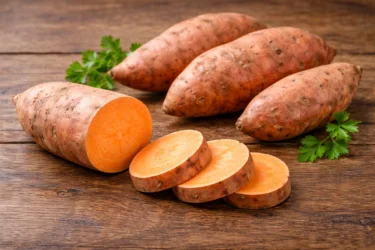
One large baked sweet potato with skin offers around 855 mg of potassium (roughly 25-30 per cent of an adult’s daily requirement) plus some magnesium and calcium. Enjoy them roasted, boiled, baked or mashed8,9.
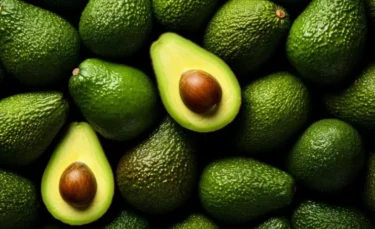
Avocados are among the most potassium-dense fruits, with a whole fruit providing roughly 975 mg, which is about twice that of a banana. They also contain magnesium. Try mashed avocado on toast or a sandwich in place of mayonnaise, or add slices to a salad. Because avocados are calorie-dense, moderation is sensible10.
About 975 milligram of potassium is present in one avocado that is twice as much as a sweet potato or a banana. Since it helps maintain your heart health and enables your muscles to function, potassium is believed to be essential. To cope with muscular cramps, add an avocado in mashed form to your breakfast sandwich instead of your go-to mayonnaise spread. You can even add a piece to your salad. Remember to consume in moderation as they are high in fat and calories24.
Dr. Siddharth Gupta, B.A.M.S, M.D (Ayu)

Calcium is central to muscle contraction, and dairy foods such as milk, curd (yogurt) and cheese are among its richest sources; 100 g of yogurt provides around 167 mg of calcium, plus fluids, sodium and potassium. Non-dairy options include ragi (finger millet), sesame seeds, almonds, leafy greens and small fish eaten with bones. Adults generally need about 1,000 mg of calcium daily11,12,13,14.
Also Read: 10 Foods for Strong & Healthy Bones
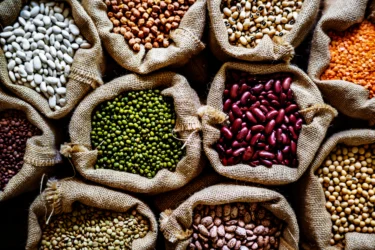
Dals, beans and chickpeas are good plant sources of magnesium. One cup of lentils provides roughly 90 mg of magnesium, while a cup of cooked black beans offers about 120 mg (adult requirements are around 310–420 mg per day). Legumes also supply fibre, which supports blood sugar management and heart health15,16.
Magnesium is abundant in legumes like beans and lentils. About 90 milligram of magnesium is present in one cup of lentils, whereas 120 milligram is present in one cup of cooked black beans. Additionally, they contain a lot of fibre, and studies have shown that fibre-rich meals may help manage blood sugar, reduce levels of ‘bad’ also known as LDL cholesterol, and reduce the occurrence as well as the intensity of period cramps25.
Dr. Rajeev Singh, BAMS
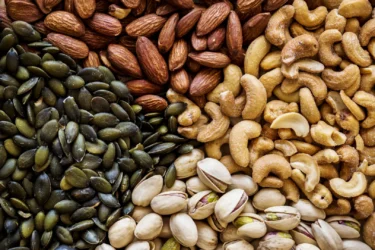
Almonds, cashews, pumpkin seeds and sunflower seeds are concentrated sources of magnesium; about 28 g (a small handful) of almonds provides roughly 77 mg. A handful as a snack, or seeds sprinkled over salads and curd, is an easy daily habit17,18.

Water remains the foundation: most adults should aim for adequate fluid intake through the day, and more during exercise, hot weather, fever, vomiting or diarrhea. Coconut water offers natural potassium, sodium and magnesium, making it a gentle rehydration option. Diluted lemon water with a pinch of salt, buttermilk (chaas), tomato juice and citrus juices are other fluid-and-electrolyte options. Urine that is pale yellow generally indicates good hydration19.

Dark chocolate (70 per cent cocoa or higher) supplies magnesium (roughly 252 mg per 100 g serving) along with antioxidant plant compounds called flavanols. A small square or two can contribute to magnesium intake, though it should not replace whole-food sources given its sugar and calorie content20.
Note: Nutrition alone cannot guarantee a cramp-free life, and research on diet and cramps is still evolving. It’s best to discuss with your doctor if you have persistent or frequent cramps as these may indicate the presence of some underlying health issues as well.

Occasional cramps are common and usually not a cause for concern. However, consult a doctor if cramps:
A doctor will check for the underlying causes, including electrolyte disturbances, circulation problems or medication effects, and advise whether any supplement is appropriate. Do not self-prescribe high-dose mineral supplements, as excess potassium or magnesium can be harmful, particularly for people with kidney disease1.
Also Read: Top High Protein Vegan Foods You Should Eat
Muscle cramps have many possible triggers, and diet is one piece of the puzzle. While no food can claim to cure cramps, a well-hydrated body and a diet that regularly includes potassium-, magnesium- and calcium-rich foods such as bananas, melons, sweet potatoes, avocados, dairy, legumes, nuts and seeds, along with adequate fluids, supports healthy muscle and nerve function and may help reduce the frequency of cramps. Pair good nutrition with regular stretching, sensible exercise habits and timely medical advice for persistent problems.
Also Read: Muscle Gain Diet: Best Foods, 7 Day Meal Plan & Nutrition Tips
Cramps are often linked with low levels of potassium, magnesium, calcium or sodium, as well as dehydration. However, many cramps occur without any deficiency, so persistent cramps should be evaluated by a doctor.
Bananas provide potassium and magnesium, which support normal muscle function, and are a convenient pre- or post-exercise snack. They contribute to prevention overtime rather than offering instant relief during a cramp.
Around 8 glasses (about 2–2.5 litres) a day suits most adults, with more needed during exercise, hot weather or illness. Pale yellow urine is a practical sign of adequate hydration.
Gently stretch the muscle (for a calf cramp, straighten the leg and pull your toes towards you), then massage it and apply a warm compress. Stretching the calves before bed may help reduce night cramps.
Not without medical advice. Evidence for supplements in cramp prevention is mixed, and excess minerals can be harmful, especially in kidney disease. Ask a doctor before starting any supplement.
See a doctor if cramps are frequent, severe, disturb sleep regularly, come with weakness or swelling, or started after a new medicine. These may point to an underlying condition needing evaluation.
1. Muscle Cramps. Accessed July 20, 2026. Available from: https://medlineplus.gov/musclecramps.html
2. How to prevent and treat muscle cramps. June 15, 2020. Accessed July 21, 2026. Available from: https://wexnermedical.osu.edu/our-stories/how-to-prevent-and-treat-muscle-cramps
3. Shrimanker I, Bhattarai S. Electrolytes. In: StatPearls. StatPearls Publishing; 2026. Accessed July 20, 2026. Available from: http://www.ncbi.nlm.nih.gov/books/NBK541123/
4. Bananas, raw – Nutrients – SR Legacy | USDA FoodData Central. Accessed July 20, 2026. Available from: https://fdc.nal.usda.gov/food-details/173944/nutrients
5. Potassium • The Nutrition Source. June 3, 2019. Accessed July 22, 2026. Available from: https://nutritionsource.hsph.harvard.edu/potassium/
6. Simon D. Watermelon Nutrition Facts and Benefits – Franklin County Center | N.C. Cooperative Extension. Franklin County Center. July 18, 2024. Accessed July 20, 2026. Available from: https://franklin.ces.ncsu.edu/news/watermelon-nutrition-facts-and-benefits/
7. Watermelon : Center for Agriculture, Food, and the Environment (CAFE) at UMass Amherst. Accessed July 22, 2026. Available from: https://www.umass.edu/agriculture-food-environment/nutrition/publications-resources/produce-spotlight/watermelon-0
8. Simon D. Nutritional Benefits of Sweetpotatoes – Franklin County Center | N.C. Cooperative Extension. Franklin County Center. May 8, 2025. Accessed July 20, 2026. Available from: https://franklin.ces.ncsu.edu/news/nutritional-benefits-of-sweetpotatoes/
9. Content – Health Encyclopedia – URochester Medicine. Accessed July 20, 2026. Available from: https://www.urmc.rochester.edu/encyclopedia/content?ContentTypeID=76&ContentID=11508-2
10. Avocados, raw, all commercial varieties – Nutrients – SR Legacy | USDA FoodData Central. Accessed July 20, 2026. Available from: https://fdc.nal.usda.gov/food-details/171705/nutrients
11. Anitha S, Givens DI, Botha R, et al. Calcium from Finger Millet—A Systematic Review and Meta-Analysis on Calcium Retention, Bone Resorption, and In Vitro Bioavailability. Sustainability. 2021;13(16):8677. doi:10.3390/su13168677 Available from: https://www.researchgate.net/publication/354353188_Calcium_from_Finger_Millet-A_Systematic_Review_and_Meta Analysis_on_Calcium_Retention_Bone_Resorption_and_In_Vitro_Bioavailability
12. Hendley J. Calcium-rich foods: How to boost your intake of this important mineral. Harvard Health. February 4, 2025. Accessed July 20, 2026. Available from: https://www.health.harvard.edu/diet-and-nutrition/calcium-rich-foods-how-to-boost-your-intake-of-this-important-mineral
13. Branch NSC and O. Calcium and Vitamin D: Important for Bone Health. National Institute of Arthritis and Musculoskeletal and Skin Diseases. May 5, 2023. Accessed July 20, 2026. Available from: https://www.niams.nih.gov/health-topics/calcium-and-vitamin-d-important-bone-health
14. Yogurt, plain, nonfat – Nutrients – Foundation | USDA FoodData Central. Accessed July 22, 2026. Available from: https://fdc.nal.usda.gov/food-details/2647437/nutrients
15. Beans, black, mature seeds, cooked, boiled, without salt – Nutrients – SR Legacy | USDA FoodData Central. Accessed July 20, 2026. Available from: https://fdc.nal.usda.gov/food-details/173735/nutrients
16. Lentils, raw – Nutrients – SR Legacy | USDA FoodData Central. Accessed July 20, 2026. Available from: https://fdc.nal.usda.gov/food-details/172420/nutrients
17. Seeds, pumpkin seeds (pepitas), raw – Nutrients – Foundation | USDA FoodData Central. Accessed July 20, 2026. Available from: https://fdc.nal.usda.gov/food-details/2515380/nutrients
18. Nuts, almonds, dry roasted, with salt added – Nutrients – Foundation | USDA FoodData Central. Accessed July 20, 2026. Available from: https://fdc.nal.usda.gov/food-details/323294/nutrients
19. Coconut Water -Properties, Uses, Nutritional Benefits in Health and Wealth and in Health and Disease: A Review. Accessed July 20, 2026. Available from: https://www.academia.edu/30536202/Coconut_Water_Properties_Uses_Nutritional_Benefits_in_Health_and_Wealth_and_in_Health_and_Disease_A_Review
20. Cinquanta L, Di Cesare C, Manoni R, Piano A, Roberti P, Salvatori G. Mineral essential elements for nutrition in different chocolate products. Int J Food Sci Nutr. 2016;67(7):773-778. doi:10.1080/09637486.2016.1199664 Available from: https://pubmed.ncbi.nlm.nih.gov/27346251/
21. How to get rid of muscle cramps in your legs. Harvard Health. April 3, 2021. Accessed July 21, 2026. Available from: https://www.health.harvard.edu/pain/how-to-get-rid-of-muscle-cramps-in-your-legs
22. When do you need to add electrolytes to your exercise? May 10, 2024. Accessed July 21, 2026. Available from: https://health.osu.edu/wellness/exercise-and-nutrition/hydration-and-electrolytes
23. I Have Leg Cramps At Night—Am I Normal? | University of Utah Health. December 20, 2018. Accessed July 21, 2026. Available from: https://healthcare.utah.edu/the-scope/health-library/all/2023/07/i-have-leg-cramps-night-am-i-normal
24. Bergh B. The avocado and human nutrition. I. Some human health aspects of the avocado. In: Proceedings of the Second World Avocado Congress; 1992 Apr 21–26; Orange, California, USA. Riverside (CA): University of California; 1992. p. 25-35. Available from: https://www.avocadosource.com/WAC2/WAC2_p025.pdf
25. Sankara Rao DS, Doesthale YG. Mineral composition of four Indian food legumes. J Food Sci. 1981;46(6):1962-1963. doi:10.1111/j.1365-2621.1981.tb04534.x. Available from: https://ift.onlinelibrary.wiley.com/doi/abs/10.1111/j.1365-2621.1981.tb04534.x
Disclaimer: The information provided here is for educational/awareness purposes only and is not intended to be a substitute for medical treatment by a healthcare professional and should not be relied upon to diagnose or treat any medical condition. The reader should consult a registered medical practitioner to determine the appropriateness of the information and before consuming any medication. PharmEasy does not provide any guarantee or warranty (express or implied) regarding the accuracy, adequacy, completeness, legality, reliability or usefulness of the information; and disclaims any liability arising thereof.
Links and product recommendations in the information provided here are advertisements of third-party products available on the website. PharmEasy does not make any representation on the accuracy or suitability of such products/services. Advertisements do not influence the editorial decisions or content. The information in this blog is subject to change without notice. The authors and administrators reserve the right to modify, add, or remove content without notification. It is your responsibility to review this disclaimer regularly for any changes.
65
4
Leafy greens contain a healthy mix of vitamins, minerals, protein, antioxidants, and other nutrients. Regular consumption of greens such as spinach, kale, and coriander may help support heart health, regulate blood sugar levels, strengthen the immune system, and promote cell growth and repair. Including a variety of leafy greens in your daily diet is a simple yet effective way to enhance overall well-being1.
Spinach (palak) is rich in iron and fiber, low in fat and cholesterol. Studies1 have shown that spinach may help with digestion, improve eye health, boost energy levels, strengthen bones, and even lower blood sugar and pressure. As a part of every world cuisine, it is the most common green leafy vegetable found in India.
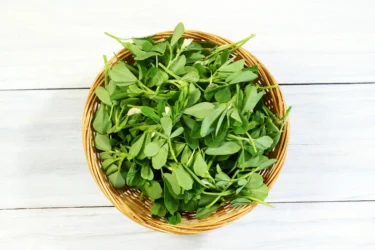
Fenugreek (methi) leaves are known to improve blood sugar control, insulin levels, and metabolism2. In Indian food, it is used extensively in rotis and curries.
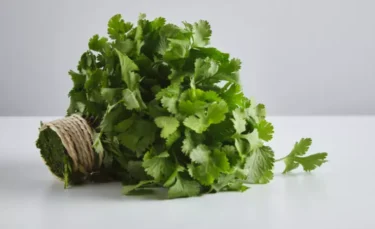
Parsley is packed with vitamins A and C. It offers several health benefits, such as reducing inflammation and pain, helping with digestion, controlling blood sugar, and boosting the immune system. Studies3 also show that it may be beneficial in reducing anxiety and depression.
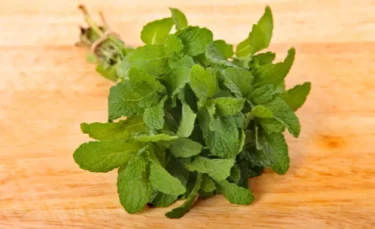
Besides freshening our palate, mint (pudina) helps with weight loss, depression, nausea, asthma, and skin problems. It also has several other benefits, like improving brain function, reducing pain during breastfeeding, and helping reduce symptoms of common cold1.
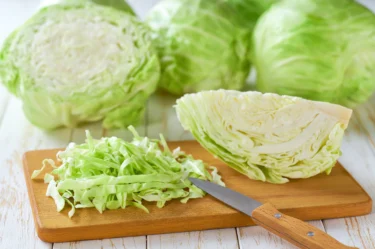
Cabbage is richer in vitamin C than oranges. Cabbage can help with skin problems due to its healing and anti-inflammatory properties. Nutrients present in cabbage may also help reduce cholesterol, improve digestion, and lower blood pressure4. Therefore, cabbage is often considered a great leafy green vegetable that helps to maintain a healthy heart.
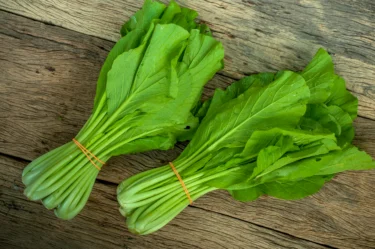
Regular consumption of these ensures blood and liver detoxification, lowering cholesterol, and improving skin and eye health1.
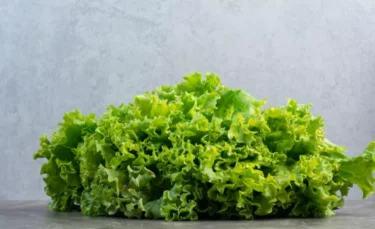
Lettuce is rich in essential vitamins, nutrients, and minerals that lower blood sugar, protect neural health, and fight cancer cells5.

Curry leaves (kadhipatta) can be beneficial for stomach ailments, diabetes, and to balance cholesterol. Studies6 have shown that curry leaf extract may help kill breast tumor cells by reducing cell growth and harmful effects in the body.
It improves cardiovascular health, strengthens bones, and stops hair loss1.
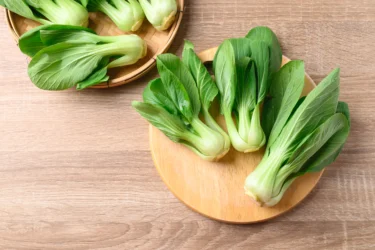
Bok choy is known as Chinese cabbage or pak choi, bok choy is a nutrient-rich cruciferous vegetable. It’s an excellent source of vitamins and minerals, including vitamin C, vitamin K, and folate. One of its key components is selenium, a trace mineral that supports the immune system and helps protect the body from oxidative stress and infection. With its mild flavor and crisp texture, bok choy is a versatile and healthy addition to a balanced diet4.
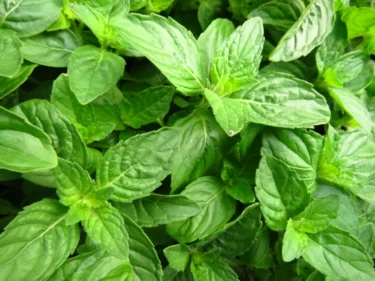
In Indian traditional medicine, basil (tulsi) leaf extracts have been used to manage conditions like bronchitis, rheumatism, and fever. Other known therapeutic uses include managing nerve pain, headaches, reducing blood pressure, and regulating blood sugar levels7. There are different types of basil leaves, like sweet, Greek, Thai, holy, cinnamon, and lettuce basil, each with its unique set of health benefits.

Green onions are rich in essential minerals like potassium, calcium, magnesium, and phosphorus, which support nerve function, muscle contraction, bone health, and blood pressure regulation8.

Collard greens contain properties that may offer various health benefits. These include supporting the body’s natural detoxification processes, helping to lower blood pressure, and potentially reducing the risk of certain conditions such as cancer, arthritis, and muscular dystrophy5.
Kale is a healthy addition to smoothies and salads. It may help prevent cancer metastasis, support detoxification, enhance heart function, and contribute to healthy brain development4.

Beet leaves are known for their analgesic properties. It may help improve digestion, clears acne, increases appetite, and promote oral health. It also has various other antiseptic and antioxidant benefits5.
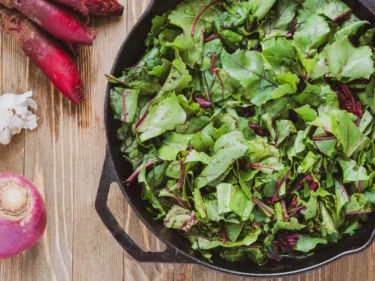
Beet greens promote healthy bones, teeth, skin, and blood vessels. They improve vision, power up the immune system, and maintain cellular health4.

Watercress is a nutrient rich leafy green that is linked to a lower risk of heart disease, metabolic disorders, muscle and bone problems, and some cancers4.
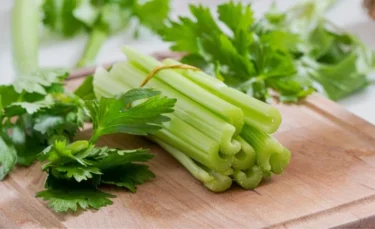
Celery may improve cardiovascular health, reduces blood pressure, decreases cholesterol, regulates blood sugar, and boosts digestion and weight loss9.
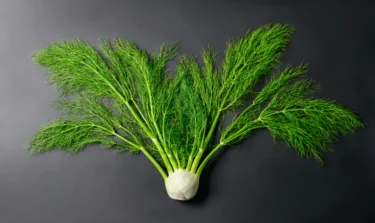
Apart from enhancing the flavor of the food, fennel offers many health benefits. Studies10 have shown that it helps reduce hot flashes, vaginal itching and dryness, and sleep.
Coriander (cilantro) has more benefits than just enhancing the taste of food. It improves digestion, reduces cholesterol, keeps the urinary tract healthy, promotes better sleep, relieves anxiety, and lowers blood sugar levels11.
Also Read: Moringa Leaves – Health Benefits That You Should Know
While most people may not love leafy green vegetables such as those on this list, they are in fact extremely nutritious. Most of these leafy green vegetables are cultivated year-round, which means that they would be available at your nearest grocery market. This makes it easy to include them in your regular diet. With their many health benefits, these 20 leafy greens can be a smart and healthy addition to your everyday meals.
Also Read: 8 Unknown Benefits of Mango Leaves
Disclaimer: The information provided here is for educational/awareness purposes only and is not intended to be a substitute for medical treatment by a healthcare professional and should not be relied upon to diagnose or treat any medical condition. The reader should consult a registered medical practitioner to determine the appropriateness of the information and before consuming any medication. PharmEasy does not provide any guarantee or warranty (express or implied) regarding the accuracy, adequacy, completeness, legality, reliability or usefulness of the information; and disclaims any liability arising thereof.
124
44


