
You might have heard your grandmother or other elderly family members rave about how good amla may be for your health. It is mentioned as a remedy for so many ailments in folk medicine that it almost feels like a myth. You might even doubt its real medical potential. But it may be true! Amla may be considered as a wonder herb and might be used for treating many problems. It may be regarded as a precious gift of mother nature to human health. Isn’t it astonishing to know that one herb might have numerous applications? Ancient Indian mythology seems to have similar beliefs it is believed that amla was the first tree to be created in the universe1.
Amla or Indian gooseberry is known as Embelica officinalis scientifically. It is native to India and can also be found in Sri Lanka, Southeast Asia, Pakistan, China, Uzbekistan and Malaysia, which are tropical and subtropical regions. There is wide use of amla in Ayurveda to treat many conditions as it is rich in various vitamins and minerals. Besides the fruit, the seeds, bark and leaves may also be used for multiple purposes1.
Amla is a good source of vitamin C and is also known for its high fibre content. There are other bioactive components present in amla too1. The nutrient profile of amla is as follows:
Nutritional profile of amla juice2
From my knowledge, as a matter of fact, amla contains phytonutrients and antioxidants that are believed to help with memory by combating free radicals, that are known to assault and destroy brain cells. I strongly recommend the consumption of amla juice in moderation for maximum benefits4.
Dr. Siddharth Gupta, B.A.M.S, M.D (Ayu)
Amla may have many properties. Some of the potential properties of amla juice are stated below:

It is hypothesised that oxidative stress might cause heart diseases to occur. In animal studies, it was found that amla juice might help lower the level of reactive oxygen species in the body and may help decrease oxidative stress, thereby it may be helpful for heart diseases. As the elements which might cause heart diseases might be potentially removed, it might be helpful for heart health. However, there is a need for studies on humans to state it as a fact1. Disease of the heart should be diagnosed and treated by a doctor, so ensure that you consult a doctor.

Amla has a high vitamin C content, which might contribute to its anti-diabetic property. Studies have shown that amla juice might have the potential to reduce blood sugar and it may promote the production of insulin. However, in animal studies, a herbal composition containing amla and other compounds like Guduchi (Tinospora cardifolia) and fenugreek (Trigonella foenum) did not cause much lowering of blood sugar. The use of other herbal preparations also showed only a small reduction in blood sugar levels. Therefore, though there are studies that might prove amla’s effectiveness in lowering blood sugar, the results are not consistent. So, there is a need for more human studies1. Diabetes is a serious condition and should be diagnosed and treated by a doctor. Kindly consult a doctor.

Amla juice might be helpful for cancers and might help to stop it from growing and spreading. It might have the potential to curb the growth of cancer cells in various cancers such as that of the breast, stomach, liver, uterus, and pancreas. It might help the cells against the harmful effects of chemotherapy and radiation therapy, owing to its potential antioxidant and radioprotective (protects our cells from harmful radiation) activity. Amla might be a valuable tool for cancer treatment in the future1. However, extensive research is required to prove the above-mentioned claims. Therefore, you should consult a doctor.

As amla is a natural source of vitamin C and contains a few components like gallic acid which might exhibit antioxidant properties. Owing to this property, amla might act as a scavenger for free radicals in the body and neutralise them, which might potentially cause a reduction of oxidative stress. Oxidative stress is a cause of many diseases. The potential use of amla for conditions that result due to increased oxidative stress (like diabetes, cancer, etc.) may be attributed to its antioxidant activity. Amla may also help with redox homeostasis i.e., the capacity of cells to deal with stress and toxic substances1. However, more research is required to state the potential use of amla juice for oxidative stress.

Amla might play a role in reducing blood cholesterol levels. It might potentially act in different ways:
These actions might be why consumption of amla may show a decrease in blood cholesterol, triglyceride and LDL (Low-Density Lipoprotein) levels1. However, more research is required to ascertain the potential use of amla juice for cholesterol. Please consult a doctor before using amla juice for its potential health uses.

Apparently, amla might give strength to the body and energise it. It might help with various infections and diseases. These are the factors that might contribute to the possible anti-ageing effect of amla. Amla may also have potential use for hair and skin health. Thus, amla might have some effect on youthfulness, staying healthy and full of energy1. However, more research is required to prove these claims.

Amla might help the liver from getting damaged by certain toxic substances. The possible liver-protective action of amla may be due to its action as an antioxidant as it may nullify free radicals that might cause inflammation. Animal studies have shown that amla juice might help the liver from getting damaged due to alcohol consumption. It may also help with the severity of liver fibrosis (hepatic fibrosis) caused by toxic substances. In addition to these effects, amla might also help in the proper functioning of the liver1.
However, more studies are required to prove such claims. Moreover, liver diseases can be serious and should be diagnosed and treated by a doctor. Kindly consult a doctor.

There are various other potential uses of amla juice. Some of them are:
Though there are studies that show the potential use of amla juice in various conditions, but these are insufficient and there is a need of further studies to establish the true extent of benefits of amla juice on human health.
Studies have revealed that amla’s high Vitamin C content may aid in the production of norepinephrine, a neurotransmitter which is thought to boost brain function in dementia patients. I suggest one dealing with dementia should consider consuming amla juice after discussing with their doctor4.
Dr. Rajeev Singh, BAMS
Amla juice is easily available in the market. Alternatively, you can extract fresh juice from the fruits of amla to reap maximum antioxidant benefit from it. However, a doctor must be consulted for use as a medicine for specific conditions. Your Ayurvedic physician will prescribe you the form and dosage as per your health condition.
You must consult a qualified doctor before taking any herbal supplements. Do not discontinue or replace an ongoing treatment of modern medicine with an ayurvedic/herbal preparation without consulting a qualified doctor.
There are no credible sources claiming the specific side effects of amla juice. However, if you notice any allergic reactions or other symptoms occurring because of consuming it, please seek medical advice. Though there have been no reports of anaphylaxis, in case you notice a swelling of the face, throat or any other body part and have trouble in breathing, it may be due to an acute allergic reaction called anaphylaxis.
You should immediately contact an ambulance and go to a doctor if you are ever in such a condition. Kindly do not self-medicate, replace, alter or discontinue any ongoing treatment on your own. Ensure that you consult a doctor.
Also Read: Blueberries: Uses, Benefits, Side Effects, And More!
General precautions need to be taken before drinking amla juice. You should follow the dosage and way of use as recommended by your doctor. However, you need to be more precautious if:
Ensure that you follow your doctor’s prescription and recommendations. Do not self-medicate, replace, alter or discontinue any ongoing treatment by yourself.
Also Read: Curry Leaves: Uses, Benefits, Side Effects and More!
Adverse reaction of amla juice with any other drug has not been reported. However, it may react with a few medications. So, make sure that you disclose all the medicines that have been prescribed to you for use when you consult an Ayurvedic physician. They will tailor their prescription to suit your health needs.
Also Read: Tamarind: Uses, Benefits, Side Effects and More!
Amla juice might be helpful for jaundice. Amla juice made along with munnakkas might be prescribed by your Ayurvedic physician as it is known to be beneficial for jaundice1. However, the choice of treatment is at the discretion of your doctor basis your consultation with them.
Amla juice might be helpful in the treatment of diseases. Amla juice is used widely to have potential uses for a range of diseases like diabetes, scurvy, cold, cough, ulcers, etc1. However, more research is required to prove such claims.
Amla juice might help with the symptoms of dysentery. Amla juice made by adding lemon juice and mishri can help with dysentery1. However, more research is required to prove the potential use of amla juice for dysentery. Moreover, you should consult a doctor before using amla juice as a medicine for human health.
Amla juice might be helpful for anaemia. It might help to absorb iron, which may be helpful for iron deficiency anaemia1. There is a need for more research on this subject. Please consult a doctor who will diagnose if you have anaemia and treat it. Do not self-medicate.
Amla juice might be good for hair as it might help with hair growth and may stop premature greying of hair1. However, more research is required on this subject.
Amla juice might help with piles1. However, more research is required to prove such claims. Piles can be a serious problem, so ensure that you consult a doctor. Kindly do not self-medicate, replace, alter or discontinue any ongoing treatment.
Disclaimer: The information provided here is for educational/awareness purposes only and is not intended to be a substitute for medical treatment by a healthcare professional and should not be relied upon to diagnose or treat any medical condition. The reader should consult a registered medical practitioner to determine the appropriateness of the information and before consuming any medication. PharmEasy does not provide any guarantee or warranty (express or implied) regarding the accuracy, adequacy, completeness, legality, reliability or usefulness of the information; and disclaims any liability arising thereof.
Links and product recommendations in the information provided here are advertisements of third-party products available on the website. PharmEasy does not make any representation on the accuracy or suitability of such products/services. Advertisements do not influence the editorial decisions or content. The information in this blog is subject to change without notice. The authors and administrators reserve the right to modify, add, or remove content without notification. It is your responsibility to review this disclaimer regularly for any changes.
 1
1
 1
1
You may have come across plant that looks prickly on the outside but contains a soft gel-like substance within. This plant is known as Aloe vera.
Aloe vera is a succulent plant that resembles a cactus1. It primarily grows in dry regions of Africa, America, Europe and Asia. In India, it is commonly cultivated in states such as Rajasthan, Gujarat, Andhra Pradesh, Tamil Nadu, and Maharashtra2.
The scientific name of aloe vera is Aloe barbadensis miller and it belongs to the Liliaceae family. Its leaves are fleshy with tiny thorns at the edges. While its flowers are like tubes and its fruits have lots of seeds.
Aloe vera has been valued in various cultures for centuries, particularly in the context of skincare and general wellness practices. Ancient Greek scholars referred to it as a “universal remedy”, and it has reportedly been used by notable historical figures such as Queen Cleopatra, Alexander the Great, and Christopher Columbus2.
The part of aloe vera that is most commonly used in aloe vera juice is its leaf. Each aloe vera leaf has three parts2:
The nutritional composition of 100g Aloe vera juice is as follows3:
The aloe vera plant has many medicinal properties. Some studies suggest that aloe vera gel might help in wound healing. It is believed that this gel help enhance collagen production, influence the composition of collagen, and support improved cross-linking of collagen fibres, all of which are important aspects of tissue repair12.
Dr. Siddharth Gupta, B.A.M.S, M.D (Ayu)
Aloe vera juice is made from the clear gel inside the plant’s leaves and contains naturally occurring active components. Often consumed in summer, it is traditionally used in various cultures and is being studied for its potential role in hydration, digestive comfort, and as a source of certain vitamins and antioxidants. However, any health-related use should be discussed with a qualified medical professional, as therapeutic claims require proper scientific validation.

Aloe vera has been used traditionally for the treatment of diabetes since a long time in different parts of the world. Studies done in animals and even on humans have shown that aloe vera might have a positive effect on the blood sugar level. In some studies4, aloe vera gel was administered alone, while in some studies it was mixed with a medicine prescribed for diabetes. All of them showed that the consumption of aloe vera might help in lowering blood glucose levels. This may indicate that aloe vera might be helpful for diabetes. However, further studies are needed to ascertain such claims. Moreover, diabetes is a serious condition and must be diagnosed and treated by a doctor. Kindly ensure that you consult a doctor.

Aloe vera gel might help in lowering cholesterol and triglycerides. In a clinical trial4 it was seen that the administration aloe vera gel leaf extract might apparently lower the serum cholesterol and other fats (triglycerides and low-density lipoproteins). Additionally, it has been proposed that the combined effects on blood sugar and cholesterol might potentially reduce the risk of heart disease in individuals with diabetes. However, further research in humans is needed to confirm these findings. Therefore, it is important to consult a qualified healthcare professional before using aloe vera for these purposes.

Aloe era contains bioactive compounds called anthraquinone glycosides, which may contribute to its laxative effects by promoting bowel movements. One study5 found that a preparation containing Aloe vera could potentially alleviate symptoms associated with chronic constipation. However, further research is needed to substantiate these claims. However, more studies are required to prove such claims.

Aloe vera has been studied for its potential role in supporting gastrointestinal health. Some early research6 suggests it may have a soothing effect on the stomach lining and could be explored for its possible benefits in conditions such as gastric ulcers and inflammatory bowel concerns7. Many studies have been conducted to prove the use of aloe vera gel in the form of juice for ulcerative colitis, and irritable bowel syndrome (IBS), but the results were not consistent5. There is a need for more research as significant proof for using aloe vera to treat stomach problems and you must consult your doctor before using aloe vera for your stomach problems.

Aloe vera juice might help in keeping the skin hydrated. As dehydration causes increased oil production from our skin leading to an acne breakout, aloe vera gel might help with such acne by keeping the skin moist and hydrated. Therefore, consuming aloe vera gel might be helpful for skin health and might give supple and wrinkle-free skin8. However, more research is required to prove such claims.

In a study9 done on sheep, aloe vera juice was orally fed to the sheep. Following this, hair growth was seen in areas on the sheep that were losing hair because of a condition known as alopecia. It was hypothesised that this activity may be due to the enzymes, mucopolysaccharides, and anthranols present in aloe vera plant and may be an indicator that aloe vera might have potential hair growth action. However, there is a need for further studies in humans to understand the effectiveness of aloe vera for hair growth.

Aloe vera juice has been studied10 in laboratory settings to explore its potential role in weight management. The research focused on its effect on pancreatic enzymes, which are involved in the absorption of fats in the intestine. Findings from these studies suggest that Aloe vera juice may help reduce the activity of these enzymes, and may also contribute to lowering levels of fats, triglycerides, and cholesterol. You must consult your nutritionist and do not make any changes in your diet on your own.

Aloe vera juice has been explored in preliminary studies5 for its potential effects on various health conditions. These include concerns such as congestive heart failure, varicose veins, haemorrhoids (piles), multiple sclerosis, glaucoma, and hepatitis.
Though there are studies that show the potential use of aloe vera juice in various conditions, these are insufficient and there is a need for further studies to establish the true extent of the benefits of aloe vera juice on human health.
Aloe vera possesses properties like anti-inflammatory, antiviral, and immunomodulatory. These properties might be beneficial in managing certain dental diseases like lichen planus, oral submucosal fibrosis, alveolar osteitis, periodontitis, and recurrent aphthous stomatitis13.
Dr. Rajeev Singh, BAMS
Aloe vera is is commercially available in the form of juice for consumption. It can also be prepared at home by carefully extracting the clear gel from the inner part of the leaves and blending it with water. Flavouring agents such as lemon, honey, or a small amount of salt may be added according to personal preference. However, before consuming Aloe vera juice, it is advisable to consult a qualified Ayurvedic physician. They can provide guidance on the appropriate method of preparation and dosage based on your individual health needs and body constitution. Always follow your doctor’s advice to ensure safe and effective use.
You must consult a doctor before taking any herbal supplements. Do not discontinue or replace an ongoing treatment of modern medicine with an ayurvedic/herbal preparation without consulting a qualified doctor.
There might be a few side effects seen with the use of aloe vera1. The most common side effects that you might experience include2:
If you experience any side effects, seek immediate medical attention from your doctors who have prescribed it to you. They will be the best guide to provide you with proper treatment.
Also Read: Orange Juice: Uses, Benefits, Side Effects, and More!
For those considering Aloe vera juice for medicinal purposes, it is important to consult a qualified Ayurvedic physician or healthcare professional. However, it is not to be used in following circumstances2:
Also Read: Watermelon Juice: Uses, Benefits, Side Effects and More!
Before using Aloe vera juice, it is important to provide your Ayurvedic physician with complete details about your medical history and any medications you are currently taking. This helps ensure that appropriate precautions are taken, as Aloe vera may interact with certain medicines:
Also Read: Wheatgrass Juice: Uses, Benefits, Side Effects and More!
There is not enough evidence that supports the use of aloe vera juice for pregnant women and due to possible side effects, one must consult a doctor before using aloe vera juice during pregnancy.
An animal study9 has shown that aloe vera when taken orally might help with hair growth. Therefore, aloe vera juice may be good for hair growth but there is a need for further studies on humans to be certain.
No. There are no reports or scientific backing regarding the use of aloe vera juice for better eyesight. More evidence is required in the form of research to prove this benefit.
A study11 has shown that aloe vera juice might help in lowering blood sugar and it might also cause a lowering of cholesterol, triglyceride and low-density lipoproteins (LDL), which together might be helpful for people with diabetes and it may also reduce the risk of heart diseases in them. However, more research is required. Kindly ensure that you consult a doctor.
No. There is not enough evidence to prove that aloe vera juice can lower blood pressure.
Red urine is one of the side effects of aloe vera juice consumption. Consult a physician for appropriate medical advice.
Although the use of aloe vera juice for Alzheimer’s disease has been found in literature, there is a lack of enough evidence to support this benefit.
The use of aloe vera juice for various conditions like varicose veins, hepatitis, and depression have been stated, but there is no scientific evidence to these claims. So, the use of aloe vera juice for these conditions cannot be confirmed.
Aloe vera juice has been studied10 for its potential role in weight management. Some preliminary research suggests that it may influence the activity of certain pancreatic enzymes, possibly leading to reduced absorption of fats and calories. As a result, Aloe vera juice is being explored as a potential supportive agent in weight management. Therefore, aloe vera juice might be a potential weight loss agent. However, due to insufficient evidence such effects cannot be confirmed and requires a consultation with a doctor.
Drinking aloe vera juice is believed to offer several potential health benefits, as it contains naturally occurring compounds that may support general wellness. It is being explored for its possible role in weight management, hair care, blood sugar regulation, cholesterol balance, and skin health. However, more research is required to prove such claims and a doctor may be able to advise better on using aloe vera in the correct dosage and form to benefit for different conditions.
Disclaimer: The information provided here is for educational/awareness purposes only and is not intended to be a substitute for medical treatment by a healthcare professional and should not be relied upon to diagnose or treat any medical condition. The reader should consult a registered medical practitioner to determine the appropriateness of the information and before consuming any medication. PharmEasy does not provide any guarantee or warranty (express or implied) regarding the accuracy, adequacy, completeness, legality, reliability or usefulness of the information; and disclaims any liability arising thereof.
Links and product recommendations in the information provided here are advertisements of third-party products available on the website. PharmEasy does not make any representation on the accuracy or suitability of such products/services. Advertisements do not influence the editorial decisions or content. The information in this blog is subject to change without notice. The authors and administrators reserve the right to modify, add, or remove content without notification. It is your responsibility to review this disclaimer regularly for any changes.
10
3
Lychee isn’t just a sweet and juicy tropical delight. It’s a powerhouse of nutrients with many health benefits! Whether you want glowing skin, a strong immune system, or better digestion, this fruit will help you. In this blog, we’ll read about its amazing uses, health perks, and a few things to watch out for so you can enjoy lychee to the fullest!
Friendly Reminder: The information shared here is for educational purposes only and the reader should consult a registered medical practitioner before implementing any changes to their health routine.
The uses of lychee can be attributed to its nutrients like polyphenols and polysaccharides, which may possess many health benefits.

High blood pressure and atherosclerosis (build-up of fats in the blood vessels) are some common conditions related to heart problems that affect people in their middle and old age. Eating lychee pulp might help relieve atherosclerosis and high blood pressure. The phenolic compounds in lychee pulp may help reduce blood pressure by stopping an angiotensin-converting enzyme. This enzyme is responsible for modulating blood pressure[1].
In animal studies, Lychee pulp could reduce low-density lipoprotein cholesterol (bad cholesterol) and enhance high-density lipoprotein cholesterol (good cholesterol) levels. However, you should consult your healthcare provider if you have a heart condition.

Lychee might show brain-protective benefits, as indicated by several lab studies[1]. Lychee seed extract could help with Alzheimer’s disease due to its potential effect on brain damage in an animal trial. The saponin compounds in lychee seed extract may also improve cognitive functions[7]. Lychee seed extract might help with Alzheimer’s[4], but more studies are needed to verify the safety and toxicological aspects. Also, if you are facing problems related to brain functions, please reach out to your doctor.
Lychee seed extract might be helpful for obesity[1]. Obesity can also lead to high lipid levels in the blood and make you prone to other health risks. Lychee pulp extract could also help control obesity during a trial[3]. The pancreatic lipase enzyme is an enzyme that helps digest fats. Stopping the pancreatic lipase enzyme may help with managing obesity. Lychee seed extract contains a protein that could hinder pancreatic lipase enzymes. However, if you wish to lose or manage weight, consulting a dietician or doctor before making any diet changes is recommended.

The liver is an essential organ responsible for detoxification and regulation of the metabolism of nutrients. Polyphenols present in lychee extract may reduce the extent of liver damage[2]. Long-term and excessive usage of alcohol can lead to the accumulation of fats. Polyphenols might also prevent alcoholic fatty liver disease[6], characterised by excessive accumulation of fats in the liver. However, if you have any liver problems, consulting a doctor before consuming any fruit or herb is recommended as using herbal remedies without consulting your doctor may worsen your condition.

Immunity is an essential physiological function of the human body. Our immunity protects the body from pathogens and maintains overall health. Compounds like polysaccharides and flavonoids present in lychee may have immunomodulatory benefits. Both dried and fresh fruits of lychee may modify the functioning of the immune system[1].

Excessive production of free radicals in the body can lead to conditions like atherosclerosis and cancer. Antioxidants can protect the body from free radicals and may help prevent the development of chronic diseases. Lychee contains polyphenols and polysaccharides in abundance[2]. These compounds possess potent antioxidant activity, which may help with the damage caused by free radicals[1]. However, these studies are incomplete in confirming these claims.
Lychee is a sweet fruit that can be enjoyed fresh. It is also available in the form of juices and dried fruits.
You must consult a doctor before taking lychee or any herbal supplements. Do not discontinue or replace an ongoing medicine treatment with an ayurvedic/herbal preparation without consulting a competent doctor.
Consuming lychee in excessive amounts may lead to side effects, but in rare cases. Some people may develop adverse reactions like:
If you notice these side effects, contact your doctor for treatment.
Also Read: Jowar: Uses, Benefits, Side Effects By Dr. Smita Barode
Lychee is known to lower blood glucose levels. Therefore, people taking drugs that lower blood sugar, such as insulin, should exercise caution while eating lychee.
Taking lychee with certain drugs can increase the risk of bleeding. These drugs include aspirin, warfarin, heparin, clopidogrel, ibuprofen, and naproxen.
Lychee Can Also Interact with Drugs Like:
Also Read: 8 Health Benefits Of Cucumber That You Should Know
From supporting heart health and boosting immunity to enhancing skin health, lychee offers multiple benefits when consumed in moderation. However, like any other fruit, it’s essential to enjoy it mindfully, considering its natural sugar content and potential side effects. Whether you eat it fresh, blend it into smoothies, or add it to sweet dishes, lychee can be a delicious and healthy addition to your diet. Enjoy this juicy superfruit and its many benefits!
Also Read: Papaya (Papita): Uses, Benefits, Side Effects and More!
Lychee has a sweet and floral flavour with a hint of tartness. Its taste is often compared to a blend of grape and pear, with a slightly musky aroma. The flesh is juicy and delicate, making it a refreshing and exotic fruit.
Yes, lychee contains natural sugar, which contributes to its sweet taste. On average, a single lychee fruit has about 1.5 grams of sugar, and a cup of lychee contains approximately 29 grams of sugar.
Yes, lychee is rich in vitamin C. One cup of fresh lychee provides over 100% of the recommended daily take. It is a good source of this essential nutrient, which supports immune function[5], skin health, and overall wellness.
Yes, lychees contain potassium. A serving of fresh lychee provides moderate potassium, which is essential for maintaining proper muscle, nerve, and fluid balance in the body[8].
Lychee can make you sick if consumed in large quantities, especially on an empty stomach, due to the presence of hypoglycin A and methylene cyclopropyl glycine (MCPG), which can cause a sudden drop in blood sugar levels. Additionally, eating unripe or lychees contaminated with pesticides can have adverse effects. It is generally safe to consume lychees in moderation as part of a balanced diet.
No, lychee seeds should not be eaten. They contain toxic compounds, such as saponins, which can be harmful if ingested. The seeds are not edible and should be discarded, while the fruit’s juicy flesh is safe and nutritious.
Babies can eat lychee, but it should be introduced once they are at leas one year old to reduce the risk of choking and potential allergic reactions. Always ensure the fruit is peeled, deseeded, and cut into small, manageable pieces.
1. Zhao L, Wang K, Wang K, Zhu J, Hu Z. Nutrient components, health benefits, and safety of litchi (Litchi chinensis Sonn.): A review. Comprehensive Reviews in Food Science and Food Safety. 2020 Jul 1;19(4):2139–63. Available from: https://onlinelibrary.wiley.com/doi/full/10.1111/1541-4337.12590
2. Kilari EK, Putta S. Biological and Phytopharmacological Descriptions of Litchi Chinensis. Pharmacognosy Reviews. 2016 Jan 1;10(19):60. Available from: https://www.ncbi.nlm.nih.gov/pmc/articles/PMC4791990/
3. Zhao L, Wang K, Wang K, Zhu J, Hu Z. Nutrient components, health benefits, and safety of litchi (Litchi chinensis Sonn.): A review. Comprehensive Reviews in Food Science and Food Safety. 2020 Jun 18 [cited 2025 Feb 25]. Available from: https://pubmed.ncbi.nlm.nih.gov/33337091/
4. Hamid M, Mansoor S, Amber S, Zahid S. A quantitative meta-analysis of vitamin C in the pathophysiology of Alzheimer’s disease. Frontiers in Aging Neuroscience. 2022 Sep 7 [cited 2025 Feb 25]. Available from: https://www.frontiersin.org/journals/aging-neuroscience/articles/10.3389/fnagi.2022.970263/full
5. Office of Dietary Supplements. Vitamin C. Office of Dietary Supplements. 2023 [cited 2025 Feb 25]. Available from: https://ods.od.nih.gov/factsheets/VitaminC-HealthProfessional/
6. Jinato T, Chayanupatkul M, Dissayabutra T, Chutaputti A, Tangkijvanich P, Chuaypen N. Litchi-derived polyphenol alleviates liver steatosis and gut dysbiosis in patients with non-alcoholic fatty liver disease: A randomized double-blinded, placebo-controlled study. Nutrients. 2022 Jul 16 [cited 2025 Feb 25]. Available from: https://pmc.ncbi.nlm.nih.gov/articles/PMC9319370/
7. Wang X, Wu J, Yu C, Tang Y, Liu J, Chen H, et al. Lychee seed saponins improve cognitive function and prevent neuronal injury via inhibiting neuronal apoptosis in a rat model of Alzheimer’s disease. Nutrients. 2017 Feb 4 [cited 2025 Feb 25]. Available from: https://pmc.ncbi.nlm.nih.gov/articles/PMC5331536/
8. What are the health benefits of Lychee (Litchi) fruit? ResearchGate. 2023 [cited 2025 Feb 25]. Available from: https://www.researchgate.net/post/What_are_the_health_benefits_of_Lychee_Litchi_fruit
Disclaimer: The information provided here is for educational/awareness purposes only and is not intended to be a substitute for medical treatment by a healthcare professional and should not be relied upon to diagnose or treat any medical condition. The reader should consult a registered medical practitioner to determine the appropriateness of the information and before consuming any medication. PharmEasy does not provide any guarantee or warranty (express or implied) regarding the accuracy, adequacy, completeness, legality, reliability or usefulness of the information; and disclaims any liability arising thereof.
31
3
Curry leaves are a part of a small deciduous aromatic shrub, scientifically named Murraya koenigii, belonging to the family Rutaceae. It may be considered a natural medicinal plant. South Asia is home to this plant, and it is found in countries like Sri Lanka, Bangladesh, China and India. In India, it is found at the bottom of the Himalayas, in Maharashtra, Tamil Nadu, Kerala, and Assam1.
The plant has vibrant leaves that grow throughout the spring, summer and monsoon and fall off in winter. There are references in Tamil and Kannada literature that describe Murraya koenigii as ‘Kari, ‘ which means ‘spiced sauce’ used as a flavouring agent for vegetables. It is recognised as the most popular spice and condiment in India. It is commonly called Kadipatta or Mitha neem in Hindi, Karuvepillei in Tamil, and Kariveppilee in Malayalam.
Both dried and fresh curry leaves possess good nutritional value and are beneficial for health. Nutritional value of curry leaves per 100 grams.
According to Ayurveda, curry leaves may have many beneficial properties:
The potential uses of curry leaves might be for various health conditions. The benefits of curry leaves found in several studies are as follows:

The efficacy of curry leaves in managing blood sugar was studied in an animal model by Dusane et al. 20122. There was a significant reduction in blood sugar levels. This blood sugar-lowering property of the leaf extract might help with blood sugar levels. This effect may be an insulin like effect, which might reduce blood sugar either by increasing pancreatic insulin production or glucose uptake by the cells due to specific enzymes. This shows that curry leaves may be effective in managing Diabetes mellitus.
Diabetes is a major disease and must be adequately diagnosed. Unfortunately, the above information is insufficient due to the fact that these studies are not done on humans. However, more human trials are required to show the positive effect of curry leaves on managing blood sugar levels in the body. Hence, it is essential to consult with doctors and only have it as a medicine.

The benefit of curry leaves and their essential oil is that they may act against inflammatory cells. When applied to external superficial injuries like skin eruption, burns, and bruises, they might show wound healing activity. The essential oil from leaves may be used in creams and other formulations that might be effective for sun protection, skin lightening, glowing and moisturising rough skin. Curry leaf oil may also be helpful in dealing with skin problems such as boils, acne, pimples, itching, ringworm, athlete’s foot, etc3.
There is a need for further studies to develop the beneficial effects of curry leaves to maintain skin health. Therefore, people should consult a doctor before taking any herbal preparations made from curry leaves. In addition, we advise you not to discontinue or replace ongoing medicines with an Ayurvedic or herbal preparation without consulting a doctor.

In an animal study4 conducted by Xie et al. 2006, curry leaves significantly reduced the total cholesterol and triglyceride (fat) levels. This hypolipidemic (lipid-lowering) activity of curry leaves might be because of its antioxidant properties. It may help to reduce cholesterol and low-density lipids (bad cholesterol); this suggests it may have a potential role in lowering cholesterol and fat metabolism.
However, these studies are not sufficient to understand the effect on humans. We require more information on the benefits of curry leaves in managing cholesterol levels in the human body. Therefore, before using curry leaves for a cholesterol check, it is better to speak with a doctor.
Animal model studies9 by Desai et al. 2012, revealed that the extract of the curry leaves significantly increased the activity of the liver enzymes that support the oxidation of lipids in the liver. The extract also showed liver-protecting activity that prevented liver damage.
The information mentioned above is insufficient as these studies are done on animals. However, more studies on humans are essential to know the benefits of curry leaves on human health. Hence, it is crucial to consult with your concerned doctors.

Though there are studies showing the benefits of curry leaves in several health conditions, these are insufficient, and there is a need for further studies to establish the true extent of the benefits of curry leaves on human health. Additionally, every person may respond differently to these herbs. Therefore, it is essential to take the advice of a doctor before using curry leaves for any medical condition.
Based on some studies11, curry leaves might be as effective as chlorhexidine in treating gum inflammation (gingivitis) caused by plaque.
Dr. Rajeev Singh, BAMS
Curry leaves can be used in the following ways:
People need to consult a qualified doctor before taking any herbal supplements made from curry leaves. We recommend that you not replace or discontinue your current medicines with Ayurvedic or herbal preparations without consulting an Ayurvedic doctor.
Also Read: Sesame Seeds: Benefits, Uses, Side Effects and More!
There is no major study that recorded evidence that shows the side effects of curry leaves in humans. However, some studies8 by Xie et al. 2006 in animal models showed localised gut irritation.
However, If you feel such irritation in the stomach, you should consult an Ayurvedic doctor and get treated immediately.
Based on some studies10, consuming curry leaves might have a potential effect on the management of colon cancer with minimal toxicity.
Dr. Siddharth Gupta, B.A.M.S, M.D (Ayu)
In general, using curry leaves is safe. However, to avoid any problems, general precautions need to be taken.
You must follow general precautions and instructions given by your doctor while consuming curry leaves regularly, and you should never self-medicate even with natural fruits, vegetables and herbs.
Also Read: 8 Unknown Benefits of Mango Leaves
Therefore, it is essential to discuss your ongoing treatments with your doctors and follow their advice on the dosage and form of the herb. They will recommend the best way to have curry leaves based on your conditions.
Also Read: Betel Leaves: Uses, Benefits, Side Effects By Dr. Smita Barode
Curry leaves are bitter with a strong, pungent smell.
Finely ground leaves taken with buttermilk might be a good home remedy for upset stomach. However, people should not use curry leaves to self-medicate on their own. It is important to consult a doctor.
The calcium and zinc minerals and bioactive components like folic acid, beta carotene and riboflavin present in curry leaves might be good for oral health and used in mouthwash preparations. However, this information is not sufficient. More studies are required to support the benefits of curry leaves on oral health.
Curry leaf extract contains vitamin A (β-carotene) and vitamin C, which may be beneficial for overall hair health.
Curry leaves show anti-diarrhoeal activity due to their components, which may act against harmful intestinal bacteria. But, this information is insufficient, and we require more studies to support the true scope of curry leaves on human health.
Disclaimer: The information provided here is for educational/awareness purposes only and is not intended to be a substitute for medical treatment by a healthcare professional and should not be relied upon to diagnose or treat any medical condition. The reader should consult a registered medical practitioner to determine the appropriateness of the information and before consuming any medication. PharmEasy does not provide any guarantee or warranty (express or implied) regarding the accuracy, adequacy, completeness, legality, reliability or usefulness of the information; and disclaims any liability arising thereof.
39
5
Blueberry, scientifically named Vaccinium, belongs to the family Ericaceae. Blueberries are considered a ‘superfruit’ due to the abundant polyphenolic compounds, which might show antioxidant capacity, and are sometimes exploited for their health-beneficial properties. The worldwide distributors of blueberries are the USA, Canada, China, and Chile1,3.
Blueberry has different common names based on their species, namely high bush, low bush, rabbiteye and European bilberry. The low bush blueberry species (Vaccinium angustifolum) is the most commonly consumed type2,3.
Blueberry has great functional ingredients that benefit human health1.
Nutritional value of blueberries per 100 grams4:
Did you know that blueberries may have a positive impact on your vision? Studies7 suggest that the natural compounds called flavonoids found in blueberries can potentially improve the sensitivity of the cells in your eyes that capture light, known as retinal photoreceptors. While blueberries alone won’t guarantee perfect vision or ward off eye diseases, incorporating them into your diet as part of a healthy lifestyle may support your eye health.
Dr. Siddharth Gupta, B.A.M.S M.D (Ayu)
The beneficial properties of blueberries are:

Blueberries are rich in anthocyanin, which may have antioxidant activity. It might be beneficial in reducing oxidative stress and might play a crucial role in blood sugar management. An increase in blood sugar levels is characterised by a poor response to insulin stimulation. The anthocyanin-rich blueberry might decrease glucose intolerance.
A cross-sectional study involving women, conducted by Jennings et al. 20142, showed that higher consumption of blueberries results in improvements in insulin resistance. Thus, it may be beneficial for managing blood sugar levels in humans1.
However, this study is insufficient. Therefore, there is a need for more studies to develop the positive effects of blueberries on blood sugar management.

Blueberry might be helpful in reducing the spread and enhancing the death of cancer cells. It might also minimise the chances of cancer development and the risk of recurrence of cancer. But the actual mechanism is unknown. A laboratory study1 (Minker C et al. 2015) showed that lowbush type blueberry is composed of proanthocyanidins (antioxidant), which may have the ability to kill cancer cells in human colon cancer cell lines; thus, it might be considered an anti-cancer agent for colon cancer.
According to an animal model study5 by Lin W et al., 2017, blueberry consumption might decrease tumour size and inhibit ovarian cancer cells by regulating levels of some enzymes.
This information is insufficient as these studies are done in laboratories and not on humans. Therefore, more studies on humans are required to back this claim. Consequently, we advise you to speak to your concerned doctors before having blueberries as a medicine.

In an animal model study6 by Lee et al. 2014, intake of blueberry leaf extract showed a reduction of 20% in body weight. Hence, blueberry extract may be considered for weight management. The freeze-dried blueberry powder may be useful in managing overweight-related long-term issues. A human study2 conducted by Bertoia et al. 2015-16 revealed that blueberry intake resulted in less weight gain during ageing.
This information is insufficient. Further, more studies are needed to support the potential use of blueberries for human weight loss management. Therefore, it is essential to seek medical advice from a doctor before consuming blueberries to keep a check on your weight.

Blueberry has antioxidant activity that may help reduce oxidative stress caused by free reactive oxygen species in the brain. The daily consumption of blueberry juice might be beneficial for degenerative diseases. It might result in proper blood flow to the brain in healthy older adults. It might also enhance memory and delay the degeneration of the brain cells1.
US cohort studies7 on humans conducted by Gao et al. 2012, showed a lower risk of Parkinson’s disease upon intake of blueberries. Cognitive (thinking, reasoning and remembering) performance in the other adults and the elderly was observed to have improved after intake of blueberry powder.
However, we require more studies to support the beneficial effect of blueberries on maintaining brain health. This information is insufficient and it is necessary to take a doctor’s advice before using blueberries.

Blueberries may enhance vision. Therefore, the consumption of blueberries may have some effect in recovering visual sharpness. Anthocyanins in blueberry might contribute to eye health and reduce retinal (retina is a part of the eye) diseases. Blueberries might shield the retina from light-induced injury1.
This information is insufficient. Therefore, further research is needed to determine whether blueberries might benefit eye health.
Did you know that blueberries can be your ally in recovering from strenuous exercise? Studies8 suggest that blueberry supplements may help reduce muscle damage that occurs at a molecular level, leading to less soreness and improved muscle performance.
Dr. Anuja Bodhare, B.A.M.S M.D (Ayu)
Blueberries may have shielding effects against coronary heart disease. It may also be used to manage hypertension (high blood pressure), thus it may be beneficial for providing defence against cardiovascular (related to the heart and blood vessels) diseases1,2.
This information is not sufficient. We require more studies on humans to back this claim. Always consult a qualified doctor before using blueberries to self-medicate.
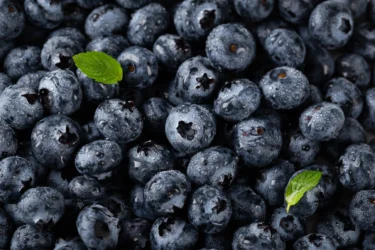
Although studies show the benefits of blueberries in different health conditions, this information is insufficient. Hence, there is a need for further studies to establish the true extent of the benefits of blueberries on human health. Furthermore, every person may respond differently to blueberries. Therefore, it is essential to consult a doctor before using blueberry preparations for any medical condition.
Boost your daily nutrient intake with the goodness of blueberries! A one-cup serving of blueberries provides significant amounts of essential vitamins. You’ll have consumed 24% of your daily vitamin C intake, 5% of your daily vitamin B6 requirement, and a whopping 36% of your daily vitamin K need8.
Dr. Rajeev Singh, BAMS
Blueberries can be used in the following ways:
People must consult a professional physician before taking any herbal supplements made from blueberries. We advise you not to change or discontinue your ongoing medications with any Ayurvedic or herbal preparations without talking to an Ayurvedic doctor. They will recommend the best form and dosage.
Also Read: Kiwi: Uses, Benefits, Side Effects and More!
The side effects associated with blueberries are:
However, if you experience any side effects, seek immediate medical attention from your doctor who has prescribed it to you. They will be the best guide to provide you with proper treatment.
Also Read: Top Benefits of Taking Multivitamin Capsules
The following precautions should be taken while consuming blueberries:
Blueberries: A Natural Defence Against Bladder Infections!Did you know that blueberries, just like cranberries, may have protective properties against bladder infections? These incredible berries contain substances that can hinder bacteria from attaching to the walls of the bladder, potentially reducing the risk of infection8.
Dr. Smita Barode, B.A.M.S M.S.
Also Read: Punarnava: Uses, Benefits, Side Effects & More
Blueberries may be beneficial in increasing bone mineral density during bone metabolism, reducing the risk of bone loss. Blueberry contains an excess amount of anthocyanin and calcium, which may help strengthen the bones and reduce the chances of developing osteoporosis (a condition of weak bones)1. However, more studies are required to support the benefits of blueberries in maintaining bone density. Therefore, it is best to take the advice of a doctor.
One of the flavonoids, anthocyanidins, imparts a blue colour to the blueberry after complete ripening1.
The antioxidant and anti-inflammatory properties of blueberries may be helpful for various heart diseases1. The heart diseases may be decreased due to the inhibition of soluble angiotensin (hormone) that increases blood pressure. The lipid-lowering effect of blueberries might also decrease in heart-related issues1. However, this information is insufficient and requires more studies to provide the scope of blueberries in heart-related problems.
Blueberry contains vitamin C and vitamin B-6 (biotin)1.
Allergic reactions to blueberries may show symptoms like shortness of breath and back itching after eating blueberries. Immediate medical attention is required if you experience such symptoms5
Disclaimer: The information provided here is for educational/awareness purposes only and is not intended to be a substitute for medical treatment by a healthcare professional and should not be relied upon to diagnose or treat any medical condition. The reader should consult a registered medical practitioner to determine the appropriateness of the information and before consuming any medication. PharmEasy does not provide any guarantee or warranty (express or implied) regarding the accuracy, adequacy, completeness, legality, reliability or usefulness of the information; and disclaims any liability arising thereof.
Links and product recommendations in the information provided here are advertisements of third-party products available on the website. PharmEasy does not make any representation on the accuracy or suitability of such products/services. Advertisements do not influence the editorial decisions or content. The information in this blog is subject to change without notice. The authors and administrators reserve the right to modify, add, or remove content without notification. It is your responsibility to review this disclaimer regularly for any changes.
84
8
Tamarind, scientifically known as Tamarindus indica L., belongs to the family Leguminosae (Fabaceae). It is cultivated almost throughout India1. Tamarind is a multipurpose plant, as almost all parts of the tree are used in the chemical, pharmaceutical, food and textile industries.
Tamarind has good nutritional value. As per the World Health Organization, tamarind fruit is rich in all essential amino acids (except tryptophan). The nutritional value of raw tamarind per 100 grams is as follows2:
Tamarind is a rich source of many phytochemicals and essential amino acids, and hence, it may have many properties and potential uses, including tamarind benefits for health. The potential properties of tamarind are given below.
Tamarind (Imli) may be helpful for many health conditions because of its high nutritional value and potential properties. When exploring the tamarind’s benefits, it’s essential to understand its potential use for various health conditions and organ systems.
Tamarind might help with a heart disease called atherosclerosis, in which there is a deposition of fatty material on the inner walls of blood vessels2. The pulp of tamarind fruit is an excellent source of potassium, which might help in managing blood pressure. Tamarind is also rich in carotene, which might help in lowering bad cholesterol levels which are harmful to the heart2.
Heart conditions are serious and should be diagnosed and treated by doctors; therefore, you should consult a doctor. Moreover, there is a need for more research to state the potential uses of tamarind for the heart as a fact.

Tamarind is a rich source of many nutrients, especially vitamin C, flavonoids, carotenes, and vitamin B complex, which are believed to contribute to numerous tamarind benefits. These compounds might possess potent antioxidant activity, potentially aiding the immune system6. However, more research will be required to prove the claimed effects of tamarind on the immune system.

Tamarind fruit drink may be helpful for iron deïficiency anaemia as it contains vitamin C, which might help in increasing the bioavailability of iron in the body. Tamarind may also be prescribed as a blood tonic by Ayurvedic physicians sometimes. Blood tonics are supplements that may help improve the formation of blood cells. However, there is a need for more research regarding the potential use of tamarind for iron deficiency anaemia. Moreover, the condition is to be diagnosed and treated by a doctor, so please consult a doctor.

Tamarind’s benefits for the liver are worth considering. Tamarind fruit may serve as a natural laxative, and its components have the potential to promote muscle relaxation, which can be beneficial for managing diarrhea2. Furthermore, tamarind seeds contain antioxidants that may help combat free radicals, potentially aiding in conditions such as stomach ulcers7.
Additionally, studies8 suggest that tamarind leaves have anti-apoptotic and liver-protective potential, particularly in cases of acute alcohol-induced liver toxicity. However, it is essential to emphasize that more research is needed to confirm these claims. When dealing with stomach and liver issues, consulting a healthcare professional is crucial, and self-medication or altering ongoing treatments should be avoided. The tamarind’s benefits for the stomach are promising, but professional guidance is essential.

Tamarind is a rich source of many antioxidant compounds, contributing to the potential benefits of tamarind for health. Antioxidant activity is considered beneficial for many health conditions like cancer. The seed extract of tamarind might have potential antioxidant properties and might also exhibit anti-cancer properties7. However, much more extensive research is needed to prove the potential use of tamarind for cancer.

Tamarind seed extract may be used as nutritional support and may be combined with diabetes medicines by doctors to help with diabetes that potentially offers tamarind benefits. The seed extract might show a pancreatic protective effect with its potential anti-inflammatory properties, blood glucose regulation, and reversal of damage to pancreatic tissue2. However, more research is required to prove such claims. Moreover, diabetes should be diagnosed and treated by a doctor.

Tamarind use might have positive effects on skin infections, boils, and other skin disorders9, indicating the potential benefits of tamarind for skin health. A compound found in tamarind is used as a natural additive compound in sun creams as it shows potential properties of immunoprotection and protection from ultraviolet damage10, emphasizing tamarind’s benefits for skin. However, more research is required to prove the potential uses of tamarind for skin.

The benefits for females during pregnancy are notable. Tamarind serves as a valuable source of essential nutrients, including iron and folate, which play a crucial role in promoting a healthy pregnancy11. Additionally, tamarind benefits in pregnancy for females involve helping alleviate common discomforts like nausea and morning sickness, thanks to its soothing properties. However, it’s vital to exercise moderation in tamarind consumption during pregnancy and consult a healthcare professional for personalized advice.
The potential use of tamarind for hair is an emerging trend in natural hair care. It is rich in vitamins and minerals that can naturally nourish and strengthen hair, promoting lustrous and healthy locks. Tamarind-based treatments and products are believed to improve hair quality, reduce dandruff, and support scalp health. Consider incorporating tamarind into your hair care routine for its potential benefits.

Tamarind is a fruit known for its potential health benefits. While it’s not a direct aphrodisiac, its rich content of essential vitamins and minerals, such as vitamin C and antioxidants, may contribute to overall well-being. Some people believe that tamarind benefits sexually and can indirectly support sexual health by enhancing overall vitality. However, it’s essential to note that more scientific research is needed to establish a direct link between tamarind and sexual health benefits. Always consult a healthcare professional for personalized advice on maintaining a healthy sex life.
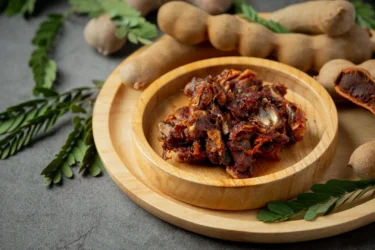
However, there is insufficient data regarding the potential use of tamarind for the above-mentioned diseases, and more research is required to claim such effects.
I came across a study5 which showed the positive effect of tamarind on obesity. The extract from the fruit pulp of tamarind may have shown promising effects in reducing weight and lowering lipid levels in obese rats. This means that it might be a helpful option for managing obesity. Further research is needed to explore its potential benefits in humans.
Dr. Siddharth Gupta, B.A.M.S, M.D (Ayu)
The most valuable part of the tamarind tree is the fruit, as it contains a sweetish, acidic pulp, which is used for souring tamarind chutney, curries, sauces, and certain beverages. Although almost every part of the tamarind tree is used. Tamarind products, leaves, fruits, and seeds have been used in Indian Ayurvedic medicine and traditional African medicine.
You must consult a qualified doctor before taking any herbal supplements. Do not discontinue or replace an ongoing treatment of modern medicine with an ayurvedic/herbal preparation without consulting a qualified doctor.
According to what I have observed, excess fluoride, especially in drinking water, might be harmful to your health. However, extracts from tamarind leaves and fruit have shown promise in combating fluoride’s negative effects. They may act as antioxidants, reducing fluoride toxicity and protecting the liver and kidneys14.
Dr. Rajeev Singh, BAMS
Also Read: Mulberry (Shahtoot): Uses, Benefits, Side Effects and More!
The side effects associated with tamarind use are given below.
Kindly do not use tamarind to self-medicate, replace, alter, or discontinue any ongoing treatment on your own. Consult a doctor if you are facing any health-related problems.
In a study16 I stumbled upon, it was found that taking tamarind extract by mouth might be effective in reducing swelling. It may also help protect bones and cartilage by reducing the levels of enzymes that might break down cartilage, such as metalloproteinases. This suggests that tamarind extract may have the potential to ease inflammation and minimise damage to bones and cartilage.
Dr. Smita Barode, B.A.M.S, M.S.
There is no sufficient data on the safe usage of tamarind during pregnancy and lactation. Avoid taking tamarind or consult your doctor before taking tamarind during these times and also before giving it to elderly individuals and children.
Please do not self-medicate, replace, alter or discontinue an ongoing treatment.
Also Read: Sesame Seeds: Benefits, Uses, Side Effects and More!
Owing to the presence of many therapeutically active compounds, tamarind can with other drugs.
Therefore, you should consult a doctor and ensure that it is safe for you to take tamarind before eating it.
Also Read: Carrot Beetroot Juice: Uses, Benefits, Side Effects and More!
Almost all parts of the tamarind tree are used, including its pulp, fruit, seed, leaf, flower, bark, etc.
Tamarind can be beneficial for weight loss due to its high fiber content, which helps control appetite and promote a feeling of fullness. Additionally, it may aid in fat metabolism and support overall weight management when incorporated into a balanced diet.
Tamarind is generally not recommended for kidney patients as it contains a significant amount of potassium, which can be harmful for those with kidney issues. High potassium levels may further strain kidney function, so it’s advisable for kidney patients to limit their consumption of tamarind and consult with a healthcare professional for personalized dietary guidance.
Tamarind is acidic in nature. It contains tartaric acid, which gives it a sour taste and makes it acidic on the pH scale.
Tamarind can potentially cause acidity in some individuals, as it is naturally acidic and may trigger acid reflux or heartburn in sensitive people. It’s advisable to consume tamarind in moderation if you are prone to acidity or digestive discomfort.
Tamarind is not typically associated with causing cough. However, in rare cases, an individual with a tamarind allergy might experience throat irritation or cough as part of their allergic reaction. If you suspect an allergy, consult a healthcare professional.
Tamarind is not scientifically proven to stop periods. While some traditional remedies suggest its use for menstrual irregularities, there is no concrete evidence to support this claim. It’s important to consult with a healthcare provider for any concerns related to menstrual health.
There is no scientific evidence to suggest that consuming tamarind can cause a miscarriage. However, it’s essential for pregnant individuals to moderate their tamarind consumption and consult with a healthcare professional for dietary guidance during pregnancy.
Yes, tamarind can be stored in the fridge to extend its shelf life. Place it in an airtight container or wrap it in plastic wrap to prevent moisture and odor absorption. This will help maintain its freshness for an extended period.
Tamarind is more likely to relieve constipation due to its high dietary fiber content. It can help promote regular bowel movements and alleviate constipation when consumed in moderation.
Tamarind may cause gas or bloating in some individuals, as it contains certain natural sugars and fiber that can ferment in the digestive tract, leading to gas production. If you are sensitive to these effects, it’s best to consume tamarind in moderation.
Tamarind may be beneficial for the liver due to its potential antioxidant and liver-protective properties, but more research is needed to establish its effectiveness. Consult with a healthcare professional for personalized advice on liver health.
Tamarind seeds are edible but usually not consumed due to their hard texture and bitter taste. They are often discarded when eating tamarind fruit or used in alternative applications like as a thickening agent or for their potential health benefits.
Tamarind is naturally gluten-free, making it a safe choice for individuals with gluten sensitivity or celiac disease. However, it’s essential to check for potential cross-contamination when using processed tamarind products, as additives or manufacturing processes could introduce gluten.
Disclaimer: The information provided here is for educational/awareness purposes only and is not intended to be a substitute for medical treatment by a healthcare professional and should not be relied upon to diagnose or treat any medical condition. The reader should consult a registered medical practitioner to determine the appropriateness of the information and before consuming any medication. PharmEasy does not provide any guarantee or warranty (express or implied) regarding the accuracy, adequacy, completeness, legality, reliability or usefulness of the information; and disclaims any liability arising thereof.
45
1
Hibiscus, commonly called Roselle, belongs to the family Malvaceae. Hibiscus has over 300 species of flowering plants, and one of them is Hibiscus sabdariffa Linne. It is considered a multipurpose plant that may have various health benefits. Hibiscus is a perennial flowering plant grown throughout the seasons. The shrub originated in Africa and is planted worldwide in tropical and subtropical regions of India, China, Sudan, Malaysia, Taiwan and many other countries1,3. Hibiscus is cultivated for flowers, leaves, stems, seeds and roots. Hibiscus flowers and seed oils are widely used in food, cosmetic, and pharmaceutical formulations. Hibiscus has medicinal value, which has been referenced in Ayurveda and the Chinese medicine system. It is commonly called Lalambari or Gudhal in Hindi and Jaswandh in Marathi1,2.
Did you know?
Hibiscus has good nutritional value, which is given below
1. Fat:
2. Protein:
3. Vitamin C:
4. Calcium:
5. Iron:
6. Thiamine:
7. Riboflavin:
8. Niacin:
According to a study, regular consumption of hibiscus tea potentially lowered the blood pressure of a hypertensive patient as compared to the initial dose of the standard medication to lower the BP. So, hibiscus tea might be useful to bring down high BP with the avoidance of side effects of the medications used to treat hypertension12.
Dr. Siddharth Gupta, B.A.M.S, M.D (Ayu)
The whole plant of hibiscus, including the flower, stem, leaves, roots and seeds, has beneficial properties1.
In Egypt and Sudan, tea extracted from a part of the hibiscus flower is used as a refrigerant to lower body temperature. This preparation is known as karkade.
Dr. Rajeev Singh, BAMS
Hibiscus may have the following potential uses that might benefit various health conditions.

Hibiscus calyx juice might be beneficial for cancer. It may show an antiproliferative (reducing cancer cell spread) effect and has antioxidants which may perform free radical scavenging activities. The human cell line studies by Akim et al. 2011 have shown that hibiscus juice may cause cancer cell death. It might be considered that hibiscus may have potential uses in cancer-related diseases1,2. However, these studies are insufficient and require more human trials to support the potential use of hibiscus for cancer management in humans. Cancer is a serious medical condition and may require a qualified doctor for proper diagnosis and treatment. Therefore, seeking medical advice from a doctor before consuming hibiscus juice is preferable.
The efficacy of hibiscus in the management of insulin resistance and diabetes mellitus type 2 was studied in an animal model (Peng CH. et al. 2011). The results revealed a significant reduction in blood sugar levels. It also showed that the hibiscus extract might have anti-insulin resistance properties (shows an insulin-like response), decreasing high blood sugar and insulin levels4. These studies are insufficient as these studies are not done on humans. However, more studies on humans are required to back this claim. Therefore, it is essential to first speak to your concerned doctors and only have hibiscus as a herb.

Hibiscus leaves and flowers may have beneficial properties for hair health. It might be helpful in circulating the blood to hair follicles. The leaves and flowers of hibiscus contain natural pigments, antioxidants and vitamins that might be useful for hair health5,6. According to animal studies done by N. Adhirajan et al. 2003, the topical application of leaf extract and gentle rubbing action on the skin enhanced blood circulation; this may have some effect on hair growth. This study also mentions that the hibiscus leaf extract might directly impact hair follicles, improving hair condition5,7. These studies are carried out on animals and not done on humans. Hence, this information is insufficient. We require more studies on humans back above claim. So, it is essential to first speak to your concerned doctors and only use hibiscus for hair health.

Hibiscus plants are rich sources of mucilages, which are complex polysaccharides. The plant’s leaves were traditionally used to manage burning sensations and skin diseases. It may have a skin-soothing and moisturising effect. The hibiscus mucilage extract contains glycerine, which may show the highest skin moisturising effect8. There is a need for more studies to establish the positive effect of hibiscus on skin-related problems. Hibiscus should not be used to self-medicate without consulting a doctor.

Hibiscus may have potential uses in weight management. In animal studies conducted by Hansawasdi et al. 2003, hibiscus tea showed blocking of sugars and starch absorption, which might benefit weight loss. The ability of hibiscus extract to maintain weight might be due to its polyphenols and flavonoids, which might decrease the accumulation of fat and, thus, maintain body weight9. Unfortunately, these studies are insufficient and more studies are needed to support the potential use of hibiscus for weight loss management in humans. Therefore, consult a doctor before having hibiscus tea to keep a check on your weight.
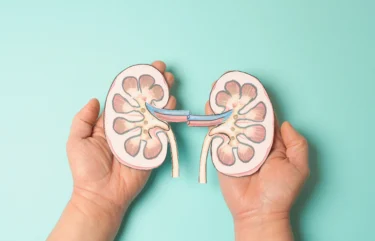
The hibiscus extract may have a beneficial effect on kidneys. It might reduce serum triglycerides, total cholesterol, and lipids. hibiscus may be beneficial in lowering oxidative damage to kidneys. Consumption of hibiscus tea might produce a uricosuric effect that might be helpful in the excretion of uric acid through urine. This may benefit the deposition of calcium crystals in kidneys and thus, managing kidney stones10. The information is not sufficient and further studies are required to support the potential use of hibiscus to overcome kidney-related issues in humans.

Though there are studies showing the benefits of hibiscus in various health conditions, these are insufficient, and there is a need for further studies to establish the true scope of the benefits of hibiscus on human health. Every person may respond differently to hibiscus herbal preparations. Therefore, it is important to consult a doctor before using hibiscus for any medical condition.
Various parts of hibiscus are used in the following ways:
People should consult a doctor before taking hibiscus herbal supplements. We recommend that you do not change or discontinue your ongoing medications with herbal preparations without consulting a qualified physician.
Before consuming any herb, one should consult an Ayurvedic physician because the herbs may have specific side effects. The side effects of hibiscus are as follows:
However, if any such side effects are observed after having hibiscus, please get in touch with an Ayurvedic physician who advised you to have the herb. They will provide the appropriate treatment to overcome the side effects.
Also Read: Kokum (Garcinia Indica): Uses, Benefits, Side Effects and More!
People should take precautions while consuming Hibiscus extract, specifically for patients with heart and kidney-related diseases9,10.
Patients with high blood pressure receiving non-potassium-sparing diuretics (medicines that help excrete more urine and treat oedema) should take precautions. If the dose increases the prescribed amount, the diuretic effect of Hibiscus extract might exert pressure on the blood vessel, causing death caused by loss of heart function8,10.
Patients with kidney stones or kidney dysfunction should consult a doctor about using Hibiscus juice; consumption in high amounts may lead to high creatinine levels in the blood resulting in a loss of kidney functioning10.
There is insufficient information about the safe use of hibiscus for pregnant women. It is better to take doctor’s advice during this condition5.
The safety of taking hibiscus extract by lactating mothers is questionable because consumption during lactation might increase weight gain after birth and delay the onset of puberty in children. Lactating mothers should take advice from their doctor before using HIbiscus10. If you are suffering from any disease condition, or suffer from specific allergies, consult your doctor about what foods and vegetables to avoid. Also, avoid consuming hibiscus for any health condition without consulting with a doctor first.
Also Read: Pashanbhed (Bergenia Ligulata): Uses, Benefits, Side Effects & More!
Hibiscus juice, when administered together with any drug, may increase the side effects and toxicity and also lead to failure of the drug efficacy9. When taken together with acetaminophen (paracetamol), Hibiscus sweetened water extract may interact with acetaminophen, resulting in the loss of drug efficacy11. Also, suppose you are taking any medications. In that case, you need to consult with your doctor about the possible interactions of the drug with any vegetables or herbs. This will help you avoid possible interactions of medicines with any herb or vegetable.
Also Read: Ashta Choornam: Uses, Benefits and Side Effects By Dr. Rajeev Singh
Hibiscus Tea is a non-caffeinated herbal tea made from Hibiscus (Hibiscus sabdaraffa L.). The tea is made from the dried fruit of the flower. The tea is red and tastes like berries4.
Hibiscus tea is made from the fruit calyx of hibiscus. Wash and air dry some calyces, crush them or make a fine powder. To make tea add the crushed calyces to a tea bag and let it steep for a couple of minutes in boiling water; add sugar or lemon juice if required. The tea is ready to serve hot or cold and can be stored in the refrigerator4.
There are several common names for hibiscus, such as Roselle, Jamaican sorrel, and Indian sorrel in English. In Urdu, it is called Rozelle hemp. In Hindi, it is known as Lalambari1.
Mixing hibiscus powder with water and applying it to the hair might benefit hair health. Hibiscus consists of natural pigments, vitamins and antioxidants that may be useful for managing natural hair conditions6. However, this information is insufficient. You should consult a doctor before using hibiscus for hair.
Hibiscus contains vitamin C, B1 (thiamin), B3 (niacin) and B2 (riboflavin)4.
Disclaimer: The information provided here is for educational/awareness purposes only and is not intended to be a substitute for medical treatment by a healthcare professional and should not be relied upon to diagnose or treat any medical condition. The reader should consult a registered medical practitioner to determine the appropriateness of the information and before consuming any medication. PharmEasy does not provide any guarantee or warranty (express or implied) regarding the accuracy, adequacy, completeness, legality, reliability or usefulness of the information; and disclaims any liability arising thereof.
Links and product recommendations in the information provided here are advertisements of third-party products available on the website. PharmEasy does not make any representation on the accuracy or suitability of such products/services. Advertisements do not influence the editorial decisions or content. The information in this blog is subject to change without notice. The authors and administrators reserve the right to modify, add, or remove content without notification. It is your responsibility to review this disclaimer regularly for any changes.
24
3
Guduchi scientifically known as Tinospora cordifolia is a vital remedy in the Indian system of medicine. It belongs to the Menispermaceae family and has been used as a medicament since ancient times. It is also known as Giloy, Amrita, or Indian bitter. It is found in dense and dry forests all over India, growing over small trees and bushes at high altitudes. The stems, roots, and leaves of Guduchi all have medicinal properties1,2.
In the traditional Ayurveda classical textbooks, such as Charaka, Sushruta, and other texts, Guduchi is mentioned, under different names, as a medicine to treat a range of ailments1.
Did You Know?
The dried fully developed stem of Tinospora cordifolia constitutes the drug ‘Guduchi’. The therapeutic properties of Guduchi are:
I would like to highlight the anti-microbial activities of Guduchi. Guduchi extracts have been found to potentially fight against various bacteria, including E. coli and S. aureus. Thus, Guduchi might be your microbial-fighting squad ready to save the day5.
Dr. Rajeev Singh, BAMS
In ancient Ayurveda classical textbooks, it is mentioned to be useful in the treatment of leprosy, fever, jaundice, asthma, gout etc. This herb holds a special place for tribals across India. They used Guduchi for managing various diseases ranging from ear pain, dysentery, and cough to bone fractures, skin disease, and women’s issues1. Some of the benefits of Guduchi are described as follows:

Guduchi is useful for managing various bowel issues. One study1,3 has specifically shown that it is effective against amoebic infection of the digestive system. The consumption of powdered Guduchi mixed with amla or jaggery is an effective remedy for constipation. ‘Guduchi Satva’ the starch obtained from the stem of Guduchi, is especially beneficial for the digestive system.
Guduchi has been shown to reduce blood sugar levels, especially during fasting levels. The anti-diabetic effect is attributed to the various phytochemicals present in it. It regulates the blood sugar level by reducing oxidative stress, enhancing insulin release, and reducing the production and breakdown of glucose in the body. Guduchi is especially useful for type 2 diabetes1,3.

The stem of Guduchi helps in inflammation and arthritis. It also helps in alleviating joint pain and many other symptoms associated with arthritis. Rheumatoid arthritis can be managed by consuming powdered Guduchi stem mixed with ginger3.
In my observations, the Guduchi plant is like a medicine cabinet. People have been using it for ages, and even though the whole plant has medicinal properties, the stem is the star. It’s so special that it’s officially recognised by the Ayurvedic Pharmacopoeia of India. Why? Because it’s packed with alkaloids that make it extra powerful6.
Dr. Smita Barode, B.A.M.S, M.S.
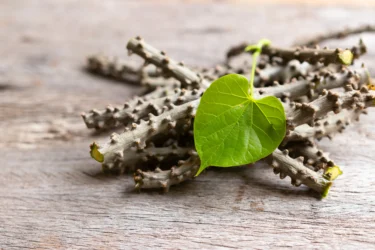
I came across a fascinating study regarding Guduchi lotion. It has been found that Guduchi lotion might help treat scabies. Thus using it as a therapeutic option for scabies infections may be a valuable choice for managing scabies and promoting skin health4.
Dr. Siddharth Gupta, B.A.M.S, M.D (Ayu)
Guduchi can be used in the following ways:
You should always consult your Ayurvedic physician before consuming Guduchi for regular use. They will be the best person to prescribe you the correct form and dosage as per your health condition.
As far as the side effects of Guduchi are concerned, no significant study has been documented1. However, if you experience any adverse reactions to it immediately contact your Ayurvedic physician who has prescribed it to you. They will be able to treat you appropriately.
Also Read: Gokshuradi Guggulu: Uses, Benefits, Side Effects and more!
Guduchi is generally considered to be safe if it is taken in the recommended dosages1. However, general precautions have to be followed while consuming Guduchi.
Also Read: Eucalyptus Oil: Uses, Benefits, Side Effects By Dr. Smita Barode
Unfavorable reactions of Guduchi with any other drug have not been reported. However, evidence is insufficient to state that it is completely safe to use for all age groups and does not exhibit any drug interactions. Therefore, it is best to follow the advice of your Ayurvedic physician who has prescribed you this herb.
Also Read: Jatamansi (Spikenard): Uses, Benefits, Precautions & More!
One study2 has shown that 100 grams of dried Guduchi leaves have more protein, fiber, iron, calcium, carbohydrates, fats and energy as compared to the same quantity of fresh Guduchi leaves. But, fresh leaves of Guduchi had more beta-carotene and vitamin C as compared to the dried leaves.
There are no studies that report Guduchi to be useful for hair fall. You may consult your Ayurvedic physician for further advice.
No studies are available to check for the safety of Guduchi during pregnancy. It is best to consult your Ayurvedic physician before consuming Guduchi in any form during pregnancy.
Guduchi is generally considered to be safe if it is taken in the recommended dosage1.
Because of its various health benefits, it is said that it can be included in the diet of children as well as adults2. However, it is best to consult your child’s health care provider before including Guduchi in their diet.
In ancient Ayurvedic classical textbooks, there are several formulations mentioned that contain Guduchi as one of the major ingredients. These are given as follows:
Guduchyadi Churna
Guduchi Taila
Dashmoolarishtha
Sanjivani Vati
Kantakari Avaleha
Chyavanaprasha
Guduchi Satva
Brihat Guduchi Taila
Stanya Shodhana Kashaya Churana
Panchnimba Churna
Guduchi Ghrita
Amritaguggulu
Amritashtaka Churna1
Disclaimer: The information provided here is for educational/awareness purposes only and is not intended to be a substitute for medical treatment by a healthcare professional and should not be relied upon to diagnose or treat any medical condition. The reader should consult a registered medical practitioner to determine the appropriateness of the information and before consuming any medication. PharmEasy does not provide any guarantee or warranty (express or implied) regarding the accuracy, adequacy, completeness, legality, reliability or usefulness of the information; and disclaims any liability arising thereof.
Links and product recommendations in the information provided here are advertisements of third-party products available on the website. PharmEasy does not make any representation on the accuracy or suitability of such products/services. Advertisements do not influence the editorial decisions or content. The information in this blog is subject to change without notice. The authors and administrators reserve the right to modify, add, or remove content without notification. It is your responsibility to review this disclaimer regularly for any changes.
43
0
The liver is the largest organ of the human body. It helps process food and removes toxins from the body. Fatty liver disease is the buildup of excessive fats in the liver cells. Some amount of fat is normal for the liver, but if the fat content is more than 10% of the liver’s weight, you might be suffering from a fatty liver. A fatty liver might not present with any symptoms but can lead to complications like liver damage[1]. However, you can reverse or prevent fatty liver with some lifestyle changes. You can also use some natural home remedies to manage fatty liver.
Did you know?
When the liver cannot process and break down the fats in the body, the fat gets accumulated to cause fatty liver. Overusage of alcohol, malnutrition, and rapid weight loss can also cause fatty liver. The following can make you more prone to fatty liver disease:
However, people who do not have the conditions mentioned above can also develop a fatty liver. A fatty liver can be of two types, non-alcoholic fatty liver disease and alcoholic fatty liver disease.
Fatty liver might not present any symptoms. You may only find out about a fatty liver when you get tests done for other conditions. Fatty liver disease can affect your liver for years without causing any signs or symptoms. However, you might experience these symptoms as the disease gets worse.
The suggested home remedies may help you control the factors that might be contributing to your fatty liver.
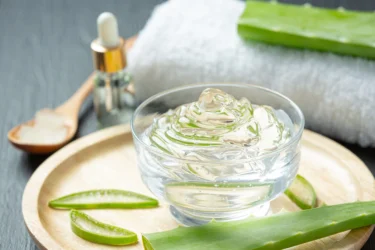
Intake of aloe vera gel helps purify the blood and promote liver function. You need to take fresh aloe vera gel to take care of your fatty liver[3]. However, before using any herbal remedy, it is important to consult or notify your healthcare provider. You can also drink aloe vera juice to help with fatty liver.
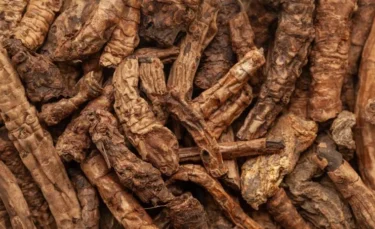
You can take kutki root powder with warm water to manage the changes in the liver due to fatty liver disease[4]. It is important consult your doctor before using herbal remedies, as certain herbs can damage your liver.

Many doctors recommend losing weight to manage the fatty liver disease[5]. Losing weight may help you reduce the fat content in the liver, swelling and fibrosis (tissue damage). It is important to lose weight safely; you should lose no more than half to one kilogram of weight in a week. You can start with regular exercise, which mayhelp you lose weight and reduce fat.

To manage the alcoholic fatty liver disease, you should try quitting alcohol. Alcoholic fatty liver disease is caused due to over-usage of alcohol. Reducing the use of alcohol might help you manage and reverse fatty liver[6]. If you face difficulty quitting alcohol, you might get help from a therapist or take part in an alcohol recovery program.

Fats are high in calories. Consuming more fats can increase your chances of developing obesity. Obesity is one of the risk factors for fatty liver[7]. It is advised to avoid saturated fats and trans fats and add unsaturated fats to your diet, such as omega 3 fatty acids, to get rid of fatty liver disease. Fish is one of the chief sources of omega 3 fatty acids. You can try fish like herring, salmon and mackerel to get sufficient omega 3 fatty acids. Seeds like flaxseeds and chia seeds also contain plenty of omega 3.
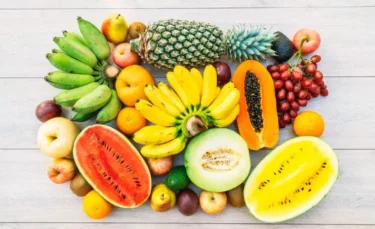
Fruits and vegetables are foods with a low glycemic index. Foods with a low glycemic index are less likely to cause a spike in your blood sugar levels. Eating fruits and vegetables will keep your blood sugar under control and help you manage the fatty liver disease.
You need to avoid consuming sugar in high amounts. Managing blood sugar levels may help to deal with fatty liver disease. Avoid foods with a high glycemic index, for example, white rice, white bread, and potatoes. Consumption of foods and drinks that contain high amounts of sugar, especially fructose, should be avoided. Fructose is a simple sugar used to sweeten soft drinks, sports drinks, and sweetened juices and drinks. You also need to consume less sugar at home. The table sugar, scientifically called sucrose, is rapidly converted to fructose and glucose during digestion.
Involving fibre in your diet has numerous health benefits, like keeping the cholesterol under control, keeping the body weight under control, and stabilising the blood glucose levels. Some important sources of dietary fibre include nuts, seeds, wholegrain foods, oats, barley, lentils, peas, and soy. Keeping the body weight under control may help you manage the fatty liver disease and reduce other complications.
Remain vigilant about monitoring your liver enzyme levels in regular blood test reports. Abnormal levels of liver enzymes can serve as indicators of liver conditions such as fatty liver disease. If you notice any irregularities, consult a doctor, who may also recommend additional imaging tests such as liver ultrasonography or liver fibroscan, if necessary. Early detection can help reverse the condition, if not addressed timely the changes may become irreversible leading to serious complications
Dr. Arpit Verma, MBBS, MD (Pharmacology)
Also Read: Signs You May Have Liver Stress
In most cases of fatty liver, there are no symptoms involved; because of this, it becomes difficult to diagnose this disease. You might not experience any symptoms unless the disease has progressed to liver cirrhosis (a late-stage liver disease in which healthy liver tissue gets replaced with scar tissue). If you notice:
You should immediately contact your health care provider.
Also Read: Simple Home Remedies for Frequent Urination
Fatty liver is the condition in which fat builds up in the liver cells. You might not notice any symptoms associated with fatty liver unless the disease has progressed to a severe condition called cirrhosis. One good news is that you can manage fatty liver by taking caution and losing weight. You can also make use of home remedies like aloe vera or kutki to manage fatty liver disease. Exercising and following a proper diet are some other ways to manage fatty liver.
Fatty liver is difficult to diagnose, but if you notice symptoms like nausea, abdominal pain, swollen legs and abdomen and mental confusion accompanied by weakness, you should contact your doctor immediately.
Also Read: What is Hepatitis A? Causes, Symptoms, and How It Spreads
The liver can repair itself. Therefore, if you can avoid the factors causing your fatty liver, you can reverse fatty liver disease. For this, it is important that you consult your doctor and get proper guidance.
Maintaining your overall health is the best way to prevent fatty liver disease. Do things that keep you healthy, such as maintaining a healthy body weight, exercising regularly, and limiting alcohol consumption.
People with non-alcoholic fatty liver disease can develop complications like liver cirrhosis and liver cancer. Liver cirrhosis can lead to liver failure, which requires a liver transplant. Those suffering from alcoholic fatty liver disease can develop complications like alcoholic hepatitis and cirrhosis.
Herbal remedies to manage fatty liver include aloe vera gel and kutki root. Intake of aloe vera gel enhances liver functions, whereas kutki root powder with warm water can help manage fatty liver. Herbal remedies can also cause damage to the liver.3 Therefore, it is important that you consult your healthcare provider before using these herbal remedies. Your doctor can guide you about the possible treatments for fatty liver.
Being overweight is one of the factors that puts you at high risk of developing fatty liver disease. You need to maintain a healthy body weight to stay healthy.
Liver cirrhosis is the result of severe damage to the liver. Fatty liver disease, if left untreated, can progress to liver cirrhosis. The healthy tissues of the liver are replaced by hard scar tissues. Liver cirrhosis can slow down or completely block liver functions. It can progress to liver cancer or liver failure.
Disclaimer: The information provided here is for educational/awareness purposes only and is not intended to be a substitute for medical treatment by a healthcare professional and should not be relied upon to diagnose or treat any medical condition. The reader should consult a registered medical practitioner to determine the appropriateness of the information and before consuming any medication. PharmEasy does not provide any guarantee or warranty (express or implied) regarding the accuracy, adequacy, completeness, legality, reliability or usefulness of the information; and disclaims any liability arising thereof.
Links and product recommendations in the information provided here are advertisements of third-party products available on the website. PharmEasy does not make any representation on the accuracy or suitability of such products/services. Advertisements do not influence the editorial decisions or content. The information in this blog is subject to change without notice. The authors and administrators reserve the right to modify, add, or remove content without notification. It is your responsibility to review this disclaimer regularly for any changes.
18
1
Varicose veins, also known as spider veins, varicose or varicosities, are twisted or enlarged veins, occurring mainly in the legs. Varicose veins occur when the veins become dilated, enlarged and overfilled with blood. They tend to be bluish purple or red in colour. Varicose veins is a common condition, especially among women. Around 25 to 30 per cent of adults suffer from varicose veins, especially in the lower legs1.
Regular veins have one-way valves that are designed to block blood from flowing backwards. When regular valves fail to perform as they are supposed to, blood begins to collect in the veins rather than continuing toward your heart. This causes the veins to enlarge. Varicose veins mostly occur in the lower leg area because these veins are the farthest from the heart with gravity making it more difficult for the blood to flow upwards2.
With blood accumulating in your veins, varicose may cause discomfort, inflammation and pain in the affected area. So, this condition requires proper diagnosis and management. However, in addition to that, your doctor may recommend certain changes in diet and food to help you temporarily deal with the discomfort.
Some of the food habit changes and additions you can inculcate in your diet are as follows:
Beetroots contain a naturally occurring compound called betacyanin. This compound is what majorly contributes to the red colour of beets. Betacyanin is a phytochemical compound that lowers the levels of homocysteine (an amino acid that forms proteins) in the body3. Having high levels of homocysteine can damage blood vessels and lead to blood clots4. Thus, beets can help improve the condition of varicose veins.
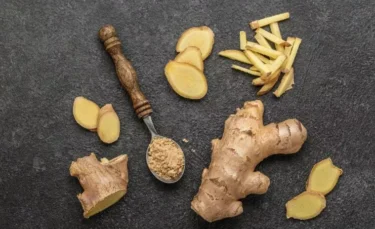
For many centuries, ginger has been used in Indian households as a spice as well as for its medicinal properties. It may help deal with the symptoms of varicose because it aids in increasing blood circulation and dissolving fibrin in the blood vessels5.
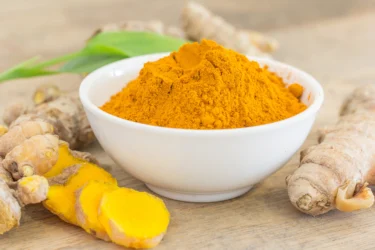
Since ancient times, turmeric has been used in Ayurvedic and traditional Chinese medicine to unclog blood vessels and promote effective blood circulation. Curcumin, an active ingredient in turmeric, increases the production of nitric oxide, which in turn facilitates better blood flow and circulation6
Fruits like apples, bananas and pears are high in fibre content. High fibre fruits lower the chances of inflammation and help with your overall health. Apples are high in rutin, a powerful antioxidant compound that helps to keep veins healthy.

Red and purple grapes are loaded with flavonoids and vitamins along with oligomeric proanthocyanidins, also known as OPCs, which some researchers believe could lessen vein and leg swelling8.

Like apples, cherries are loaded with rutin. Rutin is a flavonoid that helps lower cholesterol and blood pressure, as well as keep your veins healthy. In addition, this flavonoid is also anti-inflammatory, an excellent source of antioxidants and lowers the chance of blood clots9.
Nuts are rich in niacin and vitamin B3, which are essential nutrients for blood flow and help improve blood circulation10. Hemp, sunflower, flax and chia seeds are some foods rich in omega 3 fatty acids and fibre. They are also a good source of anti-inflammatory proteins that help in removing cholesterol and promoting blood flow quality11.
Leafy green vegetables such as kale and lettuce are excellent sources of magnesium, a mineral that plays a key role when it comes to managing blood circulation and blood flow12.
Some fats are good for your health and your veins, such as the fats found in avocado13. Avocados are also a great source of vitamins C and E, potassium and magnesium, overall helping in improved blood circulation.

Cinnamon is a powerful spice known for regulating blood sugar levels and insulin resistance in type 2 diabetes. Other benefits of cinnamon include the ability to increase blood flow and promote circulation. Cinnamon helps blood vessels to dilate and widen, which makes it easier for blood to flow throughout your body5.
While in traditional medicine, these foods have been recommended to be beneficial for varicose veins, there is limited scientific evidence to support their use. Nonetheless, they are worth a try. However, please remember that these should only be an adjunct to medical therapy and never a replacement. Also, if you have any other medical issue like diabetes, it’s best to discuss with your doctor before including any new food item in your routine diet.
Flavonoid-rich diets such as green leafy vegetables and grapes may aid in the reduction of varicose veins in some people. Flavonoids may increase blood flow, stopping the blood from pooling in the veins and aiding in its movement. They may also relax blood vessels and lower the blood pressure in the arteries, which may lessen the occurrence of varicose veins16.
Dr. Siddharth Gupta, B.A.M.S, M.D (Ayu)
The following list of foods to be avoided with varicose veins14,15:
Researchers have found that grape seed extract from the plant Vitis vinifera may help relieve swelling in the lower legs and other symptoms of varicose veins. However, I suggest grape seed extract should be taken only after the recommendation from the doctor as it may interact with some drugs like blood thinners17.
Dr. Rajeev Singh, BAMS
When it comes to varicose veins, it is best to consume homemade food items with the above ingredients. You must follow a healthy diet that is per your doctor’s suggestions and body needs. Here are some interesting recipes you may try on:
Also Read: Thinking About the Pegan Diet? Here’s What You Should Know
Blood vessels transport blood throughout the body, their health is essential for proper blood flow and overall circulation. Although medical treatment remains the cornerstone of management of blood vessel conditions like varicose veins, it’s a good idea to include food items that are beneficial for proper blood flow and avoid those that may harm. When you eat healthy foods and indulge in exercises that improve circulation, you are allowing your cardiovascular health to remain healthy and lessen your risk of problems like varicose veins.
Varicose veins are caused by increased blood flow towards the veins of the legs. The blood moves towards the heart by one-way valves in the veins. When the valves become weakened or damaged, blood can collect in the veins, causing them to swell.
If varicose veins are left untreated, the veins continue to get more damaged and there is increased pain and swelling. It may further lead to soreness and ulceration of the skin.
Some healthcare professionals believe it could be because you experienced an injury to that side of the body which caused damage to the veins or the valves of the veins.
According to some specialists, in very extreme cases, varicose veins might affect the arterial system of the heart, but this generally does not happen.
Disclaimer: The information provided here is for educational/awareness purposes only and is not intended to be a substitute for medical treatment by a healthcare professional and should not be relied upon to diagnose or treat any medical condition. The reader should consult a registered medical practitioner to determine the appropriateness of the information and before consuming any medication. PharmEasy does not provide any guarantee or warranty (express or implied) regarding the accuracy, adequacy, completeness, legality, reliability or usefulness of the information; and disclaims any liability arising thereof.
Links and product recommendations in the information provided here are advertisements of third-party products available on the website. PharmEasy does not make any representation on the accuracy or suitability of such products/services. Advertisements do not influence the editorial decisions or content. The information in this blog is subject to change without notice. The authors and administrators reserve the right to modify, add, or remove content without notification. It is your responsibility to review this disclaimer regularly for any changes.
28
1


