
Have you noticed thin, scar-like lines on your mother’s tummy? These are probably stretch marks. Can we call them ”marks of motherhood”? I suppose we may, as they are extremely common during pregnancy, affecting nearly 50-90% of pregnant women2. But they also occur in certain other conditions as well, such as in people who have gained excessive weight, in bodybuilders, in certain diseases, or due to the use of steroids. These scars, or stretch marks, are medically called striae distensae (SD) or Striae gravidarum1.
There are two types of stretch marks, those that appear red, are flat, stretched, and at right angles to the tension in the skin; these are called striae rubrae3. These are temporary. The other type appears pale, faded, and wrinkled, and is known as striae albae; these are permanent stretch marks.2 Even though you have all the reasons to love them and should be flaunting them, it’s not wrong to want to lighten them. How? Let’s find out.
Did You Know?
Stretch marks appear when there is rapid stretching of the skin. This may occur due to several reasons:
Over time, many stretch marks improve. The best time to perform a treatment is once the stretch marks have stabilised. Many creams for stretch marks are promoted on the internet. The public should be made aware that the efficacy is very limited. Newer lasers and radiofrequency treatments hold promise as they try to modify the vascularity and the collagen and perhaps the elastin. Again, there is no clear leader among the many lasers that are promoted. The needle radiofrequency seems to show promise as, in theory, the deeper delivery of the energy may allow “shrinkage” of the stretch marks in all directions, thereby improving the overall appearance.
Dr. M.G. Kartheeka, MBBS, MD
Stretch marks look like lines on the skin. They commonly appear as bands, stripes, or lines, irregularly on the stretched skin. These lines may be red, glossy, thinned out, and parallel to each other. They are initially red in colour but later become white, pale, and wrinkled, like a scar. They are generally seen on the breasts, hips, thighs, abdomen, and flanks.
Stretch marks often disappear after the cause for the stretching of the skin disappears and there is no specific care needed for them. Research done on the agents that can be applied over the stretch marks for their treatment is limited. However, there are a few home remedies listed below that may help reduce their appearance:
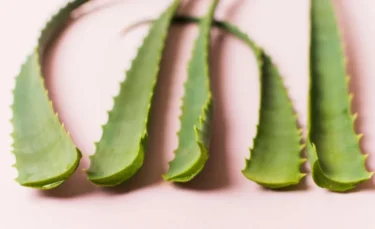
The outer layer of the aloe vera leaf is removed and the inner gel is sliced out and applied on the stretch marks4. This can be washed off after 2-3 hours.
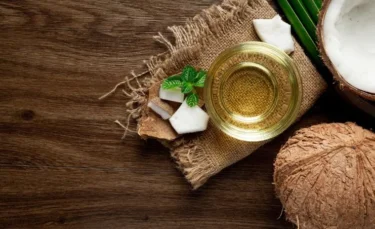
Coconut oil is used for the removal and lightening of stretch marks by many people. Virgin coconut oil is used to gently massage the area where stretch marks are noticed. However, there is not much evidence as to why and how this works. One hypothesis as to why it might work is that coconut oil hydrates the skin deeply and makes it more elastic, allowing it to stretch easily, without scarring.
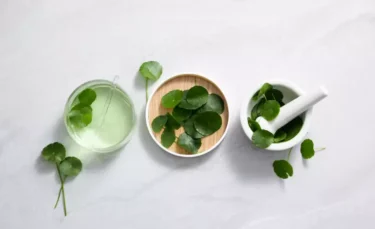
Commonly used in Korean beauty products, it is an herb scientifically called Centella Asiatica. The exact mechanism of its action is unclear, but it is said to stimulate the cells that produce collagen (a protein providing elasticity to the skin). It stops the action of the hormone glucocorticoid, which destroys collagen in the skin5.

It is hypothesised that hyaluronic acid protects the cells producing collagen, i.e. fibroblasts, from getting destroyed under tension and pressure like the condition in which stretch marks appear. Though the exact mechanism is not yet known, it is widely used for the treatment of stretch marks4. Hyaluronic acid can be applied directly to the skin. It is also present in various creams, lotions, and other skincare products. There is a need for further research to prove its beneficial effects5.

Vitamin A is a vitamin necessary to maintain skin health. It is thus present in a multitude of skincare products by the name of retinol. Tretinoin is a retinoid (a form of Vitamin A) that is used for treating stretch marks. It was found in studies that the use of retinol makes the stretch marks appear less severe and smaller4. However, there is a need for more research in this area. A word of caution: Oral vitamin A should not be used during pregnancy, while lactating or even while you’re trying to get pregnant, as it is known to cause harmful effects. Sometimes it can cause skin irritation too.
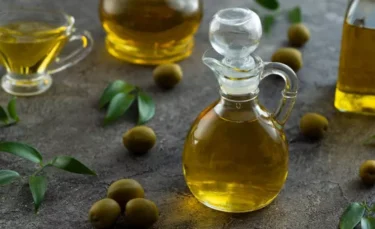
Olive oil is rich in vitamin E and moisturises the skin. A few studies have found that application of olive oil regularly during pregnancy reduced the occurrence of stretch marks, while other oils in the study showed no such effect. Still, the role of olive oil in the reduction of stretch marks remains unclear, demanding more research in this area5.
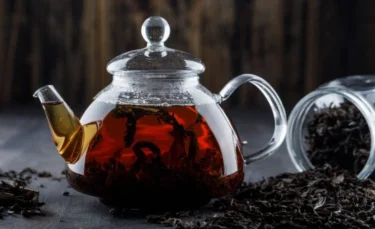
You can boil a couple of tablespoons of black tea in water and dissolve a little salt in it. You can use this solution to apply the stretch marks after it cools down. The preparation is to be applied until the stretch marks completely disappear. This remedy is another one with little scientific evidence, but it is used by many.
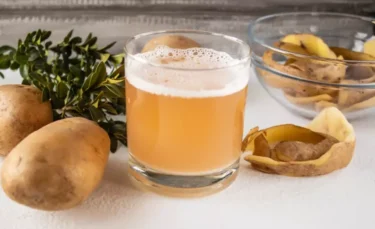
Potatoes are used to lighten dark circles under the eye and are well-known for lightening stretch marks. In fact, potato skin and juice are touted to be useful even to reduce scars due to burns. The exact mechanism and mode of action are little known, but it has been found useful by many people.

The egg yolk is separated from the egg whites and the whites can then be applied directly onto the stretch marks. However, more studies need to be conducted to understand the exact mechanism of action of this complete food.
Also Read: Home Remedies To Cure Bad Breath Naturally
It is advised to seek medical attention by consulting your doctor or healthcare provider when you notice the appearance of stretch marks. A doctor will take a detailed history, conduct a thorough physical examination, and then guide you regarding the correct treatment for your specific condition.
Stretch marks occur due to the stretching of the skin. They commonly occur during pregnancy, weight gain, or due to a medical condition that might cause the skin to lose its elasticity. The red stretch marks are temporary, while the white ones are permanent. The red ones evolve into white stretch marks over time. There is very little evidence about the usage of products (natural or artificial) for application on the skin to reverse these stretch marks. However, there are a few home remedies that can be used to lighten these scar-like lines on our bodies.
Also Read: Effective Home Remedies for Scabies
Appearance of stretch marks is normal in cases of pregnancy, weight gain, and puberty. If you notice an unexplained appearance of stretch marks, a doctor should be consulted and the reason should be ascertained.
No, stretch marks appear when there is stretching of skin, as seen during pregnancy, rapid growth during puberty, in bodybuilders with bulky muscles, and due to weight gain. There is no evidence or connection between high cholesterol and stretch marks.
Striae rubrae are a type of stretch mark that appears red in colour and is usually temporary. If you notice the appearance of stretch marks without any explainable cause, you should seek medical attention.
Hyaluronic acid is used in various creams and gels for its beneficial effects on the skin. It might have fibroblast (collagen-producing cells) stimulating activity that helps restore skin elasticity and reduces the appearance of stretch marks.
No, there are no reports stating the effect of stretch marks on the liver.
No, there is no evidence showing the development of stretch marks into cancer.
1. Brennan M, Young G, Devane D. Topical preparations for preventing stretch marks in pregnancy. Cochrane Database Syst Rev. 2012 Nov 14;11(11):CD000066. doi: 10.1002/14651858.CD000066.pub2. PMID: 23152199; PMCID: PMC10001689. Available from: https://pmc.ncbi.nlm.nih.gov/articles/PMC10001689/
2. Osman H, Rubeiz N, Tamim H, Nassar AH. Risk factors for the development of striae gravidarum. Am J Obstet Gynecol. 2007 Jan;196(1):62.e1-5. doi: 10.1016/j.ajog.2006.08.044. PMID: 17240237; PMCID: PMC1913631. Available from: https://pmc.ncbi.nlm.nih.gov/articles/PMC1913631/
3. Mikes BA, Oakley AM, Patel BC. Striae Distensae. 2025 May 19. In: StatPearls [Internet]. Treasure Island (FL): StatPearls Publishing; 2025 Jan–. PMID: 28613776. Available from: https://pubmed.ncbi.nlm.nih.gov/28613776/
4. Hajhashemi M, Rafieian M, Rouhi Boroujeni HA, Miraj S, Memarian S, Keivani A, Haghollahi F. The effect of Aloe vera gel and sweet almond oil on striae gravidarum in nulliparous women. J Matern Fetal Neonatal Med. 2018 Jul;31(13):1703-1708. doi: 10.1080/14767058.2017.1325865. Epub 2017 May 19. PMID: 28521546. Available from: https://pubmed.ncbi.nlm.nih.gov/28521546/
5. American Academy of Dermatology. Stretch marks: Why they appear and how to get rid of them [Internet]. Schaumburg (IL): AAD; [cited 2025 Sep 23]. Available from: https://www.aad.org/public/cosmetic/scars-stretch-marks/stretch-marks-why-appear
Disclaimer: The information provided here is for educational/awareness purposes only and is not intended to be a substitute for medical treatment by a healthcare professional and should not be relied upon to diagnose or treat any medical condition. The reader should consult a registered medical practitioner to determine the appropriateness of the information and before consuming any medication. PharmEasy does not provide any guarantee or warranty (express or implied) regarding the accuracy, adequacy, completeness, legality, reliability or usefulness of the information; and disclaims any liability arising thereof.
Links and product recommendations in the information provided here are advertisements of third-party products available on the website. PharmEasy does not make any representation on the accuracy or suitability of such products/services. Advertisements do not influence the editorial decisions or content. The information in this blog is subject to change without notice. The authors and administrators reserve the right to modify, add, or remove content without notification. It is your responsibility to review this disclaimer regularly for any changes.
 55
55
 3
3
Azadirachta indica, commonly known as neem in India, is also called ‘Margosa’ or ‘Indian Lilac’. It is the most versatile, diverse (different varieties of species) tree in the tropical region (hot regions), that might have medicinal potential. Neem has a lot of beneficial non-wood products like flowers, leaves, fruits, bark, gum, oil, seeds, and neem cake (residue left over after oil is pressed from neem seeds). It is thus considered the most useful tree in comparison to all other tree species1.
In Sanskrit neem is called ‘arista’ which means ‘perfect, complete and imperishable1. ‘Nimba’ is the Sanskrit name of neem and is derived from the term ‘nimbati swasthyamdadati’ which means ‘to give good health’. Even the Persians have named neem as ‘Azad- Darakth- E- Hind’ which implies ‘Free tree of India’. It shows remarkable potential in the fields of environment protection, pest management, and medicine. Neem might be a natural source of pesticides, insecticides, and agrochemicals apart from having potential health uses1.
Leaf meals from some tropical legumes have been explored due to the need to look for alternative sources of food for humans and feed for livestock. Neem leaf meal was analysed in a study that found that it has 18.10% crude protein and relatively high crude fibre of about 15-56%. Though the gross energy content was high at 4.16 kcal/g, the metabolizable energy is low2.
Non-ruminant animals might also benefit from leaf meal from neem plants as a source of protein, vitamins, minerals, and carotenoids2.
Neem, due to its potential properties, has been used in Ayurvedic medicine for more than 4000 years. Neem products have several properties and might have applications in various fields making neem a green treasure.
Did you know ?

Studies have shown that a chemical found in neem, called nimbidin, might possess anti-inflammatory and anti-arthritic activity. Nimbidin might help inhibit the inflammatory action of macrophages and neutrophils. Neem might aid in lowering inflammation and might help reduce associated swelling and pain. It might also be helpful for rheumatoid arthritis, a disease characterised by inflammation and pain in the joints and muscles due to auto-immune reactions3. However, more research is required. Kindly consult a doctor.


Flavonoids and other chemicals found in neem might play a role against the worsening of cancer. Several studies4 suggest that high flavonoids might help stop the growth of cancer. Neem and its extracts have a potential action against a wide range of cancer cells in humans that include cancers of the skin, breast, lung, oral, stomach, liver, colon, and prostate3. However, much more extensive research is required to prove its potential use. Moreover, cancer is a serious condition and you should consult a qualified doctor for its diagnosis and treatment.
Neem has a compound, furanolactone, which is well recognised for its ability to reduce the generation of inflammation and to anaesthetize pain. From my experience, neem may alleviate pain associated with cancer and diabetes5.
Dr. Rajeev Singh, BAMS

Studies have recently started to focus on the hypoglycaemic (lowering blood sugar) effect of neem. The exact mechanism is not clear, however, the effects are visible3. Please consult a doctor, as conditions like diabetes are to be diagnosed and treated by a doctor.
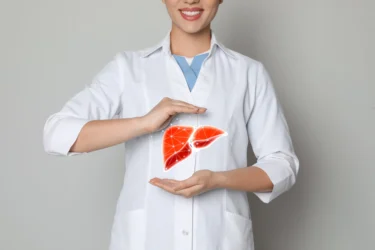
Neem might have some effect on liver protection, which in turn might aid the purification of blood. Neem leaf might help reduce liver damage occurring due to chemicals by stabilising serum marker enzyme levels and by increasing antioxidant levels, like those present in natural carotenoids, vitamin E and C. These antioxidants might help to neutralize free radicals and may inhibit damage3. However, more research is required. Kindly consult a doctor.
Let me tell you a secret! While highlighting the numerous health advantages of neem components and extracts, neem may lead to few problems too! I have read an article that says over-consumption of neem or its extracts might have ill health effects, notably on the liver and kidneys. From my perspective, the consumption of neem might be done only after the physician’s consent5.
Dr. Siddharth Gupta, B.A.M.S, M.D (Ayu)

The most important potential use of neem may be due to its immune-stimulating property. It might help both the cell-mediated and lymphocytic immune systems, including ”Killer T” cells. These cells might help to kill viruses, other microbes, etc. by releasing toxic chemicals into them3. However, more research is required to be sure.

The antioxidants present in neem might show brain-protective properties. In stroke patients, neem might help against brain damage. It might help the brain by raising the levels of ascorbic acid (Vitamin C) and might help in a process called lipid peroxidation, which might be helpful3. However, more research is required to ascertain such claims.

In rural India, it is still used to clean teeth. The potential antimicrobial qualities of neem might aid gingivitis and plaque reduction. Antiseptic properties might be present in neem twigs which might help with maintaining oral hygiene3. However, more studies are required to prove such potential uses, for any concern related to oral care, please consult a dentist.
For ages, neem twigs proved beneficial for oral hygiene as a tooth cleaner, a pain cure, and mouth deodorant. From my perspective, due to its antibacterial, anti-candidal, anti-cariogenic, anti-gingivitis, and anti-plaque action, neem may aid in dental problems. In place of sodium hypochlorite, its antibacterial and antioxidant qualities make it a potential root canal irrigant used during root canal treatment6.
Dr. Smita Barode, B.A.M.S, M.S.
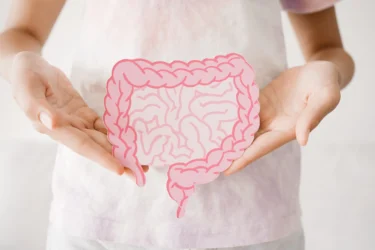
Studies have shown that neem bark might reduce the secretion of acid in the stomach by 77% and might regulate stomach secretion volume by 63%. It might reduce stomach enzyme pepsin activity by 50% and may reduce damage to stomach tissue further owing to its potential anti-inflammatory properties3. However, more research is required to back up such claims. Please ensure to consult a doctor. Do not self-medicate.

Blood clots, excessive cholesterol levels, high blood pressure and irregular heartbeat (arrhythmic heart action) are all major causes of heart attacks. Neem leaf extracts might have the potential to help lower blood pressure, may reduce clotting and strain on the circulatory system, may help with irregular heartbeats and might lower levels of bad cholesterol3,4. However, more studies are required to prove the potential uses of neem for the heart. Heart-related problems should be addressed immediately by a qualified doctor, please do not try to self-medicate using herbs.

Malaria is a common disease of the tropical climate. Neem leaf extract might be helpful against the malaria virus indirectly as it may have an effect on parasites that carry the virus. Dried neem leaves are burnt and used as a mosquito repellent3. However, more concrete evidence is required to validate its effectiveness. Malaria should be diagnosed and treated by a doctor, so kindly consult a doctor.
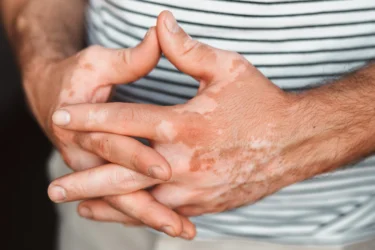
Neem might also be helpful for skin problems like vitiligo, an autoimmune disorder that causes the skin to lose colour and turn white. However, more research is required to prove the potential use of neem for vitiligo. Kindly consult a doctor for its proper diagnosis and treatment3.
Though there are studies that show the benefits of herbs in various conditions, these are insufficient and there is a need for further studies to establish the true extent of the benefits of herbs like neem on human health.
Neem might be of potential use in several forms like neem oil, cake, twigs for oral care, leaf extract, extract from flowers and many other products derived from the neem tree1.
You must consult your Ayurvedic physician for advice on the form and dosage as per your health condition.
Note: You must consult a qualified doctor before taking any herbal supplements. Do not discontinue or replace an ongoing treatment of modern medicine with an ayurvedic/herbal preparation without consulting a qualified doctor.
Every herb may react differently in individuals. More research is required to state the side effects of neem. However, we must consult the doctor before using the neem tree or its parts. Kindly do not self-medicate, alter, replace or discontinue any treatment by yourself.
General precautions must be followed if we wish to consume neem. Moreover, it must be prescribed by an Ayurvedic doctor who will understand your conditions and will be able to guide you in the best possible way about dosage and form.
Pregnant women must use neem products with caution, and they should consult their doctor before consuming it in any form.
Before using neem for children, the elderly and breastfeeding moms, please consult your Ayurvedic physician.
There is a lack of studies regarding the interactions of neem with other drugs. Therefore, there is a need for more research on this subject. However, you should consult a doctor before using neem and its parts. You should make sure to disclose all the current medication being used.
Also Read: Arogyavardhini Vati: Uses, Benefits, Side Effects & More!
Neem might be helpful against head lice. It is a common practice to apply neem all over the hair to kill head lice and their eggs as it might be helpful3. However, more research is required. Please consult a doctor before using it.
Pregnant women must consult their doctor before using neem tree or its parts in any form. The effects of neem on pregnant women are not known fully and require further research.
Research has demonstrated the potential use of neem root or leaf extract as an insect repellent against black flies. Neem oil cream to the skin might appear to secure against certain kinds of mosquitos4. However, more research is required.
Neem might have potential use for the livestock in many ways. It might become popular as an animal feed substitute. Every part of the neem tree such as bark, fruits, leaves, gum and seeds has potential use for animal problems. Neem leaves may act as an antiviral agent against several viral infections in livestock. A hot infusion of leaves might help with bruises, swollen glands and sprains1.
In Telangana, Andhra Pradesh and Karnataka, neem blossoms are being used on the occasion of Ugadi day in ‘Ugadi Pachhadi’ (soup-like pickle) to mark Telugu and Kannada new year. Demonstrates the interdependence of joy and sorrow and to be able to take both harsh and sweet things throughout life4.
Disclaimer: The information provided here is for educational/awareness purposes only and is not intended to be a substitute for medical treatment by a healthcare professional and should not be relied upon to diagnose or treat any medical condition. The reader should consult a registered medical practitioner to determine the appropriateness of the information and before consuming any medication. PharmEasy does not provide any guarantee or warranty (express or implied) regarding the accuracy, adequacy, completeness, legality, reliability or usefulness of the information; and disclaims any liability arising thereof.
Links and product recommendations in the information provided here are advertisements of third-party products available on the website. PharmEasy does not make any representation on the accuracy or suitability of such products/services. Advertisements do not influence the editorial decisions or content. The information in this blog is subject to change without notice. The authors and administrators reserve the right to modify, add, or remove content without notification. It is your responsibility to review this disclaimer regularly for any changes.
37
2
Pudina, scientifically known as Mentha spicata, is an aromatic herb belonging to the mint family (Lamiaceae). It is called Spearmint in English and is widely used in Indian and Italian cooking. It is one of the best mints used for flavour. The herb originated in Europe1. Fresh and dried plant and essential oils derived from Pudina are widely used in the food, cosmetic, confectionery, chewing gum, toothpaste, and pharmaceutical industries2. It is grown worldwide for commercial uses as a flavouring agent for food and to be used in medicines3. The plant is commonly called Pudina in Hindi4.
Pudina has good nutritional value owing to the number of dietary components present. Moreover, it is a good source of many micronutrients and macronutrients.
It also contains vitamins like:
Did you know?
Pudina may exhibit the following therapeutic properties:
Because of the various properties of pudina, it may show potential uses against different disease conditions. Some of the potential uses of pudina are given below.
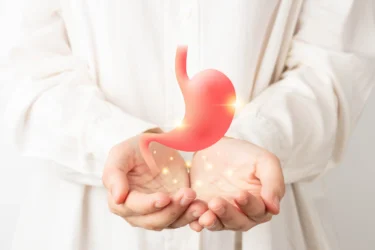
Pudina is recommended as per traditional Iranian medicine to be included in daily diets to avoid flatulence (gas build-up in the stomach). Pudina may also help clean up toxins from the gut (these are the end products of gastric digestion) and strengthen the stomach. It may also be effective in dyspepsia (indigestion) symptoms such as appetite, bloating, belching (burping), and nausea5. A decoction of pudina leaves may be used to relieve common digestive problems3. However, if you suffer from digestive issues, you should consult your healthcare provider and get a proper diagnosis and treatment.

Administration of pudina extract showed a significant reduction in blood glucose levels during animal studies3. When tested on diabetic rats during animal trials, pudina leaf extract showed a remarkable improvement in blood glucose and cholesterol levels. These antidiabetic properties of pudina have been observed in animal trials, and more studies are required to consolidate the use of pudina in humans. If you have diabetes, you must follow your doctor’s advice and prescribed treatment.
It’s important to exercise caution when consuming Mentha piperita (peppermint) and spearmint teas, as excessive intake may lead to iron depletion and potentially result in anaemia. These teas have the potential to interfere with iron absorption in the body, which can be detrimental to your overall health7.
Dr. Rajeev Singh, BAMS

In laboratory studies3, the extract of pudina leaves showed strong anticancer activity against various cancer cells. In lab studies, extracts from pudina leaves slowed the growth of breast and mouth cancer cells. However, more studies are required to support the use of pudina during cancer. Therefore, you are advised not to use pudina or other herbs to manage disease conditions.
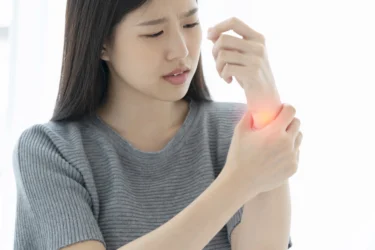
The essential oil of pudina proved to be effective as an anti-inflammatory and analgesic (pain reliever) agent in animal trials3, indicating that pudina may help reduce inflammation and swelling and ease the pain. However, these properties have been observed during animal trials. More studies are required to support using Pudina for inflammation and pain.
Be careful when using or inhaling menthol, as it can have adverse effects on certain individuals. In sensitive individuals, menthol inhalation may lead to apnoea (temporary pause in breathing) and laryngospasm (sudden closure of the vocal cords). This can initially create discomfort and if left unattended, it can worsen to a life-threatening emergency7!
Dr. Smita Barode, B.A.M.S, M.S.

Pudina extract showed learning and memory-enhancing benefits in animal and human studies3. Oral administration of pudina extract improved mood, sleep quality and working memory. It has also been reported that pudina improves sleep, mood, learning and memory in men and women having age-related memory impairment3. However, more studies are required to understand the full extent of the effects of pudina on the brain. Therefore, if you experience any problems related to learning, memory, and sleep quality, you need to seek medical help.
Based on my observations, it is possible that pudina (mint) may possess antiyeast properties. This means that it has the potential to inhibit the growth or activity of yeast organisms. The specific components present in pudina may help to disrupt the yeast’s normal functioning, thereby reducing its ability to cause infections or overgrowth7.
Dr. Siddharth Gupta, B.A.M.S, M.D (Ayu)
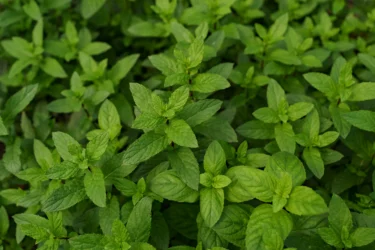
Though some studies show the benefits of pudina in various conditions, these are insufficient and there is a need for further studies to establish the true extent of the benefits of pudina on human health.
Pudina leaves are widely used for culinary purposes such as
You must consult a qualified doctor before taking pudina or any herbal supplements. Likewise, do not discontinue or replace an ongoing treatment of modern medicine with an ayurvedic/herbal preparation without consulting a qualified doctor.
Pudina and its essential oils are safe when consumed in amounts like those found in foods. Some of the side effects associated with pudina use are given below.
Before using pudina for its health effects, you need to consult your healthcare provider and get a proper diagnosis and treatment. It’ll help you avoid any unwanted side effects.
Some general precautions associated with pudina use are given below.
Pudina is possibly unsafe to consume during pregnancy. High doses may cause uterine damage6.
There is insufficient reliable information to determine whether pudina is safe to use while breastfeeding. To be safe, avoid using higher amounts of Pudina6.
Eating a large amount of Pudina might worsen existing kidney damage. Pudina tea might increase kidney damage in people, so it’s best to avoid it unless recommended by your Ayurvedic physician6.
Pudina tea might increase liver damage. So, using large amounts of pudina tea might worsen liver disease.
If you want to take pudina for any of its properties, make sure to consult a healthcare provider as they will be able to guide you about the possible precautions you need to take to avoid any unwanted effects.
Pudina shows moderate interaction with some drugs. You need to take precautions if you take these drugs.
Pudina, when taken in higher amounts, can damage the liver. Some medicines can harm the liver as well. Using Pudina in high quantities along with these medications can worsen existing liver damage. It is advised not to use Pudina when taking drugs such as:
Acetaminophen (used for pain relief), carbamazepine (used for epilepsy), amiodarone (used for heart disease), isoniazid (INH) (used for tuberculosis), methotrexate (used for cancer), methyldopa (used for high blood pressure), fluconazole (used for fungal infection), itraconazole (used for fungal infection), phenytoin (used for epilepsy), lovastatin (used for high blood pressure), pravastatin (used for high blood pressure), erythromycin (used for bacterial infection), simvastatin are some examples of drugs that might affect the liver6.
Also Read: Cluster Beans (Guar): Uses, Benefits, Side Effects By Dr. Siddharth Gupta
A chemical substance found in Pudina might cause sleepiness and drowsiness. Sleep and drowsiness are common side effects of sedative medications. As a result, combining pudina with sedative medications may amplify the impact and produce additional sleepiness. Clonazepam, lorazepam, phenobarbital, and zolpidem7 are some examples of sedative drugs6.
If you are taking medication for any disease condition, make sure you have consulted your doctor about the possible interactions of the medication with other herbs and drugs. This will help you make well-informed choices and avoid unwanted herb-drug interactions.
Also Read: Chirata: Benefits, Side Effects, Precautions and More!
Pudina may sit quietly in our kitchens, but its benefits stretch far beyond the plate. From aiding digestion to lifting your mood, it has a legacy of traditional use and emerging scientific interest. While not a cure-all, it’s a versatile herb that can be safely enjoyed in moderation as part of a balanced lifestyle. Like most natural remedies, its true value lies in how thoughtfully we use it.
Also Read: 14 Health Benefits of Black Pepper (Kali Mirch) and Recipes
Pudina is an aromatic herb widely used for its culinary benefits in foods1.
Mint leaf has many effective properties; it may aid in relieving gas in the stomach. It has shown benefits in diabetes, inflammation, and cancer in several animal trials6. It may also help in enhancing memory and mood3. However, you are advised to consult your healthcare provider or doctor before using Pudina for any of the disease conditions.
Pudina leaves can be used for various culinary purposes. For example, fresh or dried leaves and flowers of Pudina can be used to prepare teas, beverages, sauces, jellies, and vinegar. Pudina leaves can also be added to fruit salads, peas, syrups, candies, ice creams, lamb dishes and Pudina sauce1.
No, Pudina may be harmful if consumed in large quantities during pregnancy because it may cause uterine damage. Therefore, excessive Pudina consumption should be avoided during pregnancy. Also, before using any herb during pregnancy, make sure you have consulted your doctor about its limitations.
Disclaimer: The information provided here is for educational/awareness purposes only and is not intended to be a substitute for medical treatment by a healthcare professional and should not be relied upon to diagnose or treat any medical condition. The reader should consult a registered medical practitioner to determine the appropriateness of the information and before consuming any medication. PharmEasy does not provide any guarantee or warranty (express or implied) regarding the accuracy, adequacy, completeness, legality, reliability or usefulness of the information; and disclaims any liability arising thereof.
18
0
Chia seeds, also known as Salvia hispanica, are tiny superfoods packed with essential nutrients. They offer various health benefits. Chia seeds are rich in omega-3 fatty acids, fibre, protein, and vitamins and minerals.
From improving heart health to supporting digestion, these little seeds are a good addition to any diet. The oil extracted from them is even used in cosmetics, while other parts of the plant have been used for medicinal purposes[2]. In this blog, we’ll read about chia seeds’ benefits, side effects and uses.
Friendly Reminder: The information shared here is for educational purposes only and the reader should consult a registered medical practitioner before implementing any changes to their health routine.
Chia seeds benefit health as it contain omega-3 fatty acids[3], proteins, and fibre. They also have micronutrients like magnesium, zinc, iron, calcium, and some B vitamins. Soak them in water for the perfect, easy-to-consume texture.
Chia seeds are a superfood, but don’t be quick to snack on them alone! Although these seeds are packed with nutrients, eating them dry can be harmful. The seeds can absorb water in your digestive system and potentially cause issues, so it’s best to incorporate them into a recipe or mix them with a liquid before consuming them to reap their benefits safely.
Dr. Siddharth Gupta, B.A.M.S, M.D (Ayu)
Chia seeds might be beneficial for various conditions. However, more research is needed to determine their potential benefits for human health.

Some animal studies have shown that chia seeds may benefit type 2 diabetes. In an animal study by Chicco et al. 2009[5], chia seeds decreased the internal fatty tissue and insulin resistance, indicating that chia seeds may have a role in lipid and glucose homeostasis (maintaining balance)[7].
This information is insufficient because these studies were conducted on animals. However, more studies on humans are required to support using chia seeds to manage blood sugar levels.
Inflammatory diseases are linked with redness, pain, and swelling, which might lead to the loss of essential functions. A chia seed oil in the diet may have been shown to lower the risk of pro-inflammatory agents (involved in inflammation)[3]. Therefore, chia seed oil might benefit the management of inflammatory diseases.
High levels of high-density lipoprotein (HDL) cholesterol (bad cholesterol) in the blood may be directly linked to developing heart-related diseases in humans. Consuming chia seeds may have been shown to lower serum cholesterol levels[6], as they contain a high amount of unsaturated omega-3 fatty acids and dietary fibre[2]. Therefore, chia seeds might be beneficial in fighting heart diseases. However, extensive research will be required to back up such claims.

High blood pressure and dyslipidemia (high levels of fats or cholesterol in blood) may be the most critical risk factors for heart diseases. Some studies have shown that chia seeds may have the potential to manage blood pressure and dyslipidemia[8]. People with high blood pressure who consume chia seed flour experience reduced blood pressure[9]. It might be caused by many fatty acids that have anti-inflammatory and antioxidant properties[2].

Consuming chia seeds may benefit weight management as they are low in carbohydrates and high in dietary fibre, they may reduce the desire to eat and increase satiety (a state of being fed beyond capacity). A review report by Grancieri et al. 2019 suggests that consuming chia seeds by overweight and diabetic adults may support weight loss[3], reduce waist circumference, and increase adiponectin (a protein hormone that reduces inflammation and fat deposition in the blood). They may also be beneficial for overweight and obese individuals. However, this information is insufficient, and more research is needed to support the potential use of chia seeds in managing weight loss in humans[4].
Chia seeds can be used as:
It is essential to consult a physician before taking herbal supplements containing chia seeds. We strongly advise against replacing or discontinuing any prescribed medications with Ayurvedic or herbal products without consulting a doctor. They can guide you on the appropriate form and dosage for your needs.
Also Read: Karela (Bitter Gourd): Uses, Benefits, Side Effects and More!
Although chia seeds are relatively safe, some stomach-related side effects (unspecified) have been reported.
If you experience any side effects from chia seed, seek immediate medical attention from a doctor.
Having chia seeds in small quantities is safe. However, general precautions need to be followed.
Also Read: List of Protein Rich Food for Vegetarians
Natural products may interact with your ongoing treatment, so you must always disclose your ongoing treatments to your doctor and discuss the possible reactions before they prescribe you a dosage of natural products for their benefits as per your condition.
Also Read: 14 Amazing Health Benefits of Pumpkin Seeds!
Chia seeds are a nutritious addition to your diet, offering a variety of health benefits. They are suitable for digestion and promote heart health. They also provide a good source of protein, antioxidants, and essential minerals like calcium and magnesium, making them an excellent choice for boosting energy levels and promoting overall wellness.
Chia seeds may have many health benefits. They may suit diabetes, high blood pressure, heart-related diseases, and obesity. They may also have anti-cancer, antioxidant, and anti-inflammatory properties[2]. However, one should always consult a doctor before using chia seeds for any health conditions.
In a study by Morato et al. 2015, chia seeds reduced body weight and fat in overweight and obese people. Chia seeds are low in carbohydrates and high in dietary fibre, which might reduce the desire to eat and increase satiety. Therefore, it might benefit you in losing weight. However, more studies on humans are required to confirm this.
Chia seeds might be good for diabetes. Some animal and human studies found that chia seeds may benefit diabetes management[8]. In animals, chia seeds lowered the internal fatty tissue and insulin resistance and might be involved in maintaining a balance in lipid and glucose levels. However, this information is insufficient and requires more human studies to support this claim.
There is insufficient data on the safe usage of chia seeds during pregnancy. Therefore, consult your doctor before taking/consuming chia seeds during pregnancy.
Yes, there are various nutrients in chia seeds, including carbohydrates, proteins, fats, fibre, energy, iron, calcium, magnesium, sodium, potassium, phosphorus, copper, zinc, manganese, selenium, vitamins A, B1, B2, B3, B9, C, and E.
Yes, chia seeds might cause allergies. People who are allergic to mustard seeds and sesame should avoid chia seeds.
You can use chia seeds by first soaking them in water. They can be added to smoothies, desserts and more.
1. De Falco B, Amato M, Lanzotti V. Chia seeds products: an overview. Phytochem Rev. 2017;16(4):745–60. Available at: https://www.researchgate.net/publication/316994147_Chia_seeds_products_an_overview
2. Grancieri M, Martino HSD, Gonzalez de Mejia E. Chia Seed (Salvia hispanica L.) as a Source of Proteins and Bioactive Peptides with Health Benefits: A Review. Compr Rev Food Sci Food Saf. 2019;18(2):480–99. Available at: https://pubmed.ncbi.nlm.nih.gov/33336944/
3. Restivo J. Chia seed benefits: What you need to know [Internet]. Harvard Health; 2024 [cited 2025 Feb 4]. Available from: https://www.health.harvard.edu/nutrition/chia-seed-benefits-what-you-need-to-know
4. Ulbricht C, Chao W, Nummy K, Rusie E, Tanguay-Colucci S, Iannuzzi C, et al. Chia (Salvia hispanica): A Systematic Review by the Natural Standard Research Collaboration. Rev Recent Clin Trials. 2009;4(3):168–74. Available at: https://pubmed.ncbi.nlm.nih.gov/20028328/
5. Dietary chia seed (Salvia hispanica L.) rich in α-linolenic acid improves adiposity and normalises hypertriacylglycerolaemia and insulin resistance in dyslipaemic rats. [cited 2025 Feb 4]. Available at: https://www.cambridge.org/core/journals/british-journal-of-nutrition/article/dietary-chia-seed-salvia-hispanica-l-rich-in-linolenic-acid-improves-adiposity-and-normalises-hypertriacylglycerolaemia-and-insulin-resistance-in-dyslipaemic-rats/9B9047EBE0643F49D68AD61EF00CD02D
6. Dickens B, Sassanpour M, Bischoff EL. The effect of chia seeds on high-density lipoprotein (HDL) cholesterol. Cureus. 2023 Jun 13 [cited 2025 Feb 25]. Available from: https://pmc.ncbi.nlm.nih.gov/articles/PMC10339661/#ref-list1
7. Da Silva Marineli R, Moura CS, Moraes ÉA, Lenquiste SA, Lollo PCB, Morato PN, et al. Chia (Salvia hispanica L.) enhances HSP, PGC-1α expressions and improves glucose tolerance in diet-induced obese rats. Nutrition. 2014 Dec 20 [cited 2025 Feb 25]. Available from: https://pubmed.ncbi.nlm.nih.gov/25837222/
8. Ullah R, Nadeem M, Khalique A, Imran M, Mehmood S, Javid A, et al. Nutritional and therapeutic perspectives of Chia (Salvia hispanica L.): A review. Journal of Food Science and Technology. 2015 Oct 1 [cited 2025 Feb 25]. Available from: https://pmc.ncbi.nlm.nih.gov/articles/PMC4926888/
9. Toscano LT, Da Silva CSO, Toscano LT, De Almeida AEM, Da Cruz Santos A, Silva AS. Chia flour supplementation reduces blood pressure in hypertensive subjects. Plant Foods for Human Nutrition. 2014 Nov 18 [cited 2025 Feb 25]. Available from: https://pubmed.ncbi.nlm.nih.gov/25403867/
10. Chia seed (Salvia hispanica L.) supplementation to the diet of adults with type 2 diabetes improved systolic blood pressure: A randomized controlled trial. Available from: https://pubmed.ncbi.nlm.nih.gov/33530854/
Disclaimer: The information provided here is for educational/awareness purposes only and is not intended to be a substitute for medical treatment by a healthcare professional and should not be relied upon to diagnose or treat any medical condition. The reader should consult a registered medical practitioner to determine the appropriateness of the information and before consuming any medication. PharmEasy does not provide any guarantee or warranty (express or implied) regarding the accuracy, adequacy, completeness, legality, reliability, or usefulness of the information; and disclaims any liability arising thereof.
62
6
While the summer season is the perfect time to get into your beautiful, flowy summer dresses and spend time on the beach, it is also the season of sweat, rashes, and general exhaustion due to the scorching heat. Several bodily processes like digestion and temperature regulation are affected if we do not take adequate care of our bodies during this season1,2. This may result in several illnesses, many of which can be totally avoided if we take care of our hydration and nutrient needs in the summer.
Our bodies lose a lot of water and essential electrolytes through perspiration during summer. It may lead to dehydration and affect our bodies’ natural process of regulating the body temperature and cooling down2.
Here is why hydration is important:
Lethargy, weak or rapid pulse, low levels of consciousness and inadequate urine output are common signs of dehydration, adequate intake of water is very essential each day as there’s no mechanism for our body to store water.
Dr Ashish Bajaj, M.B.B.S., M.D. in Clinical Pharmacology and Toxicology
Here are a few signs that help you identify dehydration:
Different people need different amounts of water depending on their age, weight, gender, and pre-existing ailments. Read on to find out how much water different people need each day:
Water intake cannot be generalized for everyone. It varies from person to person. Drink as much water as you think your body needs. A person who is indoors all the time in an air-conditioned room may need less water than a person working in the sun. Urine color is a good indicator of your hydration. Dark-colored urine may indicate you are not drinking enough water, and that you should increase your fluid intake till urine color appears light yellow.
Dr. Arpit Verma, MBBS, MD (Pharmacology)
Apart from hydration, water provides several other benefits, such as the following:
It is recommended that men consume about 13 cups and women consume 9 cups of drinking water and/or other beverages. Do not forget that we get about 20% of our total water intake from water-rich foods such as fruits and vegetables.
Dr. M.G. Kartheeka, MBBS, MD(Pediatrics)
Here are a few tips to make sure you drink enough water throughout the day:
Also Read: Common Summer Season Diseases & How To Prevent Them?
Some people find it difficult to drink enough water and maintain adequate hydration levels in their bodies. The exact reason for this is not yet known, whether it is psychological or related to other body factors. However, staying hydrated, especially during the summer is important. So, what can you do to stay adequately hydrated? Aim for fluids in general instead of just water. Avoid drinks that contain added sugar or caffeine as these may interfere with your health in the long run.
Below are some water-based summer-friendly drinks that you can drink to keep yourself hydrated.
Also Read: Drinking Water Before Bed – Is It A Good Idea?
Drinking enough water during summer is vital to keep your body functioning efficiently and prevent dehydration. Proper hydration helps regulate body temperature and supports overall health. Along with water, including hydrating foods and healthy fluids can keep you refreshed and energised through the summer.
Disclaimer: The information provided here is for educational/awareness purposes only and is not intended to be a substitute for medical treatment by a healthcare professional and should not be relied upon to diagnose or treat any medical condition. The reader should consult a registered medical practitioner to determine the appropriateness of the information before consuming any medication. PharmEasy does not provide any guarantee or warranty (express or implied) regarding the accuracy, adequacy, completeness, legality, reliability, or usefulness of the information; and disclaims any liability arising thereof.
Links and product recommendations in the information provided here are advertisements of third-party products available on the website. PharmEasy does not make any representation of the accuracy or suitability of such products/services. Advertisements do not influence the editorial decisions or content. The information in this blog is subject to change without notice. The authors and administrators reserve the right to modify, add, or remove content without notification. It is your responsibility to review this disclaimer regularly for any changes.
4
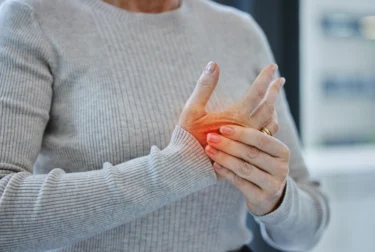
There might be days you experience sudden, intense pains or a profound, steady ache all over the body. No matter your age, there may have been some odd posture that you sat in for long hours as a result of which you are experiencing muscle pain1. If you are searching for remedies to manage your body pain, then you have come to the right place. In this blog, you will find various home remedies that might help you ease out your body pain and get you going.
Body pain can occur due to one or a combination of more than one of the following factors:
Did you know?
Body pain is itself a symptom of some underlying condition. You may experience body pain as:
You might also notice other symptoms along with body pain like:
Some common and useful home remedies for body pain are:
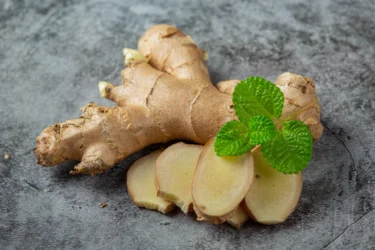
Ginger has been used as a medicinal rhizome in India and China for more than 25 centuries. It has antioxidant and anti-inflammatory properties that are useful for treating disease conditions. In several human studies, ginger was found to be very helpful in healing body pain. A study showed that daily consumption of ginger lowers muscle pain. Ginger also eases pain during menstruation2. You can take some ginger, cut it, and boil it in water. Later, drain out the ginger pieces and enjoy the tea.
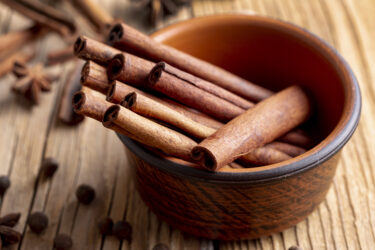
Cinnamon has anti-inflammatory properties. Extreme physical activity or exercise can cause an inflammatory response that causes muscle soreness and damages the cells. A human study was conducted on sixty healthy women (13 to 25 years), where cinnamon was tested for its effectiveness in muscle soreness. It was found to lower muscle soreness; therefore, it might be helpful in relieving body pain3. You can put some cinnamon in water, let it boil, and drink the decoction. You can also add honey to it.
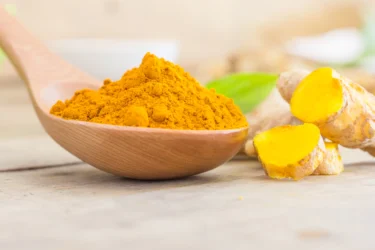
Turmeric has been used for thousands of years for various medicinal purposes. It has anti-inflammatory and analgesic (painkiller) effects that may be useful in various types of pain4. The tribal people of West Bengal apply the paste of turmeric rhizome on the body to treat body pain5. You can add a little turmeric powder to warm water or boil a turmeric rhizome in water. You can drink the solution to reap the benefits of this age-old Ayurvedic remedy.

Several studies have reported that cold compression works as a pain killer. Cold slows down the transfer of signals from sensory nerves and prevents the transmission of pain to the brain. Therefore, it might be beneficial in relieving body pain6. You can massage the affected area with an ice pack or ice cubes. Alternatively, a cold shower might do the trick in case of generalized body pain!
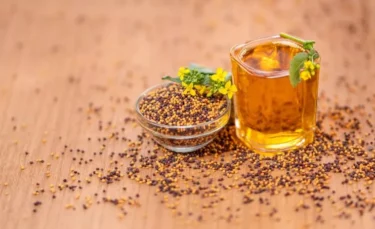
Mustard seeds are effective in curing body aches as they contain selenium, a mineral that helps in combating joint pain. Therefore, mustard oil can benefit body pain. You can use mustard oil with some salt to massage the painful area.
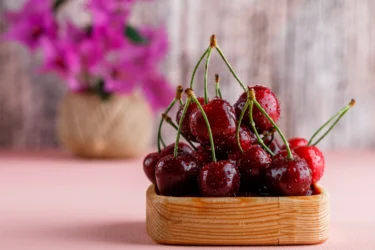
Who knew eating cherries can be not just fun, but medically beneficial too? Cherry is found to be beneficial for chronic pain and inflammatory diseases like gout, arthritis, and fibromyalgia. It has anti-inflammatory and antioxidant properties that might be beneficial in relieving body pain7. You can enjoy sipping on a glass of some cherry juice too at the end of a long day to ease out body pain.
You can also try these tips to lower body pain:
Also Read: Shoulder Blade Pain: Causes, Symptoms, Treatment & More
You must seek medical help if your body pain continues to be unrelenting, or if you notice the following symptoms:
Also Read: Home Remedies For Back Pain By Dr. Siddharth Gupta
Every individual experiences body pain. It becomes harder to work or do anything if you have body pain. Although you can try some of the above-mentioned home remedies to ease your body pain1. If your body pain becomes severe and chronic, you must consult your doctor. If you have any doubts, always confirm with your doctor about the correct way, dosage and duration of prescribed medicine to reduce the chances of any side effects.
Also Read: Effective Home Remedies for Swollen Legs
Yes, you can use cinnamon to relieve body pain. It has anti-inflammatory properties and lower muscle soreness in a human study3. Therefore, it might help reduce body pain. You can boil some cinnamon in water and drink the solution. Also, you can add honey to it.
Yes, ginger might benefit you with body pain. It has antioxidant and anti-inflammatory properties and is very helpful in healing pains2. You can drink ginger tea. To make ginger tea boil some ginger in water.
Yes, turmeric might be helpful in relieving body pain. It has anti-inflammatory and analgesic effects that may be useful in various types of pain4. You can add some turmeric powder to warm water or boil some turmeric rhizome in water. Drinking this solution might help relieve body pain.
Yes, you can use a cold compress for body pain. It has analgesic properties and blocks the transmission of pain signals to the brain6. Therefore, a cold compress might benefit you for body pain; you can massage the affected area with an ice pack or ice cubes.
Every individual experiences body pain. You can try some home remedies that might help you manage body pain. However, if your body pain becomes severe or chronic1, do not self-medicate and consult your doctor. Excessive and frequent intake of painkillers may have potential side effects, especially for people with serious liver or kidney disease.
Yes, stress and tension are some of the most common causes of body pain. However, if the pain becomes severe, you must consult your doctor1. They will recommend you treatment if needed. Rest and meditation might be handy home remedies till then.
1. Muscle Pain [Internet]. Cleveland Clinic. 2021. Available from: https://my.clevelandclinic.org/health/symptoms/17669-muscle-pain
2. Irfan S, Ranjha MMAN, Zahra SM, Mahmood S, Mueen-ud-din G, Alam MQ, et al. A Critical Review on Pharmaceutical and Medicinal Importance of Ginger. ACTA Sci Nutr Heal [Internet]. 2019;3(1):78–82. Available from: https://www.researchgate.net/publication/338361864_A_Critical_Review_on_Pharmaceutical_and_Medicinal_Importance_of_Ginger
3. Mashhadi NS, Ghiasvand R, Askari G, Feizi A, Hariri M, Darvishi L, et al. Influence of ginger and cinnamon intake on inflammation and muscle soreness endued by exercise in Iranian female athletes. Int J Prev Med [Internet]. 2013;4(Suppl 1):S11-5. Available from: https://www.ncbi.nlm.nih.gov/pmc/articles/PMC3665015/
4. Razavi BM, Ghasemzadeh Rahbardar M, Hosseinzadeh H. A review of therapeutic potentials of turmeric (Curcuma longa) and its active constituent, curcumin, on inflammatory disorders, pain, and their related patents. Phyther Res. 2021;35(12):6489–513. Available at: https://pubmed.ncbi.nlm.nih.gov/34312922/
5. Corti L. Nonpharmaceutical Approaches to Pain Management. Top Companion Anim Med [Internet]. 2014 Mar;29(1):24–8. Available from: https://linkinghub.elsevier.com/retrieve/pii/S1938973614000063
6. Mhapsekar DT. To Study the Beneficial Effect of Mustard Oil and Salt Massaging With OralProphylaxis in Patients With Gum Diseases. NIH US Natl Libr Med [Internet]. 2017; Available from: https://clinicaltrials.gov/ct2/show/NCT02638740
7. Kuehl KS. Cherry Juice Targets Antioxidant Potential and Pain Relief. In: Medicine and Sport Science [Internet]. 2013. p. 86–93. Available from: https://www.karger.com/Article/Abstract/341965
8. Dahlhamer J, Lucas J, Zelaya C, Nahin R, Mackey S, DeBar L, Kerns R, Von Korff M, Porter L, Helmick C. Prevalence of chronic pain and high-impact chronic pain among adults — United States, 2016. MMWR Morb Mortal Wkly Rep. 2018 Sep 14;67(36):1001–1006. doi:10.15585/mmwr.mm6736a2. Available from: https://www.cdc.gov/mmwr/volumes/67/wr/mm6736a2.htm
Disclaimer: The information provided here is for educational/awareness purposes only and is not intended to be a substitute for medical treatment by a healthcare professional and should not be relied upon to diagnose or treat any medical condition. The reader should consult a registered medical practitioner to determine the appropriateness of the information and before consuming any medication. PharmEasy does not provide any guarantee or warranty (express or implied) regarding the accuracy, adequacy, completeness, legality, reliability or usefulness of the information; and disclaims any liability arising thereof.
Links and product recommendations in the information provided here are advertisements of third-party products available on the website. PharmEasy does not make any representation on the accuracy or suitability of such products/services. Advertisements do not influence the editorial decisions or content. The information in this blog is subject to change without notice. The authors and administrators reserve the right to modify, add, or remove content without notification. It is your responsibility to review this disclaimer regularly for any changes.
18
Urad dal, scientifically called Vigna mungo, is a lentil most commonly used in South Indian households. It is also called Urd bean, Urad bean, Black lentil, Black matte bean, Mungo bean in English, and Urad dal in Hindi. Vigna mungo seeds are mainly a staple food, and the dehulled and split seeds (dhal in Hindi) are a typical dish in South Asia. It can be found in Asia, Madagascar, and Africa1. Vigna mungo is a hairy and bushy annual plant that has an elaborate taproot. The stem is highly branched from the base. The plant is cultivated for its edible seeds in tropical countries, especially in Asia2.
Black gram split (urad dal) and whole urad dal have tremendous nutritional value. Urad dal is a good source of proteins, carbohydrates, lipids, iron, and calcium. In addition, whole urad has dietary fibre, whereas urad dal (split urad) does not contain fibre. Among the phytochemicals, prominent phytochemicals present in urad dal are flavonoids and phenolic compounds.
The nutritional value table below is for 100 grams of urad dal, and the whole Urad is given below:
Nutritional value of urad dal (black gram split) per 100 grams3
Nutritional value of urad whole (black gram whole) per 100 grams
Vitamins like tocopherols are also present in black gram.
The seed coat of Urad contains various phytochemicals that may show many properties. Some of the properties of urad dal are mentioned below.
Regularly eating urad dal with a low-fat diet may help maintain lipid homeostasis (balance). As a result, it may help reduce the risk of heart disease. Agents responsible for this heart-friendly property of Urad dal are fibre, low glycemic index, and minor components like saponins, phytosterols, and oligosaccharides. Also, the lipids in black gram may show cholesterol-lowering effects in humans7. If you are suffering from heart disease, make sure you talk to your healthcare provider before using urad dal for its benefits.

Urad dal has a low glycemic index (increases blood glucose levels slowly). Along with a low glycemic index, it also has a high content of indigestible fibre, making it an excellent candidate for maintaining blood sugar levels in individuals with diabetes7. Also, black gram may help prevent insulin resistance associated with type 2 diabetes. Hence, black gram may be consumed to avoid type 2 diabetes. However, diabetes is a severe health condition that requires you to strictly adhere to the doctor’s advice. Avoid using urad dal or any herbal remedy to manage your symptoms without consulting a doctor first.

The presence of lipids, proteins, and fats lends black gram high nutritional value. In addition, black gram may help maintain a healthy body weight by providing early satiety due to its high fibre content, limiting overall food consumption7. However, if you are looking to reduce or manage weight, you can reach out to a dietitian or nutritionist, as they will be able to better guide you about the benefits and limitations of each diet.
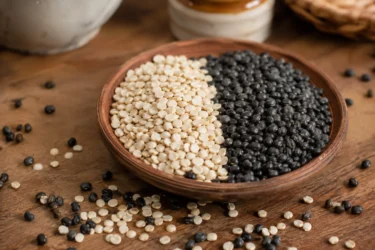
Prebiotics are indigestible foods beneficial in stimulating the growth of helpful intestinal bacteria and improving overall gut health. Black grams are a good source of prebiotics. Consuming black grams (whole) may provide prebiotic health benefits and might be regarded as a potential functional food7.
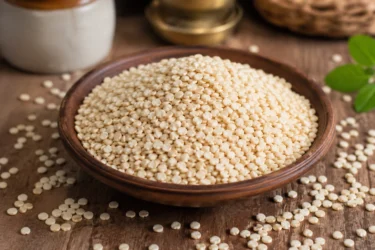
In excess, reactive oxygen species (ROS) can damage cells like proteins, lipids, and DNA, resulting in conditions like cancer, neurodegenerative diseases, and atherosclerosis. Black grams are rich in polyphenols, which possess antioxidant properties. Polyphenols may prevent cellular damage caused by the presence of excessive ROS and thus protect from diseases caused by long-term and chronic inflammation7.
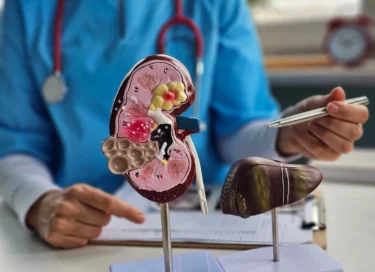
Urad dal may show liver-protective and kidney-protective properties. These properties might be due to components like phenolics, tannins, flavonoids, and phytic acid in urad. These components are potent antioxidants that may show a protective effect on the liver and kidneys7. However, if you are suffering from kidney or liver disease, you need to consult your healthcare provider before using urad dal or any other herbal remedy for kidney or liver problems.
Though studies show the benefits of urad dal in various conditions, these are insufficient, and there is a need for further studies to establish the true extent of the benefits of urad dal on human health.
Did you know that combining mung beans with cereals can greatly enhance the quality of protein in your diet? Cereals are rich in amino acids that contain sulfur, but they lack lysine, an essential amino acid. By pairing mung beans with cereals, you can create a complete protein source that provides all the necessary amino acids for your body’s needs.
Dr. Rajeev Singh, BAMS
There are several ways you can involve urad dal in your diet,
You must consult a qualified doctor before taking urad dal or herbal supplements. Likewise, do not discontinue or replace an ongoing modern medical treatment with an ayurvedic/herbal preparation without consulting a qualified doctor.
In my experience, I have found that mung beans can be an excellent protein source for individuals who prefer a vegetarian diet. Mung bean protein is not only cost-effective but also highly digestible compared to the protein found in other legumes. This means that your body can efficiently break down and absorb the nutrients from mung bean protein, providing you with the necessary building blocks for muscle growth and overall health.
Dr. Siddharth Gupta, B.A.M.S, M.D (Ayu)
Currently, no known side effects are associated with consuming urad dal in moderate quantities. However, if you experience any side effects after eating urad dal, you must consult a healthcare provider or doctor immediately.
Also, avoid using urad dal or other herbs to manage health conditions without consulting your healthcare provider. This will help you avoid unwanted side effects.
Also Read: Coconut Milk: Uses, Benefits, Side Effects and More!
Urad dal may be added as a food component in the diet. But while using any herbal product for its benefits, one must follow general precautions and eat it in moderation. Moreover, if you want to use urad dal for its properties or against any disease conditions, talk to your doctor first. It will help you make well-informed choices and avoid unwanted health effects.
Over the years, I have learned that in China and other Asian countries, the mung bean is recognised as a functional food with detoxifying properties. The specific mechanisms by which it achieves this detoxification are still being studied, but it is believed that the high fibre content and antioxidant compounds in mung beans help to eliminate toxins from the body and promote overall detoxification processes.
Dr. Smita Barode, BAMS, MS
There are no reported interactions of urad dal with other drugs and medicines. However, if you are taking medication for any health condition, you need to consult with your doctor about the possible interactions of the drug with other foods and herbs.
Also, you are advised not to use urad dal for any disease condition without a doctor’s consultation.
Also Read: Chandraprabha Vati (Chandraprabha Gulika): Uses, Benefits, Side Effects, Precautions & More!
Often overlooked and underestimated, urad dal is more than just a supporting ingredient in your meals. Right from supporting heart health and blood sugar control to improving digestion and offering antioxidant protection, it quietly does a lot of heavy lifting behind the scenes. Its versatility in Indian cooking makes it easy to include in everyday meals, and when consumed mindfully, it can be a smart ally for better health. However, if you’re dealing with specific health concerns, it’s best to discuss dietary changes with your doctor to ensure they align with your nutritional needs.
Also Read: Moong Dal: Uses, Benefits, Side Effects and More!
Black gram split is the English name for urad dal.
Urad dal possesses excellent antioxidant properties that make it beneficial for the heart, liver and kidneys. In addition, it has a low glycemic index and high dietary fibre content that may be helpful as a good food substance for patients with diabetes and those on weight control diets. However, consult your healthcare provider before using urad dal for any of its health benefits.
There are no reported major side effects of urad dal. Its seeds are edible and consumed as food. However, if you experience any side effects after consuming urad dal, immediately reach out to your healthcare provider.
Black grams may help in maintaining a healthy body weight by providing a satiety effect, which leads to limiting overall food consumption. So, it may be used to manage obesity. However, it is better to consult your healthcare provider or dietitian before discontinuing medication or making any dietary changes.
1. Black gram (Vigna mungo) | Feedipedia [Internet]. [cited 2022 Apr 6]. Available from: https://www.feedipedia.org/node/236
2. Vigna mungo – Useful Tropical Plants [Internet]. [cited 2022 Apr 6]. Available from: https://tropical.theferns.info/viewtropical.php?id=Vigna+mungo
3. Urad dal by DIYA. NutritionValue.org. [cited 2025 May 28]. Available from: https://www.nutritionvalue.org/Urad_dal_by_DIYA_593298_nutritional_value.html?size=100+g
4. Girish TK, Pratape VM, Prasada Rao UJS. Nutrient distribution, phenolic acid composition, antioxidant and alpha-glucosidase inhibitory potentials of black gram (Vigna mungo L.) and its milled by-products. Food Research International. 2012 Apr 1;46(1):370–7. Available from: https://www.sciencedirect.com/science/article/abs/pii/S0963996912000117
5. Swaroopa C, Kashmira L, Vikas G, Rajan W. Assessment of the prebiotic potential of seed coats from green gram (Vigna radiata) and black gram (Vigna mungo). Journal of Food Science and Technology 2021 59:2 [Internet]. 2021 Mar 3 [cited 2022 Apr 6];59(2):583–8. Available from: https://link.springer.com/article/10.1007/s13197-021-05043-2
6. Arockianathan PM, Rajalakshmi K, Nagappan P. Proximate composition, phytochemicals, minerals and antioxidant activities of Vigna mungo L. seed coat. Bioinformation. 2019 Aug 31 [cited 2025 May 28]. Available from: https://pmc.ncbi.nlm.nih.gov/articles/PMC6822517/
7. Swamy KRM. Origin, domestication, taxonomy, botanical description, genetics and cytogenetics, genetic diversity and breeding of urad bean (Vigna mungo (L.) Hepper). International Journal of Current Research. 2023 Aug 30 [cited 2025 May 28]. Available from: https://www.journalcra.com/sites/default/files/issue-pdf/45739.pdf
Disclaimer: The information provided here is for educational/awareness purposes only and is not intended to be a substitute for medical treatment by a healthcare professional and should not be relied upon to diagnose or treat any medical condition. The reader should consult a registered medical practitioner to determine the appropriateness of the information and before consuming any medication. PharmEasy does not provide any guarantee or warranty (express or implied) regarding the accuracy, adequacy, completeness, legality, reliability or usefulness of the information; and disclaims any liability arising thereof.
Links and product recommendations in the information provided here are advertisements of third-party products available on the website. PharmEasy does not make any representation on the accuracy or suitability of such products/services. Advertisements do not influence the editorial decisions or content. The information in this blog is subject to change without notice. The authors and administrators reserve the right to modify, add, or remove content without notification. It is your responsibility to review this disclaimer regularly for any changes.
17
2
Harad, scientifically known as Terminalia chebula, is an ayurvedic herb belonging to the Combretaceae family. Because of its extraordinary health benefits, it is also called the King of Medicine1. The harad plant is found in the Middle East and tropical countries such as China, India, and Thailand2. It is a tropical, large, evergreen tree with thick, black and cracked bark. Its seeds can be eaten as snacks. Fruits of harad are yellow to orange-brown2. It is also used as one of the ingredients of the popular ayurvedic formulation Triphala, which is traditionally used for treating various stomach disorders3.
Other names of Harad include Harre, Harad, Harar in Hindi; Myrobalan in English; Abhaya, Kayastha, Shiva, Pathya, Vijaya in Sanskrit; Shilikha in Assamese; Haritaki in Bengali; Hirdo, Himaja, Pulo-harda in Gujrati; Alalekai in Kannada; Halela in Kashmiri; Katukka in Malayalam; Hirda, Haritaki, Harda, Hireda in Marathi; Harida in Oriya; Halela, Harar in Punjabi; Kadukkai in Tamil; Karaka, Karakkaya in Telugu; Halela in Urdu4.
Harad contains many chemical components with antioxidant benefits, such as phenolic acids, benzoic acids, cinnamic acids, flavonoids, beta-sitosterol (a plant sterol used to reduce cholesterol levels) and glycosides. Nutritional components like amino acids, fatty acids, and fructose are also found in harad5.
Harad is loaded with beneficial properties like:
In traditional systems of medicine, the fruits of Harad, have been extensively used in Ayurveda, Unani and Homeopathic systems of Medicine2. With various phytochemicals like polyphenols, flavonoids, anthocyanins, alkaloids, terpenes and glycosides, harad provides may show potential uses against many diseases condtions5.
The fruits, leaves, and bark of harad exhibit potent antioxidant properties due to their phenolic compounds. Harad extract may disrupt free radicals (which cause damage to body proteins and DNA) and inhibit oxidising enzymes in the body. This may help lower inflammation in the body5.
The phenolic compounds present in harad suggest good anti-cancer activity in laboratory trials. Harad fruit extract may have the potential to inhibit the growth or increase in the number of cancer cells and induce death in several types of cancer cells, including human breast cancer cells, human bone cancer cells, and prostate cancer cells, as seen in lab-scale studies6. However, more studies are required to support the use of harad in cancer. You are advised not to use any herb without consulting your doctor first.
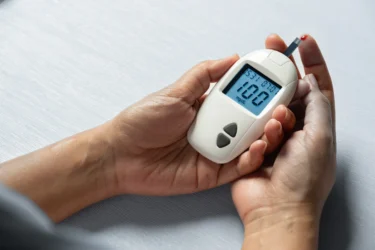
Harad fruit has shown anti-diabetic properties in several lab trials. In addition, long-term and short-term animal studies7 may have shown that it can lower blood glucose levels in diabetic rats. With larger human trials, we might be able to establish the use of harad even in humans to avoid or manage diabetes. Diabetes is a serious health condition that requires you to adhere to doctor’s advice and treatment. Avoid using any herb or remedy without consulting your healthcare provider.

Animal studies8 have shown that harad fruits may have significant liver-protective properties and could potentially prevent liver cell toxicity. In addition, it may help avoid drug-induced liver cell toxicity. However, if you suffer from liver problems, you are advised not to use any herb or remedy without talking to your healthcare provider.

Harad may exhibit anti-bacterial activity against many infectious bacteria like Clostridium perfingens and Escherichia coli. It might also be effective against Helicobacter pylori, which causes stomach ulcers, gastritis (gastric inflammation), and stomach cancer. In addition, Harad seeds may negatively affect the growth of bacteria like Staphylococcus aureus, Shigella, and Klebsiella, which cause digestive tract infections9. With larger human trials, we will be able to understand the true extent of the effects of harad on humans.
Harad may show anti-viral activity. It may provide protection against the influenza A virus, helping recover from upper respiratory tract infections quickly. It could inhibit the enzymes needed for viral growth during a lab trial. It may also show therapeutic activity against the herpes simplex virus and hinder the development of the human cytomegalovirus5.
Harad extract has shown good antifungal activity in lab studies5 against several yeasts and dermatophytes. These fungi cause skin infections. In addition, Harad extract showed antifungal activity against pathogenic fungi like Candida albicans, Epidermophyton, Floccosum, Microsporum gypseum and Trichophyton rubrum.
However, more studies are required to support the use of harad in human infections. Therefore, avoid using harad or any other herb for infections without a doctor’s consultation.
Dried fruit extract of harad showed anti-inflammatory properties in lab trials. It could stop the formation of nitric oxide, a chemical in the blood responsible for inflammation. In addition, Chebulagic acid, a component of harad seeds, may reduce the onset and progression of arthritis (inflammation of the joints) in animal studies5. However, avoid using harad to reduce inflammation without talking to your doctor first.

In an animal study5, harad extract could reduce the lipid and cholesterol levels in the blood. This activity may help manage atherosclerosis (deposition of fatty material on the walls of blood vessels). Harad fruit pericarp also showed cardioprotective (heart protective) properties. In addition, animal studies5 have shown that harad extract may help avoid heart problems. If you are suffering from any heart condition, you must consult your doctor and get treated. Do not use harad or herbal remedies to prevent or treat heart problems on your own.
The benefits of harad as a laxative are well established in the literature. Laxative properties may help manage constipation. Harad may help evacuate the bowel completely. Harad fruit might lengthen the gastric emptying time. This effect appeared to be balanced by an improvement in the secretion of stomach glands, protecting the stomach from duodenal ulcers5. However, stomach problems may indicate a serious stomach problem. Therefore, you must consult your healthcare provider before using harad for stomach problems.
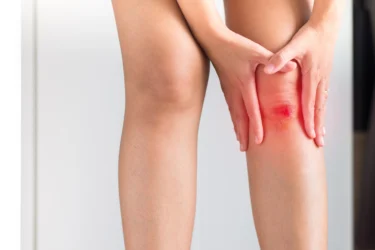
Though studies show the benefits of harad in various conditions, these are insufficient, and there is a need for further studies to establish the true extent of the benefits of harad on human health.
Harad can work wonders for grey hair! Harad, in combination with other medicinal herbs such as Baheda and Mehendi, might be used as a hair dye10.
Dr. Rajeev Singh, BAMS
Also Read: Bael (Aegle Marmelos): Uses, Benefits, Nutritional Value & Side Effects
Harad can be used in several ways depending on its intended benefit:
You must consult a qualified doctor before taking harad or any herbal supplements. Likewise, do not discontinue or replace an ongoing treatment of modern medicine with an ayurvedic/herbal preparation without consulting a qualified doctor.
Did you know harad might help relieve the cough as well? Due to its antimicrobial nature, the fruit of harad is roasted and might be used as a potential medicine for cough10.
Dr. Smita Barode, B.A.M.S, M.S.
Harad showed no side effects on rats during animal studies3. Insufficient data were reported on the major side effects of harad use in humans. However, if you experience any side effects after using harad, reach out to your healthcare provider immediately.
Also, avoid using harad for its health benefits without consulting your healthcare provider. It will help you avoid side effects.
Also Read: Multani Mitti: Uses, Benefits, Side Effects & More!
Here are some general precautions that you need to take while using harad.
Before using harad or other herbal remedies against a disease condition, make sure you have consulted your healthcare provider about the possible precautions you might need to take. This will help you make well-informed choices.
A mixture of powdered Harad fruit and saunf, cooked in ghee and consumed with warm water might help relieve diarrhoea. It is believed to have an antibacterial property10.
Dr. Anuja Bodhare, B.A.M.S, M.D (Ayu)
People on drugs for diabetes should be careful while taking harad, as it may reduce blood sugar levels. Taking harad along with anti-diabetic medication might cause a drop in blood sugar levels5. Also, if you are taking medicines for any health condition, consult your doctor about the possible interactions of medicines with other herbs and drugs. This will help you avoid any unwanted drug interactions.
Also Read: Triphala: Uses, Benefits, Side Effects & More!
Harad has many potential uses due to the variety of compounds found in it. Harad may show heart-protective, liver protective, anti-bacterial, antifungal, and anti-viral properties. In addition, it may benefit health conditions like cancer, diabetes, inflammation, and stomach disorders5. However, before using harad for any of these health benefits, talk to your doctor first. Avoid using herbal remedies without consulting your healthcare provider.
Harad may be used to manage bacterial infections. Anti-bacterial benefits of harad have been proven in many animal studies5. Harad has also shown activity against several human pathogenic bacteria. But harad should not be used as a treatment for bacterial infections without consulting a doctor. Use it only if your doctor recommends it.
Disclaimer: The information provided here is for educational/awareness purposes only and is not intended to be a substitute for medical treatment by a healthcare professional and should not be relied upon to diagnose or treat any medical condition. The reader should consult a registered medical practitioner to determine the appropriateness of the information and before consuming any medication. PharmEasy does not provide any guarantee or warranty (express or implied) regarding the accuracy, adequacy, completeness, legality, reliability or usefulness of the information; and disclaims any liability arising thereof.
46
5
Babool also called Acacia arabica, belongs to the family Leguminosae. Babool is a spiny, medium-sized, perennial tree commonly found throughout India1. The bark of the tree is known as Babur or Babul in Hindi. Today it is widely known as Gum Arabic as it was imported in large quantities in Arab. In India, babool is very commonly found in Maharashtra, Uttar Pradesh, Madhya Pradesh, Chhattisgarh, Jharkhand, Rajasthan and other dry regions of the country. Also, the thorny babool tree is seen in the neighboring Asian countries of Bangladesh, Sri Lanka, and Burma. It is native to North Africa and commonly seen in Egypt. It is more common in the western states of the peninsula. The vernacular names of babool are Babura, Kikar, Babula in Hindi Kaloabaval, Baval in Gujarati Babala, Babula in Oriya Babhula, Babhul in Marathi Babla in Bengali Babala in Assamese Indian gum Arabic tree, babula tree in English Kari Jail, Kari gobli, Sharmeeruka, Pulai Jali in Kannada Kikkar in Punjabi Sak in Kashmiri Thumma, Nallatumma in Telugu Karuvel, Karuvelan in Tamil Velutha Karuvelan in Malayalam Bavari, Kinkirata in Sanskrit1.
Did you know?
The seeds of babool contain rich amounts of fiber and proteins. Its pods contain more fiber and have a lesser amount of protein as compared to the leaves3. There are many nutritional benefits of babool, including tannin, alkaloids, a polyphenolic compound, terpenoids, glycosides, and saponins2.
The properties of babool include:
Recent studies suggest that the bark of Babool might be used as a natural dye for clothes. It is believed to bind dyes to the fabrics. This is fantastic news for those who love and enjoy wearing natural fabrics7.
Dr. Siddharth Gupta, B.A.M.S, M.D (Ayu)
Babool might have some potential uses in various conditions. However more studies are required. Some potential uses of babool are described as follows:

In a study, conducted by Crowch and Okello 2009 stated that babool had inhibitory activity on acetylcholinesterase enzyme. Acetylcholinesterase, an enzyme that breaks down the neurotransmitter acetylcholine, may be helpful in managing Alzheimer’s disease2. However, human studies are required to confirm its effectiveness on Alzheimer’s disease. Therefore it is essential first to consult a doctor and only use babool as a herb for Alzheimer’s.
The water extract and ethyl acetate extract of babool was evaluated for antimalarial activity in an animal model by Malviya et al. 2011 and both exhibited antimalarial activity4. The extract of babool was found to have the highest anti-malarial activity against the malaria parasite Plasmodium falciparum. However, these studies are done on animals and not on humans. Therefore, we require more information on its safe usage on humans.
Babool may have shown anti-ulcer potential when tested on different animal models. The phenolic compounds present in babool might be responsible for the antiulcer activity2. In another study by Agunua et al. 2005, babool was tested for anti-diarrhoeal activity in animals. Initially, babool showed a relaxation effect followed by a contraction effect in the jejunum (middle part of the small intestine) of the animals. It also showed a 100% reduction from diarrhoeal infection in another animal model5. Therefore, it might indicate that babool may be beneficial for managing symptoms of diarrhoea. However, this research is insufficient as these studies are not done on humans. Hence, more studies on humans are required to suggest the potential use of babool for digestion. Therefore it is essential to first speak with your doctors and only use babool as a medicine.

Studies have seen the blood glucose-lowering activity of babool extract, in an animal model studied2 by Kharya et al. 2010. The results showed that the babool extract might have a blood glucose-lowering effect. It exhibited a reduction in blood glucose, triglycerides, and cholesterol. This means it may help lower the risk of heart disease as well. Diabetes is a major health condition and requires appropriate diagnosis and treatment from a professional doctor. Therefore, human trials of babool are necessary to provide its potential usage for managing blood sugar levels in humans.
The antihypertensive activity of babool was tested in an animal model and humans (Gilani et al. 1999). The extract of babool was found to lower arterial blood pressure and give antihypertensive activity. In human studies2 conducted by Omaima et al. 2016, a drop in systolic and diastolic blood pressure was observed in participants with type 2 diabetes. This suggests that babool may be a potentially useful agent to lower blood pressure, especially in persons with diabetes5. However, these studies are insufficient and more new studies are required. Therefore, people should take advice from a doctor to stay updated about the latest benefits related to any herb.
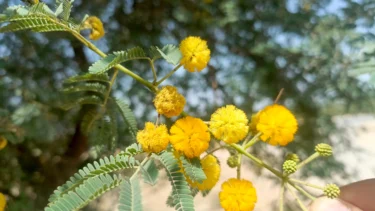
A study2 by Kalaivani and Mathew 2010 reported that babool is a highly accessible source of natural antioxidants. It may be used in inflammation, cancer, and diabetes. The high antioxidant property of babool might be due to the phenolic compounds present in it. These antioxidants may fight the free radicals that are produced in the body. However, this information is insufficient and requires extensive research to support this claim.

The gum, flower, and leaf extract of babool were evaluated for anticancer activity in an animal model by Meena et al. 2006. Babool was found to affect tumor growth and showed a cytotoxic effect on cancer cells obtained from a human. In an animal study4, the use of babool was found to reduce tumor development. However, cancer is a serious health condition that might require proper treatment and diagnosis. So it is better first to have a consultation with a doctor. And more research is required to develop an accurate scope of babool for cancer-related problems in humans.

Babool was investigated for its weight management activity in a human study by Omaima et al. 20165. A highly significant decrease in BMI (body mass index) was seen in prediabetic and diabetic groups, implying that babool might benefit weight management. However, this study is insufficient we require more human studies to provide the true extent of babool for weight management in humans.

A study2 conducted by Banso et al. 2009 was done to evaluate the antimicrobial activity of babool. The study showed that the bark extract might have antimicrobial activity against bacteria like Staphylococcus aureus, Streptococcus viridans, Escherichia coli, Shigella sonnei, and Bacillus subtillis. This study suggested that babool extract might be a potential antimicrobial agent. In another study by Kalaivani et al. 2010, babool showed the highest activity against 2 fungi strains (Aspergillus niger and Candida albicans) and 3 bacterial strains (Salmonella typhi, S. aureus, and E. coli). Babool may also be known for its antiviral activity against the virus Hepatitis C in infected liver cells. However, this information is insufficient because these studies are not done on humans and require more studies to be done on humans to support the use of babool for managing infections in humans.
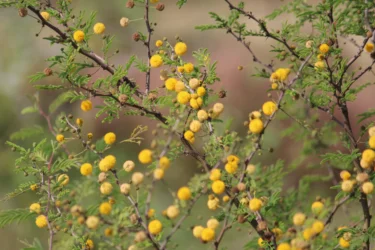
In a study5 by Eline et al. 2004, the extract of babool was found to enhance the production of milk in rats and was shown to increase the production by 59% in an hour. However, human studies are required to confirm its activity on humans to stimulate higher milk production in nursing mothers. Therefore lactating mothers need to be aware of the safe usage of babool during these times. Also a doctor’s consultation is essential.
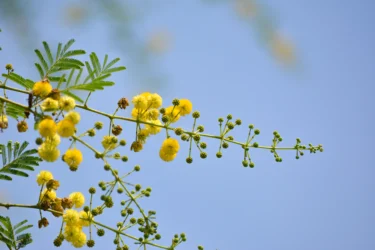
Prolapse means a displacement of an organ from its normal position. The decoction of babool bark may be used in rectal prolapse. The decoction of root bark may be used for stomach pain. The leave decoction is used in the form of nutool (a method of pouring the solution from a height over the specific part) in prolapse4. However, its effectiveness on humans requires more testing. However, more studies on humans are required to support the potential uses of babool for rectal prolapse. Therefore, a doctor’s advice is necessary.

The tender leaves of babool might be beneficial for treating mouth ulcers. It may be useful to clean the mouth, relieve pain, stop the bleeding of the gums, and might also help tighten the teeth5. However, its effectiveness requires confirmation via human studies. Therefore, people should consult their doctors and only use them to overcome the above-mentioned issue. Though there are studies showing the benefits of babool in various conditions, these are insufficient. And there is a need for further studies to establish the true extent of the benefits of babool on human health. Furthermore, every person may respond differently to these herbs. Therefore it is important to consult a doctor before using babool for any medical condition.
Spice up your life with your partner using Babool! Other than medicinal uses, Babool might be used as an aphrodisiac to enhance sexual life.
Dr. Rajeev Singh, BAMS
Babool can be used as:
One should always take the advice of an Ayurvedic physician before having babool. In addition, we recommend you do not replace or discontinue your ongoing medications with any ayurvedic or herbal preparations without seeking the medical advice of a qualified doctor. They will guide you with the best form and dosage in which the herb can be used per your health condition.
Did you know Babool might act as an expectorant as well? Researchers suggest that Babool might have the property to expel cough from the airways that might help to relieve the congestion.
Dr. Smita Barode, B.A.M.S, M.S.
Regular consumption of babool might have some side effects associated with stomach.
Having babool in moderation might be safe. However one must follow general precautions.
Also Read: Lemongrass: Uses, Benefits, Side Effects and More!
A review report (Ulbricht et al. 2008) suggested that babool was found to interact with amoxicillin (antibacterial medicine). It might affect the absorption of amoxicillin6. Therefore, avoid babool when you are taking amoxicillin. Thus, if you are taking antibacterial/antibiotic medicine, you must consult an Ayurvedic physician before consuming babool products. They will direct you to the better way to have it.
Also Read: Safed Musli: Nutrition, Benefits, Precautions and More!
Babool in English is called an Indian gum Arabic tree1.
Babool can be used as powder or decoction1. Small bark, juice of babool leaves, and tender leaves can be used. The powder form of flower, leaves, bark, pod, and wood may be used for leucorrhoea. Chewing babool bark and a decoction of the bark may be useful in cough. The paste or juice of babool leaves may be applied to lower the swelling and redness of the eye4. However, babool should not be used as self-medication. It is essential to take the doctor’s advice; they will recommend you the best form and dosage based on your health condition.
Babool is considered safe but has a few side effects. It might cause constipation and maybe harmful to the rectum, intestine, and chest5. Therefore, before using babool, please consult with your doctors.
The small branches of babool may be beneficial for strengthening the teeth as they are used for brushing the teeth4. This fact is insufficient and requires a doctor’s advice to back this claim.
There is not much data on its usage during pregnancy. Therefore, be on the safer side and avoid babool during pregnancy or consult your doctor before taking babool during pregnancy.
Babool was found to be beneficial for diabetes in various animal models2. However, its study in humans is not reported. Therefore, more studies on humans are required. Diabetes is a severe health problem that must be accurately diagnosed and treated by a qualified doctor.
Chewing of bark and decoction of babool might be helpful in relieving cough4. But we require more information to suggest the usage of babool for managing cough. People should not use it to self-medicate on their own prior to consulting a doctor.
The tender leaves of babool might be helpful for mouth ulcers. It might also be used to clean the mouth, relieve pain, tighten the teeth, and reduce gum bleeding4. However, this information is insufficient to say the potential benefit of babool for mouth ulcers. You can consult a doctor before using it.
There is not much data on its safe usage during breastfeeding. Therefore, avoid babool during breastfeeding or consult your doctor before taking babool.
Babool was found to be beneficial for malaria in an animal model4. However, its effect on humans is still not studied. Therefore, more human trials are required to suggest the potential uses of babool in managing malarial infection.
Babool was found to interact with amoxicillin, as suggested in the review report (Ulbricht et al. 2008). Therefore, avoid babool if you are taking amoxicillin6. However, if any harmful effect is observed, please get in touch with your doctors.
Babool was found to have anti-ulcer properties when tested in an animal model (Bansal et al. 2012)2. However its study in humans is still not reported. Therefore, we require more studies on humans to confirm the beneficial effect of babool for ulcers.
A human study5 (Omaima et al. 2016) found babool to lower the BMI (body mass index) of prediabetic and diabetic patients. Therefore, it might be helpful to lose weight. However, this information is insufficient and requires more studies to back this claim. We recommend you should consult a doctor before using babool for weight management.
Disclaimer: The information provided here is for educational/awareness purposes only and is not intended to be a substitute for medical treatment by a healthcare professional and should not be relied upon to diagnose or treat any medical condition. The reader should consult a registered medical practitioner to determine the appropriateness of the information and before consuming any medication. PharmEasy does not provide any guarantee or warranty (express or implied) regarding the accuracy, adequacy, completeness, legality, reliability or usefulness of the information; and disclaims any liability arising thereof.
Links and product recommendations in the information provided here are advertisements of third-party products available on the website. PharmEasy does not make any representation on the accuracy or suitability of such products/services. Advertisements do not influence the editorial decisions or content. The information in this blog is subject to change without notice. The authors and administrators reserve the right to modify, add, or remove content without notification. It is your responsibility to review this disclaimer regularly for any changes.
7
1
Vijaysar is a plant drug used in Ayurvedic medicine. It is scientifically known as Pterocarpus marsupium and belongs to the Fabaceae family. This plant grows naturally in India, Srilanka, and Nepal. It has been used for thousands of years for managing various disease conditions1.
Vijaysar is called the Indian kino tree or Malabar tree in English; Vijayasar or Bija in Hindi; Asana or Bijaka in Sanskrit; Biyo in Gujarati; Bijasara in Kannada; Lal Chandeur in Kashmiri; Piyasala or Pittasala in Bengali; Venga in Malayam; Bibila in Marathi; Piashala in Oriya; Channanlal in Panjabi; Vengai in Tamil; Yegi in Telugu; and Bijasar in Urdu1,2.
Vijaysar has various nutrients and chemical compounds like carbohydrates, fats, flavonoids, glycosides, alkaloids, saponins and tannins. It is also high in polyphenolic compounds (micronutrients that occur in plants)3.
Vijaysar has various helpful properties like:
In my experience, Vijaysar’s rasayani dravya may aid in reducing ageing. Vijaysar may promote tissue regeneration, antioxidant activity, and tissue healing.
Dr. Anuja Bodhare, B.A.M.S, M.D (Ayu)
Antibacterial properties of Vijaysar stem and bark extract have been demonstrated by laboratory studies. Stem extract showed antibacterial activity against Bacillus coagulans and Escherichia coli, which cause stomach infections. Vijaysar has also been studied to have antibacterial activity against other bacteria such as Streptococcus pyrogens, Staphylococcus aureus, Enterococci, Escherichia coli, and Pseudomonas aeruginosa in both laboratory and animal studies1. However, if you are suffering from bacterial infection, reach out to your healthcare provider and get treated. Avoid using herbs or remedies to treat infections without consulting your doctor first.

Two components in Vijaysar extract were found to inhibit the multiplication and spread of cancer cells to other organs. Vijaysar could also induce the death of cancer cells and is reported to have anti-cancer properties. It may also be used to manage prostate and breast cancer1. However, more research is needed to support the use of vijaysar in cancer. You are advised not to use any herbs for cancer without consulting your doctor.

Since ancient times, Vijaysar has been a highly effective antidiabetic agent. It may lower blood sugar levels by protecting and regenerating insulin-producing cells. Many animal studies have shown that it could reverse beta cell (insulin-producing cells) damage and restore normal insulin levels. Clinical studies1 have shown that Vijaysar has blood sugar lowering properties without causing any side effects. However, diabetes is a serious health condition that requires you to strictly adhere to the doctor’s advice and treatment. Avoid using herbal remedies to treat diabetes without first talking to your healthcare provider.
Vijaysar heartwood (dense inner part of a tree trunk) extract could show lipid-lowering activity in lab trials. The extract could also reduce total blood cholesterol levels. It might reduce bad cholesterol while having no effect on good cholesterol. Bad cholesterol raises the chances of heart problems1.
According to a lab study, Vijaysar extract showed excellent heart stimulating activity (an activity that increases efficiency and muscle contraction of the heart). In addition, Vijaysar could stimulate the heart to increase its force and rate of contraction, according to another lab study. These properties of vijaysar have been observed in lab studies. However, more research is required to support the use of vijaysar for heart problems. In case of any heart problems, you need to speak to your healthcare provider.

In a study1, the liver-protective activity of Vijaysar bark extract was investigated. The study demonstrated that biochemical parameters such as liver enzymes (used to assess liver function) were controlled after using vijaysar, a sign of a healthy liver. However, if you suffer from liver problems, using herbal remedies without consulting a doctor may damage the liver.

Vijaysar may show an antidiarrhoeal property. Heartwood extract of vijaysar could significantly benefit diarrhoea by reducing its frequency and severity during trials. In addition, studies3 supported that flavonoids (plant metabolites) of Vijaysar extract might be responsible for the antidiarrhoeal activity. If you are suffering from diarrhoea, make sure you have consulted your doctor first.
Vijaysar was found to be a potent memory-enhancing agent, according to an animal study. In animal models, administration of Vijaysar extracts reduced drug-induced amnesia (loss of memory). In addition, vijaysar extract has phytoconstituents like saponins that may show nootropic activity (an activity that enhances brain performance). However, in case of any problems associated with the brain, you should consult your healthcare provider and get a proper diagnosis3. Self-treating may worsen your symptoms.
Vijaysar bark and leaves have anti-inflammatory, anti-microbial, and antioxidant qualities that may cleanse the blood. From my experience, this plant may help you in several hair issues, including dandruff, folliculitis, itching, and hair infections. Vijaysar may improve blood circulation while nourishing the hair follicles to stop hair loss.
Dr. Smita Barode, B.A.M.S, M.S.

Though there are studies showing the benefits of the vijaysar in various conditions, these are insufficient and there is a need for further studies to establish the true extent of the benefits of vijaysar on human health.
Vijaysar decoction consumption may impair a person’s capacity to taste sweet foods. This may successfully reduce cravings while promoting a healthy lifestyle. From my experience, Vijaysar has a lot of alkaloids and flavonoids, which may aid in weight loss. LDL (Low-Density Lipoprotein, or Bad Cholesterol) buildup is also believed to be decreased by bark powder.
Dr. Rajeev Singh, BAMS
There are many ways to make use of Vijaysar. All its plant parts listed below offer some benefits for human use.
You must consult a qualified doctor before taking vijaysar or any herbal supplements. Likewise, do not discontinue or replace an ongoing treatment of modern medicine with an ayurvedic/herbal preparation without consulting a qualified doctor.
An extract from the bark and roots of Vijaysar has anti-inflammatory and antibacterial compounds. In my experience, when gently massaged into the eyelids and removed after 15 minutes, Vijaysar oil may minimise the swelling, redness, and discomfort associated with eye infections. In addition, Vijaysar oil may ease eye pain and strain and may promote clear vision.
Dr. Siddharth Gupta, B.A.M.S, M.D (Ayu)
Vijaysar does not cause any major side effects when administered in prescribed doses1. However, if you experience any mild or severe side effects after using vijaysar, immediately reach out to your healthcare provider.
Also, do not use Vijaysar or any Ayurvedic medicine without consulting your physician first.
Also Read: Kantakari (Solanum xanthocarpum): Uses, Benefits, Side Effects, and more!
Vijaysar is an Ayurvedic medicine with many therapeutic properties. However, you need to exercise precautions such as:
Also, before using vijaysar for its medicinal properties, make sure you have consulted your healthcare provider or physician about its possible precautions.
Also Read: Nagkesar – Benefits, Uses & Side Effects
Vijaysar has significant effects on blood sugar levels. People on antidiabetic medications should avoid taking Vijaysar because it can cause a considerable drop in blood sugar1.
If you are taking medicines for any health conditions, you need to talk to your healthcare provider regarding the possible interactions of the drug with other herbs and medicines.
Also Read: Black Cardamom (Badi Elaichi): Uses, Benefits, Side Effects and More!
Vijaysar is a medicinal plant used in Ayurvedic, Homoeopathic and Unani systems of medicine1.
All parts of the Vijaysar plant have different uses. All the plant parts, including leaves, barks, flowers, heartwood, resins, and gums, have medicinal uses. It is also used for its timber1. However, consult your healthcare provider before you sue vijaysar for its health benefits.
Vijaysar offers many benefits for people with diabetes. It may aid in regulating blood glucose levels and the regeneration of insulin-producing cells. It may also protect insulin-producing cells and also restore normal insulin levels1. Vijaysar should be used under the supervision of a medical professional. Do not use any herbal remedy for diabetes without consulting your healthcare provider.
The bark of the Vijaysar tree may help deal with toothache. In addition, the bark and resin can be used to make a decoction. This decoction may be used to manage urinary tract discharge and cancer1. Before using vijaysar for these benefits, reach out to your healthcare provider and get a proper diagnosis.
Yes, Vijaysar is used in the Ayurvedic system of medicine. It belongs to a group called Rasayana in Ayurveda5. It should be sued under the supervision of an ayurvedic physician.
Vijaysar is also called the Indian Kino tree and Malabar tree in English2.
1. Singh Mahalwal V, Ali M. Phytochemical and pharmacological profile of Pterocarpus marsupium: A review. The Pharma Innovation Journal [Internet]. 2016;5(4):31–9. Available from: https://www.researchgate.net/publication/303370375
2. The Ayurvedic Pharmacopoeia Of India Part-I. Vol. 1. Government Of India Ministry Of Health And Family Welfare Department Of Ayush; Available from: http://www.ayurveda.hu/api/API-Vol-1.pdf
3. Ahmed Hilal RK. Pharmacology of Pterocarpus marsupium Roxb. Medicinal Plant Research. 2015;5(3):1–6. Available from: https://www.researchgate.net/publication/281740597_Pharmacology_of_Pterocarpus_marsupium_Roxb
4. Sukhadiya M, Chintan D, Behera L, Mehta A, Dholariya C, Behera LK, et al. Indian Kino Tree (Pterocarpus Marsupium Roxb.): Biography Of Excellent Timber Tree Species. MFP NEWS [Internet]. 2019;XXIX(1):4. Available from: https://www.researchgate.net/publication/332697158
5. Halagappa K, Girish HN, Srinivasan BP. The study of aqueous extract of Pterocarpus marsupium Roxb. on cytokine TNF-α in type 2 diabetic rats. Indian Journal of Pharmacology [Internet]. 2010 Nov [cited 2022 Apr 13];42(6):392. Available from: https://www.ncbi.nlm.nih.gov/pmc/articles/PMC2991700/
Disclaimer: The information provided here is for educational/awareness purposes only and is not intended to be a substitute for medical treatment by a healthcare professional and should not be relied upon to diagnose or treat any medical condition. The reader should consult a registered medical practitioner to determine the appropriateness of the information and before consuming any medication. PharmEasy does not provide any guarantee or warranty (express or implied) regarding the accuracy, adequacy, completeness, legality, reliability or usefulness of the information; and disclaims any liability arising thereof.
Links and product recommendations in the information provided here are advertisements of third-party products available on the website. PharmEasy does not make any representation on the accuracy or suitability of such products/services. Advertisements do not influence the editorial decisions or content. The information in this blog is subject to change without notice. The authors and administrators reserve the right to modify, add, or remove content without notification. It is your responsibility to review this disclaimer regularly for any changes.
7
0


