
Have you heard of Chamoy? It’s a much-loved Mexican sauce with a taste that is a mix of sweet, sour, and spice. It’s commonly used as a dip and is a favourite of many. But that’s not all! Drinks, candies, and even meat marinades use it too.
In this guide, we’ll learn about the many perks of chamoy, that even science has backed. We’ll also see how to make it at home to control its ingredients. Also, we’ll discuss chamoy’s taste, and popular uses and answer common queries.
Chamoy is a tangy, sweet, spicy sauce that hails from Mexico. It’s made with chili peppers, salt, sugar, and sour fruits like apricots, plums, or prunes. Chamoy lifts the taste of many dishes and drinks.
We dry and ferment the fruit and then mix it with spices, limes, and chilies.
Here are the steps:
What you get is a delicious sauce with just the right mix of sweet, spicy, and tangy flavours.
Store-bought chamoy is convenient, but it often is high in preservatives. Homemade chamoy, on the other hand, gives you control over the ingredients. You can test different fruits, spice levels, and natural sweeteners and use what is best suited to your taste.
In my medical opinion, it’s important to be aware of the sodium content in your diet, including the use of condiments and sauces. Chamoy, a bottled snack sauce commonly consumed in Mexico, contributes to approximately 0.5% of the total sodium intake per person10.
Dr. Siddharth Gupta, B.A.M.S, M.D (Ayu)
Chamoy isn’t just tasty, it’s also good for your health due to its rich nutrient profile. It is:
Over the years, chamoy, a popular bottled snack sauce, is becoming increasingly recognized for its unique flavor profile and its role in the emerging “swicy” trend. This delightful combination of sweet and spicy elements adds an exciting twist to various foods11.
Dr. Rajeev Singh, BAMS
Chamoy’s benefits make it a good addition to your diet. These include:

Fruits used in making chamoy, such as apricots, are rich in antioxidants4. They’re important for overall health. Therefore, having this antioxidant-rich sauce can help protect against many chronic diseases.

Trying to lose weight, Chamoy could help. Its unique mix of sweet, sour, and spicy can curb your hunger, mainly because of chilly peppers (capsaicin), as it is known to increase metabolism and burn fat stores in the body5.

Apricots, used in Chamoy, are rich in carotenoids such as β-carotene and lycopene. These compounds may help protect cells from oxidative stress and support immune as well as eye health6. Also, lemon added to make it tangy is a good Vitamin C source that helps boost immunity and keeps infections at bay.

You can add chamoy to water or other drinks. The added taste can make drinking fluids more enjoyable and may encourage you to drink more throughout the day. It will help you stay hydrated.
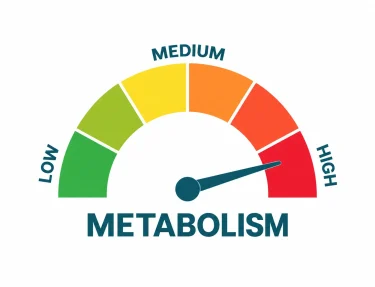
Chamoy might help improve metabolism. This is because it can contain capsaicin, a natural compound found in chili peppers. This compound may have a mild effect on processes involved in how the body uses energy7.

Chamoy may help digestion as the fruits used contain fibre8. Fibre helps support regular bowel movements and healthy digestion. The fruit and other ingredients may also make chamoy easier to include in diet.

Even if you have diabetes, you can still enjoy chamoy. Just keep the quantity in moderation. Its low-calorie and low-sugar content makes it a viable option for individuals managing their blood sugar levels.
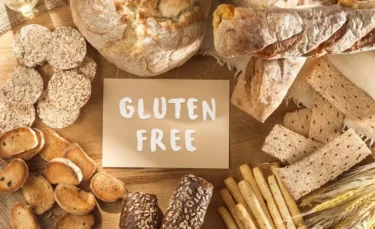
For those avoiding gluten, chamoy is a treat. It lets you enjoy great taste without dietary risks. However, it is important to check the ingredient list and label, as formulations can vary between products.

Many chamoy products are made with plant-based ingredients. This makes them suitable for vegetarians and, in some cases, vegans. You should always check the product ingredients to confirm that it contains no animal-derived ingredients.

If you are craving for a flavourful treat, Chamoy can be a good option. Chamoy can add a sweet, sour, spicy, and tangy flavour to fruits and other snacks9. You can use it with fresh fruit to make a snack more flavourful and enjoyable than eating junk. This will give you an alternative to heavily processed or sugary snack choices.
While initial research has shown a rich nutrient profile of chamoy that can be attributed to its potential health benefits, further large-scale studies are studies are needed. Remember its best to consume in moderation and avoid the sweeter version if you’re looking for weight loss support or have medical conditions like diabetes.
Also Read: Strawberries Hepatitis: Unpacking The Potential Health Risks And Precautions
Chamoy tastes incredible. It’s a sweet, sour, spicy combo. This makes it go well with many dishes and drinks.
The best thing about chamoy, it can be used in many ways. Let’s see where we can use it:
Here are a few recipes to try with chamoy:
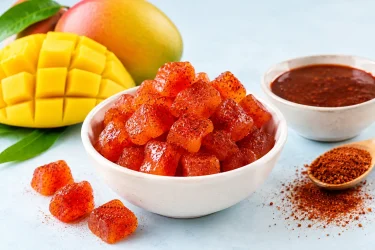
Mango is a popular fruit used in chamoy due to its natural sweetness and tangy flavor, which perfectly complement the sour and spicy notes of chamoy.
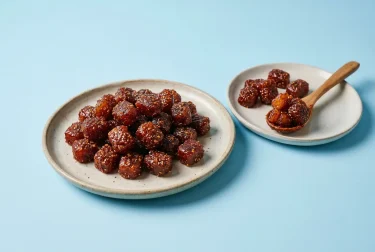
Pineapple chamoy gummies provide a tropical twist to the traditional chamoy flavor profile. Pineapple is known for its natural sweetness and acidity, making it an excellent choice for pairing with the bold flavors of chamoy.
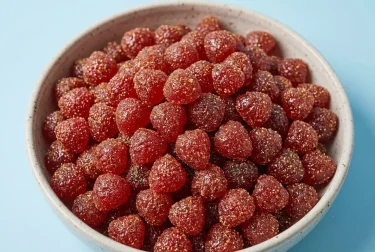
Strawberry chamoy gummies offer a unique and delicious fusion of fruity sweetness and the bold flavor of chamoy. Strawberries are packed with vitamins, fiber, and antioxidants, particularly vitamin C and manganese, which can boost your immune system and overall health
If you’re unable to make your own or find any to buy, a few substitutions for chamoy include:
Chamoy is a super sauce. It adds a fun twist to many meals and drinks. Plus, it’s packed with health benefits and is suitable for most individuals. It is versatile and be tried in different recipes. You can even make your own chamoy. Pick your own ingredient and make the taste just right for you. Go ahead and enjoy the tasty chamoy and its many benefits!
If you have allergies, look at the chamoy ingredients. Foods like fruits, chili peppers, or spices can cause allergic reactions. Always check with a healthcare expert if you have certain food allergies or intolerances.
Usually, you should keep store-bought chamoy in a cool, dark place. Check if it needs to be refrigerated after opening. Read the pack for the best storage rules.
Yes, it can. Chamoy adds a burst of taste to meats, such as chicken, pork, or even seafood. Marinating times can change, so follow the recipe or tips for the best results.
Kids of all ages can enjoy chamoy. But watch out for the spice. Some chamoy might be too hot for the little ones. Start with light options or adjust the amount based on their liking. Also check the sodium content and other preservatives or colour additions.
Chamoy can replace other condiments. But its unique taste will change the flavour of the dish. So, try a few combos to see which tastes best.
1. Mirzanajafi-Zanjani M, Yousefi M, Ehsani A. Challenges and approaches for production of a healthy and functional mayonnaise sauce. Food Sci Nutr. 2019;7(8):2471-2484. doi:10.1002/fsn3.1132 https://pubmed.ncbi.nlm.nih.gov/31428335/
2. Munzuroglu O, Karatas F, Geckil H. The vitamin and selenium contents of apricot fruit of different varieties cultivated in different geographical regions. Food Chem. 2003;83(2):205-212. doi:10.1016/S0308-8146(03)00064-5 https://www.researchgate.net/publication/222395065_The_vitamin_and_selenium_contents_of_apricot_fruit_of_different_varieties_cultivated_in_different_geographical_regions
3. Wallace T. Dried Plums, Prunes and Bone Health: A Comprehensive Review. Nutrients. 2017;9(4):401. doi:10.3390/nu9040401 https://pubmed.ncbi.nlm.nih.gov/28422064/
4. Al-Soufi MH, Alshwyeh HA, Alqahtani H, et al. A Review with Updated Perspectives on Nutritional and Therapeutic Benefits of Apricot and the Industrial Application of Its Underutilized Parts. Molecules. 2022;27(15):5016. doi:10.3390/molecules27155016 https://pubmed.ncbi.nlm.nih.gov/35956966/
5. Zheng J, Zheng S, Feng Q, Zhang Q, Xiao X. Dietary capsaicin and its anti-obesity potency: from mechanism to clinical implications. Biosci Rep. 2017;37(3):BSR20170286. doi:10.1042/BSR20170286 https://pmc.ncbi.nlm.nih.gov/articles/PMC5426284/
6. Alajil O, Sagar VR, Kaur C, et al. Nutritional and Phytochemical Traits of Apricots (Prunus Armeniaca L.) for Application in Nutraceutical and Health Industry. Foods. 2021;10(6):1344. doi:10.3390/foods10061344 https://www.researchgate.net/publication/352178365_Nutritional_and_Phytochemical_Traits_of_Apricots_Prunus_Armeniaca_L_for_Application_in_Nutraceutical_and_Health_Industry
7. Ahuja KD, Robertson IK, Geraghty DP, Ball MJ. Effects of chili consumption on postprandial glucose, insulin, and energy metabolism. Am J Clin Nutr. 2006;84(1):63-69. doi:10.1093/ajcn/84.1.63 https://pubmed.ncbi.nlm.nih.gov/16825682/
8. Stacewicz-Sapuntzakis M, Bowen PE, Hussain EA, Damayanti-Wood BI, Farnsworth NR. Chemical Composition and Potential Health Effects of Prunes: A Functional Food? Crit Rev Food Sci Nutr. 2001;41(4):251-286. doi:10.1080/20014091091814 https://pubmed.ncbi.nlm.nih.gov/11401245/
9. Clayton ZS, Fusco E, Schreiber L, et al. Snack selection influences glucose metabolism, antioxidant capacity and cholesterol in healthy overweight adults: A randomized parallel arm trial. Nutr Res N Y N. 2019;65:89-98. doi:10.1016/j.nutres.2019.03.002 https://pmc.ncbi.nlm.nih.gov/articles/PMC7184323/
10. Colin-Ramirez E, Espinosa-Cuevas A, Miranda-Alatriste PV, Tovar-Villegas VI, Arcand J, Correa-Rotter R. Food sources of sodium intake in an adult Mexican population: a sub-analysis of the SALMEX study. Nutrients. 2017;9(8):810. doi:10.3390/nu9080810. https://pmc.ncbi.nlm.nih.gov/articles/PMC5579604/
11. Michigan State University Extension. Global to local: Food trends to watch in 2023 [Internet]. East Lansing (MI): Michigan State University Extension; 2022 Dec 16 [cited 2026 Sep 16]. Available from: https://www.canr.msu.edu/news/global-to-local-food-trends-to-watch-in-2023
Disclaimer: The information provided here is for educational/awareness purposes only and is not intended to be a substitute for medical treatment by a healthcare professional and should not be relied upon to diagnose or treat any medical condition. The reader should consult a registered medical practitioner to determine the appropriateness of the information before consuming any medication. PharmEasy does not provide any guarantee or warranty (express or implied) regarding the accuracy, adequacy, completeness, legality, reliability or usefulness of the information; and disclaims any liability arising thereof.
Links and product recommendations in the information provided here are advertisements of third-party products available on the website. PharmEasy does not make any representation of the accuracy or suitability of such products/services. Advertisements do not influence the editorial decisions or content. The information in this blog is subject to change without notice. The authors and administrators reserve the right to modify, add, or remove content without notification. It is your responsibility to review this disclaimer regularly for any changes.
 0
0

Ever found yourself confused at the grocery store, not sure if you should go for brown or white eggs? No need to feel alone, most people are in the same boat. Some folks think that one kind of egg might be a better pick health-wise or flavour-wise over the other. This article aims to wipe away such confusion by breaking down the facts about brown and white eggs. We will delve into what affects the colour of an eggshell, compare the nutritional values of brown and white eggs, and talk about how they influence taste, cooking and cost. In the end, you will be able to make a wise choice when buying eggs and know what truly sets brown eggs apart from white ones.
Many people believe that the colour of an egg determines its health benefits or nutrients. But the colour of an egg, whether white, brown or even blue, is determined by the chicken breed and its genes. The primary pigment in brown eggshells is something called protoporphyrin IX, and blue eggshells get their colour primarily from the pigment biliverdin1,2. While factors like the chicken’s feed or environment might bring in shade variations, they don’t change the eggshell’s main colour.
Did you know?
Several myths about egg colour have been circulating for quite some time, and it is time to bring the truth to light:
After debunking these myths, let’s look at how brown and white eggs stack up nutritionally.
It is important to note that brown and white eggs have about the same nutritional value5. The only difference lies in the eggshell colour, which is determined by the chicken breed and genes.
Both brown and white eggs are rich in high-quality protein and healthy fats and have trace amounts of carbs with no significant differences in macronutrient profiles6. Regardless of the egg size, grade, and colour, they will provide all the vital nutrients your body needs.
Eggs, both brown and white, are loaded with essential vitamins and minerals, such as vitamins D, B12, A, and E, as well as iron, calcium, and phosphorus6. These nutrients support various functions like boosting immunity, improving brain function, and strengthening the bones6.
Cholesterol is crucial for our cells and helps provide vital hormones. Studies have shown that dietary cholesterol doesn’t affect blood cholesterol levels for most people6. Since both brown and white eggs have similar cholesterol levels7, whether you eat brown eggs or white, the chances of them hurting your heart’s health are low.
As seen earlier, there is no major nutritional difference between brown and white eggs. But does the colour of the eggshell matter when it comes to taste and cooking?
Whether an egg is tasty or not is not determined by its outer shell. It depends on factors like the hen’s diet, the environment it was raised in, and how fresh the egg is4. Therefore, brown, and white eggs do not have any inherent taste differences.
You can use white or brown eggs interchangeably in almost all recipes without noticing any changes in flavour, texture, or appearance. Please note that minor differences may be noticed during cooking based on egg freshness and size.
Baking with brown or white eggs gives the same results. Just make sure to use eggs of the same size as mentioned in the recipe, regardless of shell colour, and you should be fine.
Whether your eggs are scrambled, fried, or hard-boiled, you will not taste or feel any difference based on egg colour. You can switch between brown and white eggs when making these dishes without altering the final outcome.
From my observations, it appears that both white and brown eggs, regardless of their shell colour, may offer a consistent nutritional profile. Each egg, whether white or brown, may offer a substantial 6 grams of protein while containing only around 70 calories!
Dr. Siddharth Gupta, B.A.M.S, M.D (Ayu)
Studies suggest that chicken breeds, eggshell pigments, and a chicken’s living conditions and diet determine the egg colour. Let us see how these factors affect egg colour.
Different chicken breeds lay different coloured eggs. For instance, White Leghorn chickens lay white-shelled eggs, while chickens like Plymouth Rocks and Rhode Island Reds lay brown-shelled eggs8.
The chicken produces pigments that colour the eggshell. For instance, brown eggshells get their colour from protoporphyrin IX, while blue eggshells owe their colour to biliverdin2. Both pigments come from compounds known as porphyrins that form when heme (found in red blood cells) breaks down9.
The chicken’s diet, environment, and stress level can slightly alter the eggshell colour1. However, these factors cannot fundamentally change the colour of the eggshell.
Eggshells can have various other colours, like blue, green, and even pink2,5! Different chicken breeds, e.g., Araucana, Lushi, and Dongxiang, produce these uniquely coloured eggs2. The porphyrins, the same compounds that give colour to brown and blue eggshells, are responsible for these colour variations.
Based on my years of experience, I’ve come to believe that when it comes to nutritional value, both brown and white eggs might offer similar benefits. Notably, both types of eggs contain a significant amount of choline per 100g, potentially surpassing many other common food options. So, including brown or white eggs in your diet might be a simple and effective way to enhance your choline intake11.
Dr. Rajeev Singh, BAMS
Have you ever noticed that brown eggs are usually more expensive than white eggs at the grocery store? Let us dissect the reasons behind this price difference.
As we mentioned earlier, brown eggs usually cost more because the hens that lay them eat more because of their larger size. This increased cost of feed gets passed onto consumers through higher prices for brown eggs.
Additionally, consumer perception influences pricing. As brown eggs gain popularity, producers may raise their prices, taking advantage of the common belief that brown eggs are healthier or tastier than white ones, even though no scientific evidence supports these ideas. Even customers are ready to pay premium prices for brown-coloured eggs10.
Brown egg–laying hens might have slightly higher breeding, rearing, and feeding costs because of their larger size. Even so, these costs are not dramatically different and probably do not entirely explain the price disparity we see in supermarkets.
Brown eggs have become more popular recently therefore, the demand for brown eggs has shot up, leading to potential price adjustments by producers. Increased consumer preference for brown eggs affects their pricing, despite no clear-cut differences in taste or nutritional value between white and brown eggs.
I may emphasize that if you have any heart-related condition or high cholesterol levels, it is important to be cautious about consuming brown or white eggs. In such cases, it may be advisable to limit your intake to three to four whole brown or white eggs per week. This precautionary approach might help manage the potential risk of adverse effects on your cardiovascular health12.
Dr. Smita Barode, B.A.M.S, M.S.
So, how do we decide which eggs to buy since brown and white eggs are equally nutritious and differ only in appearance?
When shopping for eggs, it is best to look beyond the colour. Think about other factors that truly affect the taste and nutritional value of the eggs, which include:
These factors can have a significant effect on the quality and taste of the eggs you eat. They are more relevant to your health than the colour of the eggshell.
Based on the multifactorial comparison between brown and white eggs, there is no significant difference between the two in nutrition, taste, or even cooking. The main thing that sets them apart is eggshell colour, determined by the breed and genetic makeup of the laying hen. Factors like the hen’s diet and living conditions play a much bigger role in the egg’s nutrition profile and taste.
To make the best choice when buying eggs, focus on aspects that really influence egg quality and taste, such as organic farming techniques, whether the hens are cage-free or free-range, and if the eggs are omega-3-enriched. This approach will ensure that you not only consider the eggshell colour but also the aspects that really matter.
There may be minor shell thickness variation within the same breed due to factors like chicken genes or age. However, the colour of the eggshell doesn’t determine shell thickness.
Usually, chickens with white earlobes lay white eggs, and those with red earlobes lay brown eggs. However, there are exceptions, and earlobe colour isn’t a foolproof way to predict what colour eggs a chicken will lay.
Brown and white eggs have similar environmental footprints. The production method (organic, cage-free, free-range, etc.), rather than the colour, influences the environmental impact of eggs.
A single chicken can’t lay both brown and white eggs. But, you can have a mixed flock of chickens that lays both brown and white eggs. The chicken breed and genetics determine the colour of the eggs they lay.
No, the colour of the eggshell doesn’t influence the yolk colour. The chicken’s diet plays a major role in determining the yolk colour. For instance, a diet loaded with carotenoids (found in leafy greens and some yellow and orange fruits and vegetables) can make the yolk deep orange.
Disclaimer: The information provided here is for educational/awareness purposes only and is not intended to be a substitute for medical treatment by a healthcare professional and should not be relied upon to diagnose or treat any medical condition. The reader should consult a registered medical practitioner to determine the appropriateness of the information before consuming any medication. PharmEasy does not provide any guarantee or warranty (express or implied) regarding the accuracy, adequacy, completeness, legality, reliability, or usefulness of the information; and disclaims any liability arising thereof.
Links and product recommendations in the information provided here are advertisements of third-party products available on the website. PharmEasy does not make any representation of the accuracy or suitability of such products/services. Advertisements do not influence the editorial decisions or content. The information in this blog is subject to change without notice. The authors and administrators reserve the right to modify, add, or remove content without notification. It is your responsibility to review this disclaimer regularly for any changes.
2
Choosing the healthiest cooking oil can be challenging, especially when deciding between avocado oil and olive oil. Understanding their nutritional profiles, potential health benefits, and cooking uses can help you make a more informed choice. This blog will give you a scientific breakdown of these two favoured cooking oils, their extraction steps, nutritional details, and health benefits.
Avocado oil is becoming popular as a healthy and tasty cooking oil. It is derived from the fruit of the avocado tree (Persea Americana), which is native to Central America1.
There are two main ways of extracting avocado oil:
Avocado oil holds many helpful compounds like:
Avocado oil, full of flavour and flexibility, has many uses in the kitchen and cosmetic products. Its mild, butter-like flavour enhances a lot of dishes1. Also, its softening nature makes it a great add-in for skin and hair care items.
From what I have seen, avocado oil might be highly placed for its numerous potential benefits, particularly in the realm of skincare. One notable advantage of avocado oil might be its rapid absorption rate when applied to the skin. This characteristic may allow for quick absorption, delivering its nourishing qualities effectively18.
Dr. Siddharth Gupta, B.A.M.S, M.D (Ayu)
A staple in the Mediterranean diet, olive oil is made by pressing olives. There are various kinds of olive oil, each with its unique traits and nutritional properties.
Olive oil is available in different forms, depending on how it is processed3:
Like avocado oil, olive oil is made by either cold-pressing or heat and chemical processing methods4.
Olive oil is made up of a number of good compounds, including:
Olive oil is often used for cooking, dipping, drizzling, and finishing dishes, showing its cooking versatility. Add to this, its moisturising and emollient properties, which make it a go-to ingredient in beauty products. They also form the base of many traditional medicine remedies6.
Based on my observations, I may say that olive oil might serve as a considerably healthier alternative to dietary fats, particularly those derived from animals. When it comes to cooking, olive oil may provide a nutritious substitute for butter, margarine, and various other types of fat. Moreover, a study conducted in this regard demonstrated a remarkable correlation: replacing unhealthy fats with olive oil might be linked to a reduced risk of mortality19.
Dr. Rajeev Singh, BAMS
To make a smart choice between avocado oil and olive oil, it’s vital to understand their nutritional differences.
Although avocado oil and olive oil are mainly made of monounsaturated fats, their fatty acid profiles differ slightly:
Although both oils have important vitamins and minerals, the quantities can vary.
Calories per tablespoon (15 mL) are similar for both avocado and olive oil. Each provides around 120 calories.
I may attest to the benefits of avocado oil in skincare products. When incorporated into soaps, it might noticeably improve lathering, creating a luxurious and abundant foam. Additionally, when used in creams, it may impart a smoother texture, resulting in a delightful and velvety application18.
Dr. Smita Barode, B.A.M.S, M.S.
Avocado oil and olive oil provide loads of health benefits, but they differ slightly in the benefits they offer.

The high content of monounsaturated fats and oleic acid in both oils improves cholesterol levels. It also helps regulate blood pressure.

Adding either oil to your diet could help with managing your weight. The unsaturated fats in both oils can curb hunger/help with appetite control. This prevents eating too much and helps with managing meal sizes10.

Oleic acid, polyphenols, carotenoids, and tocopherols add up to the anti-inflammatory properties of avocado oil and olive oil. These compounds work well together to lower inflammation in the body1.

Adding avocado oil or olive oil to your diet could boost digestive health. The monounsaturated fats in these oils reduce inflammation in the gut1. Also, the flavonoids in olive oil are known to have antibacterial effects11. They could protect against harmful gut bugs.
Menopausal women may often face challenges due to hormonal changes, such as emotional fluctuations, hot flashes, depression, anxiety, and vaginal dryness. During these times, I think that olive oil might be a helpful solution. It possesses antioxidant and anti-inflammatory properties that may help ease symptoms and help cope with menopause20.
Dr. Anuja Bodhare, B.A.M.S, M.D (Ayu)
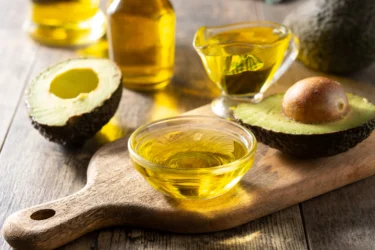
Antioxidants are needed to fight oxidative stress and they protect body cells.

Avocado oil and olive oil provide soothing and nourishing effects due to their natural ingredients. Therefore, they are popular picks for skin care.
Knowing the value of smoke point in cooking oils is key to retaining their nutritional value. It also keeps the overall quality of the dishes you’re preparing.
The smoke point is the temperature at which an oil starts to break down and release harmful free radicals. Cooking oils at or below their smoke point will maintain both their flavour and their health perks.
Avocado oil’s smoke point is higher than that of olive oil, which means it’s less likely to degrade during high-temperature cooking methods. Avocado oil’s unrefined smoke point is about 480℉ (250℃), while extra virgin olive oil’s smoke point is between 350℉ – 410℉14,15.
Avocado oil is fitting for high-heat cooking techniques, like sautéing, grilling, searing, and baking. This is due to its higher smoke point. On the other hand, olive oil fits best for lower heat methods, like simmering, stewing, and medium-heat sautés.
Both avocado oil and olive oil play a key role in nutrient absorption, especially when consumed with beneficial nutrients in other foods.
Fats, like those found in avocado oil and olive oil, aid in absorbing fat-soluble nutrients, such as vitamins A, D, E, and K. Consuming high-fat foods along with these nutrients improves their availability and uptake by the body.
Both oils help absorb nutrients due to their content of monounsaturated fats. A study found that dressing a salad with avocado oil greatly boosted the absorption of carotenoids from the veggies16. Likewise, adding olive oil to tomato juice was seen to boost the absorption of the carotenoid lycopene17.
Although both avocado oil and olive oil offer countless health benefits like heart health, weight management, anti-inflammatory properties, and skin care, there might be times where one is more beneficial. For example, olive oil might be better for people who put a premium on its higher polyphenol content. Meanwhile, avocado oil might be a better fit for high-heat cooking due to its higher smoke point.
In general, both avocado oil and olive oil add health benefits to your diet. However, do think about personal tastes and specific health needs before buying the oil. This will guide you in choosing the right oil for how you live or as per your lifestyle.
Also Read: Canola Oil: Uses, Benefits, Side Effects by Dr. Smita Barode
Summing it up, avocado oil and olive oil provide a lot of health benefits, flexibility in cooking, and taste. Knowing their nutritional differences and proper uses, you can make an educated choice on the best oil for your diet.
Ultimately, personal taste and individual needs will play a big part in deciding the best oil for you. Grab the chance to test and try out each oil. Then, find your own balance. Logic and some new insights can help you make an educated choice on the best cooking oil.
In many cases, yes. However, remember that their taste profiles and smoke points differ. For high-heat cooking methods, avocado oil might be a better fit. At the same time, olive oil is more suitable for lower-heat applications or as a finishing oil.
Extra virgin olive oil and cold-pressed avocado oil often rank higher in terms of quality and nutritional worth. Yes, they’re pricier. But if your main goal is getting the max health benefits, paying more might be worth it.
Keep both oils in a cool, dark place. Keep them away from heat and direct sunlight. This will extend their shelf life and keep their flavour and nutrients. Also, always seal the container tightly after each use.
As long as they’re part of a balanced diet, there are little risks with avocado oil or olive oil. But it’s important to pick quality products. Also, pay attention to the oils’ smoke points while cooking to avoid harmful free radicals.
Disclaimer: The information provided here is for educational/awareness purposes only and is not intended to be a substitute for medical treatment by a healthcare professional and should not be relied upon to diagnose or treat any medical condition. The reader should consult a registered medical practitioner to determine the appropriateness of the information and before consuming any medication. PharmEasy does not provide any guarantee or warranty (express or implied) regarding the accuracy, adequacy, completeness, legality, reliability or usefulness of the information; and disclaims any liability arising thereof.
Links and product recommendations in the information provided here are advertisements of third-party products available on the website. PharmEasy does not make any representation on the accuracy or suitability of such products/services. Advertisements do not influence the editorial decisions or content. The information in this blog is subject to change without notice. The authors and administrators reserve the right to modify, add, or remove content without notification. It is your responsibility to review this disclaimer regularly for any changes.
Most of the time, we don’t feel our heartbeat. And this is because, when our heart’s rhythm is normal, we usually don’t notice it. But, when it changes, we start to feel it. This is known as heart palpitation. It could be your heart beating too slow or too fast or even feeling like it stopped. Heart palpitations often feel like a fluttering, rapid, or irregular heartbeat. Individuals may feel that their heart is pounding, racing, or experiencing a skipped beat. Palpitations usually aren’t harmful, but they can be uncomfortable causing worry. Sometimes, they may be associated with underlying medical conditions.
Palpitations can arise for many reasons. These might be stress, heavy doses of caffeine or nicotine, excessive alcohol, hormones changing in women, certain medications or anaemia. Other heart palpitations reasons can be hyperactive thyroid, low potassium, or hypoglycaemia, irregular heartbeat or serious heart disease. In rare cases, a heart attack might also cause them1.
Did you know?
To effectively manage heart palpitations, you first need to diagnose the underlying cause. You must know when to get help and understand what your doctor may suggest.
If heart palpitations come with chest pain, shortness of breath, intense dizziness or a feeling of doom, it needs immediate medical attention. These heart palpitations symptoms could mean severe issues like arrhythmias or heart disease1.
Your healthcare provider will give you a physical check-up, listen to your heartbeats and look at your medical history. They may suggest some additional tests1.
The following cardiovascular assessments may be advised:
Dealing with heart palpitations requires multiple simultaneous approaches. Medical procedures, home remedies, and changes in diet can all come into play.
If heart palpitations are arising due a heart condition, medical procedure or medicine use may not be needed. In case of other underlying causes too such as hormonal issues or anaemia, medical management may be necessary. Your doctor can advise you best based on your condition1.
At home, you can also take some steps for managing heart palpitations. Avoiding things that spike palpitations can help. Controlling stress is also important. Yoga, meditation, and deep breathing can assist in this. Be sure not to use drugs like cocaine as they can cause palpitations too1.
Vagal maneuvers can slow your heart rate by stimulating the vagus nerve. This can involve putting cold water on your face, trying to gag, or dunking your face in cold water. But before trying these steps, consult your healthcare provider5.
Changing your diet can help avoid foods causing palpitations and increase those calming them.
Caffeine might potentially exacerbate heart palpitations in susceptible individuals. Therefore, if you experience heart palpitations, I strongly advise avoiding drinks or foods that contain caffeine, such as cola12.
Dr. Siddharth Gupta, B.A.M.S, M.D (Ayu)
Did you ever think about how much our diet influences heart palpitations? Some foods can lead to palpitations, while others can lessen them.
If you’re wondering what foods to avoid if you have heart palpitations, these are some of the foods that can actually set off or intensify palpitations in people prone to them.

Caffeine and energy drinks can stimulate the nervous system causing heart palpitations. Even though occasional use is safe, too much caffeine can cause palpitations6,7.

Excessive alcohol use can also cause heart palpitations. Cutting down or avoiding alcohol can help manage them1,6.

Red meat, high in saturated fats, can raise cholesterol and trigger palpitations. Swapping red meat for plant-based protein can aid in reducing this risk8.

Highly processed foods such as canned soups or packaged meals often contain too much salt and preservatives. These could disturb the heart rhythm causing palpitations. Opting for fresh foods instead of processed ones is a more heart-healthy option6.

Excessive sugar intake can contribute to heart palpitations, as it may lead to sudden spikes and crashes in blood sugar levels. Limiting high-sugar foods can help manage blood sugar and lowers risk of heart diseases, thereby reduce the likelihood of associated palpitations6.

More salt means increased risk of high blood pressure thus more chance of palpitations. So, cut down on salt and keep palpitations in check6.
It’s ideal to avoid or consume the above-mentioned food items in limited quantity if you suffer from palpitations. However, for a more personalized plan, it’s best to discuss with a certified nutritionist.
But it’s not all doom and gloom. Some foods could help reduce frequent heart palpitations and support overall heart health.
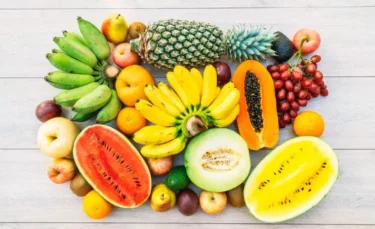
Fresh fruits are heart-healthy. They contain essential vitamins and potent antioxidants. Their soluble fibre can also lower bad cholesterol levels decreasing palpitations9.
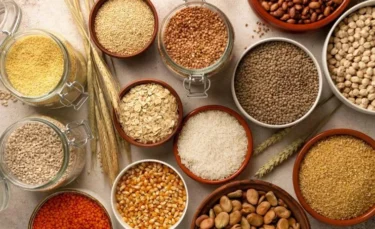
Whole grains support heart health through ample fibre content. This removes harmful cholesterol types, thus reducing the chance of heart disease and palpitations9.
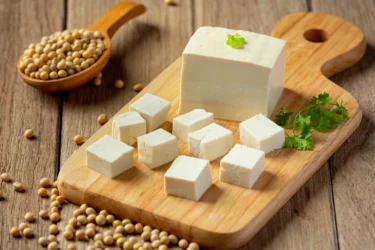
Soy foods are rich plant-based proteins. They offer various heart benefits like reducing blood pressure and cholesterol levels, helping in reducing palpitations10.

Magnesium is a mineral that helps proper functioning of heart. Magnesium administration has been shown to be beneficial in certain heart rhythm disoorders7. Thus, consuming foods rich in magnesium such as dark chocolate, avocado and nuts can help lower palpitations6.
Although further research is needed, some studies have found the benefits of a plant-based diet to help support normal heart rhythm7. It’s a good idea to follow a balanced diet and include the above-mentioned foods in your diet if you suffer from palpitations. But discuss with your doctor before including anything new in your routine diet if you suffer from underlying medical conditions.
Based on my understanding gained over the years, it is worth noting that certain foods, such as salami, and aged cheeses might potentially contribute to heart palpitations. These foods may contain a compound called tyramine, which has been associated with increased blood pressure13.
Dr. Rajeev Singh, BAMS
Also Read: What Your Troponin Levels Reveal Before a Heart Attack?
Lifestyle changes can have a big role in managing heart palpitations and keeping your heart healthy. Let’s see on how to do that.
I may suggest to stay away from consuming spicy foods, particularly when it comes to conditions such as heart palpitations. In my experience, I have observed that spicy foods might potentially trigger heart palpitations in certain individuals14.
Dr. Smita Barode, B.A.M.S, M.S.
Knowing more about heart palpitations, triggers, and effective management helps you lead a healthier life. Keeping active, having a balanced diet, getting enough rest and reducing stress can manage palpitations. Avoid food items like caffeinated drinks, excessive alcohol, red meat, processed or sugary foods and too much salt. But don’t forget that medical issues can also cause palpitations. So, always stay alert and seek medical help when needed.
Also Read: Food Items To Include In Your Diet If You Have Varicose Veins
A diet containing less known cardiac irritants and good amount of exercise, sleep and stress management can care for your heart.
If changing diet doesn’t ease heart palpitations, reach out to your healthcare provider. The palpitations might point to a hidden health issue needing medical attention.
While most palpitations are harmless, they can be discomforting. If they come with chest pain, loss of consciousness, uncommon sweating, dizziness or light-headedness, it’s serious. Seek medical help right away in such cases.
While occasional heart palpitations while sleeping can be normal, persistent or disruptive cases may indicate an underlying issue and should be evaluated by a healthcare professional for a comprehensive assessment.
In some cases, excessive gas and bloating may lead to increased pressure on the heart, causing palpitations. If symptoms persist or worsen, it’s advisable to consult a healthcare professional for a thorough evaluation.
To alleviate heart palpitations, try practicing deep breathing exercises, staying hydrated, and avoiding stimulants like caffeine. If symptoms persist or worsen, seek medical advice for a proper diagnosis and personalized treatment plan.
Yes, dehydration can contribute to heart palpitations by reducing blood volume and affecting electrolyte balance. Maintaining adequate hydration is important for cardiovascular health and may help prevent palpitations.
Vaping may contribute to heart palpitations, as certain substances in e-cigarettes can impact cardiovascular function. The long-term health effects of vaping, including its impact on heart health, are still being studied. Consultation with a healthcare professional is recommended for individuals experiencing palpitations related to vaping.
Yes, hormonal changes during menopause, particularly the decrease in oestrogen levels, can lead to heart palpitations in some women. While usually temporary, persistent or severe symptoms should be discussed with a healthcare professional.
Yes, gastro oesophageal reflux disease (GORD) can be associated with heart palpitations. The irritation of the oesophagus due to reflux may stimulate the vagus nerve, impacting heart rhythm. Consultation with a healthcare professional is advised for a proper evaluation.
The duration of heart palpitations varies, and they may last for a few seconds to several minutes. If palpitations persist or are accompanied by other concerning symptoms, it is advisable to consult a healthcare professional for a thorough evaluation.
Heart palpitations after eating can be triggered by various factors, such as the release of digestive hormones, increased blood flow to the digestive system, and consumption of stimulants like caffeine or high-sugar foods. Additionally, overeating or underlying medical conditions may contribute to this phenomenon.
Certain vitamins like magnesium and potassium play a role in maintaining heart rhythm, and deficiencies may contribute to palpitations. Ensuring a balanced diet with adequate levels of these vitamins can help support heart health and reduce the occurrence of palpitations.
For minimizing heart palpitations during sleep, lying on your left side is often recommended. This position can help reduce pressure on the heart and promote better blood flow, potentially decreasing the likelihood of palpitations.
Factors like anxiety, hormonal fluctuations, or sleep apnoea can contribute to heart palpitations at night; managing stress, maintaining a consistent sleep schedule, and addressing underlying health issues may help alleviate nighttime palpitations.
Disclaimer: The information provided here is for educational/awareness purposes only and is not intended to be a substitute for medical treatment by a healthcare professional and should not be relied upon to diagnose or treat any medical condition. The reader should consult a registered medical practitioner to determine the appropriateness of the information and before consuming any medication. PharmEasy does not provide any guarantee or warranty (express or implied) regarding the accuracy, adequacy, completeness, legality, reliability or usefulness of the information; and disclaims any liability arising thereof.
Links and product recommendations in the information provided here are advertisements of third-party products available on the website. PharmEasy does not make any representation on the accuracy or suitability of such products/services. Advertisements do not influence the editorial decisions or content. The information in this blog is subject to change without notice. The authors and administrators reserve the right to modify, add, or remove content without notification. It is your responsibility to review this disclaimer regularly for any changes.
3
Beautiful yellow sunflower fields are a delight. It is from such blossoms’ seeds from where sunflower oil is derived. This bright-hued oil is a regular feature in supermarkets. But what goes into making it? Is it truly a health must-have? Or should we worry about its usage?
To answer these questions, let’s dive into an exploration of sunflower oil. We’ll look at its origin, nutritional makeup, pros and cons, and how it fares against other oils.
Did you know ?
Sunflower oils are extracted from the seeds of the Sunflower plant which is scientifically know as Helianthus annuus1. This oil is considered the second most widely oil in healthy diets due to its high nutritional contents2. It contains vitamins, minerals, proteins, flavonoids, amino acids, antioxidants, unsaturated fatty acids and fibers, which contributes to its various health benefits1. This is the only oil which has 46% of oil and 16% proteins, which makes it to rule both the market which has sell oil and proteins separately3.
Originating from North America, sunflowers were used by Indigenous people for thousands of years. Widespread usage of sunflower oil started in the 18th Century, after reaching Russia. They made use of sunflower seeds for food, ornaments, and medicinal purposes4.
To extract sunflower oil from sunflower seeds, it should undergo either cold-press method or refined method.
Did you know sunflower oil comes in different types? Let’s look at those.
Each type of sunflower oil offers unique benefits. High-oleic oil survives high heat, while high-linoleic oil doesn’t do well when heated. Mid-oleic oil offers a bit of both: stability under heat and a good mix of monounsaturated and polyunsaturated fats9.
Here’s a quick comparison of their key traits9:
Let’s delve into what makes sunflower oil a nutrient-dense option10.
From what I’ve seen, I have observed that incorporating sunflower oil into your diet might have positive effects on your lipid profile, specifically by reducing plasma triacylglycerol levels19.
Dr. Siddharth Gupta, BAMS, MD (Ayu.)
Sunflower oil, boasting key nutrients, offers quite a few health benefits.

High-oleic sunflower oil, rich in monounsaturated fats, is linked with heart health. Some studies credit these fats with normalizing cholesterol, blood sugar, and blood pressure, hence lowering the risk of heart disease11. Although further studies are needed to confirm this benefit.

Sunflower oil also helps skin care. It’s rich in vitamins, proteins and fatty acids10. Hence it can act as an antioxidant and anti-inflammatory agent, that may help protect the skin barrier, reduce inflammation, promote wound healing, provide hydration and soften the skin12.

Sunflower oil is rich in Vitamin E, which aids the body’s defense system. It beefs up immunity and may help protect against infections, yet more research should be done13.
Based on my experience, I have seen that including sunflower oil in your diet may help protect your stomach from the side effects of certain medications. This is likely because sunflower oil can enhance your body’s natural anti-inflammatory response, which can reduce inflammation in the stomach19.
Dr. Rajeev Singh, BAMS
But beware, sunflower oil also has potential pitfalls. Specifically, the high-linoleic variant carries some risks.
Also Read: Sunflower Oil: Uses, Benefits, Side Effects By Dr. Rajeev Singh
Sunflower oil has several rivals on supermarket shelves. How does it compare?
Olive oil tops the health chart among cooking oils. Compared to sunflower oil, it stands up better to heating. It also boasts heart-health by lowering the bad cholesterol and increasing the good cholesterol16.
Canola is also considered as a healthy oil but it has a chemical substance called hexane which is added while extracting the oil, which affects the oil’s stability by removing omega 3 and producing the trans-fat. Even this oil cannot withstand over heating like sunflower oil. But in the market cold-pressed oil or virgin canola oil are available, which are very expensive17. Hence both the oils have same effects only and we need to know how to use them to gain better health benefits.
Coconut oil, despite its saturated fat content, doesn’t harm your heart if eaten sparingly and as part of a varied diet. However, there are few studies showing that it causes harm to heart health17.
Also Read: Olive Oil: Uses, Benefits, Side Effects and More!
American Heart Associates recommends following cooking oils to be included in diet for better heart health18:
However, there are a few measures that need to be taken while consuming them18.
Also Read: Health Benefits of Coconut Oil for Skin and Hair
Sunflower oil is a mixed bag. On one hand, it’s rich in nutrients and good fats. On the other hand, certain types (like the high-linoleic version) have potential downsides. The secret lies in knowing which type of sunflower oil you’re dealing with. High-oleic sunflower oil is a healthier choice, offering heart-helping monounsaturated fats. But traditional high-linoleic sunflower oil, rich in omega-6 fats and with less heat stability, isn’t its equal. So, choose wisely! Remember, mixing oils in your kitchen can diversify your diet’s nutrition and health benefit profile.
Also Read: 7 Amazing Health Benefits Of Brown Rice
It depends on the sunflower oil type. High-oleic sunflower oil, rich in monounsaturated fats and stable under heat, is a healthier pick. But traditional high-linoleic sunflower oil, though filled with essential fats, is not as heat-resistant.
When compared to high-oleic sunflower oil, olive oil provides similar heart-healthy monounsaturated fats. But, olive oil, especially the extra-virgin kind, also offers a wide range of beneficial plant compounds and nutrients. This makes it an overall healthier choice.
High-linoleic sunflower oil is high in omega-6 fats. Too much of these can trigger inflammation, which can be a springboard for many health problems. Therefore, it is always recommended to consume in moderation.
Sunflower oil can be a healthy choice when used in moderation. It’s rich in unsaturated fats, particularly omega-6 fatty acids, which can benefit heart health when consumed as part of a balanced diet. However, it’s important to choose high-quality, cold-pressed oils and avoid excessive consumption due to their high-calorie content.
Sunflower oil can help improve cholesterol levels by increasing HDL (good) cholesterol and reducing LDL (bad) cholesterol when used as part of a balanced diet. Moderation and choosing healthier cooking methods, like baking or sautéing, are key to maximizing its benefits.
Sunflower oil is beneficial for hair health due to its high content of vitamin E, essential fatty acids, and antioxidants. It helps nourish the scalp, strengthen hair strands, and protect against damage from environmental stressors. Applying sunflower oil to hair and scalp regularly can promote shine and overall hair health. Although more research is needed to prove this benefit.
Sunflower oil is not directly related to weight loss but when used in moderation as part of a balanced diet, it can support weight loss due to its healthy fat content. Moreover, adopting a healthy lifestyle such as avoiding processed food high in calories can help maintain or reduce the weight.
Sunflower oil is primarily composed of unsaturated fats, with very low levels of saturated fat. It is considered a healthier cooking oil option due to its high content of monounsaturated and polyunsaturated fats, which can help lower cholesterol levels when used in place of saturated fats.
Sunflower oil provides essential fatty acids, such as omega-6 and omega-9, which support cell structure and overall body function. It can help maintain healthy cholesterol levels, promote heart health, and contribute to skin and hair health when used in moderation as part of a balanced diet.
Disclaimer: The information provided here is for educational/awareness purposes only and is not intended to be a substitute for medical treatment by a healthcare professional and should not be relied upon to diagnose or treat any medical condition. The reader should consult a registered medical practitioner to determine the appropriateness of the information and before consuming any medication. PharmEasy does not provide any guarantee or warranty (express or implied) regarding the accuracy, adequacy, completeness, legality, reliability or usefulness of the information; and disclaims any liability arising thereof.
Links and product recommendations in the information provided here are advertisements of third-party products available on the website. PharmEasy does not make any representation on the accuracy or suitability of such products/services. Advertisements do not influence the editorial decisions or content. The information in this blog is subject to change without notice. The authors and administrators reserve the right to modify, add, or remove content without notification. It is your responsibility to review this disclaimer regularly for any changes.
3
If you’re in a mood for a delicious bowl of noodles but concerned about its health implications, you’re in the right place. Nowadays, there’s a growing trend towards healthier food choices including better alternatives for pasta and noodles as well. Options like whole wheat, beans, and vegetables are becoming popular in this category. This blog focuses on some healthier noodle options for those looking to make better dietary choices.
A wide range of healthy noodles exists. Each type has special benefits. Let’s get a closer look at their values and gains.
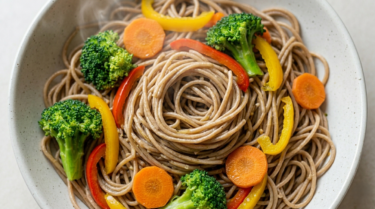
Whole-grain is a top pick for nutritious noodles. Let’s check out its nutrients and its gains.

Chickpeas are a common ingredient used to make this, preferred for its rich taste and health benefits.
Red lentils or black beans are other healthy options that can be used in this category4.
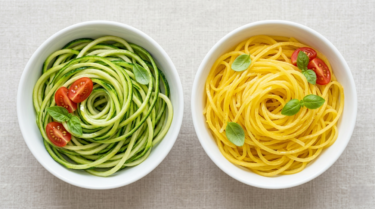
Veggie options like zucchini and spaghetti squash make noodles exciting and nutritious.
In my opinion, Shirataki noodles may aid in weight loss. Researchers11 believe that these noodles are extremely low in calories and carbohydrates, and due to their rich fibre content, they may keep you full for a longer duration, making them a potential diet food during a weight loss journey.
Dr. Siddharth Gupta, B.A.M.S, M.D (Ayu)
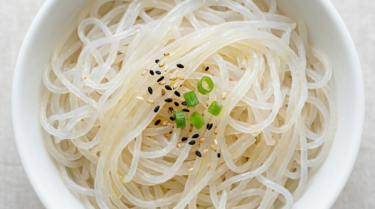
When looking for healthier noodle options, shirataki noodles are gaining a lot of popularity these days. But a lot of us don’t know what exactly these are. So, let’s find out.
“Shirataki”, also called miracle noodles, originally come from Japan. They’re clear, skinny or jelly-like strands, made from konjac yam6. They’re almost zero-calorie, few carbs and rich in fibre7. They’re loved by keto, low-carb, or gluten-free dieters.
Glucomannan is the fibre found in these noodles. It is known to have some great health effects. It may act as probiotic and provide healthy bacteria to gut. It can also help improve bowel movement and ease symptoms of constipation8.

Frequent intake of Glucomannan may help in your weight loss journey. It gels up when it soaks in water, so it keeps you full for longer. It’s mainly known to lower hunger and calorie intake9. But do consult a health care professional before adding it regularly to your diet.

Studies show that Glucomannan might help cut blood sugar levels. It might be helpful in managing blood sugar in people with diabetes and insulin resistance. It might also slow the stomach’s emptying. This leads to a slower rise in blood sugar levels after meals9.
Many suggest that Glucomannan can help cut cholesterol in the body. It may help reduce the amount of bad cholesterol in blood and thus can also be beneficial for your heart health10.
Shirataki noodles are long, white noodles made from a starch called Glucomannan. They are a part of Japanese cuisine and recently gaining popularity worldwide due to their health benefits. Researchers12 have found that Glucomannan fibre in the noodles may aid in lowering cholesterol by encouraging the liver to generate bile that metabolises cholesterol. This by-product is then removed through bowel movements.
Dr. Rajeev Singh, BAMS
Consuming Shirataki noodles can lead to digestive problems. Loose stools, bloating, and gas are some examples9.
To avoid side effects, add these to your diet bit by bit. Always drink lots of water when eating foods rich in Glucomannan, like these noodles.
Also Read: Chickpeas (Garbanzo beans): Uses, Benefits, Side Effects By Dr. Rajeev Singh
Next time you hear “noodles”, no need to feel guilty. There’s a wealth of healthy options for you to pick from. You can please your cravings while caring for your body.
From whole grain to chickpeas, vegetable to shirataki noodles, you have a plenty of choices. Choose your favourite, make a tasty dish, and relish the taste of health in every bite!
There are several types of healthy noodles available, such as whole wheat, chickpea, veggie, and red lentil noodles. This depends on your underlying health issues; always consult a doctor before anything new if you suffer from any chronic illness.
Yes, Healthy Noodles are essentially low in carbohydrates, making them a great option for people looking to lose weight or cut down on carbs, but always consult a doctor before anything new if you suffer from any chronic illness.
Egg noodles are high in protein and can be beneficial if you are aiming to incorporate more protein into your diet.
Depending on your dietary requirements, the best pasta for you may vary. For instance, if you are seeking a protein-rich diet, chickpea pasta would be an ideal choice.
1. Wongprawmas R, Sogari G, Menozzi D, et al. Determinants of US University Students’ Willingness to Include Whole Grain Pasta in Their Diet. 2021;18(6). https://www.mdpi.com/1660-4601/18/6/3173
2. Bojarczuk A, Kęszycka P, Marszałek K, Gajewska D. The Effect of Cooking and Cooling Chickpea Pasta on Resistant Starch Content, Glycemic Response, and Glycemic Index in Healthy Adults. Metabolites. 2024;14(11):585. doi:10.3390/metabo14110585 https://pubmed.ncbi.nlm.nih.gov/39590821/
3. Begum N, Khan QU, Liu LG, Li W, Liu D, Haq IU. Nutritional composition, health benefits and bio-active compounds of chickpea (Cicer arietinum L.). Front Nutr. 2023;10:1218468. doi:10.3389/fnut.2023.1218468 https://pubmed.ncbi.nlm.nih.gov/37854353/
4. Graf D, Monk JM, Wu W, Wellings HR, Robinson LE, Power KA. Red lentil supplementation reduces the severity of dextran sodium sulfate-induced colitis in C57BL/6 male mice. Journal of Functional Foods. 2020;64:103625. doi:10.1016/j.jff.2019.103625 https://www.sciencedirect.com/science/article/pii/S1756464619305493
5. Dionio JB. Formulation of Vegetable Noodles. International Journal for Multidisciplinary Research. 2024;6(3). doi:https://www.ijfmr.com/papers/2024/3/21094.pdf
6. Habla FA, Cambaliza CJ, Detera TF, Janer MLG, De Jesus G. Development of an Enriched Lubi-Lubi (Ficus pseudopalma) Noodles. jpair. 2012;10(1):35-55. doi:10.7719/jpair.v10i1.181 https://www.researchgate.net/publication/272774227_Development_of_an_Enriched_Lubi-Lubi_Ficus_pseudopalma_Noodles
7. Shirataki Noodles. 2022. doi:https://fdc.nal.usda.gov/food-details/2396564/nutrients
8. Chen HL, Cheng HC, Wu WT, Liu YJ, Liu SY. Supplementation of Konjac Glucomannan into a Low-Fiber Chinese Diet Promoted Bowel Movement and Improved Colonic Ecology in Constipated Adults: A Placebo-Controlled, Diet-Controlled Trial. Journal of the American College of Nutrition. 2008;27(1):102-108. doi:10.1080/07315724.2008.10719681 https://pubmed.ncbi.nlm.nih.gov/18460488/
9. Fang Y, Ma J, Lei P, et al. Konjac Glucomannan: An Emerging Specialty Medical Food to Aid in the Treatment of Type 2 Diabetes Mellitus. Foods. 2023;12(2):363. doi:10.3390/foods12020363 https://pmc.ncbi.nlm.nih.gov/articles/PMC9858196/
10. Ho HVT, Jovanovski E, Zurbau A, et al. A systematic review and meta-analysis of randomized controlled trials of the effect of konjac glucomannan, a viscous soluble fiber, on LDL cholesterol and the new lipid targets non-HDL cholesterol and apolipoprotein B ,. The American Journal of Clinical Nutrition. 2017;105(5):1239-1247. doi:10.3945/ajcn.116.142158 https://pubmed.ncbi.nlm.nih.gov/28356275/
11.Mohammadpour S, Amini MR, Shahinfar H, Tijani AJ, Shahavandi M, Ghorbaninejad P, Djafarian K, Shab-Bidar S. Effects of glucomannan supplementation on weight loss in overweight and obese adults: a systematic review and meta-analysis of randomized controlled trials. Obes Med. 2020;19:100276. doi:10.1016/j.obmed.2020.100276. https://www.sciencedirect.com/science/article/abs/pii/S2451847620300968
12. Jian X, Jian S, Deng B. Konjac glucomannan: A functional food additive for preventing metabolic syndrome. J Funct Foods. 2024;115:106108. doi:10.1016/j.jff.2024.106108.https://www.sciencedirect.com/science/article/pii/S1756464624001105
Disclaimer: The information provided here is for educational/awareness purposes only and is not intended to be a substitute for medical treatment by a healthcare professional and should not be relied upon to diagnose or treat any medical condition. The reader should consult a registered medical practitioner to determine the appropriateness of the information and before consuming any medication. PharmEasy does not provide any guarantee or warranty (express or implied) regarding the accuracy, adequacy, completeness, legality, reliability or usefulness of the information; and disclaims any liability arising thereof.
Links and product recommendations in the information provided here are advertisements of third-party products available on the website. PharmEasy does not make any representation on the accuracy or suitability of such products/services. Advertisements do not influence the editorial decisions or content. The information in this blog is subject to change without notice. The authors and administrators reserve the right to modify, add, or remove content without notification. It is your responsibility to review this disclaimer regularly for any changes.
1
Are you aware of the buzz about oat milk and almond milk? These plant-based milk options have become very popular recently, especially for those who want to avoid dairy. This blog discusses in detail about these newer milk options. We’ll explore their nutritional facts, weigh their good and bad sides, evaluate their green credentials and safety concerns.

Oat milk is a non-dairy option made by blending soaked oats with water and filtering out the pulp. The result is a delicious, creamy drink that’s taken the plant milk world by storm.
Making oat milk is simple. You start by grinding whole oats, stirring them into water, and heating the mix. This process splits the oat starches. The liquid is separated from the oat mush and filtered. The end result is a thick creamy milk packed with fibres, especially beta-glucans.
Unlike some plant milks, oat milk boasts a smooth, buttery texture. It’s almost as rich as full-fat dairy milk. As for taste, oat milk is naturally sweet with a subtle oaty aftertaste. That’s why it is so popular in creamy dishes.
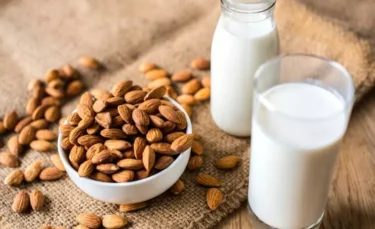
Now let’s check out almond milk. This non-dairy favourite has origins dating back to medieval times. It’s made mostly from almonds and water. Its mild texture and slightly nutty flavour have earned it many fans.
How do we make almond milk? First, we soak almonds in water overnight. Next, we drain the almonds and blend them with more water. Finally, we strain the mixture to remove the solids. What remains is a silky, pale milky-white liquid.
Almond milk has a light, thin consistency with a hint of nuttiness. Unsweetened versions are less calorie-dense. That’s why it’s popular among diet watchers and health buffs.
Though oat milk and almond milk are top-notch non-dairy options, their nutritional profiles can be quite different. These differences matter when picking one over the other.
Based on what I have observed, almond and oat milk are popular choices for non-dairy alternatives in India. These plant-based milk alternatives are often chosen by individuals who are lactose intolerant, have dairy allergies, or follow a vegan diet. The consumption of almond milk in India was found to be about 54% as compared to oat milk, which was about 29%9.
Dr. Siddharth Gupta, B.A.M.S, M.D (Ayu)
Apart from being lactose-free and vegan, oat milk and almond milk offer unique health perks tied to their ingredients. However, there are some drawbacks of both.
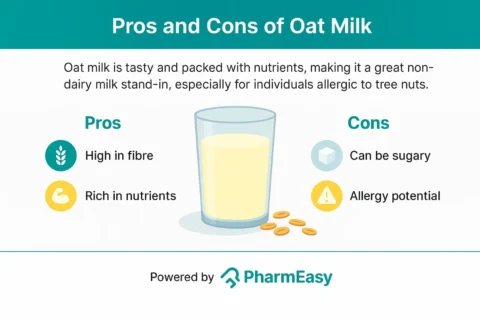
Oat milk is tasty and packed with nutrients, making it a great non-dairy milk stand-in, especially for individuals allergic to tree nuts.
From what I have observed, a 240ml serving of oat milk contains approximately 130 calories, 24g of carbohydrates, 4g of proteins, and 2.5g of fats. Oat milk can be a suitable option for those looking for a plant-based alternative to dairy milk, providing essential nutrients in a convenient form9.
Dr. Rajeev Singh, BAMS
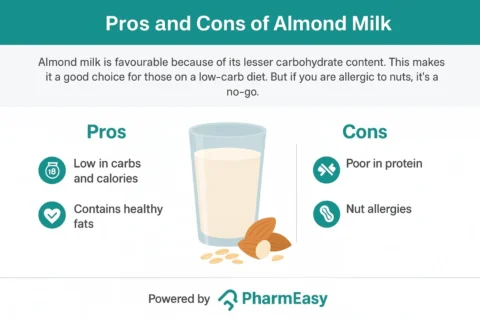
Almond milk is favourable because of its lesser carbohydrate content. This makes it a good choice for those on a low-carb diet. But if you are allergic to nuts, it’s a no-go.
Almond and oat milk offer different levels of nutrient richness. Almond milk has fewer calories, but it also provides less protein, carbs, and fibre. On the other hand, oat milk has more calories, but it also provides more of these vital nutrients.
Oat milk generally contains more added B vitamins than almond milk, and almond milk contains more vitamin E.7 However, both fortified almond and oat milks have the necessary vitamins and minerals like vitamin D and calcium. But remember, not all fortified brands are equal. Some may include thickening agents, artificial flavours, and excessive salt. So beware when you buy.
Oat milk has about 120 calories per cup, which is almost three times the calories in almond milk. Almond milk has just 37 calories per cup. For those counting calories, almond milk might be a better option1,2.
Oat milk has higher protein that is about 3 grams per cup. Almond milk trails with 1.5 grams per cup1,2. But cow’s milk has much higher protein that both, that is about 8 grams of protein per cup.8 In terms of carbs, oat milk is the clear winner with 16 grams per cup. Almond milk has just one gram per cup. As for fat, almond milk has more than oat milk1,2.
Based on what I have read, a 240ml serving of almond milk typically contains around 59 calories, 6g of carbohydrates, 1g of protein, and 4g of fats. These nutritional values make almond milk a viable option for individuals who are lactose intolerant or follow a plant-based diet9.
Dr. Smita Barode, B.A.M.S, M.S.
Both oat milk and almond milk leave a mark on the environment. Here we’ll explore water use, carbon emissions, and energy use in making these milks.
Think about allergies, additives, and sugar when thinking about safety.
Some people are allergic to almonds, so there’s a risk with almond milk. Oat milk could indirectly trigger allergies. This happens through possible gluten contamination. Those allergic to gluten need to be careful here and opt for gluten-free options.
Many varieties of oats and almond milk use things like gums to tweak their consistency and shelf life. Usually, these are safe. However, studies suggest that eating too much might mess up your digestion. Some almond milk brands use carrageenan, which has links to digestive troubles and gut inflammation.
Sugar content in these milks can vary a lot across brands. Unflavoured, unsweetened types have very little sugar, but flavoured types can be high in sugar. Always read the nutrition label to avoid extra added sugars.
Also Read: Soy Milk: Uses, Benefits, Side Effects By Dr. Rajeev Singh
Choosing between oat milk and almond milk rests mainly on personal taste, dietary needs, and green concerns.
If you’re trying to lose weight or if you’re diabetic, almond milk might be a good choice due to its low calorie and carb content. But if you’re looking to manage cholesterol or want a filling drink, oat milk wins due to its high fibre content.
Whether you prefer the creaminess of oat milk or the nuttier taste of almond milk guides your everyday choice.
If you’re looking for an eco-friendly option, oat milk wins hands down. It uses less water, land, and emits less CO2 during production.
Also Read: Goat Milk: Benefits, Uses, Side Effects & More!
In this blog post, we’ve dug deep into oat milk and almond milk. Both have a rightful place in the dairy-free movement. Both have their strengths. Almond milk wins with fewer calories, oat milk scores with higher fibre. One thing to note is that neither oat milk nor almond milk reach the protein content of cow’s milk. But you can get calcium, vitamin D, and vitamin B12 from fortified oat and almond milk versions.We didn’t intend to pit one milk against the other. Rather, we’ve tried to give you a clear picture of the pros and cons of each. Remember, the ultimate goal isn’t to find the ‘best’ milk, but to find the milk that’s ‘best for you’.
Also Read: Almond Milk: Uses, Benefits, Side Effects by Dr. Rajeev Singh
It depends. If you’re aiming to lose weight or are diabetic, almond milk with its lower sugar and calorie content might be right for you. On the other hand , oat milk is high in fibre and nutrients, which boosts heart health and immunity, and helps muscle grow. Consult a health professional for tailored advice.
Different types of milk suit different people. Each has its unique set of nutrients and caters to different diet needs or restrictions. Oat milk is as creamy as cow’s milk, but it provides less protein and more sugar. Cow’s milk offers protein and calcium but might trigger allergies. The ‘healthiest’ milk is the one that matches your particular health goals.
Both are suitable. Both oat milk and almond milk do not contain lactose. So, both are safe for individuals who are lactose intolerant or choose to avoid dairy.
Oat milk and almond milk both have low calorie options, but almond milk generally has fewer calories, making it a better choice for weight loss. However, the best option depends on individual nutritional needs and preferences.
Almond milk is better for managing cholesterol as it contains no cholesterol and is low in saturated fat. Oat milk, while slightly higher in calories, also helps lower cholesterol due to its beta-glucan fibre content.
Almond milk is generally better for diabetics because it has a lower carbohydrate content and glycaemic index compared to oat milk. However, unsweetened varieties of both can be suitable depending on individual dietary needs.
Almond milk tends to blend well with coffee without overpowering its flavour, while oat milk offers a creamier texture and natural sweetness that some prefer. The best choice depends on personal taste preferences and desired coffee experience.
Disclaimer: The information provided here is for educational/awareness purposes only and is not intended to be a substitute for medical treatment by a healthcare professional and should not be relied upon to diagnose or treat any medical condition. The reader should consult a registered medical practitioner to determine the appropriateness of the information and before consuming any medication. PharmEasy does not provide any guarantee or warranty (express or implied) regarding the accuracy, adequacy, completeness, legality, reliability or usefulness of the information; and disclaims any liability arising thereof.
Links and product recommendations in the information provided here are advertisements of third-party products available on the website. PharmEasy does not make any representation on the accuracy or suitability of such products/services. Advertisements do not influence the editorial decisions or content. The information in this blog is subject to change without notice. The authors and administrators reserve the right to modify, add, or remove content without notification. It is your responsibility to review this disclaimer regularly for any changes.
8
Palm oil is a widely used ingredient found in many everyday products, from food items to household goods. Despite its prevalence, there is often limited awareness about what palm oil is and how it is used.
Derived from the fruit of the oil palm tree, palm oil has become a common component in both edible and non-edible products due to its versatility, long shelf life, and cost-effectiveness. It is used in cooking oils, baked goods, snacks, margarine, cosmetics, soaps, and even cleaning products1.
This article explores the origins of palm oil, its various applications, and its nutritional profile. It also considers the ongoing discussions surrounding its impact on health and the environment. Comparisons with other types of oils will be included to help provide a balanced perspective.
Palm oil is an edible vegetable oil extracted from the fruit of the oil palm tree (Elaeis guineensis). Originally cultivated in the western and southwestern regions of Africa, the oil palm is now grown extensively across tropical regions, particularly in Southeast Asia. Due to its unique fat composition, palm oil has become a key ingredient in a wide variety of products worldwide1.
Palm oil production begins with the harvesting of oil palm fruits. The fruits are then steamed or boiled and mechanically pressed to extract the oil. It’s important to differentiate between palm oil and palm kernel oil, though both are derived from the Elaeis guineensis plant, palm oil comes from the fruit’s fleshy pulp, while palm kernel oil is obtained from the seed inside the fruit. Each oil has a distinct composition and is used in different culinary and industrial applications2.
Crude palm oil has a has a distinctive reddish-orange colour, primarily due to its natural carotene content, which is the same pigments that give carrots and tomatoes their vibrant hues. It also contains tocotrienols, a form of vitamin E. These naturally occurring compounds contribute to the oil’s oxidative stability and are part of its overall nutritional profile2.
Palm oil is available in various forms depending on the degree of processing. The two most common types found in consumer products are unrefined and refined palm oil3.
Palm oil has been the subject of considerable attention in discussions surrounding diet and health, largely due to its relatively high saturated fat content. Saturated fats, when consumed in excess, may influence cholesterol levels, which in turn can have implications for heart health. However, palm oil also contains a number of beneficial nutrients, including certain forms of vitamin E and essential fatty acids, which play important roles in supporting overall health.
It is important to consider the type and processing level of palm oil, as these factors can affect its nutritional properties and best use. Below is an overview of commonly available forms of palm oil, their characteristics, and typical applications:
Ever wondered the many ways palm oil is used in our daily life? Let’s take a look.
Palm oil is a common cooking ingredient thanks to its unique taste and adaptability. It’s particularly good for frying because it can withstand high heat.
Palm oil isn’t limited to the kitchen. It is a key ingredient in a variety of everyday non-food items.
Refined and fractionated palm oil is widely utilised in the food industry due to its distinct functional properties. It demonstrates excellent oxidative stability, which allows it to resist spoilage and maintain quality during storage and processing. Furthermore, palm oil contributes nutritional value by supplying essential nutrients that support bodily functions11.
Dr. Siddharth Gupta, B.A.M.S, M.D (Ayu)
Palm oil is a versatile ingredient that plays a significant role in both food and non-food products. Its functional properties and stability have led to widespread use in households and industries around the world.
Unrefined palm oil is a natural source of carotenoids, which the body can convert into vitamin A. This makes it a potentially useful addition to diets where vitamin A deficiency is a concern. Additionally, palm oil contains tocotrienols, a form of vitamin E that has been studied for its antioxidant properties and potential roles in supporting heart and brain function1.
While research into these effects is ongoing, these nutrients are recognised for their contribution to overall health.
Approximately 50% of palm oil’s fat content consists of saturated fats, particularly palmitic acid2. Diets high in saturated fat have been associated with increased levels of low-density lipoprotein (LDL) cholesterol, often referred to as ‘bad’ cholesterol which may raise the risk of cardiovascular disease.
Palm oil, like all oils, is energy-dense and high in calories. Therefore, portion control and overall dietary balance are essential when including it in regular meals.
The nutritional composition per tablespoon of palm oil is as follows4:
While palm oil is often discussed in the context of its saturated fat content, emerging research suggests it may offer certain potential benefits when consumed in moderation as part of a balanced diet. These areas of interest primarily relate to heart and brain health, though further research is necessary to draw firm conclusions.

Some scientific studies have explored the impact of palm oil on heart health, with mixed but noteworthy findings.
Evidence and Research Studies
Considerations
It’s important to emphasise that such findings are associated with moderate consumption within the context of an overall healthy diet. Palm oil is calorie-dense and high in fat, and excessive intake, like that of any fat, may contribute to weight gain and related health issues. Individual dietary needs, existing medical conditions, and overall lifestyle should be considered when evaluating its suitability7.

Research has indicated potential brain health benefits associated with the vitamin E tocotrienols found in palm oil.
Evidence and Research Studies
Studies8 have suggested that tocotrienols in palm oil can help protect the brain against neurodegenerative diseases. These compounds have been linked to a possible slowing of dementia progression and a reduction in the risk of stroke or the development of brain lesions.
Tocotrienols function as antioxidants, which may protect the brain’s delicate polyunsaturated fats from oxidative damage. This protective effect could contribute to slowing the advancement of dementia, lowering stroke risk, and preventing the growth of brain lesions. It is important to note, however, that larger-scale human trials are required to substantiate these preliminary findings.
While palm oil may offer certain health benefits, it has also attracted considerable debate regarding its potential negative effects on both human health and the environment. Understanding these issues is crucial to forming a balanced perspective on palm oil production and consumption.
Much of the health-related discussion around palm oil focuses on its saturated fat content and the possible implications for cardiovascular health.
There is ongoing scientific debate about the relationship between saturated fat intake, blood cholesterol levels, and heart disease risk. Some studies suggest that palm oil does not adversely affect heart health and may even provide certain benefits when consumed in moderation. Conversely, other research indicates that its relatively high saturated fat content could increase levels of low-density lipoprotein (LDL), often referred to as ‘bad’ cholesterol, which is linked to a higher risk of cardiovascular disease2.
The predominant saturated fat in palm oil, palmitic acid, is considered to have a milder effect on blood cholesterol compared to some other saturated fats. Nonetheless, concerns persist that excessive consumption of palm oil could contribute to elevated cholesterol levels and associated health risks2.
The environmental impact of palm oil production is a significant aspect of the wider discussion.
Large-scale palm oil cultivation, particularly in regions such as Southeast Asia, has been associated with substantial deforestation and the destruction of natural habitats. This expansion threatens the survival of endangered species, including the Bornean orangutan and the Sumatran tiger, among others9.
Beyond environmental damage, the industry has faced criticism for labour exploitation and violations of indigenous peoples’ rights, especially in areas where regulatory oversight is limited.
Cheese replacements or imitation products are often preferred for their cost-effectiveness and nutritional profile. When selecting such alternatives, palm oil has demonstrated potential benefits, including a favourable effect on blood cholesterol levels when used instead of milk fat. This is largely attributed to its content of monounsaturated and polyunsaturated fatty acids. Additionally, the natural tocopherol present in palm oil contributes to the nutritional value of cheese analogues. Thus, incorporating palm oil as a source of dietary fat may be a suitable option11.
Dr. Rajeev Singh, BAMS
Also Read: Health Benefits of Coconut Oil for Skin and Hair
Understanding how palm oil compares to other popular oils can provide valuable insight into its role in a balanced diet.
Olive oil is widely recognised for its cardiovascular benefits, primarily because of its high content of monounsaturated fats. Some studies have suggested that palm oil and olive oil may have similar effects on cholesterol levels, despite palm oil’s higher saturated fat content10.
Canola oil contains less saturated fat and more monounsaturated fat than palm oil. It also has a notable proportion of omega-3 fatty acids, which contribute to its reputation as a heart-friendly oil. However, most commercially available canola oil is derived from genetically modified crops, whereas palm oil typically is not10.
Avocado oil is rich in monounsaturated fats and antioxidants, making it one of the healthiest cooking oils available. Similar to palm oil, avocado oil is stable at high temperatures, making both oils suitable for frying and other heat-intensive cooking methods10.
Sunflower oil is known for its high polyunsaturated fat content, especially linoleic acid, which is valued for its potential to lower cholesterol. While its nutritional profile differs from that of palm oil, sunflower oil remains a popular choice for those seeking to manage cholesterol levels10.
Coconut oil, like palm oil, contains a high proportion of saturated fats, particularly lauric acid. Its saturated fat content is generally higher than that of palm oil. Despite this, coconut oil is frequently recommended for its various health effects, although evidence remains mixed and further research is ongoing10.
Also Read: Punarnava: Uses, Benefits, Side Effects & More
Assessing palm oil as either beneficial or harmful is a complex issue that depends largely on consumption patterns, including quantity, frequency, and the context of an individual’s overall diet. While palm oil’s high saturated fat content suggests moderation is necessary, it also provides valuable nutrients such as vitamins A and E, which offers practical benefits in cooking due to its heat stability.
However, the environmental challenges associated with palm oil production are significant and must be taken into account. Therefore, if palm oil is to be included in the diet, it should be consumed judiciously, within a balanced and varied nutritional framework. Choosing palm oil that is sustainably sourced can further help reduce its environmental impact, supporting both personal health and ecological responsibility.
Also Read: How Castor Oil Benefits You And How Much You Need?
The main concern associated with palm oil is its high saturated fat content, which may increase bad cholesterol and heart disease risk. But eating in moderation as part of a balanced diet should not pose major health risks.
Palm oil and olive oil each offer distinct nutritional properties. Olive oil is a source of monounsaturated fats, while palm oil contains natural antioxidants, including vitamin A (as beta-carotene) and vitamin E (tocotrienols and tocopherols). The choice between the two may depend on individual dietary preferences, culinary use, and nutritional considerations.
As with any food, moderation is key. Palm oil contains saturated fats, and the World Health Organization recommends that saturated fat intake should not exceed 10% of total daily calories. When used in small amounts, palm oil can be part of a balanced and varied diet, depending on individual nutritional needs.
There is no conclusive evidence directly linking palm oil consumption to cancer. However, concerns arise from its potential role in a diet high in saturated fats, which may contribute to certain health risks and research on this topic is ongoing.
While palm oil consumption has been associated with elevated levels of LDL cholesterol due to its saturated fat content, the direct link to heart disease remains inconclusive. Moderation in consumption and maintaining a balanced diet are recommended for heart health.
When stored properly in a cool, dark place and sealed tightly, palm oil can have a shelf life of up to a year or more. However, factors such as exposure to heat, light, and air can affect its quality and lead to a shorter storage lifespan.
While rare, some individuals may be allergic to palm oil, experiencing allergic reactions such as skin rashes or gastrointestinal discomfort. However, palm oil allergies are not widespread, and most people can consume it without adverse effects.
Introducing palm oil to babies’ diets is generally not recommended due to its high saturated fat content. Babies need a balanced diet that primarily consists of breast milk or formula, followed by the gradual introduction of age-appropriate solid foods.
Palm oil and palmolein oil are not the same, although both are derived from the palm fruit. Palm oil is in a semi-solid form, while palmolein in the liquid fraction is obtained through a refining process. They have different applications in cooking and food processing.
There is no conclusive evidence that red palm oil directly darkens the skin. While some anecdotal claims suggest potential skin benefits, the impact on skin tone is not well-established, and individual reactions may vary. It’s advisable to consult with a dermatologist for personalised skincare advice.
Disclaimer: The information provided here is for educational/awareness purposes only and is not intended to be a substitute for medical treatment by a healthcare professional and should not be relied upon to diagnose or treat any medical condition. The reader should consult a registered medical practitioner to determine the appropriateness of the information and before consuming any medication. PharmEasy does not provide any guarantee or warranty (express or implied) regarding the accuracy, adequacy, completeness, legality, reliability or usefulness of the information; and disclaims any liability arising thereof.
Links and product recommendations in the information provided here are advertisements of third-party products available on the website. PharmEasy does not make any representation on the accuracy or suitability of such products/services. Advertisements do not influence the editorial decisions or content. The information in this blog is subject to change without notice. The authors and administrators reserve the right to modify, add, or remove content without notification. It is your responsibility to review this disclaimer regularly for any changes.
5
1
क्रिएटिन फॉस्फोकाइनेज परीक्षण (सीपीके परीक्षण) एक नैदानिक उपकरण है कि खून में क्रिएटिन फॉस्फोकाइनेज (creatine phosphokinase) एंजाइम के स्तर का निर्धारण करने के लिए एक खून के नमूने का मूल्यांकन करता है। सीपीके परीक्षण आपके शरीर के उन हिस्सों की पहचानकरने में मदद करते हैं जो क्षतिग्रस्त हो गए हैं1,2।
क्रिएटिन फॉस्फोकाइनेज परीक्षण परिणामों का मूल्यांकन खून के नमूने के माध्यम से किया जाता है और खून में मौजूद सीपीके एंजाइमों के स्तर का विश्लेषण किया जाता है1,2,4।
मांसपेशियों के ऊतकों की चोट (Muscle tissue injury) का संदेह होने पर डॉक्टर सीपीके परीक्षण लिखते हैं। सीपीके परीक्षण से डॉक्टरों को यह भी पता चल जाता है कि किस टिश्यू को नुकसान पहुंचा है। कभी-कभी रोगियों को पता नहीं होता है कि उन्हें किस समय दिल का दौरा पड़ा था। सीपीके परीक्षण के परिणाम डॉक्टरों को सीपीके स्तरों में वृद्धि और गिरावट के समय का विश्लेषण करके निदान करने की अनुमति देते हैं1,2,4।
एंजाइम के स्तर में वृद्धि के पीछे के कारण का पुनः मूल्यांकन करने के लिए आपका डॉक्टर आपको अपने सीपीके परीक्षण को दोहराने के लिए कह सकता है। यदि आप अस्पताल में हैं और आपके सीपीके स्तर उच्च हैं, तो आपका डॉक्टर आपको कुछ स्थितियों का निदान करने के लिए हर दो से तीन दिनों में क्रिएटिन फॉस्फोकाइनेज परीक्षण को फिर से लेने के लिए कह सकता है1,4।
सीपीके परीक्षण की आवृत्ति आपके विशिष्ट निदान और निर्धारित उपचार योजना द्वारा निर्धारित की जाती है।
क्रिएटिन फॉस्फोकाइनेज परीक्षण एक पैरामीटर को मापता है: खून में सीपीके एंजाइम का स्तर। क्रिएटिन फॉस्फोकाइनेज एंजाइम कंकाल की मांसपेशियों (skeletal muscles)., हृदय और मस्तिष्क आदि में पाया जाता है। सीके की एक ट्रेस राशि खून में आम तौर पर मौजूद होती है जो मुख्य रूप से कंकाल की मांसपेशियों से आती है1,2,4।
मांसपेशियों को नुकसान होने पर खून में क्रिएटिन फॉस्फोकाइनेज का स्तर बढ़ जाता है। कोई भी स्थिति या चोट जो मांसपेशियों की चोट का कारण बनती है या मांसपेशियों की ऊर्जा के उत्पादन को रोकती है, सीके में वृद्धि हो सकती है। क्रिएटिन फॉस्फोकाइनेज स्तर भी ज़ोरदार व्यायाम और मांसपेशियों (मायोसाइटिस) की सूजन के बाद बढ़ सकता है3,4।
सीपीके को तीन मुख्य घटकों में विभाजित किया जा सकता है1,2,5।
क्रिएटिन फॉस्फोकाइनेज परीक्षण खून में सीपीके एंजाइम के स्तर को मापता है। जब एक डॉक्टर सीपीके परीक्षण का आदेश देता है तो मांसपेशियों की चोट या मांसपेशी विकार का संदेह होता है। ये वे लक्षण हैं जिनके तहत एक क्रिएटिन फॉस्फोकाइनेज परीक्षण का आदेश दिया जाता है1,4,5।
कुछ स्थितियां जिनके लिए एक क्रिएटिन फॉस्फोकाइनेज परीक्षण निर्धारित किया जा सकता है1,2,4:
आपका डॉक्टर आपको एक क्रिएटिन फॉस्फोकाइनेज परीक्षण लिख सकता है यदि उन्हें मांसपेशियों के विकारों पर संदेह है जैसे1,2,4:
यह भी पढ़ें: कोलेस्ट्रॉल टेस्ट (Cholesterol Test): क्या है, खर्च, नॉर्मल रेंज, कैसे होता है, क्यों और कब करना चाहिए
उच्च सीपीके स्तर से संकेत मिलता है कि मांसपेशियों के ऊतकों और मस्तिष्क या दिल को हाल ही में चोट या तनाव हुआ है। जब एक मांसपेशी क्षतिग्रस्त हो जाती है, तो सीपीके खूनप्रवाह में लीक हो जाता है, यह दर्शाता है कि मांसपेशियों को हाल ही में आघात हुआ है1,2,4।
कुछ दवाएं जैसे कि अल्कोहल, एम्फोटेरिसिन बी, विशिष्ट एनेस्थेटिक्स, कोकीन, फाइब्रेट ड्रग्स, स्टेरॉयड जैसे डेक्सामेथासोन, एंटीरेट्रोवायरल, बीटा-ब्लॉकर्स, क्लोज़ापिन, हाइड्रॉक्सीक्लोरोक्वीन आदि जैसे सीके स्तर को बढ़ा सकती हैं। यदि आप इनमें से कोई भी दवा ले रहे हैं, तो सीपीके परीक्षण लेने से पहले अपने डॉक्टर से बात करें1,4
आप अखरोट, बादाम, आटिचोक आदि जैसे अपने कोलेस्ट्रॉल को कम करने वाले खाद्य पदार्थों को खाने से स्वाभाविक रूप से अपने सीपीके के स्तर को कम कर सकते हैं। आपको तीव्र व्यायाम को भी सीमित करना चाहिए, क्रिएटिन लेने से बचना चाहिए और अधिक फाइबर और कम प्रोटीन खाना चाहिए1,2,4।
Disclaimer: The information provided here is for educational/awareness purposes only and is not intended to be a substitute for medical treatment by a healthcare professional and should not be relied upon to diagnose or treat any medical condition. The reader should consult a registered medical practitioner to determine the appropriateness of the information and before consuming any medication. PharmEasy does not provide any guarantee or warranty (express or implied) regarding the accuracy, adequacy, completeness, legality, reliability or usefulness of the information; and disclaims any liability arising thereof.
Links and product recommendations in the information provided here are advertisements of third-party products available on the website. PharmEasy does not make any representation on the accuracy or suitability of such products/services. Advertisements do not influence the editorial decisions or content. The information in this blog is subject to change without notice. The authors and administrators reserve the right to modify, add, or remove content without notification. It is your responsibility to review this disclaimer regularly for any changes.
10
1
करी पत्ते एक छोटे पर्णपाती सुगंधित झाड़ी का भाग होते हैं, जिसका वैज्ञानिक नाम मुरराया कोएनिगी होता है, जो रूटेशियाई कुल से संबंधित होता है। इसे प्राकृतिक औषधीय पौधा माना जाता है। दक्षिण एशिया इस पौधे का घर है, और यह श्रीलंका, बांग्लादेश, चीन और भारत जैसे देशों में पाया जाता है। भारत में, यह हिमालय के नीचे महाराष्ट्र, तमिलनाडु, केरल और असम जैसे राज्यों में पाया जाता है।1-3
इस पौधे में चमकदार हरे पत्ते होते हैं जो वसंत, ग्रीष्म और मानसून के दौरान वृद्धि करते हैं और ये सर्दियों में गिर जाते हैं। तमिल और कन्नड़ साहित्य में ऐसे संदर्भ हैं जो मुरराय कोएनिगी को ‘करी’ के रूप में वर्णित करते हैं, जिसका अर्थ है सब्जियों के लिए स्वाद एजेंट के रूप में इस्तेमाल किया जाने वाला ‘मसालेदार सॉस’। यह भारत में सबसे लोकप्रिय मसाला और छौंक के रूप में पहचाना जाता है। इसे आमतौर पर हिंदी में कड़ीपत्ता या मीठा नीम, तमिल में करुवेप्पिलई और मलयालम में करिवेप्पिले कहा जाता है।2,3
सूखे और ताज़े दोनों तरह के करी पत्ते में अच्छे पोषक तत्व होते हैं और यह स्वास्थ्य के लिए फ़ायदेमंद होते हैं।
| पोषक तत्वों की मात्रा | ताज़ा करी पत्ते | सूखे करी पत्ते |
| प्रोटीन (ग्राम) | 6 | 12 |
| कार्बोहाइड्रेट्स (ग्राम) | 18.7 | 64.31 |
| फ़ैट (ग्राम) | 1 | 5.4 |
| विटामिन C (मिलीग्राम) | 4 | 4 |
| β-कैरोटीन (माइक्रोग्राम) | 7560 | 5292 |
| कैल्शियम (मिलीग्राम) | 830 | 2040 |
| आयरन (मिलीग्राम) | 0.93 | 12 |
टेबल 1: प्रति 100 ग्राम करी पत्तों के पोषक तत्वों की मात्रा 1,2
आयुर्वेद के अनुसार, करी पत्ते के बहुत से फ़ायदेमंद गुण हो सकते हैं: 1
Curry patte (Curry Leaves) ke sambhavit upyog:
करी पत्तों के संभावित उपयोग अलग-अलग स्वास्थ्य स्थितियों के लिए हो सकते हैं। कई अध्ययनों में करी के पत्तों के फ़ायदे इस प्रकार हैंः
ब्लड शुगर के प्रबंधन में करी पत्तियों की प्रभावशीलता का अध्ययन 2012 में डुसाने एट अल द्वारा एक पशु मॉडल में किया गया था। यह ब्लड शुगर के स्तर में उल्लेखनीय कमी लाता है। पत्तियों के अर्क का यह ब्लड शुगर को कम करने वाला गुण, ब्लड शुगर के स्तर को कम करने में मदद कर सकता है। ये प्रभाव इंसुलिन के जैसे प्रभाव हो सकते हैं, जो ब्लड शुगर को या तो अग्नाशय के इंसुलिन उत्पादन को बढ़ाकर या विशिष्ट एंजाइमों के कारण कोशिकाओं द्वारा ग्लूकोज अप-टेक करके कम कर सकता है। इससे पता चलता है कि करी पत्ता डायबिटीज़ मेलेटस के प्रबंधन में प्रभावी हो सकता है।1,3,4
डायबिटीज़ एक गंभीर बीमारी है और इसका उचित निदान किया जाना चाहिए। दुर्भाग्य से, उपरोक्त जानकारी अपर्याप्त है क्योंकि ये अध्ययन मनुष्यों पर नहीं किए गए हैं। हालांकि, शरीर में ब्लड शुगर के स्तर को नियंत्रित करने पर करी के पत्तों के सकारात्मक प्रभाव को दर्शाने के लिए अभी और अधिक मानव परीक्षणों को करने की आवश्यकता है। इसलिए डॉक्टरों से परामर्श लेना और इसे केवल दवा के रूप में लेना आवश्यक है।
करी पत्तों और उनके असेंशियल ऑइल का फ़ायदा यह है कि वे सूजन कोशिकाओं के खिलाफ कार्य कर सकते हैं। जब यह बाहरी सतही चोटों पर लगाया जाता है जैसे कि त्वचा छिलने, जलने और खरोंच, तो ये घाव भरने वाली गतिविधि दर्शा सकते हैं। पत्तियों से बने असेंशियल ऑइल का उपयोग क्रीम और अन्य योगों में किया जा सकता है जो धूप से सुरक्षा, त्वचा की चमक को बढ़ाने और खुरदरी त्वचा को मॉइस्चराइज़ करने के लिए प्रभावी हो सकते हैं। करी पत्ते का तेल त्वचा की समस्याओं जैसे कि फोड़े, मुहांसे, खुजली, रिंगवर्म, ज़ख़्मी पैर आदि से निपटने में भी सहायक हो सकते हैं।1-3
त्वचा के स्वास्थ्य को बनाए रखने के लिए करी पत्तियों के लाभकारी प्रभावों को विकसित करने के लिए आगे के अध्ययनों की आवश्यकता है। इसलिए लोगों को करी के पत्तों से बने किसी भी हर्बल दवा के सेवन से पहले डॉक्टर से परामर्श करना चाहिए। इसके अतिरिक्त, हम आपको सलाह देते हैं कि डॉक्टर से परामर्श किए बिना आयुर्वेदिक या हर्बल दवा के साथ चल रही दवाओं को बंद या प्रतिस्थापित न करें।
ज़ी एट अल द्वारा 2006 में किए गए एक पशु अध्ययन में करी पत्ते ने कुल कोलेस्ट्रॉल और ट्राइग्लिसराइड (वसा) के स्तर को काफ़ी कम कर दिया। करी पत्ते की यह हाइपोलिपिडेमिक (लिपिड कम करने वाली) कार्य इसके एंटीऑक्सीडेंट गुणों के कारण हो सकती है। यह कोलेस्ट्रॉल और कम डेंसिटी वाले लिपिड (खराब कोलेस्ट्रॉल) को कम करने में मदद कर सकता है; इससे पता चलता है कि कोलेस्ट्रॉल और वसा के मेटाबोलिज़्म को कम करने में इसकी संभावित भूमिका हो सकती है।3,4,6
हालांकि, ये अध्ययन मनुष्यों पर प्रभाव को समझने के लिए पर्याप्त नहीं हैं। हमें मानव शरीर में कोलेस्ट्रॉल के स्तर को प्रबंधित करने में करी पत्ते के फ़ायदों के बारे में ज़्यादा जानकारी की आवश्यकता है। इसलिए, कोलेस्ट्रॉल की जांच के लिए करी पत्ते का उपयोग करने से पहले डॉक्टर से बात करना बेहतर होता है।
देसाई एट अल द्वारा 2012 में पशु मॉडल अध्ययन ने खुलासा किया कि करी पत्ते के रस ने लीवर एंजाइम के कार्य में काफ़ी वृद्धि की जो लीवर में लिपिड के ऑक्सीडैशन में सहायता करता है। रस ने लीवर की रक्षा करने वाले कार्य भी दिखाए जो लीवर की क्षति को रोकते हैं।4
ऊपर दी गई जानकारी अपर्याप्त है क्योंकि ये अध्ययन जानवरों पर किए गए हैं। हालांकि, मानव स्वास्थ्य पर करी पत्ते के फ़ायदों को जानने के लिए मनुष्यों पर और अध्ययन आवश्यक है। इसलिए, अपने संबंधित डॉक्टरों से परामर्श करना महत्वपूर्ण है।
हालांकि, कई स्वास्थ्य स्थितियों में करी पत्ते के फ़ायदों को दर्शाने वाले अध्ययन अपर्याप्त हैं और मानव स्वास्थ्य पर करी पत्ते के फ़ायदों की सही सीमा स्थापित करने के लिए आगे के अध्ययन की आवश्यकता है। इसके अतिरिक्त हर व्यक्ति इन जड़ी-बूटियों के प्रति अलग-अलग प्रतिक्रिया दे सकता है। इसलिए, किसी भी चिकित्सीय स्थिति के लिए करी पत्ते का उपयोग करने से पहले डॉक्टर की सलाह लेना आवश्यक है।
करी पत्तों का इस्तेमाल इन तरीकों से किया जा सकता है:
करी पत्ते से बने किसी भी हर्बल सप्लीमेंट को लेने से पहले लोगों को एक सही डॉक्टर से परामर्श लेना ज़रूरी होता है। हम सलाह देते हैं कि आप किसी आयुर्वेदिक डॉक्टर से परामर्श किए बिना आयुर्वेदिक या हर्बल दवाइयों के साथ अपनी वर्तमान दवाओं को न बदलें या न ही उन्हें बंद करें।
कोई महत्वपूर्ण अध्ययन दर्ज प्रमाण नहीं है जो लोगों में करी पत्ते के लक्षण दिखाता है। वैसे, ज़ी एट अल द्वारा 2006 में कुछ अध्ययन में पशु मॉडल में स्थानीय आंतों में जलन दिखाई दी थी।6
हालांकि, अगर आपको पेट में ऐसी जलन महसूस होती है, तो आपको किसी आयुर्वेदिक डॉक्टर से सलाह लेनी चाहिए और तुरंत इलाज कराना चाहिए।
सामान्य तौर पर, करी पत्ते का उपयोग करना सुरक्षित होता है। हालांकि, किसी भी समस्या से बचने के लिए सामान्य सावधानियां बरतने की ज़रूरत होती है।
आपको नियमित रूप से करी पत्ते का सेवन करते समय अपने डॉक्टर द्वारा दी गई सामान्य सावधानियों और निर्देशों का पालन करना चाहिए और आपको कभी भी प्राकृतिक फलों, सब्जियों और जड़ी-बूटियों के साथ स्वयं औषधि नहीं लेनी चाहिए।
इसलिए, अपने डॉक्टर के साथ अपने चल रहे उपचारों पर चर्चा करना और जड़ी-बूटी की खुराक और रूप पर उनकी सलाह का पालन करना ज़रूरी है। वे आपको आपकी स्थिति के आधार पर करी पत्ता खाने का सबसे अच्छा तरीका सुझाएंगे।
Also Read: चिया सीड्स (Chia Seeds in hindi): उपयोग, लाभ, साइड इफ़ेक्ट, और अन्य जानकारी!
करी पत्ते कड़वे होते हैं और उनमें तेज़, तीखी महक होती है।1
पत्तों को बारीक पीसकर छाछ के साथ लेने से खराब पेट का एक अच्छा घरेलू उपाय हो सकता है।1 हालांकि, लोगों को करी पत्ते का इस्तेमाल स्वयं औषधि के रूप में नहीं करना चाहिए। डॉक्टर से सलाह लेना ज़रूरी है।
करी पत्ते में मौजूद कैल्शियम और ज़िंक खनिज और बायोएक्टिव घटक जैसे फोलिक एसिड, बीटा कैरोटीन और राइबोफ्लेविन मौखिक स्वास्थ्य के लिए अच्छे हो सकते हैं और माउथवॉश को बनाने में उपयोग किए जाते हैं। हालांकि, यह जानकारी पर्याप्त नहीं है।1 मुंह के स्वास्थ्य पर करी पत्ते के फ़ायदों को प्रमाणित करने के लिए अधिक अध्ययन की आवश्यकता है।
करी पत्ते के रस में विटामिन ए (β-कैरोटीन) और विटामिन सी होता है, जो बालों के समग्र स्वास्थ्य के लिए फ़ायदेमंद हो सकता है।
करी पत्ते अपने तत्वों के कारण दस्त से लड़ने का गुण दिखाते हैं, जो आंतों के हानिकारक बैक्टीरिया से लड़ सकते हैं।3 लेकिन यह जानकारी अपर्याप्त है और हमें मानव स्वास्थ्य पर करी पत्ते के सही दायरे को प्रमाणित करने के लिए और अधिक अध्ययन की आवश्यकता है।
Disclaimer: The information provided here is for educational/awareness purposes only and is not intended to be a substitute for medical treatment by a healthcare professional and should not be relied upon to diagnose or treat any medical condition. The reader should consult a registered medical practitioner to determine the appropriateness of the information and before consuming any medication. PharmEasy does not provide any guarantee or warranty (express or implied) regarding the accuracy, adequacy, completeness, legality, reliability or usefulness of the information; and disclaims any liability arising thereof.
Links and product recommendations in the information provided here are advertisements of third-party products available on the website. PharmEasy does not make any representation on the accuracy or suitability of such products/services. Advertisements do not influence the editorial decisions or content. The information in this blog is subject to change without notice. The authors and administrators reserve the right to modify, add, or remove content without notification. It is your responsibility to review this disclaimer regularly for any changes.
1
1


