
करी पत्ते एक छोटे पर्णपाती सुगंधित झाड़ी का भाग होते हैं, जिसका वैज्ञानिक नाम मुरराया कोएनिगी होता है, जो रूटेशियाई कुल से संबंधित होता है। इसे प्राकृतिक औषधीय पौधा माना जाता है। दक्षिण एशिया इस पौधे का घर है, और यह श्रीलंका, बांग्लादेश, चीन और भारत जैसे देशों में पाया जाता है। भारत में, यह हिमालय के नीचे महाराष्ट्र, तमिलनाडु, केरल और असम जैसे राज्यों में पाया जाता है।1-3
इस पौधे में चमकदार हरे पत्ते होते हैं जो वसंत, ग्रीष्म और मानसून के दौरान वृद्धि करते हैं और ये सर्दियों में गिर जाते हैं। तमिल और कन्नड़ साहित्य में ऐसे संदर्भ हैं जो मुरराय कोएनिगी को ‘करी’ के रूप में वर्णित करते हैं, जिसका अर्थ है सब्जियों के लिए स्वाद एजेंट के रूप में इस्तेमाल किया जाने वाला ‘मसालेदार सॉस’। यह भारत में सबसे लोकप्रिय मसाला और छौंक के रूप में पहचाना जाता है। इसे आमतौर पर हिंदी में कड़ीपत्ता या मीठा नीम, तमिल में करुवेप्पिलई और मलयालम में करिवेप्पिले कहा जाता है।2,3
सूखे और ताज़े दोनों तरह के करी पत्ते में अच्छे पोषक तत्व होते हैं और यह स्वास्थ्य के लिए फ़ायदेमंद होते हैं।
| पोषक तत्वों की मात्रा | ताज़ा करी पत्ते | सूखे करी पत्ते |
| प्रोटीन (ग्राम) | 6 | 12 |
| कार्बोहाइड्रेट्स (ग्राम) | 18.7 | 64.31 |
| फ़ैट (ग्राम) | 1 | 5.4 |
| विटामिन C (मिलीग्राम) | 4 | 4 |
| β-कैरोटीन (माइक्रोग्राम) | 7560 | 5292 |
| कैल्शियम (मिलीग्राम) | 830 | 2040 |
| आयरन (मिलीग्राम) | 0.93 | 12 |
टेबल 1: प्रति 100 ग्राम करी पत्तों के पोषक तत्वों की मात्रा 1,2
आयुर्वेद के अनुसार, करी पत्ते के बहुत से फ़ायदेमंद गुण हो सकते हैं: 1
Curry patte (Curry Leaves) ke sambhavit upyog:
करी पत्तों के संभावित उपयोग अलग-अलग स्वास्थ्य स्थितियों के लिए हो सकते हैं। कई अध्ययनों में करी के पत्तों के फ़ायदे इस प्रकार हैंः
ब्लड शुगर के प्रबंधन में करी पत्तियों की प्रभावशीलता का अध्ययन 2012 में डुसाने एट अल द्वारा एक पशु मॉडल में किया गया था। यह ब्लड शुगर के स्तर में उल्लेखनीय कमी लाता है। पत्तियों के अर्क का यह ब्लड शुगर को कम करने वाला गुण, ब्लड शुगर के स्तर को कम करने में मदद कर सकता है। ये प्रभाव इंसुलिन के जैसे प्रभाव हो सकते हैं, जो ब्लड शुगर को या तो अग्नाशय के इंसुलिन उत्पादन को बढ़ाकर या विशिष्ट एंजाइमों के कारण कोशिकाओं द्वारा ग्लूकोज अप-टेक करके कम कर सकता है। इससे पता चलता है कि करी पत्ता डायबिटीज़ मेलेटस के प्रबंधन में प्रभावी हो सकता है।1,3,4
डायबिटीज़ एक गंभीर बीमारी है और इसका उचित निदान किया जाना चाहिए। दुर्भाग्य से, उपरोक्त जानकारी अपर्याप्त है क्योंकि ये अध्ययन मनुष्यों पर नहीं किए गए हैं। हालांकि, शरीर में ब्लड शुगर के स्तर को नियंत्रित करने पर करी के पत्तों के सकारात्मक प्रभाव को दर्शाने के लिए अभी और अधिक मानव परीक्षणों को करने की आवश्यकता है। इसलिए डॉक्टरों से परामर्श लेना और इसे केवल दवा के रूप में लेना आवश्यक है।
करी पत्तों और उनके असेंशियल ऑइल का फ़ायदा यह है कि वे सूजन कोशिकाओं के खिलाफ कार्य कर सकते हैं। जब यह बाहरी सतही चोटों पर लगाया जाता है जैसे कि त्वचा छिलने, जलने और खरोंच, तो ये घाव भरने वाली गतिविधि दर्शा सकते हैं। पत्तियों से बने असेंशियल ऑइल का उपयोग क्रीम और अन्य योगों में किया जा सकता है जो धूप से सुरक्षा, त्वचा की चमक को बढ़ाने और खुरदरी त्वचा को मॉइस्चराइज़ करने के लिए प्रभावी हो सकते हैं। करी पत्ते का तेल त्वचा की समस्याओं जैसे कि फोड़े, मुहांसे, खुजली, रिंगवर्म, ज़ख़्मी पैर आदि से निपटने में भी सहायक हो सकते हैं।1-3
त्वचा के स्वास्थ्य को बनाए रखने के लिए करी पत्तियों के लाभकारी प्रभावों को विकसित करने के लिए आगे के अध्ययनों की आवश्यकता है। इसलिए लोगों को करी के पत्तों से बने किसी भी हर्बल दवा के सेवन से पहले डॉक्टर से परामर्श करना चाहिए। इसके अतिरिक्त, हम आपको सलाह देते हैं कि डॉक्टर से परामर्श किए बिना आयुर्वेदिक या हर्बल दवा के साथ चल रही दवाओं को बंद या प्रतिस्थापित न करें।
ज़ी एट अल द्वारा 2006 में किए गए एक पशु अध्ययन में करी पत्ते ने कुल कोलेस्ट्रॉल और ट्राइग्लिसराइड (वसा) के स्तर को काफ़ी कम कर दिया। करी पत्ते की यह हाइपोलिपिडेमिक (लिपिड कम करने वाली) कार्य इसके एंटीऑक्सीडेंट गुणों के कारण हो सकती है। यह कोलेस्ट्रॉल और कम डेंसिटी वाले लिपिड (खराब कोलेस्ट्रॉल) को कम करने में मदद कर सकता है; इससे पता चलता है कि कोलेस्ट्रॉल और वसा के मेटाबोलिज़्म को कम करने में इसकी संभावित भूमिका हो सकती है।3,4,6
हालांकि, ये अध्ययन मनुष्यों पर प्रभाव को समझने के लिए पर्याप्त नहीं हैं। हमें मानव शरीर में कोलेस्ट्रॉल के स्तर को प्रबंधित करने में करी पत्ते के फ़ायदों के बारे में ज़्यादा जानकारी की आवश्यकता है। इसलिए, कोलेस्ट्रॉल की जांच के लिए करी पत्ते का उपयोग करने से पहले डॉक्टर से बात करना बेहतर होता है।
देसाई एट अल द्वारा 2012 में पशु मॉडल अध्ययन ने खुलासा किया कि करी पत्ते के रस ने लीवर एंजाइम के कार्य में काफ़ी वृद्धि की जो लीवर में लिपिड के ऑक्सीडैशन में सहायता करता है। रस ने लीवर की रक्षा करने वाले कार्य भी दिखाए जो लीवर की क्षति को रोकते हैं।4
ऊपर दी गई जानकारी अपर्याप्त है क्योंकि ये अध्ययन जानवरों पर किए गए हैं। हालांकि, मानव स्वास्थ्य पर करी पत्ते के फ़ायदों को जानने के लिए मनुष्यों पर और अध्ययन आवश्यक है। इसलिए, अपने संबंधित डॉक्टरों से परामर्श करना महत्वपूर्ण है।
हालांकि, कई स्वास्थ्य स्थितियों में करी पत्ते के फ़ायदों को दर्शाने वाले अध्ययन अपर्याप्त हैं और मानव स्वास्थ्य पर करी पत्ते के फ़ायदों की सही सीमा स्थापित करने के लिए आगे के अध्ययन की आवश्यकता है। इसके अतिरिक्त हर व्यक्ति इन जड़ी-बूटियों के प्रति अलग-अलग प्रतिक्रिया दे सकता है। इसलिए, किसी भी चिकित्सीय स्थिति के लिए करी पत्ते का उपयोग करने से पहले डॉक्टर की सलाह लेना आवश्यक है।
करी पत्तों का इस्तेमाल इन तरीकों से किया जा सकता है:
करी पत्ते से बने किसी भी हर्बल सप्लीमेंट को लेने से पहले लोगों को एक सही डॉक्टर से परामर्श लेना ज़रूरी होता है। हम सलाह देते हैं कि आप किसी आयुर्वेदिक डॉक्टर से परामर्श किए बिना आयुर्वेदिक या हर्बल दवाइयों के साथ अपनी वर्तमान दवाओं को न बदलें या न ही उन्हें बंद करें।
कोई महत्वपूर्ण अध्ययन दर्ज प्रमाण नहीं है जो लोगों में करी पत्ते के लक्षण दिखाता है। वैसे, ज़ी एट अल द्वारा 2006 में कुछ अध्ययन में पशु मॉडल में स्थानीय आंतों में जलन दिखाई दी थी।6
हालांकि, अगर आपको पेट में ऐसी जलन महसूस होती है, तो आपको किसी आयुर्वेदिक डॉक्टर से सलाह लेनी चाहिए और तुरंत इलाज कराना चाहिए।
सामान्य तौर पर, करी पत्ते का उपयोग करना सुरक्षित होता है। हालांकि, किसी भी समस्या से बचने के लिए सामान्य सावधानियां बरतने की ज़रूरत होती है।
आपको नियमित रूप से करी पत्ते का सेवन करते समय अपने डॉक्टर द्वारा दी गई सामान्य सावधानियों और निर्देशों का पालन करना चाहिए और आपको कभी भी प्राकृतिक फलों, सब्जियों और जड़ी-बूटियों के साथ स्वयं औषधि नहीं लेनी चाहिए।
इसलिए, अपने डॉक्टर के साथ अपने चल रहे उपचारों पर चर्चा करना और जड़ी-बूटी की खुराक और रूप पर उनकी सलाह का पालन करना ज़रूरी है। वे आपको आपकी स्थिति के आधार पर करी पत्ता खाने का सबसे अच्छा तरीका सुझाएंगे।
Also Read: चिया सीड्स (Chia Seeds in hindi): उपयोग, लाभ, साइड इफ़ेक्ट, और अन्य जानकारी!
करी पत्ते कड़वे होते हैं और उनमें तेज़, तीखी महक होती है।1
पत्तों को बारीक पीसकर छाछ के साथ लेने से खराब पेट का एक अच्छा घरेलू उपाय हो सकता है।1 हालांकि, लोगों को करी पत्ते का इस्तेमाल स्वयं औषधि के रूप में नहीं करना चाहिए। डॉक्टर से सलाह लेना ज़रूरी है।
करी पत्ते में मौजूद कैल्शियम और ज़िंक खनिज और बायोएक्टिव घटक जैसे फोलिक एसिड, बीटा कैरोटीन और राइबोफ्लेविन मौखिक स्वास्थ्य के लिए अच्छे हो सकते हैं और माउथवॉश को बनाने में उपयोग किए जाते हैं। हालांकि, यह जानकारी पर्याप्त नहीं है।1 मुंह के स्वास्थ्य पर करी पत्ते के फ़ायदों को प्रमाणित करने के लिए अधिक अध्ययन की आवश्यकता है।
करी पत्ते के रस में विटामिन ए (β-कैरोटीन) और विटामिन सी होता है, जो बालों के समग्र स्वास्थ्य के लिए फ़ायदेमंद हो सकता है।
करी पत्ते अपने तत्वों के कारण दस्त से लड़ने का गुण दिखाते हैं, जो आंतों के हानिकारक बैक्टीरिया से लड़ सकते हैं।3 लेकिन यह जानकारी अपर्याप्त है और हमें मानव स्वास्थ्य पर करी पत्ते के सही दायरे को प्रमाणित करने के लिए और अधिक अध्ययन की आवश्यकता है।
Disclaimer: The information provided here is for educational/awareness purposes only and is not intended to be a substitute for medical treatment by a healthcare professional and should not be relied upon to diagnose or treat any medical condition. The reader should consult a registered medical practitioner to determine the appropriateness of the information and before consuming any medication. PharmEasy does not provide any guarantee or warranty (express or implied) regarding the accuracy, adequacy, completeness, legality, reliability or usefulness of the information; and disclaims any liability arising thereof.
Links and product recommendations in the information provided here are advertisements of third-party products available on the website. PharmEasy does not make any representation on the accuracy or suitability of such products/services. Advertisements do not influence the editorial decisions or content. The information in this blog is subject to change without notice. The authors and administrators reserve the right to modify, add, or remove content without notification. It is your responsibility to review this disclaimer regularly for any changes.
 1
1
 1
1
Uric acid is a naturally occurring waste product produced when the body breaks down purines. Purines are naturally occurring substances found in the body’s cells and in many foods and drinks. While uric acid is typically filtered out of the body by the kidneys and excreted in urine, high levels of uric acid can lead to a variety of health problems. Most people are familiar with the term ’uric acid’ even though there are many facts about this substance that are not well known. In this article, we will explore some of the lesser-known facts about uric acid. It is important for individuals to be aware of their uric acid levels and to work with their healthcare provider to maintain a healthy lifestyle and steer clear of health problems related to uric acid.
Abnormal levels of uric acid can be caused by a variety of factors, including diet, genetics, and certain medical conditions. Mentioned below are the two most common mechanisms, or causes of high uric acid levels: increased production of uric acid and decreased renal excretion of uric acid3.
In addition to the causes above, certain factors are known to increase the likelihood of developing high uric acid levels2:
If you have high levels of uric acid, it’s important to talk to your doctor about ways to manage it and reduce the risks that will be discussed in the coming section.
High levels of uric acid (hyperuricemia ) in your body can increase the risk of the following conditions:
Diagnosing hyperuricemia and its related conditions usually involves a combination of the following:
A serum or blood uric acid level above 6.8mg/dL exceeds the physiological saturation point for urate. However, treatment is not based on uric acid levels alone. Your doctor will decide whether medication is needed based on your symptoms, underlying condition, and risk of complications.
The following are the different categories of medicines, known as uric acid-lowering therapy, which may be prescribed to you to decrease the levels of uric acid4:
Lifestyle modifications:
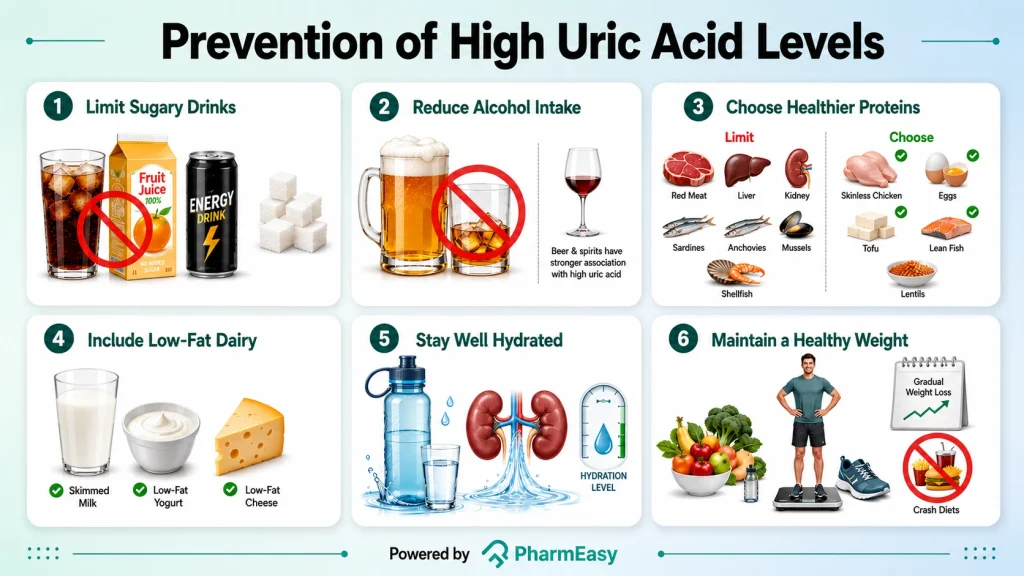
High uric acid levels in the body may be reduced by the following recommendations4:
Also Read: Ketosis and Ketoacidosis: How Are They Different?
Uric acid is a waste product formed when the body breaks down purines, which are naturally occurring substances found in the body’s cells and many foods. Normally, uric acid is filtered out of the body by the kidneys and excreted in the urine, but sometimes, high levels of uric acid can increase the risk of conditions such as gout and kidney stones, and may be associated with cardiovascular disease among others. While there are several factors that can contribute to high uric acid levels, lifestyle changes, and when appropriate, medication can help manage uric acid levels and reduce the risk of complications. It is important for individuals to be aware of their uric acid levels and take steps to maintain a healthy lifestyle.
A serum uric acid level above 6.8 mg/dL exceeds the physiological saturation point for urate crystals. However, the normal reference range varies between laboratories, and treatment decisions are not based on uric acid levels alone.
The two most common etiologies or the causes of high uric acid levels: are overproduction of uric acid and decreased excretion of uric acid by the kidneys1.
Limit organ meats, high-purine seafood, alcohol (especially beer and spirits), and sweetened beverages5.
High uric acid levels may be helped by maintaining a healthy weight, staying well hydrated, and engaging in regular low to moderate-intensity exercises like yoga, cycling and, walking4.
The main categories of urate-lowering medicines include xanthine oxidase inhibitors, uricosurics, and uricases. Your doctor will decide whether medication is needed based on your symptoms and overall clinical condition.
Disclaimer: The information provided here is for educational/awareness purposes only and is not intended to be a substitute for medical treatment by a healthcare professional and should not be relied upon to diagnose or treat any medical condition. The reader should consult a registered medical practitioner to determine the appropriateness of the information and before consuming any medication. PharmEasy does not provide any guarantee or warranty (express or implied) regarding the accuracy, adequacy, completeness, legality, reliability or usefulness of the information; and disclaims any liability arising thereof.
Links and product recommendations in the information provided here are advertisements of third-party products available on the website. PharmEasy does not make any representation on the accuracy or suitability of such products/services. Advertisements do not influence the editorial decisions or content. The information in this blog is subject to change without notice. The authors and administrators reserve the right to modify, add, or remove content without notification. It is your responsibility to review this disclaimer regularly for any changes.
12
Heart rhythm refers to the regular pattern of electrical impulses that control the contraction and relaxation of the heart muscle. It is typically measured as the electrical activity recorded by the electrocardiogram (ECG). Normal heart rhythm is referred to as sinus rhythm, which is characterized by a regular pattern of beats. Other types of heart rhythms include tachycardia (fast heartbeat), bradycardia (slow heartbeat), and arrhythmia (irregular heartbeat).
Sinus arrhythmia is a type of heart rhythm that is usually considered a normal and healthy variation. It is characterized by an irregular heartbeat, where the time between beats varies by more than 0.12 seconds. This variation is caused by changes in the activity of the vagus nerve, which is part of the autonomic nervous system that helps regulate heart rate and other bodily functions.
It is important for healthcare professionals to carefully evaluate patients who exhibit abnormal or persistent sinus arrhythmia, and to consider further testing or treatment as needed1.
Let us explore and learn about the symptoms, causes and prognosis of sinus arrhythmias.
Did you Know?
Sinus arrhythmia is a common finding in heart tests and is usually considered normal. Patients with sinus arrhythmia usually don’t have symptoms, but if they do, it’s depicting an underlying cause. Symptoms include:
Let us see some causes for sinus arrhythmias:
In my opinion, respiratory sinus arrhythmia is considered a normal variation. Your heart rate increases when you breathe in. When you exhale, it becomes slower. The ‘P-P interval’ is simply the amount of time between each heartbeat. There is a minute fluctuation of less than 0.16 seconds in most persons. When someone has a respiratory sinus arrhythmia, the P-P interval during exhalation will usually be more than 0.16 seconds14.
Dr. Siddharth Gupta, B.A.M.S, M.D (Ayu)
Let us see some risk factors that can increase the likelihood of developing sinus arrhythmia:
Sinus arrhythmia is more commonly seen in younger individuals, with the prevalence decreasing with age. If these arrhythmias persist as you age that could be a sign you need to consult a doctor1.
Studies6 have shown that females may have a higher prevalence of sinus arrhythmia than males.
Some individuals may have a higher risk of sinus arrhythmia due to genetic factors. There is some evidence to suggest that individuals of African descent may be more likely to have sinus arrhythmia due to genetic factors. However, more research is needed in this area7,12.
Certain medical conditions, such as hypothyroidism, hyperthyroidism, heart disease, or lung disease, may increase the likelihood of developing sinus arrhythmia5.
Factors such as stress, anxiety, lack of sleep, excessive alcohol or caffeine consumption, and drug use can increase the likelihood of experiencing sinus arrhythmia8,9.
Here are some points to highlight when a doctor’s visit is needed during pregnancy-related sinus arrhythmia:
If you are experiencing any concerning symptoms or have questions about your heart health, it is always best to speak with a healthcare professional.
Since respiratory sinus arrhythmia is found in young, otherwise healthy adults, it may be difficult to cope with. As people age, it often declines, particularly in those with diabetes or heart trouble. In general, people can benefit from making an effort to keep their hearts healthy1.
Dr. Rajeev Singh, BAMS
Sinus arrhythmia is a normal variation in the human body and rarely causes any complications. However, in some cases, it can be a sign of underlying heart or lung disease that may require further investigation and treatment. Additionally, if sinus arrhythmia is accompanied by symptoms such as shortness of breath, chest pain, or fainting, it may be an indication of a more serious heart condition and requires immediate medical attention.
Furthermore, in rare cases, sinus arrhythmia can progress to a more severe form of arrhythmia, such as atrial fibrillation, which can increase the risk of stroke and heart failure. Therefore, it is essential to seek medical attention if you experience any symptoms of sinus arrhythmia1.
Your doctor will come to the diagnosis of sinus arrhythmia using the following methods:
Treatment of sinus arrhythmia is not typically required as it is a harmless condition mostly, unless otherwise indicated. The treatment options for sinus arrhythmia include:
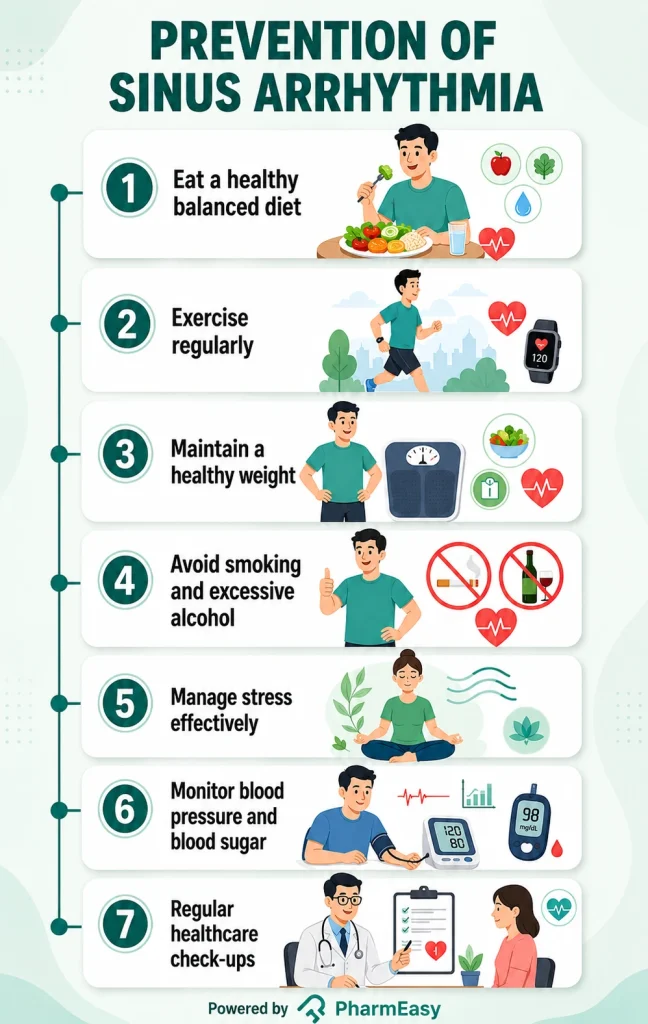
Sinus arrhythmia is a benign condition and generally does not require specific prevention measures. However, adopting a healthy lifestyle can reduce the risk of developing underlying conditions that may cause sinus arrhythmia, such as cardiovascular disease, diabetes, and hypertension.
Some preventive measures to consider include:
Also Read: What Is a Dangerous White Blood Cell Count and How to Increase White Blood Cells?
Sinus arrhythmia is usually a normal finding, and most people with sinus arrhythmia do not need to see a doctor specifically for this condition. The signs which do need a professional opinion are:
If you have any concerns about your heart health or are experiencing any concerning symptoms, it is always a good idea to consult with your doctor1,2.
Also Read: Low HDL (Good) Cholesterol: Causes, Symptoms & How to Increase It
Sinus arrhythmia is a common and, in most cases, harmless variation in heart rhythm that is closely tied to normal breathing patterns and vagal nerve activity rather than underlying heart disease. Most people have no symptoms and require no treatment beyond routine monitoring, though certain risk factors, such as age, underlying thyroid or heart conditions, and pregnancy, can influence how it presents. Because its absence, rather than its presence, can sometimes signal an underlying chronic condition, any unusual symptoms like dizziness, palpitations, chest pain, or breathlessness should be evaluated promptly. Staying on top of regular check-ups and maintaining a heart-healthy lifestyle remain the best ways to keep both sinus arrhythmia and its potential underlying causes in check.
No, in most cases sinus arrhythmias do not cause any harm to the individual.
In most cases, no treatment is required for sinus arrhythmia. However, if the arrhythmia is causing symptoms or is associated with an underlying medical condition, treatment may be necessary.
In some cases, sinus arrhythmia may be associated with dizziness or light-headedness, especially if the arrhythmia is causing a significant change in heart rate.
Sinus arrhythmia is not generally considered to be hereditary, although certain genetic factors may increase the risk of developing the condition.
Sinus arrhythmia is more common in children than in adults.
Disclaimer: The information provided here is for educational/awareness purposes only and is not intended to be a substitute for medical treatment by a healthcare professional and should not be relied upon to diagnose or treat any medical condition. The reader should consult a registered medical practitioner to determine the appropriateness of the information and before consuming any medication. PharmEasy does not provide any guarantee or warranty (express or implied) regarding the accuracy, adequacy, completeness, legality, reliability or usefulness of the information; and disclaims any liability arising thereof.
Links and product recommendations in the information provided here are advertisements of third-party products available on the website. PharmEasy does not make any representation on the accuracy or suitability of such products/services. Advertisements do not influence the editorial decisions or content. The information in this blog is subject to change without notice. The authors and administrators reserve the right to modify, add, or remove content without notification. It is your responsibility to review this disclaimer regularly for any changes.
4
0
Millions of people all over the world suffer from fatty liver disease. It occurs when excess fat accumulates in the liver, leading to inflammation and potential liver damage. Although it can be caused by a variety of factors, including alcohol consumption and certain medications, the most common form of fatty liver disease is non-alcoholic fatty liver disease (NAFLD), which is associated with lifestyle factors such as a poor diet and lack of exercise.
Fortunately, there are dietary interventions that can help to reverse the damage done to the liver. By making certain changes to your diet, you can reduce the amount of fat in your liver and improve liver function.
Let us dive into the world of fatty liver diets, exploring the best foods to eat and avoid, as well as some easy-to-follow tips for creating a liver-friendly meal plan1,2.
Did you know?
Fatty liver disease is a prevalent health condition that results from an excess buildup of fat in the liver. While some individuals may not experience any noticeable symptoms, the accumulation of fat can lead to severe liver damage in others. However, the good news is that fatty liver disease is often preventable and reversible through simple lifestyle modifications1.
Fatty liver disease is categorized into four grades based on the amount of fat buildup in the liver.
The following list gives you a gateway to eating foods that are good for you, if you have fatty liver disease:
Here is a list of foods to avoid if you have fatty liver disease:
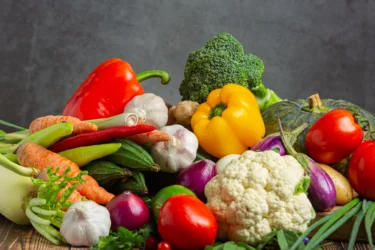
Include plenty of vegetables, fruits, whole grains, nuts, and legumes in your diet. These foods are rich in fibre, vitamins, and minerals, and low in saturated and trans fats, which can be beneficial for individuals with fatty liver disease.
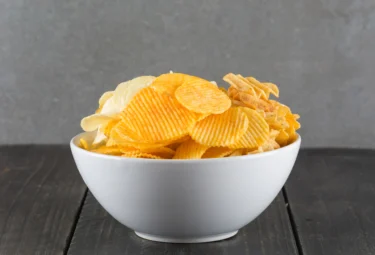
Processed foods, such as fast food, snacks, and baked goods, often contain high amounts of sugar, unhealthy fats, and additives that can worsen fatty liver disease. Processed foods often contain high levels of fructose, unhealthy fats such as trans fats and saturated fats, and additives like high fructose corn syrup, which can increase the amount of fat deposited in the liver and contribute to liver inflammation.
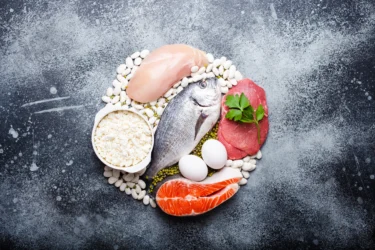
Opt for lean protein sources such as skinless poultry, fish, beans, and lentils over red meats and processed meats, which are high in saturated fats. These foods are high in protein, iron, and fiber.

Sugary beverages such as soda, juice, lemonade, and sports drinks can contribute to the development of fatty liver disease. Sugary and carbonated beverages contain high amounts of fructose and other sugars. When consumed in excess, these sugars are processed in the liver and converted into fat, leading to the accumulation of fat in the liver cells. Instead, opt for water, unsweetened tea, or coffee6.

Overeating can lead to weight gain and increase the risk of fatty liver disease. Be mindful of your portion sizes and consider using smaller plates or bowls to help control your portions. Large portion sizes can contribute to weight gain and obesity, which are risk factors for fatty liver disease. When we eat more calories than our body needs, the excess calories are stored as fat in the liver and other organs, leading to the development of fatty liver disease.

Drinking alcohol in excess can damage the liver and exacerbate fatty liver disease. If you choose to drink, do so in moderation and always consult with your healthcare provider first. It is important to note that the American Liver Foundation recommends complete abstinence from alcohol, especially for those with alcoholic fatty liver disease6.
Also Read: Grade 1 Fatty Liver: Causes, Symptoms, Diagnosis, and Reversal Strategies

Regular physical activity can aid in weight loss, improved insulin sensitivity, and a decreased risk of fatty liver disease. Try to exercise for at least 30 minutes, five days of the week, at a moderate level.
Remember, making simple lifestyle changes can go a long way in preventing and even reversing fatty liver disease. Always consult with your healthcare provider before making any significant changes to your diet or exercise routine1,4,5.
Another important fruit that you can add to your diet is grapefruit. Grapefruits are rich in naringenin, a flavonoid that has liver-protective properties (as per several lab studies). Adding grapefruits to your diet might help you avoid further liver damage8.
Dr. Rajeev Singh, BAMS
Here are some suggestions for a meal plan when you are following a fatty liver diet:

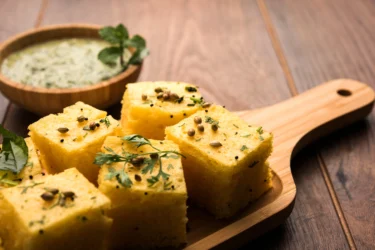

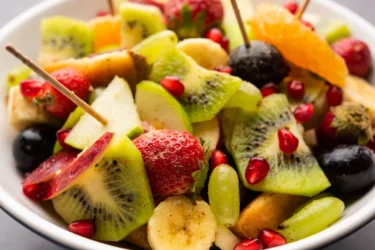
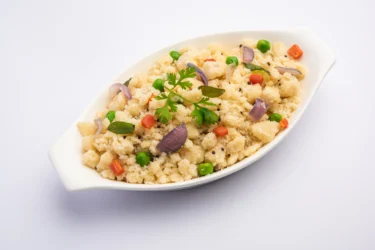
Remember to drink plenty of water throughout the day, and limit or avoid alcohol, sugary drinks, and processed foods. This meal plan is a suggested guideline for a fatty liver diet and should not be taken as medical advice.
It is recommended that you consult with a healthcare professional or a registered dietitian to create a personalized meal plan that meets your specific nutritional needs and dietary restrictions.
You can tailor it according to your diet, your specific needs and preferences, but try to focus on whole foods, lean protein sources, and plenty of fruits and vegetables while limiting your intake of processed foods, sugar, and unhealthy fats5.
Certain drugs can cause harm to the liver. If you are diagnosed with a fatty liver, it is important that you let your doctor be aware about the medicines you take. Some medicines can aggravate your liver condition and make the condition worse7.
Dr. Siddharth Gupta, B.A.M.S, M.D (Ayu)
Also Read: Hepatomegaly (Enlarged Liver): Symptoms, Causes, Diagnosis, and Treatment
Here are some tips to help manage fatty liver disease:
Also Read: Liver Fibrosis: What Is It, Causes, Symptoms & Treatment
Regular exercise, controlling diabetes, lowering cholesterol, and avoiding alcohol are other ways to manage fatty liver disease aside from diet.
The best treatment option for fatty liver disease depends on the underlying cause and severity of the condition and should be determined by a medical professional.
Fatty liver disease can be reversed in its early stages, but in more advanced cases, it can only be managed and not fully cured.
Yes, a vegetarian or vegan diet can help manage fatty liver disease. However, it is essential to ensure that you are still getting enough protein and other essential nutrients.
No, it is generally recommended to avoid alcohol altogether if you have fatty liver disease.
Disclaimer: The information provided here is for educational/awareness purposes only and is not intended to be a substitute for medical treatment by a healthcare professional and should not be relied upon to diagnose or treat any medical condition. The reader should consult a registered medical practitioner to determine the appropriateness of the information and before consuming any medication. PharmEasy does not provide any guarantee or warranty (express or implied) regarding the accuracy, adequacy, completeness, legality, reliability or usefulness of the information; and disclaims any liability arising thereof.
Links and product recommendations in the information provided here are advertisements of third-party products available on the website. PharmEasy does not make any representation on the accuracy or suitability of such products/services. Advertisements do not influence the editorial decisions or content. The information in this blog is subject to change without notice. The authors and administrators reserve the right to modify, add, or remove content without notification. It is your responsibility to review this disclaimer regularly for any changes.
34
0
Fatty liver disease is a condition that affects millions of people worldwide with a quickly rising prevalence. It occurs when there is an abnormal buildup of fat in the liver cells, which can lead to liver inflammation and damage.
Grade 1 fatty liver, also known as mild or simple fatty liver, is the least severe type of fatty liver disease. In this stage, the accumulation of fat in the liver cells is minimal and does not cause significant liver damage. However, it is essential to address this condition promptly as it can progress to more severe stages of fatty liver disease, such as grade 2 or 3.
Let us explore the causes, symptoms, diagnosis, and reversal strategies for grade 1 fatty liver to help maintain liver health1,7.
Friendly Reminder: The information shared here is for educational purposes only and the reader should consult a registered medical practitioner before implementing any changes to their health routine.
Did you know?
Grade 1 fatty liver, also known as mild fatty liver or simple fatty liver, may not cause any noticeable symptoms in most people. However, some people might experience the following signs and symptoms:
It is essential to note that these symptoms are not specific to grade 1 fatty liver and can be indicative of other liver conditions or health problems. Therefore, it is crucial to consult a healthcare provider if you experience any of these symptoms or have concerns about your liver health.
The exact causes of grade 1 fatty liver disease are not entirely understood. However, research has identified several factors that may contribute to the development of the condition. Grade 1 fatty liver disease, as well as more severe forms of fatty liver disease, may be associated with:
These factors can contribute to the accumulation of fat in the liver cells, leading to grade 1 fatty liver disease2,4.
Medications like statins when used for a longer period of time, started early in the disease course and used at high doses have shown to be beneficial for managing signs of fatty liver clinically.
Dr. Ashish Bajaj, M.B.B.S, M.D. in Clinical Pharmacology and Toxicology
Grade 1 fatty liver disease may be associated with several risk factors, including:
Identifying and managing these risk factors can help reduce the likelihood of developing grade 1 fatty liver disease and its associated complications.
The diagnosis of grade 1 fatty liver may not show any symptoms but can be detected during routine medical checkups or through tests conducted for other reasons. If the liver appears unusual on ultrasound or if there are abnormal liver enzyme test results, then additional tests may be ordered to determine the presence of fatty liver disease.
Diagnostic tests used to determine the diagnosis and severity of fatty liver disease include:
It is important to note that liver biopsy carries small risks and may cause discomfort. The procedure is performed by inserting a needle through the abdominal wall and into the liver. Your doctor will discuss the procedure in detail with you and address any concerns you may have3.
Grade 1 Fatty liver disease is not dangerous if it is in the early stage as it is a mild condition (grade 1) where the fat deposition is less than one-third of the total liver (33%). Therefore, it can be reversible with the help of diet and physical exercise interventions, controlling lipid derangements, reducing weight and total alcohol abstinence.
Dr. M.G. Kartheeka, MBBS, MD(Pediatrics)
Currently, there is no medication specifically designed to treat fatty liver disease. Instead, doctors focus on managing contributing factors and recommending lifestyle changes that can improve overall health. The following treatments may be recommended:
There are no proven medical treatments – yet – for non-alcoholic fatty liver disease. So that means that eating a healthy diet and exercising regularly are the best ways to both prevent liver damage from starting or reverse liver disease once it’s in the early stages.
Dr. Ashish Bajaj, M.B.B.S, M.D. in Clinical Pharmacology and Toxicology.
At present, there are no established medical or surgical interventions available to treat fatty liver. However, there are some preventative and reversal strategies that can help alleviate the damage.
If you have fatty liver, you should:
Overall, the best approach to preventing fatty liver disease is to maintain a healthy weight, engage in regular exercise, limit alcohol intake, and take medications as prescribed.
Also Read: Low HDL (Good) Cholesterol: Causes, Symptoms & How to Increase It
Here are some complications that may occur if grade 1 fatty liver is left untreated:
Here are some interesting facts about grade 1 fatty liver diseases:
Also Read: Protein in Urine (Proteinuria): What Is It, Causes, Symptoms, Diagnosis & More
It is essential to consult a healthcare provider if you experience any symptoms of fatty liver disease or have risk factors for the condition, such as obesity, insulin resistance, or excessive alcohol consumption. They can perform a thorough evaluation, order appropriate tests, and provide treatment or referral to a specialist if necessary. Early detection and management of grade 1 fatty liver disease can prevent the progression of the condition and maintain liver function2.
Also Read: Crystals in Urine: Types, Causes, Symptoms & When to Worry
Yes, grade 1 fatty liver can be reversed if proper treatment is provided.
In most cases, medication is not necessary for grade 1 fatty liver disease. However, in rare cases, medication may be prescribed to treat underlying health conditions that may be contributing to the fatty liver.
Yes, excessive alcohol consumption can contribute to the development of fatty liver disease.
No, while grade 1 fatty liver disease itself is not a direct risk factor for liver cancer if left untreated, it can progress to more severe stages of liver disease, which might increase the risk of liver cancer.
Grade 1 fatty liver disease involves a mild buildup of fat in the liver, while grade 2 fatty liver disease involves a moderate buildup of fat in the liver.
Disclaimer: The information provided here is for educational/awareness purposes only and is not intended to be a substitute for medical treatment by a healthcare professional and should not be relied upon to diagnose or treat any medical condition. The reader should consult a registered medical practitioner to determine the appropriateness of the information and before consuming any medication. PharmEasy does not provide any guarantee or warranty (express or implied) regarding the accuracy, adequacy, completeness, legality, reliability or usefulness of the information; and disclaims any liability arising thereof.
Links and product recommendations in the information provided here are advertisements of third-party products available on the website. PharmEasy does not make any representation on the accuracy or suitability of such products/services. Advertisements do not influence the editorial decisions or content. The information in this blog is subject to change without notice. The authors and administrators reserve the right to modify, add, or remove content without notification. It is your responsibility to review this disclaimer regularly for any changes.
62
1
Hepatomegaly, also known as an enlarged liver, occurs when the liver swells beyond its normal size, indicating some health issues. It is not a disease in itself but it is often considered a symptom of underlying liver disease. The liver performs essential functions in the body, including filtering toxins from the blood and regulating cholesterol. An enlarged liver can indicate a potential problem with these functions, and prompt investigation is necessary to identify and address the underlying cause1,2.
Let’s take a closer look at what is hepatomegaly, its causes, diagnosis and treatment.
Hepatomegaly may not cause noticeable symptoms on its own. However, it may be accompanied by signs and symptoms like:
If you experience any of these symptoms, consult with your healthcare provider promptly for a timely diagnosis and appropriate treatment1,3.
Did you know?
The causes of liver enlargement refer to the various medical conditions that lead to an increase in liver size. Several conditions can cause the liver to enlarge. The possible causes include:
Fatty liver which a very common cause of hepatomegaly is on the rise primarily because of an increase in obesity, type 2 diabetes, and consumption of alcohol. Appropriate lifestyle changes and early diagnosis helps to beat it.
Dr. M.G. Kartheeka, MBBS MD
The causes of hepatomegaly may vary and are not the same as risk factors. Risk factors increase the likelihood of developing liver problems but do not necessarily cause liver enlargement. Hepatomegaly, or an enlarged liver, can be caused by a variety of factors, including:
To diagnose an enlarged liver, your doctor may perform the following procedures4:
The treatment for hepatomegaly depends on the underlying cause of the disease. Here are some key points regarding the treatment of hepatomegaly:
Your healthcare provider will advise on the best course of treatment for your specific situation1,4.
To prevent the risk of developing hepatomegaly, here are some do’s and don’ts to follow:
Also Read: Hepatitis B: What It Is, Causes, Symptoms & Treatment
Hepatomegaly, or an enlarged liver, can lead to several complications, especially if left untreated. Some of the common complications of hepatomegaly are:
Hepatomegaly with or without elevated liver function tests may be secondary to multiple causes, which include drug side effects, active lupus infection, fatty infiltration, hepatic vein or artery thrombosis, and congestion secondary to right heart failure.
Dr. Ashish Bajaj, M.B.B.S. M.D. in Clinical Pharmacology and Toxicology
Also Read: Palmar Erythema (Liver Palms): Causes, Symptoms, Treatment & More
If you suspect any swelling or tenderness in the liver area or have unusual symptoms, it is essential to seek medical attention. Don’t hesitate to contact your healthcare provider if you notice persistent fever, confusion or disorientation, weakness, lightheadedness, or yellowing of the eyes or skin. These signs may indicate a more severe underlying condition and require immediate evaluation and treatment. So, if you are concerned about any symptoms or changes in your body, it’s always better to consult with a medical professional right away1.
Also Read: Natural Home Remedies for Fatty Liver
No, hepatomegaly itself is not typically fatal. However, the underlying conditions that cause hepatomegaly, such as liver disease or cancer, can be life-threatening if left untreated.
Yes, other viral infections such as cytomegalovirus (CMV) and Epstein-Barr virus (EBV) can also cause hepatomegaly.
Yes, hepatomegaly may be reversible in certain cases. However, it is important to consult with your healthcare provider to see the extent of your disease and to get the best possible care1.
Hepatomegaly is a relatively common medical condition and can occur in both adults and children.
No, hepatomegaly is not contagious, but certain underlying conditions that cause hepatomegaly such as tuberculosis may be contagious.
Disclaimer: The information provided here is for educational/awareness purposes only and is not intended to be a substitute for medical treatment by a healthcare professional and should not be relied upon to diagnose or treat any medical condition. The reader should consult a registered medical practitioner to determine the appropriateness of the information and before consuming any medication. PharmEasy does not provide any guarantee or warranty (express or implied) regarding the accuracy, adequacy, completeness, legality, reliability or usefulness of the information; and disclaims any liability arising thereof.
Links and product recommendations in the information provided here are advertisements of third-party products available on the website. PharmEasy does not make any representation on the accuracy or suitability of such products/services. Advertisements do not influence the editorial decisions or content. The information in this blog is subject to change without notice. The authors and administrators reserve the right to modify, add, or remove content without notification. It is your responsibility to review this disclaimer regularly for any changes.
5
1
Nephrotic syndrome is a medical condition that occurs when the kidney filters are damaged. These filters usually take back the protein in your blood and prevent it from going into the urine. When they are damaged, excess protein leaks into the urine. This can cause your body to lose important proteins that help maintain fluid balance in your blood vessels. As a result of this imbalance, some of the fluid starts to leak out into your tissues, leading to swelling, which is called oedema. You might notice swelling in your legs, ankles, or around your eyes. Your urine may also look foamy due to the extra protein in it1.
Let us discuss the causes, symptoms, and treatments available for nephrotic syndrome.
Did You Know?
The following are the signs and symptoms, to look out for:
Most children with nephrotic syndrome have times when their symptoms are under control (remission), followed by times when symptoms return (relapses). In most cases, relapses become less frequent as they get older and often stop by their late teens.
Dr. Ashish Bajaj, M.B.B.S, M.D.
Nephrotic syndrome can be caused by:
Nephrotic syndrome causes your kidneys to release too much protein in your urine. Causes include kidney diseases that affect the tiny filters inside your kidneys. Symptoms include swelling, high amounts of protein in your urine and low amounts of protein in your blood.
Dr. M.G. Kartheeka, MBBS, MD
Nephrotic syndrome is a condition caused by damage to the filtering system of the kidneys, that filter the blood and remove excess fluids. Several factors can increase the risk of developing nephrotic syndrome, including:
Here are the tests or procedures done by your healthcare provider for the diagnosis of nephrotic syndrome:
Treatment for nephrotic syndrome involves managing symptoms and treating underlying causes, which may include the following:
Reduction of symptoms using medications such as:
Management of underlying cause:
It’s important to note that treatment for nephrotic syndrome is individualized based on each person’s unique situation and may involve a combination of the above treatments. Close monitoring by a healthcare professional is also necessary to manage symptoms and prevent complications4,7.
Also Read: High Uric Acid Level: Causes, Risks, Treatment, Prevention
Complications of nephrotic syndrome can include:
Also Read: Placenta Previa: Symptoms, Types, Causes & Risk Factors
If you or anyone known to you starts to show symptoms of nephrotic syndrome such as swelling in the face, belly, or limbs, or skin sores, it is essential to consult your healthcare provider immediately. Similarly, in case you are undergoing treatment for nephrotic syndrome but the symptoms persist or do not improve, it is crucial to let your doctor know. In case of new symptoms such as decreased urine output, cough, fever, severe headache, or discomfort while urinating, it is also important to seek medical attention. Prompt consultation with a healthcare provider is recommended to avoid any potential complications and to manage the condition effectively3.
Yes, nephrotic syndrome can affect children’s growth due to the effects of protein loss and steroid treatment.
Yes, nephrotic syndrome is a kidney disease that causes proteins to seep into the urine.
No, nephrotic syndrome is not a contagious disease.
Yes, it does affect children.
No, there is no cure for nephrotic syndrome but the symptoms of nephrotic syndrome can be managed with the help of your healthcare provider and some lifestyle changes2.
Disclaimer: The information provided here is for educational/awareness purposes only and is not intended to be a substitute for medical treatment by a healthcare professional and should not be relied upon to diagnose or treat any medical condition. The reader should consult a registered medical practitioner to determine the appropriateness of the information and before consuming any medication. PharmEasy does not provide any guarantee or warranty (express or implied) regarding the accuracy, adequacy, completeness, legality, reliability or usefulness of the information; and disclaims any liability arising thereof.
Links and product recommendations in the information provided here are advertisements of third-party products available on the website. PharmEasy does not make any representation on the accuracy or suitability of such products/services. Advertisements do not influence the editorial decisions or content. The information in this blog is subject to change without notice. The authors and administrators reserve the right to modify, add, or remove content without notification. It is your responsibility to review this disclaimer regularly for any changes.
1
0
चिया, जिसे सैल्विया हिस्पैनिका के नाम से भी जाना जाता है, लेमिएशिएइ परिवार से संबंधित एक जड़ी-बूटी वाला पौधा है। यह मूल रूप से उत्तरी ग्वाटेमाला और दक्षिणी मेक्सिको में पाया जाता है। यह पौधा बहुत से ड्राइड इनडेहिसेंट फ्रूट्स पैदा करता है, जिन्हें आमतौर पर सीड्स (बीज) कहा जाता है।1
आजकल चिया की खेती कोलंबिया, ऑस्ट्रेलिया, बोलीविया, पेरू, ग्वाटेमाला, मैक्सिको और अर्जेंटीना में की जाती है। पूर्व-कोलंबियाई लोग 16वीं शताब्दी में ताकत, ऊर्जा और स्टैमिना पाने के लिए चिया का सेवन करते थे। चिया सीड्स से तेल निकाला जाता है; इस तेल का उपयोग कॉस्मेटिक्स में किया जा सकता है। सांस की बीमारी से जुड़े इन्फेक्शन के लिए, इस पौधे की जड़ों, पत्तियों और शाखाओं सहित इसके अन्य भागों का आमतौर पर कम ही इस्तेमाल होता है।2
प्रति 100 ग्राम चिया सीड्स की न्यूट्रीशनल वैल्यू इस प्रकार है:3
| पोषक तत्त्व | प्रति 100 ग्राम कंटेंट |
| पानी | 5.8 g |
| कार्बोहाइड्रेट | 42.1 g |
| प्रोटीन | 16.5 g |
| फैट | 30.7 g |
| एनर्जी | 486 kcal |
| फाइबर | 34.4 g |
| आयरन | 7.72 mg |
| कैल्शियम | 631 mg |
| मैगनीशियम | 335 mg |
| सोडियम | 16 mg |
| पोटैशियम | 407 mg |
| फ़ॉस्फोरस | 860 mg |
| कॉपर | 0.924 mg |
| ज़िंक | 4.58 mg |
| मैंगनीज़ | 2.72 mg |
| सेलेनियम | 55.2 µg |
| विटामिन ए | 54 IU |
| विटामिन बी1 (थायमिन) | 0.62 mg |
| विटामिन बी2 (राइबोफ्लेविन) | 0.17 mg |
| विटामिन बी3 (नियासिन) | 8.83 mg |
| विटामिन बी9 (फोलेट) | 49 µg |
| विटामिन सी | 1.6 mg |
| विटामिन ई | 0.5 mg3 |
चिया सीड्स के शानदार उपयोग इन खूबियों की वजह से हो सकते हैं:
चिया सीड्स के शानदार उपयोग अलग-अलग स्थितियों के लिए फायदेमंद हो सकते हैं। हालांकि, इस बारे में अधिक शोध की आवश्यकता है कि मानव स्वास्थ्य के लिए चिया सीड्स कितने फायदेमंद हैं।
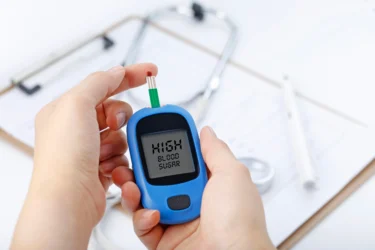
पशुओं में किए कुछ अध्ययनों से पता चला है कि चिया सीड्स टाइप 2 डायबिटीज़ पर लाभकारी प्रभाव डाल सकते हैं। Chicco et al. 2009 द्वारा पशुओं में किए एक अध्ययन में, चिया सीड्स ने आंतरिक फैटी टिशू और इंसुलिन रेजिस्टेंस को घटाया, यह दर्शाता है कि चिया सीड्स की लिपिड और ग्लूकोज़ होमियोस्टेसिस (संतुलन बनाए रखने) में भूमिका हो सकती है।4
यह जानकारी काफ़ी नहीं है क्योंकि ये अध्ययन जानवरों पर किए गए हैं। हालांकि, शरीर में ब्लड शुगर लेवल बनाए रखने में चिया सीड्स के ऐसे शानदार उपयोग को मंज़ूरी देने के लिए मनुष्यों पर अभी और अध्ययन की आवश्यकता है।
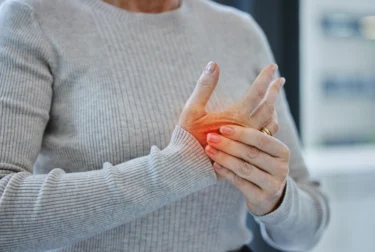
सूजन वाले रोगों में त्वचा लाल होना, दर्द और सूजन जैसे लक्षण होते हैं, जिससे ज़रूरी कामों में दिक्कत आ सकती है। ऐसा देखा गया है कि अपने आहार में चिया सीड्स ऑइल का उपयोग करने से प्रो-इन्फ्लेमेट्री एजेंटों (जो सूजन में शामिल होते हैं) के जोखिम को कम किया जा सकता है। इसलिए, ऐसा कहा जाता है कि चिया सीड्स ऑइल सूजन वाले रोगों को कम करने में लाभकारी हो सकता है।4
हालांकि यह जानकारी काफ़ी नहीं है और यह कहने के लिए और ज़्यादा वैज्ञानिक प्रमाण की आवश्यकता है कि चिया सीड्स सूजन वाले रोगों के लिए लाभकारी हैं।
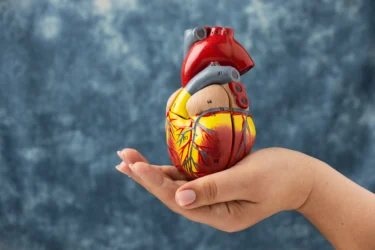
रक्त में हाई-डेंसिटी लिपोप्रोटीन (एचडीएल) कोलेस्ट्रॉल (बैड कोलेस्ट्रॉल) का स्तर बढ़ा होने पर मनुष्यों में दिल के रोग हो सकते हैं। ऐसा माना जाता है कि चिया सीड्स का सेवन सीरम कोलेस्ट्रॉल के स्तर को कम कर सकता है, क्योंकि इसमें अनसैचुरेटेड ओमेगा -3 फैटी एसिड और डाइटरी फाइबर बहुत ज़्यादा होता है।2 इसलिए, चिया सीड्स दिल के रोगों से लड़ने में फायदेमंद हो सकते हैं। हालांकि, ऐसे दावों का समर्थन करने के लिए बड़े पैमाने पर शोध की आवश्यकता होगी।

हाई ब्लड प्रेशर और डिसलिपिडेमिया (खून में फैट या कोलेस्ट्रॉल का बढ़ा हुआ स्तर) दिल के रोगों के लिए बहुत बड़े जोखिम कारक हो सकते हैं। कुछ अध्ययनों से पता चला है कि चिया सीड्स में ब्लड प्रेशर और डिसलिपिडेमिया को मैनेज करने की क्षमता हो सकती है। जिन लोगों को हाई ब्लड प्रेशर था, चिया सीड का आटा खाने पर उनके ब्लड प्रेशर में कमी पाई गई। यह बड़ी मात्रा में फैटी एसिड मौजूद होने के कारण हो सकता है जिनमें एंटीइंफ्लेमेटरी और एंटीऑक्सीडेंट गुण होते हैं।2 यह जानकारी काफ़ी नहीं है और मनुष्यों में हाई ब्लड प्रेशर और डिसलिपिडेमिया का इलाज करने में चिया सीड्स के प्रभावों को अपनाने के लिए अभी और अध्ययन की आवश्यकता है।

चूंकि चिया सीड्स में कार्बोहाइड्रेट कम और डाइटरी फाइबर ज़्यादा होते हैं, इसलिए वे भूख लगने की इच्छा को कम कर सकते हैं और पेट ज़्यादा भरा लगता है (क्षमता से अधिक खाए जाने की स्थिति)। Grancieri et al. 2019 द्वारा एक समीक्षा रिपोर्ट से पता चलता है कि चिया सीड्स का सेवन करने से ज़्यादा वज़न और डायबिटीज़ के वयस्क रोगियों का वज़न कम हो सकता है, कमर का नाप कम हो सकता है और एडिपोनेक्टिन (एक प्रोटीन हार्मोन जो सूजन और रक्त में फैट के जमाव को कम करता है) बढ़ सकता है। इसके अलावा, ज़्यादा वज़न वाले और मोटे लोग भी चिया सीड्स खाकर वज़न और फैट कम कर सकते हैं।2 Lombardo et al. 2009 और Morato et al. 2015 द्वारा मानवों में किए गए एक अध्ययन में, एक महीने तक चिया सीड्स लेने के बाद कमर के नाप में अच्छी-खासी कमी देखी गई।4 हालांकि, यह जानकारी काफ़ी नहीं है और मनुष्यों में वज़न घटाने के प्रबंधन में चिया सीड्स के शानदार उपयोग का समर्थन करने के लिए इस विषय पर और अधिक शोध की आवश्यकता है।
हालांकि ऐसे अध्ययन हैं जो विभिन्न स्वास्थ्य स्थितियों में चिया सीड्स के लाभ दिखाते हैं, लेकिन यह जानकारी काफ़ी नहीं है। और इसलिए, मानव स्वास्थ्य पर चिया सीड्स किस हद तक लाभकारी हैं यह तय करने के लिए अभी और अध्ययन की आवश्यकता है। इसके अलावा, हर व्यक्ति इन हर्ब (जड़ी-बूटियों) के प्रति अलग-अलग प्रतिक्रिया दे सकता है। इसलिए, किसी भी स्वास्थ्य समय के लिए चिया सीड्स का उपयोग करने से पहले डॉक्टर से सलाह करना बहुत ज़रूरी है।
चिया सीड्स का उपयोग इस प्रकार किया जा सकता है:
चिया सीड्स से बने किसी भी हर्बल सप्लीमेंट को लेने से पहले लोग एक अनुभवी डॉक्टर से सलाह ज़रूर लें। हम आपको सलाह देते हैं कि किसी डॉक्टर या आयुर्वेदिक चिकित्सक से सलाह लिए बिना अपनी चल रही दवाओं को न तो बंद करें और न ही इसके बजाय कोई आयुर्वेदिक/हर्बल प्रिपरेशन लेना शुरू करें। वे आपके लिए दवा को सही रूप में और सही खुराक में लेने की सलाह देंगे।
हालांकि चिया सीड्स सुरक्षित होते हैं, लेकिन पेट से संबंधित कुछ साइड इफ़ेक्ट (सही से नहीं बताए गए) देखे गए हैं।5
इसलिए, अगर आप इस तरह के किसी भी साइड इफ़ेक्ट का अनुभव करते हैं, तो अपने डॉक्टर से फौरन मेडिकल हेल्प लें जिसने आपको यह दवा लेने की सलाह दी है। आपके लिए सही इलाज वही बता सकेंगे।
कम मात्रा में चिया सीड्स का सेवन सुरक्षित है। हालांकि, आम सावधानियां बरतने की आवश्यकता है।
प्राकृतिक उत्पाद साथ में लेने से वे आपके मौजूदा इलाज के साथ इंटरैक्शन कर सकते हैं, इसलिए आपको हमेशा अपने आयुर्वेदिक चिकित्सक को अपने मौजूदा इलाजों के बारे में बताना चाहिए और उनके द्वारा आपकी स्थिति में लाभ के लिए कोई प्राकृतिक उत्पाद वाली खुराक लिखने से पहले, उसके साइड इफेक्ट्स पर चर्चा करें।
Also Read: सहजन (Drumstick in Hindi): उपयोग, लाभ, न्यूट्रिशनल वैल्यू और भी बहुत कुछ!
चिया बीज आपके खाने में शामिल करने के लिए एक पौष्टिक विकल्प हैं। ये पाचन में मदद करते हैं और दिल को स्वस्थ रखने में फायदेमंद हैं। इनमें प्रोटीन, एंटीऑक्सीडेंट और कैल्शियम व मैग्नीशियम जैसे ज़रूरी मिनरल्स भी होते हैं। यही वजह है कि ये ऊर्जा बढ़ाने और पूरे शरीर के स्वास्थ्य को बेहतर बनाने में अच्छे साबित होते हैं।
Also Read: तरबूज (Watermelon in Hindi) के 13 फ़ायदे: इतिहास, रेसिपी और अक्सर पूछे जाने वाले सवाल
चिया सीड्स से कई स्वास्थ्य लाभ हो सकते हैं। वे डायबिटीज़, हाई ब्लड प्रेशर, दिल के रोगों और मोटापे के लिए कारगर साबित हो सकते हैं। इनमें एंटी-कैंसर, एंटीऑक्सिडेंट और एंटी-इंफ्लेमेटरी गुण भी हो सकते हैं।2,4 हालांकि, किसी भी स्वास्थ्य स्थिति के लिए चिया सीड्स का उपयोग करने से पहले हमेशा डॉक्टर से सलाह ज़रूर लेनी चाहिए
Morato et al. 2015 द्वारा किए एक अध्ययन में, चिया सीड्स ने ज़्यादा वज़न वाले और मोटे लोगों में शरीर के वज़न और फैट को कम किया। चिया सीड्स में कार्बोहाइड्रेट कम और डाइटरी फाइबर ज़्यादा होते हैं, इसलिए वे भूख लगने की इच्छा को कम कर सकते हैं और पेट ज़्यादा भरा लगता है।2 इसलिए, वज़न कम करने में ये आपको फायदा पहुंचा सकते हैं। हालाँकि, इस दावे को पुख्ता करने के लिए मनुष्यों पर अभी और अध्ययन की आवश्यकता है।
चिया सीड्स डायबिटीज़ के लिए लाभकारी हो सकते हैं। कुछ पशु और मानव अध्ययनों में पाया गया कि चिया सीड्स डायबिटीज़ को नियंत्रित करने में बहुत असरदार हो सकते हैं।4 जानवरों में, चिया सीड्स ने आंतरिक फैटी टिशू और इंसुलिन रेजिस्टेंस को घटाया और चिया सीड्स की लिपिड और ग्लूकोज़ लेवल का संतुलन बनाए रखने में भूमिका हो सकती है।4 हालांकि, यह जानकारी काफ़ी नहीं है और इस दावे को पुख्ता करने के लिए मानवों में और ज़्यादा अध्ययन की आवश्यकता है।
गर्भावस्था के दौरान चिया सीड्स के सुरक्षित उपयोग के बारे में उपलब्ध डेटा काफ़ी नहीं है। इसलिए, गर्भावस्था के दौरान चिया सीड्स लेने से पहले अपने डॉक्टर से सलाह लें।
हाँ, चिया सीड्स में कई पोषक तत्व होते हैं, जिनमें कार्बोहाइड्रेट, प्रोटीन, फैट, फाइबर, एनर्जी, आयरन, कैल्शियम, मैग्नीशियम, सोडियम, पोटेशियम, फ़ॉस्फोरस, कॉपर, ज़िंक, मैंगनीज़, सेलेनियम, विटामिन ए, बी1, बी2, बी3, बी9, सी, और ई शामिल हैं।3
हाँ, चिया सीड्स से एलर्जी हो सकती है। जिन लोगों को सरसों और तिल से एलर्जी है उन्हें चिया सीड्स नहीं लेने चाहिए।5
आप चिया सीड्स को साबुत, बीज का तेल, बीज का आटा, शाखाओं, जड़ों या पत्तियों के रूप में उपयोग कर सकते हैं।1,2
1. De Falco B, Amato M, Lanzotti V. Chia seeds products: an overview. Phytochem Rev. 2017;16(4):745–60. Available at: https://www.researchgate.net/publication/316994147_Chia_seeds_products_an_overview
2. Grancieri M, Martino HSD, Gonzalez de Mejia E. Chia Seed (Salvia hispanica L.) as a Source of Proteins and Bioactive Peptides with Health Benefits: A Review. Compr Rev Food Sci Food Saf. 2019;18(2):480–99. Available at: https://pubmed.ncbi.nlm.nih.gov/33336944/
3. Restivo J. Chia seed benefits: What you need to know [Internet]. Harvard Health; 2024 [cited 2025 Feb 4]. Available from: https://www.health.harvard.edu/nutrition/chia-seed-benefits-what-you-need-to-know
4. Ulbricht C, Chao W, Nummy K, Rusie E, Tanguay-Colucci S, Iannuzzi C, et al. Chia (Salvia hispanica): A Systematic Review by the Natural Standard Research Collaboration. Rev Recent Clin Trials. 2009;4(3):168–74. Available at: https://pubmed.ncbi.nlm.nih.gov/20028328/
5. Dietary chia seed (Salvia hispanica L.) rich in α-linolenic acid improves adiposity and normalises hypertriacylglycerolaemia and insulin resistance in dyslipaemic rats. [cited 2025 Feb 4]. Available at: https://www.cambridge.org/core/journals/british-journal-of-nutrition/article/dietary-chia-seed-salvia-hispanica-l-rich-in-linolenic-acid-improves-adiposity-and-normalises-hypertriacylglycerolaemia-and-insulin-resistance-in-dyslipaemic-rats/9B9047EBE0643F49D68AD61EF00CD02D
6. Dickens B, Sassanpour M, Bischoff EL. The effect of chia seeds on high-density lipoprotein (HDL) cholesterol. Cureus. 2023 Jun 13 [cited 2025 Feb 25]. Available from: https://pmc.ncbi.nlm.nih.gov/articles/PMC10339661/#ref-list1
7. Da Silva Marineli R, Moura CS, Moraes ÉA, Lenquiste SA, Lollo PCB, Morato PN, et al. Chia (Salvia hispanica L.) enhances HSP, PGC-1α expressions and improves glucose tolerance in diet-induced obese rats. Nutrition. 2014 Dec 20 [cited 2025 Feb 25]. Available from: https://pubmed.ncbi.nlm.nih.gov/25837222/
8. Ullah R, Nadeem M, Khalique A, Imran M, Mehmood S, Javid A, et al. Nutritional and therapeutic perspectives of Chia (Salvia hispanica L.): A review. Journal of Food Science and Technology. 2015 Oct 1 [cited 2025 Feb 25]. Available from: https://pmc.ncbi.nlm.nih.gov/articles/PMC4926888/
9. Toscano LT, Da Silva CSO, Toscano LT, De Almeida AEM, Da Cruz Santos A, Silva AS. Chia flour supplementation reduces blood pressure in hypertensive subjects. Plant Foods for Human Nutrition. 2014 Nov 18 [cited 2025 Feb 25]. Available from: https://pubmed.ncbi.nlm.nih.gov/25403867/
10. Chia seed (Salvia hispanica L.) supplementation to the diet of adults with type 2 diabetes improved systolic blood pressure: A randomized controlled trial. Available from: https://pubmed.ncbi.nlm.nih.gov/33530854/
Disclaimer: The information provided here is for educational/awareness purposes only and is not intended to be a substitute for medical treatment by a healthcare professional and should not be relied upon to diagnose or treat any medical condition. The reader should consult a registered medical practitioner to determine the appropriateness of the information and before consuming any medication. PharmEasy does not provide any guarantee or warranty (express or implied) regarding the accuracy, adequacy, completeness, legality, reliability, or usefulness of the information; and disclaims any liability arising thereof.
31
7
कैल्शियम खून परीक्षण खून में मौजूद कैल्शियम, शरीर के लिए एक आवश्यक खनिज की मात्रा का अनुमान लगाने में सहायक है2,4।
कैल्शियम परीक्षण के परिणाम हाथ की नस से एकत्र किए गए खून के नमूने के विश्लेषण पर आधारित होते हैं2।
एक कैल्शियम खून परीक्षण रिकेट्स, ऑस्टियोमैलेशिया, न्यूरोलॉजिकल विकार या हृदय संबंधी मुद्दों का पता लगाने में मदद कर सकता है। आपके डॉक्टर दौरे, झुनझुनी संवेदना, फ्रैक्चर, कब्ज और पेट दर्द जैसे लक्षणों के आधार पर कैल्शियम खून परीक्षण लिखेंगे1,2।
किसी को भी नियमित खून कार्य का विकल्प चुनना चाहिए जिसमें बीमारियों से खुद को बचाने के लिए साल में एक बार कैल्शियम परीक्षण शामिल है। यदि आप हाइपोकैल्सीमिक (hypocalcemic) हैं, तो आपको उचित दवा लेनी चाहिए। खून में एक स्थिर कैल्शियम एकाग्रता तक पहुंचने पर, हर तीन से छह महीने मैं यह परीक्षण दोहराए2,3।
एक कैल्शियम खून परीक्षण पूरी तरह से आपके खून में मौजूद कैल्शियम की मात्रा का अनुमान लगाता है न कि हड्डियों का2,4।
कैल्शियम खून परीक्षण के परिणाम महत्वपूर्ण अंगों और तंत्रिका तंत्र के स्वस्थ कामकाज की पुष्टि करने के लिए सामान्य कैल्शियम सीमा के भीतर झूठ होना चाहिए। यह परीक्षण या तो हाइपरकैल्सीमिया (उच्च कैल्शियम स्तर) या हाइपोकैल्सीमिया (कम कैल्शियम स्तर) के संकेतों और लक्षणों के लिए जिम्मेदार है। कई बार यह हाइपोकैल्सीमिया के स्पर्शोन्मुख प्रकृति के कारण निदान नहीं हो सकता है1,2।
ह्यपरकॉसमिअ (Hypercalcemia) के कारण हो सकता है1:
ह्य्पोकाल्सेमिअ (Hypocalcemia) के कारण हो सकता है2,4:
एक कैल्शियम खून परीक्षण या सीरम कैल्शियम केवल खून में कैल्शियम की मात्रा को मापता है। इसे हड्डी के कैल्शियम के स्तर के परीक्षण के लिए गलत नहीं माना जाना चाहिए। आपका डॉक्टर आपकी हड्डी की स्वास्थ्य स्थिति का पता लगाने के लिए हड्डी घनत्व स्कैन की सलाह देगा2,4,6|
कुछ बीमारियां जिनके लिए एक डॉक्टर कैल्शियम के स्तर का आकलन करने के लिए एक बेसल मेटाबोलिक पैनल निर्धारित करता है1,2,3:
शरीर में उच्च या निम्न कैल्शियम के स्तर के लक्षणों का अनुभव करने वालों के लिए एक कैल्शियम खून परीक्षण निर्धारित किया जाता है। ये हैं1,2|
हाइपरकैल्सीमिया या उच्च कैल्शियम के स्तर के लक्षण हैं1:
हाइपोकैल्सीमिया या कम कैल्शियम के स्तर के लक्षण हैं2,4:
कैल्शियम खून परीक्षण पुरुषों और महिलाओं, दोनों वयस्कों और बच्चों के लिए लागू होता है।
यह भी पढ़ें: कोलेस्ट्रॉल टेस्ट (Cholesterol Test): क्या है, खर्च, नॉर्मल रेंज, कैसे होता है, क्यों और कब करना चाहिए
लगातार हड्डियों में दर्द / फ्रैक्चर, दौरे, टेटानी, ऐंठन, चिंता, अवसाद, अन्य मनोरोग अभिव्यक्तियाँ, अनियमित दिल की धड़कन और चरम सीमाओं में झुनझुनी सनसनी कैल्शियम की कमी के सामान्य लक्षण हैं2,4,6|
कम कैल्शियम का स्तर फ्रैक्चर, रिकेट्स, ऑस्टियोमैलेशिया और अवसाद के एपिसोड के बढ़ते जोखिम का संकेत दे सकता है। यह hypocalcemic tetany, आक्षेप, कोमा और lararyngeal ऐंठन की एक तिकड़ी करने के लिए नेतृत्व कर सकते हैं। यह संभावित रूप से एक जीवन-धमकी देने वाला विकार है जो गंभीर परिस्थितियों में मौत का कारण बन सकता है, यानी, जब स्तर 4mg / dL से नीचे गिरते हैं2,4।
हां, एक एमिनो एसिड ट्रिप्टोफैन की मदद से, कैल्शियम मेलाटोनिन का उत्पादन करके नींद को प्रेरित करने में मदद कर सकता है। मेलाटोनिन हार्मोन आपके स्लीप-वेक चक्र को विनियमित करने में मदद करता है4।
इससे पहले, कैल्शियम की खुराक में वृद्धि के साथ कैल्शियम की कमी वाले आहार को वजन बढ़ाने से रोकने के लिए सोचा गया था। 2004 में प्रकाशित एक अध्ययन ने इस परिकल्पना को खारिज कर दिया और साबित कर दिया कि प्लेसबो और प्रयोगात्मक समूहों के बीच कोई नैदानिक रूप से महत्वपूर्ण परिवर्तन नहीं हैं4,5|
Disclaimer: The information provided here is for educational/awareness purposes only and is not intended to be a substitute for medical treatment by a healthcare professional and should not be relied upon to diagnose or treat any medical condition. The reader should consult a registered medical practitioner to determine the appropriateness of the information before consuming any medication. PharmEasy does not provide any guarantee or warranty (express or implied) regarding the accuracy, adequacy, completeness, legality, reliability, or usefulness of the information; and disclaims any liability arising thereof.
Links and product recommendations in the information provided here are advertisements of third-party products available on the website. PharmEasy does not make any representation of the accuracy or suitability of such products/services. Advertisements do not influence the editorial decisions or content. The information in this blog is subject to change without notice. The authors and administrators reserve the right to modify, add, or remove content without notification. It is your responsibility to review this disclaimer regularly for any changes.
6
1
The mandarin orange species of the family Rutaceae includes the small, thin-skinned form of orange known as the tangerine (Citrus reticulata). Tangerine culture originated in Southeast Asia and travelled west through trade routes all the way to the Mediterranean1. The fruit is grown in both the Old World and the New World’s subtropical regions, mainly southern Europe and the southern United States. The pulp is soft, juicy and flavorful with plenty of vitamin C. Many flavourings and liqueurs use the oil derived from the tangerine’s fragrant skin as a distinctive ingredient.
A medium-sized tangerine with a diameter of around 2/12 inches weighs roughly 88 gm and contains the following2:
Tangerines provide the following health advantages:
Tangerines are a great source of dietary fibre for people and are packed with vitamin C.

Tangerines and their peels are abundant in flavonoids and vitamin C, two antioxidants that guard against a wide range of ailments3. By counteracting the harmful effects of oxidative stress, which is brought on by the buildup of free radicals, antioxidants defend your body against damage. These hazardous compounds contribute to the emergence of chronic diseases like cancer, arthritis and heart disease.
Tangerine is one of the citrus fruits like oranges, lemons, and grapefruits. Much like other members of its family, it is high in vitamin C. Vitamin C is a powerful antioxidant and might be beneficial for eye health. Thus, including citrus fruits in your diet regularly is highly recommended6.
Dr. Siddharth Gupta, B.A.M.S, M.D (Ayu)
Tangerine excellent status as a food high in antioxidants is one of the best things about tangerine fruit. Antioxidants are potent substances that work to counteract the harm done to the body by free radicals, lowering the risk of inflammation and chronic diseases like cancer, diabetes and heart disease. According to research4, tangerines are a great source of naringin, naringenin, nobiletin, narirutin and hesperidin, as well as other antioxidant components. Moreover, tangerines contain a lot of vitamin C, a water-soluble vitamin that functions as an antioxidant to shield cells from oxidative damage.
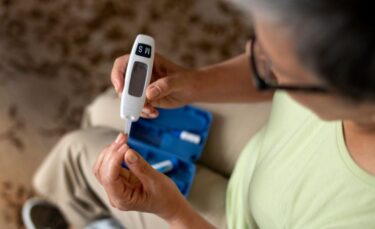
According to experts, persons with type 2 diabetes may benefit from the antioxidants found in citrus fruits like tangerines. Researchers of a study5 noted in a publication that people with type 2 diabetes have decreased levels of antioxidant vitamins and enzymes. Patients with type 2 diabetes and other inflammatory disorders may experience less oxidative stress by consuming antioxidant-rich fruits like tangerines or fruit extracts.

The high vitamin C concentration of tangerines, which delivers more than 25% of your daily needs in just one fruit, is responsible for the majority of your health advantages. In addition to aiding in the absorption of iron and warding off infections, vitamin C is a strong antioxidant that protects your cells from stress-related cellular damage and ageing.
Based on some studies7, Tangerine might aid in the improvement of sleep quality, mood enhancement and cognitive functions.
Dr. Rajeev Singh, BAMS
Tangerines is a juicy fruit with tremendous health benefits. They can be used as
Tangerines can be combined with chocolate and walnuts for a refreshing take on summer cakes. They are delicious and can be eaten as a dessert on sultry summer afternoons. Tangerines can also be coated or dipped in melted chocolate to make a sweet snack for kids. Tangerines also go really well with caramels, marshmallows and other sweet ingredients. Meat products like spiced ham can be marinated using the tangerine sauce for a juicy and refreshing flavour.
Also Read: 15 Amazing Benefits of Poppy Seeds (Khus Khus)
Despite the fact that tangerines are extremely healthy and advantageous, it is advisable to consume them in moderation. Tangerines have reportedly caused allergy reactions in some people under specific circumstances. Hence, inform your healthcare practitioner right away if you develop any of these side effects or any adverse responses after eating tangerines.
Also Read: Custard Apple: Uses, Benefits, Side Effects and More!
Abdominal pains and diarrhoea are two gastrointestinal problems that may result from overeating tangerines. They might also conflict with liver-related drugs. Despite being nutritious, eating more tangerines than advised could be harmful to your health. Before consuming tangerines, check with your doctor if you are taking medicine for your liver.
Also Read: Kulthi Dal: Uses, Benefits, Side Effects & More!
Oranges and tangerines are both fruits that belong to the citrus family. However, they are not the same. While oranges might provide more vitamin C and fibre per serving, tangerines seem to be a richer source of vitamin A. Although tangerines tend to be more reddish-orange than most orange varieties, they share a similar hue. Compared to tangerines, oranges are bigger and rounder. Either kind may have seeds or not. Tangerines are more reddish-orange than most orange kinds, which are typically yellowish-orange.
Tangerines have few calories and no fat, but they are a great source of fibre, vitamins and minerals. An average-sized tangerine has 50 calories and 13 grams of carbohydrates, 9 grams of which are natural sugars. Just under 50% of your daily vitamin C needs and approximately 10% of your daily fibre requirements are provided by one tangerine.
Tangerines have high levels of vitamin C, a powerful antioxidant that fights free radical damage and reduces inflammation. Tangerines allow your body to absorb iron from your diet. They can aid in the healing of small wounds and cuts. Pectin and hemicellulose, two fibres found in tangerines, limit the absorption of cholesterol in the intestine and reduce the risk of obesity. Tangerines’ fibre helps with constipation and enhances digestion. Vitamin A, which is abundant in tangerines and aids in tissue repair, may also lessen the appearance of age-related signs of ageing such as fine lines, wrinkles and dull skin.
In ancient native China and Japan, mandarins have been grown for more than three thousand years. They were given that name because orange-robed Chinese aristocrats wore them. The fruit was first transported to Europe and the Americas in the 1800s through Tangiers in Morocco, hence the name of the fruit.
Tangerines and oranges come in a variety of flavours, although each fruit’s flavour is mostly influenced by its type. Oranges and tangerines both come in sweet and sour varieties. The majority of tangerines, however, are sweeter and less tart than oranges. Additionally, tangerines typically have a shorter aftertaste and a more robust flavour profile than oranges.
1. Mabberley DJ. Citrus (Rutaceae): a review of recent advances in etymology, systematics and medical applications. Blumea. 2004;49(2‑3):481–498. doi:10.3767/000651904X484432. Available from: https://www.researchgate.net/publication/233545464_Citrus_Rutaceae_A_Review_of_Recent_Advances_in_Etymology_Systematics_and_Medical_Applications
2. U.S. Food and Drug Administration. Raw Fruits Poster — Fruits Nutrition Facts (Raw, Edible Weight Portion). Raw Fruits Poster (Text Version / Accessible Version) [Internet]. [cited 2025 Dec 04]. Available from: https://www.fda.gov/food/nutrition-food-labeling-and-critical-foods/raw-fruits-poster-text-version-accessible-version
3. Shi M, Guo Q, Xiao Z, Sarengaowa, Xiao Y, Feng K. Recent Advances in the Health Benefits and Application of Tangerine Peel (Citri Reticulatae Pericarpium): A Review. Foods. 2024 Jun 23;13(13):1978. doi: 10.3390/foods13131978. PMID: 38998484; PMCID: PMC11241192. Available from: https://pmc.ncbi.nlm.nih.gov/articles/PMC11241192/
4. Alam MA, Subhan N, Rahman MM, Uddin SJ, Reza HM, Sarker SD. Effect of citrus flavonoids, naringin and naringenin, on metabolic syndrome and their mechanisms of action. Adv Nutr. 2014 Jul 14;5(4):404-17. doi: 10.3945/an.113.005603. PMID: 25022990; PMCID: PMC4085189. Available from: https://pmc.ncbi.nlm.nih.gov/articles/PMC4085189/
5. Visvanathan R, Williamson G. Effect of citrus fruit and juice consumption on risk of developing type 2 diabetes: Evidence on polyphenols from epidemiological and intervention studies. Trends in Food Science & Technology. 2021;115:133‑146. doi:10.1016/j.tifs.2021.06.038. Available from: https://www.sciencedirect.com/science/article/pii/S092422442100412X
6. American Academy of Ophthalmology. Four Fantastic Foods to Keep Your Eyes Healthy. AAO Eye Health News [Internet]. 2012 May 03 [cited 2025 Dec 04]. Available from: https://www.aao.org/eye-health/news/four-fantastic-foods
7. Chandharakool S, Koomhin P, Sinlapasorn J, Suanjan S, Phungsai J, Suttipromma N, Songsamoe S, Matan N, Sattayakhom A. Effects of Tangerine Essential Oil on Brain Waves, Moods, and Sleep Onset Latency. Molecules. 2020 Oct 21;25(20):4865. doi: 10.3390/molecules25204865. PMID: 33096890; PMCID: PMC7587980. Available from: https://pmc.ncbi.nlm.nih.gov/articles/PMC7587980/
Disclaimer: The information provided here is for educational/awareness purposes only and is not intended to be a substitute for medical treatment by a healthcare professional and should not be relied upon to diagnose or treat any medical condition. The reader should consult a registered medical practitioner to determine the appropriateness of the information and before consuming any medication. PharmEasy does not provide any guarantee or warranty (express or implied) regarding the accuracy, adequacy, completeness, legality, reliability or usefulness of the information; and disclaims any liability arising thereof.
Links and product recommendations in the information provided here are advertisements of third-party products available on the website. PharmEasy does not make any representation on the accuracy or suitability of such products/services. Advertisements do not influence the editorial decisions or content. The information in this blog is subject to change without notice. The authors and administrators reserve the right to modify, add, or remove content without notification. It is your responsibility to review this disclaimer regularly for any changes.
14
1


