
Oedema is a common condition that affects many people all over the world. In simple terms, oedema is defined as swelling that occurs due to fluid accumulation in the tissues, and is particularly seen in the hands, feet, ankles, arms, and legs. There are many factors that can lead to oedema, such as heart or kidney diseases, less protein in blood, lung infection and poor blood flow, which requires medical attention when severe1. Additionally, it is necessary to know that even the foods you eat can play a crucial role in avoiding and managing the oedema.
In this article, we will discuss the nature of oedema, types of food that can worsen oedema, explore healthier alternatives, and various lifestyle changes that may help in managing and avoiding this condition. Furthermore, we will also discuss oedema that occurs during pregnancy and answer some frequently asked questions.
Did you know?
Oedema occurs when fluid leaks from small blood vessels into nearby tissues, leading to the following symptoms1.
The types of oedema are based on the area of the oedema and its root cause. Some well-known types of oedema include:
A healthcare provider will examine the affected area, inquire about medical history, any trauma, onset, position change, triggering factors, and may request additional tests to determine the root cause of oedema. Some possible tests include blood tests, ultrasound exams, vein studies, or other necessary diagnostic studies8. Mild oedema usually resolves on its own, but more severe cases may require medication to manage the underlying cause1.
Avoid consuming pickled vegetables if you have edema. These foods are high in sodium due to the pickling process, which involves soaking them in a solution containing salt and vinegar. High sodium intake can worsen fluid retention and exacerbate edema symptoms. Opt for fresh vegetables instead to help manage edema more effectively
Dr. Siddharth Gupta, B.A.M.S, M.D (Ayu)
Foods that may worsen oedema include:

High salt intake increases the sodium content in your body, which retains more fluid and worsens oedema3. High sodium is found in unhealthy foods like fast foods, sauces, canned soups, deli meats, and bakery productions.

Processed foods are not only high in fat, they may also cause edema. Examples are chips, crackers, cookies, candy, and ice cream.

Fat-rich foods such as baked goods, meats, and cheese take longer to digest, which may lead to bloating and oedema.

Foods and drinks that cause inflammation may worsen oedema. Common examples include refined sugars, artificial sweeteners, trans fats, and alcohol2.
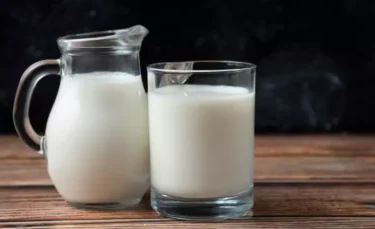
Lactose, found in dairy products like milk and ice cream, can lead to an upset stomach and bloating in people who are lactose intolerant. Probiotic-rich yogurt or lactose-free alternatives might help in such individuals.

Some foods can trigger stomach upset and add to oedema. These include:
High-processed refined carbohydrates such as pasta may also increase water retention in the body. It is best to avoid these if you have edema and opt for healthier options.
Dr. Rajeev Singh, BAMS
Knowing what to eat and drink plays an important part in dealing with oedema. Making good dietary choices may help keep your health in check.
Pick nutrient-rich, low-inflammation, and low-sodium foods to manage oedema.
Drinking adequate amount of water each day to avoid fluid retention. You may add lemon, mint, or berries to your water for a refreshing twist. Overdrinking water can add to oedema.
Regular breaks throughout the day help avoid long periods of sitting or standing and raising your legs above your heart level helps drain the oedema.
Avoid tight clothes that can limit blood flow and add to oedema symptoms.
Use waist-high compression stockings to avoid fluid build-up in your limbs by promoting better blood flow with gentle pressure.
Regular workouts and a healthy weight boost circulation, and overall health, and help reduce oedema symptoms.
Also Read: What Causes Sulphur Burps and How To Stop Them
Pregnancy brings many changes to your body. One of them could be swelling or oedema. It’s crucial to know what triggers it and how to manage it10.
Swelling in pregnancy usually starts in the second term and may get worse by the third term.
Here are some self-care tips that may help you manage oedema.
Sudden severe swelling or swelling with symptoms like headaches, dizziness, or vision problems need quick medical attention. These symptoms may indicate a serious pregnancy complication like preeclampsia.
Always remember, whether you are pregnant or not, if home remedies do not help, the swelling keeps getting worse, or it is accompanied by other concerning symptoms, you should seek medical care.
Also Read: Why Should You Drink Water in the Morning Before Brushing?
In summary, understanding and managing the impact of oedema on your body is crucial for overall health and well-being. Be aware of the types and causes of oedema and identify the foods and drinks that can aggravate the condition. Focus on healthier alternatives and adopt beneficial lifestyle changes to keep oedema at bay. Moreover, it’s essential to recognise the triggers and warning signs of oedema and know when to seek medical guidance. Stay proactive and make informed decisions to lead a healthy, active life.
Processed, high-salt, high-fat, high-sugar foods and certain dairy products can make oedema worse.
Regular exercise, weight management, and balanced diet can help reduce the oedema9.
Yes, hot and cold compression and massaging can help in reducing oedema.
Avoid high-sodium foods, processed foods, unhealthy fats, and high-sugar beverages if you have fluid retention
Limit high-sodium foods, processed foods, unhealthy fats, and high-sugar beverages that can exacerbate swelling in the feet.
Disclaimer: The information provided here is for educational/awareness purposes only and is not intended to be a substitute for medical treatment by a healthcare professional and should not be relied upon to diagnose or treat any medical condition. The reader should consult a registered medical practitioner to determine the appropriateness of the information and before consuming any medication. PharmEasy does not provide any guarantee or warranty (express or implied) regarding the accuracy, adequacy, completeness, legality, reliability or usefulness of the information; and disclaims any liability arising thereof.
Links and product recommendations in the information provided here are advertisements of third-party products available on the website. PharmEasy does not make any representation on the accuracy or suitability of such products/services. Advertisements do not influence the editorial decisions or content. The information in this blog is subject to change without notice. The authors and administrators reserve the right to modify, add, or remove content without notification. It is your responsibility to review this disclaimer regularly for any changes
 16
16

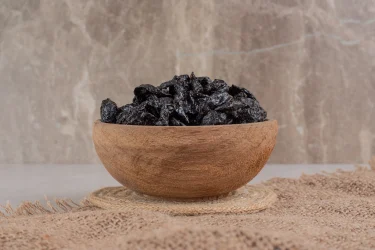
Shilajit is a naturally occurring mineral-rich substance found in mountain rocks of the Himalayan hills and other mountain ranges. It’s a powerful, one-of-a-kind natural product. Over time, plant matter breaks down and forms this dark, thick mix, which contains fulvic acid, dibenzo-α-pyrones, and various minerals. It holds many key minerals and nutrients1. In Ayurveda, it has traditionally been used as a rejuvenating (Rasayana) substance. Today, researchers are studying whether purified shilajit may support testosterone levels, male fertility, energy production, and physical performance. However, many proposed benefits require further high-quality clinical research.
This article explores the potential benefits, safety considerations, and proper use of Shilajit. It covers how Shilajit may support male health, energy, and overall wellness, along with the current scientific evidence behind these claims. It also discusses possible side effects, precautions, quality and purity factors, dosage guidelines, and how to choose a safe Shilajit product.
Did you know?

Testosterone is an important hormone involved in male reproductive health, muscle maintenance, bone strength, and energy levels. Some research suggests purified shilajit may support testosterone production by influencing hormone balance and reducing oxidative stress2.

Male fertility depends on factors such as sperm count, movement (motility), shape, and DNA quality. Oxidative stress can negatively affect sperm health, and researchers are investigating whether shilajit’s antioxidant compounds may help protect sperm cells.
A clinical study involving infertile men who consumed purified shilajit for 90 days reported improvements in sperm count and sperm motility. However, the study size was limited, and more large-scale trials are required before shilajit can be considered a proven fertility treatment3.
Also Read: Male Infertility: Causes, Symptoms, Treatment and More

Testosterone levels can improve your sexual desire. So some researchers have explored whether shilajit’s possible effects on testosterone may influence libido. However, direct evidence showing that shilajit improves sexual desire or sexual performance is currently limited. More targeted human studies are needed4.
Studies have found that shilajit is a potentially safe supplement for male infertility treatment. In one trial, for ninety days, a group of sixty infertile men took shilajit twice a day after meals. Over 60% of men saw an increase in total sperm count at the end of the study. Sperm motility increased in almost 12% of the cases. Sperm motility, a crucial component of fertility, is the capacity of the sperm in a sample to move sufficiently. Thus, consult your doctor and take only if shilajit is recommended for your infertility treatment3.
Dr. Siddharth Gupta, B.A.M.S, M.D

The rare nutrients in Shilajit may boost brain health. Not only that, but they could also even help reduce the risk of some brain diseases.
Shilajit is packed with lots of antioxidants and minerals like fulvic acid, which are attributed to its possible ability to delay aging. These nutrients act as strong antioxidants and help fight against harmful elements that speed up aging.
Shilajit is said to boost health on a cellular level. It may boost energy creation in cells. Because studies have hinted that Shilajit lifts the work of mitochondria. This boosts the work of ATP production, which is the prime energy source for cells. These effects may contribute to improved vitality and overall wellness. Further long-term studies are required to confirm this5.

Chronic fatigue syndrome (CFS) is an extreme tiredness illness. Shilajit may help with CFS by increasing Adenosine Triphosphate (ATP) Production. It lifts cell energy. That may help fight against the tired feeling that people with CFS often experience6.
Some studies show that Shilajit may improve the work of mitochondria. As mitochondria play a key role in keeping cells healthy and energetic. Improved mitochondrial function may help ease the effects of CFS symptoms on your everyday life.
Shilajit has been used for centuries in traditional Himalayan medicine to support the body’s adaptation to high-altitude environments. Researchers believe its bioactive compounds, including fulvic acid and trace minerals, may help support cellular energy production and overall resilience during physical stress. However, clinical evidence in humans remains limited. While early research is promising, there is not enough high-quality human evidence to confirm that shilajit prevents or relieves altitude sickness7.

Shilajit contains fulvic acid and other bioactive compounds with antioxidant properties. These compounds may help protect cells from oxidative stress, which plays a role in cardiovascular health8. However, direct evidence of heart health benefits in humans is limited.

Lack of iron can cause iron deficiency anaemia. This occurs when there’s not enough hemoglobin. Common causes include inadequate iron intake, poor iron absorption, and blood loss. For people with iron deficiency anaemia, healthcare providers typically recommend iron supplements and treatment of the underlying cause. More high-quality human studies are needed to determine whether shilajit has any meaningful role in supporting iron status9.
Research using animal models has suggested that shilajit may raise iron levels. In my opinion, people with illnesses like hemochromatosis an excess of iron in the blood should refrain from doing so12.
Dr. Rajeev Singh, BAMS

Shilajit may offer benefits for liver health and cancer support. This is due to its antioxidant and anti-inflammatory properties.
Purified Shilajit is generally considered well-tolerated when taken in recommended doses. However, like any dietary supplement, it may cause side effects in some individuals. Many studies show Shilajit is safe. But the long-term safety of Shilajit has not been well established; therefore, you also need to think about the possible side effects and safety steps.
Although side effects are uncommon, some people may experience mild adverse effects, including:
Although purified Shilajit is generally well tolerated by many adults, research on its long-term safety and interactions with certain medical conditions or medications is limited. Always ask a doctor before using Shilajit. This is even more important if you have an existing health condition or are taking prescription medicines.
Certain people need to be extra careful when thinking of taking Shilajit:
Studies have found that unprocessed or raw shilajit may include heavy metals or fungi that might cause illness. I suggest one should refrain from the use of raw shilajit or consult their doctor before use13.
Dr. Smita Barode, B.A.M.S, M.S.
Using Shilajit correctly involves following the product’s recommended serving size, considering individual health needs, and storing it properly to maintain quality. Also, before starting to use it, always consult with your doctor, especially if you have medical conditions or take medications.
To preserve its power, you need to store and handle the Shilajit well.
The quality of Shilajit can vary significantly depending on its source, processing methods, and testing standards. Choosing a purified and quality-tested product is important to reduce the risk of contaminants and ensure product consistency.
Shilajit presents a host of possible benefits for men’s health. These include lifting testosterone levels, boosting brain work, anti-aging traits, and support for physical performance and recovery. Thanks to its rich antioxidant and mineral-dense profile, Shilajit may be a promising natural alternative for those looking for holistic approaches to health and wellness.
But remember, as with any supplement, it’s crucial to seek guidance from a doctor on appropriate dosage, keep an eye on potential side effects, and discuss any possible medication interactions. Don’t ever self-medicate. By being proactive and choosing high-quality shilajit supplements, you may improve your health journey while tapping into the age-old wisdom of Ayurvedic medicine.
Also Read: Shilajit: Uses, Benefits & Side Effects By Dr. Anuja Bodhare
It’s safe to take Shilajit daily. But always ask your doctor before taking any food supplements. They can tell you the right dose. They can also watch for any bad side effects or interactions with other medications.
Its mineral content, particularly zinc, may support scalp health, but shilajit isn’t a proven treatment for genetic hair loss like male pattern baldness.
Most men begin in their late 20s to 30s when natural testosterone starts gradually declining, though younger men also use it for energy and athletic performance.
It’s often used by men over 40 to counter low energy, reduced muscle mass, and hormonal shifts associated with aging, alongside proper diet and exercise.
Many prefer taking it in the morning or pre-workout for sustained energy, though some take it post-workout to support recovery, depending on personal response.
Disclaimer: The information provided here is for educational/awareness purposes only and is not intended to be a substitute for medical treatment by a healthcare professional and should not be relied upon to diagnose or treat any medical condition. The reader should consult a registered medical practitioner to determine the appropriateness of the information and before consuming any medication. PharmEasy does not provide any guarantee or warranty (express or implied) regarding the accuracy, adequacy, completeness, legality, reliability or usefulness of the information; and disclaims any liability arising thereof.
Links and product recommendations in the information provided here are advertisements of third-party products available on the website. PharmEasy does not make any representation on the accuracy or suitability of such products/services. Advertisements do not influence the editorial decisions or content. The information in this blog is subject to change without notice. The authors and administrators reserve the right to modify, add, or remove content without notification. It is your responsibility to review this disclaimer regularly for any changes.
3
Vitamin E is a power-packed nutrient that brings you many potential health benefits. In this article, we will discuss the potential benefits and side effects of vitamin E, and how to use it on the skin safely. We will also answer some commonly asked questions on this topic.
Did you know?
Vitamin E is soluble in fat and rich in antioxidants3. Your body needs these to function well for a strong immune system, healthy blood flow, and cell health4. You’ll find it naturally in nuts, whole grains, some leafy greens, and even some oils3. Vitamin E supplements are available in the form of capsules or drops.
Below we have described ways to apply vitamin E on your face.
Here are some options.
Here is a list of potential benefits of vitamin E for skin health.

Vitamin E may help reduce the pigmentation caused by UV radiation while vitamin C plays a vital role in depigmentation of the skin. Using a combination of both vitamins may have a greater effect on reducing depigmentation than using just one vitamin8.

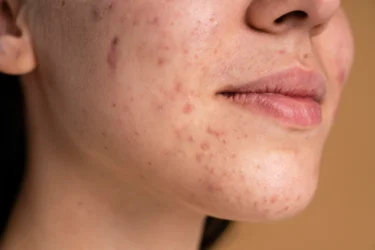


While a lot of research has shown that vitamin E has positive effects on the skin, more long-term studies are required to corroborate these benefits.
Studies have found that Vitamin E might have an interaction with warfarin, a blood thinner used by heart patients. I suggest you consult your physician before using Vitamin E capsules and discuss your present medications to avoid any complications15.
Dr. Siddharth Gupta, B.A.M.S, M.D (Ayu)
Using vitamin E capsules for the face needs a little caution due to the potential side effects and possible interactions with certain medicines.
Also Read: Healthy Skin Tips: Research-Backed Strategies for a Glowing Complexion
You should avoid vitamin E capsules on the face if you have.
In my experience, few people may encounter allergic reactions such as itching, skin rash, hives, and swelling of the face, lips, tongue, or throat on using vitamin E capsules15.
Dr. Rajeev Singh, BAMS
Before selecting a vitamin E capsule you should:
Also Read: Home Remedies For Tanned Skin
Thanks to its antioxidant powers and potential benefits, vitamin E can help improve your skin health. But remember, do not rush into any new skincare product. Start with a patch test, and if you have any concerns or skin conditions, it is advisable to consult a healthcare professional. With proper care, vitamin E may be a simple yet potent addition to your skincare regime.
Also Read: Red Spots on Skin: Causes, Symptoms, Treatment and More!
Yes, you can break open a capsule and apply the oil directly to your face or any problem areas, like dark spots. But before doing so, you should always do a patch test in case you may be allergic.
Vitamin E helps most skin types. But super sensitive, very oily, or acne-prone skin might not adjust well with it.
How often you use the vitamin E capsule depends on your specific skincare needs and product type. Usually, using it two to three times a week is safe. However, it is always a good idea to discuss it with your healthcare provider for personalised advice.
Using vitamin E on your face may cause skin reactions and allergic reactions in some people10. Always test a little bit of vitamin E oil on your skin before using it and consult a healthcare professional if you have doubts.
For some individuals, especially those with oily or acne-prone skin, vitamin E might cause breakouts. Always test a small patch of your skin first and keep an eye on how your skin reacts when you start using vitamin E.
Disclaimer: The information provided here is for educational/awareness purposes only and is not intended to be a substitute for medical treatment by a healthcare professional and should not be relied upon to diagnose or treat any medical condition. The reader should consult a registered medical practitioner to determine the appropriateness of the information and before consuming any medication. PharmEasy does not provide any guarantee or warranty (express or implied) regarding the accuracy, adequacy, completeness, legality, reliability or usefulness of the information; and disclaims any liability arising thereof.
Links and product recommendations in the information provided here are advertisements of third-party products available on the website. PharmEasy does not make any representation on the accuracy or suitability of such products/services. Advertisements do not influence the editorial decisions or content. The information in this blog is subject to change without notice. The authors and administrators reserve the right to modify, add, or remove content without notification. It is your responsibility to review this disclaimer regularly for any changes.
1
Hair, being one of the essential aspects of an individual’s appearance, plays a significant role in boosting one’s self-esteem and confidence. Maintaining the health of our hair is crucial, but daily exposure to environmental stressors, unhealthy lifestyles, and genetic factors can often lead to various hair problems, including hair loss. There are several natural remedies proposed to promote hair growth and improve overall hair health. One such herb is fenugreek which is believed in many cultures as an effective ingredient to deal with hair problems.
This article aims to explore fenugreek benefits on hair growth, supported by scientific studies and traditional applications. We will delve into the nutritional composition of fenugreek and its impact on possibly reducing hair loss and promoting hair regrowth. We will also provide insights on the effective use of fenugreek seeds in hair care routines and potential risks that must be taken into consideration while using them. Lastly, we will guide you through a holistic approach to maintaining the general health of your hair while using fenugreek.
Did you know?
Fenugreek, scientifically known as Trigonella foenum-graecum, is a versatile herb native to the Mediterranean region and South Asia. It has been used for centuries in traditional medicine and culinary practices. Fenugreek seeds are rich in essential nutrients, including proteins, vitamins, minerals, and antioxidants8. These seeds also contain compounds such as flavonoids, alkaloids, and saponins, which contribute to their potential benefit to hair health10.
Fenugreek is a herb native to Southern Europe, the Mediterranean, and Western Asia. It looks similar to clover and has seeds that taste and smell like maple syrup. Many cultures use fenugreek in medicine and cooking. In Asian, Southern European, and North African traditions, it’s been used to manage diabetes and help with breastfeeding. In Ayurvedic and Chinese medicine, fenugreek has been used to boost digestion and induce labour. It’s also been used to improve overall health and metabolism.
Today under alternative medical sciences, fenugreek is still used by some as a dietary supplement for menstrual cramps, diabetes3, and promoting milk production for breastfeeding.
The nutritional composition of fenugreek seeds includes the following.
These nutrients provide the foundation for fenugreek’s potential benefits in hair growth and overall health.
Fenugreek has been traditionally used in various hair care applications, which are described below.

Fenugreek seeds are said to stimulate hair growth by nourishing the hair follicles and increasing blood circulation to the scalp9. The proteins present in fenugreek seeds are supposed to strengthen the hair shaft, reducing hair fall and promoting the growth of new, healthy strands.
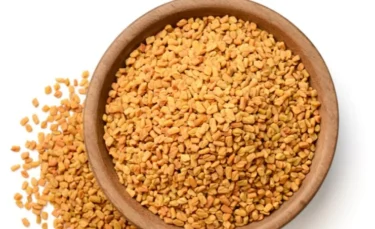
The proposed mechanism by which it may work is the fact that the various plant compounds in fenugreek may interact with a chemical in the body known as dihydrotestosterone (DHT). If DHT attaches itself to your hair follicles, the result, sooner or later, would be hair loss. Fenugreek may slow down the ability of DHT to attach to your hair follicles9.
A small study13 involving 53 people found that a 300 mg daily oral dose of fenugreek seed extract over six months led to improvements in hair volume and thickness for more than 80% of the participants compared to those given a placebo.

Fenugreek seeds contain hormone-regulating compounds that may help in reducing hair loss caused by hormonal imbalances. Additionally, the seeds have antimicrobial properties that may help protect the scalp from infections, reducing the risk of hair loss due to scalp conditions.

Fenugreek seeds possess conditioning properties that help in reducing dryness and frizz. Regular use of fenugreek seeds as a hair mask or rinse may make your hair soft, smooth, and manageable. They also provide hydration to the scalp, reducing flakiness and itching.

The antifungal and antibacterial properties of fenugreek seeds may be responsible for anti-dandruff effects4. Regular application of fenugreek seed paste or oil may help reduce scalp inflammation, itching, and flaking associated with dandruff5.
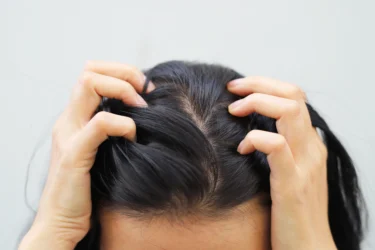
Fenugreek’s anti-inflammatory properties may help reduce scalp inflammation and alleviate itchy, red, or irritated skin1. This may aid in improving overall scalp health and promote healthy hair growth.
There are medical conditions also that may affect your hair and scalp, causing scalp issues and hair loss. If you are unsure, it is best to consult a dermatologist before initiating any home remedy.
For most people, fenugreek seeds are safe. However, in my opinion, one should avoid them before the 37th week of pregnancy as they may cause early labour. If you have a peanut or chickpea allergy, you are advised to stay away from fenugreek12.
Dr. Siddharth Gupta, B.A.M.S, M.D (Ayu)
Fenugreek can be incorporated into your hair care routine in multiple ways, which are described below.
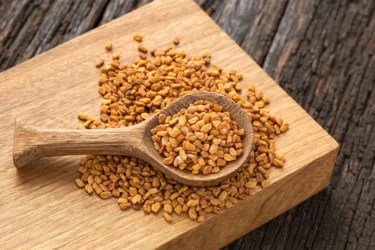
You can use raw fenugreek seeds as a natural hair mask or hair oil. Simply grind the seeds, create a paste, and apply it to your hair and scalp. Leave the paste on for a few minutes before rinsing it off.
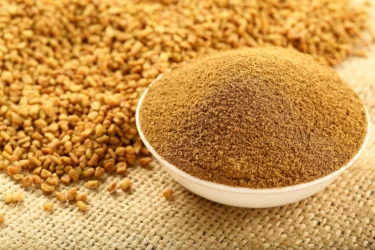
Fenugreek powder can be used as a hair mask or mixed with other ingredients, such as yogurt, honey, or oils, to create a nourishing paste. Apply the paste to your scalp and hair, focusing on the roots, and leave it on for about 30 minutes before rinsing thoroughly with lukewarm water.
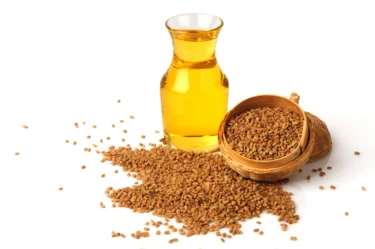
You can make your own fenugreek oil by heating fenugreek seeds with a carrier oil, such as coconut or olive oil. Let the seeds infuse the oil for a few minutes, then strain the oil and store it in a clean container. Massage the fenugreek seed oil onto your scalp and hair, leave it on for an hour or overnight, and shampoo as usual.
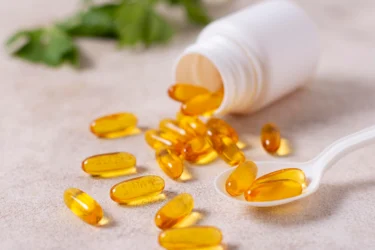
Fenugreek supplements are available in the form of capsules, powders, and extracts, making it easy to incorporate this natural remedy into your daily routine. Consult with your healthcare provider before starting fenugreek supplementation, as it may interact with certain medications.

Fenugreek can be applied topically to your hair and scalp in the form of hair masks, hair rinses, shampoos, and conditioners11.
Fenugreek can be consumed in various forms to incorporate its benefits internally, which are described below.
While fenugreek is generally considered safe for most individuals, there are some possible side effects and risks associated with its use, which are as follows.
Overconsumption of fenugreek may cause the following:
Moderate your fenugreek intake and monitor your body’s reaction to ensure a safe experience.
Like any other herb, people allergic to legumes, peanuts, chickpeas, or related plants might be sensitive to fenugreek, causing inflammation, itchiness, or redness on the skin. If you notice any unusual reactions after consuming or applying fenugreek, discontinue its use and consult your healthcare provider.
Fenugreek might interfere with certain medications, including those used to control diabetes, blood clotting, thyroid disorders, and high cholesterol levels2. Consult with your doctor before taking fenugreek orally if you are on any medication.
When consuming fenugreek, it is crucial to adhere to the recommended dosages. A high dose of fenugreek may cause a sudden drop in blood sugar and may have hepatotoxic effects. Pregnant women should avoid fenugreek supplementation, as it may increase the risk of birth defects.
Also Read: Minoxidil for Hair Growth: What Is It, How It Works, Benefits & More
A holistic approach to hair growth addresses not only the application of topical remedies and supplements for hair health but also considers various factors that can influence hair growth.

Consume a balanced diet rich in hair-friendly nutrients, such as protein, iron, zinc, vitamins, and healthy fats. Ensure that you are getting enough essential amino acids, vitamins, and minerals through your diet to support optimal hair growth6. Focus on a variety of whole foods, such as green leafy vegetables, lean protein sources, dairy products, and healthy fats.

Stress is known to affect hair growth negatively. Try incorporating stress management techniques such as breathwork, meditation, yoga, or exercise into your daily routine to help reduce stress and support better hair health7.

Certain lifestyle choices, such as smoking, excessive alcohol consumption, and poor sleep hygiene, can adversely impact hair health. Make a conscious effort to adopt healthier habits and prioritize restorative sleep to support your hair growth journey.

Choose hair care products suited for your hair type and avoid harsh chemicals, sulfates, parabens, and silicones. Adopt a gentle haircare routine, including regular scalp massages to stimulate blood circulation and promote hair growth.

Genetic factors play a significant role in hair loss and hair growth patterns. If you suspect a hereditary pattern of hair loss, consult your healthcare provider to discuss suitable options.
Also Read: How to Stop Receding Hairline: Research-Based Prevention Strategies
Fenugreek seeds offer remarkable benefits in hair growth and hair health, supported by scientific research and traditional practices. Incorporating fenugreek seeds into your hair care routine may help reduce hair loss, stimulate hair growth, address dandruff, scalp inflammation, and reviving damaged hair.
While using fenugreek may be beneficial, it’s essential to consider possible side effects, allergies, and medication interactions. Utilizing a holistic approach that encompasses proper nutrition, stress management, lifestyle modifications, and appropriate hair care products is crucial for promoting healthy hair growth.
Also Read: 5 Ayurveda Herbs That Are Great for Hair Growth!
It is not necessary to use fenugreek on your hair every day. Applying it 2-3 times a week as part of a hair mask or oil massage may provide sufficient benefits. Daily use may risk increasing Pitta dosha levels on your scalp.
There is no specific recommended amount of fenugreek for hair growth, as it may vary based on individual experiences and conditions. However, some studies suggest that a daily oral dose of 300 mg of fenugreek seed extract may significantly improve hair growth and thickness. Always consult your doctor before deciding to consume fenugreek.
Typically, you can leave a fenugreek mask on your hair for about 30-45 minutes before rinsing it off with warm water. If you have severely dry hair and dandruff issues, you may leave the mask overnight and wash it off the next morning.
Apart from providing essential nutrients for hair growth, fenugreek water is said to help flush out toxins from your body, improving digestion and bowel movement. As a result, fenugreek contributes to maintaining the harmony of your Ayurvedic doshas in the body, which in turn, is said to promote voluminous hair growth and avoid dryness and dandruff issues5.
Studies suggest that significant improvements in hair growth can be observed after using fenugreek consistently for 3-4 months. However, the duration to achieve desired results may vary among individuals, depending on their unique hair needs and conditions. You may try fenugreek, after using it if you feel there isn’t much improvement then there may be some other reason for hair loss, and it is better to consult a dermatologist. Also, if you want to consume fenugreek then before doing so always discuss it with your doctor first.
Disclaimer: The information provided here is for educational/awareness purposes only and is not intended to be a substitute for medical treatment by a healthcare professional and should not be relied upon to diagnose or treat any medical condition. The reader should consult a registered medical practitioner to determine the appropriateness of the information and before consuming any medication. PharmEasy does not provide any guarantee or warranty (express or implied) regarding the accuracy, adequacy, completeness, legality, reliability or usefulness of the information; and disclaims any liability arising thereof.
Links and product recommendations in the information provided here are advertisements of third-party products available on the website. PharmEasy does not make any representation on the accuracy or suitability of such products/services. Advertisements do not influence the editorial decisions or content. The information in this blog is subject to change without notice. The authors and administrators reserve the right to modify, add, or remove content without notification. It is your responsibility to review this disclaimer regularly for any changes.
6
Skin tags, while not dangerous, can still annoy you and affect how you look. They often occur when your skin rubs against skin or clothing1. Even though they are harmless, many people want to remove them for aesthetic reasons or because they can get irritated.
This article will cover all you need to know about skin tags. You’ll learn what they are, why they appear, and the risk factors. We’ll discuss about home remedies and other products you may buy to remove skin tags, coupled with safety measures to follow. You’ll also learn when to reach out to a doctor and explore professional skin tag removal options. Lastly, we’ll go over how to care for your skin after the skin tags have been removed and steps to avoid future formation of skin tags.
Did you know?
Skin tags are harmless growths that usually don’t cause health issues, but can still bother you. Before starting any removal process, it’s key to understand what skin tags are and correctly identify them.
Skin tags, also called acrochordons, are small, soft lumps of skin that arise when skin rubs together. Usually, they are between 2 and 5 millimeters in size but can grow much larger. Skin tags can appear anywhere on the body but are often found near skin folds, like the neck, underarms, torso, eyelids, and inner thighs. They are often the same colour as your skin or darker, and usually don’t hurt unless irritated2.
We don’t know the exact cause of skin tags yet. Still, several known factors can increase your chances of getting these skin growths, which are listed below.
Before taking a swing at home remedies, be sure that it’s a skin tag and not something more serious. Ask a health professional if unsure. We’re about to list a few common home remedies for skin tags, how to use them, and the safety measures to bear in mind.
Safety Considerations: Keep in mind that removing skin tags yourself comes with risks like infection, bleeding, and scarring. If you feel discomfort in any way during or after applying home remedies, get in touch with a healthcare professional immediately. It’s vital to follow all guidelines and to only use clean, sanitized tools when trying these remedies.
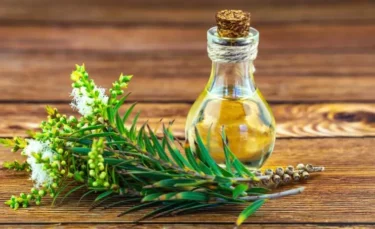
This oil is known for its antiviral and antifungal traits and may prove to be a useful home remedy3.
How to apply?
Precautions
Don’t use pure tea tree oil and test it on a small bit of your skin before using it on a skin tag to check for allergies this is known as a patch test. Stay away from the eye area with this oil.

This vinegar is known for its acidic nature, which some say may help skin tags to shrink and drop off4.
How to use?
Risks and precautions
Be careful with apple cider vinegar as it can irritate the skin or cause burns. Be sure not to put it near the eyes and look out for signs of skin reactions while using it.

Some think garlic’s anti-inflammation might make skin tags look better5.
Application and precautions
Note, the strong smell of garlic might put some people off. And be careful if you have sensitive skin, as garlic can cause irritation.

Vitamin E is known for its antioxidant traits, which may fend off wrinkles and keep skin healthy6. Rubbing liquid vitamin E onto a skin tag might make it fall off in a few days.
Usage and benefits
Ensure that you do not have an allergy to vitamin E before using it on your skin. Also, know that using vitamin E near the eyes can be irritating.

Some say banana peels have antioxidant traits, which might help dry out skin tags7.
How to use?
Benefits
Using banana peels to remove skin tags costs little and is not invasive. Still, there isn’t much scientific proof that it works. So, you’ll need a lot of patience with this method, as it may take some time before you see any results.
Recently I came across a study that suggested skin tags can sometimes indicate a higher risk of heart and blood vessel problems. This is because people with skin tags often have other health issues like being overweight, high cholesterol, high blood pressure, insulin resistance, and increased inflammation in their bodies11.
Dr. Siddharth Gupta, B.A.M.S, M.D (Ayu)
For those not into home remedies, there are many over-the-counter (OTC) products to help you remove skin tags. Remember though, it’s best to talk to a health professional if you doubt using OTC products.

These creams can be found in loads of stores but may work better for some than others. It’s key to buy a cream that won’t irritate your skin. Be wary of creams holding salicylic acid and tea tree oil, as these might cause your skin to get red.

Such kits, or cryotherapy kits, use deep cold to kill unwanted skin tissue. These kits can be found in most drugstores and need to be used carefully so as not to hurt the surrounding skin. Always keep to the kit’s instructions and watch the skin area where you have applied the kit for bad reactions.

Skin tag removal bands, also known as ligation bands, work by cutting off the blood flow to the skin tag. This method takes time but might cause problems like infection, bleeding, and scarring. On the other hand, skin tag removal patches hold medicines that make the skin tag dry up and fall off. Results vary, and these patches could irritate the skin for some people.
Bands are wrapped around the base of the skin tag. This stops blood flow which kills the cells in the tag. The skin tag then dries up and falls off. Skin tag removal patches usually have medicines that slowly break down the surrounding tissue. This leads to the skin tag falling off.
Removal bands and patches may work, but DIY removal has risks. Be sure to keep everything clean and follow all instructions to lessen the risk of infection, bleeding, and scarring. Also, monitor the affected area for any unusual signs. If you have any bad reactions, talk to a health professional straight away.
To my knowledge, skin tags are way more common than you think. It has an estimated occurrence ranging from 50 to 60% among the general population12.
Dr. Rajeev Singh, BAMS
While home remedies and OTC products may help some people, there are times when it’s better to get help from a professional. Here are some such situations, described below.
Make sure to see a doctor if the following happens.
It’s crucial for a health professional to check and confirm that your skin growth is a harmless skin tag and not a more serious skin issue.
There are some situations when home remedies and OTC products are a no-go. Ask for professional help to remove a skin tag if:
It’s not widely known that skin tags, typically associated with humans, can also manifest on our furry friends, such as dogs. While common in older canines, these skin tags can present in various forms and are generally harmless. Yet, if you observe any alterations in their size, shape, or color, or if they cause discomfort to your pet, it’s advisable to seek evaluation from a veterinarian promptly.
Dr. Smita Barode, B.A.M.S, M.S.
If home remedies and OTC products don’t suit you, or if you want a quick fix, professional skin tag removal could be best. Health professionals offer different surgical methods to remove skin tags safely and swiftly.
After removing a skin tag professionally, you need to care for the area well to promote healing and stop infection.
Also Read: Lump Under Armpit: Causes, Symptoms, Home Remedies & More
If you understand why skin tags appear, you may try steps to lower their chances of forming.
Skin tags are harmless but sometimes vexing lumps that crop up at several body parts. If you decide that it’s needed, there are many home remedies, OTC products, and professional methods available to remove them. Don’t forget to be careful and follow safety measures when trying home remedies. For the best results and to keep risks low, consider asking a healthcare professional for skin tag removal. Aftercare is crucial to avoid infection and healing well. Knowing potential causes and risk factors for skin tags may help you take steps toward stopping them from forming.
Also Read: Healthy Skin Tips: Research-Backed Strategies for a Glowing Complexion
You may try several methods to remove skin tags at home, like using tea tree oil or apple cider vinegar. But these come with risks, including infection, bleeding, and scarring. It’s safer to consult a healthcare professional for the correct skin tag test and removal.
Keeping a healthy weight, managing diabetes, and sorting any hormonal imbalances may help lower the chance of skin tags forming. But, as things like genetics and infections can also lead to skin tags, completely avoiding them may not be possible.
Home removal methods come with risks like infection, bleeding, and scarring. Poor technique or unclean equipment increases these risks. Seeing a healthcare professional ensures proper removal and lowers these risks.
Once a skin tag is fully removed, it won’t grow back. But new skin tags may arise in the same spot or nearby.
Health insurance plans typically do not cover skin tag removal as it’s often looked at as a beauty-enhancing procedure. However, if a skin tag harms your physical or mental health, your insurance plan may provide coverage.
1. Pandey A, Sonthalia S. Skin Tags. [Updated 2023 Jul 31]. In: StatPearls [Internet]. Treasure Island (FL): StatPearls Publishing; 2025 Jan-. Available from: https://www.ncbi.nlm.nih.gov/books/NBK547724/
2. Healthdirect Australia. Skin tags (acrochordons) [Internet]. Melbourne: Healthdirect Australia; 2025 Mar [cited 2025 Nov 13]. Available from: https://www.healthdirect.gov.au/skin-tags
3. Carson CF, Hammer KA, Riley TV. Melaleuca alternifolia (Tea Tree) oil: a review of antimicrobial and other medicinal properties. Clin Microbiol Rev. 2006 Jan;19(1):50-62. doi: 10.1128/CMR.19.1.50-62.2006. PMID: 16418522; PMCID: PMC1360273. Available from: https://pmc.ncbi.nlm.nih.gov/articles/PMC1360273/
4. Luu LA, Flowers RH, Gao Y, Wu M, Gasperino S, Kellams AL, Preston DC, Zlotoff BJ, Wisniewski JA, Zeichner SL. Apple cider vinegar soaks do not alter the skin bacterial microbiome in atopic dermatitis. PLoS One. 2021 Jun 2;16(6):e0252272. doi: 10.1371/journal.pone.0252272. PMID: 34077434; PMCID: PMC8172074. Available from: https://pubmed.ncbi.nlm.nih.gov/34077434/
5. Pazyar N, Feily A. Garlic in dermatology. Dermatol Reports. 2011 Apr 28;3(1):e4. doi: 10.4081/dr.2011.e4. PMID: 25386259; PMCID: PMC4211483. Available from: https://pmc.ncbi.nlm.nih.gov/articles/PMC4211483/
6. Keen MA, Hassan I. Vitamin E in dermatology. Indian Dermatol Online J. 2016 Jul-Aug;7(4):311-5. doi: 10.4103/2229-5178.185494. PMID: 27559512; PMCID: PMC4976416. Available from: https://pmc.ncbi.nlm.nih.gov/articles/PMC4976416/
7. Hikal WM, Said-Al Ahl HAH, Bratovcic A, Tkachenko KG, Sharifi-Rad J, Kačániová M, Elhourri M, Atanassova M. Banana Peels: A Waste Treasure for Human Being. Evid Based Complement Alternat Med. 2022 May 13;2022:7616452. doi: 10.1155/2022/7616452. PMID: 35600962; PMCID: PMC9122687. Available from: https://pmc.ncbi.nlm.nih.gov/articles/PMC9122687/
8. Tribonias G, Papaefthymiou A, Zormpas P, Seewald S, Zachou M, Barbaro F, Kahaleh M, Andrisani G, Elkholy S, El-Sherbiny M, Komeda Y, Yarlagadda R, Tziatzios G, Essam K, Haggag H, Paspatis G, Mavrogenis G. Endoscopic Local Excision (ELE) with Knife-Assisted Resection (KAR) Techniques Followed by Adjuvant Radiotherapy and/or Chemotherapy for Invasive (T1bsm2,3/T2) Early Rectal Cancer: A Multicenter Retrospective Cohort. J Clin Med. 2024 Nov 18;13(22):6951. doi: 10.3390/jcm13226951. PMID: 39598095; PMCID: PMC11594537. Available from: https://pubmed.ncbi.nlm.nih.gov/39598095/
9. Dyck PKV, Hockaden N, Nelson EC, Koch AR, Hester KL, Pillai N, Coffing GC, Burns AR, Lafontant PJ. Cauterization as a Simple Method for Regeneration Studies in the Zebrafish Heart. J Cardiovasc Dev Dis. 2020 Oct 3;7(4):41. doi: 10.3390/jcdd7040041. PMID: 33022937; PMCID: PMC7711552. Available from: https://pubmed.ncbi.nlm.nih.gov/33022937/
10. Prohaska J, Jan AH. Cryotherapy in Dermatology. [Updated 2023 Sep 15]. In: StatPearls [Internet]. Treasure Island (FL): StatPearls Publishing; 2025 Jan-. Available from: https://www.ncbi.nlm.nih.gov/books/NBK482319/
11. Sari R, Akman A, Alpsoy E, Balci MK. The metabolic profile in patients with skin tags. Clin Exp Med. 2010;10:193‑7. doi:10.1007/s10238-009-0086-5. Available from: https://link.springer.com/article/10.1007/s10238-009-0086-5
12. Pandey A, Sonthalia S. Skin Tags. [Updated 2023 Jul 31]. In: StatPearls [Internet]. Treasure Island (FL): StatPearls Publishing; 2025 Jan-. Available from: https://www.ncbi.nlm.nih.gov/books/NBK547724/
Disclaimer: The information provided here is for educational/awareness purposes only and is not intended to be a substitute for medical treatment by a healthcare professional and should not be relied upon to diagnose or treat any medical condition. The reader should consult a registered medical practitioner to determine the appropriateness of the information and before consuming any medication. PharmEasy does not provide any guarantee or warranty (express or implied) regarding the accuracy, adequacy, completeness, legality, reliability or usefulness of the information; and disclaims any liability arising thereof.
Links and product recommendations in the information provided here are advertisements of third-party products available on the website. PharmEasy does not make any representation on the accuracy or suitability of such products/services. Advertisements do not influence the editorial decisions or content. The information in this blog is subject to change without notice. The authors and administrators reserve the right to modify, add, or remove content without notification. It is your responsibility to review this disclaimer regularly for any changes.
2
Vitamin B complex refers to a group of eight essential water-soluble vitamins that play interconnected roles in energy metabolism, nervous system function, red blood cell production, and cellular repair. Rather than working in isolation, these nutrients act as coenzymes that help the body convert food into usable energy and support critical biochemical processes that keep organs functioning efficiently1,2,3,5.
Despite their importance, vitamin B levels can be influenced by factors such as age, dietary habits, stress, pregnancy, digestive health, and certain medications9,14,15. Understanding how each B vitamin functions and when additional intake may be necessary can help individuals make informed decisions about diet and supplementation.
This article explores the individual roles of the eight B vitamins, research-supported health benefits, potential links with specific health conditions, dietary sources, and situations where supplementation may be considered under medical supervision.
Did you know?
Vitamin B complex includes eight key vitamins. They help our bodies grow and work well33. Below are the 8 vitamins that comprise the vitamin B complex, along with their actions are elaborated.
Different B vitamins have various proposed health benefits. They are discussed below.

B vitamins such as B1, B2, B3, and B5 help enzymes convert nutrients into ATP1,2,3, the body’s primary energy molecule. Adequate intake may help reduce fatigue associated with deficiency, although supplementation does not increase energy beyond normal physiological levels in individuals with adequate nutrition34.

The B vitamins, especially vitamin B6, B9, and B12, are vital for brain health10,11,42. They play a part in producing chemicals that let nerve cells communicate to each other. A good intake of B vitamins may mean better memory and focus10,42.

To keep your skin, hair, and nails healthy, you need enough vitamin B3, B5, and B73,4,33. B7 as they are said to help make your hair and nails stronger, while B3 is said to work on the skin and B5 slows down aging.
Especially vitaminB5 and B6 are needed to produce certain hormonesthat help manage stress, keep mood steady, and maintain well-being25,33.

B vitamins, particularly vitamin b6, are vital for the immune system. They are proposed to aid in the production of white blood cells, which provides immunity12,33.
Several B vitamins help make chemicals that affect mood29. Getting enough of these vitamins may help reduce stress and boost mental well-being25,26,27,28,34.
The potential benefits of using vitamin B complex in certain situations are described below.

During pregnancy, women may need more vitamin B complex. As it is said to supports the baby. Certain B vitamins (especially B9 and B12) help with the growth of a baby’s brain and nerves7,8,30,35. Taking these vitamins during pregnancy may lead to better health for the baby. Also, folic acid is essential in reducing the risk of neural tube defects35 in the foetus, and around 400mcg per day should be given to a pregnant woman. It is of great significance to not start these vitamins on your own when you get pregnant always consult your medical doctor and they will guide you through it.
Studies show a link between low levels of certain B vitamins and feeling sad or down26,27,28,29. More so, the link is particularly associated with vitamin B1211,38. Some studies showed that individuals with low mood or sadness started feeling better after taking vitamin B12. The research regarding this is still ongoing. Thus, if any person is experiencing low mood or sadness for extended periods, it is advised to consult a psychiatrist.

B vitamins (like B2 and B12) may help reduce the risk of and manage strong head pain. Some studies found that vitamin B2 may help stop strong head pain from happening37. This is because they think B2 may affect problems with cells. Some studies found large doses of B2 (400 mg each day) may help reduce the frequency of attacks and their intensity37. Some also believe that B12 may help ease pain as well. More research is needed to corroborate this.

Vitamin B6 plays a role in producing serotonin26,38. This chemical helps control mood and may help ease feelings of worry or fear. By this logic taking enough B6 is proposed to support healthy serotonin levels and keep anxiousness at bay. More research is needed regarding this.

Vitamin B12 is important for the production of red blood cells6,34 Without it, you can end up with low red blood cells, which are unusually large in size, also known as megaloblastic anemia13,34,5. This can make you feel tired, weak, and short of breath, and your skin may look pale. One carrying out blood tests if they find a low RBC count with large-sized RBCs, then it is suspected that there might be B12 and folate deficiency and your doctor will give supplements to manage it. Do not self-medicate. Always keep your doctor in the loop.
You probably won’t get too many of these nutrients from food because vitamin B is water-soluble.
Dr. Siddharth Gupta, B.A.M.S, M.D
On the other hand, taking supplements that are overly rich in unneeded amounts of vitamin B may cause major adverse effects. Excessive amounts of supplemental B3 (niacin) may cause flushing of the skin, nausea, elevated blood sugar, and potentially liver damage31.
Eating a balanced diet should give you enough of all eight B vitamins. But, some people might need more. Below we will discuss the food sources rich in vitamin B.
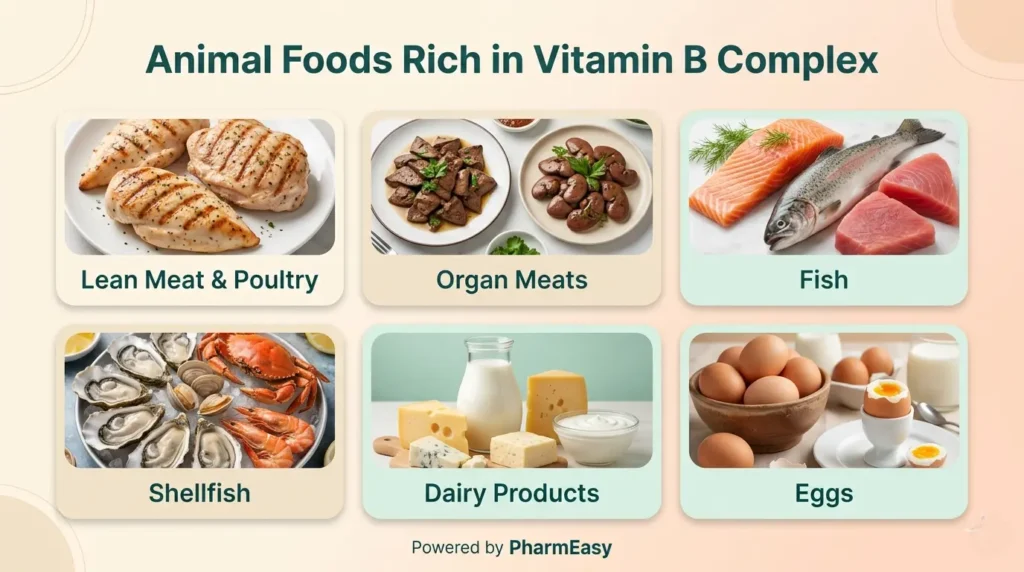
Animal-based foods are full of various B vitamins32,33. They are as follows.
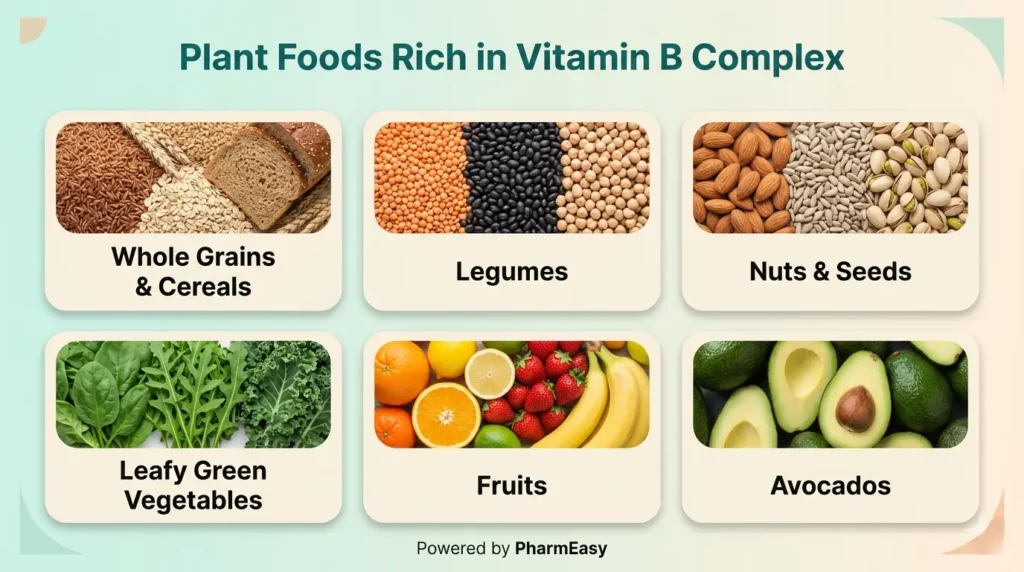
Though most B vitamins are in animal foods, you can still find them in plant-based foods21,32,33. They are as follows.
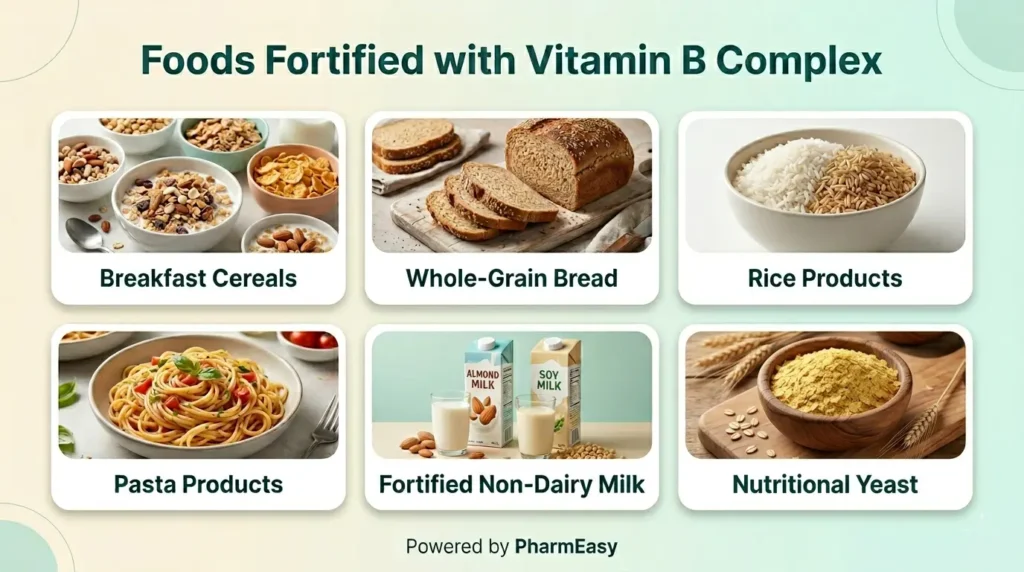
Many food makers add B vitamins to their products32. They are as follows.
The body needs B-group vitamins in order to utilize foods that provide energy, such as protein, fat, and carbs, as fuel. It need more B-group vitamins to support cell division through DNA synthesis44.
Dr. Rajeev Singh, BAMS
While most people get enough B vitamins through diet, some factors might raise the risk of vitamin B complex deficiency.
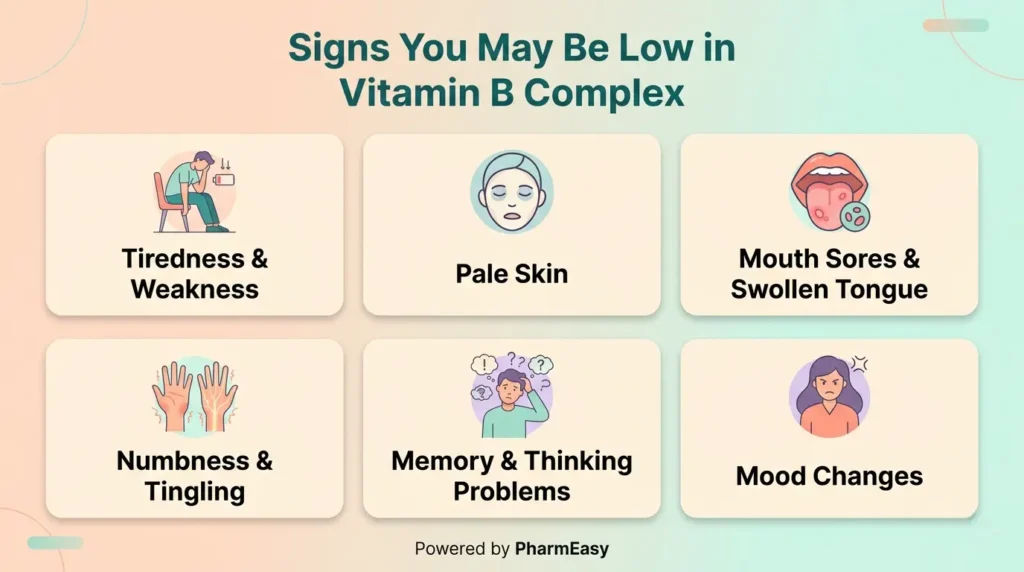
If you don’t get enough of a certain B vitamin, you might see the following symptoms.
Some factors make it more likely to be deficient in B vitamins. They are as follows.
If your doctor tells you that you don’t have enough vitamin B complex, here are some steps you may take.
Even if you eat a varied diet, you might still need more B vitamins.
B vitamin supplements could be a good idea in these cases, in accordance to your doctor’s guidance.
If you’re taking a B vitamin supplement, always discuss it with a doctor before starting. They will guide you on how much to take according to your health needs.
Taking B vitamins is usually safe. But if you take too much, you might get a headache, feel sick to your stomach, throw up, have diarrhea, feel tired, or have tingling hands and feet31,32.
Also, B vitamins might cause problems with certain drugs or in people with certain health problems. Always check with a doctor before starting any new supplement22,23,24.
Also Read: What Causes High Vitamin B12 Levels & How to Manage It
Vitamin B complex is a nutrient we need to keep healthy. B vitamins are proposed to be good for producing energy, helping the brain work well, and controlling mood33. Most people get enough B vitamins by eating a balanced diet. But older people, pregnant women, and people with certain needs may need to take more7,30,9,21.
Knowing about B vitamins allows you to get enough of these key nutrients. That maybe through diet or even supplements, which may support your overall health and avoid some health problems. Be sure to double-check with your healthcare provider before starting new supplements.
The main job of vitamin B complex is to keep the body working well. It helps produce energy, produce cells like RBCs, neuronal development, maintain mood, and many more things.
You may usually take vitamin B complex every day without harm, but only after discussing it with your doctor. Do not self-medicate as excess consumption can cause harm.
Vitamin B complex, especially folic acid (vitamin B9) and vitamin B12, helps pregnant women. It’s crucial for the growth of the baby’s brain and may reduce the risk of birth problems.
Foods with vitamin B complex include animal-based foods (meat, poultry, fish, dairy, eggs), plant-based foods (whole grains, legumes, nuts, seeds, fruits, veggies), and foods with added vitamins (breakfast cereals, bread, rice, pasta, non-dairy milk).
Yes, if you don’t get enough B vitamins, you could have issues with your blood, brain, skin, gut, mood, and more. So, it’s important to get enough B vitamins through diet or supplements.
Common at-risk groups include vegetarians and vegans (especially for B12), older adults with reduced absorption, people with digestive disorders, individuals on long-term antacids or metformin, pregnant women, and those with high alcohol intake.
Whole foods remain the best primary source because they provide fiber, minerals, and other nutrients that work synergistically. Supplements can be useful when dietary intake is insufficient, during pregnancy, or when medical conditions affect absorption.
Many people prefer taking it in the morning with food because B vitamins play a role in energy metabolism. Taking them later in the day may feel stimulating for some individuals, although this varies from person to person.
Testing typically involves blood tests measuring levels such as vitamin B12, folate, or markers like homocysteine and methylmalonic acid. Assessment often combines lab values with clinical symptoms and dietary history.
Disclaimer: The information provided here is for educational/awareness purposes only and is not intended to be a substitute for medical treatment by a healthcare professional and should not be relied upon to diagnose or treat any medical condition. The reader should consult a registered medical practitioner to determine the appropriateness of the information and before consuming any medication. PharmEasy does not provide any guarantee or warranty (express or implied) regarding the accuracy, adequacy, completeness, legality, reliability or usefulness of the information; and disclaims any liability arising thereof.
Links and product recommendations in the information provided here are advertisements of third-party products available on the website. PharmEasy does not make any representation on the accuracy or suitability of such products/services. Advertisements do not influence the editorial decisions or content. The information in this blog is subject to change without notice. The authors and administrators reserve the right to modify, add, or remove content without notification. It is your responsibility to review this disclaimer regularly for any changes.
Caviar is an expensive food item. It makes a strong statement at fancy events and gourmet suppers. But it’s not just about style or class, this delicacy comes with several potential health benefits as well1.
In this article, we’re going to delve into its nourishment value, potential health benefits, and even the risks. Additionally, we’ll share some handy tips to help you make the most out of this food. Lastly, we will answer some frequently asked questions regarding the same.
Did you know?
Here we will discuss what caviar is, its different types, and its production process.
Caviar is simply the unfertilised eggs of the sturgeon fish. Occasionally, people call roe from other fish “caviar”, but genuine caviar specifically refers to salt-cured roe from sturgeon species1. It has a unique texture that’s both slick and pop-in-your-mouth and a rich, buttery flavour. Depending on its type, it can be anywhere from yellow to black in colour1.
Caviar comes from different kinds of sturgeon fish, each producing a unique type. Here are some common ones which are as follows.
Creating caviar needs a lot of time, careful work, and focus. Sturgeon fish need the best living conditions and follow firm rules until they reach sexual maturity around 15-20 years of age1. The process of collecting the eggs, known as “stripping,” takes place once the eggs have formed. The roe is taken from the female fish by giving it a protein which helps release the egg in the body cavity and then gently massaging the eggs out of her body1.
The eggs are then gathered and kept cool and gently separated from the surrounding tissue. Then they are cleaned and drained using cold water to remove any dirt, damaged eggs, or leftover tissue. After that the eggs are sorted, weighed and salted, and packed into cans for cool storage to keep their freshness and quality1.
I have read that caviar, which is believed to be rich in omega-3 fatty acids, may benefit the skin. Its DHA content may trigger anti-inflammatory adiponectin, aiding wound healing and collagen production, protecting collagen from damage and minimising signs of ageing. Research suggests caviar may slow skin ageing by enhancing firmness, reducing dryness, and promoting smoother skin with fewer fine lines16.
Dr. Siddharth Gupta, B.A.M.S, M.D
Caviar is full of nutrients that may be responsible for its potential health benefits. Here we will discuss the key nutrition facts of caviar, like protein, vital vitamins and minerals, and healthy fats.
Researchers have found that omega-3 fatty acids, particularly DHA, present in caviar, may support sperm health, improving their functionality and increasing the likelihood of successful conception. In my opinion, one should consult their doctor prior to the consumption of caviar in large quantities17.
Dr. Rajeev Singh, BAMS
Caviar gives you a nutritional punch and may come with various health benefits. We’ll delve into why eating caviar may add so much value to your diet, including its role as a nutrient-filled food, aiding skin health, supporting brain and mental health, providing heart health benefits, improving fertility, and helping your immune system.
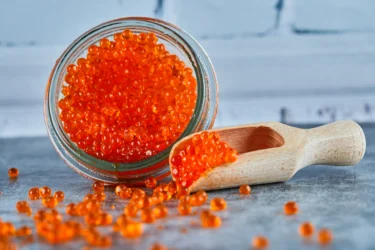
As mentioned before, caviar is full of key vitamins, minerals, high-quality protein, and good fats. It is truly a nutrient-rich food. Eating the right amount may help many of your body’s systems work better and keep you in good health1.

Caviar has omega-3 fatty acids, vitamin A, and vitamin E1,3.It may make your skin healthier. Omega-3 fatty acids are known to help reduce inflammation7, while vitamins A and E give antioxidant benefits that shield skin cells from harm8. All of these elements may help fight dry, scaly skin7 and rough spots. They also make the skin more flexible, help reduce wrinkling, and guard your skin’s natural shield.
Omega-3 fatty acids in caviar play a big role in promoting brain and mental health. Omega-3 fatty acids are key for brain work and may help guard the brain from damage due to ageing. These fatty acids also lessen inflammation and help guard brain cells, so may improve overall better mental function and memory. DHA, in particular, may help protect the brain from damage as we age. This may help delay brain health issues like Alzheimer’s disease9. Studies also show that people with higher levels of omega-3 fatty acid intake have a reduced risk of depression7. This connects with why eating more of them may be helpful with mood issues. Research on this link is ongoing.

Adding caviar to your diet may help improve your heart health. Omega-3 fatty acids in caviar may help lower blood pressure, improve cholesterol levels, and avoid platelets from sticking together. Omega-3 fatty acids in caviar have anti-inflammatory properties. They help fight inflammation, which may lower the risk of hardening of arteries10. Omega-3 fatty acids in caviar may also help lower triglyceride and cholesterol levels, and boost HDL (good) fat level. These benefits may then lower the risk of heart attack and stroke7.

Studies show that omega-3 fatty acids in caviar may boost both male and female fertility11.

Caviar carries key nutrients like omega-3 fatty acids and selenium1. Both of these play key roles in supporting the immune system. Omega-3 fatty acids help in the anti-inflammatory response and potentially aid in the repair of skin, gut, and lung barriers7. This may help stop germs from entering your body. Also, selenium is key in initiating and controlling the immune system responses13.
Although initial research has shown caviar to be rich in nutrients with potential health benefits, further large-scale studies for confirming health benefits of caviar in humans are still needed.
The selenium found in caviar may be linked to anti-cancer properties by preventing cancer cell growth and safeguarding DNA from harmful substances. Its antioxidant qualities may protect cells and organs from free radical damage, consuming caviar might potentially reduce the long-term risk of developing cancer18.
Dr. Smita Barode, B.A.M.S, M.S.
This section will cover overeating, allergies, food dislikes, and issues regarding ethics or the environment.
Despite the potential health effects of caviar, eating too much can be bad. In particular, caviar has lots of sodium and calories1. It’s key to eat it in small amounts and balance it with leaner protein foods and fresh veggies.
As caviar comes from fish, it may cause allergies in some people, especially those who already have fish allergies15. If you think you might be allergic to caviar, better to avoid it. Also, always seek advice from a healthcare expert. If you know you’re allergic to fish, don’t eat caviar to avoid allergic reactions.
Another big thing to think over is how caviar impacts the environment and ethical issues regarding rearing and collecting sturgeon. Overfishing and habitat loss have brought down sturgeon numbers. This has made rules and guides for the caviar industry more strict1. Be sure to find out and think about the practices of caviar producers before buying. Go with companies that use sustainable and responsible ways to grow sturgeon and collect their eggs.
While occasional consumption is usually safe, if you’re considering to include caviar in your routine diet, it’s best to discuss with your doctor to understand if it’s right for you and in what quantities, especially if you have any medical conditions or are on any medications.
I have read that Omega-3s present in caviar may potentially lower blood triglyceride levels and prevent blood clotting, thereby reducing the risk of high blood pressure19.
Dr. Anuja Bodhare, B.A.M.S, M.D
Also Read: Chamoy: Benefits, Uses, Alternatives & More!
If you want to enjoy this lavish food item, here are some handy tips to help you select, store, and enjoy caviar in the best possible way.
Also Read: Cod Liver Oil: Benefits, Side Effects By Dr. Smita Barode
Caviar is not just a fancy food. Its taste is appreciated, and it can have many health benefits too. It’s packed with key nutrients like omega-3 fatty acids, vitamins, and minerals. Caviar may help the brain, heart, skin, and boost immunity. However, mindful eating is needed due to the high sodium and calorie content. There’s also the risk of allergies and ethical and environmental concerns. All said and done, eating caviar within limits may be both a unique foodie experience and a boon for your health.
Caviar is a nutrient-filled food. It may offer benefits for the brain and mental health, heart health, skin health, fertility, and immune system. However, further human research is needed for validation.
As caviar is quite high in sodium and calories, it’s best to enjoy it within limits. It’s usually suggested to have it no more than twice a week.
While caviar has many health benefits, it also has lots of sodium. This means daily eating might not be the best plan. It’s key to keep a balanced diet and eat caviar within limits. Its best to discuss with your doctor before including it in your routine diet particularly if you have any medical conditions.
The good things about caviar include its high nutritional value and many potential health goods. The downsides include its high sodium and calorie content, the chance for allergies, and ethical and environmental concerns tied to its production.
1. (Stroe) Dudu A, Georgescu SE. Exploring the Multifaceted Potential of Endangered Sturgeon: Caviar, Meat and By-Product Benefits. Animals. 2024;14(16):2425. doi:10.3390/ani14162425 Available From: https://pubmed.ncbi.nlm.nih.gov/39199958/
2. Protein. 2024. doi: Available From: https://www.betterhealth.vic.gov.au/health/healthyliving/protein
3. Fish, caviar, black and red, granular. 2019. doi: Available From: https://fdc.nal.usda.gov/food-details/174188/nutrients
4. Vitamin B12. 2025. doi: Available From: https://ods.od.nih.gov/factsheets/VitaminB12-HealthProfessional/
5. Vitamin K. 2021. doi: Available From: Available From: https://ods.od.nih.gov/factsheets/VitaminK-HealthProfessional/
6. Calcium. 2025. doi: Available From: https://ods.od.nih.gov/factsheets/Calcium-HealthProfessional/
7. Omega 3 Fatty Acids. 2025. doi:Available From: https://ods.od.nih.gov/factsheets/Omega3FattyAcids-HealthProfessional/
8. Kumar V, Tanwar N, Goel M, et al. Antioxidants for Skin Health. RAFNA. 2025;16(3):250-265. doi:10.2174/012772574X311177240710100118 Available From: https://pubmed.ncbi.nlm.nih.gov/39108105/
9. Dighriri IM, Alsubaie AM, Hakami FM, et al. Effects of Omega-3 Polyunsaturated Fatty Acids on Brain Functions: A Systematic Review. Cureus. Published online October 9, 2022. doi:10.7759/cureus.30091 Available From: https://pubmed.ncbi.nlm.nih.gov/36381743/
10. DiNicolantonio JJ, O’Keefe JH. The Benefits of Omega-3 Fats for Stabilizing and Remodeling Atherosclerosis. Mo Med. 2020;117(1):65-69. doi: Available From: https://pmc.ncbi.nlm.nih.gov/articles/PMC7023944/
11. Salas-Huetos A, Arvizu M, Mínguez-Alarcón L, et al. Women’s and men’s intake of omega-3 fatty acids and their food sources and assisted reproductive technology outcomes. American Journal of Obstetrics and Gynecology. 2022;227(2):246.e1-246.e11. doi:10.1016/j.ajog.2022.03.053 Available From: https://pubmed.ncbi.nlm.nih.gov/35364062/
12. Reza Safarinejad M, Safarinejad S. The roles of omega-3 and omega-6 fatty acids in idiopathic male infertility. Asian J Androl. 2012;14(4):514-515. doi:10.1038/aja.2012.46 Available From: https://pmc.ncbi.nlm.nih.gov/articles/PMC3720081/
13. Huang Z, Rose AH, Hoffmann PR. The Role of Selenium in Inflammation and Immunity: From Molecular Mechanisms to Therapeutic Opportunities. Antioxidants & Redox Signaling. 2012;16(7):705-743. doi:10.1089/ars.2011.4145 Available From: https://pubmed.ncbi.nlm.nih.gov/21955027/
14. Sodium in Your Diet. 2024. doi: Available From: https://www.fda.gov/food/nutrition-education-resources-materials/sodium-your-diet
15. Dijkema D, Emons JAM, Van De Ven AAJM, Oude Elberink JNG. Fish Allergy: Fishing for Novel Diagnostic and Therapeutic Options. Clinic Rev Allerg Immunol. 2022;62(1):64-71. doi:10.1007/s12016-020-08806-5 Available From: https://pubmed.ncbi.nlm.nih.gov/32712803/
16. Lee KE, Nho YH, Yun SK, Park SM, Kang S, Yeo H. Caviar Extract and Its Constituent DHA Inhibits UVB-Irradiated Skin Aging by Inducing Adiponectin Production. Int J Mol Sci. 2020 May 11;21(9):3383. doi:10.3390/ijms21093383. PMID: 32403430; PMCID: PMC7246982. https://pmc.ncbi.nlm.nih.gov/articles/PMC7246982/
17. Safarinejad MR, Hosseini SY, Dadkhah F, Asgari MA. Relationship of omega-3 and omega-6 fatty acids with semen characteristics, and anti-oxidant status of seminal plasma: a comparison between fertile and infertile men. Clin Nutr. 2010 Feb;29(1):100-105. doi:10.1016/j.clnu.2009.07.008. PMID: 19666200. https://pubmed.ncbi.nlm.nih.gov/19666200/
18. Vinceti M, Filippini T, Del Giovane C, Dennert G, Zwahlen M, Brinkman M, et al. Selenium for preventing cancer. Cochrane Database Syst Rev. 2018 Jan 29;1(1):CD005195. doi:10.1002/14651858.CD005195.pub4. PMID: 29376219; PMCID: PMC6491296. https://pubmed.ncbi.nlm.nih.gov/29376219/
19. Mori TA. Omega-3 fatty acids and cardiovascular disease: epidemiology and effects on cardiometabolic risk factors. Food Funct. 2014 Sep;5(9):2004-2019. doi:10.1039/c4fo00393d. PMID: 25062404. https://pubmed.ncbi.nlm.nih.gov/25062404/
Disclaimer: The information provided here is for educational/awareness purposes only and is not intended to be a substitute for medical treatment by a healthcare professional and should not be relied upon to diagnose or treat any medical condition. The reader should consult a registered medical practitioner to determine the appropriateness of the information and before consuming any medication. PharmEasy does not provide any guarantee or warranty (express or implied) regarding the accuracy, adequacy, completeness, legality, reliability or usefulness of the information; and disclaims any liability arising thereof.
Links and product recommendations in the information mitiided here are advertisements of third-party products available on the website. PharmEasy does not make any representation on the accuracy or suitability of such products/services. Advertisements do not influence the editorial decisions or content. The information in this blog is subject to change without notice. The authors and administrators reserve the right to modify, add, or remove.
Turkey tail mushrooms have been used for centuries as a traditional medicine. These mushrooms resemble a well-spread show of a turkey’s tail feathers. They have colours like brown, tan, and grey. You can find these mushrooms on fallen logs and tree trunks in many wooded areas throughout Asia, Europe, and North America1.
People everywhere have been using these healing fungi to manage health issues. In China, they call it “Yun Zhi”. They’re well known for helping with breathing problems. In Japan, they’re known as “Kawaratake”. Here, their role in boosting the immune system is well regarded1. In India also, these mushrooms have become popular for their medicinal properties.
In this blog, we’ll discuss the nutrient profile, the research-backed immune support benefits, other potential health benefits and the possible side effects of consuming this mushroom.
Turkey tail mushrooms are packed with antioxidants. These are powerful substances that battle free radicals and oxidative stress. Thus, they help reduce inflammation and support immunity in the body. Phenols and flavonoids1,2 along with other important ones known as quercetin and baicalein, are the main antioxidants present in turkey tail mushrooms.
Turkey tail mushrooms also offer polysaccharides, a type of carbohydrate bound to proteins. These include Polysaccharide Krestin (PSK), Polysaccharide Peptide (PSP), and others that are proposed to play an important role in supporting immunity in the body1. They may potentially be able to do this by managing certain types of immune cells and keeping inflammation down.
Our bodies can’t make essential fatty acids that’s why we need to get them from the food we eat, and turkey tail mushrooms are a great source1.
These mushrooms are also a powerhouse of needed minerals for healthy body functions. They contain important nutrients like potassium, calcium, and magnesium.
Studies have shown that Turkey tail mushroom has the potential to enhance gut health by encouraging the development of good bacteria that aid digestion. Gut microbiota balance and health are associated with better immune function, fewer gastrointestinal illnesses and diseases, and better digestive health. Occasionally enjoying meals containing Turkey tail mushroom should be typically safe.
Dr. Rajeev Singh, BAMS
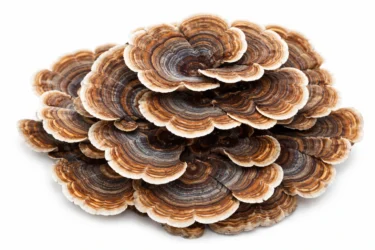
Turkey tail mushrooms are possibly great for immunity due to their load of phenol and flavonoid antioxidants. These may aid the immune system by lessening inflammation and prompting the release of protective compounds1,3. What’s more, studies indicate that a specific antioxidant called quercetin may spike the making of proteins that protect immunity while reducing pro-inflammatory enzymes from releasing, and turkey tail mushroom is full of this3.
Some polysaccharopeptides found in turkey tail mushrooms are provide vital immune regulating properties. Polysaccharide-K (PSK) present in this mushroom supports immunity by helping activate immune cells that combat infections and disease. Another useful polysaccharopeptide, Polysaccharide-PZ (PSP), found in turkey tail mushrooms is shown to support our body’s defence system by stimulating monocytes, a type of white blood cell that help fight infection3.
Researchers have found that Turkey tail may improve endurance and combat fatigue to improve sports performance. Turkey tail extract was found to improve strength and endurance in a study that used mice. Additionally, the extract decreased the physical exhaustion and their blood sugar levels both before and after activity. I recommend you consult your doctor before consuming excess of Turkey tail mushroom for these benefits.
Dr. Siddharth Gupta, B.A.M.S, M.D (Ayu)



Turkey tail mushroom extracts given along with cancer therapy may help manage side effects associated with chemotherapy in cancer patients. These might include nausea, vomiting, and loss of appetite6.

Turkey tail mushroom extracts may also enhance the overall quality of life for patients going through cancer treatment. Research looking at the use of these mushroom extracts alongside cancer treatments saw a clear trend towards an uptick in patient satisfaction, overall health, and well-being6.

Turkey tail mushroom extracts are known to have broad spectrum antibacterial action and antifungal action. Their immune boosting property helps activate immune cells and chemical mediators providing potential activity against microbes such Staphylococcus aureus, Fusarium langsethiae, Escherichia coli, Pseudomonas aeruginosa, Candida albicans etc. Moreover, they may also have antiviral properties and help fight against infections like herpes simplex virus (HSV) and human papillomavirus (HPV). Therefore, turkey tail may reduce the risk of infections caused by these microbes3.

They have properties that may support heart health by lessening inflammation and lowering cholesterol levels1,3. Plus, they improve blood flow too. Studies suggest that these mushrooms are supposed to have the power to raise good HDL cholesterol levels while lowering bad LDL. This reduces the risk of heart issues.

Some early research indicates that turkey tail mushrooms may be good for athletic performance. According to mice studies, turkey tail extract boosted exercise endurance, cut down on fatigue signals, and managed blood sugar levels during rest and after exercising7.
Although studies have shown beneficial health properties in turkey tail mushrooms, more large-scale human research is needed to confirm these findings. Thus, it’s ideal to consult a health care expert before adding these to your routine diet.
Generally, turkey tail mushroom is safe to eat but causes few side effects. Yet, if you’re allergic to mushrooms or mould, it’s best to skip them3. Also, if you’re pregnant or are breastfeeding, it’s better to get advice from your healthcare providers before trying turkey tail mushrooms or supplements.
While generally safe, some potential side effects that might come up if you eat turkey tail mushrooms or supplements are as follows.
Even though turkey tail mushrooms are quite beneficial, you should always take caution about possible interactions with medications you’re using. These are described below.
Before you add turkey tail mushrooms or supplements to your day-to-day routine, always consult with your healthcare provider.
You can eat whole dried mushrooms or use the more concentrated extracts, powders, or capsules1,3,4. These potent forms might provide a strong dose of the mushroom’s helpful compounds and are simply easier to add to your daily routine.
Without firm guidelines, most makers suggest starting with 1-3 grams each day. Just make sure to follow the dosage instructions on the product and talk to a healthcare professional before starting.
Make sure the product is made from organic, 100% fruiting bodies. These hold the most beneficial compounds. Also, check if the product has been third-party tested by a reliable organisation or Consumer Lab.
You can just slice up the dried mushrooms and add them into stews, stir-fry dishes, or casseroles.
Even Turkey tail mushroom powder can be mixed into smoothies, sauces, and other recipes for a nutrient lift. Turkey tail mushrooms can also be consumed by making tea or soups3. Here, are two simple recipes


Also Read: Is Caviar Good for You? Exploring Its Nutrition and Potential Health Benefits
Turkey tail mushrooms are nature’s gift. They are supposed to be health boosters that have been chosen for centuries for different conditions. Packed with antioxidants, polysaccharides, and fatty acids, these mushrooms may support immunity, aid gut health, and even play a role in cancer protection. The options are endless to include turkey tail mushrooms in your diet, making the potential benefits of these mushrooms easy to access. But moderation in consumption is important to avoid side effects and also to consult a healthcare provider before adding them into your day-to-day routine.
Also Read: Mushroom (Khumbi): Uses, Benefits, Side effects By Dr. Smita Barode
Turkey tail mushroom is often safe for most people. But if you’re allergic to mushrooms or mouldy items, let it pass. Always ask your healthcare provider before eating turkey tail mushroom or using its supplements if you’re expecting, nursing, or have an ongoing health issue.
A real turkey tail mushroom is fan-shaped and has varying coloured bands like the tail of a turkey. Colours seen include tan, brown, and grey. Be extra sure it’s not another type of fungus that looks similar.
Most makers suggest starting with a daily dose of 1-3 grams of turkey tail extract. But it’s always best to consult your healthcare provider for custom dosage advice fit for your needs and health status.
Before you start using turkey tail mushrooms or supplements, always first discuss it with your healthcare provider. This is because there might be likely interactions with specific drugs, especially diabetes and anticancer medications.
Disclaimer: The information provided here is for educational/awareness purposes only and is not intended to be a substitute for medical treatment by a healthcare professional and should not be relied upon to diagnose or treat any medical condition. The reader should consult a registered medical practitioner to determine the appropriateness of the information and before consuming any medication. PharmEasy does not provide any guarantee or warranty (express or implied) regarding the accuracy, adequacy, completeness, legality, reliability or usefulness of the information; and disclaims any liability arising thereof.
Links and product recommendations in the information provided here are advertisements of third-party products available on the website. PharmEasy does not make any representation on the accuracy or suitability of such products/services. Advertisements do not influence the editorial decisions or content. The information in this blog is subject to change without notice. The authors and administrators reserve the right to modify, add, or remove content without notification. It is your responsibility to review this disclaimer regularly for any changes.
1
Feeling a tingle in your hands? It may be more than a minor annoyance and could signal an underlying health issue. That is why it is important to understand the possible causes and when to see a doctor. In this article, we’ll explore why you experience tingling in the hands and discuss potential management options.
This article highlights the main reasons behind hand tingling, ranging from common causes like diabetes, vitamin deficiencies, and pinched nerves to less-known ones like vasculitis and Guillain-Barré syndrome. We will also discuss the role of autoimmune disorders and infections, along with possible management strategies to guide you.
Tingling is a prickly or itching sensation. It may not always be painful, but it does cause discomfort. It is also important to understand that tingling in your hands and feet now and then can be normal, but if it keeps happening or is always there, it could point to a serious underlying health problem.
Hand tingling is usually perceived as
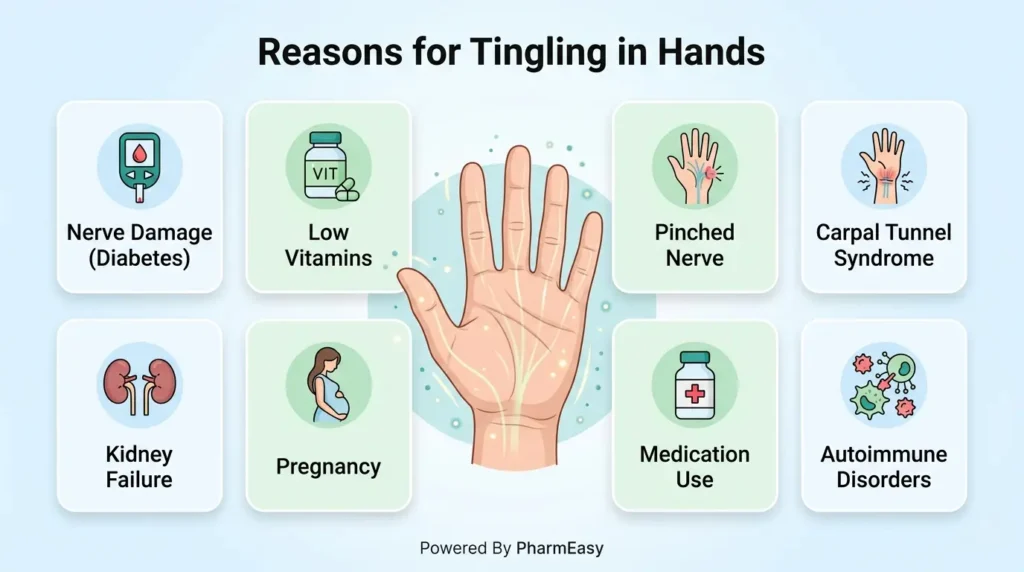
Tingling of the hands may be caused by many factors. It could be a temporary problem or may point to a bigger underlying problem. Let’s look closer at some likely causes of tingling in the hands.
Diabetic neuropathy is nerve damage caused by high blood sugar levels. It often affects the hands and feet and is characterised by tingling sensations in the extremities4. Therefore, managing diabetes and maintaining normal glucose levels is essential to reduce the risk of developing further complications.
Group B vitamins are key for supporting nerve health. If you’re deficient in these (especially vitamin B12), your peripheral nerves might be affected and cause hand tingling1.
When surrounding tissues put too much pressure on a nerve, it can become pinched, leading to tingling or numbness in the area that nerve serves1. Changing your body position or undergoing physiotherapy may relieve the symptoms.
Carpal tunnel syndrome is a common condition, where the median nerve in the wrist is compressed, causing tingling and numbness in the hands and fingers2. To help reduce carpal tunnel symptoms, wear wrist splints and adopt ergonomic practices to keep the wrist straight.
If kidney function is impaired, waste products can build up in the bloodstream and damage the nerves. This nerve damage can result in a tingling sensation in the hands5. Therefore, it is crucial to manage kidney diseases and maintain a healthy lifestyle.
Swelling and fluid retention during pregnancy can put pressure on certain nerves, sometimes causing tingling in the hands2. Simple measures such as changing hand positions, gentle stretching, and adequate rest may help ease discomfort.
Some drugs may damage the nerves, which can trigger a tingling sensation in the hands and feet. Consulting a doctor may help determine the most appropriate management plan.
Some autoimmune and infectious diseases may also cause tingling in the hands. In autoimmune conditions, the body’s immune system mistakenly attacks its own cells (including the nerves, leading to a tingling sensation). In infections, the immune system attacks the invading germs, but the resulting inflammation may affect the nerves, causing a tingling sensation1.
Pain, numbness, or tingling in your thumb, index finger, middle finger, and part of your ring finger may be a sign of carpal tunnel syndrome. If it worsens at night or after a particular activity, it should not be ignored.
Dr. Ashish Bajaj, M.B.B.S., M.D. in Clinical Pharmacology and Toxicology
Autoimmune disorders may lead to hand tingling if the immune system mistakenly attacks nerves or the tissues that support them. Identifying autoimmune disorders early and managing them well may help lower symptoms. Autoimmune disorders that may be associated with hand tingling include:
Rheumatoid arthritis is an autoimmune condition that triggers joint inflammation3. This may lead to hand tingling, especially in the wrists. To manage it, doctors may suggest pain-reducing medicines, anti-inflammatory medications, and physiotherapy.
Also Read: Natural Home Remedies for Arthritis
Multiple sclerosis occurs when your immune system attacks the protective layer of the nerves, which is called myelin. This can cause nerve damage, bringing about tingling and numbness in the limbs, face, and other parts of the body. Detecting and managing this disease early may help to slow it down.
Lupus is an autoimmune disorder that can harm various body parts and cause nerve inflammation, leading to tingling sensation in the hands. Managing it involves taking medications and making lifestyle changes.
Celiac disease is an autoimmune disorder in which eating gluten damages the small intestine. It may cause hand tingling due to celiac neuropathy, sometimes even without digestive system symptoms. Following a strict gluten-free diet may help manage the condition.
Some individuals may develop a rare disorder called Guillain-Barré syndrome after an infection like a stomach infection or the flu. The syndrome first starts as weakness and tingling in the hands and feet and then spreads, causing whole-body paralysis. In this condition, the immune system of the body starts attacking the nerves1.
If the tingling sensation in your hands does not go away in a few minutes or repeatedly appears over a few days, then it could be because of an additional condition or nerve damage. If you have been in an accident or think you have had an injury, seek medical help even if you don’t have any visible injuries.
Dr. M.G. Kartheeka, MBBS, MD(Pediatrics)
Infections can sometimes set off nerve inflammation, resulting in hand tingling. Thus, managing the infection correctly is key to possibly reducing related symptoms. Infections that may be associated with hand tingling include:
Ticks transmit Lyme disease, a bacterial infection. If not managed, it can affect the nervous system and cause hand tingling6. Timely treatment with antibiotics may help control the infection and possibly reduce the tingling sensation.
The varicella-zoster virus can reactivate and trigger shingles6, a painful rash caused by damaged nerve fibres. If it affects the nerves of the hands and arms, you may feel tingling and itchiness. Antiviral medications may help in reducing the rash’s duration and intensity.
Hepatitis B and C are viral infections that mainly affect the liver. If untreated, they can lead to inflammation, cirrhosis, or liver cancer and trigger peripheral neuropathy, resulting in occasional hand tingling. Identifying these conditions and managing them is essential to prevent their progression.
HIV weakens the immune system, increasing the chance of other infections and cancers. If left unchecked, it can worsen and severely damage the immune system6. The virus may also affect the nervous system, causing tingling and numbness. Managing and monitoring HIV in time is of paramount importance to help slow disease progression and help reduce complications like nerve-related tingling.
This bacterial infection affects the skin, nerves, and respiratory tract6. When it affects the nervous system, it can bring about tingling or numbness in the affected body parts, including the hands. Early diagnosis and treatment with appropriate antibiotics is important.
There may be other reasons for experiencing tingling in your hands, as follows:
Hypothyroidism occurs when the thyroid gland fails to make enough thyroid hormones. In severe cases, it may damage the nerves7, leading to tingling and numbness in the hands and feet. Its management usually includes thyroid hormone replacement therapy.
Some toxins and chemicals act as neurotoxins, harming the nervous system and causing tingling or other symptoms1. Avoiding heavy metals, industrial chemicals, and toxic substances may help reduce the chance of nerve damage.
Fibromyalgia brings about body-wide muscle pain, fatigue, and mood shifts. Some patients with fibromyalgia might feel tingling in their hands. Medications, exercise, stress reduction, and sleep hygiene may ease these symptoms.
Ganglion cysts are liquid-filled bumps that mostly arise around the joints. They can press against nearby nerves, causing tingling in the hand or fingers8. Treatment options include aspiration, immobilisation and, in some cases, surgery.
With age, changes in the cervical (neck region) spine can cause worn-out spinal discs, bone spurs, or arthritis. If these press on the spinal cord, they can lead to worsening neck pain and numbness or tingling in the arms and legs9. Possible management options may be physical therapy, drugs, or surgery.
Raynaud’s phenomenon affects blood flow to the hands and feet. Cold temperatures or stress can cause blood vessels to constrict, reducing blood flow, and leading to numbness or tingling in the fingers and toes. Warming the affected areas, avoiding triggers, and certain medications may help manage the symptoms.
Long-term alcohol use can damage nerves, leading to tingling in the hands and feet10. Cutting down on or quitting alcohol, improving the diet, and seeking medical support may help manage this condition.
Finding the root cause of hand tingling is key to proper management. Always consult a healthcare provider for diagnosis and management. They will consider your overall health, medical history, family history, lifestyle, and symptoms to identify possible causes.
Your healthcare provider may use different tools to find the exact cause of hand tingling, as follows:
Once the root cause is identified, your healthcare provider may advise the best way forward, which may include:
Important: Treatment must always be done as per your healthcare provider’s advice. Self-diagnosis and self-medication must be avoided at all costs.
If you have frequent occurrences of hand tingling, especially with other worrying symptoms, you should consult your doctor as soon as possible.
Adopting simple lifestyle changes can support overall health and may help reduce hand tingling. Some helpful practices include:
Hand tingling may result from temporary issues or more serious underlying causes. Identifying the cause is key to finding the most suitable management options and may also help prevent further health complications. Adopting healthy lifestyle habits, addressing existing conditions, and seeking timely medical advice can support overall well-being and may help reduce tingling in the hands.
Worry about hand tingling when it persists, gets worse, or is accompanied by other concerning symptoms, such as swelling, poor limb strength, numbness, dizziness, or severe pain. You should see a healthcare professional for a proper check and management.
Tingling in the hands can be a symptom of carpal tunnel syndrome, which is common during pregnancy due to fluid retention. However, it’s best to consult a doctor to discuss all potential causes2.
Yes, tingling in the hands and feet can be a sign of dehydration. When the body lacks sufficient fluids, electrolyte imbalances can occur, affecting nerve function and causing tingling sensations in the extremities. Rehydration is crucial to alleviate such symptoms.
Yes, tingling in the hands can be a sign of anxiety. During periods of heightened anxiety or panic attacks, the body can experience symptoms like tingling or numbness in the extremities due to increased adrenaline and changes in circulation patterns.
Tingling in the hands in the morning can be due to sleeping positions that compress the nerves, such as sleeping on the arms or hands. The compression can temporarily reduce blood flow and cause tingling sensations.
Tingling in the hands itself is not usually painful; it’s often described as a pins-and-needles sensation or numbness. However, the underlying conditions that causing the tingling, such as nerve compression or neuropathy, can sometimes be associated with pain or discomfort in addition to the tingling sensation.
Vertigo itself typically does not cause tingling in the hands and feet. However, some conditions, such as multiple sclerosis (MS) or vestibular migraines, may cause both vertigo and tingling. It’s important to consult a healthcare provider to determine the underlying cause.
High cholesterol typically does not directly cause tingling in the hands. However, complications related to high cholesterol, such as atherosclerosis (narrowing of arteries due to plaque buildup), may lead to reduced blood flow to the extremities, potentially causing tingling sensations. Managing cholesterol levels through lifestyle changes and medications can help reduce the risk of such complications.
Disclaimer: The information provided here is for educational/awareness purposes only and is not intended to be a substitute for medical treatment by a healthcare professional and should not be relied upon to diagnose or treat any medical condition. The reader should consult a registered medical practitioner to determine the appropriateness of the information and before consuming any medication. PharmEasy does not provide any guarantee or warranty (express or implied) regarding the accuracy, adequacy, completeness, legality, reliability or usefulness of the information; and disclaims any liability arising thereof.
Links and product recommendations in the information provided here are advertisements of third-party products available on the website. PharmEasy does not make any representation on the accuracy or suitability of such products/services. Advertisements do not influence the editorial decisions or content. The information in this blog is subject to change without notice. The authors and administrators reserve the right to modify, add, or remove content without notification. It is your responsibility to review this disclaimer regularly for any changes.
4
Basmati rice is a long-grain rice known for its beautiful aroma and pleasant flavour, and it is light, fluffy and soft when cooked. It originates in India, and the name basmati comes from the Sanskrit word meaning ‘aromatic’1.
With the growing global popularity of Indian cuisine, basmati rice is now widely used across many cultures. In this article, we’ll explore its nutrient profile, potential health benefits, and how it compares with other types of rice.
Did you know?
Basmati rice contains many nutrients and is potentially a healthy choice for many types of diets. The macronutrients in basmati rice include2:
Most of the energy in basmati rice comes from carbohydrates, which make up a majority of its calorie content. These carbohydrates include mainly complex carbohydrates and some amount of simple carbohydrates3.
Rice is not rich in protein. However, basmati rice has a fair amount of proteins and amino acids needed by your body4.
Basmati rice contains a minimal amount of unsaturated fat, which is considered healthy fat1.
Basmati rice contains vitamin B1 (thiamine), vitamin B6 (pyridoxine) and folate5.
Basmati rice, especially brown basmati, has more fibre than other rice varieties7. Fibre supports healthy digestion and also keeps blood sugar levels steady.
A serving of basmati rice doesn’t have many calories, which is good for individuals wanting to lose weight.
White basmati rice 100 gram (boiled in unsalted water) provides the following amounts of macro- and micronutrients8:
Did you know that whole grain (brown) and refined basmati rice are different? Brown basmati rice is generally healthier because of its natural nutrients and lower glycaemic index. However, some people may prefer white basmati rice for its softer taste and shorter cooking time. Here are a few key differences between whole grain and refined basmati rice8,9:
Unlike refined basmati rice, whole grain basmati rice keeps its outer bran layer, which provides added benefits, such as more fibre, essential vitamins, and antioxidants.
For the most health benefits, consider eating both types of basmati rice.
Adding basmati rice to your diet may have many health benefits, more so if you choose the whole grain type. Let’s look at a few benefits.
The vitamin B1 (thiamine) in basmati rice may help your brain. It’s crucial for a healthy brain and may help keep some brain diseases at bay10.

Whole grain basmati rice may help in weight management as its fibre potentially slows down digestion It may help you feel fuller for longer, which might support eating less throughout the day11.

The fibre in basmati rice is good for your gut, especially the brown variety, as it may help keep your gut bacteria healthy9,11.
Eating whole grain rice, like brown basmati rice, may help reduce your chances of heart disease. Whole grains are full of nutrients that may help lower your cholesterol and blood pressure, which, in turn, help make your heart healthier11.
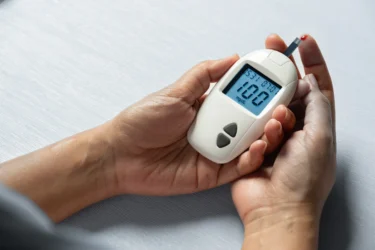
If you have diabetes, brown basmati rice may help avoid sudden spikes in blood sugar levels. Brown basmati rice has a low glycaemic index than other rice types, which means it releases sugar slowly and may help keep your blood sugar steady throughout the day. However, choosing grains like ragi or jowar may be better for diabetes control than any type of rice11.
Modern science has found that basmati rice is easily digestible and has a medium glycaemic index (GI), causing only modest changes in blood sugar levels when consumed. Therefore, basmati rice may be considered as healthy13.
Dr. Rajeev Singh, BAMS
You get a fair amount of iron, zinc, phosphorus, calcium and magnesium from basmati rice. These minerals help your body in many ways, for example, they may help support your immune system, wound healing, and building strong bones5,6.
The outer layer of brown basmati rice is rich in antioxidants, which may help lower the chance of certain cancers, like colorectal and breast cancer6.

The magnesium and potassium in basmati rice may keep your blood pressure stable as they help blood vessels to relax and improve blood flow.
Many studies have found potentially beneficial properties in basmati rice, however, more large-scale human studies are required to confirm their health benefits.
To the best of my knowledge, due to its medium glycaemic index, basmati rice may be considered as a suitable option for individuals with metabolic issues. However, like all food items, it should always be consumed in moderation for better results13.
Dr. Siddharth Gupta, B.A.M.S, M.D (Ayu)
When we talk about the health benefits of rice, we also need to mention arsenic. Arsenic is a harmful element that can get into rice through soil, water, and air. Some types of rice have more arsenic than others.
Basmati rice grown in India, Pakistan, and California has less arsenic. This makes it safer to eat than other types of rice12.
Enriched or fortified basmati rice is rice with extra added vitamins and minerals. The goal is to make it more nutritious.
Although basmati rice has several nutritional benefits, here are a few aspects that suggest caution is required when including it in your diet.
There are many varieties of rice available, so it can be helpful to understand how basmati compares with other varieties.
Compared to other rice types, basmati rice is proposed to be healthier. It has fewer calories, a lower glycaemic index, and more fibre. But remember, no one type of food can give you all the necessary nutrients. You need to eat a range of nutrient-rich foods for overall health.
Basmati rice has a distinctive aroma and flavour that set it apart from other rice varieties. Its long, thin grains don’t clump together as much as short-grain rice, making it well-suited for dishes that need fluffy, distinct grains, such as Indian biryani and Persian rice dishes.
When choosing rice for a particular dish, think about its nutritional value, taste, and texture. While basmati rice works well for most recipes, other varieties like jasmine, arborio, or wild rice may be a better choice for some recipes, depending on the recipe and your personal preference.
To get the best flavour, texture, and nutritional value from basmati rice, you need to prepare it properly
Basmati rice can be used for a wide range of meals. It pairs well with classic Indian biryanis and Persian jewelled rice and also works well as a side dish with Middle Eastern kebabs and stews. You can experiment with different flavours and ingredients to make your own basmati rice dishes.
Basmati rice may offer several benefits due to its nutrient profile, relatively low calorie content, and a lower glycaemic index compared to other rice types. Its distinctive aroma and flavour make it a great addition to many different cuisines. However, it’s best to eat basmati rice in moderation as part of a balanced diet that includes a variety of nutrient-rich foods. If you have diabetes, it is always better to consult your doctor to understand how much of it you can eat.
Also Read: Red Rice: Uses, Benefits, Side Effects & More
Brown basmati rice is generally considered healthier than white rice as it has a lower glycaemic index, more fibre, and a greater range of essential nutrients.
Although basmati rice is considered healthy, it’s best to eat different types of rice and grains for a balanced diet. A well-rounded diet can help your body get all the nutrients it needs.
The low glycaemic index of basmati rice compared to other rice types makes it a good option for individuals with diabetes however, it may increase blood sugar levels to some extent. Therefore, it is better to control portion size and talk to a healthcare professional to make sure it fits into your diet plan.
Keep basmati rice in a cool, dry place in an airtight container to keep bugs out.
Basmati rice contains a good amount of complex carbohydrates, fibre, and essential vitamins and minerals compared to other grains. However, make sure to include different grains in your meals for a balanced diet.
Disclaimer: The information provided here is for educational/awareness purposes only and is not intended to be a substitute for medical treatment by a healthcare professional and should not be relied upon to diagnose or treat any medical condition. The reader should consult a registered medical practitioner to determine the appropriateness of the information and before consuming any medication. PharmEasy does not provide any guarantee or warranty (express or implied) regarding the accuracy, adequacy, completeness, legality, reliability or usefulness of the information; and disclaims any liability arising thereof.
Links and product recommendations in the information provided here are advertisements of third-party products available on the website. PharmEasy does not make any representation on the accuracy or suitability of such products/services. Advertisements do not influence the editorial decisions or content. The information in this blog is subject to change without notice. The authors and administrators reserve the right to modify, add, or remove content without notification. It is your responsibility to review this disclaimer regularly for any changes.
1
1


