




17 Simple Health Tips For Monsoon!
By Dr. Nikita Toshi +2 more

Medically reviewed by Dr. Avinav Gupta
Last updated: Sep 8, 2026 Published on: Feb 26, 2022


Get,

to manage your symptom
Get your,

4 Cr+ families
benefitted

OTP sent to 9988776655



You’ve successfully subscribed to receive
doctor-approved tips on
Whatsapp

Get ready to feel your best.


Register to Avail the Offer
Send OTPBy continuing, you agree with our Privacy Policy and Terms and Conditions
Hi There,
Sign up on PharmEasy now!!


Trusted by 4 crore+ families

OTP sent to 9988776655
You have unlocked 25% off on medicines


Code: NU25

By Dr. Nikita Toshi +2 more
Table of Contents
Monsoon brings with itself the promise of rain, new life and an escape from the heat and humidity of summer. However, it is not just humans who love the rainy season. Plants, animals, bacteria and viruses enjoy it just as much.
As a result, while we might love walking in the rain, diving into a puddle in the field or just enjoying freshly cut fruits on the road, it certainly isn’t entirely harmless.
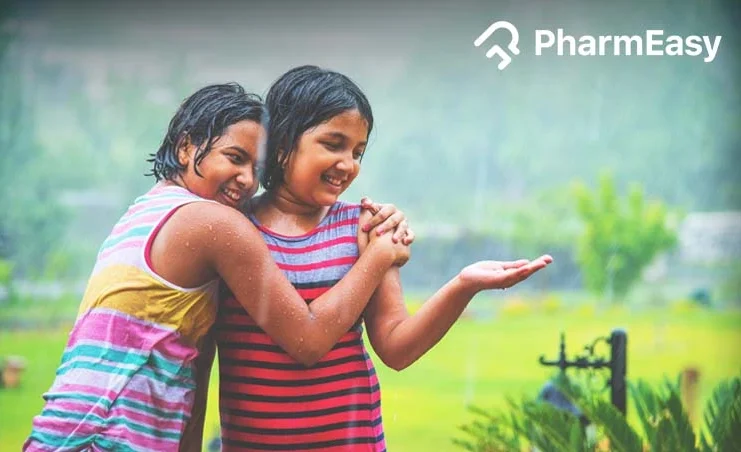

Monsoon is the perfect time for viruses and bacteria to thrive. You will notice that this time of the year when viral fevers, allergic reactions and other viral infections are rampant. Similarly, the air has more bacteria than at any other point during this time. To remain healthy, you need to increase your immunity. One of the easiest ways of doing that is increasing your Vitamin C intake. Eat sprouts, fresh green vegetables and oranges to have a Vitamin C-rich diet.

We all drink less water during the rainy season, but our body needs to stay hydrated to remain healthy. During the monsoons, ensure you are drinking clean and purified water, whether at home or outside. If you drink beverages outside, ensure that only pure water is used (including ice cubes). Taking your bottle of water with you is best to be on the safe side.
Also Read: Drinking Water Before Bed – Is It A Good Idea?

Probiotics are healthy microorganisms that support your health; they typically live in the gut and digestive system. Make a point to increase your intake of probiotic foods like curds, yoghurt, buttermilk and homemade pickles. These can make your gut health significantly more resilient and improve nutrient absorption. Not only will you be making your digestive system healthier, but you’ll also be building your strength against any potential stomach infections down the road.

Street food, freshly cut fruits and other kinds of food items sold on the street should strictly be avoided. The road is usually filled with potholes full of water and mud. These form perfect incubators for various kinds of harmful microorganisms. The longer the food items are exposed to the open air, the higher they are likely to become home to them. So, whenever you eat your favourite junk food, you are more likely to contract a disease.
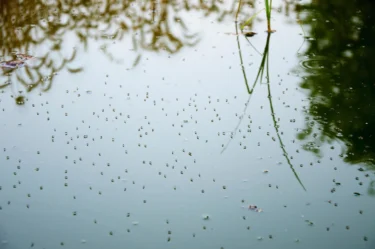
One of the worst issues of monsoon is the breeding of mosquitos. These nasty little insects are perfectly capable of making you miserable. However, fear not! With a few precautions, you can easily find your way to a mosquito-free residence. Ensure that there is no open water storage in your home. Ensure that they are always in covered pots and vessels. Similarly, ensure that the drains are not clogged and there’s no rainwater held stagnant in your nearby areas. Mosquitos are born in stagnant water, so removing sources of stagnant water will help a lot.
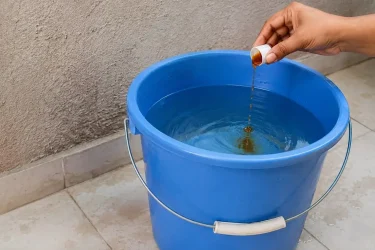
Most people love taking a stroll in the rain. It is refreshing and one of the wonders of human life. However, remember to bathe with a disinfectant like Dettol, Savlon or Betadine, every time you get wet. It will save you from the millions of microorganisms you carry home and help you stay healthy and fit. Washing your hands and feet and legs are advisable as you get back. Remember, use only clean water to wash your face.
Important thing in monsoon is to avoid mosquito bites by mosquito nets or repellants . Another important thing is that in monsoon is even though u don’t feel thirsty minimum intake of 3 litres water per day is necessary
Dr. M.G. Kartheeka, MBBS, MD(Pediatrics)

It might seem like a strange tip, but the monsoon is perfect for moulds. Closets, wardrobes and almirahs are generally used to store clothing, bedsheets and linen. These places stay cool and start to get damp as the rains progress. With wet moisture come moulds. Since, there’s seldom any sunlight to warm your clothes, getting them ironed is the next best thing.

Prefer clean, freshly cooked food when eating outdoors. During the monsoon, it is imperative that you thoroughly scrub your fruits and vegetables under running water because germs live on the skins of fruits and vegetables. Avoid eating raw cut fruits/salads from street vendors- you never know how well they have been washed and cleaned.
Monsoon is the season which exposes a person to various infections. Bacterial growth is pretty easy in monsoon as the moisture is high in the air. Protecting yourself from such infections is very crucial in monsoon seasons.
Dr. Ashish Bajaj, M.B.B.S., M.D

Don’t stay up late working or watching a web series. 7-8 hours of sleep bolsters immunity and helps to reduce the chances of flu and cold-like conditions common during monsoons.

Don’t let the rain wash away your exercise routine. Jumping rope, squats, planks and burpees are all excellent exercises that can be done indoors. Exercising not only helps you lose weight or stay in shape, but it is also great for your immunity. It gets your heart racing, improves blood circulation and triggers serotonin (happiness hormone) production, all of which fortify your immune system against viruses and bacteria.

Wash or sanitize your hands carefully before you eat something when you are away from home and after you come back home. Practising good hand hygiene kills almost all microbes that may exist on the skin of your hands and as we know, the population of harmful germs expands during the monsoon.
Also Read: Common Illnesses During Monsoons In India

If your office or home is air-conditioned and you get drenched during your commute, wait before entering. Carry a towel to dry yourself as much as possible. Air conditioners blast drafts of cold air that will give you a terrible case of common cold if your skin and clothes are wet.
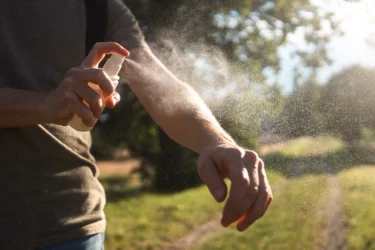
Caution against mosquitoes does not end with clearing our stagnant water. They can bite you anywhere and anytime. So make sure that you generously apply mosquito repellants when you go out. Even in your home, make sure you are using mosquito repellents, mosquito nets etc. Take regular health checkups and consult your doctor if you feel unwell.

Even if you are not in the habit of tending to your nails, you must during the rainy season. Clip your nails regularly and wash them underneath them so that germs and bacteria do not accumulate there.
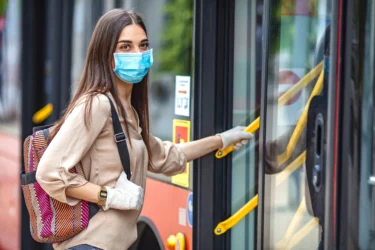
Allergies can become severe during the monsoon. So if you know that you react badly to dust, vapours or pollution, you must wear a mask when you go out. Keep your doctor-prescribed anti-allergy medicine with you at all times.

Since a lot of people contract the flu or common cold during the monsoon, you have to be extra alert. While you are travelling, make sure you distance yourself from visibly sick people so that respiratory particles from them do not enter your system.

It is almost impossible to go to work and come back with your shoes clean and dry during the monsoon. If your shoes are mud-spattered or drenched, clean them properly and let them dry completely before you wear them again, otherwise, pathogens will grow in them. Make sure you have a dry pair of shoes or you can opt for special rubber shoes.
The monsoon is a beautiful and spirit-uplifting season, but it does make your health vulnerable. With the simple measures we suggested, you can enjoy this season without worrying about your health.
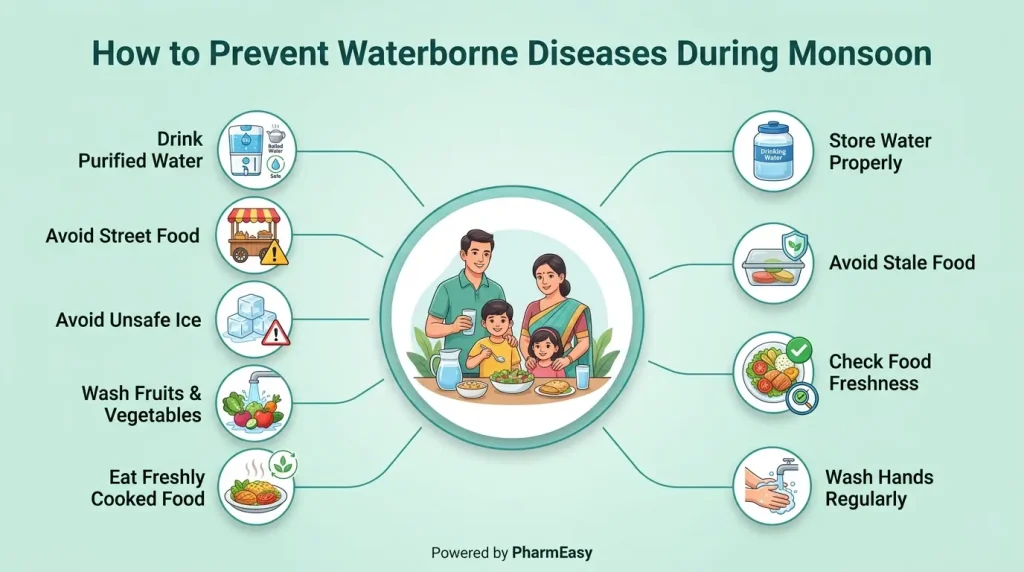
Monsoon significantly increases the risk of waterborne infections. Contaminated food and water are among the leading causes of illnesses such as typhoid, cholera and gastroenteritis during this season. Floodwater and waterlogging can contaminate local water sources quickly, making it important to be careful about what you eat and drink.
Here are some prevention tips that may help reduce your risk of waterborne diseases1:
Also Read: What Is Hantavirus? Symptoms, Causes, & Effective Prevention
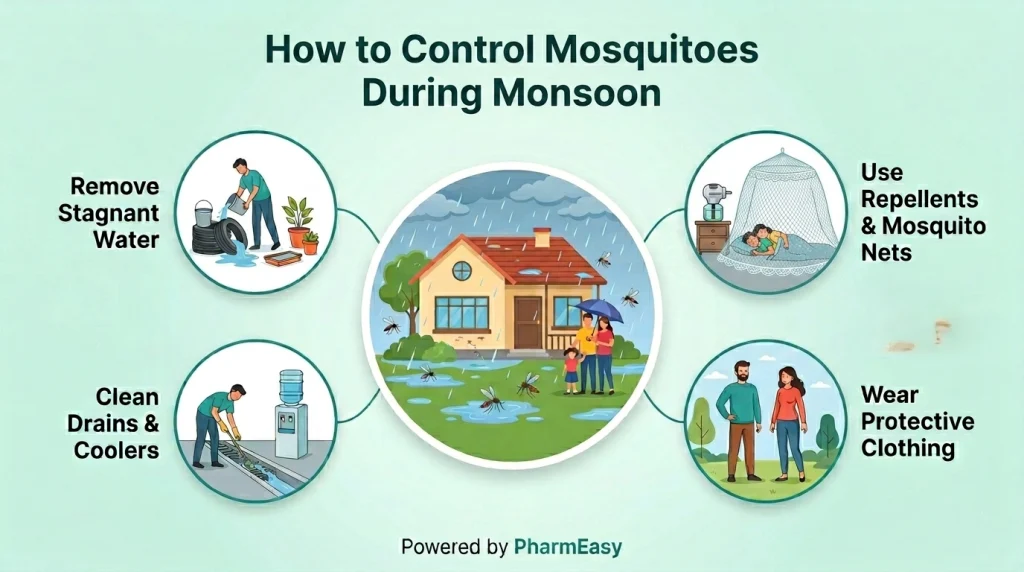
Stagnant water accumulates rapidly during the monsoon season, whether in open containers, coolers, flowerpots, clogged drains, and even small puddles. These become breeding grounds for mosquitoes, increasing the risk of dengue and malaria. A structured approach to mosquito control at home can make a significant difference.
Here are some steps that may help control mosquitoes breeding in your surroundings3:
Note: Seek medical advice promptly if you or a family member develops fever, chills or body ache during the monsoon, consult a doctor immediately and request relevant blood tests.
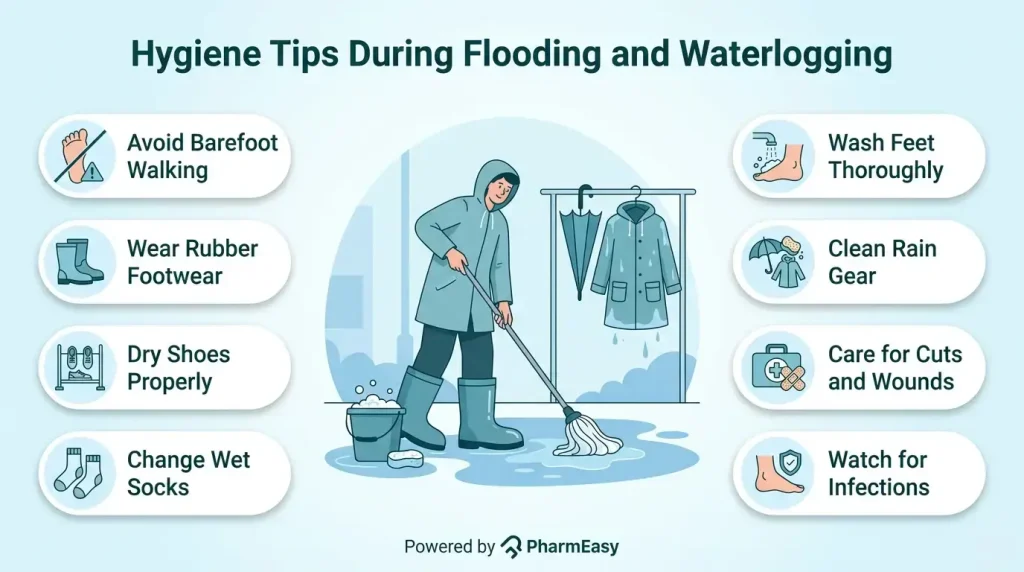
Waterlogging during heavy rains is common in many parts of India. Floodwater can contain a mixture of sewage, chemicals and biological contaminants that may cause skin infections, fungal infections and other health issues if not handled carefully.
The following precautions may help reduce the risk of infections during such conditions4:
Many Indian households have traditionally relied on simple kitchen ingredients to support overall health during the monsoon season. While these remedies are not a substitute for medical treatment, some of them may offer general wellness benefits when used as part of a balanced diet. The following are some commonly used options in Indian homes.

Giloy (Tinospora cordifolia) is a common Ayurvedic herb. Kadha prepared from giloy stems has been used traditionally for its potential to support immunity and manage fever-related discomfort5. Its use should be appropriate in quantity and duration, and individuals with specific health conditions, liver or kidney disease should check with a doctor before using it regularly.
How to prepare:
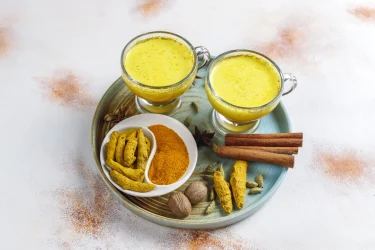
Warm turmeric milk (also called ‘haldi doodh’ or golden milk) is a time-honoured home remedy in Indian households. Turmeric contains curcumin, which has been studied for its anti-inflammatory and antioxidant properties6. A glass of warm turmeric milk at night may help support general well-being.
How to prepare:

Tulsi (holy basil) leaves brewed as a tea are widely used to help manage cough, cold and mild throat discomfort. Tulsi is regarded in Ayurveda as an adaptogenic herb that may support the respiratory system7. Drinking one to two cups per day during monsoon is a simple and commonly followed practice.
How to prepare:

A warm drink made with freshly grated ginger and a teaspoon of honey in warm water is a popular soothing remedy for sore throats and mild colds. Ginger has traditionally been associated with digestive support, while honey may have mild antimicrobial properties. This combination is generally well-tolerated and pleasant to drink during the rainy season.
How to prepare:
Vaccination is one of the best ways to prevent seasonal illnesses. Some vaccines may help protect against infections that are more common during the monsoon in India. If you haven’t taken them yet, talk to your doctor before or at the start of the monsoon season8.
| Vaccine | Disease Protected Against | Who Should Consider It | When to Get It |
| Influenza (Flu) Vaccine | Seasonal influenza A and B including H1N1 and H3N2 | Adults, elderly, children, those with chronic conditions | Annually, ideally before monsoon onset |
| Hepatitis A Vaccine | Hepatitis A (liver infection spread via contaminated water/food) | Travellers, people in high-risk areas, and children | Two doses are needed; your doctor will guide the timing. |
| Typhoid Vaccine | Typhoid fever (caused by Salmonella typhi) | All age groups, especially in areas with poor sanitation | Take a booster every 2–3 years, as advised by your doctor. |
Not every symptom during monsoon indicates a serious condition. However, certain combinations of symptoms may be associated with specific illnesses that require medical attention. Use this quick-reference table to understand when to seek further evaluation, but remember, only a doctor can make a proper diagnosis.
| Symptom(s) You May Notice | Disease |
| High fever + severe body ache + pain behind the eyes + nausea + loss of appetite and weakness9 | Dengue Fever |
| High fever + chills + sweating (cyclical pattern)10 | Malaria |
| Sustained high fever + abdominal pain + weakness | Typhoid |
| Sudden watery loose motions + vomiting + rapid weakness | Cholera or Gastroenteritis |
| Loose motions + nausea + stomach cramps | Gastroenteritis |
| Sneezing + runny nose + sore throat + mild fever11 | Viral Flu (Influenza) |
| Yellowing of eyes or skin + dark urine + fatigue nausea, vomiting, diarrhea, abdominal pain, itching | Hepatitis A |
| Itching between toes + peeling or cracked skin | Fungal Infection (Tinea Pedis) |
| Skin rash + fever + joint pain and swelling | Chikungunya |
While many monsoon-related disease can be managed with rest, hydration, and basic care, certain warning signs should never be ignored. If you or a family member experiences any of the following symptoms, seek medical advice promptly rather than waiting for conditions to improve on their own.
Monsoon is a refreshing and enjoyable season, but it also brings a higher risk of infections, allergies and mosquito-borne illnesses. Following simple precautions like maintaining hygiene, eating freshly prepared food, drinking safe water, protecting yourself from mosquitoes and strengthening your immunity may go a long way in keeping you healthy during this time. Staying alert to early symptoms and seeking timely medical care when needed can also help prevent complications. With the right habits and preventive measures, you can enjoy the beauty of the rainy season while keeping yourself and your family safe and healthy.
PharmEasy offers a special group lab test package that includes Complete Blood Count / Hemogram (CBC), CRP, tests for dengue ( Dengue NS 1 Antigen), Malaria (Malarial Antigen Test), Typhoid and more. Doctors usually advise these tests to detect the cause of fever. You can easily avail the test package with just one click.
Also Read: Common Summer Season Diseases & How To Prevent Them?
1. World Health Organization. Water, sanitation and hygiene (WASH) [Internet]. New Delhi: World Health Organization; [cited 2026 Jun 3]. Available from: https://www.who.int/india/health-topics/water-sanitation-and-hygiene-wash/
2. Kim C, Goucher GR, Tadesse BT, Lee W, Abbas K, Kim JH. Associations of water, sanitation, and hygiene with typhoid fever in case-control studies: a systematic review and meta-analysis. BMC Infect Dis. 2023 Aug 29;23(1):562. doi: 10.1186/s12879-023-08452-0. PMID: 37644449; PMCID: PMC10464135. Available from: https://pmc.ncbi.nlm.nih.gov/articles/PMC10464135/
3. Bhat MA, Sharma M, Kumar A, et al. Mosquito control at home. Cureus [Internet]. 2023 Aug 21 [cited 2026 Jun 3];15(8):e43844. Available from: https://www.cdc.gov/mosquitoes/mosquito-control/mosquito-control-at-home.html
4. Centers for Disease Control and Prevention. Safety guidelines: floodwater [Internet]. Atlanta (GA): CDC; 2024 Feb 6 [cited 2026 Jun 3]. Available from: https://www.cdc.gov/floods/safety/floodwater-after-a-disaster-or-emergency-safety.html
5. Gupta A, Gupta P, Bajpai G. Tinospora cordifolia (Giloy): An insight on the multifarious pharmacological paradigms of a most promising medicinal ayurvedic herb. Heliyon. 2024 Feb 15;10(4):e26125. doi: 10.1016/j.heliyon.2024.e26125. PMID: 38390130; PMCID: PMC10882059. Available from: https://pmc.ncbi.nlm.nih.gov/articles/PMC10882059/
6. Idowu-Adebayo F, Fogliano V, Linnemann A. Turmeric-Fortified Cow and Soya Milk: Golden Milk as a Street Food to Support Consumer Health. Foods. 2022 Feb 16;11(4):558. doi: 10.3390/foods11040558. PMID: 35206034; PMCID: PMC8871262. Available from: https://pmc.ncbi.nlm.nih.gov/articles/PMC8871262/
7. Cohen MM. Tulsi – Ocimum sanctum: A herb for all reasons. J Ayurveda Integr Med. 2014 Oct-Dec;5(4):251-9. doi: 10.4103/0975-9476.146554. PMID: 25624701; PMCID: PMC4296439. Available from: https://pmc.ncbi.nlm.nih.gov/articles/PMC4296439/
8. Nair VB, Rasheed A, Niyas VKM, Rajalakshmi A, Arjun P. Seasonal trends and year-on-year changes in vaccine-preventable respiratory viral infections: Insights from a tertiary care center in Thiruvananthapuram, India (2023-2024). Lung India. 2026 Jan 1;43(1):89-91. doi: 10.4103/lungindia.lungindia_71_25. Epub 2026 Jan 1. PMID: 41474435; PMCID: PMC12857818. Available from: https://pmc.ncbi.nlm.nih.gov/articles/PMC12857818/
9. Centers for Disease Control and Prevention. Symptoms of dengue and testing [Internet]. Atlanta (GA): CDC; 2025 Aug 7 [cited 2026 Jun 3]. Available from: https://www.cdc.gov/dengue/signs-symptoms/index.html
10. Centers for Disease Control and Prevention. Symptoms of malaria [Internet]. Atlanta (GA): CDC; 2024 Mar 12 [cited 2026 Jun 3]. Available from: https://www.cdc.gov/malaria/symptoms/index.html
11. Centers for Disease Control and Prevention. Signs and symptoms of flu [Internet]. Atlanta (GA): CDC; 2024 Oct 3 [cited 2026 Jun 3]. Available from: https://www.cdc.gov/flu/signs-symptoms/index.html
Disclaimer: The information provided here is for educational/awareness purposes only and is not intended to be a substitute for medical treatment by a healthcare professional and should not be relied upon to diagnose or treat any medical condition. The reader should consult a registered medical practitioner to determine the appropriateness of the information and before consuming any medication. PharmEasy does not provide any guarantee or warranty (express or implied) regarding the accuracy, adequacy, completeness, legality, reliability or usefulness of the information; and disclaims any liability arising thereof.
Links and product recommendations in the information provided here are advertisements of third-party products available on the website. PharmEasy does not make any representation on the accuracy or suitability of such products/services. Advertisements do not influence the editorial decisions or content. The information in this blog is subject to change without notice. The authors and administrators reserve the right to modify, add, or remove content without notification. It is your responsibility to review this disclaimer regularly for any changes.
 21
21  4
4Comments

Leave your comment...
You may also like























Comments