




Ginkgo Biloba (Maidenhair Tree): Uses, Benefits, Precautions and More!
By Dr Anuja Bodhare +2 more

Medically reviewed by Dr Anuja Bodhare
Last updated: Sep 15, 2026 Published on: Jan 31, 2022


Get,

to manage your symptom
Get your,

4 Cr+ families
benefitted

OTP sent to 9988776655



You’ve successfully subscribed to receive
doctor-approved tips on
Whatsapp

Get ready to feel your best.


Register to Avail the Offer
Send OTPBy continuing, you agree with our Privacy Policy and Terms and Conditions
Hi There,
Sign up on PharmEasy now!!


Trusted by 4 crore+ families

OTP sent to 9988776655
You have unlocked 25% off on medicines


Code: NU25
Comments
Leave your comment here

By Dr Anuja Bodhare +2 more
Table of Contents
The term ginkgo was taken from an incorrect conversion of Yin-Kwo from the Japanese language which means silver fruit while the term biloba stands for the bilobed leaves of the plant. This plant is also referred to by various other names like fossil tree, ginkgo, Japanese silver apricot, baiguo, maidenhair tree, yinhsing, etc. The English name is maidenhair tree1,2.
Ginkgo biloba is a medicinal plant native to China. It belongs to the family Ginkgoaceae. It is a deciduous tree as it shed leaves seasonally, shed petals after flowering, and sheds fruit when ripe. Ginkgo biloba is called a living fossil as it has lived through millions of years without undergoing any changes and with no existent relative1,3.
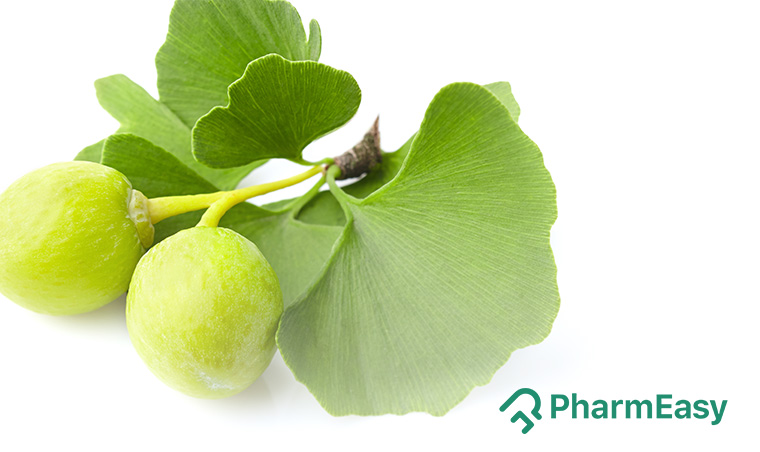
The plant has characteristic leaves that are fan-shaped with 2 lobes and thick margins. For various potential health benefits, the extract from the dried leaves of this plant is in use for millions of years1,3. In the United States, it is marketed as a dietary supplement that is regulated by the US-FDA4.
In my opinion, Ginkgo biloba might be a game-changer for Raynaud’s phenomenon. A cool study showed that people who took Ginkgo biloba for 10 weeks had fewer symptoms of the disease. It’s like ginkgo waved its leafy wand and made those uncomfortable symptoms disappear! But hold on, we may need more studies to be absolutely sure21.
Dr. Rajeev Singh, BAMS
This plant has no US-FDA-approved uses, and there is limited data to back up the various health conditions in which they are used, which are as follows6:

Due to its antioxidant potential, it may be helpful to benefit the DNA of the cell, protect the mitochondria, which is the power of the cell, and prevent lipid breakdown and apoptotic effect that may speed programmed cell death. It is being tried in age-related diseases like Alzheimer’s, stroke, cancer, Parkinson’s, and aging, etc7. More research is needed to support the use of ginkgo biloba in age-related diseases in humans. Therefore, talk to your healthcare provider and get a proper diagnosis.
The cognitive function of the brain is the ability of a person to think, remember, learn, make decisions, speak languages, etc. These functions show a decline in age-related conditions like Alzheimer’s disease. Dementia, which is the inability of a person to memory is affected in Alzheimer’s disease. The extract of Ginkgo biloba has shown neuroprotective effects by clearing free radicals, increasing dopaminergic transmission, blood flow to the brain, and by various other mechanisms, etc., in animal and cell culture studies6,8,9.
The extract may help for organic brain syndromes which are characterized by a memory deficit, tinnitus, headache, dizziness, low mood, and poor concentration10. With regards to treating dementia already developed in a person, the plant may have little effect in such situations. It may be given as a supplement to help with dementia but there is no sufficient scientific data confirming it and more studies need to be done6,8,9.
Studies have shown ginkgo extract to reduce anxiety levels in patients with GAD6. Some studies have shown an improvement in the symptoms, but are not sufficient6. You must consult a qualified doctor for any brain-related disorders for further guidance.

Sexual dysfunction is a condition where a person is unable to experience sexual satisfaction. It is seen that ginkgo alone has no short-term or long-term effect, but in combination with other vitamins, minerals, amino acids, and modes of therapy like sexual therapy have shown a rise in the level of sexual desire11,12.

Tinnitus is a condition where a person has ringing or other noises in one or both ears. There are many reasons for the development of tinnitus, one being cerebral insufficiency, which is reduced blood flow to the blood. Ginkgo biloba extract has been shown to help with tinnitus studies but it may show a missed response thus more studies are needed10.
Vertigo is a condition where the person feels a sense of imbalance. The plant extract may have been studied for these conditions, but needs more scientific data to support this use for such health condition11.

Ginkgo biloba extract may have blood vessel relaxing, platelet aggregation inhibiting actions, therefore it may reduce the chances of clots and anti-swelling properties. This might contribute in maintaining heart health, but due to a lack of strong evidence, the use of Ginkgo biloba extract is not indicated at this moment for the benefits of heart disease11,10.
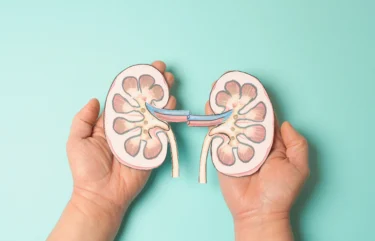
Ginkgo biloba may increase blood sugar levels, but animal studies have shown that Ginkgo biloba extract can possibly reduce damage to the kidneys caused by high blood sugars that develop after many years of having high blood sugar. It may therefore it has potential use in diabetic nephropathy10,13. However, serious conditions like diabetes must be diagnosed and treated by a doctor. Therefore, kindly consult a doctor and do not self-medicate.

Macular degeneration is a common eye disorder after 50 years, where there is thinning of the macula, the part of the retina of the eye needed for clear vision. Glaucoma is a disorder where, due to an increase in eye pressure, there is visual impairment. Studies11 have shown improvement in vision in macular degeneration and glaucoma by improving the blood supply to the retina and thus protecting the retinal cells. Please do not try to use any herbs on your own for sensitive organs like the eyes.

Studies have shown a promising halt in the progression of vitiligo, a skin disease where the skin loses its pigment cells11.
Animal models have shown an increased rate of wound closure due to an increase in collagen synthesis. More research needs to be done in this regard14.
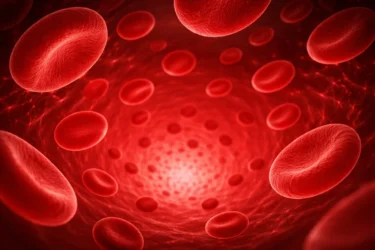
As it improves circulation, it may be used for intermittent claudication conditions where the legs hurt on walking a certain distance due to compromised blood circulation. It may have some effect on dementia of vascular origin, stoke. However, more human studies are needed to estimate the extent to which it will be beneficial for human health.

Traditionally, ginkgo seeds are used topically in treating skin conditions owing to their antibacterial effects. Studies have been done where it has shown the effect against many bacteria due to the presence of an acid called ginkgolic acid15.
Though there are studies that show the potential use of ginkgo biloba in various conditions, these are insufficient, and there is a need for further studies to establish the true extent of the benefits of ginkgo biloba on human health.
Let me share some captivating information. In a study22 with asthma patients, Ginkgo biloba extract (GBE) was tested to see if it might help reduce airway inflammation. The results showed that GBE may significantly decrease the presence of inflammatory cells in the airways. These findings suggest that GBE might be a beneficial addition to standard asthma therapy20.
Dr. Smita Barode, B.A.M.S, M.S.
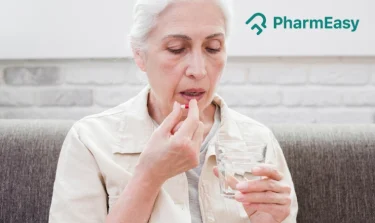
The extract of dried leaf is used as a dietary supplement taken orally. A dose of 80- 240 mg of dry extract is divided into 2-3 daily doses (average dose = 120mg). The German Commission E recommends a dose of 120 -240 mg per day divided into 2-3 daily doses17.
You must consult a qualified doctor before taking any herbal supplements. Do not discontinue or replace an ongoing treatment of modern medicine with an ayurvedic/herbal preparation without consulting a qualified doctor.
I stumbled upon some amazing information. Guess what? Ginkgo biloba might actually help reduce the severity of premenstrual syndrome (PMS) symptoms. Yep, that’s right! Studies have shown that taking Ginkgo biloba extract may have a positive impact on those troublesome symptoms that bother women every month19.
Dr. Siddharth Gupta, B.A.M.S, M.D (Ayu)
Also Read: Black Cohosh: Uses, Benefits, Side Effects and More!
Ginkgo biloba stands out as a unique and ancient medicinal plant with a rich history and diverse potential health benefits. Its distinctive bilobed leaves and status as a living fossil highlight its remarkable resilience through millions of years. Despite promising applications from cognitive support and vascular health to skin conditions and wound healing, scientific evidence remains limited and calls for further rigorous research. While the extract is widely used as a dietary supplement, caution is necessary due to possible side effects and drug interactions, especially in vulnerable populations such as pregnant women. Ultimately, ginkgo biloba offers intriguing possibilities in complementary medicine, but responsible use under professional guidance is essential to unlock its full potential safely and effectively.
Also Read: Sal Tree (Shorea robusta): Uses, Benefits, Side Effects and More
This plant is referred to by various other names like fossil tree, ginkgo, Japanese silver apricot, baiguo, maidenhair tree, yinhsing, etc., but there is no name in the Hindi language for this plant2.
It is used as a dietary supplement. It improves the cognitive functions of the brain, the blood flow to the brain, tinnitus, vertigo, intermittent claudication, macular degeneration, glaucoma, vitiligo, tardive dyskinesia, and in wound healing10,11,14.
Ginkgo biloba might show antiplatelet action16,17. You must consult a qualified doctor before taking any herbal supplements.
This plant is referred to by various other names like fossil tree, ginkgo, Japanese silver apricot, baiguo, maidenhair tree, yinhsing, etc., but there is no name in the Urdu language for this plant2.
Disclaimer: The information provided here is for educational/awareness purposes only and is not intended to be a substitute for medical treatment by a healthcare professional and should not be relied upon to diagnose or treat any medical condition. The reader should consult a registered medical practitioner to determine the appropriateness of the information and before consuming any medication. PharmEasy does not provide any guarantee or warranty (express or implied) regarding the accuracy, adequacy, completeness, legality, reliability or usefulness of the information; and disclaims any liability arising thereof.
Links and product recommendations in the information provided here are advertisements of third-party products available on the website. PharmEasy does not make any representation on the accuracy or suitability of such products/services. Advertisements do not influence the editorial decisions or content. The information in this blog is subject to change without notice. The authors and administrators reserve the right to modify, add, or remove content without notification. It is your responsibility to review this disclaimer regularly for any changes.
 0
0 
Comments

Leave your comment...

View all comments(1)
You may also like

















Excellent