
Ayurvedic medicines are widely used in India, Nepal, Bangladesh, Pakistan, Sri Lanka, and Bhutan. Amritarishta is an Ayurvedic formulation. The ingredients in amritarishta include amrita, patala, bilva, gambhari, shyonaka, agnimanta, bruhati, prashniparni, shaliparni, kantakari, jala, gokshura, jaggery, jeeraka, nagara, parpata, katuki, ativisha, saptaparna, pippali, maricha, and self-generated alcohol1. It contains 5 to 8% of self-generated natural alcohol. It also has water that may help in absorption and proper digestion and may boost natural immunity2. The main ingredient in amritarishta is the dried stem of amrita/guduchi (Tinospora cordifolia)3. Amritarishta may have some effects on arthritis, gouty arthritis, fever, rheumatic fever, viral fever, auto-immune disorders, and skin disorders1.
Did you know?
The chemical constituents of amritarishta include alkaloids, steroids, and a high amount of phenolic compounds3.
Amritarishta may have the following beneficial properties:
Some of the potential uses of amritarishta are described as follows:

A study6 by Tiwari et al., 2014, was conducted where amritarishta was tested for its blood sugar-lowering activity in animals. The results showed that it significantly lowered the fasting blood glucose (FBG) and low-density lipoprotein (LDL) levels (bad cholesterol), , and triglycerides (fats) levels and elevated the high-density lipoprotein (HDL) level (good cholesterol). This result suggests that amritarishta might help lower the blood sugar levels. However, this study is insufficient and requires more studies to support the potential use of amritarishta for decreasing blood sugar levels in the body. Diabetes is a very serious condition therefore, doctors’ consultation is necessary before taking amritarishta for managing blood sugar levels in the body.

High triglyceride (fats) and cholesterol levels in the blood may be linked to heart-related diseases. In a study conducted in 2013, amritarishta was found to lower cholesterol, triglyceride, and LDL (low-density lipoprotein) level and increase the HDL level. It significantly lowered the atherogenic level (reflects the triglyceride and HDL cholesterol). These results suggest that amritarishta may have anti-atherosclerotic (reduces the fats deposition in arteries) activity that might be beneficial for managing heart-related diseases3. This information is insufficient and require more human trials to suggest the uses of amritarishta. Therefore, people should speak to their concerned doctors and only have amritarishta if prescribed.

The dried stem of amrita is the main ingredient in amritarishta3. In traditional medicine, amrita with ginger has been used to manage rheumatoid arthritis. The extract of amrita has been stated to increase the joint cartilage thickness in animal studies. It was also reported to relieve osteoporosis (a condition where the bones become weak and brittle) in animals. Therefore, amrita might be helpful in dealing with osteoarthritis and osteoporosis. However, these claims are related to animals and not to humans. Therefore, amritarishta needs large-scale human trials to support its potential uses for osteoporosis and arthritis.

In a study8, the amrita extracts reduced anxiety (caused due to sleep deprivation) and other mood disorders in animals. Also, the herb amrita may have antioxidant properties that might enhance the weakened age-related cognitive (related to thinking, remembering, and reasoning) function, including intellectual decline, memory loss, and change in behavior and personality. However, this information is insufficient and more studies are required to suggest the benefits of amritarishta for mental conditions. People should never use any herbal preparations to self-medicate themselves.
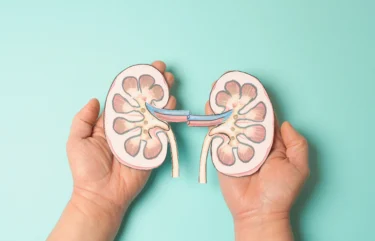
The herb amrita may relieve nephrotic syndrome (the body excretes too much protein in the urine) due to its antioxidant, anti-inflammatory, and immunomodulatory activity. Nephrotic syndrome is a kidney disease mostly occurring in children. The amrita extract may have benefits in managing kidney diseases like nephrotic syndrome and urinary tract infections caused by Klebsiella, E. coli, and other gram-negative microbes. You must consult a qualified doctor for proper advice on kidney-related diseases.
Although studies show the benefits of amritarishta in different health conditions, this information is insufficient. Hence, there is a need for further studies to establish the true extent of the benefits of amritarishta on human health. Furthermore, every person may respond differently to these herbs. Therefore, it is important to consult a doctor before using amritarishta for any medical condition.
Based on my experience, I highly recommend considering Amritarishta, a polyherbal Ayurvedic medicine that has been traditionally used for various ailments. Recent studies have shown that this medicine might exhibit remarkable hepatoprotective properties, meaning it can help protect and support the health of the liver9.
Dr. Siddharth Gupta, B.A.M.S, M.D (Ayu)
Amritarishta can be taken with water after food2.
However, it is advisable to consult your doctor before taking amritarishta. Your doctor will examine you thoroughly and advise you on the dose and form accordingly. In addition, we recommend you do not replace or discontinue your ongoing medications with any ayurvedic or herbal preparations without seeking the medical advice of a doctor.
Also Read: Prabhakar Vati: Uses, Benefits, Side Effects, and more!
There is no sufficient scientific information on the side effects of amritarishta in humans. But if you notice any side effects after taking amritarishta, you must notify your doctor. They will be the best person to provide appropriate treatment for any side effects.
I would recommend considering Amritarishta, an Ayurvedic medicine that has been traditionally used for Vatasanshman karma (alleviating Vata dosha), Brihangan karma (promoting proper digestion), and specifically for conditions like Kamala (Jaundice) and Pandu (anaemia). The combination of various herbs in Amritarishta is believed to have synergistic effects, working together to balance Vata, improve digestion, and address specific conditions like Jaundice and anaemia.
Dr. Rajeev Singh, BAMS
Before consulting, people should never use amritarishta or any other herb to self-medicate themselves.
Also Read: Paneer Dodi: Uses, Benefits & Side Effects
There is no sufficient information on the interaction of amritarishta with any medicine. Therefore, if you are on any medication and want to take amritarishta, you must consult your doctor as they would guide you best on this.
Also Read: Kantakari: Uses, Benefits & Side Effects
You should always consult your doctor before taking any Ayurvedic preparation. They will guide you properly regarding the dosage and how long you can take amritarishta.
Amritarishta may be good for diabetes. In a study conducted on animals, amritarishta lowered the FBG along with cholesterol, triglyceride, and LDL levels and increased the HDL levels. The lowered FBG suggested that it might be beneficial for diabetes6. However, human studies are required to confirm the blood glucose-lowering activity of amritarishta in humans. Diabetes is a serious health condition and needs proper diagnosis. And only use it if prescribed by doctors.
Amritarishta might be useful for dealing with fever, viral fever, rheumatic fever, arthritis, gouty arthritis, auto-immune disorders, and skin disorders1.
Amritarishta might be beneficial to the heart. In a study3 (Tiwari et al., 2014), amritarishta reduced triglyceride, cholesterol, and LDL level and elevated the HDL level. This might be useful for managing heart-related diseases. However, this information needs scientific support and more studies on humans are also required to suggest the uses of amritarishta for heart health.
It is advisable to consult your doctor before taking amritarishta. You can describe your condition/problems to them, and accordingly, they will prescribe you the form and dosage.
There is not enough data available on the side effects of amritarishta, but if you notice any symptoms, you must immediately consult your doctor.
The dried stem of amrita, also called guduchi, is the main ingredient in amritarishta3.
It is better to avoid taking amritarishta during pregnancy as there is not enough information available on its safe usage during pregnancy.
There is no sufficient information available on the interaction of amritarishta with any medicine. Therefore, it is advisable to consult an Ayurvedic practitioner before taking amritarishta.
Disclaimer: The information provided here is for educational/awareness purposes only and is not intended to be a substitute for medical treatment by a healthcare professional and should not be relied upon to diagnose or treat any medical condition. The reader should consult a registered medical practitioner to determine the appropriateness of the information and before consuming any medication. PharmEasy does not provide any guarantee or warranty (express or implied) regarding the accuracy, adequacy, completeness, legality, reliability or usefulness of the information; and disclaims any liability arising thereof.
Links and product recommendations in the information provided here are advertisements of third-party products available on the website. PharmEasy does not make any representation on the accuracy or suitability of such products/services. Advertisements do not influence the editorial decisions or content. The information in this blog is subject to change without notice. The authors and administrators reserve the right to modify, add, or remove content without notification. It is your responsibility to review this disclaimer regularly for any changes.
 7
7
 0
0
Lohasava is an Ayurvedic medicine rich in iron (loha) which is mainly used for helping with iron deficiency anaemia and obesity. We can find its reference in an ancient Ayurvedic book called Baishyajya Ratnavali in Adhyayam 51. Lohasava is a hematinic preparation i.e. it might help in the production of red blood cells or might help increase the production of haemoglobin (a protein) in them. As Ayurvedic haematinic agents might be better tolerated by the body than the conventionally used agents, their frequent scientific evaluation is being performed for better universal acceptance2.
Lohasava is an iron-rich herbal tonic. It is prepared using Ayurvedic preparation methods, by using1,2:
| Ingredient | Common name | Part used |
| Phyllanthus embelica | Amalaki | Fruit |
| Terminalia bellirica | Bibhitaki | Fruit |
| Terminalia chebula | Haritaki | Fruit |
| Embelica ribes | Vidanga | Fruit |
| Piper longum | Pipali | Fruit |
| Piper nigrum | Maricha | Fruit |
| Trachyspermum ammi | Yavani | Seed |
| Cyperus rotundus | Mustaka | Rhizome |
| Zingiber officinale | Shunti | Rhizome |
| Woodfordia fruticosa | Dhataki | Flower |
| Plumabgo zeylanica | Chitraka | Root |
| Iron | Lauha bhasma | Pure metal1 |
| Water | Jala | – |
| Apies dorsata | Madhu (honey)1,2 | – |
| Sachharum officinarum | Guda (jiggery)1,2 | – |
Studies have revealed that Lohasava may be useful in arthritis. Lohasava is known for its rich source of Vitamin B3, B6, B12 and iron, making it a good antioxidant. I recommend use of Lohasava, but with prior doctor’s consultation4.
Dr. Siddharth Gupta, B.A.M.S, M.D (Ayu)
The potential uses of lohasava might be due to the properties that are as follows:
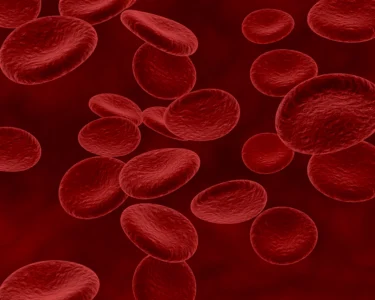
Iron deficiency anaemia is one of the most prevalent nutritional disorders. It has symptoms range from loss of appetite and taste, weakness and shortness of breath to irregular heartbeat and many more. Lohasava might be a potential haematinic agent and might replenish the iron stores and their availability in our body2. The constituent ingredients of lohasava might work together and may help enhance each other’s properties, thus it might help with the symptoms of anaemia. Increased iron in the body might cause an increase in the haemoglobin levels as well and might provide long-term relief from the symptoms of anaemia2.
It was found in studies that lohasava might help improve fatigue (caused due to anaemia) and might make our body feel energised. Compared to other herbal formulations, it might be better at helping with giddiness and confusion experienced in advanced conditions. It might help attain a restful sleep and may increase the availability of oxygen to parts of the body by potentially helping with enhancing blood circulation, which is generally impaired in anaemia. It was also found that some of the ingredients present in lohasava may improve hormonal balance and might have positive effects on menstrual abnormalities (seen in cases of anaemia) as well. Overall, lohasava was found to have the potential in helping with a variety of symptoms associated with anaemia2. However, more studies are required to prove such claims. Moreover, such conditions must be diagnosed and treated by a doctor.

In animal studies3, it was found that mixing lohasava with another iron-containing herbal formulation might have liver-protecting properties. It might help protect the liver from injury caused by a toxic substance (carbon tetrachloride) by reducing the activity of certain enzymes. Therefore, it might help liver cells from damage. It was also found that this formulation might help lower the blood cholesterol and may help in reducing the weight of the liver in the case of fatty liver. However, further human studies are required to effectively state the activity of lohasava as a liver protective drug. It may be helpful for liver conditions like jaundice, fatty liver, liver enlargement, and liver infections1. Condition of the liver can be serious and must be diagnosed and treated by a doctor.
Lohasava might be helpful for irregular heartbeat patterns (palpitations) due to anaemia. Long-standing anaemia may cause other heart problems too. The consumption of lohasava might help the heart from the development of such diseases2. However, more research is required to prove these potential effects. Moreover, conditions of the heart should be diagnosed and treated by a doctor. Kindly consult a doctor.

One of the effects of anaemia is the destruction of taste buds in the tongue. This causes a loss of taste sensation, known as Arochaka in Ayurveda. Lohasava might act on the cells of the tongue and might with the regeneration of taste buds, thus, it might help in returning the taste sensation2. However, such claims require more research to back them up.

Lohasava contains herbs that might be helpful for the treatment of digestive disorders. Therefore, it might possess properties that act as an appetizer and may also increase the digestive ability of our body. Generally, hematinics are not well tolerated by the body due to the high content of iron, which is not easy to digest, thus leading to constipation. Such problems might not be encountered by the use of lohasava it may be well tolerated by the body2. However, there is a need for more research to prove such effects of lohasava on humans.

Lohasava has been used for centuries for obesity. Lohasava, containing triphalachuranam (also called Triphala), might be helpful for anaemia and various other problems such as spleen enlargement, cough, asthma, fever and piles1. However, more research is required to prove such claims.
Though there are studies that show the potential uses of lohasava in various conditions, these are insufficient and there is a need for further studies to establish the true extent of the benefits of lohasava on human health.
I recently read an article that suggests Lohasava may be used for weight loss. Lohasava has antioxidant properties and rich source of vitamins and minerals, making it a potential ally for the weight loss journey5.
Dr. Rajeev Singh, BAMS
Lohasava is a liquid preparation and is available in this form. Your Ayurvedic physician will prescribe you the form and dosage as per your health condition. It might be generally consumed by mixing in water1.
You must consult a qualified doctor before taking any herbal supplements. Do not discontinue or replace an ongoing treatment of modern medicine with an ayurvedic/herbal preparation without consulting a qualified doctor.
There is insufficient data regarding the side effects of lohasava. However if any reaction is noticed on using it seek immediate medical attention. Consult your Ayurvedic physician who has prescribed it to you they will be able to identify the cause and treat it effectively.
Also Read: Trayodashang Guggulu: Uses, Benefits and Side Effects By Dr. Smita Barode
General precautions as followed on taking any medication, should be followed. Care should be taken especially by pregnant women and lactating mothers while taking it. It must be taken only if prescribed by your doctor. Extra caution should be taken while giving it to children and elderly individuals. Please do not self-medicate alter replace or discontinue any ongoing treatment by yourself. Kindly consult a doctor for advice.
Also Read: Triphala Guggulu: Uses, Benefits, Side Effects & More!
Adverse drug reactions of lohasava with any other drug have not been reported. There is not enough evidence to state that it doesn’t react with any other drug and is completely safe for use more research is required in this field. Therefore your Ayurvedic physician’s advice is to be followed thoroughly as their prescription is based on keeping your health condition in mind. Please ensure to disclose all medications prescribed and currently being used to your doctor at the time of consultation.
Also Read: Ashta Choornam: Uses, Benefits and Side Effects By Dr. Rajeev Singh
Lohasava might be helpful for iron deficiency anaemia for a long time. It might help replenish the body with iron, thus it might help with the symptoms of anaemia, such as weakness, fatigue, palpitations etc2. However, more research is required to prove such claims. Moreover, such conditions must be diagnosed and treated by a doctor.
Lohasava is a natural, Ayurvedic liquid medicine and is mainly helpful for iron deficiency anaemia and obesity. It is made up of many herbs and is rich in iron1. However, more research is required to prove its potential effect on humans.
No, lohasava does not help control high blood pressure. There is no evidence claiming the use of lohasava to decrease blood pressure. Conditions such as high blood pressure are serious and must be diagnosed and treated by a doctor. Please do not self-medicate.
No, lohasava and triphala are different. Lohasava contains the three main constituents of Triphala, along with other herbs and iron in it. A study stated that lohasava practically is iron-fortified triphala and that it can be helpful for liver, heart, gastric disturbances, etc1. However, more research is required on its potential uses.
It was found in studies that lohasava might help to increase hemoglobin levels in the blood. This action might be due to its ability to replenish iron in the body and make it available for use. This is important for the production of hemoglobin. Therefore, it may be an effective haematinic agent2. However, more research is required.
No. There have been no published reports stating the beneficial use of lohasava in the management of cataracts. Further research will be required to confirm its use.
No, lohasava is an Ayurvedic medicine that is used in liquid form for consumption. Its beneficial effects on the skin have not been reported yet.
Lohasava is to be consumed as per the dosage specified by your doctor for your condition. It is not to be taken without a physician’s consultation.
Lohasava is found to have the potential to improve weakness caused due to iron deficiency anemia and might energize the body. It might help attain restful sleep and may improve fatigue and giddiness seen in long-standing cases of anemia2. However, more research is necessary.
There have been no allergic reactions reported by the use of lohasava due to insufficient research. Therefore, there is a need for more research. However, if you feel like the cause of your allergic reaction of any kind is due to the usage of lohasava, kindly seek medical attention immediately. Kindly do not self-medicate.
No. On the contrary, lohasava might help with the growth of taste buds that are lost in case of anemia and might improve taste sensation2.
There are no reports regarding the development of acne due to the use of lohasava. Therefore, there is a need for more research.
Disclaimer: The information provided here is for educational/awareness purposes only and is not intended to be a substitute for medical treatment by a healthcare professional and should not be relied upon to diagnose or treat any medical condition. The reader should consult a registered medical practitioner to determine the appropriateness of the information and before consuming any medication. PharmEasy does not provide any guarantee or warranty (express or implied) regarding the accuracy, adequacy, completeness, legality, reliability or usefulness of the information; and disclaims any liability arising thereof.
Links and product recommendations in the information provided here are advertisements of third-party products available on the website. PharmEasy does not make any representation on the accuracy or suitability of such products/services. Advertisements do not influence the editorial decisions or content. The information in this blog is subject to change without notice. The authors and administrators reserve the right to modify, add, or remove content without notification. It is your responsibility to review this disclaimer regularly for any changes.
9
0
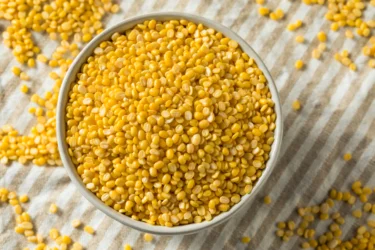
Legume seeds are referred to as ‘poor man’s meat’ and rightly so. They are an excellent source of proteins, bioactive compounds, minerals and vitamins. The mung bean (Vigna radiata), commonly referred to as Moong dal in India, is one of the most important edible legume crops. It is cultivated and consumed mainly in Asian countries like China, Bangladesh, Pakistan, India and some Southeast Asian countries. It is also grown in the dry regions of Europe and warmer parts of Canada and the United States1. It contains a balanced amount of nutrients, and its combination with cereals has been recommended to increase the quality of protein1. In the Chinese book Ben Cao Qui Zen, it is stated to be beneficial for digestive upset and skin moisturisation2.
Moong dal is rich in high-quality proteins with high digestibility and is an excellent source of carbohydrates, vitamins, minerals, fibre, and essential fatty acids. Below are the nutrient value of moong dal in percentage content:
The presence of bioactive compounds, macro and micronutrients may be responsible for the potential properties that Moong dal might exhibit, some of which are listed below:
I would suggest moong dal if you’re looking for an affordable and vegetarian-friendly source of protein. Not only is it cost-effective, but it’s also packed with protein goodness. What’s even better is its protein quality might be easy on your tummy, making it easy to digest compared to other legumes6.
Dr. Rajeev Singh, BAMS

Moong dal being nutrient-rich, might show effects against various microorganisms, including bacteria, fungi and viruses.Various studies have shown that Moong dal might have a potential effect against many species of bacteria and this property of it is comparable to Erythromycin, a commonly used antibiotic4. It has also shown activity against Helicobacter pylori, a bacteria causing stomach infections2.
Its possible effectiveness against fungal infections is comparable to that of Fluconazole, a drug which is commonly used to treat a fungal infection called candidiasis4. One of the researches also showed that Mung Bean Sprouts from Moong dal might be helpful as an antiviral and prophylactic agent against Respiratory Syncytial virus and Herpes Simplex virus infections4. However, more studies are required and a doctor should be consulted for infections.
I recently came across a study on the antioxidant properties of moong dal soup. According to studies, it might actually help in heat stress injuries! How cool is that? Animal studies show that it may protect from oxidative stress, which is linked to various diseases. However, it’s important to note that more human studies are needed to confirm these exciting claims5.
Dr. Siddharth Gupta, B.A.M.S, M.D (Ayu)

Moong dal might help to lower blood glucose levels by apparently decreasing the absorption of glucose from the small intestines. A study showed that green gram flour, i.e. Moong dal flour might help in the control of blood sugar levels. Another study4 was conducted by Lou et al. in 2016, which clearly explained that the presence of certain phenolic compounds might be what helps moong dal lower blood sugar levels. There is a requirement for more studies in this area. Therefore, you should consult a doctor for the diagnosis and treatment of diabetes as it is a serious condition.

Studies have revealed that moong dal might inhibit the action of an enzyme which is responsible for increase of the blood pressure, thus, potentially helping lower blood pressure4. Researchers have found that high amounts of raw sprout extracts, dried sprout extracts, and enzyme digested sprout extracts might help in the lowering of blood pressure2. It was also found that dried sprout powder might not be as effective as sprout extracts2. However, more studies are required. You should consult a doctor for serious conditions like high blood pressure (known as hypertension), which should be diagnosed and treated by a doctor.
Moong dal might help in lowering the level of lipids and cholesterol in the body4. It might also help in the production of enzymes that might regulate the cholesterol levels of the blood4. This cholesterol-lowering effect of moong dal might be similar to Vitamin E4. However, more studies are required to prove such claims. Moreover, a doctor should be consulted for the diagnosis and treatment of high cholesterol.

Researchers have found that the active components present in moong dal might have a potential to help with various cancer types like breast cancer, digestive system cancers and leukaemia (blood cancer)1. A protein called Vicilin, which is isolated from moong dal, might have a potential to stop the cells responsible for breast cancer from growing. Also, it was seen in a study that fermented moong dal might help to stop tumour development and might help enhance the production of compounds that might help with cancer, thus, it might have anti-cancer properties4. However, more studies are required to prove the above-stated claims. Cancer is a serious condition and must be diagnosed and treated only by a doctor. Kindly ensure that you consult a doctor.
Moong dal might act as a prebiotic (food that helps in the growth of good bacteria in the small intestine) and thus might help to maintain a healthy digestive system4. The presence of indigestible food ingredients like dietary fibre and oligosaccharides (type of carbohydrates) might impart prebiotic properties to it and may be helpful for the gut health, constipation, development of cholesterol and obesity, and might reduce the chances of heart diseases4. However, such claims need more research ass proof.
A probiotic yoghurt was developed by supplementing yoghurt with green gram (moong dal), oats, barley and quinoa, using a good bacteria (Lactobacillus rhamnosus GR-1) in a study4. Researchers have found that fermentation of moong dal with Lactobacillus strain might help improve the protein content and digestibility of the protein4. However, more studies are required to prove these potential uses of moong dal. Therefore, you should consult a doctor before using moong dal for human health.
Let me tell you a fun fact. Did you know that moong dal not only provides nutrition but also has a long history of use as traditional Chinese medicine? According to the famous Chinese pharmacopoeia called the ‘Bencao Gangmu,’ they have been recognised for their detoxifying properties, potential ability to boost mental well-being, and even their power to help with heat stroke and digestive issues7.
Dr. Smita Barode, B.A.M.S, M.S.

It might have a potential as a skin lightening agent and may interfere with the formation of a pigment called melanin which imparts a darker tinge to the skin4. It might also have a moisturising effect on the skin and has been used traditionally as a home remedy for obtaining glowing skin2. However, you should not use it without consulting a doctor. There is more research required to ascertain the potential uses of moong dal for skin.
Moong dal might help effect the unwanted enlargement of fat cells in the liver and may not allow the accumulation of fat in it, thus it might help with fatty liver (hepatic steatosis)4. Moong dal might also have an effect on the immune system of the body and might help reduce an unnecessary activation of it. This activity might be helpful for many diseases related to the immune system and also might also reduce inflammation1.
The potential antioxidant activity of moong dal might be seen to be prominent in its seeds, sprouts and hulls. It might act as a scavenger for free radicals (unstable molecules in the body), which are harmful to the cells of the body and it may neutralise them4. It may be a good dietary supplement and be helpful for the diseases caused by the accumulation of free radicals like cancer, diabetes, heart diseases, etc.)4. Among the different varieties, the highest antioxidant activity might be shown by the Pattu variety of green gram, which has high phenolic content4. However, more research is required for proving such claims.
Though there are studies that show the potential use of moong dal in various conditions, but these are insufficient and there is a need of further studies to establish the true extent of benefits of moong dal on human health.
Also Read: Masoor Dal- Uses, Benefits & Nutritional Value
Moong dal can be incorporated into our diet and consumed in various forms like:
Studies have also revealed that soaking moong dal before use might increase the availability of its nutrients and might facilitate nutrition utilisation by the body. So soaking the dal before you start cooking might be good for your health too4. However, more research is required for to prove the use of moong dal for human health.
You must consult a qualified doctor before taking any herbal supplements. Do not discontinue or replace an ongoing treatment of modern medicine with an ayurvedic/herbal preparation without consulting a qualified doctor.
Moong dal might have unknown side effects. There is a requirement for more studies on the side effects of moon dal. Kindly do not use it to self-medicate, alter, replace or discontinue any ongoing treatment. Please consult a doctor.
It is advised to consult an Ayurvedic physician regarding specific usage of Moong dal for medicinal purposes. General precautions should be taken before using moong dal, especially by pregnant and nursing women, elderly individuals and children. Kindly do not self-medicate.
Also Read: 16 Simple Home Remedies for Glowing Skin!
Moong dal might interact with other drugs. However, more research is required for studying the adverse drug reactions of moong dal. Please do not self-medicate and ensure that you consult a doctor. One should always disclose all the current medications being used to the doctor so that they can assess the situation and further give sound medical advice.
Also Read: Arogyavardhini Vati: Uses, Benefits, Side Effects & More!
Moong dal can be consumed as a vegetable, soaked and sprouted, used in salads, boiled, fried, used as a paste etc4.
Moong dal might help to reduce blood pressure by potentially inhibiting the action of an enzyme which might cause high blood pressure4. However, more research is required to prove the possible effects of moong dl on blood pressure. Kindly consult a doctor as serious conditions such as high blood pressure should be diagnosed and treated by a doctor.
Moong dal might have potential use for moisturising the skin2. However, more research is required. Please consult a doctor before applying anything on your skin.
There is no evidence stating the benefits of Moong dal for hair.
Moong dal might act as a probiotic and might be helpful for gut health, constipation and might help the growth of good bacteria4. However, there is a need for more research. Kindly do not self-medicate, always consult a doctor.
1. Hou D, Yousaf L, Xue Y, Hu J, Wu J, Hu X, et al. Mung bean (Vigna radiata L.): Bioactive polyphenols, polysaccharides, peptides, and health benefits. Nutrients. 2019;11(6):1–28. Available from: https://www.ncbi.nlm.nih.gov/pmc/articles/PMC6627095/
2. Tang D, Dong Y, Ren H, Li L, He C. A review of phytochemistry, metabolite changes, and medicinal uses of the common food mung bean and its sprouts (Vigna radiata). Chem Cent J. 2014;8(1):1–9. Available from: https://www.ncbi.nlm.nih.gov/pmc/articles/PMC3899625/
3. Central F. [ HISTORICAL RECORD ]: MOONG DAL , SPLIT MOONG. 2019;9(c):12–5. Available from: https://fdc.nal.usda.gov/fdc-app.html#/food-details/445233/nutrients
4. Mekkara nikarthil Sudhakaran S, Bukkan DS. A review on nutritional composition, antinutritional components and health benefits of green gram (Vigna radiata (L.) Wilczek). J Food Biochem. 2021;45(6):1–19. Available from: https://onlinelibrary.wiley.com/doi/abs/10.1111/jfbc.13743
5. Cao D, Li H, Yi J, Zhang J, Che H, Cao J, Yang L, Zhu C, Jiang W. Antioxidant properties of the mung bean flavonoids on alleviating heat stress. PLoS One. 2011;6(6):e21071. doi: 10.1371/journal.pone.0021071. Epub 2011 Jun 10. PMID: 21695166; PMCID: PMC3112222. Available from: https://pubmed.ncbi.nlm.nih.gov/21695166/
6. Hou D, Yousaf L, Xue Y, Hu J, Wu J, Hu X, Feng N, Shen Q. Mung Bean (Vigna radiata L.): Bioactive Polyphenols, Polysaccharides, Peptides, and Health Benefits. Nutrients. 2019 May 31;11(6):1238. doi: 10.3390/nu11061238. PMID: 31159173; PMCID: PMC6627095. Available from: https://pmc.ncbi.nlm.nih.gov/articles/PMC6627095/
7. Hou D, Yousaf L, Xue Y, Hu J, Wu J, Hu X, Feng N, Shen Q. Mung Bean (Vigna radiata L.): Bioactive Polyphenols, Polysaccharides, Peptides, and Health Benefits. Nutrients. 2019 May 31;11(6):1238. doi: 10.3390/nu11061238. PMID: 31159173; PMCID: PMC6627095. Available from: https://pmc.ncbi.nlm.nih.gov/articles/PMC6627095/
Disclaimer: The information provided here is for educational/awareness purposes only and is not intended to be a substitute for medical treatment by a healthcare professional and should not be relied upon to diagnose or treat any medical condition. The reader should consult a registered medical practitioner to determine the appropriateness of the information and before consuming any medication. PharmEasy does not provide any guarantee or warranty (express or implied) regarding the accuracy, adequacy, completeness, legality, reliability or usefulness of the information; and disclaims any liability arising thereof.
Links and product recommendations in the information provided here are advertisements of third-party products available on the website. PharmEasy does not make any representation on the accuracy or suitability of such products/services. Advertisements do not influence the editorial decisions or content. The information in this blog is subject to change without notice. The authors and administrators reserve the right to modify, add, or remove content without notification. It is your responsibility to review this disclaimer regularly for any changes.
10
5
Tagar, also known as Valeriana officinalis, belongs to the Valerianaceae family. It is commonly known as valerian, a famous herb, and might be considered a medicinal plant. It is widely used throughout the world, most notably in China, Europe, and the Middle East. The term valerian is derived from the Latin word ‘Valere’, which means ‘well-being or health’. It comprises rhizomes (horizontal roots), roots, and stolons (horizontal stems) that might be fragmented. There are around 200 species of tagar in Asia, Europe, and North America1.
The common names of tagar are nata, baalaka, tagara, valerian, common valerian, and garden heliotrope in English. Also, vernacular names (local or regional names) of tagar include English valerian, Allheal, German valerian, valerian root, garden heliotrope, great Wild valerian in English; Balahrivera in Sanskrit; Kalavala in Marathi; Catamaci, Paicavi, Jatamansi, Takram in Tamil; Sanballat Web in Arabic; Balchhar, Balchar, Bulchar, Nardin, Ikleel-ul-malik, Simbul-ut-teeb in Urdu1.
The nutritional value of tagar is2:
Tagar may be beneficial for a wide range of health issues because of the following properties:
Based on my observations, consuming Tagar might help in inducing sleep and improving sleep quality in patients with insomnia7.
Dr. Siddharth Gupta, B.A.M.S, M.D (Ayu)
Tagar might have some potential uses in various health conditions. However, more studies are required. Some potential uses of babool are described as follows:

A review1 report by Lanje et al. 2020 suggested that tagar was tested for antiarrhythmic (may reduce abnormal heartbeat) and coronary dilating (dilating heart arteries) effects in various animal models. According to the results, tagar might lower blood pressure and reduce the heart rate. Also, it had been used in a German heart tonic to maintain brain-heart stability. However, these studies are done on animals and not on humans. Therefore, we require more information on its safety for human use.

Tagar has traditionally been used to manage intestinal spasms, nervous stomach (digestion influenced by the stomach), and colic (severe abdominal pain, usually in babies). Tagar has a bitter flavour that may help with digestion and appetite. It may also be used as a carminative or a gas-relieving agent1. However, this information is insufficient and more studies are required to support its use in solving digestive problems in humans.

Tagar may be used to manage sleep disorders, restlessness, and anxiety. It may also be used as a muscle relaxant. In animal studies3, tagar extract exhibited sedative and anticonvulsant effects, as suggested by a review report by Murti et al., 2011. According to these findings, tagar root extract increased sleeping time and decreased bodily movements. In addition, the aroma of tagar root exhibited sedative activity. However, this information is insufficient and requires extensive research to support this claim. People should consult doctors before using tagar for its sedative properties.

Tagar maybe believed in enhancing attention. In Germany, tagar has been used to manage attention deficit hyperactivity disorder in children. However, there are no research studies evaluating the use of tagar in managing ADHD1. This information needs to be evaluated by researchers and proper human trials are necessary. Therefore, people should not use tagar to self-medicate themselves before consulting with doctors.

The tagar extract was tested on animals in a study1 conducted by Hattesohl et al. 2008, where the results showed that tagar might have anxiolytic (lowers anxiety), sedative, antidepressant, and myorelaxant (relaxes the muscle) properties. The study concluded that the anxiolytic and antidepressant activity might be helpful for the sleep-enhancing properties of tagar. However, these studies are not done on humans; therefore, more human trials are required to support the true scope of tagar in managing anxiety and depression in humans.
Though there are studies showing the benefits of tagar in various conditions, these are insufficient. And there is a need for further studies to establish the true scope of the benefits of tagar on human health. Furthermore, every person may respond differently to these herbs. Therefore, it is essential to consult a doctor before using tagar for any medical condition.
Tagar might also help in relieving menstrual symptoms. As it has analgesic, antispasmodic properties, it might help in reducing muscle tension and pain during menstruation8.
Dr. Rajeev Singh, BAMS
Tagar can be used in the following forms:
You should consult a doctor before taking herbal supplements made from tagar. Do not replace or discontinue your ongoing medications with ayurvedic or herbal preparations without consulting a qualified physician.
Generally, tagar is safe when used for a short period by most adults.
If you experience any of these side effects, immediately seek medical attention from your physician who has prescribed it. They will be the best person to prescribe you the best treatment possible to overcome these side effects.
Also Read: Honey: Uses, Benefits & Side Effects
People should follow general precautions while having tagar.
Also Read: Gulvel: Uses, Benefits, Side Effects, Precautions & More!
Avoid taking tagar while taking these medications because it may interact with them.
Thus, if you take the medicine mentioned above, you must consult an Ayurvedic physician before consuming Tagar. They will direct you to the best form and dosage to have it.
Also Read: Bael: Uses, Benefits & Side Effects
Tagar can be consumed as a tea, tinctures, liquid extract, or dry powder. Its powder can be used as a capsule, tablet, or tea4. However, before using tagar, people should take the advice of their concerned doctors. They will guide you the better form and dosage.
No, because there is insufficient data on the safe usage of tagar during pregnancy. It is safer to avoid using tagar during pregnancy or consult with a doctor5.
Tagar may be safer to use. However, it may cause side effects like stomach upset, headache, mental dullness, uneasiness, excitability, insomnia, heart disturbances, drowsiness (in the morning), dry mouth or strange dreams5. If you experience such side effects, immediately seek medical attention.
Tagar might help induce sleep and may be helpful for insomnia5. However, there is limited evidence available for showing its benefits in insomnia or sleep prolongation. Therefore, more studies are required to back this claim.
Tagar might interact with medications like diazepam, alprazolam, amitriptyline, ramelteon, eszopiclone, zaleplon, loperamide, fluoxetine, statins, some antifungal drugs, and antihistamines4,6. Therefore, it is advised to avoid taking tagar with these medicines or take medical consultation before using it.
No, there is insufficient information on the safe usage of tagar while breastfeeding. Therefore, it is safe to avoid using tagar while breastfeeding or consult your doctor if you want to take tagar4.
In Tamil, tagar is called Catamaci, Paicavi, Jatamansi, and Takram1.
In Germany, tagar is occasionally used to manage children’s attention deficit hyperactivity disorder (ADHD). However, there are no sufficient human study reports on the usage of tagar in managing ADHD1. Therefore, people should first consult with their doctors and only use it if suggested.
Disclaimer: The information provided here is for educational/awareness purposes only and is not intended to be a substitute for medical treatment by a healthcare professional and should not be relied upon to diagnose or treat any medical condition. The reader should consult a registered medical practitioner to determine the appropriateness of the information and before consuming any medication. PharmEasy does not provide any guarantee or warranty (express or implied) regarding the accuracy, adequacy, completeness, legality, reliability or usefulness of the information; and disclaims any liability arising thereof.
Links and product recommendations in the information provided here are advertisements of third-party products available on the website. PharmEasy does not make any representation on the accuracy or suitability of such products/services. Advertisements do not influence the editorial decisions or content. The information in this blog is subject to change without notice. The authors and administrators reserve the right to modify, add, or remove content without notification. It is your responsibility to review this disclaimer regularly for any changes.
4
1
Gudmar, also called Gymnema Sylvestre, belongs to the family Asclepiadaceae. It is a herb widely distributed in Malaysia, India, Sri Lanka, Indonesia, Australia, Vietnam, Japan, the southwestern region of the People’s Republic of China, and tropical Africa1. It has deep roots in history and is known as one of the essential herbs used in the Ayurveda system of medicines for managing conditions ranging from malaria, and diabetes, to snakebites2. The term ‘Gymnema’ is derived from ‘Gurmar’, which is a Hindu term that means ‘destroyer of sugar’ and may be thought to neutralise the excess sugar present in the body1.
The vernacular names of gudmar are Gurmar in Hindi; Periploca of the woods in English; Kalikardori, Kavali in Marathi; Madhunashini, Meshashringi in Sanskrit; Mardashingi, Dhuleti in Gujrati; Sannagerasehambu in Kannada; Cherukurinja, Adigam in Tamil; Podapatri in Telugu1.
Gudmar has several nutrients like proteins and carbohydrates. Other chemicals present are tannin, phenol, flavonoid, quinones, triterpenoids, saponin, stigmasterol, alkaloids, resins, and glycosides3.
The beneficial properties of gudmar may include:
Gudmar may have potential uses for various ailments; however, more human studies are needed to support its true scope in humans.

A review3 report by Khan et al., 2019 suggested that gudmar may have a blood sugar-lowering activity. In an animal study, the gudmar plant was given to a diabetic animal, which resulted in lowered blood levels of triglycerides, cholesterol, and protein and reduced body weight. However, this information is insufficient because this study is done on the animal. Therefore, more human studies are required to support the potential uses of gudmar in managing blood sugar levels in the body.
I recently read in an article that along with being used for arthritis, diuretic, anaemia, osteoporosis, hypercholesterolemia, cardiopathy, asthma, constipation, microbial infections, indigestion and anti-inflammatory conditions, the herb demonstrates a wide variety of wonderful actions that make it an efficient natural remedy for diabetes5.
Dr. Siddharth Gupta, B.A.M.S, M.D (Ayu)

Several studies have reported that gudmar may have anti-cancer properties. The extract of gudmar was tested for anticancer activity in human (breast and lung) cancer cell lines. This study revealed that gudmar might have an anti-cancer effect. In another animal study, the antitumour activity of the plant was observed as it lowered the incidence of tumours and the number of tumours3. However, these studies are laboratory-based, and we require more human studies to see the potential of gudmar in managing cancer in the human body. Cancer is a major health condition that requires appropriate diagnosis and treatment. Therefore, before using gudmar, consult a doctor.

The gudmar extract was evaluated for anti-ulcer activity in an animal model. It lowered the total acidity, free acidity, and gastric (stomach) volume and enhanced the pH of the gastric juice. It was proposed that the anti-ulcer activity might be due to the presence of flavonoids, saponins, tannins, sterol, glycosides, resins, alkaloids, protein, carbohydrates, and triterpenoids3. This information is insufficient and requires more studies to support the potential uses of gudmar in managing ulcers. Therefore, people should take doctors’ advice and only have it if prescribed.

The leaf extract of gudmar was tested for anti-arthritic activity in an animal model. In this study2 conducted by Tiwari et al., 2014, it was found to be effective in managing arthritis. It was assumed that the anti-arthritic effect was due to the presence of triterpenoids, saponin glycosides, and steroids2. However, this study is insufficient as it is done on animals. We require more human trials to support using guitar for managing arthritis-related problems in humans.

The leaf of gudmar has been widely used in the Ayurvedic medicine system and is considered acrid, bitter, and may have anti-inflammatory activity. The anti-inflammatory property of gudmar might be due to the presence of tannin and saponins2. However, people should take the advice from an Ayurvedic doctor before using gudmar to reduce inflammation in the body. They will tell you the correct amount and dosage to have the herb.
From my experience, Gudmar may be used in respiratory illnesses such as asthma and bronchitis as well. Gudmar is known to have anti-inflammatory properties5.
Dr. Rajeev Singh, BAMS

The occurrence of heart disease is one of the causes of a higher incidence of death than other causes combined. Hyperlipidaemia (increased fat level in blood) is considered the major contributor to atherosclerosis (a condition in which there is a buildup of cholesterol and fats in arteries) and diseases like coronary artery disease. A decrease in serum cholesterol level might help lower the chances of coronary heart disease. The extract of gudmar was tested in an animal model (Tiwari et al., 2014)2, where it lowered the cholesterol, triglyceride, low-density lipoprotein (LDL), and very-low-density lipoprotein (VLDL) and increased the high-density lipoprotein (HDL) and was found might be beneficial for the heart health. However, this information is insufficient as there is no human subject involvement. Therefore, to support this claim, more human studies are required.

The leaf extract of gudmar was tested for wound-healing activity in an animal model. It showed enhancement in the wound healing activity, which might be due to the presence of flavonoids. This suggested that the extract of gudmar may have wound healing properties2. However, this study is an animal study and might show different results when tried on humans. Therefore, we require more clinically tested proof on humans. So, it is necessary to take a doctor’s advice before using gudmar in managing wounds.

The tooth infection due to different kinds of bacteria is called dental caries. Bacteria like S. aureus, S. mutans, S. mitis and fungus, including Candida albicans, attach to the surface of the tooth and demineralise the tooth. The extract of gudmar may have a beneficial effect against these microbes and therefore might help in dealing with dental caries. The extract of gudmar has also been marketed as toothpaste and powders2. However, this information requires more scientific proof to suggest its effect on dental health. Therefore, people should never use it to self-medicate themselves.
Gudmar may be used as:
Your Ayurvedic physician will prescribe the best form and dosage as per your medical requirements. Additionally, we recommend you do not change or discontinue your ongoing medications with any Ayurvedic or herbal preparations without taking the medical advice of an Ayurvedic doctor.
Also Read: Paneer Dodi: Uses, Benefits & Side Effects
Gudmar is primarily safe but might cause side effects if taken at higher doses.
The side effects include weakness, hypoglycaemia (lower than normal level of blood sugar), excessive sweating, shakiness, and muscular dystrophy (a disorder that causes progressive weakness and muscle loss)2.
However, if you notice such side effects after consuming gudmar, you should immediately rush to the doctor’s office and get the treatment. Your doctor will prescribe you a better treatment to overcome these side effects.
Also Read: Arjunarishta: Uses, Benefits & Side Effects
Also Read: Clove: Uses, Benefits, Side Effects & Dosage
Therefore, if you have any underlying conditions and are on any medication, you must consult your doctor before taking gudmar.
Also Read: Ashwagandha: Uses, Benefits & Side Effects
Traditionally, the leaves of gudmar were used for managing diabetes2. Also, in several animal models, gudmar helped manage diabetes3. Therefore, gudmar might be beneficial for diabetes; however, its studies in humans are not yet documented. Hence, before using gudmar for managing blood sugar levels, please consult a doctor.
Avoid taking gudmar during pregnancy as there is not sufficient data available on the safe usage of gudmar during pregnancy4.
Gudmar may be used in the form of powder, gudmar extract paste, crude plant, tablet, and capsule1. However, before using gudmar, you must consult an Ayurvedic doctor and ask for a prescription based on your health condition.
Gudmar is mostly safe to use. However, high doses of gudmar might cause weakness, hypoglycaemia, excessive sweating, shakiness, and muscular dystrophy2. Therefore, immediately contact your concerned doctors if you observe any side effects after taking gudmar.
Traditionally, the root juice of the gudmar plant was used to deal with snakebites2. However, it is advisable to seek immediate medical help in case of snakebite and not use gudmar to self-medicate on your own.
Gudmar may have been effective against microbes responsible for dental caries. Therefore, it may be beneficial for dental caries2. However, this information is insufficient and requires a doctor’s advice to use gudmar for managing dental caries in humans.
Gudmar might lower the blood sugar level, and taking gudmar and antidiabetic medicines might drop the blood sugar level too low. Therefore, avoid taking/consuming gudmar if you are taking antidiabetic medicines and if any complications are observed, seek medical help4.
There is no known interaction of gudmar with foods4.
Avoid taking gudmar if you are taking phenacetin, tolbutamide, and antidiabetic drugs. Gudmar might interact with these medicines4.
There is not sufficient information on the safe usage of gudmar while breastfeeding. Stay on the safer side, avoid gudmar or contact your doctor if you want to use gudmar while breastfeeding4.
1. Saneja A, Sharma C. Gymnema sylvestre (Gurmar): a review. Der Pharmacia lettre [Internet]. 2010;2(1):275–84. Available from: https://www.scholarsresearchlibrary.com/articles/gymnema-sylvestre-gurmar-a-review.pdf
2. Tiwari P, Mishra BN, Sangwan NS. Phytochemical and Pharmacological Properties of Gymnema sylvestre: An Important Medicinal Plant. Biomed Res Int [Internet]. 2014;2014:1–18. Available from: https://www.hindawi.com/journals/bmri/2014/830285/
3. Khan F, Sarker MMR, Ming LC, Mohamed IN, Zhao C, Sheikh BY, et al. Comprehensive review on phytochemicals, pharmacological and clinical potentials of gymnema sylvestre. Front Pharmacol. 2019;10(OCT):1–19. Available from: https://www.ncbi.nlm.nih.gov/pmc/articles/PMC6830388/
4. Medlineplus. Gymnema [Internet]. Vol. 2, MedlinePlus National Library of Medicine. 2021. Available from: https://medlineplus.gov/druginfo/natural/841.html
5. Tiwari P, Kumar B, Kaur M, Kaur G, Kaur H. Phytochemical and pharmacological properties of Gymnema sylvestre: A review. Adv Pharmacol Sci. 2014;2014:830285. PMCID: PMC3912882. Available from: https://pmc.ncbi.nlm.nih.gov/articles/PMC3912882/
Disclaimer: The information provided here is for educational/awareness purposes only and is not intended to be a substitute for medical treatment by a healthcare professional and should not be relied upon to diagnose or treat any medical condition. The reader should consult a registered medical practitioner to determine the appropriateness of the information and before consuming any medication. PharmEasy does not provide any guarantee or warranty (express or implied) regarding the accuracy, adequacy, completeness, legality, reliability or usefulness of the information; and disclaims any liability arising thereof.
Links and product recommendations in the information provided here are advertisements of third-party products available on the website. PharmEasy does not make any representation on the accuracy or suitability of such products/services. Advertisements do not influence the editorial decisions or content. The information in this blog is subject to change without notice. The authors and administrators reserve the right to modify, add, or remove content without notification. It is your responsibility to review this disclaimer regularly for any changes.
23
2
The Bael tree is considered a sacred tree in Indian tradition. Its leaves are often used in religious rituals and offered in prayers. It is known by many regional names: Adhararutha in Sanskrit, Iyalbudi in Tamil, Sriphalamu in Telugu, Billi in Gujarati, Bengal quince or stone apple in English and Bel in Hindi and Bengali1. Its scientific name is Aegle marmelos, and is believed to be one of the most important medicinal plants in India, Ceylon, and Burma2.
”No drug has been longer and better known nor more appreciated by the inhabitants of India than the Bael fruit,” said Chopra in his book, Indigenous Drugs of India (1982). Bael has been used in Ayurveda as a part of various formulations since ancient times to help with boils, dysentery, earaches, discharge from ears and fever/cold2.
Bael fruit is a nutrient-rich food that provides a variety of essential vitamins and minerals. According to available data, its nutritional composition includes3:
Other than these nutrients, it also contains various essential amino acids, vitamins B1 and B2, and phytochemicals. It is observed that Bael contains the highest amount of alkaloids, flavonoids, and tannins compared to other medicinal plants4.
Bael has various properties, and it might play a role in helping with many diseases. It might possess the potential properties such as5:
Bael might have the following potential uses:
According to animal studies6, oral intake or injection of Bael fruit extract might help to lower blood glucose and haemoglobin-bound glucose levels. It might also help increase the level of insulin in the blood and might help the conversion of glucose in the liver. Certain compounds (coumarins) present in the bael fruit extract might help in the secretion of insulin from the liver and thus might be helpful in lowering blood sugar levels.
Furthermore, as per a clinical trial2, lowering of blood cholesterol and a slight lowering of blood glucose might be possible in some patients with diabetes to whom Bael leaf extract was administered. However, more research is required. Kindly consult a doctor for serious conditions such as diabetes, which must be diagnosed and treated by a doctor.

Bael might have stomach protective effects. Stomach ulcers are mainly formed due to the accumulation of free radicals in the stomach cells (oxidative stress). Bael might exhibit antiulcer properties through its potential antioxidant activity and might eliminate the oxidative stress in the stomach lining and ulcer formation7. Additionally, the unripe Bael fruit might help with the damage to the stomach lining induced by absolute ethanol (alcohol) in the stomach2. However, more research is required. Kindly consult a doctor. Please do not self-medicate.
Based on my experience, I have seen positive effects of Bael fruit in the management of ulcer disease. The fruit contains certain compounds that have been found to possess anti-ulcer properties, which may help in reducing the symptoms of ulcers10.
Dr. Rajeev Singh, BAMS

Bael extracts might help in the reduction of swelling, pain, and fever. The alcoholic extract of Bael leaves might potentially inhibit the activation of a receptor (histamine receptor), which is responsible for inflammation and most of the symptoms of allergy and asthma2. However, more research is required and you should consult a doctor before using Bael for health.

In one of the studies8, the administration of Bael has shown the potential to interfere with the growth of a tumour. The exact mechanism has not yet been established, but the alcoholic extract of Bael might have the potential to help against the growth of cancer cells. A bioactive compound present in the leaf extract of Bael might show the potential to interfere with the growth of breast cancer cells8. However, more research is required. Cancer is a serious condition and must be diagnosed and treated by a doctor.

Bael might be effective for various infections caused by bacteria, indicating that it might act as a potent antibacterial agent2.
Studies9 have shown that the 50% ethanolic extract of Bael might have an effect on the Ranikhet disease virus. It might also act on the early activities of the virus in the body and may stop it, which is in contrast to the activity of modern drugs being used to treat viral diseases.
Furthermore, Bael leaf oil may show a protective effect against fungal infections.This activity may be due to its interference with the mechanism that leads to the growth of fungus in the body. Various studies9 have shown that it might have effectiveness against common fungal infections. However, more research is required to ascertain such claims.

The root extract and the unripe fruit pulp of Bael might help with diarrhoea. This potential use has been mentioned even in ancient Indian texts. It may be due to its potential effect against various bacteria causing stomach infections9. However, more studies are required. Kindly do not self-medicate.
I have observed that the Bael fruit has been traditionally used for the management of jaundice. Bael contains compounds that help in improving liver function and promoting the elimination of toxins from the body. These properties of Bael may support the recovery from jaundice and help in restoring normal liver function10.
Dr. Siddharth Gupta, B.A.M.S, M.D (Ayu)

Though there are studies that show the potential use of bael in various conditions, these are insufficient and there is a need for further studies to establish the true extent of the benefits of bael on human health.
Based on the recommendations from nutrition scientists, it is advised to include a minimum of 115 grams of bael fruit in your daily diet for a balanced nutrition. This fruit is rich in essential nutrients that can support optimal growth and development of the human body. By providing the necessary nutrients, bael fruit can promote overall health and well-being10.
Dr. Smita Barode, B.A.M.S, M.S.
Bael is a traditional medicinal plant, and all of its parts are utilised for their various therapeutic properties. The parts that can be used are:
Your Ayurvedic physician will prescribe you the form and dosage as per your health condition.
You must consult a qualified doctor before taking any herbal supplements. Do not discontinue or replace an ongoing treatment of modern medicine with an ayurvedic/herbal preparation without consulting a qualified doctor.
It is a traditional recipe commonly found in the households of North Eastern India, especially during summer.
Here’s a simple way to prepare it:
Also Read: Harad: Uses, Benefits, Side Effects, and More!
Now that you understand the benefits of Bael. Let’s look at some easy Bael recipe ideas you can try out:
Get all the benefits of bael with these tasty recipes. Don’t be afraid to venture outside your comfort zone, while bael juice recipes may be easy, there are so many other ways to consume this fruit!
There are no common side effects reported with the use of Bael. However, if any kind of side effect is noticed, a physician should be consulted for expert opinion.
You should ensure to take general precautions before using bael for its potential health uses, especially by pregnant women, breastfeeding mothers, elderly individuals, and children. However, an Ayurvedic physician should be consulted for its use in specific conditions, as the physician will prescribe the appropriate dosage and form.
Also Read: Multani Mitti: Uses, Benefits, Side Effects & More!
More research is required to study the interactions of bael with other drugs. Therefore, precautions should be taken and a doctor should be consulted to ensure the safety of using bael for any conditions. Please do not self-medicate, alter, replace or discontinue any ongoing treatment by yourself.
Also Read: Bottle Gourd (Lauki): Uses, Benefits, Side Effects and More!
There are no published reports suggesting the benefit of bael for hair.
Bael leaves might have potential properties and may help with elevated blood sugar levels, blood cholesterol levels, various infectious diseases, etc. However, more studies are required to prove such claims. Kindly consult a doctor for proper diagnosis and treatment of conditions.
Patients with diabetes may be able to consume bael. It might help lower blood sugar levels and might have anti-diabetic properties. However, more studies are required to prove such effects of bael.
No reports regarding the usage of bael as a cure for cataracts have been documented. Please consult a doctor.
Disclaimer: The information provided here is for educational/awareness purposes only and is not intended to be a substitute for medical treatment by a healthcare professional and should not be relied upon to diagnose or treat any medical condition. The reader should consult a registered medical practitioner to determine the appropriateness of the information and before consuming any medication. PharmEasy does not provide any guarantee or warranty (express or implied) regarding the accuracy, adequacy, completeness, legality, reliability or usefulness of the information; and disclaims any liability arising thereof.
Links and product recommendations in the information provided here are advertisements of third-party products available on the website. PharmEasy does not make any representation on the accuracy or suitability of such products/services. Advertisements do not influence the editorial decisions or content. The information in this blog is subject to change without notice. The authors and administrators reserve the right to modify, add, or remove content without notification. It is your responsibility to review this disclaimer regularly for any changes.
29
7
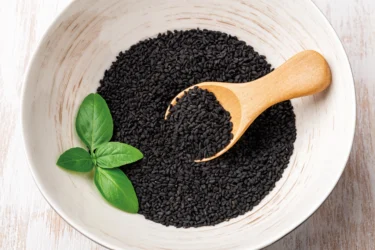
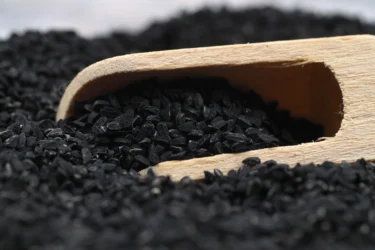
Kalonji is small, black-coloured seeds similar to cumin. Therefore, they are also called black cumin. The potential properties of kalonji are so vast that it might be considered the the herb from heaven or Haba-al-Barakh (blessed seeds) or miracle seeds1. Kalonji, being a popular ingredient in the culinary world and also in traditional medicine, is grown and used in different regions of the world. Kalonji is used in Arab countries, Africa, Asia and Europe to manage various diseases and ailments1. Moreover, kalonji is a panacea and is used in various forms. It has potential use and might be helpful to recover from tiredness and restore the body’s energy, as has been stated in the book ‘The canon of Medicine’ by Avicenna, who is The Father of Early Modern Medicine. It is also used in various traditional systems of medicine such as Unani, Ayurveda, Tibb, and Siddha1.
The nutritional composition of kalonji is as follows2:
It also contains:
The wide range of potential properties that kalonji may possess, might be the reason for its potential use for various health-related problems for centuries. The properties are as follows:
Based on studies I had read, kalonji contains anti-inflammatory and antioxidant properties. Due to these properties, the oil extracted from kalonji seeds might be useful for improving the pulmonary functions of those people who are suffering from chronic pulmonary obstructive disease (COPD)6.
Dr. Siddharth Gupta, B.A.M.S, M.D (Ayu)
The following might be the potential uses of kalonji, according to the currently available research data
In a study3 conducted on patients who have diabetes, it was seen that the blood sugar of patients might be affected positively with the oral administration of black cumin seed oil for 20 days. In many cases, it might be helpful as an adjunct to the oral medications prescribed for lowering blood sugar as seen in various studies.
The potential blood sugar lowering effect of kalonji may be attributed to its various potential properties that might help reduce free radicals in the body either by apparently helping in increasing the level of antioxidants or by neutralisation of free radicals, controlling inflammation, and regulating blood cholesterol, by increasing good cholesterol and lowering bad cholesterol3. However, more research is required to ascertain the above-mentioned potential uses. You should consult a doctor for serious conditions such as diabetes which must be diagnosed and treated by a doctor.

Research has been conducted to study the effects of kalonji as a blood pressure-lowering agent. One of the trials conducted over a period of one year with supplementation of kalonji daily showed that kalonji might help with lowering of blood pressure in the patients3.
Although many studies showed the potential use of kalonji as a blood pressure-lowering agent, one of the studies conducted on elderly patients suffering from elevated blood pressure failed to do so. The difference in the methods of study might have caused this difference in results as the previous studies were performed on patients with milder forms of the disease, and the dosage of kalonji used to treat it also varied3.
This activity of kalonji may be due to its potential property of decreasing oxidative stress (neutralisation of free radicals) and might also help in increasing the urine output, both of which mechanisms might prove to be helpful for high blood pressure3. However, more studies are required to prove the potential use of kalonji for blood pressure. Moreover, high blood pressure is a serious condition and must be diagnosed and treated by a doctor.

Potential use of kalonji for bacterial infections – Kalonji might help to stop the growth of a wide range of bacteria and thus might help with various infections caused by them. It was found to have a possible effect on a bacterium (Helicobacter pylori),which is found to be associated with the formation of gastric ulcers3. however, more studies will be necessry to prove such claims.
Potential use of kalonji for fungal infections – Apparently, it also doesn’t allow fungi to grow and might therefore help with fungal infections. It is also hypothesised that it might interfere with growth of various fungi. Therefore, it might be used as a food additive and a natural preservative to prevent the spoilage of food3. However, more research is required to prove such effects.
Diseases like cystic fibrosis, rheumatoid arthritis, osteoarthritis, allergies, asthma and cancer are associated with inflammation and pain. The volatile oil of kalonji has been found to have the potential to help with pain and also inflammation in such conditions. A study revealed that kalonji extract in asthmatic patients might help to improve lung function as compared to another compound (theophylline) in addition to relieving inflammation due to the disease. The relief in pain and inflammation due to asthma might be possible due to the potential activity of kalonji in reducing histamine (an enzyme)3. However, more studies are necessary to prove such claims. Please consult a doctor for proper diagnosis and treatment of conditions.
Kalonji might have a potential use against cancer that may be attributed to its potential antioxidant activity and also to its action to possible help in inhibiting the growth of cancer cells in the body. This effect has been noted in studies conducted in the laboratory and also in animal models3. However, more studies are required to prove these claims. Cancer is a serious condition and must be diagnosed and treated by a doctor.
The bioactive compound present in kalonji might intervene with the signaling pathways of neurons in the body and may show a positive effect. This activity may be responsible for its possible use against the diseases of nerves and even certain mental disorders3. Studies have also shown its potential positive effect on Parkinson’s disease, Alzheimer’s disease, epilepsy (seizures), anxiety and depression, and drug addictions (opioid tolerance and dependence)3. However, more studies are required. Kindly consult a doctor for proper diagnosis and treatment.
Kalonji extract might help with blood flow to the liver, thus might help stop damage caused due to decreased oxygen levels. Thus, it might protect the liver. It might also protect the liver from the toxic effects of certain heavy metals by nullifying their activity4. However, more research is required. Please consult a doctor.
Having potential antioxidant activity, kalonji oil, together with vitamin C, might help the kidney by potentially lowering the serum creatinine and blood urea levels4.
The potential antioxidant activity of kalonji has been observed in various studies that showed its potential use in the reduction of oxidative stress (free radical accumulation). The free radical build-up has a negative effect on all the systems of the body, causing diseases of the nerves and nervous system, cancer, ageing and various other diseases related to hormone imbalance like diabetes3.
Though there are studies that show the potential useof bael in various conditions, these are insufficient and there is a need for further studies to establish the true extent of benefits of baelon human health.
Based on my observation, kalonji seeds contain anti-inflammatory, antibacterial, and wound-healing properties. Due to the presence of these properties, kalonji seeds might be your good friend in your struggle against various skin diseases and your path to good skin7.
Dr. Rajeev Singh, BAMS
Black Cumin or Kalonji can be used in the form of:
Your Ayurvedic physician will prescribe you the form and dosage as per your health condition.
You must consult a qualified doctor before taking any herbal supplements. Do not discontinue or replace an ongoing treatment of modern medicine with an ayurvedic/herbal preparation without consulting a qualified doctor
Also Read: Spring Onion: Uses, Benefits, Side Effects By Dr. Smita Barode
Kalonji might have side effects but there is a requirement for more research to study these effects. Kindly consult a doctor and do not self-medicate, alter, replace or discontinue any ongoing treatment.
Moderation and a doctor’s supervision are the keys when it comes to using anything. Pregnant women, nursing women, children and the elderly should use it with caution. Kalonji should only be used after consulting an Ayurvedic physician.
Also Read: Pancharishta: Uses, Benefits and Side Effects By Dr. Rajeev Singh
More research is required to prove the adverse drug interactions of kalonji. Your Ayurvedic physician will be able to guide you better with specifications based on the requirements for your health and condition. Ensure that you disclose information about all the current medications being used so that your doctor can have a clear idea and advise accordingly.
Also Read: Sattu: Uses, Benefits, Side Effects & More
Kalonji oil can might have potential use to relieve pain as it has pain-relieving and anti-inflammatory properties3. However, more research is required to prove these claims. Kindly consult a doctor.
Kalonji might have potential use for diabetic patients as it might possess blood sugar-lowering effects3. However, more studies are required. Diabetes is a serious condition and must be diagnosed and treated by a doctor.
The use of kalonji for preventing hair loss has not been reported in studies.
Kalonji oil might help lung health and be helpful for asthmatic patients3. However, more research is required. Kindly consult a doctor.
The use of kalonji oil for managing skin rashes has not yet been reported in any study.
Kalonji is referred to as black cumin, black caraway, black seed, fennel flower, nigella, nutmeg flower and Roman coriander in English5.
Disclaimer: The information provided here is for educational/awareness purposes only and is not intended to be a substitute for medical treatment by a healthcare professional and should not be relied upon to diagnose or treat any medical condition. The reader should consult a registered medical practitioner to determine the appropriateness of the information and before consuming any medication. PharmEasy does not provide any guarantee or warranty (express or implied) regarding the accuracy, adequacy, completeness, legality, reliability or usefulness of the information; and disclaims any liability arising thereof.
Links and product recommendations in the information provided here are advertisements of third-party products available on the website. PharmEasy does not make any representation on the accuracy or suitability of such products/services. Advertisements do not influence the editorial decisions or content. The information in this blog is subject to change without notice. The authors and administrators reserve the right to modify, add, or remove content without notification. It is your responsibility to review this disclaimer regularly for any changes.
9
1
Drinking water is crucial for our health, but have you ever wondered if the way you store it could make a difference? Copper vessels are a sustainable choice and may support your wellness in many ways. In this article, we’ll explore the benefits of drinking water from copper bottles and vessels and why this age-old tradition might be the perfect addition to your daily routine (unless advised otherwise by a doctor).
Friendly Reminder: The information shared here is for educational purposes only, and the reader should consult a registered medical practitioner before implementing any changes to their health routine.
When water is stored in a copper vessel or bottle for eight hours or more, copper releases some of its ions in the water through a process called the Oligodynamic effect. Copper is known to have antimicrobial, anti-inflammatory, anti-carcinogenic, antioxidant and antibacterial properties5. It assists in the formation of haemoglobin10 as well as cell regeneration, and unfortunately, the human body cannot create the trace amounts of copper it requires to function healthily. Therefore, copper has to be a part of our intake either through food or water. Here are 10 health benefits of drinking water from a copper bottle:

Copper is a known antioxidant, which means it fights off free radicals and negates their adverse effects11. Free radicals and their harmful effects have been significant causes of cancer in the human body. Copper also helps produce Melanin12, which gives colour to skin and eyes and protects against the sun’s harmful UV rays.
Based on my observations, three enzymes are required in mammals to produce pigment in skin cells. These enzymes help determine the colour of our skin. One of these enzymes is a copper enzyme. Thus, optimal copper levels in our body might help avoid pale skin.
Dr. Rajeev Singh, BAMS

According to the studies, copper plays a supportive role in reducing cholesterol and triglyceride levels4. If copper deficiency has existed since childhood, it leads to the development of hypotension. However, if adults suffer from copper deficiency, they may develop hypertension. Therefore, trace amounts of copper are critical for regulating a person’s blood pressure7.
Studies show a positive correlation between adequate copper levels and thyroid function1. While lack of copper may contribute to thyroid gland malfunction, it is also true that too much copper also causes thyroid gland dysfunction causing hyper or hypothyroidism among patients.

Copper is a trace element but plays a role in forming haemoglobin10. Copper deficiency can lead to some types of anaemia.

Copper has anti-inflammatory properties13, which may provide significant relief to patients who have arthritis and rheumatoid arthritis. It is beneficial for healthy bones and joints.

Ancient Roman texts talk about prescribing copper-based medicine to kill off germs in the stomach11. Ayurveda claims that drinking “Tamra Jal” detoxifies and cleanses the stomach14. Copper also has properties that stimulate peristalsis (rhythmic expansion and contraction of the stomach lining), reduce the inflammation of the stomach lining and assist in better digestion. Copper is an excellent remedy for stomach ulcers, indigestion and stomach infections.

Ancient Egyptians used a lot of copper-based beautifying agents. Several skincare products these days are copper-based because copper is not only an antioxidant but also assists cell regeneration15 and up-regulates the production of collagen and elastins, which may reduce the early appearance of fine lines and wrinkles.

The human brain interacts with the rest of the body through electrical impulses. Copper helps the cells communicate, carrying out these impulses and making the brain work much more efficiently16.

Copper exhibits anti-inflammatory, antibacterial and antiviral properties2. In addition, copper assists skin regeneration and strengthens the immune system, helping the body heal wounds faster.

When you drink water from a copper bottle, water becomes slightly alkaline upon storage for a couple of hours. This alkaline water helps to balance the acids, detoxify the system and lower the body’s temperature. This is especially helpful during the hot summer months when the body tends to heat up.
If you ever come across drinking water that tastes metallic or bitter, you should avoid consuming it. This is because it could indicate elevated copper levels, which may surpass the recommended health guideline value of 2 mg/L. To stay safe, it’s best not to drink water with a metallic or bitter taste to save us from worrying about any potential health concerns associated with excessive copper content.
Dr. Siddharth Gupta, B.A.M.S, M.D (Ayu)
Copper is a hero as far as its benefits are considered, not just to the human body but to the environment, too. It is a cheap metal, available in abundance and easiest to recycle. There are several benefits of copper; here are some to our health and our environment at large.
A healthy human body requires trace amounts of copper to function effectively. Copper helps generate heat in the human body, helping communication between different cells, breaking down certain foods to become haemoglobin and boosting our metabolism. Copper deficiency leads to health issues like anaemia, parasitic infections, and leaky gut. Foods rich in copper include sunflower seeds, lentils, dried apricots, and mushrooms, among others6.
Copper is the friendliest metal for the environment. A good conductor of heat and electricity, it is cheap and easy to recycle, making it the greenest natural metal. Copper is ideal for making solar panels.
Copper is also the future of nanotechnology. It is interesting to note that leading IT companies use copper to make the most powerful computer chips available. In the past few years, copper has been used for bioleaching, a process by which mineral ores are extracted from their sulphide ores with the help of elements present in the environment. Copper also plays a vital role in managing hazardous nuclear fuel waste.
Claims of Copper’s antimicrobial properties have been documented since ancient times. However, without concrete scientific research, it is difficult to determine whether these claims are fact or a myth of our collective conscience. To bust this myth, Sudha et al. (2012) conducted a series of tests to ascertain the antimicrobial qualities of water. Cultured Cholera bacteria were introduced to water and stored in a copper vessel for over 16 hours. Sudha et al. reported after several more tests that copper does have an antimicrobial property, as they weren’t able to extract any samples of Cholera bacteria from the water stored in the copper vessel, whereas the copper content in the water was within the permissible range by the WHO standards3.
Another study by the University of South Carolina reported that Copper killed 97% of the bacteria present in ICUs, reducing the risk of contracting hospital-acquired infections by 40%9. In June 2016, Natural Chemical Biology published another study proving copper’s key role in burning fat in the human body8. In 2017, the U.S. Environmental Protection Agency registered Copper as the only natural metal with the ability to kill harmful microbes.
Also Read: Warm Water with Honey & Lemon – Is It the Amrit for Your Health?
Despite all the benefits of copper, one must remember that copper is only required in trace amounts in the human body. One must also not forget that excess of anything could also become harmful, especially if we are discussing the delicate balance of human chemistry. Water makes up to 75% of our anatomy. However, one cannot keep on drinking water stored in a copper vessel all day and every day. Here are a few tips on drinking water from a copper vessel correctly and safely:
Also Read: 8 Health Benefits Of Eating Celery
Drinking water from a copper bottle or vessel may bring you certain health benefits. Most of these benefits are not backed by science. The antimicrobial, anti-inflammatory, and antioxidant properties of this water can help support your immune system, aid digestion, and promote good skin health. By incorporating the use of copper vessels to store water, you’re tapping into an age-old tradition and providing your body with a natural boost.
Also Read: 8 Health Benefits Of Cucumber That You Should Know
Copper Toxicity is caused by using a corroded copper bottle. Copper corrosion can be caused by acidic substances especially food items which are acidic in nature and the softness of the water.
To maximise its benefits, water should be stored in a copper bottle for 6-8 hours.
No, only water can be stored in the copper bottle; other substances may have different acidity levels or chemical structures, and copper can react with the same, making it harmful to the human body.
It is suggested that the water stored in the copper bottle must be at room temperature, neither too hot nor too cold. Temperature can play an inverse role in copper.
Pure copper oxidises when exposed to oxygen and liquids. To remove the oxidation stains, the best way to clean a copper vessel is to scrub it with lemon juice and salt.
You will not taste the copper in the water. In a copper bottle, the water tastes pure and clean. Over the course of months, you may get a hint of a copper taste, but cleaning the bottle regularly is all you need to do.
It is recommended that you only store still water in your bottle. Like any other metal, copper could react with acidic liquids (anything with a pH of less than 7) or milk-based fluids. If you want to flavour your water, you can gladly add this to the glass once the copper water has been poured from the bottle.
Disclaimer: The information provided here is for educational/awareness purposes only and is not intended to be a substitute for medical treatment by a healthcare professional and should not be relied upon to diagnose or treat any medical condition. The reader should consult a registered medical practitioner to determine the appropriateness of the information and before consuming any medication. PharmEasy does not provide any guarantee or warranty (express or implied) regarding the accuracy, adequacy, completeness, legality, reliability or usefulness of the information; and disclaims any liability arising thereof.
Links and product recommendations in the information provided here are advertisements of third-party products available on the website. PharmEasy does not make any representation on the accuracy or suitability of such products/services. Advertisements do not influence the editorial decisions or content. The information in this blog is subject to change without notice. The authors and administrators reserve the right to modify, add, or remove content without notification. It is your responsibility to review this disclaimer regularly for any changes.
212
134
Maintaining healthy body weight is not just about looking good but also staying fit. Being overweight and obese can lead to multiple health problems such as cardiovascular diseases, type 2 diabetes, diseases related to inflammation, kidney problems, liver problems and so on. Furthermore, increased weight can hamper your confidence and lead to low self-esteem, depression and anxiety. Therefore, shedding those extra kilos is crucial for a healthy body and mind, although it can be a difficult task, especially when your body has a low metabolism. While many people set regular goals to lose weight but sadly few are able to follow them religiously. This often happens in people who find it challenging to give up the habit of snacking. While regular physical activity is equally important, it is crucial to be mindful of what you eat, especially when you’re trying to lose weight. Replacing snacks with healthy food items like dry fruits can be a good option to aid your weight loss journey.
In this blog, we have compiled a list of dry fruits that are healthy for your body and can help support your weight loss efforts. Let’s see which these are and how they may help!
Now, you might be wondering why you should eat dry fruits instead of your regular snacks. Well, it’s because dry fruits are filled with healthy nutrients and many of them are considered superfoods due to their high nutritional value. Thus, when you choose to eat them instead of regular snacks, you ensure that you do not increase your intake of unhealthy fats and carbohydrates that promote weight gain.
Moreover, dry fruits can also help people who have low metabolisms. This is because certain kinds of dry fruits can boost your metabolism, which is very helpful for losing weight. Plus, they keep you full for a longer time, reducing your cravings for unhealthy food and overeating.
The following dry fruits can help you the most during your weight loss journey:
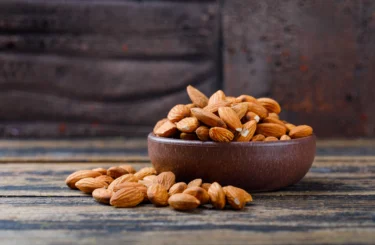
Almonds have very low amounts of calories. A 100 grams of almonds contains only 549 kcals1. Eating small amounts of almonds on a daily basis can provide your body with high levels of nutrients such as proteins, mono-saturated fats and antioxidants that are beneficial for overall health. Furthermore, almonds also improve your health by lowering bad cholesterol2, which tends to be high in people who are obese or overweight.
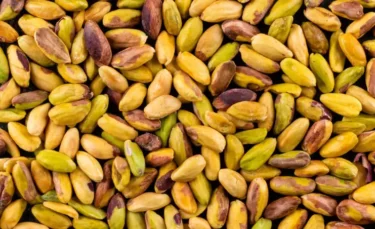
People who like to snack frequently can benefit a lot from eating pistachios. This is mainly because they have very high amounts of fibre, which helps your body feel full for longer periods of time3. Additionally, fibre is good for digestion as it aids with bowel movement.
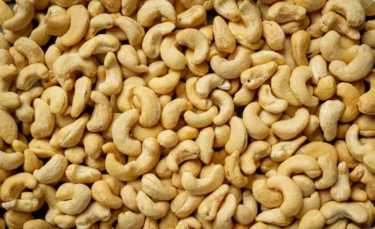
Cashews are delicious nuts that are quite popular in India. They are a very rich source of magnesium, which can be beneficial for weight loss because it helps regulate the fat and carbohydrate metabolism in the body.
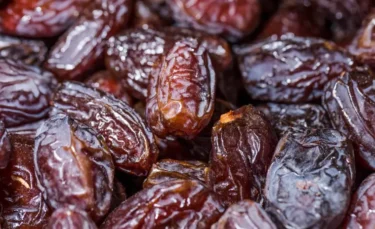
Dates are rich in flavour and good for weight loss. This is because they have high fibre content, which may help to suppress food cravings by making you feel full. As a result, you will be less prone to snacking between your meals.
Dates are also beneficial as they provide your body with Vitamin B5. This vitamin is known for boosting your stamina, which means that you can exercise for a longer period, and work towards getting your ideal weight!
In my experience, I have observed that the digestion process can actually enhance the health benefits of dried fruits. For example, when dried fruits like apricots, figs, and raisins are consumed, their antioxidant activities increase after undergoing gastric digestion. This means that the dried fruits can provide even more antioxidant protection for our cells, shielding our body from the damage caused by harmful free radicals and promoting overall health12.
Dr. Rajeev Singh, BAMS
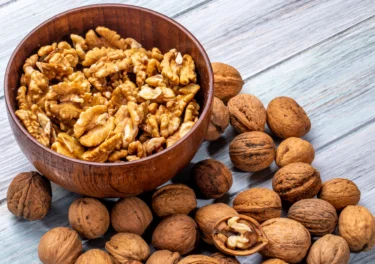
Walnuts are a great dry fruit as they contain high amounts of good fats such as omega 3 fatty acids and alpha-linolenic acid (ALA). Therefore, walnuts can help support your cardiovascular health and is also good for lowering body fat4. This can be a great addition to the diet as many people who are overweight are already at risk for cardiovascular problems and this can be a great way to try and prevent them.
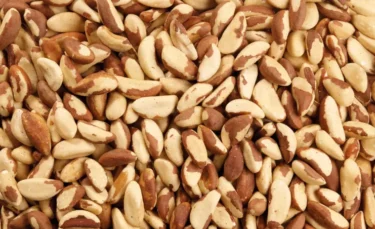
Brazil nuts have many properties that may aid weight loss. They contain an essential amino acid known as L-arginine, which can be helpful in burning fat. It increases body metabolism and thus, prevents the accumulation of unhealthy fat. Brazil nuts have high amounts of certain minerals such as selenium, thiamine, phosphorus and magnesium which can help maintain optimal cholesterol levels in blood and prevent damage to blood vessels5.
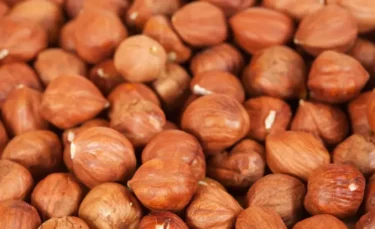
Hazelnuts have high fibre content as well as healthy fats, and both of these help with weight loss6. Like all the other high-fibre dry fruits mentioned in this article, hazelnuts also help in keeping you full for a longer time and controlling unhealthy snacking, which is often the first step in losing weight!
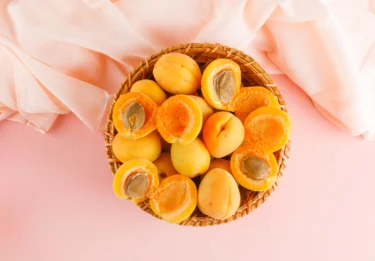
Apricots can stop you from feeling hungry for a long time after you eat them. Additionally, they provide your body with magnesium, which regulates fat metabolism. Apricots have a slightly sweet taste, and you can add them to certain desserts instead of sugar.
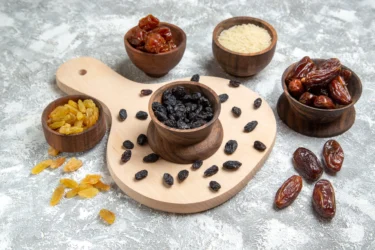
If you are looking for low-salt foods with weight loss properties , then it can be difficult to find suitable snacking options.. However, raisins offer both benefits! In 100 grams of raisins, you will find only 0.5 grams of fat and 299 kcal, making this a great snack for people who are trying to lose weight. They are proposed to help regulate cholesterol levels and may reduce hunger by influencing hormones responsible for satiety7.
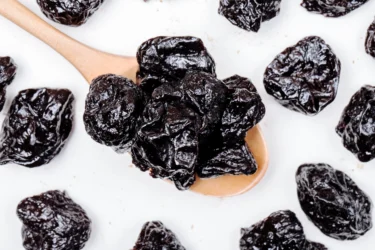
Prunes are also commonly called dried plums. They have high dietary fibre content, which promotes peristaltic movements in the intestines. As a result, waste and toxins get released from your body quickly and this can help you in losing weight. Additionally, 100 grams of prunes contains only 240 kcal, making this a good snack for people who need to control their daily calorie intake8.

Black currant makes for a great pre-workout snack. It is easy to include in your diet and a versatile dry fruit like raisins. These dried fruits are high in nutrition and taste, making them a desirable snack. The dietary fibre and low sugar content. aids in weight loss. It also helps with other health issues like diabetes and heart disease due to its antioxidant properties9.
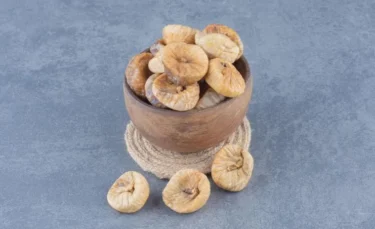
Dried figs are abundant in dietary fibres that aid the digestive system to function optimally. Figs also contain a digestive enzyme known as ficin. This enzyme helps you lose weight as it by improving lipid metabolism and reducing your craving for sugar. It also has a positive effect on gut microbes and helps fight oxidative stress10.
These tiny red berries are packed with nutrients and antioxidants. Goji berries have high fibre content and help increase the metabolism of your body. Drinking goji berry juice can boost metabolism and aid your weight loss journey11.
Over the years, I have observed that besides aiding in weight loss, dried fruits may also have a positive impact on reducing the risk of cardiovascular disease (CVD). While the consumption of dried fruits alone may not be significantly associated with cardiovascular mortality, when combined with fresh fruit intake, it has been found to lower the risk of CVD mortality. Therefore, incorporating a variety of dried and fresh fruits into your diet can help promote heart health and reduce the risk of cardiovascular issues12.
Dr. Smita Barode, BAMS, M.S.
Based on my experience, I have observed that incorporating dried fruits into your diet can be beneficial for your overall health. Dried fruits are a great source of dietary fiber, containing approximately 3.7 to 9.8 grams per 100 grams. By consuming around 20 to 30 grams of dried fruits per day, you can fulfill about 10 to 16% of your recommended daily fiber intake, which is around 14 grams12.
Dr. Siddharth Gupta, B.A.M.S, M.D (Ayu)
If you do not want to eat a bowl of raw nuts, you can consume them in other ways that are equally beneficial for you. For example:
Also Read: The Detailed 7 Days GM Diet Plan for Weight Loss
If you plan on adding dry fruits to your diet, here are a few other helpful tricks to speed up your weight loss:
Also Read: Ajwain: Uses, Benefits, Side Effects, and More!
Your health depends a lot on your weight as it can impact various body functions. Therefore, monitoring the same diligently can help you improve the way you look and feel. Ultimately, this can have many positive impacts on your life such as improved confidence and self-esteem, better social skills, more motivation and positive thoughts. Even if it may seem very difficult initially, you should know that if you take simple steps such as eliminating unhealthy food items and including weight loss foods like dry fruits in your diet can help you achieve your goals!
Also Read: 17 Health Benefits of Dates And Date Recipes
Dry fruits are healthy snacks to eat on the go. Dry fruits like almonds, apricots, prunes, figs and others mentioned above, can help reduce food cravings and avoid weight gain. However, to target fat on specific sites in the body, a regular fitness regimen is essential..
Soaking dry fruits helps replenish moisture and fortifying other nutrients present in them and seeds. It also ensures better digestion and enhances the flavour. Consuming soaked dry fruits regularly on an empty stomach in the morning can be good for health.
It is recommended that having 6-8 almonds each day is safe. Soaked almonds are beneficial, and it is best to consume them in the morning. However, you must avoid having fried and salted almonds.
Disclaimer: The information provided here is for educational/awareness purposes only and is not intended to be a substitute for medical treatment by a healthcare professional and should not be relied upon to diagnose or treat any medical condition. The reader should consult a registered medical practitioner to determine the appropriateness of the information and before consuming any medication. PharmEasy does not provide any guarantee or warranty (express or implied) regarding the accuracy, adequacy, completeness, legality, reliability or usefulness of the information; and disclaims any liability arising thereof.
77
0
Kokum, also known as Garcinia indica, is a plant native to India particularly thriving along the Western Ghats and coastal regions such as Maharashtra, Goa, Karnataka, and Kerala, though it is also found in the Eastern and North-Eastern states.
Kokum is known by different names in different regions. It is referred to as Goa butter tree or kokum butter tree in English, Bheranda in Marathi, Vrikshamla in Sanskrit, Punarpuli in Tulu, and Murgal- masala in Tamil. It mainly grows on the Western coasts of India but can also be found in the Eastern and North-Eastern states1.
It can be widely used for culinary purposes, including fish pickling (known as Colombo curing), preparing refreshing drinks, and in the manufacture of cosmetics; however, its most significant application lies in Ayurveda, where it is valued for a wide range of potential therapeutic uses1,2.
Did you know?
Nutritional composition of kokum2:
Kokum may have a beneficial role in the food industry, particularly due to its high anthocyanin content, which gives it a deep red-purple hue. According to a recent article9, it could be an excellent natural source for colour extraction, making it a promising alternative to synthetic food colourants.
Dr. Siddharth Gupta, B.A.M.S, M.D (Ayu)
Kokum has been used since ancient times due to its beneficial properties.
Kokum is said to have several potential benefits for the body. It is used for several health purposes in traditional medicine. These include:

Kokum may help protect the liver; hence it might be used as a liver tonic2. It may also help in the digestion of food, acting as a natural antacid. Traditional preparations combining kokum with yoghurt and salt are believed to help alleviate gastric ulceration and reduce burning sensations in the stomach3. Additionally, kokum may assist in managing gastrointestinal issues such as dysentery (characterised by stools with blood and mucus), diarrhoea (watery stools), and piles (fissures caused by hard stools). Overall, kokum might be beneficial for digestive health, supporting the gut and potentially helping to stimulate the appetite. However, more studies are required to corroborate these.

Kokum may be beneficial for weight management as it may help reduce hunger and potentially increase energy expenditure1. It is also thought to suppress the production of fatty acids and may support their conversion into glycogen, which is stored in the liver for energy2. These combined mechanisms could contribute to managing body weight effectively. Kokum juice, in particular, is often suggested as a supportive beverage for this purpose. Additionally, kokum might promote better blood circulation and may help prevent the accumulation of fat in the blood vessels, further supporting cardiovascular health and overall metabolic function3. However, more research is required to confirm these claims.
Kokum butter may possess effective moisturising properties, making it a valuable ingredient in the cosmetic industry. As a result, it is commonly used in the formulation of products such as soaps, lip balms, and body lotions, where it helps to nourish and hydrate the skin. Traditionally, kokum butter has been used to treat dry skin due to its deeply moisturising nature. It may also be beneficial for soothing burns, healing cracked feet, and relieving fissures of the lips, as well as for managing ulcers and other minor skin irritations1,2,4. However, more research is required to prove these facts.

Kokum has potential antimicrobial properties and thus might be effective against bacteria. One of its key active components, garcinol, may serve as a substitute when conventional antibiotics cause side effects5.
Research2 suggests that kokum may be effective against bacteria such as Staphylococcus, which is responsible for various infections, and its action may be comparable to that of traditional antibiotics. Additionally, its potential to help treat gastric ulcers may be linked to its antimicrobial activity against Helicobacter pylori, the primary bacterium responsible for such conditions. It may also be effective against fungal infections of the skin and mouth and parasitic worms in the stomach3. However, more research is required in this field.
In a research study3, it was found that garcinol, which is one of the three primary active components of kokum may have potential anti-cancer properties. It appears to work by inhibiting the activity of certain enzymes associated with cancer development and may also promote the programmed death (apoptosis) of cancer cells. While these findings are promising, further scientific validation and clinical studies are necessary to confirm its efficacy and safety.
In a study, garcinol demonstrated the potential to inhibit the growth of human leukaemia (blood cancer) cells, suggesting that it may possess chemo preventive properties, that is, it might help reduce the development or progression of cancer. These findings highlight kokum’s promise in cancer research, although further clinical investigations are required to substantiate its therapeutic potential3.
Kokum may possess antioxidant properties, which could help neutralise free radicals in the body (unstable molecules that are known to contribute to the development of cancer and other chronic diseases). By reducing oxidative stress, kokum might play a role in protecting cells from damage and supporting overall health3. Even though there is some evidence that the use of kokum might help with cancer and inflammatory diseases, further studies are required in this field1,6.

Kokum has anti-inflammatory properties which are beneficial for heart health. Also, kokum is rich in minerals that help regulate blood pressure levels. Moreover, initial studies7 have shown that garcinol in kokum can help lower the risk of atherosclerosis (narrowing of arteries supplying the heart due to fat deposition) by maintaining blood lipid levels. These findings suggest that kokum holds good potential to help lower risk of cardiovascular complications. In ayurvedic medicine, it is used as a heart tonic to improve heart function. Although more research is needed to confirm this benefit.
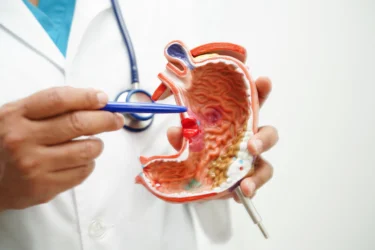
Though there are studies that show the potential uses of kokum in various conditions, these are insufficient and there is a need for further studies to establish the true extent of benefits of kokum on human health.
Other than its medicinal and therapeutic uses, kokum has found its place in our delicacies as well. From my experience, Kokum is used in production industries for making butter, wine, health beverages, curries, and pickles.
Dr. Rajeev Singh, BAMS
Kokum is widely used in the manufacture of various products and is available in fvarious forms making it versatile for different applications, some common forms include3:
Your Ayurvedic physician will recommend the appropriate form and dosage based on your health condition.
You must consult a qualified doctor before taking any herbal supplements. Do not discontinue or replace an ongoing treatment of modern medicine with an ayurvedic/herbal preparation without consulting a qualified doctor.
Also Read: Ber Fruit: Uses, Benefits, Side Effects & More!
Kokum may have side effects, but there are insufficient reports currently insufficient reports to clearly define what these might be. Therefore, more research is needed to fully understand any adverse effects associated with its use. If you experience any side effects while using kokum, it is important to consult a doctor before continuing its use for health purposes.
It is advised to consult a physician before taking kokum as a treatment for any condition, particularly for pregnant or nursing women, elderly individuals, and children. Avoid self-medicating with kokum, and do not use it to replace, alter, or discontinue any prescribed treatments without professional guidance.
Since kokum may act as a weight-reducing agent, it has the potential to affect substances involved in insulin sensitivity. Therefore, it is important to consult a physician before combining kokum with such substances, and frequent monitoring may be necessary to ensure safety and effectiveness3. Consult a doctor before using kokum. One must always disclose all the current medications being used so that the doctor can make appropriate decisions and advise you accordingly.
Also Read: Shankhpushpi: Benefits, Side Effects, Precautions & More!
Kokum is a versatile plant with a history of traditional use in Indian cuisine and Ayurvedic medicine. It has been used traditionally for dealing with digestive issues, weight management, skin health and as a heart tonic. While preliminary studies emphasise on its potential health benefits, more research is needed to confirm these effects. Always consult a qualified healthcare professional before using kokum for medicinal purposes.
Also Read: Senna: Uses, Benefits, Side Effects and More By Dr. Rajeev Singh
Kokum might facilitate digestion and may act as a natural antacid. However, you should consult a doctor and do not self-medicate.
Yes, kokum may offer various potential health benefits, including support for ulcers, acidity, heart and liver protection, weight management, and suppression of tumour cell growth. However, more research is needed to confirm these effects in humans. It is important to consult a doctor for proper diagnosis and treatment, and to avoid self-medicating.
Yes, kokum butter can be used for cooking.
Kokum may possess anti-cancer and anti-tumour properties; however, there is currently no concrete evidence to support its use as a treatment for cancer. Further research is needed to establish its effectiveness and safety in this regard. More research is required to fully understand kokum’s potential benefits. Additionally, cancer is a serious condition that must be diagnosed and treated by a qualified doctor.
Yes, kokum may be used for the manufacture of cosmetics such as lip balms, lipsticks, and lotions. It may be beneficial for treating chapped skin and wounds, and it is also believed to help with ulcers.
1. Manoj R. Chate, Subhash B. Kakade and V.S. neeha (2019). Kokum (Garnicia indica) Fruit: A Review, Asian Journal of Diary and Food research. 38(4):329-332. Available from: https://arccjournals.com/journal/asian-journal-of-dairy-and-food-research/DR-1493
2. Kumar S, Tripathi, Sankar, Karunakaran. Kokum (Garcinia india) – A potential fruits of Western Ghats Bulletin [Internet]. 2014 [cited 2025 May 21]. Available from: https://www.researchgate.net/publication/303797768_Kokum_Garcinia_india
3. Lim SH, Lee HS, Lee CH, Choi CI. Pharmacological Activity of Garcinia indica (Kokum): An Updated Review. Pharmaceuticals [Internet]. 2021 Dec 20 [cited 2025 May 21];14(12):1338. Available from: https://pmc.ncbi.nlm.nih.gov/articles/PMC8708457/
4. Rai SR, Birla JD, Sayeed Ariba. 5. Kokum-The Superfood of India [Internet]. 2022 [cited 2025 May 23]. p. 23–32. Available from: https://www.researchgate.net/publication/364955192_5_Kokum-The_Superfood_of_India
5. R.L. Sutar, Mane SP, Ghosh JS. Antimicrobial activity of extracts of dried Kokum (Garcinia indica C.). International Food Research Journal [Internet]. 2012 Jan 1 [cited 2025 May 23];19(3):1207–10. Available from: https://www.researchgate.net/publication/282718743_Antimicrobial_activity_of_extracts_of_dried_Kokum_Garcinia_indica_C
6. Dr. Rahul C. Ranveer, Sahoo AK. Bioactive Constituents of Kokum and its Potential Health Benefits. ResearchGate [Internet]. 2017 Oct [cited 2025 May 23];1(6):236–2444. Available from: https://www.researchgate.net/publication/320372291_Bioactive_Constituents_of_Kokum_and_its_Potential_Health_Benefits
7. Kumar VD, Gurusamy K, Leneeygreen KB. Cardioprotective effects of Garcinia indica fruit rind extract and garcinol in isoprenaline hydrochloride induced cardiotoxicity in rats. Journal of Advanced Scientific Research. 2021 Jul 31;12(02 Suppl 2):246-55. Available from: https://sciensage.info/index.php/JASR/article/view/974
8. Madhuri K, Naik PR. Modulatory effect of garcinol in streptozotocin-induced diabetic Wistar rats. Arch Physiol Biochem. 2017;123(5):322-329. Available from: https://pubmed.ncbi.nlm.nih.gov/28598692/
9. Nayak CA. Bioactive constituents present in Garcinia indica Choisy and its potential food applications: a review. Int J Food Properties [Internet]. 2010 [cited 2025 Nov 21];13(4):441‑53. doi:10.1080/10942910802626754. Available from: https://www.tandfonline.com/doi/full/10.1080/10942910802626754#:~:text=Abstract,squash%20and%20jellies%20like%20products.
Disclaimer: The information provided here is for educational/awareness purposes only and is not intended to be a substitute for medical treatment by a healthcare professional and should not be relied upon to diagnose or treat any medical condition. The reader should consult a registered medical practitioner to determine the appropriateness of the information and before consuming any medication. PharmEasy does not provide any guarantee or warranty (express or implied) regarding the accuracy, adequacy, completeness, legality, reliability or usefulness of the information; and disclaims any liability arising thereof.
Links and product recommendations in the information provided here are advertisements of third-party products available on the website. PharmEasy does not make any representation on the accuracy or suitability of such products/services. Advertisements do not influence the editorial decisions or content. The information in this blog is subject to change without notice. The authors and administrators reserve the right to modify, add, or remove content without notification. It is your responsibility to review this disclaimer regularly for any changes.
37
4


