Get,

Free Doctor Tips

to manage your symptom

Get your,

FREE Doctor Tips Now!!

4 Cr+ families

benefitted

Enter your Phone Number

+91

|

Enter a valid mobile number

Send OTP

Verify your mobile number

OTP sent to 9988776655

CONGRATULATIONS!!!

You’ve successfully subscribed to receive

doctor-approved tips on Whatsapp


Get ready to feel your best.

Hi There,

Download the PharmEasy App now!!

AND AVAIL

AD FREE reading experience
Get 25% OFF on medicines
Banner Image

Register to Avail the Offer

Send OTP

By continuing, you agree with our Privacy Policy and Terms and Conditions

Success Banner Image
Verify your mobile number

OTP sent to 9988776655

Comments

Subscribe
Notify of
guest
0 Comments
Inline Feedbacks
View all comments

Leave your comment here

Your email address will not be published. Required fields are marked *

25% OFF on medicines

Collect your coupon before the offer ends!!!

COLLECT

Breast Tenderness: Causes, Symptoms, Home Remedies and Prevention Tips 

By Dr. Charmi Shah +2 more

Join Health Talk by PharmEasy on WhatsApp

Introduction

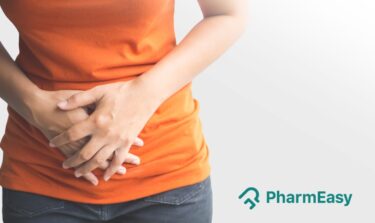
Breast pain, also called mastalgia, means discomfort, tenderness, aching, burning, tingling, or sharp pain in one or both breasts1,2. The pain may come and go with the menstrual cycle, occur during pregnancy or breastfeeding, or happen for reasons unrelated to hormones, such as injury, infection, medicines, breast cysts, or chest wall strain1,2. Breast pain by itself is rarely a sign of breast cancer, but a new lump, nipple discharge, skin dimpling, redness, swelling, fever, or pain that does not improve should be checked by a healthcare professional1,2.

This blog highlights the importance of understanding what breast tenderness means so that you can notice patterns, reduce unnecessary worry, and decide when simple self-care is reasonable and when medical advice is needed. 
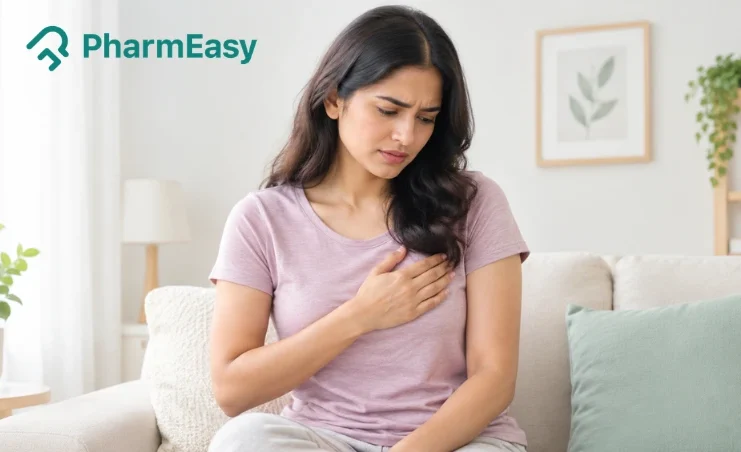
Breast Tenderness Causes, Symptoms, Home Remedies and Prevention Tips

Why Does Breast Pain Occur When Pressed?

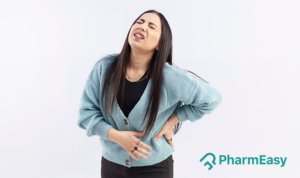
Breast pain when pressed is common and can affect women and men. It may be related to normal hormone changes, a poorly fitting bra, breast injury, breastfeeding problems, infection, cysts, abscesses, or pain coming from the chest wall rather than the breast itself1. Sometimes the breast is only sore when touched; at other times, the pain is present even without pressure. 

Advertisement

Types of Breast Pain

Breast pain is usually grouped into three broad types3:

  • Cyclical breast pain: This is the most common type. It is related to hormone changes during the menstrual cycle and often starts days to two weeks before a period. It may affect both breasts, feel dull or heavy, and improve when the period begins. Similar tenderness can also occur with pregnancy, breastfeeding, menopause, or hormone medicines such as contraceptives or hormone replacement therapy. 
  • Non-cyclical breast pain: This pain is not linked to the menstrual cycle. It may affect one breast or one specific area and may be caused by a cyst, infection, abscess, injury, previous breast surgery, larger breast size, breast implants, or certain medicines. 
  • Chest wall or referred pain: Sometimes pain feels as if it is in the breast but starts in the muscles, ribs, joints, heart, lungs, gallbladder, or stomach area. This is why chest pain, shortness of breath, or severe sudden pain should not be ignored. 

Reasons for Breast Tenderness

Hormone changes are a common reason for breast tenderness, but many other factors can contribute. Common causes include4:

  • Menstruation: Natural changes in oestrogen and progesterone before a period can make breast tissue feel swollen, heavy, or tender. The discomfort often begins a few days before the period and improves once bleeding starts. 
  • Pregnancy: Hormone changes in early pregnancy can cause breast tenderness, fullness, or swelling. 
  • Breast injury or surgery: A blow to the breast, strain from activity, or previous breast surgery can cause soreness that may last for days or weeks. 
  • Poor breast support: A bra that does not fit well or does not give enough support can strain the ligaments and tissues around the breast, especially during exercise. 
  • Chest wall pain: Pain from the muscles, ribs, or joints of the chest can feel like breast pain. Common causes include a pulled muscle, inflammation, injury, or rib problems. 
  • Breastfeeding: Breastfeeding may cause tingling during milk let-down, fullness from engorgement, nipple soreness from latch problems, cracked skin, blocked ducts, or infection. Along with the infection, breast abscess can also result during breastfeeding and can cause tenderness. 
  • Breast infection: Breast infection (mastitis can cause pain, redness, warmth, swelling, fever, and feeling unwell. It is more common during breastfeeding but can occur at other times too. Along with the infection, breast abscess can also result during breastfeeding and can cause tenderness. 
  • Medicines: Some medicines can cause breast tenderness, including hormonal contraceptives, hormone replacement therapy, some fertility treatments, certain antidepressants, some blood pressure medicines, diuretics, digitalis, oxymetholone, and methyldopa. Do not stop a prescribed medicine without medical advice. 
  • Breast cysts: Cysts are fluid-filled sacs that are usually benign and may settle on their own. Any new lump, persistent swelling, or change in the breast should still be assessed by a doctor. 
  • Breast Implants: They are the artificial breast inserts used to increase the breast size or restore the size and shape of breasts. A common manifestation of breast pain related to implants is due to the formation of scar tissue tightly around them. Rupture of a breast implant can also induce pain. 
  • Breast cancer: Breast pain alone is rarely caused by cancer. However, urgent medical advice is needed if pain occurs with a new hard lump, nipple discharge, skin dimpling, a nipple that turns inward, swelling, warmth, redness, or a rash around the nipple. Unexplained or persistent breast pain, especially if it is only associated with a specific area or only one breast, needs to be evaluated further to check for breast cancer. In these cases, clinical assessment or breast ultrasound might be needed for a precise diagnosis. 
  • Shingles: Shingles is a viral infection that can cause a painful, blistering rash on one side of the chest or breast area5.
  • Puberty: Breast tenderness can occur during puberty in girls and boys because of normal hormone changes and breast tissue development5.

Breast Tenderness Symptoms

Symptoms vary depending on the cause and pattern of the pain6.

  • Cyclical breast pain: This often begins before a period and improves once the period starts. It may feel dull, heavy, sore, or swollen and usually affects both breasts. The discomfort may spread toward the armpits. 
  • Non-cyclical breast pain: This pain does not follow the menstrual cycle. It may be constant or come and go, and it may affect one breast, one area, or the whole breast depending on the cause. The pain can feel as if it is in the breast even when the source is a rib, joint, or muscle. 
  • Chest Wall Pain: This may be one-sided pain and may worsen with movement, pressure, coughing, or exercise. The pain can either be towards the inner or outer side of the breast. 

Home Remedies for Breast Tenderness

Mild breast tenderness often improves with simple self-care. These steps may help, but they should not replace medical advice if symptoms are severe, persistent, or associated with warning signs. 

  • Warm or Cold Compresses: A warm compress may ease muscle tightness or help milk flow during breastfeeding. A cold compress may reduce swelling and soreness7
  • Adequate Breast Support: A well-fitted, correctly sized bra and a sports bra during exercise can reduce movement-related discomfort and support larger or tender breasts4,5.
  • Lifestyle Changes: Regular physical activity, adequate sleep, and limiting smoking and alcohol may help. Some people try reducing caffeine, salt, or dietary fat, but the evidence for breast pain relief is limited3,4
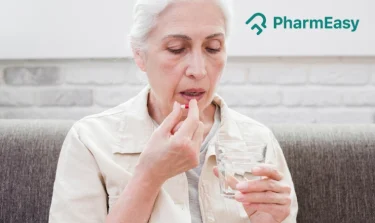
  • Pain relief medicines: Paracetamol, ibuprofen, or anti-inflammatory gels may help some people. Use them only if they are safe for you, and ask a healthcare professional if you are pregnant, breastfeeding, taking blood thinners, have kidney disease, stomach ulcers, asthma triggered by anti-inflammatory medicines, or other medical conditions4,5. Pregnant women should consult their doctor before taking any pain relievers for breast tenderness. 
  • Review medicines with a doctor: If breast pain began after starting or changing a medicine, speak with your doctor4. Do not stop or change hormonal treatment, blood pressure medicine, antidepressants, or other prescribed medicines on your own. 
  • Stress management: Stress can make pain feel more noticeable. Relaxation exercises, breathing techniques, yoga, meditation, and support from others may help some people cope with ongoing discomfort8.
  • Supplements: Evening primrose oil, vitamin E, and other supplements are sometimes used, but evidence regarding the effects of these is limited; therefore, these supplements are not recommended routinely8. Ask your doctor before taking supplements, especially if you are pregnant, breastfeeding, have epilepsy, take blood thinners, or use regular medicines. 

Can Breast Pain Be Prevented?

Breast pain cannot always be prevented, especially when it is linked to normal hormone changes. However, the following steps may reduce discomfort or help you manage it earlier: 

  • Wear good breast support: A correctly fitted bra can reduce strain, especially for people with larger breasts or pain during exercise3
  • Stay physically active: Regular exercise supports general health and may help some people manage pain and stress. Choose supportive clothing during activity3
  • Track food and symptom patterns: Some people notice breast pain after caffeine or high-salt foods, while others do not. A diary can help you see whether any change is useful for you3.
  • Use relaxation strategies: Yoga, meditation, breathing exercises, or counselling can help reduce anxiety related to breast symptoms and may make pain easier to manage3.
  • Prevent breastfeeding-related pain: A good latch, regular feeding or milk expression, nipple care, and early help from a lactation consultant or healthcare professional can reduce engorgement, cracked nipples, blocked ducts, and infection9.

When to Consult a Doctor?

Contact a healthcare professional if you notice any of the following5

Advertisement
  • A new lump or swelling in the breast or armpit. 
  • Pain that does not improve after one or two menstrual cycles, lasts longer than about two weeks, or continues after menopause. 
  • Severe pain, pain in one specific spot, or pain that interferes with daily life. 
  • Signs of infection, such as redness, warmth, swelling, pus, fever, chills, or feeling unwell. 
  • Clear, bloody, or spontaneous nipple discharge; nipple inversion; skin dimpling; a rash around the nipple; or a change in breast shape. 
  • Persistent pain in the absence of specific causes, especially affecting only one area or only one breast, needs further assessment. 

Also Read: Natural Home Remedies for Breast Pain

Conclusion

Breast tenderness when pressed is common and is often related to the menstrual cycle, pregnancy, breastfeeding, injury, cysts, infection, medicines, or chest wall strain. In many cases, it improves on its own or with simple measures such as a supportive bra, warm or cold compresses, and suitable pain relief. However, breast pain should be discussed with a healthcare professional if it is persistent, severe, one-sided in a specific spot, associated with a lump or nipple discharge, or accompanied by redness, swelling, fever, skin dimpling, or changes in breast shape. Noticing the timing, location, and triggers of pain can help you and your doctor decide the most appropriate next steps. 

Frequently Asked Questions(FAQs)

Is it normal to feel pain when I press on the base of my breast?

Mild tenderness when pressing the breast can be normal, especially before a period, during pregnancy, or while breastfeeding3. It can also happen after injury, with cysts, poor support, or inflammation. See a healthcare professional if the pain is persistent, severe, linked to a lump, does not improve after your period, or occurs with redness, swelling, fever, or nipple discharge5.

Does breast cancer cause pain when pressed? 

Breast pain alone is rarely a sign of breast cancer. However, pain with a new lump, nipple discharge, skin dimpling, nipple inversion, redness, swelling, warmth, or a rash around the nipple should be checked promptly4.

What type of breast pain should I worry about? 

Seek medical advice for breast pain that lasts longer than about two weeks, does not improve after one or two menstrual cycles, continues after menopause, affects one specific area, or interferes with daily activities. Also seek advice if pain occurs with a lump, nipple discharge, skin dimpling, breast shape changes, redness, warmth, fever, or swelling5.

Why does my breast hurt only when I press it?

Pain only when you press the breast may happen when breast tissue is tender before a period, during pregnancy, while breastfeeding, after a minor injury, or because of a cyst or chest wall strain1. If the sore area is new, persistent, worsening, or associated with a lump or skin change, it is best to have it checked. 

What is the three-finger test for breasts?

The “three-finger” method is a way to feel the breast and armpit area for new lumps or changes. Use the pads of the three middle fingers, not the fingertips, and move over the whole breast in a consistent pattern while applying light, medium, and firm pressure. It can be done while lying down or in the shower. It is considered a breast self-awareness method and is not a replacement for recommended screening. Any new lump, nipple discharge, skin change, or persistent pain should be assessed by a healthcare professional10.

References

1. Breast pain. Breast Cancer Now. Accessed August 10, 2026. https://breastcancernow.org/about-breast-cancer/breast-lumps-and-benign-not-cancer-breast-conditions/breast-pain 

2. Wood M, Shirin S, Goshtasebi A, Prior JC. Breast tenderness and swelling experiences related to menstrual cycles and ovulation in healthy premenopausal women: Secondary analysis of the 1-year “Prospective Ovulation Cohort.” PLOS One. 2025;20(5):e0321205. doi:10.1371/journal.pone.0321205 https://journals.plos.org/plosone/article?id=10.1371/journal.pone.0321205

3. Tahir MT, Vadakekut ES, Shamsudeen S. Mastalgia. In: StatPearls. StatPearls Publishing; 2026. Accessed August 10, 2026. http://www.ncbi.nlm.nih.gov/books/NBK562195/ 

4. Breast Pain: 10 Reasons Your Breasts May Hurt. March 31, 2026. Accessed August 10, 2026. https://www.hopkinsmedicine.org/health/conditions-and-diseases/breast-pain-10-reasons-your-breasts-may-hurt 

5. Breast pain: MedlinePlus Medical Encyclopedia. Accessed August 10, 2026. https://medlineplus.gov/ency/article/003152.htm 

6. Hubbard TJ, Sharma A, Ferguson DJ. Breast pain: assessment, management, and referral criteria. Br J Gen Pract. 2020;70(697):419-420. doi:10.3399/bjgp20X712133 https://pmc.ncbi.nlm.nih.gov/articles/PMC7384817/

7. Alshakhs FH, Katooa NE, Badr HA, Thabet HA. The Effect of Alternating Application of Cold and Hot Compresses on Reduction of Breast Engorgement Among Lactating Mothers. Cureus. 16(1):e53134. doi:10.7759/cureus.53134 https://www.cureus.com/articles/211972-the-effect-of-alternating-application-of-cold-and-hot-compresses-on-reduction-of-breast-engorgement-among-lactating-mothers#!/

8. Breast pain. Accessed August 10, 2026. https://www.qld.gov.au/__data/assets/pdf_file/0019/409330/breast-pain-information-breastscreen-queensland.pdf 

9. Common breastfeeding challenges. Accessed August 10, 2026. https://womenshealth.gov/breastfeeding/breastfeeding-challenges/common-breastfeeding-challenges 

10. Breast Self-Exam. National Breast Cancer Foundation. Accessed August 10, 2026. https://www.nationalbreastcancer.org/breast-self-exam/ 

Disclaimer: The information provided here is for educational/awareness purposes only and is not intended to be a substitute for medical treatment by a healthcare professional and should not be relied upon to diagnose or treat any medical condition. The reader should consult a registered medical practitioner to determine the appropriateness of the information and before consuming any medication. PharmEasy does not provide any guarantee or warranty (express or implied) regarding the accuracy, adequacy, completeness, legality, reliability or usefulness of the information and disclaims any liability arising thereof.

Links and product recommendations in the information provided here are advertisements of third-party products available on the website. PharmEasy does not make any representation on the accuracy or suitability of such products/services. Advertisements do not influence the editorial decisions or content. The information in this blog is subject to change without notice. The authors and administrators reserve the right to modify, add, or remove content without notification. It is your responsibility to review this disclaimer regularly for any changes.

Advertisement

Comments

Leave your comment...