After a long and busy day, something is comforting about digging into food. However, experts say that dinner should be the lightest meal of the day. Owing to our hectic schedule, we end up doing the reverse of what is recommended, we eat light breakfasts and stuff ourselves at dinner. As a result of this unhealthy lifestyle, most of us are prone to several health issues, including obesity, risk of heart disease and blood sugar.
One of the easiest ways to keep your blood sugar and weight in check is to finish your dinner(and no snacking!) at least 2 to 3 hours before bedtime. Regardless of the calories in the food, eating late dinner causes high blood sugar levels and weight gain.
Read ahead to know the health benefits of eating breakfast like a king, lunch like a prince and dinner like a pauper. After all, we can only implement changes once we know what we will gain out of them.
Did you know that eating dinner late can contribute to metabolic dysfunctions, including impaired glucose metabolism? Studies7 have shown that humans experience negative effects on their metabolism when consuming meals late in the evening.
Dr. Rajeev Singh, BAMS
Experts suggest that dinner should be eaten within 7 pm. Eating an early and light dinner helps to improve sleep, improves digestion, boosts metabolism and also reduces blood pressure, keeping you healthy. Most health problems can be solved in a jiffy if we only start to eat our dinner early.

For those who are looking to lose weight, having an early and light dinner is the first and the most effective step in this journey1. Eating dinner early automatically leads to an effect similar to intermittent fasting, where the body converts the stored body fat into energy, rather than getting it from the glucose in the food that is currently being consumed. Stay healthy and steer clear of obesity, this is a silent killer!

Having an early dinner allows you at least 2-3 hours before bedtime. Since there is this gap, major parts of digestion have already occurred and the digestive system does not work when the body is at rest2. Also, the body works less to digest food and gets adequate rest. Eating late at night often causes indigestion, disturbing your sleep. As a result, you will end up waking more often and have disturbed sleep.
A properly functioning digestive system also improves bowel habits and makes the excretory system smoother.

Studies3 show that when we sleep, the blood pressure drops by nearly 10%, allowing the body to rest and recover. When we wake up, the blood pressure begins to rise. Eating a late dinner adversely affects blood pressure. As the blood pressure remains higher, there is an increased risk of heart attacks. Consuming dinner 2-3 hours before bedtime significantly reduces the chances of a heart attack.

Having late dinner increases the risk of type-II diabetes. Type-II diabetes occurs when the body is unable to use insulin correctly and efficiently. By eating dinner 2-3 hours before sleeping, the body is capable of utilizing insulin effectively. By maintaining proper insulin levels, the risk of type-II diabetes is significantly reduced4.

Eating late dinners often causes heartburn, increasing the risk of gastrointestinal diseases. Often, a burning sensation in the chest may be felt, caused by gas and a lot of bloating5. Experts suggest that people who eat their dinner early may have less acid reflux and heartburn.
Based on my experience, I have observed that individuals with duodenal ulcers often have higher levels of stomach acid in the early morning. To help improve your condition, I recommend having dinner around 6 pm, as this timing has shown to raise nocturnal gastric pH levels. By doing so, it may help reduce the acidity in your stomach and potentially alleviate symptoms associated with duodenal ulcers6.
Dr. Siddharth Gupta, B.A.M.S, M.D (Ayu)
Having an early dinner may sometimes be a hassle, often being difficult to do owing to work or other commitments. That being said, efforts must be made to eat as early as possible, keeping a sufficient gap between dinner and bedtime. Also, the dinner must be light, comprising fruits, vegetables, lentils and soups, rather than loaded with spices, thick curries, deep-fried food and excess sugar.
Also, light walking after dinner is considered to be effective in speeding up the digestive process. Sitting in vajrasana for 10 minutes is also proven to be effective.
Also Read: Drinking Water Before Bed – Is It A Good Idea?
Disclaimer: The information provided here is for educational/awareness purposes only and is not intended to be a substitute for medical treatment by a healthcare professional and should not be relied upon to diagnose or treat any medical condition. The reader should consult a registered medical practitioner to determine the appropriateness of the information and before consuming any medication. PharmEasy does not provide any guarantee or warranty (express or implied) regarding the accuracy, adequacy, completeness, legality, reliability or usefulness of the information; and disclaims any liability arising thereof.
Links and product recommendations in the information provided here are advertisements of third-party products available on the website. PharmEasy does not make any representation on the accuracy or suitability of such products/services. Advertisements do not influence the editorial decisions or content. The information in this blog is subject to change without notice. The authors and administrators reserve the right to modify, add, or remove content without notification. It is your responsibility to review this disclaimer regularly for any changes.
 20
20 
The circulatory system transports blood throughout the body and delivers oxygen to the tissues for functioning. It is important for the circulatory system to be healthy and work in sync with the digestive system, the endocrine system and the other organ systems of the body to maintain optimum health. A properly functioning circulatory system may increase the rate at which wounds heal, may keep you intellectually sharp, improve your heart health and even give you a clearer complexion1,2.
Along with a healthy diet, physical activity plays an important role in maintaining good blood circulation throughout the body3,4 . In this blog, we will discuss some simple exercises that can help improve circulation.
Did you know?
Many specialists refer to the calf muscle as ”the secondary heart” because it plays a crucial role in our body’s circulatory system. The blood circulation in your legs may be improved through several exercises4 . Some of them can be performed while standing, some while sitting at your desk and some can even be performed while lying down. The 5 best leg exercises that may improve blood circulation and are easy and convenient to perform include the following:

Walking or brisk walking is greatly beneficial in increasing the body’s flexibility. Be it walking outdoors or on a treadmill, walking is a convenient and easily accessible form of activity that can help lower blood pressure and improve blood circulation5.

This exercise can be done while lying down. Fold one knee while lying down and aim to touch it to your chest. Try as much as you can. Do it with both legs alternatively for 20 times in total. This can be great workout to pump our heart and improve circulation even while lying down on the bed.

This exercise can be done while sitting. This exercise is great for toning and conditioning your leg muscles. While sitting, put a soft foam roller under the ankles and roll it. Alternatively, you can even place the roller under your thighs to strengthen your hamstrings. You can also roll it under your feet to reduce the problem of excessively cold feet during wintertime6. There are several types of foam rollers available. For seated exercise, a rolling pin-style roller is generally used.

This exercise can be done while standing. Stand with your hands stretched straight in front of you. Get into a chair-like position with your knees slightly bent, your back should be straight and the pressure should be felt in your core and thigh muscles. After retaining this position for a few seconds go back to the initial position. Repeat this a few times7. Squats are a great way to activate several muscle groups together and pump up the circulation.
Among these, squats are the best exercise as squats strengthen the quads, hamstrings, glutes and lower back, improve overall leg and core strength, and help with balance and stability.
Dr. M.G. Kartheeka, MBBS, MD(Pediatrics)

Stand straight and slowly lift your heels so that you are standing on tiptoes. Lower your heels slowly and repeat a few times. Hold onto steady support like a sturdy chair if you are not confident of your balance8. Stretching your feet regularly not only helps in strengthening the feet but also improves blood circulation.
While these exercises promote a good circulatory system, it’s important to maintain an overall healthy lifestyle to avoid the risk of cardiovascular and other organ system disorders.
Proper leg workout although is an essential part of body exercise, allowing 2-3 days post leg workout with macronutrient supplementation is very crucial for an adequate muscle recovery.
Dr. Ashish Bajaj, M.B.B.S., M.D. in Clinical Pharmacology and Toxicology
Let us explore some life choices which may improve blood circulation and help lead a healthy life.
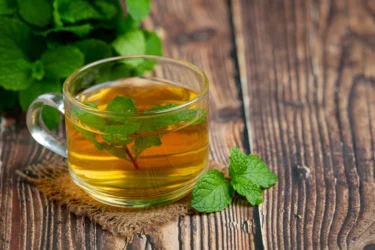
Green tea is packed with antioxidants which help fight against the harmful free radicals of the body and neutralize their effect. This may improve blood circulation and promote overall health9.

Consuming food containing all the nutrients essential for living a healthy life through a balanced diet may help boost blood circulation. Especially foods rich in omega-3 fatty acids such as fatty fish, avocados and nuts promote healthy blood circulation3.

Warm water on your skin helps widen the blood vessels thereby promoting the circulation of blood. However, this effect may be variable and for limited time10.

Keeping yourself hydrated by drinking plenty of water and other fluid items ease the heart’s job of pumping blood through the veins and arteries. This may in turn improve the flow of blood in your body11.

Smoking involves breathing in several chemicals and toxins such as nicotine. Nicotine has a tightening effect on the blood vessels which restricts the flow of blood through them and can cause high blood pressure12. Quitting smoking can have a positive effect on blood vessels by helping them relax and improve circulation.

Consuming alcohol on a regular basis may affect heart rate, blood pressure and cause arterial inflammation which may, in turn, affect the blood circulation13. Avoiding alcohol can reverse these processes, reducing strain on blood vessels and improving circulation.

Getting a comforting massage or even doing it yourself, particularly in the legs, may help improve the flow of blood through your blood vessels by relaxing your body. It is also great for stress reduction14.
Also Read: Plantar Fasciitis Stretches: Best Exercises, Benefits & How to Do Them
Below is a list of items or supplements which may improve the circulation of blood apart from working out.
Also Read: Best Exercises for Knock Knees (Genu Valgum) You Should Try
Exercises such as squats, walking, foam roller stretch, and heel lifts may improve the circulation of blood in your legs. Elevating your legs when sitting for prolonged periods of time and eating a balanced diet are some other ways you can support healthy blood circulation. Following a healthy lifestyle and even performing some basic physical activities can help maintain a properly functioning circulatory system and keep up with good overall health.
Yes. Remaining seated for long periods may reduce blood flow, especially to the legs. Standing up, stretching, or taking short walks every 30–60 minutes can help keep blood moving.
Compression stockings may improve blood flow in the legs and reduce swelling in certain people. They should be used based on a healthcare professional’s recommendation, especially if you have an underlying medical condition.
Vitamins B12, C, D, and E, along with minerals such as iron, contribute to normal blood vessel function and red blood cell health. It’s best to obtain these nutrients through a balanced diet unless supplementation is medically advised.
Yes. Smoking damages blood vessels and reduces blood flow, increasing the risk of cardiovascular disease. Quitting smoking is one of the most effective ways to support healthy circulation.
Some spices, such as cayenne pepper and ginger, may temporarily increase blood flow by promoting blood vessel dilation. However, more research is needed, and they should be consumed as part of a balanced diet rather than as a treatment.
Citrus fruits, berries, pomegranates, and watermelon contain vitamins, antioxidants, and plant compounds that support blood vessel health as part of a balanced diet.
1. Definition of circulatory system – NCI Dictionary of Cancer Terms – NCI. February 2, 2011. Accessed July 22, 2026. https://www.cancer.gov/publications/dictionaries/cancer-terms/def/circulatory-system
2. Guo S, DiPietro LA. Factors Affecting Wound Healing. J Dent Res. 2010;89(3):219-229. doi:10.1177/0022034509359125 https://pubmed.ncbi.nlm.nih.gov/20139336/
3. Calder PC. Omega‐3 polyunsaturated fatty acids and inflammatory processes: nutrition or pharmacology? Br J Clin Pharmacol. 2013;75(3):645-662. doi:10.1111/j.1365-2125.2012.04374.x https://pubmed.ncbi.nlm.nih.gov/22765297/
4. Circulation Issues? Embrace Exercise | The Well by Northwell. Accessed July 22, 2026. https://thewell.northwell.edu/healthy-living-fitness/blood-circulation-exercise
5. Walking for Exercise • The Nutrition Source. December 8, 2020. Accessed July 22, 2026. https://nutritionsource.hsph.harvard.edu/walking/
6. Cheatham S, Kolber M, Cain M, Lee M. The Effects of Self-Myofascial Release on Joint Range of Motion, Muscle Recovery, and Performance: A Systematic Review. Int J Sports Phys Ther Accept. Published online January 11, 2015. https://pubmed.ncbi.nlm.nih.gov/26618062/
7. The lowdown on squats. Harvard Health. March 1, 2019. Accessed July 22, 2026. https://www.health.harvard.edu/healthy-aging-and-longevity/the-lowdown-on-squats
8. Foot exercises for functional fitness. Harvard Health. October 9, 2024. Accessed July 22, 2026. https://www.health.harvard.edu/healthbeat/foot-exercises-for-functional-fitness
9. By. Drinking green tea is a healthy habit | Harvard T.H. Chan School of Public Health. March 7, 2024. Accessed July 22, 2026. https://hsph.harvard.edu/news/green-tea-healthy-habit/
10. Warisyu B, Nurrachmah E, Maria R. Foot Bath with warm water for hypertension therapy : A narrative review. J Ber Ilmu Keperawatan. 2023;16(1):135-142. doi:10.23917/bik.v16i1.1512 https://www.researchgate.net/publication/368339257_Foot_Bath_with_warm_water_for_hypertension_therapy_A_narrative_review
11. Hydration and heart health – Heart Research UK. February 28, 2024. Accessed July 22, 2026. https://heartresearch.org.uk/information/health-and-lifestyle-tips/hydration-and-heart-health/
12. Anonymous. The Many Dangers of Tobacco Use | UC Davis Biotechnology Program. December 31, 2022. Accessed July 22, 2026. https://biotech.ucdavis.edu/blog/many-dangers-tobacco-use
13. Alcohol: Balancing Risks and Benefits • The Nutrition Source. September 18, 2012. Accessed July 22, 2026. https://nutritionsource.hsph.harvard.edu/healthy-drinks/drinks-to-consume-in-moderation/alcohol-full-story/
14. Monteiro Rodrigues L, Rocha C, Ferreira HT, Silva HN. Lower limb massage in humans increases local perfusion and impacts systemic hemodynamics. J Appl Physiol. 2020;128(5):1217-1226. doi:10.1152/japplphysiol.00437.2019 https://pubmed.ncbi.nlm.nih.gov/32191595/
15. Cho JH. USING AN UNDER DESK BIKE IN THE OFFICE WORKPLACE: A PILOT STUDY. https://etda.libraries.psu.edu/catalog/12132jvc5439
16. Corkery L. Sitting to Standing Workstations | Safety Services. November 19, 2019. Accessed July 22, 2026. https://www.researchgate.net/publication/258042561_The_impact_of_sit-stand_office_workstations_on_worker_discomfort_and_productivity_A_review
17. Complementary Health Approaches for Hypertension : What the Science Says. NCCIH. Accessed July 22, 2026. https://www.nccih.nih.gov/health/providers/digest/complementary-health-approaches-for-hypertension-science
Disclaimer: The information provided here is for educational/awareness purposes only and is not intended to be a substitute for medical treatment by a healthcare professional and should not be relied upon to diagnose or treat any medical condition. The reader should consult a registered medical practitioner to determine the appropriateness of the information and before consuming any medication. PharmEasy does not provide any guarantee or warranty (express or implied) regarding the accuracy, adequacy, completeness, legality, reliability or usefulness of the information; and disclaims any liability arising thereof.
Links and product recommendations in the information provided here are advertisements of third-party products available on the website. PharmEasy does not make any representation on the accuracy or suitability of such products/services. Advertisements do not influence the editorial decisions or content. The information in this blog is subject to change without notice. The authors and administrators reserve the right to modify, add, or remove content without notification. It is your responsibility to review this disclaimer regularly for any changes.
102
6Cancer is a disease that not only makes a person suffer physically but also mentally. It affects the lives of both the patients and those closely associated with them. While there are several treatment options available with the onset of modern medicine, taking some precautionary measures and adopting certain healthy habits may help reduce the risk of developing some cancers. However, it should be noted that no lifestyle change can guarantee that a person will not develop cancer.
Cancer develops when abnormal cells begin dividing at an unusually fast rate, eventually damaging or destroying the normal, functioning tissue around them. These abnormal cells sometimes multiply into lumps called tumours1. Tumours aren’t always malignant (cancerous); many are benign (non-cancerous) and don’t spread. Cancer can affect almost any part of the body and, if left untreated, can spread to other parts over time.
Although our DNA is set at birth, it may mutate over a person’s lifetime. Most of these mutations are identified and corrected by the body’s own repair processes. However, if a mutation cannot be repaired by the body and the resulting abnormal cells multiply and spread, that uncontrolled spread is what is called cancer.
External factors known to cause cancer are called carcinogens. It isn’t always possible to pin down a single cause behind a person’s cancer, but research has identified several factors that are known to increase cancer risk2,3:
The genetic and viral risk factors on this list aren’t within a person’s control, but many of the others are. Reducing exposure to the modifiable factors and staying physically active are two of the more practical levers available for lowering personal risk.
Regular physical activity is one of the more consistently studied lifestyle factors linked to lower rates of certain cancers, largely through its effect on body weight, hormone levels, and inflammation4,5. Here’s a range of activities worth building into a routine.

Simple habits like sweeping the house manually, cycling to the local market instead of driving, or taking the stairs instead of the lift add up to meaningful activity without requiring a dedicated workout.
Walking briskly supports heart health and joint flexibility, and it doubles as an easy mental break from work6.

Swimming, cycling, and dancing all raise your heart rate while keeping you engaged and are effective ways to help manage body weight over time7.

Skipping rope is an efficient way to fit in a solid dose of activity in a short amount of time, useful if time is the main obstacle to exercising regularly8.

Strength training, whether with weights or resistance bands, doesn’t require expensive equipment to start9. Lifting filled one-litre water bottles is a reasonable starting point, and it’s worth working with a fitness professional before progressing to heavier weights.
Cancer takes a toll on both physical and mental health, for patients and the people around them. No lifestyle change, including exercise, can guarantee that someone won’t develop cancer. But staying physically active, alongside managing the modifiable risk factors covered above, is one of the more evidence-backed ways to work on lowering personal risk over time.
Also Read: 10 Foods to Include in Your Diet for Lowering Your Cancer Risk
No. Regular physical activity is associated with a lower risk of certain cancers in research studies, but it doesn’t eliminate the risk. Genetics, environmental exposures, and other factors outside a person’s control also play a role in the development of cancer; therefore, exercise is best considered as one part of an overall cancer risk-reduction approach rather than a guarantee of preventing cancer.
Health authorities generally recommend at least 150 to 300 minutes of moderate-intensity activity, or 75 to 150 minutes of vigorous activity, spread across the week1,3. That said, some activity is better than none, and benefits appear to start accumulating well before someone reaches that full range.
For many people, exercising during cancer treatment may be safe; however, it also depends on the individual’s diagnosis, treatment stage, and overall health. Light-to-moderate activity is often encouraged during treatment when a person feels able to do it, but the type, intensity, and timing should be discussed with the treating oncology team rather than deciding it independently.
Most research points to overall activity level mattering more than any single best type of exercise. Both aerobic activity and strength training have been linked to benefits, and a mix of the two, done consistently, tends to be more sustainable than focusing on one form alone.
No. Increasing activity at any age or stage of life is associated with health benefits compared with remaining sedentary. Starting later still counts, and consistency going forward matters more than past inactivity.
1. Cooper GM. The Development and Causes of Cancer. Accessed August 18, 2026. https://www.ncbi.nlm.nih.gov/books/NBK9963/
2. Cancer Causes and Risk Factors and the Elements of Cancer Control. National Academies Press (US); 2007. Accessed August 18, 2026. https://www.ncbi.nlm.nih.gov/books/NBK54025/
3. Cancer Risk Factors. CDC. Accessed August 18, 2026. https://www.cdc.gov/cancer/risk-factors/index.html
4. McTiernan A, Friedenreich CM, Katzmarzyk PT, et al. Physical Activity in Cancer Prevention and Survival: A Systematic Review. Med Sci Sports Exerc. 2019;51(6):1252-1261. doi:10.1249/MSS.0000000000001937. https://pmc.ncbi.nlm.nih.gov/articles/PMC6527123/
5. Feng Y, Feng X, Wan R, Luo Z, Qu L, Wang Q. Impact of exercise on cancer: mechanistic perspectives and new insights. Front Immunol. 2024;15:1474770. doi:10.3389/fimmu.2024.1474770. https://pmc.ncbi.nlm.nih.gov/articles/PMC11427289/
6. Stein MJ, Baurecht H, Bohmann P, et al. Usual walking Pace and risk of 28 cancers– results from the UK biobank. BMC Cancer. 2025;25:869. doi:10.1186/s12885-025-14258-x. https://www.researchgate.net/publication/391740187_Usual_walking_Pace_and_risk_of_28_cancers-_results_from_the_UK_biobank
7. Jia N, Zhou Y, Dong X, Ding M. The antitumor mechanisms of aerobic exercise: A review of recent preclinical studies. Cancer Med. 2021;10(18):6365-6373. doi:10.1002/cam4.4169. https://pmc.ncbi.nlm.nih.gov/articles/PMC8446393/
8. Tang Z, Ming Y, Wu M, et al. Effects of Caloric Restriction and Rope-Skipping Exercise on Cardiometabolic Health: A Pilot Randomized Controlled Trial in Young Adults. Nutrients. 2021;13(9):3222. doi:10.3390/nu13093222. https://pmc.ncbi.nlm.nih.gov/articles/PMC8467906/
9. Mazzilli KM, Matthews CE, Salerno EA, Moore SC. Weight Training and Risk of 10 Common Types of Cancer. Med Sci Sports Exerc. 2019;51(9):1845-1851. doi:10.1249/MSS.0000000000001987. https://pmc.ncbi.nlm.nih.gov/articles/PMC6697215/
Disclaimer: The information provided here is for educational/awareness purposes only and is not intended to be a substitute for medical treatment by a healthcare professional and should not be relied upon to diagnose or treat any medical condition. The reader should consult a registered medical practitioner to determine the appropriateness of the information and before consuming any medication. PharmEasy does not provide any guarantee or warranty (express or implied) regarding the accuracy, adequacy, completeness, legality, reliability or usefulness of the information; and disclaims any liability arising thereof.
Links and product recommendations in the information provided here are advertisements of third-party products available on the website. PharmEasy does not make any representation on the accuracy or suitability of such products/services. Advertisements do not influence the editorial decisions or content. The information in this blog is subject to change without notice. The authors and administrators reserve the right to modify, add, or remove content without notification. It is your responsibility to review this disclaimer regularly for any changes.
One of the easiest ways of ensuring that you stay fit and healthy is to go for a walk regularly. Walking every day in general has several health benefits, and brisk walking is an even more effective version1. So, what is brisk walking? Walking could be at any pace- slow, moderate, or fast. Brisk walking means walking at a pace that raises your metabolic rate, to achieve better fitness. Theoretically, brisk walking refers to a walking speed of 3 miles per hour2 and If you walk around 100 steps a minute, it can be considered as brisk walking, although it may vary from person to person3.
Did you know?
What is a better way of staying fit than by walking briskly with a companion in the evening breeze? It is not very strenuous, less time-consuming, and manages to keep the fun in fitness.
There are several health benefits of brisk walking. Some of them are the following:

Brisk walking ensures that the energy in your body is put to good use4. The surplus food in our body is converted and stored as fats. Brisk walking helps maintain healthy storage of fat and burns excess calories. It promotes efficient digestion and utilization of food and improves the metabolic rate.

A brisk walk may help clear your mind and be a healthy excuse to take a break from work. All the negative emotions that may accumulate throughout the day, find a vent for getting released through moderate physical activity that is not too exhausting5.
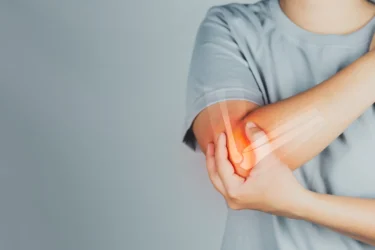
A regular brisk walk may improve your overall flexibility and strengthen your bones and joints4. An active lifestyle ensures a reduced risk of joint-related problems.

A healthy metabolism may be beneficial for maintaining a healthy body weight. A brisk walk, when teamed with a balanced and nutritious diet, is a great way of staying fit6.

Brisk walking may help lower the stress hormones of the body and release endorphins , which are responsible for feeling positive and one of the happy hormones, which are responsible for feeling positive and content5.

An active lifestyle ensures that you are more energetic. Brisk walking may not only increase your energy levels but may also help you retain it throughout the day so that you do not become tired easily.
Brisk walking is a great way to improve one’s health condition; however, people concerned with knee joint health can resort to cycling, which is a comparatively low-impact exercise with more benefits compared to brisk walking. One can start with indoor cycling with the least resistance mode and gradually increase the resistance as per the advice of their health coach and physician.
Dr. Nikhil Yadav, MBBS MD, CCEBDM
While you may think, what can be so difficult about walking, there are certain parameters, which if not followed, may render your efforts futile or even encourage negative results.
Let us review some common mistakes in brisk walking which you must address immediately.

People often make the mistake of walking at an improper speed when out for a brisk walk. A slow walk may not be doing enough for achieving your fitness goals. Walking at a fast pace might help in overall health compared to slow walking. However, a walk too fast may also make you feel exhausted soon and reduce the time and distance for which you walk. Thu, walking at a proper intensity and speed gives maximum benefits7. This, in the long run, will help you achieve your desired level of fitness.

A tense body including shoulders, neck and waist may restrict your range of motion. Keep your body relaxed, keep your shoulders away from your ears and swing your arms from your shoulders while walking to maintains alignment and walk at ease4,8.

A brisk walk should only be done in proper walking shoes1,2. Sneakers, sandals, or other kinds of footwear may lead to blisters and injuries and put undue pressure on your muscles and joints in the long run.

An improper posture while brisk walking, such as slouched shoulders or a hunched back may lead to postural disorders. It may make it difficult for you to breathe and lead to back pain. Keep your back straight, look forward about 10-20 feet in front of you, keep your shoulders away from ears and maintain a neutral pelvis while walking8.

It is a common practice to sip on packaged energy drinks or coffee or packaged fruit juice while on a walk. These beverages are processed and contain high levels of added sugar9. Try to choose water in case you feel thirsty while walking1,2. Take a sip of water at a time rather than gulping the whole water bottle. That will help you stay hydrated and feel active. Munch on some fresh fruits 15-30 minutes before going for a walk to meet your energy requirements10.

Tight and movement-restricting clothing items such as skin-fitting jeans and jumpsuits should be avoided when going for a walk. It can cause several skeletal and muscular disorders, and abnormal movement11. Activewear or light clothes breathable in nature should be worn to ensure maximum comfort while walking.
Also Read: 10 Amazing Health Benefits of Skipping Rope
Brisk walking is a great way of achieving fitness since it is convenient, less time-consuming and does not need a lot of equipment. However, some common mistakes such as wearing improper shoes, having a bad posture, or walking at an extremely high speed should be avoided to get optimum results from your daily brisk walk.
Also Read: What Happens When You Walk 10,000 Steps a Day?
Disclaimer: The information provided here is for educational/awareness purposes only and is not intended to be a substitute for medical treatment by a healthcare professional and should not be relied upon to diagnose or treat any medical condition. The reader should consult a registered medical practitioner to determine the appropriateness of the information and before consuming any medication. PharmEasy does not provide any guarantee or warranty (express or implied) regarding the accuracy, adequacy, completeness, legality, reliability, or usefulness of the information; and disclaims any liability arising thereof.
Links and product recommendations in the information provided here are advertisements of third-party products available on the website. PharmEasy does not make any representation on the accuracy or suitability of such products/services. Advertisements do not influence the editorial decisions or content. The information in this blog is subject to change without notice. The authors and administrators reserve the right to modify, add, or remove content without notification. It is your responsibility to review this disclaimer regularly for any changes.
80
10Waking up early is usually associated with snoozing your alarms and dreading going to work. This, however, is not the norm anymore! Early mornings are now seen as a respite for many. It is a time of undisturbed peace, serene skies and plenty of time to get recharged for your day. With the new social media trend of following a ‘billionaire’s routine’ which includes waking up at 5:00 am and following certain habits, we also bring you 7 reasons why you should wake up early in the morning!
While it may feel like a chore, waking up early soon becomes a habit and a good one that too to inculcate in one’s hectic routine. Not only can you benefit physically but also mentally.

When you wake up earlier than your scheduled time, not only can you savour your morning coffee but do a plethora of activities. Do not have time for your hobby? Simple, wake up early. Want to incorporate yoga into your routine? You know it, wake up early! Scientists have also proven the existence of sleep inertia. A two-four hour period after waking up where the brain is unable to function at its full capacity and a sleep-induced fog is experienced. Once you start changing your habit, your productivity and energy levels will increase massively.

Those who wake up early also tend to fall asleep at a prescribed time. Your body feels more tired and instead of staying up till 3:00 am binging a series, you will find yourself more inclined to take a rest. Going to bed early can enhance your energy and mood levels. This allows you to complete all four-six cycles of sleep so you can feel rejuvenated the next day2.

It is a scientifically proven fact that beauty sleep is needed to make your skin look fresh and younger. Sleep deprivation or inappropriate sleep cycles can cause fine lines, wrinkles, dark circles and acne. Your skin cells are regenerated while you sleep, fixing the UV damage and increasing the collagen and blood flow. Waking up early also gives you plenty of time to relish your skincare routine.

When you wake up early, you are automatically inclined towards treating yourself with a delicious breakfast that is healthy and makes you feel energized. Breakfast is the most important meal of the day. It gives you a boost of vitality and you can use the opportunity to be mindful of your consumption throughout the day3.

You have extra time to get ready and look your best for the day while enjoying the empty roads and no traffic jams. Waking up early leads to leaving the house earlier for your work, school or college. Less traffic leads to feeling enthusiastic and optimistic about the day while facing less pollution. What’s more, is that you are guaranteed to never be late for a meeting again!

If you are having trouble keeping track of things or nothing seems to be going according to plan you need some time to yourself. Waking up early can assist you in evaluating your plans with a clear and calm mind. Plan the day ahead of time, make a to-do list, journal or use a planner. All these are great ways to feel put together.
Also Read: 9 Easy Ways To Boost Your Immunity!

Research has proven that those who wake up early have shown better mental health symptoms. They are optimistic, satisfied and feel positive about situations. It also lowers the chance of mental illnesses which is usually found in those who go to sleep late and wake up late. This is also an excellent way of reducing stress because you have already started the day earlier.
As the brain is known to be more alert early in the morning, focusing on important tasks earlier in the day would go a long way to make better decisions and it is also known to improve memory and concentration.
Dr. Ashish Bajaj, M.B.B.S., M.D. in Clinical Pharmacology and Toxicology
Various studies1 suggests that rising early in the morning as described in ancient Indian tradition influences the process of attention and can improve the ability to recall.
Dr. M.G. Kartheeka,MBBS, MD(Pediatrics)
Lastly, we must aim to be kind to ourselves and sleep in late some days. Routine and reset days are as necessary as cheat days to maintain balance. Waking up early soon becomes a habit that leads us to be better versions of ourselves.
Also Read: Tips To Sleep Better At Night
1. Kumaran VS, Raghavendra BR, Manjunath NK. Influence of early rising on performance in tasks requiring attention and memory. Indian J Physiol Pharmacol. 2012 Oct-Dec;56(4):337-44. PMID: 23781653.Kumaran VS, Raghavendra BR, Manjunath NK. Influence of early rising on performance in tasks requiring attention and memory. Indian J Physiol Pharmacol. 2012 Oct-Dec;56(4):337-44. PMID: 23781653. Available from: https://pubmed.ncbi.nlm.nih.gov/23781653/
2. Kecklund G, Akerstedt T, Lowden A. Morning work: effects of early rising on sleep and alertness. Sleep. 1997 Mar;20(3):215-23. doi: 10.1093/sleep/20.3.215. PMID: 9178917. Available from: https://pubmed.ncbi.nlm.nih.gov/9178917/
3. Bougard C, Bessot N, Moussay S, Sesboue B, Gauthier A. Effects of waking time and breakfast intake prior to evaluation of physical performance in the early morning. Chronobiol Int. 2009 Feb;26(2):307-23. doi: 10.1080/07420520902774532. PMID: 19212843. Available from: https://pubmed.ncbi.nlm.nih.gov/19212843/
Disclaimer: The information provided here is for educational/awareness purposes only and is not intended to be a substitute for medical treatment by a healthcare professional and should not be relied upon to diagnose or treat any medical condition. The reader should consult a registered medical practitioner to determine the appropriateness of the information and before consuming any medication. PharmEasy does not provide any guarantee or warranty (express or implied) regarding the accuracy, adequacy, completeness, legality, reliability or usefulness of the information; and disclaims any liability arising thereof.
Links and product recommendations in the information provided here are advertisements of third-party products available on the website. PharmEasy does not make any representation on the accuracy or suitability of such products/services. Advertisements do not influence the editorial decisions or content. The information in this blog is subject to change without notice. The authors and administrators reserve the right to modify, add, or remove content without notification. It is your responsibility to review this disclaimer regularly for any changes.
109
13Zinc is a mineral required for several bodily processes. It is essential for cellular function, proper growth and development and overall health. Moreover, zinc can help support mucosal barrier integrity and modulate immune responses,and so is said to help the body fight infections1.
Although there are several food items rich in zinc, its deficiency is still common and widespread in India. Studies reveal that overall zinc deficiency was found to be highest in Orissa followed by Uttar Pradesh2. Fortunately, through dietary changes and supplements, it’s possible to reverse zinc deficiency.
In this blog, we will learn all about zinc deficiency, including its symptoms, how it is detected and how it can be treated.
Because your body doesn’t naturally produce zinc, you must obtain it through food or supplements. Zinc is a vital nutrient naturally present in some foods, added to others and also available as a dietary supplement. Zinc is responsible for several bodily functions. Some of the benefits provided by zinc include1,3:
Zinc is responsible for the smooth functioning of various cellular processes, immune systems, supporting physical growth and development, from birth, through adolescence, up to adulthood. During pregnancy, infancy and childhood, daily zinc requirements are said to increase4. Moreover, certain groups of people are more vulnerable to zinc deficiency and should be mindful of their zinc intake. The list includes5,6:
Acrodermatitis enteropathica is a rare autosomal recessive genetic disorder caused by impaired zinc absorption, seen
rashes and diarrhoea, particularly in children7.
Many times, zinc deficiency may not present with any detectable symptoms. However, there are chances that a person with zinc deficiency may experience symptoms such as8,9:
Zinc deficiency can worsen the course of diarrheal illnesses by impairing intestinal mucosal repair and immune defence. Zinc supplementation is shown to reduce duration and severity of acute diarrhoea, especially in children, and is recommended by WHO during diarrheal episodes.
Zinc is important for several vital functions in your body. If you’re a vegetarian, it might be more difficult to meet daily zinc intake, but you can explore supplements. To start boosting zinc intake, consider eating more:
Discuss with your doctor before including any new food item to your routine diet, especially if you have any medical conditions like diabetes.
Also Read: Folate Deficiency: Meaning, Causes, Symptoms, Treatment & Prevention
Your doctor can treat your zinc deficiency right away with zinc supplements. These are available in multivitamins or as zinc gluconate, zinc sulphate or zinc acetate.
It is important to note that that zinc can interact with some antibiotics and high blood pressure medicines (diuretics). Zinc can interfere with the absorption of certain antibiotics, such as tetracyclines (e.g., doxycycline) and fluoroquinolones (e.g., ciprofloxacin), when taken at the same time.
Diuretics like thiazides (e.g., hydrochlorothiazide) can cause increased urinary zinc loss, potentially leading to deficiency with long-term use.
So, talk to your doctor about the right spacing between the dose of zinc-containing supplements and other medicines that you may be taking. This will reduce any chances of interaction between ongoing medicines.
Excess intake of zinc can also be harmful and zinc supplementation should be done under medical supervision. Common therapeutic doses range from 10–40 mg/day, but long-term use of >40 mg/day may cause copper deficiency and other side effects10. Zinc supplements are often prescribed for 2–3 months, depending on severity and underlying cause. The best practice is to take these supplements based on your doctor’s advice.
Also Read: What Is Biotin and Why Does Your Body Need It?
In most cases, a zinc deficiency is not an emergency, but it can affect the health in several ways. Zinc deficiency in men can be a cause of impotence, while zinc deficiency in pregnant women may affect the development of the baby. Zinc is an important supplement for people fighting chronic illnesses and acute infections. Zinc plays a critical role in managing diarrhoea, especially in children, along with oral rehydration solutions and other medications to reduce the severity of the illness.
Include zinc-rich foods in your diet, watch for any symptoms of zinc deficiency and get it treated at the earliest. Talk to your doctor about zinc supplementation and always take as advised.
Disclaimer: The information provided here is for educational/awareness purposes only and is not intended to be a substitute for medical treatment by a healthcare professional and should not be relied upon to diagnose or treat any medical condition. The reader should consult a registered medical practitioner to determine the appropriateness of the information and before consuming any medication. PharmEasy does not provide any guarantee or warranty (express or implied) regarding the accuracy, adequacy, completeness, legality, reliability or usefulness of the information; and disclaims any liability arising thereof.
28
1Known by various names across different states of India, Khus Khus or Poppy seeds are a well-known ingredient in numerous Indian cuisines. Since they are a good source of nutrition for people with diabetes, they are used in many recipes meant for individuals with diabetes too. While they have a peculiar nutty taste, they are highly recommended when you want to add a nice aroma to any dish.
Different variants of poppy seeds are readily available. From these, the popular types are:
Poppy seeds are a rich source of dietary fibre which helps you feel full for longer periods of time as compared to other foods. It is also good for bone health and blood clotting. The iron and calcium content of poppy seeds are helpful in the development and health of the nervous system.
A quick guide on the nutritional content of 100g Khus Khus1:
Did you know that poppy seed oil has a high content of linoleic acid, making up around 62% of its fatty acid profile? It also contains significant amounts of other beneficial fatty acids such as oleic acid (24%), palmitic acid (10%), stearic acid (2%), and linolenic acid (1%)8.
Dr. Siddharth Gupta, B.A.M.S, M.D (Ayu)
Here are some popular benefits of poppy seeds:

Poppy seeds may play a helpful role in boosting fertility. They are known to remove mucus from the fallopian tubes and aid in achieving pregnancy. They also help enhance sexual desire and improve sexual health by boosting libido2.
Opium poppy is known to be helpful in inducing sleep. Known to create a calming effect, the seeds help in bringing down stress levels3. They can be consumed in the form of tea or made into a paste and mixed with warm milk to enjoy a blessed slumber.

Being rich in copper and calcium, poppy seeds help in improving bone health. The manganese in the seeds helps in the production of the protein called collagen. Collagen strengthens and protects the bones from severe damage.
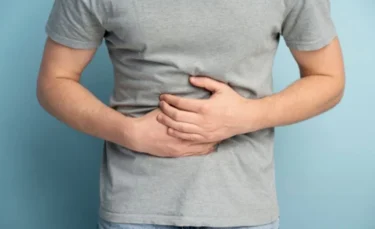
Poppy seeds are a rich source of insoluble fibre and can help in strengthening the digestive system and aiding in relieving constipation4.
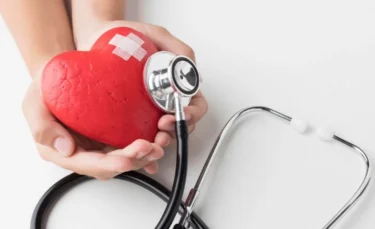
Poppy seeds are rich in iron that helps improve the circulation of oxygen to the body. They also contain omega-3 fatty acids which are beneficial in reducing the chances of cardiovascular diseases.

Since they have a cooling effect on the body, poppy seeds are known to be a great home remedy for mouth ulcers. However, only limited research is known to back this ideology.
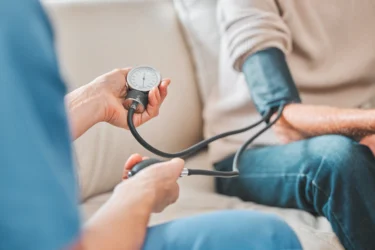
Oleic acid, an essential component in poppy seeds, is known to reduce blood pressure levels in the short term5. However, long-term use has been linked to multiple potential side effects.

The zinc and antioxidants in poppy seeds help to improve vision and protect against eye conditions such as glaucoma6.

Poppy seeds are rich in iron. This helps increase haemoglobin levels. Consumption of poppy seeds can improve the circulation of blood which results in an optimal supply of oxygen to every part of the body including your brain. This can help neurotransmitters function efficiently and improve the functioning of the brain.
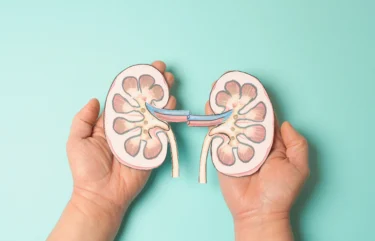
The potassium content in Poppy seeds may help in resolving kidney stones7.
Zinc is a pivotal element for thyroid glands, and thanks to their rich zinc content, poppy seeds can aid proper thyroid functioning.
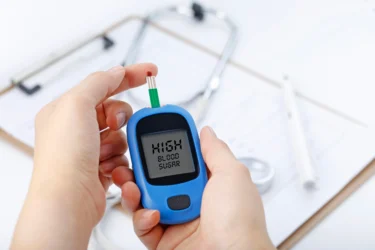
Poppy seeds keep waist circumference under check. This in turn helps manage blood sugar better8.
For generations, poppy seeds have been a tried and tested option to relieve pain9. Many ancient medical practitioners have used the analgesic properties of poppy seeds to comfort their patients in pain. Some reports also suggest the consumption of poppy tea, made by mixing the seeds in hot water, to reduce pain. The pain-relieving property is significantly high in the Opium variant of poppy seeds.

Prepare a paste of soaked poppy seeds, white pepper, and hung curd and apply to your hair. Leave for half an hour and wash off. Use of this paste regularly may help reduce dandruff.

Dry poppy seeds contain very small levels of opium alkaloids. It helps soothe nervous irritability and act as a painkiller10. Poppy seed drink also reduces the levels of cortisol in the body and helps lower stress.
Poppy seeds are found in plenty of bakery products, like bagels and muffins. They can be added to salads as dressing and can be consumed with vegetables too. One can use poppy seeds as a topping, to add some crunch to cheese or on toast.
Here are a few quick recipes to add this wonderful seed to your diet:
Incorporating poppy cake into your diet may provide additional nutritional benefits. It is a valuable byproduct of poppy seed processing that offers new food options. This natural ingredient is minimally processed and has the potential to be used by food manufacturers in the development of new products. It can be particularly beneficial as a functional ingredient, such as in bakery products, due to its high fiber content and being a gluten-free source of high-quality protein8.
Dr. Rajeev Singh, BAMS
Also Read: 7 Science-Backed Health Benefits Of Amla (Gooseberry)!
Also Read: 8 Most Effective Foods To Fight Thyroid!
Poppy seeds offer numerous health benefits, including supporting digestion, bone health, heart function, and immunity, while also providing essential nutrients and antioxidants. However, they should be consumed in moderation, as excessive intake may cause side effects or interaction with certain medications.
Also Read: 12 Potential Health Benefits Of Watermelon Seeds
Khus Khus is called poppy seed in English. It may also go by a slightly different variation in India, namely, Khas Khas.
Yes, Khus Khus can be consumed daily either by directly eating the seeds, or making a paste of it and adding it to a glass of milk. One can also steep the seeds in hot water to make Khus Khus tea.
Khus Khus is a good source of the mineral magnesium which our body needs for many cellular processes. Magnesium is also involved in decreasing the levels of the stress hormone cortisol. Thus, Khus Khus can help with longer and deeper sleep.
While respectable and legitimate producers will have little to no opioid content, if you buy Khus Khus from untrustworthy sources then the same may not be true. Be sure to limit your daily consumption to a minimum to avoid any potential health issues.
Disclaimer: The information provided here is for educational/awareness purposes only and is not intended to be a substitute for medical treatment by a healthcare professional and should not be relied upon to diagnose or treat any medical condition. The reader should consult a registered medical practitioner to determine the appropriateness of the information and before consuming any medication. PharmEasy does not provide any guarantee or warranty (express or implied) regarding the accuracy, adequacy, completeness, legality, reliability or usefulness of the information; and disclaims any liability arising thereof.
Links and product recommendations in the information provided here are advertisements of third-party products available on the website. PharmEasy does not make any representation on the accuracy or suitability of such products/services. Advertisements do not influence the editorial decisions or content. The information in this blog is subject to change without notice. The authors and administrators reserve the right to modify, add, or remove content without notification. It is your responsibility to review this disclaimer regularly for any changes.
219
6Just as every woman is unique, so is her pregnancy and onset of labour. Signs that delivery is approaching can vary from one individual to another and may differ even between pregnancies for the same woman. In the ninth month, it may take several hours or even days for early signs of labour to become noticeable.
The initial stage, known as the latent phase, is when the cervix begins to soften, thin out, and gradually open (dilate) in preparation for birth. In this article, we will explore some of the common signs that may indicate labour is approaching, along with useful tips for expectant mothers1.
Although it is difficult to precisely predict the onset of labour or how long a woman’s labour will last, there are a few common signs of labour that are initiated when the foetus produces certain hormones. Here are 5 popular signs of labour every expecting mother should know:
One of the lesser-known signs of labour experienced early on by first-time pregnant mothers is what doctors refer to as “lightening”. When the baby is preparing for birth, it slowly moves into a head-down position. This typically occurs a few weeks before labour in first-time mothers. In subsequent pregnancies, it may happen much closer to labour onset or even during active labour2.
Lightening eases the pressure on a mother’s diaphragm and makes it easier for her to breathe, but it also puts more pressure on her pelvis and bladder. Mothers who have previously given birth, may or may not have this delivery symptom until right before labour begins. Either way, the mother’s belly may appear lower and more protruding and result in frequent bathroom visits.
Towards the end of pregnancy, you may experience true labour contractions, which become more intense, regular, and closer together. These contractions help push the baby down through the birth canal. If you’re having contractions that are regular (e.g. every 5 minutes), last at least 30–60 seconds, and don’t subside with rest, it’s likely true labour Some women may first experience “Braxton Hicks” or false labour contractions, which are irregular and usually subside with rest or hydration3.
An unborn baby in the uterus is surrounded by a protective liquid called amniotic fluid. When this amniotic fluid sac ruptures, the mother experiences a gush of liquid or in some cases a slow trickle, this type of discharge before labour is called a water break4. When the amniotic sac ruptures, it may be experienced as a sudden gush or a slow, continuous leak of clear or straw-coloured fluid. If the fluid is green, brown, foul-smelling, or if you see blood, inform your doctor immediately.
For some women, water breaking signs may not happen at all, in which case an obstetrician or midwife will break it during the delivery, while for others the water may break during labour or some time before it. Once the mother experiences water breaking signs, the baby is no longer protected by the amniotic sac and is vulnerable to infections, so make sure you head to the hospital or call your doctor right away.
A pregnant woman may notice an increase in a type of vaginal discharge with blood before labour’s onset or several days before it5,6. This is called a bloody show, which refers to the passage of the mucus plug mixed with blood. It indicates that the cervix is beginning to dilate and soften.”
Also Read: Myths and Facts About Pregnancy
Some women experience abdominal cramps, nausea, vomiting, or loose stools in early labour due to hormonal changes and increased pressure on the pelvic organs. These symptoms, while not universal, may accompany the onset of labour4,7.
Women will often self-present to obstetrical triage with concern for the onset of labour. Common chief complaints include painful contractions, vaginal bleeding/bloody show, and fluid leakage from the vagina10.
Dr. M.G. Kartheeka, MBBS, MD(Pediatrics)
Pharmeasy Tips: If you are excessively anxious and worried about the birthing process and labour pain, follow these tips:
If you are fewer than 37 weeks pregnant and experience any these signs of labour, contact your healthcare provider immediately, as they may indicate preterm labour, which requires medical evaluation11.
Dr. Ashish Bajaj, M.B.B.S., M.D. in Clinical Pharmacology and Toxicology
Also Read: Headaches During Pregnancy: Causes, Remedies, and When To Seek Help
Stay hydrated with water or doctor-approved fluids. Consult your healthcare provider about food intake during early labour, as hospital protocols vary. Preparing for early labour involves more than just physical readiness; it also requires emotional support and self-care. Staying well-hydrated with water or fluids approved by your doctor is important, and you should speak with your healthcare provider about eating during early labour, as hospital rules on this can differ. A supportive birthing partner can make a big difference by helping with calming routines such as yoga, back massages, and other stress-relieving activities. If the pain becomes too strong early on, practicing breathing exercises with your birthing partner can help you manage contractions as they become more frequent and intense. Taking these steps can make early labour a more manageable and less stressful experience8,9.
Also Read: Why Does Sperm Sometimes Smell Fishy?
Disclaimer: The information provided here is for educational/awareness purposes only and is not intended to be a substitute for medical treatment by a healthcare professional and should not be relied upon to diagnose or treat any medical condition. The reader should consult a registered medical practitioner to determine the appropriateness of the information and before consuming any medication. PharmEasy does not provide any guarantee or warranty (express or implied) regarding the accuracy, adequacy, completeness, legality, reliability or usefulness of the information; and disclaims any liability arising thereof.
11
2Dashmularishta is a widely used Ayurvedic tonic prepared using roots of ten different plants, thus the term ”dasha”, meaning ten. According to Sarngadhara Samhita1 (a well-known Ayurvedic textbook), Dashmularishta has the power to restore the body from an inflammatory condition to good health by rebuilding the tissues and revitalising the body. It is thought to be a wonderful tonic for women during the prenatal and peri-menopausal phases. We are going to discuss the various Dashmularishta uses and benefits in this blog.
Dashmularishta has been conferred with various therapeutic uses in Ayurvedic medicine due to the combined effect of the herbs. The herbs used are:
Dashmularishta is an ayurvedic tonic with a wealth of therapeutic benefits3. Some of the Dashmularishta traditional uses and properties are listed below:
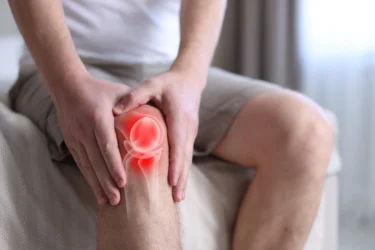
Osteoarthritis is a common progressive condition of weight-bearing joints, mainly the hips and knee joints. Osteoarthritis is significantly seen in the older population, and it is regarded as the leading cause of disability among them. Dashmularishta is considered one of the best additions to osteoarthritis therapy and may help reduce the inflammation and pain caused by joint inflammation. In animal studies2, Dashmularishta was proven to significantly reduce swelling and improve the ability to take longer steps.
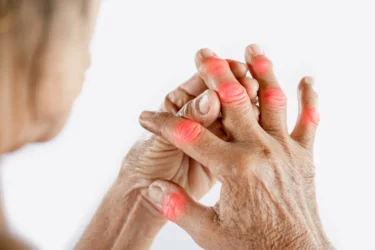
Dashmularishta may help reduce the pain caused due to arthritis4. Oroxylum indicum, one of the primary ingredients of Dashmularishta, is well known for its pain-relieving property3. Animal studies2 indicate Dashmularishta benefits in osteoarthritis by potentially slowing the onset of stimuli that induce pain, preventing the pain itself. On further investigations, it may also prove effective in humans.
In Ayurveda, the herbal decoction called Dashmularishta is beneficial to manage heart diseases. Some ailments, like heart attack and stroke, are caused by the clotting of blood. Dashmularishta may act against the clotting property of platelets, which makes it an excellent agent to prevent blood clots and prevent heart attack and stroke. It may be used along with allopathic medicines for heart diseases5.
In my opinion, Dashmularishta is the ultimate body superhero. This awesome tonic made from a blend of powerful herbs may work wonders for your body. It’s like a detox and nourishment combo all in one. It may help to remove toxins and might nourish your precious body tissues11.
Dr. Rajeev Singh, BAMS

In Ayurveda, Bala roga (Paediatric conditions) in breastfed babies are managed by examining both mothers and babies. It is believed that any irregularity in the mother’s diet or her physiology may manifest in the child as allergic conjunctivitis. Hence, the infant’s mother with allergic conjunctivitis is given Dashmularishta to manage the irregularities in appetite and bowel movements. The infant may be given appropriate remedies depending on the symptoms, and Dashmularishta is considered a safe remedy for nursing mothers as well6.
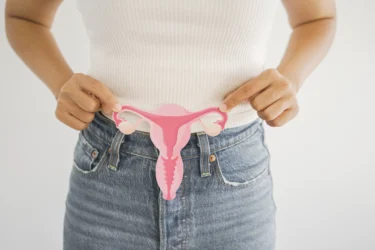
For mothers who are breastfeeding, I would suggest trying Dashmularishta if you’re having trouble with your milk supply. This incredible tonic might work wonders in increasing milk production in women11.
Dr. Smita Barode, B.A.M.S M.S.
Also Read: Harad: Uses, Benefits, Side Effects, and More!
Dashmularishta is an ayurvedic tonic prescribed by the physician to be taken as directed.
Your Ayurvedic physician will prescribe you the form and dosage as per your health condition.
I would recommend Dashmularishta if you’re looking to go the extra mile during physical exercises. In a study10, it was found that it might actually boost your swim endurance and help you fight off fatigue. Talk about an antifatigue superstar!
Dr. Siddharth Gupta, B.A.M.S, M.D (Ayu)
No adverse side effects have been documented due to the administration of Dashmularishta9.
Also Read: Chandraprabha Vati (Chandraprabha Gulika): Uses, Benefits, Side Effects, Precautions & More!
Dashmularishta truly stands out as a versatile herbal tonic with numerous benefits for the body and mind. Whether you’re looking to reduce inflammation, support women’s health, or boost your overall vitality, Dashmularishta offers a natural way to nourish and strengthen your body. Remember, while it has been used safely for centuries, it’s always best to check with an Ayurvedic doctor to get the right dosage and guidance tailored for you.
Also Read: Noni Fruit Juice: Uses, Benefits, Side Effects By Dr. Rajeev Singh
Yes, Dashmularishta might improve the hormonal imbalance in women and rectify the menstrual period. This can improve the period cycle to a significant extent and restore it to health.
There have been no documented benefits of Dashmularishta specifically for men.
There have been no documented benefits of Dashmularishta in weight loss.
Dashmularishta might improve ovarian function by rectifying the hormonal imbalance that prevents one from conceiving. PCOS is a major cause of infertility in women. Dashmularishta is an ayurvedic medication that is an excellent remedy for PCOS and other gynaecological disorders. Thus, Dashmularishta is found to help conceive women with gynaecological disorders by improving the hormonal levels and preventing any related metabolic disorders.
Please consult your Ayurvedic doctor for appropriate prescriptions and directions. Your doctor will prescribe you a specific dosage depending on your symptoms.
No specific benefits of Dashmularishta have been documented for hair growth.
No specific benefits of Dashmularishta have been documented for the skin.
1. Pawar Nayana, Kogje Anushri, Bhondave Prashant, Nagarkar Bhagyashri, Kulkarni Omkar, Harsulkar Abhay, et al. Comparative free radical scavenging and anti-inflammatory potential of branded market samples of Ayurvedic formulations: Dashmoolarishta. International Journal of Pharma and Bio Sciences [Internet]. 2013 Jan [cited 2022 Mar 4];4(1):789–99. Available from: https://www.researchgate.net/publication/234877712_Comparative_free_radical_scavenging_and_anti-inflammatory_potential_of_branded_market_samples_of_Ayurvedic_formulations_Dashmoolarishta
2. Shetty YC, Godbharle S, Brahma S, Salgaonkar S, Rege NN. Evaluation of oral multi-herbal preparation of Dashmoolarishta on mice model of osteoarthritis. J Basic Clin Physiol Pharmacol [Internet]. 2017 Jun 21 [cited 2022 Mar 4]; Available from: https://www.researchgate.net/profile/Yashashri-Shetty/publication/32044759
3. Ahad Amjid, Ganai Ajaz, Zeeshan Najm Mohammad. Therapeutic potential of Oroxylum indicum: A review. Journal of Pharmaceutical Research and Opinion [Internet]. 2012 [cited 2022 Mar 4];163–72. Available from: https://www.researchgate.net/publication/285800921_Therapeutic_potential_of_Oroxylum_indicum_A_review
4. Reshma R. Parekar, Kumar K. Dash, Aditi A. Apte, Nirmala N. Rege. EVALUATION OF ANTI-INFLAMMATORY ACTIVITY OF ROOT BARK OF CLERODENDRUM PHLOMIDIS IN EXPERIMENTAL MODELS OF INFLAMMATION. International Journal of Applied Biology and Pharmaceutical Technology [Internet]. 2012 [cited 2022 Mar 4];3(3). Available from: https://www.researchgate.net/publication/327931225_EVALUATION_OF_ANTI-INFLAMMATORY_ACTIVITY_OF_ROOT_BARK_OF_CLERODENDRUM_PHLOMIDIS_IN_EXPERIMENTAL_MODELS_OF_INFLAMMATION
5. Parekar RR, Bolegave SS, Marathe PA, Rege NN. Experimental evaluation of analgesic, anti-inflammatory and anti-platelet potential of Dashamoola. Journal of Ayurveda and Integrative Medicine [Internet]. 2015 Jan 1 [cited 2022 Mar 4];6(1):11. Available from: https://www.ncbi.nlm.nih.gov/pmc/articles/PMC4395922/
6. Shantala Priyadarshini, Teragundi Panaga, Gangadkar Pooja. Ayurveda Management of Allergic Conjunctivitis in 6 months old baby- A successful case study . International Journal of AYUSH Case Reports [Internet]. 2020 [cited 2022 Mar 4];4(2). Available from: https://ijacare.in/index.php/ijacare/article/view/145
7. Nagarkar B, Mohite S, Kapoor E. EVALUATION OF EFFICACY OF DASHMOOLARISHTA IN CERVIVITIS: A PROOF-OF-CONCEPT STUDY. Article in Journal of Pharmacy and Pharmaceutical Sciences [Internet]. 2014 [cited 2022 Mar 4];3(6). Available from: https://www.researchgate.net/profile/Bhagyashri-Nagarkar/publication/264252846
8. Narayan Karandikar Ashwini. PCOS WITH INFERTILITY AND ITS AYURVEDA MANAGEMENT – A CASE STUDY [Internet]. International Journal of Ayurveda and Pharma Research. 2018 [cited 2022 Mar 4]. Available from: http://www.ijaprs.com/index.php/ijapr/article/view/1040
9. Dwivedi M, Sastry JLN, Rai RK, Vedula S. Clinical Evaluation of Dashmularishta (Ayurvedic formulation) in Restoring Normal Health of Postpartum Females . Journal of research in Traditional Medicine [Internet]. 2016 [cited 2022 Mar 7]; Available from: https://tmjournal.org/fulltext/140-1505301334.pdf?1646640147
10. Gupta A, Madaan A, Srivastava R, Kumar S, Sastry JLN. Evaluation of antioxidant, immunostimulatory and antifatigue properties of Dashmularishta using in vitro and in vivo assays. Indian J Exp Biol. 2018 Aug;56(8):598–603. Available from: https://www.researchgate.net/publication/327269604_Evaluation_of_antioxidant_immunostimulatory_and_antifatigue_properties_of_Dashmularishta_using_in_vitro_and_in_vivo_assays
11. Jalwal NK, Pawan, BK. Formulation and evaluation of tablet of a classical fermented preparation of Dashmularishta. Int J Pharm Sci Res. 2015 Mar 31;6(3):123–8. Available from: https://www.semanticscholar.org/paper/Formulation-and-Evaluation-of-tablet-of-a-Classical-N.-Jalwal/8a2e9c631a4ea975f652d33cacee6aae32225318
Disclaimer: The information provided here is for educational/awareness purposes only and is not intended to be a substitute for medical treatment by a healthcare professional and should not be relied upon to diagnose or treat any medical condition. The reader should consult a registered medical practitioner to determine the appropriateness of the information and before consuming any medication. PharmEasy does not provide any guarantee or warranty (express or implied) regarding the accuracy, adequacy, completeness, legality, reliability or usefulness of the information; and disclaims any liability arising thereof.
54
4Khadirarishta is a polyherbal formulation used by people with rashes, itching, or sensitive skin. It is an ayurvedic liquid consisting of 18 ingredients. Also known as Khadirarishta, this preparation is used for treating skin problems, swollen lymph nodes, intestinal worms, leprosy, jaundice, and heart problems1,2. Khadirarishta consists of the ingredients Khadira, Devdaru, Bakuchi, Daruharidra, Haritaki, Bibhitaka, Amalaki, Dhataki, Kankola, Nagakeshar, Jatiphala, Lavanga, Ela, Tvak & Twakpatra, Pippali, honey, crystallised sugar lumps, and water.
Did you know?
Khadirarishta has the following therapeutic uses:

Khadirarishta contains a broad antibacterial range that includes bactericidal action against E. coli, S. aureus, and S. enterica. Khadirarishta’s method of action appears to be tied to bacterial membrane permeability disruption. Gallic acid, catechin, ellagic acid, and eugenol found in khadirarishta were identified as the four primary marker chemicals3.

A phenolic compound bakuchiol in Khadirarishta extracted from Bakuchi (seeds) and haritaki exhibited antifungal activity against many dermatophytes, yeasts and pathogenic fungi like Trichophyton rubrum and Microsporum gypseum, Epidermophyton floccosum, and Trichophyton mentagrophytes. In one of the studies, activity was found against other fungi such as Aspergillus niger, Alternari brassicae, Fusarium oxysporum, and Rhizoctonia cerealis, in which mycelia (the vegetative part of a fungus) growth was inhibited.
Another study4,5 showed a significant reduction in the incidents of seed” borne fungi, for example, Fusarium verticillioides and Aspergillus flavus, which can cause many diseases in maize crops and might release mycotoxins. These mycotoxins have a terrible effect on human and animal health.

Haritaki reduces pus collection in skin ailments and serves as a Rasayana, making it useful for erysipelas. Haritaki found in khadirarishta combined with oil aids in the healing of wounds, particularly burns. It aids in the improvement of skin tone5.
Daruharidra, and Bibhitaka present in khadirarishta also possess wound healing properties. They have anti-inflammatory and antioxidant activities which promote the health of the skin6,7.
Did you know that the ancient text ‘Sharangdhara Samhita’ holds a treasure trove of information about Khadirarishta? This traditional Ayurvedic text provides detailed insights into the ingredients used, the method of preparation, therapeutic indications, and even the mode of action of Khadirarishta9.
Dr. Siddharth Gupta, B.A.M.S, M.D (Ayu)

Haritaki present in khadirarishta shows activity against respiratory disorders like COPD, wheezing, rhinitis, hoarseness of voice, cough, hiccups and breathing difficulty as it reduces congestion in the lungs5.
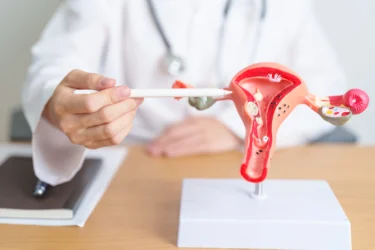
Haritaki present in khadirarishta acts as a uterine tonic and helps in Shukrameha (passage of sperms in urine), and Leucorrhoea (whitish/yellowish vaginal discharge)5.

The stem of Daruharidra found in khadirarishta shows anticancer properties in human colon cancer cell lines when extracted in methanol. Methanolic extract of Daruharidra stem inhibits cancer-causing cells in a concentration-dependent manner. Berberine, an alkaloid derived from the Daruharidra plant, has been reported to suppress the carcinogenesis produced by different elements in small animals in a dose-dependent way7.
Khadirarishta, a traditional herbal preparation, contains an important ingredient called Khadira. It is a special herb that might help with various health issues from conjunctivitis and coughing up blood to nausea and diarrhoea10.
Dr. Smita Barode, B.A.M.S, M.S.
You can use Khadirarishta by mixing a fixed amount of the liquid with lukewarm water1.
One of the key ingredients in Khadirarishta is Daruharidra, which has some remarkable properties! This special herb is known to possibly provide a rejuvenating effect, making you feel refreshed and revitalised10.
Dr. Rajeev Singh, BAMS
Also Read: Neem: Uses, Benefits, Side Effects, and More!
Please consult a physician before using in pregnant and lactating women and in children.
Also Read: Kutki: Uses, Benefits and Side Effects by Dr. Rajeev Singh
Khadirarishta is an ayurvedic formulation consisting of 18 ingredients like Khadira, Devdaru, Bakuchi, Daruharidra, Haritaki, Bibhitaka, Amalaki, Dhataki, Kankola, Nagakeshar, Jatiphala, Lavanga, Ela, Tvak & Twakpatra, Pippali, honey, crystallised sugar lumps and water.
When used as directed by your doctor, Khadirarishta normally has no side effects. This multi-herbal ayurvedic composition, however, can create a burning sensation or heartburn if ingested without water1. An overdose of this formulation could harm your heart, kidneys or liver2.
No, khadirarishta is not known to show any activity for dental problems.
No, khadirarishta does not cause inflammation. It has various herbs that have anti-inflammatory properties and may help in reducing inflammation.
Khadirarishta helps in increasing the haemoglobin of the blood and hence helps in the treatment of anaemia8.
Khadirarishta should be mixed with water before consumption. The dose of this ayurvedic formulation should be as prescribed by your doctor.
When khadirarishta was consumed with lukewarm water after meals for a few months, it showed improvement in the symptoms of eczema like itching, skin discolouration and secretions8.
Antidiabetic and hypoglycemic properties: Emblica fruit powder lowered blood sugar levels in normal and hyperglycemic rabbits, demonstrating hypoglycemic efficacy.
Anti-peptic ulcer activity: With traditional antacids and Emblica fruits, 30 instances of ulcer and non-ulcer dyspepsia showed equivalent improvement8.
1. Shinde RR, Bhangale K. KHADIRARISHTA: A MEDICAL REVIEW. International Journal of Research -GRANTHAALAYAH [Internet]. 2017 Oct 31 [cited 2022 Feb 28];5(10):72–5. Available from: https://www.granthaalayahpublication.org/journals/index.php/granthaalayah/article/view/IJRG17_A10_712/2158
2. Sharif T, Deepa KN, Nahar K, Mian Y. Evaluation of cardiovascular activities of an ayurvedic preparation ”Khadirarishta” in rat model. European Journal of Pharmaceutical and Medical Research. 2015;(January). Available from: https://www.researchgate.net/publication/282322014_EVALUATION_OF_CARDIOVASCULAR_ACTIVITIES_OF_AN_AYURVEDIC_PREPARATION_’KHADIRARISHTA’_IN_RAT_MODEL
3. Balkrishna A, Gupta AK, Gupta A, Singh P, Singh K, Tomar M, et al. Antibacterial activity and mechanism of action of an ayurvedic formulation Khadirarishta. Journal of Herbal Medicine. 2022 Mar 1;32. Available from: https://www.researchgate.net/publication/354148224_Antibacterial_Activity_and_Mechanism_of_Action_of_an_Ayurvedic_formulation_Khadirarishta
4. Alam F, Khan GN, Asad MHH bin. Psoralea corylifolia L: Ethnobotanical, biological, and chemical aspects: A review. Vol. 32, Phytotherapy Research. John Wiley and Sons Ltd; 2018. p. 597–615. Available from: https://pubmed.ncbi.nlm.nih.gov/29243333/
5. Meher SK, Panda P, Das B, Bhuyan GC, Rath KK. Pharmacological Profile of Terminalia chebula Retz. and Willd. (Haritaki) in Ayurveda with Evidences . Research Journal of Pharmacology and Pharmacodynamics. 2018;10(3):115. Available from: https://www.researchgate.net/publication/327831052_Pharmacological_Profile_of_Terminalia_chebula_Retz_and_Willd_Haritaki_in_Ayurveda_with_Evidences
6. Ashutosh Gupta RKK and AKP. Pharmacological Aspects of Terminalia belerica. 284 p. Available from: https://www.researchgate.net/publication/321193582_Pharmacological_Aspects_of_Terminalia_belerica
7. Kumar Saini Jubilant Biosys N. Berberis aristata: A Review [Internet]. Article in International Journal of Research in Ayurveda and Pharmacy. 2011. Available from: www.ijrap.net
8. Parulkar G. KHADIRARISHTA: A MEDICO STUDY. Parulkar World Journal of Pharmaceutical Research [Internet]. 2016 [cited 2022 Feb 28];5(11). Available from: www.wjpr.net
9. Parulkar G. KHADIRARISHTA: A medico study. World Journal of Pharmaceutical Research. 2016;5(11):568-72. DOI:10.20959/ Available from: https://wjpr.s3.ap-south-1.amazonaws.com/article_issue/1477907087.pdf
10. Shinde RR, Bhangale K. KHADIRARISHTA: A MEDICAL REVIEW. International Journal of Research – GRANTHAALAYAH. 2017 Oct 31;5(10):72-75. doi:10.29121/. Available from: https://www.granthaalayahpublication.org/journals/index.php/granthaalayah/article/view/IJRG17_A10_712/2158
Disclaimer: The information provided here is for educational/awareness purposes only and is not intended to be a substitute for medical treatment by a healthcare professional and should not be relied upon to diagnose or treat any medical condition. The reader should consult a registered medical practitioner to determine the appropriateness of the information and before consuming any medication. PharmEasy does not provide any guarantee or warranty (express or implied) regarding the accuracy, adequacy, completeness, legality, reliability or usefulness of the information; and disclaims any liability arising thereof.
Links and product recommendations in the information provided here are advertisements of third-party products available on the website. PharmEasy does not make any representation on the accuracy or suitability of such products/services. Advertisements do not influence the editorial decisions or content. The information in this blog is subject to change without notice. The authors and administrators reserve the right to modify, add, or remove content without notification. It is your responsibility to review this disclaimer regularly for any changes.
29
1