




Best Exercises for Knock Knees (Genu Valgum) You Should Try
By Dr. Parth Mehta +2 more

Medically reviewed by Dr. Parth Mehta
Last updated: Sep 1, 2026 Published on: Apr 16, 2026


Get,

to manage your symptom
Get your,

4 Cr+ families
benefitted

OTP sent to 9988776655



You’ve successfully subscribed to receive
doctor-approved tips on
Whatsapp

Get ready to feel your best.


Register to Avail the Offer
Send OTPBy continuing, you agree with our Privacy Policy and Terms and Conditions
Hi There,
Sign up on PharmEasy now!!


Trusted by 4 crore+ families

OTP sent to 9988776655
You have unlocked 25% off on medicines


Code: NU25

By Dr. Parth Mehta +2 more
Table of Contents
Proper knee alignment is an important factor that determines how we sit, stand, and walk. Many people suffer from conditions that can alter this alignment, which not only affect their posture and balance, but also their confidence to walk or stand. One such condition is “knock knees”. And what is a knock knee?
Well, knock knees, which is also known as genu valgum, is a type of knee problem where the legs turn inward, with knees touching each other, while the feet are apart. This is commonly seen in infants as they are born with bowlegs, because their legs are folded in the mother’s womb. However, sometimes it might persist in adolescents or adults due to injury or other health problems1.
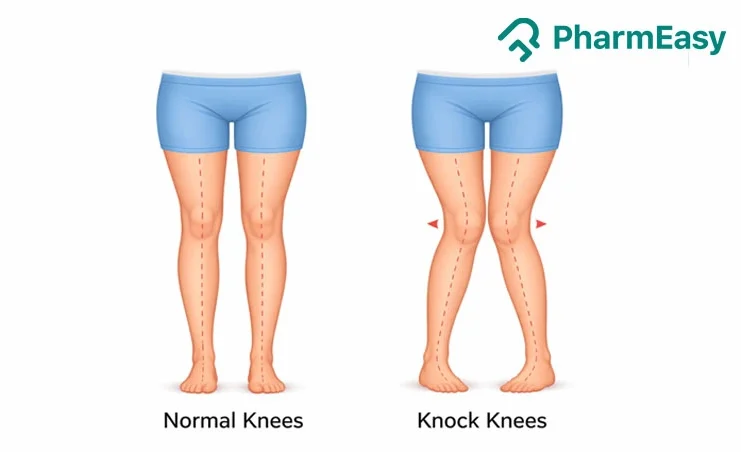
While the condition may impact walking, the good news is that many mild to moderate cases improve with proper management including a specific exercises regime. These can help achieve proper knee alignment, strengthen supporting muscles and reduce discomfort. In this guide, we will look at some of the best exercises that may help support better knee stability and overall leg alignment.
As mentioned earlier, knock-knees is a condition where the knees bend inward and touch each other when a person stands with their legs straight. At the same time, the ankles remain separated1. This inward angling of the knees can affect the alignment of the legs. While some individuals may not show any symptoms, the condition can cause leg pain, walking difficulty and alter the walking pattern in others2.
In children, knock knees are often considered a normal stage of growth and may gradually correct themselves as they grow. However, if the condition remains in older children or adults, it might be due to muscle imbalance, injury, or other health conditions1.
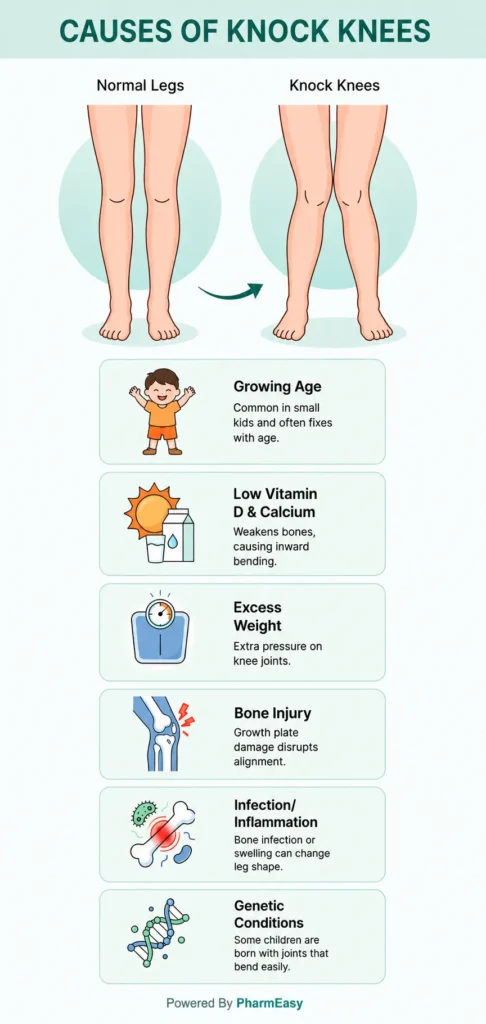
Knock knees can be caused by a variety of reasons. Following are some common knock knee causes.
Although sometimes knock-knees may be asymptomatic, the condition can potentially present with several noticeable signs and symptoms. The following are some symptoms, which may vary depending on the severity of the condition and the age of the person.
A simple self-check can help identify if you have knock knees. The following can be performed at home to check for a knock knee.
Note: This does not replace medical diagnosis; it might only give an initial idea about knee alignment. Please seek medical attention for confirmation.
To confirm knock knees, healthcare professionals might perform a few examinations and tests to evaluate the alignment of the legs and identify possible underlying causes. These include:
Exercises might help strengthen the muscles around the hips, thighs, and knees, which support better leg alignment. Regular strengthening and stretching exercises may improve stability and reduce the inward movement of the knees. The following are some of the best exercises for knock knees.
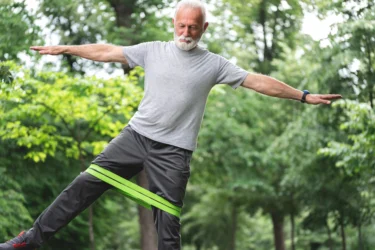
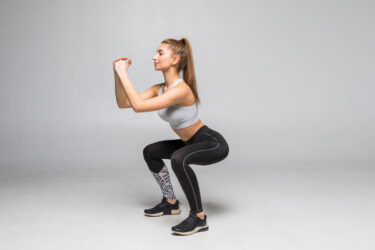
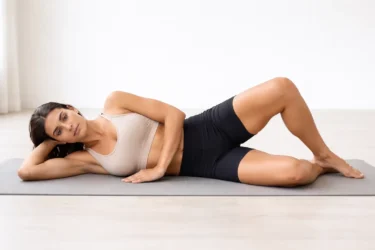
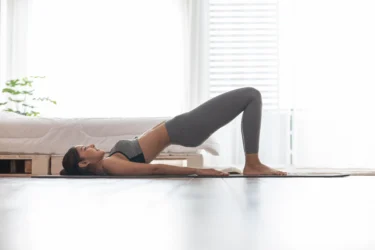
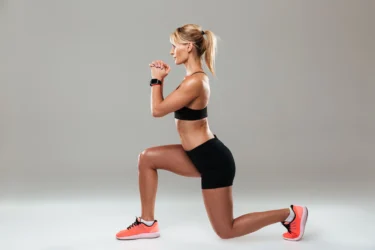
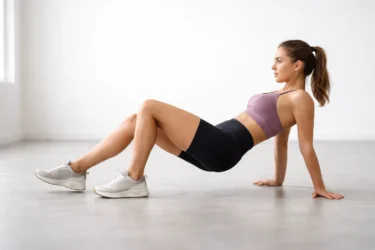
Note: These exercises are recommended to be performed under the guidance of an expert to avoid unnecessary injury or worsening the current condition.
The above-mentioned exercises focus on strengthening the hip and leg muscles, activating the rotatory leg muscles and stretching the inner thigh muscles. Combined, these knock knee exercises may show the following benefits.
Also Read: Types of Bone Fracture: Symptoms, Treatment and Prevention
Knock knees treatment depends on a person’s age, the severity of the condition, and whether it causes pain or difficulty with movement. The following suggests treatment approaches.
Also Read: Home Remedies For Knee Joint Pain By Dr. Siddharth Gupta
While mild knock knees in children often improve naturally, it is important to seek medical advice in certain situations. Consulting a doctor ensures proper evaluation and timely treatment if needed.
Consult a doctor if:
Also Read: Best Frozen Shoulder Exercises for Pain Relief
Knock knees, or genu valgum, is a common condition that often appears in children and may persist into adolescence or adulthood. While mild cases in children can improve naturally, targeted exercises, physiotherapy, and proper management can help strengthen supporting muscles, improve knee alignment, reduce discomfort, and enhance walking and posture. Early evaluation is important for the best outcomes, and with the right management and guidance, knock knees can often be effectively managed, allowing for better mobility, balance, and confidence in daily activities.
Also Read: Is It Dangerous to Have Fluid in the Knee? Causes, Home Remedies & Treatment
Mild to moderate knock knees in adults are said to be improved by certain exercises, though not corrected fully. This might be possible by performing exercises targeting the hips, thighs, and glutes6,8,11.
Yes, weak hip muscles might directly cause or contribute to knock knees. Hence, exercises focussing on strengthening these muscles can show a positive effect16.
Knock knees are generally not considered a disability. It is an alignment issue, especially seen in children. It can also be a result of various conditions like bone infections, nutrient deficiencies, obesity, etc1.
Yes, there might be higher chances of healing knock knees effectively by surgeries. The less aggressive alternatives include braces, medications, and exercises. However, there might be no need of treatments in kids, as the knock knees in them might resolve on their own once they start growing1.
The specialised shoes or shoes with braces might help improve knee alignment and correct knock knees1.
Knock knees in kids usually resolve by themselves. If the problem continues beyond 7 years, there are options like braces or surgeries to correct knock knees in kids1.
Knock knees can often be managed non surgically in kids and in adults if there are no severities. As in kids, it usually resolves by age 7; they might not need any approaches, while in adults, other approaches include braces, exercises and managing underlying conditions such as obesity, nutrient deficiencies, etc., contributing to knock knees1.
1. Knock Knees. 2024. Doi: https://medlineplus.gov/ency/article/001263.htm
2. Knock Knees: NHS. 2023. Doi: https://www.nhs.uk/conditions/knock-knees/
3. Knock Knees (Genu valgum): Nemour’s Kids Health. doi: https://kidshealth.org/en/parents/knock-knees.
4. Patel M, Nelson R. Genu Valgum. 2023. Doi: https://www.ncbi.nlm.nih.gov/books/NBK559244/
5. Bow-Legs and Knock Knees. 2024. Doi: https://www.schn.health.nsw.gov.au/bow-legs-and-knock-knees-factsheet
6. Corliss J. Move of the month: Standing side leg raise. 2023. Doi: https://www.health.harvard.edu/heart-health/move-of-the-month-standing-side-leg-raise
7. Lorenzetti S, Ostermann M, Zeidler F, et al. How to squat? Effects of various stance widths, foot placement angles and level of experience on knee, hip and trunk motion and loading. BMC Sports Sci Med Rehabil. 2018;10(1):14. doi:10.1186/s13102-018-0103-7. https://pubmed.ncbi.nlm.nih.gov/30026952/
8. Kaleem S, Noor R, Salman Bashir M, Ikram M. Effects of clamshell exercises in terminal extension lag after ACL reconstruction. The Knee. 2024;48:226-233. doi:10.1016/j.knee.2024.04.007. https://pubmed.ncbi.nlm.nih.gov/38763073/
9. Hip and Knee Rehabilitation. Doi: https://www.veteranshealthlibrary.va.gov/rehab/PhysicalTherapy/HipKnee/3,16209
10. Lehecka BJ, Edwards M, Haverkamp R, et al. BUILDING A BETTER GLUTEAL BRIDGE: ELECTROMYOGRAPHIC ANALYSIS OF HIP MUSCLE ACTIVITY DURING MODIFIED SINGLE-LEG BRIDGES. Int J Sports Phys Ther. 2017;12(4):543-549. https://pubmed.ncbi.nlm.nih.gov/28900560/
11. Riemann B, Congleton A, Ward R, Davies GJ. Biomechanical comparison of forward and lateral lunges at varying step lengths. J Sports Med Phys Fitness. 2013;53(2):130-138. https://pubmed.ncbi.nlm.nih.gov/23584319/
12. Side Lunges. Doi: https://hw.qld.gov.au/blog/exercise/side-lunges-2/
13. Train Like an Astronaut: Adapted Physical Activity Strategies. Doi: https://www.nasa.gov/wp-content/uploads/2018/05/spacewalk_-_adapted.pdf
14. Bennell KL, Hunt MA, Wrigley TV, Hunter DJ, Hinman RS. The effects of hip muscle strengthening on knee load, pain, and function in people with knee osteoarthritis: a protocol for a randomised, single-blind controlled trial. BMC Musculoskelet Disord. 2007;8(1):121. doi:10.1186/1471-2474-8-121. https://pubmed.ncbi.nlm.nih.gov/18067658/
15. Painkillers and Arthritis Pain Relief. Doi: https://www.arthritis-uk.org/information-and-support/understanding-arthritis/arthritis-treatments/drugs/painkillers-and-nsaids/
16. Crowell KR, Nokes RD, Cosby NL. Weak Hip Strength Increases Dynamic Knee Valgus in Single-Leg Tasks of Collegiate Female Athletes. Journal of Sport Rehabilitation. 2021;30(8):1220-1223. doi:10.1123/jsr.2021-0043. https://pubmed.ncbi.nlm.nih.gov/34153942/
Disclaimer: The information provided here is for educational/awareness purposes only and is not intended to be a substitute for medical treatment by a healthcare professional and should not be relied upon to diagnose or treat any medical condition. The reader should consult a registered medical practitioner to determine the appropriateness of the information and before consuming any medication. PharmEasy does not provide any guarantee or warranty (express or implied) regarding the accuracy, adequacy, completeness, legality, reliability or usefulness of the information; and disclaims any liability arising thereof.
Links and product recommendations in the information provided here are advertisements of third-party products available on the website. PharmEasy does not make any representation on the accuracy or suitability of such products/services. Advertisements do not influence the editorial decisions or content. The information in this blog is subject to change without notice. The authors and administrators reserve the right to modify, add, or remove content without notification. It is your responsibility to review this disclaimer regularly for any changes.


Comments

Leave your comment...
You may also like




















Comments