
Bauhinia variegate (botanical name) is called Kachnar in Hindi. It has several other names: Orchid tree, Kanchan tree, Mountain ebony, Kaanchana, Bauhinia, Swet-kanchan, Camel’s foot, Kachnal, Gurial and Koiralo. The term Kachnar in Sanskrit means a beautiful glowing lady1. Kachnar is a member of the Fabaceae family. Kachnar is native to Southeast Asia and grows in tropical and subtropical climates. It is distributed in the sub-Himalayan and outer Himalayan regions of Sikkim and Punjab state (India). It is also found in other countries like China and Burma and tropical countries like South America and Africa. For several years, parts of the tree, including leaves, flowers, and flower buds are used as vegetables in several regions of India. Also the stem of kachnar produces fibre. Kachnar is also found to produce a kind of gum2.
Kachnar has the following nutritional value:
Kachnar tree has several biological properties, in one or the other form, which include:
There are several potential uses of kachnar are as follows:

Kachnar was found to reduce the elevated blood sugar level when its extract was given to rats. In studies it was found that kachnar contains a domain structure with the same amino acid sequence as insulin. The studies related to bauhinia variegata benefits in humans are insufficient. Before using kachnar for these properties for diabetic conditions, make sure you consult your healthcare provider and get a proper diagnosis and treatment. Avoid using kachnar or any other herb as medicine without consulting your physician.

Kachnar was reported to show anti-inflammatory and analgesic activity. It was found to have a new triterpene saponin (compound 9) in its leaves that decreases oedema, followed by a significant decrease in prostaglandin E2 (PGE2) levels in granuloma, liver homogenate, and serum. In addition, in a study the decrease in the diameter of pulmonary and hepatic granuloma was found after treatment with the compound, which can be due to its anti-inflammatory activity. It also shows analgesic effects in central and visceral nociceptive mouse models. This may indicate that kachnar may have some anti-inflammatory effect but these effects on humans will need further studies. You must consult a qualified doctor for better advice.
I recommend Kachnar may be used to aid in skin conditions, asthma, sore throats, diarrhoea, and stomach pain as a result of its antioxidant and anti-bacterial properties7.
Dr. Siddharth Gupta, B.A.M.S, M.D (Ayu)

The extracts of kachnar have shown significant antioxidant activity in studies5. The presence of phytoconstituents in kachnar like β-sitosterol and oleic acid have been known to decrease hyperlipidaemic states2. There are more studies required to establish the effect of the extracts on humans.
I recently read an article that suggests Kachnar may be used to aid depression. Kachnar has anti-oxidant properties and rich source of Vitamins and minerals, making it a potential ally for aiding depression.
Dr. Rajeev Singh, BAMS

Studies show that the extracts of the root and stem bark of kachnar effectively decreased the lipoprotein and plasma lipids levels in a rat model. It may be able to lower the low-density lipoprotein (LDL), very-low-density lipoprotein (VLDL), cholesterol, and triglyceride and increased high-density lipoprotein (HDL) levels. These studies are insufficient to show exact benefits of kachnar on humans.

The studies show that the extract of the stem bark of kachnar exhibits immunomodulatory activity on the primary and secondary antibody response by humoral antibody response for particular immune responses. The studies are insufficient to establish the impact of kachnar in humans.

The aqueous and ethanolic extract of the stem of the kachnar has shown antitumour activity in the mice model. There is a need of more extensive research to validate the effect of kachnar in humans.

The ethanolic extract of the stem of kachnar was given to rats, which attenuated various biochemical and histological symptoms of cisplatin nephrotoxicity this resulted in decreased urea and creatinine serum level and increased body weight and urine output. The nephroprotective benefits of kachnar are yet to be studied in humans extensively. You must consult a qualified doctor for better advice.

In a study the ethanolic extract of the stem of kachnar exhibited anti-ulcer activity. It decreased the total and free acidity, the volume of gastric secretion, and ulcer index in the rat model. We need further studies to estimate the impact of kachnar on humans. It is advisable to consult a qualified doctor for serious conditions.

Kachnar may have potential neural activity. The inhibition of acetylcholinesterase activity was found through thin layer chromatography (TLC). Further research may be needed to find the benefits for humans.

In studies the leaf extract of kachnar was found to inhibit bacterial growth. Its anti-microbial spectrum is relatively narrow. Sensitive organisms are Pseudomonas species, E. coli, Klebsiella pneumonia. Therefore, the extract may have potential effects against these bacteria. In other studies the bark powder of kachnar shows bio-enhancing, anti-bacterial, anti-inflammatory properties. Thus kachnar may have anti-microbial potential.

The methanolic extract of the stem bark of kachnar was reported to exhibit anticarcinogenic activity in the mice model. The protein obtained from the crude seeds of kachnar has haemagglutinating activity and is used for detecting the presence of viral particles2. The aqueous and ethanolic extract of the stem bark of kachnar increases the haemoglobin content of blood in rats2.
Though various studies show the potential uses of kachnar in various conditions, these are insufficient and there is a need for further studies to establish the true extent of benefits of kachnar on human health.
Also Read: Cauliflower (Gobi): Uses, Benefits, Side Effects, and More!
The traditional uses of kachnar as food are as follows:
You must consult a qualified doctor before taking any herbal supplements. Do not discontinue or replace an ongoing treatment of modern medicine with an ayurvedic herbal preparation without consulting a qualified doctor.
Also Read: Akarkara (Pellitory): Uses, Benefits, Side Effects & More!
Kachnar or Bauhinia variegata, shows promise for various health benefits. Its parts have been studied for effects like anti-diabetic, anti-inflammatory and antioxidant properties. However, more research is needed for conclusive results. As a culinary ingredient, Kachnar adds nutrition and potential wellness benefits to traditional dishes. Consultation with medical professionals is vital before including it in your routine.
Also Read: Chandanasava: Uses, Benefits and Side Effects by Dr. Smita Barode
As there are no reported side effects of kachnar, it can be considered safe.
It is advisable to consult an Ayurvedic physician before taking any herb. Moreover, if you experience any discomfort or allergic reactions after using kachnar, stop using and contact your healthcare provider immediately.
The woody part of the tree is utilised as fuel. The stem of kachnar produces fibre. Its wood is used to make several agricultural equipment and machines, and it is also found to produce gums2.
Yes, the flower of kachnar is edible and in many regions, it is used in curries, for making pakoras, in pickles, raita, as a vegetable, for flavouring of meat and fish.
Studies have shown anti-ulcer properties and decreases the total and free acidity and gastric secretion in the stomach that might be helpful. However, the extent in which kachnar may help human conditions.
There is no such evidence of the effect of its consumption during pregnancy; therefore, you should ask your doctor before consuming it.
There is no such evidence of the effect of its consumption during breastfeeding, so you should ask your doctor before consuming it.
There is evidence of use of kachnar as an antidote against snake bites found in traditions6. Since there is not sufficient scientific evidence for this claim you must see a doctor in emergency in such cases.
Disclaimer:The information provided here is for educational/awareness purposes only and is not intended to be a substitute for medical treatment by a healthcare professional and should not be relied upon to diagnose or treat any medical condition. The reader should consult a registered medical practitioner to determine the appropriateness of the information and before consuming any medication. PharmEasy does not provide any guarantee or warranty (express or implied) regarding the accuracy, adequacy, completeness, legality, reliability or usefulness of the information; and disclaims any liability arising thereof.
Links and product recommendations in the information provided here are advertisements of third-party products available on the website. PharmEasy does not make any representation on the accuracy or suitability of such products/services. Advertisements do not influence the editorial decisions or content. The information in this blog is subject to change without notice. The authors and administrators reserve the right to modify, add, or remove content without notification. It is your responsibility to review this disclaimer regularly for any changes.
 15
15
 1
1
No other food element has received as much negative press as ghee. However, research1 conducted over the years has revealed that, rather than harming the body, ghee is actually beneficial.
It turns out our grandmothers were right to cook ghee with steaming bowls of dal and rice. In ancient scriptures, ghee is even equated with gold. Given its impressive benefits, our ancestors truly understood the value of ghee!

Research suggests11 that ghee is low in harmful fats. It contains healthy fats that help increase good cholesterol (HDL) in the body. Unlike other fats, ghee does not contribute to heart disease1.

Ghee is closely linked to a healthy gut. Traditionally, a spoonful of ghee was consumed before meals to line the digestive tract and reduce the risk of ulcers and even cancer1.

Ghee is rich in butyric acid, which helps the body in producing T-cells that fight diseases1.

Ghee is a reliable source of fat-soluble vitamins A and E, which support liver function, hormonal balance, and fertility2.

Butyric acid in ghee is known for its anti-cancer properties. Its antioxidants also give it anti-inflammatory benefits3.

Ghee is lactose-free. It doesn’t cause allergies in those who have dairy or casein intolerance4.
Ghee is one of the safest dermatological cosmetics. It is skin friendly and helps treat burns1.

Rich in antioxidants, fatty acids and a natural emollient, ghee helps maintain healthy skin by locking in moisture, improving skin repair, treating cracks and softening the skin. This is also one of the popular traditional benefits of ghee1,5.

Ghee is rich in vitamin K, which helps in calcium absorption. It helps in the prevention of tooth decay and atherosclerosis6.

Since the usage of ghee results in balancing the hormones, it is instrumental in managing thyroid disorders7.

Ghee boosts metabolism, making it an ideal medium for weight loss1. It helps the body burn other stored fats more effectively.

Ghee remains stable and does not break into free radicals at a high temperature. Free radicals may contribute to cancer, amongst other diseases. This makes it an ideal medium and a stable fat to cook and fry food in1.

Ghee supports hormonal balance in the body, which can help alleviate menstrual issues such as PMS and irregular periods8.
Ghee significantly enhances the taste of any dish that it is added to, for example, a bowl of dal becomes tastier with a spoonful of ghee.

Ghee is considered a sattvic (pure) food in Ayurveda5. It attracts toxins and helps cleanse the body, contributing to reduced stress and anxiety when consume1.
Ghee may enhance your memory. According to a study1, desi ghee is a good source of vitamins A, D, E, and K and essential fatty acids (omega 3 and omega 9) which may help with memory.
Dr. Rajeev Singh, BAMS
Delicious and healthy ghee can be prepared using full fat or heavy cream. You can either buy it from the store or collect the thick cream that settles on top of the milk.
Ghee, once misunderstood, is now recognised for its potential wellness benefits when used in moderation. Rich in essential fats and vitamins, it can be a nourishing addition to a balanced diet. Traditional practices and modern insights alike support its role in promoting overall health and well-being.
Ghee is an excellent source of fatty acids, (such as linolenic and arachidonic acid) as well as fat-soluble vitamins (A, D, E, and K) that may help maintain optimal health. I read an article that suggests the regular intake of ghee may help in maintaining good vision as a result of its rich antioxidant content10.
Dr. Siddharth Gupta, B.A.M.S, M.D (Ayu)
Ghee, once misunderstood, is now recognised for its potential wellness benefits when used in moderation. Rich in essential fats and vitamins, it can be a nourishing addition to a balanced diet. Traditional practices and modern insights alike support its role in promoting overall health and well-being.
Also Read: Mustard Oil: Health Benefits, Nutrition, Uses & Side Effects
Disclaimer: The information provided here is for educational/awareness purposes only and is not intended to be a substitute for medical treatment by a healthcare professional and should not be relied upon to diagnose or treat any medical condition. The reader should consult a registered medical practitioner to determine the appropriateness of the information and before consuming any medication. PharmEasy does not provide any guarantee or warranty (express or implied) regarding the accuracy, adequacy, completeness, legality, reliability or usefulness of the information; and disclaims any liability arising thereof.
196
11
Arogyavardhini Vati is an ayurvedic formulation used to balance the three doshas (humour), Vata dosha, Pitta dosha and Kapha dosha, collectively called ”Tridoshas”1. The term Arogyavardhini means ”improver of good health”. It is composed of various herbs and metals. The powdered ingredients are grounded with neem leaf juice for 2 days to make a paste. This paste is then used to make pills2.
Nutrients like proteins, carbohydrates, steroids, flavonoids, saponins, amino acids, starch and sugar are present in Arogyavardhini Vati. Other constituents of Arogyavardhini Vati are glycosides, alkaloids, tannins and phenols3.
Arogyavardhini Vati may aid in skin diseases. I recently came across a study that says Arogyavardhini vati is a potent Ayurvedic remedy with anti-inflammatory properties8.
Dr. Rajeev Singh, BAMS
It may have the following properties
Arogyavardhini vati helps in maintaining a good circulatory, respiratory, reproductive, skeletal and digestive system2. The various potential uses of arogyavardhini vati are:

High cholesterol level is the reason for many heart diseases. Arogyavardhini Vati has shown effectiveness in reducing the cholesterol level and increasing the HDL (good cholesterol) in the blood in studies5. It may also help by strengthening the heart muscles2. These activities, however, are yet to be proven in humans. Moreover, heart conditions must be properly diagnosed and treated by a specialist doctor. Therefore, kindly ensure to consult a doctor.
This Ayurvedic formulation can be somewhat helpful in conditions like jaundice, fatty liver and cirrhosis of liver. It may also help in managing hepatitis A, B and C2. Arogyavardhini Vati may have some effect on various liver diseases, including toxic liver injury in humans6. There is a need for more scientific research to prove these claims. You should consult a doctor for prescription and guidance.

Arogyavardhini Vati may be beneficial for individuals suffering from digestive problems like indigestion and irregular bowel movements due to its laxative and anthelmintic properties (that kill any worms in the digestive tract). It enhances the digestive ability of the body. It is also helpful in the management of diarrhoea and dysentery. It may improve appetite and digestion2. However, this effect of arogyavardhini vati needs more scientific evidence. Consult your doctor for proper advice.
Arogyavardhini Vati might be your ally in your weight loss journey. I recently came across a study that says Arogyavardhini vati is a potent Ayurvedic remedy with Deepan (appetiser) and Pachana (digestive) characteristics that may aid in weight loss. Due to its Shodhan (detoxification) character, it may also aid in the body’s removal process of waste products7.
Dr. Siddharth Gupta, B.A.M.S, M.D (Ayu)

Arogyavardhini Vati may be beneficial in reducing the inflammation of the liver, kidneys, bladder, spleen, uterus, and intestine. It may help in the many inflammatory conditions of the intestine2. You should consult a doctor for prescription and guidance.
Though studies2 show the benefits of arogyavardhini vati in various conditions, these are insufficient and there is a need for further studies to establish the true extent of the benefits of arogyavardhini vati on human health.
Arogyavardhini pills are available. The pills are black in colour and have a bitter taste.
You must consult a qualified doctor before taking any herbal supplements. Do not discontinue or replace an ongoing treatment of modern medicine with an ayurvedic/herbal preparation without consulting a qualified doctor.
Also Read: Gandhak Rasayan: Uses, Benefits, Side Effects and More!
The formulation contains mercury. Mercury is a heavy metal overdose that can cause severe poisoning if not purified properly. It should be strictly avoided in pregnant, lactating women and children. It is advised to take it under the guidance of a doctor2. Do not hesitate each out to your doctor if you experience any of these side effects.
Also Read: Shikakai – Uses, Benefits, Side Effects & More!
Also Read: Lavender – Uses, Benefits, Side Effects & Precautions
Arogyavardhini Vati is an ayurvedic formulation used to balance the three doshas (humour)2.
Yes, Arogyavardhini Vati is an ayurvedic formulation belonging to an ayurvedic system of medicine2.
Arogyavardhini Vati may be used as a hepatoprotective agent against various liver diseases, including toxic liver injury in humans6. Arogyavardhini Vati has shown effectiveness in reducing the cholesterol level and increasing the HDL (good cholesterol) in the blood5. However there are insufficient studies to validate these claims, hence you must consult a doctor before taking arogyavardhini vati for its benefits.
Arogyavardhini Vati has the following ingredients, Shuddha Parada, Shuddha Gandhak, Loha Bhasma, Abhraka Bhasma, Tamra Bhasma, Shilajatu, Guggulu, Chitramool, Neemba, Katuki, Haritaki, Bibhitaki and Amalaka2.
Arogyavardhini Vati should be avoided in children due to its high mercury content2.
Arogyavardhini Vati should be strictly avoided in pregnant women2.
Arogyavardhini Vati should be avoided in lactating women due to high mercury content and lack of safety data2.
Disclaimer: The information provided here is for educational/awareness purposes only and is not intended to be a substitute for medical treatment by a healthcare professional and should not be relied upon to diagnose or treat any medical condition. The reader should consult a registered medical practitioner to determine the appropriateness of the information and before consuming any medication. PharmEasy does not provide any guarantee or warranty (express or implied) regarding the accuracy, adequacy, completeness, legality, reliability or usefulness of the information; and disclaims any liability arising thereof.
Links and product recommendations in the information provided here are advertisements of third-party products available on the website. PharmEasy does not make any representation on the accuracy or suitability of such products/services. Advertisements do not influence the editorial decisions or content. The information in this blog is subject to change without notice. The authors and administrators reserve the right to modify, add, or remove content without notification. It is your responsibility to review this disclaimer regularly for any changes.
18
2
Ber fruit is a tropical or subtropical fruit. It is a nutritious fruit, scientifically called Ziziphus mauritiana. It belongs to the family Rhamnaceae1. The genus Ziziphus has around 170 species of plants under it. Of these Ziziphus mauritiana is a medium-sized, mostly evergreen tree, but deciduous during dry months.
The trees have simple, round to oval leaves, with greenish-white or yellow flowers and green, yellow to orange-red small round berries or fruits.
This plant is native to China, South and Central Asia and has been used extensively as nutritious food and for medicinal purposes for a long but is now grown throughout the world. In India, it is found along the arid (land with little or no rain) and semi-arid tracts of the country, which extend from the foothills of the Himalayas to the southern desert.
It is referred to by various local names like
It is closely related and commonly mistaken for the Chinese date called Ziziphus jujuba, which belongs to the same genus Ziziphus. The ber fruit is nutritious and has many medicinal properties, making it potentially useful in different conditions.
The ripe fruit of this plant has high nutritional value and is a very good source of vitamin C, vitamin B, vitamin A, and calcium. Below are the Nutrients per 100g of Ber fruit2 :
Ber fruit (Ziziphus mauritiana) has many potential uses, and apart from the whole plant, seeds, roots, bark, leaves, and fruit of the plant are also used. The uses of ber fruit are as follows.

The jujube fruit has antioxidant properties and can help keep skin healthy. It can be used for skin rejuvenation by lightening and moisturising skin3.
Traditionally, in India, it has been used to treat skin cuts, wounds, and burns. Studies4 have shown that local application of an alcoholic extract of the ber plant helps in wound contraction, may increase tensile strength, and reduce wound closure time. Thus, it can be really helpful in expediting wound healing. You are advised to consult with a dermatologist before using any herb for skin problems.

Traditionally, it was used to help promote digestion and as an anti-diarrhoeal drug. A decoction of the bark may be helpful for diarrhoea. This property of the ber fruit plant is supported by animal studies as well5. However, more human studies are needed to establish this benefit.

Alcoholic extracts of the root, bark, and seeds of Ziziphus mauritiana have shown anticancer activity in cell culture studies6. They may act against cell division and cause the death of cancer cells. Apart from the anticancer activity, it might also possess antioxidant action, which might help in managing cancer. Thus, ber fruit has potential for cancer treatment. However, more studies are required to prove these claims. Cancer is a serious condition and must be diagnosed and treated by a doctor.

Studies have shown that extracts of the ber fruit lower blood cholesterol levels (hypolipidaemic action) by virtue of its antioxidant property. This makes it potentially cardioprotective and may be useful in maintaining heart health7. In serious conditions like these, it is advisable to consult a doctor before using any herb.
Betulinic acid is present in the bark of the ber fruit tree and may be useful in relieving anxiety. The chemical found in ber is studied to help reduce the levels of cortisol, the stress hormone. It interacts with the same receptor in the brain. Thereby, jujube fruit can help relieve anxiety8. Traditionally, it was used to produce a calming effect in cases of anxiety and insomnia. However, these claims need further scientific evidence to prove their actual benefit.
Indian jujube has antioxidant activity due to the presence of phenolic compounds. Traditionally, it has been used to alleviate memory. Studies9 show decent levels of phenolic compounds in ber fruit may be responsible for its antioxidant actions. Thus, it might be helpful in improving memory in conditions like Alzheimer’s disease. Traditionally, ber fruit has also been used in the treatment of headaches, but sufficient data supporting this is not available.

Studies10 in animals have shown that ber fruit may have some effect on the immune system and has potential as an immunotherapeutic agent. Larger human studies could help demonstrate the efficacy of ber fruit in helping with immunity. Therefore, avoid using ber fruit or other herbal remedies for their benefits without talking to your healthcare provider first.

Ber fruit may improve bone health. It is a good source of vitamins and minerals, especially calcium. Thus, it may be consumed for having strong teeth and bones11. However, human studies are required to confirm the effectiveness of ber fruit for bones in humans. Therefore, prior consultation with a doctor is essential to avoid health-related complications.

The fruit of ber tree is rich in fibre and has low carbohydrate and fat content. Over the years, it has been included in many weight loss diets. It may have anti-obesity activity, which is supported by animal studies12. You must consult a nutritionist before including anything in your diet for weight management benefits.

Ber fruit may show anti-diabetic action owing to its antioxidant property. The extracts of ber fruit, seed, and leaves showed blood sugar-lowering properties (hypoglycaemic action) in animal studies13. Diabetes is a serious health condition and needs appropriate diagnosis and treatment. Please consult a doctor and do not use ber fruit to self-medicate.

In Ayurvedic and Unani literature, it is considered useful for purifying the blood. This means it might remove toxins and pathogens from the blood14. It is also to be noted that ber fruit may have anti-inflammatory properties, which makes it potentially helpful in the management of many chronic inflammatory diseases like diabetes, fever, neurological disorders, cardiovascular diseases, etc15.
Though there are studies that show these potential uses of ber fruit in various conditions, these are insufficient, and there is a need for further studies to establish the true extent of the benefits of ber fruit on human health.
Ber fruit is used in the following ways:
Your Ayurvedic physician will prescribe you the form and dosage as per your health condition. People must consult an Ayurvedic doctor before taking herbal supplements made from ber fruit. Likewise, do not replace or discontinue your ongoing medications with ayurvedic or herbal preparations without consulting a qualified physician.
Ber fruit taken is most likely safe in amounts that are recommended. The most common side effects are as follows.
Most of the recorded and studied side effects are of Ber fruit, which is the Chinese date, and more studies need to be done on Ziziphus mauritiana (ber fruit), the Indian jujube. However, if any side effects or discomfort are seen after taking Ber fruit, please immediately get in touch with an Ayurvedic physician who advised you to have the herb. They will prescribe you the appropriate treatment to overcome the side effects.
Also Read: Peepal Tree: Uses, Benefits, Side Effects and More!
Traditionally, jujube was used in treating abdominal pain, nausea, and vomiting in pregnancy16. In recommended amounts, it is safe in pregnancy, but excessive consumption is harmful; therefore, the gynaecologist should always be consulted before starting it.
Also Read: Drumstick (Sahjan): Uses, Benefits, Side Effects and More!
Also Read: Plums (Aloo Bukhara): Uses, Benefits, Side Effects & More!
Traditionally, it was used to treat nausea, vomiting, and abdominal pain in pregnancy. To be used safely, it should be consumed in recommended amounts and in accordance with the advice of the gynaecologist.
It is used for weight loss. However, it is advisable to consult a nutritionist for better advice.
Not many studies have been done on Ziziphus mauritiana thus, no information regarding this is available.
Animal studies17 have shown that ber fruit extracts lower uric acid levels in the case of silica-induced toxicity. More studies are needed.
A climacteric fruit is one that can ripen after being picked. Ziziphus mauritiana is believed to exhibit climacteric behaviour18.
Disclaimer: The information provided here is for educational/awareness purposes only and is not intended to be a substitute for medical treatment by a healthcare professional and should not be relied upon to diagnose or treat any medical condition. The reader should consult a registered medical practitioner to determine the appropriateness of the information and before consuming any medication. PharmEasy does not provide any guarantee or warranty (express or implied) regarding the accuracy, adequacy, completeness, legality, reliability or usefulness of the information; and disclaims any liability arising thereof.
11
Shilajit is one of the most popular herbs, which is said to have several positive effects on the overall health and well-being. For more than 3,000 years, this natural supplement has been used in Ayurveda, as it offers a wide range of health benefits.
Due to its fulvic acid content and ability to improve nutrient absorption, Shilajit can benefit women in several ways like improved energy, hormonal balance etc. In this article, we will focus on how Shilajit helps women1.

Anaemia causes your haemoglobin levels to fall very low and it is typically common in women because of blood loss every month during menstruation. Shilajit benefits in treating anaemia, as it’s fulvic acid content can help improve iron absorption. It is found to increase red blood cell and heamoglobin counts, thereby helping manage anaemia and its related symptoms like fatigue2.

Shilajit benefits females with irregular menstrual cycles as it may help balance female hormones. Shilajit helps to regulate the menstrual cycle and thus has a positive impact on the reproductive health of women. Shilajit is also believed to be a potent natural substance that may have positive impact on female libido. Moreover, Shilajit can support in weight loss, which can be contributing factor for irregular mensuration1,3.

The stress and additional responsibilities of a woman in their everyday life make them feel tired. Shilajit is a great supplement for boosting their energy levels. Shilajit improves oxygenation and enhances the function of mitochondria owing to its fulvic acid content. It can help improve muscle strength and exercise capacity4.

In women, estrogen deficiency during menopause reduces calcium absorption, which leads to weaker bones and decreases bone mineral density. Shilajit is an excellent natural herb that helps in strengthening bones. It boosts the transfer of minerals like calcium into bone, prevents oxidative damage and enhances the action of enzymes and hormones responsible for bone formation. This, in turn, reduces the risk of bone fragility and fracture. Thus, shilajit can help in lowering the risk of conditions like osteoporosis. It increases the deposition of calcium in the bones5,6.

Women are usually more prone to experiencing anxiety and stress in their daily life. Shilajit has properties that help to calm the mind and relieve anxiety and stress by inducing sleep and improving memory. It curbs the stress hormones and increases the feel-good, happy hormones, which uplift your mood and induce a feeling of well-being. Shilajit is also rich in antioxidants that can help avoid free radicals damage to brain cells and strengthens the nerve cells. This also helps in lowering stress levels and anxiety1,7.
Shilajit is a great source of antioxidants and has anti-ageing properties. It inhibits cellular damage caused by free radicals and unstable molecules. It helps to strengthen the body’s immunity and protects you from various infections and diseases. Increased immunity also increases your longevity. It fights dark spots, wrinkles, fine lines, and uneven skin tone1,7.

Women, in general, are more prone to arthritis, which is a condition of joint inflammation. Fulvic acid present in shilajit is a powerful anti-inflammatory and antioxidant agent which can help lower oxidative stress and inflammatory compounds and reduce discomfort in Arthritis.
Shilajit also has strong proteinase inhibitory activity, and proteinases are dangerous compounds that can cause joint destruction. This is why shilajit, when used as a herbal and all-natural treatment, can reduce joint pain and stiffness and improve flexibility5,8.

A woman ages faster than a man after she hits menopause and starts losing hormones regulating it. Shilajit contains fulvic acid, which is potent against harm from free radicals and cellular damage. Anti-inflammatory properties and antioxidants are also present in Shilajit, which helps to reduce signs of wrinkles and fine lines. It also supports collagen production and makes your skin more youthful and firm3,7.

Shilajit contains sulfur, fulvic acid, zinc, and magnesium, which are great for hair strength and shine. Zinc deficiency can make women prone to suffering from poor hair quality due to hair protein structure damage. It prevents free radicle damage and avoids premature graying of hair. Moreover, it can improve scalp circulation and help maintain proper hair growth and shedding cycle1,3.

Shilajit can help regulate blood pressure, maintain blood cholesterol levels and reduce oxidative damage thereby helping improve heart health and lowering the susceptibility to develop cardiac disease1.

Shilajit is believed to help in weight loss by potentially enhancing metabolism and providing essential minerals. Its fulvic acid content may support energy production and nutrient absorption, contributing to overall well-being. It can help regulate stress hormones like cortisol, reduce cravings and support weight management efforts when combined with exercise and proper diet.

Shilajit offers potential benefits for women experiencing menopause. Its adaptogenic properties may help alleviate symptoms such as hot flashes and mood swings. Rich in minerals, Shilajit supports bone health during this phase, and its antioxidant content contributes to overall well-being. Plus, it helps maintain bone health and avoids the risk of ostheoporosis. Incorporating Shilajit into a balanced lifestyle can potentially ease the transitional challenges of menopause for women5,8.
While anecdotal evidence suggests positive effects of Shilajit, further research specific to Shilajit’s impact on female health is needed. As with any supplement, women should consult healthcare professionals before incorporating Shilajit into their routine diet for personalised advice, especially if they are pregnant, breastfeeding or have any medical conditions.
I recently read an article that says Shilajit has shown a considerable reduction in stomach lesions, which may have been due to fewer instances of mucosal injury and less severe oedema and leukocyte infiltration in tissue samples. These findings9 demonstrated Shilajit’s potential to protect against aspirin-induced stomach lesions.
Dr Rajeev Singh, BAMS
Also Read: Pathimugam (Sappanwood) Water: Benefits, Uses, Side Effects & More
Shilajit is popular in ayurvedic medication as it is believed to have a wide range of health benefits. As these are being explored in modern research and some studies suggest it may support aspects of women’s health, further research is needed. Also, individual responses can vary, so if you’re considering adding shilajit to your routine, you must understand the right dosing. Consult a healthcare professional, especially if you have underlying health conditions, are pregnant, or are breastfeeding.
Shilajit for women is generally considered safe when consumed in moderation. However, pregnant or breastfeeding women should consult with a healthcare professional before incorporating it into their diet.
There is no scientific evidence linking shilajit to hair loss. Shilajit is traditionally used for various health benefits on skin and hair, and its consumption is usually not associated with adverse effects on hair.
No significant evidence suggests that shilajit causes acne but rather it is believed to promote skin vitality. However, individual responses may vary. It’s advisable to consult with a healthcare professional before incorporating shilajit or any supplement into your routine, especially if you have concerns about skin reactions.
While rare, some individuals may experience stomach discomfort after taking shilajit. It’s advisable to start with a low dose and monitor your body’s response. If persistent stomach pain occurs, consult with a healthcare professional.
There’s no scientific evidence supporting the claim that shilajit can delay periods; rather, it is said to balance hormones and regulate periods. Menstrual cycle changes may result from various factors, but shilajit is not known to be a direct cause. However, it should still be used with caution in case of hormone-related conditions. If you have concerns about your menstrual health, it’s recommended to consult with a healthcare professional for personalised advice.
Yes, shilajit can be beneficial for anaemia as it contains high levels of iron, crucial for haemoglobin production, and its fulvic acid aids in better absorption of nutrients, supporting overall improvement in iron levels.
While shilajit is generally safe for females, it’s advisable to consult a healthcare professional before using it, as individual reactions may vary. Some people may experience mild side effects such as digestive issues, so monitoring for any adverse reactions is recommended.
Yes, shilajit can be used on the skin due to its antioxidant and mineral-rich properties. Its application may promote skin health by providing essential nutrients and supporting collagen production.
1. Meena H, Pandey HK, Arya MC, Ahmed Z. Shilajit: A panacea for high-altitude problems. Int J Ayurveda Res. 2010;1(1):37-40. doi:10.4103/0974-7788.59942 https://pmc.ncbi.nlm.nih.gov/articles/PMC2876922/
2. Velmurugan C, Vivek B, Wilson E, Bharathi T, Sundaram T. Evaluation of safety profile of black shilajit after 91 days repeated administration in rats. Asian Pac J Trop Biomed. 2012;2(3):210-214. doi:10.1016/S2221-1691(12)60043-4 https://pmc.ncbi.nlm.nih.gov/articles/PMC3609271/
3. Iqubal, A., Rehman, S. A., Ahmad, F., Mahajan, A., Bedi, B., Singh, T., & Qadir, A. (2025). Shilajit For Female Health: An Evidence-Based Review. International Journal of Ayurvedic and Herbal Medicine, 15(4). https://ijahm.interscience.org.uk/archive/volume-15-issue-04-july-august-2025/shilajit-for-female-health-an-evidence-based-review
4. Yadav D, Mishra S, Shah KM, Reddy ST, Gupta R, Pandey P. Safety and Efficacy of TruBlkTM Shilajit Resin Supplementation on Physical Performance and Blood Biomarkers in Healthy Adults: A 28-Day Open-Label Pilot Study. Cureus. 18(1):e102372. doi:10.7759/cureus.102372 https://pubmed.ncbi.nlm.nih.gov/41613504/
5. Rege A, Juvekar P, Juvekar A. IN VITRO ANTIOXIDANT AND ANTI-ARTHRITIC ACTIVITIES OF SHILAJIT. International Journal of Pharmacy and Pharmaceutical Sciences. 4(2). https://www.researchgate.net/publication/284535146_In_vitro_antioxidant_and_anti-arthritic_activities_of_Shilajit
6. Carrasco-Gallardo C, Guzmán L, Maccioni RB. Shilajit: A Natural Phytocomplex with Potential Procognitive Activity. Int J Alzheimers Dis. 2012;2012:674142. doi:10.1155/2012/674142 https://pmc.ncbi.nlm.nih.gov/articles/PMC3296184/
7. Das A, S El Masry M, Gnyawali SC, et al. Skin Transcriptome of Middle-Aged Women Supplemented With Natural Herbo-mineral Shilajit Shows Induction of Microvascular and Extracellular Matrix Mechanisms. J Am Coll Nutr. 2019;38(6):526-536. doi:10.1080/07315724.2018.1564088 https://pubmed.ncbi.nlm.nih.gov/31161927/
8. Pingali U, Nutalapati C. Shilajit extract reduces oxidative stress, inflammation, and bone loss to dose-dependently preserve bone mineral density in postmenopausal women with osteopenia: A randomized, double-blind, placebo-controlled trial. Phytomedicine. 2022;105:154334. doi:10.1016/j.phymed.2022.154334 https://pubmed.ncbi.nlm.nih.gov/35933897/
9. Ghasemkhani N, Tabrizi AS, Namazi F, Nazifi S. Treatment effects of Shilajit on aspirin-induced gastric lesions in rats. Physiol Rep. 2021;9(7):e14822. Available from: https://doi.org/10.14814/phy2.14822 https://physoc.onlinelibrary.wiley.com/doi/full/10.14814/phy2.14822
Disclaimer: The information provided here is for educational/awareness purposes only and is not intended to be a substitute for medical treatment by a healthcare professional and should not be relied upon to diagnose or treat any medical condition. The reader should consult a registered medical practitioner to determine the appropriateness of the information and before consuming any medication. PharmEasy does not provide any guarantee or warranty (express or implied) regarding the accuracy, adequacy, completeness, legality, reliability, or usefulness of the information; and disclaims any liability arising thereof.
Links and product recommendations in the information provided here are advertisements of third-party products available on the website. PharmEasy does not make any representation of the accuracy or suitability of such products/services. Advertisements do not influence the editorial decisions or content. The information in this blog is subject to change without notice. The authors and administrators reserve the right to modify, add, or remove content without notification. It is your responsibility to review this disclaimer regularly for any changes.
466
6
Guava is a tropical fruit found in Venezuela, Mexico and Colombia. It is usually eaten fresh or made into beverages, while its skin and leaf are used in traditional home remedies. While some believe guava can cause a cold (something that might be true for a few sensitive individuals) it also comes with a host of impressive health benefits1.
Guava is helpful to manage health problems such as high blood pressure, diarrhoea, diabetes, cough and different types of cancer. It is also good for people with diabetes and can be included in your diabetes diet plan.
Well, how does guava do all of this? The answer to this question is that guava has a high source of vitamin C and fibres that act as antioxidants. These antioxidants help reduce or stop harmful effects caused by oxidation2.
Guava is a fruit with medicinal properties and may be beneficial in many health problems such as diarrhoea, blood pressure and many more conditions. Here are some facts about guava that you may find interesting3,4:
If pineapple holds the title of “king of fruits”, then guava certainly earns its name as “queen of fruits,” all because of its medical properties. Guava was first sold in the market in Florida in 1847, and between 1948 and 1969, Hawaii introduced 21 different cultivars of guava. However, guava trees are sensitive to sudden drops in temperature, which can severely affect their growth or even cause the trees to die5.
Here are some key nutritional facts about guavas you should know4:
| Guava contents per 100g | Amount |
| Calories | 68 |
| Carbohydrates | 14.32g |
| Fibre | 5.4g |
| Fats | 0.95g |
| Protein | 2.55g |
| Vitamin C | 275% of the daily recommended intake |
| Folate | 12% of the daily recommended intake |
| Vitamin B5 | 9% of the daily recommended intake |
| Vitamin B6 | 8% of the daily recommended intake |
| Niacin | 7% of the daily recommended intake |
| Magnesium | 6% of the daily recommended intake |
| Potassium | 9% of the daily recommended intake |
| Phosphorus | 6% of the daily recommended intake |
| Manganese | 5% of the daily recommended intake |
Note: Guava has great medicinal benefits, but it must be consumed in moderation. It is important to note that guava contains fructose, which can be harmful to your health if consumed in large quantities.
Most guava trees have similar characteristics, but there are some differences based on climate. In colder climates, guava trees grow up to 12 feet tall, while in warmer climates, they can reach heights of up to 20 feet. Guava plants require extra care during winter months, as they are sensitive to cold and sudden temperature drops6.
The two common types of guavas as follows5:

These guavas are also called desert guavas and usually taste sweet and appear to be pink in colour. This variety of guavas is easily available in the market around you. This high-quality variety is often sold in Hong Kong and has a smooth texture with fewer seeds.
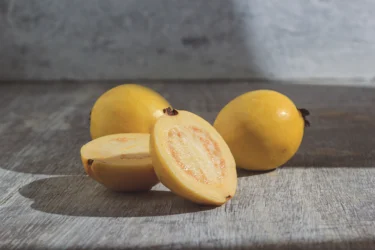
This variety tastes acidic and mild with no fragrance. The inside layer appears to be pale white or yellow while the skin looks green when ripe. This variety may also turn pinkish when ripe.
Note: Though there are many different varieties of guavas, all of them are known to be a powerhouse of healthy nutrients.
Guava fruits or the “queen of all fruits” are considered to be high in medicinal value. A 100-grams serving of guava fruit contains just 68 calories and 8.92 grams of natural sugar, making it a nutrient-dense option for a healthy diet. It is also rich in calcium and contains around 18 grams of essential minerals for every 100 grams, making it beneficial in supporting various aspects of health and help manage different diseases4.
However, in order to understand how beneficial this tropical fruit can be, let’s take a closer look into the health benefits of guava.

Guava is rich in vitamin C and is said to contain four times the content of vitamin C found in oranges4. Vitamin C helps boost immunity which helps the body to fight common infections and pathogens. Also, more vitamin C helps in good eyesight2.

Vitamin C, lycopene and other types of polyphenols act as antioxidants that help in neutralising infections in the body that prevent the growth of cancerous cells. Clinical studies2,7 suggests that guava fruit may prevent prostate cancer and also prevents the growth of breast cancer cells.
In my experience, I have observed that water extracts of guava may have anti-proliferative activity against KB cells. This means that the extracts have the ability to inhibit the growth and division of certain harmful cells10.
Dr. Rajeev Singh, BAMS

Guava benefits people who are managing blood sugar levels, as it has a high content of fibre and glycaemic index that helps prevent the development of diabetes. You may refer to glycemic index food chart to find out the GIs of other foods and modify your diet accordingly. Fibre content regulates blood sugar levels from spiking, while glycaemic index also restricts your blood sugar to rise at a short rate2.
Guava contains high amounts of sodium and potassium that helps the body to balance and regulate high blood pressure in patients suffering from hypertension. Guavas help in reducing cholesterol that is one of the primary reasons for heart diseases. However, this fruit increases the levels of good cholesterol and substitutes this with bad cholesterol2.

Guavas contain high amounts of good dietary fibre when compared to other fruits. One guava a day contains 12 per cent of fibre intake that makes it highly beneficial for digestive health. It also helps in healthy bowel movements. This reduces your risk of constipation2.

Guava fruit contains vitamin A that helps boost an individual’s eyesight. Eating guava not only prevents bad eyesight but also prevents you from developing cataracts and macular degeneration4.

Guava contains magnesium in the fruit that helps relax your muscles and nerves. So, this means that after a hard workout or a long day at the office, you need just one guava to get you relaxed. This fruit helps you combat stress and provides a good energy boost to your system2.

Guavas benefit pregnant women such that it contains folic acid and vitamin B-9 which is recommended to be given for women since it helps in developing the baby’s nervous system and protects the baby from neurological disorders8.

Guava leaves benefit dental health due to their anti-inflammatory action and antibacterial ability that fights infections and kills germs and people consuming guava leaves at home will help curb toothaches. The juice from the guava leaves is also said to provide relief from swollen gums and oral ulcers2.

Guava benefits people suffering from colds and coughs, as it has a very high content of vitamin C and iron compared to other fruits. However, guava is believed to help from getting a bad cold or any viral infection. The juice from raw guavas is very beneficial in curing cough and cold. It gets rid of the mucus and disinfects the respiratory tract, throat and lungs5.

Many women experience bad and painful cramps as period symptoms and guava leaf extract may help reduce the pain during menstruation. A study2 which involved 197 women consuming guava leaf extract (6 mg) found that it greatly helped in reducing the pain.
Over the years, I have observed that the leaf of Psidium guajava, commonly known as guava, has a spasmolytic effect. This means that it can help relieve spasms or involuntary contractions of certain muscles. The main component responsible for this effect is a compound called quercetin, which is found in its leaf and the plant extract10.
Dr. Smita Barode, B.A.M.S, M.S.
Also Read: Curry Leaves (Kadi Patta): Uses, Benefits, Side Effects and More!
While we often rely on western medicine for common issues like fever, cold, or cough, it is important not to overlook the beneficial properties of natural remedies, particularly guava leaves. If guava fruit is healthy, then its leaves are super healthy. If the fruit is known for its health benefits, the leaves are even more impressive in what they offer.
Here are some of the benefits of guava leaves that you need to know2:
Note: Guava leaves can be boiled in hot water and consumed or made into a cup of tea, ensure to seek your healthcare provider’s advice to see if this may be beneficial to your situation.
Hair fall is often a sign of an unhealthy scalp and guava leaves can help stop hair fall and strengthen the scalp because of their anti-inflammatory, antimicrobial, and antioxidant properties. They can also be effective in helping with common scalp issues like dandruff.
Guava is also rich in vitamin B & C which helps in nourishing hair and helps in hair growth. So if you have a guava tree in your garden, don’t let those leaves go to waste. Instead of discarding or burning them, grind them into a paste and gently apply it to your scalp. This simple remedy can strengthen your roots and significantly reduce hair fall9.
Just as green tea is considered healthy, guava leaf tea might just be the next big thing in natural wellness. Known for its potent healing properties, it can be especially beneficial for digestive issues like abdominal pain or diarrhoea. To make guava tea, add guava leaves to boiling water and boil for 20 minutes. Then strain the water and allow it to cool for 5 minutes and consume this tea while lukewarm, preferably on an empty stomach and you may find instant relief from digestive problems2.
Based on my experience, I have observed that water extracts of guava may have liver-protective activity. They have been found to significantly reduce elevated levels of liver enzymes and bilirubin in the blood. Guava extract may have a protective effect on the liver, promoting its health and function10.
Dr. Siddharth Gupta, B.A.M.S, M.D (Ayu)
Also Read: Know About 20 Super Healthy Leaves You Must Eat!
Guava stands out not only for its nutritional value but also for its traditional and therapeutic uses. Its unique blend of vitamins, minerals, and plant compounds supports various body systems, while the leaves offer added medicinal properties. As a natural, accessible option, guava can play a supportive role in everyday health when consumed mindfully.
Also Read: Betel Leaves: Uses, Benefits, Side Effects By Dr. Smita Barode
Guava fruit and its leaves, have medical properties that can be beneficial to you. However, it is better to consume it in moderation. Here are some frequently asked questions (FAQs) that will give you an insight about guava fruits and their other health benefits.
Individuals with diabetes are usually advised to eat apples, but guava can also be an alternative snack for diabetics. Guava is rich in dietary fibre and can help ease constipation but it can also help lower the risks of developing type 2 diabetes. It contains high levels of vitamin C that can be helpful for many health-related problems. You may find it beneficial to have one guava a day as a part of your fitness diet as a diabetic with the guidance from a healthcare provider.
Guava and egg are considered healthy, but some may be allergic. If you want to consume both boiled egg and guava together, then it is advised that you consult a doctor and seek medical advice to make sure this is safe in your case.
The white guava and pink guava are the same in terms of their nutrition content, but what makes them different is their colour, taste, and that they are found in different countries.
Guava can be eaten at any time but preferably not on an empty stomach. This is because, if your body needs to reap the benefits of these fruits, there must be some food in your stomach for it to digest and mix along with, you can consume guavas 30 minutes after you finish eating.
Guava fruit, as well as its leaves, have medicinal properties that can be beneficial for certain health problems. However, make sure that you do not consume it in excess. Make sure to consult a doctor to know if you are allergic to guavas.
While the fibre content and low glycaemic index typically make guava safe for diabetics, if you consume too much guava too quickly, it may spike your blood sugar. This is especially true if you consume a particularly sweet variety of guava. For most people, however, moderate consumption of guava is an exceptionally healthy dietary choice.
Yes, when consumed in large amounts or if you already have a digestive issue, then guava may contribute to diarrhoea. One factor that may contribute to this is that guava contains indigestible seeds, another factor is that it may possibly result in insufficient absorption of fructose.
Yes, guava can be eaten raw and it is usually consumed in this form. Make sure to check whether the guava you have purchased is ripe before you eat it.
1. Arévalo-Marín E, Casas A, Landrum L, Shock MP, Alvarado-Sizzo H, Ruiz-Sanchez E, et al. The Taming of Psidium guajava: Natural and Cultural History of a Neotropical Fruit. Frontiers in Plant Science [Internet]. 2021 Sep 28 [cited 2025 Apr 23];12. Available from: https://pmc.ncbi.nlm.nih.gov/articles/PMC8505677/
2. Díaz-de-Cerio E, Verardo V, Gómez-Caravaca AM, Fernández-Gutiérrez A, Segura-Carretero A. Health Effects of Psidium guajava L. Leaves: An Overview of the Last Decade. International Journal of Molecular Sciences [Internet]. 2017 Apr 24 [cited 2025 Apr 23];18(4). Available from: https://www.ncbi.nlm.nih.gov/pmc/articles/PMC5412476/
3. Plant Village. Guava | Diseases and Pests, Description, Uses, Propagation [Internet]. plantvillage.psu.edu. [cited 2025 Apr 23]. Available from: https://plantvillage.psu.edu/topics/guava/infos
4. Hussain SZ, Naseer B, Qadri T, Fatima T, Bhat TA. Guava (Psidium Guajava)- Morphology, Taxonomy, Composition and Health Benefits. Fruits Grown in Highland Regions of the Himalayas [Internet]. 2021 [cited 2025 Apr 23];257–67. Available from: https://www.researchgate.net/publication/352417612_Guava_Psidium_Guajava-_Morphology_Taxonomy_Composition_and_Health_Benefits
5. Guava [Internet]. Purdue.edu. 2019 [cited 2025 Apr 23]. Available from: https://www.hort.purdue.edu/newcrop/morton/guava.html
6. Crane JH, Balerdi CF. Guava Growing in the Florida Home Landscape. EDIS [Internet]. 2006 Oct 11 [cited 2025 Apr 23];2006(18). Available from: https://hos.ifas.ufl.edu/media/hosifasufledu/documents/pdf/in-service-training/shared-related-publications/Guava-Growing-in-the-Florida-Home-Landscape.pdf
7. Jamieson S, Wallace CE, Das N, Bhattacharyya P, Bishayee A. Guava (Psidium guajava L.): a glorious plant with cancer preventive and therapeutic potential. Critical Reviews in Food Science and Nutrition [Internet]. 2021 Jul 21 [cited 2025 Apr 23];1–32. Available from: https://www.tandfonline.com/doi/10.1080/10408398.2021.1945531?url_ver=Z39.88-2003&rfr_id=ori:rid:crossref.org&rfr_dat=cr_pub%20%200pubmed
8. N. Olii, Sukaisi, Asriah, S.Y. Kusika, Zuraidah. The effect of red guava (Psidium guajava L.) juice on pregnant women’s hemoglobin level. Food Research [Internet]. 2022 Jun 26 [cited 2025 Apr 23];6(3):382–8. Available from: https://www.researchgate.net/publication/361552422_The_effect_of_red_guava_Psidium_guajava_L_juice_on_pregnant_women
9. Ruksiriwanich W, Khantham C, Muangsanguan A, Phimolsiripol Y, Barba FJ, Sringarm K, et al. Guava (Psidium guajava L.) Leaf Extract as Bioactive Substances for Anti-Androgen and Antioxidant Activities. Plants [Internet]. 2022 Jan 1 [cited 2025 Apr 23];11(24):3514. Available from: https://www.mdpi.com/2006336
10. Akanda MdKM, Mehjabin S, Uzzaman S, Parvez GMM. A short review on a nutritional fruit: Guava. ResearchGate. 2018 [cited 2025 May 14]. Available from: https://www.researchgate.net/publication/330702066_A_short_review_on_a_Nutritional_Fruit_Guava
Disclaimer: The information provided here is for educational/awareness purposes only and is not intended to be a substitute for medical treatment by a healthcare professional and should not be relied upon to diagnose or treat any medical condition. The reader should consult a registered medical practitioner to determine the appropriateness of the information and before consuming any medication. PharmEasy does not provide any guarantee or warranty (express or implied) regarding the accuracy, adequacy, completeness, legality, reliability or usefulness of the information; and disclaims any liability arising thereof.
Links and product recommendations in the information provided here are advertisements of third-party products available on the website. PharmEasy does not make any representation on the accuracy or suitability of such products/services. Advertisements do not influence the editorial decisions or content. The information in this blog is subject to change without notice. The authors and administrators reserve the right to modify, add, or remove content without notification. It is your responsibility to review this disclaimer regularly for any changes.
436
10
Coriander leaves, widely regarded as one of the oldest herbs, are known to enhance the visual appeal and flavour of a dish. While all parts of the coriander plant are edible, it is the fresh, aromatic leaves and dried seeds that are most commonly incorporated into Indian recipes.
This article focuses on Dhaniya or Coriander Leaves, which is also referred to as Cilantro by some. The name Coriander is derived from the Greek word koris, meaning stink bug, likely because of its distinctive aroma released by the leaves when they are chopped or bruised.
Coriander is a herb with a history that dates back to 5000 BC and is thought to have originated in Italy. Surprisingly, despite its non-Indian origins, coriander has become an integral part of every Indian household. Indian recipes are considered incomplete without the addition of coriander leaves, making it even more intriguing to explore this modest yet essential herb.
Coriander Leaves are a rich source of vitamin A and vitamin C, providing essential nutrients that contribute to overall health. In addition to these vitamins, coriander leaves contain dietary fibre, iron, manganese, calcium, vitamin K, and phosphorus.
This remarkable herb also consists of 11 essential oils, is low in saturated fat, and contains a significant amount of linoleic acid, which offers numerous health benefits. 100 grams of coriander leaves may contain approximately 87.9% moisture, 6.5% carbohydrates 3.3% protein, 0.14% calcium, 0.06% phosphorus, and 0.01% iron. They also provide 60 mg of vitamin B₂, 0.8 mg of niacin, 135 mg of vitamin C, and 10,460 IU of vitamin A1.

Coriander leaves have long been recommended by our grandmothers for promoting healthy eyes. This is because of their high content of vitamin A, vitamin C, vitamin E, and carotenoids, all of which contribute to maintaining good vision2. Research3 has also shown that regular consumption of coriander may also help in the healing of conjunctivitis.
Coriander leaves are a valuable source of vitamin C, vitamin E, and vitamin A, all of which play a crucial role in enhancing the immune system. Vitamin C, in particular, supports the effective functioning of white blood cells and helps in the absorption of iron, further strengthening immunity over time1.
The vibrant green colour of coriander is due to its rich antioxidant content, which helps stimulate enzyme activity. This, in turn, promotes insulin secretion, which helps reduce blood sugar levels. Incorporating coriander into daily meals or consuming coriander-infused water may prove beneficial for individuals managing high blood sugar levels4.
High cholesterol is now recognised as a common and significant health concern. Regular consumption of coriander leaves may help reduce LDL (bad) cholesterol levels while improving HDL (good) cholesterol, contributing to better cardiovascular health5.
Coriander leaves are rich in minerals such as calcium, phosphorus, manganese, and magnesium. Additionally, their anti-inflammatory properties may help protect the bones, alleviating pain associated with arthritis6.

Coriander leaves are a good source of fibre, which can help alleviate digestive issues. They are also being studied for their potential to address various digestive concerns, including stomach upset, diarrhoea, bowel spasms, gas, and nausea2.

Coriander leaves are rich in iron, vitamin E, and vitamin A, which may help reduce free radicals that can damage the skin. Additionally, coriander acts as a remedy for oily skin by absorbing excess oil. Its antimicrobial, antiseptic, and antifungal properties also contribute to soothing and cooling the skin7.
Coriander extract has been studied for its potential diuretic properties, which help eliminate excess water and sodium from the body8. This process can contribute to lowering blood pressure and as previously noted, assist in managing cholesterol levels. These properties may help reduce the risk of heart disease. Furthermore, coriander is often used as a garnish and flavouring, and incorporating it into meals may help decrease sodium intake by reducing the need for additional salt seasoning.
A study9 has shown that coriander extract may protect brain cells from damage and improve memory in mice. This effect is likely attributed to coriander’s anti-inflammatory properties, as many forms of brain degeneration are linked to inflammation.
Coriander possesses antimicrobial properties that can help combat infections, including foodborne illnesses, due to its plant compounds. One such compound, Dodecenal, has shown particular effectiveness against Salmonella infections. Additionally, coriander seeds have demonstrated protective qualities in fighting urinary tract infections. The oil derived from coriander can also be incorporated into antimicrobial products to address food-related diseases10. The benefits of coriander in combating infections may be obtained either by consuming the herb directly or by using various products that contain coriander extracts.
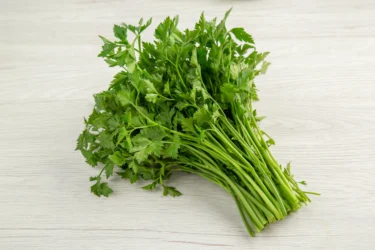
Coriander can be easily incorporated into the diet. Fresh coriander leaves are widely available in most fresh produce markets, while coriander seeds, dried leaves, and powder can be found in many grocery stores. The leaves can be added to salads or used as a garnish for various dishes. Coriander seeds are suitable for use in roasts, baked goods, pickles, vegetable preparations, and other cooked meals. Additionally, coriander can be blended with ingredients such as garlic, lemon juice, coconut milk, and peanuts to create a flavourful marinade.
Like mint and many other herbs, coriander leaves are now used as an ingredient in mouthwashes. Coriander leaves are believed to have antioxidant and antifungal properties, which may help in maintaining oral health12.
Dr. Rajeev Singh, BAMS
Also Read: Know About 20 Super Healthy Leaves You Must Eat!
You can add coriander to dals, sabzis, salads, or raitas for enhanced flavour and nutritional benefits. For skincare, a paste made from fresh coriander leaves can be applied to the skin and washed off after 15 minutes.
Fresh coriander juice is beneficial in meeting daily vitamin and mineral requirements. It may be consumed as one glass per day or by adding 1 to 2 teaspoons to a glass of buttermilk.
Coriander leaves can also be incorporated into snacks or breakfast items such as non-fried kothambir wadi, dhania paratha, or coriander tomato salsa to name a few.
Including coriander leaves in your regular diet may be beneficial but ensure to consult with a doctor before making any changes to your diet.
Based on some studies11, consuming coriander leaves might have sedative effects and might help with insomnia and anxiety in some people.
Dr. Siddharth Gupta, B.A.M.S, M.D (Ayu)
Coriander and its extract may significantly lower blood pressure, potentially interfering with prescribed blood pressure medications. This may cause hypotension (abnormally low blood pressure). Symptoms of hypotension include anxiety, palpitations, sweating, and hunger. It is advisable to consume only a small amount of coriander daily, and even less when using its extract. Blood pressure should be monitored regularly, and any concerns should be reported to a doctor. Medical advice should be taken before continuing daily consumption of coriander extract as it may have a pronounced effect on blood pressure.
Also Read: Moringa Leaves – Health Benefits That You Should Know
Coriander leaves impart an aromatic flavour and refreshing fragrance to a variety of Indian dishes, including dals, sabzis, soups, and curries. In addition, daily consumption of fresh coriander leaves may support immunity, reduce bad cholesterol, soothe the skin, improve digestion, regulate blood sugar levels, and promote bone health. Including this distinctive herb in your recipes may contribute to enhancing overall well-being.
Also Read: 8 Unknown Benefits of Mango Leaves
Disclaimer: The information provided here is for educational/awareness purposes only and is not intended to be a substitute for medical treatment by a healthcare professional and should not be relied upon to diagnose or treat any medical condition. The reader should consult a registered medical practitioner to determine the appropriateness of the information and before consuming any medication. PharmEasy does not provide any guarantee or warranty (express or implied) regarding the accuracy, adequacy, completeness, legality, reliability or usefulness of the information; and disclaims any liability arising thereof.
Links and product recommendations in the information provided here are advertisements of third-party products available on the website. PharmEasy does not make any representation on the accuracy or suitability of such products/services. Advertisements do not influence the editorial decisions or content. The information in this blog is subject to change without notice. The authors and administrators reserve the right to modify, add, or remove content without notification. It is your responsibility to review this disclaimer regularly for any changes.
165
6
Rice has been a primary crop all over the world for centuries. Today, rice is a staple in more than 100 cultures, and there are over 40,000 varieties grown1,2. In India, our meals are incomplete without rice. There are many types of rice, like long-grain basmati, black rice, white rice, and sticky rice, and they vary in terms of health benefits.
Traditionally, we used to eat rice with the husk, but with time, dehusked white rice, that is brown rice, came into the limelight because of its numerous health benefits. Brown rice is a super healthy whole grain packed with various nutrients.
In this blog, we’ll discuss in detail about brown rice, its nutritional value, potential health advantages, and how it compares to white rice.
Brown rice is dehusked and unpolished rice produced by removing the outer layer (the hull of the rice kernel). This procedure helps brown rice to keep its nutritional value high. It is chewier as compared to white rice and has a nutty flavor.
Brown rice is healthier than white rice when it comes to nutritional value. This super food is low in calories, fat, and gluten-free. Hence, all diet-conscious people prefer this rice over white rice. This rice also contains some essential nutrients, which are as follows:
Brown rice has a lower glycaemic index compared to white rice, making it a better choice for blood sugar control3.The antioxidants present in brown rice can help protect against oxidative stress and reduce the risk of chronic diseases4. Brown rice is a good source of selenium, which is important for thyroid function and immune health5.
Owing to its healthy nutrient profile, including brown rice in your diet can have several health benefits.
Over the years, I have found that incorporating brown rice into one’s diet can have significant health benefits. Brown rice is a nutritious whole grain that is rich in dietary fibre. This fibre helps promote a healthy digestive system and may reduce the risk of colorectal and breast cancers4.
Dr. Rajeev Singh, BAMS
Some people might not find brown rice to be as tasty as white rice. But the nutritional benefits of brown rice can convince you to make slow and steady changes in your diet. Here are the unknown health benefits of brown rice:

Brown rice is one of the famous foods used for weight loss. It is rich in dietary fibres that help to keep you full for a longer time, so choosing fibre-rich foods may help you consume fewer calories overall. Replacing brown rice with white rice can help support your weight and fat loss efforts6.

To control blood sugar naturally, you can include low carbohydrates and fats in your diet. Brown rice is the best option for it. It is beneficial to control blood sugar levels as it has a low glycaemic index3. A low glycaemic index means the food you consume digests more slowly and it doesn’t cause your blood sugar to spike after that. Studies show that by eating three servings per day of whole grains like brown rice, you can reduce your risk of developing type 2 diabetes by up to 29%7. Brown rice contains phytic acid, fibre, and essential polyphenols that help in the slower release of sugars, keeping us healthy.

Brown rice is a helpful staple that can be easily added to the daily diet to optimize the digestive system. The fibres present in brown rice help to regulate intestinal movements and keep your bowel movements regular. They can show good results in managing conditions like colitis and constipation8.
Brown rice is a preferable choice for many people because it contains a low level of cholesterol9. The oil present in brown rice is known to reduce the levels of bad cholesterol (LDL cholesterol) to a large extent. The fibre in brown rice binds to the cholesterol in the digestive system and helps in its excretion, thereby balancing lipid levels.
In my experience, I have observed that incorporating brown rice into the diet might have a positive impact on hyperlipidaemia. Brown rice’s high fibre content and nutrient composition seem to play a role in regulating lipid levels and promoting cardiovascular health4.
Dr. Smita Barode, B.A.M.S, M.S.

Brown rice may help to cut down the risk of cognitive dysfunction and neurodegenerative disorders10. They are rich in fibres that lower the cholesterol levels known to add to the risk of neurodegenerative diseases. This rice can help cut down on cholesterol by replacing it with healthier nutrients, such as fibre. It is also beneficial in dealing with diseases like Parkinson’s or Alzheimer’s. They also help fight depression, anxiety, or stress.
Brown rice works amazingly in postpartum depression. Consumption of this rice showed positive results in nursing women to improve disturbed mood, stages of depression and fatigue11.

Brown rice is rich in calcium and magnesium that help to maintain bone health. It may aid in protecting against medical conditions such as arthritis and osteoporosis12.
Did you know that brown rice has a distinct nutty flavor and a chewier texture compared to white rice? This nuttiness can possibly be because of its higher oil content. However, it is important to note that brown rice is more prone to rancidity due to its higher oil content. So, it’s recommended to store brown rice properly to maintain its freshness and quality4.
Dr. Siddharth Gupta, B.A.M.S, M.D (Ayu)
Also Read: 6 Foods That Will Help You Deal With Hydrocele
White rice is more commonly consumed and popular amongst people. However, the benefits of brown rice far outweigh those of white rice. This is due to the fact that brown rice is a whole grain while white rice is a refined grain. What this means is that brown rice contains the bran, germ, and endosperm, all constituents of a grain. These are absent in white rice, which is what makes it less nutritious than brown rice. For this reason, the number of health benefits of brown rice is far greater than white rice. The absence of these integral components that make up a grain leaves white rice with lesser nutritional value than brown rice.
However, white rice cooks faster than brown rice, and its taste may be preferred by some. Due to this , it is more commonly used in a lot of households.
Also Read: Shilajit: Uses, Benefits & Side Effects By Dr. Anuja Bodhare
Both brown rice and white rice have their own advantages; brown rice provides more fibre, vitamins, and minerals, while white rice is easier to digest and often preferred for taste and texture. Therefore, choosing between the two depends on individual health goals, dietary needs, and personal preferences, making both suitable as part of a balanced diet.
Also Read: 7 Science-Backed Health Benefits Of Amla (Gooseberry)!
Disclaimer: The information provided here is for educational/awareness purposes only and is not intended to be a substitute for medical treatment by a healthcare professional and should not be relied upon to diagnose or treat any medical condition. The reader should consult a registered medical practitioner to determine the appropriateness of the information and before consuming any medication. PharmEasy does not provide any guarantee or warranty (express or implied) regarding the accuracy, adequacy, completeness, legality, reliability or usefulness of the information; and disclaims any liability arising thereof.
Links and product recommendations in the information provided here are advertisements of third-party products available on the website. PharmEasy does not make any representation on the accuracy or suitability of such products/services. Advertisements do not influence the editorial decisions or content. The information in this blog is subject to change without notice. The authors and administrators reserve the right to modify, add, or remove content without notification. It is your responsibility to review this disclaimer regularly for any changes.
85
4
In today’s stressful environment, staying healthy is a top priority for everyone. Despite our best efforts, we may still fall short on key nutrients, making us more vulnerable to illness. Although nutritional supplements are widely used to meet our nutrient needs, it is important to focus on natural food sources. Barley is one such food grain that can help you meet your nutrient requirements naturally.
Barley is a wonderfully versatile food grain with a rich, nutty flavour and a chewy, pasta-like texture. It is an essential ingredient for making breads, soups, stews, and various health products. Barley is often used to produce malt, which plays a key role in brewing beer and other alcoholic drinks. Scientifically known as Hordeum vulgare, this cereal plant belongs to the grass family, Poaceae and is widely grown across Western Asia and North Africa1.
Barley water is often seen as the most beneficial way to consume barley, as it is easy to digest and helps keep the body hydrated. The ancient Greeks consumed kykeon, a drink made of water, barley, and naturally occurring ingredients. The Indian version of barley water, known as ”sattu,” is extremely popular in Punjab. It is rich in various nutrients that help remove toxins from your body by improving your metabolism.
Barley water is a drink made from water cooked with barley. Here is a simple recipe to make homemade barley water.
1 cup pearl barley, 7-8 cups of water, the juice of 1 lemon, 1 tablespoon honey (optional), cinnamon stick, root ginger.
Wash the barley in water and strain. Repeat the process multiple times. Boil the barley and 7-8 cups of water along with a cinnamon stick and ginger. Let the pot simmer for at least 30 minutes until the grains are mushy. Let the water cool down; then strain it. You can mix lemon juice and honey (optional) for flavour while serving barley water.
Barley water can also be flavoured with other natural ingredients like lemon juice and lemon rind.
From my knowledge, barley water might be an aid in anaemia and fatigue. Barley is known as a rich source of iron. I recently read an article which suggests that iron helps to enhance blood volume11.
Dr. Siddharth Gupta, B.A.M.S, M.D (Ayu)
Barley and its water are a rich source of the following essential nutrients2:
Drinking barley water can do wonders for your health. The health benefits of barley water include:
Since barley is a rich source of fibre, barley water can help keep your digestion and metabolism balanced. Barley water can help in weight loss as it digests slowly, can make you feel fuller for a longer period of time, and reduce cravings3. Although barley water contains a lot of calories, it has very little fat and hydrates you very well. Barley water may also stimulate fat metabolism.

Barley water may have a diuretic effect that increases urination and flushes out toxins from the body4. Thus, it can help in the management of urinary tract infections, kidney stones and cysts. Children and adults can have it daily until the urine infection subsides. Barley water benefits include its ability to cleanse the kidneys and help manage health issues like high creatinine and cystitis.

Traditionally, barley water has been used as a natural remedy to support digestion and soothe stomach discomfort. It is light and easy on the stomach, contains essential minerals, and aids in various body processes. According to Ayurveda5, it is considered a digestive tonic that helps in facilitating the process of digestion. The high amount of fibre in barley helps regulate bowel movements and ease constipation.
Barley water also helps when harmful bacteria known as Bacteroides affect the stomach and other organs of the body6. As barley water is high in dietary fibre, it also reduces the propensity of developing intestinal issues like constipation2.
Barley water may also help lower blood sugar levels for several hours. Drinking unsweetened barley water can give you the benefits of controlling blood sugar spikes and helping in overall blood sugar management7. It also contains antioxidants, which may contribute to overall health.
Barley is naturally rich in fibre and antioxidants, which may support heart health by helping to manage LDL (bad) cholesterol levels and contribute to better overall cardiovascular health8. Including barley water in your diet, along with other heart-friendly foods, can be a step toward better cardiovascular wellness.
Not many people know that drinking barley water is good for your skin9. Barley water is hydrating and contains antioxidants that may help support overall skin wellness. It also contains a compound called azelaic that can help treat mild-to-moderate acne2. When included as part of a healthy lifestyle, it can contribute to clearer, healthier, and fresher-looking skin.

High blood pressure has often been known to be one of the leading causes of cardiovascular disease called atherosclerosis. As barley water helps lower and regularise blood pressure, it can effectively help slow down the onset of atherosclerosis2.
Barley water is rich in fibre and may help support digestion and hydration, which can be beneficial during pregnancy10. It can help manage constipation and even morning sickness. Most importantly, barley water has diuretic properties, which means it can reduce water retention during pregnancy. Pregnant women should speak to their doctor before adding new foods or drinks to their daily diet.
Let me tell you a secret! Barley may aid in gallstones. Yes, you read it right. I recently read an article that suggests that by promoting the body’s bile and cholesterol metabolism, barley fibre potentially dissolves gallstones. From my perspective, because bile and cholesterol are the substances that cause gallstones to develop, barley fibre may work to inhibit the production of gallstones by metabolising these two substances12.
Dr. Rajeev Singh, BAMS
While barley water contains a lot of fibre, vitamins, and minerals and has several potential health benefits, it’s important to consume it in moderation. Some recipes may include added sugars or sweeteners that can reduce its nutritional value and health benefits. Because barley contains gluten and is high in fibre, it may not be suitable for people with gluten intolerance or those prone to digestive issues like bloating or constipation.
For ages, barley proved beneficial for constipation. But did you know it may aid in diarrhoea as well? From my perspective, the total fibre included in barley has the potential to create bulk in the digestive tract and control bowel movements that may aid in preventing diarrhoea and constipation12.
Dr. Smita Barode, B.A.M.S, M.S.
Barley water may be a refreshing and nutritious addition to a balanced lifestyle. When consumed as part of a varied diet, it can support overall well-being. As with any dietary change, it’s best to consult a doctor, especially during pregnancy or if you have specific health concerns.
Also Read: 11 Incredible Health Benefits of Coconut Water
Disclaimer: The information provided here is for educational/awareness purposes only and is not intended to be a substitute for medical treatment by a healthcare professional and should not be relied upon to diagnose or treat any medical condition. The reader should consult a registered medical practitioner to determine the appropriateness of the information and before consuming any medication. PharmEasy does not provide any guarantee or warranty (express or implied) regarding the accuracy, adequacy, completeness, legality, reliability or usefulness of the information; and disclaims any liability arising thereof.
Links and product recommendations in the information provided here are advertisements of third-party products available on the website. PharmEasy does not make any representation on the accuracy or suitability of such products/services. Advertisements do not influence the editorial decisions or content. The information in this blog is subject to change without notice. The authors and administrators reserve the right to modify, add, or remove content without notification. It is your responsibility to review this disclaimer regularly for any changes.
365
13
Avocado or more popularly called ‘Butter Fruit’ in India, is a rich creamy flavoured fruit that has gaining the popularity of being a super fruit. This fruit is available in different varieties and all of them have one thing in common, which is a creamy taste. Worldwide, this fruit is known as ‘Alligator Pears’ and is treated as a luxury in most countries of the world.
Avocado comes packed with antioxidants, fibres, vitamins and minerals including a high content of potassium. It is considered a super fruit because of multiple health benefits it is said to offer. It helps improve digestion, reduce the risk of cancer, aid in weight loss and boost heart health. Apart from this, it also aids in good skin health and helps improve your vision.
In this article, we will focus on the health benefits of avocado, including some of its nutritional facts that rightly make it a super fruit.
In my opinion, avocados might be a delicious brain-boosting food. Avocados contain a special nutrient called lutein, which may have some incredible benefits for our brains. In older adults, lutein has been linked to improved brain health, potentially helping them stay sharp and focused. And guess what? Even young children might benefit from avocados. Lutein has been shown to possibly improve cognitive function in little ones11.
Dr. Siddharth Gupta, B.A.M.S, M.D (Ayu)
Apart from the fact that this fruit offers loads of health benefits, there are certain interesting facts about this fruit that are lesser known. Here are some of those:
Did you know?
There have been numerous studies in the past that have listed out some of the health benefits of butter fruit and why this fruit is considered a super fruit. Thus, here are some research-backed health benefits of avocado that you should know.
Owing to its high potassium levels, avocado can help maintain a healthy blood pressure level. Also, avocado is rich in magnesium and dietary fibres which can help regulate blood pressure. A recent study3 showed that consuming avocado for 5days/week reduced the chances of developing hypertension (high BP) by 17%. So, avocados can be a healthy food choice for keeping your blood pressure in check.
Avocados are not only delicious but also packed with folate. It is a superhero nutrient that may support normal cell function and tissue growth12.
Dr. Rajeev Singh, BAMS
In a study4, it was found that daily avocado consumption increased HDL (good) cholesterol levels, thereby improving blood lipid profile which can have a positive effect on heart health. Beta-sitosterol is an important compound found in avocados, which is a plant analogue of cholesterol and helps in reducing its absorption. Avocado’s rich content of monounsaturated fatty acids and fibres also contribute to maintaining proper cholesterol levels.

Avocado promotes digestion and is said to be good for your intestine. This is because this fruit contains soluble and insoluble fibres that improve gut health. These fibres work by adding bulk to stools, regulating bowel movements and promoting healthy gut microbiome, benefiting the digestive system overall5.
From what I have read, avocados are the nature’s secret for fabulous hair and nails. It’s all thanks to a special nutrient called biotin, found in avocados. Biotin might act like a beauty vitamin that may help people struggling with dry and brittle nails and hair13.
Dr. Smita Barode, B.A.M.S, M.S.

This super fruit comes packed with nutrients that can help you maintain a healthy skin texture. It may also help nourish your hair and deal with dry hair. The two major antioxidants found in avocados, beta-carotene and lycopene can help deal with skin inflammation. Moreover, components like oleic acid have a moisturizing effect and help improve skin and hair texture.
You can consume avocado regularly or apply its preparations on skin and hair to notice effects faster. You can apply avocado face mask or use avocado oil that is available in the market. A study even showed improvement in symptoms of skin conditions like psoriasis following regular topical application of an avocado preparation6. However, in any such conditions, its best to discuss with a dermatologist first.

Avocado helps keep your eyes healthy as it contains carotenoids which help protect your eyes from developing cataracts, age-related eye issues and macular degeneration. This fruit is rich in antioxidants, and this helps to neutralize the effects caused by free radicals. Moreover, it can help keep your vision intact.

Owing to its anti-inflammatory and antioxidant activity, avocado can help relieve joint and muscle pain. A study has shown that Avocado in combination with soyabean promoted cartilage formation in knee and provided relief from knee pain7. So, consuming avocado everyday may help ease your arthritis symptoms.

Consuming avocados can prevent you from having a bad breath that is caused due to indigestion or an upset stomach. This is because of the antibacterial and antioxidant properties in the fruit that manage to deal with bad odour-causing bacteria in your mouth.
Avocado is said to avoid the occurrence of cancer due to its carotenoid and monounsaturated fat content. Glutathione is the major antioxidant that helps protect cells from cancer and other free radicals that can cause cancer. Medically speaking, regular avocado consumption may help lower risk of cancers such as prostate cancer, oral cancer and skin cancer8.
One of the most striking medical conditions that most people around the world are facing is heart disease. Avocado helps promote heart health by:
Replacing some unhealthy fat‐containing food items with avocado could lead to lower risk of heart diseases2,3,9.
Antioxidants in avocado can help fight oxidative stress and aid in improving skin elasticity and firmness. Avocado contains zeaxanthin and lutein that may lower signs of ageing by protecting your skin from UV radiation. Applying avocado oil or consuming it can not only improve your skin health but also helps avoid damage that results in premature ageing10.
The lutein and zeaxanthin content present in avocado reduces your chances for cartilage defects7. Zinc, copper, phosphorous, calcium and selenium help in keeping bones healthy and reduce the chances of developing osteoporosis. These minerals help in improving bone density.
Avocado can also aid in weight loss, and this is particularly because of its high fibre content. Adding this healthy fruit to your everyday diet can help curb your appetite and keep you full for a longer time, stopping you from snacking between meals and thus reducing your calorie intake.
While studies have shown potential health benefits of avocado consumption, further large-scale human trials are needed to corroborate these findings. Nonetheless, initial results are promising and consumption of this superfruit in moderation can prove to be a healthy addition to your diet.
I would recommend avocado to help alleviate some of the bothersome symptoms of premenstrual syndrome (PMS). Avocados contain vitamin B6, which has been studied for its potential to reduce fatigue, bloating, and irritability associated with PMS. It might just provide you with some natural relief and make those PMS days a little easier to handle14.
Dr. Anuja Bodhare, B.A.M.S, M.D (Ayu)
Also Read: 7 Reasons Why Vitamin C Is Good For Your Skin
Avocado or Butterfruit is often referred to as a “super fruit” due to its rich nutritional profile and potential health advantages. Consumed in moderation, avocado can be a valuable part of a balanced and health-conscious diet. However, it is important to note that excessive consumption of avocado may lead to certain adverse effects. Remember, if you have any medical condition or are on any medications, it’s best to discuss with your healthcare provider before incorporating anything new to your routine diet, including avocados.
While avocado offers numerous health benefits, it is important to understand that excessive consumption can have adverse effects. What is beneficial in moderation may become harmful when consumed in large quantities. Overconsumption of avocado may lead to:
-Migraines
-Digestive issues like bloating, diarrhoea etc
-Weight gain
-Allergic reactions
Generally, one serving of avocado which is about 50 grams of avocado is considered safe and beneficial for health9. However, for individual requirements, it’s best to discuss with a nutritionist.
Avocado oil is suitable for cooking and is considered a healthy option, as it may help reduce the risk of developing heart disease. Incorporating it into your diet can contribute positively to a healthy lifestyle and offer various health benefits. However, it’s best to discuss with your healthcare provider first, especially if you have any medical conditions.
Disclaimer: The information provided here is for educational/awareness purposes only and is not intended to be a substitute for medical treatment by a healthcare professional and should not be relied upon to diagnose or treat any medical condition. The reader should consult a registered medical practitioner to determine the appropriateness of the information and before consuming any medication. PharmEasy does not provide any guarantee or warranty (express or implied) regarding the accuracy, adequacy, completeness, legality, reliability or usefulness of the information; and disclaims any liability arising thereof.
23
2


