
Hibiscus, commonly called Roselle, belongs to the family Malvaceae. Hibiscus has over 300 species of flowering plants, and one of them is Hibiscus sabdariffa Linne. It is considered a multipurpose plant that may have various health benefits. Hibiscus is a perennial flowering plant grown throughout the seasons. The shrub originated in Africa and is planted worldwide in tropical and subtropical regions of India, China, Sudan, Malaysia, Taiwan and many other countries1,3. Hibiscus is cultivated for flowers, leaves, stems, seeds and roots. Hibiscus flowers and seed oils are widely used in food, cosmetic, and pharmaceutical formulations. Hibiscus has medicinal value, which has been referenced in Ayurveda and the Chinese medicine system. It is commonly called Lalambari or Gudhal in Hindi and Jaswandh in Marathi1,2.
Did you know?
Hibiscus has good nutritional value, which is given below
1. Fat:
2. Protein:
3. Vitamin C:
4. Calcium:
5. Iron:
6. Thiamine:
7. Riboflavin:
8. Niacin:
According to a study, regular consumption of hibiscus tea potentially lowered the blood pressure of a hypertensive patient as compared to the initial dose of the standard medication to lower the BP. So, hibiscus tea might be useful to bring down high BP with the avoidance of side effects of the medications used to treat hypertension12.
Dr. Siddharth Gupta, B.A.M.S, M.D (Ayu)
The whole plant of hibiscus, including the flower, stem, leaves, roots and seeds, has beneficial properties1.
In Egypt and Sudan, tea extracted from a part of the hibiscus flower is used as a refrigerant to lower body temperature. This preparation is known as karkade.
Dr. Rajeev Singh, BAMS
Hibiscus may have the following potential uses that might benefit various health conditions.

Hibiscus calyx juice might be beneficial for cancer. It may show an antiproliferative (reducing cancer cell spread) effect and has antioxidants which may perform free radical scavenging activities. The human cell line studies by Akim et al. 2011 have shown that hibiscus juice may cause cancer cell death. It might be considered that hibiscus may have potential uses in cancer-related diseases1,2. However, these studies are insufficient and require more human trials to support the potential use of hibiscus for cancer management in humans. Cancer is a serious medical condition and may require a qualified doctor for proper diagnosis and treatment. Therefore, seeking medical advice from a doctor before consuming hibiscus juice is preferable.

The efficacy of hibiscus in the management of insulin resistance and diabetes mellitus type 2 was studied in an animal model (Peng CH. et al. 2011). The results revealed a significant reduction in blood sugar levels. It also showed that the hibiscus extract might have anti-insulin resistance properties (shows an insulin-like response), decreasing high blood sugar and insulin levels4. These studies are insufficient as these studies are not done on humans. However, more studies on humans are required to back this claim. Therefore, it is essential to first speak to your concerned doctors and only have hibiscus as a herb.

Hibiscus leaves and flowers may have beneficial properties for hair health. It might be helpful in circulating the blood to hair follicles. The leaves and flowers of hibiscus contain natural pigments, antioxidants and vitamins that might be useful for hair health5,6. According to animal studies done by N. Adhirajan et al. 2003, the topical application of leaf extract and gentle rubbing action on the skin enhanced blood circulation; this may have some effect on hair growth. This study also mentions that the hibiscus leaf extract might directly impact hair follicles, improving hair condition5,7. These studies are carried out on animals and not done on humans. Hence, this information is insufficient. We require more studies on humans back above claim. So, it is essential to first speak to your concerned doctors and only use hibiscus for hair health.

Hibiscus plants are rich sources of mucilages, which are complex polysaccharides. The plant’s leaves were traditionally used to manage burning sensations and skin diseases. It may have a skin-soothing and moisturising effect. The hibiscus mucilage extract contains glycerine, which may show the highest skin moisturising effect8. There is a need for more studies to establish the positive effect of hibiscus on skin-related problems. Hibiscus should not be used to self-medicate without consulting a doctor.

Hibiscus may have potential uses in weight management. In animal studies conducted by Hansawasdi et al. 2003, hibiscus tea showed blocking of sugars and starch absorption, which might benefit weight loss. The ability of hibiscus extract to maintain weight might be due to its polyphenols and flavonoids, which might decrease the accumulation of fat and, thus, maintain body weight9. Unfortunately, these studies are insufficient and more studies are needed to support the potential use of hibiscus for weight loss management in humans. Therefore, consult a doctor before having hibiscus tea to keep a check on your weight.
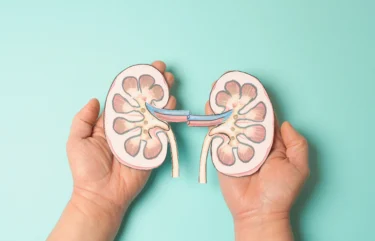
The hibiscus extract may have a beneficial effect on kidneys. It might reduce serum triglycerides, total cholesterol, and lipids. hibiscus may be beneficial in lowering oxidative damage to kidneys. Consumption of hibiscus tea might produce a uricosuric effect that might be helpful in the excretion of uric acid through urine. This may benefit the deposition of calcium crystals in kidneys and thus, managing kidney stones10. The information is not sufficient and further studies are required to support the potential use of hibiscus to overcome kidney-related issues in humans.

Though there are studies showing the benefits of hibiscus in various health conditions, these are insufficient, and there is a need for further studies to establish the true scope of the benefits of hibiscus on human health. Every person may respond differently to hibiscus herbal preparations. Therefore, it is important to consult a doctor before using hibiscus for any medical condition.
Various parts of hibiscus are used in the following ways:
People should consult a doctor before taking hibiscus herbal supplements. We recommend that you do not change or discontinue your ongoing medications with herbal preparations without consulting a qualified physician.
Before consuming any herb, one should consult an Ayurvedic physician because the herbs may have specific side effects. The side effects of hibiscus are as follows:
However, if any such side effects are observed after having hibiscus, please get in touch with an Ayurvedic physician who advised you to have the herb. They will provide the appropriate treatment to overcome the side effects.
Also Read: Kokum (Garcinia Indica): Uses, Benefits, Side Effects and More!
People should take precautions while consuming Hibiscus extract, specifically for patients with heart and kidney-related diseases9,10.
Patients with high blood pressure receiving non-potassium-sparing diuretics (medicines that help excrete more urine and treat oedema) should take precautions. If the dose increases the prescribed amount, the diuretic effect of Hibiscus extract might exert pressure on the blood vessel, causing death caused by loss of heart function8,10.
Patients with kidney stones or kidney dysfunction should consult a doctor about using Hibiscus juice; consumption in high amounts may lead to high creatinine levels in the blood resulting in a loss of kidney functioning10.
There is insufficient information about the safe use of hibiscus for pregnant women. It is better to take doctor’s advice during this condition5.
The safety of taking hibiscus extract by lactating mothers is questionable because consumption during lactation might increase weight gain after birth and delay the onset of puberty in children. Lactating mothers should take advice from their doctor before using HIbiscus10. If you are suffering from any disease condition, or suffer from specific allergies, consult your doctor about what foods and vegetables to avoid. Also, avoid consuming hibiscus for any health condition without consulting with a doctor first.
Also Read: Pashanbhed (Bergenia Ligulata): Uses, Benefits, Side Effects & More!
Hibiscus juice, when administered together with any drug, may increase the side effects and toxicity and also lead to failure of the drug efficacy9. When taken together with acetaminophen (paracetamol), Hibiscus sweetened water extract may interact with acetaminophen, resulting in the loss of drug efficacy11. Also, suppose you are taking any medications. In that case, you need to consult with your doctor about the possible interactions of the drug with any vegetables or herbs. This will help you avoid possible interactions of medicines with any herb or vegetable.
Also Read: Ashta Choornam: Uses, Benefits and Side Effects By Dr. Rajeev Singh
Hibiscus Tea is a non-caffeinated herbal tea made from Hibiscus (Hibiscus sabdaraffa L.). The tea is made from the dried fruit of the flower. The tea is red and tastes like berries4.
Hibiscus tea is made from the fruit calyx of hibiscus. Wash and air dry some calyces, crush them or make a fine powder. To make tea add the crushed calyces to a tea bag and let it steep for a couple of minutes in boiling water; add sugar or lemon juice if required. The tea is ready to serve hot or cold and can be stored in the refrigerator4.
There are several common names for hibiscus, such as Roselle, Jamaican sorrel, and Indian sorrel in English. In Urdu, it is called Rozelle hemp. In Hindi, it is known as Lalambari1.
Mixing hibiscus powder with water and applying it to the hair might benefit hair health. Hibiscus consists of natural pigments, vitamins and antioxidants that may be useful for managing natural hair conditions6. However, this information is insufficient. You should consult a doctor before using hibiscus for hair.
Hibiscus contains vitamin C, B1 (thiamin), B3 (niacin) and B2 (riboflavin)4.
Disclaimer: The information provided here is for educational/awareness purposes only and is not intended to be a substitute for medical treatment by a healthcare professional and should not be relied upon to diagnose or treat any medical condition. The reader should consult a registered medical practitioner to determine the appropriateness of the information and before consuming any medication. PharmEasy does not provide any guarantee or warranty (express or implied) regarding the accuracy, adequacy, completeness, legality, reliability or usefulness of the information; and disclaims any liability arising thereof.
Links and product recommendations in the information provided here are advertisements of third-party products available on the website. PharmEasy does not make any representation on the accuracy or suitability of such products/services. Advertisements do not influence the editorial decisions or content. The information in this blog is subject to change without notice. The authors and administrators reserve the right to modify, add, or remove content without notification. It is your responsibility to review this disclaimer regularly for any changes.
 24
24
 3
3
Prabhakar vati is an ancient Ayurvedic formulation which has been used for centuries, mainly to manage hrudroga1. Hrudroga, a disease of the heart, can be due to damage either in the structure or function of the heart. Prabhakar vati is made from different herbominerals, which might help strengthen the heart; therefore, it might be helpful for diseases of the heart1. This Ayurvedic preparation is now being standardised and commercialised too.
The ingredients used in the preparation of prabhakar vati are as follows:
1. Swarna mahkshika bhasma: It is a mineral containing copper, iron and sulphur. It is also known as chalcopyrite or copper pyrite. Swarna mahshika is the most abundant copper-containing mineral and has been used in Ayurveda for a long time to manage various diseases2.
2. Loha Bhasma: It is majorly an iron-containing, complex Ayurvedic preparation. It is a mineral and herb-containing preparation. It may help in promoting the growth of blood cells in the body3.
3. Shilajatu: It is a water-soluble, resin-type of material that flows from the rocks of the Himalayas during summers. It may have helpful properties; therefore, it is used in Ayurveda in combination with various other medicinal components. It is blackish-brown in colour4.
4. Abhrak bhasma: It is nothing but mica, i.e. biotite. Abhrak bhasma is an ash form of mica. It is basically a herbomineral preparation used in Ayurveda for many diseases. It is of different types based on colour, reaction to heat, etc5.
5. Arjuna swarasa: Arjuna is the common name of a tree which has been utilised for its medicinal properties for centuries. It might be mainly helpful for heart diseases but may also be helpful for many other disorders as well. Swarasa means juice, thus implying that the juice of Arjuna is utilised in prabhakar vati.
Prabhakar vati might have the properties of its constituent; therefore, it might have the following properties:
Over the years, I have found that Loha bhasma, which is present in Prabhakar vati, may be beneficial in managing Shwasa (respiratory disorder) associated with Hrudvyatha (chest pain), Plihavrudhhi (enlargement of the spleen), Yakrutavruddhi (enlargement of the liver), and Sarvanga shopha (generalized swelling). The mechanism of action for this is believed to be through the properties of Loha bhasma, which may help in reducing inflammation, improving respiratory function, and addressing the underlying causes of these associated conditions1.
Dr. Rajeev Singh, BAMS
Potential uses of prabhakar vati as follows:

Heart failure (also known as congestive cardiac failure) is a condition in which ventricles (chambers of the heart) are unable to pump blood to body parts. Prabhakar vati is a considerable choice for Ayurvedic physicians in such a condition. This is due to the fact that its constituents might help address the various problems due to which the heart is unable to perform its function by potentially strengthening it and reducing the load, and it might provide relief from common symptoms (like breathlessness, irregular pulse etc.). The components of prabhakar vati might be individually used to deal with various heart-related discomforts; therefore, together, they might act as a potent drug for certain heart conditions1. However, more research is required to prove such claims. Moreover, diseases of the heart must be properly diagnosed and treated by a doctor. So, kindly consult a doctor.

High blood pressure is a known risk factor for heart diseases and increases the chances of stroke6. It can have deadly consequences; therefore, constant care and monitoring are required. Among the various measures that need to be taken for this condition, prabhakar vati has also been recommended by the National Health Portal of India. However, more research is required to prove its potential effects. Conditions such as high blood pressure must be diagnosed and treated by a doctor, thereby, kindly consult a doctor.

Anaemia is a condition caused due to reduced blood or haemoglobin (a protein) in cells of the blood. One of the constituents of prabhakar vati, loha bhasma, may help with the irregular beating of the heart, which is caused by anaemia1. Loha bhasma may act as a haematinic agent and might stimulate the production of blood cells or haemoglobin. Thus, it may help counter the main causative factor of anaemia3. However, more research is required to ascertain such potential actions. Kindly consult a doctor. Do not self-medicate.

Prabhakar vati has abhraka bhasma, which might be good for nerves. It was found in studies that it has a potential use for the nerves and might be helpful for strengthening and rehabilitating the tissue. It might help in healing the nervous tissue that is impaired5. However, more research is required to prove such claims. Please consult a doctor and do not self-medicate.

Prabhakar vati contains iron as it contains lauha bhasma. Thus, prabhakar vati might help enhance the strength of an individual and may make them feel energetic. It may also be helpful in enhancing vitality. It may also have anti-ageing properties3. However, more research is required to prove such claims. Kindly consult a doctor.
Though there are studies that show the potential uses of prabhakar vati in various conditions, but these are insufficient and there is a need of further studies to establish the true extent of benefits of prabhakar vati on human health.
Based on my knowledge and experience, I have observed that Abhraka bhasma, a component of Prabhakar vati, may have potential benefits in managing exertional dyspnea. It is believed to work by improving lung function and enhancing respiratory capacity, which can help alleviate breathing difficulties during physical exertion1.
Dr. Siddharth Gupta, B.A.M.S, M.D (Ayu)
Prabhakar vati is available in the form of tablets. They are small, brown-coloured tablets and are being produced commercially. However, they are not over-the-counter drugs, and a physician should be consulted before taking them. Your Ayurvedic physician will prescribe you the form and dosage as per your health condition.
You must consult a qualified doctor before taking any herbal supplements. Do not discontinue or replace an ongoing treatment of modern medicine with an ayurvedic/herbal preparation without consulting a qualified doctor.
Also Read: Shilajit: Uses, Benefits & Side Effects
Side effects of prabhakar vati have not been reported yet in any major study. More research is required to ascertain its side effects. However, it may cause reaction/effects in certain individuals as each body reacts differently to different substances. If you notice any reaction, bring it to your Ayurvedic doctor’s attention immediately, as they will be better equipped to manage such situations.
Also Read: Brahmi: Uses, Benefits & Side Effects
A few general points are always to be kept in mind. Special care must be taken while giving this formulation to:
Do not self-medicate, it should not be taken without a doctor’s recommendation.
Also Read: Chandraprabha Vati (Chandraprabha Gulika): Uses, Benefits, Side Effects, Precautions & More!
There is insufficient evidence to state that there are no adverse reactions at all; more studies are required in this area. So, it is wise to take your doctor’s advice on the method of use and dosage of prabhakar vati. Kindly do not self-medicate. Please ensure that you disclose all the medications being used to your doctor so that they can have a clear picture about your complete health condition.
Also Read: Neem: Uses, Benefits & Side Effects
Prabhakar vati is an Ayurvedic formulation made up of different herbominerals. It is made using ingredients that are found in nature and contains various mineral constituents. It might be mainly helpful for diseases of the heart. However, more studies on it are required.
No. There are no reports of prabhakar vati being used to cure joint pains or joint problems.
Prabhakar vati might be helpful for certain diseases of the heart. It might help strengthen the valves of the heart and may help it to pump blood to the body efficiently.1 However, more studies are required to prove such claims. A doctor must be consulted for proper diagnosis and treatment of serious conditions such as diseases of the heart.
No. Prabhakar vati is not reported to be beneficial for the eyes. There isn’t enough evidence regarding the use of prabhakar vati for eyes.
The daily dosage of prabhakar vati and its method of use will be prescribed by your doctor. Kindly refer to your Ayurvedic doctor’s prescription as it is customised for your health.
The evidence is not enough to establish the safety of prabhakar vati during pregnancy. It is best to consult your Ayurvedic physician in such matters.
Prabhakar vati might help with high blood pressure. It is one of the formulations recommended by the National Health Portal of India for lowering elevated blood pressure. However, more research is required to prove its possible effects. Moreover, conditions such as high blood pressure must be diagnosed and treated by a doctor.
There have been no reports claiming the beneficial effects of prabhakar vati in patients with asthma. However, it might be helpful for breathlessness caused due to problems related to the heart.1 However, more research is required to ascertain such claims.
Disclaimer: The information provided here is for educational/awareness purposes only and is not intended to be a substitute for medical treatment by a healthcare professional and should not be relied upon to diagnose or treat any medical condition. The reader should consult a registered medical practitioner to determine the appropriateness of the information and before consuming any medication. PharmEasy does not provide any guarantee or warranty (express or implied) regarding the accuracy, adequacy, completeness, legality, reliability or usefulness of the information; and disclaims any liability arising thereof.
Links and product recommendations in the information provided here are advertisements of third-party products available on the website. PharmEasy does not make any representation on the accuracy or suitability of such products/services. Advertisements do not influence the editorial decisions or content. The information in this blog is subject to change without notice. The authors and administrators reserve the right to modify, add, or remove content without notification. It is your responsibility to review this disclaimer regularly for any changes.
6
0
Mandukaparni, scientifically known as Centella asiatica, is a medicinal herb. It is also known as Jalbramhi or Indian pennywort. Mandukaprni has been used as Ayurvedic medicine in India for thousands of years, and it is mentioned in the historic Indian medical text called ‘Sushruta Samhita’. This plant is found throughout India. It is grown in tropical and subtropical countries like Sri Lanka, Pakistan, India, South Africa, Madagascar, South Pacific, and Eastern Europe1. In addition to the Ayurvedic system of medicine, mandukaparni has a long history of use in traditional Chinese medicine2.
Mandukaparni contains proteins, carbohydrates, dietary fibres, fats, vitamins A, B, and C; minerals include iron, sodium, potassium, phosphorous, calcium, and magnesium. Mandukaparni also contains phytoconstituents like flavonoids, polyphenols, tannins, carotenoids, triterpenoids, and volatile oils3.
Mandukaparni has a wide range of properties like:
Potential uses of mandukaparni against many health conditions are given below.

Several preclinical (animal) studies1 have demonstrated the wound healing benefits of mandukaparni. It may help in wound healing by promoting skin thickening, cell growth, and tissue regeneration. In addition, Mandukaparni might strengthen newly formed skin, reduce inflammation, and provide antioxidant properties. Antioxidants play an essential role in the wound healing process. However, you must consult a healthcare provider if you encounter any wounds. Avoid using any herbs and remedies without a doctor’s consultation.

According to animal studies1, mandukaparni was found to show antidepressant properties. Certain compounds called triterpenes present in mandukaparni may be responsible for this activity. Mandukaparni could also increase dopamine levels (neurotransmitters) in the brain. An increase in the levels of dopamine might help deal with depression. If you are suffering from any brain condition, you must talk to your healthcare provider. Do not take any for the brain without consulting with your doctor first.
Animal studies1 of mandukaparni could show a reduction in seizures and improvement in learning deficits caused by seizures. The findings also suggested that mandukaparni might be an adjuvant to anti-seizure drugs, with the benefit of preventing cognitive impairment (trouble in learning, remembering, and concentrating). Leaf extract of mandukaparni has also been shown to have anticonvulsive properties. The benefits of mandukaparni against seizures have been observed in animal studies.
Mandukaparni may have some benefits in improving concentration, increasing attention span, and reducing oxidative stress. Oxidative stress causes Alzheimer’s, and cognitive impairment is caused by free radical generation. Mandukaparni effectively prevented cognitive deficits and oxidative stress during an animal trial. In addition, it may show the potential to boost antioxidant enzymes and protect neurons (nerve cells) from oxidative damage.Therefore, mandukaparni might be used for the management of Alzheimer’s disease1. However, it should not be used as an alternative to medicinal treatment.
More studies are required to support the use of mandukaparni in humans. You must, adhere to the doctor’s advice and treatment for conditions related to brain.

In a lab study, mandukaparni extract effectively prevented alcohol-induced stomach lesions. It could strengthen the stomach mucosal barrier and reduce the damage caused by free radicals. Mandukaparni could also promote stomach ulcer wound healing through its anti-inflammatory properties. The effectiveness of mandukaparni in wound healing has also been proved by clinical studies (human trials)1. Therefore, it may be used in managing stomach lesions. However, you need to consult your healthcare provider if you have any stomach problems. Self-medicating with herbs may worsen the condition.
I want to highlight that the water-based extract of Mandukaparni may have shown beneficial effects in rats. It may help alleviate intestinal spasms caused by barium chloride, reduce spontaneous contractions of the muscles of the intestine, and relax the muscles of the isolated ileum. However, more studies on humans are needed to verify its impact5.
Dr. Siddharth Gupta, B.A.M.S, M.D (Ayu)

In animal studies1, it was shown that mandukaparni extract could provide significant relief from pain and inflammation. It is also revealed that oral administration of mandukaparni could reduce the severity of arthritis. Mandukaparni also prevented joint destruction. In preclinical studies, mandukaparni successfully prevented the onset of arthritis and provided relief from its symptoms.
Mandukaparni may help manage heart diseases. The main components that might be responsible for these benefits are Asiaticoside and Asiatic acid. Several animal studies have shown that mandukaparni may effectively improve heart conditions like hypertension, atherosclerosis (a thickening of the blood vessel walls caused due to fat deposition), and cardiac ischaemia (deficient blood supply to the heart muscle)4. However, heart diseases are severe health conditions. Therefore, you must strictly adhere to the doctor’s advice and treatment.
According to several lab studies, mandukaparni showed promising results in reducing high blood pressure. This effect of mandukaparni on hypertension may be due to the antihypertensive properties of Asiatic acid4. However, you are advised not to use mandukaparni as an alternative to medicinal treatment. If you are suffering from high blood pressure, consult your healthcare provider before using herbs for your symptoms.

The anti-inflammatory and antioxidant properties of mandukaparni may be beneficial in various skin conditions like acne, baldness, and atopic dermatitis (skin itching and inflammation). Because of its anti-inflammatory property, it may reduce the inflammation associated with skin conditions. It may also lower oxidative stress through its antioxidant activity4. If you are suffering from any skin conditions, you need to reach out to a skin doctor and get proper treatment. Avoid using any herbs for your skin without consulting with a doctor first.
Though there are studies showing the benefits of manukaparni in various conditions, these are insufficient, and there is a need for further studies to establish the true extent of the benefits of mandukaparni on human health.
Did you know that Mandukaparni is not only great for healing wounds but may also have been recommended for managing various conditions like leprosy, lupus, and varicose ulcers? Yes, from what I have seen, people have found it helpful in managing these problems and often use it as a natural remedy6.
Dr. Rajeev Singh, BAMS
Various preparations of mandukaparni are available in the market.
You must consult a qualified doctor before taking mandukaparni or any herbal supplements. Likewise, do not discontinue or replace an ongoing treatment of modern medicine with an ayurvedic/herbal preparation without consulting a qualified doctor.
An interesting traditional use of Mandukaparni that I’ve come across is its positive effect in dealing with amenorrhea (absence of menstruation) and diseases related to the female genitourinary tract. It seems to have been valued for its potential benefits in addressing these specific health concerns6.
Dr. Smita Barode, B.A.M.S, M.S.
In recommended doses, mandukaparni has no known side effects.
Also, before using mandukaparni for any health benefits, make sure you have consulted your doctor about the possible side effects associated with its use. Then, it will help you make well-informed choices.
Also Read: Amritarishta: Uses, Benefits, Side Effects and more!
You need to take the following precautions while using mandukaparni.
If you want to use mandukaparni for any disease conditions, you need to talk to your healthcare provider about the possible precautions associated with mandukaparni. It will help you avoid any unwanted health effects.
Also Read: Punarnava: Uses, Benefits & Side Effects
There are no reported interactions between mandukaparni and other drugs. Because of the varied medicinal activities of mandukaparni, care should be taken when taking it with:
Because high doses of mandukaparni can cause sleep, one should avoid taking this herb with medications that reduce anxiety or promote sleep.
Because mandukaparni has been shown to affect blood glucose levels, it may interact with antidiabetic medications1.
If you are taking medicines for any health conditions, consult your healthcare provider about the possible interactions of your medicines with other herbs and drugs. Doing so will help you avoid unwanted herb-drug interactions.
Mandukaparni is a herb with numerous medicinal properties that may help manage various health problems. Centella asiatica is the scientific name of this herb1.
Mandukaparni is also known as Gotu kola, Asiatic pennywort, Indian pennywort,
Indian water navelwort, wild violet, Jalbrahmi, and tiger herb1,2.
Mandukaparni may be helpful for vital organs in our body, including the heart, brain, and liver4. It may also be effective in managing gastric ulcers, arthritis, and wounds. However, you are advised to consult your healthcare provider before using mandukaparni for these conditions.
Mandukaparni might be beneficial to people who have arthritis. In animal studies, it was found to provide significant relief from pain and inflammation and also reduce the severity of arthritis. Mandukaparni may also be effective in preventing joint destruction1. Because of these properties, mandukaparni might be helpful in arthritis. Still, it should not be used in place of conventional treatment. Consult your doctor before starting any new therapy for arthritis.
1. Gohil KJ, Patel JA, Gajjar AK. Pharmacological Review on Centella asiatica: A Potential Herbal Cure-all. Indian Journal of Pharmaceutical Sciences [Internet]. 2010 Sep [cited 2022 Apr 15];72(5):546. Available from: https://www.ncbi.nlm.nih.gov/pmc/articles/PMC3116297/
2. Orhan IE. Centella asiatica (L.) Urban: From traditional medicine to modern medicine with neuroprotective potential. Evidence-based Complementary and Alternative Medicine.2012 Oct;2012. Available from: https://pubmed.ncbi.nlm.nih.gov/22666298/
3. Chandrika UG, Kumara PA. Gotu Kola (Centella asiatica): nutritional Properties and plausible health Benefits. Advances in food and nutrition research [Internet]. 2015 Jan [cited 2022 Apr 15]; 76:125–57. Available from: https://pubmed.ncbi.nlm.nih.gov/26602573/
4. Sun B, Wu L, Wu Y, Zhang C, Qin L, Hayashi M, et al. Therapeutic Potential of Centella asiatica and its triterpenes: A review. Frontiers in Pharmacology [Internet]. 2020 Sep [cited 2022 Apr 17];11. Available from: https://www.frontiersin.org/articles/10.3389/fphar.2020.568032/full
5. Ashalatha M, Shenoy LN. A review on Mandukaparni [Internet]. Int Ayurvedic Med J. 2016; (Review Article). [cited 2026 Jan 16]. Available from: https://www.iamj.in/public/article/doi/129_140.pdf
6. Gohil KJ, Patel JA, Gajjar AK. Pharmacological Review on Centella asiatica: A Potential Herbal Cure-all. Indian J Pharm Sci. 2010 Sep;72(5):546-56. doi: 10.4103/0250-474X.78519. PMID: 21694984; PMCID: PMC3116297. Available from: https://pmc.ncbi.nlm.nih.gov/articles/PMC3116297/
Disclaimer: The information provided here is for educational/awareness purposes only and is not intended to be a substitute for medical treatment by a healthcare professional and should not be relied upon to diagnose or treat any medical condition. The reader should consult a registered medical practitioner to determine the appropriateness of the information and before consuming any medication. PharmEasy does not provide any guarantee or warranty (express or implied) regarding the accuracy, adequacy, completeness, legality, reliability or usefulness of the information; and disclaims any liability arising thereof.
Links and product recommendations in the information provided here are advertisements of third-party products available on the website. PharmEasy does not make any representation on the accuracy or suitability of such products/services. Advertisements do not influence the editorial decisions or content. The information in this blog is subject to change without notice. The authors and administrators reserve the right to modify, add, or remove content without notification. It is your responsibility to review this disclaimer regularly for any changes.
3
1
Gudmar, also called Gymnema Sylvestre, belongs to the family Asclepiadaceae. It is a herb widely distributed in Malaysia, India, Sri Lanka, Indonesia, Australia, Vietnam, Japan, the southwestern region of the People’s Republic of China, and tropical Africa1. It has deep roots in history and is known as one of the essential herbs used in the Ayurveda system of medicines for managing conditions ranging from malaria, and diabetes, to snakebites2. The term ‘Gymnema’ is derived from ‘Gurmar’, which is a Hindu term that means ‘destroyer of sugar’ and may be thought to neutralise the excess sugar present in the body1.
The vernacular names of gudmar are Gurmar in Hindi; Periploca of the woods in English; Kalikardori, Kavali in Marathi; Madhunashini, Meshashringi in Sanskrit; Mardashingi, Dhuleti in Gujrati; Sannagerasehambu in Kannada; Cherukurinja, Adigam in Tamil; Podapatri in Telugu1.
Gudmar has several nutrients like proteins and carbohydrates. Other chemicals present are tannin, phenol, flavonoid, quinones, triterpenoids, saponin, stigmasterol, alkaloids, resins, and glycosides3.
The beneficial properties of gudmar may include:
Gudmar may have potential uses for various ailments; however, more human studies are needed to support its true scope in humans.

A review3 report by Khan et al., 2019 suggested that gudmar may have a blood sugar-lowering activity. In an animal study, the gudmar plant was given to a diabetic animal, which resulted in lowered blood levels of triglycerides, cholesterol, and protein and reduced body weight. However, this information is insufficient because this study is done on the animal. Therefore, more human studies are required to support the potential uses of gudmar in managing blood sugar levels in the body.
I recently read in an article that along with being used for arthritis, diuretic, anaemia, osteoporosis, hypercholesterolemia, cardiopathy, asthma, constipation, microbial infections, indigestion and anti-inflammatory conditions, the herb demonstrates a wide variety of wonderful actions that make it an efficient natural remedy for diabetes5.
Dr. Siddharth Gupta, B.A.M.S, M.D (Ayu)
Several studies have reported that gudmar may have anti-cancer properties. The extract of gudmar was tested for anticancer activity in human (breast and lung) cancer cell lines. This study revealed that gudmar might have an anti-cancer effect. In another animal study, the antitumour activity of the plant was observed as it lowered the incidence of tumours and the number of tumours3. However, these studies are laboratory-based, and we require more human studies to see the potential of gudmar in managing cancer in the human body. Cancer is a major health condition that requires appropriate diagnosis and treatment. Therefore, before using gudmar, consult a doctor.
The gudmar extract was evaluated for anti-ulcer activity in an animal model. It lowered the total acidity, free acidity, and gastric (stomach) volume and enhanced the pH of the gastric juice. It was proposed that the anti-ulcer activity might be due to the presence of flavonoids, saponins, tannins, sterol, glycosides, resins, alkaloids, protein, carbohydrates, and triterpenoids3. This information is insufficient and requires more studies to support the potential uses of gudmar in managing ulcers. Therefore, people should take doctors’ advice and only have it if prescribed.

The leaf extract of gudmar was tested for anti-arthritic activity in an animal model. In this study2 conducted by Tiwari et al., 2014, it was found to be effective in managing arthritis. It was assumed that the anti-arthritic effect was due to the presence of triterpenoids, saponin glycosides, and steroids2. However, this study is insufficient as it is done on animals. We require more human trials to support using guitar for managing arthritis-related problems in humans.

The leaf of gudmar has been widely used in the Ayurvedic medicine system and is considered acrid, bitter, and may have anti-inflammatory activity. The anti-inflammatory property of gudmar might be due to the presence of tannin and saponins2. However, people should take the advice from an Ayurvedic doctor before using gudmar to reduce inflammation in the body. They will tell you the correct amount and dosage to have the herb.
From my experience, Gudmar may be used in respiratory illnesses such as asthma and bronchitis as well. Gudmar is known to have anti-inflammatory properties5.
Dr. Rajeev Singh, BAMS

The occurrence of heart disease is one of the causes of a higher incidence of death than other causes combined. Hyperlipidaemia (increased fat level in blood) is considered the major contributor to atherosclerosis (a condition in which there is a buildup of cholesterol and fats in arteries) and diseases like coronary artery disease. A decrease in serum cholesterol level might help lower the chances of coronary heart disease. The extract of gudmar was tested in an animal model (Tiwari et al., 2014)2, where it lowered the cholesterol, triglyceride, low-density lipoprotein (LDL), and very-low-density lipoprotein (VLDL) and increased the high-density lipoprotein (HDL) and was found might be beneficial for the heart health. However, this information is insufficient as there is no human subject involvement. Therefore, to support this claim, more human studies are required.
The leaf extract of gudmar was tested for wound-healing activity in an animal model. It showed enhancement in the wound healing activity, which might be due to the presence of flavonoids. This suggested that the extract of gudmar may have wound healing properties2. However, this study is an animal study and might show different results when tried on humans. Therefore, we require more clinically tested proof on humans. So, it is necessary to take a doctor’s advice before using gudmar in managing wounds.

The tooth infection due to different kinds of bacteria is called dental caries. Bacteria like S. aureus, S. mutans, S. mitis and fungus, including Candida albicans, attach to the surface of the tooth and demineralise the tooth. The extract of gudmar may have a beneficial effect against these microbes and therefore might help in dealing with dental caries. The extract of gudmar has also been marketed as toothpaste and powders2. However, this information requires more scientific proof to suggest its effect on dental health. Therefore, people should never use it to self-medicate themselves.
Gudmar may be used as:
Your Ayurvedic physician will prescribe the best form and dosage as per your medical requirements. Additionally, we recommend you do not change or discontinue your ongoing medications with any Ayurvedic or herbal preparations without taking the medical advice of an Ayurvedic doctor.
Also Read: Paneer Dodi: Uses, Benefits & Side Effects
Gudmar is primarily safe but might cause side effects if taken at higher doses.
The side effects include weakness, hypoglycaemia (lower than normal level of blood sugar), excessive sweating, shakiness, and muscular dystrophy (a disorder that causes progressive weakness and muscle loss)2.
However, if you notice such side effects after consuming gudmar, you should immediately rush to the doctor’s office and get the treatment. Your doctor will prescribe you a better treatment to overcome these side effects.
Also Read: Arjunarishta: Uses, Benefits & Side Effects
Also Read: Clove: Uses, Benefits, Side Effects & Dosage
Therefore, if you have any underlying conditions and are on any medication, you must consult your doctor before taking gudmar.
Also Read: Ashwagandha: Uses, Benefits & Side Effects
Traditionally, the leaves of gudmar were used for managing diabetes2. Also, in several animal models, gudmar helped manage diabetes3. Therefore, gudmar might be beneficial for diabetes; however, its studies in humans are not yet documented. Hence, before using gudmar for managing blood sugar levels, please consult a doctor.
Avoid taking gudmar during pregnancy as there is not sufficient data available on the safe usage of gudmar during pregnancy4.
Gudmar may be used in the form of powder, gudmar extract paste, crude plant, tablet, and capsule1. However, before using gudmar, you must consult an Ayurvedic doctor and ask for a prescription based on your health condition.
Gudmar is mostly safe to use. However, high doses of gudmar might cause weakness, hypoglycaemia, excessive sweating, shakiness, and muscular dystrophy2. Therefore, immediately contact your concerned doctors if you observe any side effects after taking gudmar.
Traditionally, the root juice of the gudmar plant was used to deal with snakebites2. However, it is advisable to seek immediate medical help in case of snakebite and not use gudmar to self-medicate on your own.
Gudmar may have been effective against microbes responsible for dental caries. Therefore, it may be beneficial for dental caries2. However, this information is insufficient and requires a doctor’s advice to use gudmar for managing dental caries in humans.
Gudmar might lower the blood sugar level, and taking gudmar and antidiabetic medicines might drop the blood sugar level too low. Therefore, avoid taking/consuming gudmar if you are taking antidiabetic medicines and if any complications are observed, seek medical help4.
There is no known interaction of gudmar with foods4.
Avoid taking gudmar if you are taking phenacetin, tolbutamide, and antidiabetic drugs. Gudmar might interact with these medicines4.
There is not sufficient information on the safe usage of gudmar while breastfeeding. Stay on the safer side, avoid gudmar or contact your doctor if you want to use gudmar while breastfeeding4.
1. Saneja A, Sharma C. Gymnema sylvestre (Gurmar): a review. Der Pharmacia lettre [Internet]. 2010;2(1):275–84. Available from: https://www.scholarsresearchlibrary.com/articles/gymnema-sylvestre-gurmar-a-review.pdf
2. Tiwari P, Mishra BN, Sangwan NS. Phytochemical and Pharmacological Properties of Gymnema sylvestre: An Important Medicinal Plant. Biomed Res Int [Internet]. 2014;2014:1–18. Available from: https://www.hindawi.com/journals/bmri/2014/830285/
3. Khan F, Sarker MMR, Ming LC, Mohamed IN, Zhao C, Sheikh BY, et al. Comprehensive review on phytochemicals, pharmacological and clinical potentials of gymnema sylvestre. Front Pharmacol. 2019;10(OCT):1–19. Available from: https://www.ncbi.nlm.nih.gov/pmc/articles/PMC6830388/
4. Medlineplus. Gymnema [Internet]. Vol. 2, MedlinePlus National Library of Medicine. 2021. Available from: https://medlineplus.gov/druginfo/natural/841.html
5. Tiwari P, Kumar B, Kaur M, Kaur G, Kaur H. Phytochemical and pharmacological properties of Gymnema sylvestre: A review. Adv Pharmacol Sci. 2014;2014:830285. PMCID: PMC3912882. Available from: https://pmc.ncbi.nlm.nih.gov/articles/PMC3912882/
Disclaimer: The information provided here is for educational/awareness purposes only and is not intended to be a substitute for medical treatment by a healthcare professional and should not be relied upon to diagnose or treat any medical condition. The reader should consult a registered medical practitioner to determine the appropriateness of the information and before consuming any medication. PharmEasy does not provide any guarantee or warranty (express or implied) regarding the accuracy, adequacy, completeness, legality, reliability or usefulness of the information; and disclaims any liability arising thereof.
Links and product recommendations in the information provided here are advertisements of third-party products available on the website. PharmEasy does not make any representation on the accuracy or suitability of such products/services. Advertisements do not influence the editorial decisions or content. The information in this blog is subject to change without notice. The authors and administrators reserve the right to modify, add, or remove content without notification. It is your responsibility to review this disclaimer regularly for any changes.
23
2
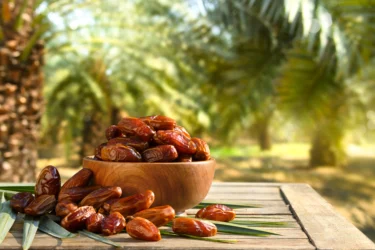
Dates are a popular type of fruit that have been around for a long time. The origin of dates can be traced back to almost 5320 BC. The fruit is a staple item for people in the Middle East and North Africa and is mainly cultivated in these regions1.
Dates are believed to be highly beneficial for the body due to their rich composition of macronutrients and many other healthy elements. To reap their health benefits, they should be included in your diet and there are many simple ways to do this.
In this article, we will be discussing about the nutrient profile and the potential health benefits of dates. We will also be discussing some date recipes which can help you incorporate dates into your routine diet.
Dates are basically tropical fruits that are grown on date palm trees. Scientifically known as Phoenix Dactylifera, they are proposed to be one of the healthiest fruits in the world. Dates are categorized as dry fruits and have been an important part of West Asian heritage.
The nutrition data of dates is power-packed. The fruits are packed with a lot of essential vitamins and other nutrients that can be extremely helpful to your overall health. When it comes to nutrition, their high fibre and carbohydrate content undoubtedly make them one of the healthiest dry fruits1.
Nutritional Value per 100g of dates:
These values may differ from variant to variant.
Dried or fresh dates are both very good sources of vitamins including B1, B2, B3, and B5. These are all essential vitamins that are required to maintain the optimum health of your body.
Thus, the high nutrient content of the fruit contributes to its highly beneficial properties.
In this section, we will be discussing the various benefits that dates may have for your health.

Dates are popular for providing energy to the body all through the day. This is because of their high calorie and natural sugar content. 100g of dates provide about 314 kilocalories of energy, making them a great source of energy boost1. The dry fruit version of dates is even richer in calories than the fresh fruit.
While much of this energy is in the form of sugars (like fructose and glucose), it has ample amounts of fibre and a low glycaemic index. This means that 2-3 dates at a time can be a safe source of low-fat energy even for diabetics.
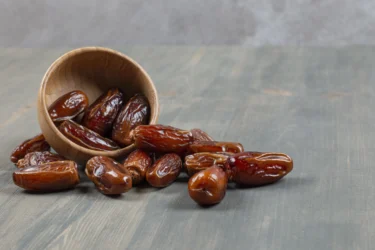
The fibre content in dates fruit is extremely high, this can be highly beneficial to people who are suffering from health issues caused due to irregular bowel movements. Dates can help in regularising bowel movements when consumed daily. They can aid your digestive health and help you lead a healthy life. Therefore, it can be conclusively said that the date’s benefits on your overall diet are unparalleled2.
Inflammation is a reactive mechanism of the human body that helps fight against several diseases, trauma, and infections. The regulation of inflammatory agents plays a crucial role in maintaining the overall health of the patient. Dates are rich in compounds known as antioxidants that help fight inflammation in the body3.
When compared to other dried fruits in the same category, dates top the chart with the highest concentration of antioxidants. Dates are rich in antioxidants including:
These antioxidants are effective in reducing inflammation within the body and therefore help avoid the risk of several diseases.
Inflammatory cytokines such as Interleukin can be extremely dangerous to your brain. The increased presence of IL-6 (Interleukin 6) is attributed to the development of neurodegenerative diseases such as Alzheimer’s disease.
The regular use of dates has been found to be beneficial in reducing the IL-6 levels and thereby helping in reducing the risk of developing brain degenerative conditions such as Alzheimer’s. An in-vivo study4 on mice has also shown that the inclusion of date palm in the feed leads to the reduction of amyloid beta-protein activity which can reduce the production of plaques that can harm the brain. Plaques are highly dangerous and can lead to cell death causing severe conditions such as Alzheimer’s. The study4 also showed that consuming dates reduces issues related to anxiety disorder and also helps in boosting memory and learning.
The effects regular consumption of dates can have on your neural health are many. Dates are rich in nutrients such as potassium which is very beneficial for your neurological health. So, besides preventing degenerative diseases such as Alzheimer’s, dates can also help in the overall improvement of your brain and nervous system.

Eating dates benefits women as it is believed to increase the likelihood of natural labour, reducing the complications associated with caesarean deliveries. Some studies5 suggest that incorporating dates into a pregnant woman’s diet can help lower the pressure during childbirth owing to specific compounds present in dates that mimic oxytocin, facilitating healthy contractions. Additionally, the high tannin content in dates aids in the labour process, making it smoother and more comfortable for women. These date benefits in pregnancy make them a valuable addition to a pregnancy diet.

Dates have a compound called beta D-glucan which is advantageous in promoting anti-tumour activity within the body. The high concentration of antioxidants in dates also helps in reducing the activities of free radicals (elements that can cause cancer) and thereby reduce the risk of cancer occurrence3. Thus, daily consumption of dates may have a positive effect for avoiding cancer risks.

Bacterial infections are usually discomforting and can sometimes become dangerous also. Antibiotics are the mainstay for treating bacterial infections.. However, natural remedies like dates may also help alongside. A study12 conducted using extracts from the pits and leaves of date revealed that it had active resistance against certain harmful bacteria. It was found that dates can be beneficial against deadly microbes such as E. coli and pneumonia. But do remember to speak to your healthcare advisor before doing any treatment on your own.
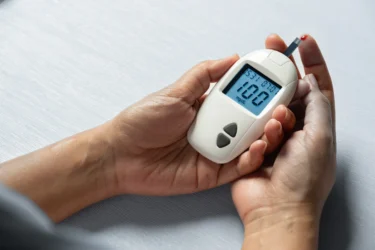
Diabetes Mellitus is one of the most common diseases around the world. Diabetes is treated using a combination of several oral medicines and insulin supplementation.
It is proposed that dates have the ability to increase the production of insulin and also have several properties that can help reduce the rate of absorption of glucose from the intestine. This can help in reducing the risk that is posed by diabetes. The reduction of glucose absorption helps lower blood glucose levels that are beneficial for people suffering from diabetes6. The exact mechanism of how dates help in reducing the effects of diabetes is still being researched upon. Thus one should consume them within limits as prescribed.
Dates have various properties that can help your kidneys stay healthy in difficult circumstances. It is found that some varieties of date fruit can actively reduce the lesions caused by nephrological disorders. Date extracts can also help reduce excess plasma and creatinine in the kidney that improves the overall health of kidneys2.
There are various vitamins and minerals present in the fruit which can help in improving the sperm count and also in increasing sexual libido in males. The microelements that are constituents of date palm such as estrone and sterols, may play a role in improving male fertility3. Date pollen extracts are also studied widely for their positive effects on male sperm motility and count.
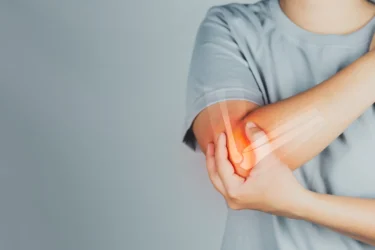
Dates are highly rich in micronutrients such as selenium, manganese, magnesium and copper7. These micronutrients help in the development of your bone health. Dates can be an important supplement to your diet if you are suffering from bone problems. The micronutrients in dates may also help in dealing with bone conditions such as osteoporosis. So, including dates as a part of your diet can be beneficial for your bones.

Dates are a very good alternative to harmful chemicals found in skincare products. The high concentration of vitamin C and vitamin D in dates ensures that your skin receives all the nourishment required for healthy glowing skin. Vitamin C & D works for the improvement of your skin’s elasticity which is very hard to maintain as you age.
The nutrients present in dates, are helpful in improving your skin health and making you look younger for a longer period of time8. Dates are also useful in maintaining a healthy balance of melanin in your skin by reducing the chances of it being deposited in various locations.
Dates are believed to be beneficial for hair loss possibly due to their high iron content. The increased iron content in dates helps in maintaining the blood flow to the scalp and providing the required nourishment9. The increased flow of oxygen to your scalp can facilitate the growth of new hair and possibly also reduce the rate of hair fall.
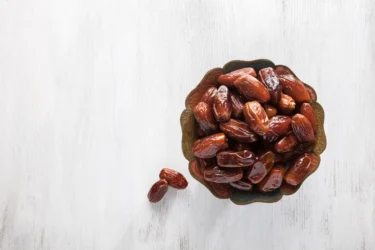
Excessive alcohol use can have a major effect on your productivity. There are various products that are used to counter alcohol-induced hangovers. Although not conclusively proved, it’s traditionally believed that soaked dates may help reduce the effects of inebriation and hangovers. It is seen in many tribal communities that date palm extracts are added to beer to reduce the intoxicating effect it has.

Dates are rich in vitamin A and their regular consumption may help protect your eyes from conditions like night blindness in the long run. Date palms are one of the oldest natural medicines that is used in traditional medicine forms to heal problems arising out of vitamin A deficiency, managing eye issues being one of them.

Substituting white sugar with dates that are turned into a paste can make your meal sweet and healthy as well as help your mange your weight at the same time. The high content of fructose in dates provides a caramel-like sweetness in the fruit. So, you can replace a lot of processed sugar in your diet by some natural date paste. Plus, dates have ample amounts of fibre and a low glycaemic index which are beneficial for weight management10. But remember to consume in moderation else they can have an opposite effect.

In some studies11, consuming dates regularly is compared with taking iron supplements for managing anaemia. The results showed that dates can be used to deal with anaemia by increasing the iron content in haemoglobin. This may help solve a problem with taking iron supplements regularly for anaemia as these supplements tend to cause gastric disturbances. While this is not one of the generalized health benefits of dates, it does go to show that this superfood can be surprisingly useful.
Did you know that date palms are incredibly resilient trees? They possess an amazing ability to survive and thrive in harsh environments. Despite challenging conditions like extreme heat, aridity, and limited water availability, date palms have adapted to these circumstances and can still produce their delicious and nutritious fruits. It’s truly fascinating how nature equips these trees to flourish even in the most adverse of circumstances13!
Dr. Siddharth Gupta, B.A.M.S, M.D (Ayu)
In the below section, we will show you the magic dates can bring to your diet when used correctly.
Making a smoothie for breakfast is one of the easiest things to do. It adds enough nutrition to the body to get through the morning.
Ingredients:
Method of Preparation:
An oatmeal breakfast can keep you up and running for a considerable amount of time. Introduce a little date to it and you have a superfood on your plate.
Ingredients:
Method of Preparation:
Caramel candies are always a delight. Mix it with the nutrition and the excellent taste of Tahini dates and you have a healthy candy to munch on.
Ingredients:
Method of Preparation
Oranges are an excellent source of a bunch of natural vitamins. Combine it with dates and you have a highly nutritious drink that is extremely tasty.
Ingredients:
Method of Preparation:
This vegan bread is a healthy date snack and a flavourful breakfast choice. Thanks to the dates, this bread has a hint of sweetness and can serve to be the perfect appetizer with dates for people who do not enjoy consuming sweetened food.
Ingredients:
Preparation:
Experiment using the above recipes to create an appetite for dates and improve your overall health.
Fascinating fact: Dates have been a dietary staple for over 5,000 years in the Middle East and North Africa, providing essential nutrition and sustenance to communities in arid regions. These ancient fruits have played a vital role in ensuring food security and nourishment in challenging environments14.
Dr Rajeev Singh, BAMS
Also Read: Amazing Health Benefits of the Avocado
Dates can be highly beneficial for overall health. They are packed with nutrients that are essential for proper functioning of the body. Dates can easily be incorporated in your diet to soak in their health benefits. They can be consumed as is or blended with baked goods to provide a sufficient amount of energy to keep to you going throughout the day. But remember, dates have a high natural sugar content, so they should not be consumed in large quantities. It’s important for individuals with diabetes or those concerned about blood sugar levels to consult with a healthcare professional before incorporating dates in routine diet.
Also Read: Sunflower Seeds: Nutrition, Benefits, Side Effects & More!
Dates are natural fruits that are high in fructose and sugar, which can make you fat. Yet, when consumed in moderation dates can actually help you in losing weight due to their high nutrition and fibre content, which can reduce your craving for fatty foods. But if you overeat dates, it can definitely make you put on a little more weight.
Glycaemic foods cause an increase in blood sugar, and using dates that are low on the glycaemic count instead can help in reducing the intake of glycaemic foods and maintain a healthy blood sugar level. But when consumed in large quantities, they may increase blood sugar levels. It’s best to discuss with your doctor before including them in your diet.
Dry dates are very hard to touch and need to be soaked in water for up to 5 hours to turn soft. You can then remove the seed easily and consume the pulp. Do not throw away the water yet as it gets infused with various nutrients and drinking it will ease digestion and constipation.
Dates are high in calories, and one must consume it in moderation. Eating too much of dates can cause stomach pain, bloating, diarrhoea and skin rash.
Dates at room temperature can last up to 3 months. When you keep them in the fridge, they retain quality and stay good for 6 and 12 months. If your dates are of the softer varieties, their shelf life will be shorter than those of the drier ones. For even longer storage, it is advised to always freeze the fruits to keep them good for longer.
Dates are typically not known to cause acidity for most individuals. However, in some cases, people with a sensitive stomach or acid reflux issues may experience discomfort if they consume dates in excess. It’s important to consult with a healthcare professional, who can provide personalized advice on dietary choices for those with specific digestive concerns.
Yes, dates can be beneficial for relieving constipation. They are high in dietary fibre, which can help soften stools and promote regular bowel movements when consumed as part of a balanced diet.
There is no scientific evidence to support the claim that eating dates can induce periods. Menstruation is a complex biological process influenced by hormones, and diet alone is unlikely to trigger or alter the menstrual cycle. If you have concerns about your menstrual cycle, it’s best to consult a healthcare professional for guidance.
Yes, dates can go bad if not stored properly. They have a limited shelf life, and factors like moisture and temperature can affect their quality. It’s essential to store them in a cool, dry place to extend their freshness.
Also Read: 13 Amazing Health Benefits of Walnuts (Akhrot)
Disclaimer: The information provided here is for educational/awareness purposes only and is not intended to be a substitute for medical treatment by a healthcare professional and should not be relied upon to diagnose or treat any medical condition. The reader should consult a registered medical practitioner to determine the appropriateness of the information and before consuming any medication. PharmEasy does not provide any guarantee or warranty (express or implied) regarding the accuracy, adequacy, completeness, legality, reliability or usefulness of the information; and disclaims any liability arising thereof.
Links and product recommendations in the information provided here are advertisements of third-party products available on the website. PharmEasy does not make any representation on the accuracy or suitability of such products/services. Advertisements do not influence the editorial decisions or content. The information in this blog is subject to change without notice. The authors and administrators reserve the right to modify, add, or remove content without notification. It is your responsibility to review this disclaimer regularly for any changes.
216
39
Masturbating is a common and normal behaviour. In fact, it is often considered a part of healthy sexual development1. However, it is not a medically proven method for improving sexual function or health outcomes. In some cases, excessive masturbation might be associated with compulsive sexual behaviour disorder2. An activity meant to be pleasurable should not interfere with daily life or emotional well-being. In this article, we will explore possible reasons to reduce masturbating and practical ways to do so.
Friendly Reminder: The information shared here is for educational purposes only, and the reader should consult a registered medical practitioner before implementing any changes to their health routine.
How do you know if masturbation has become a concern? Masturbation can be a normal and healthy sexual behaviour for many individuals, and it does not indicate any serious problems. However, sometimes it might affect the way you think, act, and feel, and your day-to-day functioning. This may be associated with compulsive sexual behaviour, not just masturbation. You may experience changes in your behaviour that can affect your surroundings, loss of control, distress, or difficulty managing daily activities2.
The first step to address this is to accept the issue and be open to finding solutions. Signs that suggest you are excessively masturbating may include:
NOTE: Many people masturbate at some point in their lives, and it is healthy to do so. People may masturbate whether they are satisfied or unsatisfied with their sex life. The key is moderation, so that it does not interfere with daily life, relationships, or emotional well-being.
Did you know?
Here are some interesting facts that will give you an insight into this topic and its other facets.
It is absolutely normal to masturbate, and there are a lot of reasons why people do it. Some of the common reasons include:
If masturbation becomes difficult to control or interferes with your daily life, it may be time to address it. Here are a few simple strategies to support better self-control.

Pornography can be a trigger for people who masturbate frequently5. It may also influence a person’s thoughts, expectations, and behaviours related to sexuality. Limiting or avoiding exposure to explicit images, videos, or websites may help reduce the urge to masturbate and support healthier habits.

Diverting your mind by doing something else may help. Consider taking up a new hobby, such as swimming or hiking, which can replace time otherwise spent masturbating6. Working on personal goals and writing them down in a diary may also be helpful. Reminding yourself of these goals can help you stay motivated and redirect your energy towards other activities, reducing repeated thoughts about masturbation.

Masturbation does not always require medical treatment or therapy. However, if you feel unable to control the behaviour, experience distress, or notice problems with day-to-day functioning, it may be a sign of compulsive sexual behaviour2. In such situations, it is important to understand that managing this alone can be difficult. A healthcare professional may provide guidance and support to help address the issue. Not seeking help may affect mental well-being and could worsen distress over time. Therefore, consider speaking with a psychologist or therapist for appropriate support.

Did you know that many people socialise because they feel lonely? Engaging in social activities can help reduce repetitive or intrusive thoughts. Socialising keeps your mind diverted from masturbation and focused elsewhere. So make it a point to socialise with family, and friends or hit the gym to keep your body more productive.

Exercising regularly may help keep your mind healthy and balanced. Simple activities such as walking, jogging, running, or swimming can improve focus and may help reduce stress6. Physical activity can also help you feel calmer and more positive. Even setting aside 30 minutes a day for exercise can make a difference.
Sometimes erectile dysfunction, especially in elderly males, can be a sign of underlying undiagnosed coronary artery disease. These patients should get themselves screened for cardiac issues under the guidance of their physician before resorting to any therapies for erectile dysfunction.
Dr. Nikhil Yadav, MBBS, MD, CCEBDM
Excessive masturbation may be linked to underlying mental health concerns and, in some cases, problematic behavioural patterns. Feelings of intense guilt after masturbation can be one possible sign of compulsive sexual behaviour disorder, and some individuals may also turn to alcohol more frequently as a coping mechanism2. Masturbation may become a concern if it feels compulsive or difficult to control. It is generally normal, but it is important not to let it interfere with your well-being or daily life.
Yes, excessive masturbation may have physical and mental side effects.
Also Read: Does Masturbation Cause Weight Loss? Debunking Sexual Health Misconceptions
Masturbation is a normal sexual behaviour for many people and is generally not harmful when practised in moderation. However, if it becomes compulsive, causes distress, affects daily functioning, or leads to sexual or emotional difficulties, it may be helpful to seek guidance from a healthcare professional. Along with professional support, measures such as staying socially engaged and maintaining regular physical activity may help manage such concerns.
Excessive masturbation may be associated with both mental and physical discomfort in some individuals. Rather than focusing on specific numbers or limits, it is important to pay attention to how the behaviour affects your well-being, relationships, and daily life. The following frequently asked questions provide further clarity on this topic.
NOTE: Consult a doctor if you feel this behaviour is becoming difficult to control or is affecting your well-being. While masturbation is a normal and healthy part of human sexuality, doing it excessively may be associated with physical discomfort or emotional distress in some individuals.
Yes, women masturbate too. Just as men use their hands to masturbate, women may use their fingers.
Masturbation may offer some mental and physical benefits for some individuals. It may help with temporary stress relief and relaxation, and it is a safe sexual activity that does not carry the risk of pregnancy or sexually transmitted infections (STIs). However, it is not a proven method to prevent erectile dysfunction or other sexual health conditions, and its effects can vary from person to person.
Many people are told that masturbation is harmful and leads to several sexual or health problems. However, many of these claims are myths and are not supported by medical evidence. Common health issues that masturbation is often believed to
cause include:
-Blindness
-Penis curving
-Erectile dysfunction
-Shrinking penis
-Hairy body
-Pimples
-Infertility
-Low sperm count
-Memory loss
It is important to understand that masturbation does not cause these conditions. However, excessive or compulsive masturbation may sometimes be associated with issues such as skin irritation or tears, emotional distress, low mood, or changes in behaviour.
Moderate masturbation is generally considered normal and safe for people of all genders. It may help individuals understand their own bodies and what feels comfortable. It also carries no risk of pregnancy or sexually transmitted infections, as long as it is practised in a safe and hygienic manner.
Masturbation does not cause any meaningful loss of protein. Although very small amounts of protein may be released during ejaculation, this is too minimal to affect the body’s overall protein levels. With a balanced diet, protein loss related to masturbation is not a concern.
Disclaimer: The information provided here is for educational/awareness purposes only and is not intended to be a substitute for medical treatment by a healthcare professional and should not be relied upon to diagnose or treat any medical condition. The reader should consult a registered medical practitioner to determine the appropriateness of the information and before consuming any medication. PharmEasy does not provide any guarantee or warranty (express or implied) regarding the accuracy, adequacy, completeness, legality, reliability or usefulness of the information; and disclaims any liability arising thereof.
Links and product recommendations in the information provided here are advertisements of third-party products available on the website. PharmEasy does not make any representation on the accuracy or suitability of such products/services. Advertisements do not influence the editorial decisions or content. The information in this blog is subject to change without notice. The authors and administrators reserve the right to modify, add, or remove content without notification. It is your responsibility to review this disclaimer regularly for any changes.
2559
281
Sabja seeds, also called basil seeds, are widely known for their use in drinks and desserts, but these tiny black seeds have more to offer than you might expect! Sabja seeds are packed with health benefits compared to popular superfoods like flax seeds and chia seeds in their nutritional value. Extracted from sweet basil (distinct from holy basil, renowned for its immunity-boosting properties), sabja seeds are known as a wellness powerhouse.
Adding these mighty seeds to your diet can help transform your health. Here are the top health benefits of sabja seeds.
Friendly Reminder: The information shared here is for educational purposes only and the reader should consult a registered medical practitioner before implementing any changes to their health routine.
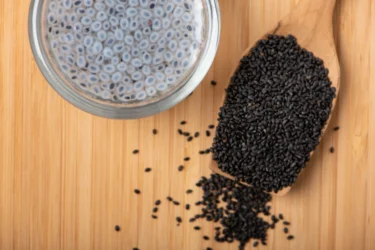
Drinks containing sabja seeds may provide relief from summer heat. Sabja seeds are known to reduce body heat and have a soothing effect on the stomach. These seeds can be part of various drinks like lemonades, coconut water, coconut milk, milkshakes, fruit-based smoothies, yoghurt etc.
People with diabetes should be particular about what they eat in order to keep their blood sugar levels steady. Sabja seeds have been found to contain anti-diabetes properties[2].
Sabja seeds are rich in soluble fibre. When these seeds are added to our diet with a good quantity of water, they absorb water and thus help draw water to our gut. This results in the softening of stools and promotes daily bowel movement. Thus, people suffering from constipation may get relief by making sabja a part of their daily diet[1].
Sabja seeds contain pectin, among many other soluble fibres. Pectin is proven to have prebiotic benefits. It helps balance gut bacteria by boosting the growth of good bacteria, which also helps in relieving acidity to a great extent.
Sabja seeds are high in soluble dietary fibre and help a person feel full. They also help regulate our bowel movement and thus help in cleansing our body from toxins.
The soluble, fermentable fibre pectin helps increase satiety and reduce caloric intake and adiposity while on a high-fat diet[3]. It also produces a fermentation environment more likely to promote hindgut health. Reduction in calorie intake thus helps people on weight loss journey.
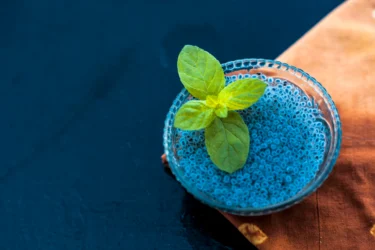
Sabja seeds are a rich source of iron, calcium and magnesium. Calcium and magnesium are required for the optimal functioning of muscles and bones[6]. Iron is needed to maintain haemoglobin levels, which is the protein required to transport oxygen in the blood[1].

Sabja seeds contain an average of 2.5 grams of fat per 1 tablespoon. Of this fat, about half – 1,240 mg per tablespoon – is alpha-linolenic acid (ALA), an omega-3 fat.
The beneficial effects of omega-3 fatty acids include effects on lipids, blood pressure, cardiac and vascular function, eicosanoids, coagulation, and immunological responses[5]. These are known to decrease the risk of coronary heart disease, hypertension, stroke and their complications.
Sabja seeds are a good source of plant chemicals like flavonoids and polyphenols [4]. Flavonoids are the largest group of phytonutrients, known for their anti-oxidative, anti-inflammatory, anti-mutagenic and anti-carcinogenic properties along with their capacity to modulate key cellular enzyme function.

Sabja seeds have proven anti-bacterial, anti-viral and anti-fungal properties[4]. They are helpful in healing mouth ulcers. They can also be used as a mouth freshener.
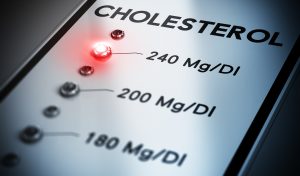
Pectin, a type of soluble fibre present in sabja seeds, may help lower the cholesterol levels in our body. It may reduce the absorption of cholesterol in our gut[1].

Sabja seeds have a calming effect on the body as well as the mind. They can be helpful for people dealing with stress, tension, and anxiety in addition to prescribed treatment and therapy.
Sabja seeds are rich in flavonoids, tannins and terpenoids. Their anti-oxidant activity is also shown to have memory-enhancing effects in some[1].
Soak around 2 teaspoons of sabja seeds in a cup of warm water for around 15 minutes. They swell and a translucent grey film coating develops around each black seed as they increase in size.
You can now make these seeds a part of a variety of drinks like lemonade, milkshakes, coconut water, smoothies, buttermilk, soups and so on. You can also add them to ice creams, pasta and salads for a nice crunchy taste.
Ideally, you should not consume more than 2 teaspoons of sabja seeds a day.
Also Read: Fennel (Saunf) Seeds: Uses, Benefits, Side Effects, and more!
Also Read: Chia Seeds for Weight Loss: Benefits, How to Use Them & Best Ways to Eat Them
Also Read: 15 Amazing Health Benefits of Papaya Seeds That You Should Know!
Sabja seeds are a natural and vegetarian source of protein. You can consume these seeds daily to strengthen bones, muscles, and skin and to stimulate the production of enzymes, hormones and other body chemicals for better functioning of the body. However, if you have any medical condition, it is best to consult the doctor.
There’s no direct evidence linking sabja seeds to acne. However, excessive consumption might contribute to acne for some individuals due to potential hormonal effects or allergies. It’s best to consume them in moderation and observe reactions, if any.
Sabja seeds are believed to have a cooling effect on the body according to Ayurvedic practices. They are often used in drinks like falooda during hot weather to help cool down the body. However, scientific evidence supporting this specific claim is limited, and individual responses may vary.
Sabja seeds can aid in weight loss as they are high in fiber, which promotes feelings of fullness and helps control appetite. Additionally, their low-calorie content makes them a good addition to a weight loss diet. However, they should be consumed in moderation.
There’s no scientific evidence to suggest that sabja seeds can delay periods. However, some anecdotal claims and traditional practices exist. If you have concerns about menstrual irregularities, it’s best to consult with a healthcare professional.
Sabja seeds are generally considered beneficial for managing uric acid levels due to their anti-inflammatory properties. However, individual responses may vary, so it’s advisable to consult with a healthcare provider.
Disclaimer: The information provided here is for educational/awareness purposes only and is not intended to be a substitute for medical treatment by a healthcare professional and should not be relied upon to diagnose or treat any medical condition. The reader should consult a registered medical practitioner to determine the appropriateness of the information and before consuming any medication. PharmEasy does not provide any guarantee or warranty (express or implied) regarding the accuracy, adequacy, completeness, legality, reliability or usefulness of the information; and disclaims any liability arising thereof.
282
6
Often referred to as the “queen of herbs,” tulsi (Holy Basil) holds an important place in Ayurvedic and naturopathic systems, where it is valued for its potential to support the body’s natural healing processes. Not only do Tulsi leaves benefit people, but their flowers do too1. Tulsi can help you manage many health problems ranging from fever to kidney stones2. Ayurvedic texts have also categorised the wonder herb as a stimulant, antipyretic, and aromatic3.
In Hindu tradition, holy basil holds both spiritual and medicinal importance. It is commonly worshipped by Hindus across India during morning and evening rituals, and in Ayurveda, it has long been used as a natural remedy for various everyday health concerns.
Tulsi, also called Ocimum sanctum or holy basil, is a medicinal herb in the mint family and occurs in about 150 varieties worldwide. When applied to a wound, it emits a spicy scent. It is traditionally said to help clear mucus and phlegm from the respiratory tract, which is one reason it is often referred to as the “wonder herb”. The plant usually tastes bitter, and its roots, leaves and seeds are reported to contain several medicinal constituents3.
Tulsi tea is traditionally believed to support weight management and may help reduce anxiety. It has also been used in Ayurveda as a supportive herb for thyroid and diabetes care. The leaves are regarded as being as potent as the flowers, and adding tulsi leaves to hot water for steam inhalation is a common home remedy for a bad cold or sinus4.
From my perspective, Tulsi has a flavour profile that is both hot and bitter, and according to Ayurveda, it might be able to deeply penetrate the body’s tissues. It is believed to help dry up excess secretions in the tissues and may bring balance to the Kapha and Vata doshas, two of the three primary energies in the body according to Ayurvedic principles4.
Dr. Siddharth Gupta, B.A.M.S, M.D (Ayu)
There are three different types of tulsi or holy basil, namely.
Rama Tulsi is also called green leaf tulsi and this tulsi breed has light purple flowers and a clove-like scent to it. It contains eugenol, which is usually found in cloves and has a mellow flavor5.
This type of Tulsi is called purple leaf tulsi and has a clove-like aroma. It tastes like pepper in the mouth. This variety of tulsi is traditionally used to manage infections such as throat and respiratory issues, earaches, and certain skin conditions. The oil extracted from Krishna Tulsi has also been used as ear drops in traditional practices. It is also traditionally used to help in the managing malaria, indigestion, insomnia, and cholera5.
Vana Tulsi is a native to India, Sri Lanka, and the Northeastern parts of Africa. This type of tulsi is usually grown for medicinal purposes and it is imbibed into Indian religious beliefs. This type of tulsi grows in sunny and dry conditions. It has light green leaves that are accompanied by a lemony aroma and flavor. Vana Tulsi leaves increase immunity. It is usually used for preparing tea, which may provide health benefits such as increased physical and mental endurance and is believed to improve energy and vitality5.
I have a secret for you! If you’re looking for a natural boost to your overall charm and inner beauty, Tulsi might just be your weapon! According to Ayurveda, Tulsi might provide a radiant glow to your complexion, add sweetness to the voice, and promote beauty, intelligence as well as stamina4.
Dr. Rajeev Singh, BAMS
Tulsi is widely available in local markets. However, it is important to note that not all products may be fully organic, as the herb is sometimes cultivated in soil that may contain chemical residues from previous farming activities.
Traditionally, tulsi is considered beneficial and is believed to have minimal side effects. However, the quality of the soil and growing conditions can influence the purity of the final product.
Exposure to environmental pollutants can often contribute to common ailments such as cold, cough, and fever6. Tulsi has long been valued in traditional practices for supporting respiratory health. Today, organic tulsi tablets are easily available in many stores, and consuming herbal tulsi in this form may help support the body in managing common cold, cough, and fever.
In my experience, Tulsi isn’t just beneficial when consumed internally, but it may also have remarkable topical applications. When combined with black pepper, Tulsi paste might be effective in conditions like ringworm, eczema, and hives. Tulsi has been traditionally applied to wounds and even challenging skin diseases such as leprosy due to its antiseptic properties10.
Dr. Smita Barode, B.A.M.S, M.S.
Tulsi tablets consist of tulsi extract and the powder of tulsi leaves, which may help in managing conditions like common cold, cough, and some other respiratory tract conditions. Tulsi also helps in managing cold-related problems such as sneezing and runny nose7. Tulsi tablets can help you with all of these problems. The benefits of tulsi tablets include:
In my viewpoint, Tulsi might have some antiulcer properties! In experiments conducted on rats, it was observed that the plant extract protected the rats from developing gastric ulcers caused by substances like histamine, aspirin, reserpine, serotonin, aspirin, and indomethacin. These findings suggest that Tulsi may have potential benefits in protecting against gastric ulcers10.
Dr. Anuja Bodhare, B.A.M.S, M.D (Ayu)
It is important to follow the dosage and advice provided by a qualified healthcare professional when taking tulsi tablets. Tablets made from organically sourced tulsi can be a convenient way to include this traditional herb in your routine. These tablets are traditionally believed to support respiratory health and may help in managing common issues such as cold and cough. Always consult your physician before starting any new supplement7.
Let me tell you a secret, Tulsi might also be your heart’s best friend! It may have a beneficial effect on cardiac diseases and the weakness that comes with them. And guess what? Tulsi doesn’t stop there! It might also be a superhero for your cholesterol levels, helping to keep them in check12.
Dr. Ashok Pal, BAMS
Tulsi tablets are generally considered safe for most people when consumed in moderate amounts. However, some individuals may experience mild side effects like upset stomach or allergic reactions9. If you experience such side effects, consult your doctor immediately. If you have any pre-existing medical conditions or are taking medications, it’s essential to consult a healthcare professional before using Tulsi tablets.
Also Read: Lavender: Uses, Benefits, Side Effects, Precautions & More!
In Ayurveda, tulsi is considered an “elixir of life,” as it is known for its healing power and for managing various diseases8. It is also known for its spiritual use in Hinduism9. Tulsi leaves may also be used to reduce high blood glucose, blood pressure, lipid levels, and stress. However, further research is needed to understand the proper utilisation of tulsi in our day-to-day life and for any health conditions.
Also Read: Rhubarb: Uses, Benefits, Side effects and More By Dr. Smita Barode
Tulsi is known to have blood-thinning properties and should not be taken by people who are already on anti-blood-clotting medications. You must inform your doctor about your health condition and the medications you take so that he or she can guide you well.
You may not see the results immediately after taking holy basil but you will notice improvements after a week. It may take a little more time to show good results in some people. If you are taking holy basil to manage anxiety, stress and depression, you may see improvements after about 2 months of taking the medicine.
Yes, consuming holy basil on an empty stomach is believed to enhance its potential benefits. Tulsi is an integral part of Ayurveda, and it has multiple benefits when consumed in the right way for the right effects.
Yes, Tulsi tablets are believed to enhance immunity due to the presence of natural compounds like flavonoids and essential oils that have immunomodulatory effects. The regular consumption of Tulsi tablets is believed to help strengthen the body’s defense against certain health conditions.
Yes, Tulsi tablets can be taken as a daily supplement to support overall health. However, it’s advisable to follow the recommended dosage and consult a healthcare professional before starting any new supplement regimen.
Disclaimer: The information provided here is for educational/awareness purposes only and is not intended to be a substitute for medical treatment by a healthcare professional and should not be relied upon to diagnose or treat any medical condition. The reader should consult a registered medical practitioner to determine the appropriateness of the information and before consuming any medication. PharmEasy does not provide any guarantee or warranty (express or implied) regarding the accuracy, adequacy, completeness, legality, reliability or usefulness of the information; and disclaims any liability arising thereof.
Links and product recommendations in the information provided here are advertisements of third-party products available on the website. PharmEasy does not make any representation on the accuracy or suitability of such products/services. Advertisements do not influence the editorial decisions or content. The information in this blog is subject to change without notice. The authors and administrators reserve the right to modify, add, or remove content without notification. It is your responsibility to review this disclaimer regularly for any changes.
66
4
Packed with loads of nutrients, sunflower seeds are actually fruits of the sunflower plant (Helianthus annuus). These tiny white coloured seeds are encased in greyish black shells. They have a soft texture and a mildly nutty flavour. You can roast them to increase their taste or have them as they are.
However, if you’re mindful of your calorie intake, it’s important to know the calories in sunflower seeds while appreciating their overall nutritional benefits.
There are two main types of sunflower seeds:
Large sunflower heads can yield around 2,000 seeds. These edible seeds can be enjoyed as a snack or added to:
You can even have sunflower butter made using these seeds.
Also Read: 14 Amazing Health Benefits of Pumpkin Seeds!

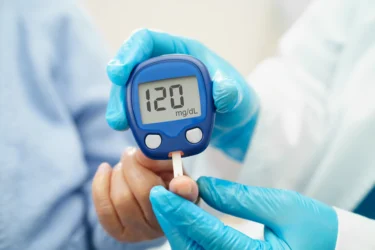


Also Read: Halim Seeds: Uses, Benefits, Side Effects and More By Dr. Rajeev Singh
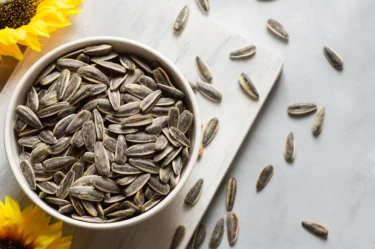

During pregnancy, the benefits of eating sunflower seeds are many as they are loaded with Vitamin E, folic acid, which are known to be extremely beneficial for prenatal health.
People suffering from chronic inflammation can find relief by consuming sunflower seeds either as part of a trail mix or by adding them to their breakfast cereal or even by sprinkling some on their soup or salad. The health benefits of sunflower seeds include anti-inflammatory properties due to the presence of flavonoids, Vitamin E and other compounds.
Recently, I came across a study2 that states sunflower seeds might promote healthy bones. Sunflower seeds are said to have a rich source of minerals such as Magnesium, Phosphorus and Calcium that might help maintain healthy bones.
Dr. Siddharth Gupta, B.A.M.S, M.D (Ayu)
From my knowledge, Sunflower seeds might be your ally in treating asthma. Tocopherols found in sunflower seeds have anti-inflammatory properties that may play a significant role in conditions involving chronic inflammation, such as bronchial asthma, osteoarthritis, rheumatoid arthritis and asthma9.
Dr. Smita Barode, B.A.M.S, M.S.
Sunflower seeds should not be consumed more than 1 small cup (around 30 grams) per day. Consult your doctor before consuming these seeds if you are suffering from a chronic or acute illness.
Sunflower seeds are a proven source of minerals, such as magnesium. I recently read in an article that Sunflower seeds may help maintain muscle tone, strengthen them and avoid muscle cramps because they are a source of magnesium9.
Dr. Rajeev Singh, BAMS
Also Read: 15 Amazing Health Benefits of Papaya Seeds That You Should Know!
Sunflower oil has more vitamin E than sunflower seeds, whereas sunflower seeds contain vitamin B6, iron, phosphorus and pantothenic acid. Additionally, sunflower seeds are more expensive than sunflower oil. Thus, both have their pros and cons.
Adding sunflower seeds to one’s diet is really easy, like any other seed. You can sprinkle on top of your salad, add to oatmeal or muesli or granola, combine into trail mix, add as one of the ingredients of energy balls for weight loss, add to burgers, stir fry vegetables or even make sunflower butter similar to peanut butter.
You can store sunflower seeds in an airtight container when kept in an environment that is cool and dry, such as a refrigerator and freezer, for up to 12 months.
Yes, in moderation, dogs can eat plain, unsalted sunflower seeds as a healthy and nutritious snack. However, it’s crucial to remove the shells to prevent digestive issues, and consulting with a vet is recommended for individual dietary considerations.
Yes, sunflower seeds may be beneficial during pregnancy as they are a rich source of essential nutrients like folate, vitamin E, and omega-3 fatty acids, which support fetal development and maternal health. However, it’s important to consult with a healthcare professional for personalised advice based on individual dietary needs.
Yes, sunflower seeds may aid in weight loss as they are a nutrient-dense snack that provides satiety with healthy fats, protein, and fibre. However, it’s important to consult with a healthcare professional for personalised advice based on individual dietary needs.
In traditional Chinese medicine, sunflower seeds are often considered ‘heaty,’ meaning they may contribute to warmth in the body. However, individual responses vary, so it’s advisable to consult with a healthcare professional or nutritionist for personalised advice based on your health condition and dietary needs regarding sunflower seeds or any specific foods.
Sunflower seeds may be beneficial for individuals with hypothyroidism due to their selenium content, which supports thyroid function. However, it’s crucial to consult with a healthcare professional for personalised dietary advice and to ensure that it align with an individual’s specific thyroid condition and overall health.
To eat sunflower seeds, crack open the shell with your teeth, extract the seed, and discard the shell. Enjoy them raw, roasted, or seasoned, and consider adding them to salads, yoghurt, or as a wholesome snack for a satisfying crunch.
While sunflower seeds are nutritious, their calorie density may contribute to weight gain if consumed excessively. For personalised advice on incorporating them into a balanced diet, it’s recommended to consult with a healthcare professional or a registered dietitian.
Sunflower seeds, with their high content of unsaturated fats and phytosterols, may contribute to lowering cholesterol levels. For personalised guidance on incorporating them into a heart-healthy diet, consulting with a healthcare professional is advisable.
No, sunflower seeds are not a significant source of vitamin D. While they contain various nutrients, vitamin D is typically obtained from sunlight exposure, fortified foods, or other dietary sources.
Yes, sunflower seeds contain a small amount of omega-3 fatty acids, but they are not a primary source. Including a variety of foods rich in omega-3s, such as fatty fish and flaxseeds, is advisable for optimal intake.
While sunflower seeds offer nutritional benefits, there’s limited evidence supporting a direct impact on testosterone levels. For personalised advice on hormonal health, consulting with a healthcare professional is recommended.
Certainly, sunflower seeds are keto-friendly due to their low net carb content and high healthy fat content. For personalised dietary recommendations, especially in the context of a ketogenic diet, consulting with a healthcare professional or nutritionist is advisable.
Yes, sunflower seeds can be consumed raw and offer a healthy snack option. However, it’s advisable to consult with a healthcare professional to ensure that raw sunflower seeds align with your individual dietary needs and health conditions.
Sunflower seeds are not typically linked to kidney stone formation and can be part of a healthy diet. However, individuals with a history of kidney stones should consult a healthcare professional for personalised advice on their dietary choices and overall kidney health.
There is no direct evidence linking sunflower seeds to acne. However, individual reactions may vary, and consulting a dermatologist or healthcare professional for personalised advice is recommended, especially for those with specific skin concerns.
Yes, many bird species can safely consume sunflower seeds as they are a rich source of energy, healthy fats, and nutrients. Offering these seeds can attract a variety of birds to your garden or feeding area, contributing to their well-being.
Sunflower seeds benefits for male health include improved heart function, better hormone balance, enhanced muscle strength, and support for fertility. They are packed with protein, zinc, selenium, magnesium, and vitamin E, that are essential for men’s overall wellness.
Disclaimer: The information provided here is for educational/awareness purposes only and is not intended to be a substitute for medical treatment by a healthcare professional and should not be relied upon to diagnose or treat any medical condition. The reader should consult a registered medical practitioner to determine the appropriateness of the information and before consuming any medication. PharmEasy does not provide any guarantee or warranty (express or implied) regarding the accuracy, adequacy, completeness, legality, reliability or usefulness of the information; and disclaims any liability arising thereof.
419
16
You may have heard several times that smoking and drinking are detrimental to health. But, there is yet another silent killer on the prowl physical inactivity. Sitting is the new smoking, experts have quoted. This is a reasonably modern concern, and the health effects of a prolonged sitting/sedentary lifestyle can prove to be lethal.
Before we speak about the ill effects of a sedentary lifestyle, we must briefly mention what it means. A sedentary or inactive lifestyle is one with absolutely no physical activity. There is very little energy utility and almost no exercise (none in most cases). Another aspect frequently associated with a sedentary lifestyle is bad eating habits eating chips, pizza, store-bought sugar drinks and all sorts of junk.
Of the many positive changes that have taken place in our generation during the 21st century, one of the negative aspects has been in the form of an emerging and increasing trend in a sedentary lifestyle. Compared to our grandparents or parents, there is a significant decrease in physical activity and an increase in health complications.
Some of the reasons why this inactivity has increased are:
Now that we have significantly discussed what a sedentary lifestyle means let us illustrate the effects of physical inactivity on health.
Approximately 2 million deaths per year are attributed to physical inactivity, prompting WHO to issue a warning that a sedentary lifestyle could very well be among the 10 leading causes of death and disability in the world. This raises alarm that one should always be physically active
Dr. M.G. Kartheeka, MBBS, MD(Pediatrics)

Obesity has struck people across the age spectrum, and it is an ailment that opens up your body to a horde of other illnesses. It is no secret that obesity rates are soaring. Inactivity, coupled with a terrible diet, is to blame.

Inactivity can make your body resistant to insulin, which makes the body susceptible to diabetes. Diabetes, too, is a lethal disease that will drastically lower your standard of living and, unless kept under check, will prove to be fatal.
A sedentary lifestyle means you are not getting the exercise your body needs to stay in prime shape. This is when plaque begins to accumulate along your blood vessels. This thickens them, and they further lose their elasticity. That is when blood has to force its way through the narrowed passages, which exerts excessive force on the blood vessels. This results in high blood pressure.
Also Read: Why Is My Upper Stomach Bigger Than My Lower?

The organ that bears most of the brunt of inactivity is the heart. When your blood vessels are narrowed and the heart does not get enough blood, its muscles begin to die gradually. This may trigger a heart attack in the future. Moreover, when you don’t engage in rigorous physical activity, the level of LDL or bad cholesterol spikes, and that has a devastating effect on your heart.
Sitting less, avoiding a sedentary lifestyle and regular moderate to vigorous physical exercise keeps you healthy, improves brain functioning, improves memory and reduces the risk of lifestyle-associated diseases.
Dr. Ashish Bajaj, M.B.B.S., M.D. in Clinical Pharmacology and Toxicology

This is yet another fallout of inactivity and high blood pressure. Blockage in the blood supply of the brain or bleeding in the region of the brain due to high blood pressure can lead to a brain stroke.
It is no new information that sedentary lifestyles have recently become more common, increasing the risk of serious health complications. Hence, it is essential to keep track of the vital parameters to detect any health problem early on. You can take these below-mentioned tests and assess your health with the help of a doctor.
Also Read: How to Reduce Cortisol Levels for Better Health
Research suggests that excessive sitting increases your risk of chronic diseases similar to smoking. Here are some effective ways to get moving, even with a demanding desk job.

A Sedentary Lifestyle Health Checkup is recommended to help assess the damage to your body caused by a lack of physical activity. This package examines your Liver Function, Kidney Function, Lipid Profile, HbA1c, CBC, Cardiac Risk Markers, Vitamin D, and other factors to provide a clear overview of your health.
This package helps determine the damage done to your body due to a lack of physical activity. HOMA-IR test & Cardiac risk markers test are some critical tests that can indicate your risk of heart disease and diabetes. This package tests your Liver Function, Kidney Function, Lipid Profile, HbA1c, Homa Insulin Resistance Index, CBC, Cardiac Risk Markers, Vitamin B12, Vitamin D 25-OH and more to help you get an overview of your health.
Also Read: 9 Easy Ways To Boost Your Immunity!
These tests can help your doctor detect any hidden health problems before they progress and manifest symptoms.
One way to combat the health risks of a sedentary lifestyle is to work small bits of exercise into your daily routine. Modify your lifestyle and introduce healthier habits like mindful eating and exercising. Few people understand the dangerous effects of a sedentary lifestyle that inactivity poses. No matter how stressed or exhausted you are, take some time for light to medium workout.
Disclaimer: The information provided here is for educational/awareness purposes only and is not intended to be a substitute for medical treatment by a healthcare professional and should not be relied upon to diagnose or treat any medical condition. The reader should consult a registered medical practitioner to determine the appropriateness of the information and before consuming any medication. PharmEasy does not provide any guarantee or warranty (express or implied) regarding the accuracy, adequacy, completeness, legality, reliability or usefulness of the information; and disclaims any liability arising thereof.
Links and product recommendations in the information provided here are advertisements of third-party products available on the website. PharmEasy does not make any representation on the accuracy or suitability of such products/services. Advertisements do not influence the editorial decisions or content. The information in this blog is subject to change without notice. The authors and administrators reserve the right to modify, add, or remove content without notification. It is your responsibility to review this disclaimer regularly for any change
10


