Yoga is a rich treasure with techniques beneficial for physical, mental, and spiritual well-being. In this era of expensive pharmacotherapy with innumerable side effects, it is difficult to manage diseases like hyperthyroidism or hypothyroidism, cardiovascular conditions, obesity, and diabetes.
Therefore, introducing physical exercises like yoga can gradually hasten the recovery process. Though it evolved and flourished in India, the introduction of yoga in Western culture gained much popularity and has become a statement of an optimum lifestyle in the upper-middle classes1.
Yoga involves a lifestyle that requires maintaining certain postures (Asanas) along with controlling breathing, thoughts, and enchanting mantras (recital phrases), unlike other exercises that focus on muscle stress, repetitive movements, and heavy breathing. In yoga, body is relaxed and blood requirement is reduced. This is opposite to aerobics, zumba and other exercises that increase the workload on heart to pump more blood. Yoga triggers the neuronal hormones that add significant benefits to mental and spiritual well-being1.
One of the countless postures in yoga is the ‘Shoulder stand’, also known as Sarvangasana.
Did You Know?
Sarvangasana is a posture where the whole body is balanced on the shoulder and is therefore, also known as a Shoulder stand.
Sarvangasana constitute 3 words “Sarva”, “anga” and “asana”. “Sarva” means “all”, “anga” means body part and “asana” means posture. As the name indicates, Sarvangasana is the posture involving the whole body.
It is referred to as the Queen of asanas because it maintains the physical and mental health of an individual2.
Asanas that involve postural inversion are not part of traditional practice, as the three classic hatha yoga texts do not mention these postures. They have only recently gained more popularity with increased visibility through social networks3. It is the most effective way to streamline the body and mind. It may help in attaining peace, containment and happiness4.
Sarvangasana or shoulder pose is to be practiced in the presence of trained yoga professionals. The steps to be followed while performing this asana are:
Do not strain your body by holding the final position for long during the initial practice. Increase the duration gradually from three to five minutes. Perform Sarvangasana only once during the yoga session2.
By regularly practising Sarvangasana, you can improve your posture, relieve back discomfort, and enhance overall spinal health. I recommend practising Sarvangasana (Shoulder Stand Pose) to alleviate stiffness in the back muscles caused by poor posture or prolonged standing. This pose involves stretching and lengthening the back muscles, helping to release tension and improve flexibility7.
Dr. Rajeev Singh, BAMS
Sarvangasana offers several benefits to improve physical and spiritual health. Some of the potential benefits are:
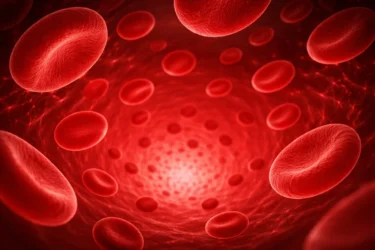
Sarvangasana may improve the blood supply to the brain. There is an increased influx of blood to the brain during the shoulder stand position. This increased influx can also help in nourishing the hair and hydrate the scalp, thus helping in preventing hair loss and improving hair growth.
An increase in blood supply to facial muscles may lead to glowing skin. The greater blood flow may also help in keeping ourselves active and energized2.

Sarvangasana may help in decreasing the production of thyroxin hormone responsible for causing hyperthyroidism. The inverted position during the shoulder stand allows the heart to pump the blood to the brain and the thyroid gland, and helps in curing thyroid-related disorders. The potential benefit of the blood flow during Sarvangasana is on respiration, increasing the digestive and excretory processes, and strengthening the nervous system, which is controlled by the thyroid and parathyroid glands. When the thyroid gland functions properly, all of the above-mentioned systems of the body work effectively2.

Kumar et al. 2017 mention a study5 involving 20 patients with diabetes (increased glucose level) subjected to 40 days of yoga, involving sarvangasana as one of the postures, showed a decrease in glucose levels and changes in insulin levels. The shoulder stand pose improves the functioning of pancreas, responsible for insulin production. The enhanced insulin production may help in decreasing the risk of diabetes. The involvement of asanas or postures in daily life does not have any adverse effects, and can be used as an alternate means to improve health4.

The shoulder stand may help in increasing the blood pressure of patients with low blood pressure. A study6 conducted by Naidu, S.T. et.al., 2015 on postural inversion in yoga and its effects on cardiovascular parameters, mentions that there was an increase in diastolic and systolic blood pressure during the sarvangasana. The increase in blood pressure depends on various factors especially the population (healthy or on patients with blood pressure fluctuations) performing the sarvangasana3.

Over the years, I have found that practising Sarvangasana (Shoulder Stand Pose) can help counteract the pooling of blood in the legs and abdomen. This pose involves elevating the legs above the heart, which promotes return of the blood from the organs and improves overall circulation7.
Dr. Siddharth Gupta, B.A.M.S, M.D (Ayu)
Also Read: Benefits of Halasana (Plough Pose) and How to Do It By Dr. Himani Bisht
Some of the contraindications related to Sarvangasana are:
The important point to consider while doing postural inversion is to perform it smoothly and slowly and it should be only practiced with a trained yoga teacher.
Also Read: Benefits of Prana Mudra and How to Do it By Dr. Himani Bisht
Tension and stress are part of everyday life, but they should not affect the mind and body. Performing sarvangasana helps de-stress by relieving the pain and increasing the blood supply to all parts of the body. However, it is necessary to follow precautions while performing sarvangasana to avoid the associated physical risks. Given the rising popularity of postural inversions in yoga, through social media, it is important to do additional research on the benefits and risks.
Also Read: Benefits of Bhramari Pranayama and How to Do it By Dr. Himani Bisht
Sarvangasana is also known as “shoulder stand”. It is an inversion posture where the whole body is balanced on the shoulder2.
People suffering from high blood pressure, slipped disc, vertigo, atherosclerosis, cerebral thrombosis migraine, pregnant and lactating women and people with diabetic retinopathy and who have undergone surgery should avoid shoulder stand. Sarvangasana should also be avoided in patients suffering from cold, flu and sinus problems2.
For beginners, the final position of Sarvangasana or shoulder stand should be held for a few seconds. It can be gradually increased with the practice for about three to five minutes2.
The shoulder stand or Sarvangasana may help in improving blood circulation and digestion. It may also help in rejuvenating the body and maintaining balance and posture of the body. Sarvangasana may increase blood pressure, which can be used as a potential benefit for patients with low blood pressure4.
This asana should only be performed once at the end of completion of other asanas during the yoga session. An easy relaxing posture after performing sarvangasana or shoulder stand is Shavasana (corpse pose)2.
Disclaimer: The information provided here is for educational/awareness purposes only and is not intended to be a substitute for medical treatment by a healthcare professional and should not be relied upon to diagnose or treat any medical condition. The reader should consult a registered medical practitioner to determine the appropriateness of the information and before consuming any medication. PharmEasy does not provide any guarantee or warranty (express or implied) regarding the accuracy, adequacy, completeness, legality, reliability or usefulness of the information; and disclaims any liability arising thereof.
Links and product recommendations in the information provided here are advertisements of third-party products available on the website. PharmEasy does not make any representation on the accuracy or suitability of such products/services. Advertisements do not influence the editorial decisions or content. The information in this blog is subject to change without notice. The authors and administrators reserve the right to modify, add, or remove content without notification. It is your responsibility to review this disclaimer regularly for any changes.
 7
7
 1
1
Strawberries are universally loved fruit, and which is used in the preparations of milkshakes, jellies, and jams to pastries. Strawberry lends its vibrant colour, provides a sweet taste to various food-related items, and can also be used to develop strawberry cream. Strawberries can grow all over the world and USA is the leading producer of strawberries. Strawberries belong to the family Rosaceae and the genus Fragaria. Strawberrys is grown in sub-tropical, temperate, Mediterranean and grassland regions. The strawberry is a herbaceous, perennial plant and unlike its name suggests, the strawberry is not a true berry. Strawberry is a rich source of carbohydrates, fibers, and sugars. Let us look at some of the health benefits of strawberries1.
Nutritional Content of Strawberry (raw fruit)2
Strawberry contains the following nutrients:
Did you know that strawberries are a great source of vitamin C? This essential nutrient is important for wound healing, as it helps your body produce collagen, a protein that’s crucial for healthy skin and tissues. Plus, vitamin C is important for maintaining healthy cartilage in your joints, which can help prevent painful conditions like osteoarthritis6.
Dr. Anuja Bodhare, B.A.M.S, M.D (Ayu)
Strawberry may possess the following properties:
Give your cognitive abilities a boost with strawberries! Strawberries contain antioxidants that safeguard your cells and compounds called flavonoids, which have been linked to improved cognitive function and memory5.
Dr. Siddharth Gupta, B.A.M.S, M.D (Ayu)
There are several health benefits of eating strawberries every day. Some of the potential benefits of strawberries follows:

Inflammation is a biological process that helps the body from various diseases and helps in wound healing. Fault in the process of inflammation can cause damage to the body and may lead to the progression of multiple diseases like diabetes, cancer, Alzheimer’s disease, and heart problems. Several study model results have shown that strawberries may have anti-inflammatory properties and these properties of strawberries may be due to the presence of vitamins and polyphenols3. You must consult your doctor if you are experiencing any unusual symptoms or discomfort and get diagnosed with diseases that may have been caused due to fault in the mechanism of inflammation.

Strawberries may possess properties that can protect the heart. The presence of constituents like flavonoids, anthocyanin, phenolic compounds, and other micronutrients may protect the heart by reducing cardiovascular risk. A study8 was conducted on human volunteers, who consumed strawberries regularly. The results showed that the risk of hypertension was reduced for individuals who consumed strawberries regularly3. However, if you are experiencing any heart disease symptoms or history, you must immediately consult your doctor. Do not self-medicate.
Strawberries are a delicious and nutritious source of vitamin B. Folate is essential for healthy cell growth and development and it’s particularly important for pregnant women, as it can help keep away the developing foetus from having birth defects6.
Dr. Smita Barode, B.A.M.S, M.S.

Atherosclerosis is the narrowing of arteries due to the deposition of cholesterol, and other substances on the inner walls of arteries. Studies showed that the consumption of freeze-dried strawberries may decrease bad cholesterol3. However, you must consult your doctor if you are diagnosed with atherosclerosis instead of self-medicating.

Strawberries may reduce obesity and manage weight by suppressing adipose tissue growth (body fat). In addition, studies showed that consuming strawberries may reduce the risk of heart disease in obese individuals3. However, you must consult your doctor if you are overweight and get proper treatment instead of self-medicating.

Strawberry may be beneficial in the case of type 2 diabetes. Strawberry contain flavonoids that may show anti-diabetic action by inhibiting glucose uptake and maintaining the blood-sugar level. A study3 showed that consumption of whole strawberry fruit might be associated with a reduced risk of type 2 diabetes. However, if you have high blood sugar levels, you must consult your doctor and get proper treatment instead of self-medicating.

Strawberries may play a defensive role in the body for certain types of cancers. A study conducted showed that strawberries might reduce the risk of esophageal squamous cell carcinoma. Strawberries may also help to reduce the risk of head and neck cancer. Strawberries when consumed after an amine-rich diet may inhibit the cancer precursors3. However, cancer is a serious disease; you must consult your doctor and take proper treatment instead of self-medicating.
Exposure to the sun’s UV rays can be tough on your skin, leading to premature ageing, sunburn and even an increased risk of skin cancer. But did you know that strawberry extract may be able to help? Recent research suggests that the antioxidants and other compounds found in strawberries may have powerful photoprotective effects7.
Dr. Ashok Pal, BAMS

Strawberries may be beneficial to nervous system-related disorders. Constituents of strawberries like phenolic acids, flavonoids, and terpenes may play a role in neurodegenerative disorders by protecting the nervous system3. However, you must consult a doctor if you experience any symptoms of disorders related to the nervous system. Do not self-medicate.

Strawberries may show antibacterial activity against several bacteria. Strawberries contain different phenolic compounds which may deactivate the bacteria3. However, if you suspect a microbial infection, you must get it diagnosed and consult a doctor for proper medication instead of self-medicating.
A sweet way to strengthen your immune system! Strawberries are packed with immune-boosting nutrients like vitamin C, which can help your body produce more white blood cells and fight off harmful pathogens5.
Dr. Rajeev Singh, BAMS
Strawberries can be consumed as fresh fruit. However, you must wash the fruit thoroughly with water before consuming it.
It can also be consumed in jam, jelly, milkshakes, yoghurt, and smoothie1.
You must consult a qualified doctor before taking strawberries in large quantities or any other herbal supplements. Likewise, do not discontinue or replace an ongoing modern medical treatment with an ayurvedic/herbal preparation without consulting a qualified doctor.
Also Read: Peaches: Uses, Benefits, Side Effects and More!
Strawberry, a natural substance has no specific side effects. However, if any reaction is noticed on using it, seek immediate medical attention. Consult your ayurvedic physician who has prescribed it to you; they will be able to identify the cause and treat it effectively.
Also Read: Mulberry: Uses, Benefits, Side Effects and More!
General precautions should be taken with strawberries, as in any other general medicine. Pregnant women and lactating mothers should take special care. You must consult your doctor before having strawberries. Precaution should be taken before giving strawberries to the elderly or children. In such cases, you must have strawberries only if your doctor prescribes them.
Also Read: Cherries: Uses, Benefits, Side Effects and More!
You must not consume strawberries with the following drugs:
Consult your doctor if you are taking any other medication before consuming strawberries.
Also Read: Star Fruit: Uses, Benefits, Side Effects and More!
Strawberries may help in the case of inflammation, heart diseases, atherosclerosis, obesity, diabetes, cancer, neurodegenerative disorders, and microbial infection. However, you must not self-medicate and consult your doctor in case you experience any symptoms of the mentioned disease3.
No, there are no studies related to it.
Aspirin, anticoagulants, antiplatelets and NSAID (Non-steroidal anti-inflammatory drugs) may interact with strawberries4. Therefore, consult your doctor if you are taking any other medication before consuming strawberries.
Strawberry contains proteins, carbohydrates, fibres, sucrose, fructose, calcium, magnesium, vitamin C, vitamin B6 and other nutrients2.
Yes, strawberries may be used against fungal infections.
1. Strawberries | Food Source Information [Internet]. [cited 2022 Aug 18]. Available from: https://www.chhs.colostate.edu/fsi/food-articles/produce/strawberries/
2. FoodData Central [Internet]. [cited 2022 Aug 18]. Available from: https://fdc.nal.usda.gov/fdc-app.html#/food-details/167762/nutrients
3. Afrin S, Gasparrini M, Forbes-Hernandez TY, Reboredo-Rodriguez P, Mezzetti B, Varela-López A, et al. Promising Health Benefits of the Strawberry: A Focus on Clinical Studies. Journal of Agricultural and Food Chemistry [Internet]. 2016 Jun 8 [cited 2022 Aug 18];64(22):4435–49. Available from: https://pubs.acs.org/doi/abs/10.1021/acs.jafc.6b00857
4. Hayk S. Arakelyan. Strawberry Dangerous Interactions [Internet]. [cited 2022 Aug 18]. Available from: https://www.researchgate.net/publication/341640658_Strawberry_Dangerous_Interactions
5. Flora B. All the reasons you should eat strawberries. Cleveland Clinic Health Essentials [Internet]. 2023 Mar 30 [cited 2026 Jan 7]. Available from: https://health.clevelandclinic.org/benefits-of-strawberries
6. Haraminac E. Why strawberries? MSU Extension [Internet]. East Lansing (MI): Michigan State University Extension; 2013 Apr 10 [cited 2026 Jan 7]. Available from: https://www.canr.msu.edu/news/why_strawberries
7. Gasparrini M, Forbes-Hernandez TY, Afrin S, Alvarez-Suarez JM, González-Paramás AM, Santos-Buelga C, et al. A pilot study of the photoprotective effects of strawberry-based cosmetic formulations on human dermal fibroblasts. Int J Mol Sci [Internet]. 2015 Aug 4 [cited 2026 Jan 7];16(8):17870–17884. Available from: https://pmc.ncbi.nlm.nih.gov/articles/PMC4581226/
8. Basu A, Izuora K, Betts NM, Ebersole JL, Scofield RH. Dietary strawberries improve biomarkers of antioxidant status and endothelial function in adults with cardiometabolic risks in a randomized controlled crossover trial. Antioxidants (Basel) [Internet]. 2021 Nov 16 [cited 2026 Jan 7];10(11):1730. Available from: https://pubmed.ncbi.nlm.nih.gov/34829601/
Disclaimer: The information provided here is for educational/awareness purposes only and is not intended to be a substitute for medical treatment by a healthcare professional and should not be relied upon to diagnose or treat any medical condition. The reader should consult a registered medical practitioner to determine the appropriateness of the information and before consuming any medication. PharmEasy does not provide any guarantee or warranty (express or implied) regarding the accuracy, adequacy, completeness, legality, reliability or usefulness of the information; and disclaims any liability arising thereof.
Links and product recommendations in the information provided here are advertisements of third-party products available on the website. PharmEasy does not make any representation on the accuracy or suitability of such products/services. Advertisements do not influence the editorial decisions or content. The information in this blog is subject to change without notice. The authors and administrators reserve the right to modify, add, or remove content without notification. It is your responsibility to review this disclaimer regularly for any changes.
4
1
Gulkand (prepared with rose petals) can be used as a delicacy in several Indian dishes and soothes the tastebuds with its cooling effect. The Rose plant is a perennial bushy shrub with fragrant flowers and a sweet preserve of rose petals known as gulkand. The scientific name of the rose is Rosa damascena, and it belongs to the family Rosaceae. The major cultivation of roses is widely distributed in Europe, Middle East, North America, and Asia. Rose plants are often grown in houses, parks, and gardens. Rose petals are majorly used in perfumes, medicine, food industry and gulkand is prepared with rose petals only1,2. Let us discuss gulkand.
Below is the nutritional Components of Gulkand2
Gulkand may have the following properties:
The gulkand benefits are given below:

Gulkand may help to relieve pain. Studies on mice showed that plant ingredients like quercetin and kaempferol might be responsible for reducing pain. Antioxidants like flavonoids present in gulkand may be responsible for relieving pain1. However, further studies are required to know its exact mechanism and effect on humans. You must immediately consult your doctor if you experience unbearable pain for a prolonged period.

The essential oil and flavonoids in rose petals of gulkand may help in the case of seizures. Studies on mice showed that gulkand might delay the start of epileptic seizures (Brain disorder) and decrease the duration of tonic-clonic seizures1. Further studies on humans are required to know the action of gulkand for seizures. However, if you experience seizures, you must immediately consult your doctor instead of self-medicating.

Gulkand may be used to relieve cough. Studies on guinea pigs showed that gulkand may reduce the cough. Another study showed the relaxant effect of gulkand may fight against cough. However, further studies are required on humans to check the impact of gulkand against cough1. There is a possibility that a cough can be a symptom of other diseases. Therefore, if you had a cough for several days, you must consult your doctor.
Gulkand may improve heart function. Studies on guinea pigs showed that gulkand might increase the heart rate and contractility of the heart, thereby improving the function of the heart. However, further studies are required to check the effect of gulkand on the human heart1. If you experience any symptoms related to heart disease or have a history of heart disease, you must immediately consult your doctor.

Gulkand has many plant compounds present in it and the combined effect of several plant compounds in gulkand may additively act against virus replication1. However, further studies are required to check the effect of gulkand against HIV infections. HIV infection is serious; therefore, you must get diagnosed and get proper treatment instead of self-medicating.

Gulkand may act against bacterial infections due to its essential oil, rose absolute, and hydrosol. It may show anti-bacterial activity against a wide range of bacteria by inhibiting their growth1. However, further studies are required to check the anti-bacterial activity of gulkand on humans. If you have a bacterial infection, you must consult your doctor instead of treating yourself at home.

Studies on rats showed that gulkand might increase the water content in faeces and increase the frequency of passing stools. Gulkand may help in relieving constipation1. However, further studies on humans are required to evaluate the effect of gulkand on humans. If you experience constipation for several days, you must consult your doctor and get proper treatment.

Gulkand may reduce swelling due to the presence of vitamin C, an antioxidant. Studies showed that gulkand might reduce swelling by inhibiting the substances in the body that cause inflammation2. However, further studies are required to check the effect of gulkand on inflammation.
Though studies show the benefits of gulkand in various conditions, these are insufficient, and there is a need for further studies to establish the true extent of the glue and its benefits on human health.
Gulkand is used traditionally to reduce fatigue due to its cooling properties. Gulkand might also be beneficial for conditions like muscular aches, itching, and any conditions where heat is produced4.
Dr. Siddharth Gupta, B.A.M.S, M.D (Ayu)
There are several ways you can use gulkand:
You must consult a qualified doctor before taking gulkand or any herbal supplements. Do not discontinue or replace an ongoing treatment of modern medicine with an ayurvedic/herbal preparation without consulting a qualified doctor.
Also Read: Gudmar (Gymnema Sylvestre): Uses, Benefits, Side Effects, and More!
The side effects of gulkand are as follows:
If you experience any adverse reactions to gulkand, immediately contact a doctor or your Ayurvedic physician who has prescribed it to you. They will be able to guide you appropriately for your symptoms.
Gulkand serves various medical benefits. It is believed to be useful for conditions like menstrual discomfort or dysmenorrhoea, and white discharge issues. Gulkand might also be useful as a digestive tonic that will help in improving digestion, and appetite. Additionally, gulkand is known to have properties that will be useful for cleaning blood that might help to clear complexion and might prevent the appearance of boils, acne, and whiteheads5.
Dr. Rajeev Singh, BAMS
Also Read: Dried Dates: Uses, Benefits, Side Effects By Dr. Rajeev Singh
There is not enough evidence on the interaction of gulkand with other drugs. Further studies on the interaction of gulkand are required. Therefore, you must consult your doctor if you are on any other medication before consuming gulkand.
Also Read: Suji (Semolina): Uses, Benefits, Side Effects By Dr. Rajeev Singh
There are several uses of rose gulkand. Gulkand may be used to relieve pain in case of seizures or cough, to improve heart function, fight HIV and bacterial infections, relieve constipation and reduce swelling1.
Gulkand may cause headaches and early greying of hair3.
Yes, gulkand is good for health and may help to use in brain disorders, improve respiratory function, enhance cardiovascular function, fight against HIV, antimicrobial agent, act as an antioxidant and reduce inflammation1.
If you have catarrh (build-up or discharge of mucous in your nose or throat and swelling in the mucous membrane), you must be cautious before consuming gulkand3. Pregnant and lactating mothers and elderly individuals shall take precautions before having gulkand.
No, studies have not shown the use of gulkand for kidney stones.
Disclaimer: The information provided here is for educational/awareness purposes only and is not intended to be a substitute for medical treatment by a healthcare professional and should not be relied upon to diagnose or treat any medical condition. The reader should consult a registered medical practitioner to determine the appropriateness of the information and before consuming any medication. PharmEasy does not provide any guarantee or warranty (express or implied) regarding the accuracy, adequacy, completeness, legality, reliability or usefulness of the information; and disclaims any liability arising thereof.
Links and product recommendations in the information provided here are advertisements of third-party products available on the website. PharmEasy does not make any representation on the accuracy or suitability of such products/services. Advertisements do not influence the editorial decisions or content. The information in this blog is subject to change without notice. The authors and administrators reserve the right to modify, add, or remove content without notification. It is your responsibility to review this disclaimer regularly for any changes.
8
3
One of the most consumed fruits in the world is bananas and bananas (Musa paradisiaca) are grown in almost every country, especially in the subtropical and tropical regions. It is produced mostly in India, followed by China, which is the second largest producer of bananas. The banana plant is the largest flowering herbaceous plant and a lot of banana flowers are produced in a single collection of bananas1,2.
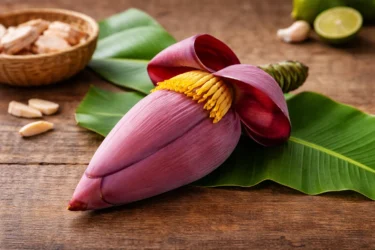
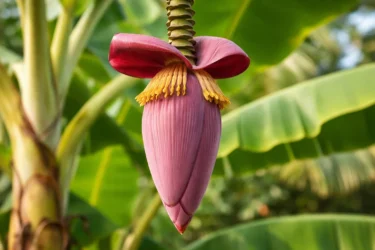
These flowers are usually considered a waste material while producing bananas, but it has high nutritional value. The flowers of bananas are huge, red, pointed flowers, some of the flowers are yellow or pink in colour. Precisely, the color of the flower can range from orange to purple and it contains pale yellow or white florets inside it. Banana flowers have many bioactive compounds and are nutty, crunchy, and starchy to taste. It might also have the potential to help with certain health conditions like diabetes, diarrhea, and cancer1. Let us discuss the importance and health benefits of the banana flower in detail.
A study conducted by Ramu et al., found in their study that the banana flower contains the following nutrients:
Sheng et al., and Elaveniya et al., found in their study that the following minerals are present in the banana flower:
Other research showed that the following bioactive compounds like alkaloids, saponins, superoxide dismutase, cardiac glycosides, steroids, and phenolic compounds might be present in the banana flower1.
From my experience, banana flowers’ approximate composition is quite astounding since they include a wide range of minerals, such as phosphorus, calcium, potassium, and magnesium. Potassium maintains muscles, and nerves, and regulates heartbeat as a vital component of bodily fluids and cells. Magnesium is a natural anti-depressant that may help lessen sadness and mood swings. It may play a protective role for the heart and may be necessary for healthy bones6.
Dr. Anuja Bodhare, B.A.M.S, M.D (Ayu)
The banana flower might possess the following properties:
As the banana flower is a rich source of various minerals and bioactive compounds. Therefore, it might be helpful for various diseases and disorders1. Some of the possible banana flower health benefits are as follows:
China et al. have reported that the flowers of bananas might have antioxidant properties and may help in reducing oxidative stress. It might neutralise the free radicals by protecting the cells and tissues of the body from damage. This possible antioxidant activity of the banana flower might render its potential against various conditions caused due to oxidative stress like diabetes and cancer. However, more research is required to prove its possible effects2.

Researchers found that the banana flower extract might have a potential activity that inhibits the proliferation of cancer cells. It might also be a safer alternative for the further development of an anticancer drug. However, further animal and human studies are required to ascertain such claims. Moreover, a serious condition like cancer must and should be diagnosed and properly treated by a qualified doctor. Therefore, ensure that you consult a doctor2.

In a study2 conducted by Pari and Uma-Maheshwari, it was seen that the banana flower extract might have the potential to decrease blood glucose levels. It may also help in reducing the level of glycated haemoglobin (glucose attached haemoglobin), which is used as a measure of glucose control over a few months. Therefore, the banana flower might be helpful for diabetes, and more studies are required to claim these properties. Moreover, a serious condition like diabetes must be properly diagnosed and treated by a doctor; kindly consult a doctor and do not self-medicate.
Haemoglobin is an iron-containing protein that is present in the blood and helps in the transportation of oxygen to cells. It was seen in several studies that the banana flower is a rich source of iron and fiber which might help raise the haemoglobin level in the blood. Further studies are required to confirm the rise in haemoglobin levels due to the banana flower1. In case of less haemoglobin content, consult your doctor and don’t self-medicate.

Liyanage et al. found that the banana flower might have a potential hypocholestrolaemic effect (blood cholesterol-lowering). This effect might be exhibited by it, due to the presence of unsaturated fatty acids, saponins, flavonoids, vitamin E and dietary fibre. These substances might also help in protecting the liver from damage and safeguarding it. However, more studies are needed to prove these effects1.
Banana flowers might be potentially used for the following:
More studies are necessary to explore the potentialities of the banana flower.
Though there are studies that show the potential uses of the banana flower in various conditions, these are insufficient and there is a need for further studies to establish the true extent of benefits of the banana flower on human health.
Polyphenols and flavonoids, that are strong antioxidants, are abundant in banana stem and flowers. Melanin production may be reduced by using the banana flower extract. Based on these findings, I suggest banana stems and flowers may both be used as effective depigmenting agents for gums4.
Dr. Siddharth Gupta, B.A.M.S, M.D (Ayu)
The banana flower is used for making curries in the Southern part of India and is eaten with rice and wheat bread3. Apart from this, it is also used for the development of various products due to its high nutrient content1. It is used for the preparation of the following products:
You must consult a qualified doctor before taking the banana flower or many other herbal supplements. Do not discontinue or replace an ongoing treatment of modern medicine with an ayurvedic/herbal preparation without consulting a qualified doctor.
I recently read an article that says banana flower bracts are a rich source of several nutrients and are known for their many therapeutic benefits. Apart from their medicinal benefits, they may be utilised as colouring agents. Banana blossoms are typically utilised in South India to prepare curries, chutneys, and even desserts5.
Dr. Rajeev Singh, BAMS
Also Read: Chicory (Kasani): Uses, Benefits, Side Effects and More By Dr. Smita Barode
There are no specific side effects of banana flowers reported yet. More research is required to render it completely safe for human use. Therefore, if you notice any abnormality in eating banana flowers, you should immediately consult a doctor.
I recently read an article which described a study conducted on rats that says rats who were fed the banana blossom diet gained less weight than those fed the cholesterol-enriched control diet, which may confirm that consumption of banana flowers may aid in weight loss6.
Dr. Smita Barode, B.A.M.S, M.S.
Also Read: Cluster Beans: Uses, Benefits, Side Effects By Dr. Siddharth Gupta
General safety precautions should be taken, and a doctor should be consulted before eating banana flowers. The effects of eating banana flowers during pregnancy and for children have not been reported yet. Therefore, you should consult a doctor before consuming banana flowers.
Also Read: Green Peas: Uses, Benefits, Side Effects and More!
Adverse reactions of banana flowers with any specific drug have not been reported. However, banana flowers may alter the action of certain drugs which has to be explored by further research. Therefore, you should consult a doctor before eating banana flowers especially if you are undergoing any treatment and are on medication.
Also Read: Red Chilli: Uses, Benefits, Side Effects By Dr. Smita Barode
Banana flowers might help in reducing diabetes, fighting against cancer, reducing oxidative stress, reduce cholesterol levels and ulcers. However, more research is required to prove these effects. Therefore, you must consult a doctor before using banana flower for the above-mentioned conditions1,2.
Yes, the banana flower is edible. It is highly nutritious and might be helpful for various health conditions1.
The banana flower can be used to make curries and be eaten with rice or wheat bread. It is used in the production of dried slices, flour, RTC (ready-to-cook) products, humus, and sisig (ginger, onion, banana flower, coconut powder, and salt)1,3.
Various nutrients like protein (19.60%), fibre (70%) and carbohydrates (53.78%) are present in the banana flower. It contains various minerals like iron, sodium, potassium, phosphorous, zinc etc. and several bioactive compounds like saponins, tannins, cardiac glycosides, etc1.
There are no reports regarding the positive effects of banana flowers on skin. Therefore, there is a need for more studies on this subject.
Yes, the banana flower may be eaten by diabetic patients. It might reduce blood sugar levels in them and it is advised to consult a doctor before consuming banana flowers2.
Disclaimer: The information provided here is for educational/awareness purposes only and is not intended to be a substitute for medical treatment by a healthcare professional and should not be relied upon to diagnose or treat any medical condition. The reader should consult a registered medical practitioner to determine the appropriateness of the information and before consuming any medication. PharmEasy does not provide any guarantee or warranty (express or implied) regarding the accuracy, adequacy, completeness, legality, reliability or usefulness of the information; and disclaims any liability arising thereof.
Links and product recommendations in the information provided here are advertisements of third-party products available on the website. PharmEasy does not make any representation on the accuracy or suitability of such products/services. Advertisements do not influence the editorial decisions or content. The information in this blog is subject to change without notice. The authors and administrators reserve the right to modify, add, or remove content without notification. It is your responsibility to review this disclaimer regularly for any changes.
13
1
Summer is the season when all hail the king of fruits the delicious mango. Loved by nearly all is can also be said to be irresistible. Grown mainly in tropical and subtropical regions, the mango tree is actually the national tree of Bangladesh and the fruit is the national fruit of both India and Philippines. Now you know why everyone desperately awaits summers and cant wait to sink in their teeth into the juicy yellow mangoes!
The scientific name of the species native to India and Southeast Asia is Mangifera indica L. and it belongs to the family Anacardiaceae. Given the huge demand, mango is also now being grown in Central America, Australia, Europe and Africa. It has been grown in India and Southeast Asia for around 4000 years and there are over one thousand varieties of mangoes, out of which only a few are being produced on a commercial scale1.
Mango has an exotic flavour, sweet taste and might even have numerous health benefits. It is consumed in both the ripe and unripe forms. Used for making pickles, chutneys, vinegar, desserts and beverages2 mango is one of the popular foods. Mango juice is also a popular refreshing beverage. The various nutrients present in it and the potential uses of mango juice for its health benefits are manifold. Read on to know more.
Mango juice contains a total energy of 52 Kcal. The nutritional value of mango juice is as follows:
| Nutrient | Percentage content |
| Carbohydrates | 13.6 |
| Sugars | 12.8 |
| Fibre | 0.8 |
| Potassium | 0.035 |
| Calcium | 0.005 |
| Sodium | 0.006 |
The following nutrients are also present in mango juice:
| Minerals | Vitamins |
| Zinc | Vitamin A |
| Manganese | Vitamin C |
| Phosphorous | Vitamin E |
| Calcium | Vitamin K |
| Iron | Folates |
| Copper | Vitamin B1 (niacin) |
| Magnesium | Vitamin B2 (riboflavin) |
| Vitamin B5 (pantothenic acid) | |
| Vitamin B6 (pyridoxine) |
Mango juice also contains alpha and beta carotene in it1.
Mango juice contains a ton of polyphenols in it like ellagic acid, isoquercetin, beta glucogallin, quercetin, gallotannins, mangiferin and gallic acid, which might be the reason for its potential health benefits we will elaborate on ahead.
Mango juice might have the following properties:
The various parts of mango might have a potential use for human health. Likewise, mango juice also might have the following potential uses.
Mango contains a compound called mangiferin which might have potential effects against diabetes. It was noted in animal experiments that mangiferin might have the potential to lower blood sugar level and the lipid levels (fats). Both of these might be helpful for people with diabetes. An increased number of cells which produce insulin was also observed. Mangiferin might play a role in the metabolism of glucose and insulin resistance. Therefore, mango juice might have the potential to help with diabetes. However, conditions like diabetes need to be properly treated by a doctor, thus, ensure that you consult a doctor2.
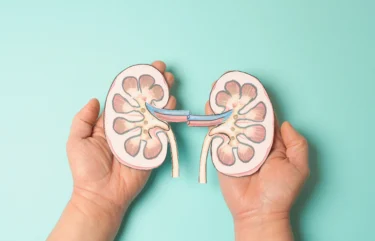
In an experimental model, it was observed that in diabetic rats having kidney issues, mangiferin was helpful. It was observed that mangiferin reduced the blood urea nitrogen levels and thus, it may help deal with kidney damage in humans. Thereby, mango juice might have a potential to help with kidney problems. These effects, however, need to be proved by further research2.

Several studies have shown that mango juice might have the potential to help deal with stomach related health conditions. As mango juice passes through the body, it was studied that one of its active components, mangiferin, was transformed into various phenolic compounds. These phenolic compounds might be beneficial against certain inflammatory diseases of the stomach. It might help the stomach against diseases like inflammatory bowel syndrome, gastric ulcers, ulcerative colitis, etc. Therefore, mango juice might exhibit gastroprotective property2.
In my experience, I have observed that mangoes are a good source of dietary fiber. Fiber plays a crucial role in the digestion process by aiding in the catabolism, or breakdown, of protein. By consuming mangoes, which are rich in fiber, you can support the efficient digestion and utilization of protein in your body. This can contribute to overall digestive health and nutrient absorption5.
Dr. Smita Barode, B.A.M.S, M.S.

The potential anti-inflammatory activity of mango was observed in relation to liver as well. It was seen in a variety of studies that the bioactive components of mango juice might help against liver inflammation, probably by interfering with lipopolysaccharide (LPS) and galactosamine activity. In another experiment it was seen that mango juice might also interfere with the inflammatory pathways. It might also help the liver against injury from carbon tetrachloride (a toxic chemical), as seen in a study conducted by Pokorski et al2.
Several studies were conducted on different extracts of mango against a variety of cancer cells. It was found that mango juice might have components that have a potential activity against pancreatic cancer, colonic cancer, breast cancer and colorectal cancer. However, there is a need for more studies to prove these effects. Moreover, you should consult a doctor for the proper diagnosis and treatment of cancer. So, ensure that you consult a doctor and do not self medicate2.

In an animal study, it was seen that the components of mango juice might potentially inhibit the dissolution (resorption) of bone. This activity was seen under a condition where the bone dissolution (resorption) was caused by imbalance of a hormone called the parathyroid hormone. Therefore, much more extensive research is required to fully understand the effects of mango juice on bones4.

The active components of mango juice might have the potential to neutralise the oxygen free radicals which cause oxidative stress, leading to cell damage and possibly chronic diseases. As it might have the potential to counterbalance the oxidative stress, it might possibly help against various diseases caused due to oxidative stress, like osteoporosis and liver diseases2.
Though there are studies that show the potential uses of mango juice in various conditions, but these are insufficient and there is a need for further studies to establish the true extent of benefits of mango juice on human health.
By including mango in your diet, you can potentially benefit from these protective effects and support the well-being of your eyes and related tissues. I have learned that mango, which is rich in vitamin A, plays a crucial role in maintaining good vision and protecting against muscular degeneration. Vitamin A promotes the efficient circulation of blood in the skin and mucus membranes, which can enhance their overall health and function5.
Dr. Siddharth Gupta, B.A.M.S, M.D (Ayu)
You can use mangoes to make fresh mango juice or consume pre-made mango juices available on the market. They are available in bottles, cans, or other packaged forms. To make fresh mango juice
You must consult a qualified doctor before taking any herbal supplements. Do not discontinue or replace an ongoing treatment of modern medicine with an ayurvedic/herbal preparation without consulting a qualified doctor.
Also Read: Amla Aloe Vera Juice: Uses, Benefits, Side Effects By Dr. Siddharth Gupta
There is a need for more research to explore the possible side effects of mango juice. It might cause allergies as different foods produce different reactions in individuals. Therefore, it is always better to consult a doctor before use.
Based on my experience, I have observed that both unripe and ripe mangoes contain a significant amount of vitamin C. Vitamin C has been found to help decrease the levels of LDL cholesterol in the body, which is often referred to as “bad” cholesterol5.
Dr. Rajeev Singh, BAMS
It is considered to be safe when taken in regular food quantities. However, it is better to consult a doctor if you are suffering from any condition, pregnant, breastfeeding or giving it to children in larger than usual quantities.
Also Read: Cranberry Juice: Uses, Benefits, Side Effects and More!
More studies are required to state the interaction of mango juice with any drug. It is advised that you consult a doctor before taking mango juice if you are under any medication.
Also Read: Apple Juice: Uses, Benefits, Side Effects and More!
Mango juice might have the benefits for the liver, kidney, stomach, etc. It might also be helpful in neutralising the oxidative stress and diabetes. However, these effects need to be proved by more research1,2,4.
Yes, mango juice might be good for health as it contains many nutrients and bioactive components in it1,4.
There are no reports claiming the effects of mango juice for hair.
There are no studies regarding the potential use of mango juice for healthy skin. Therefore, there is a requirement for more studies regarding this.
Disclaimer: The information provided here is for educational/awareness purposes only and is not intended to be a substitute for medical treatment by a healthcare professional and should not be relied upon to diagnose or treat any medical condition. The reader should consult a registered medical practitioner to determine the appropriateness of the information and before consuming any medication. PharmEasy does not provide any guarantee or warranty (express or implied) regarding the accuracy, adequacy, completeness, legality, reliability or usefulness of the information; and disclaims any liability arising thereof.
Links and product recommendations in the information provided here are advertisements of third-party products available on the website. PharmEasy does not make any representation on the accuracy or suitability of such products/services. Advertisements do not influence the editorial decisions or content. The information in this blog is subject to change without notice. The authors and administrators reserve the right to modify, add, or remove content without notification. It is your responsibility to review this disclaimer regularly for any changes.
22
2
Every part of the drumstick might contain essential properties for human health; hence, it may be one of the crucial nutritional herbs. For many years, the drumstick has been used as a traditional medicine. According to the Ayurvedic system of medicine, drumsticks may have potential use and be helpful for various diseases due to their high nutritional value, water retention and capacity for purification1.
Drumstick provides large and rare varieties of vital minerals and nutrients. Pods, leaves, flowers, barks, roots and seeds of drumsticks also contain bioactive compounds2.
The major constituents of the drumstick possess biological activities that might play a role in its potential use in several medicinal systems such as Ayurveda, homeopathy, Unani, yoga, naturopathy, and Siddha1. The potential properties of drumstick are as follows3:
Drumsticks might have a wide range of uses with high nutritional value. Various parts of this plant act as stimulants that might possess various activities employed to help with different diseases in the indigenous systems of medicine, particularly in South Asia4. Some of the potential uses of drumstick are described as follows.
The leaf extract of drumstick might show potential anti-diabetic properties that might help lower blood glucose levels. An animal study5 (Gupta R et al. 2012) showed that the extract of leaves of drumsticks might help reduce the progression of diabetes and may induce a reduction in serum glucose levels by increasing the production of protein and insulin hormone.
Another animal study6 showed that the extract of drumstick leaves might help control glucose levels, urinary sugar and protein levels, haemoglobin, and total protein in the blood. However, more studies are required to ascertain the above-mentioned claims. Kindly consult a doctor, as diabetes is a serious condition and should be diagnosed and treated by a doctor.

Various animal studies7 (B.S. Rathi et al. 2006, V.I. Hukkeri et al. 2006) suggest that the extracts from dried leaves of drumsticks might show wound healing action in animal models over granuloma (dead space), excision, and incision. It also significantly decreases scar area, might help in increasing wound closure, and may strengthen skin healing. However, more studies are required on humans to prove the potential uses of drumsticks for wound healing.
Barks, leaves, seeds, flowers, and roots of drumsticks might have a diuretic activity that may be helpful for urine formation in patients with kidney dysfunction. It might also help to lower the deposition of oxalate salts (stones forming units) in the kidneys. An animal study8 (R.V. Karadi et al. 2008) found that the extract of drumstick root lowers the kidney retention of salts and excretion in the urine. Moreover, these extracts also reduce elevated serum uric acid and creatinine levels. This information is insufficient as these studies were done on animals. However, more studies on humans are required to back this claim. Kidney diseases are serious and must be diagnosed and treated by a doctor, so kindly consult a doctor. We recommend do not use drumsticks to self-medicate.
The leaves and seeds of the drumstick might show potential anti-tumour activity. They contain certain compounds which might act as inhibitors and may inhibit the activity of tumour-promoting molecules10. In-vitro studies9 on human cancer cells showed the potential toxic effects of drumstick leaf extracts on cancer cells at the highest dose, contributing to the least survival of cancerous cells. However, much more extensive research is required to prove the potential use of drumsticks for cancer. Moreover, cancer is a serious condition and must be diagnosed and treated by a doctor.
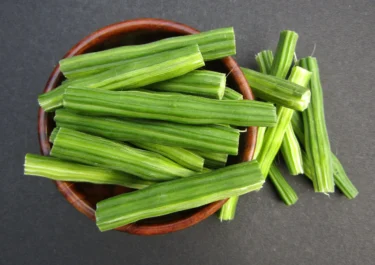
Though there are studies that show the potential uses of drumsticks in various conditions, these are insufficient, and there is a need for further studies to establish the true extent of the benefits of drumsticks on human health.
Drumstick can be used in the following ways:
You should always consult your doctor before consuming a drumstick for regular use. They will be the best person to prescribe you the correct form and dosage as per your health condition.
You must consult a qualified doctor before taking any herbal supplements. Do not discontinue or replace an ongoing treatment of modern medicine with an ayurvedic/herbal preparation without consulting a qualified doctor.
Over the last few years, drumsticks have been significantly researched due to their natural origin and fewer side effects. It is an anti-allergic agent and might be used as a herbal remedy under the supervision of an Ayurvedic physician. However, some people might experience allergic reactions to the seedpods of the drumstick. The most common side effects are:
Also Read: Methi (Fenugreek): Uses, Benefits, Side Effects, and More!
Drumstick (Sahjan) is generally considered to be safe if it is consumed in small quantities. However, general precautions have to be followed to avoid complications.
Kindly do not self-medicate, alter, replace, or discontinue any ongoing treatment on your own. Please ensure to consult your doctor regarding health issues.
Also Read: Lady Finger (Bhindi): Uses, Benefits, Side Effects and More!
Drumstick contains many bioactive compounds, which interact with certain drug-metabolising enzymes, resulting in alterations in drug absorption, distribution, metabolism and elimination from the body and possibly causing toxicity and failure of treatment. The leaf extract of the drumstick inhibits one of such enzymes, which is responsible for the detoxification of medicines.
Kindly consult a doctor before consuming drumsticks and make sure that it is safe for you.
Also Read: Paneer: Uses, Benefits, Side Effects By Dr. Smita Barode
Drumstick contain vitamins such as vitamin A, C, B1, B2, B6, and B9, which might be beneficial for various health conditions2. However, people should not use drumsticks to self-medicate prior to consulting a doctor.
There is insufficient and inconclusive data regarding the potential use of drumsticks during pregnancy. Kindly consult your gynaecologist and confirm its safety before eating it.
Yes, the leaf extracts of the drumstick might be helpful for thyroid hormones, which might further help with hyperthyroidism (excess thyroid hormones)13.
A skin prick test is a potential diagnostic tool for determining allergic reactions caused by drumstick.
Yes, moringa and drumstick typically refer to the same plant, Moringa oleifera. In some regions, the long, slender pods of the Moringa tree are commonly referred to as drumsticks due to their resemblance to drumsticks used in percussion instruments. Moringa is known for its nutritional benefits and is consumed in various forms worldwide.
Yes, drumstick (Moringa oleifera) contains calcium, albeit in relatively modest amounts compared to other calcium-rich foods. However, it can still contribute to your overall calcium intake, which is important for maintaining bone health, especially during pregnancy and lactation.
Drumstick (Moringa oleifera) is not known to significantly increase uric acid levels. In fact, it is often considered beneficial for managing uric acid due to its anti-inflammatory properties and potential to support kidney health. However, individual responses to foods can vary, so it’s advisable to monitor your body’s reaction and consult with a healthcare professional if you have concerns about uric acid levels.
Drumstick (Moringa oleifera) is not known to significantly increase blood pressure. In fact, it may have the opposite effect due to its high potassium content, which can help regulate blood pressure by counteracting the effects of sodium. However, individual responses to foods can vary, so it’s essential to monitor your blood pressure levels and consult with a healthcare professional if you have concerns.
Yes, drumstick pods can be eaten raw, but they are often cooked before consumption to soften their tough texture and enhance flavour. However, some people enjoy adding raw drumsticks to salads or using them as a crunchy addition to dishes.
Yes, the drumstick (moringa) is high in potassium. It contains significant amounts of this essential mineral, which plays a crucial role in maintaining proper heart and muscle function.
Disclaimer: The information provided here is for educational/awareness purposes only and is not intended to be a substitute for medical treatment by a healthcare professional and should not be relied upon to diagnose or treat any medical condition. The reader should consult a registered medical practitioner to determine the appropriateness of the information and before consuming any medication. PharmEasy does not provide any guarantee or warranty (express or implied) regarding the accuracy, adequacy, completeness, legality, reliability or usefulness of the information; and disclaims any liability arising thereof.
Links and product recommendations in the information provided here are advertisements of third-party products available on the website. PharmEasy does not make any representation on the accuracy or suitability of such products/services. Advertisements do not influence the editorial decisions or content. The information in this blog is subject to change without notice. The authors and administrators reserve the right to modify, add, or remove content without notification. It is your responsibility to review this disclaimer regularly for any changes.
27
3
Pineapple is known to be the queen of fruits because of the excellent taste and refreshing flavour it bears. After banana and citrus, pineapple is considered the third most important fruit in the world. Pineapple is botanically called Ananus comosus. The taste and quality of pineapple juice depend upon the season, geographical areas, process and time of harvest. Pineapple fruit’s refreshing flavour and taste are contributed by the perfect balance between sugar and acid1,2.
The pineapple is a herbaceous annual plant that grows in tropical regions. The leading producer of pineapples are Brazil, Thailand, China, the Philippines, and others include India, Kenya and Nigeria. There are different varieties of pineapples, namely Honey King, Pernambuco, Giant Kew, Red Spanish, and Smooth Cayenne. Pineapples may be beneficial and used in the diet of people suffering from diseases. Pineapple juice is a fresh, concentrated liquid prepared from pineapple fruit pulp. It is a natural cocktail of beneficial enzymes, vitamins and minerals, which may make it a beneficial morning drink1,3.
So, read along to know more about the potential benefits, medicinal uses and side effects of pineapple juice on human health.
Did You Know?
Pineapple’s nutritional value may make it healthier food. A single glass of pineapple juice offers 53 calories of energy and other essential nutrients which might help you to kick start your day4.
The nutrients in pineapple juice are as follows:
Pineapple juice may have the following properties:
Pineapples offer protection against age-related eye degeneration and loss of vision. about three servings of pineapple daily can prove to be fruitful for your eyesight6.
Dr. Rajeev Singh, BAMS
Pineapples are used in various foods. In many cultures, pineapple has been used for different potential purposes. The nutritional value and beneficial components of pineapple make them even more popular among people2.
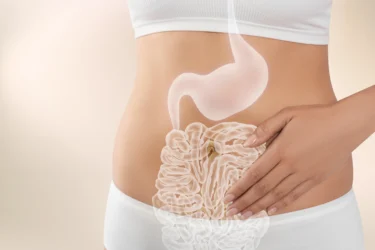
Pineapple juice may be a digestive aid. It may have nutrients like carbohydrates, fibre, calcium, potassium, vitamin C and certain minerals that might help digestion. The main digestive enzyme, bromelain, may be responsible for breaking down the large protein molecules. It might stimulate digestion and enhance the functioning of the intestines. The detoxification activity of pineapple might help in clearing the microflora of the stomach and help in constipation1,3.
However, this information is insufficient. We require more studies to understand the potential benefit of pineapple juice in overcoming digestion problems in humans.
Pineapple residues left after the processing of pineapples may be of use as a preservative for food, cosmetics, and other potential purposes. The pineapple waste is full of bioactive compounds like ferulic acid, vitamins A and C, saponins, flavonoids, phytosterols, tannins, and steroids7.
Dr. Smita Barode, BAMS, M.S.
The benefit of drinking pineapple (Ananas) juice is that it might help maintain bone health. Pineapple contains trace minerals like manganese, which may be responsible for forming bones and connective cells. The antioxidant properties of vitamin C may help in the formation of bone collagen, muscle, cartilage and blood vessels. Hence, pineapple juice may be helpful in building healthier, stronger bones and a muscular body. Drinking pineapple juice by older adults might help to strengthen their bones. It might also promote bone growth in young people1.
Pineapple wastes are richly composed of lignin and cellulose, which are considered raw materials for paper production. Hence, pineapple waste which is otherwise cumbersome to dispose of could be a potential source of pulp and paper production, thus sparing the woods8.
Dr. Anuja Bodhare, B.A.M.S, M.D (Ayu)
Diarrhoea might significantly cause illness and death in children. Pineapple contains an enzyme called bromelain, which may be useful in diarrhoea. The primary pathogens responsible for diarrhoea produce toxins in the digestive tract, particularly in the intestines. The enzyme bromelain may have the ability to counteract these toxins. Pineapple juice might also stop the attachment of pathogenic bacteria to the surface of the intestine and might result in anti-diarrheal activity2,6.
These studies are insufficient and need more research to provide the effectiveness of pineapple juice in managing diarrhoea in people.

Some people experience severe joint pain, which might be related to osteoarthritis. Various research suggests that pineapple may have a pain-killing effect which might help relieve achy joint pain, similar to certain drugs used in pain. According to the research conducted by Akhtar et al., pineapple juice contains vital components that might enhance pain relief and decrease inflammation in the joints2,3.
However, these studies are not sufficient. Furthermore, research is needed to prove its extended use in osteoarthritis issues in humans.
Pineapple provides more than the recommended amount of an essential yet trace element manganese. It is useful to boost your metabolism, response, and healthy bones3.
Dr. Ashok Pal, BAMS

Pineapple juice might show anti-tumor and anti-cancer activity. The enzyme bromelain may help to regulate the division and spreading of cancerous cells. The anti-tumor activity may be due to the anti-inflammatory properties of pineapple. One of the research on human cell lines (Chandler and Mynott, 1998) suggests the bromelain enzyme may have the ability to kill tumor cells2.
These studies are insufficient and need more research to support the significance of pineapple juice in dealing with tumours in humans.

Though studies show the benefits of pineapple juice in various health conditions, this information is insufficient. Therefore, more studies are needed to establish the true nature of the benefits of pineapple juice on human health are necessary.
Daily consumption of pineapples may be beneficial to lower the cholesterol levels in the body, without any significant effect on the kidneys. Thus, pineapples may be useful to prevent heart diseases caused by high cholesterol level in the body5.
Dr. Siddharth Gupta, B.A.M.S, M.D (Ayu)
Pineapple juice is a good source of nutrients, which may make it beneficial for health. The pineapple juice uses are as follows:
Also Read: Carrot Juice: Uses, Benefits, Side Effects and More!
Pineapple is a valuable food source and might be considered safe for consumption.5 Still, it may have some common side effects as follows:
However, immediately contact your physician if you experience any side effects. They will be able to treat you appropriately.
Also Read: Beetroot Juice: Uses, Benefits, Side Effects and More!
General precautions need to be followed while having pineapple juice.
Fruit juice can influence the activity of a drug. The nutrient content of the juices may interfere with some enzymes and can cause herb-drug interaction. This might change the drug efficacy and duration of action of the drug3.
The short-term consumption of pineapple juice might significantly increase the bioavailability of respiratory and joint pain medications. These drugs might interact with pineapple juice; thus, patients should be cautious due to the potential risk of a drug interaction3.
Also Read: Pomegranate (Anar) Juice: Uses, Benefits, Side Effects and More!
Vitamins in pineapple juice are vitamin C, thiamin, niacin, riboflavin, vitamin B6 and folate4.
Vitamin C, also called ascorbic acid, acts as an antioxidant that might be beneficial in bacterial and viral infections and might help absorb iron in the body1. Due to insufficient studies on humans, the beneficial properties of pineapple juice cannot be confirmed. Thus, it is always best to consult a doctor.
Pineapples might help to boost the energy of the body. It contains 53 calories in 100 grams of fruit4. However, you can consult an Ayurvedic physician before taking pineapple juice.
One of the advantages of drinking pineapple juice for the skin is that it might help make the skin firm. It contains an enzyme that produces certain substances that may fight against pain and swelling, which may help in the skin healing process after injury1,4. However, people should acquire more details from their doctor about using pineapple juice for skin health.
Yes. Pineapple juice might benefit weight loss. It contains vital nutrients and enzymes that may help to increase the fat-burning process and may be beneficial in maintaining the ideal weight of the body1,4. However, you should get more information from your doctor about using pineapple juice for weight loss.
1. Farid Hossain M. Nutritional Value and Medicinal Benefits of Pineapple. Int J Nutr Food Sci. 2015 Feb;4(1):84-88. Available from: https://www.researchgate.net/publication/281613779_Nutritional_Value_and_Medicinal_Benefits_of_Pineapple
2. Helmy SA, El-Bedaiwy HM, El-Masry SM. Effect of pineapple juice on the pharmacokinetics of celecoxib and montelukast in humans. Ther Deliv. 2020 Jun;11(5):301–311. Available from: https://doi.org/10.4155/tde-2020-0020
3. Cleveland Clinic. The Many Health Benefits of Pineapple. 2021;(Dv). Available from: https://health.clevelandclinic.org/benefits-of-pineapple/
4. Nipa Tochi B, Zhang W. Therapeutic Application of Pineapple Protease (Bromelain): A Review. Pak J Nutr. 2008 Jan;7(4):513–520. Available from: https://www.researchgate.net/publication/26563756
5. Seeneak P, Kumphune S, Malakul W, Chotima R, Nernpermpisooth N. Pineapple consumption reduced cardiac oxidative stress and inflammation in high-cholesterol diet-fed rats. Nutr Metab (Lond). 2021 Apr 7;18(1):36. doi:10.1186/s12986-021-00566-z. PMID: 33827626; PMCID: PMC8028712. Available from: https://pubmed.ncbi.nlm.nih.gov/33827626/
6. Joy PP. Benefits and uses of pineapple. Vazhakulam (Kerala, India): Pineapple Research Station, Kerala Agricultural University; 2010 [cited 2025 Dec 19]. Available from: https://www.researchgate.net/publication/306017037_Benefits_and_uses_of_pineapple
7. Lagnika C, Adjovi YCS, Lagnika L, Gogohounga FO, Do-Sacramento O, Koulony R, Sanni A. Effect of combining ultrasound and mild heat treatment on physicochemical, nutritional quality and microbiological properties of pineapple juice. Food Nutr Sci. 2017;8(2):227–241. doi:10.4236/fns.2017.82015. Available from: https://www.scirp.org/journal/paperinformation?paperid=74245
8. Mahatme SS, Kanse NG, Bandsode AK. Pulp and paper production from pineapple leaves as a substitute to wood source: a review. Int J Creat Res Thoughts (IJCRT). 2018 Apr;6(2):20–26. Available from: https://ijcrt.org/papers/IJCRT1813604.pdf
Disclaimer: The information provided here is for educational/awareness purposes only and is not intended to be a substitute for medical treatment by a healthcare professional and should not be relied upon to diagnose or treat any medical condition. The reader should consult a registered medical practitioner to determine the appropriateness of the information and before consuming any medication. PharmEasy does not provide any guarantee or warranty (express or implied) regarding the accuracy, adequacy, completeness, legality, reliability or usefulness of the information; and disclaims any liability arising thereof.
Links and product recommendations in the information provided here are advertisements of third-party products available on the website. PharmEasy does not make any representation on the accuracy or suitability of such products/services. Advertisements do not influence the editorial decisions or content. The information in this blog is subject to change without notice. The authors and administrators reserve the right to modify, add, or remove content without notification. It is your responsibility to review this disclaimer regularly for any changes.
11
1
Ashokarishta is a famous Ayurvedic formulation made from the bark of the Ashoka tree (Saraca asoca)1. In this blog, we’ll discuss the ingredients of Asokarishtam, its method of preparation, various Ashokarishta uses and benefits, how to use it, and its side effects.
The major ingredients of Ashokarishta include Water for decoction, Jaggery, and Ashoka (Saraca asoca)3.
Did You Know?
Ashoka tree bark is obtained, processed into a decoction, and then combined with other medicinal herbs. This mixture is left to ferment naturally, resulting in the production of Ashokarishta1.
In ancient times, the Ashoka tree was believed to have the ability to reduce sorrow. It has been called the “Friend of Women” as it may offer benefits for various health conditions5. Ashoka can be used both internally and externally, depending on the condition. Some potential uses of Ashokarishta include:

Ashokarishta may enhance skin complexion and protect the body from toxins due to its detoxification properties10. It is also effective in treating acne and dark patches. These potential Ashokarishta benefits are not backed up by sufficient research, so it is advised that you take it only if prescribed by a qualified doctor.

Though there are studies that show the potential uses of ashokarishta in various conditions, these are insufficient and there is a need for further studies to establish the true extent of the benefits of ashokarishta on human health.
Did you know that Ashokarishta is a traditional herbal formulation that may help in treating menstrual disorders like leucorrhoea, menorrhagia, and irregular menstruation thus bringing balance and harmony to the female body10.
Dr. Rajeev Singh, BAMS
Ashokarishta is to be taken after a meal along with the same quantity of water1. Your Ayurvedic physician will prescribe you the dosage as per your age and condition. It is essential to get a complete examination and diagnosis of your condition before initiating the treatment.
You may consult your Ayurvedic physician for the form and dosage. In addition, we advise you to not replace or quit your current medications with any herbal preparations made from ashokarishta without talking to a physician or an Ayurvedic doctor.
Ashokarishta has a possible targeted action on the mucosa of the uterus and the gastrointestinal tract. It might be effective in reducing catarrhal (mucous) build-up and inflammation in these areas. When other remedies don’t work, Ashokarishta may help by soothing and supporting the health of the uterus and gastrointestinal tract.
Dr. Smita Barode, B.A.M.S, M.S.
Also Read: Kalmegh: Uses, Benefits, Side Effects, Precautions & More!
Generally, Ashokarishta is safer than modern alternatives when taken in recommended doses. However, despite different Asokarishtam uses, an overdose of Ashokarishta may produce side effects like nausea and vomiting9.
Therefore, if you experience any of such side effects, seek immediate medical help from your doctor who has prescribed it to you. They will be the best guide for providing proper treatment to overcome side effects.
Also Read: Kanchanar Guggulu: Benefits, Side Effects, Precautions & More!
Also Read: Betel Nuts: Uses, Benefits and Side Effects By Dr. Smita Barode
In India, the Ashoka tree is extensively found in South India, Orissa, and Assam. Ashoka tree thrives well in tropical places with well-distributed rainfall.
An imbalance of Pitta dosha leads to indigestion (upset stomach). Ashokarishta balances the pitta dosha and thus it may be helpful for indigestion. Consult your doctor for better advice.
Piles or hemorrhoids are swollen blood vessels that can occur inside or around your anus. Ashokarishta is effective in the management of piles due to astringent properties. It provides relief from the burning sensation in piles9. You must contact your health provider for better solutions and prescription according to your conditions.
Saraca asoca or Ashoka tree is marketed in different formulations like Ashokarishta, Ashokkwath, flower powder, seed powder, and Ashokghrita8.
Disclaimer: The information provided here is for educational/awareness purposes only and is not intended to be a substitute for medical treatment by a healthcare professional and should not be relied upon to diagnose or treat any medical condition. The reader should consult a registered medical practitioner to determine the appropriateness of the information and before consuming any medication. PharmEasy does not provide any guarantee or warranty (express or implied) regarding the accuracy, adequacy, completeness, legality, reliability or usefulness of the information; and disclaims any liability arising thereof.
31
1
Jatamansi, known as Nardostachys jatamansi, is a small, rhizomatous perennial herb that belongs to the family Valerianaceae. It grows in moist, steep, rocky, undisturbed grassy slopes of India, China, Nepal, and Bhutan1.
Other common names of jatamansi are
The properties of jatamansi are as follows:

The extract of jatamansi was studied1, and it was found to have antidepressant activity, which was determined in the mice model. This suggested that it might be beneficial for people suffering from depression because of sleep disturbances1. However, you must seek advice of a psychiatrist for better advice and prescription for depression.
In a study1 the extract of the rhizome of jatamansi significantly decreased the elevated serum transaminases levels and alkaline phosphatase in an animal model. This may indicate the hepatoprotective potential of jatamansi, however before consuming any herb for conditions related to liver you must consult a doctor for advice as per your conditions.

According to an in vitro study1, the 95% ethanolic extract of the roots of jatamansi exhibited a significant inhibitory effect for the proliferation of cell lines of neuroblastoma. However, these studies are insufficient to establish this claim and to identify its effect on humans. Moreover, cancer is a serious condition and it may require a qualified doctor to diagnose and advice on treatment procedure. You must consult a doctor for any cancer related treatment and seek their advice before taking herbs for their benefits.
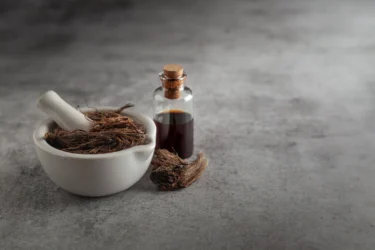
The methanolic extract of jatamansi was studied1 for its effect against microorganisms, and it was found to be effective against the majority of the microorganisms and it may justify its role as an antifungal and antibacterial agent. However these studies are insufficient to validate the similar effect of the herb on humans.

In a study1 the extract of jatamansi was observed to significantly help and restore the lipid peroxides and antioxidant enzyme activity to almost normal levels in a rat model. However more studies are needed to identify the effect of the herb on humans. if you or your loved ones are suffering with heart related condition you must consult a qualified doctor for advice.
In my opinion, a regulated intake of jatamansi in your balanced diet might be worth considering. Jatamansi might hold many potential benefits. It may be useful in dealing with hepatitis and liver enlargement issues2.
Dr. Siddharth Gupta, B.A.M.S, M.D (Ayu)

The ethanolic extract of jatamansi was studied7 in a mice model for its potential to enhance memory and learning and reverse amnesia. This may indicate that jatamansi might have some effect on restoring memory and that it may help with dementia. However, the studies are insufficient to indicate the exact effect of jatamansi on humans.

The hydro-ethanolic extract of jatamansi was evaluated for its anti-stress effect due to its antioxidant property in a rat model. This may indicate the potential anti-stress property of jatamansi. However, more studies would be needed to understand to what extent it may be helpful for humans.

The hydro-ethanolic extract from the root of jatamansi was evaluated for its antioxidant and anticataleptic (i.e., against a state of marked loss of voluntary motion in which the limbs remain in whatever position they are placed) activity in a rat model. A significant drop in the cataleptic scores was observed with jatamansi in a study1. We need to consult a doctor for a proper prescription for catalepsy related problem and never try to self-medicate with the help of any herb.

Periodontitis (inflammation of the tissue around the teeth) is a chronic inflammatory disease caused due to bacteria in dental plaque. The bacteria attack the periodontal tissue (composed of the periodontal ligament, gums, and alveolar bone) and damage it.
Some studies suggest that jatamansi might be effective for the management of periodontitis3. However, you must contact a dentist for peridontitis.
According to what I’ve noticed, the traditional use of jatamansi is consuming its rhizome extract. It is believed to have healing properties and might help manage conditions such as jaundice, purify the blood, and address stomach and cardiac diseases. It might be considered a natural remedy passed down through generations for its potential effects5.
Dr. Smita Barode, B.A.M.S, M.S.

Though there are studies that show the benefits of herb in various conditions, these are insufficient and there is a need for further studies to establish the true extent of benefits of herb on human health.
Jatamansi can be used in the following ways:
You must consult a qualified doctor before taking any herbal supplements. Do not discontinue or replace an ongoing treatment of modern medicine with an ayurvedic/herbal preparation without consulting a qualified doctor.
Based on my understanding, the roots of jatamansi can also be advantageous externally. They might be useful for enhancing the complexion, adding a natural glow to the skin. Additionally, it may also help in boosting the richness of the black colour of hair2.
Dr. Rajeev Singh, BAMS
There are no major study that reports any side effects of jatamansi, but every herb may react differently in individuals. More research is required to state the side effects of neem. However, we must consult the doctor before using the jatamansi for its benefits. Kindly do not self-medicate, alter, replace or discontinue any treatment by yourself.
Also Read: Gudmar (Gymnema Sylvestre): Uses, Benefits, Side Effects, and More!
General precautions must be followed if we wish to consume jatamansi. Moreover, it must be prescribed by an Ayurvedic doctor who will understand your conditions and will be able to guide you in the best possible way about dosage and form.
Pregnant women must use jatamansi products with caution, and they should consult their doctor before consuming them in any form.
Also, before using jatamansi for children, the elderly and breastfeeding moms, please consult your Ayurvedic physician.
Also Read: Majuphal (Gall Nuts): Uses, Benefits, Precautions & More!
There is a lack of studies regarding the interactions of jatamansi with other drugs. Therefore, there is a need for more research on this subject. However, you should consult a doctor before using jatamansi along with other drugs. You should make sure to disclose all the current medication being used.
Also Read: Sabudana – Uses, Benefits, Side Effects & Precautions
The powder of jatamansi is made from the roots of jatamansi (Nardostachys jatamansi)4.
Jatamansi has several beneficial effects and is used for its potential effect in cerebral ischemia, epilepsy, and liver damage; its oil may be used to get silky, smooth, and healthy hair; it may relieves symptoms of seizures, vertigo etc. in a fever; in insomnia, mental disorder, heart diseases, and hypertension; it may relieves the phlegm in cough and asthma2. It is best to consult a qualified doctor for advice before consuming jatamansi for its benefits.
Jatamansi oil may be good for hair and it may make your hair silky, smooth, and healthy2.
There is no such evidence of the effects of its consumption during breastfeeding; therefore, you should ask your doctor before consuming it.
There is no such evidence of the effects of its consumption during pregnancy; therefore, you should ask your doctor before consuming it. He will be able to give you best advice as per your condition.
Disclaimer: The information provided here is for educational/awareness purposes only and is not intended to be a substitute for medical treatment by a healthcare professional and should not be relied upon to diagnose or treat any medical condition. The reader should consult a registered medical practitioner to determine the appropriateness of the information and before consuming any medication. PharmEasy does not provide any guarantee or warranty (express or implied) regarding the accuracy, adequacy, completeness, legality, reliability or usefulness of the information; and disclaims any liability arising thereof.
Links and product recommendations in the information provided here are advertisements of third-party products available on the website. PharmEasy does not make any representation on the accuracy or suitability of such products/services. Advertisements do not influence the editorial decisions or content. The information in this blog is subject to change without notice. The authors and administrators reserve the right to modify, add, or remove content without notification. It is your responsibility to review this disclaimer regularly for any changes.
14
1
You may have come across plant that looks prickly on the outside but contains a soft gel-like substance within. This plant is known as Aloe vera.
Aloe vera is a succulent plant that resembles a cactus1. It primarily grows in dry regions of Africa, America, Europe and Asia. In India, it is commonly cultivated in states such as Rajasthan, Gujarat, Andhra Pradesh, Tamil Nadu, and Maharashtra2.
The scientific name of aloe vera is Aloe barbadensis miller and it belongs to the Liliaceae family. Its leaves are fleshy with tiny thorns at the edges. While its flowers are like tubes and its fruits have lots of seeds.
Aloe vera has been valued in various cultures for centuries, particularly in the context of skincare and general wellness practices. Ancient Greek scholars referred to it as a “universal remedy”, and it has reportedly been used by notable historical figures such as Queen Cleopatra, Alexander the Great, and Christopher Columbus2.
The part of aloe vera that is most commonly used in aloe vera juice is its leaf. Each aloe vera leaf has three parts2:
The nutritional composition of 100g Aloe vera juice is as follows3:
The aloe vera plant has many medicinal properties. Some studies suggest that aloe vera gel might help in wound healing. It is believed that this gel help enhance collagen production, influence the composition of collagen, and support improved cross-linking of collagen fibres, all of which are important aspects of tissue repair12.
Dr. Siddharth Gupta, B.A.M.S, M.D (Ayu)
Aloe vera juice is made from the clear gel inside the plant’s leaves and contains naturally occurring active components. Often consumed in summer, it is traditionally used in various cultures and is being studied for its potential role in hydration, digestive comfort, and as a source of certain vitamins and antioxidants. However, any health-related use should be discussed with a qualified medical professional, as therapeutic claims require proper scientific validation.
Aloe vera has been used traditionally for the treatment of diabetes since a long time in different parts of the world. Studies done in animals and even on humans have shown that aloe vera might have a positive effect on the blood sugar level. In some studies4, aloe vera gel was administered alone, while in some studies it was mixed with a medicine prescribed for diabetes. All of them showed that the consumption of aloe vera might help in lowering blood glucose levels. This may indicate that aloe vera might be helpful for diabetes. However, further studies are needed to ascertain such claims. Moreover, diabetes is a serious condition and must be diagnosed and treated by a doctor. Kindly ensure that you consult a doctor.

Aloe vera gel might help in lowering cholesterol and triglycerides. In a clinical trial4 it was seen that the administration aloe vera gel leaf extract might apparently lower the serum cholesterol and other fats (triglycerides and low-density lipoproteins). Additionally, it has been proposed that the combined effects on blood sugar and cholesterol might potentially reduce the risk of heart disease in individuals with diabetes. However, further research in humans is needed to confirm these findings. Therefore, it is important to consult a qualified healthcare professional before using aloe vera for these purposes.

Aloe era contains bioactive compounds called anthraquinone glycosides, which may contribute to its laxative effects by promoting bowel movements. One study5 found that a preparation containing Aloe vera could potentially alleviate symptoms associated with chronic constipation. However, further research is needed to substantiate these claims. However, more studies are required to prove such claims.

Aloe vera has been studied for its potential role in supporting gastrointestinal health. Some early research6 suggests it may have a soothing effect on the stomach lining and could be explored for its possible benefits in conditions such as gastric ulcers and inflammatory bowel concerns7. Many studies have been conducted to prove the use of aloe vera gel in the form of juice for ulcerative colitis, and irritable bowel syndrome (IBS), but the results were not consistent5. There is a need for more research as significant proof for using aloe vera to treat stomach problems and you must consult your doctor before using aloe vera for your stomach problems.

Aloe vera juice might help in keeping the skin hydrated. As dehydration causes increased oil production from our skin leading to an acne breakout, aloe vera gel might help with such acne by keeping the skin moist and hydrated. Therefore, consuming aloe vera gel might be helpful for skin health and might give supple and wrinkle-free skin8. However, more research is required to prove such claims.

In a study9 done on sheep, aloe vera juice was orally fed to the sheep. Following this, hair growth was seen in areas on the sheep that were losing hair because of a condition known as alopecia. It was hypothesised that this activity may be due to the enzymes, mucopolysaccharides, and anthranols present in aloe vera plant and may be an indicator that aloe vera might have potential hair growth action. However, there is a need for further studies in humans to understand the effectiveness of aloe vera for hair growth.

Aloe vera juice has been studied10 in laboratory settings to explore its potential role in weight management. The research focused on its effect on pancreatic enzymes, which are involved in the absorption of fats in the intestine. Findings from these studies suggest that Aloe vera juice may help reduce the activity of these enzymes, and may also contribute to lowering levels of fats, triglycerides, and cholesterol. You must consult your nutritionist and do not make any changes in your diet on your own.
Aloe vera juice has been explored in preliminary studies5 for its potential effects on various health conditions. These include concerns such as congestive heart failure, varicose veins, haemorrhoids (piles), multiple sclerosis, glaucoma, and hepatitis.
Though there are studies that show the potential use of aloe vera juice in various conditions, these are insufficient and there is a need for further studies to establish the true extent of the benefits of aloe vera juice on human health.
Aloe vera possesses properties like anti-inflammatory, antiviral, and immunomodulatory. These properties might be beneficial in managing certain dental diseases like lichen planus, oral submucosal fibrosis, alveolar osteitis, periodontitis, and recurrent aphthous stomatitis13.
Dr. Rajeev Singh, BAMS
Aloe vera is is commercially available in the form of juice for consumption. It can also be prepared at home by carefully extracting the clear gel from the inner part of the leaves and blending it with water. Flavouring agents such as lemon, honey, or a small amount of salt may be added according to personal preference. However, before consuming Aloe vera juice, it is advisable to consult a qualified Ayurvedic physician. They can provide guidance on the appropriate method of preparation and dosage based on your individual health needs and body constitution. Always follow your doctor’s advice to ensure safe and effective use.
You must consult a doctor before taking any herbal supplements. Do not discontinue or replace an ongoing treatment of modern medicine with an ayurvedic/herbal preparation without consulting a qualified doctor.
There might be a few side effects seen with the use of aloe vera1. The most common side effects that you might experience include2:
If you experience any side effects, seek immediate medical attention from your doctors who have prescribed it to you. They will be the best guide to provide you with proper treatment.
Also Read: Orange Juice: Uses, Benefits, Side Effects, and More!
For those considering Aloe vera juice for medicinal purposes, it is important to consult a qualified Ayurvedic physician or healthcare professional. However, it is not to be used in following circumstances2:
Also Read: Watermelon Juice: Uses, Benefits, Side Effects and More!
Before using Aloe vera juice, it is important to provide your Ayurvedic physician with complete details about your medical history and any medications you are currently taking. This helps ensure that appropriate precautions are taken, as Aloe vera may interact with certain medicines:
Also Read: Wheatgrass Juice: Uses, Benefits, Side Effects and More!
There is not enough evidence that supports the use of aloe vera juice for pregnant women and due to possible side effects, one must consult a doctor before using aloe vera juice during pregnancy.
An animal study9 has shown that aloe vera when taken orally might help with hair growth. Therefore, aloe vera juice may be good for hair growth but there is a need for further studies on humans to be certain.
No. There are no reports or scientific backing regarding the use of aloe vera juice for better eyesight. More evidence is required in the form of research to prove this benefit.
A study11 has shown that aloe vera juice might help in lowering blood sugar and it might also cause a lowering of cholesterol, triglyceride and low-density lipoproteins (LDL), which together might be helpful for people with diabetes and it may also reduce the risk of heart diseases in them. However, more research is required. Kindly ensure that you consult a doctor.
No. There is not enough evidence to prove that aloe vera juice can lower blood pressure.
Red urine is one of the side effects of aloe vera juice consumption. Consult a physician for appropriate medical advice.
Although the use of aloe vera juice for Alzheimer’s disease has been found in literature, there is a lack of enough evidence to support this benefit.
The use of aloe vera juice for various conditions like varicose veins, hepatitis, and depression have been stated, but there is no scientific evidence to these claims. So, the use of aloe vera juice for these conditions cannot be confirmed.
Aloe vera juice has been studied10 for its potential role in weight management. Some preliminary research suggests that it may influence the activity of certain pancreatic enzymes, possibly leading to reduced absorption of fats and calories. As a result, Aloe vera juice is being explored as a potential supportive agent in weight management. Therefore, aloe vera juice might be a potential weight loss agent. However, due to insufficient evidence such effects cannot be confirmed and requires a consultation with a doctor.
Drinking aloe vera juice is believed to offer several potential health benefits, as it contains naturally occurring compounds that may support general wellness. It is being explored for its possible role in weight management, hair care, blood sugar regulation, cholesterol balance, and skin health. However, more research is required to prove such claims and a doctor may be able to advise better on using aloe vera in the correct dosage and form to benefit for different conditions.
Disclaimer: The information provided here is for educational/awareness purposes only and is not intended to be a substitute for medical treatment by a healthcare professional and should not be relied upon to diagnose or treat any medical condition. The reader should consult a registered medical practitioner to determine the appropriateness of the information and before consuming any medication. PharmEasy does not provide any guarantee or warranty (express or implied) regarding the accuracy, adequacy, completeness, legality, reliability or usefulness of the information; and disclaims any liability arising thereof.
Links and product recommendations in the information provided here are advertisements of third-party products available on the website. PharmEasy does not make any representation on the accuracy or suitability of such products/services. Advertisements do not influence the editorial decisions or content. The information in this blog is subject to change without notice. The authors and administrators reserve the right to modify, add, or remove content without notification. It is your responsibility to review this disclaimer regularly for any changes.
10
3