As winter starts, late-night cravings often become harder to ignore, and changes in weather can also disturb your sleep. However, many people do not realise that the food you eat can affect how well you sleep. Some foods may negatively affect sleep quality, especially if eaten close to bedtime.
A busy lifestyle can affect your body, which in turn, affects how well you sleep. What you eat also plays a key role in your overall health and sleep quality.
Most research suggests that a night of disturbed sleep can increase cravings for unhealthy snacks and junk food the next day1. Therefore, be mindful of what you eat before bedtime, as it may interfere with your sleep and your health in the long term.
These foods may affect your sleep and are best avoided before bedtime.

Dark chocolate may not be a good food choice before bedtime as it contains caffeine and amino acids2. Both caffeine and amino acids can keep you up at night, leaving you tired the next day. Dark chocolate may give you an energy boost, which makes it an ideal afternoon snack rather than a late-night one. It also contains theobromine, which is a cardiac stimulant that might interfere with sleep2.

Ice cream is a popular dessert that many people love to eat as an after-dinner treat. A bowl full of ice cream can be tempting, but the sugar in it may interfere with your sleep3. Ice cream is high in both fat and sugar, which, when consumed frequently, may lead to unhealthy cholesterol levels and increase the chance of heart conditions4. Although gelatos are believed to be a lighter version of ice cream, they can also contain a high amount of sugar. Therefore, it is important to check their sugar content before consuming them.
Sugary treats, like candy bars, ice creams, and cakes are all best avoided at night as they may lead to poor sleep.
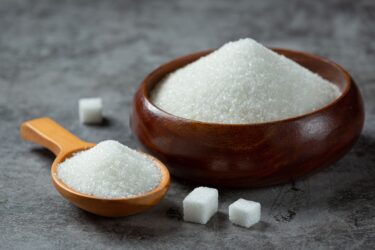
Sugar is the main culprit in most foods that may interfere with your sleep. It can increase your energy levels, making it harder to fall asleep quickly3. Foods high in sugar are more likely to disrupt sleep rather than support restful sleep.

It is common knowledge that coffee can keep you awake for a longer time at night. Caffeine can remain in your system for hours, so it’s best to avoid it for several hours before going to bed. Caffeine can stimulate the central nervous system, and its effects may last up to 12 hours. So keep your sleep in mind when you’re thinking about having a cup of coffee in the latter half of the day5,6.
I may advise you to avoid consuming certain foods before sleep, such as fast food, instant noodles, and confectionaries. Research suggests that individuals who have shorter sleep durations or poor sleep quality tend to consume more of these unhealthy food options. So, to promote better sleep and overall health, it’s recommended to avoid these food choices before bedtime.
Dr. Rajeev Singh, BAMS

Have you heard that you may get weird dreams after eating cheese at night? Yes, it might be possible7. Cheese is rich in the amino acid tyramine that might keep your brain alert for a longer time. It also has saturated fats that might contribute to reduced sleep8. So despite the fondness for a post-dinner cheese-board, remember that eating cheese at night may only make it harder for you to fall asleep.

Both red meat and chicken are rich in animal-based proteins that take a lot of energy to digest. These proteins contain tyrosine, an amino acid that may help promote brain activity and improve dopamine (hormone) synthesis. Therefore, foods containing tyrosine may make falling asleep increasingly difficult, especially in the elderly. Think twice before eating any of these foods close to your bedtime as they could disrupt your sleep schedule9.

Yes, you may feel drowsy after drinking a glass of wine or beer, but it may harm your sleep patterns. Drinking alcohol right before bed can make your sleep quality suffer. Research shows that drinking alcohol before bed can make you more likely to wake up throughout the night. Alcohol may also lead to snoring since it is a potent muscle relaxer.
Beer drinkers also tend to get up every 2 to 3 hours after going to bed to go to the bathroom due to the excess of liquids consumed after dinner10.

One of the classic midnight foods you crave should now be off your list! Eating pizza before bedtime is not advisable, no matter how much you like it. Cheese is rich in fat and tomato sauce is acidic, making this popular late-night dish harder to digest and potentially disruptive to sleep8,11.

Tomatoes may interfere with sleep because their acidity may cause heartburn or indigestion11. They also contain tyramine, an amino acid that can stimulate the brain and make it harder to fall asleep.
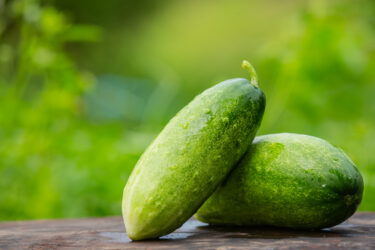
Diuretic foods mean foods that induce excess urination. Celery, carrots, cucumber, ginger, watermelons, caffeinated drinks, and alcohol have diuretic effects. Consuming these foods close to bedtime may make you wake up frequently to use the washroom12, which can affect your sleep quality.
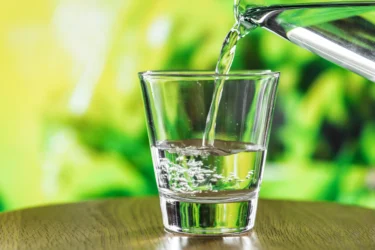
Drinking too much water close to bedtime can interrupt your sleep significantly as you will have to wake up frequently to use the washroom13. Instead, start reducing your fluid intake around 3 hours before going to bed.
I would suggest avoiding consuming red pepper before sleep. Research has shown that red pepper might increase your body temperature, which may make it harder for your body to cool down naturally during sleep. When you’re too hot, it might interfere with the body’s ability to transition to a comfortable sleeping temperature.
Dr. Siddharth Gupta, B.A.M.S, M.D (Ayu)
Now, you have a better idea of how even simple food can affect your sleep. So, be mindful of what you eat before bedtime. Another habit that could help you sleep better is having dinner at the right time! It is advisable to have your meals at least 3 hours before bedtime.
Foods high in caffeine, sugar, fat, acidity, or stimulant amino acids like tyramine and tyrosine may delay sleep onset and disturb sleep patterns. Additionally, diuretic foods and excess fluid intake might also increase nighttime urination and interrupt sleep. Therefore, avoiding heavy, spicy, sugary, and stimulant-rich foods at night and having dinner early may help you by promoting better and uninterrupted sleep.
Also Read: Natural Home Remedies For Good Sleep
Disclaimer: The information provided here is for educational/awareness purposes only and is not intended to be a substitute for medical treatment by a healthcare professional and should not be relied upon to diagnose or treat any medical condition. The reader should consult a registered medical practitioner to determine the appropriateness of the information and before consuming any medication. PharmEasy does not provide any guarantee or warranty (express or implied) regarding the accuracy, adequacy, completeness, legality, reliability or usefulness of the information; and disclaims any liability arising thereof.
Links and product recommendations in the information provided here are advertisements of third-party products available on the website. PharmEasy does not make any representation on the accuracy or suitability of such products/services. Advertisements do not influence the editorial decisions or content. The information in this blog is subject to change without notice. The authors and administrators reserve the right to modify, add, or remove content without notification. It is your responsibility to review this disclaimer regularly for any changes.
 47
47
 1
1
Nagarmotha is also called Cyperus rotundus, and belongs to the family Cyperaceae. It is found throughout India. Cyperus is derived from Cypeiros, which means genus in ancient Greek, and the term rotundus means round (referring to the tuber) in Latin. It is known as nutgrass in the Southern states. It is a perennial, pestiferous weed with dark green, glabrous culms that emerge from underground tubers. The essential oil obtained from the tuber is used in making soap, perfumery, and insect repellent cream.
Nagarmotha (in Hindi) has other vernacular names like Chakranksha and Charukesara in Sanskrit; Purple nutsedge and nutgrass in English; Nagarmotha in Bengali; Nagaramothaya and Motha in Gujarati; Mushkezamin in Malaya; Saad Kufi in Urdu; Soad and Soadekufi in Arabic; Vomonniu in Burma; Korai and Muthakasu in Tamil; Tangahullu in Kannada; Muththann in Malayalam; Tungamuste in Telugu; Nagarmotha and Motha in Marathi1,2.
The major chemical components found in nagarmotha are essential oils, terpenoids, flavonoids, and monosesquiterpenes1.
In Ayurveda, the rhizomes of nagarmotha are considered to have the following properties3:

The extracts of nagarmotha were evaluated for anti-inflammatory properties in animal models. It was found that nagarmotha possesses an anti-inflammatory property beneficial in managing oedema. In another study, the ether extract of the rhizome of nagarmotha too exhibited anti-inflammatory activity against oedema in an animal model. The essential oil and the petroleum extract of nagarmotha were found to exhibit pain-relieving activity3. Human studies are needed to demonstrate if these anti-inflammatory properties may be useful in humans to relieve pain and swelling.
The alcoholic extract and a specific fraction (obtained from petroleum ether extract) were evaluated in animal models and were found to reduce fever3.
Considering what I’ve observed, using the rhizome extract of nagarmotha externally might have shown positive effects on lactation. It may help to improve milk production and relieve common issues like inflammation, itching, and clogged milk ducts. It’s incredible to see how traditional remedies like nagarmotha might provide such practical benefits for nursing mothers. However, always consult your doctor before applying5.
Dr. Smita Barode, B.A.M.S, M.S.

The ethanolic extract of nagarmotha was evaluated for anticonvulsant activity in animal models. The extract reduced the duration of convulsion and hind limb extension. The flavonoids present in nagarmotha might be responsible for this anticonvulsant activity. It might make nagarmotha a potent agent for treating epilepsy in humans, once safety studies are established3.

The extracts of the rhizome of nagarmotha were evaluated for wound healing activity in lab animals. The extract was applied as an ointment on the wound, and it was monitored. The findings suggest that the ethanolic extract of nagarmotha can be a potential source as a natural wound healing agent, which might be due to the presence of β-sitosterol, flavanol glycosides, and active terpenes in the tuber part of nagarmotha4.
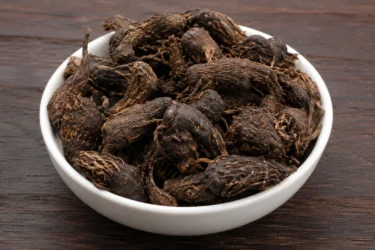
The extract of rhizome of nagarmotha was tested for anti-microbial activity against E. coli, Aspergillus niger, Candida albicans, Bacillus cereus, Staphylococcus epidermidis, and Pseudomonas aeruginosa. The study found strong antibacterial activity, comparable to well-established antibiotics gentamicin and amphotericin, which were used as controls4.

The aqueous extract of tuber of nagarmotha was evaluated for anti-obesity activity in animals. The treatment significantly reduced the weight in studies4. Larger studies in humans might help establish its utility as a weight loss agent.
Nagarmotha extract demonstrated strong antioxidant activity in an in-vitro model. The antioxidant effect may be due to the presence of flavonoids, polyphenol, and ascorbic acid4.

The powder from the rhizome of nagarmotha was tested for anti-ulcer activity in gastric ulcers two different animal models: rats and guinea pigs. The rhizome powder reduced the ulcer index in both models, exhibiting significant anti-ulcer activity. This ulcer-reducing effect might be due to the antioxidant activity of nagarmotha4.
Let me tell you, nagarmotha is not only valued for its aromatic properties but also for its potential as an appetiser. Thus, including nagarmotha in your diet may help stimulate your appetite, making your meals more enjoyable6.
Dr. Siddharth Gupta, B.A.M.S, M.D (Ayu)

The ethyl acetate rhizome extract of nagarmotha was evaluated for hepatoprotective activity in rats. The levels of AST (aspartate transaminase), ALP (alkaline phosphatases), and ALT (alanine transaminase) enzymes of the liver were measured. Extract of nagarmotha exhibited remarkable protective effect on the liver4.

The essential oil of nagarmotha was tested for anti-arthritic activity in rats. The swelling of the arthritic paw significantly reduced in the test animals. This means that the essential oils of nagarmotha have anti-arthritic potential4.

The methanolic extract of nagarmotha rhizome was tested for cardioprotective and cholesterol lowering activity in rabbits. It reduced the levels of serum lipid and cardiac marker enzymes and restored levels of antioxidant enzymes. The results exhibited that nagarmotha might be beneficial in lowering high serum lipid levels and preventing heart attack4.

Nagarmotha was investigated for anti-cancer effect. The test was done on human cancer cell lines including cell lines of cervical, liver, colorectal, prostate and breast. The extract showed protection against non-cancerous cells and also exhibited anticancer effect against cancer cell lines4.

The extract of nagarmotha showed strong anti-diabetic effect in lab studies in animals, which might be due to the presence of polyphenols2,4.
From what I’ve observed, the tuber part of nagarmotha has been recognised since ancient times for addressing women’s health concerns. It might have a long history of traditional use for addressing dysmenorrhea (painful menstruation) and menstrual irregularities. Whether it’s easing menstrual pain or making periods regular, nagarmotha may be valued for its potential benefits in supporting menstrual health5.
Dr. Rajeev Singh, BAMS
Nagarmotha can be used in the following ways:
Also Read: Safed Musli: Nutrition, Benefits, Precautions and More!
Consult your doctor before consuming nagarmotha during pregnancy and breastfeeding.
Nagarmotha (Cyperus rotundus) is a medicinally rich herb with a wide range of potential benefits, including anti-inflammatory, antimicrobial, antioxidant, and wound-healing properties. It also shows promise in managing diabetes, obesity, ulcers, arthritis, liver health, and even certain cancers. Rooted deeply in Ayurvedic tradition, it remains a versatile remedy used in various forms from powders to essential oils. However, as most evidence is based on animal and lab studies, human clinical trials are still needed to confirm its efficacy and safety, and medical consultation is advised before use.
Also Read: Rosemary (Gulmehendi): Uses, Benefits, Side Effects, Nutrition & More
Nagarmotha can be used as powder, decoction, paste, pill, tablet, poultice, and as oil2.
Nagarmotha in English is termed as Nutgrass or Purple nutsedge1,2.
Yes, it might help manage diabetes as it has anti-diabetic properties. It reduced the blood sugar level in a study conducted in animals. However, testing on humans is not yet reported3.
No, nagarmotha was found to improve digestion and symptoms like bloating and flatulence3.
Avoid consuming nagarmotha in pregnancy, as there is no sufficient data to support its safety in pregnancy. It is advisable to consult your doctor before taking nagarmotha during pregnancy.
Nagarmotha may help in managing epilepsy as it has anticonvulsant activity. It was found to decrease the duration of convulsion and hind limb extension in animal models3. However, its anticonvulsant activity is not yet tested in humans.
Yes, nagarmotha was found to exhibit gastroprotective properties in an animal studies. There is no sufficient information in the case of humans.
Yes, nagarmotha was beneficial in healing wounds in animal models. It might be due to the presence of β-sitosterol, flavanol glycosides, and active terpenes in the tuber part of nagarmotha4.
Yes, it might be helpful in malaria. Nagarmotha was found to exhibit anti-malarial activity4.
Yes, it may be helpful for skin diseases3.
Nagarmotha may be beneficial for arthritis. It was found to reduce the swelling of paw in rats4. No sufficient data was found in humans.
Yes, nagarmotha may be used for obesity. In a pilot study3 of 30 obese people, nagarmotha was found to reduce weight, serum cholesterol and triglyceride in those people. Therefore, it can show beneficial effects for obesity.
Avoid consuming nagarmotha during breastfeeding, as there is no sufficient data to support its usage during breastfeeding. It is advisable to consult your doctor before taking nagarmotha during breastfeeding.
1. Imam H, Lone A, Seikh A, Sofi G, Zarnigar. The incredible benefits of Nagarmotha (Cyperus rotundus). Int J Nutr Pharmacol Neurol Dis [Internet]. 2014;4(1):23. Available from: https://www.researchgate.net/publication/305067164_The_incredible_benefits_of_Nagarmotha_Cyperus_rotundus
2. Sofia N, Walter T, Merish S, Tamizhamuthu M. AN OVERVIEW OF NUT GRASS (CYPERUS ROTUNDUS) WITH SPECIAL REFERENCE TO AYUSH. World J Pharm Res [Internet]. 2014;3(6):1459–71. Available from: https://www.researchgate.net/publication/265208985_AN_OVERVIEW_OF_NUT_GRASS_CYPERUS_ROTUNDUS_WITH_SPECIAL_REFERENCE_TO_AYUSH
3. Shivpalan R. Medicinal uses and Pharmacological activities of Cyperus rotundus Linn – A Review. Int J Sci Res Publ. 2013;3(5):2013. https://www.researchgate.net/publication/256736999_Medicinal_uses_and_Pharmacological_activities_of_Cyperus_rotundus_Linn_-_A_Review
4. Kamala A, Middha SK, Karigar CS. Plants in traditional medicine with special reference to Cyperus rotundus L.: a review. 3 Biotech [Internet]. 2018;8(7):1–11. Available from: http://dx.doi.org/10.1007/s13205-018-1328-6.
5. Kamala A, Middha SK, Karigar CS. Plants in traditional medicine with special reference to Cyperus rotundus L.: a review. 3 Biotech. 2018 Jul;8(7):309. doi: 10.1007/s13205-018-1328-6. Epub 2018 Jul 9. PMID: 30002998; PMCID: PMC6037646. https://pmc.ncbi.nlm.nih.gov/articles/PMC6037646/
6. Pirzada AM, Ali HH, Naeem M, Latif M, Bukhari AH, Tanveer A. Cyperus rotundus L.: Traditional uses, phytochemistry, and pharmacological activities. J Ethnopharmacol. 2015 Nov 4;174:540-60. doi: 10.1016/j.jep.2015.08.012. Epub 2015 Aug 20. PMID: 26297840. https://pubmed.ncbi.nlm.nih.gov/26297840/
Disclaimer: The information provided here is for educational/awareness purposes only and is not intended to be a substitute for medical treatment by a healthcare professional and should not be relied upon to diagnose or treat any medical condition. The reader should consult a registered medical practitioner to determine the appropriateness of the information and before consuming any medication. PharmEasy does not provide any guarantee or warranty (express or implied) regarding the accuracy, adequacy, completeness, legality, reliability or usefulness of the information; and disclaims any liability arising thereof.
Links and product recommendations in the information provided here are advertisements of third-party products available on the website. PharmEasy does not make any representation on the accuracy or suitability of such products/services. Advertisements do not influence the editorial decisions or content. The information in this blog is subject to change without notice. The authors and administrators reserve the right to modify, add, or remove content without notification. It is your responsibility to review this disclaimer regularly for any changes.
3
1
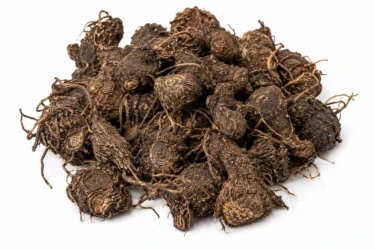
Manjistha consists of dried roots of Rubia cordifolia L. (family Rubiaceae). It is also known as Manjitha or Manjit in Hindi and Indian Madder in English. Manjistha is found throughout the country1. The plant has a long and cylindrical root with red-colored bark. Its flowers are small, white, or greenish, whereas fruits are globose, dark purple or, black. Stems have a long, woody, and rough base2.
Rubia cordifolia has been traditionally used for its medicinal benefits. Apart from therapeutic benefits, it is also used as a natural hair dye and food colorant2.
The various chemical constituents present in Manjistha are quinones, iridoids, oleananes triterpenoids, bicyclic hexapeptides, and anthraquinones. Some notable anthraquinones are alizarin, purpurin, and rubicordifolin2. Apart from various phytochemicals, carbohydrates and amino acids are also present in the roots of Manjistha3.
The therapeutic uses of Manjistha are as follows:





Manjistha might be your ally in bone diseases. I recently came across a study7 conducted in 2020 that says the root of Manjistha contains a compound that may prove to be useful as a phytomedicine for the treatment of bone disorders.
Dr. Siddharth Gupta, BAMS, MD (Ayu)
Also Read: Licorice (Mulethi): Uses, Benefits, Side Effects, and More!
There are many ayurvedic formulations containing Manjistha available to be used in cases of skin diseases, blood purification, bacterial infections, pain, and wounds6. Some examples are given below,
Your Ayurvedic physician will prescribe you the form and dose as per your health condition.
Also Read: Ashokarishta – Uses, Benefits, Side Effects & Precautions
There is a lack of data about the safety of oral consumption and the topical application of Manjistha. Therefore, use this herb at the discretion of the doctor.
Also Read: Suhaga – Uses, Benefits & Precautions
Manjistha consists of dried roots of Rubia cordifolia, belonging to the family Rubiaceae1.
Manjistha is called Manjit or Manjitha in Hindi1.
Manjistha is commonly used as a blood purifier. It has many other therapeutic properties like calcium channel blocking, anti-diabetic, anti-platelet, and anti-stress. It is used in the treatment of skin problems and has anticancer properties2. The anthraquinones present in Manjistha have many biological characteristics, such as antimicrobial, hypotensive, hepatoprotective, immunomodulatory, anti-inflammatory, analgesic, antimalarial, antioxidant, antileukemic, and mutagenic4.
There is a lack of safety evaluations of Manjistha in human beings. Therefore, take this herb under the supervision of your doctor.
No reported data on herb-drug interaction is available.
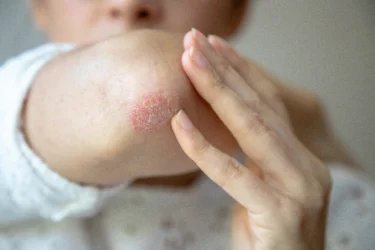
Manjistha is beneficial in managing wounds, psoriasis, liver damage, heart disorders, cancer, diabetes, and acne2.
Yes, it is good for the heart as Manjistha root extract has cardioprotective benefits2.
Manjistha has hepatoprotective benefits. It protects the liver from potential damage2.
The antioxidant, anti-bacterial, and anti-inflammatory activities of Manjistha are beneficial for the skin. Manjistha extract inhibits acne-causing bacteria and is helpful in managing external inflammations like ulcers and skin conditions. Anthraquinones found in the extract show anti-acne activity against Malassezia furfur, Staphylococcus epidermidis, and Propionibacterium acne when compared with standard Clindamycin gel6.
1. Pharmacopoeia Commission For Indian Medicine & Homoeopathy. The Ayurvedic Pharmacopoeia Of India Part-I Volume-IX Government of India Ministry of AYUSH 2016. 2016. Available from: https://pcimh.gov.in/show_content.php?lang=1&level=1&ls_id=56&lid=54
2. Patil R, Mohan M, Kasture V, Kasture S. Rubia cordifolia: a review. Oriental Pharmacy and Experimental Medicine [Internet]. 2009 Mar 31 [cited 2022 Feb 9];9(1):1–13. Available from: https://www.researchgate.net/publication/244943682_Rubia_cordifolia_a_review
3. (PDF) Therapeutic Importance of Rubia cordifolia Linn. and its Phytochemical Analysis [Internet]. [cited 2022 Feb 16]. Available from: https://www.researchgate.net/publication/343826995_Therapeutic_Importance_of_Rubia_cordifolia_Linn_and_its_Phytochemical_Analysis
4. Meena AK. A review on Rubia cordifolia Its phyto constituents and therapeutic uses [Internet]. Vol. 2. 2010. Available from: https://www.researchgate.net/publication/331398141_34_A_review_on_Rubia_cordifolia_Its_phyto_constituents_and_therapeutic_uses
5. Chandrashekar B, Prabhakara S, Mohan T, Shabeer D, Bhandare B, Nalini M, et al. Characterization of Rubia cordifolia L. root extract and its evaluation of cardioprotective effect in Wistar rat model. Indian Journal of Pharmacology [Internet]. 2018 Jan 1 [cited 2022 Feb 10];50(1):12. Available from: https://pmc.ncbi.nlm.nih.gov/articles/PMC5954628/
6. (PDF) Manjistha(Rubia Cordifolia)- A helping herb in cure of acne [Internet]. [cited 2022 Feb 9]. Available from: https://www.researchgate.net/publication/302902410_ManjisthaRubia_Cordifolia-_A_helping_herb_in_cure_of_acne
7. Park KR, Lee JY, Kim BM, Kang SW, Yun HM. TMARg, a Novel Anthraquinone Isolated from Rubia cordifolia Nakai, Increases Osteogenesis and Mineralization through BMP2 and β-Catenin Signaling. Int J Mol Sci. 2020 Jul 27;21(15):5332. doi: 10.3390/ijms21155332. PMID: 32727092; PMCID: PMC7432489. Available from: https://pubmed.ncbi.nlm.nih.gov/32727092/
Disclaimer: The information provided here is for educational/awareness purposes only and is not intended to be a substitute for medical treatment by a healthcare professional and should not be relied upon to diagnose or treat any medical condition. The reader should consult a registered medical practitioner to determine the appropriateness of the information and before consuming any medication. PharmEasy does not provide any guarantee or warranty (express or implied) regarding the accuracy, adequacy, completeness, legality, reliability or usefulness of the information; and disclaims any liability arising thereof.
Links and product recommendations in the information provided here are advertisements of third-party products available on the website. PharmEasy does not make any representation on the accuracy or suitability of such products/services. Advertisements do not influence the editorial decisions or content. The information in this blog is subject to change without notice. The authors and administrators reserve the right to modify, add, or remove content without notification. It is your responsibility to review this disclaimer regularly for any changes.
28
Pineapple is said to have originated from South America and is rich in nutrients and antioxidants that can fight inflammation. Also, known as Ananas comosus, this healthy fruit is said to have a lot of health benefits. It contains vitamin A, vitamin K, phosphorus, calcium, and zinc that can work wonders in fighting many diseases. It’s a rich source of vitamin C that helps in maintaining a healthy immune system while its content of manganese can help regulate the metabolic rate and aid digestion. This fruit may also have several benefits for your hair, skin, and bones. This blog will give you a detailed account of its proposed health benefits and any potential side effects. It will also cover some ways in which you can use pineapple to achieve healthy skin and hair. But before that’s have a look at some interesting facts about this fruit!
Here are some interesting facts that you should know about pineapple.
Pineapple is a low-calorie fruit (83 kcal per 165 g) rich in essential nutrients. It provides 21.6 g of carbohydrates (including 16.3 g of natural sugars) and 2.3 g of dietary fiber. It is an excellent source of vitamin C (79 mg, 88% DV) and manganese (1.5 mg, 67% DV), and also contains vitamin B6, thiamin, copper, folate, and potassium in moderate amounts1. This nutrient-dense profile makes pineapple a healthy and refreshing fruit choice.
Here are some proposed health benefits of pineapple that you need to know.
Pineapple may benefit if you are suffering from a bad cold and cough. This is because this healthy fruit contains bromelain, which is an enzyme that has anti-inflammatory properties and can help fight infections2. Eating it regularly can help build your immunity and avoid cough and cold.
Pineapple is rich in manganese, which helps in strengthening your bones3. Along with manganese, it also has other nutrients like zinc, copper and calcium which can support bone health. Thus, adding this fruit to your everyday diet can help you keep your bones strong and healthy.
Pineapple is said to strengthen your gums and keep your teeth strong. Studies4 have shown that bromelain found in pineapple helps fight harmful bacteria that cause gum disease. Plus, pineapple also has a good calcium and manganese content that help in strengthening the teeth. Consuming pineapple regularly can help you achieve healthy gums and teeth.
Pineapple is also proposed to keep cancer away. This fruit has loads of antioxidants in it that can protect you from a wide range of diseases and help avoid some types of cancers from occurring. Pineapple may also have the potential to damage cancer cells, although further research is needed in this regard5.
Pineapple is a rich source of bromelain, dietary fibre, and vitamin C that help in good digestion. Bromelain consists of proteolytic enzymes that help in proper break down and absorption of food, thereby aiding in digestion. Drinking some pineapple juice or eating it every day can thus help you get rid of stomach issues.
Regular consumption of 100% pineapple juice may help reduce your risk of macular degeneration which is a condition that affects the eye as you get older6. As this healthy fruit is a good source of vitamin C and several antioxidants, it can aid in keeping your vision intact.
Arthritis involves severe pain in the joints which is primarily caused due to inflammation7. Pineapple contains bromelain which is said to have a major anti-inflammatory property and all you need to do is to make pineapple juice and drink it. This will ease joint pain and prevent you from arthritis.
If you have potential risk factors for developing cardiovascular disease such as high cholesterol levels, then eating pineapples regularly can help. This fruit has high amounts of healthy nutrients and phytochemicals that can lower lipids and reduce inflammation8. This can be a good natural way to control your cholesterol levels.
Bromelain being the major substance in pineapples may help reduce your risks of blood clots, which can avoid plaque from building in the arteries3. There, incorporating pineapple in your routine diet can be beneficial for your blood circulation and heart.
Pineapple contains enzymes that can soothe the feeling of vomitting9. This is because of its bromelain content particularly, which can help deal with nausea, motion sickness and morning sickness of pregnancy. However, it’s important to discuss with your gynaecologist before incorporating anything to your diet, especially pineapple, during pregnancy.
Pineapple contains valine and leucine which are two substances that are very important for the growth and repair of muscle tissue. Drinking one glass of pineapple juice may benefit in overcoming fatigue and boosts your stamina to keep you running the whole day. The best thing about this fruit is that it can keep you hydrated the entire day and provide all the energy you would need to run yourself.
Pineapple has tryptophan, which helps in the production of serotonin which is a natural stress buster that keeps your hormones and nerves relaxed10. Thus, including pineapple in your routine diet can help beat the stress and keep your mood elevated.
Pineapples are rich in nutrients and antioxidants that have the ability to prevent diseases that your body is prone to. Aging and oxidative damage to the body can cause chronic inflammation and weaken your immune system. Pineapple has antioxidants that can boost your immune system and protect you from many diseases3.
According to some studies11, bromelain in pineapple has demonstrated positive effects on muscle fatigue due to exercise. It can help protect muscle from damage and inflammation and is, therefore, a great way to promote muscle recovery after a workout.
Similarly, the bromelain in pineapple has also been seen to be helpful to the body when it is recovering from surgical intervention12. Bromelain is a potent anti-inflammatory compound and was also approved in some European countries for both internal and topical use on surgical wounds to facilitate faster healing.
A recent study13 on rats has proven that pineapple does have an anti-obesity effect. According to the results of this study, raw pineapple juice has been seen to prevent the deposition of fat in rats that were put on a specific diet. Thus, pineapple may have a promising role in supporting weight loss by providing a delicious and nutritious food option with low calorie content and presence of digestion-promoting enzymes.
While studies13 have shown beneficial health effects of pineapple, further large-scale human trials are needed to confirm these. Nonetheless, studies of initial research seem promising and there is a good chance that consuming pineapple routinely can show several positive effects on health as discussed.
As discussed, pineapple is good for your overall health and similarly, it is also good for your skin and hair too. Pineapple extracts can help rejuvenate your skin. It may be helpful for conditions like skin rashes or skin damage, and make you skin look clean and fresh. It also helps keep your hair and scalp healthy.
Here are some potential benefits of pineapple for your skin and hair.
Pineapple extracts may help fight acne and other skin infections. Studies14 have shown that application of bromelain extracted from pineapple skin can be beneficial in fighting microorganisms causing skin infections and manging acne.
The older you get your skin begins to lose its glow and you will begin to develop wrinkles. Pineapple is a rich source of antioxidants and vitamin C that are said to boost skin elasticity and hydrate your skin15. Alpha-hydroxy acid in pineapple helps delay the death of cells, thus aiding in anti-ageing capabilities.
Pineapple has loads of vitamin C and antioxidants that can help deal with sun damage and uneven skin toning. Pineapple extracts can help exfoliate dead skin and flush away the toxins from your face, thus making your skin look vibrant and clean.
Pineapple may help reduce black spots on your face by rubbing it over the spots. A study16 involving long term application of pineapple extract cream showed that it helped in reducing pigmentation and dealing with conditions like dermatitis and greasy skin.
Pineapple contains antioxidants that are responsible for softer and shinier hair. Its vitamin C content deal with brittle and dull hair and also aids in improving the thickness and elasticity of your hair. Thus, pineapple can help in promoting strong, healthy and lustrous hair.
Pineapple ranks high in the list of foods rich in vitamin and mineral content. Vitamin C, that promotes the growth and repair of tissues, is present in pineapple in nearly one-third of the daily required quantity. Studies10 show people taking vitamin C regularly may be able to fight cancer, heart disease, and arthritis. Vitamin C is known to possibly strengthen your immune system as well.
Dr. Siddharth Gupta, B.A.M.S, M.D (Ayu)
Pineapple has vitamin C that helps build collagen and makes your hair strong, potentially avoiding hair fall. The enzymes present in this fruit can also help improve blood circulation and enrich the hair follicles, thereby helping in new hair growth.
Pineapple extracts can help ease inflammation in your scalp. If you are suffering from severe itching on the scalp, applying this can give you instant relief. It may help deal with dandruff or inflammatory skin conditions such as dermatitis affecting the scalp and promote its health17.
Although natural remedies like applying pineapple and its extracts can help promote skin and hair health, if you’re suffering from any skin conditions or have symptoms such as itchy scalp or extensive hair fall, it’s ideal to consult a dermatologist first. They can help diagnose the underlying cause of your condition and suggest appropriate management strategy.
Here are a few preparations that use pineapple to help you take care of your skin and hair.
Mash half a medium-sized pineapple with 2-3 tablespoons of yoghurt and olive oil until a smooth paste is achieved. Apply the mask by massaging it into your hair and leaving it in for about 20 minutes. The pineapple enzymes will help to nourish your follicles and give you with thick strong hair while the mix of olive oil and yoghurt can give your hair shine and help manage scalp irritation.
In a blender, mix gram flour, pineapple, and oatmeal till it reaches a grainy consistency, then apply to your face gently while slowly massaging in a circular motion. Do not leave the face mask on for more than 10 minutes. The mixture of pineapple for skin is an all-round facial care scrub. Pineapple and gram flour have been known be great for complexion, helping reduce dark spots and evening out the skin tone. The gram flour and oatmeal also work together to absorb excess facial oils while cleansing the skin surface.
Make a mash of pineapple and turmeric and apply to zits, pimples, and cuts on your skin. Due to Bromelain in pineapple, it helps in wound repair while turmeric helps reduce inflammation and aids in wound healing. Together ,these two ingredients can help your skin recover quickly while using natural ingredients.
Researchers believe pineapple provides a healthy serving of the vitamin B complex including thiamin, niacin, B6, and folate. These vitamins and minerals may assist your body in converting food into usable energy. Additionally, they are essential for the production of new red blood cells that carry oxygen to your organs and tissues3.
Dr. Rajeev Singh, BAMS
Also Read: 12 Incredible Health Benefits of Bananas
While pineapple has many potential health benefits, it may have some side effects too. These include:
Also Read: Best Home Remedies for Hair Growth
Pineapple is a nutrient-dense, multipurpose fruit, full of essential nutrients and antioxidants.
There are numerous proposed health advantages of pineapple, including improved digestion, increased immunity, and even lowering risks of certain cancers. It is found to be great for the skin and hair too! Although further studies are needed to confirm its health benefits, pineapple seems to show promising results and can be incorporated in routine diet. However, despite the benefits, consumption in moderation is key to prevent any side effects of pineapple. Also, if you have any medical conditions or are on certain medications, it’s best to discuss with your healthcare provider before including pineapple or any other food item in your routine diet.
Also Read: Health Benefits of Garlic (Lahsun)
Of course, consuming pineapples are good for your overall health, but this fruit must not be consumed in excess as it can lead to several health problems such as:
-Diarrhoea
-Vomiting and nausea
-Skin Rashes
-Excess menstrual flow
-Swelling in your cheeks and mouth
Note: Bromelain is a major substance that is found in pineapples and this has its merits and demerits probably if you do not consume this fruit in excess. So, make sure that you drink only one glass of pineapple juice every day and this will do you good.
Well, the answer is no because this can make you feel very uncomfortable if you do not have the habit of consuming pineapples for every breakfast. Make sure that you complete your breakfast and then consume some fresh pineapple juice and this would do you good. Consuming it on an empty stomach can result in acidity.
Pineapple may offer relief during periods due to its anti-inflammatory properties and bromelain content, which could help alleviate menstrual cramps. However, individual responses vary, and it’s essential to consider personal health and consult with a healthcare professional for personalized advice.
Pineapple can be included in a diabetic diet in moderation due to its low glycaemic index and high fibre content, which may help regulate blood sugar levels. However, it’s crucial for individuals with diabetes to monitor their carbohydrate intake and consult with a healthcare professional for personalized dietary recommendations.
No, pineapple thorns are not poisonous. The outer skin of a pineapple may have sharp spines, but they are not harmful if handled carefully.
Pineapple can be included in a kidney-friendly diet as it is low in sodium and provides essential nutrients. However, individuals with kidney issues should consult their healthcare provider or a registered dietitian to determine the appropriate amount based on their specific dietary needs.
While there’s no direct evidence that pineapple increases sex drive, its nutritional content, including vitamin C and manganese, can contribute to overall well-being, potentially indirectly supporting aspects of sexual health. However, individual responses vary, and lifestyle factors play a significant role in libido.
Yes, you can freeze pineapple. Cut it into bite-sized pieces, spread them on a tray to freeze individually, then transfer to a sealed bag or container for convenient, frozen pineapple whenever needed.
To determine if a pineapple is ripe, look for vibrant green leaves at the crown, a sweet aroma at the base, and a slightly firm texture with a little give when gently squeezed. Additionally, the golden colour at the base of the fruit can indicate ripeness.
While some believe pineapple may induce labour due to the enzyme bromelain, there is limited scientific evidence to support this claim. It’s essential to consult with a healthcare professional before attempting any natural methods to induce labour during pregnancy.
Pineapple juice may help reduce swelling due to its bromelain content, which has anti-inflammatory properties. However, it’s essential to consume it in moderation, and consulting with a healthcare professional is advisable for personalized advice on managing swelling.
No, pineapple leaves are generally not considered poisonous, but they are tough and indigestible. It’s crucial to avoid consuming them. For personalized health advice, consult with a healthcare professional.
No, pineapple eyes are not edible as they are tough and fibrous. It’s advisable to discard them before consumption. For personalized health advice, consult with a healthcare professional.
Disclaimer: The information provided here is for educational/awareness purposes only and is not intended to be a substitute for medical treatment by a healthcare professional and should not be relied upon to diagnose or treat any medical condition. The reader should consult a registered medical practitioner to determine the appropriateness of the information and before consuming any medication. PharmEasy does not provide any guarantee or warranty (express or implied) regarding the accuracy, adequacy, completeness, legality, reliability or usefulness of the information; and disclaims any liability arising thereof.
Links and product recommendations in the information provided here are advertisements of third-party products available on the website. PharmEasy does not make any representation on the accuracy or suitability of such products/services. Advertisements do not influence the editorial decisions or content. The information in this blog is subject to change without notice. The authors and administrators reserve the right to modify, add, or remove content without notification. It is your responsibility to review this disclaimer regularly for any changes.
144
1
Eclipta prostrata L, also known as False daisy or Ink plant in English and locally identified as, Bhringraj, Bhumiraj, Aali jhar, and Nash jhar in Nepali, belongs to the Asteraceae family. It is a medium-sized, branching, white flowering annual plant. It prefers damp areas like marsh borders, river or lake banks, and the edges of rice fields. It can be found in Asia, Africa, and South America’s tropical and subtropical climates1. It grows up to 60 cm tall and is multibranched. Leaves are 4 – 10 cm long, opposite, oblong to lanceolate with rough hairs on both the surfaces. Based on the colour of the blossoms, there are two primary types of karisalankanni: yellow and white. Alkenynes, alkaloids, cardiac glycosides, flavonoids, lipids, steroids, saponins, steroidal alkaloids, phytosterol, and triterpenes have been identified from the herb bhringraj2.
The herb possesses several beneficial properties. There are as follows:
Based on some research, churna or powder made of Karisalankanni might have the potential to reduce the signs and symptoms related to iron deficiency anaemia.
Dr. Siddharth Gupta, B.A.M.S, M.D (Ayu)

Karisalankanni may help as a liver tonic to treat jaundice, hepatitis and other liver diseases. It might acts by restoring the serum enzymes to normal levels and decreasing liver oxidative stress2. The studies related to karisalankanni for benefits in human liver are insufficient. Before using karisalankanni for these properties for diabetic conditions, make sure you consult your healthcare provider and get a proper diagnosis and treatment. Avoid using karisalankanni or any other herb as medicine without consulting your physician.

Karisalankanni has shown anti-inflammatory effects in various animal models of research by regulating nuclear factor-κB pathway and release of pro-inflammatory mediators2. This may indicate that karisalankanni may have some anti-inflammatory effect but these effects on humans will need further studies. You must consult a qualified doctor for better advice.

In folk medicine, Karisalankanni may be used as a hair tonic. Several research studies have stated the hair growth initiating and promoting effects of the plant. The plant might stimulate the growth of follicular keratinocytes, suggesting that it could be useful in the treatment of alopecia2. It might be beneficial in treating early greying of hair1,2. These studies are insufficient to show exact benefits of karisalankanni on humans. you must rely only on your doctors advice and do not try to self-medicate.
According to my observations, Karisalankanni is widely used for its medicinal value. It can be useful in treating skin problems such as dermatitis, wounds and hair loss7.
Dr. Rajeev Singh, BAMS
Karisalankanni possesses antidiabetic activity by acting on the pancreas and restoring and regenerating pancreatic Î-cells. It may lower the elevated blood sugar levels and glycosylated hemoglobin levels in the body1. However, serious conditions like diabetes must be diagnosed and treated by a doctor. Therefore, kindly consult a doctor and do not self-medicate.

The whole plant of karisalankanni was reported to show immunomodulatory activity in several animal models by elevating the count of white blood cells1. The studies are insufficient to establish the impact of karisalankanni in humans.

Karisalankanni has been shown to improve human memory and it may also have some effect on long-term neurodegenerative disorders like Alzheimer’s and Parkinson’s disease. The plant may improve memory by increasing cholinergic neurotransmitter production and decreasing oxidative stress in the serum and brain2. More research is needed to support the use of karisalankanni in brain-related diseases in humans. Therefore, talk to your healthcare provider and get a proper diagnosis and prescription.
Karisalankanni may help with gastric ulcers. The excessive release of gastric acid may cause stomach or gastric ulcers. Due to its anti-secretory and gastroprotective properties, karisalankanni might elevate the production of gastric wall mucus, reduction in gastric volume and preserves the gastric pH of the gut4. It may be helpful in relieving constipation and acidity, while the shoot juice treat diarrhoea1,2. However more human studies are needed to estimate the extent to which it will be beneficial for human health.

The leaves of the karisalankanni have been found to be active against bacteria like Shigella dysenteriae. Hence, it aids in the management of dysentery by damaging the cell membrane of bacteria and leading to its death5.
Though various studies show the potential uses of karisalankanni in various conditions, these are insufficient and there is a need for further studies to establish the true extent of benefits of karisalankanni on human health.
Karisalankanni is available in six different forms. Your doctor will prescribe you the appropriate form based on your individual needs.
You must consult a qualified doctor before taking any herbal supplements. Do not discontinue or replace an ongoing treatment of modern medicine with an ayurvedic herbal preparation without consulting a qualified doctor.
Most studies have determined that karisalankanni is safe and has no harmful effects. However, is insufficient evidence for side-effects of karisalankanni and it may be safe when used by children and pregnant women. It is essential to consult an Ayurvedic physician and take only take prescribed doses3.
Also Read: Cauliflower (Gobi): Uses, Benefits, Side Effects, and More!
No literature is available regarding precautions and warnings to be taken with karisalankanni. However, one must follow general precautions and doctor’s advice.
Also Read: Kalonji: Uses, Benefits, Side Effects, and More!
No information is available on the interaction of karisalankanni with other drugs. There is a lack of sufficient data regarding the interaction of karisalankanni with any other drugs. Therefore, consult a doctor before taking it, especially if you are on medication and are receiving treatment for any condition.
Also Read: Saraswatarishta: Uses, Benefits, Side Effects, and More!
Karisalankanni can be used to treat liver disorders. It can be used as a liver tonic to treat jaundice, hepatitis and other liver diseases2. Avoid using karisalankanni or any other herb as medicine without consulting your physician.
Karisalankanni can help you strengthen the immunity by elevating the count of white blood cells1. There is a need of more extensive research to validate the effect of karisalankanni in humans. Hence, kindly consult a doctor.
Karisalankanni aids in the prevention of gastric ulcers. Due to its anti-secretory and gastroprotective properties, karisalankanni preserves the gastric ph and reduces the gastric acid volume of the gut by avoiding over secretion of gastric acid4. Please consult your doctor before using any herbs for ulcers, do not self medicate.
Karisalankanni may help with dysentery. It may act by damaging the cell membrane of bacteria and leads to the death of bacteria5. Yes, karisalankanni can be used to treat liver disorders. It can be used as a liver tonic to treat jaundice, hepatitis and other liver diseases2. Avoid using karisalankanni or any other herb as medicine without consulting your physician.
Disclaimer: The information provided here is for educational/awareness purposes only and is not intended to be a substitute for medical treatment by a healthcare professional and should not be relied upon to diagnose or treat any medical condition. The reader should consult a registered medical practitioner to determine the appropriateness of the information and before consuming any medication. PharmEasy does not provide any guarantee or warranty (express or implied) regarding the accuracy, adequacy, completeness, legality, reliability or usefulness of the information; and disclaims any liability arising thereof.
Links and product recommendations in the information provided here are advertisements of third-party products available on the website. PharmEasy does not make any representation on the accuracy or suitability of such products/services. Advertisements do not influence the editorial decisions or content. The information in this blog is subject to change without notice. The authors and administrators reserve the right to modify, add, or remove content without notification. It is your responsibility to review this disclaimer regularly for any changes.
5
Shilajit is one of the most popular herbs, which is said to have several positive effects on the overall health and well-being. For more than 3,000 years, this natural supplement has been used in Ayurveda, as it offers a wide range of health benefits.
Due to its fulvic acid content and ability to improve nutrient absorption, Shilajit can benefit women in several ways like improved energy, hormonal balance etc. In this article, we will focus on how Shilajit helps women1.

Anaemia causes your haemoglobin levels to fall very low and it is typically common in women because of blood loss every month during menstruation. Shilajit benefits in treating anaemia, as it’s fulvic acid content can help improve iron absorption. It is found to increase red blood cell and heamoglobin counts, thereby helping manage anaemia and its related symptoms like fatigue2.

Shilajit benefits females with irregular menstrual cycles as it may help balance female hormones. Shilajit helps to regulate the menstrual cycle and thus has a positive impact on the reproductive health of women. Shilajit is also believed to be a potent natural substance that may have positive impact on female libido. Moreover, Shilajit can support in weight loss, which can be contributing factor for irregular mensuration1,3.

The stress and additional responsibilities of a woman in their everyday life make them feel tired. Shilajit is a great supplement for boosting their energy levels. Shilajit improves oxygenation and enhances the function of mitochondria owing to its fulvic acid content. It can help improve muscle strength and exercise capacity4.

In women, estrogen deficiency during menopause reduces calcium absorption, which leads to weaker bones and decreases bone mineral density. Shilajit is an excellent natural herb that helps in strengthening bones. It boosts the transfer of minerals like calcium into bone, prevents oxidative damage and enhances the action of enzymes and hormones responsible for bone formation. This, in turn, reduces the risk of bone fragility and fracture. Thus, shilajit can help in lowering the risk of conditions like osteoporosis. It increases the deposition of calcium in the bones5,6.

Women are usually more prone to experiencing anxiety and stress in their daily life. Shilajit has properties that help to calm the mind and relieve anxiety and stress by inducing sleep and improving memory. It curbs the stress hormones and increases the feel-good, happy hormones, which uplift your mood and induce a feeling of well-being. Shilajit is also rich in antioxidants that can help avoid free radicals damage to brain cells and strengthens the nerve cells. This also helps in lowering stress levels and anxiety1,7.

Shilajit is a great source of antioxidants and has anti-ageing properties. It inhibits cellular damage caused by free radicals and unstable molecules. It helps to strengthen the body’s immunity and protects you from various infections and diseases. Increased immunity also increases your longevity. It fights dark spots, wrinkles, fine lines, and uneven skin tone1,7.
Women, in general, are more prone to arthritis, which is a condition of joint inflammation. Fulvic acid present in shilajit is a powerful anti-inflammatory and antioxidant agent which can help lower oxidative stress and inflammatory compounds and reduce discomfort in Arthritis.
Shilajit also has strong proteinase inhibitory activity, and proteinases are dangerous compounds that can cause joint destruction. This is why shilajit, when used as a herbal and all-natural treatment, can reduce joint pain and stiffness and improve flexibility5,8.

A woman ages faster than a man after she hits menopause and starts losing hormones regulating it. Shilajit contains fulvic acid, which is potent against harm from free radicals and cellular damage. Anti-inflammatory properties and antioxidants are also present in Shilajit, which helps to reduce signs of wrinkles and fine lines. It also supports collagen production and makes your skin more youthful and firm3,7.
Shilajit contains sulfur, fulvic acid, zinc, and magnesium, which are great for hair strength and shine. Zinc deficiency can make women prone to suffering from poor hair quality due to hair protein structure damage. It prevents free radicle damage and avoids premature graying of hair. Moreover, it can improve scalp circulation and help maintain proper hair growth and shedding cycle1,3.

Shilajit can help regulate blood pressure, maintain blood cholesterol levels and reduce oxidative damage thereby helping improve heart health and lowering the susceptibility to develop cardiac disease1.

Shilajit is believed to help in weight loss by potentially enhancing metabolism and providing essential minerals. Its fulvic acid content may support energy production and nutrient absorption, contributing to overall well-being. It can help regulate stress hormones like cortisol, reduce cravings and support weight management efforts when combined with exercise and proper diet.

Shilajit offers potential benefits for women experiencing menopause. Its adaptogenic properties may help alleviate symptoms such as hot flashes and mood swings. Rich in minerals, Shilajit supports bone health during this phase, and its antioxidant content contributes to overall well-being. Plus, it helps maintain bone health and avoids the risk of ostheoporosis. Incorporating Shilajit into a balanced lifestyle can potentially ease the transitional challenges of menopause for women5,8.
While anecdotal evidence suggests positive effects of Shilajit, further research specific to Shilajit’s impact on female health is needed. As with any supplement, women should consult healthcare professionals before incorporating Shilajit into their routine diet for personalised advice, especially if they are pregnant, breastfeeding or have any medical conditions.
I recently read an article that says Shilajit has shown a considerable reduction in stomach lesions, which may have been due to fewer instances of mucosal injury and less severe oedema and leukocyte infiltration in tissue samples. These findings9 demonstrated Shilajit’s potential to protect against aspirin-induced stomach lesions.
Dr Rajeev Singh, BAMS
Also Read: Pathimugam (Sappanwood) Water: Benefits, Uses, Side Effects & More
Shilajit is popular in ayurvedic medication as it is believed to have a wide range of health benefits. As these are being explored in modern research and some studies suggest it may support aspects of women’s health, further research is needed. Also, individual responses can vary, so if you’re considering adding shilajit to your routine, you must understand the right dosing. Consult a healthcare professional, especially if you have underlying health conditions, are pregnant, or are breastfeeding.
Shilajit for women is generally considered safe when consumed in moderation. However, pregnant or breastfeeding women should consult with a healthcare professional before incorporating it into their diet.
There is no scientific evidence linking shilajit to hair loss. Shilajit is traditionally used for various health benefits on skin and hair, and its consumption is usually not associated with adverse effects on hair.
No significant evidence suggests that shilajit causes acne but rather it is believed to promote skin vitality. However, individual responses may vary. It’s advisable to consult with a healthcare professional before incorporating shilajit or any supplement into your routine, especially if you have concerns about skin reactions.
While rare, some individuals may experience stomach discomfort after taking shilajit. It’s advisable to start with a low dose and monitor your body’s response. If persistent stomach pain occurs, consult with a healthcare professional.
There’s no scientific evidence supporting the claim that shilajit can delay periods; rather, it is said to balance hormones and regulate periods. Menstrual cycle changes may result from various factors, but shilajit is not known to be a direct cause. However, it should still be used with caution in case of hormone-related conditions. If you have concerns about your menstrual health, it’s recommended to consult with a healthcare professional for personalised advice.
Yes, shilajit can be beneficial for anaemia as it contains high levels of iron, crucial for haemoglobin production, and its fulvic acid aids in better absorption of nutrients, supporting overall improvement in iron levels.
While shilajit is generally safe for females, it’s advisable to consult a healthcare professional before using it, as individual reactions may vary. Some people may experience mild side effects such as digestive issues, so monitoring for any adverse reactions is recommended.
Yes, shilajit can be used on the skin due to its antioxidant and mineral-rich properties. Its application may promote skin health by providing essential nutrients and supporting collagen production.
1. Meena H, Pandey HK, Arya MC, Ahmed Z. Shilajit: A panacea for high-altitude problems. Int J Ayurveda Res. 2010;1(1):37-40. doi:10.4103/0974-7788.59942 https://pmc.ncbi.nlm.nih.gov/articles/PMC2876922/
2. Velmurugan C, Vivek B, Wilson E, Bharathi T, Sundaram T. Evaluation of safety profile of black shilajit after 91 days repeated administration in rats. Asian Pac J Trop Biomed. 2012;2(3):210-214. doi:10.1016/S2221-1691(12)60043-4 https://pmc.ncbi.nlm.nih.gov/articles/PMC3609271/
3. Iqubal, A., Rehman, S. A., Ahmad, F., Mahajan, A., Bedi, B., Singh, T., & Qadir, A. (2025). Shilajit For Female Health: An Evidence-Based Review. International Journal of Ayurvedic and Herbal Medicine, 15(4). https://ijahm.interscience.org.uk/archive/volume-15-issue-04-july-august-2025/shilajit-for-female-health-an-evidence-based-review
4. Yadav D, Mishra S, Shah KM, Reddy ST, Gupta R, Pandey P. Safety and Efficacy of TruBlkTM Shilajit Resin Supplementation on Physical Performance and Blood Biomarkers in Healthy Adults: A 28-Day Open-Label Pilot Study. Cureus. 18(1):e102372. doi:10.7759/cureus.102372 https://pubmed.ncbi.nlm.nih.gov/41613504/
5. Rege A, Juvekar P, Juvekar A. IN VITRO ANTIOXIDANT AND ANTI-ARTHRITIC ACTIVITIES OF SHILAJIT. International Journal of Pharmacy and Pharmaceutical Sciences. 4(2). https://www.researchgate.net/publication/284535146_In_vitro_antioxidant_and_anti-arthritic_activities_of_Shilajit
6. Carrasco-Gallardo C, Guzmán L, Maccioni RB. Shilajit: A Natural Phytocomplex with Potential Procognitive Activity. Int J Alzheimers Dis. 2012;2012:674142. doi:10.1155/2012/674142 https://pmc.ncbi.nlm.nih.gov/articles/PMC3296184/
7. Das A, S El Masry M, Gnyawali SC, et al. Skin Transcriptome of Middle-Aged Women Supplemented With Natural Herbo-mineral Shilajit Shows Induction of Microvascular and Extracellular Matrix Mechanisms. J Am Coll Nutr. 2019;38(6):526-536. doi:10.1080/07315724.2018.1564088 https://pubmed.ncbi.nlm.nih.gov/31161927/
8. Pingali U, Nutalapati C. Shilajit extract reduces oxidative stress, inflammation, and bone loss to dose-dependently preserve bone mineral density in postmenopausal women with osteopenia: A randomized, double-blind, placebo-controlled trial. Phytomedicine. 2022;105:154334. doi:10.1016/j.phymed.2022.154334 https://pubmed.ncbi.nlm.nih.gov/35933897/
9. Ghasemkhani N, Tabrizi AS, Namazi F, Nazifi S. Treatment effects of Shilajit on aspirin-induced gastric lesions in rats. Physiol Rep. 2021;9(7):e14822. Available from: https://doi.org/10.14814/phy2.14822 https://physoc.onlinelibrary.wiley.com/doi/full/10.14814/phy2.14822
Disclaimer: The information provided here is for educational/awareness purposes only and is not intended to be a substitute for medical treatment by a healthcare professional and should not be relied upon to diagnose or treat any medical condition. The reader should consult a registered medical practitioner to determine the appropriateness of the information and before consuming any medication. PharmEasy does not provide any guarantee or warranty (express or implied) regarding the accuracy, adequacy, completeness, legality, reliability, or usefulness of the information; and disclaims any liability arising thereof.
Links and product recommendations in the information provided here are advertisements of third-party products available on the website. PharmEasy does not make any representation of the accuracy or suitability of such products/services. Advertisements do not influence the editorial decisions or content. The information in this blog is subject to change without notice. The authors and administrators reserve the right to modify, add, or remove content without notification. It is your responsibility to review this disclaimer regularly for any changes.
466
6
Many people enjoy a glass of water before going to bed. If you’re one of them, there’s great news!
Your body loses water even while you sleep. How? First, your body is still working: it burns calories overnight, and that process uses up water. Secondly, you are constantly losing water through breathing and sometimes sweating (especially if your room is warm). Both of these slowly reduce your water reserves. If you have a fever or a condition like diabetes, your body loses fluids even faster than normal during the night1. All of these can cause dehydration while sleeping.
And how can you prevent that? Start your sleep with good hydration! Drinking water before you sleep actually has many good things going for it. Want to learn about the benefits? Keep reading!

When you sleep for 6 to 8 hours, your body stops getting water, in fact it loses water as mentioned above. This can lead to dehydration, causing you to wake up feeling really dry and thirsty. To avoid this, just drink a glass or two of water right before you go to bed2. This helps keep your body hydrated until morning, which in turn has the following advantages:
It is worth noting that drinking water at bedtime might lead to frequent urination at night. This can interrupt your sleep. So, in my experience, it is better that the water intake is met before the bedtime. Drinking small amounts of water throughout the day is a good idea11!
Dr. Siddharth Gupta, B.A.M.S, M.D (Ayu)

When people are well-hydrated at night, experiments suggest they are more relaxed and have more energy when they wake up, compared to those who skip the water5.

Drinking enough water before sleep will improve your blood circulation6. This means, your body will cleanse. It works by delivering important nutrients to your cells and getting rid of toxins. This helps clean and refresh your entire body while you sleep. Drinking water before bed will also help to reduce stomach pain or cramps7. And if you also add some lemon to it, it will help with your cough and cold8.
Though drinking water can clean your body, flush out all toxins, and keep you hydrated, it is a good idea to drink water two hours before you go to sleep10.
Dr. Rajeev Singh, BAMS
While consuming water before sleep is beneficial, a crucial precaution must be observed. Drinking water immediately prior to bedtime is not advisable9.
It is recommended to cease fluid intake at least two hours before your intended sleep time. The reason for this necessity is the potential risk of nocturia, a condition defined by the increased urge to urinate and the resulting need to awaken multiple times during the night.
When sleep is frequently interrupted over an extended duration, it can significantly compromise health, elevating the risk of serious medical conditions such as cardiac issues, diabetes, obesity, and depression. Therefore, strategic timing of fluid consumption is essential to preserve the integrity of your sleep cycle.
Also Read: What Is the Amount of Water Your Body Needs During Summer?
While the consumption of water prior to sleep offers considerable health benefits, it is crucial to time this practice correctly to achieve maximum efficacy. To gain the greatest advantage, one objective should be to consume water at least 1.5 hours before the planned time of rest. Adhering to this specific timeframe will ensure that the body reaps the full benefits of this practice.
Also Read: 6 Health Benefits of Drinking Water in The Morning
Disclaimer: The information provided here is for educational/awareness purposes only and is not intended to be a substitute for medical treatment by a healthcare professional and should not be relied upon to diagnose or treat any medical condition. The reader should consult a registered medical practitioner to determine the appropriateness of the information and before consuming any medication. PharmEasy does not provide any guarantee or warranty (express or implied) regarding the accuracy, adequacy, completeness, legality, reliability or usefulness of the information; and disclaims any liability arising thereof.
Links and product recommendations in the information provided here are advertisements of third-party products available on the website. PharmEasy does not make any representation on the accuracy or suitability of such products/services. Advertisements do not influence the editorial decisions or content. The information in this blog is subject to change without notice. The authors and administrators reserve the right to modify, add, or remove content without notification. It is your responsibility to review this disclaimer regularly for any changes.
39
4
Gokshura, often known as Tribulus Terrestris is a tiny leafy Ayurvedic herb that belongs to the Caltrop family. Because the fruits of this plant resemble cow hooves, its name is derived from two Sanskrit words: ‘Go’ meaning cow, and ‘Aakshura’ meaning hoof1.
Gokshura, also known as Goksuraka, Gokhuri, Gokshra, Devil’s thorn, Goat head, Small Caltrop, Gokharu, or Gokhri is a vital element used to cure urinary diseases, polycystic ovary syndrome (PCOS), prostate gland problems, heart ailments and kidney problems. It may also aid in the development of muscle growth, increased and cognitive activity1.
The fruit bears sharp thorns over its surface that are hard enough to puncture a cycle tire, earning it the name Trikanta or Puncture Vine. This herb’s active components, alkaloids, and phytosterols combine to make it an effective diuretic. Apart from urinary issues, gokshura can possibly help with hair loss, neurological disorders, rheumatic pain, headaches, obesity, stress, piles, bedwetting, and eye problems.
Gokshura has active components, the most important of which are the alkaloids, norharman and Harman. It also contains terrestrosins A E, flavonoid glycosides, and furostanol, which are steroidal saponins.
In India, gokshura may be used in Ayurvedic medicine to treat asthma, edema, cough, and renal problems, as well as to aid with hair loss, rheumatic pain, headache/stress, menstruation, weak nervous system, obesity, piles, and eye problems. This herb has been discovered to have hypotensive, anti-microbial, anti-cancer, aphrodisiac, and diuretic qualities by researchers.
Gokshura is also known to have many medicinal properties2. These include-
Gokshura may be an extremely useful herb for many common ailments.
Urinary conditions such as urinary incontinence, painful urination, and burning sensation when urinating may benefit from the Gokshura churn. When gokshura is mixed with cow’s milk, it may relieve pain and burning micturition, it may also encourage proper urination and it may help dysuria since it is a mild diuretic3.
Antimicrobial and antibacterial characteristics of gokshura may help against urinary infections. Your doctor will be able to assess your condition and prescribe dosage and form correctly.
Consuming Gokshura at the recommended dosage may provide the body with nutrients and minerals essential for muscle strength, making it a natural approach to potentially building healthy muscles. As the available data seems insufficient we may need further studies that can give evidence for these benefits on humans.
In my opinion, Gokshura is a special plant with some fantastic benefits. An animal study8 looked into the effects of a special extract from Gokshura on different muscle preparations. The results show that this mixture may help reduce muscle spasms and ease colic pains.
Dr. Smita Barode, B.A.M.S, M.S.
The traditional Gokshura churn supports kidney health by assisting in the elimination of excess uric acid and managing the uric acid level in the kidneys, thereby preventing or curing gout.
The anti-lithiasis (against stone formation) properties of Gokshura churn may help against the production of kidney stones, as well as breaking or reducing the size of those that may have already developed4. It may also work against polycystic kidney disease, kidney stones, and cystitis. It may aid in the management of diabetes and hence may combat underlying symptoms such as frequent urination. You must consult with your doctor for better advice.
Gokshura churn may have digestive qualities and has been discovered to be particularly helpful in improving digestion. It may increase the absorption of important nutrients and improve digestion by stimulating the release of digestive juices.
It also addresses symptoms of stomach pain, distension, ulcerative colitis, and irritable bowel syndrome, as well as preventing fluid retention. We may need further studies that can give evidence for these benefits on humans.
The analgesic and anti-inflammatory characteristics of Gokshura may help in reducing pain and inflammation, and the churn can be used to benefit rheumatoid arthritis and osteoarthritis1. The studies available currently are insufficient and therefore more scientific evidence is needed to back up this claim.
Gokshura churn is a traditional medicine that may have a beneficial effect on brain function. The powerful antioxidants in gokshura may help people with their memory, attention, concentration, tranquility, and alertness.
Regular use of the powder has been studied to have a positive effect on memory, reasoning, problem-solving, and other cognitive capacities, as well as being particularly helpful for psychotic diseases such as Alzheimer’s disease. You must consult a doctor before including any herb in your diet for its skin benefits as they may be able to assess your condition and prescribe dosage and form correctly.
Owing to powerful antioxidative properties, the Gokshura churn may be helpful for a variety of heart conditions. It may strengthen the cardiac muscles and keep lipids and other debris out of the blood vessels, preventing atherosclerosis. The bioactive ingredients in gokshura may lower the levels of non-esterified fatty acids (NEFA), which may help in lowering the risk of heart attacks, strokes, blood clots, and other cardiovascular diseases1.
It’s also important for keeping blood cholesterol levels in check. Your doctor will be able to assess your condition and prescribe gokshura dosage and form correctly.
I may have some good news for people trying to manage type 2 diabetes. In a study6 with 98 women, it was seen that Gokshura might help lower blood sugar levels. Thus, it might just be the natural support you’ve been looking for!
Dr. Rajeev Singh, BAMS
Gokshura may be an excellent natural antioxidant and cleanser for healing oxidative free radical damage caused by the sun’s rays. As a result, when used on a daily basis, the Gokshura mixture can help to reduce skin issues, fine lines, dark circles, spots, and some other symptoms of aging. It may also help with wounds, hives, itching, and skin infections while providing a smooth, radiant, regenerated complexion.
Gokshura may help with acne, which is very common among youngsters. It can be used to help with itching, skin irritations, skin eruptions, and eczema, among other dermatological issues.
You must consult a dermatologist before using anything for your skin.
I came across a study that may have shown some exciting benefits for postmenopausal women. In the study, women who took Gokshura experienced potential improvements in their sexual function, like desire, arousal, pain, and anorgasmia7. Thus, Gokshura might just be the secret ingredient you’ve been searching for!
Dr. Siddharth Gupta, B.A.M.S, M.D (Ayu)
Though there are studies that show the benefits of gokashura in various conditions, these are insufficient and there is a need for further studies to establish the true extent of the benefits of gokshura on human health.
Gokshura is available in five different forms
You must consult a qualified doctor before taking any herbal supplements. Do not discontinue or replace an ongoing treatment of modern medicine with an ayurvedic/herbal preparation without consulting a qualified doctor.
The majority of research has concluded that Gokshura is mostly safe to consume and has no harmful effects. Gokshura has the potential to upset the stomach and enlarge the size of the prostate in men. Before including Gokshura in the daily diet, consult with a qualified Ayurvedic doctor, and be cautious in the following situations.
If you experience any side effects from consuming gokshura, you must consult the doctor who prescribed it to you immediately.
If you have one or more of these conditions, it is important to consult with your doctor before taking Gokshura.
It is essential to keep in mind not to use Gokshura with any of these medications:
Gokshura could have a diuretic or water pill effect. Taking Gokshura may impair the body’s ability to eliminate lithium. This could cause side effects by raising the level of lithium in the body. If you are taking any of these medications, you should speak with a doctor.
Gokshura may help to lower blood sugar levels. If you use Gokshura with diabetic medication, your blood sugar may drop too low. As a result, the diabetes medication dose may need to be adjusted.
Blood pressure appears to be reduced with Gokshura. Consumption of Gokshura with hypertensive drugs might cause blood pressure to go too low.
Gokshura seems to lower blood pressure. Consumption of Gokshura with hypertensive drugs might cause blood pressure to go too low.
Gokshura is a well-known herb in Ayurveda that may help with many health problems, from kidney and urinary issues to muscle strength, heart health, and even brain function. Its natural properties like reducing inflammation, acting as a mild diuretic, and boosting energy, make it useful for a variety of common conditions. It may also help with skin problems, joint pain, and hormonal balance. While traditional use and early research show many possible benefits, more studies are needed to understand how it works in humans. Always talk to a qualified doctor before using Gokshura, especially if you have health conditions or take regular medicines. When used carefully, Gokshura might be a helpful addition to a healthy lifestyle.
Gokshura’s diuretic properties may aid in maintaining blood pressure by increasing urine output and helping to drain the excess fluid from the body that causes high blood pressure. This beneficial property of gokshura needs further studies to understand its potential use in humans.
Gokshura does not make you lose your hair. On the contrary, Gokshura may have some beneficial effects on hair loss in women. As a result, Gokshura may be helpful in the treatment of hair loss in women rather than inducing hair fall. It is advisable to consult your Ayurvedic physician to understand dosage, uses, and precautions as per your health condition.
Gokshura is helpful for numerous problems such as rheumatic pain, neural problems, headache, bedwetting, low water retention capacity, hair fall, stress, obesity, menstruation, piles, and eye problems. You must consult your Ayurvedic physician for proper advice as per your condition.
Yes, we can take Gokshura tablets on an empty stomach with milk.
Gokshura can be consumed via any of these forms based on your doctor’s prescription:
Gokshura Churna
Gokshura Capsule
Gokshura Kwath
Gokshura Tablet
Disclaimer: The information provided here is for educational/awareness purposes only and is not intended to be a substitute for medical treatment by a healthcare professional and should not be relied upon to diagnose or treat any medical condition. The reader should consult a registered medical practitioner to determine the appropriateness of the information and before consuming any medication. PharmEasy does not provide any guarantee or warranty (express or implied) regarding the accuracy, adequacy, completeness, legality, reliability or usefulness of the information; and disclaims any liability arising thereof.
39
1
Walnuts or Akhrot are often called the ‘brain food’ because their furrowed appearance resembles the human brain. The funny thing is, research has proven that consuming walnuts regularly does improve brain function. Easy to add to the diet, they are very rich in nutritional content. They are considered to be better than most other nuts because they have a high amount of polyunsaturated fat, vitamins, and minerals like potassium, iron, zinc, and magnesium. Here are some of the health benefits of walnuts.
Walnuts can combat the risks of cancer. They are rich in Omega-3 fatty acids and other antioxidants which have been shown to fight cancer. Walnuts are especially beneficial for prostate, breast and pancreatic cancer1.

Walnuts are rich in monounsaturated fatty acids like alpha-linolenic acid and linolenic acid. They encourage a healthy lipid balance by lowering bad cholesterol and increasing good cholesterol levels. They are also beneficial in reducing high blood pressure2.
According to a study, the consumption of walnuts is associated with a reduced risk of gall bladder removal. These nuts are rich in several compounds that may protect against gallstone disease.
Dr. Smita Barode, B.A.M.S, M.S.

Because of their high fibre content, walnuts help you feel full long after eating a handful. They are very rich in protein and help in healthy weight loss3.

Having walnuts can reduce the risk of developing diabetes (type 2). They provide an excellent serving of protein, healthy fat and fibre. Since they are low on carbs, diabetics can have them without worry4.
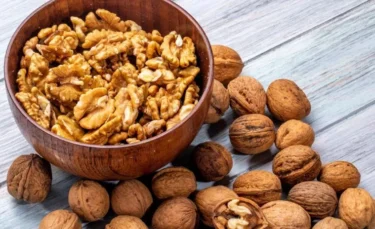
A handful of walnuts is enough to boost to a sluggish metabolism. They are replete with essential fatty acids and help with digestion, growth and development and other metabolic processes5.

Walnuts help with the increased absorption of calcium in the body. They also reduce the excretion of calcium during metabolic processes which help strengthen the bones5.
Magnesium, a mineral found in abundance in walnuts, is important for bone formation as it helps in the absorption of calcium by the bone.
Dr. Anuja Bodhare, B.A.M.S, M.D (Ayu)

Walnuts have anti-inflammatory properties. Many diseases like diabetes, rheumatism and arthritis amongst others are caused by chronic inflammation. Consuming walnuts every day helps in combating these diseases better6.

Walnuts are fibre rich. Because of this, they help clean the gut and detoxify the body. They add bulk to stools and aid in managing constipation. Walnuts also help promote the growth of good bacteria in your gut that help maintain gut health and also deal with inflammation7,8.
Having more health-promoting bacteria and other microbes can improve the health of your gut. One way of doing that is to consume walnuts. An unhealthy microbiota can result in inflammation in your gut, which can increase the risk of obesity, cancer and other chronic diseases. Hence, eating walnuts can prevent this from happening. For instance, incorporating it into your daily diet can increase butyrate-producing bacteria, which is a fat that improves gut health.
Walnuts are extremely healthy, but they are among the eight most allergenic foods. Individuals allergic to walnuts must avoid them.
Dr. Siddharth Gupta, B.A.M.S, M.D (Ayu)
There are multiple studies that have revealed the benefits of walnuts for brain functioning. The nutrients found in the nut may play a role in preventing oxidative damage and inflammation inside the brain. For instance, one research showed that walnuts had a role in improving their brain functioning, including better memory, faster processing speed, and overall mental flexibility9.
Including walnuts in their diet might be helpful for students. Nutrients in walnuts can help take away the stress of studies by improving their grasping power and cognitive capacity.
Dr. Ashok Pal, BAMS

Walnuts help in the production of melatonin. It is a hormone that helps induce sleep. Having them as an after-dinner snack may help you get a good-night sleep10.
Walnuts may help you get sound sleep. They contain a few compounds like melatonin, tryptophan and omega-3 fatty acids, which promote and regulate sleep.
Dr. Rajeev Singh, BAMS

Walnuts are proposed to help in the production of sperms and improve the sperm quality. They add to their vitality and mobility, thereby improving the chances of fertilisation11.

Free radicals in the environment cause the most damage to the body. They are responsible for creating dryness and wrinkles in the skin. Walnuts help fight these free radicals. Regular consumption of walnuts helps in reducing dark circles under the eyes and deal with dull, dry skin and hair12.

For proper foetal growth, pregnant women should take in sufficient amounts of folate. Walnuts are rich in Vitamin B complex and help with the healthy growth of the foetus13.
While initial studies have shown several health benefits of walnuts, further large-scale human trials are needed to confirm these benefits. Nonetheless, they are definitely worth a try when consumed in moderation.
Also Read: Pine Nuts (Pinoli): Uses, Benefits, Side Effects By Dr. Rajeev Singh
Apart from the traditional way of enjoying the healthy snack one by one, there are some other ways to consume it as well:
Also Read: Amazing Health Benefits of Dry Fruits
Walnuts are considered nutritionally superior to all other dry fruits because they are exceptionally rich in fibre, healthy-fats and antioxidants. They are healthy for the heart, gut, skin and bones and help to fight inflammation and support weight loss. You can add them to salads and desserts or just take them as a snack. But make sure to consult your doctor before including them in your routine diet if you have any medical conditions.
Also Read: How to Increase Your Metabolism Naturally
Disclaimer: The information provided here is for educational/awareness purposes only and is not intended to be a substitute for medical treatment by a healthcare professional and should not be relied upon to diagnose or treat any medical condition. The reader should consult a registered medical practitioner to determine the appropriateness of the information and before consuming any medication. PharmEasy does not provide any guarantee or warranty (express or implied) regarding the accuracy, adequacy, completeness, legality, reliability or usefulness of the information; and disclaims any liability arising thereof.
Links and product recommendations in the information provided here are advertisements of third-party products available on the website. PharmEasy does not make any representation on the accuracy or suitability of such products/services. Advertisements do not influence the editorial decisions or content. The information in this blog is subject to change without notice. The authors and administrators reserve the right to modify, add, or remove content without notification. It is your responsibility to review this disclaimer regularly for any changes.
79
2
Most people know Chironji as an ingredient used for dressing the various sweet dishes cooked in their kitchen on special occasions. As it replaces the almonds, it is also called ‘cuddapah almond’. It is also known as chironji tree, almondette, calumpong nut, cheronjee or hamilton mombin.
The fruit of the chironji tree bears a single edible seed, which is known as Chironji. The tree has leathery leaves with a blunt tip and rounded base, often identified by its crocodile bark with a red blaze1.
It is a wild plant growing in the forests of north, central, and western India, mainly in the states of Rajasthan, Gujarat, Madhya Pradesh, Bihar, Orissa, Jharkhand, Chhattisgarh, Andhra Pradesh and Maharashtra. Almost all the parts of the tree are used in some or the other forms. Fruits are eaten raw they taste a bit like sweet grapes2.
Did you know?
Chironji tastes pleasant, slightly acidic, and almost comparable to almonds3. Chironji is a valuable source of protein and fat with a relatively lower calories count4. Below is the nutritional content in chironji (per single unit of the kernel)4:
Various parts of the chironji tree may have properties such as:
In my practice, I have observed that it is worth considering the use of the methanolic extract of chironji leaves as a potential therapeutic agent for inflammatory conditions. The extract has shown significant anti-inflammatory activity, comparable to that of aspirin9.
Dr. Siddharth Gupta, B.A.M.S, M.D (Ayu)

Diarrhoea is a disease in which pitta dosha in the body is imbalanced, followed by Vata. The roots of the chironji plant may have a constipating property. The ethanolic extract of the powder of the roots may reduce the faecal output. It may also reduce the number of episodes of diarrhoea. In Ayurveda, it might balance the Pitta and Vata dosha, hence curing diarrhoea5,6. However, more studies are needed to further validate these benefits of chironji.
The juice extracted from the seeds (methanolic extracts) of the charoli tree may have some effect on blood production from the bone marrow. It may thus, increase the red blood cell and white blood cell count, packed cell volume and the haemoglobin concentration of the blood. Therefore, it might be useful in treating anaemia7. You must consult a doctor for treatment of anaemia.

Acne, pimples or uneven skin tone are basically caused by the lack of moisture in the facial skin. Chironji seeds may have high a quantity of oils and fats, which function as a good moisturising agent. The oil can be applied locally to treat acne, pimples, and blemishes on the face. The chironji oil may be used to reduce the itching and redness in various skin diseases6.
Dandruff, a major problem of the hair, is caused by the dryness of the scalp. The dried skin of the scalp comes out in the form of flakes, which then causes itching and redness of the skin. Chironji oil may provide moisture (lipid and fats) essential for the scalp, which, when applied to the scalp, may provide moisture and nutrients to the scalp and the hair.
Chironji oil may balance the Pita and Vata dosh and treat dandruff, itching, and redness of the scalp. It is also mentioned in the literature that the priyala (Chironji) oil may help with grey hair6. Wounds ulcers may be caused due to the increase of Pitta dosh in the body. Leaves of the chironji tree may be pitta shamak (decrease the pitta dosh). The tree leaves are air-dried and then powdered to make a paste. The paste is applied to the skin that may benefit the wounds, cuts, ulcers, skin disorders6,8,9. You must consult a qualified dermatologist before trying any herb for its benefits for the skin.

In Charak Samhita, it’s mentioned that the charonji seeds may help as a cardiac tonic and may be beneficial for the heart as they balance Vata and Pita Dosha6. Heart conditions are serious and must be diagnosed and treated by a doctor. Therefore, kindly consult a doctor.

Chironji is very nutritious as it is rich in proteins and dietary fibre and low in calories. Due to this property of the plant, it may help with strength to the body, relieves tiredness, and improves immunity. The methanolic properties of chironji may be found to be protective against stress-causing factors5. You must consult a doctor for stress-related problems.

Chironji seeds are power-packed with proteins, vitamins and oils. Also, they are low in calories. Due to this property of chironji seeds, they may be included in the diet chart of people with obesity (a disorder in which a person has excessive body fat).
The digestion of the seed takes time as it is guru (heavy), as per the literature. Thus, it may keep one fuller for a longer time and aids in weight loss6,9. You must consult a nutritionist before making any changes in your diet.
Research has been conducted on animals in whom the methanol extracts of chironji seeds were administered. Administration of the methanol extracts of Chironji produced antidiabetic, antihyperlipidemic and antioxidant effects in the test animals.
Thus, it can be inferred that it may also have the some effect on humans. Further research on humans is required, which may help the physicians to recommend Chironji leaves as a medicine for diabetes10. Diabetes is a condition that is serious and must be diagnosed and treated by a doctor therefore kindly consult a doctor.
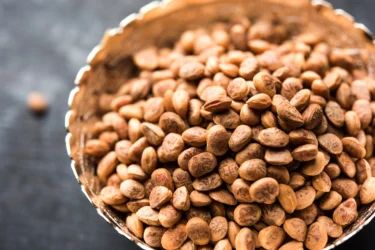
Fruits of the chironji tree are eaten raw in some tribal states of India. The fruits, when taken orally, may have a coolant effect, thus relieving thirst and helping to maintain good oral hygiene.
Fruits are laxatives (substances that help empty the bowels) in nature. They may be helpful to reduce fever. The fruit is even beneficial in relieving burning sensations in the eyes, cough, and fever due to its cooling properties6.
Though there are studies that show the benefits of chironji in various conditions, but these are insufficient and there is a need for further studies to establish the true extent of the benefits of chironji on human health.
Over the years, I have observed that the extract of the seeds may have positive effects on memory. It appears to reduce transfer latency and increase step-down latency, indicating improved memory acquisition and retention. Additionally, it seems to reduce the activity of acetylcholine esterase, an enzyme associated with memory function9.
Dr. Rajeev Singh, BAMS
According to Ayurvedic literature, Priyala balances the Vata and Pitta Dosha in the body. It is combined with other ingredients to form the following three formulations as mentioned in the ayurvedic literature:
Various parts of Chironji can be used:
You must consult a qualified doctor before taking any herbal supplements. Do not discontinue or replace an ongoing treatment of modern medicine with an ayurvedic herbal preparation without consulting a qualified doctor.
In my practice, I have come across information suggesting that the chironji may have anti-snake venom activity. The extracts derived from its fruits and bark may be used for the management of snake bites.
Dr. Smita Barode, B.A.M.S, M.S.
Before using chironji or other herbal remedies, you need to talk to your healthcare provider about its possible side effects and limitations. It will help you avoid unwanted side effects.
Also Read: Simhanada Guggulu: Uses, Benefits and Side Effects By Dr. Rajeev Singh
Also Read: Karisalankanni (False Daisy): Uses, Benefits, Side Effects, and More!
There is no known interaction between the chironji kernel/seeds and other products or medicines.
However, research on animals has shown it to be antidiabetic, anti-hyperlipidaemic and antioxidant. Thus, if one takes any medicine for diabetes, they should take the chironji seeds in lesser quantities10.
Also Read: Karonda (Black Currant): Uses, Benefits, Side Effects, and More By Dr. Rajeev Singh
Chironji fruit is harvested in early summers from April to May. The outer skin of the fruit turns black when it is ripe. The fruit is then de-skinned, and seed is extracted from it. The seed’s outer covering is removed to get a kernel that is eaten raw, or it can be roasted to enhance the flavours. It may be used as an alternative to various dry fruits in different sweets12. Your Ayurvedic physician will prescribe you the form and dose as per your requirement.
The oil extracted from kernels is applied to skin diseases. It is also used to remove spots and blemishes from the face5. You must consult your dermatologist before applying anything on your skin.
The chironji tree has a single seed-bearing fruit, which is known as chironji seed3.
We can eat chironji during pregnancy with precautions. It is very nutritious and gives strength to the mother and the foetus11.
Yes, we can eat chironji raw, or it can be roasted to enhance the flavours4.
Leaves of the chironji tree are dried and then crushed to make a powder13.
Yes, chironji oil is applied on the face to treat blemishes and spots on the skin6.
Yes, chironji is a power food packed with proteins, vitamins, and oils. It is very low on calories. Thus, it is keto-friendly5.
Chironji is incredibly good for health. It may help the body by strengthening and boosting immunity. It has an anti-anaemic effect (due to the direct influence on blood production) and may act as a supertonic but you must follow instructions and guidance given by your doctor4,7.
Disclaimer: The information provided here is for educational/awareness purposes only and is not intended to be a substitute for medical treatment by a healthcare professional and should not be relied upon to diagnose or treat any medical condition. The reader should consult a registered medical practitioner to determine the appropriateness of the information and before consuming any medication. PharmEasy does not provide any guarantee or warranty (express or implied) regarding the accuracy, adequacy, completeness, legality, reliability or usefulness of the information; and disclaims any liability arising thereof.
Links and product recommendations in the information provided here are advertisements of third-party products available on the website. PharmEasy does not make any representation on the accuracy or suitability of such products/services. Advertisements do not influence the editorial decisions or content. The information in this blog is subject to change without notice. The authors and administrators reserve the right to modify, add, or remove content without notification. It is your responsibility to review this disclaimer regularly for any changes.
14
1