




STD in Women: Symptoms, Causes, Diagnosis, Treatment & Prevention Guide
By Dr. Charmi Shah +2 more

Medically reviewed by Dr. Charmi Shah
Last updated: Oct 16, 2026 Published on: May 13, 2026


Get,

to manage your symptom
Get your,

4 Cr+ families
benefitted

OTP sent to 9988776655



You’ve successfully subscribed to receive
doctor-approved tips on
Whatsapp

Get ready to feel your best.


Register to Avail the Offer
Send OTPBy continuing, you agree with our Privacy Policy and Terms and Conditions
Hi There,
Sign up on PharmEasy now!!


Trusted by 4 crore+ families

OTP sent to 9988776655
You have unlocked 25% off on medicines


Code: NU25

By Dr. Charmi Shah +2 more
Table of Contents
Sexually transmitted diseases (STDs), also known as sexually transmitted infections (STIs), are among the most common infections worldwide. Millions of new STIs occur every year, many of which remain undiagnosed because they do not always cause noticeable symptoms1,2.
While STDs affect both men and women, women are more prone to complications from STDs. They may lead to several serious reproductive and health issues if not addressed. However, many STDs are avoidable and manageable with early diagnosis and proper care1.
This blog provides an overview of STDs in women, including their symptoms, causes, diagnosis, treatment options, and preventive measures, to help women make informed decisions about their sexual and reproductive health.
STDs are infections caused by bacteria, viruses, or parasites that are transmitted through vaginal, anal, or oral sexual contact. Common examples include chlamydia, gonorrhoea, syphilis, herpes, HIV, human papillomavirus (HPV), and trichomoniasis1.
While STDs can affect anyone who is sexually active, certain anatomical and environmental factors can make women more vulnerable to STDs and their complications3. These include pelvic inflammatory disease (PID), infertility, pregnancy-related complications, and an increased risk of certain cancers and human immunodeficiency virus (HIV) infection1.
Many STDs may cause mild or no STD symptoms in females, making them difficult to detect early and increasing the risk of complications if left untreated1. Thus, regular screening and timely medical consultation are essential for early detection and prevention of long-term health problems associated with STDs.
STDs in women may sometimes cause no symptoms at all, especially in the early stages. When STD symptoms in women do occur, they can vary depending on the type of infection and may range from mild irritation to more serious health problems.
Common signs of STD in females include5,6:
Common STD symptoms in women include5,6:
Also, STDs during pregnancy can lead to several complications, such as the risk of miscarriage, premature birth, infections in the newborn, congenital infections such as congenital syphilis, and transmission of infections like HIV from mother to baby5.
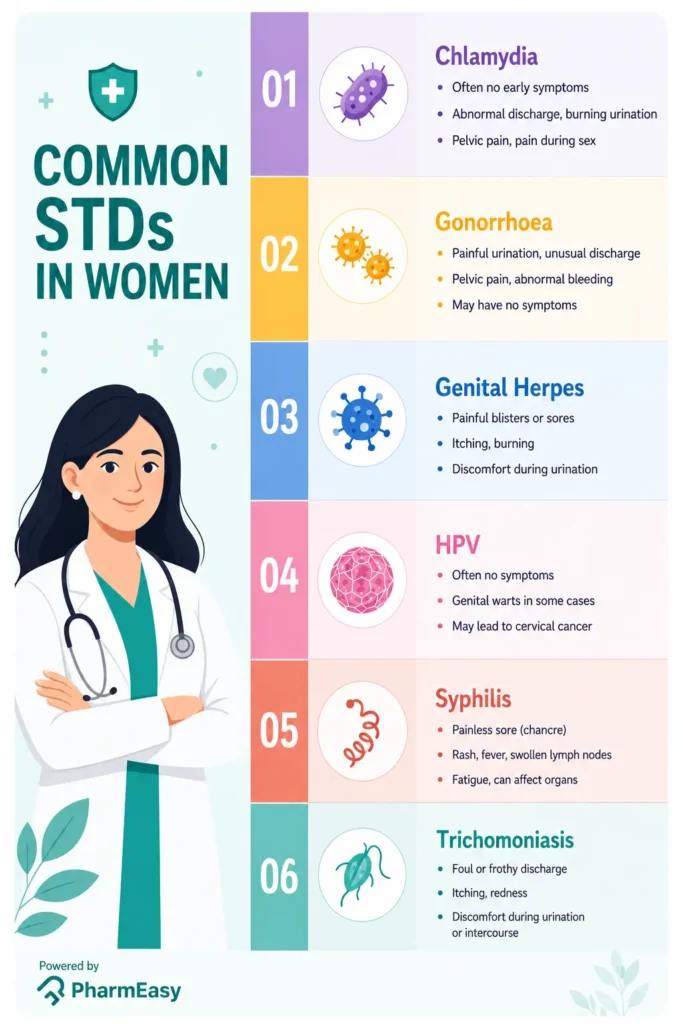
The following are some of the most common STDs seen in women5:
This is a common bacterial STD caused by Chlamydia trachomatis. It often shows no early symptoms of STD in females, making early detection difficult. Common symptoms may include abnormal vaginal discharge, burning during urination, pelvic pain, and pain during sex. If left untreated, it may lead to PID (with complications like long-term pelvic pain, blocked fallopian tubes, and pregnancy outside the uterus (ectopic pregnancy).
This is caused by the bacterium Neisseria gonorrhoeae. It spreads through sexual contact and may infect the reproductive tract, rectum, or throat. Symptoms can include painful urination, unusual vaginal discharge, pelvic pain, and abnormal bleeding between periods. Some women may remain asymptomatic.
This is a viral infection caused by herpes simplex virus type 1 (HSV-1) or type 2 (HSV-2). It commonly causes painful blisters or sores around the genitals, itching, burning, and discomfort during urination. The virus remains in the body and may reactivate over time.
This is one of the most common viral STDs in women. Many women may not notice symptoms, but some may develop warts around the genital area. Certain types of HPV can cause genital warts, while high-risk strains may lead to cervical cancer. This is why regular screening is needed (even after vaccination).
This is a bacterial infection caused by Treponema pallidum. It usually begins with a painless sore (chancre) at the site of infection. Other symptoms may include skin rashes, fever, swollen lymph nodes, and fatigue. If unaddressed, syphilis may cause severe complications affecting multiple organs.
This is a parasitic infection caused by Trichomonas vaginalis. Common symptoms include frothy or foul-smelling vaginal discharge, genital itching, redness, and discomfort during urination or sexual intercourse. Some women may not develop noticeable symptoms.
Early diagnosis of STDs is important because many infections may not cause noticeable symptoms in the beginning. Testing can help detect early symptoms of STDs in females, avoid complications, and reduce the risk of transmission to others.
Women should consider STD testing if they5,7:
Note: Routine screening depends on age, sexual activity, and individual risk factors. A doctor can guide you on the appropriate screening schedule.
Based on your presenting STD symptoms in women, a doctor may perform any of the following tests5:
Management for STDs in females depends on the type of infection, its severity, and the patient’s overall health. Common options for treatment for STDs in females include5:

Commonly prescribed for bacterial STDs such as chlamydia, gonorrhoea, and syphilis.

Commonly used to manage viral infections such as genital herpes and HIV.

Infections such as trichomoniasis are commonly managed with antiparasitic medications.
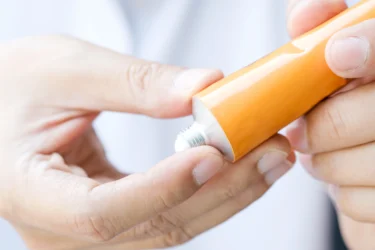
Certain STDs, such as genital warts caused by HPV, may be managed with topical creams or ointments prescribed by a doctor.
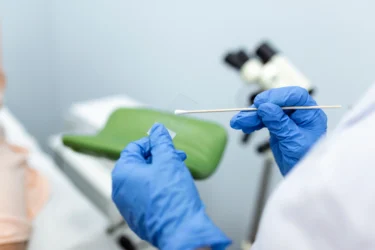
Cryotherapy (freezing), laser treatment, surgical removal, or other procedures may be used to remove genital warts or address abnormal cervical cells caused by HPV infection.

Sexual partners may also need testing and treatment to avoid getting infected again and further spread of STDs.
Pain relief medicines, proper genital hygiene, hydration, and avoiding unprotected sexual activity may help relieve STD symptoms in women and support recovery.

Seeking medical advice and avoiding sexual activity when STD symptoms in females are present, such as sores, discharge, or pain. This could even help minimise the risk of transmission8.
Important: Do not take antibiotics or other medicines without medical advice, as incorrect treatment or misuse of antibiotics may delay proper diagnosis, worsen the infection, or lead to antibiotic resistance.
STDs can often be avoided through safe sexual practices, regular screening, vaccination, and awareness. The following measures can help reduce the risk of STDs in women:
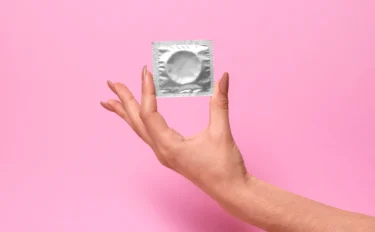
Proper use of condoms during vaginal, oral, and anal sex helps reduce the risk of many STDs, including HIV1.
Routine testing helps detect infections early, especially because many STDs may not cause noticeable STD symptoms in females1,7.
Reducing the number of sexual partners and practicing mutual monogamy can lower the risk of infection7.
Vaccines against HPV (preferably before becoming sexually active) and hepatitis B provide effective protection against these viral infections and their complications6.
Getting tested before starting a sexual relationship can help avoid the spread of infections6,7.
If diagnosed with an STD, informing current or recent sexual partners is important so they can also get tested and treated if needed. This will help avoid reinfection and further spread of infection9.
Douching (washing or cleaning the inside of the vagina with liquids or cleansing products) can disturb the natural balance of healthy bacteria and may increase the risk of infections, including STDs10. Thus, it is better to avoid.
Pregnant women should undergo screening for infections such as HIV, hepatitis B, and syphilis to help protect both maternal and baby’s health5.
Women should consult a doctor if they experience any symptoms or concerns related to STDs. This can help avoid complications and ensure timely management.
You should seek medical attention if you have1,5,6:
Also Read: HPV in Women: Causes, Symptoms, and Treatment Options
STDs are common infections that can affect women of all ages and may sometimes cause no noticeable symptoms. If left unaddressed, they can lead to serious health complications, including reproductive and pregnancy-related problems. Therefore, awareness of signs and STD symptoms in females, regular screening, safe sexual practices, timely medical care, and vaccination could help in early detection and prevention.
With proper diagnosis, treatment, and preventive measures, many STDs can be effectively managed, helping women protect their sexual and reproductive health.
Yes, many STDs in women may not cause noticeable symptoms, especially in the early stages5. This is why regular screening is important.
A woman may have an STD for months or even years without knowing11. It depends on the type of infection and whether symptoms develop.
Symptoms may appear within a few weeks to several weeks after exposure12. However, some STDs may remain asymptomatic for a long time.
Yes, many STDs, such as chlamydia, HPV, and gonorrhoea, can remain asymptomatic in women while still causing complications if untreated1. Thus, if your test results come back abnormal, you should see a doctor as soon as possible.
Some STDs, especially bacterial and parasitic infections, can be effectively cleared with proper medication. Viral infections such as HIV, herpes, and HPV can usually be controlled and managed with appropriate medical care1,5. Your doctor will guide you on this based on your test results and symptoms.
1. Sexually transmitted infections (STIs). Accessed May 8, 2026.https://www.who.int/news-room/fact-sheets/detail/sexually-transmitted-infections-(stis)
2. Bhatta M, Majumdar A, Ghosh U, et al. Sexually transmitted infections among key populations in India: A protocol for systematic review. PLOS ONE. 2023;18(3):e0279048. doi:10.1371/journal.pone.0279048 https://pubmed.ncbi.nlm.nih.gov/36913427/
3. Van Gerwen OT, Muzny CA, Marrazzo JM. Sexually transmitted infections and female reproductive health. Nat Microbiol. 2022;7(8):1116-1126. doi:10.1038/s41564-022-01177-x https://pubmed.ncbi.nlm.nih.gov/35918418/
4. What causes sexually transmitted diseases (STDs) or sexually transmitted infections (STIs)? | NICHD – Eunice Kennedy Shriver National Institute of Child Health and Human Development. January 31, 2017. Accessed May 8, 2026. https://www.nichd.nih.gov/health/topics/stds/conditioninfo/causes
5. Garcia MR, Leslie SW, Wray AA. Sexually Transmitted Infections. In: StatPearls. StatPearls Publishing; 2026. Accessed May 8, 2026. https://www.ncbi.nlm.nih.gov/books/NBK560808/
6. Sexually Transmitted Infections. Accessed May 8, 2026. https://medlineplus.gov/sexuallytransmittedinfections.html
7. Sexually Transmitted Infection (STI) Tests: MedlinePlus Medical Test. Accessed May 8, 2026. https://medlineplus.gov/lab-tests/sexually-transmitted-infection-sti-tests/
8. Lytle-Barnaby R. Sexually Transmitted Diseases: An Overview. Del J Public Health. 2016;2(2):26-31. doi:10.32481/djph.2016.04.009 https://pmc.ncbi.nlm.nih.gov/articles/PMC8389050/
9. Partner notification methods to prevent or reduce STIs – NCBI Bookshelf. Accessed May 10, 2026. https://www.ncbi.nlm.nih.gov/books/NBK589853/
10. TSAI CS, SHEPHERD BE, VERMUND SH. Does Douching Increase Risk for Sexually Transmitted Infections? A Prospective Study in High-Risk Adolescents. Am J Obstet Gynecol. 2009;200(1):38.e1-38.e8. doi:10.1016/j.ajog.2008.06.026 https://pubmed.ncbi.nlm.nih.gov/18667177/
11. About Trichomoniasis | Trichomoniasis | CDC. Accessed May 8, 2026. https://www.cdc.gov/trichomoniasis/about/index.html
12. Wihlfahrt K, Günther V, Mendling W, et al. Sexually Transmitted Diseases—An Update and Overview of Current Research. Diagnostics. 2023;13(9):1656. doi:10.3390/diagnostics13091656 https://pmc.ncbi.nlm.nih.gov/articles/PMC10178083/
Disclaimer: The information provided here is for educational/awareness purposes only and is not intended to be a substitute for medical treatment by a healthcare professional and should not be relied upon to diagnose or treat any medical condition. The reader should consult a registered medical practitioner to determine the appropriateness of the information and before consuming any medication. PharmEasy does not provide any guarantee or warranty (express or implied) regarding the accuracy, adequacy, completeness, legality, reliability or usefulness of the information; and disclaims any liability arising thereof.
Links and product recommendations in the information provided here are advertisements of third-party products available on the website. PharmEasy does not make any representation on the accuracy or suitability of such products/services. Advertisements do not influence the editorial decisions or content. The information in this blog is subject to change without notice. The authors and administrators reserve the right to modify, add, or remove content without notification. It is your responsibility to review this disclaimer regularly for any changes.


Comments

Leave your comment...
You may also like























Comments