




Muscle Gain Diet: Best Foods, 7 Day Meal Plan & Nutrition Tips
By Dr. Malavika Athavale +2 more

Medically reviewed by Dr. Malavika Athavale
Last updated: Sep 7, 2026 Published on: Jul 31, 2026


Get,

to manage your symptom
Get your,

4 Cr+ families
benefitted

OTP sent to 9988776655



You’ve successfully subscribed to receive
doctor-approved tips on
Whatsapp

Get ready to feel your best.


Register to Avail the Offer
Send OTPBy continuing, you agree with our Privacy Policy and Terms and Conditions
Hi There,
Sign up on PharmEasy now!!


Trusted by 4 crore+ families

OTP sent to 9988776655
You have unlocked 25% off on medicines


Code: NU25

By Dr. Malavika Athavale +2 more
Table of Contents
Many people, particularly young adults, want to gain muscle to feel stronger, improve fitness, or support healthy body goals1. However, building muscle takes more than exercise alone. Resistance training, along with a balanced muscle gain diet, gives the body the nutrients it needs to repair and build muscle after exercise. This repair process is often called muscle protein synthesis. Eating enough protein, carbohydrates, healthy fats, and other essential nutrients can support workout performance, muscle growth, and recovery2. This blog explains what a muscle gain diet is, the best foods to include, a simple 7-day meal plan, and practical nutrition tips to help you build muscle safely and effectively.

Muscles grow when the body repairs and builds new muscle tissue after exercise. Resistance training gives the muscles a reason to adapt, while nutrients from food provide the building blocks and energy needed for repair and growth. Protein intake and resistance exercise work together to support muscle development2.
Protein is important for muscle gain because it provides amino acids, which are the body’s building blocks for muscles. When you eat enough protein, your body is better able to repair muscle after exercise and builds new muscle tissue. Spreading protein across meals during the day may help provide a steady supply of amino acids for muscle recovery2. Diet also gives you the energy needed to exercise and recover. Carbohydrates help fuel workouts by supporting muscle glycogen, the stored form of carbohydrate used during exercise. After training, carbohydrates help refill these energy stores. Nutrient-rich foods, including milk and other good-quality protein sources, also provide vitamins and minerals that support muscle health3.
To build muscle, your body needs nutrients that help repair muscle, provide energy for training, and support recovery after workouts4,5.
Important nutrients for muscle gain include:
A varied diet that includes these nutrients can help your body respond well to resistance training and support long-term improvements in strength and muscle size4,5.
The best foods for muscle gain are foods that provide protein, energy, and other nutrients your body needs for training and recovery. Protein-rich foods are especially helpful because they provide amino acids for muscle repair and growth when combined with regular resistance exercise4,6.
Some of the best foods to gain muscle include:

Eggs are a good-quality protein source because they provide all the essential amino acids needed for muscle repair and growth2. They also contain leucine, an amino acid that helps support the muscle-building process2,4.
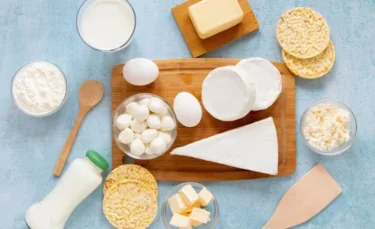
Milk contains whey and casein proteins, which provide essential amino acids for muscle repair and growth. Having milk after exercise may help support recovery and refill energy stores when it is part of a balanced diet2,6.
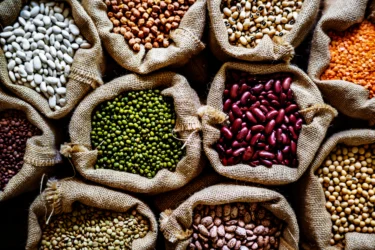
Pulses such as lentils, chickpeas, green gram, kidney beans, and peas provide plant-based protein. Combining pulses with cereals improves the balance of essential amino acids6.
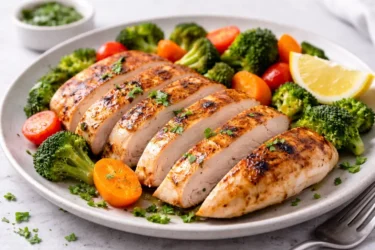
Fish, poultry, and lean meat provide complete proteins containing all essential amino acids required for muscle protein synthesis.
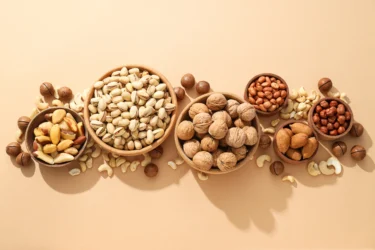
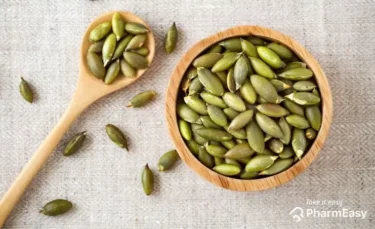
Nuts and seeds, including almonds, walnuts, chia seeds, pumpkin seeds, and flax seeds, provide plant-based protein and healthy fats.
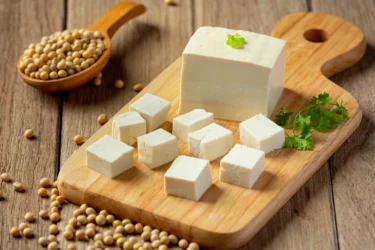
Soybeans and soy products provide plant-based protein containing essential amino acids4,6.
A muscle gain diet should focus on nutritious foods most of the time. It is helpful to limit foods that are high in added fat, sugar, and salt, as well as many ultra-processed foods, because they may add calories without providing many important nutrients.
Some foods to limit during a muscle gain diet include:
Adding vitamins or minerals to ultra-processed foods does not make them as nutritious as fresh, minimally processed foods6.
A balanced 7-day meal plan for muscle gain should include enough protein, carbohydrates, healthy fats, and a variety of nutrient-rich foods. These may include cereals, pulses, dairy products, eggs, lean meat or fish, fruits, vegetables, nuts, and seeds. Together, these foods can support muscle growth, recovery, and overall nutrition needs4,6.
The table below provides a sample 7-day meal plan for muscle gain that can be adjusted according to individual calorie needs, dietary preferences, and training goals2,4,6.
| Day | Breakfast | Lunch | Snacks | Dinner |
| Day 1 | Oats with milk, banana and nuts | Brown rice, dal, vegetables, curd and salad | Fruit smoothie with milk | Chapati, paneer/tofu, vegetables and curd |
| Day 2 | Millet porridge with milk, boiled eggs and fruit | Whole grain rice, chickpea curry, green leafy vegetables and curd | Nuts, fruit and yoghurt | Chapati, fish/chicken curry, vegetables and salad |
| Day 3 | Whole wheat bread, eggs and milk | Roti, rajma, vegetables, curd and fruit | Banana with peanut butter or nuts | Rice, dal, vegetables and curd |
| Day 4 | Ragi dosa with sambar and milk | Millet rice, pulses, vegetables and curd | Fruit smoothie with yoghurt | Chapati with paneer/chicken and vegetables |
| Day 5 | Oatmeal with milk, nuts and seasonal fruit | Rice, fish/egg curry, vegetables and salad | Sprouts, nuts and fruit | Whole grain roti, dal, vegetables and curd |
| Day 6 | Idli with sambar, milk and fruit | Chapati, soybean/pulse curry, vegetables and curd | Milk with banana or homemade smoothie | Rice, lean meat/fish or pulses, vegetables and salad |
| Day 7 | Millet upma with vegetables, nuts and milk | Whole grain rice, dal, vegetables, curd and fruit | Boiled eggs or roasted chickpeas with fruit | Chapati, paneer/tofu or chicken, vegetables and curd |
This meal plan focuses on obtaining essential nutrients from a variety of foods rather than relying on excessive supplements, helping support muscle growth, energy levels, and recovery during trainin2,5,6.
A gym diet plan for muscle gain should include the right foods before and after workouts to provide energy, support muscle repair, and improve recovery. The following sections explain what to eat before and after workouts:
| Meal | Sample foods |
| Breakfast | Oatmeal with a banana |
| Mid-morning snack | Low-fat yoghurt |
| Lunch | Whole-grain pasta |
| Pre-workout meal | Fruit smoothie made with low-fat milk |
| Post-workout meal | Whey protein shake with a banana |
| Dinner | Whole-grain cereal with milk |
| Bedtime snack | Fruits |
This is only a sample gym diet plan. You can change the foods and portion sizes to suit your daily routine, workout schedule, and personal food preferences5.
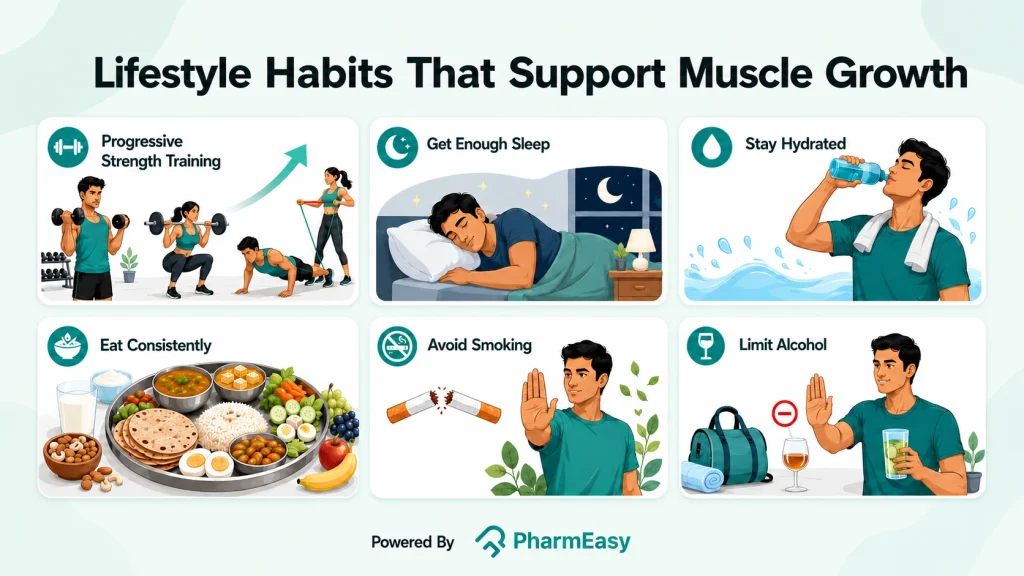
Building muscle is not only about diet. Healthy lifestyle habits also help your muscles recover, improve workout performance, and support steady progress over time. Important habits include:
Along with following a muscle gain diet, practising these healthy habits can help you build muscle more effectively and stay healthy.
Also Read: List of Protein Rich Food for Vegetarians
A well-planned muscle gain diet, combined with regular resistance training, can help support muscle growth, improve strength, and promote recovery. Focus on including high-quality protein, carbohydrates, healthy fats, and a variety of nutrient-rich whole foods instead of relying on supplements. Along with following a balanced diet, stay well hydrated, get enough sleep, manage stress, and avoid smoking and excessive alcohol consumption to support your muscle-building goals and overall health.
A balanced muscle gain diet that includes enough protein, carbohydrates, and healthy fats is best for supporting muscle growth and recovery. Protein helps repair and build muscle, while carbohydrates provide energy for training and help refill muscle energy stores5. For many active adults, about 1.4–2.0 g of protein per kilogram of body weight per day can support muscle growth when combined with resistance training2.
Muscle growth can be affected by smoking, heavy alcohol use, poor nutrition, not eating enough protein or calories, lack of regular strength training, and poor recovery14,15. Smoking is linked with lower muscle protein synthesis, while too much alcohol can slow muscle repair after exercise14.
Eating a protein-rich meal or snack every 3–4 hours can help support muscle protein synthesis throughout the day. After resistance exercise, eating high-quality protein soon after your workout may help muscles recover and grow over time2.
Two meals a day may make it harder for many people to meet their protein and energy needs for muscle gain. Spreading protein across several meals or snacks during the day may better support muscle repair and growth16.
Good snacks for muscle growth include low-fat yoghurt, fruit smoothies, bananas with a whey protein shake, and whole-grain cereal with milk. These snacks provide protein and carbohydrates, which help support muscle recovery and replenish energy after exercise5.
1. Ganson KT, Nguyen L, Ali ARH, et al. “Eat more protein, build more muscle”: A grounded theory study of muscle-building behaviors among Canadian adolescents and young adults. Body Image. 2023;47:101635. doi:10.1016/j.bodyim.2023.101635. Available from: https://pubmed.ncbi.nlm.nih.gov/37806066/
2. Jäger R, Kerksick CM, Campbell BI, et al. International Society of Sports Nutrition Position Stand: protein and exercise. J Int Soc Sports Nutr. 2017;14(1):20. doi:10.1186/s12970-017-0177-8. Available from: https://link.springer.com/article/10.1186/s12970-017-0177-8
3. Moore DR, Philp A. Editorial: Nutritional Strategies to Promote Muscle Mass and Function Across the Health Span. Front Nutr. 2020;7:569270. doi:10.3389/fnut.2020.569270. Available from: https://pmc.ncbi.nlm.nih.gov/articles/PMC7561707/
4. Iraki J, Fitschen P, Espinar S, Helms E. Nutrition Recommendations for Bodybuilders in the Off-Season: A Narrative Review. Sports. 2019;7(7):154. doi:10.3390/sports7070154. Available from: https://www.researchgate.net/publication/334044740_Nutrition_Recommendations_for_Bodybuilders_in_the_Off-Season_A_Narrative_Review
5. Hwang DJ, Yang HJ. Nutritional Strategies for Enhancing Performance and Training Adaptation in Weightlifters. Int J Mol Sci. 2024;26(1):240. doi:10.3390/ijms26010240. Available from: https://www.researchgate.net/publication/387572639_Nutritional_Strategies_for_Enhancing_Performance_and_Training_Adaptation_in_Weightlifters
6. ICMR–National Institute of Nutrition. Dietary Guidelines for Indians – 2024. Indian Council of Medical Research (ICMR), Department of Health Research, Ministry of Health and Family Welfare, Government of India; 2024. Accessed July 24, 2026. Available from: https://nin.res.in/dietaryguidelines/pdfjs/locale/DGI_2024.pdf
7. Strength training for beginners | healthdirect. Accessed July 24, 2026. Available from: https://www.healthdirect.gov.au/strength-training-for-beginners
8. Knowles OE, Drinkwater EJ, Urwin CS, Lamon S, Aisbett B. Inadequate sleep and muscle strength: Implications for resistance training. J Sci Med Sport. 2018;21(9):959-968. doi:10.1016/j.jsams.2018.01.012. Available from: https://europepmc.org/article/med/29422383
9. Exercise and Fluid Replacement. Med Sci Sports Exerc. 2007;39(2):377-390. doi:10.1249/mss.0b013e31802ca597. Available from: https://www.ovid.com/jnls/acsm-msse/abstract/10.1249/mss.0b013e31802ca597~exercise-and-fluid-replacement?redirectionsource=fulltextview
10. Helms ER, Aragon AA, Fitschen PJ. Evidence-based recommendations for natural bodybuilding contest preparation: nutrition and supplementation. J Int Soc Sports Nutr. 2014;11(1):20. doi:10.1186/1550-2783-11-20. Available from: https://pmc.ncbi.nlm.nih.gov/articles/PMC4033492/
11. Rom O, Kaisari S, Aizenbud D, Reznick AZ. Lifestyle and Sarcopenia – Etiology, Prevention and Treatment. Rambam Maimonides Med J. 2012;3(4):e0024. doi:10.5041/RMMJ.10091. Available from: https://pmc.ncbi.nlm.nih.gov/articles/PMC3678825/
12. Centers for Disease Control and Prevention. How to Quit Smoking. May 2024. Available from: https://www.cdc.gov/tobacco/media/pdfs/2024/05/cdc-osh-how-to-quit-smoking-infographic-web-508.pdf
13. CDC. What You Can Do to Lower Your Risk of Alcohol-Related Harms. Alcohol Use. February 25, 2025. Accessed July 24, 2026. Available from: https://www.cdc.gov/alcohol/about-alcohol-use/lower-alcohol-related-harms.html
14. Parr EB, Camera DM, Areta JL, et al. Alcohol Ingestion Impairs Maximal Post-Exercise Rates of Myofibrillar Protein Synthesis following a Single Bout of Concurrent Training. Alway SE, ed. PLoS ONE. 2014;9(2):e88384. doi:10.1371/journal.pone.0088384. Available from: https://journals.plos.org/plosone/article?id=10.1371/journal.pone.0088384
15. Petersen AMW, Magkos F, Atherton P, et al. Smoking impairs muscle protein synthesis and increases the expression of myostatin and MAFbx in muscle. Am J Physiol-Endocrinol Metab. 2007;293(3):E843-E848. doi:10.1152/ajpendo.00301.2007. Available from: https://www.researchgate.net/publication/6229004_Smoking_impairs_muscle_protein_synthesis_and_increases_the_expression_of_myostatin_and_MAFbx_in_muscle
16. Schoenfeld BJ, Aragon AA. How much protein can the body use in a single meal for muscle-building? Implications for daily protein distribution. J Int Soc Sports Nutr. 2018;15(1):10. doi:10.1186/s12970-018-0215-1. Available from: https://pmc.ncbi.nlm.nih.gov/articles/PMC5828430/
Disclaimer: The information provided here is for educational/awareness purposes only and is not intended to be a substitute for medical treatment by a healthcare professional and should not be relied upon to diagnose or treat any medical condition. The reader should consult a registered medical practitioner to determine the appropriateness of the information and before consuming any medication. PharmEasy does not provide any guarantee or warranty (express or implied) regarding the accuracy, adequacy, completeness, legality, reliability or usefulness of the information; and disclaims any liability arising thereof.
Links and product recommendations in the information provided here are advertisements of third-party products available on the website. PharmEasy does not make any representation on the accuracy or suitability of such products/services. Advertisements do not influence the editorial decisions or content. The information in this blog is subject to change without notice. The authors and administrators reserve the right to modify, add, or remove content without notification. It is your responsibility to review this disclaimer regularly for any changes.


Comments

Leave your comment...
You may also like






















Comments