
When we discuss ways to improve our health, we mostly talk about lifestyle changes and the need to exercise regularly. Although these approaches can help transform your health, we often forget how important a special group of nutrients is. We are referring to vitamins!
Vitamins are absolutely crucial for growth and maintaining good health. They function like minerals, with the main difference being that minerals are inorganic matter that we source from the earth and water, while vitamins are organic compounds found naturally in plants and animals1.
The word ‘vitamin’ is derived from two Latin words, ‘vita’ (meaning ‘life’) and ‘amine’ (referring to ‘amino acids’). Fun fact: Initially, vitamins were incorrectly thought to be amino acids.
Vitamin H, more commonly known as biotin, is part of the B complex group of vitamins. Vitamin H is needed for healthy skin, hair, and nails. It also helps the nervous system function properly.
Dr. M.G. Kartheeka, MBBS, MD(Pediatrics)
There are 13 crucial vitamins, A, C, D, E, K, B1, B2, B3, B5, B6, B7, B9, and B12. They can be classified into two main types, as follows:
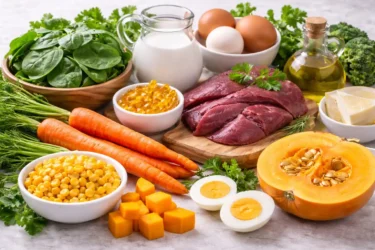
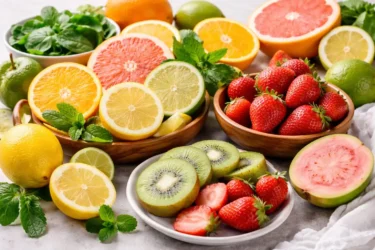
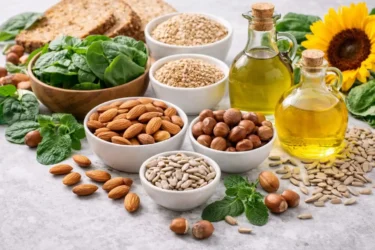
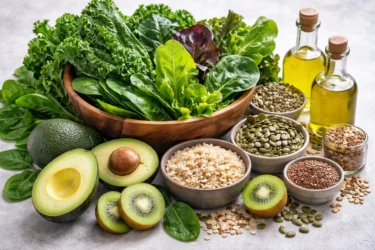
Let’s learn the food sources, functions, and deficiency symptoms of the 13 vitamins mentioned above.

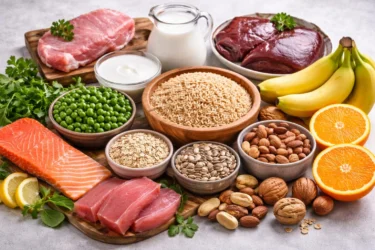
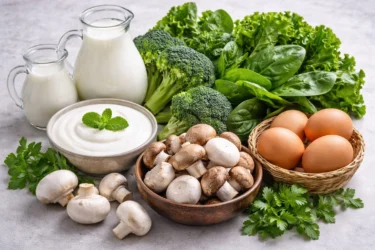
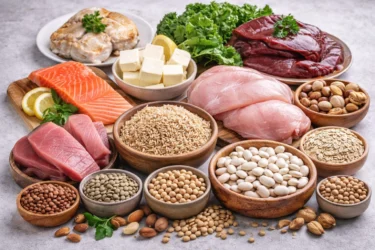
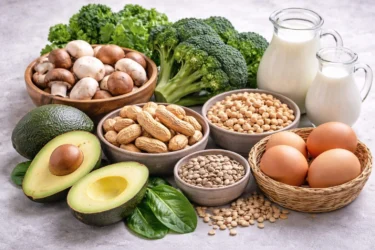
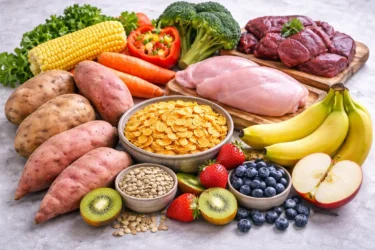
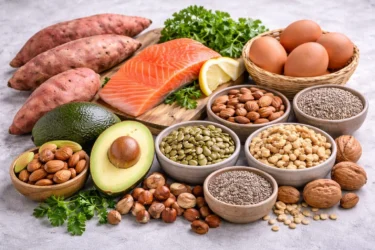
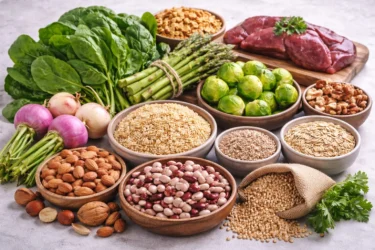

There are two more compounds that resemble vitamins and function like them without being labelled as vitamins:
People may fall short of getting adequate amounts of all essential vitamins due to a combination of dietary, lifestyle, and individual health factors. These factors include:
In such situations, vitamin supplements may help support the body’s specific nutritional needs. However, you should consult a doctor before starting any vitamin supplements.
Vitamins B6, C and E along with micronutrients like zinc, selenium, iron and copper are important for maintaining a healthy immune system in an individual, repeated infections could be a warning sign of deficiency of these vitamins and micronutrients.
Dr. Ashish Bajaj, M.B.B.S., M.D. in Clinical Pharmacology and Toxicology
Taking multivitamins should always be done after consulting your doctor or nutritionist. Sometimes, vitamin supplements can cause side effects when consumed in excess or even if your body reacts adversely to the ingredients of a particular supplement. Constipation and stomach pain may occur initially (usually it resolves after a few days). Excess vitamin intake can also cause severe toxicity2. Read the ingredient list for any supplement you take to ensure that you are not allergic to anything in it. Also, if you have any pre-existing medical condition, you should inform your doctor before starting any new multivitamin supplement.
If you think you may be experiencing symptoms of vitamin deficiency and are wondering how to check vitamin levels, these tests may need to be done after consulting your doctor:
Identifying whether you have normal levels of vitamins is simple because your test results usually show columns for normal levels of vitamins and the levels in your system at the time of the test. This can help you identify if your vitamin levels are lower, higher or at par with the normal level.
For further clarity, you can ask your doctor to go over the reports.
Sometimes vitamin deficiency symptoms do not show up until very late, and a test can work like a preventive healthcare check. It will let you know which vitamin you need to supplement with. Therefore, it is important to check your vitamin levels whether you are taking supplements or not.
Similarly, even if you are taking vitamin supplements, vitamin level checks are just as important to ensure that there isn’t too much of a particular vitamin in your system as that may lead to toxicity.
Also Read: Best Vegetable Sources of Vitamin A
The strategies for managing vitamin deficiencies are essentially the same:
Also Read: 5 Everyday Foods That Are Good for Brain Health!
Vitamins are vital for good health and proper functioning of the body, as they support growth, immunity, metabolism, and overall well-being. Maintaining a balanced diet rich in fruits, vegetables, whole grains, and protein sources along with healthy lifestyle habits can help avoid or manage most vitamin deficiencies. In some cases, regular monitoring of vitamin levels and taking vitamin supplements may be necessary. however, these steps should always be taken after consulting a doctor to avoid toxicity or side effects.
Also Read: Top Vitamin B12 Foods to Include in Your Diet Today!
Symptoms such as persistent fatigue, frequent infections, hair loss, brittle nails, muscle pain, or mood changes can be early warning signs of vitamin deficiencies. However, these symptoms alone aren’t reliable, and blood tests should be done to give a clearer picture of your health.
Taking multivitamin supplements without consulting your doctor may not be advisable. If you eat a well-balanced diet, supplementation may not be needed and could even cause toxicity over time, especially with fat-soluble vitamins like vitamins A, D, E, and K.
Vitamin D and vitamin B12 deficiencies are extremely common these days due to indoor lifestyles and dietary patterns. Folate and vitamin C deficiencies may also occur with poor dietary variety.
Whole foods provide fibre, antioxidants and multiple nutrients that work together for better absorption. Supplements should ideally fill gaps and not replace a healthy diet.
For generally healthy individuals, testing once a year is usually sufficient. People on supplements or with diagnosed deficiencies may need more frequent monitoring as advised by a doctor.
Disclaimer: The information provided here is for educational/awareness purposes only and is not intended to be a substitute for medical treatment by a healthcare professional and should not be relied upon to diagnose or treat any medical condition. The reader should consult a registered medical practitioner to determine the appropriateness of the information and before consuming any medication. PharmEasy does not provide any guarantee or warranty (express or implied) regarding the accuracy, adequacy, completeness, legality, reliability or usefulness of the information; and disclaims any liability arising thereof.
Links and product recommendations in the information provided here are advertisements of third-party products available on the website. PharmEasy does not make any representation on the accuracy or suitability of such products/services. Advertisements do not influence the editorial decisions or content. The information in this blog is subject to change without notice. The authors and administrators reserve the right to modify, add, or remove content without notification. It is your responsibility to review this disclaimer regularly for any changes.
 4
4 
Women are undoubtedly the backbone of the family. However, it is often seen that women pay more attention to their family’s requirements and ignore their own. However, we often forget that women are built differently and have special healthcare needs. Hence, they need to make smart dietary choices to meet their daily recommended intake1. Besides all macronutrients, there are some vitamins particularly important the female body. In this blog, we’ll have a look at these and share some dietary suggestions that will help boost these vitamins for women.
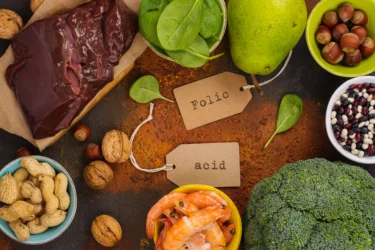
The B vitamin folic acid plays a key role especially for pregnant women or those planning to conceive. This vitamin may help in avoiding the risk of birth defects and preterm birth. It also helps in red blood cell production, lowering the risk of anaemia. Women planning pregnancy should take 400 mcg/day preconception and in early pregnancy2,3. Women with prior neural tube defect pregnancy may need a higher dose (4 mg/day). Although natural sources of folic acid include green leafy vegetables like spinach, legumes, broccoli, nuts and seeds, folic acid supplementation is necessary during pregnancy.
Every woman who could become pregnant should get 400 micrograms (400 mcg) of folic acid every day. The B vitamin folic acid helps prevent birth defects. If a woman has enough folic acid in her body before and while she is pregnant, her baby is less likely to have a major birth defect of the brain or spine like spina bifida.
Dr Ashish Bajaj, M.B.B.S., M.D. in Clinical Pharmacology and Toxicology

This vitamin is essential for making healthy red blood cells and its deficiency can lead to anaemia. Pernicious anaemia occurs when the body is unable to absorb this vitamin. Vitamin B12 also helps the body in keeping nerves healthy and in DNA synthesis. Vitamin B12 is found in animal products (meat, fish, eggs, dairy), and fortified foods. Vegetarian women are at higher risk of deficiency. Taking supplements might resolve this problem4.
Although all vitamins are essential and serve unique and important functions in the body, many health experts would agree that the three most important nutrients are vitamin D, B12, and iron as women are more prone to anaemia and osteoporosis.
Dr. M.G. Kartheeka, MBBS, MD(Pediatrics)
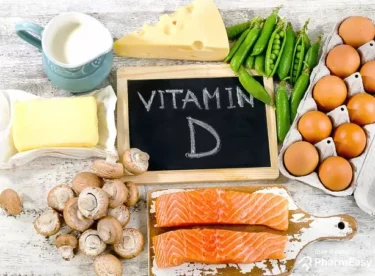
Bone health is often compromised in women. Especially post menopause, women become deficient in the hormone oestrogen that leads to a loss of the calcium content from bones. Vitamin D is essential for our body, as it helps to absorb calcium and thus its levels should be adequate to ensure stronger bones5. Vitamin D is found in dairy products in small amounts, but mostly, our skin produces it from the sun1. Despite sun exposure, Vitamin D deficiency is also seen in Indian women. Soak in some early morning sun for 30 minutes to get your daily dose of vitamin D. The recommended dose for Vitamin D supplementation is 600IU. Your healthcare practitioner may recommend a higher amount if you have significant Vitamin D deficiency6.
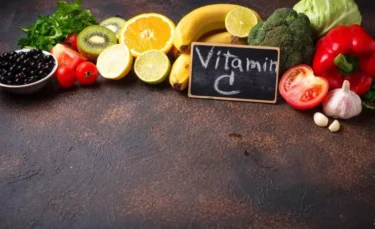
It helps the body make collagen, which is essential for the skin, cartilage, tendons, ligaments, and blood vessels. It helps in healing wounds and repairing teeth and bones. It boosts iron absorption, important for women with heavy menstrual bleeding who are prone to anaemia7. It is found in citrus fruits like oranges, lemon, sweet lime, amla, and Brussels sprouts.
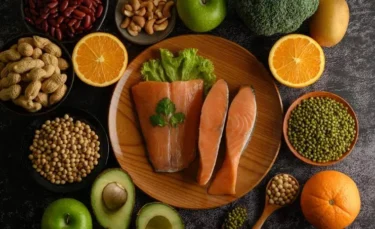
This vitamin is required for healthy teeth and soft tissues. Additionally, it is also essential for vision, immunity, skin, and reproductive health. Although this vitamin helps avoid risk of night blindness in mother and baby, excess of vitamin A (retinol form, not beta-carotene) in pregnancy can cause birth defects8. Discuss with your gynaecologist if you are on these supplements and planning to get pregnant. It is found in all yellow-green vegetables like mangoes, papayas, spinach, apricots, and carrots as well as egg yolk, milk9.
Also Read: Best Estrogen Rich Foods to Support Estrogen Levels Naturally
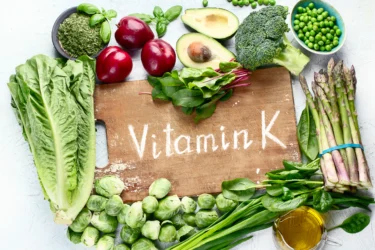
This vitamin is essential for blood coagulation and bone health. Our intestines also produce vitamin K required by our body. In women, this vitamin plays an essential role during pregnancy and childbirth by avoiding the risk of haemorrhage. It is found in green leafy vegetables (spinach, kale, broccoli). Therefore, adding these foods to your menu can fulfil your requirements abundantly10.
Although all these vitamins are essential for women, iron is one mineral whose role cannot be missed when talking of women’s health. Iron is very important for women as it helps maintain their menstrual cycles and hormonal balance. Its deficiency can cause anaemia, especially in women with heavy menstrual bleeding. Iron intake is crucial during pregnancy for proper foetal development and avoiding birth complications11. Iron is found in red meat, poultry, fish, green leafy vegetables, legumes (better absorbed with Vitamin C)12. The daily iron requirement for non-pregnant women is 18mg while WHO recommends 30–60 mg elemental iron daily during pregnancy2.
Note: Self-supplementation can be harmful; always consult a doctor before starting high-dose vitamins.
Commonly searched products containing multivitamins:
Also Read: How to Stop Bad Period Smell: Research-Based Tips and Home Remedies
Although all vitamins are essential and serve unique and important functions in the body, the above mentioned vitamins are especially important for women’s health as they are helpful with high-risk conditions (in women) like anaemia and osteoporosis. These may be needed during pregnancy also to prevent certain risks to the mother and the baby. Nonetheless, eating healthy is the first step in staying healthy. Cutting down on junk food and adding fresh fruits, vegetables, and nuts to your diet can help prevent nutrient deficiencies and embark your journey towards a healthy life.
Also Read: 10 Best Intimate Tips For Women To Keep Them Healthy
1. CDC. Healthy Eating Tips [Internet]. Nutrition. CDC; 2024. Available from: https://www.cdc.gov/nutrition/features/healthy-eating-tips.html
2. World Health Organization. Daily Iron and Folic Acid Supplementation during Pregnancy [Internet]. www.who.int. 2023. Available from: https://www.who.int/tools/elena/interventions/daily-iron-pregnancy
3. Folic Acid and Birth Defect prevention: MedlinePlus Medical Encyclopedia [Internet]. medlineplus.gov. Available from: https://medlineplus.gov/ency/article/002092.htm
4. National Institutes of Health. Office of Dietary Supplements – Vitamin B12 [Internet]. Nih.gov. National Institutes of Health; 2024. Available from: https://ods.od.nih.gov/factsheets/VitaminB12-HealthProfessional/
5. Khadilkar A, Mandlik R. Epidemiology and treatment of osteoporosis in women: an Indian perspective. International Journal of Women’s Health [Internet]. 2015 Oct;841. Available from: https://www.ncbi.nlm.nih.gov/pmc/articles/PMC4621228/
6. National Institutes of Health. Vitamin D [Internet]. National Institutes of Health. 2022. Available from: https://ods.od.nih.gov/factsheets/VitaminD-Consumer/
7. Medline Plus. Vitamin C: MedlinePlus Medical Encyclopaedia [Internet]. Medlineplus.gov. 2023. Available from: https://medlineplus.gov/ency/article/002404.htm
8. MedlinePlus. Vitamin A: MedlinePlus Medical Encyclopedia [Internet]. Medlineplus.gov. 2023. Available from: https://medlineplus.gov/ency/article/002400.htm
9. National Institutes of Health. Office of Dietary Supplements – Vitamin a [Internet]. National Institutes Of Health. 2022. Available from: https://ods.od.nih.gov/factsheets/VitaminA-Consumer/
10. Mathews N, Catherine. Vitamin K Deficiency: Diagnosis and Management. Annals of Laboratory Medicine. 2025 Apr 24. Available from: https://pmc.ncbi.nlm.nih.gov/articles/PMC12187499/
11. National Institutes of Health. Iron: Fact Sheet for Health Professionals [Internet]. National Institutes of Health. 2024. Available from: https://ods.od.nih.gov/factsheets/Iron-HealthProfessional
12. Better Health Channel. Iron and Iron Deficiency [Internet]. Vic.gov.au. 2022. Available from: https://www.betterhealth.vic.gov.au/health/conditionsandtreatments/iron
Disclaimer: The information provided here is for educational/awareness purposes only and is not intended to be a substitute for medical treatment by a healthcare professional and should not be relied upon to diagnose or treat any medical condition. The reader should consult a registered medical practitioner to determine the appropriateness of the information and before consuming any medication. PharmEasy does not provide any guarantee or warranty (express or implied) regarding the accuracy, adequacy, completeness, legality, reliability, or usefulness of the information; and disclaims any liability arising thereof.
Links and product recommendations in the information provided here are advertisements of third-party products available on the website. PharmEasy does not make any representation on the accuracy or suitability of such products/services. Advertisements do not influence the editorial decisions or content. The information in this blog is subject to change without notice. The authors and administrators reserve the right to modify, add, or remove content without notification. It is your responsibility to review this disclaimer regularly for any changes.
4


