
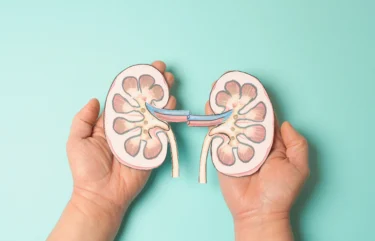
Usually known for its association with fasting, fox nuts are popularly known as ‘Makhana’. Makhana has been used for centuries as a snack food because of its many benefits. Fox nuts help to strengthen the spleen and kidneys and the Chinese use them as medicine. Almonds, walnuts, cashews and other dry fruits fall pale in comparison to fox nuts when it comes to nutritional value. Indian cuisine makes ample use of these nuts. They can be had roasted with a sprinkling of spices and condiments to provide a tasty treat1.
Makhana is high in protein and fibre while being naturally low in fat. Here’s a breakdown of its nutritional value per 100 grams of raw makhana2:
Magnesium, present in significant amounts, plays a crucial role in maintaining normal metabolism, supporting muscle and nerve function, and protein production. Makhana is also a good source of carbohydrates and contains other important minerals like iron, which is vital for healthy blood.
In summary, fox nuts are a nutrient dense food that can be a valuable addition to your diet, particularly if you’re looking to boost your intake of minerals and fibre.
Incorporating fox nuts into your diet might be a good source for energy. Foxnuts are a nutritious food rich in carbohydrates (75.04%), protein (11.16%), and low in fat (0.5%). They also contain important minerals like calcium (0.27%), phosphorus (0.28%), and iron (0.006%).
Dr. Siddharth Gupta, B.A.M.S, M.D (Ayu)
Here are some of the key health benefits of including fox nuts in your diet:
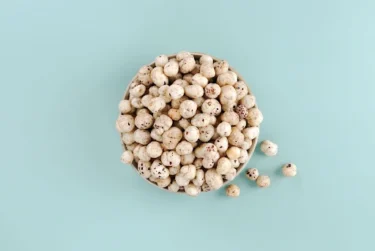
The high protein content makes them an important part of fasting food because a handful can provide you with energy to last the entire day. Most snacks are either deep-fried or have a high amount of preservatives and additives. Having a bowl of fox nuts will fill you up and also keep the calories in check.

The abundance of antioxidants makes them an anti-ageing food. A handful every day can keep you looking younger and making your skin glow. But do not eat them as a fried snack. Gallic acid and chlorogenic acid as well as epicatechin are some of the beneficial antioxidant substances found in makhana. These may play a role in reducing the risk of heart disease, cancer and chronic conditions like diabetes.

The healthy fat and low quantity of low saturated fat content makes them a great snack food for diabetics and heart patients. These properties make makhanas a good weight-loss food as well. In certain animal studies8, makhana extract was shown to reduce triglyceride and cholesterol levels and improve symptoms of fatty liver disease. A similar study8 showed a reduction of the same markers in rats with diabetes. Although further studies are required, the benefits of fox nuts make it a valuable food item for those looking to support their heart health.

The high fibre content helps with digestion and helps prevent constipation by adding bulk to stool3.

Fox nuts are great detoxifying agents that help flush out toxins from the body, benefiting the spleen4, which is an organ vital for recycling red blood cells and supporting the immune system3.

High in thiamine, fox nuts may help with cognitive function by the production of acetylcholine, a key neurotransmitter involved in nerve function.

Fox nuts release glucose slowly into the bloodstream, helping to keep you full longer and stabilising blood sugar levels.
Fox nuts are a great option for those with wheat allergies, offering high protein and carbohydrate content without gluten3.

The high levels of magnesium and potassium, and low sodium, fox nuts are ideal for weight management and people with hypertension, as they help lower blood pressure naturally9.

The natural compound in fox nuts (kaempferol) reduces inflammation in the body9. Inflammation is a contributing factor to most modern diseases like diabetes, arthritis, and rheumatism. Fox nuts also have antibacterial properties which may be beneficial against infections.

Rich in calcium, fox nuts support strong bones and teeth, making them a great addition to your diet for bone health.
I recommend consuming around 30 grams of popped foxnuts per day to benefit from their nutritional value and support your dietary protein intake. Including them as a snack or incorporating them into your meals can be a nutritious addition to your diet.
Dr. Rajeev Singh, BAMS
Here are a few quick and easy recipes to add makhana to your diet5,6:
Also Read: Sunflower Seeds: Nutrition, Benefits, Side Effects & More!
Fox nuts are a low-fat, high-fibre snack that also offers a good amount of protein and carbohydrates. This makes them a nutritious addition to your diet when consumed in moderation. If you’re aiming for specific health goals, such as weight loss, including a small portion of fox nuts daily can be beneficial. However, to determine the right intake based on your individual needs, it’s best to consult a nutritionist or dietitian1.
I would advise incorporating popped foxnuts into your diet as a source of protein if you are vegan. They offer good protein quality and digestibility. Popped foxnuts can contribute to your overall protein intake and provide a nutritious alternative or simply an addition to your meals or snacks.
Dr. Smita Barode, B.A.M.S, M.S.
While fox nuts are healthy, excessive consumption may lead to certain side effects such as7:
Also Read: Amazing Health Benefits of the Avocado
There are several health advantages of incorporating makhana in your diet, ranging from stronger bones and increased immunity to better digestion and heart health. Packed with vitamins and antioxidants, these can be a great addition to your everyday diet. They are also adaptable and simple to use in a variety of recipes, such as desserts, main courses, and snacks. But remember, consumption in moderation is important. Also, if you have any medical problems, discuss with your doctor before including any new food items, including makhanas, in your routine diet.
Also Read: Paneer: Uses, Benefits, Side Effects By Dr. Smita Barode
Makhana is good for balancing the body’s energies (vata and pitta) because it helps keep the body cool and moist.
Makhana or fox nuts are a great snack for in-between meals or even at midnight. They are low in sodium, cholesterol and fat while being high in protein. They are also gluten free, making it ideal for people who are allergic to gluten.
Yes, makhanas help improve digestion and keep constipation at bay. They are great anti-ageing foods because they have an abundance of antioxidants. A handful of makhanas every day will also give you youthful skin. Remember to not consume it as a fried snack.
Disclaimer: The information provided here is for educational/awareness purposes only and is not intended to be a substitute for medical treatment by a healthcare professional and should not be relied upon to diagnose or treat any medical condition. The reader should consult a registered medical practitioner to determine the appropriateness of the information and before consuming any medication. PharmEasy does not provide any guarantee or warranty (express or implied) regarding the accuracy, adequacy, completeness, legality, reliability or usefulness of the information; and disclaims any liability arising thereof.
 187
187
 6
6
Iron deficiency can lead to anaemia, often leaving us feeling fatigued and low on energy. In addition to tiredness, it may cause symptoms like dizziness, lightheadedness, poor concentration, irritability, paleness of skin, shortness of breath, heart palpitations, brittle nails, and even damaged hair.
Iron is an essential mineral in our bodies, playing a key role in vital functions. It is a major component of hemoglobin (Hb) in red blood cells (RBCs), which is responsible for transporting oxygen from the lungs to various parts of the body[1].
In muscles, iron is present in the form of myoglobin, which stores oxygen for use when needed by the body[1].
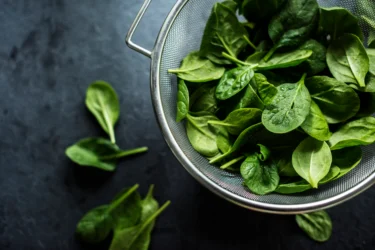


If you are a non-vegetarian, making seafood, poultry, and red meat a regular part of your diet will ensure your haemoglobin (Hb) levels will stay above average.
Researchers have found that iron deficiency risks are lesser in people who consume poultry, meat, and fish regularly[8].
I would recommend incorporating eggs in your diet to give your body the iron it needs. These versatile little powerhouses not only provide a wide range of essential nutrients but also contain a good amount of iron. Just one large egg (100g) contains approximately 1.75 mg of iron, which can cover your daily requirement.
Dr. Rajeev Singh, BAMS

Who said that iron-rich food has to be boring? Dark chocolate may satisfy our taste buds and also add to the iron content of our body.
Eating a bit of dark chocolate after every meal goes a long way in adding to our body’s iron reserves, but it should not be overdone as it has a good amount of calories as well.

Also Read: How To Increase Platelet Count Naturally
I would suggest adding white mushrooms to your meals if you’re looking to boost your iron intake in a delicious and nutritious way. A cooked cup of white mushrooms (about 156 grams) contains approximately 2.7 mg of iron.
Dr. Smita Barode, B.A.M.S, M.S.
Also Read: 8 Most Effective Foods To Fight Thyroid!
Iron overload disorders are a group of medical conditions that cause excessive iron accumulation in the body. Hereditary diseases like hemochromatosis are a genetic condition that makes a person’s body absorb excessive iron from food and drinks.
The human body is unable to excrete excess iron, which leads to this iron storage in various organs of the body, like the pancreas, liver and heart, which may give rise to organ failure and damage. Damage to the pancreas can cause diabetes, while excessive iron in the body, if left untreated, can turn the colour of the skin bronze.
There are mainly two types of iron overload diseases: primary hemochromatosis (genetic mutation) and secondary hemochromatosis (results of a condition). While the former kind of iron overload disease can happen if the family carries the same, the secondary condition can result from some kind of anaemia like thalassemia, chronic liver disease or some alcohol-related liver disease.
With early diagnosis and treatment, a person can expect a normal life. However, regular check-ups and blood tests may go on for life. The treatment depends upon the severity of the person, but if left untreated, it can increase the complications and add on to other medical situations.
I would recommend incorporating palm hearts into your meals if you’re looking to increase your iron intake. In just one cup(146g) of palm hearts, you can find approximately 4.6 mg of iron.
Dr. Anuja Bodhare, B.A.M.S, M.D (Ayu)
Also Read: The Detailed 7 Days GM Diet Plan for Weight Loss
Disclaimer: The information provided here is for educational/awareness purposes only and is not intended to be a substitute for medical treatment by a healthcare professional and should not be relied upon to diagnose or treat any medical condition. The reader should consult a registered medical practitioner to determine the appropriateness of the information and before consuming any medication. PharmEasy does not provide any guarantee or warranty (express or implied) regarding the accuracy, adequacy, completeness, legality, reliability or usefulness of the information; and disclaims any liability arising thereof.
179
9
Did you know that 15 out of 1000 women and 1 in 1000 men experience thyroid problems?1 While it’s important to monitor your diet if you have a thyroid condition, paying attention to lifestyle factors is just as crucial.
The thyroid gland plays a key role in managing the metabolic function of the body. When the thyroid does not function properly, it can affect the entire body. Individuals with thyroid issues may experience symptoms such as depression, weight gain, fatigue, low body temperature, hair fall, sensitivity to light, and reduced stamina. It’s important to understand how to manage thyroid conditions properly, including the key dos and don’ts.
Thyroid disorders affect approximately 1-10% of the adult general population, with women being 8 to 9 times more likely to be affected than men2,3.
Before we dive into the dos and don’ts of thyroid care, it is important to recognise the signs of thyroid problems. There are two main types of thyroid conditions: hyperthyroidism, which occurs when the thyroid is overactive, and hypothyroidism, which occurs when the thyroid is underactive.
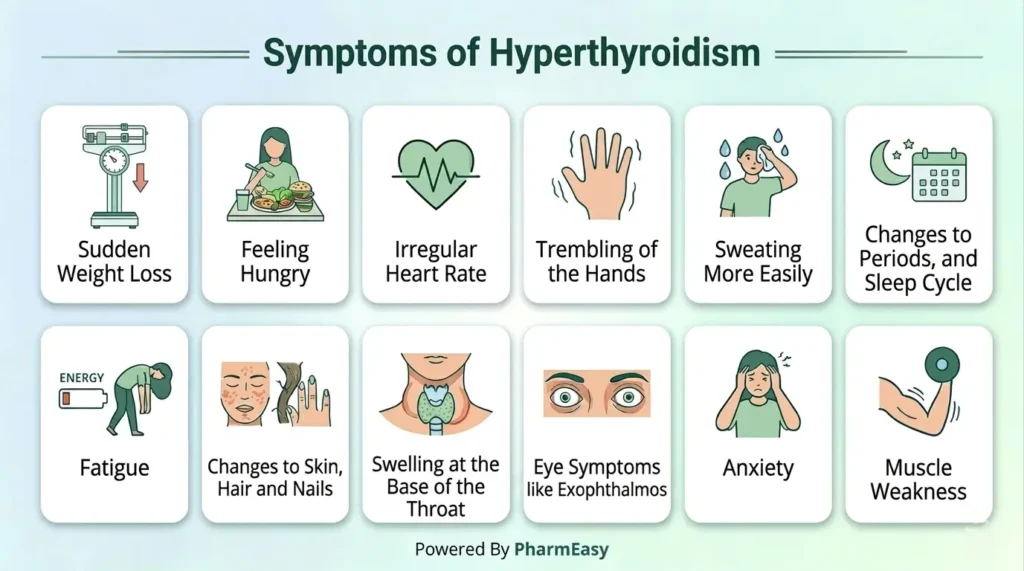
If you have hyperthyroid issues, you may experience any of the following symptoms:
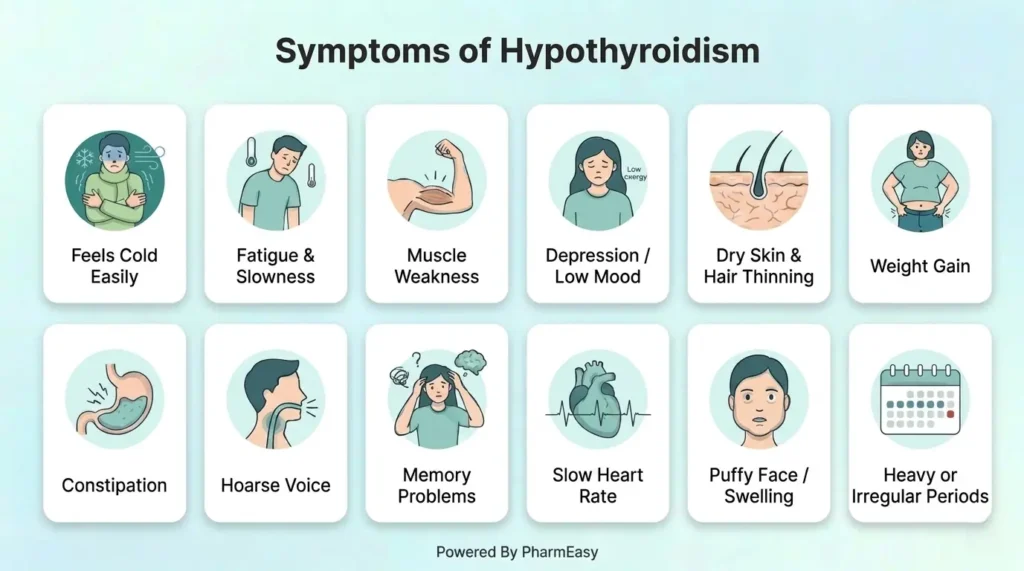
If you have hypothyroid issues, you may experience any of the following symptoms:
If you notice one or more of these symptoms, you should speak with a doctor immediately and request a blood test. Apart from confirming a diagnosis, your doctor will guide you with a list of dietary dos and don’ts for thyroid issues (some of which we’ve listed below). Note that, while dietary precautions are important for thyroid patients, it’s even more crucial to take the prescribed medication in the correct dosage.
Thyroid hormones control the basal metabolic rate in the body, hence the weight loss or gain in thyroid diseases. Regular thyroid profile testing and adjustment of dose by an endocrinologist is of paramount importance.
Dr. M.G. Kartheeka, MBBS, MD(Pediatrics)
It is important to check thyroid levels regularly, measuring TSH, T3, T4, and sometimes free T3 and T4 levels. Whether you get it done from the convenience of your home or visit a laboratory, it is up to you. If you have symptoms of a thyroid disorder, it is important to have a frank discussion with your doctor regarding your symptoms and get a physical examination done to seek clarity on the exact cause of your symptoms7.
Individuals with thyroid issues may be recommended to drink distilled water as chlorine, fluoride and bromine levels are low in distilled water and it is iodine-free, which helps the thyroid to function properly. Distilled water may also be helpful in cleaning the liver and kidneys of toxins.
Individuals with thyroid issues must have foods with vitamin B such as crabs, shellfish, and brazil nuts as these foods contain selenium, a mineral that is needed for optimal thyroid function. Tyrosine is necessary for the production of thyroid hormones. Tyrosine-based foods, such as almonds, sesame seeds, and oats may help reduce inflammation and help enhance health. Antioxidant-rich foods like fresh vegetables and fruits may also help reduce inflammation and support overall thyroid health8,9.
Smoking and drinking alcohol should be avoided in individuals with thyroid disorders. Alcohol can suppress thyroid gland function, while tobacco or smoking may interfere with iodine uptake and disrupt normal thyroid hormone synthesis. Smoking is also associated with an increased risk of Graves’ disease (hyperthyroidism) and may worsen thyroid eye disease10,11.
Caffeine is a stimulant that can temporarily increase the heart rate and blood pressure. Sugar also has detrimental effects on the body. Caffeine has antioxidant properties, so consuming it in small amounts may have an anti-inflammatory effect. However, consuming more than the recommended amount of caffeine can alter the TSH levels produced by the pituitary gland.
Many individuals with thyroid conditions may find it difficult to understand the changes happening in their body and often turn to the internet for answers. However, online sources can vary in accuracy and may lead to confusion or unnecessary concern.
It’s helpful to be aware of the common symptoms and conditions linked to thyroid issues. However, it’s important to consult a qualified doctor for an accurate diagnosis and appropriate medical guidance before starting any treatment or management plan.
By understanding the signs of thyroid problems and following the right medical advice, you can take control of your health and manage symptoms effectively. A balanced approach involving regular check-ups, the right medications, and healthy lifestyle habits is key to supporting thyroid function.
Also Read: Effective Care and Natural Masks for Acne
Disclaimer: The information provided here is for educational/awareness purposes only and is not intended to be a substitute for medical treatment by a healthcare professional and should not be relied upon to diagnose or treat any medical condition. The reader should consult a registered medical practitioner to determine the appropriateness of the information and before consuming any medication. PharmEasy does not provide any guarantee or warranty (express or implied) regarding the accuracy, adequacy, completeness, legality, reliability or usefulness of the information; and disclaims any liability arising thereof.
168
27
Steam distillation of freshly obtained or partially dried grasses (Cymbopogon winterianus and Cymbopogon nardus) is done to produce oil of citronella. The essential oil obtained from citronella is a biopesticide that has a non-toxic mechanism of action. It has been registered by the United States Environmental Protection Agency (EPA) as an insect repellant and an animal repellant1. Currently, citronella is one of the most commonly used natural repellents in the market and is used in concentrations of 5-10%2. The oil of citronella is yellow to brown and has a floral or grassy smell3.
Citronella essential oil has become popular for its use in preventing and managing many diseases. Due to its various constituents like citronellol, geraniol, and citronellal, it has many medicinal properties like wound healing, antimicrobial, anticonvulsant, etc4.
The chemical composition of the essential oil of citronella differs according to geographical location. The constant ingredients that have been isolated are alcohols, ketones, esters, aldehydes, and hydrocarbon terpenes5.
In 100 grams, below are the nutrients found in citronella:
Citronella is known to have many medicinal properties due to its major ingredients like citronellal, geraniol, and citronellol. Some medicinal properties of citronella include:
Other properties of citronella oil are:
The skin may benefit greatly from citronella oil. Dermatitis and eczema may be tackled effectively, the ageing process of the skin may be slowed down, and fungal diseases like athlete’s foot may be managed. I strongly recommend citronella essential oil use as it is excellent for use on oily skin and as an acne treatment as part of a cosmetic routine because of its antibacterial and astringent properties.
Dr. Smita Barode, BAMS, M.S.





Although the body’s natural healing reaction includes inflammation, chronic low-level inflammation can cause a wide range of issues and worsen already existing ones like osteoarthritis and rheumatoid arthritis. The main component of citronella oil is citronellal, which has been shown to have a potent anti-inflammatory effect. Additionally, it includes strong antioxidants that help remove free radicals, one of the primary causes of chronic inflammation. When diluted with a carrier oil and rubbed into painful and fatigued muscles, swollen joints, and the belly for menstrual cramps, it may be incredibly calming. In my experience, when taken internally, it may assist to reduce inflammation in the liver, stomach, and the gastrointestinal system.
Dr. Rajeev Singh, BAMS
Citronella is available in different formulations:
Citronella can be used along with other botanical pesticides and essential oils. The essential oils that can be used with citronella are cinnamon oil, eugenol, and clove oil. When used in insect-repellant candles, waxes like paraffin and beeswax may be combined with citronella7.
Your Ayurvedic physician will prescribe you the form and dose as per your needs.
According to studies10, citronella may be both energising and soothing. It has a naturally upbeat and joyful scent. In order to reduce stress naturally, it appears to affect both the sympathetic and parasympathetic nervous systems. From my knowledge, in addition to managing fleas and ticks, the essential oil may be used (in diluted form) on dogs to aid with separation anxiety and excessive barking.
Dr. Siddharth Gupta, B.A.M.S, M.D (Ayu)
The side effects of citronella use are:
Although some individuals might experience skin irritation, risks to human health and the environment are reported to be minimal by the United States EPA. No harm to humans, the environment, or pets is observed when a registered pesticide containing citronella is used as per the label7.
Also Read: Isabgol – Uses, Benefits, Precautions & Side Effects
Keep the following points in mind:
Also Read: Nirgundi – Uses, Benefits & Side Effects
Citronella has traditionally been used as a natural insect repellent and is also known for its antimicrobial, antifungal, and anti-inflammatory properties. It may help support skin health, improve mood, and protect against various bacterial and fungal infections. Using citronella in recommended concentrations is generally considered safe, but prolonged or excessive use should be avoided, particularly in young children and pregnant women. It is recommended to consult your doctor before using citronella to prevent any potential complications.
Also Read: Nagarmotha (Cyperus rotundus): Uses, Benefits, Side Effects & More!
Citronella is a natural animal and insect repellent obtained from two grass varieties. It is approved by the Food and Drug Administration as a food additive and is categorised as generally recognised as safe (GRAS)3.
Citronella is a constituent of many registered pesticide products. Citronella oil can be used to produce sprays, candles, pouches, pellets, and lotions. It is also used in some wristbands, flea collars, and a few sunscreen products3.
Citronella is commonly found in Indonesia, China, and Sri Lanka7.
The common names of citronella include lemongrass, Ceylon citronella, citronella grass, nardus grass, geranium grass, citronelle, citronelle de Sri Lamka, zacate limon, and citronelle de ceylan. The preferred common name of citronella is citronella grass6.
Oil of citronella can be used for sterilising food preparation surfaces.
Citronella oil is used in Chinese and traditional medicine for the management of digestive problems, fever, rheumatism, and intestinal problems. It is also utilised in aromatherapy to cure headaches, colds, and flu.
1. US EPA-Pesticides. Fact sheet for oil of citronella. [Internet] Available from: https://www3.epa.gov/pesticides/chem_search/reg_actions/reregistration/fs_PC-021901_1-Feb-97.pdf
2. Marta Ferreira Maia and Sarah J Moore; Plant-based insect repellents: A review of their efficacy, development, and testing. Malaria journal. 10, S11 (2011). Available from: https://malariajournal.biomedcentral.com/articles/10.1186/1475-2875-10-S1-S11
3. National Pesticide Information Center. Oil of citronella general fact sheet. [Internet] Available from: http://npic.orst.edu/factsheets/citronellagen.html
4. Ruchi Sharma, Rekha Rao, Sunil Kumar, Sheefali Mahant, and Sarita; Therapeutic potential of citronella essential oil: A review. Current drug discovery technologies. 2019 16(4): 330-339. Available from: http://www.eurekaselect.com/article/91780
5. Gagan Shah, Richa Shri, Vivek Panchal, Narender Sharma, Bharpur Singh, AS Mann; Scientific basis for the therapeutic use of cymbopogon citratus, stapf (Lemon grass). Journal of advanced pharmaceutical technology and research. 2011 2(2):3-8. Available from: https://pmc.ncbi.nlm.nih.gov/articles/PMC3217679/
6. Nutrition value. Lemon grass (citronella), raw nutrition facts and analysis. [Internet] Available from: https://www.nutritionvalue.org/Lemon_grass_%28citronella%29%2C_raw_nutritional_value.html?size=100+g
7. New York State integrated pest management program. Citronella and citronella oil profile. [Internet] Available from: https://ecommons.cornell.edu/bitstream/handle/1813/56119/citronella-MRP-NYSIPM.pdf?sequence=1&isAllowed=y
8. Winal Sayowan, Vorasith Siripornpanich, Teerut Piriyapunyaporn, Tapanee Hongratanaworakit, Nalphinich Kotchabhakdi, Nijsiri Ruangrungsi; The harmonizing effects of citronella oil on mood stated and brain activities. Journal of health research. 2012 Mar-Apr 26(2). Available from: https://he01.tci-thaijo.org/index.php/jhealthres/article/view/84661#:~:text=Citronella%20significantly%20decreased%20blood%20pressure,beta%20brain%20activities%20was%20increased.
9. CABI Invasive species compendium. Cymbopogon nardus (citronella grass). [Internet] Available from: https://www.cabi.org/isc/datasheet/120396
10. Sayowan W, Siripornpanich V, Piriyapunyaporn T, Hongratanaworakit T. The harmonizing effects of citronella oil on mood states and brain activities. J Health Res. 2012;26(2):69-75. Available from: https://www.researchgate.net/publication/233967835_THE_HARMONIZING_EFFECTS_OF_CITRONELLA_OIL_ON_MOOD_STATES_AND_BRAIN_ACTIVITIES
Disclaimer: The information provided here is for educational/awareness purposes only and is not intended to be a substitute for medical treatment by a healthcare professional and should not be relied upon to diagnose or treat any medical condition. The reader should consult a registered medical practitioner to determine the appropriateness of the information and before consuming any medication. PharmEasy does not provide any guarantee or warranty (express or implied) regarding the accuracy, adequacy, completeness, legality, reliability or usefulness of the information; and disclaims any liability arising thereof.
Links and product recommendations in the information provided here are advertisements of third-party products available on the website. PharmEasy does not make any representation on the accuracy or suitability of such products/services. Advertisements do not influence the editorial decisions or content. The information in this blog is subject to change without notice. The authors and administrators reserve the right to modify, add, or remove content without notification. It is your responsibility to review this disclaimer regularly for any changes.
4
Chilled buttermilk is a soothing drink, especially in summer, and offers numerous health benefits as well. Traditional buttermilk is the residue left behind after milk cream is churned into butter. It can also be made by diluting and mixing water with curd. It is commonly known as ‘chhaas’. Commercially available cultured buttermilk is prepared by fermenting no-fat milk with bacteria that produce lactic acid1. It is more viscous than traditional buttermilk.
Did You Know?
100 ml of buttermilk gives about 40 calories of energy. It contains less fat and fewer calories than milk due to the removal of butter. It is a good source of protein and calcium, and also contains sodium, potassium, vitamins and traces of phosphorus.
Some of the potential benefits of buttermilk are listed below:

Buttermilk is amazingly refreshing and helps cool our bodies quickly. A glass of buttermilk topped with cumin seeds, mint and salt is well suited to quench our thirst and cool our bodies in the hot summer months from April to July.
It can also be topped with ice cubes and proves to be a good alternative to the chemical-laden cold drinks available in the market. A glass of buttermilk can also provide relief to post-menopausal women who experience hot flashes.

Buttermilk is made using curd and water. It contains around 90 per cent of water and electrolytes like potassium. Thus, buttermilk is effective in maintaining hydration and water balance in the body2.

Buttermilk is a boon for our digestive system3. Healthy bacteria and lactic acid in buttermilk help digestion and improve our metabolism.
It also helps maintain regular bowel movements and helps people who suffer from constipation. Buttermilk may help manage Irritable Bowel Syndrome (IBS)4. The presence of probiotics in buttermilk may support a healthy gut environment.
Here’s a fantastic health benefit of buttermilk you don’t want to miss. If you’re dealing with annoying haemorrhoids and have tried countless medications without success, it’s time to give buttermilk a chance. Just add a cup of this creamy goodness to your daily diet and enjoy the relief it might bring!
Dr. Anuja Bodhare, B.A.M.S M.D (Ayu)

It may provide more energy and keep you active throughout the day. The riboflavin in buttermilk is a B vitamin that is vital for your body’s energy production systems. It also helps regulate your body’s amino acids, which make up proteins.
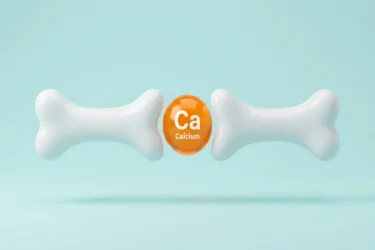
Buttermilk is a good source of calcium. 100 ml of buttermilk contains around 116 mg of calcium.
Calcium is essential for a healthy skeletal system. It makes our bones and teeth strong. Calcium helps to prevent degenerative bone diseases like osteoporosis5.
Calcium is also required for clotting of blood, contraction of muscles and beating of the heart.

Oily and spicy foods can often lead to acid reflux and cause heartburn. A glass of buttermilk topped with black pepper and coriander helps in easing our symptoms of acidity.
The lactic acid in buttermilk normalises the acidity in the stomach and gives a soothing effect.
Some studies6 suggest that fermented dairy products like buttermilk may support heart health as part of a balanced diet.
Also Read: Oat Milk: Uses, Benefits, Side Effects By Dr. Smita Barode

Regular consumption of buttermilk may help manage blood pressure and thus help patients with hypertension and heart diseases7. Potassium in buttermilk may help maintain normal blood pressure levels.

Drinking buttermilk every day may strengthen our immune system8. The probiotics in buttermilk may support a healthy gut, which plays a role in immune function.

Probiotics in buttermilk keep our digestion proper and thus help in removing toxins from our bodies. Buttermilk is traditionally used for its soothing and cleansing properties for the skin. Its lactic acid content may help in gentle exfoliation.
Buttermilk is like a magical elixir that might help to slow down the ageing process. By nourishing our bodies with its nutrients, it may keep our arteries flexible and ward off ageing symptoms like memory reduction, vision decline, wrinkles, and greying hair. Sip on buttermilk regularly and keep the signs of old age and disease at bay.
Dr. Smita Barode, B.A.M.S M.S.

Buttermilk is rich in B complex vitamins and vitamin D. Vitamins are very important and help our body in numerous ways.

Buttermilk is rich in proteins, vitamins and several minerals but low in calories and fats.
Drinking buttermilk keeps us hydrated and energetic. It also makes us feel full, thus reducing the unnecessary consumption of junk food. It is an ideal drink for people who want to lose weight.

Buttermilk contains riboflavin that helps in converting food into energy9, which can be used by the body to perform various functions. It also helps in the secretion of certain hormones, improves liver function and facilitates detoxification of the body.
When it comes to buttermilk, it’s important to know that there’s more than one type to delight your taste buds. And each type offers its unique taste and characteristics. Sweet buttermilk is the most studied, made from churning uncultured cream. Sour buttermilk has a tangy flavour and comes from churning cultured cream. Whey buttermilk, on the other hand, is produced during the making of whey butter.
Dr. Rajeev Singh, BAMS
Also Read: 10 Health Benefits of Eating Yoghurt Every Day!
Additionally, making buttermilk preparations can be a breeze, so we’ve listed a few simple recipes below. While we cover a few ideas on what to make with buttermilk, do not limit yourself to these recipes and try out new things on your own as well:
Whether you buy it from the store or try homemade buttermilk, its uses are limited by your creativity and preferences only. Buttermilk is a versatile, healthy and delicious ingredient, so start using it today!
Hold onto your taste buds because buttermilk has a secret ingredient that’s truly remarkable! It is known as the milk fat globule membrane (MFGM)3. This special component is packed with bioactive compounds that have many incredible health benefits. From fighting tumours to lowering cholesterol, MFGM might bring positive impacts to your body.
Dr. Siddharth Gupta, B.A.M.S M.D (Ayu)
Also Read: 10 Benefits Of Drinking Water From Copper Bottle Vessels
Yes, buttermilk can be beneficial for acidity. It contains lactic acid that helps neutralise stomach acid and aids in digestion. Consuming buttermilk may soothe the stomach and reduce symptoms of acidity or heartburn.
Buttermilk can be a good choice for weight loss as it is typically lower in fat compared to regular milk. It contains essential nutrients and can be a satisfying addition to a calorie-controlled diet. Its probiotic content may also aid in digestion, further supporting weight management.
Drinking buttermilk daily can offer various benefits, such as aiding digestion due to its probiotic content, providing essential vitamins and minerals, and supporting healthy weight management due to its lower fat content. Its soothing properties may also help in alleviating stomach acidity.
Buttermilk is rich in lactic acid, which can exfoliate and hydrate the skin. Applying buttermilk to the skin or incorporating it into skincare routines may help in brightening the complexion, reducing blemishes and improving overall skin texture.
Disclaimer: The information provided here is for educational/awareness purposes only and is not intended to be a substitute for medical treatment by a healthcare professional and should not be relied upon to diagnose or treat any medical condition. The reader should consult a registered medical practitioner to determine the appropriateness of the information and before consuming any medication. PharmEasy does not provide any guarantee or warranty (express or implied) regarding the accuracy, adequacy, completeness, legality, reliability or usefulness of the information; and disclaims any liability arising thereof.
Links and product recommendations in the information provided here are advertisements of third-party products available on the website. PharmEasy does not make any representation on the accuracy or suitability of such products/services. Advertisements do not influence the editorial decisions or content. The information in this blog is subject to change without notice. The authors and administrators reserve the right to modify, add, or remove content without notification. It is your responsibility to review this disclaimer regularly for any changes.
375
14
When you think watermelon, you picture a red, squashy, juicy fruit but the seeds probably don’t come to your mind. People usually remove these black seeds and consume just the fruit. But did you know these tiny seeds are super-nutritious and healthy?
Watermelon is scientifically known as Citrullus lanatus and belongs to the Curcubitaceae family. It is made up of about 92% water and contains many minerals and vitamins, making it a low-calorie fruit1. Watermelon seeds are well known for the many nutrients they contain. They are rich in micronutrients like zinc, magnesium, and potassium. They support immunity, protect heart health, and may help maintain blood sugar levels within limits2. Hence, they hold a special place on the Diabetes Food Chart.
Watermelon seeds are low in calories and contain many micronutrients, including:
I might reveal some of the hidden superpowers of watermelon seeds. A study on rodents found that the methanolic extract from these seeds may have impressive antioxidant, anti-inflammatory, and pain-relieving abilities. It even outperformed some popular drugs in tests and showed great potential for future use in food and medicine. These seeds are definitely worth keeping an eye on15!
Dr. Rajeev Singh, BAMS
Watermelon seeds are rich in nutrients like proteins, essential fatty acids, magnesium, and zinc, which help support several health aspect. Some key potential benefits of watermelon seeds include:

Studies5 conducted on watermelon seed oil stated that it contains a large amount of good fatty acids, such as linoleic acid, oleic acid, omega 3 fatty acid, omega 6 fatty acid, and omega 9 fatty acid. When applied externally, it may help retain moisture, thus helping protect the skin from dryness and improving skin elasticity and softness5.
Sprouted watermelon seeds help to cleanse your skin as they are full of nutrients like vitamin C and antioxidants4. Their oil is widely used in various beauty products to help manage acne and early signs of ageing. Watermelon seeds also contain magnesium, which helps improve the overall skin appearance and is useful in the management of skin conditions like eczema where the skin becomes dry and itchy. Watermelon seeds may help moisturise dull, dry skin.
The zinc found in watermelon seeds may support skin repair by helping in protein synthesis and cell division.

Watermelon seeds are full of proteins, magnesium, iron and copper, which may help improve hair health. These seeds help in strengthening your hair by preventing breakage and split ends, maintaining hair colour, reducing hair thinning and hair loss, and promoting hair growth6. Therefore, by consuming watermelon seeds, you can improve your hair’s health.

Watermelon seeds can promote heart health in many ways. Studies18 on rats stated that when fat rats were fed powdered watermelon seeds, it resulted in drastic changes in their lipid profile and reduced oxidative stress and inflammation (these are among the main risk factors for heart disorders). Watermelon seeds, being a good source of monounsaturated and polyunsaturated fatty acids, may help reduce the bad cholesterol in your body and may help protect your heart2 against heart attack and stroke. The high amount of magnesium in these seeds can potentially keep your heart healthy and regulate normal blood pressure.
Watermelon seeds have anti-inflammatory, antioxidant, and vasodilatory (widening of blood vessels) properties that may be helpful in keeping the heart healthy. The iron they supply is also vital in carrying oxygenated blood to the whole body. The zinc in these seeds plays a key role in heart health as it can regulate the calcium movement in your heart.

A study17 on rats states that by administering watermelon seed extract, a significant reduction in blood glucose levels was achieved. This may be because of the methanol content in it, which improved the insulin secretion in the pancreas. Hence, watermelon seeds may be used as a medicine in managing diabetes7. If you are suffering from blood sugar level fluctuations, try including these seeds in your diet. Magnesium helps to regulate the metabolism of carbohydrates which directly impacts blood sugar levels. These seeds may support blood sugar control in individuals with type 2 diabetes.

Watermelon seeds are rich in zinc and vitamin E, which play a main role in boosting the immunity of your body. They help your body to fight against various diseases and infections. Consuming these seeds may help keep you healthy8.

Watermelon seeds are rich in iron, magnesium, and zinc, which may help in the formation of bone and bone strength. Consuming watermelon seeds may prevent conditions like osteoporosis and may lead to healthy bones8.

In one study16, watermelon seed extracts are administrated in the Morris water maze and resulted in significant changes in memory and cognition function. These may be caused by the presence of various bioactive compounds in seeds. Consuming these seeds may, therefore, decrease the symptoms of dementia and Alzheimer’s disease, especially in older people9.
In animal study10, watermelon seeds extract are administrated in the male rats resulted in increase in sperm’s health. This is due to presence of antioxidant property in the seeds. Hence, by incorporating watermelon in seeds in the diet may help to improve the quality of sperm, which is the major issue in male infertility.

Watermelon seeds are rich in protein, minerals and fatty acids, all of which help to boost and maintain your energy for a longer period11. You can also consume these seeds as a snack whenever you feel hungry to help keep you fueled for a longer time.

Watermelon seeds are known for their various vitamins and amino acid content. These nutrients may play a vital role in regulating as well as boosting the natural metabolism like protein, bone, and energy metabolisms12.

A study was conducted to find the effects of watermelon seeds on asthma. It stated that watermelon seeds have a generous dose of bioactive compounds, which means they are useful as a bronchodilator by modulating calcium-mediated signal target proteins13. Hence, they are useful in the management of the symptoms of asthma. However, further more studies are needed to understand and prove this statements.

Watermelon seeds have a high amount of lycopene. Various studies stated that consumption of lycopene is associated with risk of prostrate cancer. The studies also stated that men consuming high amount of lycopene may reduce the incidence of prostate cancer by 25% and reduce the risk of prostate cancer by 44%1.
You can eat watermelon seeds raw, sprouted, and roasted. In any form, these seeds are tasty and healthy. Usually, watermelon seeds provide more nutrition once they are sprouted.
Watermelon seeds are best consumed roasted. You can easily roast watermelon seeds and sprinkle some salt over them to make for a savoury snack. This can be both a delicious as well as a healthy way to consume watermelon seeds on the go. Here are a few more recipes with watermelon seeds that you can try at home.
Roast watermelon seeds on a skillet over medium heat until they turn slightly reddish. Transfer them to a bowl and coat well with thick sugar syrup. Lightly grease a pan with coconut oil, spread the sugar-coated seeds onto it, and press down to form a firm layer. Once set, cut into bars and enjoy these sweet, crunchy watermelon seed snacks.
Start by dry roasting watermelon seeds with red chillies in a pan. Once done, transfer the mixture to a bowl, add a little salt and sugar, and grind it into a coarse powder. In another pan, heat some oil and add mustard seeds, urad dal, curry leaves, and a pinch of asafoetida. Toss in the peanuts and fry them until they turn golden brown. Finally, add cooked rice along with the ground watermelon seed powder, mix everything thoroughly, and serve warm.
Watermelon seeds can also be used to prepare simple, healthy desserts. Grind the seeds into a fine powder, then prepare sugar syrup in a pan. Add the powdered seeds to the syrup and cook until the mixture thickens to a cake-like consistency. Once set, cut into diamond shapes to make watermelon seed barfis, ready to serve.
I’ve got some exciting news about watermelon seeds. Turns out, the methanolic extract from these seeds has some impressive powers. It may have great potential against ulcers. Yes, studies on rats show that this extract might be the remedy we’ve been looking for to tackle ulcers14.
Dr. Siddharth Gupta, B.A.M.S, M.D (Ayu)
Watermelon seeds, when consumed in moderate quantities, do not cause any specific side effects. If you consume excessive amount of watermelon seeds for long time, it may lead to anaemia or osteoporosis3. However, if you notice any symptoms after eating watermelon seeds, you must visit a doctor immediately. It is important to consult a doctor and confirm whether it is safe for you to eat watermelon seeds specifically.
Also Read: Butterfly Pea Flower: Uses, Benefits, Side Effects & More!
Despite their modest size, watermelon seeds are packed with nutrients. Rich in protein, good fats, vital minerals, and antioxidants, they help healthy digestion, heart health, strong hair, and glowing skin. When consumed in moderation, these frequently wasted seeds may become a daily superfood that supports general health, whether they are sprouted, roasted, or used as oil.
Also Read: Lotus Seed: Uses, Benefits, Side Effects and More By Dr. Smita Barode
Disclaimer: The information provided here is for educational/awareness purposes only and is not intended to be a substitute for medical treatment by a healthcare professional and should not be relied upon to diagnose or treat any medical condition. The reader should consult a registered medical practitioner to determine the appropriateness of the information and before consuming any medication. PharmEasy does not provide any guarantee or warranty (express or implied) regarding the accuracy, adequacy, completeness, legality, reliability or usefulness of the information; and disclaims any liability arising thereof.
Links and product recommendations in the information provided here are advertisements of third-party products available on the website. PharmEasy does not make any representation on the accuracy or suitability of such products/services. Advertisements do not influence the editorial decisions or content. The information in this blog is subject to change without notice. The authors and administrators reserve the right to modify, add, or remove content without notification. It is your responsibility to review this disclaimer regularly for any changes.
442
11
Pineapple is said to have originated from South America and is rich in nutrients and antioxidants that can fight inflammation. Also, known as Ananas comosus, this healthy fruit is said to have a lot of health benefits. It contains vitamin A, vitamin K, phosphorus, calcium, and zinc that can work wonders in fighting many diseases. It’s a rich source of vitamin C that helps in maintaining a healthy immune system while its content of manganese can help regulate the metabolic rate and aid digestion. This fruit may also have several benefits for your hair, skin, and bones. This blog will give you a detailed account of its proposed health benefits and any potential side effects. It will also cover some ways in which you can use pineapple to achieve healthy skin and hair. But before that’s have a look at some interesting facts about this fruit!
Here are some interesting facts that you should know about pineapple.
Pineapple is a low-calorie fruit (83 kcal per 165 g) rich in essential nutrients. It provides 21.6 g of carbohydrates (including 16.3 g of natural sugars) and 2.3 g of dietary fiber. It is an excellent source of vitamin C (79 mg, 88% DV) and manganese (1.5 mg, 67% DV), and also contains vitamin B6, thiamin, copper, folate, and potassium in moderate amounts1. This nutrient-dense profile makes pineapple a healthy and refreshing fruit choice.
Here are some proposed health benefits of pineapple that you need to know.
Pineapple may benefit if you are suffering from a bad cold and cough. This is because this healthy fruit contains bromelain, which is an enzyme that has anti-inflammatory properties and can help fight infections2. Eating it regularly can help build your immunity and avoid cough and cold.
Pineapple is rich in manganese, which helps in strengthening your bones3. Along with manganese, it also has other nutrients like zinc, copper and calcium which can support bone health. Thus, adding this fruit to your everyday diet can help you keep your bones strong and healthy.
Pineapple is said to strengthen your gums and keep your teeth strong. Studies4 have shown that bromelain found in pineapple helps fight harmful bacteria that cause gum disease. Plus, pineapple also has a good calcium and manganese content that help in strengthening the teeth. Consuming pineapple regularly can help you achieve healthy gums and teeth.
Pineapple is also proposed to keep cancer away. This fruit has loads of antioxidants in it that can protect you from a wide range of diseases and help avoid some types of cancers from occurring. Pineapple may also have the potential to damage cancer cells, although further research is needed in this regard5.
Pineapple is a rich source of bromelain, dietary fibre, and vitamin C that help in good digestion. Bromelain consists of proteolytic enzymes that help in proper break down and absorption of food, thereby aiding in digestion. Drinking some pineapple juice or eating it every day can thus help you get rid of stomach issues.
Regular consumption of 100% pineapple juice may help reduce your risk of macular degeneration which is a condition that affects the eye as you get older6. As this healthy fruit is a good source of vitamin C and several antioxidants, it can aid in keeping your vision intact.
Arthritis involves severe pain in the joints which is primarily caused due to inflammation7. Pineapple contains bromelain which is said to have a major anti-inflammatory property and all you need to do is to make pineapple juice and drink it. This will ease joint pain and prevent you from arthritis.
If you have potential risk factors for developing cardiovascular disease such as high cholesterol levels, then eating pineapples regularly can help. This fruit has high amounts of healthy nutrients and phytochemicals that can lower lipids and reduce inflammation8. This can be a good natural way to control your cholesterol levels.
Bromelain being the major substance in pineapples may help reduce your risks of blood clots, which can avoid plaque from building in the arteries3. There, incorporating pineapple in your routine diet can be beneficial for your blood circulation and heart.
Pineapple contains enzymes that can soothe the feeling of vomitting9. This is because of its bromelain content particularly, which can help deal with nausea, motion sickness and morning sickness of pregnancy. However, it’s important to discuss with your gynaecologist before incorporating anything to your diet, especially pineapple, during pregnancy.
Pineapple contains valine and leucine which are two substances that are very important for the growth and repair of muscle tissue. Drinking one glass of pineapple juice may benefit in overcoming fatigue and boosts your stamina to keep you running the whole day. The best thing about this fruit is that it can keep you hydrated the entire day and provide all the energy you would need to run yourself.
Pineapple has tryptophan, which helps in the production of serotonin which is a natural stress buster that keeps your hormones and nerves relaxed10. Thus, including pineapple in your routine diet can help beat the stress and keep your mood elevated.
Pineapples are rich in nutrients and antioxidants that have the ability to prevent diseases that your body is prone to. Aging and oxidative damage to the body can cause chronic inflammation and weaken your immune system. Pineapple has antioxidants that can boost your immune system and protect you from many diseases3.
According to some studies11, bromelain in pineapple has demonstrated positive effects on muscle fatigue due to exercise. It can help protect muscle from damage and inflammation and is, therefore, a great way to promote muscle recovery after a workout.
Similarly, the bromelain in pineapple has also been seen to be helpful to the body when it is recovering from surgical intervention12. Bromelain is a potent anti-inflammatory compound and was also approved in some European countries for both internal and topical use on surgical wounds to facilitate faster healing.
A recent study13 on rats has proven that pineapple does have an anti-obesity effect. According to the results of this study, raw pineapple juice has been seen to prevent the deposition of fat in rats that were put on a specific diet. Thus, pineapple may have a promising role in supporting weight loss by providing a delicious and nutritious food option with low calorie content and presence of digestion-promoting enzymes.
While studies13 have shown beneficial health effects of pineapple, further large-scale human trials are needed to confirm these. Nonetheless, studies of initial research seem promising and there is a good chance that consuming pineapple routinely can show several positive effects on health as discussed.
As discussed, pineapple is good for your overall health and similarly, it is also good for your skin and hair too. Pineapple extracts can help rejuvenate your skin. It may be helpful for conditions like skin rashes or skin damage, and make you skin look clean and fresh. It also helps keep your hair and scalp healthy.
Here are some potential benefits of pineapple for your skin and hair.
Pineapple extracts may help fight acne and other skin infections. Studies14 have shown that application of bromelain extracted from pineapple skin can be beneficial in fighting microorganisms causing skin infections and manging acne.
The older you get your skin begins to lose its glow and you will begin to develop wrinkles. Pineapple is a rich source of antioxidants and vitamin C that are said to boost skin elasticity and hydrate your skin15. Alpha-hydroxy acid in pineapple helps delay the death of cells, thus aiding in anti-ageing capabilities.
Pineapple has loads of vitamin C and antioxidants that can help deal with sun damage and uneven skin toning. Pineapple extracts can help exfoliate dead skin and flush away the toxins from your face, thus making your skin look vibrant and clean.
Pineapple may help reduce black spots on your face by rubbing it over the spots. A study16 involving long term application of pineapple extract cream showed that it helped in reducing pigmentation and dealing with conditions like dermatitis and greasy skin.
Pineapple contains antioxidants that are responsible for softer and shinier hair. Its vitamin C content deal with brittle and dull hair and also aids in improving the thickness and elasticity of your hair. Thus, pineapple can help in promoting strong, healthy and lustrous hair.
Pineapple ranks high in the list of foods rich in vitamin and mineral content. Vitamin C, that promotes the growth and repair of tissues, is present in pineapple in nearly one-third of the daily required quantity. Studies10 show people taking vitamin C regularly may be able to fight cancer, heart disease, and arthritis. Vitamin C is known to possibly strengthen your immune system as well.
Dr. Siddharth Gupta, B.A.M.S, M.D (Ayu)
Pineapple has vitamin C that helps build collagen and makes your hair strong, potentially avoiding hair fall. The enzymes present in this fruit can also help improve blood circulation and enrich the hair follicles, thereby helping in new hair growth.
Pineapple extracts can help ease inflammation in your scalp. If you are suffering from severe itching on the scalp, applying this can give you instant relief. It may help deal with dandruff or inflammatory skin conditions such as dermatitis affecting the scalp and promote its health17.
Although natural remedies like applying pineapple and its extracts can help promote skin and hair health, if you’re suffering from any skin conditions or have symptoms such as itchy scalp or extensive hair fall, it’s ideal to consult a dermatologist first. They can help diagnose the underlying cause of your condition and suggest appropriate management strategy.
Here are a few preparations that use pineapple to help you take care of your skin and hair.
Mash half a medium-sized pineapple with 2-3 tablespoons of yoghurt and olive oil until a smooth paste is achieved. Apply the mask by massaging it into your hair and leaving it in for about 20 minutes. The pineapple enzymes will help to nourish your follicles and give you with thick strong hair while the mix of olive oil and yoghurt can give your hair shine and help manage scalp irritation.
In a blender, mix gram flour, pineapple, and oatmeal till it reaches a grainy consistency, then apply to your face gently while slowly massaging in a circular motion. Do not leave the face mask on for more than 10 minutes. The mixture of pineapple for skin is an all-round facial care scrub. Pineapple and gram flour have been known be great for complexion, helping reduce dark spots and evening out the skin tone. The gram flour and oatmeal also work together to absorb excess facial oils while cleansing the skin surface.
Make a mash of pineapple and turmeric and apply to zits, pimples, and cuts on your skin. Due to Bromelain in pineapple, it helps in wound repair while turmeric helps reduce inflammation and aids in wound healing. Together ,these two ingredients can help your skin recover quickly while using natural ingredients.
Researchers believe pineapple provides a healthy serving of the vitamin B complex including thiamin, niacin, B6, and folate. These vitamins and minerals may assist your body in converting food into usable energy. Additionally, they are essential for the production of new red blood cells that carry oxygen to your organs and tissues3.
Dr. Rajeev Singh, BAMS
Also Read: 12 Incredible Health Benefits of Bananas
While pineapple has many potential health benefits, it may have some side effects too. These include:
Also Read: Best Home Remedies for Hair Growth
Pineapple is a nutrient-dense, multipurpose fruit, full of essential nutrients and antioxidants.
There are numerous proposed health advantages of pineapple, including improved digestion, increased immunity, and even lowering risks of certain cancers. It is found to be great for the skin and hair too! Although further studies are needed to confirm its health benefits, pineapple seems to show promising results and can be incorporated in routine diet. However, despite the benefits, consumption in moderation is key to prevent any side effects of pineapple. Also, if you have any medical conditions or are on certain medications, it’s best to discuss with your healthcare provider before including pineapple or any other food item in your routine diet.
Also Read: Health Benefits of Garlic (Lahsun)
Of course, consuming pineapples are good for your overall health, but this fruit must not be consumed in excess as it can lead to several health problems such as:
-Diarrhoea
-Vomiting and nausea
-Skin Rashes
-Excess menstrual flow
-Swelling in your cheeks and mouth
Note: Bromelain is a major substance that is found in pineapples and this has its merits and demerits probably if you do not consume this fruit in excess. So, make sure that you drink only one glass of pineapple juice every day and this will do you good.
Well, the answer is no because this can make you feel very uncomfortable if you do not have the habit of consuming pineapples for every breakfast. Make sure that you complete your breakfast and then consume some fresh pineapple juice and this would do you good. Consuming it on an empty stomach can result in acidity.
Pineapple may offer relief during periods due to its anti-inflammatory properties and bromelain content, which could help alleviate menstrual cramps. However, individual responses vary, and it’s essential to consider personal health and consult with a healthcare professional for personalized advice.
Pineapple can be included in a diabetic diet in moderation due to its low glycaemic index and high fibre content, which may help regulate blood sugar levels. However, it’s crucial for individuals with diabetes to monitor their carbohydrate intake and consult with a healthcare professional for personalized dietary recommendations.
No, pineapple thorns are not poisonous. The outer skin of a pineapple may have sharp spines, but they are not harmful if handled carefully.
Pineapple can be included in a kidney-friendly diet as it is low in sodium and provides essential nutrients. However, individuals with kidney issues should consult their healthcare provider or a registered dietitian to determine the appropriate amount based on their specific dietary needs.
While there’s no direct evidence that pineapple increases sex drive, its nutritional content, including vitamin C and manganese, can contribute to overall well-being, potentially indirectly supporting aspects of sexual health. However, individual responses vary, and lifestyle factors play a significant role in libido.
Yes, you can freeze pineapple. Cut it into bite-sized pieces, spread them on a tray to freeze individually, then transfer to a sealed bag or container for convenient, frozen pineapple whenever needed.
To determine if a pineapple is ripe, look for vibrant green leaves at the crown, a sweet aroma at the base, and a slightly firm texture with a little give when gently squeezed. Additionally, the golden colour at the base of the fruit can indicate ripeness.
While some believe pineapple may induce labour due to the enzyme bromelain, there is limited scientific evidence to support this claim. It’s essential to consult with a healthcare professional before attempting any natural methods to induce labour during pregnancy.
Pineapple juice may help reduce swelling due to its bromelain content, which has anti-inflammatory properties. However, it’s essential to consume it in moderation, and consulting with a healthcare professional is advisable for personalized advice on managing swelling.
No, pineapple leaves are generally not considered poisonous, but they are tough and indigestible. It’s crucial to avoid consuming them. For personalized health advice, consult with a healthcare professional.
No, pineapple eyes are not edible as they are tough and fibrous. It’s advisable to discard them before consumption. For personalized health advice, consult with a healthcare professional.
Disclaimer: The information provided here is for educational/awareness purposes only and is not intended to be a substitute for medical treatment by a healthcare professional and should not be relied upon to diagnose or treat any medical condition. The reader should consult a registered medical practitioner to determine the appropriateness of the information and before consuming any medication. PharmEasy does not provide any guarantee or warranty (express or implied) regarding the accuracy, adequacy, completeness, legality, reliability or usefulness of the information; and disclaims any liability arising thereof.
Links and product recommendations in the information provided here are advertisements of third-party products available on the website. PharmEasy does not make any representation on the accuracy or suitability of such products/services. Advertisements do not influence the editorial decisions or content. The information in this blog is subject to change without notice. The authors and administrators reserve the right to modify, add, or remove content without notification. It is your responsibility to review this disclaimer regularly for any changes.
144
1
Lawsonia inermis L. also known as mehendi or henna is a shrub or small tree with dense branches, it is cultivated for its various parts (stem bark, roots, flowers and seeds) that are used in traditional medicine. It grows in tropical and subtropical areas. The benefits of mehendi are mentioned in abundance in the history of India Ayurvedic, Siddha, Unani and Chinese medicine. Mehendi has been an essential part of our traditions and it symbolizes fertility. Its popularity in India is due to the cooling effect of the herb which is useful for people in summers1,2.
Did you know?
The nutritional content fount in seeds of mehendi are seeds are1:
Allow me to share something that might pique your interest. The flowers of mehendi may have an interesting ability to relieve sun-induced headaches when applied in a paste form to the forehead. This traditional practice suggests that henna flowers might have soothing properties that may help alleviate headaches caused by sun exposure.
Dr. Anuja Bodhare, B.A.M.S, M.D (Ayu)
The mehendi plant consists of a range of compounds that play a vital role in several human conditions2. It may have following properties
From what I have encountered, in Arabic and Indian medicine, the leaves and roots of mehendi are potentially effective against certain types of diarrhoea. By making a decoction from these leaves and roots, it is believed to help alleviate the symptoms of and provide relief from diarrhoea.
Dr. Smita Barode, BAMS
Mehendi extracts demonstrated blood sugar lowering and lipid-lowering activities in studies1 and thus can be used to lower cholesterol and triglycerides levels in blood in persons with diabetes. Diabetes is a major health condition and requires appropriate diagnosis and treatment from a professional doctor. Therefore, human trials of mehendi are necessary to provide its potential usage for managing blood sugar levels in humans.
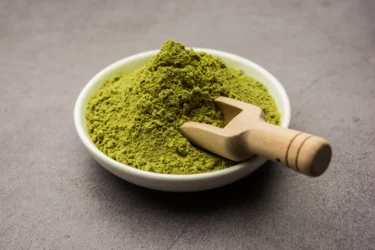
Mehendi leaves extract demonstrated immunity stimulating effect immunomodulatory effect in studies1 as shown by the increase in a certain type of white blood cells, called T-lymphocytes. Further studies are needed to establish the claim of effect of mehendi for immunomodulatory effect.

Mehendi bark extract has also demonstrated hepatoprotective (liver protective) and antioxidant activity in studies1,3. Mehendi leaf extracts were able to reduce the weight of the liver and the total bilirubin content in the blood1. However more human studies are needed to estimate the extent to which it will be beneficial for human health.
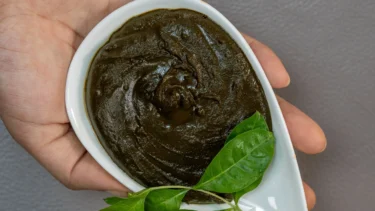
In some countries, sickle cell anaemia is a common disease. In this condition, there is the formation of sickle-shaped red blood cells. These cells block the blood vessels and this results in obstruction in the transportation of oxygen. In several studies, mehendi has been found to prohibit the formation of sickle cells4. However, serious conditions like sickle cell anaemia must be diagnosed and treated by a doctor. Therefore, kindly consult a doctor and do not self-medicate.

Some components of mehendi have been found to possess antimicrobial activity3. Extracts of mehendi can possibly treat infectious diseases1. Researches1 show that mehendi extract has antibacterial activity against both gram positive and gram negative types of bacteria. Studies done on 13 ring worm fungi show a broad spectrum of activity in killing the fungi presented by mehendi plant extract1.
Mehendi fruits too may be effective against Sembiki forest virus (SFV)1. Studies also determined leishmanicidal, antimalarial, antihelminthiasis, antiscabies and trypanocidal activities by mehendi plant extracts, all of which are activity against varies harmful parasites1.
Some studies5 have also established that extracts of mehendi are capable of replacing disinfectants used commercially. Mehendi extract was found to be inhibiting the growth of Mycobacterium tuberculosis in some studies1. Mehendi plant was traditionally used in the indigenous system of medicine. Compounds isolated from the plant also show anti-inflammatory, analgesic, and antipyretic activity that can all help in fighting infections3. Leaves may show anti-inflammatory activity3. Further studies are needed to establish the claim of effect of mehendi for infections.

Extract of mehendi leaves was tested on the liver and human breast cells and they demonstrated cytotoxic (cell-killing) effects1,3. Compounds extracted from mehendi show anti-cancer activity against melanoma and colon cancer1. There is a need of more extensive research to validate the effect of mehendi in humans. Cancer needs to be diagnosed and treated by a qualified doctor, hence, kindly consult a doctor.
Mehendi leaf extract may enhance memory or other cognitive functions and behaviour mediated through monoamine neurotransmitters1,3. The studies seem insufficient to validate these claims, therefore consult an ayurvedic physician before taking mehendi for its effect on brain.
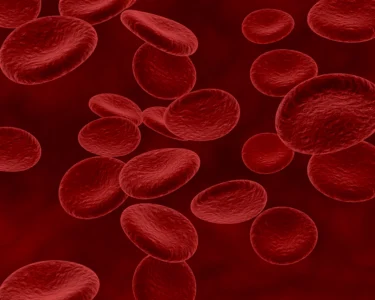
Anticoagulant activity of mehendi leaves was studied and established on the plant derivatives isolated from its leaves1. These activities of mehendi, however, are yet to be proved in humans.

Findings done histologically on the plant suggest the use of mehendi extract in wound healing as it shows several properties such as collagen production properties, enhanced wound contraction and increased skin breaking strength. These findings also suggest that we may use mehendi extracts in the burn wound infections management3. However, more human studies are needed to estimate the extent to which it will be beneficial for human health.
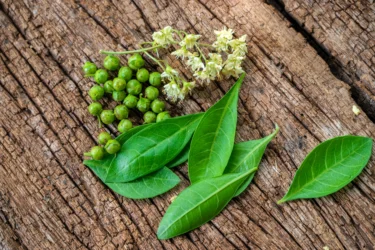
Mehendi seed extract was found to have antioxidant activity in research2. Due to the presence of polyphenols the plant extracts possess the ability to remove free radicals by engulfing them and producing antioxidants1. Studies6 show that fresh leaves of mehendi plant may be used to develop healthy foods due to their high antioxidant activity and consequent health benefits.
Though there are studies showing the benefits of mehendi in various conditions, these are insufficient. There is a need for further studies to establish the true extent of the benefits of mehendi on human health. Furthermore, every person may respond differently to these herbs. Therefore, it is important to consult a doctor before using mehendi for any medical condition.
In my view, mehendi leaves might offer an interesting benefit when it comes to managing obesity. In Indonesia, it is believed that consuming tea made from these leaves may help in managing weight and keeping obesity at bay. While more research is necessary to fully understand the underlying mechanisms, the fact that mehendi leaves might be associated with weight management sparks curiosity.
Dr. Rajeev Singh, BAMS
Mehendi leaf is ground into a paste, or the dried leaves are powdered and used as hair dye for decorating hands, nails and feet. It gives relief in jaundice, skin diseases and smallpox1.
Mehendi has fragrant flowers and a concoction of the flowers may aid bruises to heal faster when applied locally1.
Mehendi seeds when powdered and mixed with ghee may be effective in treating dysentery1.
The decoction of mehendi bark can be applied to burns and scalds. It is also effective in cases such as enlargement of the spleen, jaundice, calculus, and as a supplementary treatment in leprosy and obstinate skin problems1.
Mehendi may be a remedy for problems like gonorrhoea and herpes infection. Roots may be pulped and used for sore eyes and applied on the head of children for boils. In some parts of Cambodia, people drink a decoction for a diuretic action. Combined with indigo, mehendi root may become a powerful abortifacient1.
You must consult a qualified doctor before taking any herbal supplements. Do not discontinue or replace an ongoing treatment of modern medicine with an ayurvedic/herbal preparation without consulting a qualified doctor.
According to what I’ve noticed, traditionally the leaf and flower infusions of mehendi may be used externally to fend off ulcers and rheumatism. Additionally, these infusions might be consumed orally to alleviate symptoms of tetanus, epilepsy, and stomach pains.
Dr. Siddharth Gupta, B.A.M.S, M.D (Ayu)
Also Read: Camphor: Uses, Benefits, Precautions, Side Effects & More!
Mehendi extracts are studied and found to be safe to be used ordinarily1. It may be safe in pure form while henna tattoos have been reported to induce chronic psoriasis, intensely itchy erythematous, blistering eruptions to painful, itchy exudative bullous eruptions, swelling, or renal collapse and failure8.
If you experience any side effect on consuming mehendi, you must consult the doctor who prescribed it to you immediately.
Also Read: Neem: Uses, Benefits, Side Effects, and More!
Also Read: Lavender – Uses, Benefits, Side Effects & Precautions
Yes, All the mehendi plant’s parts are used to treat a variety of ailments. Mehendi is rich in phytochemicals and eating mehendi helps in protection against several diseases2.
Studies on the plant suggest that it is effective in wound healing as it has properties such as collagen production properties, enhanced wound contraction and increased skin breaking strength3. Mehendi bark decoction may also be directly applied on burns it is suggested to take proper treatment for wounds to avoid risk of worsening it.
Mehendi may give relief in jaundice1. The bark is used to be consumed in jaundice3. This claim would need further studies to be proven, consult a doctor for proper advice.
Henna can help our hair as it shows antidandruff activity; it also contains a dye molecule called Lawsone, which when processed becomes Henna powder dye. Henna has a natural affinity to the proteins in our hair, making it potentially able to ”stain” the colour onto the hair shaft9. However the evidences are insufficient to support any helpful effect of mehendi on human hair.
Mehendi has been used in some parts of Cambodia. People drink a decoction of mehendi roots as a diuretic1. However no large scale studies have been able to provide evidence for this effect.
Disclaimer: The information provided here is for educational/awareness purposes only and is not intended to be a substitute for medical treatment by a healthcare professional and should not be relied upon to diagnose or treat any medical condition. The reader should consult a registered medical practitioner to determine the appropriateness of the information and before consuming any medication. PharmEasy does not provide any guarantee or warranty (express or implied) regarding the accuracy, adequacy, completeness, legality, reliability or usefulness of the information; and disclaims any liability arising thereof.
Links and product recommendations in the information provided here are advertisements of third-party products available on the website. PharmEasy does not make any representation on the accuracy or suitability of such products/services. Advertisements do not influence the editorial decisions or content. The information in this blog is subject to change without notice. The authors and administrators reserve the right to modify, add, or remove content without notification. It is your responsibility to review this disclaimer regularly for any changes.
4
1
On the internet, you may find many diet plans for weight loss. But you may not find many for weight gain, even though there are a significant number of people who struggle with gaining weight.
Individuals who are underweight or skinny may have an underlying issue which may not always be because they eat too few calories for a prolonged period of time. Being underweight or malnourished may lead to different medical illnesses.
The weight gain equation is quite simple and is based on the amount of calories that you can burn. If your metabolism is high or you vigorously exercise, you may need to consume more calories to meet your body’s requirements. Simply overeating may not be a solution to gain weight. However, spacing your meals as three to six times a day, adding more protein and fat to your diet, and including high-calorie snacks can be some ways to gain weight naturally under a nutritionist’s guidance.
People who consume various supplements and unhealthy foods to gain weight quickly without doing any prior research may face medical problems. Thus, it’s important to be mindful of what you eat and cautious to not make extreme changes to a diet and lifestyle without the advice from a doctor. You may eat healthy foods that can help build muscle and increase your strength. If you are trying to gain some weight and wondering what you should eat to gain weight, the following guide may help for healthy foods that you can eat1.
As highlighted earlier, the main concept is to eat more calories than you use during your day. A rough estimate you can aim for is to take in 300 – 500 more calories than what you need. Another general idea is to eat more meals each day, rather than increasing the size of your existing meals. Increasing the amount of good quality fats and proteins in your diet may also be necessary when you’re trying to gain weight. It is recommended not to consume unhealthy fats and junk foods in an effort to put on weight. These types of food will result in weight gain only around your stomach area and thighs and can cause serious long-term issues in the coming years like diabetes, obesity and heart issues. It may also be a good idea to incorporate regular (but not intensive) exercise into your daily routine, as this can help build up your muscle mass and also boost your metabolism and strength1.
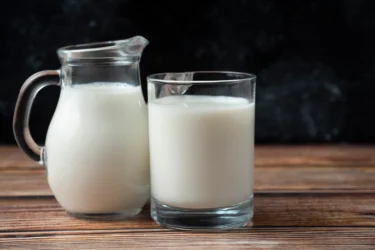
Milk is considered a complete food because it is rich in all nutrients that are essential for our body. It is high in proteins, calcium, carbohydrates, fats, minerals, and vitamins. It is an excellent source of protein that provides both casein and whey proteins. Studies4 have found that milk can help add muscle mass to the body. You can try drinking two glasses of milk per day with a meal or before or after a workout. If you are unable to digest milk as a whole, have it in a form of curd, yoghurt, or buttermilk1.

Rice is one of the most convenient and cheap sources of carbohydrates that can be beneficial to gain weight. Rice is also a calorie-dense food that means you can obtain carbohydrates and calories from a single serving. One cup of rice provides about 160 calories that contribute to gain weight5.
You can have rice with different curries and vegetables that are high in proteins. This is the easiest way to add taste, calories, and a protein boost. Khichdi is a good example of a complete meal and helps to achieve better health and nutritional value while gaining weight.
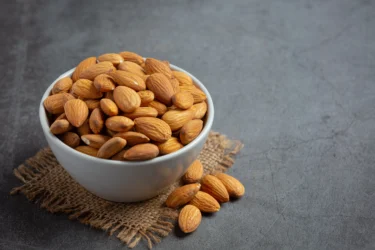
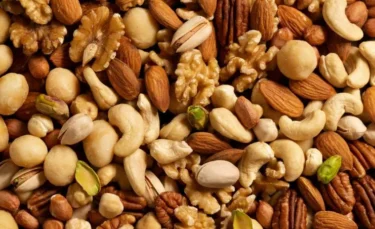
Consuming dried fruits and nuts can be beneficial for weight gain. This super-food contains various antioxidants, proteins, calories, and micronutrients. All types of dried fruit and nut have a naturally high sugar content that may help gain weight. You can eat them raw or roasted or even add them in yogurt, smoothies and milkshakes. A daily handful of dried fruits and nuts such as almonds, walnuts, and cashew can be considered best for weight gain6.
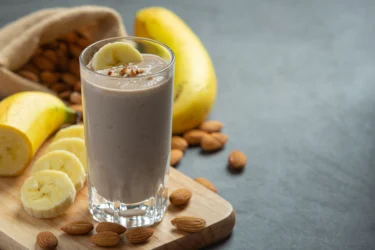
Homemade smoothies are much healthier than ready-made protein supplements. A shake may be most effective at helping to build muscle if taken shortly after a workout. They are also rich in flavour and taste. Here are some examples of homemade smoothies that can help gain weight quickly, such as chocolate banana nut shake, vanilla berry shake, chocolate hazelnut shake, and super green shake. Do make it a point to add some natural sweetness to increase up the calories like dates, honey, jaggery, agave etc3.

Red meat is a rich source of protein that helps to build muscles and increase weight. It contains leucine and creatinine, nutrients that play a significant role in increasing muscle mass. Steak and other red meats contain both protein and fat, which promote weight gain9. Both fatty and lean muscles provide proteins that can help you to gain weight8. One of the best sources is fat beef dishes brisket. But do remember to keep in mind your other medical parameters while consuming any non-vegetarian meals especially red meat or shelled fish.
Gaining weight can be relatively straightforward for non-vegetarians, given their wide array of food choices. However, it poses more challenges for vegetarians and can be even more difficult for those who are on restrictive diets. Vegetarians and those who are lactose intolerant face the issue of limited options. To address this, here are some recommended food items you may use. To boost calorie intake in these dietary preferences, consider incorporating soy milk, almond milk, coconut milk, rice milk, nuts, seed butters, tofu, olives, avocado, and vegetable oils into your meals.
Dr. Rajeev Singh, BAMS

Fatty fish such as salmon is rich in essential fatty acids and proteins. They help to gain weight and also boost your immunity. Omega-3 present in these fishes is considered the best source that is significant for weight gain10. You can prepare different dishes from salmon like steamed fish, fried fish, and smoked salmon. In India, Surmai and Ravas are the closest to Salmon.

Starchy foods such as potatoes, sweet potatoes and corn are a popular and tasty option for quick weight gain. It is a cost-effective option that provides extra calories for your body. These foods contain carbohydrates and calories that increase muscle glycogen stores. Studies have found that many of these starchy foods also contribute to essential nutrients and fibre, as well as resistant starch, which can help nourish your gut bacteria and help gain weight7,12.

The simple whole grain bread is a good source of carbohydrates that will increase your weight. They can be a well-balanced meal when prepared with protein sources like eggs, meat, and cheese or paneer. The live, good bacteria in sourdough feed bacteria in the gut that can strengthen your immune system13. Sour dough breads can be combined with avocado for a healthy meal balance.
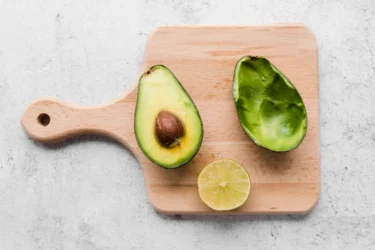
Avocados are an excellent source of fats, antioxidants, vitamins, and fibres14. You can add avocado to your main meal, sandwiches, and other dishes which can be beneficial for weight gain3. Guacamole is a very common avocado dish which comes close to the Indian or Asian cuisine.

Whole eggs are a valuable option for weight gain as they are full of proteins, calcium, and healthy fats2. They are muscle building foods and are readily available everywhere. It is beneficial to eat the whole egg, as the egg yolk is most nutritious.
Studies11 have shown that increasing the intake of fats and proteins might help you gain weight naturally. To my knowledge, food items like red meats, chicken, fish, beans, whole milk, eggs, cheese, full-fat yoghurt, nuts, butter, and olives may help in gaining weight while maintaining your health. You may try these options in your meals in different combinations.
Dr. Siddharth Gupta, B.A.M.S, M.D (Ayu)
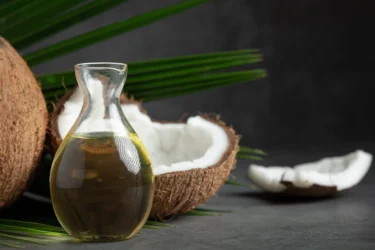
Healthy oils are extremely calorie-dense and do not come with the downsides of other unhealthy oils. You can add these oils to salad dressings, as a seasoning base, or for cooking. Avocado oil, extra virgin olive oil and coconut oil are three healthy oils that can help increase your caloric intake. Another method to incorporate healthy oil into your diet is to add one of these oils with a small amount of butter to your morning coffee. It is delicious and healthy!
Also Read: Natural Home Remedies To Reduce Belly Fat
The possibility of gaining weight overnight is a hoax or myth. A healthy, consistent diet, strength training and a set of different weight gain exercises all play their part in helping you gain weight. Out of this, diet and food have an important role. The following meal-plan can be incorporated for your weight gain diet:
Include food items like whole-grain bread slices with peanut butter and honey; a glass of milkshake; a medium-sized seasonal fruit; milk with chia seeds or sabja and oats; poached eggs; avocado toast. Avoid caffeine products like tea or strong coffee. You can also incorporate Indian foods like paratha or thepla with curd or idli or dosa with sambar and chutney. with curd or idli or dosa with sambar and chutney. or dosa with sambar and chutney.
You can add food items like chicken pasta made with leafy green vegetables, feta cheese, olive oil, tomato and avocado; egg, cheese and salad wraps; lentil, vegetable and barley soup; chicken and noodle stir fry; a bowl of rice with vegetables and fish; chicken rice with corn; chapati, chicken curry and a bowl of yoghurt or Indian staple food Khichdi made with rice and dals and vegetables as a one pot meal.
You can add your choice of rice/chapati as preferred and have it with fish, chicken, vegetables. A bowl of chicken soup with corn may also be added. Do add some salad to balance the fibre intake for the day..
Dried fruits have a great potential in helping gain weight. A handful of almonds, cashews or walnuts every day may be a healthy snacking option. Seeds like sunflower seeds and whole-grain crackers with hummus dip serve as a great snack option.
Also Read: 10 Best Foods For A Healthy Gut System
There are many foods and supplements available that help with weight gain. Instead of trying to take in large amounts of sweets or fatty foods, choosing high-calorie foods that provide energy and build muscle mass may be beneficial. Regular, age-appropriate exercise along with a healthy and calorie-rich diet may be the best way to put on weight in a healthy manner. Avoid snacking in between meals, ensure that you are always hydrated and maintain a healthy, nutritious diet only. You will need a little perseverance as gaining weight is not a sprint, it takes patience, but the results will be worth the wait.
Also Read: Acidity Problems? 21 Home Remedies That Can Help
Yes, fruits can be a part of a weight gain diet as they provide natural sugars, vitamins and minerals. High-calorie fruits like bananas, avocados and mangoes can contribute to healthy weight gain. Pairing fruits with other calorie-dense foods can create nutritious and calorie-rich meals.
Yes, nuts are beneficial for weight gain as they are calorie-dense and packed with healthy fats, protein and fibre. Incorporating nuts into your diet can provide an easy and nutritious way to increase daily calorie intake.
Adding healthy fats to your diet for weight gain can be done by incorporating foods like avocados, nuts, seeds, olive oil, coconut oil and fatty fish into your meals. These sources of healthy fats not only increase calorie intake but also offer many health benefits.
Yes, dairy products can aid in healthy weight gain. Full-fat dairy options like whole milk, yogurt and cheese are rich in calories, protein and calcium, making them excellent choices for those looking to gain weight in a healthy manner.
Yes, including protein-rich foods in a weight gain diet is essential as protein is crucial for muscle development and repair. Foods like lean meats, poultry, fish, eggs, beans, lentils and dairy products are excellent sources of protein.
Yes, smoothies can be helpful for weight gain when prepared with calorie-dense ingredients. Incorporating fruits, nuts, seeds, yogurt, milk and protein powders into smoothies can make them nutritious and calorie-rich meals.
Yes, whole grains are good for weight gain as they provide complex carbohydrates, fibre and essential nutrients. Foods like whole-grain bread, pasta, brown rice and quinoa can be excellent additions to a weight gain diet.
Yes, you can gain weight healthily with plant-based foods by focusing on calorie-dense options like avocados, nuts, seeds, legumes, whole grains and plant-based protein sources like tofu and tempeh.
You can incorporate more calories into your meals for weight gain by adding healthy fats, protein-rich foods and calorie-dense ingredients like nuts, seeds, avocados and dried fruits. Eating frequent, balanced meals and snacks throughout the day can also help increase calorie intake.
1.. Health Direct Australia. What to do if you are underweight [Internet]. www.healthdirect.gov.au. 2019 [cited 2025 Apr 15]. Available from: https://www.healthdirect.gov.au/what-to-do-if-you-are-underweight
2. Emrani AS, Beigrezaei S, Zademohammadi F, Salehi-Abargouei A. The effect of whole egg consumption on weight and body composition in adults: a systematic review and meta-analysis of clinical trials. Systematic Reviews. 2023 [cited 2025 Apr 17]. Available from: https://pmc.ncbi.nlm.nih.gov/articles/PMC10353215/
3. Dietary Advice about Gaining Weight in a Healthy Way [Internet]. North Tees and Hartlepool NHS Foundation Trust. 2023 [cited 2025 Apr 15]. Available from: https://www.nth.nhs.uk/resources/dietary-advice-about-gaining-weight-in-a-healthy-way/
4. Berkey CS, Rockett HRH, Willett WC, Colditz GA. Milk, Dairy Fat, Dietary Calcium, and Weight Gain. Archives of Pediatrics & Adolescent Medicine [Internet]. 2005 Jun 1 [cited 2025 Apr 15];159(6):543. Available from: https://jamanetwork.com/journals/jamapediatrics/fullarticle/486041
5. Calorie Content Food List Starches and Grains: 80 calories per serving [Internet]. Calorie Content Food List . [cited 2025 Apr 15]. Available from: https://www.nutrition.va.gov/docs/UpdatedPatientEd/CalorieContentFoodList2018.pdf
6. Services D of H & H. Weight and muscle gain [Internet]. www.betterhealth.vic.gov.au. [cited 2025 Apr 15]. Available from: https://www.betterhealth.vic.gov.au/health/healthyliving/weight-and-muscle-gain#bhc-content
7. Welter G, Rokuski S. NUTRITION COUNSELING -CAMPUS HEALTH SERVICE -HEALTH PROMOTION Gaining Weight: A Healthy Plan for Adding Pounds [Internet]. Gaining Weight: A Healthy Plan for Adding Pounds. [cited 2025 Apr 15]. Available from: https://www.health.arizona.edu/sites/default/files/weight_gain_healthy_ways_to_add_pounds.pdf
8. Barr B, Levitt DE, Gollahon L. Red meat amino acids for beginners: A narrative review. Nutrients. 2025 [cited 2025 Apr 17]. Available from: https://pmc.ncbi.nlm.nih.gov/articles/PMC11946737/
9. Khodayari S, Sadeghi O, Safabakhsh M, Mozaffari-Khosravi H. Meat consumption and the risk of general and central obesity: the Shahedieh study. BMC Research Notes. 2022 [cited 2025 Apr 17]. Available from: https://pmc.ncbi.nlm.nih.gov/articles/PMC9628015/
10. Swanson D, Block R, Mousa SA. Omega-3 fatty acids EPA and DHA: health benefits throughout life. Advances in Nutrition. 2012 [cited 2025 Apr 17]. Available from: https://pmc.ncbi.nlm.nih.gov/articles/PMC3262608/
11. National Academies Press (US). Factors that influence body weight. Weight Management – NCBI Bookshelf. 2004 [cited 2025 Apr 17]. Available from: https://www.ncbi.nlm.nih.gov/books/NBK221834/
12. Bojarczuk A, Skąpska S, Khaneghah AM, Marszałek K. Health benefits of resistant starch: A review of the literature. Journal of Functional Foods. 2022 [cited 2025 Apr 17]. Available from: https://www.sciencedirect.com/science/article/pii/S1756464622001645
13. Lau SW, Chong AQ, Chin NL, Talib RA, Basha RK. Sourdough microbiome comparison and benefits. Microorganisms. 2021 [cited 2025 Apr 17]. Available from: https://pmc.ncbi.nlm.nih.gov/articles/PMC8306212/#sec4-microorganisms-09-01355
14. Powell J. Avocados – the nutrition source. The Nutrition Source. 2024 [cited 2025 Apr 17]. Available from: https://nutritionsource.hsph.harvard.edu/avocados/
Disclaimer: The information provided here is for educational/awareness purposes only and is not intended to be a substitute for medical treatment by a healthcare professional and should not be relied upon to diagnose or treat any medical condition. The reader should consult a registered medical practitioner to determine the appropriateness of the information and before consuming any medication. PharmEasy does not provide any guarantee or warranty (express or implied) regarding the accuracy, adequacy, completeness, legality, reliability or usefulness of the information; and disclaims any liability arising thereof.
382
23
The liver is one of the most hardworking but undervalued organs in the body. While much attention is given to heart health, weight loss, and glowing skin, it is the liver that performs approximately hundreds of essential functions. These include storing nutrients like sugar, minerals, and vitamins to fuel the body; controlling the production and excretion of cholesterol; producing bile, which is stored in the gallbladder and helps break down fats1; and filtering out harmful substances, such as alcohol, medicines, and environmental factors2.
Just like the heart, the liver can also be stressed; however, unlike heart problems that may show early signs, the symptoms of a distressed liver show up very late. The liver is stressed when it is overworked and becomes sluggish.
So, how do you understand if the liver is in distress? Here are 17 symptoms that may indicate your liver is under stress:

Skin discolouration may sometimes be linked to liver problems. If your skin colour changes to jaundice yellow or pale with a blue tinge, your nails or fingertips turn yellow, or you have yellowing of the eyes, it is advisable to visit a doctor. This change in colour occurs because the body is unable to flush out the toxins, which leads to bilirubin accumulating under the skin, causing skin discolouration3.

Feel bloated frequently and have constipation too? Frequent indigestion may be associated with liver issues. With bloating, you may experience stomach pain as well4. This happens because the bile is unable to break down the food during digestion.
Another important sign is Spider naevi. Spider naevi or angiomas are small clusters of blood vessels that form just beneath the skin, often spreading outward like a spider’s legs. Angiomas typically appear red or purple in colour. These are often present in excessive numbers in people with liver disease.
Dr. M.G. Kartheeka, MBBS, MD (Pediatrics)

The liver plays an essential role in filtering blood and supports the synthesis of many nutrients needed for good health. However, when the liver is stressed, it may affect the synthesis and delivery of nutrients to muscles, tissues and tendons. This may lead to symptoms such as muscle cramps, weakness, and fatigue5.

Do you feel tired all the time? Persistent fatigue may occur when the liver isn’t functioning efficiently. When the body is under continuous strain, it may place additional pressure on the liver and other organs, leading to persistent tiredness. It is best to get your liver checked at this point5.

Is your urine darker than usual? It is possible that this may be due to inadequate water intake, which may cause your stools to be darker too. If you start drinking enough water and the colour of your urine and stool lightens, all may be well. However, if your urine and stool colour are still dark, you should seek medical help as this may be caused by liver problems5.
The culture of fast foods these days is slowly damaging the liver due to non-alcoholic fatty liver disease. Avoiding refined sugar and fast foods and eating before dusk helps a lot in prevention of fat accumulation in the liver, which can allay liver stress symptoms (by promoting weight loss).
Dr. Nikhil Yadav, MBBS MD, CCEBDM

When the liver is stressed, some individuals may experience mood changes or emotional disturbances, such as irritability, anxiety, mood swings, and depression, and some may even experience cognitive impairment, meaning their memory, attention span, and decision-making may be affected6.

Another potential liver distress symptom is little-to-no interest in food. A reduced desire to eat is often caused by an underlying health issue and should be taken seriously5.

Although irregular sleep pattern is a common occurrence amongst millennials due to a stressed lifestyle, a study7 found that liver cirrhosis was responsible for unusual sleep patterns in many patients.

When you have liver problems, the liver may not be able to purify your blood adequately. When toxins are not removed from the blood, it may lead to symptoms like memory loss, difficulty thinking, and confusion5.

Abnormal skin itchiness may be a symptom of liver cirrhosis3.

Liver disease tends to develop over time, slowly replacing healthy liver tissue with scarred or damaged tissue. This affects liver function and changes the metabolism, hormonal balance, and many other factors, which may lead to weight gain8.

Experts believe that when you develop nonalcoholic fatty liver disease (liver disease not associated with alcohol), your palms start to turn reddish, an outward indicator of liver dysfunction3.

Another probable symptom of nonalcoholic fatty liver disease is the enlargement of breasts in men. Although the exact cause of this is unclear, it is speculated that this may occur due to excess production of the female hormone, oestrogen, in this condition9.

Liver damage also manifests in the form of easy and sudden skin bruises and even bleeding5.

Swelling in the ankles and feet may also be associated with liver dysfunction. There may also be abdominal swelling due to the accumulation of fluid in the abdomen5.
Liver function tests are commonly recommended blood tests for measuring different enzymes, proteins and other substances made by the liver. Changes noticed in liver function tests should be reviewed by a physician to find the cause and manage the condition.
Dr. Ashish Bajaj, M.B.B.S., M.D., in Clinical Pharmacology and Toxicology
Also Read: Liver Fibrosis: What Is It, Causes, Symptoms & Treatment

Experiencing chills is often a natural response of the body when the mercury drops or when you are developing a fever. However, if none of this fits the bill, it could indicate cholestasis (blocked or reduced bile flow) associated with liver disease10.

When the liver is under stress, it can disrupt many bodily functions and may be associated with symptoms such as ringing in the ears, sleep disturbances, dizziness, blurry vision, allergic reactions, gastrointestinal bleeding, reduced sex drive, unexplained weight changes, sensitivity to chemicals, and the appearance of spider veins11,5.
Also Read: Natural Home Remedies for Fatty Liver
A healthy liver is important for overall well-being, as it supports many essential functions like the storage of nutrients, digestion, and filtering blood. If you are experiencing any of these symptoms mentioned in this article, it is advisable to consult your doctor or a liver specialist today to identify the cause of your symptoms and support the timely management of liver issues.
Also Read: What is Hepatitis A? Causes, Symptoms, and How It Spreads
Disclaimer: The information provided here is for educational/awareness purposes only and is not intended to be a substitute for medical treatment by a healthcare professional and should not be relied upon to diagnose or treat any medical condition. The reader should consult a registered medical practitioner to determine the appropriateness of the information and before consuming any medication. PharmEasy does not provide any guarantee or warranty (express or implied) regarding the accuracy, adequacy, completeness, legality, reliability or usefulness of the information; and disclaims any liability arising thereof.
Links and product recommendations in the information provided here are advertisements of third-party products available on the website. PharmEasy does not make any representation on the accuracy or suitability of such products/services. Advertisements do not influence the editorial decisions or content. The information in this blog is subject to change without notice. The authors and administrators reserve the right to modify, add, or remove content without notification. It is your responsibility to review this disclaimer regularly for any changes.
339
10


