
Turmeric (Curcuma longa) belongs to the family Zingiberaceae and might be one of the most valuable herbal medicinal plants1. Turmeric is also referred to as Indian saffron due to its brilliant yellow colour2. Turmeric contains a yellow pigment called curcumin or diferuloylmethane, which is the principal ingredient responsible for its properties1,3.
Turmeric is distributed throughout subtropical and tropical regions of the world. It is extensively cultivated in Asian countries, especially in China and India. It grows up to a height of one meter and has a short stem1.
There are more than 100 components present in turmeric. The major component present in the root is a volatile oil consisting of turmerone. Other colouring agents like curcuminoids are also present in turmeric. Curcuminoids contain curcumin demethoxycurcumin, dihydrocurcumin, and 5′- methoxycurcumin, which are natural antioxidants. Turmerone, arturmerone, and zingiberene are the components responsible for the aroma of turmeric. Turmeric also contains a great amount of ω-3 fatty acid and α-linolenic acid (2.5%)2. In 100 grams of turmeric, the nutrients found are4:
Turmeric might possess properties like:
As a doctor, I often come across patients who inquire about natural remedies for managing arthritis. One popular option that has gained attention is turmeric. It’s interesting how turmeric, a spice commonly found in our kitchens, may be loaded with potential benefits for arthritis and other conditions9.
Dr. Siddharth Gupta, B.A.M.S, M.D (Ayu)

Turmeric (Haldi) might exhibit cardioprotective (heart-protective) effects mainly due to its potential antioxidant, antidiabetic, antiplatelet, and cholesterol-lowering activities. Turmeric’s cholesterol-lowering effect might be attributed to reduced cholesterol intake by the intestines and enhanced cholesterol conversion to bile acids in the liver1. However, heart diseases are to be treated by a specialist. Kindly consult a doctor for heart conditions.

Constituents of turmeric might have positive effects on the gastrointestinal system. According to a study5, the intestinal spasm may be inhibited by sodium curcuminate, a constituent of turmeric. Another component of turmeric called p-tolymethylcarbinol might enhance secretin, bicarbonate, gastrin, and pancreatic enzyme secretion. As per an animal study, turmeric might be helpful against the formation of ulcers that might be induced by factors like stress, alcohol, indomethacin (non-steroidal anti-inflammatory drug), reserpine and pyloric ligation (a condition that leads to gastric acid accumulation in the stomach) by increasing gastric wall mucous in animals when exposed to these gastrointestinal insults.
Turmeric might stimulate bile secretion, hence potentially helping improve the body’s ability to digest fats. This might aid in better digestion and may also help in the elimination of toxins from the liver5. However, more research is required to prove such claims.

Turmeric might be helpful against tooth decay and is used in the preparation of toothpaste due to its potential antibiotic, astringent (causing the contraction of cells to reduce bleeding from minor abrasions) and anti-inflammatory activities. It might help against bacteria responsible for the development of cavities and may also help tone the gums5. However, more research is required. Therefore, kindly consult a doctor and do not self-medicate.

A cataract is an eye disease caused by the oxidation of the lens in your eyes. The internal consumption of turmeric might help reduce the oxidation of the lens. Hence, it may be helpful in cataracts. It may also be helpful in relieving eye pain5. However, do not self-medicate and kindly consult a doctor for problems related to the eye.

Turmeric might be effective in arresting nosebleeds, clearing the sinuses, and restoring a quicker sense of smell. Turmeric may also help with cough, sinusitis, and dyspnoea (difficulty in breathing)5. However, these effects need to be ascertained by further research.

A variety of bacteria, disease-causing fungi, and parasites might be inhibited by turmeric extract and the essential oil of Curcuma longa. The aqueous extract of turmeric might exhibit antibacterial effects. The growth of several bacteria like staphylococcus, lactobacillus, and streptococcus might be suppressed by curcumin. Ether and chloroform extracts of turmeric exhibit antifungal potential. Turmeric might also possess antiviral properties. All these properties of turmeric may help fight against infection-causing microbes5.

Detoxification is the process of elimination of toxic substances from the body. The active constituent of turmeric, curcumin, might bind with heavy metals like lead and cadmium and decrease the toxicity of these metals. Turmeric may also be effective in dealing with poisoning and the purification of blood5. However, these effects need to be further researched. Kindly do not self-medicate. Consult a doctor.

Turmeric might help purify and nourish the blood which may lead to healthy and glowing skin. It might be effective for skin diseases like acne, eczema, etc. due to its antiseptic and antibacterial properties. It may also help against premature ageing. Turmeric is also a constituent of sunscreens and cosmetics5. However, its effects on skin need to be further researched.
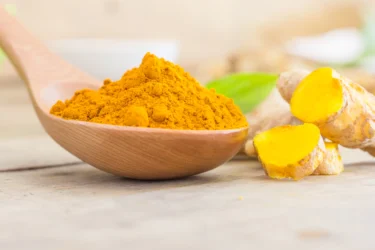
Curcumin might be a powerful scavenger of oxygen-free radicals. The antioxidant property of curcumin is comparable to that of vitamin E, and C. Curcumin may significantly inhibit the generation of reactive oxygen species. The derivatives of curcumin, such as bisdemethoxycurcumin and demethoxycurcumin, also contain antioxidant properties. Pre-treatment with curcumin might help reduce oxidative stress caused due to ischaemia (a condition in which is there is restricted blood flow in a particular body part)1.
Though there are studies that show the potential use of turmeric in various conditions, but these are insufficient and there is a need of further studies to establish the true extent of the benefits of turmeric on human health.
I find it is very fascinating how a natural ingredient like curcumin might potentially support cognitive function. In a recent clinical trial, researchers discovered that taking 90 milligrams of curcumin, a compound found in turmeric, twice a day for 18 months had a positive impact on memory performance in adults who didn’t have dementia6.
Dr. Rajeev Singh, BAMS
Turmeric can be taken as a supplement or utilized as a spice. Turmeric can be incorporated into your diet by adding it to various foods like:
Turmeric is available in different forms like:
You must consult a qualified doctor before taking any herbal supplements. Do not discontinue or replace an ongoing treatment of modern medicine with an ayurvedic/herbal preparation without consulting a qualified doctor.
Let me share a gripping discovery. A study6 found that curcumin, the active compound in turmeric, might be effective in reducing symptoms of depression. It’s also believed that curcumin may help increase the levels of serotonin and dopamine in the brain, which are important chemicals involved in regulating mood. Isn’t it stunning how natural ingredients might potentially have such powerful effects on our mental well-being?
Dr. Smita Barode, B.A.M.S, M.S.
Turmeric has been established safe for use. However, despite this safety record, there have been some side effects. When taken in excess, the following side effects have been reported:
Alkaline phosphatase is an important enzyme that is associated with the presence of liver, bone and other diseases. Lactate dehydrogenase is an enzyme that is indicative of any tissue damage or disease8.
I would like to suggest considering turmeric as a potential natural remedy for muscle soreness after exercise. The active compound in turmeric, curcumin, may possess anti-inflammatory properties that may help reduce post-exercise muscle inflammation and soreness. While more research is needed to fully understand its effects, incorporating turmeric into your routine might be worth trying10.
Dr. Anuja Bodhare, B.A.M.S, M.D (Ayu)
Also Read: Cabbage (Patta Gobi): Uses, Benefits, Side effects By Dr. Rajeev Singh
The right dose of turmeric for you depends on your overall health. It is essential to talk to your physician before taking turmeric. Although the risk of side effects and drug interactions are unlikely, it is recommended that you stop consuming turmeric if you experience any ill effects.
Turmeric might cause bloating, and it is also advisable to avoid turmeric if you have gallbladder disease6.
Also Read: Reetha: Uses, Benefits, Side Effects, and More!
Turmeric might interact with blood-clotting medications. Hence, it is important to consult your doctor before consuming turmeric with these medications6.
Also Read: Urad Dal: Uses, Benefits, Side Effects, and more!
Turmeric (Haldi) is a spice that is obtained from the root of the Curcuma longa plant that is a part of the ginger family. The primary active constituent of turmeric is curcumin. Turmeric might have many health benefits6.
Turmeric is known by different names like turmeric root, Indian saffron, Curcuma longa, Curcuma aromatica and more9.
Turmeric might help enhance memory in adults without dementia (loss of memory, language, problem-solving and other thinking abilities). Curcumin might also help against Alzheimer’s disease6. However, such effects need to be proved by more research.
Turmeric might not be safe for use during pregnancy when taken in excess amounts. Hence, you must consult your doctor before taking turmeric during pregnancy9.
Turmeric might have haemostatic property (ability to arrest bleeding) and a great healing property due to its anti-inflammatory and antimicrobial effects. According to animal studies5, turmeric exhibited a potential healing effect on septic and aseptic wounds in animal models. However, more research is required to prove such claims.
Disclaimer: The information provided here is for educational/awareness purposes only and is not intended to be a substitute for medical treatment by a healthcare professional and should not be relied upon to diagnose or treat any medical condition. The reader should consult a registered medical practitioner to determine the appropriateness of the information and before consuming any medication. PharmEasy does not provide any guarantee or warranty (express or implied) regarding the accuracy, adequacy, completeness, legality, reliability or usefulness of the information; and disclaims any liability arising thereof.
Links and product recommendations in the information provided here are advertisements of third-party products available on the website. PharmEasy does not make any representation on the accuracy or suitability of such products/services. Advertisements do not influence the editorial decisions or content. The information in this blog is subject to change without notice. The authors and administrators reserve the right to modify, add, or remove content without notification. It is your responsibility to review this disclaimer regularly for any changes.
 15
15

Ajwain (Carum copticum), also called bishop’s weed, is a herb that is used as a spice and a major ingredient in different types of medicines. It is thought to have originated in Egypt and the eastern Mediterranean region. Ajwain is extensively cultivated in black soil, especially along the riverbanks in Egypt and several other countries like Iran, Afghanistan, and India. The seeds are small yet have a hot, pungent, and bitter taste. Ajwain functions as a stomachic (helping promote appetite or helping in digestion) and laxative, and is used as an appetiser. It may be helpful for conditions like piles, abdominal tumours, abdominal pain, vomiting, mouth diseases, etc1.
The major constituent of ajwain is an essential oil called thymol, which constitutes about 35-60%. The seed also contains compounds like β-pinene, para-cymene, α-pinene, limonene, and γ- and β-terpinenes3. Ajwain seeds also comprise protein, fat, fibre, minerals, calcium, iron, phosphorus, carotene, riboflavin, niacin, thiamin, and carbohydrates. In 100 grams of ajwain, the nutrients found are1,2:
Ajwain is known to have many properties like3:

Ajwain may help reduce irregular intestinal and stomach pain in both adults and children. Taking ajwain with common salt and warm water may relieve colicky pain (sharp intestinal pain) caused by gas, indigestion, or intestinal infections. It can also be taken with buttermilk to ease digestion-related issues1. Consult your doctor before taking it for any condition.

A mixture of ajwain and ginger may be prescribed by your doctor in cases of chronic bronchitis and asthma. This mixture might help expel mucus and may improve the symptoms of chronic bronchitis and asthma. It may also be helpful for chronic colds and coughs. Consuming warm water after chewing ajwain might help reduce a cough. Chewing betel leaf with ajwain might help with a dry cough1. It is, however, essential to consult your doctor before taking it for these conditions.

Ajwain seeds may be helpful for diabetes4. Powdered neem leaves can be taken with warm milk along with powdered ajwain and cumin seeds. This combination might help reduce blood sugar levels. However, it’s essential to consult your doctor before taking this. Moreover, a condition like diabetes must be diagnosed and treated by a doctor.

Smelling ajwain seeds wrapped in a tissue may help in dealing with migraines3. Ajwain seeds can also be burned, and the fumes inhaled, to address other head-related issues1. However, such effects need to be proved by further research. Moreover, it is essential to consult a doctor before using ajwain for any apparent health benefits.

Ajwain seed oil may be helpful for pain related to arthritis3. This oil can be used regularly for massage on the affected joints to alleviate pain in rheumatic arthritis1. Kindly consult a doctor before using it.

Consuming ajwain seeds might be a natural way to help deal with diarrhoea or dysentery5. A handful of ajwain seeds can be boiled and added to a glass of water. This mixture can be cooled and consumed to help with diarrhoea. However, such effects need to be ascertained by further research.
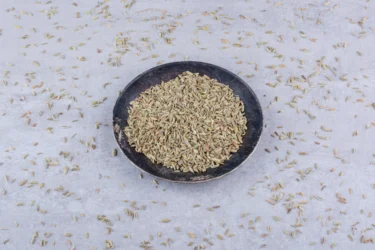
Ajwain seeds might also be used as an insecticide6. Moreover, they may also be used for poisonous insect bites.
Although studies showing the potential uses of ajwain in various conditions are limited, there is a need for further research to establish the true extent of ajwain’s benefits on human health.
Also Read: Black Chana: Uses, Benefits, Side Effects By Dr. Rajeev Singh
Ajwain seeds might be used as it is or they can be used in powder form. Your ayurvedic doctor will prescribe you the correct form and dosage for use for your condition. Kindly refer to your doctor for advice
You must consult a qualified doctor before taking any herbal supplements. Do not discontinue or replace an ongoing treatment of modern medicine with an ayurvedic/herbal preparation without consulting a qualified doctor.
Also Read: Black Salt: Uses, Benefits, Side Effects, Precautions & More!
When consumed in moderation, ajwain seeds do not produce any harmful side effects. However, in people suffering from conditions like diverticulitis (pain and inflammation in small, bulging pouches that can form in the lining of the digestive tract), ulcerative colitis (inflammatory bowel disease), and liver diseases, excess intake of ajwain might lead to some side effects.
It is important to keep these points in mind when using ajwain seeds:
Also Read: Brahmi: Uses, Benefits, Side Effects, and more!
Ajwain might interact with unknown medicines. Therefore, you should consult a doctor before using ajwain for its potential health benefits.
The common names of ajwain include ajwain, jevain, oma, omam, yom, omu, vamu, yamini, oman, jain, yaminiki, yavan, and more9.
Ajwain seeds might be helpful for tooth pain. Using clove oil, ajwain oil, and water might help to deal with toothache, tooth decay, and bad mouth odour. It may help maintain oral hygiene. However, please consult a dentist for dental problems and do not self-medicate.
A paste can be prepared from ajwain seeds and may be applied on any affected part of the face or body to help with itching, boils, and eczema (a condition in which patches of skin become inflamed, itchy, cracked, and rough). In case of acne, powdered ajwain seeds might be taken with yoghurt and applied to the face. This remedy may help manage acne scars. However, more research is required to prove these effects.
Consuming buttermilk with ajwain seeds and rock salt might help reduce the bleeding in piles9. However, please consult a doctor before using such a remedy.
Disclaimer: The information provided here is for educational/awareness purposes only and is not intended to be a substitute for medical treatment by a healthcare professional and should not be relied upon to diagnose or treat any medical condition. The reader should consult a registered medical practitioner to determine the appropriateness of the information and before consuming any medication. PharmEasy does not provide any guarantee or warranty (express or implied) regarding the accuracy, adequacy, completeness, legality, reliability or usefulness of the information; and disclaims any liability arising thereof.
31
3
Olive (Olea europaea L.) is a small tree native to tropical and mildly temperate regions of the world that belongs to the Oleaceae family. The tree, famous for the olive, is commercially important in the Mediterranean region as a primary supplier of olive oil1.
The olive tree has long been used for possible medical and nutritional purposes. Olive leaf extracts might have been used to promote health. The high content of fatty acids and functional bioactive compounds such as tocopherols, carotenoids, phospholipids, and phenolics with diverse biological activities are primarily responsible for olive oil’s potential health benefits. These components also contribute to the distinct flavour and taste of olive oil. Similarly, they have been revered as a well-known folk remedy for fever and some tropical disorders such as malaria. Due to their bitterness, olives are rarely utilised in their natural form; nevertheless, they are ingested in one of two forms: oil or table olives1.
The olive oil is obtained from olives (the fruits of Olea europaea L. tree). It is a chief constituent of the Mediterranean diet and is currently gaining popularity as a component of a healthy diet among consumers in northern Europe, the USA, Canada, and other nations. Olive oil is produced almost entirely in Spain, Italy, Greece, Tunisia, Turkey, Morocco, and Portugal2.
Virgin olive oil is produced by mechanical procedures. Ordinary virgin olive oil, fine virgin olive oil, and extra virgin olive oil are the three edible grades of virgin olive oil2. Extra virgin olive oil comprises two chemical compounds: triglycerides (97 to 99 %) and minor components (1 to 3 %)3.
Did you know?
The nutritional content of 100 g of olive oil is4:
Various properties of olive oil are listed below.

Oleuropein, a phytoconstituent in olive, has antibacterial properties against bacteria, including mycoplasma. Furthermore, the phenolic chemicals in olive oil might degrade bacterial membranes, hence showing antibacterial actions. Several authors also claim that oleuropein might act against toxins produced by Staphylococcus aureus and might have an antiviral effect against herpes and hepatitis viruses. Oleuropein might also have an antiviral impact against the parainfluenza virus. Furthermore, the potential antiviral activity of olive leaf extract against the virus that causes acquired immunodeficiency syndrome has been proposed3.
The polyphenolic content of olive extract may be linked to a notable antibacterial action. Malaria infections may have been curbed with oral dosages of olive leaves. Studies have proven polyphenols may inhibit the development and reproduction of Bacillus cereus, Klebsiella pneumonia, Salmonella typhi and Escherichia coli. Olive oil has been demonstrated to have potential antibacterial properties for intestinal and respiratory infections5. However, its use needs to be confirmed by further research.

Olive oil has long been the main ingredient of the Mediterranean diet. Oleic acid and polyphenols have been shown to protect the liver in various animal studies and cell culture studies. These olive oil components have also been demonstrated to be helpful for different hepatic diseases, such as liver ballooning (increased liver size) and liver steatosis (fat accumulation in the liver), and might aid against drug-induced liver damage5.
Through the potential antioxidant effect of its polyphenolic contents, extra virgin olive oil might decrease inflammation, may reduce the risk of liver damage, and might slow the advancement of steatohepatitis (fat deposition in the liver). Researchers found that consuming extra virgin olive oil might reduce liver tissue damage in animal models. Furthermore, the combined therapy of olive oil and camel milk in animal models demonstrated possible liver protective effects in drug-induced liver toxicity due to their potent antioxidant action5. However, liver diseases can be serious and need proper diagnosis and treatment by a professional.

Olive oil’s phenolic antioxidants might help against the damaging effects of free radicals and the consequent alterations in cellular structures. Scientists investigated the impact of olive oil on colon cancer. Their findings suggested that the presence of antioxidants, phenolic compounds, and fatty acids in olive oil might play an essential role in lowering the risk of colon cancer3.
Studies have investigated the effect of hydroxytyrosol (antioxidant present in virgin olive oil) on cancer cell growth, apoptosis (cell death), and cell cycle. The findings support that hydroxytyrosol might help against cancer and may help trigger cancer cell death and stop the cell cycle. Olive oil contains vitamin E, which might protect the skin from the sun. As a result, it might help against premature ageing and skin cancer3. However, cancer is a serious disease and must be diagnosed and treated by a doctor.
Studies8 say that extra virgin olive oil may help people living with rheumatoid arthritis. Extra virgin olive oil is known to be beneficial due to its anti-inflammatory properties. The long-term, progressive, multi-step, and complicated process of rheumatoid arthritis causes inflammation in a number of joints, causing severe swelling and stiffness in the joints as well as bone and cartilage degradation and joint degeneration and the use of this oil may help ease the inflammation and stiffness.
Dr. Rajeev Singh, BAMS
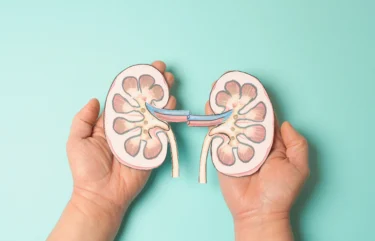
As dietary virgin olive oil and olive leaf extract might help protect kidneys from damage in animal models, it is well known that virgin olive oil is helpful against the progression of kidney damage generated by various chemical agents. It was found that a combination of olive oil and naringenin containing drugs might curb kidney damage in rats by potentially increasing renal function and lowering serum urea and creatinine concentrations5.
Another study5 found that extra virgin olive oil might help reduce the chances of kidney damage in drug-exposed animal models while also improving the antioxidant and health status of the animals. Furthermore, the administration of extra virgin olive oil significantly lowered inflammatory markers, uric acid, creatinine, and urea levels in the serum of an animal model. According to studies, the control of kidney damage by olive oil consumption was due to its phenolic components, which acted as potent lipid peroxidation inhibitors.

Olive oil can act as a barrier between open wounds and the surroundings. Furthermore, olive oil might speed up wound healing by sterilising the wound surface and helping fight against infections3. However, the effects of olive oil need more scientific backup in the form of research.

Olive oil might have the following actions like increasing high-density lipoprotein, decreasing low-density lipoprotein, reducing cholesterol and triglycerides, and decreasing cholesterol to high-density lipoprotein ratio3.
Nearly two-thirds of people with diabetes die as a result of heart disease. One of the significant risk factors for heart disease in diabetics is increased blood glucose and lipids levels. According to scientists, replacing solid vegetable oil with olive oil in the diet of diabetic patients might be more efficient than sunflower oil against heart diseases due to the favourable effect of olive oil on blood glucose and lipid parameters3. Their use for this purposes is not yet confirmed. Moreover, you should always consult a doctor for serious conditions such as heart diseases.

Olive oil constituents like fatty acid and polyphenols may be absorbed through the gastrointestinal tract, and some penetrate specific brain areas. Polyphenols and vitamin E have considerable antioxidant effects on accumulated free radicals in the brain, neutralising them in the case of ischaemia (inadequate blood supply to an organ or tissue)3.
Ischaemia, hypoxia (low oxygen level), and free radicals can harm the brain. Consumption of olive oil following ischaemia can reduce brain cell death and protect the brain from toxic substances. According to the findings of one study, pre-treatment with virgin olive oil resulted in reduced levels of cell death and, as a result, lower levels of stroke in the studied animal model. This was most likely due to changes in the brain lipid composition3.
Olive oil might have a favorable effect on Parkinson’s disease (brain disorder) because the polyphenols in olive oil which can affect a cellular mechanism involved in the disease’s development and progression. According to laboratory experiments, oleuropein (a component of olive oil) might have the potential to diminish cell damage, apoptosis (cell death), and oxidative stress, suggesting the brain-protective effect of oleuropein5.

A protective effect of extra virgin olive oil’s polyphenols against ulcerative colitis (inflammatory bowel disease) progression has been studied. The extract of olive oil polyphenols was able to inhibit the production of hydrogen peroxide and nitric oxide triggered by oxysterols (a by-product of cholesterol synthesis) and preserve cellular antioxidant levels in the intestines. Furthermore, olive oil’s phenols may have blocked the key inflammatory processes driven by oxysterols6. However, more research is required to prove these claims and potential benefits of olive oil for human health.
Though there are studies that show the potential uses of olive oil in various conditions, but these are insufficient and there is a need of further studies to establish the true extent of benefits of olive oil on human health.
From my knowledge, the components of extra virgin olive oil may help preserve the neurological system and may be helpful against sadness and anxiety, according to a 2013 research done on mice. Researchers recently discovered that people who ingested trans-fats, an unhealthy lipid prevalent in fast food and pre-packaged baked products, were more likely to experience sadness than persons who consumed unsaturated fats like olive oil9.
Dr. Siddharth Gupta, B.A.M.S, M.D (Ayu)
Olive oil can be used as:
You must consult a qualified doctor before taking any herbal supplements. Do not discontinue or replace an ongoing treatment of modern medicine with an ayurvedic/herbal preparation without consulting a qualified doctor.
Also Read: Castor Oil – Uses, Benefits, Precautions & More!
There are no major side effects of olive oil reported by far. If you experience any side effects, seek immediate medical help from your doctor who has prescribed it to you. They will be the best guide for providing proper treatment to overcome side effects.
Also Read: Avocado Oil vs Olive Oil: Health Benefits, Nutrition, and Best Uses
The safety studies of olive oil on pregnant and breastfeeding women have not been documented. Likewise, there is no information available on the safety studies of olive oil in children. Therefore, it should only be taken under the supervision and advice of a physician.
Also Read: 6 Simple Health Benefits of Essential Oils!
There is not much information available on how olive oil interacts with other medications. Hence, patients should consult a doctor before taking olive oil if they take any other drug or supplement.
Also Read: Sunflower Oil: Uses, Benefits, Side Effects By Dr. Rajeev Singh
It is an oil obtained from the Olea europaea L. tree fruits2.
Olive oil might be good for hair. According to a study6, the carotenoids in olive oil helps in treating the internal region (cortex) of the hair fibre, hence it might help strengthen hair. However, concrete evidence is needed in the form of more research.
Olive oil might be good for the face. The concomitant use of other oils such as buckthorn oil with olive oil might have positive effects on the skin7.
Olive oil might have positive effects on health. The high content of fatty acids and functional bioactive compounds such as tocopherols, carotenoids, phospholipids, and phenolics with diverse biological activities are primarily responsible for olive oil’s potential health benefits. However, more research is required to ascertain these claims.
Olive oil is of various types: virgin olive oil (edible), extra virgin olive oil (edible), refined olive oil (edible), olive-pomace oils (non-edible) and lampante olive oil (non-edible)4.
It is a principal constituent of the Mediterranean diet2. Apart from its nutritional value, it might have potential use for its potential antioxidant, anti-inflammatory, anti-microbial, anti-tumour, anti-platelet aggregation, blood pressure-lowering, immunity enhancing, anti-allergic, hypolipidemic, wound healing, kidney-protective, heart-protective, liver-protective and brain-protective activities. However, more research is required to prove these possible effects of olive oil on human health.
Olive oil is used for cooking. It is commonly used in food preparations such as salad oil, cooking oil, frying and pasta sauces1.
Yes, extra virgin olive oil is used for cooking. Extra virgin olive oil, fine virgin olive oil, and ordinary virgin olive oil are the three edible grades of virgin olive oil2.
Olive oil might help lower blood cholesterol levels. Consuming olive oil might lead to a reduction in cholesterol levels3. However, more research is required to prove these effects.
Yes, olive oil might be helpful for ulcerative colitis. The polyphenols of the extract of olive oil might inhibit the production of hydrogen peroxide and nitric oxide and might preserve cellular antioxidant levels in the intestine6. However, more research is needed to ascertain such claims.
Disclaimer: The information provided here is for educational/awareness purposes only and is not intended to be a substitute for medical treatment by a healthcare professional and should not be relied upon to diagnose or treat any medical condition. The reader should consult a registered medical practitioner to determine the appropriateness of the information and before consuming any medication. PharmEasy does not provide any guarantee or warranty (express or implied) regarding the accuracy, adequacy, completeness, legality, reliability or usefulness of the information; and disclaims any liability arising thereof.
Links and product recommendations in the information provided here are advertisements of third-party products available on the website. PharmEasy does not make any representation on the accuracy or suitability of such products/services. Advertisements do not influence the editorial decisions or content. The information in this blog is subject to change without notice. The authors and administrators reserve the right to modify, add, or remove content without notification. It is your responsibility to review this disclaimer regularly for any changes.
2
Onion is the most regularly used ingredient in Indian cooking and one of the most widely farmed and consumed vegetables worldwide1. Allium cepa (commonly known as onion) is a perennial (plant that lives for several years) herb with an underground bulb and a stem. Onions are members of the Liliaceae family. Most commercially grown onions are produced from the plant’s thin, black seeds. Because of their flavour and nutritional benefits, onions are highly valued and stored as pickles2. Onion is known by many other names, including basal, basl, cebolla, cebolla morada, cepa bulb, cepolla, cipolla, cuhanh, Spanish onion, tamanegi, Madras oignon, oignon, red globe onion, Zwiebel, yellow Bermuda onion, piyaj, piyaz, ralu lunu, sibuyas, loyon, and others3.
Onion grows in both warm and cold climates, in various soil types ranging from dry to moist and mineral-based soils, and is geographically widespread in South West Asia. Shoots, seeds, and bulbs are used to make medicine3.
Onions are the world’s oldest cultivated vegetable. The colour of red onions is mainly attributable to anthocyanins found in the cells of the bulb’s scale leaves. The onion is a multi-use vegetable that is eaten fresh as a salad or used in a variety of processed items. Onions might have various potential health uses in humans4.
The nutritional content of onion (per 100 g wet weight) is given below:
Onion (Pyaaz) bulbs and leaves contain a large number of phytoconstituents such as cyaniding glycosides, prostaglandins, quercetin, sterols, phenol compounds, catechol, protocatechuic acid (in the dried brown outer scale), and diosgenin (in the blossoms and bulbs). Onion oil has a higher concentration of mono, di, tri, tetra-sulphides, thiophene, and thiol compounds. Selenium, quercetin, flavanols, cysteine sulfoxides, flavonoids, allylsulfides, organosulfur compounds, thiosulfinates, cycloallin, fructose, sulphur and seleno compounds, sulfinates, xylose, galactose, glucose, and mannose are also found in onions3.
Various properties of onion are listed below.
Though we have tears in our eyes while cutting it in our kitchens, onion is highly nutritious. It is rich in various vitamins like vitamins B1, B6, C, K. It is also rich in biotin and folic acid and minerals like calcium, and flavonoids that act as antioxidants. Additionally, it is also a good source of sulphur which might be beneficial for liver health12.
Dr. Siddharth Gupta, B.A.M.S, M.D (Ayu)

The potential antioxidant, cytotoxic (toxic to cells), and anti-inflammatory properties of onion peel extract are due to quercetin, which might aid in suppressing the production of reactive oxygen species and might help against oxidative cell damage1.
According to a study7, the potential antiproliferative action of onion peel extract on cancer cell lines (human colon cancer cell line, human osteosarcoma cell line) might be due to a synergistic effect of various bioactive compounds (phytochemicals and flavanols) present in the onion peel.
Another study7 found that onion peel extracts might have potential anticancer properties against breast cancer. Cancerous cells exhibit unregulated cell growth as well as abnormalities in apoptotic (cell death) processes. Red onion peel extract might lower cell proliferation and may improve cell cycle arrest in breast cancer cell lines apparently by suppressing a signalling system (which plays a critical role in cell cycle progression) in cancerous cells. But, all these claims need to be properly backed up by clear-cut evidence. Furthermore, serious conditions such as cancer must be properly diagnosed and treated by a qualified doctor. Kindly consult a doctor and do not self-medicate.
Many fungi, bacteria, and viruses have been reported to be affected by onion extracts. According to a study8, the essential oils of three onions (red, green, and yellow) have potential antibacterial activity against specific pathogens such as Salmonella enteritidis, Fusarium oxysporum, Penicillium cyclopium, Staphylococcus aureus, and Aspergillus Niger. In studies, red onion extract has been demonstrated the potential to have more antibacterial capabilities than yellow and white onion extracts2.
One study9 found that P. aeruginosa associated with urinary tract infections might be inhibited by onion extract, implying its potentiality for urinary tract infections. Furthermore their essential oils might help limit the growth of dermatophyte fungi (pathogenic fungi that grow on skin, hair, and nails). Onion extract might help reduce the growth of fungi like Fusarium oxysporum and Aspergillus Niger as well. Therefore, onion might be effective against various fungal, bacterial and viral infections. Further studies are needed to establish this ability of onion extracts.

According to a recent animal study1, quercetin from onion peel extracts was found to have potential anti-obesity properties. Onion peel extract might help suppress fat accumulation and triglyceride content maybe by inhibiting adipogenesis. One clinical trial investigation on obese healthy women who were administered quercetin rich-onion peel extract capsules might prove to be beneficial for weight management. However, these studies are limited and require wider studies to prove their true impact. Therefore, kindly consult a doctor for healthy weight management methods.
Researchers1 have studied the brain-protective impact of onion husk extract. It might have a brain-protective effect by helping to raise the brain’s antioxidant levels. Onion solid waste extracts can certain enzymes which might be helpful for Alzheimer’s disease. This extract might also have a memory-enhancing effect which might be due to its antioxidant effect or due to the inhibition of certain enzymes and pathways.
Onion might also have an antidepressant potential. Various researchers have observed that the onion bulb might have anxiolytic, antidepressant, and memory-boosting capabilities. These activities need to be proved by more concrete research.

According to an animal study10, blood lipid and glucose levels reduced dramatically in animals treated with quercetin-rich onion peel extract. There was, however, no effect on cholesterol. Prothrombin time and platelet aggregation were reduced by downregulating several pathways, ultimately reducing thrombosis (blood clotting), indicating that onion peel extract has antithrombotic (prevention of clot formation) effects that might be attributed primarily to quercetin and its derivatives found in onion peel1.
Scientists have discovered that onion peel extract might have the potential to help with hypercholesterolemia (an excess of cholesterol in the bloodstream) in an animal model. Thus, onion peel extract supplementation led to lower blood levels of low-density lipoprotein cholesterol and higher high-density lipoprotein cholesterol, which might ultimately be helpful for heart diseases1. Kindly consult a doctor for heart diseases. Do not self-medicate.

According to one study1, onion skin extracts might inhibit sucrase, α-glucosidase, maltase, and α-amylase enzymes. In an animal model, onion skin extracts significantly reduced blood glucose levels, implying that quercetin (phenolic phytochemicals) may have a sugar-lowering effect.
The administration of onion solid waste extracts may enhance insulin sensitivity and might reduce the oxidative stress in the liver and plasma-free fatty acids. Hence, the hypoglycemic (blood sugar lowering) effect of onion solid waste extracts might be due to lipid metabolism, reduced oxidative stress, and modulated proinflammatory cytokines. However, please consult a doctor for proper diagnosis and treatment of diabetes. Do not self-medicate.
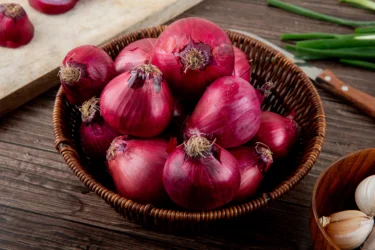
According to studies2, onions may have antioxidant potential due to high levels of organosulfur compounds, polyphenols, and flavonoids, all of which are natural antioxidants. The study reports revealed that onion had higher antioxidant activity despite having lower organosulfur levels than garlic.

A study11 has investigated the effect of onion on osteoporosis, which is characterised by bone mineral density reduction. The cell line investigations revealed that onion extract might inhibit osteoclastogenesis (formation of bone-resorbing cells, osteoclasts) process. According to another study, postmenopausal women supplemented with onion juice had increased bone marrow density. Therefore, onion might be helpful for bone.

In an animal study2, a red onion bulb extract might help reduce lymphocyte and eosinophil numbers (inflammatory cells) in the blood and bronchoalveolar lavage fluid (fluid collected from the lungs). Another study showed that onion extract reduced proinflammatory cytokines in microglia (brain) cells, and hence might help against brain inflammation.
The onion bulb extracts might reduce the overall counts of white blood cells and lung inflammatory cells, such as eosinophils, neutrophils, and monocytes, in animal models2. Therefore, it might be helpful for inflammation.

Researchers2 studied the effects of onion extract on liver damage in animal models. Onion apparently reduced alanine aminotransferase and total serum bilirubin levels but did not affect aspartate aminotransferase, alkaline phosphatase, or lactate dehydrogenase levels. This may indicate that onion extracts may have possible liver protective effects. However, more research is required to prove these possible effects.
Though there are studies that show the potential uses of onion in various conditions, but these are insufficient and there is a need of further studies to establish the true extent of the benefits of onion on human health.
Studies12 imply that onion is a good source of a flavonoid called quercetin, a powerful antioxidant. It is mainly found in the skin of the onion and has various health benefits. It might be useful in reducing cholesterol, avoiding blood thinning and clotting, and fighting asthma, diabetes, and other infections. It might also exhibit antiviral, antibiotic, anti-inflammatory and sedative properties.
Dr. Rajeev Singh, BAMS
Onion can be used in the following ways:
You must consult a qualified doctor before taking any herbal supplements. Do not discontinue or replace an ongoing treatment of modern medicine with an ayurvedic/herbal preparation without consulting a qualified doctor.
Also Read: Lady Finger: Uses, Benefits, Side effects and More!
There are no major side effects of onion reported by far. If you experience any side effects, seek immediate medical help from your doctor who has prescribed it to you. They will be the best guide for providing proper treatment to overcome side effects.
Also Read: Dhania (Cilantro): Uses, Benefits & Side Effects
Onion is a regular food item but if you plan to take onion for its health benefits you should follow general precautions. Safety studies of onion on pregnant and breastfeeding women have not been documented. Likewise, no research on the safe use of onion in children has been documented. Therefore, it should only be taken under the supervision and advice of a physician.
Also Read: Karela (Bitter Gourd): Uses, Benefits, Side Effects and More!
There is not much information available on how onion interacts with other medications. Hence, one should consult a doctor before taking onion if they take any other drug or supplement.
Onion is a perennial herb with an underground bulb and a stem2.
Yes, it is the most widely farmed and consumed vegetable worldwide1.
Yes, onion might help in weight management . The presence of quercetin in onion exerted anti-adipogenetic (inhibition of formation of fat cells) activity in an animal study1. There is a requirement for more research to scientifically back up such claims.
Onion might be helpful for diabetes. Onion extracts might have a blood sugar lowering effect by potentially inhibiting α-amylase and α-glucosidase enzymes1. Kindly ensure that you consult a doctor for proper diagnosis and treatment of conditions like diabetes.
Raw onion might be good for health.It might be helpful for diabetes, cardiovascular illness, and stomach cancer2. However, the potential uses of raw onion for health need to be ascertained by more research. Consult a doctor before using onion for its health benefits.
Onion bulbs and leaves contain many phytoconstituents such as cyaniding glycosides, prostaglandins, quercetin, sterols, phenol compounds, catechol, protocatechuic acid (in the dried brown outer scale), and diosgenin (in the blossoms and bulbs) and nutrients like proteins, fats and carbohydrates3.
Onion might be good for the liver. Onion extracts were found to have potential liver-protective effects by probably helping lower the levels of serum enzymes such as alkaline phosphates, aspartate aminotransferase and alanine aminotransferase in an animal model2. More research is needed to prove such claims. Therefore, kindly consult a doctor for liver disease and do not self-medicate.
Onion might be helpful for hair growth. According to a study6, the topical application of onion juice may be beneficial for patchy alopecia (hair loss) as it might help in the growth of coarse terminal hairs. However, such effects need to be proved by more.
Disclaimer: The information provided here is for educational/awareness purposes only and is not intended to be a substitute for medical treatment by a healthcare professional and should not be relied upon to diagnose or treat any medical condition. The reader should consult a registered medical practitioner to determine the appropriateness of the information and before consuming any medication. PharmEasy does not provide any guarantee or warranty (express or implied) regarding the accuracy, adequacy, completeness, legality, reliability or usefulness of the information; and disclaims any liability arising thereof.
Links and product recommendations in the information provided here are advertisements of third-party products available on the website. PharmEasy does not make any representation on the accuracy or suitability of such products/services. Advertisements do not influence the editorial decisions or content. The information in this blog is subject to change without notice. The authors and administrators reserve the right to modify, add, or remove content without notification. It is your responsibility to review this disclaimer regularly for any changes.
14
Karela, also known as Momordica charantia L., belongs to the family Cucurbitaceae. It is commonly known as balsam pear, bitter gourd, bitter melon, karela, or kugua. Its fruit has been used as a vegetable for thousands of years. It is widely distributed in tropical and subtropical regions worldwide. It is called ‘bitter melon’ or ‘bitter gourd’ as the entire plant, including the fruit, tastes very bitter. Karela is widely cultivated in India, China, Japan, Malaya, Thailand, Vietnam, Singapore, Colombia, Brazil, Amazon, Cuba, East Africa, Haiti, Ghana, Mexico, Nicaragua, New Zealand, Panama, the Middle East, the Central and South America1.
The vernacular names of Karela are Karavelli in Sanskrit; Karelo in Gujrati; Karli in Marathi; Baramasiya in Bengali; Kaypa in Malayalam; Karali in Kannada; Kakara in Telugu; Pakar in Tamil.
Karela has the following nutritional value2:
The properties of karela include3:
The Karela extract is traditionally used as vegetable insulin as it might have antioxidant and antidiabetic properties. Its antidiabetic effect is tested in both animals and humans. When tested in an animal model4, the entire plant, including fruit pulp and seed, showed potential antidiabetic properties. Its fruit was found to have more potential effects on diabetes. It might either control the release of insulin or may change the metabolism of glucose5.
Karela contains a few chemicals, including glycoside, charantin, vicine, karavilosides, and polypeptide-p (plant insulin). These chemicals might improve blood sugar levels by raising the glucose uptake and synthesis of glycogen in the liver, fat, and muscle cells6. Kindly consult a doctor for the proper diagnosis and treatment of serious conditions such as diabetes. Please do not self-medicate.

The phenolic compounds in karela are a potentially excellent natural source of food antioxidants. Phenolic compounds might have the ability to lower cholesterol, blood pressure, and the incidence of heart-related diseases and cancer7. However, more research is required.

The karela extract might help modify the signalling pathways involved in breast cancer. It might block the growth of breast cancer cells and may be used as a dietary supplement to help against breast cancer8. The fruits, green leaves, stems, and f karela seeds have several active proteins and steroids. These proteins might have potential anticancer activity. However, serious conditions such as cancer should be diagnosed and treated by a doctor. Therefore, consult a doctor and do not self-medicate.
I came across a fascinating study13 that revealed something amazing about karela. According to the study, karela extract may have the power to speed up the healing process of gastric ulcers in rats. However, it’s important to note that studies on humans are needed to confirm these exciting claims.
Dr. Anuja Bodhare, B.A.M.S, M.D (Ayu)
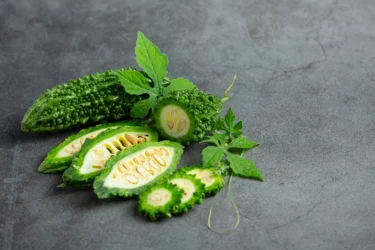
Asians, Colombians, and Panamanians have traditionally known karela as a helpful plant against malaria. Various studies9 have confirmed that several species of karela may have antimalarial properties. However, please consult a doctor and do not self-medicate.

A series of abnormalities linked with diabetes and delayed wound healing are lowered immune response, reduced formation of new blood vessels, deficiency of growth factors, and reduced collagen production. When karela fruit ointment was applied to the rat (diabetic rat), it showed a potential to improve wound closure and which may help enhance a gene that helps in cell growth. Therefore, it might be beneficial for the healing of the wound1. However, more research is required to prove such effects on humans.
Though some studies show the potential uses of karela in various conditions, these are insufficient and there is a need for further studies to establish the true extent of the benefits of karela on human health.
In my opinion, karela with a bit of a tangy taste, might actually benefit the immune cells. It’s true! It may help calm down inflammation and act as an immunomodulator, which is like being a saviour for your immune response11.
Dr. Siddharth Gupta, B.A.M.S, M.D (Ayu)
It is mostly used as:
You must consult a qualified doctor before taking any herbal supplements. Do not discontinue or replace an ongoing treatment of modern medicine with an ayurvedic/herbal preparation without consulting a qualified doctor.
Also Read: Sabudana (Sago Pearls): Uses, Benefits, Side Effects & More!
If you experience any of these side effects, you must consult your doctor immediately.
Based on my observations, karela has two tasty options: young shoots and not-quite-ripe fruits. The fruits are bitter, but you may make them less bitter by blanching or soaking them in salty water. Inside the yellow fruits, you find a treasure trove of good stuff like carotenoids, iron, phosphorous, and vitamin C12.
Dr. Rajeev Singh, BAMS
From what I have known and read, karela is a versatile plant that can be included in our diet for better health! It is not only tasty but also may have medicinal benefits. It might keep worms away, relieve pain, help with haemorrhoids, and even soothe rashes12.
Dr. Smita Barode, B.A.M.S, M.S.
Also Read: Cashew Nuts: Uses, Benefits, Side Effects & More
Since karela lowers the blood sugar level, taking karela along with diabetes medicines might lower the blood sugar level too much. Therefore, monitor your blood sugar level carefully while taking karela. Discuss your ongoing treatments and medications with your doctor before taking karela for its benefits.
Also Read: Bottle Gourd (Lauki): Uses, Benefits, Side Effects and More!
No, please do not consume karela during pregnancy. It is unsafe during pregnancy as it contains certain chemicals that might be harmful to pregnancy.
Karela may be good for the kidneys. Traditionally, karela has been used in China, Cuba, and India for kidney problems and kidney stones10. However, more research is required.
Yes, there are some side effects of karela. In some people, karela might upset the stomach. Karela might cause a rash when applied to the skin. Some people may get headaches. Karela may also lower the blood sugar level. Visit your doctor if you experience any side effects.
Karela might be helpful against malaria. It has been traditionally known by Asians, Colombians, and Panamanians as a helpful plant against malaria10. However, a study on the antimalarial effect of karela in humans is required.
Yes, karela may be good for health and may be helpful for diabetes mellitus, anorexia (lack of appetite for food), blood impurities, diarrhoea, hangover, piles, pyorrhoea, skin infections, and respiratory problems. It also has antimicrobial, anticancer, wound healing, and antimalarial properties
Karela can be used as a vegetable, karela juice, karela leaf tea, fried karela chips, dehydrated karela rings, and karela pickle.
It is advised not to use karela during breastfeeding. Consult your doctor before using karela during breastfeeding.
Yes, karela can cause allergy, and the signs of an allergy are itching, shortness of breath, or rash. Avoid karela if you have a known allergy to karela or any member of the family Cucurbitaceae, including honeydew, casaba, Persian melon, cantaloupe, and muskmelon.
Disclaimer: The information provided here is for educational/awareness purposes only and is not intended to be a substitute for medical treatment by a healthcare professional and should not be relied upon to diagnose or treat any medical condition. The reader should consult a registered medical practitioner to determine the appropriateness of the information and before consuming any medication. PharmEasy does not provide any guarantee or warranty (express or implied) regarding the accuracy, adequacy, completeness, legality, reliability or usefulness of the information; and disclaims any liability arising thereof.
Links and product recommendations in the information provided here are advertisements of third-party products available on the website. PharmEasy does not make any representation on the accuracy or suitability of such products/services. Advertisements do not influence the editorial decisions or content. The information in this blog is subject to change without notice. The authors and administrators reserve the right to modify, add, or remove content without notification. It is your responsibility to review this disclaimer regularly for any changes.
36
1
Guggul is an oleo-gum resin obtained from the bark of Commiphora wightii and belongs to the family Burseraceae. It is obtained as an exudate from the tapping of branches and stems of the guggul tree. It is found in dry areas of India, Pakistan, and Bangladesh. In India, it is found in Gujarat, Assam, Rajasthan, Karnataka, and Madhya Pradesh1. The guggul tree is a small, bushy tree and has thorny branches. It makes yellowish gum resin in small ducts found all over its bark. The guggul tree is hit by making a cut on its bark, due to which the resins flow out and are allowed to harden before they are collected1. Guggul has been used in the Indian traditional system for thousands of years to manage inflammation, gout, rheumatism, arthritis, obesity, and lipid metabolism disorders. It is also known as Guggula, Gugar, Guggal, and Indian bdellium1.
Other vernacular names of guggul are:
Guggul is an oleo gum resin and contains gum, resin and volatile oils (small quantity). It contains amino acids, sugars, essential oils, flavonoids, cembrene, camphorene, allycembrol, and ellagic acid3.
Guggul has the following therapeutic properties4:
Guggul possesses many properties, which may show potential uses against many disease conditions.

Several studies1 have confirmed that guggul is beneficial for arthritis and inflammation and has anti-inflammatory and anti-arthritic activity. The guggul extract was evaluated for anti-arthritic activity in various animal models. It was found that it blocked the disease’s development and lowered the severity of the disease. Several studies have confirmed that guggul might be helpful for arthritis and inflammation and show anti-inflammatory and anti-arthritic properties. The guggul extract was also evaluated for anti-arthritic activity in various animal models. In studies it was found that it blocked the disease’s development and lowered the effect of arthritis1. However, do not use guggul as an alternative to medicinal treatment. Talk to a healthcare provider before using guggul for arthritis.
In a study1 gugulipid (extract of guggul) was found to be effective in managing nodulocystic acne (a severe form of inflammatory acne that cauIn a study gugulipid (extract of guggul) was found to be effective in managing nodulocystic acne (a severe form of inflammatory acne that causes cysts and nodules on the face). In a human trial, too it was found to have some benefits for nodulocystic acne. The patients who had oily faces showed better results. However, talk to a skin doctor or specialist before using any herbal remedy on your face.
Over the years, I have observed that conditions like eczema and psoriasis, which involve inflammation of the skin, can be challenging to manage. However, I have found that Guggulu, a natural remedy, might offer some relief. Based on studies, using a cream containing Boswellia, an active component of Guggulu, can potentially reduce the reliance on corticosteroid creams and improve symptoms such as redness and superficial skin issues.
Dr. Rajeev Singh, BAMS
According to a study1 guggul showed a lipid-lowering effect in obesity and atherosclerosis (a condition where fat deposits in the arteries). The lipid-lowering effect of guggul was studied in animals as well as humans. Guggul contains bioactive compounds that might be responsible for hypolipidemic activity. You should talk to a healthcare provider before using any herb to manage weight. In addition talking to a dietician will help you make better dietary choices.
Guggulsterone (plant steroid) found in guggul may show the heart-protective property. Guggulsterone was tested in an animal model for heart protective activity. It was found to lower cholesterol, phospholipid, and glycogen levels and protect the heart against damage1. However, if you are suffering from heart problems, talk to a doctor and get a proper diagnosis and treatment.
In my experience, I have observed that Guggulu, a herbal remedy, may have potential effectiveness in managing asthma symptoms. It is believed that Guggulu’s anti-inflammatory properties could help reduce airway inflammation and improve respiratory function7.
Dr. Siddharth Gupta, B.A.M.S, M.D (Ayu)
Your Ayurvedic physician will prescribe the form and dose as per your requirement. Guggul can be used as:
You must consult a qualified doctor before taking guggul or any herbal supplements. Likewise do not discontinue or replace an ongoing modern medical treatment with an ayurvedic herbal preparation without consulting a qualified doctor.
Side effects associated with guggul use are:
Before using guggul or any herbal remedy, consult your doctor about the side effects associated with its use. It will help you make well-informed choices about your health.
Even though guggul is generally considered relatively safe, it is better to use it with caution1:
Also, before taking guggul for its health benefits, consult your healthcare provider about the possible precautions associated with its use.
Gugulipid (guggul extract) may interact with blood pressure medicines like diltiazem and propranolol. It reduces the absorption of these medicines. Taking guggul along with these medicines may lower the effectiveness of these drugs6. If you are taking any medicines, talk to your healthcare provider about the possible interactions of the treatment with other herbs and drugs. This will help you avoid unwanted side effects and interactions.
Also Read: Kutajarishta: Uses, Benefits, Side Effects, and More!
Guggul might help deal with obesity. It has been used in Ayurveda for several years for managing obesity1. However, talk to a healthcare provider before using herbal remedies to manage weight.
Yes, guggul might be good for the heart as it may show heart-protective activity3. If you are experiencing any heart problems, consult a doctor and get a proper diagnosis and treatment.
There is no sufficient information about the safe usage of guggul during pregnancy. However, avoid taking guggul during this time to be safer. You must consult your doctor if you want to take guggul during pregnancy.
It is mentioned in Ayurveda that when raw guggul is taken, it may sometimes cause diarrhoea, skin rashes, headache, mild nausea, irregular menstruation and liver damage (at high doses). In addition, a study found that some people had temporary side effects like fatigue and stomach-related issues1. Therefore, before using guggul or any herbal remedy, consult your doctor about the side effects associated with its use.
Guggul may interact with blood pressure medicines like diltiazem and propranolol and may lower the effectiveness of these drugs6. Therefore, If you are taking any medication, talk to your healthcare provider about the possible interactions of the treatment with other herbs and medicines.
Guggul is good for arthritis. It showed anti-arthritic activity when tested in an animal model. However, its anti-arthritic activity in humans is yet to be tested1. You should talk to a doctor before using any herbal remedy for arthritis.
Guggul was found to lower cholesterol levels in an animal model1. However, its effect on humans is yet to be tested. Therefore, do not use it as an alternative to medicinal treatment. Talk to a doctor before you use guggul for managing cholesterol.
Yes, guggul is considered safe in prescribed doses, but some studies found few side effects associated with its usage. Therefore, it is best to consult a doctor before taking guggul1.
Disclaimer: The information provided here is for educational/awareness purposes only and is not intended to be a substitute for medical treatment by a healthcare professional and should not be relied upon to diagnose or treat any medical condition. The reader should consult a registered medical practitioner to determine the appropriateness of the information and before consuming any medication. PharmEasy does not provide any guarantee or warranty (express or implied) regarding the accuracy, adequacy, completeness, legality, reliability or usefulness of the information; and disclaims any liability arising thereof.
Links and product recommendations in the information provided here are advertisements of third-party products available on the website. PharmEasy does not make any representation on the accuracy or suitability of such products/services. Advertisements do not influence the editorial decisions or content. The information in this blog is subject to change without notice. The authors and administrators reserve the right to modify, add, or remove content without notification. It is your responsibility to review this disclaimer regularly for any changes.
13
1
Lemongrass, also called Cymbopogon citratus, is a plant that belongs to the family Gramineae or Poaceae. In Greek, ‘Cymbopogon’ means boat-beard. It is a fragrant, long-living plant that is native to Sri Lanka and South India. Today, it widely grows throughout Asia and tropical America. Freshly cut and slightly dried lemongrass leaves are used to extract essential oils that are further used for medicinal purposes1.
The common names of lemongrass are Sera, Verveine in Hindi; Citronella, Squinant in English; Cimbopogone in Italian; Citongrass in Swedish; Sereh in Indonesian; Zacate Limon in Mexican; Sakumau in Malaysia; Tej-sar in Ethiopia; Capim-cidrao, Capim-Santo in Brazil; Citronella in the USA; Limon out in Turkish; Ta-khrai in Thailand2.
The nutritional composition in 100g of lemongrass is3:
The many properties of lemongrass are as follows2, 4:
Lemongrass has many properties, because of which it shows potential uses in many disease conditions.

The antimicrobial potential of lemongrass has been observed in lab-scale studies. However, more large-scale trials are needed to support the use of lemongrass for infections in humans. Therefore, you are advised to follow the advice of a doctor in case of infectious diseases.
Several studies6 have tested lemongrass as a hypoglycaemic (lowering blood sugar level) and hypolipidemic (lowering lipid in the blood) agent to reduce the risk of obesity and hypertension. It was found to lower high cholesterol levels in humans, thus showing heart-protecting activity. It was also found to help lose excess weight in overweight patients. However, if you experience any heart problems or want to lose weight, contact your doctor and follow the doctor’s advice.

Tissue inflammation is considered one of the leading causes of serious health problems. It is found to be linked with diseases like diabetes, cancer, neurodegenerative disorders, cardiovascular (related to heart and blood vessels) disorders and rheumatoid arthritis. Several researchers reported that lemongrass contains polyphenols that may show anti-inflammatory properties and reduce inflammation7. However, before using lemongrass or other herbal remedies for health benefits, you should talk to a doctor or doctor.

Many researchers have studied the anti-anxiety effects of lemongrass tea. An experiment6 found that the lemongrass decoction (concentrated solution) and lemongrass tea could show anti-anxiety effects when given to animals. However, if you struggle with anxiety, talk to a psychiatrist about your symptoms.
The boiled and concentrated solution of lemongrass leaf stalk may be used to manage diarrhoea4. Lemongrass tea might be used to manage indigestion, stomach pain, and gastric ulcers by protecting the linings of the stomach4. If you experience stomach problems, consult your doctor before using lemongrass to aid your symptoms. Using herbal remedies without a doctor’s consultation can worsen the situation.

The leaf extract of lemongrass was tested for its liver activity. It was found to be helpful for managing disorders or diseases of the liver8. However, if you are suffering from liver diseases, using any herb without consulting a doctor can damage the liver. Therefore, talk to your doctor before using lemongrass.
Though there are studies showing the benefits of lemongrass in various conditions, these are insufficient and there is a need for further studies to establish the true extent of the benefits of lemongrass on human health.
Based on my experience, I have observed that fresh leaves of lemongrass might have activity against Setaria digitata, a filarial parasite. Lemongrass may possess antifilarial properties, which could help in combating filarial infections11.
Dr. Siddharth Gupta, B.A.M.S, M.D (Ayu)
Lemongrass can be used:
You must consult a qualified doctor before taking lemongrass or any herbal supplements. Likewise, do not discontinue or replace an ongoing modern medical treatment with an ayurvedic/herbal preparation without consulting a qualified doctor.
Over the years, I have observed that the fresh leaf of lemongrass essential oil may have larvicidal activity, which means it can potentially kill mosquito larvae. This activity could be beneficial in controlling mosquito populations and reducing the risk of mosquito-borne diseases11.
Dr. Smita Barode, B.A.M.S, M.S.
Usually, lemongrass is considered safe for cooking, but if consumed in an excessive amount, it can cause side effects like:
Before using lemongrass or other herbs for their health benefits, talk to your doctor about the possible side effects. This will help you make well-informed choices.
Lemongrass should be avoided during pregnancy, as there is a chance that it may start menstrual flow9. Also, an animal study10 was found to affect the embryo. Therefore, lemongrass should be avoided during pregnancy and breastfeeding.
Also, before taking lemongrass against any disease conditions, consult your doctor about the possible precautions and limitations of using lemongrass.
In my experience, lemongrass essential oil may have promising antinociceptive effects, meaning it may help reduce pain sensation. While it appears to work both locally and internally through the central nervous system, it’s important to note that individual responses may differ in each person11.
Dr. Rajeev Singh, BAMS
There is no sufficient information available. However, if you are taking medicines for a health condition, talk to your doctor about the possible interactions of the drug with other medications and herbs. It will help you avoid unwanted herb-drug interactions.
Lemongrass oil has anti-inflammatory and antimicrobial properties and is used in hair tonics to reduce dandruff. It might be useful in blocking the growth of fungi M. furfur, which is linked to dandruff.
In an animal study4, lemongrass was found to show anti-malarial effects. However, its anti-malarial effect in humans is yet unknown. Therefore, stick to the doctor’s advice and treatment to manage malaria. Do not use herbal remedies to cure malaria unless a doctor recommends it.
Lemongrass is used as lemongrass tea, oil, aromatic water, and in food for its lemon flavour. However, talk to a doctor about using lemongrass for its health benefits.
No, lemongrass should not be used in pregnancy. There are chances that it can cause menstrual flow.
No, lemongrass should be avoided during breastfeeding.
Lemongrass should be used in moderation. Consuming in excess may cause side effects like dry mouth, tiredness, dizziness, frequent urination, increased appetite, and allergic reactions like rash and itching.Therefore, you are advised to consult a doctor before using lemongrass for its health benefits.
Lemongrass was beneficial for managing cholesterol levels in lab studies5. The lemongrass extract was found to lower high cholesterol levels in human trials. However, more studies are required to support the use of lemongrass in high blood cholesterol in humans. If you have high cholesterol, you need to follow the doctor’s advice on treatment.
Disclaimer: The information provided here is for educational/awareness purposes only and is not intended to be a substitute for medical treatment by a healthcare professional and should not be relied upon to diagnose or treat any medical condition. The reader should consult a registered medical practitioner to determine the appropriateness of the information and before consuming any medication. PharmEasy does not provide any guarantee or warranty (express or implied) regarding the accuracy, adequacy, completeness, legality, reliability or usefulness of the information; and disclaims any liability arising thereof.
74
1
Grapefruit is a citrus fruit which is scientifically known as Citrus paradisi. Grapefruits are medium sized fruits belonging to the Rutaceae (Citrus) family. It is a good source of vitamin C and other healthy nutrients. Grapefruits are hybrid fruits made of sweet oranges and pomelos. People often consume grapefruit for its various properties, but there is not enough evidence to support its use. Also, drug interactions with grapefruit are very well documented. Therefore, make sure to talk to a doctor or healthcare provider if you are taking certain medications1.
You may want to enjoy grapefruits because of their pleasing flavour and desirable taste, but they can offer more. If you want to learn about this nutrient packed fruit, continue reading!
Grapefruit contains many nutrients, such as vitamins, minerals, carbohydrates, proteins, fats and fibres. The nutritional value of grapefruit per 100 grams of serving is given below:
Nutritional value of grapefruit per 100 g of serving2
Grapefruits (Chakotra) are valuable due to the following properties:
The potential advantages of grapefruit have been observed in many animal studies. However, some of these benefits have yet to be observed in humans, and there is a lack of research justifying the same. Therefore, if you are suffering from any disease or health condition, it is best to reach out to a healthcare professional and get a proper diagnosis and treatment.

Free radicals are molecules generated in the body, causing oxidative damage to proteins, lipids, and deoxyribonucleic acid (DNA). Oxidative stress or damage in the body leads to the onset of many long-term diseases. Chemicals that destroy these free radicals help reduce the overall oxidative stress in the body and help avoid long term diseases. Grapefruits might possess good antioxidant activity. Consuming grapefruits may help in reducing oxidative stress in the body3.

Inflammation is the body’s response to external stress, chemicals, pathogens, and injury. The process of inflammation is often associated with many severe illnesses of the heart, cancer, and diabetes. Grapefruit might possess anti-inflammatory properties, which may help reduce inflammation in the body3.
Structural deterioration of bones due to an imbalance between bone formation and resorption can lead to osteoporosis. Grapefruit might help maintain bone health. Grapefruit could positively affect bone health and promote bone formation, as per an animal study. Several other studies have shown that consuming grapefruit modulated bone strength in animal studies3. If you are suffering from any bone-related conditions, it is important that you follow your doctor’s advice and avoid using any herb or vegetable before consulting with your doctor.
Grapefruits are rich in many nutrients like vitamins and minerals, and phytochemicals. Consuming these nutrients from fresh fruits might have reinforcing effects on overall health. The antioxidant and anti-inflammatory properties of grapefruit may help avoid long term diseases like cancer3. Cancer is a severe illness and requires people to adhere to doctors’ advice thoroughly. Make sure to consult with your doctor before you use grapefruit for any health conditions.

In a trial conducted on obese patients, consuming grapefruits before meals were associated with significant weight management. Therefore, consuming grapefruits may help people who want to lose weight4. However, you need to get in touch with your healthcare provider or nutritionist before making any changes to your diet.
Though there are studies that show the benefits of grapefruit in various conditions, these are insufficient, and there is a need for further studies to establish the true extent of the benefits of grapefruit on human health.
I chanced upon research where I learnt that eating half of a fresh grapefruit before meals might actually help reduce high insulin levels and improve insulin resistance. So, if you want to manage your insulin and improve your overall health, consider adding grapefruit to your meals6.
Dr. Siddharth Gupta, B.A.M.S, M.D (Ayu)
Grapefruit is commonly consumed as food or in the form of juice1.
You must consult a qualified doctor before taking any herbal supplements. Likewise, do not discontinue or replace an ongoing medical treatment with an Ayurvedic/herbal preparation without consulting a qualified doctor.
As per my observations, grapefruits might be an excellent choice for staying hydrated because they are more than 90% water. Not only does hydration support overall well being, but it may also play a crucial role in maintaining digestive health.
Dr. Smita Barode, B.A.M.S, M.S.
Consuming grapefruits or grapefruit juice is possibly safe when taken in moderate amount by mouth, however
I may suggest grapefruit if you are looking for a natural way to manage blood pressure and cholesterol. During a study, individuals who consumed grapefruit three times a day for six weeks noticed a significant decrease in blood pressure and observed an improvement in their total cholesterol and LDL (bad) cholesterol levels. However, more research is needed to understand the full benefits of grapefruit for managing cardiovascular diseases7.
Dr. Rajeev Singh, BAMS
Here are some general precautions you need to take when using grapefruits.
NOTE: If you are suffering from any health condition, you need to consult a doctor about the herbs and fruits you should avoid. Also, avoid using grapefruit juice or any other juices for disease conditions without consulting with your healthcare provider.
Drinking grapefruit juice with these medications might increase the effect and side effects of the medications:
Drinking grapefruit juice with these medications might decrease the effect and side effects of these medications:
Also Read: Durian: Uses, Benefits, Side Effects By Dr. Rajeev Singh
Be cautious while drinking grapefruit juice with these medications:
Also Read: Goji Berry: Uses, Benefits, Side Effects By Dr. Rajeev Singh
If you are taking medications for any health condition, you need to consult your doctor about the fruits and vegetables to avoid. Also, before using grapefruit juice or any herb for its benefits, talk to your healthcare provider about potential precautions and interactions.
Also Read: Onion (Pyaaz): Uses, Benefits, Side Effects and More!
Eating grapefruit may help with weight management. The weight management benefits were observed during a clinical trial conducted on obese patients4. However, you need to contact your healthcare provider before making any diet changes, as any changes can affect your overall health.
Grapefruits are packed with essential nutrients and phytochemicals that might have antioxidant and anti-inflammatory properties. These properties help avoid many severe diseases. Also, eating grapefruits may help in maintaining bone health2,3. However, before using any fruit or vegetable for any health issue, reach out to your healthcare provider or doctor to get a diagnosis and proper treatment.
Grapefruit’s skin peel may have potent antioxidant and anti-inflammatory properties, which are suitable for overall health5. However, if you are suffering from any skin-related conditions, it is best to consult your skin doctor before using any herb or vegetable on your own.
Grapefruit is commonly consumed as fresh fruit and juices and may be safe when used in moderate amounts. However, it should not be consumed in excess because it may cause side effects. Also, if you are taking any medication, talk to your healthcare provider about foods you should avoid. Grapefruit can interact with many drugs and change their activities1.
There is a lack of scientific resources supporting the safe use of grapefruit during pregnancy. You are advised to exercise precaution and use it in moderate amounts1. Also, you need to contact your physician before using any fruit juices during pregnancy.
Disclaimer: The information provided here is for educational/awareness purposes only and is not intended to be a substitute for medical treatment by a healthcare professional and should not be relied upon to diagnose or treat any medical condition. The reader should consult a registered medical practitioner to determine the appropriateness of the information and before consuming any medication. PharmEasy does not provide any guarantee or warranty (express or implied) regarding the accuracy, adequacy, completeness, legality, reliability or usefulness of the information; and disclaims any liability arising thereof.
Links and product recommendations in the information provided here are advertisements of third-party products available on the website. PharmEasy does not make any representation on the accuracy or suitability of such products/services. Advertisements do not influence the editorial decisions or content. The information in this blog is subject to change without notice. The authors and administrators reserve the right to modify, add, or remove content without notification. It is your responsibility to review this disclaimer regularly for any changes.
2
0
The green apple is a hybrid fruit. It is developed by combining two different species of apple, namely, Malus slyvesterus and Malus domesticus. It contains bioactive compounds and flavonoids in a very good amount as compared to other varieties of apples. Green apples were first cultivated by an Australian woman named Maria Smith hence, they are also known as Granny Smith apples1.
This fruit appears light green with tart, juicy and crisp flavours and hard skin with a long shelf-life as compared with other apple types. Green apples are considered a healthy fruit and are used in weight management regimens due to their low calorie content and high dietary potassium and fibre content1.
Green apple has a very high amount of nutrients2.
Apples are considered traditional fruits and consumed due to their nutritional properties, which are contributed by their bioactive compounds and dietary fibres3. The beneficial properties of green apples includes:
For many years, the traditional systems of medicine have been using apples in the management of various conditions3. Some of the potential uses of the green apple can be described as follows.
The green apple is rich in flavonoids that may help to reduce the risk of developing lung, pancreatic and colon cancer. Studies3 have also shown that green apples may have the potential to help with the growth of cancer cells in the breast, colon and skin. In clinical studies4, it has been shown that both males and females who consumed green apples in their diet had a reduced risk of developing lung cancer. However, cancer is a serious condition and would need a specialised doctor to diagnose and decide on treatment. It is important that you consult your healthcare provider before proceeding with any herbal remedy for health conditions.
The extract of green apple juice may help prevent damage to the brain. An animal study5 showed that the animals fed with a green apple diet had increased levels of neurotransmitters, which act as signalling molecules of the brain. Research has confirmed that eating green apples, which are a high-fibre food, may help fight against brain diseases. Green apples also help in preventing the symptoms of Alzheimer’s and Parkinson’s diseases3. If you are suffering from any conditions or observe any symptoms related to brain function, make sure you talk to your healthcare provider about the risks and benefits of any herbal remedies.
In my experience, consuming green apple juice, which is a potential source of Vitamin K, might have a positive impact on wound healing and repair. Vitamin K plays a crucial role in blood clotting and coagulation, which are essential processes for proper wound healing7.
Dr. Smita Barode, B.A.M.S, M.S.
Consumption of green apples has been associated with managing many lung issues, including asthma. It has been shown that the intake of green apples reduces the incidence of asthma. A recent study6 in Australia showed that green apple intake decreases the risk of asthma and lung hypersensitivity. Another study with middle-aged men also showed a beneficial effect of apple consumption on lung functioning6. Asthma is a serious medical condition that requires you to follow your doctor’s advice and adhere to your treatment plan. It is advised that you consult your doctor before using green apples for its benefits for asthma.

Eating apples daily may help overcome the risk of developing type 2 diabetes. Apples are full of soluble fibre and may play a key role in reducing blood sugar levels. A primary bioactive compound present in apple peels may also help to decrease the risk of diabetes. In clinical studies, it has been observed that consuming at least one green apple a day helps lower the risk of type 2 diabetes3. If you are suffering from diabetes, make sure you consult your doctor before making any changes to your diet.

Doctors often recommend a high-fibre diet to improve and manage overall health. Apples are considered to be a high fibre food. Green apple has a high amount of dietary fibre, which is helpful for losing weight3. In a human study3, it has been shown that the consumption of green apples is associated with weight loss in middle-aged obese women. In a study4, people who consumed this fruit showed weight loss with reduced levels of blood glucose. If you want to lose weight, you can consult your doctor or nutritionist as they can guide you better about diet changes. Also, it is advised that you avoid making any major changes to your diet before consulting your doctor.

Based on my experience, I have observed that consuming green apple juice might have positive effects on vision. The presence of Vitamin A in the juice has been known to support and improve eyesight. Incorporating green apple juice into your routine may help enhance your vision and contribute to overall eye health7.
Dr. Rajeev Singh, BAMS
Green apple can be used in the following ways:
You should always consult your Ayurvedic physician before consuming green apples for therapeutic use. They will be the best person to prescribe you the correct form and dosage as per your health condition. Also, do not discontinue or replace an ongoing treatment of modern medicine with an ayurvedic/herbal preparation without consulting a qualified doctor.
Did you know that apples are not only delicious but also packed with beneficial phenolic compounds? In fact, they rank second in total concentration of these compounds among fruits. What’s even more interesting is that apples have the highest portion of free phenolics compared to other fruits, making them a great choice for promoting health and well-being7.
Dr. Siddharth Gupta, B.A.M.S, M.D (Ayu)
There are some side effects of green apples related to teeth. The green apple is acidic and can cause demineralisation of the different portions of the tooth. The excess consumption of green apples may cause dental erosion (a chemical process that causes loss of mineralised tooth substance)8. Therefore, if you experience any dental problems, you must immediately contact your dentist. They will inform you about the various factors that cause erosion of the tooth5.
Natural herbs may have some allergic reactions and may react differently in different people. Always consult your doctor before including any fruit or vegetable in your diet for its benefits.
Also Read: Mango (Aam): Uses, Benefits, Side Effects by Dr. Smita Barode
Green apple is generally considered to be safe if it is taken in the recommended dosages. However, general precautions have to be followed while consuming a green apple.
You must never self medicate, even with natural fruits, vegetables and herbs. It is advisable to consult your Ayurvedic physician for best advice.
In clinical studies, it was shown that there is an interaction of the juice of apples with warfarin. Due to excess consumption of green apple juice, there is increased blood thinning that may result in an emergency situation9. Always disclose the ongoing treatments to your doctor, so that he can tailor a suitable prescription as per your ongoing treatment and conditions.
Also Read: Lemongrass: Uses, Benefits, Side Effects and More!
From digestion to supporting weight management and potentially helping with conditions like diabetes and asthma, green apples pack in a surprising amount of goodness for such a simple fruit. While they aren’t a cure or a substitute for treatment, including them as part of your daily diet may offer gentle, long-term health benefits. As always, it’s best to speak to your doctor before making any dietary changes, especially if you’re managing a health condition.
Green apple contains vitamin A, vitamin B3, vitamin E, vitamin B1, folate (vitamin B9), vitamin B6, vitamin B2 and vitamin K.
Yes, green apples are rich in soluble dietary fibres that are used in the management of irritable bowel syndrome, which is a digestive system disorder that causes stomach cramps, stomach pain, constipation, diarrhoea, etc. Doctors also recommend green apples on a regular basis to prevent irritable bowel syndrome3. If you are suffering from irritable bowel syndrome or any other condition of the digestive tract, make sure you adhere to your doctor’s advice and make diet changes accordingly.
All varieties of apples contain a soluble fibre known as pectin. It is a viscous, soluble and fermentable fibre that contributes to the beneficial properties of apples3.
Vitamin C shows potent antioxidant activity. It also helps in fighting cancers of the lung and colon4.
If you bite and chew a green apple, it stimulates the production of saliva in the mouth and helps in reducing tooth decay by lowering the levels of bacteria in the mouth3.
Yes, green apples are good for health. The soluble fibre of apples binds with fats in the intestine, which results in lower cholesterol levels and helps you to remain healthier3. If you are suffering from high cholesterol, contact your doctor or healthcare provider before using green apples or any herb as a remedy. They can help you make better and well-informed choices as per your condition.
Disclaimer: The information provided here is for educational/awareness purposes only and is not intended to be a substitute for medical treatment by a healthcare professional and should not be relied upon to diagnose or treat any medical condition. The reader should consult a registered medical practitioner to determine the appropriateness of the information and before consuming any medication. PharmEasy does not provide any guarantee or warranty (express or implied) regarding the accuracy, adequacy, completeness, legality, reliability or usefulness of the information; and disclaims any liability arising thereof.
57
2
Plum (Prunus domestica L.) belongs to the Rosaceae family and includes approximately 40 different species. It is a small, shrubby, deciduous tree that typically grows between 6 and 15 metres in height. Plums are widely cultivated across tropical and temperate regions, including parts of West Asia, India, Australia, South America, Pakistan, Europe, and Africa. In India, plums are primarily grown in the states of Uttarakhand, Himachal Pradesh, Jammu & Kashmir, and Punjab1.
The plum tree is used for its beneficial properties and for managing various conditions. The fruits of the plum come in various colours, including, green, red, purple, and yellow and and are typically round in shape. It is rich in antioxidants, polyphenols, and carotenoid compounds. The Santa Rosa, Black Amber, Red Beauty, African Rose and Black Beauty are some major varieties of plum fruit1,3.
The nutritional value of plum per 100 gm is given as follows2:
Plum is regarded in traditional practices as a plant with potential wellness-supporting properties. Research1 and preliminary studies suggest that it may exhibit certain biological activities. These include:
Plums are not just delicious seasonal fruits but are also known for their potential nutritional and wellness-supporting properties. Traditionally, they have been used in various cultures as part of a balanced diet to support general health and wellbeing1.

Diabetes is a metabolic condition that occurs when the body produces insufficient insulin or is unable to use it effectively. Preliminary animal studies have explored the potential effects of plum extracts on blood glucose levels. In these studies11, plum extract was associated with a reduction in blood sugar levels in diabetic rats. Additionally, some findings suggest that plum purée may have a role in moderating post-meal blood glucose spikes in experimental settings.
Foods with a low glycaemic (glucose) index (GI) are digested more slowly and may help to support stable blood sugar and insulin levels after meals. As such, they are often recommended as part of a balanced diet for individuals managing blood glucose levels. In a small human study12, consumption of dried plums while fasting was associated with a reduction in insulin and plasma glucose levels3,4.
While these findings are promising, more research is needed. Individuals with diabetes should consult a qualified healthcare professional before incorporating dried plums or any new food items into their diet, particularly when managing a medical condition.

Plums, particularly in their dried form, have traditionally been used to support digestive health. They are a source of dietary fibre, sorbitol, and isatin, compounds which may contribute to maintaining regular bowel movements. Some studies4 suggest that dried plums could help in softening stools and promoting gut motility, potentially offering relief in cases of occasional constipation.
In addition, plums contain phenolic compounds and serotonin, which may support intestinal function, as well as prebiotic properties that help maintain a healthy balance of gut bacteria. However, individuals experiencing digestive discomfort or diagnosed conditions such as irritable bowel syndrome should consult a qualified healthcare professional before making any dietary changes or using plums for symptom management3.
Laboratory studies have suggested that plum extracts may exhibit antioxidant activity, particularly in the flesh, peel, and pit of the fruit, where antioxidant levels are reported to be highest. Some experimental research5 has explored the potential of these antioxidants to interact with cellular pathways, including those involved in cancer cell resistance. However, these observations are based on preliminary findings in laboratory settings and have not been confirmed in human clinical trials.
While plums are a natural source of vitamin A, which supports general immune and cellular health, there is currently no conclusive evidence to suggest that consuming plums can prevent or treat cancer. Individuals should not use plums or any other natural product as a substitute for professional medical advice or treatment.
Plum contains vitamin K, copper, potassium and boron. Vitamin K may help with the mineralisation of bone and potassium helps to maintain bone mineral density. The alcohol extracts of plum have been shown to inhibit the resorption of bone and increase the formation of bone during a lab trial4.
In animal studies6, it has been shown that plum was very effective on the pre-existing loss of bone. The powder of plum resulted in an increased bone mineral density and restored the vertebrae (spine) of rats. These benefits have been proven in animal studies and are yet to be observed in human trials. Therefore, avoid using plums for any disease condition of bones without consulting your healthcare provider.
In addition to being delicious and nutritious, plums are known to aid in bone quality improvement. They are a great source of vitamin K, which is essential for bone health, as vitamin K helps in the absorption of calcium14.
Dr. Siddharth Gupta, B.A.M.S, M.D (Ayu)

Animal studies4 have noted that oral administration of extract of plum in pregnant animals resulted in increased development and formation of bone (osteogenesis) in the baby. The extract of plum also helps increase the amount of serum calcium, resulting in a higher ratio of new bone formation compared to the existing length of a long bone. The benefits have been observed in animal studies, and are yet to be confirmed in humans. You need to exercise precautions before using plums during pregnancy.

Plum contains polyphenols and bioactive compounds,that have been studied for their potential role in energy metabolism. Some preliminary research4 suggests that these compounds may influence appetite regulation and support metabolic functions. Plum juice is relatively low in calories, and when consumed as part of a balanced, calorie-controlled diet, it may contribute to maintaining a healthy weight.
In a preclinical study7, the consumption of plum juice was useful for the loss of body weight. The low calories in plum juice and higher content of polyphenols may also help to reduce body weight.

Although some studies have suggested potential health benefits of plum juice (and beetroot juice) in various conditions, the current evidence is limited. Further well-designed clinical research is required to establish the extent and reliability of these effects in humans.
Plums contain naturally occurring compounds that have been studied for their antioxidant and anti-inflammatory properties. Preliminary research suggests these properties may help support overall brain health by protecting cells from oxidative stress14.
Dr. Rajeev Singh, BAMS
Plum can be used in the following ways:
You should always consult your Ayurvedic physician before consuming plums for regular use. They will be the best person to prescribe you the correct form and dosage as per your health condition. Do not discontinue or replace an ongoing treatment of modern medicine with an ayurvedic/herbal preparation without consulting a qualified doctor.
Also Read: Blueberries: Uses, Benefits, Side Effects, and More!
While plums are generally safe when consumed in moderation as part of a balanced diet, some individuals may experience side effects. These are mostly related to digestive sensitivity or allergic reactions. Commonly reported effects include:
However, if you experience any adverse reactions to plum, immediately contact your Ayurvedic physician who has prescribed it to you. They will be able to treat you appropriately.
Plums are a rich source of natural antioxidants and essential nutrients, which may help protect the body’s cells from oxidative stress, a factor associated with the natural ageing process. Including antioxidant-rich fruits like plums as part of a balanced diet may contribute to overall skin and cellular health1.
Dr. Smita Barode, BAMS, M.S.
Plum is generally considered to be safe for most individuals when consumed in moderation as part of a balanced diet. However, certain precautions should be observed:
Also Read: Chirata: Benefits, Side Effects, Precautions and More!
Various fruit juices contain an unknown amount of phytochemicals and when combined with other medicines, they can lead to food–drug interactions resulting in side effects. Similarly, plum juice also has multiple phytochemicals that can lead to increased exposure to the system, resulting in high blood pressure (hypertension)10. This food–drug interaction needs to be considered by your Ayurvedic physician to avoid developing serious health issues. Therefore, follow the advice of your Ayurvedic physician who has prescribed you this supplement.
Plums are nutrient-dense fruits with potential health benefits ranging from helping with digestion to supporting bone and heart health. Rich in antioxidants and essential vitamins, they may help in managing various conditions. However, further human studies are needed, and medical advice is essential before therapeutic use.
Also Read: Papaya (Papita): Uses, Benefits, Side Effects and More!
Yes, plums have a low glycaemic index and also contains sorbitol which helps in lowering the levels of glucose in the blood. If you or someone you know has diabetes, avoid using any herb or fruit without consulting your healthcare provider.
Plum fruit contains nutrients and antioxidants that may support overall health, including immune function and eye health. Some laboratory and animal studies have explored its potential role in managing conditions such as arthritis, asthma, anaemia, elevated cholesterol, and cognitive decline. However, more robust clinical research is needed to confirm these effects in humans. However, avoid using plum for any health condition without consulting with a doctor first.
Plum contains vitamin A, vitamin B, vitamin C, vitamin K and vitamin E.
Vitamin A protects against oral and lung cancers. Vitamin B helps to metabolise carbohydrates, proteins, and fats in the body. Vitamin C contributes to the body’s natural defence mechanisms and acts as an antioxidant by neutralising free radicals. Vitamin K plays a vital role in blood clotting and is important for bone metabolism. Some studies have also investigated its potential association with cognitive health in older adults.
Yes, studies13 have shown that replacing sugary drinks with polyphenol-rich juices like plum juice may support weight management and help prevent obesity. However, it is important to consult your healthcare provider or nutritionist before making any significant changes to your diet, as these changes can affect your overall health.
Yes, the extract has demonstrated activity against mosquito larvae and may be used as a natural mosquito repellent when applied to the skin.
Plum skin contains a high amount of phenolic compounds, which exhibit strong antioxidant activity. These antioxidants may help in preventing the spread of cancer cells. However, for any serious medical condition, it is essential to consult a qualified doctor.
Disclaimer: The information provided here is for educational/awareness purposes only and is not intended to be a substitute for medical treatment by a healthcare professional and should not be relied upon to diagnose or treat any medical condition. The reader should consult a registered medical practitioner to determine the appropriateness of the information and before consuming any medication. PharmEasy does not provide any guarantee or warranty (express or implied) regarding the accuracy, adequacy, completeness, legality, reliability or usefulness of the information; and disclaims any liability arising thereof.
12
0


