




Purple Cauliflower: Benefits, Uses, Side Effects & More!
By Dr. Malavika Athavale +2 more

Medically reviewed by Dr. Malavika Athavale
Last updated: Sep 11, 2026 Published on: Mar 19, 2024


Get,

to manage your symptom
Get your,

4 Cr+ families
benefitted

OTP sent to 9988776655



You’ve successfully subscribed to receive
doctor-approved tips on
Whatsapp

Get ready to feel your best.


Register to Avail the Offer
Send OTPBy continuing, you agree with our Privacy Policy and Terms and Conditions
Hi There,
Sign up on PharmEasy now!!


Trusted by 4 crore+ families

OTP sent to 9988776655
You have unlocked 25% off on medicines


Code: NU25

By Dr. Malavika Athavale +2 more
Table of Contents
Have you come across this purple-coloured cauliflower-like vegetable and wondered what it is? Well, this regal-looking purple cauliflower is actually a naturally occurring variety of cauliflower. It is not just flavourful, but also known for its rich nutrient content and the numerous health benefits it offers.
In this article, we will take a comprehensive look at the potential nutritional benefits of purple cauliflower, along with a scientific breakdown of its nutritional content. We will also offer tips on purchasing and storing these unique vegetables and discuss some easy-to-follow culinary applications.
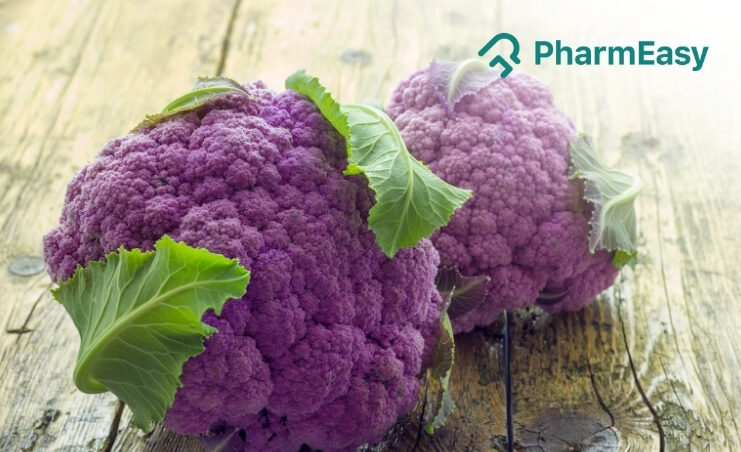
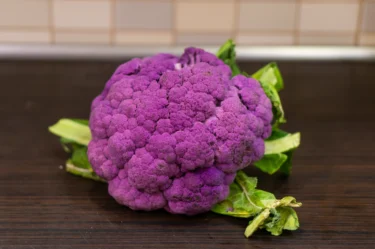
It’s a natural type of cauliflower plant. Its scientific name is Brassica oleracea var. botrytis. It has a stand-out purple shade. This makes it unique compared to regular white ones.
Origin and Varieties
A genetic mutation in cauliflower causes an abnormal accumulation of anthocyanins which gives this vegetable its bold purple colour1. Since being found, it’s grown and eaten around the world. It comes in types like Sicilian Violet, Violet Queen, Rambo Purple, and Purple Cape.
Did you know?
It’s packed with key nutrients, the main ones discussed below.
Studies suggest that plant-based metabolites like flavonoids, terpenes, coumarins, and sulphur-containing glucosinolates present in cauliflower may have protective effects. However, cooking processes such as blanching may reduce these contents including vitamin C10.
Dr. Siddharth Gupta, B.A.M.S, M.D
There are many potential health benefits to eating purple cauliflower. These stem from its nutritional makeup, including its fibre content, vitamins and an array of antioxidants. Some key benefits of eating this super vegetable are as follows:

Purple cauliflower is full of antioxidants. These typically include Anthocyanins and Glucosinolates.

Purple cauliflower could be an ideal food for weight management, as its high fibre content and low calories may aid in weight loss. The high fibre content keeps you full for longer, and the low-calorie content help you meet your daily calorie goals6. However, it is to be noted that weight loss can’t be achieved solely by consuming one superfood like purple cauliflower, it requires lifestyle changes like eating a balanced diet, stress management, and regular exercise.

The rich fibre content in purple cauliflower can help support digestion by adding bulk to stool and regulating bowel movement, thereby providing relief in constipation. Moreover, dietary fibre is also proposed to be beneficial for other gastric issues like gastroesophageal reflux, ulcer and conditions like inflammatory bowel disease7.
All cruciferous vegetables including purple cauliflower, are rich in glucosinolates (Gluconasturtiin, Glucoraphanin, and Glucobrassicin) as mentioned above. Glucosinolates help stimulate enzymes needed for body detoxification reactions. These enzymes act like natural defences against oxidants and are also proposed to support liver function and overall health8.

Purple cauliflower is rich in vital ingredients required that may aid muscle and bone health. It is full of Vitamin C is needed to make collagen. Collagen helps keep bones strong and avoid fractures. Moreover, the glucosinolates present in purple cauliflower help promote musculoskeletal health. They help fight muscle inflammation and activate bone forming cells, thereby keeping your bones and muscles strong5.
While initial studies have shown potential health benefits of nutrients found in purple cauliflower, further large-scale human trials are needed to confirm these. Nonetheless, when eaten as a part of balanced diet, it is usually considered a safe and healthy vegetable to consume routinely.
When comparing purple, green, and white varieties of cauliflower, purple cauliflower has the highest content of flavonoids and phenolics, especially in the curd part. They are chief antioxidants that have health benefits against obesity and heart diseases11.
Dr. Rajeev Singh, BAMS
It is ideal to consume purple cauliflower in moderation as eating too much of it can cause some adverse effects:
Always remember, before including anything new to your diet like purple cauliflower, you must run it by your doctor first. They can guide you on whether it is suitable for you to do so.
To get the most from its nutrients and antioxidants, try to buy the freshest purple cauliflower you can. Also, store it properly.
Check for firm heads with bold purple shades. Avoid any that have started to brown, wilt, or show signs of bugs. The core should feel fairly heavy. That shows the florets are tightly packed.
Leave it unwashed and wrap it in plastic or put it in a sealed plastic bag. Store in your fridge’s vegetable drawer. This helps stop moisture build-up which can lead to bacteria growth and spoilage. Stored like this, your purple cauliflower should stay good for about a week.
Here are several ways you can cook and enjoy this amazing veggie:

Cut the purple cauliflower into small florets and steam until tender. Steaming also keeps the nutrients and colour vibrant.
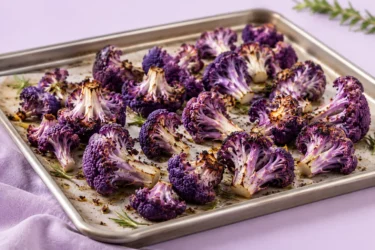
Another great cooking method to bring out the sweet taste of purple cauliflower is roasting. Just chop the head into florets, and toss with olive oil, salt, and pepper. Layout on a baking sheet and roast at 400°F for 20-30 minutes, flipping midway.

For a fun change from mashed potatoes, try cooking and mashing purple cauliflower. It’s good to taste and adds an exciting pop of colour to your plate.
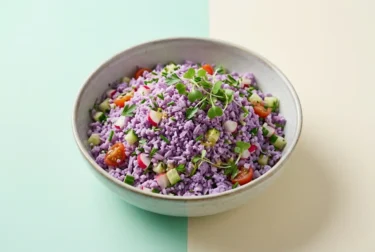
You can try raw purple cauliflower. Simply grate the florets using your blender or a grater. Then blanch until tender.
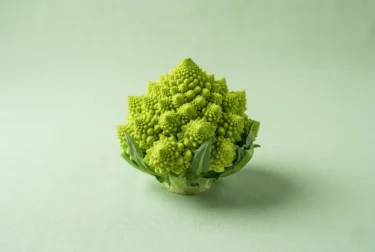
Also known as Romanesco or Broccoflower, green cauliflower has a unique look with spiky florets. Yet it tastes similar to white cauliflower. This green variety has more protein and almost double the vitamin C compared to white cauliflower.
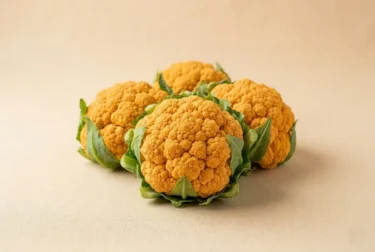
Sometimes called Cheddar cauliflower, it gets its rich, deep orange colour from its beta-carotene content. It was first found in Canada. Aside from being high in vitamin A, it’s super tasty too.
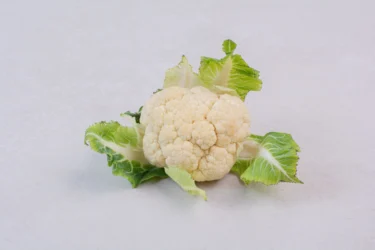
White cauliflower is the most common variety. From ornamental cabbages centuries ago came today’s everyday cauliflower. It stays white because the plant’s leaves shield the head from sunlight. This stops green chlorophyll from developing.
Purple cauliflower is beautiful to look at, delicious to eat, and loaded with nutrients. Rich in fibre, antioxidants, and essential vitamins and minerals, its potential health benefits range from antioxidant support, weight loss aid, detox, and bone health benefits. Purple cauliflower can therefore be considered a super food when consumed in moderation.
Also Read: Cabbage (Patta Gobi): Uses, Benefits, Side effects
The key difference between purple and white cauliflower is their antioxidant content. Purple cauliflower has lots of anthocyanins, which give it its unique colour and more antioxidant properties.
Yes, you can eat purple cauliflower raw. It can add interest and nutrition to salads or crudité plates.
Some easy ways to consume purple cauliflower are having it steamed, roasted, mashed, or grated.
No, purple cauliflower is a natural variant of cauliflower, not a result of genetic altering.
You can include purple cauliflower in routine diet by adding it to salads, soups, and casseroles, or simply serving as a side dish.
Too much purple cauliflower can cause stomach problems like bloating and gas in some people. Those with kidney stones or gout need to avoid eating lots as its purine content can lead to increased uric acid levels. However, when eaten as part of a balanced diet, it’s a safe and healthy vegetable.
Disclaimer: The information provided here is for educational/awareness purposes only and is not intended to be a substitute for medical treatment by a healthcare professional and should not be relied upon to diagnose or treat any medical condition. The reader should consult a registered medical practitioner to determine the appropriateness of the information and before consuming any medication. PharmEasy does not provide any guarantee or warranty (express or implied) regarding the accuracy, adequacy, completeness, legality, reliability or usefulness of the information; and disclaims any liability arising thereof.
Links and product recommendations in the information provided here are advertisements of third-party products available on the website. PharmEasy does not make any representation on the accuracy or suitability of such products/services. Advertisements do not influence the editorial decisions or content. The information in this blog is subject to change without notice. The authors and administrators reserve the right to modify, add, or remove content without notification. It is your responsibility to review this disclaimer regularly for any changes.


Comments

Leave your comment...
You may also like























Comments