




Home Remedies For Mosquito Bite By Dr. Siddharth Gupta
By Dr Siddharth Gupta +2 more

Medically reviewed by Dr. Avinav Gupta
Last updated: Oct 16, 2026 Published on: Sep 8, 2022


Get,

to manage your symptom
Get your,

4 Cr+ families
benefitted

OTP sent to 9988776655



You’ve successfully subscribed to receive
doctor-approved tips on
Whatsapp

Get ready to feel your best.


Register to Avail the Offer
Send OTPBy continuing, you agree with our Privacy Policy and Terms and Conditions
Hi There,
Sign up on PharmEasy now!!


Trusted by 4 crore+ families

OTP sent to 9988776655
You have unlocked 25% off on medicines


Code: NU25

By Dr Siddharth Gupta +2 more
Table of Contents
The majority of the insect bites that occur worldwide are mosquito bites. Although mosquito bites are non-threatening, they may transmit disease-causing pathogens and pose a severe threat. Mosquitoes are insects scientifically known as Anopheles, Aedes and Culex. Did you know the larger female mosquitos bite as they need blood and nourishment to produce eggs1? A mosquito bite can give you diseases such as malaria, dengue, chikungunya and zika. About 700 million people die every year because of diseases caused by mosquito bites.
Prevention is better than cure is the motto to steer clear of these diseases. Simple and quick remedies at home may help relieve a mosquito bite. However, if you notice signs of infectious disease, you might need medical help.
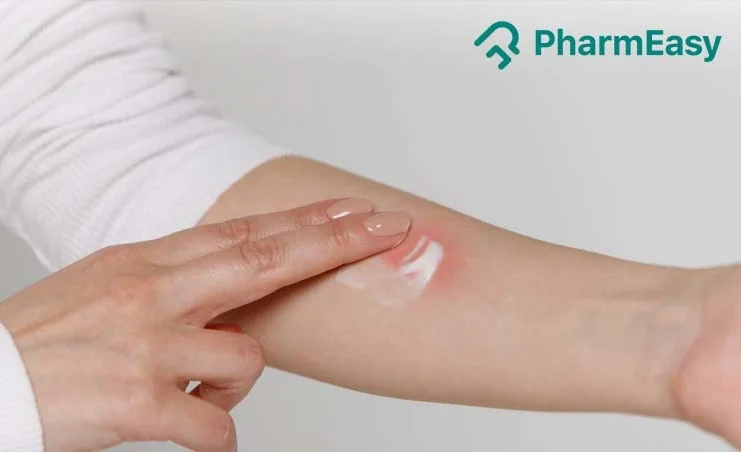
Continue reading to learn more about mosquito bites, their consequences and how to manage them with easy and natural home remedies.
A red itchy bump that disappears on its own is common after a mosquito bite but some people may experience symptoms that are more severe and can include rash, large areas of excessive swelling, and even bruising, this is called Skeeter syndrome which needs medical management.
Dr. Ashish Bajaj, M.B.B.S., M.D. in Clinical Pharmacology and Toxicology
The female mosquitoes are the ones that suck blood for nourishment. Mosquitoes possess a long mouthpart shaped like a tiny needle pierces your skin, sucks your blood and secretes saliva into your bloodstream2.
Here are some risk factors that make you prone to mosquito bites,
You may experience itching and swelling at the site of the bite if you are bitten by mosquitoes2. other signs include:
More severe symptoms of a mosquito bite can be observed in:
More severe reactions seen may be:
Insect bite reactions can sometimes be severe and in bee bites some people can get severe reaction called anaphylaxis which should be treated by a doctor.
Dr. M.G. Kartheeka, MBBS, MD(Pediatrics)
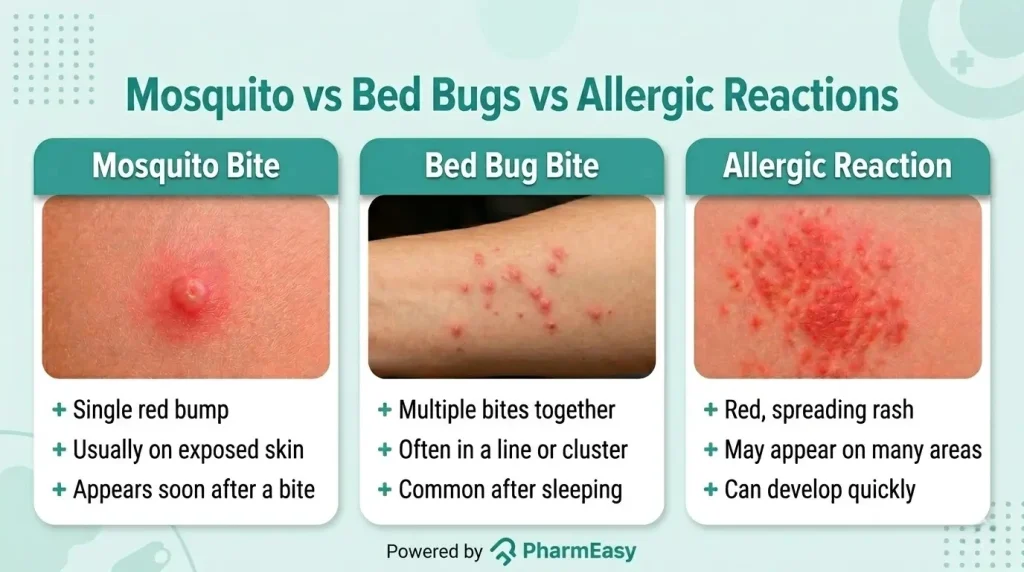
Insect bites and skin reactions can look quite similar, which often leads to confusion. Knowing how to tell them apart can help you decide on the right care.
Here is a simple comparison:
| Feature | Mosquito Bite6 | Bed Bug Bite5 | Allergic Reaction |
| Appearance (shape & pattern) | Single, round, puffy red bumps scattered randomly | Multiple bites arranged in a line, cluster, or zigzag pattern | Widespread hives, raised welts, or red patches spreading beyond one spot |
| Common location | Exposed skin on arms, legs, neck, face | Areas exposed during sleep on the back, arms, neck, shoulders, and legs | Can appear on multiple parts of the body, not limited to the bite site |
| Timing | Appears within minutes of the bite | Slower takes a few hours to several days to show | Can appear rapidly (within minutes) and may worsen quickly |
| Itching pattern | Intense itch soon after, usually settles in 1–2 days | Often itchier, may persist for several days | Widespread, persistent itching across the body |
If you are unsure what caused a bite or reaction, or if symptoms keep spreading, consult a doctor for a proper assessment.
Here are some natural ingredients that you may use to remedy mosquito bites. You can use these remedies at home to help with the pain, inflammation and itching of mosquito bites.
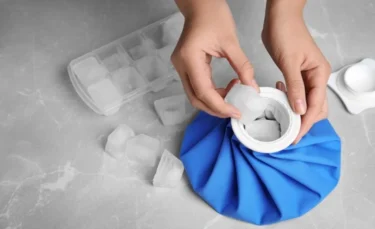
You may rub ice on a mosquito bite. It might help reduce blood flow to the area, decreasing inflammation. It may also help with the pain and itching. If you are using ice or an ice pack, make sure to wrap it in a light towel first and then apply it at the site of the mosquito bite to get relief2.
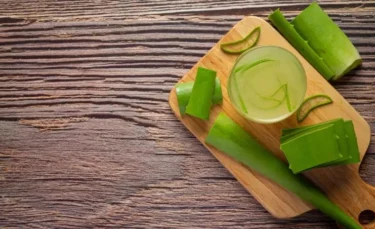
Aloe vera gel is a common ingredient in several herbal remedies. The gel contains salicylic acid, an active component capable of reducing pain and itching. You may apply aloe vera gel directly onto the mosquito bite2.

Honey is an ingredient packed with many properties that may help relieve pain and itching. Honey is known to contain an enzyme called catalase, which may provide relief from inflammation. Apply honey directly to the mosquito bite. Make sure to use unprocessed honey2.

Gluten present in oatmeal may help soothe mosquito bites. You can take some oatmeal and grind it into fine powder. To this powder, add some warm water to make a thick paste. You may apply this paste directly to the mosquito bite. Make sure to cover the bite completely. Keep it for some time and then wipe it off using a clean towel2.

Chamomile flowers are rich in chemicals like flavonoids and triterpenoids. These chemicals may show antioxidant and antihistamine properties. These properties may help reduce pain, inflammation and itchiness of the mosquito bite. You can take a chamomile tea bag and put it in water. Wait till the water turns golden brown. Take out the tea bag and squeeze it to remove excess water. The tea bag can be pressed directly against the mosquito bite for some time to get relief. You can remove the tea bag and wipe the bite with a clean towel2.
If you encounter fever, nausea, vomiting, body ache within 2 weeks of seemingly related mosquito bites, contact your physician for an accurate diagnosis.
Dr. Ashish Bajaj, M.B.B.S., M.D. in Clinical Pharmacology and Toxicology
Also Read: Effective Home Remedies for Scabies
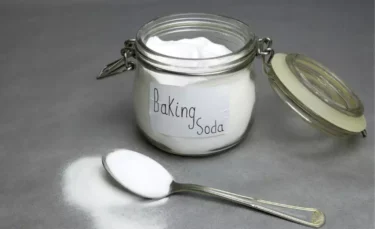
Baking soda may help you reduce the itchiness of the mosquito bite. To use baking soda, mix a teaspoon of baking soda with some water to make a smooth paste. You can apply this paste to the mosquito bite to get relief. Leave the paste for some time and wash it off with water3.
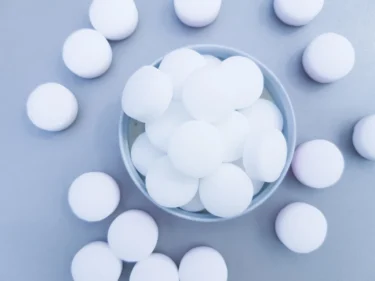
Camphor is an effective remedy for a wide range of health concerns. It may reduce inflammation and itching of the mosquito bite. You may apply camphor oil directly on the mosquito bite to get quick relief from symptoms.
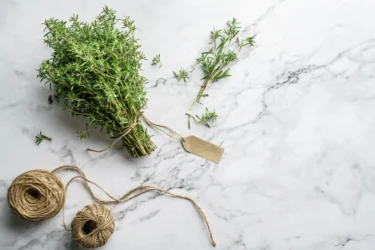
There is historical evidence showing the use of thyme for inflammatory skin conditions. In addition, thyme has been used for treating mosquito bites, although there is insufficient evidence to prove its efficacy4. You may dilute thyme oil with a carrier oil such as olive or coconut oil.
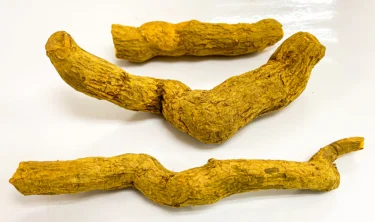
Serpent root is a medicinal herb known as Isvari in Hindi. There are many ways to use serpent root insect bites, such as mosquitoes. You may consume fresh juice of leaves of serpent root plant with some pepper powder to get relief. The leaves’ paste might be directly applied over the mosquito bite to relieve the symptoms.
Though some studies show the benefits of the given herb and home remedies for mosquito bites, these are insufficient. There is a need for large scale human studies to establish the true extent of the benefits of these home remedies on human health. Thus, these should only be taken cautiously and never as a substitute for medical treatment.
The American Academy of Dermatology (AAD) recommends using a cold, damp cloth or an ice pack to relieve the itching caused by a mosquito bite. A bag of crushed ice can also work well in a pinch. Do not put ice directly on your skin, because it can cause damage.
Dr. M.G. Kartheeka, MBBS, MD(Pediatrics)
Most mosquito bites heal on their own. However, scratching can break the skin and allow bacteria to enter, sometimes leading to a secondary infection. Watch out for these warning signs7:
If you notice any of these signs, especially red streaks, spreading warmth, or fever, you should seek medical help promptly. These can indicate an infection that may need antibiotics or further treatment. Do not rely on home remedies alone if the bite appears to be getting worse rather than better.
Mosquitoes can carry serious diseases such as dengue, malaria, chikungunya, and zika. While most bites are harmless, certain symptoms appearing after a bite need urgent medical attention. Keep this red flag list in mind8:
If you develop any of these symptoms within a few days or weeks of a mosquito bite, particularly after travelling to or living in a mosquito-prone area, contact a doctor immediately. Early diagnosis and treatment can be crucial for these conditions.
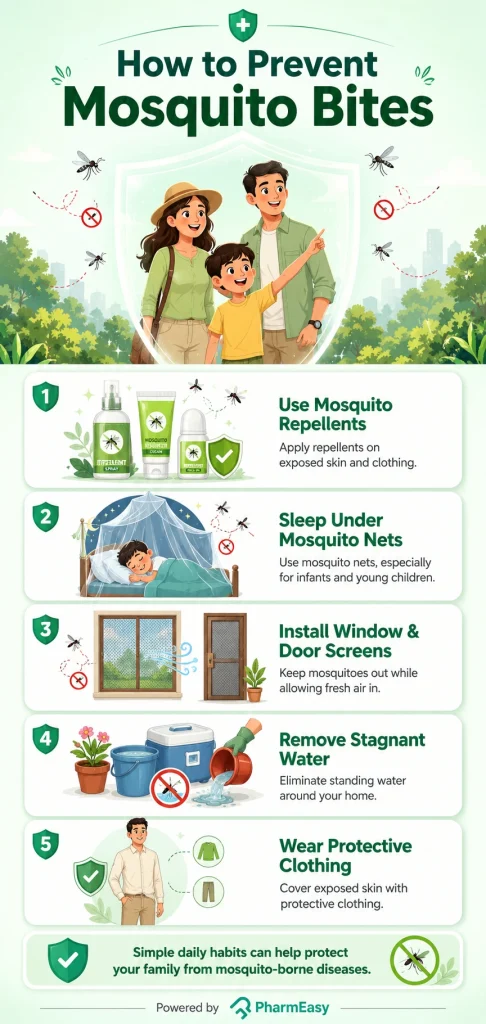
Prevention remains the most effective way to avoid mosquito bites and the diseases they may carry. Here are some steps you can take9:
Being extra cautious during dawn and dusk, when mosquitoes are most active, the mosquitoes that transmit dengue, chikungunya, and Zika often bite during the daytime. Therefore, protective measures should be followed throughout the day whenever possible. can further lower your chances of being bitten.
Babies and young children have delicate skin and are more sensitive to many products, so mosquito bite care for them needs extra caution10.
Here are some safety-focused options:
What to avoid in babies:
For infants, especially those under a few months old, it is always best to consult a paediatrician before using any cream or repellent.
Several over-the-counter products are widely available at pharmacies and online platforms that may help manage the itching and discomfort of mosquito bites. These fall into a few general categories:
These products may help manage mild bites when used as directed, but always read the label and check suitability for your skin, age group, and any allergies. If symptoms do not improve or you experience a strong reaction, consult a doctor before continuing use.
Note: This information is for educational purposes only and is not a substitute for professional medical advice. Always consult a qualified healthcare provider for guidance specific to your condition, and before using any new product, especially on children or sensitive skin.
You need to seek medical help at the earliest if you experience any of the following:
You must not rely on home remedies alone for treating mosquito bites and should consult a qualified doctor for any advice for the condition if the symptoms do not improve with home remedies.
Also Read: Natural Home Remedies for Stretch Marks
Mosquito bites though usually harmless, may spread disease-causing pathogens. You may experience swelling, itchiness, and pain at the site of the bite. However, you can use some common herbs and ingredients to remedy mosquito bites. Herbs like chamomile, aloe vera, and thyme may help you reduce the inflammation and itching of the mosquito bite. You can also apply honey, oatmeal, or ice packs on the mosquito bite to get relief. Wearing thick clothing and staying indoors when the mosquito activity is highest are some ways you can prevent getting bitten. Sometimes, mosquitoes may spread infectious diseases. Therefore, if you experience signs of fever, nausea, vomiting, headache, and body ache following a mosquito bite, contact your healthcare provider immediately, as it can signify a severe health condition.
Also Read: Best Home Remedies For Whiteheads
You may use ingredients like thyme, chamomile, honey, oatmeal, aloe vera and camphor on your mosquito bite. These ingredients may help reduce irritation, itching and swelling of the mosquito bite. You may use ice packs wrapped in a light towel onto the mosquito bite to minimize swelling.
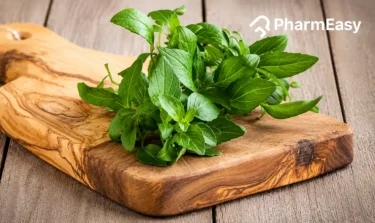
Fumigating the home with neem leaves or Indian borage leaves can help eliminate mosquitoes. Placing camphor oil around the corners of your house may also help.
Yes, you may fall ill following a mosquito bite. You may get infected if you get bit by a mosquito carrying infectious pathogens. If you notice signs of fever, headache, body ache, nausea and vomiting, reach out to your doctor immediately.
Most mosquito bites are not that serious. However, you should consult a doctor if you notice signs of infectious illness. The symptoms are fever, nausea, fatigue, headache and body pain.
1. Seda J, Horrall S. Mosquito Bites. Veterinary Allergy [Internet]. 2021 Oct 28 [cited 2022 Jul 19];267–70. Available from: https://www.ncbi.nlm.nih.gov/books/NBK539915/
2. Mosquito Bites: What They Look Like, Why They Itch & Treatment [Internet]. [cited 2022 Jul 19]. Available from: https://my.clevelandclinic.org/health/diseases/17695-mosquito-bites
3. Basch E, Ulbricht C, Hammerness P, Bevins A, Sollars D. Thyme (Thymus vulgaris L.), Thymol. http://dx.doi.org/101080/J157v04n01_07 [Internet]. 2009 Jan [cited 2022 Jul 20];4(1):49–67. Available from: https://www.tandfonline.com/doi/abs/10.1080/J157v04n01_07
4. Vassiliou E, Awoleye O, Davis A, Mishra S. Anti-Inflammatory and Antimicrobial Properties of Thyme Oil and Its Main Constituents. Int J Mol Sci. 2023 Apr 8;24(8):6936. doi: 10.3390/ijms24086936. PMID: 37108100; PMCID: PMC10138399. Available from: https://pmc.ncbi.nlm.nih.gov/articles/PMC10138399/
5. Cleveland Clinic. Bed bugs and bed bug bites. Cleveland Clinic; 2022. Available from: https://my.clevelandclinic.org/health/diseases/17847-bedbugs
6. National Health Service (NHS). Insect bites and stings. London: NHS; Available from: https://www.nhs.uk/conditions/insect-bites-and-stings/
7. Cellulitis. Cleveland Clinic; 2022. Available from: https://my.clevelandclinic.org/health/diseases/15071-cellulitis
8. Dengue and severe dengue. Geneva: World Health Organization; Available from: https://www.who.int/health-topics/dengue-and-severe-dengue#tab=tab_1
9. Centers for Disease Control and Prevention. Preventing mosquito bites. Atlanta (GA): CDC; 2024. Available from: https://www.cdc.gov/mosquitoes/prevention/index.html
10. American Academy of Pediatrics. How to choose an insect repellent for your child. HealthyChildren.org. Available from: https://www.healthychildren.org/English/safety-prevention/at-play/Pages/Insect-Repellents.aspx
Disclaimer: The information provided here is for educational/awareness purposes only and is not intended to be a substitute for medical treatment by a healthcare professional and should not be relied upon to diagnose or treat any medical condition. The reader should consult a registered medical practitioner to determine the appropriateness of the information and before consuming any medication. PharmEasy does not provide any guarantee or warranty (express or implied) regarding the accuracy, adequacy, completeness, legality, reliability or usefulness of the information; and disclaims any liability arising thereof.
Links and product recommendations in the information provided here are advertisements of third-party products available on the website. PharmEasy does not make any representation on the accuracy or suitability of such products/services. Advertisements do not influence the editorial decisions or content. The information in this blog is subject to change without notice. The authors and administrators reserve the right to modify, add, or remove content without notification. It is your responsibility to review this disclaimer regularly for any changes.
 0
0  0
0Comments

Leave your comment...
You may also like

















Comments