Get,

Free Doctor Tips

to manage your symptom

Get your,

FREE Doctor Tips Now!!

4 Cr+ families

benefitted

Enter your Phone Number

+91

|

Enter a valid mobile number

Send OTP

Verify your mobile number

OTP sent to 9988776655

CONGRATULATIONS!!!

You’ve successfully subscribed to receive

doctor-approved tips on Whatsapp


Get ready to feel your best.

Hi There,

Download the PharmEasy App now!!

AND AVAIL

AD FREE reading experience
Get 25% OFF on medicines
Banner Image

Register to Avail the Offer

Send OTP

By continuing, you agree with our Privacy Policy and Terms and Conditions

Success Banner Image
Verify your mobile number

OTP sent to 9988776655

Comments

Subscribe
Notify of
guest
0 Comments
Inline Feedbacks
View all comments

Leave your comment here

Your email address will not be published. Required fields are marked *

25% OFF on medicines

Collect your coupon before the offer ends!!!

COLLECT

Fever During Pregnancy: Causes, Risks, Symptoms, Treatment & Prevention

By Dr. Charmi Shah +2 more

Join Health Talk by PharmEasy on WhatsApp

Introduction

Fever during pregnancy can be concerning, especially when you’re unsure whether it’s a normal response to an infection or a sign of something more serious.

While a mild rise in body temperature is often manageable, persistent or high fever should never be ignored, as it may affect both maternal and foetal health1. Moreover, understanding the possible causes, warning signs, and safe management options can help you take the right steps with confidence.

fever during pregnency

In this blog, we’ll explore the causes, risks, symptoms, management, and prevention of fever during pregnancy.

Advertisement

What is Fever During Pregnancy?

A normal body temperature is around 37°C (98.6°F). Fever in pregnancy refers to a temporary increase in this basal body temperature, often as a result of the body fighting an infection or some illness2.

It is important to understand that fever itself is not a disease but a sign that the immune system is responding to an underlying condition. During pregnancy, persistent or high fever requires attention, as elevated body temperature may pose risks to both the mother and the developing baby, particularly in the early stages of pregnancy1.

What Counts as Fever in Pregnancy?

Body temperature naturally fluctuates a little bit (by about 0.5°C) throughout the day, and a slight increase is usually normal3.

During pregnancy, a temperature of 38°C (100.4°F) or higher is generally considered a fever and may indicate an underlying infection or illness1,3. However, a slight increase in body temperature is common during early pregnancy due to higher progesterone levels5. This mild rise in temperature is normal and should not be confused with a fever, which is typically defined as a body temperature of 38°C (100.4°F) or higher.

How Fever Can Affect the Baby?

While a mild fever that goes away on its own is usually not harmful, a high (above 41°C or 105.8°F) or persistent fever during pregnancy may pose some risks to the baby. This is particularly important in early pregnancy. Below are the possible risks4.

  • There may be a higher risk of neural tube defects (birth defects affecting the brain, spine, or spinal cord) when fever occurs during the first trimester.
  • High fever in early pregnancy may be associated with an increased risk of congenital heart defects (heart abnormalities present at birth).
  • High fever in pregnancy may be linked to cleft lip and cleft palate (an opening or split in the upper lip and/or roof of the mouth) in some cases.
  • Persistent or untreated fever during early pregnancy may increase the risk of miscarriage.
  • Fever later in pregnancy may contribute to preterm labour or preterm birth (labour or birth before 37 weeks of pregnancy).

While these are some possible associations of high fever during pregnancy to foetal outcomes, scientific evidence for these is still limited and the risk is said to be low. These risks may be associated more so with the underlying infection or illness causing fever rather than the fever itself3,4.

Advertisement

Common Causes of Fever in Pregnancy

Infections are the most common cause of fever during pregnancy. These may include4,6,7:

Less commonly, there may be some other causes of fever in pregnancy, such as1,6:

  • Overheating (hyperthermia) due to prolonged heat exposure, excessive exercise, or use of hot tubs/saunas
  • Autoimmune conditions
  • Allergic reactions
  • Certain cancers (rare)

Note: Fever and hyperthermia are not the same. Fever is usually the body’s response to an infection or illness. In contrast, hyperthermia occurs when the body overheats due to external factors such as hot tubs, saunas, excessive exercise, or prolonged exposure to high temperatures1.
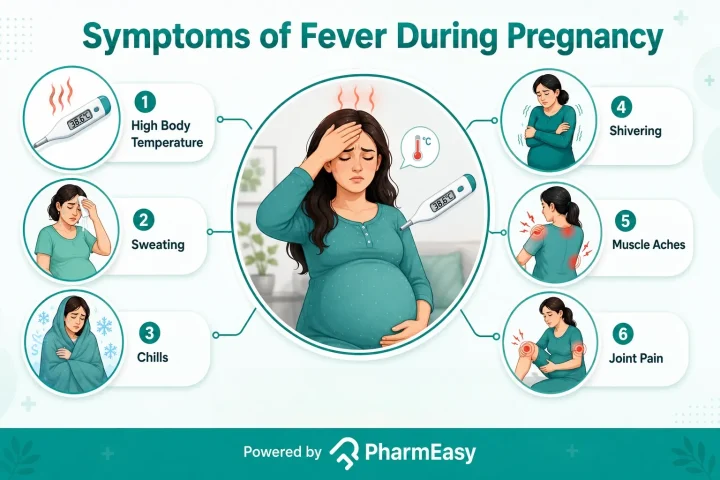
Symptoms of Fever During Pregnancy

Symptoms of fever during pregnancy

The most common sign of fever is a rise in body temperature. Fever may also be accompanied by other symptoms, including8:

  • Sweating
  • Chills
  • Shivering
  • Muscle aches
  • Joint pain

Note: Many women wonder, Is fever a symptom of pregnancy? While fever is not considered a typical symptom of pregnancy, it may occur due to an underlying infection or illness and should be evaluated, especially if it is high or persistent.
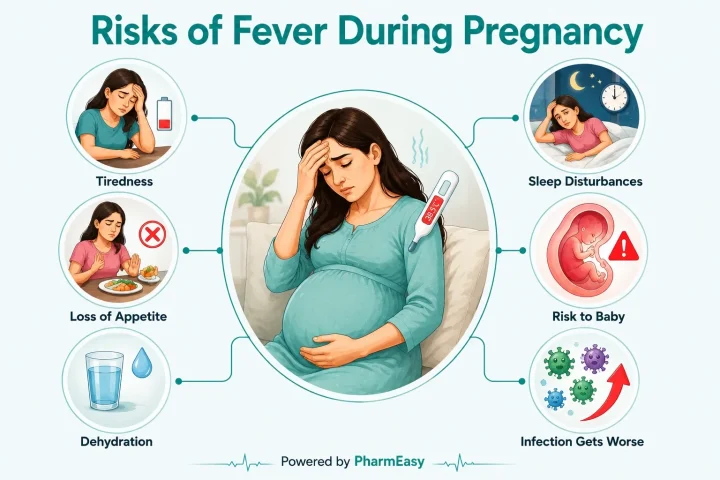
Risks of Fever During Pregnancy

risk of fever during pregnency

Fever can place additional stress on the body during pregnancy. While most fevers resolve without causing serious problems when addressed quickly, a high or persistent fever may increase the risk of certain complications for both the mother and the baby. Possible risks include:

  • Weakness and exhaustion due to the body’s increased energy demands while fighting an infection3.
  • Reduced appetite (may affect overall maternal health and well-being)9.
  • Dehydration caused by increased fluid loss through sweating1,3.
  • Sleep disturbances and increased physical discomfort10.
  • Potential risks to the baby (check the ‘How Fever Can Affect the Baby’ section for more details)4.
  • Worsening of the underlying infection if left untreated

Treatment for Fever in Pregnancy

Many expectant mothers search for how to treat fever during pregnancy but remember you must always consult your gynaecologist for the right solution. Generally, the treatment focuses on both reducing the fever and addressing its underlying cause. Common fever in pregnancy treatment/management approaches include:

  • Acetaminophen (Paracetamol) is generally considered the preferred fever-reducing medication during pregnancy and should be used as directed by your doctor1.
  • Treatment of the underlying cause, such as antibiotics for bacterial infections or other appropriate therapies, may be necessary depending on the diagnosis3.

Note: Ibuprofen and other non-steroidal anti-inflammatory drugs (NSAIDs) are generally not recommended during pregnancy, particularly after 20 weeks of gestation, unless specifically advised by a doctor1. Treatment of the underlying cause, such as antibiotics for bacterial infections or other appropriate therapies, may be necessary depending on the diagnosis3.

What Should You Do (And Avoid)?

If you develop a fever during pregnancy, taking the right steps can help relieve symptoms, support recovery, and reduce the risk of complications.

While mild fevers often improve with home remedies for fever during pregnancy, such as rest and hydration, it is important to know what measures are safe during pregnancy and what practices should be avoided.

What You Should Do?

  • Get plenty of rest: Rest helps your body conserve energy and focus on fighting the underlying infection11. If possible, reduce physical activity and allow yourself extra time to recover.
  • Stay well hydrated: Drink plenty of water and other pregnancy-safe fluids throughout the day11.
  • Keep your environment cool: Wear loose, comfortable clothing and stay in a well-ventilated room that is not too warm12. This can help your body regulate temperature more effectively.
  • Try gentle cooling measures: Sponging exposed skin with lukewarm (tepid) water may help lower body temperature11. A fan can also help promote cooling through evaporation.
  • Eat a healthy, balanced diet: Nutritious foods provide essential vitamins and minerals that support your immune system and overall health13.

What You Should Avoid?

  • Avoid alcohol, excess tea, and coffee: These beverages could contribute to dehydration, which may worsen fever-related symptoms and delay recovery11.
  • Do not take medications without medical advice: Some medicines, including certain anti-inflammatory drugs such as ibuprofen, may not be suitable during pregnancy. So, always check with your doctor before taking any medication11.
  • Avoid cold baths or ice-cold showers: Although they may seem helpful, sudden exposure to cold could cause blood vessels to constrict and trigger shivering, which may actually raise body temperature11.
  • Do not overdress or use heavy blankets: Wearing too many layers can trap heat and make it harder for your body to cool down naturally8,12.
  • Do not ignore persistent fever: A fever that is severe, recurrent, or accompanied by concerning symptoms should be evaluated promptly to identify and address the underlying cause.

Important: Traditionally, some herbal teas containing turmeric, ginger etc were believed to be helpful, however, note that before trying any home remedies for fever during pregnancy, always check with your doctor to ensure it is safe for you and your baby, and does not impact any other medical conditions or medications you may have.

How to Prevent Fever During Pregnancy?

While not all causes of fever can be avoided, the following measures may help reduce your risk of infections and illness during pregnancy:

  • Stay up to date with recommended vaccinations, including influenza (flu) and COVID-19 vaccines, as advised by your doctor14.
  • Practice good hand hygiene by washing your hands regularly with soap and water or using a hand sanitiser4.
  • Avoid close contact with people who are sick to reduce the risk of catching infections4.
  • Follow food safety practices, such as thoroughly cooking meat, avoiding unpasteurised dairy products, and washing fruits and vegetables before consumption15.
  • Avoid overheating by limiting exposure to excessive heat, hot tubs, and saunas during pregnancy1.
  • Get adequate sleep and rest to help your body stay healthy and better fight infections4.
  • Seek immediate guidance on treatment for UTIs and other infections because if they are left unaddressed, these infections may lead to fever and pregnancy complications.

When to Consult a Doctor?

You should contact your doctor as soon as possible if you have a fever during pregnancy, especially if you experience any of the following4,12,16:

  • A fever of 38°C or higher
  • Severe thirst or signs of dehydration
  • Dark-coloured urine or urinating less than usual
  • Dizziness, light-headedness, or unusual weakness
  • New or severe muscle cramps
  • Difficulty breathing or shortness of breath
  • Vaginal discharge with an unpleasant odour
  • Reduced or decreased foetal movements (if you notice your baby is moving less than usual after 24 weeks of pregnancy)
  • Symptoms that worsen or new symptoms that develop
  • Fever following recent international travel
  • Breathlessness or chest pain
  • Vaginal bleeding
  • Severe abdominal pain
  • Confusion
  • Persistent vomiting
  • Rash with fever
  • Severe swelling in legs, arms, or face

Conclusion

Fever during pregnancy is usually a sign that the body is fighting an infection or illness. While most fevers can be managed safely with immediate care, hydration, rest, and appropriate management, a high or persistent fever should never be ignored. Also, understanding the possible causes, symptoms, risks, and fever in pregnancy treatment/management options can help you take timely action and protect both your health and your baby’s well-being. If you develop a fever during pregnancy or have any concerns about your symptoms, contact your doctor for guidance and appropriate care.

Also Read: Viral Fever: Causes, Symptoms, and Treatment Options

Frequently Asked Questions (FAQs)

Is it okay to have a fever during pregnancy?

A mild fever is often a sign that your body is fighting an infection and may not be harmful if addressed promptly1,2,4. However, pregnant women experiencing a high or ongoing fever should consult a doctor promptly, as timely diagnosis and treatment of the underlying cause are important for maternal and foetal health.

Is Dolo 650 safe in pregnancy?

The Dolo medicine contains paracetamol (acetaminophen), which is generally considered the preferred fever-reducing medication during pregnancy1. However, it should be taken only as directed by your doctor and at the lowest effective dose.

Does fever in pregnancy affect baby?

A mild, temporary fever usually does not harm the baby. However, high or prolonged fever, particularly during the first trimester, may possibly increase the risk of certain complications, including birth defects, miscarriage, or preterm labour1,4.

Can dehydration cause fever in pregnancy?

Dehydration itself does not usually cause a true fever, but it can contribute to overheating (hyperthermia) and make you feel unwell17. Fever can also increase the risk of dehydration due to fluid loss through sweating18.

Can stress cause fever in pregnancy?

Stress may occasionally cause a slight increase in body temperature, sometimes referred to as psychogenic fever19. However, a significant fever is more commonly caused by an infection or another medical condition and should be assessed by a doctor1,19.

Can fever in pregnancy cause autism?

There may be a possible association between high fever during pregnancy and autism spectrum disorder in children. However, a direct connection has not been established, and more research is needed to better understand this relationship1.

Can fever in pregnancy cause miscarriage?

High fever, especially during early pregnancy, has been associated with an increased risk of miscarriage1,4. Therefore, seeking timely medical care and treating the underlying cause of the fever may help reduce this risk.

Does flu vaccine cause fever in pregnancy?

Some women may experience mild side effects such as a low-grade fever, fatigue, or soreness at the injection site after receiving the flu vaccine20. These reactions are usually temporary and are generally considered less risky than getting influenza during pregnancy.

References

  1. Fever / Hyperthermia. In: MotherToBaby | Fact Sheets. Organization of Teratology Information Specialists (OTIS); 1994. Accessed June 1, 2026. http://www.ncbi.nlm.nih.gov/books/NBK582757/
  2. Fever. Accessed June 1, 2026. https://medlineplus.gov/fever.html
  3. Balli S, Shumway KR, Sharan S. Physiology, Fever. In: StatPearls. StatPearls Publishing; 2026. Accessed June 1, 2026. http://www.ncbi.nlm.nih.gov/books/NBK562334/
  4. Can having a fever while pregnant hurt my baby? Accessed June 1, 2026. https://www.marchofdimes.org/can-having-fever-while-pregnant-hurt-my-baby
  5. Steward K, Raja A. Physiology, Ovulation And Basal Body Temperature. In: StatPearls. StatPearls Publishing; 2026. Accessed June 2, 2026. http://www.ncbi.nlm.nih.gov/books/NBK546686/
  6. Egloff C, Sibiude J, Couffignal C, Mandelbrot L, Picone O. Causes and consequences of fever during pregnancy: A retrospective study in a gynaecological emergency department. J Gynecol Obstet Hum Reprod. 2020;49(9):101899. doi:10.1016/j.jogoh.2020.101899. https://pubmed.ncbi.nlm.nih.gov/32853830/
  7. Brar R, Suri V, Suri V, Singh MP, Biswal M, Sikka P. Fever During Pregnancy: Etiology and Fetomaternal Outcomes. J Obstet Gynaecol India. 2022;72(Suppl 1):102-108. doi:10.1007/s13224-021-01562-2 https://pubmed.ncbi.nlm.nih.gov/34539122/
  8. Australia H. Fever. March 23, 2026. Accessed June 1, 2026. https://www.healthdirect.gov.au/fever
  9. Rathod R, Manjrekar P. Prevalence of loss of appetite in patients visiting primary care physicians: A Cross- sectional Survey. Indian J Med Sci. 2017;69:2-7. https://ijmsweb.com/content/101/2017/69/2/pdf/IJMS-69-2-2.pdf
  10. Lasselin J, Ingre M, Regenbogen C, et al. Sleep during naturally occurring respiratory infections: A pilot study. Brain Behav Immun. 2019;79:236-243. https://pubmed.ncbi.nlm.nih.gov/30742884/
  11. Services D of H& H. Fever. Accessed June 1, 2026. http://www.betterhealth.vic.gov.au/health/conditionsandtreatments/fever
  12. Fever in adults. NHS inform. Accessed June 1, 2026. https://www.nhsinform.scot/illnesses-and-conditions/infections-and-poisoning/fever-in-adults/
  13. Jouanne M, Oddoux S, Noël A, Voisin-Chiret AS. Nutrient Requirements during Pregnancy and Lactation. Nutrients. 2021;13(2):692. doi:10.3390/nu13020692. https://www.mdpi.com/2072-6643/13/2/692
  14. COVID-19 Vaccines and Pregnancy: Conversation Guide for Clinicians. Accessed June 2, 2026. https://www.acog.org/programs/immunization-infectious-disease-public-health/tools-and-resources/covid-19-vaccines-and-pregnancy-conversation-guide-for-clinicians
  15. CDC. Safer Food Choices. Food Safety. September 24, 2025. Accessed June 2, 2026. https://www.cdc.gov/food-safety/foods/safer-food-choices.html
  16. CDC. Urgent Maternal Warning Signs and Symptoms. HEAR HER Campaign. February 18, 2026. Accessed June 2, 2026. https://www.cdc.gov/hearher/maternal-warning-signs/index.html
  17. Heat stress and dehydration in adapting for performance: Good, bad, both, or neither? – PMC. Accessed June 1, 2026. https://pmc.ncbi.nlm.nih.gov/articles/PMC5356617/
  18. Cramer MN, Gagnon D, Laitano O, Crandall CG. Human temperature regulation under heat stress in health, disease, and injury. Physiol Rev. 2022;102(4):1907-1989. doi:10.1152/physrev.00047.2021 https://pubmed.ncbi.nlm.nih.gov/35679471/
  19. Psychogenic fever: how psychological stress affects body temperature in the clinical population – PMC. Accessed June 1, 2026. https://pmc.ncbi.nlm.nih.gov/articles/PMC4843908/
  20. Possible Side Effects from Vaccines | Vaccines & Immunizations | CDC. Accessed June 1, 2026. https://www.cdc.gov/vaccines/basics/possible-side-effects.html

Disclaimer: The information provided here is for educational/awareness purposes only and is not intended to be a substitute for medical treatment by a healthcare professional and should not be relied upon to diagnose or treat any medical condition. The reader should consult a registered medical practitioner to determine the appropriateness of the information and before consuming any medication. PharmEasy does not provide any guarantee or warranty (express or implied) regarding the accuracy, adequacy, completeness, legality, reliability or usefulness of the information; and disclaims any liability arising thereof.

Links and product recommendations in the information provided here are advertisements of third-party products available on the website. PharmEasy does not make any representation on the accuracy or suitability of such products/services. Advertisements do not influence the editorial decisions or content. The information in this blog is subject to change without notice. The authors and administrators reserve the right to modify, add, or remove content without notification. It is your responsibility to review this disclaimer regularly for any changes.

Advertisement

Comments

Leave your comment...