



Bilateral PCOD: Causes, Symptoms, Diagnosis & Treatment
By Dr. Charmi Shah +2 more

Medically reviewed by Dr. Charmi Shah
Last updated: Sep 7, 2026 Published on: Apr 24, 2026


Get,

to manage your symptom
Get your,

4 Cr+ families
benefitted

OTP sent to 9988776655



You’ve successfully subscribed to receive
doctor-approved tips on
Whatsapp

Get ready to feel your best.


Register to Avail the Offer
Send OTPBy continuing, you agree with our Privacy Policy and Terms and Conditions
Hi There,
Sign up on PharmEasy now!!


Trusted by 4 crore+ families

OTP sent to 9988776655
You have unlocked 25% off on medicines


Code: NU25

By Dr. Charmi Shah +2 more
Table of Contents
Polycystic ovarian changes commonly show up during ultrasound scans in women of reproductive age. They happen when the follicles in the ovaries fail to develop properly and are seen as small fluid-filled sacs on ultrasound scan1,2.
Polycystic Ovarian Disease (PCOD) or Polycystic Ovarian Syndrome (PCOS) are conditions linked to hormonal imbalances, mainly affecting the ovaries, but can also affect other parts of the body1. Although the terms PCOD and PCOS are commonly used interchangeably, PCOD is a radiographic finding (based on ultrasound scans), while PCOS is the clinically accepted terminology which usually indicates a more severe condition associated with greater hormonal and metabolic disturbances.
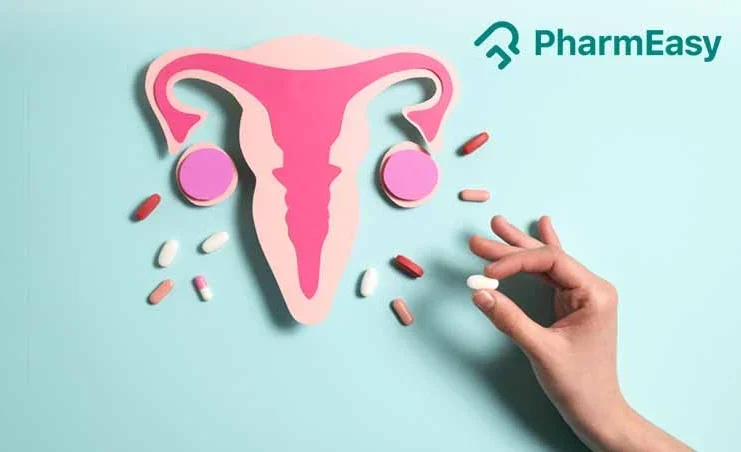
While PCOD and bilateral PCOD seem similar, there is a small difference here. Bilateral PCOD means that both the ovaries show polycystic changes, and unilateral PCOD is when only one ovary is affected3.
In this blog, we will explain what bilateral PCOD means and how it develops in the body. We will also cover its symptoms, diagnostic methods, and treatment options that can help manage the condition and support better reproductive health.
Polycystic ovary is diagnosed when an ovary has 12 or more small follicles or appears larger than normal (more than 10 cm³) in size as seen on an ultrasound scan. These changes can be seen in one ovary or in both the ovaries4. Bilateral PCOD is a term used when polycystic changes are seen in both the ovaries in an ultrasound scan. The word “bilateral” means “both sides”, so it indicates that changes are present in both the ovaries. Therefore, bilateral PCOD is not a separate disease entity but a way of reporting polycystic changes seen in both the ovaries radiographically3.
Although known as polycystic ovaries, the term ‘cyst’ is misleading as these are not actual cysts but small ovarian follicles that fail to develop. Normally, the follicles in the ovary grow and release an egg during ovulation. But in polycystic ovaries, hormone imbalance stops them from maturing properly, so the ovary may have many small, underdeveloped follicles5.
In bilateral polycystic ovaries, both ovaries may show similar structural changes such as:
As the follicles don’t develop properly, egg may not be released regularly from the ovaries, affecting the normal menstrual cycle and may even impact fertility, depending on the severity of the condition1,6.
PCOD or PCOS can develop due to a combination of hormonal, genetic, metabolic, lifestyle, and inflammatory factors that together disrupt normal ovarian function.
Symptoms of Bilateral PCOD may range from being asymptomatic (no symptoms, only ultrasound findings) to having severe symptoms similar to PCOS, including:
Bilateral PCOD is a radiographic term (based on ultrasound scan) and does not have a definite diagnostic criterion as per standard guidelines. However, generally along with an ultrasound, your doctor will take a proper medical history and may suggest some blood tests to understand the impact of the condition.
Your doctor will discuss your symptoms and do an overall assessment. They may ask for:
Your doctor might suggest several blood tests to understand whether you have PCOD or are at a risk of developing it1. She might suggest tests such as:
Ultrasound findings are important to diagnose Bilateral PCOD. An Ultrasound scan will show multiple follicles in the ovaries through high-frequency sound waves and produces clear images. Their types include:
Note: The diagnosis of PCOS is based on the Rotterdam criteria7 and requires the presence of least 2 of the following3, irrespective of unilateral or bilateral involvement of ovaries: Oligo or Anovulation (egg may not mature properly or may fail to be released during ovulation), Hyperandrogenism (high levels of male sex hormones), Polycystic Ovarian Changes (seen on ultrasound).
Treatment for polycystic ovaries focuses on managing symptoms, improving fertility, and avoiding long-term problems. While there is no permanent solution, treatment is personalised to help achieve goals like regular periods, clearer skin, reduced hair growth, and improved chances of pregnancy.
Treatment options that help manage PCOD and its symptoms:
Treatment options if you want to get pregnant while having polycystic ovaries:
Note: All the tests and treatments mentioned in this section should only be carried out under the guidance of a qualified gynaecologist and cosmetologist. Self-medication is not recommended. Ignoring professional advice and taking over-the-counter medicines may not provide benefits and can also negatively affect your health.

The following are some home remedies that may help in managing polycystic ovaries symptoms and improving overall hormonal balance.
Note: Although home care measures can help manage the symptoms of polycystic ovaries, they should not replace proper medical treatment. Always consult your doctor before attempting weight loss or using herbal supplements. These remedies should be used alongside prescribed treatment, not as a substitute. Consult a doctor if the symptoms get worse.
Also Read: PCOD Diet Chart: Foods to Eat, Avoid, Meal Plan & Lifestyle Tips
The following are some symptoms you should not ignore, whether or not you have bilateral PCOD.
If you have already been diagnosed with bilateral PCOD, it is important to regularly monitor your symptoms. Even if you are not diagnosed but experience similar symptoms, consult your doctor for proper evaluation and guidance.
Also Read: PCOS Diet: How to Use Food to Help Manage Your PCOS
Now you might be clear with the bilateral PCOD meaning; it is caused when both ovaries are affected by changes caused by a hormone imbalance. While it may cause symptoms like irregular periods, weight changes, and skin issues, it can be managed effectively with proper treatment and lifestyle changes. Early diagnosis and regular medical guidance play an important role in avoiding complications. With the right care, many women can maintain good reproductive and overall health.
Bilateral PCOD is usually not serious, but it can cause symptoms like irregular periods, weight gain, and hormonal imbalance. If not managed, it may lead to complications like diabetes or fertility issues1.
Yes, many women with bilateral PCOD can get pregnant, either naturally or with treatment. Proper management can improve ovulation and increase chances of pregnancy11.
Bilateral PCOD is chronic but manageable condition. But it can be effectively managed with lifestyle changes and medical treatment to manage symptoms and improve overall health1,2.
The bilateral PCOD pattern indicates that, on ultrasound, both ovaries appear enlarged and contain many small follicles, which are typical PCOD changes1,3,5.
Bilateral PCOD or PCOS often starts around puberty, sometimes as early as 11–12 years during the first menstrual cycles, but it can also develop later in life1.
Women with polycystic ovaries should have regular follow-ups. High-risk patients (metabolic problems, obesity, or severe symptoms) may need check-ups every 6 months, while low-risk patients (mild or well-controlled symptoms with no major complications) can visit once a year to monitor their health.
Untreated bilateral PCOD/PCOS can lead to serious health problems such as diabetes, heart disease, high blood pressure, sleep disorders, pregnancy complications, and infertility2. It can also increase the risk of endometrial cancer, as lack of ovulation (chronic anovulation) leads to prolonged oestrogen exposure and thickening of the uterine lining16.
A common myth is that PCOD or PCOS is caused by ovarian cysts. However, the small follicles seen in PCOS are not the cause of the condition. It is mainly caused by hormonal imbalance. Another misconception is that women with PCOS cannot get pregnant, but many can conceive naturally or with treatment17.
1. Polycystic Ovary Syndrome. 2024. Doi: https://medlineplus.gov/polycysticovarysyndrome.html
2. Polycystic ovarian syndrome (PCOS). 2024. Doi: https://www.healthdirect.gov.au/polycystic-ovarian-syndrome-pcos#symptoms
3. Leelamma J, Pillai MT, S A, Nambisan B, Nambiar R. Comparison between unilateral and bilateral polycystic ovaries in adolescent PCOS. Scholars Journal of Applied Medical Sciences (SJAMS). 5(6):2472-2477. Doi: https://www.saspublishers.com/article/14089/download/
4. Christ JP, Cedars MI. Current Guidelines for Diagnosing PCOS. Diagnostics. 2023;13(6):1113. doi:10.3390/diagnostics13061113. https://pubmed.ncbi.nlm.nih.gov/36980421/
5. Polycystic ovary syndrome. 2020. Doi: https://medlineplus.gov/genetics/condition/polycystic-ovary-syndrome/
6. Nallaparaju LS. QUANTIFYING THE PREVALENCE AND INTERDEPENDENT RELATIONSHIPOF PCOD, OBESITY, AND DEPRESSION – A PROSPECTIVE OBSERVATIONAL, POLYCENTRIC STUDY. World Journal of Pharmaceutical Research. 12(7):732-764. Doi: https://wjpr.s3.ap-south-1.amazonaws.com/article_issue/57fb03a2e4edae203d6b8262b656e58b.pdf
7. Sadeghi HM, Adeli I, Calina D, et al. Polycystic Ovary Syndrome: A Comprehensive Review of Pathogenesis, Management, and Drug Repurposing. IJMS. 2022;23(2):583. doi:10.3390/ijms23020583. https://pubmed.ncbi.nlm.nih.gov/35054768/
8. Anti-Müllerian Hormone Test. 2023. Doi: https://medlineplus.gov/lab-tests/anti-mullerian-hormone-test/
9. Prosperi S, Chiarelli F. Insulin resistance, metabolic syndrome and polycystic ovaries: an intriguing conundrum. Front Endocrinol. 2025;16:1669716. doi:10.3389/fendo.2025.1669716. https://www.frontiersin.org/journals/endocrinology/articles/10.3389/fendo.2025.1669716/full
10. Di Michele S, Fulghesu AM, Pittui E, et al. Ultrasound Assessment in Polycystic Ovary Syndrome Diagnosis: From Origins to Future Perspectives—A Comprehensive Review. Biomedicines. 2025;13(2):453. doi:10.3390/biomedicines13020453. https://pubmed.ncbi.nlm.nih.gov/40002866/
11. Polycystic ovary syndrome: OASH. 2025. Doi: https://womenshealth.gov/a-z-topics/polycystic-ovary-syndrome
12. Paramasivam A, Murugan R, Jeraud M, Dakkumadugula A, Periyasamy R, Arjunan S. Additives in Processed Foods as a Potential Source of Endocrine-Disrupting Chemicals: A Review. JoX. 2024;14(4):1697-1710. doi:10.3390/jox14040090. https://pubmed.ncbi.nlm.nih.gov/39584955/
13. Rao V, Pena A, James A, et al. The role of meditation and mindfulness in the management of polycystic ovary syndrome: a scoping review. Front Endocrinol. 2024;15:1295705. doi:10.3389/fendo.2024.1295705. https://pubmed.ncbi.nlm.nih.gov/38818503/
14. Goodarzi L, Ahmadi MM, Ramezanirad M, et al. The Role of Sleep Hygiene in Different Patterns of Polycystic Ovary Syndrome (PCOS): Insights from Modern and Persian Medicine. MJIRI. Published online February 25, 2025. doi:10.47176/mjiri.39.116. https://pmc.ncbi.nlm.nih.gov/articles/PMC12584089/
15. Muhammed Saeed AA, Noreen S, Awlqadr FH, et al. Nutritional and herbal interventions for polycystic ovary syndrome (PCOS): a comprehensive review of dietary approaches, macronutrient impact, and herbal medicine in management. J Health Popul Nutr. 2025;44(1):143. doi:10.1186/s41043-025-00899-y. https://pubmed.ncbi.nlm.nih.gov/40317096/
16. Bassette E, Ducie JA. Endometrial Cancer in Reproductive-Aged Females: Etiology and Pathogenesis. Biomedicines. 2024;12(4):886. doi:10.3390/biomedicines12040886. https://pubmed.ncbi.nlm.nih.gov/38672240/
17. Polycystic Ovary Syndrome (PCOS) Blog. 2024. Doi: https://www.fda.gov/consumers/knowledge-and-news-women-owh-blog/polycystic-ovary-syndrome-pcos-blog
Disclaimer: The information provided here is for educational/awareness purposes only and is not intended to be a substitute for medical treatment by a healthcare professional and should not be relied upon to diagnose or treat any medical condition. The reader should consult a registered medical practitioner to determine the appropriateness of the information and before consuming any medication. PharmEasy does not provide any guarantee or warranty (express or implied) regarding the accuracy, adequacy, completeness, legality, reliability or usefulness of the information; and disclaims any liability arising thereof.
Links and product recommendations in the information provided here are advertisements of third-party products available on the website. PharmEasy does not make any representation on the accuracy or suitability of such products/services. Advertisements do not influence the editorial decisions or content. The information in this blog is subject to change without notice. The authors and administrators reserve the right to modify, add, or remove content without notification. It is your responsibility to review this disclaimer regularly for any changes.


Comments

Leave your comment...
You may also like






















Comments