



PCOD Diet Chart: Foods to Eat, Avoid, Meal Plan & Lifestyle Tips
By Dr. Mrunal Shirodkar +2 more

Medically reviewed by Dr. Mrunal Shirodkar
Last updated: Aug 24, 2026 Published on: May 4, 2026


Get,

to manage your symptom
Get your,

4 Cr+ families
benefitted

OTP sent to 9988776655



You’ve successfully subscribed to receive
doctor-approved tips on
Whatsapp

Get ready to feel your best.


Register to Avail the Offer
Send OTPBy continuing, you agree with our Privacy Policy and Terms and Conditions
Hi There,
Sign up on PharmEasy now!!


Trusted by 4 crore+ families

OTP sent to 9988776655
You have unlocked 25% off on medicines


Code: NU25

By Dr. Mrunal Shirodkar +2 more
Table of Contents
Many women experience issues like irregular periods, sudden weight gain, acne, or mood swings but may not immediately understand the cause. These can often be linked to polycystic ovarian disease (PCOD), or polycystic ovarian syndrome (PCOS), conditions which are associated with hormonal imbalances, mainly affecting the ovaries, but can also affect other parts of the body1.
PCOD and PCOS are often used interchangeably, but they are slightly different. PCOD is usually identified through ultrasound scans, while PCOS is a more serious condition diagnosed based on symptoms and involves greater hormonal and metabolic imbalances.

Today, a large number of women are affected by PCOD, especially due to changes in lifestyle, stress, and eating habits2. Diet and lifestyle can play an important role in managing the condition, and making healthier food choices may help improve symptoms and support overall health.
This blog about PCOD diet chart will help you understand what foods to eat and what to avoid if you have PCOD. We will also provide you with some sample meal plans and simple lifestyle tips that can help you manage PCOD effectively.
PCOD is the presence of polycystic changes in the ovaries, commonly seen in women of reproductive age. They arise when the follicles (small sacs in the ovary that release egg) do not grow properly. Instead of developing and releasing an egg during ovulation, these follicles remain tiny and form fluid-filled sacs, giving the polycystic appearance on ultrasound scans1,3.
A polycystic ovary is usually diagnosed when:
These changes are mainly due to a hormone imbalance, which prevents the follicles from maturing and releasing an egg. As ovulation may not happen regularly, the menstrual cycle gets disturbed, and in some cases, it can affect fertility1.
Not all women will have the same symptoms, but common ones include:
Diet plays a central role in managing PCOD because the condition is closely linked to how the body processes hormones, sugar, and fat. The right food choices can help balance hormones, control blood sugar, and reduce symptoms. The following says why diet is important to manage PCOD.
The following are a list of foods for PCOD management that you can consider:
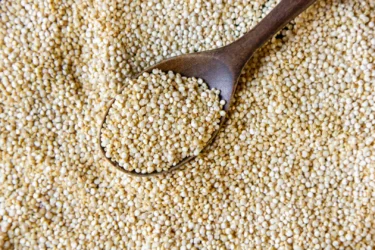
Foods with low glycaemic index that is those that do not cause a spike in insulin after consumption like high-fibre foods7, help control blood sugar levels and improve hormonal balance6,8. These include:
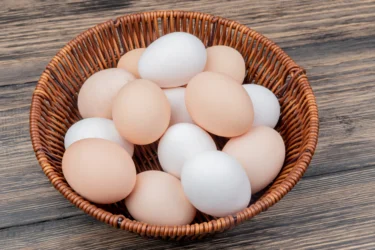
They support muscle health and help in weight management, which is important to manage PCOD symptoms6,9. These include:
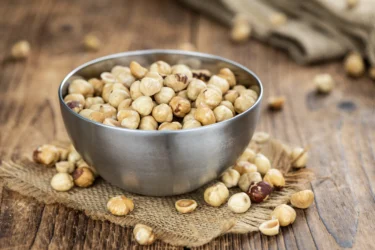
Foods rich in healthy fats such as omega-3 and MUFA are helpful in managing PCOD6. They help improve insulin sensitivity, reduce inflammation, and also support weight management10. These include:
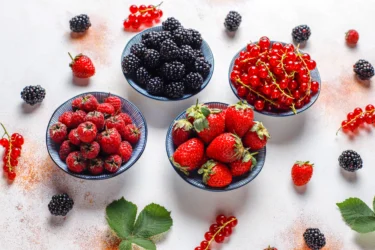
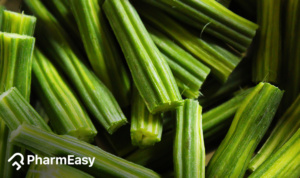
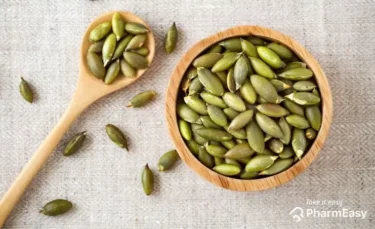
Foods rich in micronutrients such as Vitamins D and other vitamins and minerals can help reduce inflammation, improve insulin sensitivity and enhance metabolic health, thereby supporting PCOD management6,11. These include:
Note: Certain foods may trigger allergic reactions in some individuals. Such foods should be avoided. Also, it is recommended to consult a doctor or dietitian before making any dietary changes if you have PCOD and other associated conditions like diabetes.
There are several foods to be avoided if you have PCOD, as they can negatively impact your health. The following are some foods to avoid in PCOD:

These digest very fast and contribute to sudden glucose spikes. They also cause insulin resistance which can worsen PCOD6,12. These include:

These contribute to rapid increase in blood sugar, leading to higher insulin production and eventually insulin resistance. This negatively affects metabolism and can aggravate PCOD symptoms6,12.
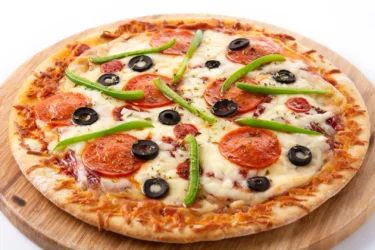
These foods are high in salt and unhealthy fats. They can cause weight gain and increase the risk of obesity, diabetes and other inflammatory diseases, in turn negatively affectively PCOD6,13.

These foods are high in unhealthy fats. They cause inflammation and contribute to obesity, diabetes, cardiovascular disease, etc., by worsening PCOD14.
The following table shows a 7-day diet plan which can be considered a PCOD diet chart for weight loss.
| Day | Breakfast | Mid-Morning Snack | Lunch | Evening Snack | Dinner |
| Day 1 | Spinach and banana smoothie with flaxseeds | 1 apple + handful of soaked almonds | Quinoa pulao with mixed vegetables + cucumber raita. | Tea + roasted chana | 2 chapatis + vegetable curry |
| Day 2 | Moong dal dosa (or besan chilla) with mint chutney | Coconut water + 1 Pear. | 2 multigrain rotis + rajma curry + spinach fry + cucumber salad | 1 cup Low-fat yogurt | Broken wheat khichdi or tofu stir-fry. |
| Day 3 | Vegetable omelette + whole wheat toast | Watermelon bowl | 1 cup brown rice + methi dal + stir-fried french beans | Roasted makhana (foxnuts) + green tea | Moong dal khichdi+ sauteed vegetables |
| Day 4 | Spinach and vegetable poha (made by adding peanuts & peas) + 1 glass of milk (low-fat) | A small bowl of mixed berries | ½ cup brown rice + 1 cup lentil curry + 1 cup ladies finger curry + salad | 1 boiled egg + a glass of low-fat milk | 2 Small multigrain rotis+ grilled chicken / paneer |
| Day 5 | Vegetable oats + 1 boiled egg | 1 Guava or pomegranate | 2 bajra rotis + Chana dal + cucumber-tomato salad | Buttermilk + roasted seeds | Vegetable-stuffed besan cheela (less oil) |
| Day 6 | Millet dosa with tomato chutney | Fruit salad with sunflower seeds | Mixed dal + quinoa rice + roasted veggies | 1 bowl Papaya slices | Vegetable soup + salad + paneer/tofu |
| Day 7 | Ragi (finger millet) porridge with nuts | 1 small orange + few pumpkin seeds | Brown rice + sambar + vegetable stir-fry | 2 small ragi laddus | 2 chapatis+ paneer tikka |
Note: This 7-day diet plan is for general guidance only. Everyone’s needs may differ based on age, health, and lifestyle. It is best to consult a doctor or dietitian to get a customised diet for PCOD patients.
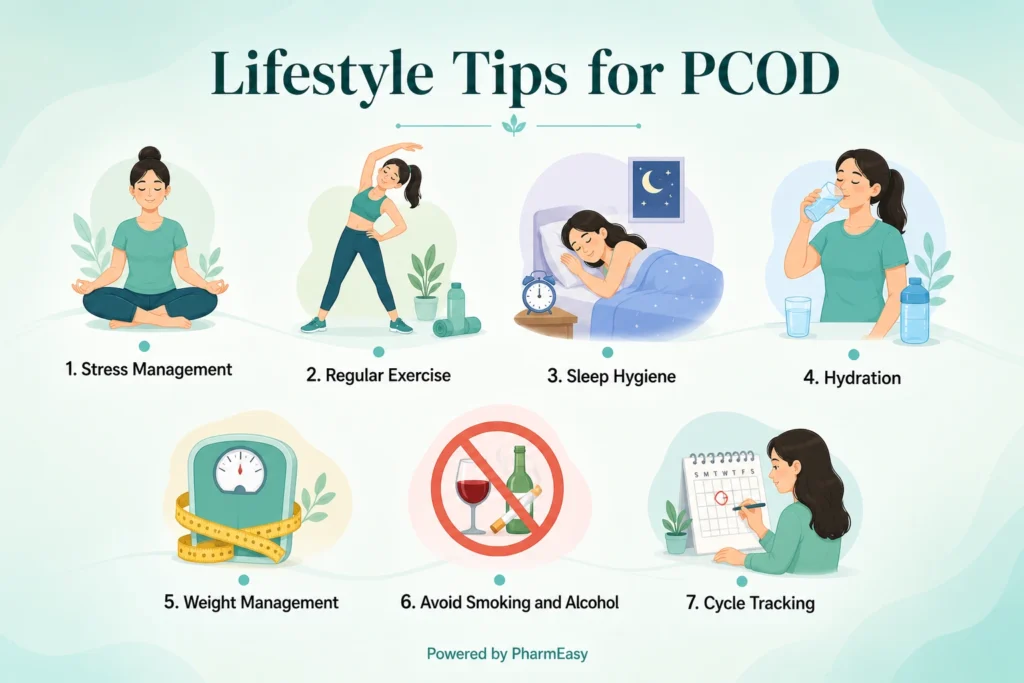
Along with a proper diet, the following lifestyle tips might help you manage your PCOD symptoms.
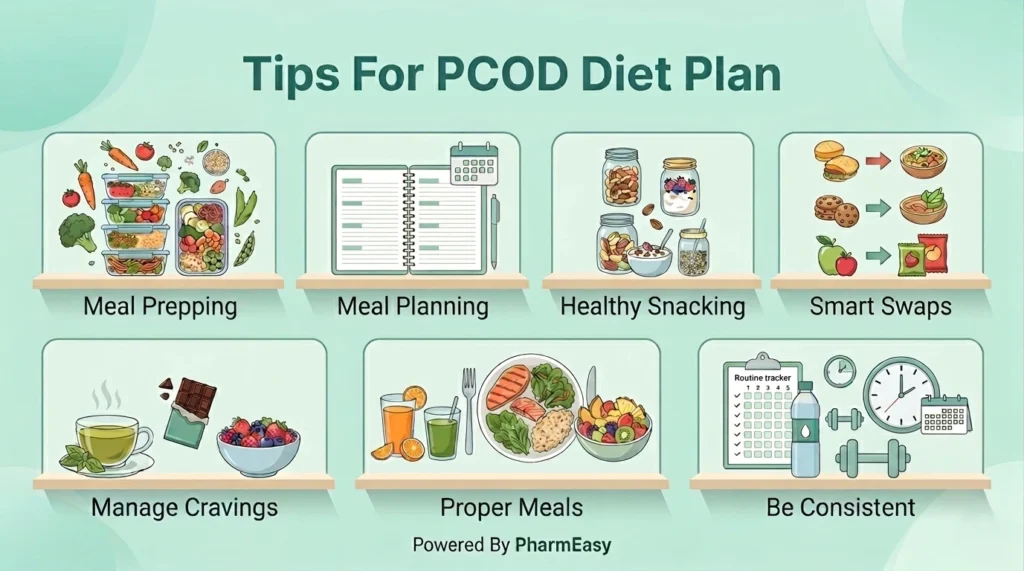
Sticking to a proper diet is not always an easy task. Consistency is the key. The following are some tips that might help you stick to your PCOD diet.
Also Read: Simple Home Remedies to Help Ease PCOS Symptoms
A healthy lifestyle and a well-balanced diet are required for effective management of PCOD. Choosing the proper meals, being active, controlling stress, and practising healthy daily routines can all assist in improving hormonal balance and alleviating symptoms. Consistency is more important than perfection, so small, regular efforts can have a significant impact over time. With the right strategy and mindset, PCOD can be effectively managed, leading to improved overall health and well-being.
Yes, a PCOD patient can eat curd, as it is a probiotic. According to some studies, probiotics help in managing fasting blood sugar, reduce inflammation and improve insulin activity in women with PCOD6.
Losing 5 kg in a month can be difficult, but you can aim for it by eating healthy (less sugar and junk food, more fruits, vegetables, and protein). Regular exercise, good sleep, and managing stress can help your body work better and support weight management5,6,12,14.
PCOD can be managed through diet, but it should be combined with stress management, regular physical activity, proper sleep, and healthy lifestyle habits for better results. However, PCOD cannot be completely cured; it needs long-term management with these factors5
Yes, dates can be included in the diet for PCOD, as they are rich in fibre, natural energy, vitamins, and minerals. However, they should be consumed in moderation due to their high natural sugar content, which may affect blood glucose levels if taken in excess18.
Herbal infusion made from ingredients like cinnamon, aloe vera, green tea, etc., are said to reduce the symptoms of PCOD, as they are rich in several antioxidants and have anti-inflammatory properties. However, more research is needed to confirm the potential benefits of these herbal infusions for PCOD management5. The best drink therefore, you may choose is just plain water, which will help you stay hydrated and support your metabolism and overall health16.
1. Polycystic Ovary Syndrome. 2024. Available from: https://medlineplus.gov/polycysticovarysyndrome.html
2. Sharma A, Sarwal Y, Devi NK, Saraswathy KN. Polycystic Ovary Syndrome prevalence and associated sociodemographic risk factors: a study among young adults in Delhi NCR, India. Reprod Health. 2025;22(1):61. doi:10.1186/s12978-025-02019-9. Available from: https://pmc.ncbi.nlm.nih.gov/articles/PMC12039125/
3. Polycystic ovarian syndrome (PCOS). 2024. Available from: https://www.healthdirect.gov.au/polycystic-ovarian-syndrome-pcos#symptoms
4. Nallaparaju LS. QUANTIFYING THE PREVALENCE AND INTERDEPENDENT RELATIONSHIPOF PCOD, OBESITY, AND DEPRESSION – A PROSPECTIVE OBSERVATIONAL, POLYCENTRIC STUDY. World Journal of Pharmaceutical Research. 12(7):732-764. Available from: https://wjpr.s3.ap-south-1.amazonaws.com/article_issue/57fb03a2e4edae203d6b8262b656e58b.pdf
5. Szczuko M, Kikut J, Szczuko U, et al. Nutrition Strategy and Life Style in Polycystic Ovary Syndrome—Narrative Review. Nutrients. 2021;13(7):2452. doi:10.3390/nu13072452. Available from: https://pubmed.ncbi.nlm.nih.gov/34371961/
6. Muhammed Saeed AA, Noreen S, Awlqadr FH, et al. Nutritional and herbal interventions for polycystic ovary syndrome (PCOS): a comprehensive review of dietary approaches, macronutrient impact, and herbal medicine in management. J Health Popul Nutr. 2025;44(1):143. doi:10.1186/s41043-025-00899-y. Available from: https://pubmed.ncbi.nlm.nih.gov/40317096/
7. High-fiber foods. 2024. Available from: https://medlineplus.gov/ency/patientinstructions/000193.htm
8. Whole Grains. Available from: https://nutritionsource.hsph.harvard.edu/what-should-you-eat/whole-grains/
9. Protein. Available from: https://nutritionsource.hsph.harvard.edu/what-should-you-eat/protein/
10. DiNicolantonio JJ, O’Keefe JH. Good Fats versus Bad Fats: A Comparison of Fatty Acids in the Promotion of Insulin Resistance, Inflammation, and Obesity. Mo Med. 2017;114(4):303-307. Available from: https://pubmed.ncbi.nlm.nih.gov/30228616/
11. Yu X, Pu H, Voss M. Overview of anti-inflammatory diets and their promising effects on non-communicable diseases. Br J Nutr. 2024;132(7):898-918. doi:10.1017/S0007114524001405. Available from: https://pubmed.ncbi.nlm.nih.gov/39411832/
12. Maffetone P, Laursen PB. Refined carbohydrates and the overfat pandemic: implications for brain health and public health policy. Front Public Health. 2025;13:1585680. doi:10.3389/fpubh.2025.1585680. Available from: https://pubmed.ncbi.nlm.nih.gov/41229472/
13. Mititelu M, Oancea CN, Neacșu SM, et al. Evaluation of Junk Food Consumption and the Risk Related to Consumer Health among the Romanian Population. Nutrients. 2023;15(16):3591. doi:10.3390/nu15163591. Available from: https://pubmed.ncbi.nlm.nih.gov/37630781/
14. Gadiraju T, Patel Y, Gaziano J, Djoussé L. Fried Food Consumption and Cardiovascular Health: A Review of Current Evidence. Nutrients. 2015;7(10):8424-8430. doi:10.3390/nu7105404. Available from: https://pubmed.ncbi.nlm.nih.gov/26457715/
15. Salajegheh Z, Ahmadi A, Shahrahmani H, et al. Mindfulness-based stress reduction (MBSR) effects on the worries of women with poly cystic ovary syndrome (PCOS). BMC Psychiatry. 2023;23(1):185. doi:10.1186/s12888-023-04671-6. Available from: https://pubmed.ncbi.nlm.nih.gov/36944940/
16. Water – a vital nutrient. 2026. Available from: https://www.betterhealth.vic.gov.au/health/healthyliving/water-a-vital-nutrient
17. Polycystic ovary syndrome (PCOS). 2024. Available from: https://www.betterhealth.vic.gov.au/health/conditionsandtreatments/polycystic-ovarian-syndrome-pcos
18. Awan KA, Yaqoob S, Ul‐Haq I, et al. Therapeutic Power of Date Fruit (Phoenix dactylifera L.): A Nutrient‐Rich Superfood for Holistic Health and Disease Prevention. Food Science & Nutrition. 2025;13(9):e70896. doi:10.1002/fsn3.70896. Available from: https://pmc.ncbi.nlm.nih.gov/articles/PMC12415069/
Disclaimer: The information provided here is for educational/awareness purposes only and is not intended to be a substitute for medical treatment by a healthcare professional and should not be relied upon to diagnose or treat any medical condition. The reader should consult a registered medical practitioner to determine the appropriateness of the information and before consuming any medication. PharmEasy does not provide any guarantee or warranty (express or implied) regarding the accuracy, adequacy, completeness, legality, reliability or usefulness of the information; and disclaims any liability arising thereof.
Links and product recommendations in the information provided here are advertisements of third-party products available on the website. PharmEasy does not make any representation on the accuracy or suitability of such products/services. Advertisements do not influence the editorial decisions or content. The information in this blog is subject to change without notice. The authors and administrators reserve the right to modify, add, or remove content without notification. It is your responsibility to review this disclaimer regularly for any changes.
 1
1 
Comments

Leave your comment...
You may also like























Comments