




Dysuria (Painful Urination): Meaning, Symptoms, Causes, Treatment & Home Remedies
By Dr. Aniket Hase +2 more

Medically reviewed by Dr. Aniket Hase
Last updated: Sep 8, 2026 Published on: Jun 15, 2026


Get,

to manage your symptom
Get your,

4 Cr+ families
benefitted

OTP sent to 9988776655



You’ve successfully subscribed to receive
doctor-approved tips on
Whatsapp

Get ready to feel your best.


Register to Avail the Offer
Send OTPBy continuing, you agree with our Privacy Policy and Terms and Conditions
Hi There,
Sign up on PharmEasy now!!


Trusted by 4 crore+ families

OTP sent to 9988776655
You have unlocked 25% off on medicines


Code: NU25

By Dr. Aniket Hase +2 more
Table of Contents
Have you ever experienced a burning sensation while urinating or pain every time you visit the bathroom? These symptoms are more common than many people realise.
Painful urination, medically known as dysuria, can affect people of all ages, including men, women, and children. While it may sometimes occur due to mild irritation or dehydration, it can also signal underlying urinary tract infections (UTIs), kidney problems, sexually transmitted infections (STIs), or other health conditions that require medical attention1.

In this blog, we will explore dysuria’s meaning, its common symptoms, possible causes, diagnosis, management options, and effective home remedies that may help relieve discomfort and support urinary health.
Dysuria refers to pain, burning, stinging, or itching experienced during urination. The discomfort is usually felt in the urethra (the tube that carries urine out of the body) or around its opening (urethral meatus).
Dysuria generally occurs when the lining of the urethra becomes inflamed or irritated. As urine passes through the sensitive tissue, it can trigger pain receptors, causing a burning or painful sensation while urinating. In some cases, the discomfort may worsen due to bladder muscle contractions during urination1.
Did You Know?
Dysuria can be broadly classified into two main types depending on its underlying cause: infectious dysuria and non-infectious dysuria1.
This type occurs due to infections affecting the urinary or reproductive tract. Common infectious causes include1:
Non-infectious dysuria results from irritation, structural abnormalities, or underlying medical conditions rather than infections. Causes include1:
Dysuria can occur due to several conditions affecting the urinary or reproductive system. Common dysuria causes include1:
Dysuria symptoms may vary depending on the underlying cause, but commonly include1,3:
The diagnosis of dysuria begins with a detailed medical history and physical examination by the doctor. The doctor will ask about your symptoms and may order some tests. Common diagnostic tests include1:
Dysuria treatment at home includes certain home remedies and lifestyle measures, such as the following. These may help relieve mild symptoms of dysuria and support overall urinary health.

Adequate hydration helps dilute urine and flush out irritants from the urinary tract, which may help reduce burning and discomfort during urination.

Consuming cranberry juice or supplements (after consulting a doctor) may help reduce the ability of bacteria to stick to the lining of the urinary tract due to compounds called proanthocyanidins found in cranberries.

Probiotics (such as Lactobacillus) may help maintain healthy urinary and vaginal flora, which can support urinary tract health4.

A type of natural sugar available as a powder or tablet that may help support urinary tract health3,5 However, it should only be used after consulting a doctor, especially in individuals with underlying medical conditions or recurrent urinary symptoms.
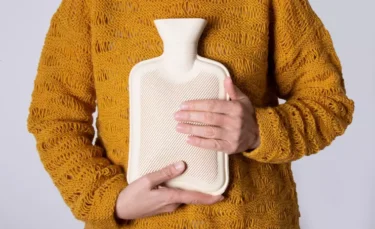
Gentle heat on the lower abdomen may help relieve abdominal pain6.

Herbs such as parsley, goldenrod, stinging nettle, and uva ursi have traditionally been used to support urinary function and may help promote urine flow4. However, scientific evidence supporting their effectiveness is limited, and they should not be used without consulting your doctor.
The management of dysuria depends on its underlying cause. Common dysuria treatment/management approaches include1:
Important: Avoid self-medication or taking antibiotics, painkillers, herbal supplements, or home remedies without medical advice, as inappropriate painful urination treatment may worsen symptoms, delay diagnosis, or contribute to antibiotic resistance.

Certain lifestyle and hygiene practices may help reduce the risk of dysuria and urinary tract irritation1,3:
Consult a doctor if you experience any of the following symptoms along with dysuria1,7:
Also Read: Simple Home Remedies for Frequent Urination
Dysuria, or painful urination, is a common urinary symptom that can affect people of all ages. While it is often associated with UTIs, it may also result from irritation, inflammation, underlying medical conditions, or lifestyle factors. Therefore, recognising the symptoms early and identifying the underlying cause is important for effective management and avoiding complications.
Simple measures such as staying hydrated, maintaining good hygiene, and avoiding bladder irritants may help relieve mild symptoms and support urinary health. However, persistent, severe, or recurrent dysuria should never be ignored, as timely medical evaluation and appropriate management are essential for avoiding further complications and improving quality of life.
A UTI is an infection affecting the urinary system, while dysuria refers to the symptom of pain, burning, or discomfort during urination. Dysuria can occur due to UTIs, but it may also result from other causes such as irritation, stones, or sexually transmitted infections1,3.
Drinking plenty of water, avoiding caffeine and spicy foods, and applying a warm compress to the lower abdomen may help relieve mild discomfort temporarily1,6. However, persistent or severe symptoms should be evaluated by a doctor.
Measures such as staying hydrated, avoiding bladder irritants, and using doctor-prescribed pain-relieving medicines may help reduce discomfort. However, consulting a doctor is essential as causes like bacterial infections may require you to take antibiotics1. It is important not to self-medicate without medical advice.
Dysuria is not always serious, but it can sometimes indicate infections or underlying urinary tract problems that require guided treatment1. You should seek medical attention if symptoms persist, worsen, or occur with fever, blood in urine, severe pain, or abnormal discharge7.
1. Mehta P, Leslie SW, Reddivari AKR. Dysuria. In: StatPearls. StatPearls Publishing; 2026. Accessed May 25, 2026. http://www.ncbi.nlm.nih.gov/books/NBK549918/
2. Wrenn K. Dysuria, Frequency, and Urgency. In: Walker HK, Hall WD, Hurst JW, eds. Clinical Methods: The History, Physical, and Laboratory Examinations. 3rd ed. Butterworths; 1990. Accessed May 25, 2026. http://www.ncbi.nlm.nih.gov/books/NBK291/
3. Urinary tract infections (UTIs). nhs.uk. October 18, 2017. Accessed May 25, 2026. https://www.nhs.uk/conditions/urinary-tract-infections-utis/
4. Das S. Natural therapeutics for urinary tract infections—a review. Future J Pharm Sci. 2020;6(1):64. doi:10.1186/s43094-020-00086-2 https://pubmed.ncbi.nlm.nih.gov/33215041/
5. Peltz S, Hashmi S. Home remedy for dysuria. Br J Gen Pract. 1991;41(343):82. https://pmc.ncbi.nlm.nih.gov/articles/PMC1371561/
6. Nagashima Y, Igaki M, Suzuki A, et al. Application of a Heat- and Steam-Generating Sheet Increases Peripheral Blood Flow and Induces Parasympathetic Predominance. Evid-Based Complement Altern Med ECAM. 2011;2011:965095. doi:10.1155/2011/965095 https://pmc.ncbi.nlm.nih.gov/articles/PMC3092738/
7. Urination – painful: MedlinePlus Medical Encyclopedia. Accessed May 25, 2026. https://medlineplus.gov/ency/article/003145.htm
Disclaimer: The information provided here is for educational/awareness purposes only and is not intended to be a substitute for medical treatment by a healthcare professional and should not be relied upon to diagnose or treat any medical condition. The reader should consult a registered medical practitioner to determine the appropriateness of the information and before consuming any medication. PharmEasy does not provide any guarantee or warranty (express or implied) regarding the accuracy, adequacy, completeness, legality, reliability or usefulness of the information; and disclaims any liability arising thereof.
Links and product recommendations in the information provided here are advertisements of third-party products available on the website. PharmEasy does not make any representation on the accuracy or suitability of such products/services. Advertisements do not influence the editorial decisions or content. The information in this blog is subject to change without notice. The authors and administrators reserve the right to modify, add, or remove content without notification. It is your responsibility to review this disclaimer regularly for any changes.


Comments

Leave your comment...
You may also like

























Comments