Burping is a normal body process. It is the act of expelling air from the stomach through the mouth. Whenever you swallow food or any fluid, you swallow air as well. This air is accumulated in the stomach, and it stretches the muscles. This air escapes from the food pipe through the mouth, and this process is known as burping or belching1. Accumulation of gas is another reason that people burp. This gas is produced by breaking down undigested carbohydrates by bacteria in the large intestine2.
Belching is usually not a sign of any severe health condition3. It is a minor problem that can be solved by making lifestyle changes and following some home remedies.
Burping is usually caused due to eating or drinking too quickly, swallowing too much air, smoking, carbonated or caffeinated drinks and nervous habits3.
Burping is a normal body process, but abnormal burping may be due to:
An average person may burp around 3-6 times after meals but it depends on the type and quantity of the consumed food. If you experience severe burping with diarrhoea, you should visit a physician to get it checked.
Dr. Ashish Bajaj, M.B.B.S., M.D. in Clinical Pharmacology and Toxicology
Burping itself can be a symptom of conditions such as acid reflux disease, gas or any other digestive system disease1,2. In most cases, burping is normal. People expel the air accumulated in the stomach through the mouth. Depending on the cause, it can occur more often, forcefully, or last longer1.
Burping is a normal consequence of air and gas accumulating in the stomach. However, it is important to deal with its causes to get rid of excessive burping. The remedies mentioned below can help you to take care of digestive issues that might be causing you to burp.

Swallowing less air might help you to ease burping, especially if you burp a lot. You can follow these steps to limit your air swallowing:

Making changes in your dietary habits help to minimize the formation of gas in the stomach. It can also help you to minimize burping. For example, consuming certain carbohydrates can create gas in the stomach because the stomach cannot digest them properly. Therefore, you can avoid such foods to reduce gas production in the stomach.
A few examples of foods and drinks that can contribute to the production of gas in the stomach are:
Natural herbs and remedies for burping are given as follows.
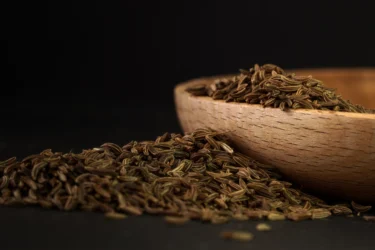
Caraway offers many health benefits for the stomach. It improves the digestive system and helps to remove the gas accumulated in the digestive tract6. Caraway is a common herb used in Indian kitchens. There are numerous ways to make use of caraway seeds. To use caraway seeds, you can put them in your foods and dishes. The seeds can also be used as a seasoning in your salads and soups. You can also use caraway seeds as appetizers.
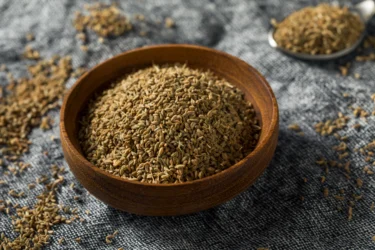
Ajwain is helpful in many gastrointestinal disorders, including gastric reflux. Ajwain is also beneficial in various stomach troubles, and it can also be used to get rid of gas7.
To get the benefits of ajwain, you can chew some ajwain seeds directly. It is a spice used in many Indian dishes. You can also make a decoction using ajwain, ginger, fennel and cumin. Put all these ingredients in water and let the water boil. Cool the decoction and sip on this drink whenever required.
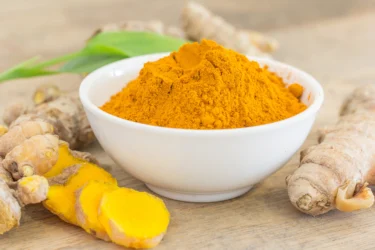
Turmeric provides many health benefits for the stomach. It helps in poor digestion and also helps in people who experience indigestion. Turmeric also helps by getting rid of gas present in the stomach and intestine8.
You can take a teaspoon of turmeric powder and a glass of milk. Turmeric is also added to numerous foods and curries. You can also drink turmeric with warm water.
Walking after food for 15-20 minutes is very effective to improve burping along with the usage of foods mentioned in blog.
Dr. M.G. Kartheeka, MBBS, MD(Pediatrics)
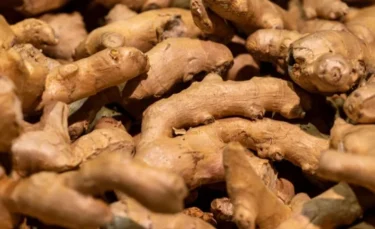
Ginger has many health benefits. It can enhance digestion and is very helpful in digestive problems like indigestion and gas9. Ginger is a common kitchen ingredient in every Indian household. There are many ways to incorporate ginger into your diet. For example, you can use fresh ginger or ginger powder to make yourself a ginger tea.
You can also mix ginger, lemon juice and some honey in a glass of warm water. Another ginger recipe is to grate some fresh ginger and add some lemon juice. You can take this mixture whenever required.
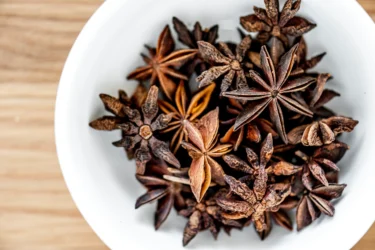
An important benefit of anise is that it helps in digestion and aids in the removal of the gas from the stomach (carminative properties)10. You can use anise as a spice and add it to foods and dishes. You can also take anise powder directly to prevent burping.
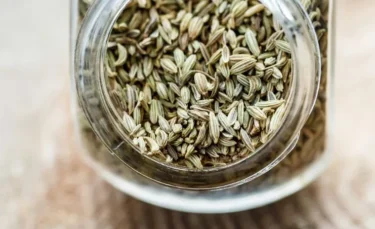
Fennel is a well-known and widely used plant for its digestive benefits. It also helps to eliminate gas from the stomach and manages other digestive disorders11. There are many ways to use fennel seeds because of their diverse applications.
You can add fennel seeds to various foods and dishes as a flavouring agent. You can also chew some fennel seeds after dinner. You can make simple fennel tea by crushing some fennel seeds and putting them in hot water. Let the water simmer, and the fennel tea is ready. Drinking fennel tea will help you to get rid of gas and burping.
Also Read: Simple Home Remedies For Indigestion
In most cases, burping is a minor issue and not a sign of anything serious. But, if the burping does not stop and you experience other symptoms, such as weight loss, bleeding, or fever, you need to contact your healthcare provider immediately1,3.
Also Read: Home Remedies For Gas
Burping is a natural body process of expelling air and gas from the stomach through the mouth. It is quite prevalent in people of all age groups. In most cases, burping does not signify anything serious. There are various remedies for you to help with burping and fighting its causes. These home remedies help by improving digestion and getting rid of gas from the stomach, the leading cause of burping. Seeds and spices such as caraway, ajwain, fennel, turmeric and ginger are readily available and effective remedies for you to use. However, if the burping does not stop and these home remedies do not work out, contact your healthcare provider immediately for advice.
Also Read: Effective Home Remedies For Hiccups
You can try making lifestyle changes like dietary habits and following precautions that limit air swallowing. The home remedies for burping help by managing the causes of burping. Examples of herbs and spices that can be used to get relief from burping are turmeric, ginger, fennel, caraway, anise and ajwain4,11.
Yes. Burping refers to expelling gas from the stomach through the mouth. It is a normal process for people of all age groups. If burping does not stop and you experience other symptoms, you must contact your healthcare provider immediately1.
Yes. Belching is also known as burping. Belching or burping is expelling air from the stomach through the mouth1.
You should avoid frizzy and carbonated drinks, chewing gum and talking when you eat or drink. These precautions will help you to minimise swallowing air. Swallowing less air can help you to minimise burping4.
Burping is a normal response to the gas and air accumulated in the stomach. You swallow air whenever you eat or drink; this air gets trapped in the stomach. Also, the gas produced in the stomach due to indigested food gets accumulated in the stomach itself. A person burps to expel this air and gas entrapped in the stomach1,2.
Yes. Burping can be a symptom of gas in the digestive tract. You might also have associated symptoms like bloating and passing gas12.
Disclaimer: The information provided here is for educational/awareness purposes only and is not intended to be a substitute for medical treatment by a healthcare professional and should not be relied upon to diagnose or treat any medical condition. The reader should consult a registered medical practitioner to determine the appropriateness of the information and before consuming any medication. PharmEasy does not provide any guarantee or warranty (express or implied) regarding the accuracy, adequacy, completeness, legality, reliability or usefulness of the information; and disclaims any liability arising thereof.
Links and product recommendations in the information provided here are advertisements of third-party products available on the website. PharmEasy does not make any representation on the accuracy or suitability of such products/services. Advertisements do not influence the editorial decisions or content. The information in this blog is subject to change without notice. The authors and administrators reserve the right to modify, add, or remove content without notification. It is your responsibility to review this disclaimer regularly for any changes.
 2
2  3
3Oily skin is a common problem many men and women face in their everyday lives. Oil on the skin gives it a shiny or greasy appearance. The skin of the face is rich in sebaceous or oil glands that produce sebum, which is a mixture of lipids. This sebum causes the skin to become oily. This sebum has several merits as well demerits. It acts as a protective barrier to the skin and performs antioxidant and antimicrobial functions. But excess sebum can block skin pores, impart oiliness to the skin, and nourish acne-causing bacteria that live on the surface. It also promotes the formation of acne1.
You might want to remove the excess oil from the face for these reasons. Several home remedies can help you get rid of that extra oil and leave you with fresh and glowing skin.
Astringent toners that contain alcohol tend to dry out the skin. However, a recent study shows natural astringents can have skin-soothing and anti-inflammatory properties.
Dr Ashish Bajaj, M.B.B.S, M.D. in Clinical Pharmacology and Toxicology
The sebaceous glands become oversized and start producing excessive sebum making the skin oily and greasy. The skin oiliness among people may vary depending on their age, climate, ethnicity, and gender1.
The factors listed below play a key role in oil production from the glands.
If you experience excessive oil on your face, your skin can:
Honey is a powerhouse when it comes to all things skin; it helps reduce excess oil, clears pores, moisturizes (without making skin oily), and has natural antiseptic and antibacterial properties that may benefit acne-prone skin. Lemon juice instantly brightens up your complexion; its citric acid also works as an astringent, helping to tone and control oily skin.
Dr. M.G. Kartheeka, MBBS, MD(Pediatrics)
You can use these remedies to get rid of excess oil and take care of your skin at home.
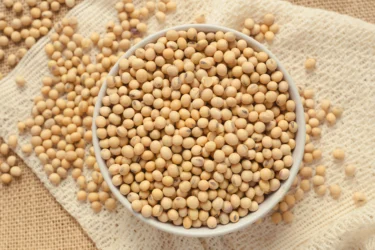
The application of soy on the skin can help control oil production and moisturise the skin3. You can take some soybeans, grind them into powder, and add some water to make a paste. You can apply this paste onto the skin to get rid of oiliness.
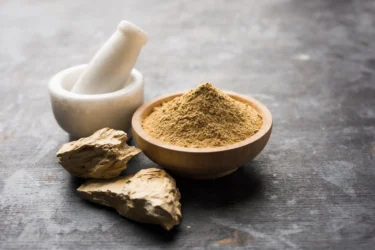
Fuller’s earth or Multani mitti is a perfect ingredient for oily skin. It acts as an absorbent and absorbs all the oil and dirt, giving fresh and glowing skin. You can make many facial packs using Multani mitti4. To make a herbal face pack using Multani mitti, take turmeric, sandalwood powder, gram flour and saffron. Mix these ingredients and add water to get a paste-like consistency. Then, apply this face mask to get rid of oily skin.
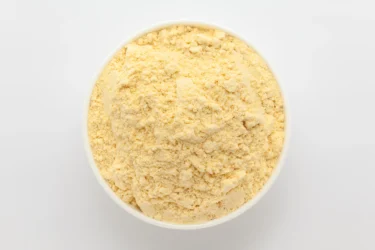
Gram flour or besan is a beneficial ingredient that reduces the skin’s oiliness and prevents acne4. Mix gram flour with some yoghurt and apply this paste evenly on the skin. Wash with cold water after some time when it is dried.
You can make another face pack using gram flour, sandalwood powder, and turmeric to enhance the effectiveness. Add sufficient water to make a paste and apply it evenly across the skin. Wash it off with cold water when it is dried.
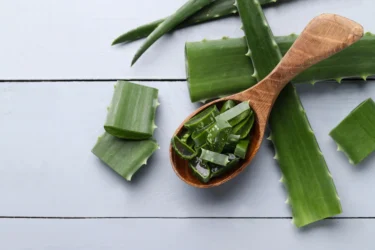
If you have oily skin, you can use aloe vera gel to prevent pimples and acne from forming on your face. If you have an oily face, you can also use aloe vera gel as a moisturiser as it rejuvenates the skin5.
Aloe vera gel face pack is a good remedy for oily skin. You can mix some aloe vera with Fuller’s earth to make a paste-like consistency and apply it to the face. Wash it off after some time.
You need to wash your face as often as you can. You can wash your face in the morning, evening, and after exercising. Do not scrub, as it might irritate your skin and make it look worse. Washing the face will help control oily skin. You should avoid using a strong face wash to get rid of oil on the face. If you use a harsh face wash, it can irritate the skin and cause an increased production of oil, which will make the skin oilier. Choose a gentle and foaming face wash6.

You can use some blotting paper to wipe off any oil present on the face. Take some blotting paper, gently press it onto the skin surface, and let it absorb the oil. Avoid rubbing the paper all over your face, or you will spread the oil all over. You can use blotting paper throughout the day to manage oily skin6.
Don’t stop using moisturiser if you have oily skin. You still need to moisturise daily to keep the skin hydrated. When choosing a moisturiser, choose one that also has sunscreen in it, especially a broad-spectrum sunscreen. The sunscreen in it will protect your skin from the harmful ultraviolet rays and save you time6.
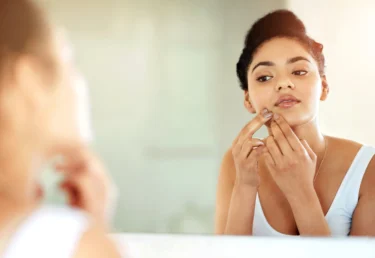
Whenever you touch your face, you transfer oil, bacteria, and dirt from your hands to your face. Before touching the face, make sure that you wash your hands. Also, you should avoid touching the face unless you are applying moisturiser, sunscreen, and makeup or washing the face6.

When buying products for your skin, choose the products which are labelled as oil-free or non-comedogenic (something that does not block pores and cause pimples). Choosing these oil-free products (makeup, cleansers, and moisturisers) will not clog the skin pores and help prevent acne6.
Also Read: Red Spots on Skin: Causes, Symptoms, Treatment and More!

There are certain simple habits that you can follow to control the skin’s oiliness; these habits can help you manage oily skin.
Dermatologists recommend Cream or milky cleansers, as these will dissolve dirt and debris without disturbing the skin’s barrier function and natural moisture levels. Cleansers with BHAs (Beta Hydroxy Acids) or salicylic acid can really assist in dissolving excess oil.
Dr Ashish Bajaj, M.B.B.S, M.D. in Clinical Pharmacology and Toxicology
Oily skin is a common problem that does not lead to anything serious.
Also Read: Home Remedies For Tanned Skin
Excess oil on the face is a common problem encountered by men and women. Overproduction of sebum from the sebaceous glands makes the face oily. Though beneficial, the sebum can lead to acne and blackheads on the face. You follow simple home remedies to manage oily skin. Washing the face, moisturising, and using a blotting paper to absorb excess oil are helpful remedies to manage oil on the skin. You can also use ingredients like aloe vera, Fuller’s earth and gram flour to make face packs for oily skin.
If the oily skin is causing you concern or embarrassment, or if you also have acne, you can reach out to your healthcare provider.
Also Read: Simple Home Remedies For Acne Scars
You can make use of ingredients like aloe vera gel, gram flour, Fuller’s earth, and soy to get rid of oiliness. Gram flour and Fullers’ earth can be used to make face packs. Aloe vera gel can be massaged directly on the face to get rid of oily skin. Simple tricks like washing the face often and using blotting paper to absorb the excess oil from the face can help you take care of your skin3,6.
Sebaceous or oil glands present in the skin secrete a substance called sebum. These glands sometimes become enlarged and start overproducing sebum which makes the skin oily. Factors like age, gender, ethnicity and the climate affect the oiliness1.
Yes, oily skin can lead to acne. The presence of oil can block the pores present on the skin. Also, oily skin can become a breeding ground for acne-causing bacteria and promote acne1.
Yes, you can use aloe vera gel if you have oily skin. People with oily skin can use aloe vera gel as a moisturiser to prevent complications like acne and pimples5.
Yes, you still need to use moisturiser if you have oily skin. Having oily skin does not mean that you stop putting on moisturisers. Using a good moisturiser helps keep skin hydrated and healthy6.
Frequently washing the skin does not trigger sebum overproduction. It might cause preformed sebum to flow out through the skin pores, but it does not trigger sebum overproduction1.
If the presence of excessive oil on your face makes you uncomfortable, you can reach out to a dermatologist. Also, if you experience acne because of your oily skin, reach out to your doctor for advice6.
1. Sakuma TH, Maibach HI. Oily skin: an overview. Skin Pharmacol Physiol [Internet]. 2012 [cited 2022 May 17];25(5):227–35. Available from: https://pubmed.ncbi.nlm.nih.gov/22722766/
2. MedlinePlus Medical Encyclopedia. Oily skin [Internet]. [cited 2022 May 17]. Available from: https://medlineplus.gov/ency/article/002043.htm
3. Stallings AF, Lupo MP. Practical Uses of Botanicals in Skin Care. The Journal of Clinical and Aesthetic Dermatology [Internet]. 2009 Jan [cited 2022 May 17];2(1):36. Available from: https://www.ncbi.nlm.nih.gov/pmc/articles/PMC2958188/
4. Pal RS, Pal Y, Wal P. In-House Preparation and Standardization of Herbal Face Pack. The Open Dermatology Journal. 2017 Nov 7;11(1):72–80. Available from: https://www.researchgate.net/publication/320900643_In-House_Preparation_and_Standardization_of_Herbal_Face_Pack
5. Bhowmik D. Aloe Vera: The Miracle Plant Its Medicinal and Traditional Uses in India. Journal of Pharmacognosy and Phytochemistry [Internet]. 2012;1(4):119–26. Available from: https://www.researchgate.net/publication/304253232_Aloe_Vera_The_Miracle_Plant_Its_Medicinal_and_Traditional_Uses_in_India
6. American Academy of Dermatology Association. How to control oily skin [Internet]. [cited 2022 May 17]. Available from: https://www.aad.org/public/everyday-care/skin-care-basics/dry/oily-skin
Disclaimer: The information provided here is for educational/awareness purposes only and is not intended to be a substitute for medical treatment by a healthcare professional and should not be relied upon to diagnose or treat any medical condition. The reader should consult a registered medical practitioner to determine the appropriateness of the information and before consuming any medication. PharmEasy does not provide any guarantee or warranty (express or implied) regarding the accuracy, adequacy, completeness, legality, reliability or usefulness of the information; and disclaims any liability arising thereof.
Links and product recommendations in the information provided here are advertisements of third-party products available on the website. PharmEasy does not make any representation on the accuracy or suitability of such products/services. Advertisements do not influence the editorial decisions or content. The information in this blog is subject to change without notice. The authors and administrators reserve the right to modify, add, or remove content without notification. It is your responsibility to review this disclaimer regularly for any changes.
4
1Is your wisdom tooth troubling you? Read more to find simple and easy home remedies to get rid of wisdom tooth pain.
Wisdom teeth are the last teeth that develop in the mouth. They usually erupt between the age of 17 to 25 years. Sometimes these teeth are not able to fully erupt in the mouth as there is not enough space in the mouth for them. This is called ‘impaction’, and 9 out of 10 people haveatleast one impacted wisdom tooth. Impacted wisdom teeth may damage the neighbouring teeth and cause infection and tooth decay. As they are the last teeth in your mouth, the area is difficult to clean, thus inviting the bacteria to cause gum diseases1,2.
Wisdom tooth pain can be normal pain that occurs in the process of tooth eruption. But in the case of an impacted wisdom tooth, the pain occurs as the jaw does not have enough space to accommodate the tooth. The tooth may sometimes erupt at a wrong angle2.
The symptoms sometimes develop suddenly and sometimes gradually over time. The symptoms include the following:
Try the following methods to get rid of wisdom tooth pain at home:
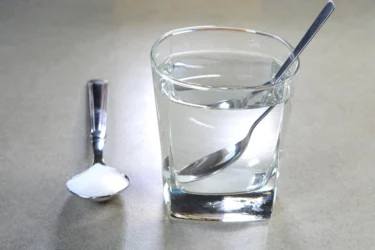
Rinsing the mouth with sodium chloride solution (saltwater) that has anti-inflammatory properties relieves wisdom tooth pain. Afterbrushing your teeth well, rinse your mouth with warm water having dissolved sodium chloride (salt).
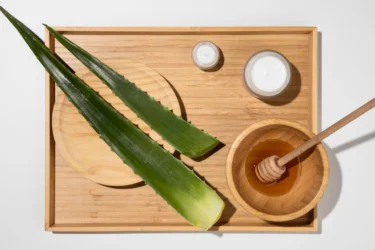
Aloe vera gel is effective in decreasing wisdom tooth pain4. To get relief from the wisdom tooth pain use aloe vera gel. Cut open an aloe vera leaf and squeeze the yellow transparent gel from it. This gel can be taken on the fingertip to massage it onto your gums around the affected teeth to get rid of the pain. Massage the aloe vera gel only after brushing your teeth well5.
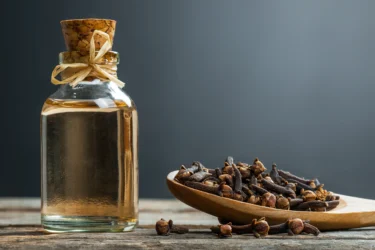
Eugenol, a chemical compound present in clove oil, has an analgesic (pain-killing) property which helps in dealing with wisdom tooth pain6. Apply clove oil directly onto the gums or boil four to six whole cloves to make clove water. Now massage the clove water on the gums to get rid of wisdom tooth pain.
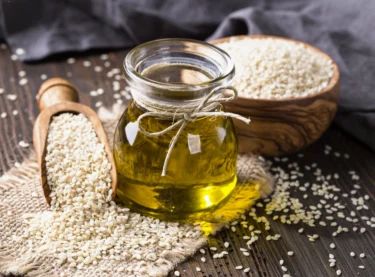
Oil pulling with sesame oil reduces tooth pain7. You may swish the sesame oil around the mouth for some time and then spit it out like a normal mouthwash. This is called oil pulling or oil swishing. It decreases the bacteria in the mouth and reduces wisdom tooth pain.
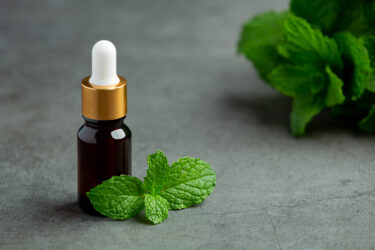
The analgesic property of peppermint helps in relieving wisdom tooth pain. Soak a cotton ball in a small amount of peppermint extract or peppermint oil. Now apply this cotton ball to the gums to relieve the pain. Cold peppermint tea can also be used as a mouth rinse8.
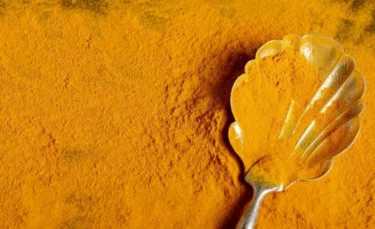
Curcumin, a chemical compound present in turmeric, has an analgesic property which helps in relieving wisdom tooth pain. Mix turmeric, salt and little mustard oil to make a fine paste. Now rub this paste on the teeth and gums to get relief from the pain.
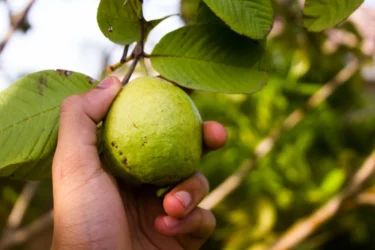
The leaf of the guava plant has been used for the management of toothache and inflamed gums which are common symptoms of impacted wisdom teeth2. You can chew the guava leaves and put this paste in contact with the teeth for some time to get rid of the pain and inflamed gums.
Consult the dentist immediately if you have pain or other symptoms in the area of the last molar. A dentist can determine if the issue is due to impacted wisdom teeth or not2.
Wisdom tooth pain can be normal pain that occurs in the process of tooth eruption. But in the case of an impacted wisdom tooth, the pain occurs as the jaw does not have enough space to accommodate the tooth. The tooth may sometimes erupt at the wrong angle. Wisdom tooth pain can cause discomfort, but it can easily be managed and prevented by using simple remedies at home. It is the most common type of pain in the mouth. Severe tooth pain may impact eating, sleeping and other day-to-day activities. Various herbs have been used for ages to get rid of wisdom tooth pain and are found to be effective in relieving the symptoms. Home remedies such as clove oil, aloe vera, turmeric, tea bag, sesame oil, peppermint and sodium chloride solution, etc., are found to be very effective and useful in easing the symptoms. However,if the pain is severe and does not subside within a few days, consult your dentist immediately.
The wisdomtooth usually erupts between 17 to 25 years of age1.
See your dentist immediately if you have pain that radiates to your face and jaw orif you have difficulty opening your mouth.Sometimes removal of wisdom teeth is a common oral surgery procedure that can ease the symptoms and reduce the risk of oral health problems that may occur in future. Always consult your dentistabout whether this treatment is right for you or not2.
Wisdom teeth are the third molars that arethe last placed teeth. Sometimes due to lack of space in the mouth, these teeth are partially or fully trapped in the gums or the jawbones. These are known as impacted wisdom teeth2,3.
Yes, there are various over the counter pain killers available for the management of wisdom tooth pain. But always consult your dentist before taking any over the counter medicines.
Wisdom teeth are the last teeth to erupt in the mouth. They erupt between the ages of 17 and 25 years, and this time of life is called the ‘age of wisdom’.There is no evidence or study which proves that a wisdom tooth brings wisdom to the person.
Disclaimer: The information provided here is for educational/awareness purposes only and is not intended to be a substitute for medical treatment by a healthcare professional and should not be relied upon to diagnose or treat any medical condition. The reader should consult a registered medical practitioner to determine the appropriateness of the information and before consuming any medication. PharmEasy does not provide any guarantee or warranty (express or implied) regarding the accuracy, adequacy, completeness, legality, reliability or usefulness of the information; and disclaims any liability arising thereof.
Links and product recommendations in the information provided here are advertisements of third-party products available on the website. PharmEasy does not make any representation on the accuracy or suitability of such products/services. Advertisements do not influence the editorial decisions or content. The information in this blog is subject to change without notice. The authors and administrators reserve the right to modify, add, or remove content without notification. It is your responsibility to review this disclaimer regularly for any changes.
1
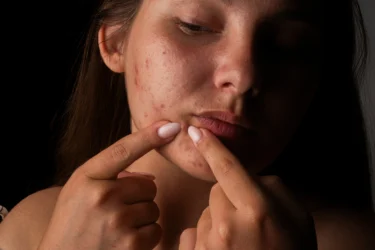
The most unpleasant part of getting acne is its after-effects, which are acne scars. If you are searching for some home remedies to get rid of acne scars, this blog is for you! Acne scars are very common, and you should not be ashamed of them. However, acne scars are not permanent. There are certain treatments available. Some treatments almost completely remove the scars, while others assist the skin in healing itself with its collagen. Around 80% of the population between the ages of 11 and 30 years will have acne, and one in every five will have scarring. Acne scars can affect your self-esteem, cause psychological distress, and interfere with your social life1. However, you can try some of these home remedies to get rid of acne scars.
The causes of acne include:
Acne forms when bacteria, dead skin, and oils clog the skin pores, which leads to inflammation (swelling). Acne can appear more on the skin areas with sebaceous (oil) glands, mainly on the face, chest, and back.
Acne scars are formed due to the inflammation of acne. Some scars are superficial, while others are deep. Superficial scars are shallow and can heal quickly. Acne swells and then breaks, and the contents leak into the surrounding tissue, causing deeper scars. The skin heals the scar by generating new collagen (a type of protein) fibers1. Scar occurs when the body tries to fix and cure acne1.
Acne causes visible symptoms like depressed (also called atrophic) or raised (also called hypertrophic) scars that appear on your skin in the following way:
The depressed/ atrophic scars usually appear on the face, like an ice pick, boxcar, and rolling scar1,2.
Raised/hypertrophic scars protrude from the skin and are caused when collagen overgrows on the skin. These scars are usually found on the jawline, shoulders, chest, and back2. They can be itchy or painful.
There are different grades of acne scars, including macular, mild, moderate, and severe.
Some of these home remedies might be helpful for macular and mild scars.
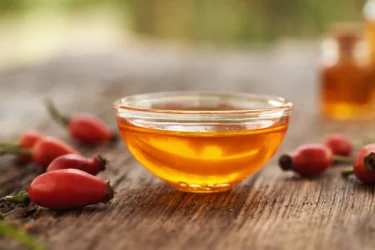
Rosehip is rich in vitamin C, which helps in dealing with acne scars3. Rosehip seed oil (RHO) is one of the compounds that is used in cosmetics for the improvement of skin scarring. It has been used for years to manage scars. It contains a high level of essential fatty and unsaturated fatty acids that play a significant role in penetrating the skin and dealing with acne scars4. You can apply the rosehip seed oil directly to the scar area.
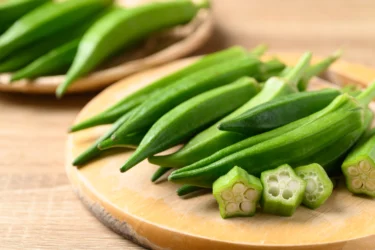
Ladyfinger has several health benefits and is a nutritious food. It is rich in vitamin A and C and has various antioxidants. In addition, it has beneficial effects for dealing with acne scars. It also lowers skin irritation5. You can take some ladyfinger, cut it into small pieces, and grind it. Also, you can add honey, lemon juice, and tea tree oil to it. Now, you can apply this paste to your face and leave it for 30 mins. As the paste dries, wash your face with cold water.

Lemon helps in lowering the risk of developing acne scars. It acts as a disinfectant (destroys bacteria), exfoliant (removes dead skin), and skin lightener and also helps in preventing the formation of new pimples. You can squeeze some lemon, and the lemon juice obtained can be applied to the face with the help of cotton. You can dab some lemon juice on your face and wash your face with cold water later6.
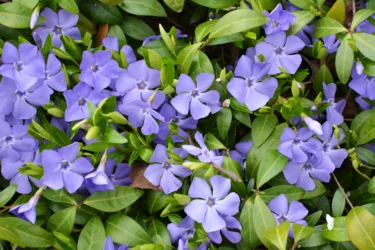
Periwinkle paste might be helpful for acne scars. You can make a paste with fresh leaves of periwinkle, neem, and turmeric and apply it over skin scars. This paste gives excellent results when used regularly7.
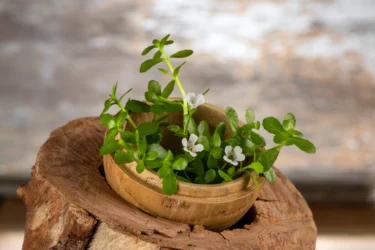
Brahmi is a well-known medicinal herb known to have anti-inflammatory and antioxidant properties8. You can take a few leaves of brahmi, mash them, and mix with some turmeric and lemon juice. This paste can be applied to the face. It has the potential to remove scars and acne.
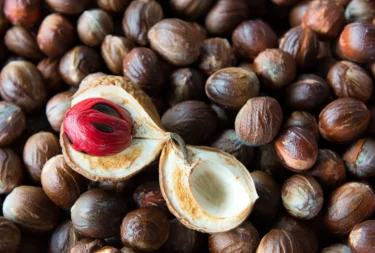
Nutmeg has anti-inflammatory and antioxidant properties. A nutmeg paste made with milk or water can be applied to acne scars. You can also take nutmeg and cinnamon powder and mix it with honey. This paste can be used on the face. Later, you can rinse your face with cold water. This will help you manage acne and also reduce scars7.
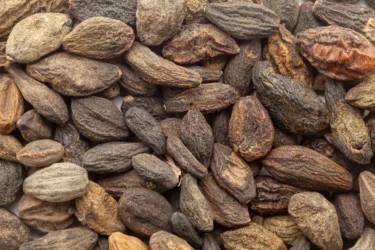
Haritaki has medicinal properties like anti-inflammatory and antioxidant activities. You can apply the paste of haritaki to manage acne. It not only benefits acne but also helps to prevent scarring7.
Also Read: Home Remedies For Tanned Skin
Although acne scars are common, the longer you wait for your acne to heal on its own, the more likely the scarring will occur. Therefore, it is advisable to consult your dermatologist (skin doctor) as early as possible to avoid the further worsening of the condition1. Remember to consult your doctor and not self-medicate.
Also Read: Natural Home Remedies for Stretch Marks
Acnes are very common, and so are the scars caused by them. This article provides you with home remedies that may be useful in dealing with acne scars. These home remedies include rosehip seed oil, periwinkle, brahmi, nutmeg, okra, lemon, and haritaki. However, it is best to consult your doctor to prevent these scars from worsening further.
Also Read: Natural Home Remedies for Ringworm
Yes, acne scars are very common. However, acne scars are not permanent. There are various treatments available now1. You can also try the home remedies mentioned above; they might benefit you in dealing with acne scars.
It is best to consult your skin doctor to diagnose the type of scar before the scar worsens. They will recommend you treatments that will help you get rid of those acne scars.
There are many home remedies that you can try and that might be beneficial for you to manage your acne scar. Home remedies like rosehip seed oil, ladyfinger, lemon, periwinkle, brahmi, nutmeg, and haritaki might help with acne scars. First, however, consult your doctor to know more about your acne scars.
Yes, rosehip seed oil might benefit you to manage the acne scars. Rosehip is rich in vitamin C, which helps in healing acne scars3. You can apply the rosehip seed oil directly to the scarring area.
Yes, ladyfinger helps in dealing with acne scars. Ladyfinger is rich in vitamin A and C and has various antioxidants. It has beneficial effects on acne scars and acne and reduces skin irritation. Hence, ladyfinger might be helpful for managing acne scars5.
Disclaimer: The information provided here is for educational/awareness purposes only and is not intended to be a substitute for medical treatment by a healthcare professional and should not be relied upon to diagnose or treat any medical condition. The reader should consult a registered medical practitioner to determine the appropriateness of the information and before consuming any medication. PharmEasy does not provide any guarantee or warranty (express or implied) regarding the accuracy, adequacy, completeness, legality, reliability or usefulness of the information; and disclaims any liability arising thereof.
Links and product recommendations in the information provided here are advertisements of third-party products available on the website. PharmEasy does not make any representation on the accuracy or suitability of such products/services. Advertisements do not influence the editorial decisions or content. The information in this blog is subject to change without notice. The authors and administrators reserve the right to modify, add, or remove content without notification. It is your responsibility to review this disclaimer regularly for any changes.
5
0People of all ages can complain about chest congestion from time to time. Chest congestion might cause chest tightness and occurs because of swelling of the airways and accumulation of mucus in the lungs, which makes breathing difficult. It is the result of bacterial or viral infection. These infections affect the lungs, either in larger airways (bronchitis) or smaller air sacs (pneumonia). People of all ages may experience chest congestion, but the elderly, children, smokers, and people who suffer from long-term illnesses are more at risk1,2. If you are wondering about chest congestion home remedies or how to remove cough from the chest, there are many natural remedies that can help you get rid of chest congestion within the comforts of your home. Continue reading to find out.
Did you know?
Chest congestion can be a symptom of chest infections. There are several types of chest infections, like bronchitis and pneumonia. These infections are caused by:
These infections are contagious and spread rapidly when the infected person coughs or sneezes and tiny droplets in the air are inhaled by other people. The infection can also spread if the infected person coughs or sneezes onto his or her hand, any surface, or object, and other people get in touch with these surfaces2.
The most common sign of chest congestion is the swelling of the airways and the buildup of mucus in the lungs, making breathing difficult1. If you have chest congestion, you might also experience:
Children may also experience:
Some home remedies for managing chest congestion that you can try are:

Drinking plenty of fluids will help loosen up the chest mucus and also prevent dehydration. A loose mucus is easier to cough out.2 You can increase your fluid intake by drinking plenty of warm water. You can also drink soups to help loosen up the mucus.

You can try steam inhalation with a bowl of hot water. This steam will ease your cough. Do not use hot water for kids, as the kids might get hurt2.
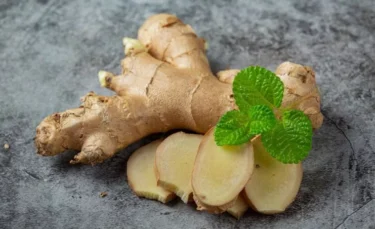
Ginger is a widely used herb that helps in various ailments, including cough, cold, bronchitis, and respiratory problems. To use ginger,
Turmeric presents many health benefits for humans. Turmeric is also good for managing cough and chest congestion. There are many ways by which you can make use of turmeric.

Thyme can be used to manage a lot of respiratory problems, including cough and bronchitis. Flavonoids present in thyme leaves also help by reducing inflammation (swelling). It also relaxes the muscles of the lungs and opens up the airways. To use thyme, you can make thyme tea by boiling crushed leaves of thyme. After boiling, the cup of thyme water is covered, left for some time, and strained afterward. You can drink this tea to get the benefits3.
Lemon is a valuable fruit with many health benefits. It contains vitamin C in ample amounts. Vitamin C helps in fighting infections. Lemon also helps in reducing swelling and inflammation. You can make a syrup using lemon juice to help fight cough. To use lemon juice, you may combine it with honey to make a syrup. You can drink this solution for chest congestion relief3.

Jaggery is helpful in relieving cough and chest congestion. The buildup of mucus is responsible for causing the feeling of congestion in the chest. Jaggery helps by aiding the expulsion of the mucus. To use jaggery, you can boil black pepper in water and put cumin and jaggery. You can drink this solution to get the benefits3.

Liquorice root possesses properties like expectorant (expulsion of sputum) and demulcent (relieving inflammation, irritation, and swelling). It aids in dealing with chest congestion by thinning the mucus and soothing the airways. To use licorice, you can make herbal tea. You can drink this tea to get the benefits of liquorice3.

You can use lavender oil by inhaling its vapours. You can directly put a few drops of lavender oil in hot water and inhale its vapours. If you have lavender flowers, go ahead, and put the flowers in a bowl of steaming water and inhale those vapours. Lavender oil vapor inhalation is an effective remedy for cold cough, bronchitis, and asthma. Therefore, it can be used to manage chest congestion3.
Also Read: Natural Home Remedies For Neck Pain

Peppermint leaves have healing properties. Peppermint contains menthol, which helps in breaking down the mucus. To get the benefits of peppermint, you can drink peppermint tea or inhale peppermint vapors by putting a few drops of peppermint oil in a bowl of hot water3.
Also Read: Best Home Remedies for Upset Stomach
If you are still confused about how to get rid of chest congestion fast, even after trying home remedies, it may be time to seek medical help. You should seek medical help if you:
All these may signify something severe and require immediate medical intervention.
Also Read: Fight Dry Hair By Using These 8 Home Remedies
Having chest congestion is quite common in people of all age groups. It is primarily a result of viral or bacterial infection. People at higher risk of developing chest infections need to take extra precautions. Also, if you are someone suffering from any chronic illness, you must take extra care. Although there are many remedies that you can try at home, natural herbs like thyme, lavender, and peppermint are quite effective in relieving chest congestion. Commonly found kitchen ingredients like ginger, turmeric, lemon, and jaggery can also be used. However, if your symptoms don’t improve even after using these remedies, you should immediately contact your healthcare provider.
Also Read: Home Remedies For Asthma By Dr. Siddharth Gupta
Some of the home remedies to relieve chest congestion are steam inhalation and, drinking lots of fluids to ease the cough, using natural ingredients such as turmeric, ginger, jaggery, lemon, thyme, and essential oils like lavender and peppermint2,3.
Chest congestion is a common occurrence in people of all ages. But certain groups are more at risk; these groups are the elderly and children. Also, people suffering from long-term illness and smokers have a higher chance of having chest congestion1.
Chest infections are the leading cause of chest congestion. To avoid chest infections, you need to maintain good personal hygiene, have a proper diet, and avoid alcohol misuse and smoking2.
Yes, you can use jaggery to relieve the symptoms of chest congestion. Jaggery provides several health benefits like aiding the expulsion of sputum that helps in dealing with chest congestion3.
Chest congestion is often more prevalent during colder months when respiratory infections are more common, but it can occur year-round due to various factors.
It’s generally advisable to avoid strenuous exercise while experiencing chest congestion, as it can worsen symptoms. Light activities and rest are recommended until congestion improves.
In some cases, untreated or severe chest congestion can lead to respiratory complications like pneumonia, especially if the underlying cause is a bacterial infection.
Disclaimer: The information provided here is for educational/awareness purposes only and is not intended to be a substitute for medical treatment by a healthcare professional and should not be relied upon to diagnose or treat any medical condition. The reader should consult a registered medical practitioner to determine the appropriateness of the information and before consuming any medication. PharmEasy does not provide any guarantee or warranty (express or implied) regarding the accuracy, adequacy, completeness, legality, reliability or usefulness of the information; and disclaims any liability arising thereof.
48
What is that hard bump-like growth on my palm, you might wonder, looking at a wart. A wart is a growth seen on the skin of hands, feet, face, genitals and knees. It is caused by a virus, Human Papilloma Virus (HPV), and is contagious[1].
Warts are small, bumpy heaps on the skin. Mostly, symptoms are not present; however, in a few rare cases, there might be pain in the area where the wart is present. In more than half of the cases, warts resolve on their own, leaving behind just a small scar. Depending on the area of their presence and their internal arrangement of cells, they are classified into various types.
A kind of virus called the Human Papilloma Virus (HPV)[1] causes warts. These viruses reside in the upper layers of the skin but may even be found in the deeper layers. There are many types of HPV, but only a few can cause warts. When the defence mechanism or immunity of our skin cells is lowered, this virus is able to enter the skin cells to cause warts. They are commonly seen in people who have low immunity (possibly due to certain diseases or medication) and in those who handle meat. It is rarely seen in infants but is common in school-going children around the age of 12-16 years[1].
Warts may be caused:
As there are different types of warts, they have different appearances and textures. Generally, warts appear as a combination of one or more of the following features:
Not a great addition to your appearances, there are a bunch of home remedies that have been used successfully by people to remove warts. A few of them are listed below. These anecdotes have little to no scientific evidence but have been seen to be effective when used by people, so exercise caution when you use them, and don’t go overboard if they don’t work like they are expected to!
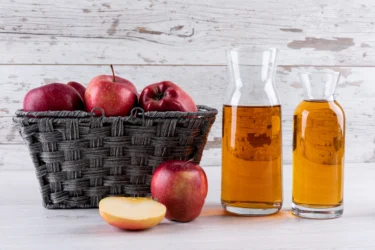
Apple cider vinegar has been found to be useful in removing warts. It should always be diluted before use, as it is extremely acidic in nature. You can use it by mixing some water and apple cider vinegar. This mixture can be applied to the wart using a cotton ball and covering the area with a bandage for a few hours, allowing it to soften the wart.
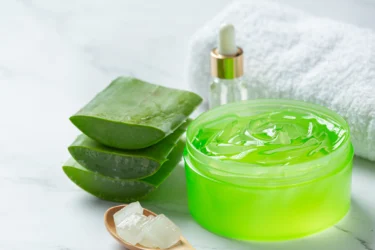
Aloe vera leaf can be used by cutting it open and scooping out the gel from it. You can then apply the gel to the wart. Some people have found this home remedy to be quite useful. Aloe vera is good for the skin and is used to treat a variety of skin ailments, from burns to cuts and bruises. Therefore, it is also used in the treatment of warts.

Banana peels have been used by people for the removal of warts for many years. You can use it by taking a piece of the banana peel, taping it over the wart and leaving it overnight while you sleep. Make sure that the inner side of the peel touches the skin. Using it daily might be helpful. Though there is no real scientific evidence, there’s no harm in trying it as well!
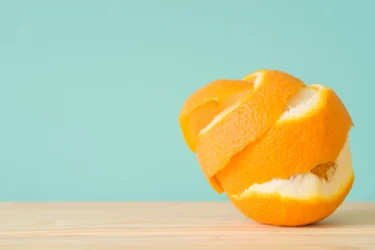
Another fruit peel to try. The orange peel is to be applied by rubbing it against the wart daily. The wart seems to change colour, darken and fall off when this is done daily. This might require some time, about two to three weeks for the wart to fall off. There’s no scientific evidence for this remedy either, but who knows, maybe the acidic nature of the orange might help you get rid of your wart!
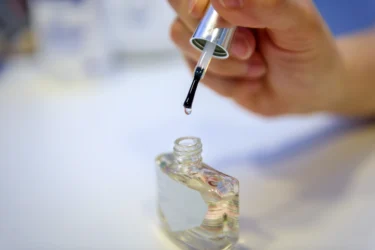
The application of clear nail polish onto the wart is in an attempt to suffocate it. Though there is no evidence of its effectiveness, the nail polish forms a layer on the wart and prevents the spread of the virus from the wart to other places. It can be applied a few times daily. You can try this remedy out and see if it works for you.

This is one of the popular home remedies to treat warts. You can cut out a small piece of duct tape and stick it on the wart. This is left for three to six days and can be removed after that. After removing the duct tape, the wart is to be soaked in water and scrubbed using pumice stone or Emery board. For the next few hours, it should not be covered, it should be left alone.
Note: This method should be used cautiously if your skin is sensitive.
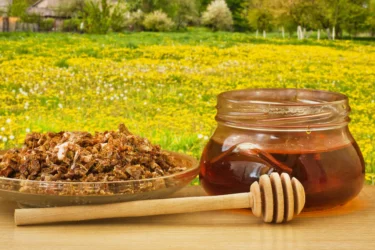
Bee propolis, a sticky substance produced by bees, contains natural products like beeswax, plant extracts, etc. This is effective in the removal of warts. It is usually available in the market and can be applied over the wart, followed by bandaging it.
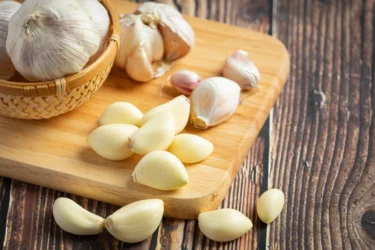
Garlic[3] has been used for ages to treat various skin-related conditions. Therefore, its application in the treatment of warts is no surprise. We can use it by mixing a crushed garlic clove with water, applying it and bandaging it. Another way of using it is to directly rub garlic over the wart.
Also Read: HPV Vaccine: What is It, When to Be Taken, Importance & Side Effects
You can contact your medical health provider and seek their recommendation if you notice any of the following:
Also Read: Best Home Remedies for Clear Skin
Warts may or may not be harmful; usually, they are harmless. They may appear on the face, hands, legs or even genitals. These warts can be removed by using certain home remedies. Though these home remedies are not all scientifically proven, they have been used effectively since ages for the removal of warts. If you notice any alarming changes in the appearance of these warts, you should seek medical advice for a better understanding and treatment.
Also Read: Best Home Remedies For Smelly Armpits
No, there are no reports of warts affecting the kidney. The virus causing warts, Human Papilloma Virus (HPV), mainly infects the skin.
Warts are generally benign (non-cancerous), but rarely, they can be cancerous too.
Yes, warts can be formed in genitals and the rectum as well. If you notice the formation of warts in these regions, kindly consult your doctor[4].
Warts are usually painless, however, they can cause pain in some cases, especially when they occur on the lower surface of the feet, causing pain while walking.
There are no reports stating that warts are poisonous. Warts are caused by the Human Papilloma virus (HPV), which is a virus[1].
Yes, warts are infectious and can spread from one person to another and even from sharing personal items of infected people.
1. Al Aboud AM, Nigam PK. Wart [Updated 2023 Aug 14]. In: StatPearls [Internet]. Treasure Island (FL): StatPearls Publishing; 2025 Jan–. Available from: https://www.ncbi.nlm.nih.gov/books/NBK431047/
2. InformedHealth.org [Internet]. Cologne, Germany: Institute for Quality and Efficiency in Health Care (IQWiG); 2006-. Overview: Warts. [Updated 2023 Jan 11]. Available from: https://www.ncbi.nlm.nih.gov/books/NBK279586/
3. Kenawy S, Mohammed GF, Younes S, Elakhras AI. Evaluation of TNF-α serum level in patients with recalcitrant multiple common warts, treated by lipid garlic extract. Dermatol Ther. 2014;27(5):272-7. doi:10.1111/dth.12136. PMID: 24910383. Available from: https://pubmed.ncbi.nlm.nih.gov/24910383/
4. Leslie SW, Sajjad H, Kumar S. Genital Warts [Updated 2023 May 30]. In: StatPearls [Internet]. Treasure Island (FL): StatPearls Publishing; 2025 Jan–. Available from: https://www.ncbi.nlm.nih.gov/books/NBK441884/
Disclaimer: The information provided here is for educational/awareness purposes only and is not intended to be a substitute for medical treatment by a healthcare professional and should not be relied upon to diagnose or treat any medical condition. The reader should consult a registered medical practitioner to determine the appropriateness of the information and before consuming any medication. PharmEasy does not provide any guarantee or warranty (express or implied) regarding the accuracy, adequacy, completeness, legality, reliability or usefulness of the information; and disclaims any liability arising thereof.
Links and product recommendations in the information provided here are advertisements of third-party products available on the website. PharmEasy does not make any representation on the accuracy or suitability of such products/services. Advertisements do not influence the editorial decisions or content. The information in this blog is subject to change without notice. The authors and administrators reserve the right to modify, add, or remove content without notification. It is your responsibility to review this disclaimer regularly for any changes.
34
3Have you noticed thin, scar-like lines on your mother’s tummy? These are probably stretch marks. Can we call them ”marks of motherhood”? I suppose we may, as they are extremely common during pregnancy, affecting nearly 50-90% of pregnant women2. But they also occur in certain other conditions as well, such as in people who have gained excessive weight, in bodybuilders, in certain diseases, or due to the use of steroids. These scars, or stretch marks, are medically called striae distensae (SD) or Striae gravidarum1.
There are two types of stretch marks, those that appear red, are flat, stretched, and at right angles to the tension in the skin; these are called striae rubrae3. These are temporary. The other type appears pale, faded, and wrinkled, and is known as striae albae; these are permanent stretch marks.2 Even though you have all the reasons to love them and should be flaunting them, it’s not wrong to want to lighten them. How? Let’s find out.
Did you know?
Stretch marks appear when there is rapid stretching of the skin. This may occur due to several reasons:
Over time, many stretch marks improve. The best time to perform a treatment is once the stretch marks have stabilised. Many creams for stretch marks are promoted on the internet. The public should be made aware that the efficacy is very limited. Newer lasers and radiofrequency treatments hold promise as they try to modify the vascularity and the collagen and perhaps the elastin. Again, there is no clear leader among the many lasers that are promoted. The needle radiofrequency seems to show promise as, in theory, the deeper delivery of the energy may allow “shrinkage” of the stretch marks in all directions, thereby improving the overall appearance.
Dr. M.G. Kartheeka, MBBS, MD
Stretch marks look like lines on the skin. They commonly appear as bands, stripes, or lines, irregularly on the stretched skin. These lines may be red, glossy, thinned out, and parallel to each other. They are initially red in colour but later become white, pale, and wrinkled, like a scar. They are generally seen on the breasts, hips, thighs, abdomen, and flanks.
Stretch marks often disappear after the cause for the stretching of the skin disappears and there is no specific care needed for them. Research done on the agents that can be applied over the stretch marks for their treatment is limited. However, there are a few home remedies listed below that may help reduce their appearance:
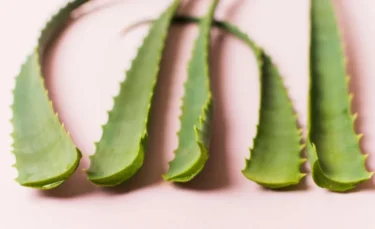
The outer layer of the aloe vera leaf is removed and the inner gel is sliced out and applied on the stretch marks4. This can be washed off after 2-3 hours.
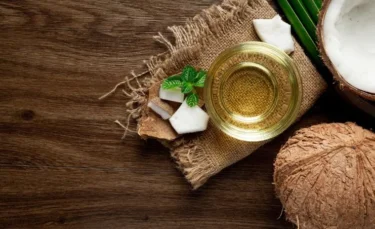
Coconut oil is used for the removal and lightening of stretch marks by many people. Virgin coconut oil is used to gently massage the area where stretch marks are noticed. However, there is not much evidence as to why and how this works. One hypothesis as to why it might work is that coconut oil hydrates the skin deeply and makes it more elastic, allowing it to stretch easily, without scarring.
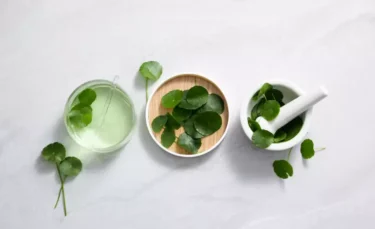
Commonly used in Korean beauty products, it is an herb scientifically called Centella Asiatica. The exact mechanism of its action is unclear, but it is said to stimulate the cells that produce collagen (a protein providing elasticity to the skin). It stops the action of the hormone glucocorticoid, which destroys collagen in the skin5.
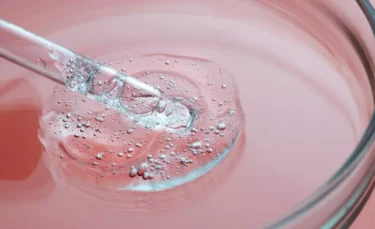
It is hypothesised that hyaluronic acid protects the cells producing collagen, i.e. fibroblasts, from getting destroyed under tension and pressure like the condition in which stretch marks appear. Though the exact mechanism is not yet known, it is widely used for the treatment of stretch marks.4 Hyaluronic acid can be applied directly to the skin. It is also present in various creams, lotions, and other skincare products. There is a need for further research to prove its beneficial effects5.

Vitamin A is a vitamin necessary to maintain skin health. It is thus present in a multitude of skincare products by the name of retinol. Tretinoin is a retinoid (a form of Vitamin A) that is used for treating stretch marks. It was found in studies that the use of retinol makes the stretch marks appear less severe and smaller.4 However, there is a need for more research in this area. A word of caution: Oral vitamin A should not be used during pregnancy, while lactating or even while you’re trying to get pregnant, as it is known to cause harmful effects. Sometimes it can cause skin irritation too.
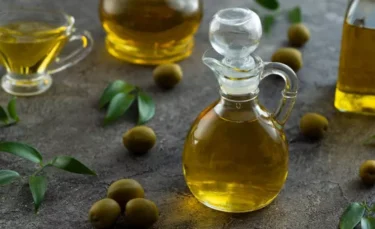
Olive oil is rich in vitamin E and moisturises the skin. A few studies have found that application of olive oil regularly during pregnancy reduced the occurrence of stretch marks, while other oils in the study showed no such effect. Still, the role of olive oil in the reduction of stretch marks remains unclear, demanding more research in this area5.
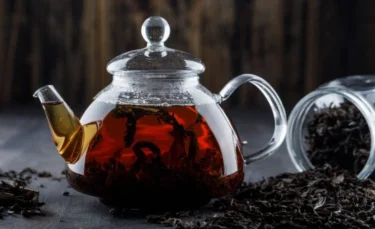
You can boil a couple of tablespoons of black tea in water and dissolve a little salt in it. You can use this solution to apply the stretch marks after it cools down. The preparation is to be applied until the stretch marks completely disappear. This remedy is another one with little scientific evidence, but it is used by many.
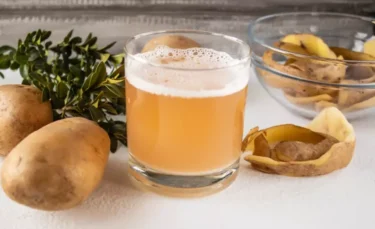
Potatoes are used to lighten dark circles under the eye and are well-known for lightening stretch marks. In fact, potato skin and juice are touted to be useful even to reduce scars due to burns. The exact mechanism and mode of action are little known, but it has been found useful by many people.
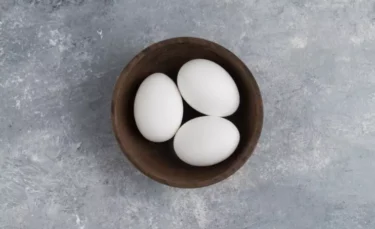
The egg yolk is separated from the egg whites and the whites can then be applied directly onto the stretch marks. However, more studies need to be conducted to understand the exact mechanism of action of this complete food.
Also Read: Home Remedies To Cure Bad Breath Naturally
It is advised to seek medical attention by consulting your doctor or healthcare provider when you notice the appearance of stretch marks. A doctor will take a detailed history, conduct a thorough physical examination, and then guide you regarding the correct treatment for your specific condition.
Stretch marks occur due to the stretching of the skin. They commonly occur during pregnancy, weight gain, or due to a medical condition that might cause the skin to lose its elasticity. The red stretch marks are temporary, while the white ones are permanent. The red ones evolve into white stretch marks over time. There is very little evidence about the usage of products (natural or artificial) for application on the skin to reverse these stretch marks. However, there are a few home remedies that can be used to lighten these scar-like lines on our bodies.
Also Read: Effective Home Remedies for Scabies
Appearance of stretch marks is normal in cases of pregnancy, weight gain, and puberty. If you notice an unexplained appearance of stretch marks, a doctor should be consulted and the reason should be ascertained.
No, stretch marks appear when there is stretching of skin, as seen during pregnancy, rapid growth during puberty, in bodybuilders with bulky muscles, and due to weight gain. There is no evidence or connection between high cholesterol and stretch marks.
Striae rubrae are a type of stretch mark that appears red in colour and is usually temporary. If you notice the appearance of stretch marks without any explainable cause, you should seek medical attention.
Hyaluronic acid is used in various creams and gels for its beneficial effects on the skin. It might have fibroblast (collagen-producing cells) stimulating activity that helps restore skin elasticity and reduces the appearance of stretch marks.
No, there are no reports stating the effect of stretch marks on the liver.
No, there is no evidence showing the development of stretch marks into cancer.
1. Brennan M, Young G, Devane D. Topical preparations for preventing stretch marks in pregnancy. Cochrane Database Syst Rev. 2012 Nov 14;11(11):CD000066. doi: 10.1002/14651858.CD000066.pub2. PMID: 23152199; PMCID: PMC10001689. Available from: https://pmc.ncbi.nlm.nih.gov/articles/PMC10001689/
2. Osman H, Rubeiz N, Tamim H, Nassar AH. Risk factors for the development of striae gravidarum. Am J Obstet Gynecol. 2007 Jan;196(1):62.e1-5. doi: 10.1016/j.ajog.2006.08.044. PMID: 17240237; PMCID: PMC1913631. Available from: https://pmc.ncbi.nlm.nih.gov/articles/PMC1913631/
3. Mikes BA, Oakley AM, Patel BC. Striae Distensae. 2025 May 19. In: StatPearls [Internet]. Treasure Island (FL): StatPearls Publishing; 2025 Jan–. PMID: 28613776. Available from: https://pubmed.ncbi.nlm.nih.gov/28613776/
4. Hajhashemi M, Rafieian M, Rouhi Boroujeni HA, Miraj S, Memarian S, Keivani A, Haghollahi F. The effect of Aloe vera gel and sweet almond oil on striae gravidarum in nulliparous women. J Matern Fetal Neonatal Med. 2018 Jul;31(13):1703-1708. doi: 10.1080/14767058.2017.1325865. Epub 2017 May 19. PMID: 28521546. Available from: https://pubmed.ncbi.nlm.nih.gov/28521546/
5. American Academy of Dermatology. Stretch marks: Why they appear and how to get rid of them [Internet]. Schaumburg (IL): AAD; [cited 2025 Sep 23]. Available from: https://www.aad.org/public/cosmetic/scars-stretch-marks/stretch-marks-why-appear
Disclaimer: The information provided here is for educational/awareness purposes only and is not intended to be a substitute for medical treatment by a healthcare professional and should not be relied upon to diagnose or treat any medical condition. The reader should consult a registered medical practitioner to determine the appropriateness of the information and before consuming any medication. PharmEasy does not provide any guarantee or warranty (express or implied) regarding the accuracy, adequacy, completeness, legality, reliability or usefulness of the information; and disclaims any liability arising thereof.
Links and product recommendations in the information provided here are advertisements of third-party products available on the website. PharmEasy does not make any representation on the accuracy or suitability of such products/services. Advertisements do not influence the editorial decisions or content. The information in this blog is subject to change without notice. The authors and administrators reserve the right to modify, add, or remove content without notification. It is your responsibility to review this disclaimer regularly for any changes.
55
3Who doesn’t want rings? Wait. Which kind? The red rings that we sometimes see on our skin? We definitely don’t want those, as they might be sign of a ringworm infection! Ringworm, also known as Tinea corporis, is an infection that occurs in the upper layers of the skin. It can occur in the face, hands, feet, etc1. It is a fungal infection and is seen as a coin-shaped rash, like a ring, thus giving it its name2. There are many infections similar to ringworm, therefore, all circular rashes should not be assumed to be a ringworm. Ringworm is a common condition in tropical regions, although it may be seen in other parts of the world as well. Generally, ringworm spreads through family members, living in the same place as they all share articles and touch common surfaces1.
Did you know?
Depending on the region they affect, ringworms are referred to by different names such as
Patients must be encouraged to wear light and loose-fitting clothing. Also, keeping the skin clean and dry will help prevent the development of tinea corporis, as sweating and moist skin are good media for the growth of fungus.
Dr. M.G. Kartheeka, MBBS, MD(Pediatrics)
Also, upon initiation of topical antifungal treatment by your dermatologist, compliance needs to be encouraged; however, the results are typically not immediate.
The symptoms of ringworm are seen 4-14 days after being infected by the fungus. The symptoms vary with the location in which it occur, common symptoms seen in all types of ringworms are2:
As ringworm is a fungal infection, your doctor will thoroughly examine you and might recommend the use of certain medications that will effectively resolve the infection. Please consult your doctor for proper treatment. In this section, we share a few natural, home remedies for you to try. Here are a few of them:
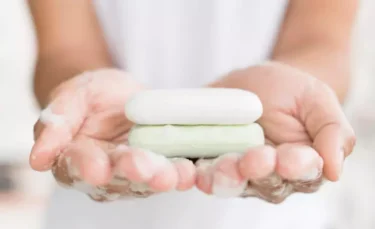
Maintaining hygiene and keeping the area dry plays a key role in treating ringworm as the fungus spreads faster in the presence of moisture. We need to wash the area and dry it thoroughly before applying any other home remedy. We can use certain antibacterial soaps as well. The use of pine or coal-tar soap is thought to be helpful, but should be used with caution as it can cause irritation to the skin.
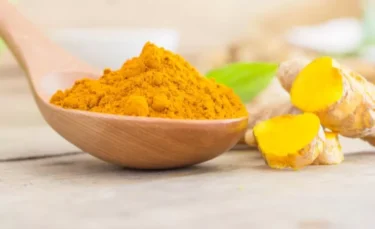
Turmeric has been used since centuries to treat various kinds of skin diseases, ringworm, rash, itching, etc. It has a variety of medicinal properties like providing relief of inflammation (anti-inflammatory), neutralization of free radicals in the body (antioxidant) and reduction of fungal infection (antifungal). You can make use of it as a tea after meals or can also add it to your dishes. Turmeric can effectively treat rashes owing to its anti-inflammatory properties4. You can make a thick paste, by adding water or coconut oil to turmeric and apply it onto the ringworm and some area around it.
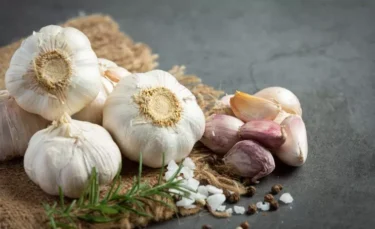
This remedy is not backed by scientific research and explanation, yet it is used by people with apparent benefits. You can apply some mashed garlic on the infected area and bandage the area properly with a gauze piece and let it stay for a couple of hours. After that, you should remove the bandage and rinse the area thoroughly. This process is to be repeated daily for a few days or until the ringworm disappears. If you feel pain, itching, irritation or swelling, then remove the garlic and consult a doctor immediately.
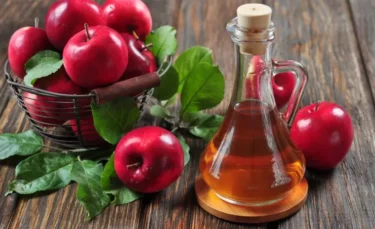
Apple cider vinegar is used as a remedy for food poisoning by people, despite the lack of scientific evidence. You can use it by taking some cider on a cotton ball in the undiluted form, and dabbing it over the ringworm. This has to be done each day to see the benefits.
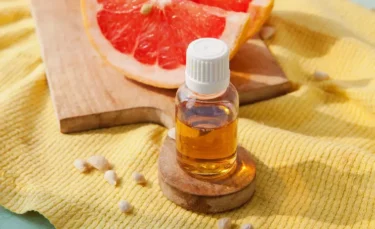
The use of grapefruit seed extract for food poisoning is an age old anecdotal home remedy for ringworm. It can be used by mixing a drop of the extract with a few spoons of water. Apply this to the ringworm directly using a cotton ball. This has to be followed daily. There is need for more research and studies to know the reason for its efficiency.
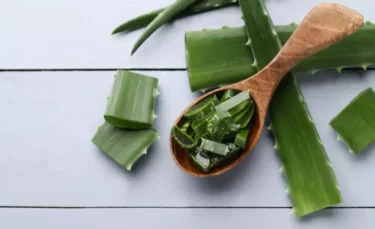
Aloe vera can be made use of by taking the leaf of it and splitting it open. The gel has to be scooped out of the leaf and applied onto the area where there is ringworm. There is very little to no evidence of the use of aloe vera gel for ringworm, however since aloe vera is known to be extremely beneficial for the skin, it might just help treat ringworm too.
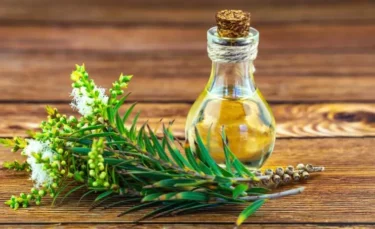
Tea tree oil home remedy for ringworm might be used after diluting it in a base oil like coconut oil (it too doesn’t allow the growth of fungus) and applying it using a cotton ball. This oil must be applied daily to experience its effects.
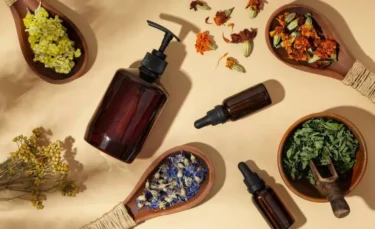
Essential oils are regarded as natural agents to be used against fungi. They show intense activity against fungal infections5. The use of essential oils can be made by dilution in a carrier oil and then applying over the affected area.
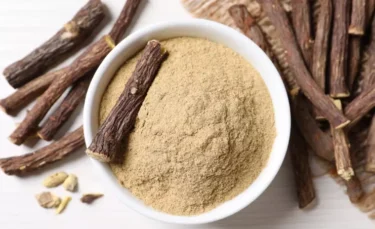
We need to make a thick paste for application over the ringworm. For making the paste we need to mix a few teaspoons of powdered liquorice in water and boil it. Once this boils, lower the heat till a thick paste-like consistency is obtained. This paste is to be cooled down before application over the skin. Keep this paste on the skin for a few minutes before washing it off.
Also Read: Natural Home Remedies for Itchy Skin
You should consult your doctor if you feel like your rash is not subsidizing even after a few days of using home remedies and it keeps growing. If you notice multiple such rashes and feel like the condition is out of hand, please visit your doctor at the earliest. If there is swelling or fever also, you must consult your health care provider or doctor immediately.
Also Read: 18 Simple Home Remedies For Fungal Infections!
Giving and receiving rings is all fine when it is not of the infectious kind. Ringworm, a common fungal infection caused by Tinea corporis, is highly infectious and generally occurs in the tropical regions of the world. As we share personal items, and come in contact with each other, it spreads. If you have it, make sure that you don’t partake in spreading it by following a few simple, natural tricks and tips to make it vanish.
Also Read: Natural Home Remedies for Itchy Skin
Yes, ringworm can be seen on the head. Depending on the location at which the ringworm infection occurs, they are called by different names. Ringworm that occurs on the head is referred to as Tinea capitis (scalp). It may appear as a small, scale- like, circular, bald spot and is commonly seen in children1.
No, there is no evidence of ringworm infection having any negative effect on the brain.
Ringworm infection is caused by a fungus, Tinea corporis. It is commonly referred to as ringworm because of the circular, ring-like rash caused by its infection1.
No. There are no reports of ringworm infection causing cancer.
1. Leung AKC, Lam JM, Leong KF, Hon KL. Tinea corporis: An updated review. Drugs Context [Internet]. 2020;9:1–12. Available from: https://www.ncbi.nlm.nih.gov/pmc/articles/PMC7375854/pdf/dic-2020-5-6.pdf
2. Center for Disease Control and Prevention. Symptoms of Ringworm [Internet]. 2021 [cited 2022 May 10]. Available from: https://www.cdc.gov/fungal/diseases/ringworm/symptoms.html
3. Center for Disease Control and Prevention. How Ringworm Spreads [Internet]. 2021 [cited 2022 May 10]. Available from: https://www.cdc.gov/fungal/diseases/ringworm/sources.html
4. Jankasem M, Wuthi-udomlert M, Gritsanapan W. Antidermatophytic Properties of Ar -Turmerone, Turmeric Oil, and Curcuma longa Preparations. ISRN Dermatol [Internet]. 2013;2013(April 2009):1–3. Available from: https://www.ncbi.nlm.nih.gov/pmc/articles/PMC3770062/pdf/ISRN.DERMATOLOGY2013-250597.pdf
5. Nazzaro F, Fratianni F, Coppola R, De Feo V. Essential oils and antifungal activity. Pharmaceuticals [Internet]. 2017;10(4):1–20. Available from: https://www.ncbi.nlm.nih.gov/pmc/articles/PMC5748643/pdf/pharmaceuticals-10-00086.pdf
Disclaimer: The information provided here is for educational/awareness purposes only and is not intended to be a substitute for medical treatment by a healthcare professional and should not be relied upon to diagnose or treat any medical condition. The reader should consult a registered medical practitioner to determine the appropriateness of the information and before consuming any medication. PharmEasy does not provide any guarantee or warranty (express or implied) regarding the accuracy, adequacy, completeness, legality, reliability or usefulness of the information; and disclaims any liability arising thereof.
Links and product recommendations in the information provided here are advertisements of third-party products available on the website. PharmEasy does not make any representation on the accuracy or suitability of such products/services. Advertisements do not influence the editorial decisions or content. The information in this blog is subject to change without notice. The authors and administrators reserve the right to modify, add, or remove content without notification. It is your responsibility to review this disclaimer regularly for any changes.
28
3Do you sometimes feel that your head is spinning, and you feel dizzy? That’s because of vertigo. Vertigo is not a disease it may be a symptom of any condition. Vertigo is a feeling that the place around you is moving in a circular motion. It makes you feel off-balance and dizzy. Vertigo can occur at any age, but it most commonly occurs in people over 65 years. Also, women are more likely to experience vertigo compared to men1. There are several home remedies mentioned in this blog that might help you manage vertigo.
The common reasons that can cause vertigo include:
Several rare conditions can also cause vertigo. These are:
Vertigo itself is a symptom of various conditions and may be accompanied by the following symptoms:
If you have been experiencing vertigo for more than a day or two and you haven’t been able to stand up or walk and have frequent episodes of vomiting, you surely need to visit a neurologist to diagnose and manage the condition.
Dr. Ashish Bajaj, MBBS, MD in Clinical Pharmacology and Toxicology
Some home remedies that might be helpful for you to manage vertigo are listed below:
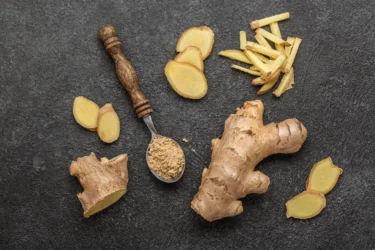
Ginger is the most commonly consumed spice all around the world and is used in the management of motion sickness2. In a human study3, ginger powder was tested in 8 healthy individuals for vertigo. The result suggested that ginger powder extract may be effective in preventing vertigo. You can take some ginger root and boil it in water to make ginger tea. You can also add some honey to improve its taste. This ginger tea might help you in case of vertigo.
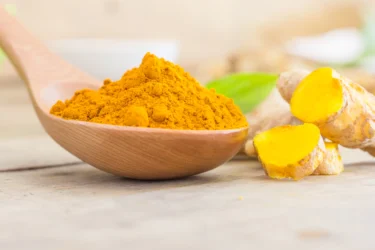
The dried rhizome (horizontal underground stem) of the turmeric plant can be used and is known to have various medicinal uses. Turmeric has anti-inflammatory and antioxidant properties. Turmeric is used in traditional medicine for managing different conditions in humans and is used both internally and externally. You can apply the paste of turmeric externally on your forehead to lower the symptoms of vertigo4.
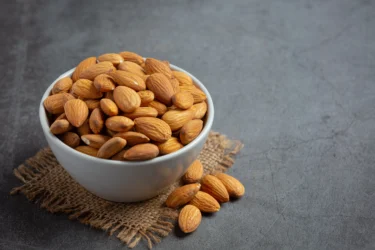
Almonds boost the strength of the body and help fight diseases. According to Persian medicine, almonds prevent the accumulation of disease-causing substances in the ear and strengthen the brain. You can grind peeled almonds in water, add a little honey and consume it5.
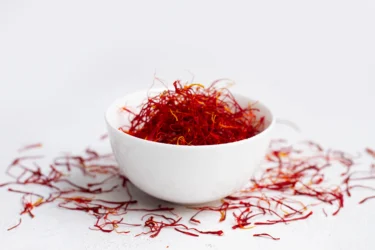
Saffron is known to be a brain tonic and has brain-protective properties. Saffron is also known to boost the strength of the body and prevent over-accumulation of substances causing issues in the ear. You can add saffron to your food items or prepare saffron tea5. This might benefit you in managing vertigo.
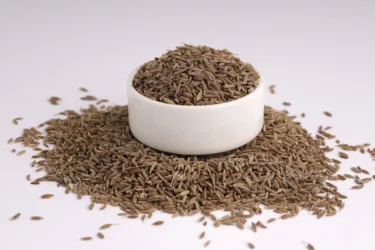
Cumin and black cumin have both beneficial effects in dealing with vertigo. You can add some cumin to your daily food items5. You can also boil some cumin in water and later drink this solution.

Amla has high levels of vitamin C and is widely used in India to fight against diseases. It has anti-inflammatory and antioxidant properties that might help you fight diseases. It is known to be effective for managing vertigo6. You can make amla juice, add a little honey, and drink the juice.
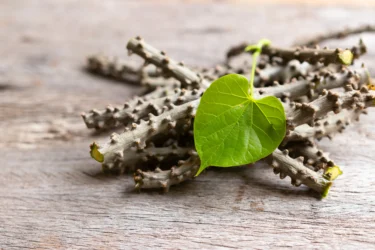
In Ayurveda, guduchi is described to help deal with vertigo and is known as a memory and learning enhancer. The brain protective activity of guduchi is due to the presence of antioxidants in it, which help in protecting the cells from damage7. You can take guduchi in water and drink the solution. You can also add neem and coriander powder to this solution.
Before taking these home remedies, you must consult an Ayurvedic practitioner. They will advise you whether you should use these remedies or not based on your condition.
Vestibular rehabilitation therapy is a group of simple excercises to treat vertigo. VRT reduces the cost of treating vertigo by reducing unnecessary medications and studies, and by shortening the recovery period.
Dr. M.G. Kartheeka, MBBS, MD (Pediatrics)
Also Read: Home Remedies For Migraine By Dr. Siddharth Gupta
You should seek medical help if you notice the following symptoms:
Also Read: Best Home Remedies For Hypertension By Dr. Rajeev Singh
Even though vertigo is scary, it disappears quickly. It can occur suddenly without alerts1. There are various causes of vertigo, such as diabetes, migraine headaches, head injury, etc. You can try some of the above-mentioned home remedies like ginger, turmeric, guduchi, amla, cumin, and saffron, they might benefit you in dealing with vertigo. However, if you experience prolonged or severe vertigo or notice any unusual symptoms, you must seek medical help.
Also Read: Best Home Remedies For Hangover
You can use turmeric paste externally for your vertigo. Turmeric has been used for several years to manage various medical conditions and is believed to be effective for vertigo4. Therefore, you can use turmeric paste; it might be helpful for managing your vertigo.
Yes, ginger is good for vertigo. It is a commonly used spice and is known to be helpful for motion sickness and is effective for vertigo2 . You can drink ginger tea with some honey. This might be useful to lower the symptoms of vertigo.
Yes, almonds are a good option for vertigo. Almonds are thought to boost body strength and help fight diseases. According to Persian medicine, almonds strengthen the brain and prevent the accumulation of disease-causing substances in the ear. You can either drink almond milk or grind peeled almonds in water, add a little honey, and consume it5.
You must consult your doctor. They will examine you and accordingly will recommend the treatment.
There are various home remedies that you can use for dealing with vertigo, including turmeric, ginger, almond, guduchi, saffron, cumin, and amla2,7. But, you must consult your doctor before trying these home remedies.
Yes, amla may be beneficial for vertigo. Amla has antioxidant and anti-inflammatory properties that help fight diseases and is known to be effective for managing vertigo6. Amla juice with some honey might help you deal with vertigo.
1. Vertigo [Internet]. Cleveland Clinic. 2022. p. 1–7. Available from: https://my.clevelandclinic.org/health/diseases/21769-vertigo
2. Nunes CP, Rodrigues C de C, Cardoso CAF, Cytrynbaum N, Kaufman R, Rzetelna H, et al. Clinical Evaluation of the Use of Ginger Extract in the Preventive Management of Motion Sickness. Curr Ther Res [Internet]. 2020;92:100591. Available from: https://www.sciencedirect.com/science/article/pii/S0011393X20300175
3. Grøntved A, Hentzer E. Vertigo-Reducing Effect of Ginger Root. ORL J Otorhinolaryngol Relat Spec [Internet]. 1986;48(5):282–6. Available from: https://pubmed.ncbi.nlm.nih.gov/3537898/
4. Sasikumar B. Turmeric [Internet]. Handbook of Herbs and Spices. 2012. 526–546 p. Available from: https://www.sciencedirect.com/science/article/pii/B9780857090393500281
5. Kenari HM, Kordafshari G, Moghimi M. Treatment of Meniere ‘ s Disease with Persian Medicine : A Case Report. Arch Neurosci [Internet]. 2019;6(1):10–3. Available from: https://brieflands.com/articles/ans-82409.html
6. Vasant BS, Bhaskarrao DA, Bhanudas SR. Emblica Officinalis – the Wonder of Ayurvedic Medicine. World J Pharm Pharm Sci [Internet]. 2013;3(1):285–306. Available from: https://www.mchemist.com/ayas/pdf/13amla.pdf
7. A DPT, Pranita D, Archana B. REVIEW ON MEDHYA (INTELLECT PROMOTING) ACTION OF GUDUCHI [TINOSPORA CORDIFOLIA (WILD) MIERS]. World J Pharm Res [Internet]. 2018;7(14):556–77. Available from: https://wjpr.s3.ap-south-1.amazonaws.com/article_issue/1531732007.pdf
8. Vertigo [Internet]. nidirect goverment services. 2012. Available from: https://www.nidirect.gov.uk/conditions/vertigo
Disclaimer: The information provided here is for educational/awareness purposes only and is not intended to be a substitute for medical treatment by a healthcare professional and should not be relied upon to diagnose or treat any medical condition. The reader should consult a registered medical practitioner to determine the appropriateness of the information and before consuming any medication. PharmEasy does not provide any guarantee or warranty (express or implied) regarding the accuracy, adequacy, completeness, legality, reliability or usefulness of the information; and disclaims any liability arising thereof.
Links and product recommendations in the information provided here are advertisements of third-party products available on the website. PharmEasy does not make any representation on the accuracy or suitability of such products/services. Advertisements do not influence the editorial decisions or content. The information in this blog is subject to change without notice. The authors and administrators reserve the right to modify, add, or remove content without notification. It is your responsibility to review this disclaimer regularly for any changes.
18
2Hiccups are nothing but repeated spasms of contractions of your diaphragm (muscle of respiration located below the lungs) accompanied by a hic sound from your vocal cords. Hiccups are a common phenomenon in people of all age groups. Anyone can get hiccups, and they are usually not a sign of something serious. Hiccups usually settle on their own after a few minutes. But if you experience hiccups for a prolonged period, it can be a symptom of underlying disorders.
Hiccups are mostly harmless and stop without treatment. But if your hiccups are bothering you, you can use simple home remedies to get rid of them. Hiccups don’t affect the quality of your life1,2.
The reason why people get hiccups is not clear. However, several factors might trigger hiccups, including irritated nerves and low carbon dioxide levels in the blood.
Hiccups can happen if you:
Did you know?
If you have hiccups, you might experience:
Generally, hiccups stop after a few minutes
Generally, hiccups will resolve on their own, but you can try these home remedies to get quick relief.

Breathing into a paper bag might help you stop hiccups. You can use a paper bag or any other bag available and breathe into it to get the benefits1.

It is recommended to hold your breath for some time to get rid of hiccups1. You can start by taking a deep breath and holding it in for some time (as long as you comfortably can) to help you stop hiccupping.
You can try gargling with ice-cold water to help you deal with hiccups3. Drinking iced water is also equally effective in getting rid of hiccups. You can also swallow some crushed ice to get rid of hiccups1.
Here are some common household ingredients that you can use as a remedy to manage your hiccups.
You can eat a spoonful of peanut butter to help with hiccups. It is a commonly found ingredient that can help with managing hiccups. So, if you have peanut butter in your house, you can try this remedy to get the benefits2,3.
This is a simple and helpful home remedy for you to try. Granulated sugar is a common kitchen ingredient in every Indian household. You can try swallowing a spoonful of sugar to get rid of your hiccups2,3.
You can easily find a lemon in your kitchen; else, you can buy one as they are readily available in the market. You can take a lemon, cut it in half, and bite on it. You can also try sucking on a lemon wedge to help you stop the hiccups2,3.
Ginger is also a common ingredient that you can find in your house. You can use fresh ginger by chopping it and eating some pieces. Consuming ginger is known to stop the hiccups2,3.
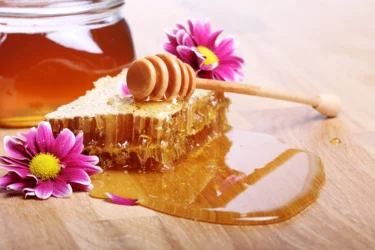
Honey is a common ingredient used in many Indian households. Honey is an effective remedy to deal with hiccups. To use honey, you can mix it in a glass of warm water. You can drink this water to stop the hiccups2,3.

You can also try some simple steps like:
Because the cause of hiccups may vary, not all these remedies will work out for everyone. However, these home remedies are simple and harmless, and you can try them unless you are allergic to any of the ingredients mentioned above. If you are allergic to any of the ingredients, don’t use them. You can try something else.
Hiccups are often benign and self-limiting. Patients with acute hiccups should be advised to try some aforementioned physical manoeuvres and should receive reassurance. In healthy patients with no overt cause for intractable and persistent hiccups, treatment of reflux may provide relief.
Dr. M.G. Kartheeka, MBBS MD(Pediatrics)
Also Read: Home Remedies For Tonsillitis
If your hiccups last for a few minutes or a couple of hours, a meeting with a healthcare provider might not be required. However, you should visit your healthcare provider immediately if you experience the following symptoms, as they might be a sign of a serious health condition
Also Read: Home Remedies For Throat Infection By Dr. Siddharth Gupta
People of all ages can get hiccups at various points in their life. Hiccups are usually not a sign of anything serious and resolve on their own without any treatment. However, if your hiccups are bothering you, you can use simple home remedies to get rid of them. Some easily found ingredients like honey, ginger, lemon, and sugar can help you stop the hiccups. Breath-holding and breathing into a bag are also some tips that you can follow to help with hiccups.
However, if your hiccups last more than a few days, and if your hiccups are accompanied by numbness, headache, and trouble balancing, you need to contact your healthcare provider immediately.
Also Read: Simple Home Remedies For Bloating
Drinking honey with warm water, eating fresh pieces of ginger, swallowing some granulated sugar, and sucking on lemons are some home remedies you can use to stop hiccups. You can also try holding your breath, breathing into a bag, and drinking or gargling with ice-cold water to help get rid of hiccups. You can choose a remedy that works best for you2,3.
Yes, you can try holding your breath for a while to get rid of hiccups. Take a deep breath and hold it in for as long as you comfortably can. It might help you to get rid of hiccups.
Some factors that might cause hiccups are stress, inhaling toxic fumes, fizzy drinks, cigarette smoking, spicy or hot food, eating food quickly, indigestion, and overconsumption of alcohol. Pregnancy can also cause hiccups2.
Avoiding specific triggers that cause hiccups might help you prevent them. You can avoid eating or drinking too fast, fizzy and carbonated drinks, overeating, overconsumption of alcohol, hot and spicy food, and cigarette smoking1,2.
Hiccups can last for a few minutes to a couple of hours, and you don’t need to take medical treatment. However, if your hiccups last for more than two days without improving, you need to visit your healthcare provider. Long-lasting hiccups can be a sign of a severe health condition1.
Hiccups that last for more than a few days can be a symptom of some underlying disease. But you need to visit a healthcare provider to know the cause. Some of the conditions that may lead to long-term hiccups are kidney diseases, brain damage, pneumonia (inflammation of the lungs), pleurisy (inflammation of the lung membrane), and oesophagitis (inflammation of the esophagus)2. If you feel your hiccups are due to something serious, you should visit your doctor immediately.
Yes, pregnancy can cause women to experience hiccups, provided they occur for a short period of time and resolve on their own2.
1. Hiccups: Causes & Treatment [Internet]. Lasted updated on: 2021 Jan 6. Available from: https://my.clevelandclinic.org/health/diseases/17672-hiccups
2. Hiccups – Better Health Channel [Internet]. [cited 2022 Apr 29]. Available from: https://www.betterhealth.vic.gov.au/health/conditionsandtreatments/hiccups
3. Chang FY, Lu CL. Hiccup: Mystery, Nature and Treatment. Journal of Neurogastroenterology and Motility [Internet]. 2012 [cited 2022 Apr 29];18(2):123. Available from: https://www.ncbi.nlm.nih.gov/pmc/articles/PMC3325297/
Disclaimer: The information provided here is for educational/awareness purposes only and is not intended to be a substitute for medical treatment by a healthcare professional and should not be relied upon to diagnose or treat any medical condition. The reader should consult a registered medical practitioner to determine the appropriateness of the information and before consuming any medication. PharmEasy does not provide any guarantee or warranty (express or implied) regarding the accuracy, adequacy, completeness, legality, reliability or usefulness of the information; and disclaims any liability arising thereof.
Links and product recommendations in the information provided here are advertisements of third-party products available on the website. PharmEasy does not make any representation on the accuracy or suitability of such products/services. Advertisements do not influence the editorial decisions or content. The information in this blog is subject to change without notice. The authors and administrators reserve the right to modify, add, or remove content without notification. It is your responsibility to review this disclaimer regularly for any changes.
7
1