
Over the years, Complementary and Alternative Medicine (CAM) has gained popularity worldwide. The World Health Organization (WHO) describes CAM as a wide range of healthcare practices.CAM can be classified into two general groups, natural products, and mind-body techniques. Yoga, which falls under the category of mind-body techniques, was developed to achieve harmony on physical, intellectual, psychological, and spiritual levels. Hatha Yoga is the variety of yoga that is most widely performed which includes physical postures (asanas) and breathing exercises (pranayama)1.
The word Pranayama, derived from the Sanskrit words ’prana’ meaning vital energy and ‘yama’ meaning control, consists of various breathing techniques which include making intentional alterations in breathing1. When the body Prana is low, one feels uninterested, lazy, and sluggish leading to the accumulation of toxic particles in the body creating pain and illness. Pranayama helps ‘Prana’ flow through these parts and might help to release these toxic substances2.
To obtain the maximum health benefit of any exercise, without any injuries, it is essential to do the exercise using the proper technique.
In this, inhalation is done in three parts with small time intervals between them.
Essentially aimed at cooling down the temperature of the body.
It is also called ‘the ocean breath’ due to the sound that comes when inhaled air makes when it touches the constricted throat2,4.
Also called Alternate Nostril Breathing, this may be done with or without holding the breath3.
Kapalbhati (Kapal: skull, Bhati: shining) involves an intentional reversal of the normal process of breathing5.
The name Bhramari is derived from the word Bhramara meaning ‘Black bee’. They can be done in 2 ways.
Breathing is just one of the many techniques through which one can reach the real Pranayama2. The various benefits of pranayama are as follows:
The slow deep breathing in Pranayama relaxes the mind and may reduce stress stimuli for asthma which in turn may reduce asthma attacks. Pranayama may clear airway secretions and increase lung compliance. It may enhance respiratory muscle function during breathing, thus strengthening them7. Kapalbhati may be beneficial for asthma as it may remove secretions accumulated in the respiratory tract3.
In Bhramari pranayama, the soothing effect of the vibration created by the humming sound may help in reducing stress, anxiety, tensions, anger, and over-excitement. Anulom vilom may help in increasing focus and managing stress and anxiety3.
Pranayama may help in expanding the lung bronchi by correcting abnormal ways of breathing and by reducing muscle tone1. Kapalbhati may specifically purify the sinuses in the forehead (frontal sinuses) proving to be beneficial for cough, cold and running nose3. Dirgha Pranayama might improve the oxygen intake and enhance the oxygen-carbon dioxide exchange in the lungs2.
The effect of pranayama was studied on patients with breast cancer undergoing radiotherapy. It was found that practising pranayama may help in reducing tension, disappointment, and fatigue associated with malignancy. It was also found that Pranayama helped improve the antioxidant levels in these patients1.
Though Pranayama has many benefits, it should not be used as a treatment for any health issues. If you suffer from any medical conditions, you must consult a qualified medical practitioner who will assess and treat you appropriately. Moreover, Pranayama is a powerful practice, which must be done under the proper guidance of a trained Yoga expert.
Based on my observations, practising ujjayi pranayama have multiple health benefits. Based on some research, it might help in managing various diseases like dyspepsia, dysentery, spleen inflammation, cough, fever, and diseases of phlegm9.
Dr. Rajeev Singh, BAMS
Also Read: Benefits of Tadasana (Mountain Pose) and How to Do It By Dr. Himani Bisht
There are some situations where practicing Pranayama can be harmful and must be avoided. They are:
Under the supervision of an experienced Yoga teacher, who can guide you appropriately regarding the precautions to be taken, you may continue to practice Pranayama.
Practising sitali and shitkari pranayama during summer might be quite useful. Due to the breathing technique involved, it might help in combating stress due to heat. Practising it might help in preserving body fluids and may provide better thirst control8.
Dr. Siddharth Gupta, B.A.M.S, M.D (Ayu)
Also Read: Benefits of Ustrasana (Camel Pose) and How to Do it By Dr. Ankit Sankhe
Pranayama, a breathing exercise in Yoga, essentially involves making deliberate modifications in the process of breathing. It includes many breathing methods, each with its benefits. To get optimum health benefits and to avoid any health problems, one must practice Pranayama, preferably, under the guidance of a trained Yoga teacher.
Also Read: Benefits of Surya Mudra and How to Do it By Dr. Himani Bisht
Pranayama is a breathing exercise in Hatha Yoga involving different methods of making intentional alterations in the breathing process.
The different types of Pranayama are Dirgha pranayama, Ujjayi pranayama, Anulom Vilom Pranayama, Sitali Pranayama and Kapalbhati2.
The number of times Pranayama can be done may differ from person to person. A qualified and experienced Yoga trainer can advise you on the number of times that Pranayama may be done.
The slow and deep way of breathing in Pranayama may alleviate stress.7Bhramari and Anulom vilom may be beneficial in managing stress and anxiety3.
Each type of Pranayama has its benefits. You may start with a single type and gain proficiency in it. Any type of Pranayama is best practised under a Yoga expert.
Disclaimer: The information provided here is for educational/awareness purposes only and is not intended to be a substitute for medical treatment by a healthcare professional and should not be relied upon to diagnose or treat any medical condition. The reader should consult a registered medical practitioner to determine the appropriateness of the information and before consuming any medication. PharmEasy does not provide any guarantee or warranty (express or implied) regarding the accuracy, adequacy, completeness, legality, reliability or usefulness of the information; and disclaims any liability arising thereof.
 2
2
 0
0
Malaria is a serious but common infection that is spread through the bite of an infected mosquito. It is mostly seen in hot and humid climates with the highest number of cases reported in Africa and South Asia. Unlike many other infections caused by viruses or bacteria, malaria is caused by a parasite. When an infected mosquito bites a person, it passes the parasite into the bloodstream. Malaria requires timely medical intervention. If not properly managed, it can lead to serious complications, such as seizures, breathing difficulties, organ failure, and even death1.
Some herbs and home remedies may help ease malaria symptoms; however, these should not be used as a substitute for proper medical care. It is recommended to talk to a doctor before using any herbal remedies, so you can make well-informed choices for managing malaria.
You or someone you know may have had malaria at least once in life. Continue reading to learn more about how this illness can be managed.
Malaria starts when the malarial parasite enters your body, usually through the bite of an infected mosquito. When a mosquito bites someone who has malaria, it becomes infected with the parasite. When that mosquito bites another person, it can pass the parasite to them2.
Other, less common ways malaria can spread include:
While home remedies help in recovery, all should consult a doctor. However, prevention of mosquito bites by mosquito nets, mosquito repellent creams and prevention of water stagnation is as important.
Dr. M.G. Kartheeka, MBBS, MD(Pediatrics)
Symptoms of malaria usually appear about 10 days to a month after a person is infected. If you have malaria, you may experience symptoms like:
Depending on the type of malarial parasite causing the infection, symptoms may be mild or severe. In some cases, you may experience worsening symptoms, including jaundice (yellowing of the skin and eyes) and anaemia1.
Also Read: Natural Home Remedies for Chest Congestion
Some herbs and home remedies may help ease certain symptoms of malaria and support your recovery. However, these herbs should not be used as a substitute for standard medical treatment. Always consult your doctor before taking any herbal or natural remedies for malaria.
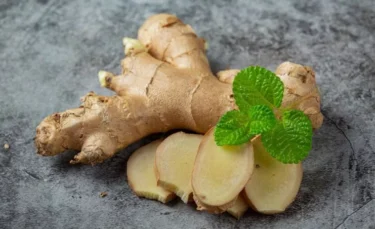
People with malaria often experience symptoms like nausea and vomiting. Several clinical studies4 suggest that ginger may help manage these symptoms. While ginger alone may not be able to manage malaria, it may provide relief from some symptoms when used along with prescribed medicine5. Clinical studies suggest that ginger may help reduce nausea and vomiting4, which are common symptoms of malaria. However, there is limited evidence that ginger can treat or eliminate malaria parasites, and it should only be used as a supportive measure.
Ginger tea is a commonly used home remedy to help manage certain conditions. To make ginger tea, you can boil some freshly crushed ginger in a glass of water. You may add a little lemon juice or a spoonful of honey for taste.
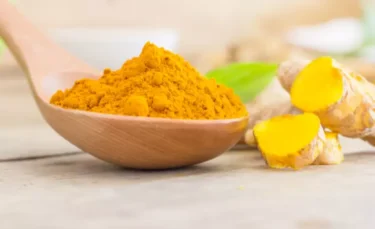
Curcumin, the active compound in turmeric, has shown antimalarial activity in some animal studies6. While turmeric is not a substitute for medical management, it can be used as a supportive remedy under your doctor’s guidance.
Turmeric can be added to your diet in several ways. You can mix a pinch of turmeric into a glass of warm milk or include it in everyday cooking, such as in dals, curries, or soups.

Cinnamon is a commonly used kitchen spice with many beneficial properties. Several studies7 suggest that cinnamon may have inhibitory effects against malaria-causing pathogens.
Cinnamon can be added to your routine in several ways. You can add cinnamon powder to your herbal teas or mix the powder in a glass of warm water. You can also combine it with a pinch of powdered black pepper and honey to enhance the taste.
Always speak with your doctor before trying cinnamon or other herbs alongside malaria treatment.

Tulsi is a well-known herb traditionally used in the Ayurvedic system of medicine. It is believed to support overall health and well-being. Many scientific studies suggest that tulsi may have antimalarial, antimicrobial and antioxidant properties that may support the body’s immune response against infective pathogens8.
You can make tulsi tea by boiling fresh tulsi leaves in water and straining the liquid into a cup. You can add a few drops of lemon juice or honey for additional taste.

Neem has traditionally been used for managing malaria for centuries. The compounds found in neem have shown activity against malarial parasites. Neem may be useful in preventing malaria as well, as neem oil seems to be a good mosquito repellent. It is believed that neem may be able to lower fevers, stimulate the immune system, and support faster recovery from malaria9.
You can drink neem tea or chew fresh neem leaves. To make neem tea, boil a glass of water, add some neem leaves to it, and let it steep for a while. Strain the mixture into a cup and your tea is ready to serve. You can add a dash of honey for flavour.

Guduchi is a well-known herb in traditional Indian medicine. Its juice may help boost immunity and help fight off infections. Studies10 suggest that guduchi may have anti-malarial properties and may be able to support better immunity.
You can make guduchi juice at home by peeling off the skin of fresh guduchi, chopping it into pieces, adding a glass of water, and blending it into a fine consistency. Strain it into a cup and your guduchi juice is ready to drink.

Coconut water has long been consumed for its refreshing taste and hydrating properties. It contains natural electrolytes that may help support fluid balance in the body. Some animal studies11 also suggest that it may have antimalarial properties.
Coconut water may help to maintain hydration and electrolyte balance, which may be beneficial in individuals experiencing fever, sweating, vomiting, or poor fluid intake. However, there is limited clinical evidence that coconut water treats malaria, and it should not be used as a substitute for appropriate medical care13. You can drink coconut water to prevent dehydration induced by vomiting during malaria.

Krishna musali, also known as golden eye grass, is a medicinal herb with many beneficial properties. The dried rhizome of this plant is believed to support immune functions. Krishna musali powder, consumed with a glass of milk, may help in faster recovery. Though some studies12 suggest that Krishna musali and certain other herbal remedies may have some benefits for individuals recovering from malaria, current evidence is limited. There is a need for large-scale human studies to establish the true extent of their benefits in individuals with malaria. Therefore, such remedies should be used with caution and never as a replacement for medical treatment.
Also Read: Malaria: Types, Symptoms, Causes and Treatment

Fever is one of the most common symptoms of malaria14. While antimalarial medicines prescribed by a doctor are essential for treating the infection, certain measures at home may help improve comfort during recovery.
Children and pregnant women are among the groups most vulnerable to severe malaria and its complications.
Malaria during pregnancy can increase the risk of maternal anemia, miscarriage, premature birth, low birth weight, and other complications16. Pregnant women who develop a fever or suspect malaria should seek medical care immediately.
Children may become seriously ill within a short period of time. Seek medical attention immediately if a child shows the following symptoms:
Note: Do not give herbal remedies or over-the-counter medicines to children without consulting a healthcare professional.
Home remedies and supportive care may help to improve comfort but they are not sufficient for treating malaria, particularly in high-risk situations. Home care alone is unsafe if:
In these situations, urgent medical evaluation and treatment are required. Delaying appropriate care can lead to serious complications.
It is important to speak to a doctor as soon as you notice any symptoms that may be linked to malaria. Getting a timely diagnosis and appropriate treatment can support quicker recovery1.
Home remedies may offer some relief from mild symptoms, but they must not be used as a substitute for medical care. If symptoms do not improve or become worse, you should consult a qualified doctor without delay for proper evaluation and guidance.
Malaria is a common but potentially serious illness that requires timely medical care to reduce the risk of complications such as brain damage or, in severe cases, death. Some natural herbs and spices available in your kitchen, such as turmeric, cinnamon, tulsi, neem, and ginger, have been traditionally used to help ease certain symptoms. While these may offer some relief, they should never be used as a replacement for proper medical treatment.
If you suspect you have malaria, it is important to consult a qualified doctor for accurate diagnosis and treatment. Always speak to your doctor before trying any home remedies, especially during an active infection.
Also Read: What Is Hantavirus? Symptoms, Causes, & Effective Prevention
Some commonly used herbs such as tulsi, neem, ginger, cinnamon, turmeric, guduchi, and Krishna musali may help ease certain symptoms of malaria. However, these should not be used as a replacement for medical treatment. Always speak to a qualified doctor before using any home remedies.
While some home remedies may offer comfort or support recovery, malaria requires proper medical treatment. You must consult a doctor for an accurate diagnosis and appropriate care. Relying only on home remedies can delay recovery and may lead to complications1.
Yes, if left untreated or not managed properly, malaria can lead to serious complications such as brain damage, organ failure, or even death. Seeking prompt medical attention when symptoms appear is essential.
Neem is traditionally believed to have properties that may help reduce fever and support immune health. Some early studies suggest it might help manage certain symptoms. However, neem should never be used without medical advice, especially during an active infection. Always consult a doctor before using any herbs for malaria.
Disclaimer: The information provided here is for educational/awareness purposes only and is not intended to be a substitute for medical treatment by a healthcare professional and should not be relied upon to diagnose or treat any medical condition. The reader should consult a registered medical practitioner to determine the appropriateness of the information and before consuming any medication. PharmEasy does not provide any guarantee or warranty (express or implied) regarding the accuracy, adequacy, completeness, legality, reliability or usefulness of the information; and disclaims any liability arising thereof.
Links and product recommendations in the information provided here are advertisements of third-party products available on the website. PharmEasy does not make any representation on the accuracy or suitability of such products/services. Advertisements do not influence the editorial decisions or content. The information in this blog is subject to change without notice. The authors and administrators reserve the right to modify, add, or remove content without notification. It is your responsibility to review this disclaimer regularly for any changes.
28
1
Have you ever had the “fluid of life”? You might be wondering what “fluid of life” is1. It is nothing but tender coconut water. In Philippines, the coconut tree is also referred to as the “tree of life”. Now this might refresh your memory and take you on a trip down memory lane it’s probably a scene of a beach and a green coconut in your hand. Tender coconut water seems to be the perfect comrade for a summer beach trip. Not only is it refreshing, but it might also have many health benefits too!2
The coconut palm tree, also known as Cocos nucifera, is the most extensively grown palm tree over the world. It is mainly grown in tropical countries. Indonesia is the largest coconut producer in the world1,2.
The clear delicious liquid found inside the coconut is known as coconut water. The water of a tender coconut is nothing but the endosperm of the coconut and it is one of the most nutritious beverages available to us. This nutritious water is what matures and forms the flesh of the coconut over time. Tender coconut water is the liquid and not the milk of the coconut. The water content of the coconut depends on its age and the variety of coconut, but an average tender coconut of five to seven months age contains around 500-750 mL of refreshing coconut water! Read on to find out more about the various potential health benefits of tender coconut water1,2.
Did you know?
Here are the nutrients present in tender coconut with their percentage content:
Table 1: Nutrient content of tender coconut water3
Tender coconut water might have the following properties:
I recently came across a fascinating study from 2021 that involved rats with diabetes. Guess what? They found that coconut water might actually reduce their blood glucose levels! Not only that, but coconut water may also reduce diabetic retinal damage5.
Dr. Siddharth Gupta, B.A.M.S, M.D (Ayu)
The young coconut flesh has a jelly like consistency, hence, is known as tender coconut. The tender coconut water is rich in vitamins and minerals. Therefore, it might have the following potential uses for human health1.

The results of several studies state that tender coconut water might have the potential to help lower the systolic pressure. In a study1 conducted by a Bhagya et al. it was seen that tender coconut water, when consumed regularly, might lower systolic blood pressure but not diastolic blood pressure. Therefore, there is a need for more studies to ascertain the effects of tender coconut water for human health. Conditions like blood pressure are serious and must be properly diagnosed and treated by a doctor. So, ensure that you follow your doctor’s advice.

Multiple studies have shown that tender coconut water might help lower lipid levels in the blood. This potential effect might be seen as a reduction of LDL (low density lipoproteins), triglycerides and HDL (high density lipoproteins). However, these effects were observed in animal models. More research on humans need to be conducted to understand their true benefits in human health1.

In animal studies, it was seen that coconut water might have the potential to decrease inflammation (body’s reaction to external agents) and pain. This might be due to the presence of high amount of nutrients in coconut water. It is hypothesised that this activity of coconut water might be due to its potential action of interfering with the compound (prostaglandin) responsible for pain and inflammation. However, these activities need to be confirmed by more research1.

Coconut water contains a lot of active vitamins, minerals and nutrients. It might have a potential to soothe the ailing stomach. It might be helpful for people suffering with diarrhoea and other stomach infections where there is loss of water and vital salts like sodium. Tender coconut water can help replenish these lost salts as well as hydrate. The presence of certain enzymes like polyphenol oxidase and peroxidase too might make it beneficial. There is a need for more scientific research to prove these claims1.
The results of the various studies conducted on animals indicate that tender coconut water might have a positive effect on the cells of the body and might help them against oxidative stress. It has been observed that on a molecular level, tender coconut water might have a potential to protect the mitochondria from damage from free radicals. This seems to be in tune with the findings of another study that states the possibility of tender coconut water helping improve the antioxidant status and reducing the oxidative stress in experimental mice. Therefore, it might help reduce the oxidative stress. However, more research is needed to prove these claims as concrete facts1.
I came across a study that showed how treatment with coconut water might stop crystals from building up in the kidneys and reduce the number of crystals in urine. It may also help keep the kidneys functioning well and protects them from harmful oxidative stress. It’s like coconut water acts as a shield for our kidneys!6
Dr. Rajeev Singh, BAMS

In an animal study1, an experiment was conducted to assess the effectiveness of tender coconut water on heart attack (myocardial infarction). It was observed that tender coconut water in fact might have the potential to help against the changes that might lead to a heart attack. Other studies have also seen that tender coconut water might be involved in actions that help with betterment of heart health. These activities, however, are yet to be proved in humans. Moreover, heart conditions must be properly diagnosed and treated by a specialist doctor. Therefore, ensure to consult a qualified doctor and not treat yourself with coconut water alone.

The other potential uses of tender coconut water for human health are as follows:
Though there are studies that show the potential uses of tender coconut water in various conditions, but these are insufficient and there is a need of further studies to establish the true extent of benefits of tender coconut water on human health.
Tender coconut water is a beverage and is best when consumed in the pure form. You might also find it in packaged forms on the market.
You must consult a qualified doctor before taking any herbal supplements. Do not discontinue or replace an ongoing treatment of modern medicine with an ayurvedic/herbal preparation without consulting a qualified doctor.
After going through an article, I found that drinking coconut water before exercising in hot conditions can do wonders! Not only it may boost exercise capacity, but it might also help to retain more fluids compared to plain water or other flavoured drinks7.
Dr. Smita Barode, B.A.M.S, M.S.
There is need for more research to observe side effects of tender coconut water.
Also Read: Apple Juice: Uses, Benefits, Side Effects and More!
Tender coconut water should be avoided in the following conditions:
Drinking green coconut water was considered as a taboo in some parts of India as it was said to cause opacity in eyes4. However, such effects have not been scientifically verified. Therefore, it is advised that you consult a doctor about drinking tender coconut water during pregnancy. Special care and a doctor’s advice should be followed before giving tender coconut water to children as well.
I have learnt that lauric acid has incredible antimicrobial properties. It’s all thanks to the high content of lauric acid in coconut. Lauric acid may act as a powerful defender against harmful microorganisms, making it a superhero ingredient! In fact, it might be used in medications to treat oral infections like mouth sores8.
Dr. Anuja Bodhare, B.A.M.S, M.D (Ayu)
Also Read: Mango Juice: Uses, Benefits, Side Effects By Dr. Siddharth Gupta
There is a lack of sufficient data regarding the interaction of tender coconut water with any other drugs. Therefore, consult a doctor before taking it, especially if you are on medication and/or are receiving treatment for any condition.
Also Read: Guava Juice: Uses, Benefits, Side Effects By Dr. Smita Barode
Tender coconut water might be good for health as it might have blood pressure lowering, antioxidant, anti-inflammatory, anti-diarrhoeal, rehydrating, gastroprotective activities, etc. However, more research is required to prove these potential uses of tender coconut water1.
Tender coconut water might be good for skin, but there is inadequate evidence stating of such effects. It might be helpful against rashes caused by chicken pox, etc1.
As seen in several studies, tender coconut water might help in lowering the systolic blood pressure but might not help lower the diastolic blood pressure. There is more research required to know the exact effects of tender coconut water on blood pressure. Moreover, a condition such as high blood pressure should be properly diagnosed and treated by a doctor. Therefore, do not self-medicate. Kindly consult a doctor1.
No. Tender coconut water is the liquid endosperm of a young coconut. It is not the same as coconut milk1.
There are no reports regarding the potential effects of tender coconut water on hair. Therefore, more research is required.
Disclaimer: The information provided here is for educational/awareness purposes only and is not intended to be a substitute for medical treatment by a healthcare professional and should not be relied upon to diagnose or treat any medical condition. The reader should consult a registered medical practitioner to determine the appropriateness of the information and before consuming any medication. PharmEasy does not provide any guarantee or warranty (express or implied) regarding the accuracy, adequacy, completeness, legality, reliability or usefulness of the information; and disclaims any liability arising thereof.
Links and product recommendations in the information provided here are advertisements of third-party products available on the website. PharmEasy does not make any representation on the accuracy or suitability of such products/services. Advertisements do not influence the editorial decisions or content. The information in this blog is subject to change without notice. The authors and administrators reserve the right to modify, add, or remove content without notification. It is your responsibility to review this disclaimer regularly for any changes.
18
1
Summer is the season when all hail the king of fruits the delicious mango. Loved by nearly all is can also be said to be irresistible. Grown mainly in tropical and subtropical regions, the mango tree is actually the national tree of Bangladesh and the fruit is the national fruit of both India and Philippines. Now you know why everyone desperately awaits summers and cant wait to sink in their teeth into the juicy yellow mangoes!
The scientific name of the species native to India and Southeast Asia is Mangifera indica L. and it belongs to the family Anacardiaceae. Given the huge demand, mango is also now being grown in Central America, Australia, Europe and Africa. It has been grown in India and Southeast Asia for around 4000 years and there are over one thousand varieties of mangoes, out of which only a few are being produced on a commercial scale1.
Mango has an exotic flavour, sweet taste and might even have numerous health benefits. It is consumed in both the ripe and unripe forms. Used for making pickles, chutneys, vinegar, desserts and beverages2 mango is one of the popular foods. Mango juice is also a popular refreshing beverage. The various nutrients present in it and the potential uses of mango juice for its health benefits are manifold. Read on to know more.
Mango juice contains a total energy of 52 Kcal. The nutritional value of mango juice is as follows:
| Nutrient | Percentage content |
| Carbohydrates | 13.6 |
| Sugars | 12.8 |
| Fibre | 0.8 |
| Potassium | 0.035 |
| Calcium | 0.005 |
| Sodium | 0.006 |
The following nutrients are also present in mango juice:
| Minerals | Vitamins |
| Zinc | Vitamin A |
| Manganese | Vitamin C |
| Phosphorous | Vitamin E |
| Calcium | Vitamin K |
| Iron | Folates |
| Copper | Vitamin B1 (niacin) |
| Magnesium | Vitamin B2 (riboflavin) |
| Vitamin B5 (pantothenic acid) | |
| Vitamin B6 (pyridoxine) |
Mango juice also contains alpha and beta carotene in it1.
Mango juice contains a ton of polyphenols in it like ellagic acid, isoquercetin, beta glucogallin, quercetin, gallotannins, mangiferin and gallic acid, which might be the reason for its potential health benefits we will elaborate on ahead.
Mango juice might have the following properties:
The various parts of mango might have a potential use for human health. Likewise, mango juice also might have the following potential uses.

Mango contains a compound called mangiferin which might have potential effects against diabetes. It was noted in animal experiments that mangiferin might have the potential to lower blood sugar level and the lipid levels (fats). Both of these might be helpful for people with diabetes. An increased number of cells which produce insulin was also observed. Mangiferin might play a role in the metabolism of glucose and insulin resistance. Therefore, mango juice might have the potential to help with diabetes. However, conditions like diabetes need to be properly treated by a doctor, thus, ensure that you consult a doctor2.

In an experimental model, it was observed that in diabetic rats having kidney issues, mangiferin was helpful. It was observed that mangiferin reduced the blood urea nitrogen levels and thus, it may help deal with kidney damage in humans. Thereby, mango juice might have a potential to help with kidney problems. These effects, however, need to be proved by further research2.

Several studies have shown that mango juice might have the potential to help deal with stomach related health conditions. As mango juice passes through the body, it was studied that one of its active components, mangiferin, was transformed into various phenolic compounds. These phenolic compounds might be beneficial against certain inflammatory diseases of the stomach. It might help the stomach against diseases like inflammatory bowel syndrome, gastric ulcers, ulcerative colitis, etc. Therefore, mango juice might exhibit gastroprotective property2.
In my experience, I have observed that mangoes are a good source of dietary fiber. Fiber plays a crucial role in the digestion process by aiding in the catabolism, or breakdown, of protein. By consuming mangoes, which are rich in fiber, you can support the efficient digestion and utilization of protein in your body. This can contribute to overall digestive health and nutrient absorption5.
Dr. Smita Barode, B.A.M.S, M.S.

The potential anti-inflammatory activity of mango was observed in relation to liver as well. It was seen in a variety of studies that the bioactive components of mango juice might help against liver inflammation, probably by interfering with lipopolysaccharide (LPS) and galactosamine activity. In another experiment it was seen that mango juice might also interfere with the inflammatory pathways. It might also help the liver against injury from carbon tetrachloride (a toxic chemical), as seen in a study conducted by Pokorski et al2.

Several studies were conducted on different extracts of mango against a variety of cancer cells. It was found that mango juice might have components that have a potential activity against pancreatic cancer, colonic cancer, breast cancer and colorectal cancer. However, there is a need for more studies to prove these effects. Moreover, you should consult a doctor for the proper diagnosis and treatment of cancer. So, ensure that you consult a doctor and do not self medicate2.

In an animal study, it was seen that the components of mango juice might potentially inhibit the dissolution (resorption) of bone. This activity was seen under a condition where the bone dissolution (resorption) was caused by imbalance of a hormone called the parathyroid hormone. Therefore, much more extensive research is required to fully understand the effects of mango juice on bones4.

The active components of mango juice might have the potential to neutralise the oxygen free radicals which cause oxidative stress, leading to cell damage and possibly chronic diseases. As it might have the potential to counterbalance the oxidative stress, it might possibly help against various diseases caused due to oxidative stress, like osteoporosis and liver diseases2.
Though there are studies that show the potential uses of mango juice in various conditions, but these are insufficient and there is a need for further studies to establish the true extent of benefits of mango juice on human health.
By including mango in your diet, you can potentially benefit from these protective effects and support the well-being of your eyes and related tissues. I have learned that mango, which is rich in vitamin A, plays a crucial role in maintaining good vision and protecting against muscular degeneration. Vitamin A promotes the efficient circulation of blood in the skin and mucus membranes, which can enhance their overall health and function5.
Dr. Siddharth Gupta, B.A.M.S, M.D (Ayu)
You can use mangoes to make fresh mango juice or consume pre-made mango juices available on the market. They are available in bottles, cans, or other packaged forms. To make fresh mango juice
You must consult a qualified doctor before taking any herbal supplements. Do not discontinue or replace an ongoing treatment of modern medicine with an ayurvedic/herbal preparation without consulting a qualified doctor.
Also Read: Amla Aloe Vera Juice: Uses, Benefits, Side Effects By Dr. Siddharth Gupta
There is a need for more research to explore the possible side effects of mango juice. It might cause allergies as different foods produce different reactions in individuals. Therefore, it is always better to consult a doctor before use.
Based on my experience, I have observed that both unripe and ripe mangoes contain a significant amount of vitamin C. Vitamin C has been found to help decrease the levels of LDL cholesterol in the body, which is often referred to as “bad” cholesterol5.
Dr. Rajeev Singh, BAMS
It is considered to be safe when taken in regular food quantities. However, it is better to consult a doctor if you are suffering from any condition, pregnant, breastfeeding or giving it to children in larger than usual quantities.
Also Read: Cranberry Juice: Uses, Benefits, Side Effects and More!
More studies are required to state the interaction of mango juice with any drug. It is advised that you consult a doctor before taking mango juice if you are under any medication.
Also Read: Apple Juice: Uses, Benefits, Side Effects and More!
Mango juice might have the benefits for the liver, kidney, stomach, etc. It might also be helpful in neutralising the oxidative stress and diabetes. However, these effects need to be proved by more research1,2,4.
Yes, mango juice might be good for health as it contains many nutrients and bioactive components in it1,4.
There are no reports claiming the effects of mango juice for hair.
There are no studies regarding the potential use of mango juice for healthy skin. Therefore, there is a requirement for more studies regarding this.
Disclaimer: The information provided here is for educational/awareness purposes only and is not intended to be a substitute for medical treatment by a healthcare professional and should not be relied upon to diagnose or treat any medical condition. The reader should consult a registered medical practitioner to determine the appropriateness of the information and before consuming any medication. PharmEasy does not provide any guarantee or warranty (express or implied) regarding the accuracy, adequacy, completeness, legality, reliability or usefulness of the information; and disclaims any liability arising thereof.
Links and product recommendations in the information provided here are advertisements of third-party products available on the website. PharmEasy does not make any representation on the accuracy or suitability of such products/services. Advertisements do not influence the editorial decisions or content. The information in this blog is subject to change without notice. The authors and administrators reserve the right to modify, add, or remove content without notification. It is your responsibility to review this disclaimer regularly for any changes.
22
2
What talks like a cucumber and walks like a cucumber might not always be a cucumber. It might be a Zucchini! You might have come across this vegetable resembling cucumber usually used in pasta and pizzas. You might have wondered what this exotic vegetable is or maybe you already know that it is Zucchini. Zucchini is also known as summer squash or courgette and is well known around the globe. The Zucchini can grow up to a meter (100cm) in length, but they are harvested at a much shorter length (15-25cms), almost half or even less than that of its potential length. Its scientific name is Cucurbita pepo and it belongs to the squash and pumpkin family. Its colour ranges from a light to dark green. Few hybrid varieties of Zucchini can be deep yellow or orange, it is also known as the golden Zucchini1.
Although the prime season for Zucchini is May to August, Zucchini is now available around the year. It is a thin, cylindrical vegetable which narrows towards the stem. The outer skin of the winter squash is thicker when compared to the thin, soft skin with edible seeds of the summer squash. The flesh is pale with a sweet, delicate flavour. The Zucchini grows within 2-7 days of flowering and is to be quickly harvested because past that, they may develop a bitter taste1.
The other newer varieties of Zucchini are the golden Zucchini and globe or round Zucchini. Zucchini is often confused with the marrow squash, which is also known as the vegetable marrow (commonly grown in Britain and Ireland). However, the marrow squash is larger and rounder with white stripes1.
The nutrients present in Zucchini are:
Zucchini, owing to the presence of the various nutrients and bioactive compounds, might have the following properties:
Yellow and green zucchini both exhibit high nutrient values and medicinal properties. The bio-components present in zucchini can exhibit anti-microbial, antioxidant, anti-inflammatory and anti-fungal activities4.
Dr. Siddharth Gupta, B.A.M.S, M.D (Ayu)
The following may be some of the potential uses of Zucchini for human health.

Pumpkin seed oil is the oil obtained from the seeds of Zucchini. It is shown to have wound-healing potential in rats. This might be due to the presence of high amounts of fatty acids. Although pumpkin seed oil might be promising in healing wounds in animals, their use in humans is yet to be confirmed1.

Zucchini might help relieve the lower UTIs symptoms due to enlargement of prostate (benign prostatic hyperplasia). In a review done by Damiano, it was found that Zucchini resulted in potential improvement of urine flow and quality of life1.

The seed extract of Zucchini along with 2 other components (Equisetum arvense and Linum usitatissimum) was tested for its potential to help with stress urinary incontinence (SUI) in women. In a small study1 of 86 women it was found that their introduction of Zucchini seed extract might be the reason for decreased visits to the bathroom and leaks (urinary incontinence). However, few women reported adverse effects such as headache, flatulence and gastric discomfort. Therefore, more research is required to prove these claims.

Studies1 to show the effect of Zucchini against parasitic worms known as nematodes infesting both humans and livestock. A study to see the effectiveness of the various extracts of Zucchini (hot water extract, cold water extract and ethanol extract) on two such parasites (C. elegans and H. bakeri) showed that all these extracts contain bioactive compounds like cucurbitane, amino acids, fatty acids, etc. which might act against C.elegans and H.bakeri.

The potential of Zucchini to prevent DNA damage and its anti-genotoxicity is extensively researched in humans. It might have a potential to curb the growth of cancer cells which might be due to its possible anti-proliferative and antioxidant activities. However, it is not promising a cure or prevention for cancer by any means. Moreover, a serious condition such as cancer must be diagnosed and treated by a doctor. Therefore, kindly consult a doctor for sound medical advice related to the subject3.

Zucchini might have the potential to be useful for the following as well:
Though there are studies that show the potential use of Zucchini in various conditions, but these are insufficient and there is a need of more research to establish the true extent of benefits of Zucchini on human health.
Based on my observations, zucchini can combat dehydration. It contains 94% water and thus, it is a great source of water. You can consume it in various forms, such as roasting, grilling or even raw5.
Dr. Rajeev Singh, BAMS
Zucchini can be a versatile vegetable and consumed in the following ways:
Zucchini can be incorporated in various cooking techniques and recipes as per the creativity of the person preparing it. Although Zucchini is closely related to cucumber, however, unlike cucumber, Zucchini is usually cooked1.
You must consult a qualified doctor before taking Zucchini for its potential health benefits. Do not discontinue or replace any ongoing treatment of modern medicine prescribed by your doctor, with an ayurvedic/herbal preparation without consulting a qualified doctor.
Also Read: Snake Gourd: Uses, Benefits, Side Effects and More!
More research to know the side effects of Zucchini on human health is needed as there is inadequate data for the same. Therefore, Zucchini should be eaten cautiously and in normal quantities. It is better to consult a doctor regarding the potential use of Zucchini and its possible side effects on your health.
Also Read: Sweet Corn: Uses, Benefits, Side Effects and More!
Zucchini is usually consumed as a vegetable in normal-sized food proportions. However, due to insufficient research, its safe use in special cases like pregnancy, breastfeeding as well as children and elderly is still doubted. Therefore, you should confirm its safety before use.
Zucchini might have unknown and unreported interactions with certain drugs. Therefore, it is advised that you consult your doctor before using it. Especially, if you are undergoing any treatment and are on medications.
Also Read: French Beans: Uses, Benefits & Side Effects
Zucchini (Courgette) might have the potential to help with lower UTIs due to enlargement of prostate, urinary incontinence, weight management, eye diseases, heart diseases, cancer, etc. However, more research is required to prove these possible Zucchini health benefits1,3.
Water forms the major percentage of Zucchini. It also contains many nutrients like carbohydrates, proteins, fats, vitamins (B1, B2, B3, C, etc.) and minerals (iron, potassium, calcium, etc.). It also contains various other bioactive components (cucurbitane)1,2.
There are no valid reports or studies that state benefits of Zucchini for skin. There is more research required on this subject.
Zucchini might have a potential to help in weight management. However, the exact mechanism is not known. There is need for more research to prove these claims. Therefore, kindly consult a doctor1.
There are no valid scientific researches or studies that show the benefit of Zucchini for hair. Therefore, there is need for more research.
Disclaimer: The information provided here is for educational/awareness purposes only and is not intended to be a substitute for medical treatment by a healthcare professional and should not be relied upon to diagnose or treat any medical condition. The reader should consult a registered medical practitioner to determine the appropriateness of the information and before consuming any medication. PharmEasy does not provide any guarantee or warranty (express or implied) regarding the accuracy, adequacy, completeness, legality, reliability or usefulness of the information; and disclaims any liability arising thereof.
Links and product recommendations in the information provided here are advertisements of third-party products available on the website. PharmEasy does not make any representation on the accuracy or suitability of such products/services. Advertisements do not influence the editorial decisions or content. The information in this blog is subject to change without notice. The authors and administrators reserve the right to modify, add, or remove content without notification. It is your responsibility to review this disclaimer regularly for any changes.
1
0
Easily available, bright and delicious, a carrot is a seasonal root. It is an inexpensive vegetable loaded with nutrients. It contains a good amount of beta-carotene (vitamin A). Beetroot, on the other hand, is a red-bulb root and is densely packed with antioxidants1.
Blending both these ingredients can make a truly nutrient-rich juice to sip on don’t you think? Carrot and beetroot juice can be a healthier, refreshing drink than many other juices, and one that will surely refresh and rejuvenate you.
Carrot beetroot juice contains a high amount of essential bioactive compounds, making it an excellent morning drink to kick-start your day. It has beneficial properties necessary for our daily functioning1.
Carrot beetroot juice contains bioactive compounds such as anthocyanins, carotenoids, vitamin C, sugars, antioxidants, betanin and phenols1. The nutritional value of carrot beetroot juice is as follows:
Carrot beetroot juice contains an excellent source of antioxidants1. It may have the following properties:
The health benefits of beetroot and carrot juice may be because of the phytonutrients that both these roots are high on, such as vitamins and minerals. Some of the potential uses of carrot beetroot juice are discussed as follows:

The health benefits of carrot beetroot juice may extend to helping in (leukaemia) blood cancer. A case report by Marie Christine et al. (2015)2 demonstrated that drinking beet carrot juice might be beneficial for overcoming the problems related to leukaemia. They showed that it might benefit lack of appetite and a sense of general well-being and increase daily activities. The carrot beetroot juice may also be used with anti-cancer drugs. Hence, this study suggested that carrot beetroot juice may have some beneficial effects on leukaemia and may be useful for patients battling blood cancer4.
However, further study is required to demonstrate the benefit of carrot beetroot juice in managing leukaemia-related problems in humans, as these results are insufficient. Therefore, it is essential to see a doctor before relying only on carrot beetroot juice for leukaemia.

Carrot beetroot juice may have a beneficial anti-inflammatory effect. A high amount of antioxidant carotenoids such as beta-carotene, polyphenols and vitamins found in carrots may contribute to this biological property. It may help neutralise the effects of free radicals. Flavonoids and phenolic derivates in carrot beetroot juice might play an important role similar to antioxidants. They may be helpful in lowering inflammation5.
These studies are insufficient and further studies are essential to prove the potential use of carrot beetroot juice to overcome inflammation in humans.

Despite research demonstrating the advantages of carrot beetroot juice for a number of health conditions, the findings are insufficient. Therefore, further investigation is required to clarify the full scope of carrot beetroot juice’s health advantages for people.
From my experience, when beetroot is consumed alone, it may help in lowering the risks of heart disease and stroke. Folate (Vitamin B9), which is abundant in beets, supports cell growth and function. Folate is essential for preventing blood vessel deterioration.
Dr. Rajeev Singh, BAMS
This vibrant juice is a perfect way to kickstart your day or provide a midday energy boost. Packed with essential vitamins, minerals and antioxidants, this easy-to-make juice offers numerous health benefits in every sip.
Carrot beetroot juice is a nutrient-dense beverage. It may be used in the following ways:
Before taking herbal supplements, you should discuss them with a clinician. Without seeking expert medical advice, never substitute your regular medication with herbal or ayurvedic medicines.
Even when beetroot is alone, it’s a hero! During physical activity, beetroot and its juice may assist your heart and lungs function more effectively. Beets contain nitric oxide, which may improve blood flow to your muscles. I suggest the consumption of beetroot when exercising as it may help to increase their performance.
Dr. Siddharth Gupta, B.A.M.S, M.D (Ayu)
There are no relevant data suggesting that drinking carrot beetroot juice has any side effects. Therefore, more research is needed to determine the harmful effects of carrot beetroot juice on health.
The Ayurvedic doctor who recommended carrot beetroot juice to you should be contacted right away if any side effects are experienced after having it. They will treat you appropriately.
Also Read: Neem Juice: Uses, Benefits, Side Effects, and More!
Drinking carrot beetroot juice in moderation may be safe. However, precautions need to be followed.
I recently read in an article that carrots, when taken alone, may be safe to consume as food. But if consumed in significantly higher doses for several weeks, the skin may become yellow after consuming carrots. Carrots are known to be rich in beta-carotene which increases pigmentation.
Dr. Smita Barode, B.A.M.S, M.S.
Also Read: Beetroot Juice: Uses, Benefits, Side Effects and More!
The combination of carrot beetroot juice and other drugs is not well understood scientifically. Therefore, the assumption that there are no interactions at all is unwise.
Therefore, it is best to follow an Ayurvedic physician’s advice, who will suggest how to consume the juice as a herb in the optimal method.
Also Read: Carrot Juice: Uses, Benefits, Side Effects and More!
Carrot beetroot juice is densely packed with vitamins which are natural antioxidants. Vitamins such as vitamin A and vitamin C are present in carrot beetroot juice1.
Beetroot and carrot juice benefits for skin may be contributed by their vital vitamins. In addition, it may help fight hair problems. It may also provide thicker, healthier and shinier hair5. However, these studies are insufficient to prove the beneficial effect of carrot beetroot juice on humans.
Carrot beetroot juice contains beta-carotene, which is a skin-friendly nutrient. It is a good source of vitamin A that might be helpful in repairing the skin tissues and harmful effects of sun rays. Drinking carrot beetroot juice in summer might act as a natural sun blocker5. However, this information is insufficient to back up this claim. It is better to consult a doctor before having carrot beetroot juice.
No scientific evidence is reported to confirm the safety of carrot beetroot juice in pregnancy. Hence, more studies are required to identify the benefits of carrot beetroot juice during pregnancy, or you can ask for a doctor’s advice.
Drinking carrot beetroot juice in a small dosage is fine. There is no report of any side effects registered till now. However, one should not assume that are no side effects at all. Furthermore, studies will be required to suggest the side effects of carrot beetroot juice on human health. Therefore, if you notice any side effects, call your doctor right away.
Yes, carrot beetroot juice can be beneficial for heart health. The potassium present in both carrots and beetroot supports heart function and helps regulate blood pressure. Additionally, the antioxidants in the juice help reduce inflammation and may contribute to cardiovascular health.
Carrot beetroot juice can aid in digestion due to its fibre content and natural enzymes. The fibre helps regulate bowel movements and promotes a healthy digestive system, while the enzymes facilitate nutrient absorption and ease digestion.
Yes, carrot beetroot juice can aid in detoxification. Both carrots and beetroot have natural detoxifying properties that support liver function and help eliminate toxins from the body. Drinking this juice regularly can contribute to a healthier and cleansed system.
Carrot beetroot juice can be beneficial for individuals with anaemia due to its iron-rich content from beetroot. Iron is crucial for the production of red blood cells, which helps combat anaemia and boosts overall energy levels.
Carrot beetroot juice is excellent for eye health due to its high vitamin A content. Vitamin A is essential for maintaining good vision and promoting eye health. Regular consumption may help prevent age-related eye disorders.
Yes, carrot beetroot juice can be given to children as a nutritious addition to their diet. However, parents should introduce it gradually and in age-appropriate quantities. It’s always a good idea to consult a paediatrician, especially if the child has any specific dietary considerations or health conditions.
Disclaimer: The information provided here is for educational/awareness purposes only and is not intended to be a substitute for medical treatment by a healthcare professional and should not be relied upon to diagnose or treat any medical condition. The reader should consult a registered medical practitioner to determine the appropriateness of the information and before consuming any medication. PharmEasy does not provide any guarantee or warranty (express or implied) regarding the accuracy, adequacy, completeness, legality, reliability or usefulness of the information; and disclaims any liability arising thereof.
36
3
Drinking cucumber juice in the morning can be a refreshing and hydrating way to start your day. But do you know cucumber juice is more than just a refreshing drink? It is packed with many nutrients and properties that might help you live a healthy life. Let us dive into the world of cucumbers to find out!
Cucumber juice is the juice obtained from cucumber fruits. The cucumber plant is scientifically known as Cucumis sativus, belonging to the Cucurbitaceae family. Other members of the Cucurbitaceae family are melons, squash, and pumpkins. The cucumber plant is native to India and is grown across the country. Other names of cucumber in different Indian languages are Kheera in Hindi, Shashhaa in Bengali, Vellarikkay in Tamil, and Trapsuha in the Sanskrit language. Cucumber juice is packed with water and other vital nutrients. Cucumber juice may have a potential role in skincare due to its various properties1.
Did you know?
To know more about the properties and benefits of cucumber juice, continue reading.
Cucumber juice is rich in water and other nutrients. The refreshing juice is obtained from the pulp of fresh cucumber fruit and is a perfect addition to a hot summer day1. The nutritional value of cucumber per 100 grams of serving is given below.
Here’s the information in pointer format:
Nutritional value of cucumber per 100grams of serving
Let me tell you something really captivating. Cucumbers are rich in a natural plant compound called Cucurbitacin B (CuB), which has gained attention for its potential effects on cancer cells. So, drinking cucumber juice as part of a balanced and healthy lifestyle may offer some protection against cancer. It’s important to note that while cucumbers alone cannot fight cancer, they may be a beneficial addition to your diet for overall health3.
Dr. Smita Barode, BAMS, M.S.
Due to the presence of numerous nutrients and phytochemicals, cucumber juice may have some beneficial health properties. Cucumber juice may have the following benefits:
Cucumber juice may be a great addition to your everyday regime given it’s so light, and watery, and can be easily combined with nearly any other fruits or vegetables because of a not-so-characteristic flavor profile.

Cucumber juice has potential skin protective properties. It may help reduce swelling and irritation on the skin and provide a soothing effect. It may also help maintain skin elasticity. Using cucumber juice may also help take care of skin damage due to sunlight. The juice contains a high amount of water, which may help in dry skin conditions1. However, if you experience any allergic effects after using cucumber juice, discontinue it and reach out to your doctor. Also, consult your healthcare provider before using cucumber juice if you are suffering from any skin condition.

Consuming cucumber juice may help destroy the free radicals formed in the body1. Free radicals are responsible for many chronic disease conditions in the body. These free radicals are highly reactive and cause damage to important molecules like proteins, carbohydrates, lipids and deoxyribonucleic acid (DNA). Consuming cucumber juice may help you reduce the oxidative stress in the body by eliminating the free radicals. However, make sure to consult with your physician or doctor first before you use cucumber juice for any health effects.

Cucumber juice has many properties that may help with weight loss. Cucumber juice has a very low calorie content and it contains a high amount of water. Also, it is packed with vitamins and other essential nutrients as discussed above2. You may add cucumber juice to your diet to help manage weight. However, any changes related to diet and weight should be made after consulting with your doctor or nutritionist. Make sure you talk to your doctor before using cucumber juice for weight loss.
Though there are studies that show the benefits of in various conditions, but these are insufficient and there is a need for further studies to establish the true extent of the benefits of cucumber juice on human health.
In an interesting study I read, it was found that cucumber juice may have some amazing benefits when it comes to fighting acidity and maintaining a healthy pH balance in your body. It may act as a natural carminative, which means it might help relieve gas and bloating, providing relief from discomfort. Additionally, cucumber juice may also have antacid properties, which might help neutralise excess stomach acid4.
Dr. Siddharth Gupta, B.A.M.S, M.D (Ayu)
Here’s how you make use of cucumber juice.
You must consult a qualified doctor before taking any herbal supplements. Likewise, do not discontinue or replace an ongoing treatment of modern medicine with an ayurvedic/herbal preparation without consulting a qualified doctor.
In my opinion, including cucumber juice as part of your daily routine may help in managing hypertension and promoting better cardiovascular health, especially in elderly individuals. Studies have shown that drinking cucumber juice regularly might be beneficial for older individuals with high blood pressure4.
Dr. Rajeev Singh, BAMS
There is a lack of information on the side effects associated with cucumber juice. However, some people may react differently to certain fruits and vegetables. If you experience any adverse effects or uneasiness after drinking or using cucumber juice, reach out to your healthcare provider immediately.
Also Read: Wheatgrass Juice: Uses, Benefits, Side Effects and More!
General precautions to take while using cucumber juice are given below.
If you want to use cucumber juice for any health conditions or benefits, you need to consult your healthcare provider first.
Also Read: Lauki Juice: Uses, Benefits, Side Effects and More!
There is a lack of information documenting interactions of cucumber juice with other medications. However, if you are taking any medicines, consult your doctor about potential fruits and vegetables to avoid.
Also Read: Watermelon Juice: Uses, Benefits, Side Effects and More!
Cucumber juice may show helpful properties for the skin. It may also be consumed for its various nutrients. Drinking cucumber juice may also help with weight management and help eliminate the free radicals generated in the body1,2. However, before you use cucumber juice for any health condition or disease, consult your healthcare provider for advice.
Cucumber juice may provide soothing and healing benefits to irritated and inflamed skin. It may also provide a cooling sensation and emollient effect on the skin. The juice may also be used for dry skin conditions1. If you have any skin conditions or allergies, use cucumber juice after consulting your skin doctor or dermatologist.
Herbal juices have always been the go-to choice for people considering weight loss. However, before using any herbal juice as a medicine or for its benefits, consult your doctor. Because of its low calories and high-water content, cucumber juice may be used to manage weight2. You need to contact your healthcare provider before making any changes to your diet.
Cucumber juice has shown properties that may help avoid wrinkle formation and improve skin elasticity in lab studies. Also, cucumber juice may help with skin damage induced due to sunlight1. However, if you are experiencing sun damage or sunburns, or any other condition on your face, avoid using cucumber juice before consulting with your healthcare provider.
1. Mukherjee PK, Nema NK, Maity N, Sarkar BK. Phytochemical and therapeutic potential of cucumber. Fitoterapia. 2013 Jan;84(1):227–36. Available from: https://pubmed.ncbi.nlm.nih.gov/23098877/
2. Lobo V, Patil A, Phatak A, Chandra N. Free radicals, antioxidants and functional foods: Impact on human health. Pharmacognosy Reviews. 2010 Jul;4(8):118. Available from: https://pubmed.ncbi.nlm.nih.gov/22228951/
3. Cleveland Clinic. Are cucumbers good for you? [Internet]. Cleveland, OH: Cleveland Clinic; 2023 Apr 3 [cited 2025 Oct 15]. Available from: https://health.clevelandclinic.org/benefits-of-cucumbers
4. Odewole A. Health beneficial effects of cucumber. Int J Adv Res Dev. 2021;6(3):1–4. Available from: https://www.researchgate.net/publication/351580539_Health_Beneficial_Effects_of_Cucumber
Disclaimer: The information provided here is for educational/awareness purposes only and is not intended to be a substitute for medical treatment by a healthcare professional and should not be relied upon to diagnose or treat any medical condition. The reader should consult a registered medical practitioner to determine the appropriateness of the information and before consuming any medication. PharmEasy does not provide any guarantee or warranty (express or implied) regarding the accuracy, adequacy, completeness, legality, reliability or usefulness of the information; and disclaims any liability arising thereof.
Links and product recommendations in the information provided here are advertisements of third-party products available on the website. PharmEasy does not make any representation on the accuracy or suitability of such products/services. Advertisements do not influence the editorial decisions or content. The information in this blog is subject to change without notice. The authors and administrators reserve the right to modify, add, or remove content without notification. It is your responsibility to review this disclaimer regularly for any changes.
4
1
When you think about describing summer, many things might come to your mind, but all these descriptions will be incomplete without the image of a slice of watermelon. What can be better than watermelon on a hot summer day? Cool watermelon juice. Sounds better, right? Apart from being super refreshing, watermelon juice has a host of nutrients that make it a great addition to your regular diet.
Watermelon is a fruit native to the hot deserts of Africa named Kalahari. In recent times, it has been widely cultivated in tropical regions of the world. It is being grown in Egypt, the Republic of Korea, the United States of America, Iran and Turkey1.
The scientific name of watermelon is Citrullus lanatus, and it belongs to the family Cucurbitaceae, to which vegetables like cucumber and pumpkin belong1. Watermelon is a fruit and might have potential health benefits. Read on to learn more about why this light and tasty fruit could become your everyday favourite!
The nutrients present in watermelon juice and their percentage contents are as follows:
Minerals present in watermelon juice
Vitamins present in watermelon juice
Did you know?
Watermelon juice might have the following properties due to the various nutrients present in it:
Citrulline, an amino acid, is quite abundant in watermelon. According to studies, this amino acid may help in the synthesis of muscle protein, increase muscle mass, and improve other aspects of output obtained from exercise. In my experience, those who use citrulline supplements gain the most from these advantages2.
Dr. Siddharth Gupta, B.A.M.S, M.D (Ayu)
The red colour of the watermelon is due to the presence of a bioactive compound called lycopene in it. This compound (lycopene) is known to impart a red colour to fruits and vegetables. It is hypothesised that the potential health uses of watermelon may be due to the presence of lycopene in it1. This is the same lycopene that makes tomatoes red. The potential uses of watermelon juice are described as follows.
Multiple studies have shown that a bioactive compound (lycopene) present in watermelon juice might have the potential to protect cells from oxidative stress and free radicals by exhibiting potential antioxidant activity (neutralising free radicals). A study6 conducted by Kim et al. in 2011 on smokers showed that lycopene might help reduce oxidative stress. Therefore, watermelon juice might have potential use for reducing oxidative stress and inflammatory diseases caused by them1.
Studies conducted by Rao et al.5 in 2007, Wu et al.7 in 2007 and Moussa et al.in8 2008 hypothesised that drinking watermelon juice might be able to reduce the risk of certain types of cancer in women. Other studies have shown that watermelon juice might have a positive effect on colorectal cancer (cancer of the small intestines). It might be helpful for various other types of cancers as well. However, there is a need for more research on the benefits of watermelon juice for cancer. Cancer is a serious condition and requires proper diagnosis and treatment by a doctor1.
A study8 conducted in 2008 showed that watermelon might have the potential to help with increased blood glucose and may have potential in increasing insulin levels. Watermelon might owe this property to the presence of lycopene. In a huge study5 conducted over 10 years, from 1992 to 2003, researchers found that there might be a correlation between the bioactive compounds present in watermelon juice (lycopene) and insulin levels in the body. However, there is a need for more studies to prove such claims. Diabetes is a serious condition and should be diagnosed and treated by a qualified doctor1.
Watermelon juice might help in lowering the risk of heart diseases. This effect might be due to the presence of certain vitamins (A, B6 and C) and lycopene. For example, a study4 conducted by Zhang and Hamauzu in 2004 showed that the bioactive compounds present in watermelon might help with the thickness of blood vessels and may help decrease the risk of myocardial infarction. However, more research and studies are required to ascertain the potential use of watermelon juice for human heart health. You should consult a doctor for discomfort and problems related to the heart as it can be serious1.
Watermelon might have the potential to help with degenerative diseases of the eye like macular degeneration (causes blurring of vision). This might be due to the presence of certain compounds and vitamins present in watermelon. However, there is not much research related to the potential use of watermelon juice for the eyes. Therefore, there is a need for extensive research in laboratories, animals and humans to prove the claims mentioned earlier1. Please consult a doctor for problems related to the eye for proper diagnosis and treatment.
Though there are studies that show the potential uses of watermelon juice in various conditions, these are insufficient, and there is a need for further studies to establish the true extent of the benefits of watermelon juice on human health.
Despite having a lot of vital elements, watermelon is also very heavy in sugar. For diabetics or someone who is seeking to regulate blood sugar levels, this may make it a troublesome option. Furthermore, consuming alcohol may be problematic due to watermelon’s high lycopene concentration. When consumed simultaneously, they might irritate the liver. I recommend having watermelon juice in regulated quantity and in case of any problem, immediately reach out to your doctor2.
Dr. Rajeev Singh, BAMS
You can make watermelon juice at home. First, you need to take a watermelon and clean it. Then, cut it open and dice it into small pieces. You may or may not remove the seeds of the watermelon. Next, take the cut pieces of watermelon and blend them in a juicer or mixer. Some people suggest adding mint leaves and sage or squeezing a little bit of lemon into it to enhance the taste.
Nevertheless, you can drink it without adding anything else to it. If you prefer to drink it cold, you can also put it in the refrigerator before drinking it. You don’t have to add any extra sugar or syrup. You might even find bottled watermelon juice on the market. However, you should not use it as a medicine, in excess quantities or for daily use without consulting an Ayurvedic physician first.
You must consult a qualified doctor before taking any herbal supplements. Likewise, do not discontinue or replace an ongoing treatment of modern medicine with an ayurvedic/herbal preparation without consulting a qualified doctor.
A wide range of vitamins and antioxidants are abundant in watermelon. From my knowledge, it has lycopene, which may be beneficial for heart health and may shield the skin from UV rays2.
Dr. Smita Barode, B.A.M.S, M.S.
There is too little evidence in the form of studies to confirm the side effects of watermelon juice on human health. Thus, it cannot be confirmed if it doesn’t have any side effects. Therefore, there is need for more research to study the side effects of watermelon juice. It is advised that you consult an Ayurvedic physician before using it. Please do not self-medicate.
Also Read: Neem Juice: Uses, Benefits, Side Effects, and More!
General precautions should be taken before using watermelon juice. Ensure that you ask your doctor if it is safe to drink watermelon juice when you are pregnant or breastfeeding and while giving it to children, older individuals or people who are diagnosed or suspect any condition. Kindly do not self-medicate.
Also Read: Guava (Amrood) Juice: Uses, Benefits, Side Effects By Dr. Smita Barode
More research is required to assess the safety of watermelon juice with other drugs. It may react with medications. It is advised that you consult your doctor about drinking watermelon juice in large quantities due to its properties. They will be able to guide you appropriately as they might know your health condition in detail. Kindly do not alter, replace, avoid or discontinue any ongoing treatment. Please do not self-medicate.
Also Read: Corn Flour: Uses, Benefits, Side Effects By Dr. Rajeev Singh
Watermelon juice might have positive effects and may help with diseases of the heart, eyes, diabetes, etc. However, there is insufficient evidence to claim such benefits. Therefore, more research will be required to prove the potential uses of watermelon juice for human health1.
Watermelon juice might have the same effects on men as it has on women. It might have potential uses for the heart, eyes, diabetes, cancer, etc. However, more research is required to back up such claims1 .
Watermelon juice contains carbohydrates, proteins, fats, fibre, water, sugars, certain vitamins (A, B, C and E) and certain minerals (calcium, zinc, sodium, etc.). It also contains a bioactive compound called lycopene which gives a red colour to fruits and vegetables1.
There is insufficient data regarding the potential use of watermelon juice for skin. Therefore, there is a need for more research on this subject. However, it is advised that you consult a doctor before using any herb/medicine for health benefits. Kindly do not self-medicate.
No. There are no reliable reports stating the potential use of watermelon juice on an empty stomach. There is a need for more research in this area. Kindly consult a doctor and do not self-medicate.
No. You should consult a doctor who will give you sound advice about drinking watermelon juice based on your health condition and effects. It is at the discretion of the doctor to decide the course of treatment basis your consultation with them. Kindly consult a doctor before deciding to drink watermelon juice daily.
1. Naz A, Butt MS, Sultan MT, Qayyum MMN, Niaz RS. Review article: watermelon lycopene and allied health claims. EXCLI J. 2014;13:650–66. Available from: https://www.ncbi.nlm.nih.gov/pmc/articles/PMC4464475/
2. WebMD. Health Benefits of Watermelon [Internet]. [cited 2025 Sep 18]. Available from: https://www.webmd.com/diet/health-benefits-watermelon
3. WebMD. Health Benefits of Watermelon [Internet]. [cited 2025 Sep 18]. Available from: https://fdc.nal.usda.gov/food-details/1102760/nutrients
4. Zhang D. Phenolics, ascorbic acid, carotenoids and antioxidant activity of broccoli floret and stem. Food Chem. 2004;88(4):417–27. doi:10.1016/j.foodchem.2004.02.016. Available from: https://www.sciencedirect.com/science/article/abs/pii/S0308814604001517
5. Rao LG, Mackinnon ES, Josse RG, Murray TM, Strauss A, Rao AV. Lycopene consumption decreases oxidative stress and bone resorption markers in postmenopausal women. Osteoporos Int. 2007;18(1):109–15. doi:10.1007/s00198-006-0205-z. Available from: https://link.springer.com/article/10.1007/s00198-006-0205-z
6. Kim JY, Lee YJ, Kim YS, et al. Effects of lycopene supplementation on oxidative stress and endothelial function in healthy subjects. Am J Clin Nutr. 2011;93(1):126–33. doi:10.3945/ajcn.110.004064. Available from: https://www.sciencedirect.com/science/article/abs/pii/S0021915010009755
7. Wu G, Collins JK, Perkins-Veazie P, Siddiq M, Dolan KD, Kelly KA, Heaps CL, Meininger CJ. Dietary supplementation with watermelon pomace juice enhances arginine availability and ameliorates the metabolic syndrome in Zucker diabetic fatty rats. J Nutr. 2007 Dec;137(12):2680–5. doi: 10.1093/jn/137.12.2680. PMID: 18029483. Available from: https://www.sciencedirect.com/science/article/pii/S002231662209469X
8. Moussa M, Dufresne M, Dubeau S, et al. Lycopene absorption in human intestinal cells and in mice is mediated by scavenger receptor class B type I. J Nutr. 2008;138(5):882–7. doi:10.1093/jn/138.5.882. Available from: https://www.sciencedirect.com/science/article/pii/S002231662209887X
Disclaimer: The information provided here is for educational/awareness purposes only and is not intended to be a substitute for medical treatment by a healthcare professional and should not be relied upon to diagnose or treat any medical condition. The reader should consult a registered medical practitioner to determine the appropriateness of the information and before consuming any medication. PharmEasy does not provide any guarantee or warranty (express or implied) regarding the accuracy, adequacy, completeness, legality, reliability or usefulness of the information; and disclaims any liability arising thereof.
Links and product recommendations in the information provided here are advertisements of third-party products available on the website. PharmEasy does not make any representation on the accuracy or suitability of such products/services. Advertisements do not influence the editorial decisions or content. The information in this blog is subject to change without notice. The authors and administrators reserve the right to modify, add, or remove content without notification. It is your responsibility to review this disclaimer regularly for any changes.
15
5
Lauki or bottle gourd is considered a healthy vegetable and you may find it beneficial to add it to your diet. Lauki is scientifically known as Lagenaria siceraria and belongs to the family Curcurbitaceae. Lauki grows in tropical and subtropical countries such as India, Srilanka, South Africa, Malaysia and Indonesia1,2.
Lauki is also called calabash, doodhi, ghia, and kaddu in India. It is a pale green vegetable and is a staple in Indian cuisine. If you do not prefer consuming bottle gourd (lauki) in its whole form, you may consider incorporating it into your diet as a fresh juice. Lauki juice has a subtle, nutty flavour and contains naturally occurring antioxidants and minerals.
To prepare lauki juice, the vegetable can be blended using a juicer and then strained through a muslin cloth for a smoother consistency. Some individuals choose to add basil, which may help in extending its shelf life when stored appropriately2.
Lauki, also called white-flowered or calabash gourd, is a widely used vegetable in traditional diets. Its juice is considered a nutrient-rich beverage that is naturally low in calories and composed of approximately 96% water, which may contribute to its hydrating properties2.
The nutritional value of lauki juice per 100 grams is as follows3:
In some traditional practices, fresh lauki juice mixed with lemon juice is consumed as part of home remedies. It is sometimes suggested that this combination may offer a sense of relief from discomfort during urination. Lauki is known for its high-water content and is considered naturally hydrating, while lemon juice is mildly alkaline.
Dr. Siddharth Gupta, B.A.M.S M.D (Ayu)
Lauki juice is a nutrient-rich beverage. It contains essential vitamins and minerals that may be beneficial to human health2. Some commonly noted characteristics of lauki juice include4:
Lauki has a long-standing presence in traditional food cultures and was historically mentioned in various traditional systems of medicine. Today, lauki juice is sometimes included in regular diets due to its naturally occurring nutrients, including water, fibre, vitamins, and minerals1,2. Some of the potential uses of lauki are described as follows:
Lauki juice for weight loss might be a great idea given it is 95.5% water3! Lauki vegetable is considered a good option for weight management owing to its low-calorie content. It is said that lauki juice might help trim that extra belly fat. Lauki juice has a very low fat and cholesterol content and provides a good amount of dietary fibre, which may be beneficial in rapidly losing those extra inches2,4.
More studies are needed to support the potential use of lauki juice for weight management. Therefore, it is preferable to seek medical advice from a doctor before consuming lauki juice to help with weight management.
Lauki juice may potentially lower cholesterol levels. Preliminary research suggests that its naturally occurring dietary fibre and phytochemicals, such as saponins, may contribute to maintaining lipid balance in the body. These components are thought to assist in reducing total cholesterol and certain types of fats, while potentially increasing high-density lipoprotein (HDL), often referred to as “good” cholesterol. Saponins in particular may help enhance lipoprotein activity, which could help in the removal of unwanted fatty acids from the blood1.
However, these studies are not sufficient. We require more proof of the benefits of lauki juice in managing cholesterol levels in humans. Therefore, before using lauki juice for a cholesterol management diet, it is recommended to speak with a doctor.
Lauki juice is sometimes explored for its potential to support healthy blood sugar levels. Some preliminary studies have suggested that consuming lauki juice may help in the regulation of blood sugar following meals. This effect is thought to be related to the antioxidant properties present in the juice5.
It is important to note that the studies suggesting lauki juice may help regulate blood sugar levels have primarily been conducted on animals. More comprehensive research involving human participants is needed to confirm these effects. Therefore, lauki juice should not be used as a substitute for prescribed anti-diabetes medication. Individuals should always consult a qualified healthcare professional before considering lauki juice as part of any diabetes management plan.
Freshly prepared lauki juice is often recommended, particularly during the summer months, due to its natural cooling effect on the body. It may help with hydration by replenishing fluids lost through sweating, making it a refreshing option to support fluid balance.
Dr. Rajeev Singh, BAMS

While some studies suggest benefits of lauki juice, more research is needed to confirm its effects on human health. Individual responses may vary, so it is important to consult a doctor before using lauki juice for any medical condition.
Lauki juice a can be enjoyed in several ways:
It is essential to consult a general physician before taking any herbal supplements. Do not discontinue or replace your current medications with Ayurvedic or herbal preparations without professional guidance. A qualified physician or Ayurvedic doctor can recommend the most appropriate method of use based on your individual needs.
Some studies8 suggest lauki juice may support hair health and, when mixed with sesame oil, may aid sleep.
Dr. Smita Barode, B.A.M.S M.S.
Bitter lauki juice contains toxins (known as cucurbitacins) that might harm the upper digestive system6. The most common side effects of lauki juice are as follows7:
However, if you experience any of such side effects, seek immediate medical attention from your physician. They will be the best guide to provide you with proper treatment.
Drinking lauki juice in small quantities is safe. There is currently insufficient scientific evidence to confirm the safe use of lauki juice during pregnancy and breastfeeding. As it may contain certain natural toxins, it is essential to consult a physician before use. Extra caution is advised when giving lauki juice to young children or older adults, as their lower immunity may increase the risk of adverse reactions. Lauki juice should not be used for self-medication without medical guidance.
Also Read: What to Eat and What to Avoid in Appendicitis?
There is currently no scientific evidence confirming interactions between lauki juice and medications. However, this does not mean such interactions do not exist. It is advisable to consult an Ayurvedic physician, who can provide guidance on the appropriate and safe use of lauki juice as a herbal supplement.
Also Read: Beetroot Juice: Uses, Benefits, Side Effects and More!
Lauki juice, rich in water, fibre, and essential nutrients, is valued for its potential health benefits including hydration, digestive support, and possible roles in managing weight, cholesterol, and blood sugar levels. However, it must be consumed cautiously, always fresh and in moderation, due to the risk of toxicity from bitter variants. Consulting a healthcare professional before adding lauki juice to your routine is strongly advised.
Also Read: Ash Gourd Juice: Uses, Benefits, Side Effects and More!
There is not enough information to confirm that lauki juice has any benefits for pregnancy. Therefore, due to a lack of scientific evidence, it is better to avoid lauki juice during pregnancy. You can also contact your doctor to learn more about this.
Drinking lauki juice might help to maintain healthy hair. However, more studies are required to support this claim. Consult a doctor before making any changes to your diet.
Lauki juice might demonstrate benefit in managing blood sugar levels. This is because it contains antioxidants such as vitamin C, which may be helpful in regulating the levels of sugar in the blood. However, this information is not enough; more studies are required to support the benefits of lauki juice on human health.
Lauki juice contains vitamins such as vitamin C, vitamin B2, vitamin B1, vitamin B3, vitamin B9, and vitamin B6. Vitamins play an essential role as potential antioxidants, which might be beneficial in neutralising free radicals.
Lauki juice contains a potential toxin, which is a tetracyclic triterpenoid compound called cucurbitacins, which may be responsible for the bitter taste and toxicity. Thus, taking precautions before having lauki juice is crucial, as it may cause side effects.
Disclaimer: The information provided here is for educational/awareness purposes only and is not intended to be a substitute for medical treatment by a healthcare professional and should not be relied upon to diagnose or treat any medical condition. The reader should consult a registered medical practitioner to determine the appropriateness of the information and before consuming any medication. PharmEasy does not provide any guarantee or warranty (express or implied) regarding the accuracy, adequacy, completeness, legality, reliability or usefulness of the information; and disclaims any liability arising thereof.
10
1
You might want to go out for a picnic or a quick swim to break the summer heat. These activities are all fun and games till you get sunburns.
Skin damage due to excessive exposure to ultraviolet (UV) rays present in sunlight is called sunburn. You can also get sunburns from artificial sources of UV light, such as tanning beds. Sunburn is instead a radiation burn1. You can notice a sunburn within 11 minutes of exposure. The skin will start turning red within two to six hours. Your skin will continue to develop sunburn for the next few days. Depending on the severity of your sunburn, it might take a few days or weeks for the skin to heal.
If you have a mild sunburn, you can take care of it at home. However, a severe and blistered sunburn requires immediate medical attention. Getting a sunburn repeatedly can cause premature skin wrinkling and skin cancer in the long run2. So, it’s best to take necessary precautions and avoid sunburns.
Adequate exposure to sunlight is essential to get sufficient vitamin D which is important for bone health and immune system function. It is also important to prevent oneself from sunburn as prolonged exposure is implicated in the causation of skin cancer.
Dr. Ashish Bajaj, M.B.B.S., M.D. in Clinical Pharmacology and Toxicology
Sunburns occur because of overexposure to UV radiation. You can develop sunburn when the UV exposure overpowers melanin’s ability to protect the skin. If you have light skin colour, you may develop a sunburn within 15 minutes of sun exposure. People with dusky skin tones tolerate sun exposure for hours without developing a sunburn3.
Risk factors for developing a sunburn:
Sunburns are categorised into three types depending on the severity of skin damage. Common types of sunburn include:
In rare circumstances, people may develop a third-degree sunburn. This type of damage can cause severe damage to all skin layers and destroy nerves. This requires emergency medical care and treatment.
Prevention is easy and straightforward. A broad-spectrum sunscreen with SPF of at least 30 should be applied 30 minutes before sun exposure and every 90 minutes, after that. Water resistant sunscreen should be considered and frequently reapplied when spending time in the water. Sun protective clothing should be worn as an added barrier.
Dr. M.G. Kartheeka, MBBS, MD(Pediatrics)
Symptoms of sunburn vary depending on the severity of the burn.
Symptoms of first-degree sunburn are:
Symptoms of second-degree sunburn are:
Second-degree burns might be accompanied by heat illness. Symptoms of heat illness include:
Symptoms of a third-degree sunburn include:
Below are some remedies that you can use to care for sunburned skin at home. Although these home remedies can be used for minor sunburns, you need to reach out to your healthcare professional and receive help if you have a severe form of sunburn.

You need to drink more water to stay hydrated when dealing with a sunburn. Sunburns draw the water from the body to the skin surface, rendering the person dehydrated. Drinking excess water can help you prevent dehydration caused by sunburns4.

You can apply a good moisturiser to the affected area if your skin is not too painful to touch. Using a moisturiser that contains aloe vera or soy can help you soothe the sunburned skin. Moisturiser will help boost the moisture content of the skin. Avoid using butter on the sunburned skin. If you use butter or petroleum jelly, or any other oil-based product on the affected skin, it might block the skin pores and lead to an infection2,4.

You can try taking cool baths or showers frequently. It will help you reduce the pain. Pat yourself dry after coming out of the shower but remember to leave some water on the skin. Applying a good moisturiser straight after the shower will help you retain the moisture in the skin4.

You need to protect the sunburned skin as it heals. Before venturing out, wear clothes that cover your skin. Wear clothes made of tightly woven fabrics. A tightly woven fabric does not allow light to come through when you hold it against a bright light. You can also try wearing loose cotton clothing3,4.

Aloe vera is an essential natural ingredient for dealing with many skin conditions. You can use aloe vera to relieve sunburns. It can also get rid of itching and help heal the blisters. It also provides a soothing sensation to the skin due to vitamin C and vitamin B. You can use aloe vera gel to aid in healing sunburned skin. Aloe vera gel can be rubbed directly on the affected area5.

Tea is an ingredient that most people have in their kitchens. It is a common home remedy used to relieve sunburns. You can apply cooled black tea directly to the sunburned skin. Certain compounds present in black tea help remove the heat from the sunburned skin. Black tea might help repair skin damage and prevent cancer6.

Green tea has good anti-inflammatory and antioxidant properties. It helps to deal with adverse reactions on the skin, like sunburn after UV exposure. It can help reduce skin redness and skin damage. Green tea can be applied to the sunburned area to relieve skin damage6.

Tea tree oil is a popular ingredient found in many sunscreen products. Tea tree oil can help manage sunburn by improving the blood flow to the skin’s blood vessels, bringing essential nutrients to the damaged skin6. To use tea tree oil, dilute it with some carrier oils like coconut, almond, or olive. Avoid using pure tea tree oil directly on the affected skin.
Also Read: Best Home Remedies for Clear Skin
If you notice any of the signs mentioned below, you should contact your healthcare provider.
Also Read: Home Remedies For Tanned Skin
Sunburn is nothing but skin damage due to overexposure to ultraviolet radiation. Depending on the severity of sunburn, it can take a few days to a few weeks to heal completely. Getting sunburned frequently can increase your risk of skin cancer. Sunburns can be taken care of at home. You can use some at-home remedies to relieve sunburns and their symptoms. For example, ingredients like aloe vera, green tea, and tea tree oil can be used to relieve sunburns. If your sunburn is minor, which is a first-degree sunburn, it might heal on its own after some time. In case of severe sunburn, you need to contact your healthcare provider and receive timely treatment.
Herbal home remedies for relieving sunburn include aloe vera gel, green tea, black tea, and tea tree oil. Other home remedies for sunburn are moisturising, avoiding dehydration, taking cool showers, and protecting the sunburned area from further damage. Minor sunburns can heal at home on their own, but if your sunburn is severe, you need to seek medical help4,6.
You can prevent yourself from getting sunburned if you:
Use a broad-spectrum sunscreen with a sun protection factor (SPF) of 30 or higher. Apply enough sunscreen to cover the exposed skin completely. Reapply the sunscreen every two hours.
Wear a lip balm that offers sun protection.
Wear sunglasses that provide UV protection.
Stay indoors when the solar radiation is the strongest, between 10 AM to 4 PM.
Wear a hat with a brim.
Wear protective clothing in lighter shades3.
You can use aloe vera gel to relieve sunburns. Aloe vera gel can be used directly on sunburned skin. It helps soothe the skin and heal blisters. Aloe vera gel can also help in getting rid of the itching5.
Tea tree oil improves the flow of blood in the blood vessels of the skin, which helps bring nutrients to the skin and promotes the healing of the sunburned skin6. To use tea tree oil, you can dilute it with some carrier oils like almond, olive, or coconut. Apply the diluted oil to the skin to heal the sunburned skin.
There is no instant cure for sunburns. The healing time of sunburns depends on the severity of the skin damage. It can take a few days to some weeks for sunburned skin to heal. First-degree sunburns, which are minor ones, can take a few days to weeks to heal completely. Whereas second-degree sunburns need several weeks to heal1.
1. Cleveland Clinic. Sunburn: Causes, Symptoms and Treatment [Internet]. [cited 2022 May 27]. Available from: https://my.clevelandclinic.org/health/diseases/21858-sunburn
2. Better Health Channel. Sunburn [Internet]. [cited 2022 May 27]. Available from: https://www.betterhealth.vic.gov.au/health/conditionsandtreatments/sunburn
3. MedlinePlus Medical Encyclopedia. Sunburn [Internet]. [cited 2022 May 27]. Available from: https://medlineplus.gov/ency/article/003227.htm
4. American Academy of Dermatology Association. How to treat sunburn [Internet]. [cited 2022 May 27]. Available from: https://www.aad.org/public/everyday-care/injured-skin/burns/treat-sunburn
5. January A ·, Qadir MI. Medicinal and cosmetological importance of Aloe vera. International Journal of Natural Therapy. 2009;2:21–6. Available from: http://www.researchgate.net/publication/233818204
6. Korać RR, Khambholja KM. Potential of herbs in skin protection from ultraviolet radiation. Pharmacognosy Reviews. 2011 Jul;5(10):164. Available from: https://www.ncbi.nlm.nih.gov/pmc/articles/PMC3263051/
Disclaimer: The information provided here is for educational/awareness purposes only and is not intended to be a substitute for medical treatment by a healthcare professional and should not be relied upon to diagnose or treat any medical condition. The reader should consult a registered medical practitioner to determine the appropriateness of the information and before consuming any medication. PharmEasy does not provide any guarantee or warranty (express or implied) regarding the accuracy, adequacy, completeness, legality, reliability or usefulness of the information; and disclaims any liability arising thereof.
Links and product recommendations in the information provided here are advertisements of third-party products available on the website. PharmEasy does not make any representation on the accuracy or suitability of such products/services. Advertisements do not influence the editorial decisions or content. The information in this blog is subject to change without notice. The authors and administrators reserve the right to modify, add, or remove content without notification. It is your responsibility to review this disclaimer regularly for any changes.
2
1


