




Your Best Guide on How to Increase Haemoglobin Naturally During Pregnancy
By Dr. Charmi Shah +2 more

Medically reviewed by Dr. Charmi Shah
Last updated: Aug 13, 2026 Published on: May 20, 2026


Get,

to manage your symptom
Get your,

4 Cr+ families
benefitted

OTP sent to 9988776655



You’ve successfully subscribed to receive
doctor-approved tips on
Whatsapp

Get ready to feel your best.


Register to Avail the Offer
Send OTPBy continuing, you agree with our Privacy Policy and Terms and Conditions
Hi There,
Sign up on PharmEasy now!!


Trusted by 4 crore+ families

OTP sent to 9988776655
You have unlocked 25% off on medicines


Code: NU25

By Dr. Charmi Shah +2 more
Table of Contents
Reduced haemoglobin levels are among the most common health concerns experienced during pregnancy1.
While a small decline is sometimes common, significantly low haemoglobin levels may indicate nutritional deficiencies that require attention. If left unmanaged, low haemoglobin can increase the risk of weakened immunity, preterm delivery, low birth weight, and complications during childbirth for both the mother and the baby2.
The good news is that haemoglobin levels can often be improved naturally with the right diet, lifestyle habits, and proper prenatal care1.
In this blog, we will explore what haemoglobin is, why it is important during pregnancy, the common causes and symptoms of low haemoglobin, and the best natural ways to boost haemoglobin levels safely and effectively during pregnancy.
Haemoglobin is an iron-rich protein found in red blood cells that carries oxygen from the lungs to all parts of the body. It also helps transport carbon dioxide back to the lungs so it can be removed from the body.
During pregnancy, haemoglobin plays an especially important role because both the mother and the growing baby need an increased supply of oxygen and nutrients. Adequate haemoglobin levels help support the baby’s growth and development while also maintaining the mother’s energy levels and overall health3.
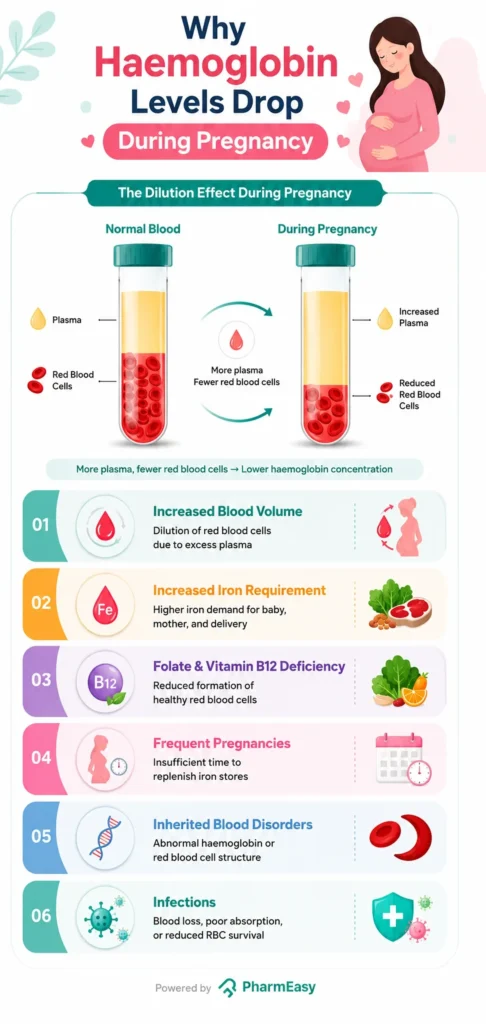
A drop in haemoglobin levels during pregnancy is quite common and can occur for several reasons. Some common causes of low haemoglobin in pregnancy include:
If dietary iron intake is insufficient, iron stores could become depleted, resulting in iron deficiency that could lead to low haemoglobin levels.
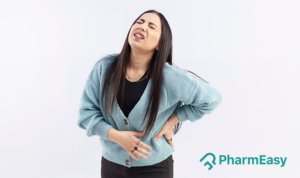
Low levels of haemoglobin in pregnancy can affect the body’s ability to supply enough oxygen to tissues and organs, often leading to low energy levels and reduced physical stamina. The signs are often mild in the early stages, but they can gradually become more noticeable. Common symptoms include:
Certain women are more likely to develop low haemoglobin levels during pregnancy due to nutritional, lifestyle, or health-related factors. These risk factors include:
Haemoglobin levels naturally fluctuate during pregnancy due to increased blood volume and the growing needs of the baby. The table below helps to understand the haemoglobin normal range in pregnancy11,12:
| Trimester | Haemoglobin Level Considered Normal | Haemoglobin Level Considered Low | Haemoglobin Level Considered High |
| First Trimester | 11 g/dL or higher | Below 11 g/dL | Above 13 g/dL |
| Second Trimester | 10.5 g/dL or higher | Below 10.5 g/dL | Above 13 g/dL |
| Third Trimester | 11 g/dL or higher | Below 11 g/dL | Above 13 g/dL |
Note:
The severity of anaemia is determined based on haemoglobin levels as shown below11.
| Severity of Anaemia | Haemoglobin Level | Severity of Anaemia |
| Mild Anaemia | 8.1 to 10g/dl | Mild Anaemia |
| Moderate Anaemia | 6.5 to 8 g/dL | Moderate Anaemia |
| Severe Anaemia | <6.5g/dl | Severe Anaemia |
Haemoglobin test results should always be interpreted by a doctor in combination with symptoms and individual medical history.
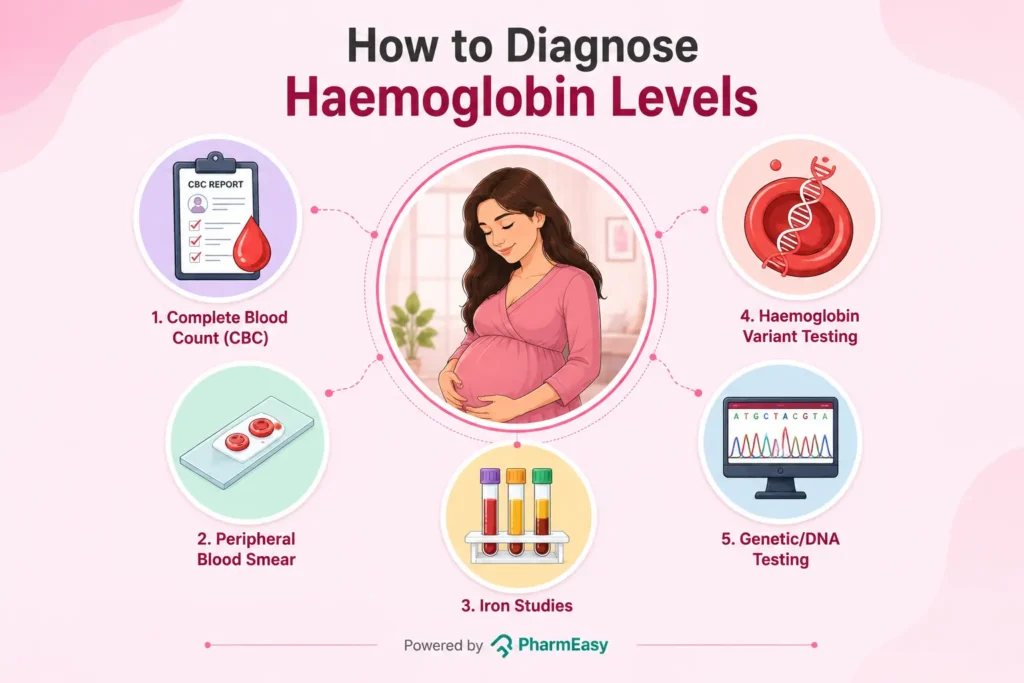
Low levels of haemoglobin in pregnancy are usually detected during routine prenatal blood tests. Common diagnostic tests used are:
Maintaining healthy haemoglobin levels during pregnancy is important for both maternal health and the baby’s growth and development. Thus, understanding how to increase haemoglobin during pregnancy is important for supporting the health of both the mother and the growing baby. Here are some natural ways that can help:
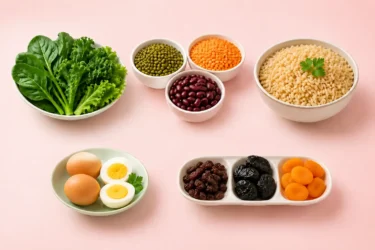
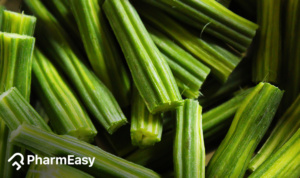
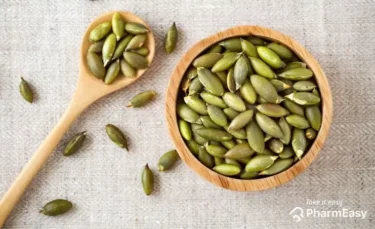
Food items naturally rich in these nutrients help to boost haemoglobin levels. Some foods to increase haemoglobin during pregnancy include1:
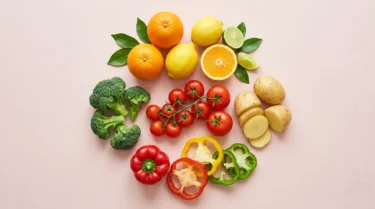
Vitamin C helps the body absorb iron more effectively. Try to include vitamin C-rich foods with meals, including1,17:

Certain foods and beverages can interfere with iron absorption if consumed with iron-rich meals. Limit or avoid1,17:
Tip: If taking calcium and iron supplements, take them at different times of the day.

While taste sensitivity may be high in pregnancy and symptoms such as nausea and vomiting may occur associated with food, it’s still important to maintain a healthy and balanced diet, eat regularly and not skip any meals to avoid the risk of nutrient deficiencies.
Some infections (such as malaria) can contribute to low haemoglobin levels. Maintaining good hygiene, washing hands regularly, and seeking prompt treatment for infections could help reduce the risk1.
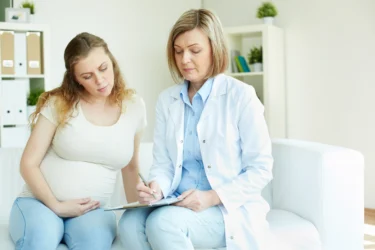
Routine antenatal visits and blood tests help monitor haemoglobin levels and allow early detection and management of low haemoglobin levels during pregnancy.
Note: Dietary changes can support healthy haemoglobin levels, but persistent or severe low haemoglobin levels (or moderate to severe anaemia) should always be evaluated and treated under medical supervision.
Treatment for low haemoglobin during pregnancy depends on the severity and its underlying cause. Along with dietary changes, doctors may recommend medical treatment to restore healthy haemoglobin levels and support maternal and foetal health.

Oral iron supplements are commonly prescribed to manage iron deficiency during pregnancy17. These help increase red blood cell production and improve haemoglobin levels over time.
Note: Iron supplements may sometimes cause side effects such as upset stomach, constipation, nausea, reduced appetite, and dark-coloured stools17. Therefore, they should only be taken under a doctor’s guidance and in the recommended dosage.
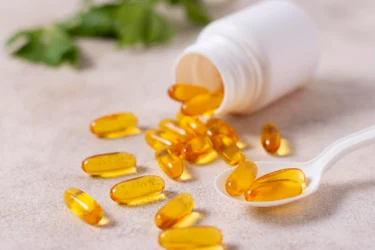
If low haemoglobin levels are linked to folate or vitamin B12 deficiency, appropriate supplements may be recommended to support healthy red blood cell formation1,6. Vegetarian women may especially require vitamin B12 supplementation during pregnancy, as plant-based diets may not provide adequate amounts of this nutrient18.
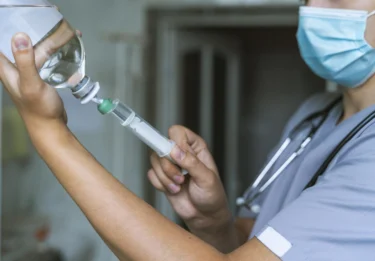
In cases of moderate to severe low haemoglobin levels (or moderate anaemia), poor absorption, or intolerance to oral iron, intravenous iron therapy may be advised for faster correction of iron deficiency17.
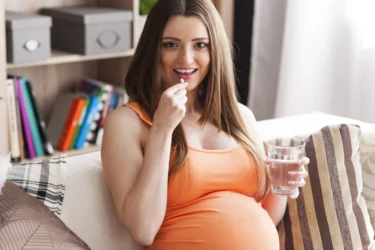
In areas where worm infections and anaemia are common, doctors may recommend deworming treatment after the first trimester of pregnancy to help reduce the risk of anaemia caused by parasitic infections19. This should only be taken under medical supervision.

If low haemoglobin levels are caused by chronic diseases (such as obesity) or inherited blood disorders (such as thalassemia), additional treatment and specialist care may be required1.
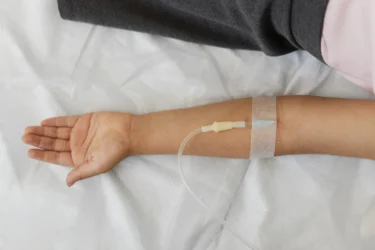
Very low haemoglobin levels or serious symptoms may occasionally require blood transfusion17.
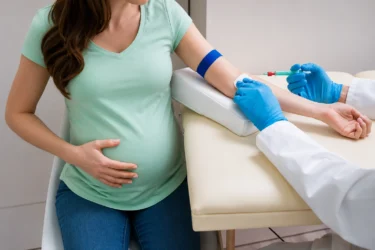
Early antenatal registration and regular trimester-wise haemoglobin monitoring are important for the early detection, prevention, and management of anaemia during pregnancy20. Doctors may repeat blood tests during pregnancy to monitor haemoglobin levels and assess response to treatment.
Note: Pregnant women should avoid self-medicating with any supplements or injections and always follow medical advice regarding dosage and treatment duration.
When haemoglobin levels become significantly low, symptoms may become more serious and require immediate medical attention. These may include1:
Since many symptoms of low haemoglobin levels can resemble normal pregnancy-related tiredness, regular prenatal check-ups and blood tests are important for early detection and proper management.
Also Read: Double Marker vs. Triple Marker Test: Differences, Timing, Results & How They Work Together
Maintaining healthy haemoglobin levels during pregnancy is essential for the well-being of both the mother and the growing baby. While a mild drop in haemoglobin is common due to normal physiological changes, significantly low levels should not be ignored, as they may lead to pregnancy-related complications.
A balanced diet rich in iron, folate, vitamin B12, and vitamin C, along with regular prenatal check-ups, can help support healthy haemoglobin levels naturally. Keep in mind that early diagnosis, proper nutrition, and timely address play an important role in preventing complications and ensuring a healthier pregnancy journey.
Since every pregnancy is different, haemoglobin levels and treatment needs should always be evaluated by a doctor. With the right care and monitoring, most cases of low haemoglobin during pregnancy can be effectively managed.
Also Read: MCH Blood Test: Interpreting the Results and Understanding Its Importance
You can improve haemoglobin levels gradually and safely by eating iron-rich foods such as leafy greens, lentils, beans, lean meat, eggs, and iron-fortified cereals. Including vitamin C-rich foods could further help improve iron absorption. Doctors may also prescribe supplements if needed1.
A haemoglobin level of 9.5 g/dL is considered a low haemoglobin level during pregnancy and should be evaluated by a doctor11.
Yes, low haemoglobin levels may reduce oxygen supply to the mother and baby and increase the risk of fatigue, weakness, preterm birth, low birth weight, and other pregnancy complications if left untreated1,2.
Consuming iron-rich dried fruits such as dates and prunes in moderation can help boost haemoglobin levels. Also, combining them with vitamin C-rich fruits such as oranges, strawberries and kiwi is especially helpful because they improve iron absorption. Certain fruits like pomegranate are traditionally believed to help raise haemoglobin levels, however, they are not found to be good sources of iron, but they may help improve iron absorption and availability17,21.
es, a mild reduction in haemoglobin during pregnancy is common due to increased blood plasma volume4. However, significantly low levels may need medical attention.
High haemoglobin levels during pregnancy may be linked to complications such as preterm birth, low birth weight, and gestational diabetes13. If levels are high, you should see a doctor, he/she will interpret the results based on your overall health and pregnancy stage.
1. Anaemia. Accessed May 12, 2026. https://www.who.int/news-room/fact-sheets/detail/anaemia
2. Obeagu GU, Obeagu EI. Complications of anemia in pregnancy: An updated overview for healthcare professionals. Medicine (Baltimore). 2025;104(35):e44246. doi:10.1097/MD.0000000000044246 https://pmc.ncbi.nlm.nih.gov/articles/PMC12401385/
3. Farid Y, Bowman NS, Lecat P. Biochemistry, Hemoglobin Synthesis. In: StatPearls. StatPearls Publishing; 2026. Accessed May 12, 2026. http://www.ncbi.nlm.nih.gov/books/NBK536912/
4. Soma-Pillay P, Catherine NP, Tolppanen H, Mebazaa A, Tolppanen H, Mebazaa A. Physiological changes in pregnancy. Cardiovasc J Afr. 2016;27(2):89-94. doi:10.5830/CVJA-2016-021 https://pmc.ncbi.nlm.nih.gov/articles/PMC12401385/
5. Georgieff MK. Iron Deficiency in Pregnancy. Am J Obstet Gynecol. 2020;223(4):516-524. doi:10.1016/j.ajog.2020.03.006 https://pubmed.ncbi.nlm.nih.gov/32184147/
6. Tefera AA, Seifu D, Menon M, Talargia F, Belete AM. Red blood cell folate level and associated factors of folate insufficiency among pregnant women attending antenatal care during their first trimester of pregnancy in Addis Ababa, Ethiopia. SAGE Open Med. 2022;10:20503121221118987. doi:10.1177/20503121221118987 https://pmc.ncbi.nlm.nih.gov/articles/PMC9424885/
7. Feyissa TR, Chojenta C, Hassen TA, et al. Short birth/pregnancy interval and its association with adverse maternal outcomes in Asia Pacific region: A systematic review and meta-analysis. Midwifery. 2025;144:104342. doi:10.1016/j.midw.2025.104342 https://pubmed.ncbi.nlm.nih.gov/39986113/
8. Iron deficiency anaemia. nhs.uk. October 23, 2017. Accessed May 13, 2026. https://www.nhs.uk/conditions/iron-deficiency-anaemia/
9. Anemia – Causes and Risk Factors | NHLBI, NIH. December 18, 2025. Accessed May 12, 2026. https://www.nhlbi.nih.gov/health/anemia/causes
10. Anemia and Pregnancy. Accessed May 12, 2026. https://www.hematology.org/education/patients/anemia/pregnancy
11. Moghaddam Tabrizi F, Barjasteh S. Maternal Hemoglobin Levels during Pregnancy and their Association with Birth Weight of Neonates. Iran J Pediatr Hematol Oncol. 2015;5(4):211-217. https://pubmed.ncbi.nlm.nih.gov/26985354/
12. Obeagu GU, Obeagu EI. Complications of anemia in pregnancy: An updated overview for healthcare professionals. Medicine (Baltimore). 2025;104(35):e44246. doi:10.1097/MD.0000000000044246 https://pmc.ncbi.nlm.nih.gov/articles/PMC12401385/
13. Wu L, Sun R, Liu Y, et al. High hemoglobin level is a risk factor for maternal and fetal outcomes of pregnancy in Chinese women: A retrospective cohort study. BMC Pregnancy Childbirth. 2022;22:290. doi:10.1186/s12884-022-04636-9 https://pubmed.ncbi.nlm.nih.gov/35387646/
14. Maner BS, Killeen RB, Moosavi L. Mean Corpuscular Volume. In: StatPearls. StatPearls Publishing; 2026. Accessed May 13, 2026. http://www.ncbi.nlm.nih.gov/books/NBK545275/
15. Phukan J, Kawsar H, Banerjee J, Sinha A. A comparative study of anemia in peripheral blood smear and automated cell counter generated red cell parameters. Iraqi J Hematol. 2022;11(1):51. doi:10.4103/ijh.ijh_3_22 https://www.researchgate.net/publication/361168554_A_comparative_study_of_anemia_in_peripheral_blood_smear_and_automated_cell_counter_generated_red_cell_parameters
16. Iron Tests: MedlinePlus Medical Test. Accessed May 13, 2026. https://medlineplus.gov/lab-tests/iron-tests/
17. Preventing and treating anaemia during pregnancy. https://pmc.ncbi.nlm.nih.gov/articles/PMC5885006/
18. Rizzo G, Laganà AS, Rapisarda AMC, et al. Vitamin B12 among Vegetarians: Status, Assessment and Supplementation. Nutrients. 2016;8(12):767. doi:10.3390/nu8120767 https://pubmed.ncbi.nlm.nih.gov/27916823/
19. Deworming in pregnant women. Accessed May 13, 2026. https://www.who.int/tools/elena/interventions/deworming-pregnancy
20. NHSRC Guidelines AC.indb. Accessed May 13, 2026. https://nhm.gov.in/images/pdf/programmes/maternal-health/guidelines/sba_guidelines_for_skilled_attendance_at_birth.pdf
21. Balasubramani SP, Varghese RK, Vishnuprasad CN, Venkatasubramanian P. Pomegranate Juice Enhances Iron Dialysability and Assimilation in In-Vitro Cell Free and Cell-Based Models. Plant Foods Hum Nutr. 2020;75(2):272-278. doi:10.1007/s11130-020-00815-1 https://pubmed.ncbi.nlm.nih.gov/32333242/
Disclaimer: The information provided here is for educational/awareness purposes only and is not intended to be a substitute for medical treatment by a healthcare professional and should not be relied upon to diagnose or treat any medical condition. The reader should consult a registered medical practitioner to determine the appropriateness of the information and before consuming any medication. PharmEasy does not provide any guarantee or warranty (express or implied) regarding the accuracy, adequacy, completeness, legality, reliability or usefulness of the information; and disclaims any liability arising thereof.
Links and product recommendations in the information provided here are advertisements of third-party products available on the website. PharmEasy does not make any representation on the accuracy or suitability of such products/services. Advertisements do not influence the editorial decisions or content. The information in this blog is subject to change without notice. The authors and administrators reserve the right to modify, add, or remove content without notification. It is your responsibility to review this disclaimer regularly for any changes.


Comments

Leave your comment...
You may also like













Comments