



Foul Smelling Urine: Causes, Symptoms, Diagnosis, Treatment & Home Remedies
By Dr. Aniket Hase +2 more

Medically reviewed by Dr. Aniket Hase
Last updated: Aug 18, 2026 Published on: Apr 29, 2026


Get,

to manage your symptom
Get your,

4 Cr+ families
benefitted

OTP sent to 9988776655



You’ve successfully subscribed to receive
doctor-approved tips on
Whatsapp

Get ready to feel your best.


Register to Avail the Offer
Send OTPBy continuing, you agree with our Privacy Policy and Terms and Conditions
Hi There,
Sign up on PharmEasy now!!


Trusted by 4 crore+ families

OTP sent to 9988776655
You have unlocked 25% off on medicines


Code: NU25

By Dr. Aniket Hase +2 more
Table of Contents
Urine usually has a mild smell; however, you may sometimes notice a change in its odour. In most cases, it is usually harmless and temporary. However, in some situations, it may be a sign of an underlying health problem1.
Foul-smelling urine can occur with or without pain or other symptoms. Sometimes, it is caused by simple things like not drinking enough water or eating certain foods. In other cases, it may be due to an infection or a medical condition that needs attention. Since the causes can vary, it is important to understand what your body is trying to indicate1.
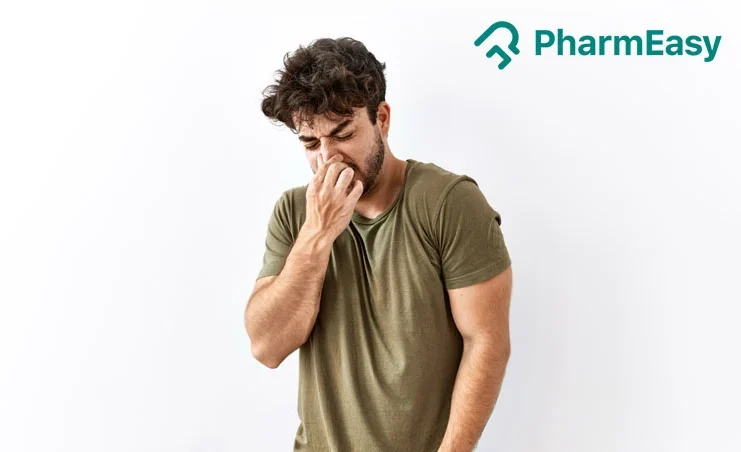
In this blog, we will explore the common causes of foul-smelling urine, the symptoms to watch out for, how it is diagnosed, available treatment options, and simple home care tips that may help manage the problem.
Foul-smelling urine is urine with a strong, unusual, or unpleasant odour. This change in odour occurs when certain constituents in urine become more concentrated or when unusual substances are present.
Urine may smell foul for a variety of reasons, such as dehydration, specific foods, supplements, certain medications, urinary tract infection (UTI), or medical problems that affect waste processing in the body. In most instances, a temporary change in urine odour is not a cause for worry. However, it may be worrying if the bad odour persists for several days, returns, or is accompanied by symptoms such as burning during urination, discomfort, fever, or blood in the urine1,2. In such cases, it is important to visit a doctor to determine the cause and receive appropriate treatment.
Some common causes of foul-smelling urine include:
Health conditions that may cause foul-smelling urine include:
These health conditions require medical attention, and it is essential to consult a doctor if you suspect you have any of these conditions.
The foul-smelling urine itself is a symptom that may be associated with other symptoms based on its cause. These associated symptoms include:
To identify the cause of smelly urine, your doctor will conduct a physical examination, discuss your medical history, and recommend certain diagnostic tests, as follows:
A physical examination is done to look for signs of infection or other health issues. The doctor may check for pain in the lower abdomen, back, or kidney area and may also look for signs of dehydration or genital infections.
This examination is done as a part of physical examination as needed if the doctor suspects a vaginal infection or prostate issue:
The doctor might first enquire about the symptoms, lifestyle, diet, water intake, and medical history. Information about symptoms such as burning while urinating, frequency of urination, fever, or recent infections can help the doctor determine the cause of the bad odour2. A history of diabetes, kidney disease, or sexual activity may also be relevant.
This is the most commonly done test. A urine sample is tested in a laboratory to help determine any abnormalities in the urine, such as infection, bacteria, crystals, sugar, and other unusual compounds, and whether the bad smell in urine may be caused by any of these10.
This test is performed to determine the specific type of bacteria causing the infection. A urine culture test helps identify the specific germ causing infection. It also helps the doctor select the most effective antibiotic for treatment11.
Blood tests can be used to diagnose underlying health issues such as diabetes, kidney disease, or infections. They aid in determining how effectively the kidneys are functioning and whether there are any signs of infection or other disorders that impact urine smell12.
Ultrasound or CT scans are utilised to obtain a clear image of the kidneys, bladder, and urinary system. These tests can help identify kidney stones, obstructions, and other structural issues that may cause foul-smelling urine13.
Once the cause is identified, more specific tests may be performed to confirm the condition.
Urine can become smelly for various reasons. Therefore, treating the exact cause is important. Your doctor might recommend one of the below-given treatment options based on your health condition.
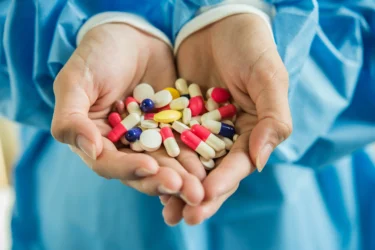
These medicines are used when the smelly urine is caused by bacterial infections (such as UTIs), kidney stones associated with infection, prostatitis, or vaginal infections. They work by killing or inhibiting the bacteria responsible for the infection7. Your doctor will prescribe antibiotics like nitrofurantoin and trimethoprim if an infection is detected.

These medicines are used when the cause is fungal infections, such as a vaginal infection caused by yeast. Treating the infection helps reduce discharge and urinary changes that may cause bad odour14. Antifungal medicines include fluconazole, amphotericin B, and flucytosine.
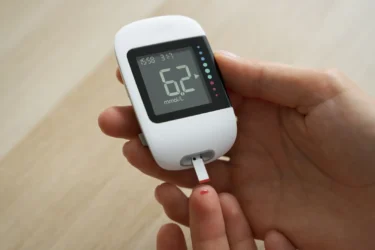
Good blood sugar control helps avoid complications like infections and diabetic ketoacidosis, both of which can affect urine smell2. Proper diabetes management improves overall urinary health. The doctor may recommend insulin or tablets for blood sugar control.
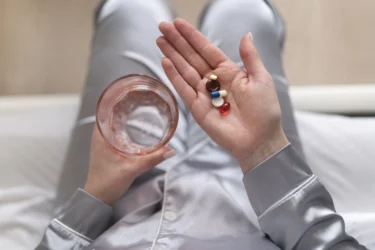
Modification of medications and dietary supplements may help reduce the accumulation of excess substances in urine, which can contribute to foul-smelling urine2.
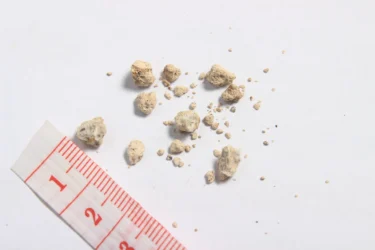
Surgical interventions may be required to remove kidney stones or correct urinary tract abnormalities (in case medicines do not work). Treatment of these underlying causes may help manage foul-smelling urine13.
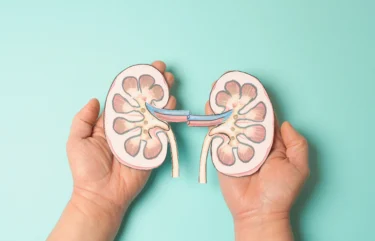
Managing medical conditions such as kidney disease or liver problems may help reduce foul-smelling urine caused by these conditions1,2.
Note: Treatment options for foul-smelling urine depend on the underlying cause and individual patient conditions. Always consult a qualified healthcare professional for accurate diagnosis and proper management. Do not use medications without consulting a doctor first.
Some simple home care tips may help manage foul-smelling urine and support overall urinary health include:

Staying hydrated helps to dilute urine and flush out bacteria, toxins, and waste from the body15.This might lower strong odours and promote urinary health.

Hygiene habits like washing your genitals regularly helps avoid bacterial accumulation and infections that can result in foul-smelling urine. Also, avoid using harsh chemicals or strong smelling products on your genital regions7.

Avoiding strong-smelling foods like asparagus, beer, garlic, and coffee can reduce the foul smell of urine2.

Consuming foods like curd and yoghurt that include beneficial bacteria can contribute to a healthy urinary and digestive system16. This might lower the likelihood of infections that produce foul urine odour.

Some studies indicate that consuming cranberry juice may help avoid bacteria from sticking to the urinary tract walls, reducing the risk of urinary tract infections17. However, more research is needed to confirm the effect of cranberry juice on UTIs.
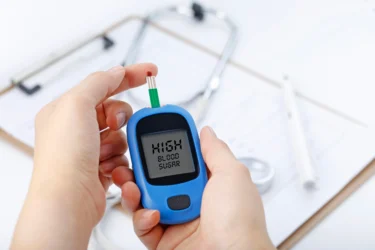
Reducing sugar consumption and taking other measures to reduce blood levels might help avoid diabetic ketoacidosis, thereby avoiding smelly urine2.
Note: The above-mentioned home care tips are general suggestions that may help reduce foul-smelling urine in mild or temporary cases. They should not be used in place of medical advice or treatment. If your symptoms persist, worsen, or are accompanied by pain, fever, or other unusual signs, it is important to consult a doctor for proper evaluation and treatment. Not seeking proper medical advice at the right time can worsen the condition and affect your overall health.
Also Read: Leukocytes in Urine: Causes, Symptoms, Treatment & Prevention Tips
Foul-smelling urine may be temporary and harmless; however, in some cases, it may indicate an underlying medical problem that needs attention. You should seek medical advice if you have foul-smelling urine that is accompanied by symptoms such as:
Individuals with existing kidney or liver conditions should consult a doctor without delay if symptoms appear. Ignoring these symptoms may worsen the condition and affect overall health.
Also Read: Dysuria (Painful Urination): Meaning, Symptoms, Causes, Treatment & Home Remedies
Foul-smelling urine may be caused by everyday factors such as diet, dehydration, or certain medicines and may be easily manageable. However, in certain circumstances, it could indicate underlying infections or medical issues that require immediate attention. Early diagnosis and treatment can help avoid problems and maintain good urinary health. If symptoms persist or worsen, you should consult a doctor.
Also Read: Crystals in Urine: Types, Causes, Symptoms & When to Worry
In kidney failure, urine may have a strong, pungent smell, like the smell of decaying fish18 due to the buildup of waste products in the body. However, urine odour alone is not diagnostic of kidney failure and must be assessed with other symptoms and medical tests.
The best drink you can consume is plain water. It can dilute the urine and provide hydration. Cranberry juice may help reduce the smell if an individual has a UTI. However, more research is needed to confirm its effectiveness; therefore, choosing plain water for hydration is recommended17.
Cloudy, smelly urine can often be improved by drinking plenty of water, by avoiding foods that may cause it1, or by treating conditions responsible for it (such as trichomoniasis)6. If symptoms persist, it is important to seek medical evaluation to identify the underlying cause.
You should be concerned about the smell of urine if it lasts many days or is accompanied by symptoms such as burning during urination, fever, pain, cloudy or bloody urine, unusual discharge, or signs of dehydration or uncontrolled diabetes. In such instances, a medical evaluation or checkup is necessary1,2,5,6,9.
1. Urine odor. 2025. Available from: https://medlineplus.gov/ency/article/007298.htm
2. Smelly urine. Available from: https://www.nidirect.gov.uk/conditions/smelly-urine
3. Pupko HA. Possible new clinical sign of hyperammonemia. Canadian Medical Association Journal. 2007;178(3):326-326. doi:10.1503/cmaj.1070139. Available from: https://pubmed.ncbi.nlm.nih.gov/18227455/
4. Osborne BV. A nose for trouble. Br J Gen Pract. 2012;62(605):652-653. doi:10.3399/bjgp12X659394. Available from: https://europepmc.org/article/pmc/pmc3505402
5. Maple syrup urine disease. 2025. Available from: https://medlineplus.gov/ency/article/000373.htm
6. Schumann JA, Plasner S. Trichomoniasis. 2023. Available from: https://www.ncbi.nlm.nih.gov/books/NBK534826/
7. Bishop GB. Chapter 172Vaginal Discharge. Available from: https://www.ncbi.nlm.nih.gov/books/NBK281/
8. Yefet E, Bejerano A, Iskander R, Zilberman Kimhi T, Nachum Z. The Association between Gestational Diabetes Mellitus and Infections in Pregnancy—Systematic Review and Meta-Analysis. Microorganisms. 2023;11(8):1956. doi:10.3390/microorganisms11081956. Available: https://pubmed.ncbi.nlm.nih.gov/37630515/
9. Prostatitis – bacterial. 2025. Available from: https://medlineplus.gov/ency/article/000519.htm
10. Urinalysis. 2024. Available from: https://medlineplus.gov/urinalysis.html
11. Urine culture. 2024. Available from: https://medlineplus.gov/ency/article/003751.htm
12. What You Need to Know About Blood Testing. 2024. Available from: https://medlineplus.gov/lab-tests/what-you-need-to-know-about-blood-testing/
13. Urinary Tract Imaging. Available from: https://www.niddk.nih.gov/health-information/diagnostic-tests/urinary-tract-imaging
14. Allen U. Antifungal agents for the treatment of systemic fungal infections in children. Paediatr Child Health. 2010;15(9):603-615. Available from: https://pmc.ncbi.nlm.nih.gov/articles/PMC3009569/
15. About Water and Healthier Drinks. 2026. Available from: https://www.cdc.gov/healthy-weight-growth/water-healthy-drinks/index.html
16. Saraiva A, Raheem D, Roy PR, et al. Probiotics and Plant-Based Foods as Preventive Agents of Urinary Tract Infection: A Narrative Review of Possible Mechanisms Related to Health. Nutrients. 2025;17(6):986. doi:10.3390/nu17060986. Available from: https://www.mdpi.com/2072-6643/17/6/986
17. Hisano M, Bruschini H, Nicodemo AC, Srougi M. Cranberries and lower urinary tract infection prevention. Clinics. 2012;67(6):661-667. doi:10.6061/clinics/2012(06)18. Available from: https://pubmed.ncbi.nlm.nih.gov/22760907/
18. Hur E, Gungor O, Bozkurt D, et al. Trimethylaminuria (fish malodour syndrome) in chronic renal failure. Hippokratia. 2012;16(1):83-85. Available from: https://pmc.ncbi.nlm.nih.gov/articles/PMC3738402/
Disclaimer: The information provided here is for educational/awareness purposes only and is not intended to be a substitute for medical treatment by a healthcare professional and should not be relied upon to diagnose or treat any medical condition. The reader should consult a registered medical practitioner to determine the appropriateness of the information and before consuming any medication. PharmEasy does not provide any guarantee or warranty (express or implied) regarding the accuracy, adequacy, completeness, legality, reliability or usefulness of the information; and disclaims any liability arising thereof.
Links and product recommendations in the information provided here are advertisements of third-party products available on the website. PharmEasy does not make any representation on the accuracy or suitability of such products/services. Advertisements do not influence the editorial decisions or content. The information in this blog is subject to change without notice. The authors and administrators reserve the right to modify, add, or remove content without notification. It is your responsibility to review this disclaimer regularly for any changes.
 2
2 
Comments

Leave your comment...
You may also like























Comments