




Natural Ozempic: What It Is, Benefits, Safety & Natural Alternatives for Weight Loss
By Dr. Vishesh Bharucha +2 more

Medically reviewed by Dr. Vishesh Bharucha
Last updated: Sep 3, 2026 Published on: Aug 18, 2026


Get,

to manage your symptom
Get your,

4 Cr+ families
benefitted

OTP sent to 9988776655



You’ve successfully subscribed to receive
doctor-approved tips on
Whatsapp

Get ready to feel your best.


Register to Avail the Offer
Send OTPBy continuing, you agree with our Privacy Policy and Terms and Conditions
Hi There,
Sign up on PharmEasy now!!


Trusted by 4 crore+ families

OTP sent to 9988776655
You have unlocked 25% off on medicines


Code: NU25

By Dr. Vishesh Bharucha +2 more
Table of Contents
Diabetes has emerged as a critical health emergency. In India, approximately 101 million people are currently living with diabetes, while another 136 million are in the prediabetes stage. If left unmanaged, diabetes can lead to life-altering complications, including cardiovascular disease, stroke and neuropathy1.
As diabetes rates climb, medications like Ozempic have gained massive traction. While primarily used for blood sugar management, these medicines are also valued for reducing the risk of heart attacks and strokes in adults with type 2 diabetes (T2DM) and existing heart disease2. It also helps in reducing appetite, which further leads to weight loss. However, there is a growing interest in whether there is a “natural” alternative for Ozempic that mimics these effects?

In this article, we’ll explore how Ozempic functions, discuss natural Ozempic alternatives with comparable effects and provide actionable lifestyle strategies for maintaining healthy blood sugar levels.

Answer a few quick questions to check eligibility.
Your response has been submitted.
Our team will contact you shortly.
Ozempic is a glucagon-like peptide-1 (GLP-1) receptor agonist that can mimic GLP-1, a natural hormone. GLP-1, which is secreted in the intestines after meals, plays a vital role in managing blood glucose, suppressing appetite, and slowing the rate at which food leaves the stomach3.
Many people are familiar with Ozempic; however, if you are wondering what is natural Ozempic, here’s your answer: Natural Ozempic is a term used to describe certain dietary supplements or foods that mimic the effects of the prescription drug Ozempic (semaglutide).
People are searching for natural Ozempic alternatives for a variety of reasons, ranging from practical concerns to a holistic, plant-based wellness. While Ozempic (semaglutide) is an effective tool for diabetes and weight management, some individuals may explore other options due to concerns with its side effects, accessibility, and diet-based preferences, as follows:
When healthy eating and regular exercise don’t seem to work, medications like Ozempic can give your body the extra help it needs to manage your weight. However, because these drugs can be expensive and sometimes cause side effects, many people are looking for natural ways to get similar results.
While there are no natural alternatives to Ozempic, certain natural options can be helpful for managing blood sugar and supporting weight management, for example:

Berberine is found in plants like goldenseal, Oregon grape, and barberry and is a natural compound with a history of use in traditional Ayurveda and Chinese medicine. Research suggests that berberine may serve as a complementary treatment for T2DM. It may also help in lowering blood sugar levels (hyperglycaemia) by influencing the release of GLP-1. Additionally, berberine may also show some potential benefit for weight management. Further clinical studies are currently underway to confirm these effects5,6.
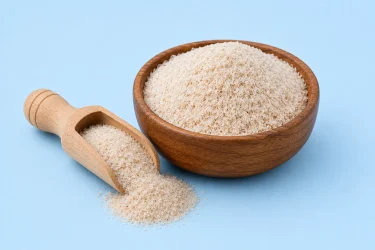
This is derived from the husk of the Plantago ovata seed. Psyllium husk is considered to be an effective dietary fibre source. It may slow down digestion and promote a lasting feeling of fullness (satiety). Furthermore, psyllium may help lower blood glucose levels7.

Probiotics are healthy, live bacteria that you can find in foods like yogurt and kimchi. Research indicates that probiotic supplements may provide a moderate improvement in weight management and metabolic health for those who are overweight or obese. Specifically, these supplements may help regulate blood sugar (glucose) and improve cholesterol and fat levels (lipid metabolism)8.

Foods high in fibre appear to be associated with the release of GLP-1. This process may trigger positive health outcomes for many, ranging from healthy individuals to those managing T2DM or metabolic disorders4.
Note: Ozempic is an FDA-approved medication with a specific mechanism of action validated by testing. Although natural health strategies offer valuable support, they cannot mimic the unique hormonal pathways targeted by this drug.
Exploring natural alternatives to Ozempic for weight management is understandable; however, caution is essential, especially since managing T2DM requires precise medical oversight. Here are a few points to consider when exploring alternatives to Ozempic:
Note: While natural approaches can complement your well-being, they are not a substitute for professional medical advice or treatment. Please consult your healthcare provider before modifying your current medical regimen.
The primary distinction between Ozempic and its natural alternatives lies in rigorous clinical validation. Medical professionals prioritise treatments that have undergone the following process:
Doctors and dietitians advocate for evidence-based treatments. This means they rely on treatments where the benefits have been scientifically proven to outweigh the risks, ensuring patient safety and treatment reliability.
Although no natural alternative can replicate Ozempic’s specific mechanism, certain lifestyle interventions offer comparable support for your goals. The evidence-based methods outlined below can be effective when followed diligently:

Minimise processed grains and added sugars to avoid blood sugar spikes and reduce the risk of long-term health issues. Blood sugar increase depends not just on how many carbs you eat, but also on the glycaemic index of the food and the quantity of other nutrients like fibre, protein, and fat that help slow down digestion12,13.

Build meals around proteins to help stabilise glucose levels and keep you feeling full for longer14,15.

Incorporate fibre-rich foods to slow digestion and naturally support appetite control4.

Prioritise quality rest and relaxation to keep metabolic hormones like cortisol and insulin in balance16,17.

Engage in regular exercise to improve insulin sensitivity and help your muscles use glucose effectively18.
It is important to remember, however, that while these strategies support a healthy lifestyle, they are not a direct substitute or a natural remedy intended to replicate or replace the specific clinical effects of your prescribed medications. Always consult your healthcare provider before making significant changes to your treatment plan.
Also Read: What is Natural Mounjaro?
It’s important to remember that while no natural remedy replicates Ozempic’s exact impact, your daily habits play a vital role in your well-being. Simple, consistent lifestyle shifts like eating more fibre, staying active, and managing stress can create a strong foundation for blood sugar health. Always consult your doctor before adding supplements to your routine. True health, especially when managing weight or T2DM, is about the lasting, positive changes you make for your future.
Frequently Asked Questions (FAQs)
While there are no natural substances that match the potency or exact chemical design of Ozempic, some people refer to certain supplements like berberine and psyllium husk as “natural alternatives” because they influence similar metabolic pathways5,6,7.
There is no drink that exactly replicates Ozempic, but oatzempic is the latest viral social media trend involving a simple, drinkable oat mixture marketed as a weight-management tool. The basic recipe consists of rolled oats, water, and a squeeze of lime juice, though many users add cinnamon for extra flavour19.
Fruits such as apple, berries, and avocados are high in fibre and may help naturally stimulate GLP-1, the same hormone that is in medications like Ozempic4,20.
Some studies showed that supplementing your diet with green tea extract can improve the body’s response to insulin while boosting levels of the metabolic hormone GLP-121.
Ozempic is designed as a liquid medication intended exclusively for subcutaneous injection, meaning it is administered into the tissue just beneath the skin2. Drinking the liquid from an Ozempic pen is not safe and may not work as intended.
Disclaimer: The information provided here is for educational/awareness purposes only and is not intended to be a substitute for medical treatment by a healthcare professional and should not be relied upon to diagnose or treat any medical condition. The reader should consult a registered medical practitioner to determine the appropriateness of the information and before consuming any medication. PharmEasy does not provide any guarantee or warranty (express or implied) regarding the accuracy, adequacy, completeness, legality, reliability or usefulness of the information; and disclaims any liability arising thereof.
Links and product recommendations in the information provided here are advertisements of third-party products available on the website. PharmEasy does not make any representation on the accuracy or suitability of such products/services. Advertisements do not influence the editorial decisions or content. The information in this blog is subject to change without notice. The authors and administrators reserve the right to modify, add, or remove content without notification. It is your responsibility to review this disclaimer regularly for any changes.


Comments

Leave your comment...
You may also like























Comments