




Sattu: Uses, Benefits, Side Effects & More
By Dr. Malavika Athavale +2 more


Get,

to manage your symptom
Get your,

4 Cr+ families
benefitted

OTP sent to 9988776655



You’ve successfully subscribed to receive
doctor-approved tips on
Whatsapp

Get ready to feel your best.


Register to Avail the Offer
Send OTPBy continuing, you agree with our Privacy Policy and Terms and Conditions
Hi There,
Sign up on PharmEasy now!!


Trusted by 4 crore+ families

OTP sent to 9988776655
You have unlocked 25% off on medicines


Code: NU25

By Dr. Malavika Athavale +2 more
Table of Contents
Sattu is a roasted flour which is widely consumed across eastern India. It is traditionally valued for its nutrition, versatility, and long shelf life and is typically prepared by roasting and grinding cereals or legumes, most commonly Bengal gram (black chickpea)1.
India is the global leader in chickpea production, contributing nearly half of the nation’s total pulse output, with an estimated 13.75 million tonnes harvested in 2021 to 222. This strong production base supports the widespread use of chickpea-based Sattu as a staple functional food across the country.
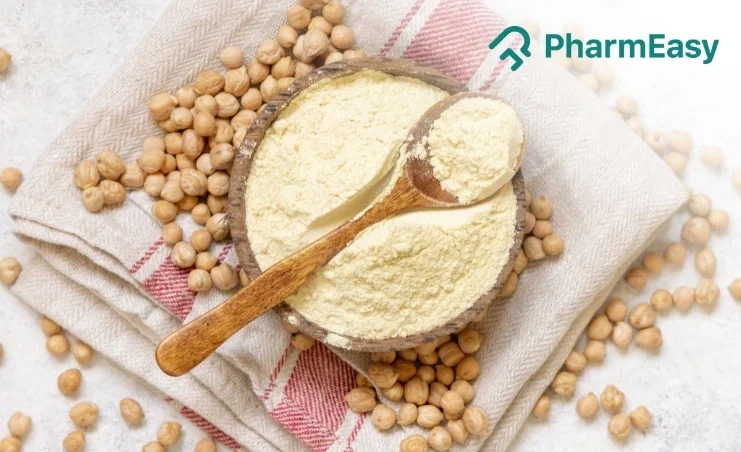
In this article, we will explore the nutritional profile of Sattu, its preparation methods, health benefits, and its growing relevance as an affordable, functional food.
Sattu represents a traditional form of ready-to-eat flour that combines convenience, cultural relevance, and functional nutrition. It is an affordable and readily available food option. This makes it a common energy dense food for various strata of life.
Although various grains are used, Bengal gram (black chickpea) is the most common and preferred ingredient because of its high protein content and robust flavour1. The roasting process not only enhances taste but also improves shelf life, decreases moisture content, and increases digestibility3.
Sattu is often referred to as a “poor man’s protein” due to its affordability and dense nutritional profile. In many parts of eastern India, particularly Bihar and Uttar Pradesh, it serves as a staple food ingredient used in beverages and stuffed preparations4,5.
Note: Sattu composition may vary, with some versions including added spices, salt, or grains like barley or wheat1.
Sattu is a highly nutritious food that offers a balanced mix of carbohydrates, protein, fibre, and healthy fats, making it an excellent food option for daily consumption. The table below represents Sattu’s nutritional values6:
| Nutrient | Amount (per 100 g) |
| Energy | 413 kcal |
| Carbohydrates | 64 g |
| Sugar | 20 g |
| Protein | 25 g |
| Fiber | 18 g |
| Total Fat | 5.50 g |
| Sodium | 0.27 g |
| Cholesterol | 0 g |
Note: The nutritional profile given above represents average values; however, these may vary slightly depending on the raw material quality, processing method, and the manufacturer.
Sattu offers a wide range of health benefits due to its rich nutrient profile. Common Sattu benefits include:

Sattu is naturally rich in insoluble fibre. This may add bulk to the stool and stimulate intestinal motility. In addition to this, its very low sodium content helps avoid bloating and gastric discomfort that could promote smoother digestion6. Thus, regular intake may support individuals with constipation and improve overall gut function.

Sattu may help improve metabolism because of its high protein and low sodium composition6. Protein is known to increase satiety (feeling of fullness), which in turn reduces excess calorie intake throughout the day7. Thus, Sattu may indirectly contribute to weight reduction efforts.

Sattu has 0 g cholesterol per 100 g6. It is seen that a low-cholesterol diet has the potential to support cardiovascular health and reduce the risk of lipid-linked disorders8. This makes it suitable for individuals with high cholesterol or hypertension6.

Sattu has an extremely low glycaemic index, meaning it releases glucose slowly into the bloodstream6. This may help avoid sudden spikes in blood sugar9. This property makes Sattu a safe and beneficial food option for individuals with diabetes.
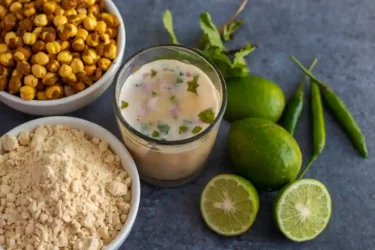
Sattu helps maintain body fluid balance and has a natural cooling effect (especially when consumed with water). During the summer months, it could also help avoid dehydration and protect from heat stress and sunstroke6.

The presence of minerals like potassium and magnesium may help stimulate appetite when Sattu is consumed on an empty stomach. Further, its balanced nutrient profile also provides sustained energy. This makes it suitable for people recovering from a loss of appetite6.

Sattu may contain natural cleansing compounds that help flush out toxins from the body6. Regular consumption may also support metabolic detoxification and contribute to better immunity6,10.

Sattu is high in iron6. This supports red blood cell formation and may help avoid fatigue and anaemia6,11. Adequate iron intake is also linked to reduced hair fall and improved overall health12.
Sattu gives around 25 g of protein per 100 g. This could make it a highly efficient plant-based protein supplement6. Protein also supports muscle repair and improves metabolic rate13. This makes Sattu a suitable option for vegetarians needing high-quality protein.
Note: While initial studies have revealed the health benefits of Sattu, further large-scale human trials are needed to confirm these. Therefore, although Sattu consumption can be beneficial for health, it should not replace professional dietary advice, medical consultation, or individualised nutrition plans.
Sattu is a versatile ingredient widely incorporated into traditional dishes across different parts of eastern India. Its roasted flavour, high nutrient density, and ease of use make it suitable for beverages, snacks, and stuffed preparations. The following are some of the most popular culinary applications of Sattu6:

This is a culinary identity of Bihar that is also a long-lasting snack suitable for train journeys, evening snacks, or as a morning energy food.
How to prepare
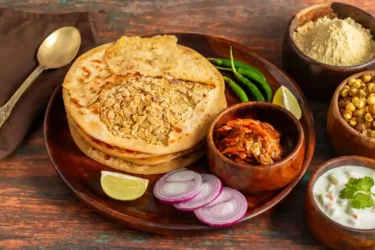
This is a festive preparation made using Sattu as stuffing.
How to prepare
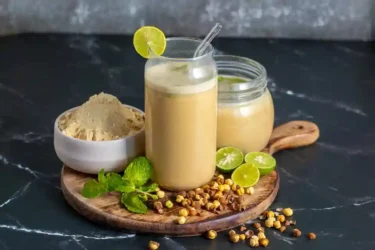
A popular summer drink made with water, commonly sold in Bihar and Uttar Pradesh.
How to prepare
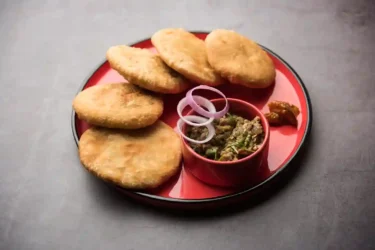
Sattu is also used to prepare several traditional sweets and snacks, including6:
While black chickpeas (kala chana) offer many health benefits, potential side effects may arise (generally from overconsumption). Although rare, Sattu side effects may include:
Like with any natural product, if you consider including Sattu in your routine diet, the following should be kept in mind:
Traditional Ayurvedic practices suggest that Sattu should be taken by mixing it with ghee and sugar. It should be avoided in the night, immediately after meals and in very large quantities. It is also suggested to not chew Sattu with teeth or consume it along with water19, although scientific evidence is limited in this regard.
While clinically significant drug interactions are not well-documented in humans, research indicates that certain bioactive compounds in chickpeas may theoretically interact with some medications:
Also Read: Raw Banana: Uses, Benefits, Side Effects and More!
The Dietary Guidelines for Americans (DGA) recommend consuming 1.5 to 2.5 cups per week of cooked mature beans, peas, and lentils (including chickpeas). This intake may be used as a practical daily guideline for chickpea-based foods such as Sattu22.
Note: Since Sattu is high in fibre, it is best taken in moderation and (if needed) divided across the day. For personalised guidance on the appropriate amount, consult a doctor or dietitian.
Also Read: Brown Sugar: Uses, Benefits, Side Effects & More
Sattu is a versatile functional food with high protein, fibre, and minerals that make it valuable for both rural and urban diets. Its affordability, long shelf life, and use in dishes like litti chokha, sattu paratha, and cooling summer drinks further highlight its cultural and culinary significance.
While the benefits of eating Sattu (such as improved digestion and sustained energy) are well recognised, Ayurvedic texts recommend moderating intake and following proper consumption practices. Lastly, although no major drug interactions are documented, individuals with specific health concerns should consume it mindfully.
Also Read: Cherries: Uses, Benefits, Side Effects and More!
Sattu is generally safe, but consuming it in excess may cause bloating, gas, or constipation due to its high fibre content14,15. So, people with sensitive digestion or those not used to high-fibre foods may experience discomfort if they consume Sattu in excess.
Sattu may be taken daily in moderate amounts, especially as part of a balanced diet. While regular consumption supports digestion, hydration, and energy, it is best to avoid overconsumption due to its fibre load6.
Sattu has a low glycaemic index (GI). This means that it releases glucose slowly into the bloodstream and helps maintain stable blood sugar levels6. This property makes it a suitable dietary option for people with diabetes when consumed in moderation and without added sugar.
Sattu is traditionally considered a cooling food in Ayurveda. It is commonly consumed in summer with water to offer protection from dehydration and heat stress6.
Disclaimer: The information provided here is for educational/awareness purposes only and is not intended to be a substitute for medical treatment by a healthcare professional and should not be relied upon to diagnose or treat any medical condition. The reader should consult a registered medical practitioner to determine the appropriateness of the information and before consuming any medication. PharmEasy does not provide any guarantee or warranty (express or implied) regarding the accuracy, adequacy, completeness, legality, reliability or usefulness of the information; and disclaims any liability arising thereof.
Links and product recommendations in the information provided here are advertisements of third-party products available on the website. PharmEasy does not make any representation on the accuracy or suitability of such products/services. Advertisements do not influence the editorial decisions or content. The information in this blog is subject to change without notice. The authors and administrators reserve the right to modify, add, or remove content without notification. It is your responsibility to review this disclaimer regularly for any changes.
 1
1

Comments

Leave your comment...
You may also like






















Comments