



Generic Medicines And How Safe Are They?
By Dr. Nikita Toshi +2 more

Medically reviewed by Dr. Avinav Gupta
Last updated: Sep 8, 2026 Published on: Aug 23, 2022


Get,

to manage your symptom
Get your,

4 Cr+ families
benefitted

OTP sent to 9988776655



You’ve successfully subscribed to receive
doctor-approved tips on
Whatsapp

Get ready to feel your best.


Register to Avail the Offer
Send OTPBy continuing, you agree with our Privacy Policy and Terms and Conditions
Hi There,
Sign up on PharmEasy now!!


Trusted by 4 crore+ families

OTP sent to 9988776655
You have unlocked 25% off on medicines


Code: NU25

By Dr. Nikita Toshi +2 more
Table of Contents
Many people wonder whether generic medicines are as safe and effective as branded medicines. Generic medicines contain the same active ingredient and are approved to provide the same therapeutic effect while meeting the required standards for quality, safety, and effectiveness1. In this article, we shall learn about generic medicines and their importance.
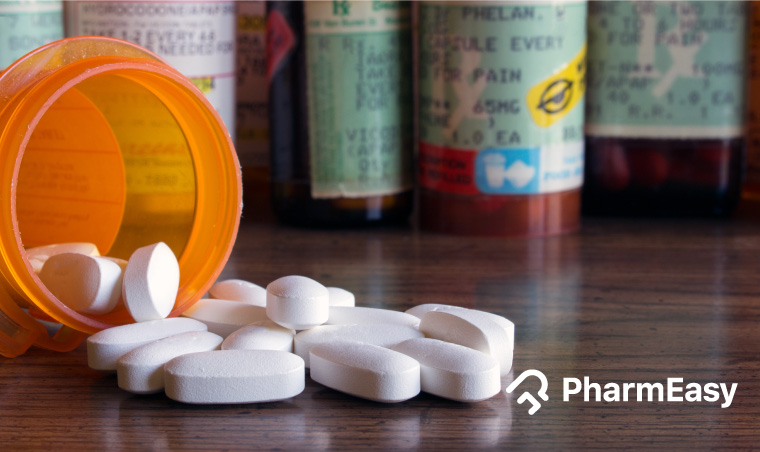
Generic medicines are bioequivalent to branded medicines2. They are made with the same active ingredient, dosage form, safety, strength, route of administration, quality, and performance characteristics. Generic medicines work in the same way as branded medicines. The biggest advantages of generic medicine are that they are cost-effective and allow patients to save significantly on their medication bills.
A major difference between generic medicine and branded medicine is the cost. For generic medicine manufacturing, expenses related to patent and exclusive rights, like brand-name non-generic medicine, are not needed. Therefore, generic medicines are priced at a lower cost,
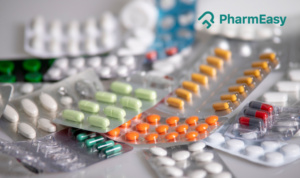
The colour, shape, packaging, and inactive ingredients are different in the two medicines. Another difference between the two is the expiration date. Some generic medicines may have an extended expiration date compared to non-generic medicines.
Generic medicines are an affordable and effective option for treating various medical conditions. They may help patients receive quality healthcare at a lower cost, making treatment more accessible to everyone. Below are some of the pros of Generic medicines.
Let us look at the reasons why generic medicines must be used and sold more widely:
Generic medicines are usually more affordable than branded medicines. This is because generic manufacturers do not have to repeat the extensive research and development carried out for the original branded medicine3. They also spend less on marketing and advertising, which helps keep costs lower.
When a generic medicine manufacturer submits an application for a license to sell the medicine, it has to undergo a thorough examination and testing, and the manufacturing facilities are closely evaluated to ensure that every generic medicine is safe and of high quality. Generic medicines undergo a rigorous review to ensure their safety3.
Generic medicines use the same active ingredients as branded medicines and have the same risks and effectiveness. Generic medicines offer equally high-quality and effective treatment as non-generic medicines but at much lower prices.
Generic medicines ensure equal access to healthcare for all. The generic medicines industry provides cost-effective treatments for a large range of health conditions; they also engage in innovation and open up major opportunities for export.
People who had to discontinue their treatment due to a lack of money can now afford to continue their treatment with generic medicines.
While generic medicines are affordable and effective, they also have a few limitations that should be considered. Being aware of these limitations helps patients and healthcare providers make appropriate treatment choices.
Some patients remain hesitant to use generic medicines due to concerns about their quality, safety, or effectiveness, although approved generic medicines are required to meet the same regulatory standards as branded medicines. Purchasing generic medicines from reliable sources, such as government-led outlets like Jan Aushadhi or reputable manufacturers, can help ensure quality. While generic medicines are appropriate for most patients, some healthcare professionals may recommend caution when switching between brands or manufacturers for certain narrow therapeutic index drugs, as closer clinical monitoring may be needed.
Not every branded medicine has a generic alternative. Generic versions become available only after patent or exclusivity periods expire.
The availability of generic medicines may vary depending on the manufacturer, location, and healthcare policies. The long-term sustainability of the generic medicine manufacturing industry is questionable. Therefore, the government is focusing on this, and under the Pradhan Mantri Bhartiya Janaushadhi Pariyojana (PMBJP), generic medicines are made available to the public.
Generic medicines are more affordable than branded medicines but are approved to provide the same therapeutic effect. They usually cost less because makers of these medicines do not have to repeat the extensive research and clinical development undertaken for the original branded medicine. Instead, they must meet the required regulatory standards for quality, safety, and effectiveness before they are approved for use. Once the patent or exclusivity period of a branded medicine expires, other pharmaceutical manufacturers can apply for approval to market a generic version. In India, generic medicines are regulated by the Central Drugs Standard Control Organisation (CDSCO) and are approved only after meeting the required quality, safety, and regulatory standards5.
Generic medicine contains the same active ingredient that had undergone all clinical trials and quality testing during its patent when it was manufactured by a brand as the non-generic medicine. Therefore, these are considered to be safe4. Pharmacovigilance centres monitor the safety and side effects of medications. They ensure consumers are getting effective and safe medicines. They also investigate problem reports and make recommendations to manufacturers, healthcare professionals and the public.
Generic medicines are available in India, and you can buy them from licensed pharmacies across cities and states. The endeavour of PMBJP (Pradhan Mantri Bhartiya Janaushadhi Pariyojna) is to make therapeutic medicines available to the public, and you can purchase generic medicines from Jan Aushadhi Stores.
If you are looking for a generic alternative to a branded medicine, speak to your doctor or pharmacist. They can help determine whether a suitable generic alternative is available for your prescribed medicine. You can also purchase generic medicines through online pharmacies like PharmEasy. Sometimes, a brand medicine may not have a generic variant available. You must discuss it with your doctor.
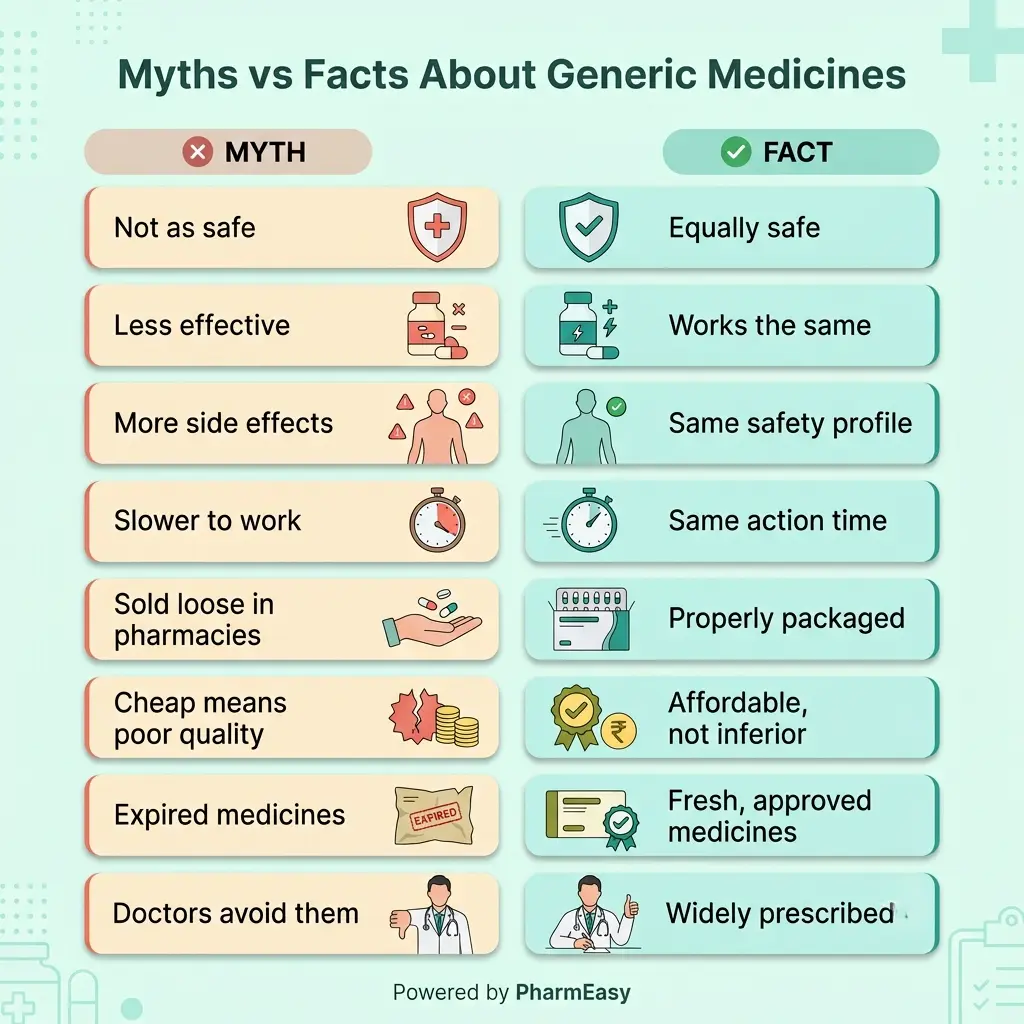
Also Read: Introducing Generic Alternates: No Difference, Just More Savings!
Generic medicines help improve access to affordable treatment while allowing patients to benefit from quality medicines at a lower cost. They can improve access to affordable healthcare and help reduce the cost of treatment for many patients. The socio-economic impact of COVID-19 has been such that the common person’s capacity to spend has come down on average. Also, the growth in fatal diseases has increased, and there’s a high demand for affordable medicines. If a suitable generic alternative is available, discuss it with your doctor or pharmacist to determine whether it is appropriate for your treatment. If there are no alternatives, discuss your concerns with your doctor but try not to discontinue treatment due to financial constraints.
Also Read: Understanding Generic Alternates: What They Are and How They Work
Generic medicines work by delivering the same active ingredients as brand-name drugs, targeting the same conditions in the body. They function in the same way, providing the same therapeutic effects to treat or manage health issues.
You can get generic medicine at most pharmacies, both online and in-store. They are widely available through prescription from your healthcare provider or over-the-counter, depending on the medication.
Generic medications are generally as effective as their brand-name counterparts, as they contain the same active ingredients and meet the same regulatory standards. Approved generic medicines are intended to provide a comparable therapeutic effect as the corresponding branded medicine
Generic drugs are designed to work in the same way as their brand-name versions, as they contain the same active ingredients and are subject to rigorous regulatory standards. Generic medicines may differ in inactive ingredients, colour, or packaging, but these differences generally do not affect their therapeutic effect
Not all generic medicines are exactly the same; they must have the same active ingredients and meet the same standards of quality, but they can differ in inactive ingredients, such as fillers and colorants4. These differences usually do not affect the medicine’s effectiveness or safety.
Yes, in India, generic medicines must be approved by the Central Drugs Standard Control Organisation (CDSCO)5 or the relevant licensing authority before they can be marketed. They must meet the required standards for quality, safety, and effectiveness.
Yes, like all medications, generic medicines can have side effects. However, they are not different in this regard from brand-name drugs. If side effects occur, consult a doctor.
Disclaimer: The information provided here is for educational/awareness purposes only and is not intended to be a substitute for medical treatment by a healthcare professional and should not be relied upon to diagnose or treat any medical condition. The reader should consult a registered medical practitioner to determine the appropriateness of the information and before consuming any medication. PharmEasy does not provide any guarantee or warranty (express or implied) regarding the accuracy, adequacy, completeness, legality, reliability or usefulness of the information; and disclaims any liability arising thereof.
Links and product recommendations in the information provided here are advertisements of third-party products available on the website. PharmEasy does not make any representation on the accuracy or suitability of such products/services. Advertisements do not influence the editorial decisions or content. The information in this blog is subject to change without notice. The authors and administrators reserve the right to modify, add, or remove content without notification. It is your responsibility to review this disclaimer regularly for any changes.
 64
64  2
2Comments

Leave your comment...
You may also like






















Comments