
Coriander leaves, widely regarded as one of the oldest herbs, are known to enhance the visual appeal and flavour of a dish. While all parts of the coriander plant are edible, it is the fresh, aromatic leaves and dried seeds that are most commonly incorporated into Indian recipes.
This article focuses on Dhaniya or Coriander Leaves, which is also referred to as Cilantro by some. The name Coriander is derived from the Greek word koris, meaning stink bug, likely because of its distinctive aroma released by the leaves when they are chopped or bruised.
Coriander is a herb with a history that dates back to 5000 BC and is thought to have originated in Italy. Surprisingly, despite its non-Indian origins, coriander has become an integral part of every Indian household. Indian recipes are considered incomplete without the addition of coriander leaves, making it even more intriguing to explore this modest yet essential herb.
Coriander Leaves are a rich source of vitamin A and vitamin C, providing essential nutrients that contribute to overall health. In addition to these vitamins, coriander leaves contain dietary fibre, iron, manganese, calcium, vitamin K, and phosphorus.
This remarkable herb also consists of 11 essential oils, is low in saturated fat, and contains a significant amount of linoleic acid, which offers numerous health benefits. 100 grams of coriander leaves may contain approximately 87.9% moisture, 6.5% carbohydrates 3.3% protein, 0.14% calcium, 0.06% phosphorus, and 0.01% iron. They also provide 60 mg of vitamin B₂, 0.8 mg of niacin, 135 mg of vitamin C, and 10,460 IU of vitamin A1.
Coriander leaves have long been recommended by our grandmothers for promoting healthy eyes. This is because of their high content of vitamin A, vitamin C, vitamin E, and carotenoids, all of which contribute to maintaining good vision2. Research3 has also shown that regular consumption of coriander may also help in the healing of conjunctivitis.
Coriander leaves are a valuable source of vitamin C, vitamin E, and vitamin A, all of which play a crucial role in enhancing the immune system. Vitamin C, in particular, supports the effective functioning of white blood cells and helps in the absorption of iron, further strengthening immunity over time1.
The vibrant green colour of coriander is due to its rich antioxidant content, which helps stimulate enzyme activity. This, in turn, promotes insulin secretion, which helps reduce blood sugar levels. Incorporating coriander into daily meals or consuming coriander-infused water may prove beneficial for individuals managing high blood sugar levels4.
High cholesterol is now recognised as a common and significant health concern. Regular consumption of coriander leaves may help reduce LDL (bad) cholesterol levels while improving HDL (good) cholesterol, contributing to better cardiovascular health5.
Coriander leaves are rich in minerals such as calcium, phosphorus, manganese, and magnesium. Additionally, their anti-inflammatory properties may help protect the bones, alleviating pain associated with arthritis6.
Coriander leaves are a good source of fibre, which can help alleviate digestive issues. They are also being studied for their potential to address various digestive concerns, including stomach upset, diarrhoea, bowel spasms, gas, and nausea2.
Coriander leaves are rich in iron, vitamin E, and vitamin A, which may help reduce free radicals that can damage the skin. Additionally, coriander acts as a remedy for oily skin by absorbing excess oil. Its antimicrobial, antiseptic, and antifungal properties also contribute to soothing and cooling the skin7.
Coriander extract has been studied for its potential diuretic properties, which help eliminate excess water and sodium from the body8. This process can contribute to lowering blood pressure and as previously noted, assist in managing cholesterol levels. These properties may help reduce the risk of heart disease. Furthermore, coriander is often used as a garnish and flavouring, and incorporating it into meals may help decrease sodium intake by reducing the need for additional salt seasoning.
A study9 has shown that coriander extract may protect brain cells from damage and improve memory in mice. This effect is likely attributed to coriander’s anti-inflammatory properties, as many forms of brain degeneration are linked to inflammation.
Coriander possesses antimicrobial properties that can help combat infections, including foodborne illnesses, due to its plant compounds. One such compound, Dodecenal, has shown particular effectiveness against Salmonella infections. Additionally, coriander seeds have demonstrated protective qualities in fighting urinary tract infections. The oil derived from coriander can also be incorporated into antimicrobial products to address food-related diseases10. The benefits of coriander in combating infections may be obtained either by consuming the herb directly or by using various products that contain coriander extracts.
Coriander can be easily incorporated into the diet. Fresh coriander leaves are widely available in most fresh produce markets, while coriander seeds, dried leaves, and powder can be found in many grocery stores. The leaves can be added to salads or used as a garnish for various dishes. Coriander seeds are suitable for use in roasts, baked goods, pickles, vegetable preparations, and other cooked meals. Additionally, coriander can be blended with ingredients such as garlic, lemon juice, coconut milk, and peanuts to create a flavourful marinade.
Like mint and many other herbs, coriander leaves are now used as an ingredient in mouthwashes. Coriander leaves are believed to have antioxidant and antifungal properties, which may help in maintaining oral health12.
Dr. Rajeev Singh, BAMS
Also Read: Know About 20 Super Healthy Leaves You Must Eat!
You can add coriander to dals, sabzis, salads, or raitas for enhanced flavour and nutritional benefits. For skincare, a paste made from fresh coriander leaves can be applied to the skin and washed off after 15 minutes.
Fresh coriander juice is beneficial in meeting daily vitamin and mineral requirements. It may be consumed as one glass per day or by adding 1 to 2 teaspoons to a glass of buttermilk.
Coriander leaves can also be incorporated into snacks or breakfast items such as non-fried kothambir wadi, dhania paratha, or coriander tomato salsa to name a few.
Including coriander leaves in your regular diet may be beneficial but ensure to consult with a doctor before making any changes to your diet.
Based on some studies11, consuming coriander leaves might have sedative effects and might help with insomnia and anxiety in some people.
Dr. Siddharth Gupta, B.A.M.S, M.D (Ayu)
Coriander and its extract may significantly lower blood pressure, potentially interfering with prescribed blood pressure medications. This may cause hypotension (abnormally low blood pressure). Symptoms of hypotension include anxiety, palpitations, sweating, and hunger. It is advisable to consume only a small amount of coriander daily, and even less when using its extract. Blood pressure should be monitored regularly, and any concerns should be reported to a doctor. Medical advice should be taken before continuing daily consumption of coriander extract as it may have a pronounced effect on blood pressure.
Also Read: Moringa Leaves – Health Benefits That You Should Know
Coriander leaves impart an aromatic flavour and refreshing fragrance to a variety of Indian dishes, including dals, sabzis, soups, and curries. In addition, daily consumption of fresh coriander leaves may support immunity, reduce bad cholesterol, soothe the skin, improve digestion, regulate blood sugar levels, and promote bone health. Including this distinctive herb in your recipes may contribute to enhancing overall well-being.
Also Read: 8 Unknown Benefits of Mango Leaves
Disclaimer: The information provided here is for educational/awareness purposes only and is not intended to be a substitute for medical treatment by a healthcare professional and should not be relied upon to diagnose or treat any medical condition. The reader should consult a registered medical practitioner to determine the appropriateness of the information and before consuming any medication. PharmEasy does not provide any guarantee or warranty (express or implied) regarding the accuracy, adequacy, completeness, legality, reliability or usefulness of the information; and disclaims any liability arising thereof.
 164
164
 6
6
Rice has been a primary crop all over the world for centuries. Today, rice is a staple in more than 100 cultures, and there are over 40,000 varieties grown1,2. In India, our meals are incomplete without rice. There are many types of rice, like long-grain basmati, black rice, white rice, and sticky rice, and they vary in terms of health benefits.
Traditionally, we used to eat rice with the husk, but with time, dehusked white rice, that is brown rice, came into the limelight because of its numerous health benefits. Brown rice is a super healthy whole grain packed with various nutrients.
In this blog, we’ll discuss in detail about brown rice, its nutritional value, potential health advantages, and how it compares to white rice.
Brown rice is dehusked and unpolished rice produced by removing the outer layer (the hull of the rice kernel). This procedure helps brown rice to keep its nutritional value high. It is chewier as compared to white rice and has a nutty flavor.
Brown rice is healthier than white rice when it comes to nutritional value. This super food is low in calories, fat, and gluten-free. Hence, all diet-conscious people prefer this rice over white rice. This rice also contains some essential nutrients, which are as follows:
Brown rice has a lower glycaemic index compared to white rice, making it a better choice for blood sugar control3.The antioxidants present in brown rice can help protect against oxidative stress and reduce the risk of chronic diseases4. Brown rice is a good source of selenium, which is important for thyroid function and immune health5.
Owing to its healthy nutrient profile, including brown rice in your diet can have several health benefits.
Over the years, I have found that incorporating brown rice into one’s diet can have significant health benefits. Brown rice is a nutritious whole grain that is rich in dietary fibre. This fibre helps promote a healthy digestive system and may reduce the risk of colorectal and breast cancers4.
Dr. Rajeev Singh, BAMS
Some people might not find brown rice to be as tasty as white rice. But the nutritional benefits of brown rice can convince you to make slow and steady changes in your diet. Here are the unknown health benefits of brown rice:

Brown rice is one of the famous foods used for weight loss. It is rich in dietary fibres that help to keep you full for a longer time, so choosing fibre-rich foods may help you consume fewer calories overall. Replacing brown rice with white rice can help support your weight and fat loss efforts6.

To control blood sugar naturally, you can include low carbohydrates and fats in your diet. Brown rice is the best option for it. It is beneficial to control blood sugar levels as it has a low glycaemic index3. A low glycaemic index means the food you consume digests more slowly and it doesn’t cause your blood sugar to spike after that. Studies show that by eating three servings per day of whole grains like brown rice, you can reduce your risk of developing type 2 diabetes by up to 29%7. Brown rice contains phytic acid, fibre, and essential polyphenols that help in the slower release of sugars, keeping us healthy.

Brown rice is a helpful staple that can be easily added to the daily diet to optimize the digestive system. The fibres present in brown rice help to regulate intestinal movements and keep your bowel movements regular. They can show good results in managing conditions like colitis and constipation8.

Brown rice is a preferable choice for many people because it contains a low level of cholesterol9. The oil present in brown rice is known to reduce the levels of bad cholesterol (LDL cholesterol) to a large extent. The fibre in brown rice binds to the cholesterol in the digestive system and helps in its excretion, thereby balancing lipid levels.
In my experience, I have observed that incorporating brown rice into the diet might have a positive impact on hyperlipidaemia. Brown rice’s high fibre content and nutrient composition seem to play a role in regulating lipid levels and promoting cardiovascular health4.
Dr. Smita Barode, B.A.M.S, M.S.

Brown rice may help to cut down the risk of cognitive dysfunction and neurodegenerative disorders10. They are rich in fibres that lower the cholesterol levels known to add to the risk of neurodegenerative diseases. This rice can help cut down on cholesterol by replacing it with healthier nutrients, such as fibre. It is also beneficial in dealing with diseases like Parkinson’s or Alzheimer’s. They also help fight depression, anxiety, or stress.

Brown rice works amazingly in postpartum depression. Consumption of this rice showed positive results in nursing women to improve disturbed mood, stages of depression and fatigue11.

Brown rice is rich in calcium and magnesium that help to maintain bone health. It may aid in protecting against medical conditions such as arthritis and osteoporosis12.
Did you know that brown rice has a distinct nutty flavor and a chewier texture compared to white rice? This nuttiness can possibly be because of its higher oil content. However, it is important to note that brown rice is more prone to rancidity due to its higher oil content. So, it’s recommended to store brown rice properly to maintain its freshness and quality4.
Dr. Siddharth Gupta, B.A.M.S, M.D (Ayu)
Also Read: 6 Foods That Will Help You Deal With Hydrocele
White rice is more commonly consumed and popular amongst people. However, the benefits of brown rice far outweigh those of white rice. This is due to the fact that brown rice is a whole grain while white rice is a refined grain. What this means is that brown rice contains the bran, germ, and endosperm, all constituents of a grain. These are absent in white rice, which is what makes it less nutritious than brown rice. For this reason, the number of health benefits of brown rice is far greater than white rice. The absence of these integral components that make up a grain leaves white rice with lesser nutritional value than brown rice.
However, white rice cooks faster than brown rice, and its taste may be preferred by some. Due to this , it is more commonly used in a lot of households.
Also Read: Shilajit: Uses, Benefits & Side Effects By Dr. Anuja Bodhare
Both brown rice and white rice have their own advantages; brown rice provides more fibre, vitamins, and minerals, while white rice is easier to digest and often preferred for taste and texture. Therefore, choosing between the two depends on individual health goals, dietary needs, and personal preferences, making both suitable as part of a balanced diet.
Also Read: 7 Science-Backed Health Benefits Of Amla (Gooseberry)!
Disclaimer: The information provided here is for educational/awareness purposes only and is not intended to be a substitute for medical treatment by a healthcare professional and should not be relied upon to diagnose or treat any medical condition. The reader should consult a registered medical practitioner to determine the appropriateness of the information and before consuming any medication. PharmEasy does not provide any guarantee or warranty (express or implied) regarding the accuracy, adequacy, completeness, legality, reliability or usefulness of the information; and disclaims any liability arising thereof.
Links and product recommendations in the information provided here are advertisements of third-party products available on the website. PharmEasy does not make any representation on the accuracy or suitability of such products/services. Advertisements do not influence the editorial decisions or content. The information in this blog is subject to change without notice. The authors and administrators reserve the right to modify, add, or remove content without notification. It is your responsibility to review this disclaimer regularly for any changes.
85
4
In today’s stressful environment, staying healthy is a top priority for everyone. Despite our best efforts, we may still fall short on key nutrients, making us more vulnerable to illness. Although nutritional supplements are widely used to meet our nutrient needs, it is important to focus on natural food sources. Barley is one such food grain that can help you meet your nutrient requirements naturally.
Barley is a wonderfully versatile food grain with a rich, nutty flavour and a chewy, pasta-like texture. It is an essential ingredient for making breads, soups, stews, and various health products. Barley is often used to produce malt, which plays a key role in brewing beer and other alcoholic drinks. Scientifically known as Hordeum vulgare, this cereal plant belongs to the grass family, Poaceae and is widely grown across Western Asia and North Africa1.
Barley water is often seen as the most beneficial way to consume barley, as it is easy to digest and helps keep the body hydrated. The ancient Greeks consumed kykeon, a drink made of water, barley, and naturally occurring ingredients. The Indian version of barley water, known as ”sattu,” is extremely popular in Punjab. It is rich in various nutrients that help remove toxins from your body by improving your metabolism.
Barley water is a drink made from water cooked with barley. Here is a simple recipe to make homemade barley water.
1 cup pearl barley, 7-8 cups of water, the juice of 1 lemon, 1 tablespoon honey (optional), cinnamon stick, root ginger.
Wash the barley in water and strain. Repeat the process multiple times. Boil the barley and 7-8 cups of water along with a cinnamon stick and ginger. Let the pot simmer for at least 30 minutes until the grains are mushy. Let the water cool down; then strain it. You can mix lemon juice and honey (optional) for flavour while serving barley water.
Barley water can also be flavoured with other natural ingredients like lemon juice and lemon rind.
From my knowledge, barley water might be an aid in anaemia and fatigue. Barley is known as a rich source of iron. I recently read an article which suggests that iron helps to enhance blood volume11.
Dr. Siddharth Gupta, B.A.M.S, M.D (Ayu)
Barley and its water are a rich source of the following essential nutrients2:
Drinking barley water can do wonders for your health. The health benefits of barley water include:
Since barley is a rich source of fibre, barley water can help keep your digestion and metabolism balanced. Barley water can help in weight loss as it digests slowly, can make you feel fuller for a longer period of time, and reduce cravings3. Although barley water contains a lot of calories, it has very little fat and hydrates you very well. Barley water may also stimulate fat metabolism.
Barley water may have a diuretic effect that increases urination and flushes out toxins from the body4. Thus, it can help in the management of urinary tract infections, kidney stones and cysts. Children and adults can have it daily until the urine infection subsides. Barley water benefits include its ability to cleanse the kidneys and help manage health issues like high creatinine and cystitis.
Traditionally, barley water has been used as a natural remedy to support digestion and soothe stomach discomfort. It is light and easy on the stomach, contains essential minerals, and aids in various body processes. According to Ayurveda5, it is considered a digestive tonic that helps in facilitating the process of digestion. The high amount of fibre in barley helps regulate bowel movements and ease constipation.
Barley water also helps when harmful bacteria known as Bacteroides affect the stomach and other organs of the body6. As barley water is high in dietary fibre, it also reduces the propensity of developing intestinal issues like constipation2.
Barley water may also help lower blood sugar levels for several hours. Drinking unsweetened barley water can give you the benefits of controlling blood sugar spikes and helping in overall blood sugar management7. It also contains antioxidants, which may contribute to overall health.
Barley is naturally rich in fibre and antioxidants, which may support heart health by helping to manage LDL (bad) cholesterol levels and contribute to better overall cardiovascular health8. Including barley water in your diet, along with other heart-friendly foods, can be a step toward better cardiovascular wellness.
Not many people know that drinking barley water is good for your skin9. Barley water is hydrating and contains antioxidants that may help support overall skin wellness. It also contains a compound called azelaic that can help treat mild-to-moderate acne2. When included as part of a healthy lifestyle, it can contribute to clearer, healthier, and fresher-looking skin.
High blood pressure has often been known to be one of the leading causes of cardiovascular disease called atherosclerosis. As barley water helps lower and regularise blood pressure, it can effectively help slow down the onset of atherosclerosis2.
Barley water is rich in fibre and may help support digestion and hydration, which can be beneficial during pregnancy10. It can help manage constipation and even morning sickness. Most importantly, barley water has diuretic properties, which means it can reduce water retention during pregnancy. Pregnant women should speak to their doctor before adding new foods or drinks to their daily diet.
Let me tell you a secret! Barley may aid in gallstones. Yes, you read it right. I recently read an article that suggests that by promoting the body’s bile and cholesterol metabolism, barley fibre potentially dissolves gallstones. From my perspective, because bile and cholesterol are the substances that cause gallstones to develop, barley fibre may work to inhibit the production of gallstones by metabolising these two substances12.
Dr. Rajeev Singh, BAMS
While barley water contains a lot of fibre, vitamins, and minerals and has several potential health benefits, it’s important to consume it in moderation. Some recipes may include added sugars or sweeteners that can reduce its nutritional value and health benefits. Because barley contains gluten and is high in fibre, it may not be suitable for people with gluten intolerance or those prone to digestive issues like bloating or constipation.
For ages, barley proved beneficial for constipation. But did you know it may aid in diarrhoea as well? From my perspective, the total fibre included in barley has the potential to create bulk in the digestive tract and control bowel movements that may aid in preventing diarrhoea and constipation12.
Dr. Smita Barode, B.A.M.S, M.S.
Barley water may be a refreshing and nutritious addition to a balanced lifestyle. When consumed as part of a varied diet, it can support overall well-being. As with any dietary change, it’s best to consult a doctor, especially during pregnancy or if you have specific health concerns.
Also Read: 11 Incredible Health Benefits of Coconut Water
Disclaimer: The information provided here is for educational/awareness purposes only and is not intended to be a substitute for medical treatment by a healthcare professional and should not be relied upon to diagnose or treat any medical condition. The reader should consult a registered medical practitioner to determine the appropriateness of the information and before consuming any medication. PharmEasy does not provide any guarantee or warranty (express or implied) regarding the accuracy, adequacy, completeness, legality, reliability or usefulness of the information; and disclaims any liability arising thereof.
364
12
Avocado or more popularly called ‘Butter Fruit’ in India, is a rich creamy flavoured fruit that has gaining the popularity of being a super fruit. This fruit is available in different varieties and all of them have one thing in common, which is a creamy taste. Worldwide, this fruit is known as ‘Alligator Pears’ and is treated as a luxury in most countries of the world.
Avocado comes packed with antioxidants, fibres, vitamins and minerals including a high content of potassium. It is considered a super fruit because of multiple health benefits it is said to offer. It helps improve digestion, reduce the risk of cancer, aid in weight loss and boost heart health. Apart from this, it also aids in good skin health and helps improve your vision.
In this article, we will focus on the health benefits of avocado, including some of its nutritional facts that rightly make it a super fruit.
In my opinion, avocados might be a delicious brain-boosting food. Avocados contain a special nutrient called lutein, which may have some incredible benefits for our brains. In older adults, lutein has been linked to improved brain health, potentially helping them stay sharp and focused. And guess what? Even young children might benefit from avocados. Lutein has been shown to possibly improve cognitive function in little ones11.
Dr. Siddharth Gupta, B.A.M.S, M.D (Ayu)
Apart from the fact that this fruit offers loads of health benefits, there are certain interesting facts about this fruit that are lesser known. Here are some of those:
Did you know?
There have been numerous studies in the past that have listed out some of the health benefits of butter fruit and why this fruit is considered a super fruit. Thus, here are some research-backed health benefits of avocado that you should know.
Owing to its high potassium levels, avocado can help maintain a healthy blood pressure level. Also, avocado is rich in magnesium and dietary fibres which can help regulate blood pressure. A recent study3 showed that consuming avocado for 5days/week reduced the chances of developing hypertension (high BP) by 17%. So, avocados can be a healthy food choice for keeping your blood pressure in check.
Avocados are not only delicious but also packed with folate. It is a superhero nutrient that may support normal cell function and tissue growth12.
Dr. Rajeev Singh, BAMS
In a study4, it was found that daily avocado consumption increased HDL (good) cholesterol levels, thereby improving blood lipid profile which can have a positive effect on heart health. Beta-sitosterol is an important compound found in avocados, which is a plant analogue of cholesterol and helps in reducing its absorption. Avocado’s rich content of monounsaturated fatty acids and fibres also contribute to maintaining proper cholesterol levels.
Avocado promotes digestion and is said to be good for your intestine. This is because this fruit contains soluble and insoluble fibres that improve gut health. These fibres work by adding bulk to stools, regulating bowel movements and promoting healthy gut microbiome, benefiting the digestive system overall5.
From what I have read, avocados are the nature’s secret for fabulous hair and nails. It’s all thanks to a special nutrient called biotin, found in avocados. Biotin might act like a beauty vitamin that may help people struggling with dry and brittle nails and hair13.
Dr. Smita Barode, B.A.M.S, M.S.
This super fruit comes packed with nutrients that can help you maintain a healthy skin texture. It may also help nourish your hair and deal with dry hair. The two major antioxidants found in avocados, beta-carotene and lycopene can help deal with skin inflammation. Moreover, components like oleic acid have a moisturizing effect and help improve skin and hair texture.
You can consume avocado regularly or apply its preparations on skin and hair to notice effects faster. You can apply avocado face mask or use avocado oil that is available in the market. A study even showed improvement in symptoms of skin conditions like psoriasis following regular topical application of an avocado preparation6. However, in any such conditions, its best to discuss with a dermatologist first.
Avocado helps keep your eyes healthy as it contains carotenoids which help protect your eyes from developing cataracts, age-related eye issues and macular degeneration. This fruit is rich in antioxidants, and this helps to neutralize the effects caused by free radicals. Moreover, it can help keep your vision intact.
Owing to its anti-inflammatory and antioxidant activity, avocado can help relieve joint and muscle pain. A study has shown that Avocado in combination with soyabean promoted cartilage formation in knee and provided relief from knee pain7. So, consuming avocado everyday may help ease your arthritis symptoms.
Consuming avocados can prevent you from having a bad breath that is caused due to indigestion or an upset stomach. This is because of the antibacterial and antioxidant properties in the fruit that manage to deal with bad odour-causing bacteria in your mouth.
Avocado is said to avoid the occurrence of cancer due to its carotenoid and monounsaturated fat content. Glutathione is the major antioxidant that helps protect cells from cancer and other free radicals that can cause cancer. Medically speaking, regular avocado consumption may help lower risk of cancers such as prostate cancer, oral cancer and skin cancer8.
One of the most striking medical conditions that most people around the world are facing is heart disease. Avocado helps promote heart health by:
Replacing some unhealthy fat‐containing food items with avocado could lead to lower risk of heart diseases2,3,9.
Antioxidants in avocado can help fight oxidative stress and aid in improving skin elasticity and firmness. Avocado contains zeaxanthin and lutein that may lower signs of ageing by protecting your skin from UV radiation. Applying avocado oil or consuming it can not only improve your skin health but also helps avoid damage that results in premature ageing10.
The lutein and zeaxanthin content present in avocado reduces your chances for cartilage defects7. Zinc, copper, phosphorous, calcium and selenium help in keeping bones healthy and reduce the chances of developing osteoporosis. These minerals help in improving bone density.
Avocado can also aid in weight loss, and this is particularly because of its high fibre content. Adding this healthy fruit to your everyday diet can help curb your appetite and keep you full for a longer time, stopping you from snacking between meals and thus reducing your calorie intake.
While studies have shown potential health benefits of avocado consumption, further large-scale human trials are needed to corroborate these findings. Nonetheless, initial results are promising and consumption of this superfruit in moderation can prove to be a healthy addition to your diet.
I would recommend avocado to help alleviate some of the bothersome symptoms of premenstrual syndrome (PMS). Avocados contain vitamin B6, which has been studied for its potential to reduce fatigue, bloating, and irritability associated with PMS. It might just provide you with some natural relief and make those PMS days a little easier to handle14.
Dr. Anuja Bodhare, B.A.M.S, M.D (Ayu)
Also Read: 7 Reasons Why Vitamin C Is Good For Your Skin
Avocado or Butterfruit is often referred to as a “super fruit” due to its rich nutritional profile and potential health advantages. Consumed in moderation, avocado can be a valuable part of a balanced and health-conscious diet. However, it is important to note that excessive consumption of avocado may lead to certain adverse effects. Remember, if you have any medical condition or are on any medications, it’s best to discuss with your healthcare provider before incorporating anything new to your routine diet, including avocados.
While avocado offers numerous health benefits, it is important to understand that excessive consumption can have adverse effects. What is beneficial in moderation may become harmful when consumed in large quantities. Overconsumption of avocado may lead to:
-Migraines
-Digestive issues like bloating, diarrhoea etc
-Weight gain
-Allergic reactions
Generally, one serving of avocado which is about 50 grams of avocado is considered safe and beneficial for health9. However, for individual requirements, it’s best to discuss with a nutritionist.
Avocado oil is suitable for cooking and is considered a healthy option, as it may help reduce the risk of developing heart disease. Incorporating it into your diet can contribute positively to a healthy lifestyle and offer various health benefits. However, it’s best to discuss with your healthcare provider first, especially if you have any medical conditions.
Disclaimer: The information provided here is for educational/awareness purposes only and is not intended to be a substitute for medical treatment by a healthcare professional and should not be relied upon to diagnose or treat any medical condition. The reader should consult a registered medical practitioner to determine the appropriateness of the information and before consuming any medication. PharmEasy does not provide any guarantee or warranty (express or implied) regarding the accuracy, adequacy, completeness, legality, reliability or usefulness of the information; and disclaims any liability arising thereof.
23
2
If you are looking for healthy options to fill your plate, there are several types of dietary cereals available which can prove to be an appropriate choice. And one such healthy cereal is Bajra, a grain rich in fibres, micronutrients, vitamins, and amino acids.
Commonly categorized as millets, this grain possess numerous nutritional qualities and is good for consumption by all age groups of people, including infants, elderly, pregnant, and nursing mothers. There are some other variants of millets too, such as Sorghum (Jowar), Finger Millets (Ragi/Nachni), Proso Millets, Foxtail Millets, Little Millets (samai) that are used in various forms across the globe to enhance the nutritional value of regular meals1. However, bajra is commonly produced and consumed in India and is proposed to have several health benefits. It can help in managing diabetes by regulating blood sugar levels and also supports bone health. It is rich in antioxidants that help in protecting the body against chronic diseases2.
In this blog, we will discuss in detail about the nutritional value and health benefits of this marvel food.
Pearl Millet, commonly known as bajra is a profoundly nutritious and easy-to-digest cereal grain. Being non-glutinous makes it a healthy option for people with a gluten allergy and celiac disease. They are power-packed with carbohydrates, essential amino acids, antioxidants, multiple vitamins like thiamine, riboflavin, folic acid, niacin, beta carotene, and minerals like iron, phosphorus, magnesium, and zinc1.
Let me tell you about the special compounds in Bajra that might help manage diabetes. These compounds, called phenolic compounds, have antidiabetic activity, meaning they may help control blood sugar levels. That’s why pearl millet might be used to make a range of tasty food products suitable for people with diabetes2.
Dr. Siddharth Gupta, B.A.M.S, M.D (Ayu)
Per 100 gm of Pearl Millet Contains:
In my opinion, adding Bajra to your diet can be a smart and tasty choice! It might be great for people with high cholesterol. It contains a special compound called phytic acid that may help regulate cholesterol metabolism and keep it balanced in the body9.
Dr. Rajeev Singh, BAMS
Owing to their rich nutritional value, bajra or pearl millets have several health benefits. These include:
While the health benefits of bajra are mostly backed by scientific research, further large-scale human trials are needed to help corroborate the promising findings.
Based on my observations, including Bajra in your diet might be a natural way to support gallbladder health and reduce the chances of gallstone formation. When our intestines produce too much bile, it may worsen the condition of gallstones. The insoluble fibre found in pearl millet might help reduce the production of excess bile in our digestive system. It is high in fibre, which may also help reduce the risk of developing gallstones9.
Dr. Smita Barode, B.A.M.S, M.S.
Also Read: Poha: Uses, Benefits, Side Effects & More
Pearl millets or bajra can be found in various forms for daily consumption. You can use it as flour to make flatbreads or dosa, grains to make porridge, processed grains as poha or upma for breakfast, and ready to eat snacks like millet or multigrain cookies. The potential health benefits of bajra make it a perfect superfood, optimum for regular consumption by all.
You can combine your favourite millet recipe with protein-rich dishes containing lentils, cottage cheese, soya chunks, and some fresh fruits, and a vegetable smoothie or salsa to make a perfect platter of the recommended balanced diet.
In my opinion, Bajra may help in managing anaemia and increasing haemoglobin levels. Bajra is rich in iron, containing about 8mg of iron per 100g. Thus, by including Bajra in your diet, you may boost your iron intake and support healthy haemoglobin levels10.
Dr. Anuja Bodhare, B.A.M.S, M.D (Ayu)
Also Read: Urad Dal: Uses, Benefits, Side Effects, and More!
Bajra is a wonder cereal that is rich in essential nutrients, dietary fibre, proteins and even antioxidants. It has several health benefits ranging from healthy digestion to diabetes control as well as lowering risks of many diseases like high blood pressure and cardiovascular issues. It can therefore make up as a great component of a healthy and balanced diet. However, it’s important to note that like any other food item, bajra must also be consumed in moderation and incorporated in routine diet after doctor consultation in case you have any medical problems.
Also Read: Amazing Health Benefits of Makhana (Fox Nuts)
Disclaimer: The information provided here is for educational/awareness purposes only and is not intended to be a substitute for medical treatment by a healthcare professional and should not be relied upon to diagnose or treat any medical condition. The reader should consult a registered medical practitioner to determine the appropriateness of the information and before consuming any medication. PharmEasy does not provide any guarantee or warranty (express or implied) regarding the accuracy, adequacy, completeness, legality, reliability or usefulness of the information; and disclaims any liability arising thereof.
94
6
The Glycemic Index is the value assigned to a food item based on how quickly it releases glucose into the blood. The primary energy source in the blood is glucose. If a particular food item has a high glycemic index, it means that it releases energy into the blood at a quicker rate and vice versa1.
A faster energy release means a steeper spike in blood sugar levels, something that is not conducive to a person who has diabetes. Since they already have trouble with controlling the blood sugar in their bodies, sudden crests and troughs make their condition worse and put them at a higher risk of other organ failures. Therefore, it is advised that people with diabetes eat fruits with a low glycemic index, i.e., fruits suitable for diabetes.
Fruits are a healthy snack option for diabetics because the sugar, fructose, present in them is not readily absorbed by the human body. Therefore, the spike in blood sugar is gradual and good for the system. Also, fruits provide an excellent source of fibre and help you feel fuller for longer. This, in turn, leads to proper weight management and prevents obesity. Here are ten fruits for people with diabetes that have a low glycemic index.
Did You Know?

These have a glycemic index of 382. A versatile fruit, it can be poached, baked, or eaten as is. The healthiest option is to eat them with their peel on, as the amount of vitamins and minerals is highest just under the skin.

Oranges have a glycemic index of 40. Apart from providing a boost of vitamin C, oranges offer a good dose of fibre. Many people choose to have orange juice, which isn’t a healthy alternative, as the juice has all the calories but no fibre.

With a glycemic index of 394, apples provide you with fibre and a dash of crunch. They make a hearty salad, as well as baking and cooking options. Apart from this, they have an added advantage as they are gut-friendly and boost your iron levels.

The little fruits pack a punch. They have a glycemic index of just 20, but are abundant in nutrients. Rich in potassium, antioxidants, and fibre, cherries are good for your immune system and your heart5. They have a rather short growing season, so canned cherries can be substituted as long as they are low in sugar.

This citrus fruit has a glycemic index of 25. Vitamin C, antioxidants, potassium and fibre are some of the nutrients they are rich in. Grapefruits help maintain healthy heart function and are good for digestion. They also boost immunity6.

One of the favourites with young and old alike, Strawberries can be baked, cooked or had in their natural form. They make for exciting partners with drinks and food. Their glycemic index is 41.

These have a GI of 29. People who suffer from constipation swear by them as they are potent natural laxatives7. The fibre in prunes adds bulk to the stool and also reduces cholesterol.
From experience, let me tell you about the magic of tomatoes! It’s like a magical product that may aid diabetics. 32 calories, 7 grams of carbohydrates, and 2 grams of fibre are included in one cup of sliced or diced tomatoes3, making it an ideal food for people with diabetes.
Dr. Siddharth Gupta, B.A.M.S M.D (Ayu)
Also Read: How Helpful Is Homeopathy for Controlling Diabetes?

Succulent and juicy, what is there not to love about peaches? With a glycemic index of 45, they are a good option for people with diabetes. Rich in essential vitamins, minerals, and antioxidants8, peaches provide a delicious alternative to calorie-laden desserts.

Plums have a glycemic index of 40. Because they bruise quickly, you might have difficulty laying your hands on them. They are rich in antioxidants and are juicy9.

Grapes have a glycemic index of 53. They provide fibre, vitamin B-6 and other essential minerals in ample amounts10. They are good for digestion, boost one’s moods and support efficient brain function.

This dry fruit has a glycemic index of 32. It can be considered one of the low-glycemic index fruits. They provide vitamins A and E, as well as a bite-sized portion of copper. Like any other dried fruit, apricots contain a good amount of sugar11. Hence, make sure to consume them in smaller portions. One issue with having dried apricots is that they bruise quite easily. As a result, many ship them in to avoid this problem.

This is one fruit where its glycemic index depends on how ripe it is. In general, studies12 point to a number below 55, making it one of the lower GI fruits. Another research13 done on the Nigerian avocado reveals its index to be much more than 40! And wait till you hear this. A completely raw and peeled avocado is said to have a glycemic index of nearly zero.
Regardless of the indices, it is a fact that the fruit contains very little sugar. One of the main sugars found in it is called D-mannoheptulose, which is known to help monitor blood sugar management.
Some benefits of eating avocados include helping to lower the risk of metabolic syndrome, which can increase the chances of developing diabetes. It can also help in reducing the chances of many blood vessel diseases like kidney failure, heart disease, and even a stroke.
Also Read: Ketosis and Ketoacidosis: How Are They Different?

Guava is on the list of low-glycemic index fruits with a score of 12! You can add this fruit to a meal or simply have it as a snack. Due to its high fibre content, the fruit keeps you fuller for a longer time, which can help maintain good health. The fruit is also important in lowering blood sugar levels, especially in patients with type 2 diabetes14. A pro tip: eat the fruit without the peel, as it helps lower total serum cholesterol and triglycerides.

Having a GI score of 23, Tamarind is high in fibre. It is also packed with a variety of vitamins and minerals, including potassium, iron, B1, B2, C, K, and more. The fruit also has antioxidant and anti-inflammatory properties, which can help protect against diseases like cancer, diabetes, and heart-related conditions15.
The next time you feel hungry, opt for one of the prescribed fruits for diabetes.
I recommend all diabetics watch out for the quantity of mango they’re consuming. Consuming mango fruit is healthy! The necessary nutrients and fibre are present. However, some varieties may contain more naturally occurring sugar than others. From my observation, one mango, for instance, contains a staggering 46 grams of sugar, making it a poor choice if you’re trying to control your sugar intake or weight. You might have a few slices now and keep the remaining for afterwards.
Dr. Rajeev Singh, BAMS
Also Read: Is Coconut Water Good for Diabetes? A Fact-Based Discussion
Disclaimer: The information provided here is for educational/awareness purposes only and is not intended to be a substitute for medical treatment by a healthcare professional and should not be relied upon to diagnose or treat any medical condition. The reader should consult a registered medical practitioner to determine the appropriateness of the information and before consuming any medication. PharmEasy does not provide any guarantee or warranty (express or implied) regarding the accuracy, adequacy, completeness, legality, reliability or usefulness of the information; and disclaims any liability arising thereof.
216
10
Right from ancient days, leafy green vegetables have been an important component of daily diet. Being power-packed with a variety of vitamins and minerals makes them a value addition to every healthy diet plan. The fat and sugar content of green leafy vegetables is minimal, which also makes them a good fit for a weight loss diet.
They also help protect your body by strengthening the immune system, slowing down signs of ageing, and helping avoid heart diseases, high blood pressure, and cancers.
Did you know?
Want to add green leaves to your diet, but all that comes to your mind is spinach? Well, a wide range of green leafy vegetables like kale, mustard greens, cabbage, coriander leaves, fenugreek leaves, moringa leaves, and amaranth leaves are available for consumption in various forms. This allows you to relish a variety of flavours by including different leafy greens and microgreens in your meals as per your taste and choice.
I would highly recommend eating dark green leafy vegetables to people with eye issues. Dark green leafy vegetables are rich in vitamin A and beta carotene, which is essential to maintain eye health16.
Dr. Rajeev Singh, BAMS
You may not always like your green leafy vegetables the way they are but consuming them is very important for your well-being. Here are some tips1 to make your meals a little bit more interesting while increasing your intake of green leafy vegetables:
Green leafy veggies should be an integral part of your routine diet as they can help you manage certain health conditions and illnesses like poor eyesight, mineral deficiencies, poor immunity, constipation, and even certain heart diseases5. Leafy green vegetables help with your daily nutrient intake because they contain a multitude of macro and micronutrients that are necessary for the body. Here are some more health benefits of adding leafy greens to your regular diet.

One of the biggest benefits of consuming leafy green vegetables is that they are extremely low in calories when compared to other foods. Despite being low in calories, they are often dense in nutrients, which is why they are a preferred food item in weight loss diets6.

Leafy green vegetables are added to weight loss diets because they contain vitamin K. This fat-soluble vitamin is extremely helpful in stimulating weight loss. Moreover, recent research also suggests that vitamin K can help reduce inflammation, manage diabetes, and reduce plaque formation in the arteries, and can even help delay the onset of bone ailments like osteoporosis7,8.

Since leafy green vegetables are full of vitamins and minerals that are needed to both help boost the immune system as well as maintain an overall healthy body, they have been known to help avoid certain diseases as well. For example, iron-deficiency anaemia, poor eyesight, weight troubles, signs of ageing, poor immunity, constipation, blood clotting, folate deficiency, weak bones, cancer, heart diseases, and high cholesterol1,2,7.

While leafy green vegetables may only be popular for being sources of vitamins and minerals (micronutrients), many of them also contain macronutrients like complex carbohydrates, fibre, protein, and even minute traces of fat1,2. For example, spinach, a classic dark green leafy vegetable, provides 2.64 g of carbohydrate and 2.91 g of protein in each 100g of serving9.

Green leafy vegetables are best known for being rich sources of micronutrients, and this is one of the reasons most people should be adding more of them to their daily diet. Although micronutrients may be required in lower quantities in the body, they play a major part in helping boost the immune system and several other functions of the body. Green leafy vegetables contain essential micronutrients like beta-carotene, lutein, and zeaxanthin. These can help avoid damage to the cells of our body and even enhance eyesight2,10.
Apart from these, green leafy vegetables are highly effective and beneficial for healthy skin and hair.
Including one serving of green leafy vegetables might help in slowing age-related cognitive decline in elderly people15.
Dr. Siddharth Gupta, B.A.M.S, M.D (Ayu)
There has been a lot of discussion and research on the change in the nutritional makeup of leafy vegetables after cooking. Studies suggest that there is a considerable loss in the number of vitamins and minerals after cooking. If you want to get the maximum amount of nutrients from these veggies, you should eat them uncooked. Many people love to consume these greens in the form of salads, green smoothies, and juices, as they not only provide you with abundant nutrition but also save you from the additional oil and spices added to your greens while cooking. This makes a good anti-inflammatory diet. But do make it a point to wash your greens well if you are consuming them raw1,11,12.
If you have oxalate kidney stones, you should limit your spinach intakeas it contains a high amount of oxalate13.
Green leafy veggies make an important component of a balanced diet. Eat them as you like – chop them in your salads, add them to your smoothies, stuff them in your wraps and sandwiches or cook them with your favourite flavours, but don’t forget to consume them in some or the other way daily to keep your body healthy and glowing.
Yes, some nutrients like vitamin C and folate can be reduced with overcooking. However, light cooking (like steaming or sautéing) can actually improve absorption of certain nutrients like iron and calcium.
Spinach, fenugreek leaves, and amaranth are great options. Pairing them with vitamin C-rich foods (like lemon or tomatoes) helps your body absorb iron more effectively.
Not always. Raw greens retain certain vitamins, but cooking helps break down tough fibers and improves mineral absorption. A mix of both raw and cooked forms is ideal.
Yes, they are low in calories and high in fiber, which keeps you full for longer. They also provide essential nutrients without adding excess calories.
Absolutely. They are rich in antioxidants, iron, and vitamins A and C, which support collagen production, improve skin glow, and help reduce hair fall linked to nutrient deficiencies.
Store them unwashed in the refrigerator, wrapped in a paper towel or cloth to absorb moisture. Wash only before use to prevent spoilage.
Disclaimer: The information provided here is for educational/awareness purposes only and is not intended to be a substitute for medical treatment by a healthcare professional and should not be relied upon to diagnose or treat any medical condition. The reader should consult a registered medical practitioner to determine the appropriateness of the information and before consuming any medication. PharmEasy does not provide any guarantee or warranty (express or implied) regarding the accuracy, adequacy, completeness, legality, reliability or usefulness of the information; and disclaims any liability arising thereof.
Links and product recommendations in the information provided here are advertisements of third-party products available on the website. PharmEasy does not make any representation on the accuracy or suitability of such products/services. Advertisements do not influence the editorial decisions or content. The information in this blog is subject to change without notice. The authors and administrators reserve the right to modify, add, or remove content without notification. It is your responsibility to review this disclaimer regularly for any changes.
18
2
Coconut water is never out of trend despite various attractive aromatic and nutritious drinks in the market. It has been consumed for centuries in tropical regions around the world.
Coconut water is a miraculous drink, which can be beneficial for our body in multiple ways. In Ayurveda, coconut water is believed to help in bodily processes such as digestion and urination. It helps provide an instant boost of energy and is also considered to be a diuretic.
In this blog, we will discuss in detail the suggested health advantages of this nutrition-packed drink and any possible side effects.
Coconut water is a great beverage to drink during and after a workout. It is rich in minerals, electrolytes, and antioxidants that can help to boost your energy level instantly1. It may help athletes to refuel their energy stores and recover faster. Drinking coconut water during exercise may help prevent fatigue and dehydration. Coconut water is a natural alternative to any sports drink. It contains more potassium and electrolytes, less sodium, and fewer carbohydrates than many sports drinks.
Coconut water is mildly sweet and has a nutty flavour. It is low in calories, sugar, and carbohydrates, unlike other sugary juices and sodas. This makes it a better choice for diabetics or individuals looking to reduce their consumption of added sugar. But remember, it still has calories and should be consumed in moderation.
Fresh Coconut water may be beneficial in weight management. It is lower in calories than other beverages like soda or juices, that can help support weight loss. 100ml of Coconut water contains only 19 calories1. So, completely swapping artificial sugary drinks for coconut water could not only boost hydration but may also help in managing weight.
Research3 shows that Coconut water may help to manage blood sugar levels and improve diabetes symptoms. It is a good source of manganese, which may increase insulin sensitivity and reduce blood sugar levels. But do make it a point to consult your doctor before adding coconut water to your routine diet.
Drinking Coconut water may be beneficial to prevent heart diseases. It may help manage cholesterol levels in the blood and maintain good heart health. Coconut water may help increase good cholesterol (high-density lipoprotein) levels, which decreases the risk of various heart diseases4.
Also Read: Foods That Naturally Help You Last Longer in Bed
Being high in potassium, Coconut water may help to manage blood pressure. Research suggests that potassium-rich diets can help support heart health by managing blood pressure and regulating the heart rate5.
Coconut water is rich in manganese that can help to regulate your bowel movements. It may prevent gaseous distension of the abdomen, constipation and acidity. Consuming coconut water regularly can potentially help alleviate digestive discomfort by its effect on gut microbiota and anti-inflammatory properties6.
Coconut water is versatile due to the presence of minerals, electrolytes and antioxidants. Coconut water is traditionally believed to help detoxify your body by providing hydration and antioxidants. Among other health benefits of coconut water, it may also contribute to healthier-looking skin. Coconut water contains vitamin C, and antioxidant properties, and may naturally stimulate collagen synthesis7.
Fun Fact9: In Vietnam, tender coconut water has been used as a substitute for fluids and nutrients for babies with diarrhoea. This refreshing drink, with its natural electrolytes and nourishing properties, helps replenish the body’s fluids and provides essential nutrition.
Dr. Smita Barode, B.A.M.S, M.S.
When you have a kidney stone, your doctor will advise you to drink a lot of water. Although plain water works wonderfully, coconut water can add to the benefits. Coconut water may help to prevent kidney stone formation when taken in moderate amounts. Among other health benefits, it is also suggested that coconut water may be able to flush out the chlorine and citrate in the urine of healthy people8.
Coconut water is known to be a diuretic (increase urine output). Hence, it may help to flush out toxins by way of urine. It makes you use the restroom/ bathroom more often and helps to keep urinary infections away
There are instances such as fatigue, stress where you feel lethargic and don’t want to eat or do anything. Sipping on a cup of Coconut water may help you feel relaxed as it calms your mind.
Although studies have shown potential health benefits of coconut water, further long-term human research may be needed to confirm these.
Did you know that tender coconut water9, apart from being a refreshing beverage, can also be used as an intravenous fluid in emergencies? Its electrolyte content closely matches that of our body’s fluids, making it an effective option for restoring hydration and balance in critical situations. Next time you enjoy a sip of tender coconut water, remember its potential as a natural and readily available intravenous fluid.
Dr. Rajeev Singh, BAMS
Also Read: 10 Benefits Of Drinking Water From Copper Bottle Vessels
Coconut water is overall beneficial for our health due to the presence of various nutrients. For healthy individuals, it is usually considered a good drink to consume every day. However, there are some exceptions:
Although coconut water can be a nutrient packed energy source, its best to discuss with your doctor before incorporating it in your daily routine specially if you suffer from any medical conditions.
Based on my experience9, I highly recommend incorporating tender coconut water into your diet. It is a nutritious and natural isotonic drink that closely resembles the composition of our body’s blood plasma. This means it can provide essential nutrients and hydration, making it a healthy choice to support overall well-being.
Dr. Siddharth Gupta, B.A.M.S, M.D (Ayu)
Also Read: 8 Health Benefits Of Cucumber That You Should Know
Coconut water benefits for the stomach are in fact believed to be the opposite. Its natural alkalinity can help avoid acidity and also contribute to soothing the stomach lining. It may be a good option for individuals prone to acid reflux or heartburn, providing a hydrating and calming solution for digestive comfort. But if you do experience discomfort, kindly discontinue and consult a healthcare professional.
There’s no scientific evidence to suggest that coconut water can delay periods. Menstrual cycles are regulated by hormonal changes, and dietary factors like coconut water are unlikely to have a significant impact on the timing of periods. If there are concerns about menstrual irregularities, it’s advisable to consult with a healthcare professional for personalized guidance.
Coconut water is generally safe for babies to consume after they start eating solid foods, usually around 6 months. However, it’s essential to introduce it slowly and watch for any allergic reactions or digestive issues.
Coconut water is generally well-tolerated and unlikely to cause gas. In fact, its natural properties may help soothe the digestive system and alleviate symptoms of gas or bloating for some individuals. However, if you have any gastrointestinal disorders, it is best to discuss with your doctor before routinely including anything new in your diet.
Coconut water is often considered beneficial for blood pressure management. Rich in potassium and electrolytes, it may help regulate blood pressure by balancing sodium levels, making it a hydrating and heart-friendly beverage. Further studies are needed though to corroborate this benefit.
Yes, coconut water can be given in fever. It may help replenish electrolytes, and provide hydration, and its natural nutrients may contribute to overall recovery by offering a gentle and easily digestible option.
Coconut water is unlikely to cause a sore throat; in fact, its hydrating and soothing properties may help alleviate throat irritation. However, individual reactions can vary, so it’s essential to consider personal sensitivities and hydration needs.
Yes, coconut water can be given to diabetic patients in moderation. It has a low glycemic index, which means it has a minimal impact on blood sugar levels, making it a relatively safe and hydrating option for individuals with diabetes. But do consult a healthcare professional before starting the same.
Coconut water is considered good for diarrhoea. Its electrolyte content aids in rehydration and its natural properties may assist in calming the digestive tract, providing relief during episodes of diarrhoea.
Yes, coconut water can go bad. Once opened, it is susceptible to bacterial contamination and should be refrigerated. Unopened, canned coconut water has a longer shelf life, but it’s essential to check for any signs of spoilage, such as an off odour or unusual appearance.
Disclaimer: The information provided here is for educational/awareness purposes only and is not intended to be a substitute for medical treatment by a healthcare professional and should not be relied upon to diagnose or treat any medical condition. The reader should consult a registered medical practitioner to determine the appropriateness of the information and before consuming any medication. PharmEasy does not provide any guarantee or warranty (express or implied) regarding the accuracy, adequacy, completeness, legality, reliability or usefulness of the information; and disclaims any liability arising thereof.
276
8
During summer, the intense heat and constant exposure to the sun can lead to excessive perspiration, resulting in significant fluid loss. This often leaves one feeling fatigued and low in energy, making everyday tasks feel more demanding than usual.
However, maintaining your energy levels during this time can be supported through appropriate dietary choices. Certain high-energy foods can support your metabolism and also give you an energy boost. Here’s a list of top foods that may help increase your energy levels.

Bananas are naturally sweet fruits that can be a valuable part of an energy-supporting diet. They are a good source of potassium and dietary fibre, and they contain natural sugars such as glucose, fructose, and sucrose. These components are easily absorbed by the body and may help provide a feeling of sustained energy1. In addition to their carbohydrate content, bananas are rich in fibre, which supports healthy digestion. A well-functioning digestive system contributes to overall wellbeing, and many people find that a balanced diet including fibre-rich foods helps them feel more energised.
Bananas can be consumed in many forms. Green bananas are a great source of fibre as it contains resistant starch which helps with digestion, maintains blood sugar levels, and makes you feel full. On the other hand, ripe bananas are sweet and nutritious. They are a great source of vitamins and minerals like potassium and vitamin B6 and provide instant energy for physical activity.
Dr. Siddharth Gupta, B.A.M.S, M.D (Ayu)

Dieticians and doctors emphasise the importance of consuming curd or yoghurt. It has a cooling effect on the body. Yoghurt is packed with magnesium, a mineral that instantly releases energy in the body, thus making it the ideal energy giving food3.
If you exercise during the summer months, it is beneficial to include yoghurt as part of your post-workout meals. Yoghurt is a good source of protein and can support the body’s recovery process after exercise, especially when included as part of a balanced diet.
In addition to its nutritional value, yoghurt is known for its cooling properties, making it a suitable dietary choice during hot weather. It also contains beneficial bacteria which may support digestive health. Many people find that yoghurt is gentler on the stomach and can serve as a suitable alternative to milk, particularly for those who experience discomfort from consuming milk directly3.

Coconut water is a cooling drink that can supplement your daily water intake. With a high water content and very little fat, it offers a light and hydrating option for those looking to stay cool and refreshed. It contains naturally occurring electrolytes such as potassium, magnesium, and sodium, which support the body’s fluid balance and may assist in maintaining optimal hydration levels, especially after physical activity. This makes coconut water a popular post-exercise drink during summer.
As a naturally occurring liquid found inside young coconuts, it is generally low in calories and fat. Due to its nutritional profile, it can be included as part of a varied and balanced diet, including for individuals managing their blood sugar levels. However, it is advisable to consult a healthcare professional regarding its suitability for specific health conditions5.
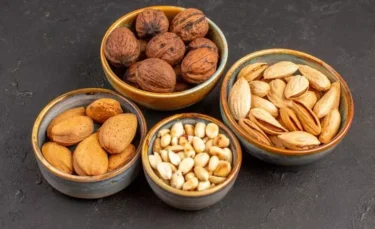
Dry fruits comprise dehydrated fruits like dates, raisins, cashews and apricots. Naturally sweet, they do not typically contain added refined sugars, making them a preferable option for those looking to reduce their intake of processed sweeteners. However, individuals with specific dietary requirements, such as those managing diabetes, should consult a healthcare professional before making significant changes to their diet.
These fruits contain natural sugars and vary in their glycaemic index, raisins have about 54, dates have 62, apricots have around 30. In addition to their natural sugar content, dry fruits are rich in potassium, dietary fibre, and a variety of vitamins, making them a nutrient-dense snack6.
Figs, for example, are often enjoyed as a wholesome snack, while prunes and raisins are commonly included in diets that aim to support digestive health. Apricots are also valued for their nutritional content and are sometimes used in skincare routines, though such uses should be approached cautiously and preferably under guidance6.
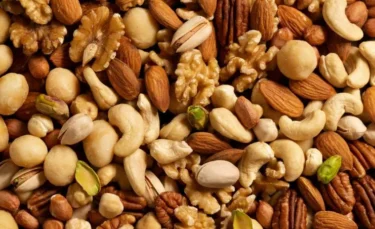
A notable quality of nuts is their ability to provide a consistent release of energy over time, rather than an immediate spike. This makes them an ideal snack for those seeking sustained energy throughout the day.
Pistachios and almonds are known as neutral foods, neither hot nor cold and make for good energy giving food during summers Nuts such as peanuts, almonds, cashews, and pistachios are rich in healthy fats, protein, and dietary fibre. These nutrients are digested slowly, which may contribute to prolonged satiety and help in maintaining steady energy levels7.

Chocolate contains sugar and caffeine, both of which may contribute to a temporary increase in energy by stimulating the release of hormones such as cortisol and adrenaline4. Consuming small portions of chocolate two to three times a day can offer a modest energy lift.
Additionally, chocolate contains antioxidants that are being studied for their potential to support cardiovascular health by contributing to the maintenance of healthy blood pressure and cholesterol levels.
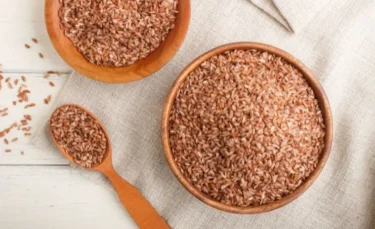
In addition to being highly nutritious, brown rice provides a substantial amount of energy and may help combat fatigue. It is a good source of manganese, a mineral that supports enzymes involved in breaking down carbohydrates and proteins to release energy. As brown rice is less processed than white rice, it retains a greater proportion of its natural nutrients9.

Eggs are not only delicious but also packed with protein, making them an excellent source of sustained energy. They contain leucine, an amino acid that plays a role in stimulating energy production within the body. Additionally, are rich in vitamin B complex, which supports the metabolic processes involved in converting food into energy11.

Sweet potatoes contain complex carbohydrates and fibre, which are digested slowly by the body, providing a steady and lasting source of energy. They are rich in manganese, a mineral that aids in the breakdown of nutrients to produce energy. A medium-sized sweet potato typically contains around 100 calories, 23 grams of carbohydrates, 4 grams of fibre, and 2 grams of protein12.
One of the advantages of these nutrient-dense foods is their versatility. They can be enjoyed individually or combined to create delicious fruit and nut bowls or homemade energy bars. Such combinations offer not only wholesome nutrition but also satisfying flavours that help curb hunger, support hydration, and keep you feeling refreshed on hot and humid days.

Fatty fish such as salmon and tuna are great sources of protein, fat, and omega-3 fatty acids. Including these fish in your diet can help meet your omega-3 requirements, which are known to support the reduction of inflammation, a common factor contributing to fatigue. This is particularly important for individuals recovering from illnesses such as cancer13.

Coffee provides a rapid energy boost due to its high caffeine content, which quickly enters the bloodstream and reaches the brain. Consumption of coffee stimulates the production of epinephrine, a hormone that activates both the body and mind, enhancing alertness and energy levels7.

Avocado is regarded as a superfood due to its numerous health benefits. It is rich in healthy monounsaturated fats, which help maintain optimal blood lipid levels and support heart health. Additionally, avocados provide essential vitamins, minerals, and fibre, contributing to overall wellbeing and sustained energy.
About 84% of the healthy fats in avocados come from monounsaturated and polyunsaturated fatty acids. Additionally, the fibre in avocados accounts for 80% of their carbohydrate content14.
Eating avocados daily might have positive effects on weight loss, in addition to improving body composition and metabolic parameters.
Dr. Rajeev Singh, BAMS
Also Read: Top Food Sources of Calcium for Your Bones
As with any diet plan, there are certain foods you should avoid, as they may slow down your metabolism and do not provide a sufficient energy boost.
Also Read: 11 Healthy Foods That Can Help You to Gain Weight
Choosing the right foods during summer can help maintain energy levels, support metabolism, and promote overall wellbeing. Nutrient-dense options like fruits, nuts, and whole grains are beneficial, while highly processed or sugary foods should be limited. A balanced diet is key to staying energised and resilient in the heat.
Also Read: Ajwain: Uses, Benefits, Side Effects, and More!
Disclaimer: The information provided here is for educational/awareness purposes only and is not intended to be a substitute for medical treatment by a healthcare professional and should not be relied upon to diagnose or treat any medical condition. The reader should consult a registered medical practitioner to determine the appropriateness of the information and before consuming any medication. PharmEasy does not provide any guarantee or warranty (express or implied) regarding the accuracy, adequacy, completeness, legality, reliability or usefulness of the information; and disclaims any liability arising thereof.
77
14
Dry fruits and nuts are some expensive yet essential food items that need to be a part of our routine diets as these are powerhouses of nutrients, providing a number of health benefits. Nuts like almonds and walnuts keep us full for long and thus can be some healthy and delicious snacking options for our in-between-meal cravings. They are highly nutritious, rich in vitamins and minerals and packed with proteins and dietary fibres, all great for our health. Let’s see how!
Did you know?
Dry fruits can help your body in many ways:
Dry fruits are loaded with essential oils, proteins, potassium, and calcium that help to increase your immunity. Also, the presence of antioxidants in it can help you to fight against various infections and illnesses1.

Dry fruits and nuts are good choices for weight loss support if you eat them moderately. They are low in fat, carbohydrates, sugar, and high in proteins and essential oils2.

Dry fruits can help you keep your skin radiant and glowing. They are rich in essential oils and antioxidants that help your skin to regenerate healthy skin cells and delay aging3.

Dry fruits contain a huge number of dietary fibres that help to fight against constipation and keep your gut healthy4.

Dry fruits are rich in antioxidants and phytonutrients which lower the activity of cancer-causing cells, thereby reducing the risk of occurrence of certain cancers5.

Dry fruits help balance cholesterol levels and normalize blood pressure. They also reduce the risk of heart disease, stroke, etc6.

Dry fruits are rich in proteins, calcium, and other micronutrients which help to maintain healthy bones and strengthen them7.

Dry fruits may help fight against depression and stress. They also aid in improving brain health and memory8.

Dry fruits like raisins and prunes are rich in iron, which in turn aids those who are suffering from anaemia. There are essential nutrients in dry fruits like Vitamin A, B, and K; minerals like copper, magnesium, and iron; and unsaturated fat that helps in regenerating red blood cells and haemoglobin in the body9.
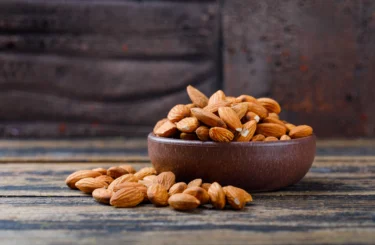
Almonds are one of most commonly consumed dry fruits. They are rich in vitamin E, essential oils, and antioxidants which are beneficial for both adults and children. Almonds can be eaten in raw or roasted form. A small quantity of soaked almonds can be consumed daily in the morning for a healthy and fit body10,11. The potential health benefits of almonds are as follows:
Almonds are known as the ‘king’ of dry fruits. They are loaded with nutrients. One ounce of almonds contains almost 165 calories, 6 grams of proteins and carbohydrates, 14 grams of fat and about 3 grams of fibre.
Dr. Anuja Bodhare, B.A.M.S, M.D (Ayu)
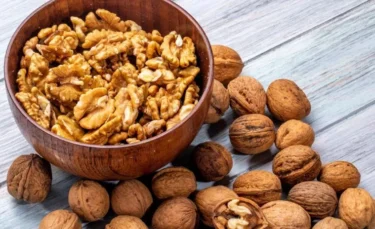
Walnuts are single seeded, hard stone like fruit filled with omega-3 fatty acids, vitamins, minerals, antioxidants, and proteins. They can be added to your daily diet because of their various health benefits. Fatty acids in walnuts may help to reduce fat in your body and keep your heart healthy. Here are some proposed benefits of walnuts10,11:
Dry fruits may exert positive effects on your oral health. Sorbitol’s present in dried fruits can offer protection against tooth decay16.
Dr. Siddharth Gupta, B.A.M.S, M.D (Ayu)

Cashews are very famous in India for their taste and creamy texture. They provide your body with vitamin E, vitamin B6, proteins, and magnesium in high amounts. Suggested health benefits of cashews include10,11:

Dates are tropical fruits that can be in dry or wet form. This iron-rich fruit helps your body in many ways to keep it healthy. Dried dates are full of digestive fibers which help to keep you full for a long time by stopping your cravings. The other potential benefits of dates are as follows12,15:

Apricots can suppress your hunger by providing you with essential nutrients such as vitamin A, vitamin E, magnesium, and copper. They are also full of antioxidants that help to fight against infections. Here are some benefits of Apricots12:
Dry Fruits- A powerhouse of nutrition. Dry fruits are a rich source of essential nutrients- carbohydrates, fibre, fats and essential minerals17.
Dr. Rajeev Singh, BAMS

Raisins are sweet and sour dried grapes. It is a rich source of iron and is very beneficial to treat anaemia. A daily handful of raisins can be excellent for your digestive system. The benefits of raisins are12,13:
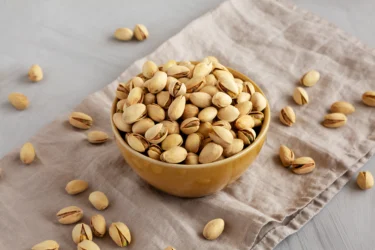
Pistachios are a good option to suppress your food cravings and help your body feel full for a longer time. They are rich in oleic acid and antioxidants, carotenes, vitamin E, copper, manganese, potassium, calcium, magnesium, iron, selenium, zinc, and polyphenol antioxidants. This heart-shaped dry fruit has anti-inflammatory properties that can have several possible health benefits which include10,11:
Dry fruits may help to keep your blood sugar levels in check since they have a low glycaemic index. The glycaemic index is a measure of how fast a particular food can increase your blood sugar level when consumed18.
Dr. Smita Barode, B.A.M.S, M.S.
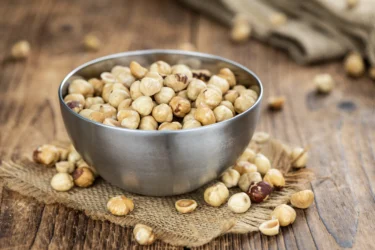
Derived from Corylus trees, hazelnuts are rich in vitamins, minerals, fats, and protein. Hazelnuts are sweet-flavoured nuts, consumed either raw, roasted or ground in a paste to be used as dips or as an addition to various dishes. Hazelnuts contain natural sugars that help you to stay full for a long time. These round-shaped fruits have the following potential health benefits10,11:
Prunes (dried plums) offer a plethora of health benefits. They are high in sugar content and also contain several nutritional compounds that are important for the body. Prunes have Vitamin A, K, carbohydrates, and fibres in abundance. It helps to satisfy your sugar rush and satiate your sweet tooth along with providing nutritional benefits such as12:

Figs are either green or purple in colour. Dried figs are slightly orangish-yellow with hundreds of tiny seeds inside them. Figs are full of vitamins, magnesium, iron, and calcium among other components. Mildly sweet, dried figs are packed with nutritional benefits such as12,14:
Although most dry fruits are suitable for everyone, however, in case of certain medical conditions, you may need to discuss with your doctor before including them in your routine diet. For e.g.: If you have diabetes, regular consumption of dry fruits like raisons and dates may not be suitable for you. In that case, your doctor can suggest the right amount/alternatives.
Also Read: 13 Amazing Health Benefits of Walnuts (Akhrot)
Dry fruits are an essential part of our diet as they contain a large number of nutrients and help curb food cravings. Consuming them in balanced quantities offers several health benefits such as boosting your immunity, raising haemoglobin levels, keeping your heart and bones healthy and helping with weight management. While there are several health benefits of dry fruits, it’s best to discuss with your doctor before including them in your routine diet if you have any medical issues.
Disclaimer: The information provided here is for educational/awareness purposes only and is not intended to be a substitute for medical treatment by a healthcare professional and should not be relied upon to diagnose or treat any medical condition. The reader should consult a registered medical practitioner to determine the appropriateness of the information and before consuming any medication. PharmEasy does not provide any guarantee or warranty (express or implied) regarding the accuracy, adequacy, completeness, legality, reliability or usefulness of the information; and disclaims any liability arising thereof.
Links and product recommendations in the information provided here are advertisements of third-party products available on the website. PharmEasy does not make any representation on the accuracy or suitability of such products/services. Advertisements do not influence the editorial decisions or content. The information in this blog is subject to change without notice. The authors and administrators reserve the right to modify, add, or remove content without notification. It is your responsibility to review this disclaimer regularly for any changes.
120
3


