
“Ayurveda, a most sacred science of life, is beneficial to humans both in this world and the world beyond”. Ayurveda focuses on improving human health and well-being through herbs and spices. One such herb which is of great significance is Madhunashini. Madhunashini is also known as meshashringi (Sanskrit), gurmar and merasingi (Hindi), vakundi, kavuli and kalikardori (Marathi), dhuleti and mardashingi (Gujarathi), Podapatri (Telugu) and Cherukurinja (Tamil). The scientific or botanical name of Madhunashini is Gymnema sylvestre and it belongs to the Asclepiadaceae family. It is a medicinal woody climber native to western and Central India, Australia, and tropical Africa. In India, it is widely grown in Bihar, Chhattisgarh Andhra Pradesh, Kerala, Karnataka, Uttar Pradesh, Madhya Pradesh, and West Bengal. The leaves, flowers, and root extracts have medicinal properties. Let us know more about the health benefits of this wonder plant1,2.
Madhunashini has nutrients like carbohydrates, proteins, and other phytochemical constituents like saponins, sterols, terpenoids, glycosides, alkaloids, resins, etc3.
Did you know?
Scientifically proven properties of Madhunashini include1:
Based on my experience, I have found that the leaf extract of madhunashini might have antiarthritic effects. The extract contains certain compounds that could potentially inhibit inflammation and reduce the release of pain-causing substances, which may help in managing arthritic symptoms8.
Dr. Siddharth Gupta, B.A.M.S, M.D (Ayu)
Some of the potential benefits of Madhunashini are described as under:

We can’t deny that diabetes is one of the most common diseases, showing an increasing trend worldwide. Even in their 20s, youngsters have complaints of high blood glucose levels because of unhealthy dietary choices and a sedentary lifestyle. A review1 by Kanetkar et al. in 2007 stated that Madhunashini exerts anti-diabetic effects due to the presence of gymnemic acids. The possible mechanism attributed is an increase in insulin secretion, a hormone that regulates blood glucose. Additionally, gymnemic acids help inhibit glucose absorption from the intestine and increase glucose utilization. This indicates that Madhunashini may help manage diabetes. However, more studies are needed to support these claims with greater reliability1.
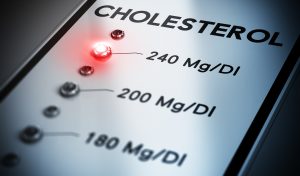
A lipid profile is a blood test that measures the number of triglycerides and cholesterol in the blood. An altered lipid profile is a risk factor for diseases like atherosclerosis, pancreatitis, etc. Eisenberg et al. 2003 conducted a study8 in rats. This study showed that Madhunashini leaf extracts could reduce serum triglycerides, low-density lipoprotein, total cholesterol, etc. This indicates that Madhunashini has the potential to correct an abnormal lipid profile. However, these results are based on animal studies and more studies are needed to claim these effects in humans4.

Obesity is a complex disease characterized by excess body fat, which can negatively affect health. Studies have supported the fact that using food sources in the right quantity and the use of complementary and alternative medicine like yoga and ayurvedic herbs may help in weight loss. A review4 conducted by Fabio et al. in 2013 stated that Madhunashini has the potential to manage obesity. This effect is attributed to inhibiting taste perception by gymnemic acids present in Madhunashini leaf and root extracts which may limit your food intake. This indicates that the Madhunashini may aid weight loss by decreasing the intake of calories. However, we need more studies to support these claims with greater reliability4,5.

Cancer is a disease in which cells of the body may multiply abnormally and form cancerous cells that may spread to other parts of the body. A review4 conducted by Fabio et al. in 2013 states that Madhunashini may help manage breast and lung cancer. The exact mechanism behind this effect is, however, still being determined. This indicates that Madhunashini may help with cancer. However, scientific evidence supporting these claims is limited. Therefore, we need more studies to support these claims4.

Many antibacterial agents in Ayurveda have been used for managing bacterial infections; one such agent is Madhunashini. A review4 conducted by Fabio et al. in 2013 stated that Madhunashini leaf extract might have antibacterial activity against bacteria like E.coli and Salmonella species. By killing these bacteria, Madhunashini may help manage urinary tract infections, diarrhoea, typhoid, etc. This indicates that it may help manage a wide range of bacterial infections. Additionally, it may also help in managing dental caries, usually caused by bacteria, and thus may help improve dental hygiene. However, there is no scientific study done on humans to support these claims4.
Though there are studies that show the benefits of Madhunashini in various conditions, these are insufficient, and there is a need for further studies to establish the true extent of the benefits of Madhunashini on human health.
In my experience, madhunashini extract may have potential benefits in wound healing. The extract contains flavonoids, which are known for their antioxidant properties. While further studies are needed, incorporating its extract in wound care may support the healing process8.
Dr. Rajeev Singh, BAMS
You must consult a qualified doctor before taking any herbal supplements. Do not discontinue or replace an ongoing treatment of modern medicine with an ayurvedic/herbal preparation without consulting a qualified doctor.
Did you know that the root bark of Madhunashini has been historically used as an emetic, expectorant, and analgesic for body aches? It has also been utilized as a traditional remedy for snakebites, with the root juice playing a role in its treatment8.
Dr. Smita Barode, B.A.M.S, M.S.
However, if you experience any adverse reactions to Madhunashini, it is advised to discontinue its intake and immediately contact a doctor or your Ayurvedic physician who has prescribed it. They will be able to guide you appropriately for your symptoms.
Also Read: Gokshuradi Guggulu: Uses, Benefits, Side Effects and more!
Consuming Madhunashini is okay if taken in moderate amounts. However, general precautions must be followed in the following conditions7:
Also Read: Vasaka (Malabar Nut): Uses, Benefits and Side Effects by Dr. Rajeev Singh
However, you must always seek the advice of your Ayurvedic physician about the possible interaction of Madhunashini with other drugs and follow the prescription thoroughly, as they will know your health condition and other medications you are taking7.
Also Read: Triphala: Uses, Benefits, Side Effects & More!
Madhunashini is also known as meshashringi (Sanskrit), gurmar and merasingi (Hindi), vakundi, kavuli and kalikardori (Marathi), dhuleti and mardashingi (Gujarathi), Podapatri (Telugu) and Cherukurinja (Tamil)1.
The scientific name of the Madhunashini plant is Gymnema sylvestre, which belongs to the Asclepiadaceae family1.
No, there are no interactions of Madhunashini with food7.
Yes, it is available in the market as Madhunashini tablet, capsules, extract, powder, paste, etc6.
Madhunashini in Tamil is known as Cherukurinja1.
Disclaimer: The information provided here is for educational/awareness purposes only and is not intended to be a substitute for medical treatment by a healthcare professional and should not be relied upon to diagnose or treat any medical condition. The reader should consult a registered medical practitioner to determine the appropriateness of the information and before consuming any medication. PharmEasy does not provide any guarantee or warranty (express or implied) regarding the accuracy, adequacy, completeness, legality, reliability or usefulness of the information; and disclaims any liability arising thereof.
Links and product recommendations in the information provided here are advertisements of third-party products available on the website. PharmEasy does not make any representation on the accuracy or suitability of such products/services. Advertisements do not influence the editorial decisions or content. The information in this blog is subject to change without notice. The authors and administrators reserve the right to modify, add, or remove content without notification. It is your responsibility to review this disclaimer regularly for any changes.
 12
12
 2
2
With rising health awareness, people around the world are exploring foods with wonderful nutrients and health benefits. A millet that has gained popularity recently is Kutki. It is scientifically known as Picrorhiza kurroa Royle ex. Benth. It belongs to the family Plantaginaceae. It is mainly grown at 3000-5000 m. above sea level in the Himalayan region of India, Nepal, Pakistan, western China, Tibet and Burma1.
Kutki is a small annual herb with a long root, creeping stems and oval leaves. The plant is harvested from October to December1. It is known by different names in different languages and regions. Kutki in English is called hellebore, kutki in Hindi is called as tikta, kaurohini, kavi, tiktarohini, kauka, sutiktaka, and rohini, kutki in Tamil is katuka rohini, kadugurohini, and katuku rohini whereas kutki in Malayalam is katuka rohini and kaduk rohini2.
In our article, we have described the roots of kutki. These are bitter to taste and their extract is used for medicinal purposes. Kutki herb benefits are recorded in the Ayurveda Samhitas1. Keep scrolling down to read about the kutki benefits and side effects!
Friendly Reminder: The information shared here is for educational purposes only and the reader should consult a registered medical practitioner before implementing any changes to their health routine.
Did You Know?
Kutki has many phytochemicals. A few of the chemical constituents of kutki are as follows1:
Although more research is required to understand the nutritional value of kutki, according to B & B organics, the nutritional value of kutki is as follows:
According to my experience, to get maximum health benefits from Kutki, you must take them in certain dosages. For example, for fatty liver, you must take Kutki root powder (2 to 3 gms) with warm water two times every day, at least for three months to see the effects. However, you must avoid self-medication and always opt for medical advice before its use5.
Dr. Siddharth Gupta, B.A.M.S M.D (Ayu)
Kutki might have the following properties1:
The existing studies show the following kutki health benefits:

Blood sugar levels in diabetes are high that cause damage to the eyes, bones, heart and other organs. A study2 by Joy et al. in 1999 on rats showed that extracts from kutki can lower blood sugar levels. It also showed that it could reduce the damage caused by a chemical called alloxan in diabetes, which may prevent further complications of diabetes. The study proves that kutki extracts might be helpful for people with diabetes. However, before taking it, you should consult a doctor and understand the benefits of kutki powder for diabetes.

Obesity is an inflammatory and metabolic disorder that occurs due to excess accumulation of fat in the body tissue that releases various inflammatory mediators that can cause cellular damage. A study1 by Almeleebia et al. in 2022 showed that the root extracts of kutki can reduce the levels of inflammatory mediators involved in inflammatory processes. Therefore, kutki might help with inflammation and inflammatory diseases, but you should always consult a doctor regarding kutki benefits.

Bacteria and fungi can enter the body and release toxins that can cause infection in the eyes, nose, skin, lungs and other body organs. A study1 by Almeleebia et al. in 2022 showed that the phytochemicals found in the kutki extracts could inhibit the growth of bacteria and fungi in the body and may help in managing bacterial and fungal infections. However, it is advised not to self-medicate. You should consult the doctor regarding kutki powder benefits and seek treatment accordingly.

Cancer is the second leading cause of death worldwide. A study3 by Rajkumar et al. in 2011 found that kutki extracts are rich in flavonoids, phenolic acids, and antioxidants that can stimulate the cell death process in cancerous cells of the breast, liver, and prostate cancer. The study shows that kutki might help in slowing the progression of cancer. However, if you suspect cancer, do not self-medicate. Consult your doctor regarding the benefits of kutki and seek treatment accordingly.

The liver is a major organ that plays a vital role in the absorption of fat, synthesis of hormones and detoxification of the body. A study1 by Almeleebia et al. in 2022 showed that kutki benefits in liver-related issues such as jaundice, recurrent fever and viral hepatitis. Its extracts have kutkin, which protects the liver by suppressing substances that can harm liver health. The phytochemicals in kutki extracts also help in reducing the liver toxicity caused by alcohol. Although more research is required to understand the benefits of kutki for liver cirrhosis, the study shows that kutki might help manage liver diseases. However, you should not self-medicate with it and consult the doctor regarding kutki benefits for the liver.

When stomach or intestinal linings get damaged because of the acid present, it causes stomach or intestinal ulcers. A study1 by Almeleebia et al. in 2022 showed that kutki root extracts have a protective effect on the stomach. It can reduce ulcers caused by a medicine named Indomethacin. The extract promotes mucus formation, which protects the stomach and intestinal lining from ulcer formation. It also lowers the production of chemicals involved in ulcer formation. The study shows that kutki might help those struggling with ulcers1. However, you should consult with a doctor instead of self-medicating.

Let’s see some more kutki medicinal uses1:
Although with the advancement in knowledge and technology, new research methods are employed to study the health benefits of kutki, they still need to be improved, and further studies are required.
I would suggest following the dosage of Kutki powder for its benefits for fever, high cholesterol, gastritis, and hepatitis. For fever, you must boil two gms of Kutki powder in 100 ml of water till it reduces to 1/4th of its initial quantity. Similarly, two gms of Katuki powder mixed with sugar after a meal two times a day can be beneficial in gastritis. For high cholesterol and hepatitis, Kutki powder should be mixed with Haridra powder and Bhumya Malaki, respectively.
Dr. Rajeev Singh, BAMS
Kutki can be used in the following ways:
You must consult a qualified doctor before taking any herbal supplements. Do not discontinue or replace an ongoing treatment of modern medicine with an ayurvedic/herbal preparation without consulting a qualified doctor.
Consuming kutki formulations in healthy amounts is considered safe. However, a study1 by Almeleebia et al. in 2022 showed that the highest safe dose of kutki in a day is 2000mg/kg, any dose above it may have noticeable side effects.
Although there are insufficient studies on humans to study the kutki powder side effects, it is best to consult a doctor if you notice any unusual symptoms.
Also Read: Dark Chocolate: Uses, Benefits, Side Effects By Dr. Smita Barode
A few of the important precautions that should be taken when using kutki are as follows:
The important contraindications where the use of Kutki is not advised:
Also Read: 8 Effective Herbs To Lower Blood Sugar Levels!
There is not enough evidence on the interaction of the kutki extracts with other drugs. Further studies are required. Therefore, you must consult your doctor before consuming kutki along with your prescribed medication.
Also Read: Ashoka Tree: Uses, Benefits, Side Effects and More!
Kutki churna benefits in constipation, skin problems, jaundice, heart problem, allergy, digestion, obesity, and breathing problems.
Kutki is also known as katuka, Katuki, Kuru, Kurri, Katuko, Katukarogani, Kadu, Kutka, HuHuang Lian, Hellbore and Picrorhiza.
Although more research is required to understand the benefits of kutki for fatty liver, there are many kutki uses in ayurveda for managing liver diseases. Kutki benefits in managing viral hepatitis, recurrent fever, and alcohol-induced fatty liver.
Kutki formulations should be stored at 50 degrees for three months. Additionally, it should not be consumed during pregnancy. It is advised that children, the elderly and breastfeeding mothers should consult a doctor regarding kutki side effects before consuming it.
Kutki powder should not be consumed by pregnant women. It can cause serious side effects in the mother as well as the unborn baby. So, it is best avoided in any form.
Disclaimer: The information provided here is for educational/awareness purposes only and is not intended to be a substitute for medical treatment by a healthcare professional and should not be relied upon to diagnose or treat any medical condition. The reader should consult a registered medical practitioner to determine the appropriateness of the information and before consuming any medication. PharmEasy does not provide any guarantee or warranty (express or implied) regarding the accuracy, adequacy, completeness, legality, reliability or usefulness of the information; and disclaims any liability arising thereof.
Links and product recommendations in the information provided here are advertisements of third-party products available on the website. PharmEasy does not make any representation of the accuracy or suitability of such products/services. Advertisements do not influence the editorial decisions or content. The information in this blog is subject to change without notice. The authors and administrators reserve the right to modify, add, or remove content without notification. It is your responsibility to review this disclaimer regularly for any changes.
14
1
Amchur is a staple kitchen ingredient in south-Asian cuisine. Did you know that it has many health benefits? It is made from dried and unripened mangoes.
Mangoes are scientifically known as Mangifera indica L. They belong to the Anacardiaceae family and are native to India and Southeast Asia. Nowadays, they are grown in Central America, Africa, Australia, and Europe1. The mangoes are peeled, sliced thinly and sundried for three to four days. When the sliced mango turns brown and loses all its moisture, it is ground into fine powder. It is also sold as dry mango slices, which can be turned into powder at home. The colour may vary from beige to dark brown. Amchur powder has a tangy yet sweet taste.
Amchur powder in English is called dry mango powder, raw mango powder and mango powder. It is also spelled as aamchur or amchoor powder. Keep scrolling to read more about the health benefits of amchur powder!
Amchur powder offers many essential nutrients and bioactive compounds, including carotenoids, antioxidants, phenolic compounds, flavonoids, and volatile compounds2. According to the US Department of Agriculture, the nutritional value of amchur powder is as follows3:
Studies show that the antimicrobial properties of dried mango powder (Amchur powder) might be far more potent than fresh extracts of the ripe pulp of mango. This property makes Amchur powder a potent anti-microbial against many infections.
Apart from vitamin C, Amchur powder is also rich in other vitamins like vitamin A, B-complex, E, K, etc. These vitamins along with vitamin C add high nutritious value to Amchur powder10.
Dr. Rajeev Singh, BAMS
Amchur powder has the following properties4:
The existing studies show the following health benefits of amchur powder:

Cancer is a medical condition where the body cells multiply rapidly in an abnormal manner. A study4 by Imran et al. in 2017 showed that dried mango has a bioactive compound called mangiferin that can stop the cancer cells from dividing and promote their death in the lung, breast, blood and neuronal cancers. The findings show that dry mango powder might help in cancer treatment. However, it should not be substituted for modern treatment. It is best to consult a doctor regarding the dry mango powder benefits before consuming it.
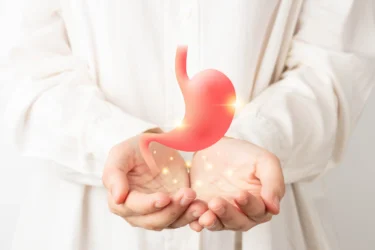
The body absorbs essential nutrients from food through digestion. Therefore, healthy digestion is paramount. A study5 by Hernández-Maldonado et al. in 2019 found that dry mango has phenolic compounds and dietary fibres that aid digestion by altering the composition of the gut bacterium. The study suggests that the anti-inflammatory and antioxidant properties of mango might make amchur powder an aid in promoting healthy digestion. However, you should consult a doctor regarding amchur powder’s health benefits before consuming it.

Type 2 diabetes is a medical condition where the blood has high sugar levels because of the reduced ability of the body to utilize blood sugar. A study4 by Imran et al. in 2017 showed that the bioactive compounds in dried mango could improve the body’s ability to utilize blood sugar and prevent complications associated with diabetes. The study showed that amchur powder might help people with type 2 diabetes. However, you should not substitute it with ongoing treatment. It is best to consult a doctor regarding the use of amchur powder for diabetes and seek treatment accordingly.

Heart health is affected by high blood pressure, high blood sugar levels, deposition of high cholesterol in the arteries and inflammation of heart linings and valves. A study4 by Imran et al. in 2017 showed that mangiferin in dried mango could lower blood sugar levels, reduce cholesterol, improve heart tissue health and decrease the inflammatory processes that can harm the heart. The study suggests that amchur powder might protect the heart against various diseases. However, you should not self-medicate using it. You should consult a professional regarding the amchur powder benefits for heart health.

You need vitamins A, C and E for healthy-looking skin. A study6 by Song et al. in 2013 on hairless mice found that mango extracts, also found in dry mango powder, promote collagen formation and delay the signs of ageing. It may be because of mango’s high antioxidant and vitamin C levels. The study may suggest that amchur powder may have a positive influence on skin health. However, it is advised to consult a doctor regarding amchur powder use for the skin before consuming it.

The other potential amchur powder benefits are as follows:
Studies that showed the use of amchur powder in various conditions need to be revised, and further studies are needed to understand the full extent of the health benefits of amchur powder on human health.
Amchur powder can be used in the following ways:
You must consult a qualified doctor before taking any herbal supplements. Do not discontinue or replace an ongoing treatment of modern medicine with an ayurvedic/ herbal preparation without consulting a qualified doctor.
Consuming amchur powder in moderation is considered safe. Although an allergic reaction to amchur powder is rare, but the following people may develop skin allergies:
The skin allergy associated with amchur powder shows the following symptoms7:
Therefore, consult a doctor immediately if you notice any unusual symptoms after eating amchur powder.
A few of the important precautions taken when using amchur powder are as follows:
A study9 by Rodríguez-Fragoso et al. in 2011 showed that the bioactive compounds present in the mango could interfere with the metabolism of the following medications:
If you are on any of the above-mentioned medications, consult your doctor before consuming amchur powder.
Amchur powder is made from dried, unripened mango. They are peeled, sliced, sundried and then ground into fine powder.
Amchur powder benefits the body by promoting healthy digestion, reducing sugar levels, delaying the signs of ageing, promoting heart health and providing protection against cancer1.
Amchur powder has essential nutrients, antioxidants, bioactive compounds, vitamins and minerals that are good for hair and skin health.
Amchur powder is used as a spice in flavouring soups, curries, chutneys, pickles, salads, shakes and beverages. It is also used in various Ayurvedic formulations.
Amchur powder can cause skin irritation, redness and rashes in people with allergies to mango or mango peel. Although more research is required to understand amchur powder’s side effects, consult the doctor immediately if you notice any unusual symptoms.
1. Lauricella M, Emanuele S, Calvaruso G, Giuliano M, D’Anneo A. Multifaceted Health Benefits of Mangifera indica L. (Mango): The Inestimable Value of Orchards Recently Planted in Sicilian Rural Areas. Nutrients. 2017 May 20;9(5):525. Available From: https://www.ncbi.nlm.nih.gov/pmc/articles/PMC5452255/
2. Fratianni A, Adiletta G, Di Matteo M, Panfili G, Niro S, Gentile C, et al. Evolution of Carotenoid Content, Antioxidant Activity and Volatiles Compounds in Dried Mango Fruits (Mangifera Indica L.). Foods [Internet]. 2020 Oct 1 [cited 2021 May 24]; 9(10):1424. Available from: https://www.mdpi.com/2304-8158/9/10/1424/htm
3. Food Data Central [Internet]. fdc.nal.usda.gov. [cited 2022 Dec 22]. Available from: https://fdc.nal.usda.gov/fdc-app.html#/food-details/400113/nutrients
4. Imran M, Arshad MS, Butt MS, Kwon J-H, Arshad MU, Sultan MT. Mangiferin: a natural miracle bioactive compound against lifestyle related disorders. Lipids in Health and Disease. 2017 May 2; 16(1). Available From: https://www.ncbi.nlm.nih.gov/pmc/articles/PMC5414237/
5. Hernández-Maldonado LM, Blancas-Benítez FJ, Zamora-Gasga VM, Cárdenas-Castro AP, Tovar J, Sáyago-Ayerdi SG. In Vitro Gastrointestinal Digestion and Colonic Fermentation of High Dietary Fiber and Antioxidant-Rich Mango (Mangifera indica L.) “Ataulfo”-Based Fruit Bars. Nutrients. 2019 Jul 11;11(7):1564. Available from: https://www.ncbi.nlm.nih.gov/pmc/articles/PMC6682962/
6. Song JH, Bae EY, Choi G, Hyun JW, Lee MY, Lee HW, et al. Protective effect of mango (Mangifera indicaL.) against UVB-induced skin aging in hairless mice. Photodermatology, Photoimmunology & Photomedicine. 2013 Mar 5;29(2):84–9. Available from:https://pubmed.ncbi.nlm.nih.gov/23458392/
7. Ukleja-Sokołowska N, Gawrońska-Ukleja E, Lis K, Żbikowska-Gotz M, Sokołowski Ł, Bartuzi Z. Anaphylactic reaction in patient allergic to mango. Allergy, Asthma & Clinical Immunology. 2018 Oct 31;14(1). Available from: https://www.ncbi.nlm.nih.gov/pmc/articles/PMC6211424/
8. Yoo MJ, Carius BM. Mango Dermatitis After Urushiol Sensitization. Clinical Practice and Cases in Emergency Medicine [Internet]. 2019 Sep 30;3(4):361–3. Available from: https://www.ncbi.nlm.nih.gov/pmc/articles/PMC6861053/
9. Rodríguez-Fragoso L, Martínez-Arismendi JL, Orozco-Bustos D, Reyes-Esparza J, Torres E, Burchiel SW. Potential Risks Resulting from Fruit/Vegetable-Drug Interactions: Effects on Drug-Metabolizing Enzymes and Drug Transporters. Journal of Food Science. 2011 May;76(4):R112–24. Available from: https://doi.org/10.1111/j.1750-3841.2011.02155.x
10. Dolkar D, Bakshi P, Wali VK, Jasrotia A. Rejuvenation of old mango orchard. In: Todorov SD, Bogsan CS, editors. Tropical Fruits — From Cultivation to Consumption and Health Benefits. New York: Nova Science Publishers, Inc.; 2016. p. 79–?. Available from: https://www.researchgate.net/profile/Parshant-Bakshi/publication/319085366_Rejuvenation_of_old_mango_orchard/links/5df3686ba6fdcc28371d4a2c/Rejuvenation-of-old-mango-orchard.pdf#page=71
Disclaimer: The information provided here is for educational/awareness purposes only and is not intended to be a substitute for medical treatment by a healthcare professional and should not be relied upon to diagnose or treat any medical condition. The reader should consult a registered medical practitioner to determine the appropriateness of the information and before consuming any medication. PharmEasy does not provide any guarantee or warranty (express or implied) regarding the accuracy, adequacy, completeness, legality, reliability or usefulness of the information; and disclaims any liability arising thereof.
Links and product recommendations in the information provided here are advertisements of third-party products available on the website. PharmEasy does not make any representation on the accuracy or suitability of such products/services. Advertisements do not influence the editorial decisions or content. The information in this blog is subject to change without notice. The authors and administrators reserve the right to modify, add, or remove content without notification. It is your responsibility to review this disclaimer regularly for any changes.
3
1
Do you know that the Indian hidden gem kabab chini has had great medicinal use since ancient times? It is an important herb in the Ayurvedic system of medicine. Kabab Chini is scientifically known as Piper Cubeba, which belongs to the Piperaceae family. It is native to Java and Borneo and is widely grown in medieval Europe, North Africa, Indonesia and India1.
Kabab Chini is an annual wood-climbing plant that is 5-15 metres high. The climbing branches have oval-shaped leaves, small flowers and greyish brown coloured fruits. The fruit is spicy with a bitter taste and strong aromatic smell. Kabab chini in English is called tailed pepper or cubebe. It is known by different names in different languages and regions of India, kabab chini in Gujarati is tadmari, kabab chini in Tamil is chinamilagu, sinamilagu and valmilagu, whereas kabab chini in Malayalam is vaalmilagu1.
Keep scrolling to read more about the health benefits of kabab chini!
Kabab chini has many bioactive compounds. A few of the major chemical constituents found in it are as follows1:
Although more research is required to understand the nutritional value of kabab chini, as per an ISO certified company, Dry Fruit Hub, the nutritional value of kabab chini per 28 gms is as follows:
Other than culinary uses, Kabab chini is believed to provide relief for those bothered with diarrhoea and loose motions, as a result of its anti-microbial property4.
Dr. Siddharth Gupta, B.A.M.S, M.D (Ayu)
Owing to the phytochemicals and essential oil of the plant, kabab chini has the following properties1:
Discover the ancient secret to relieving asthma and finding relief! From cancer to arthritis, diabetes to gonorrhoea, let kabab chini be your trusted ally on the path to wellness. Kabab Chini is believed to aid in asthma due to its anti-inflammatory nature4.
Dr. Rajeev Singh, BAMS
The existing studies show the following health benefits of kabab chini:

Cancer is a condition where the body cells abnormally undergo rapid multiplication. Cancerous cells can affect any body organ and can be transferred to other organs. A study1 by Drissi et al. in 2022 found that kabab chini fruit extract can cause the death of cancerous cells in breast cancer and colon cancer. The cubebin in the kabab chini extract can also prevent the multiplication of neck and head cancer cells. The findings show that kabab chini might aid in cancer treatment. However, it should not be substituted for ongoing treatment. It is best to consult a doctor regarding the kabab chini health benefits before consuming it.
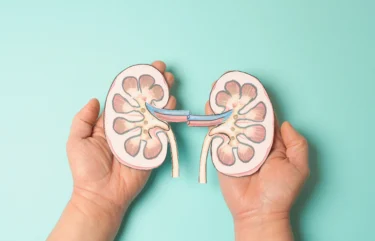
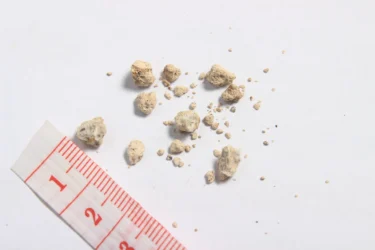
The kidney is an essential organ that removes waste products and excess water from the body. A study2 by Bano et al. in 2018 found that the presence of flavonoids and alkaloids in the kabab chini can reduce kidney stone formation by changing the urine’s composition. Kabab chini also decreases serum urea and creatinine levels, prevents urine retention and promotes the healing of ulcers in the urinary tract. The study suggests that kabab chini may be good for kidney health. However, if you have kidney disease, it is best to consult a doctor and never substitute it as a medicine.

Rheumatoid arthritis is an inflammatory disorder that affects the joints of the body. A study1 by Drissi et al. in 2022 found that the extracts of the kabab chini plant have bioactive compounds that can reduce inflammation. Although more research is required, the study showed that it might act as an adjuvant medicine for inflammatory disorders. However, you should never replace kabab chini with alternative medicine. It is best to consult a doctor regarding kabab chini benefits before taking it for rheumatoid arthritis.

The liver helps the body digest fat, breakdown down nutrients, produce hormones and remove toxic substances. Any injury or damage is a major health concern. A study3 by AlSaid et al. in 2015 on rats showed that kabab chini extract could increase antioxidant activity that reduces oxidative stress responsible for cellular damage, increase protein metabolism, increase anti-inflammatory activities, promote the multiplication of live cells, and reduce liver injuries caused by free radicles. The study suggests that kabab chini has a protective effect on liver damage. However, if you have liver-related health problems, you should not self-medicate them. Instead, consult a doctor regarding kabab chini side effects and health benefits.
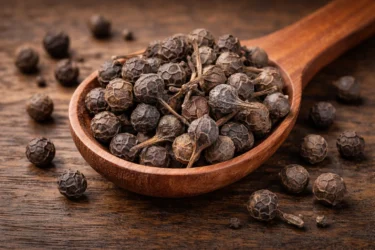
Gonorrhea is a sexually transmitted disease caused by the bacteria Neisseria gonorrhoeae. A study1 by Drissi et al. in 2022 found that the extracts of kabab chini can prevent this bacterial infection by reducing the growth of bacteria and destroying their cell wall, causing their death. This property of kabab chini might help protect the body against gonorrhoea. However, you should consult a doctor regarding using kabab chini for effective treatment in case of gonorrheal infection.
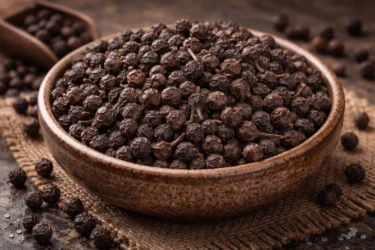
The other potential kabab chini medicinal uses are as follows1:
Studies that showed kabab chini use in various conditions need to be revised, and further studies are needed to understand the full extent of the health benefits of kabab chini on human health.
Did you know kabab chini might help you if you get diagnosed with Kala-azar? Due to its anti-parasitic nature, Kabab Chini is believed to aid in Kala-azar caused by a parasite, Leishmania4.
Dr. Smita Barode, B.A.M.S, M.S.
Kabab chini can be used in the following ways1:
You must consult a qualified doctor before taking any herbal supplements. Do not discontinue or replace an ongoing treatment of modern medicine with an ayurvedic/ herbal preparation without consulting a qualified doctor.
Consuming kabab chini in moderation is considered safe. There have been no specific recorded kabab chini side effects. However, the direct use of kabab chini essential oil on the skin may irritate some people with sensitive skin.
However, consult a doctor immediately if you notice any unusual symptoms after eating them.
A few of the important precautions taken when using kabab chini are as follows:
Also Read: 10 Incredible Health Benefits of Cinnamon (Dalchini)
A study by AlSaid et al. in 2015 showed that kabab chini might affect the liver cells and their functioning3. Some medicines are broken down and altered in the liver after consumption. Therefore, if you are taking the following medications, it is advised to consult a doctor before consuming kabab chini:
Also Read: Quinoa (Chenopodium quinoa): Uses, Benefits, Side Effects By Dr. Smita Barode
Kabab chini spice in English is called tailed pepper. It is also known as Tadamari in Gujarati, Kaba-Chini in Maithili, Kankol in Marathi, Vaalmilagu in Malayalam, Kabachin in Oriya, Chalavamiriyaalu and Tokamiriyalu in Telugu, Chinamilagu, Sinamilagu, and Valmilagu in Tamil1.
Kabab chini might aid in treating gonorrhoea, diabetes, rheumatoid arthritis, liver damage, kidney disease, depression, fungal and tapeworm infection1.
The edible parts of the kabab chini plant are its fruit and dried berries.
Kabab chini is a spice used for flavouring curries. It is used as a natural food preservative and colouring aid. It is also used in potpourri, cosmetics and perfumes.
Yes, it is good for your health. As per Unani and Ayurveda, kabab chini eases pain and inflammation and acts as a potent antioxidant. It is used to treat fungal, bacterial and worm infections.
Disclaimer: The information provided here is for educational/awareness purposes only and is not intended to be a substitute for medical treatment by a healthcare professional and should not be relied upon to diagnose or treat any medical condition. The reader should consult a registered medical practitioner to determine the appropriateness of the information before consuming any medication. PharmEasy does not provide any guarantee or warranty (express or implied) regarding the accuracy, adequacy, completeness, legality, reliability, or usefulness of the information; and disclaims any liability arising thereof.
Links and product recommendations in the information provided here are advertisements of third-party products available on the website. PharmEasy does not make any representation of the accuracy or suitability of such products/services. Advertisements do not influence the editorial decisions or content. The information in this blog is subject to change without notice. The authors and administrators reserve the right to modify, add, or remove content without notification. It is your responsibility to review this disclaimer regularly for any changes.
15
0
Chayote, scientifically known as Sechium edule, is a climbing plant belonging to the Cucurbitaceae family. Initially grown in Mexico and Guatemala, it was later introduced to the United States, Europe, Africa, China, and South-Asian countries. Nowadays, it is grown throughout the world in tropical and subtropical areas1.
There are two major varieties of chayote plants, namely, the commercial variety and the wild type1. Commonly chayote is known by different names such as vegetable pear, cho cho, chow-chow, sayote, pear squash, christophene, chuchu, guisquil, and iskus2.
The plant’s edible parts are its fruits, stems, leaves, and roots. Chayote fruits are bright green and pear-shaped. There are many medicinal benefits of chayote owing to the bioactive compounds such as sterols, cucurbitacins and polyphenol compounds present in it1.
Chayote has high nutrient value and is loaded with essential vitamins, minerals, fibers, and antioxidants. According to the US Department of Agriculture, the nutritional value of 100g of Chayote is as follows4:
Existing studies suggest that chayote may offer the following potential benefits as a part of overall health:

Diets high in saturated fats can lead to fat build-up in the arteries, making it harder for the heart to pump blood efficiently. Chayote is low in fat and contains fibre and antioxidants, which may support heart health by helping to manage cholesterol levels as part of a balanced diet.
A study8 found that extracts of Chayote help in the treatment of heart diseases by influencing the function of the smooth muscles of the arteries. Additionally, chayote is rich in fibres, and studies have shown that dietary fibres may prevent heart diseases9. However, if you have a heart condition, don’t replace your medications with chayote. It is best to consult a doctor and seek treatment accordingly.

Diabetes is a medical condition in which blood has high levels of sugar. A review study found that the natural antioxidants in the vegetables like chayote may maintain glucose balance in the body and reduce sugar spikes after meals10. Additionally, the rich fibrous content of the chayote may help in managing blood sugar levels by slowing down the absorption of carbohydrates, resulting in reduced blood sugar levels after eating. The chayote extracts may reduce blood sugar levels3. Consult a doctor to know if consuming chayote is right for you in supporting diabetes management.

Women require specific nutrients like folate, iron, calcium, and essential vitamins to support a healthy pregnancy2. Chayote is a good source of folate, a vital nutrient during pregnancy that supports the healthy development of the baby’s brain and spinal cord. Research has shown that adequate folate intake may help reduce the risk of premature delivery and neural tube defects. Including chayote as part of a balanced diet may contribute to a healthy pregnancy. It can also help in lowering blood pressure in pregnant women; however, it is important to consult a healthcare professional rather than relying on self-medication11,12.
Cancer is a medical condition where the body’s cells abnormally multiply, affecting its normal functioning. A study5 found that chayote may inhibit the multiplication of cancerous cells and promote cell death. Studies13 have also found that chayote fruits may help in the treatment of acute myeloid leukemia. Additionally, the chayote leaf extracts may inhibit the multiplication of breast cancer cells14. However, if you suspect cancer, instead of self-medicating, you should consult a doctor to understand chayote leaves’ health benefits and seek treatment accordingly.

Antioxidants may protect the body against cellular damage and reduce inflammation. A study has shown that free radicals may damage the body cells, reduce the body’s functioning over time, and accelerate ageing. Studies15 show that antioxidants from chayote can protect the cells from harmful effects of UV rays, reduce cell damage, and slow down the signs of ageing16. Chayote is rich in antioxidants and vitamin C and may benefit the skin by promoting collagen production that may reduce the visible signs of ageing such as wrinkles, fine lines, and pigmentations1. However, you should always consult a doctor instead of self-medicating to get chayote leaves benefits.
Fatty liver disease occurs when excessive fat accumulates in the liver, affecting its normal function. Some studies have indicated that extracts from chayote may help protect liver tissue by reducing fat deposition. While these findings are promising, further research is needed, and dietary changes should always be discussed with a healthcare professional7. More research is required to understand how chayote squash benefits liver functioning. If you have a fatty liver, you should consult a doctor instead of self-medicating.
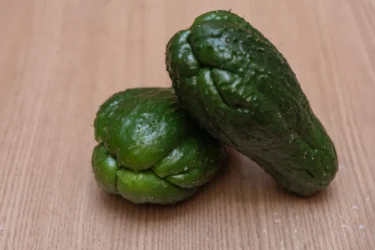
Other potential uses of chayote squash vegetable are as follows:
In traditional medicine, decoctions made from the leaves or fruit of chayote have been used for their potential diuretic properties. They have been traditionally applied to help relieve burning sensations during urination, support kidney health, and manage certain respiratory discomforts. However, these uses are based on traditional practices, and scientific evidence is limited. Anyone considering such remedies should consult a qualified healthcare professional8.
Chayote fruit is rich in vitamin A and E, both of which are essential for normal bodily functions. Vitamin A may support good vision, reproductive health, and the health of your blood, while vitamin E might be crucial for maintaining a healthy brain and glowing skin19.
Dr. Siddharth Gupta, B.A.M.S, M.D (Ayu)
Chayote can be used in the following ways:
You must consult a qualified doctor before taking any herbal supplements. Do not discontinue or replace an ongoing treatment of modern medicine with an ayurvedic/herbal preparation without consulting a qualified doctor.
No significant side effects have been scientifically documented in relation to the moderate consumption of chayote as part of a normal diet. It is well-tolerated by most people and is not known to cause adverse effects when properly prepared and consumed in typical amounts.
General precautions must be followed while consuming chayote. Here is a list of a few precautions.
Also Read: Ber Fruit (Jujube): Uses, Benefits, Side Effects & More!
There is not enough evidence on the interaction of the chayote extracts with other drugs. Further studies are required. Therefore, you must consult your doctor if you are on any other medication before consuming chayote.
There is a traditional belief that chayote leaves may help in the natural elimination of kidney stones. They have been used in some cultures with the view that their properties might support the breakdown of kidney stones. However, scientific research on this specific use is currently limited19. It is important to consult a medical professional for proper diagnosis and treatment of kidney stones rather than relying solely on traditional remedies.
Dr. Rajeev Singh, BAMS
Chayote recipes can be enjoyed in both savoury and sweet dishes. Here are a few chayote recipe ideas to inspire your culinary creativity:
Make a refreshing salad by thinly slicing chayote and mixing it with your favourite vegetables, such as tomatoes, onions, and bell peppers. Toss the salad with a zesty vinaigrette dressing for a crisp and healthy side dish.
Stuffed chayote is a flavourful and satisfying dish in which chayote halves are filled with a seasoned mixture, commonly containing ground meat, vegetables, and herbs. The filled chayotes are then baked or cooked until tender, allowing the mild flavour of the vegetable to blend beautifully with the savoury stuffing. This dish serves as a hearty, protein-rich main course and a wholesome addition to any meal.
Cut chayote into strips, season with your preferred spices, and bake or air-fry for a nutritious alternative to traditional potato fries. Sliced chayote is seasoned and baked until it becomes crisp and golden brown, offering a delightful snack or side dish with a unique flavour and texture. These chayote fries are a healthier choice for those looking to enjoy a satisfying, low-calorie treat.
Chayote squash, also known as vegetable pear or mirliton, is a green, wrinkled fruit commonly used in culinary dishes. It has a mild, crisp texture and is versatile in both savoury and sweet chayote squash recipes. Chayote is known for its high fibre content and can be cooked or eaten raw, making it a nutritious addition to a balanced diet. Its subtle flavor allows it to absorb the tastes of the dishes it’s incorporated into, making it a popular choice in various cuisines around the world.
Chayote desserts offer a unique and healthy twist to sweet treats. From chayote pies to puddings, these creations incorporate the mild, crisp texture of chayote into delightful, low-calorie desserts. With their versatility, chayote desserts are gaining popularity among those looking for a nutritious alternative to traditional sweets.
Experiment with these chayote recipes to make the most of chayote’s unique flavour and versatility. Whether you’re looking for a healthy side dish, a filling main course, or a sweet treat, chayote can be a delightful addition to your culinary repertoire.
Also Read: Pudina (Mint): Uses, Benefits, Side Effects & More!
Chayote is a nutrient-rich vegetable with potential health benefits, including heart support, blood sugar regulation, and antioxidant protection. It can be a healthy addition to your diet when consumed in moderation. However, consult a doctor before using it for medicinal purposes.
The fruit, including the seeds, rind, peel, and flesh are edible. You can also eat its tendrils, flowers, and roots. There are several health benefits of eating chayote raw or cooked.
Yes, chayote benefits people with diabetes by lowering their blood sugar levels. Additionally, the nutritional benefits of chayote help in slowing the absorption of carbohydrates which further reduces food intake, weight and thereby, sugar intake. However, you should consult a doctor before using chayote for weight loss and diabetes.
There are many health benefits of chayote juice. The extract from chayote fruit may help in promoting healthy digestion, regulating blood pressure, and slowing down the ageing process. Many people prefer having chayote juice for weight loss after working out. However, you should consult a doctor before using chayote for skin, high blood pressure, and digestive issues.
Chayote may reduce the formation of kidney stones. However, you should consult a doctor before self-medicating chayote for kidney stones.
Chayote is widely used in the pharmaceutical and cosmetic industries. It promotes heart health, prevents cancer, lowers blood pressure, regulates blood sugar, prevents fat accumulation in the liver, fights inflammation, and slows the ageing process. However, you should consult a doctor before utilising chayote benefits for high blood pressure and overall health.
Chayote is a green, wrinkled vegetable, scientifically known as Sechium edule. It belongs to the Cucurbitaceae family and is often used in various culinary dishes. It’s also known as mirliton squash, chocho, or guisquil in different regions.
To eat chayote, you can peel and slice it for use in salads, stir-fries, or as a raw snack. It can also be cooked by boiling, steaming, or roasting. Chayote is versatile and pairs well with various flavors and cuisines.
Chayote benefits for baby become evident as it can be a nutritious addition to a baby’s diet, offering essential vitamins and dietary fiber. However, it’s crucial to consult with a pediatrician before introducing new foods to ensure they are suitable for the baby’s age and specific dietary needs.
Chayote is considered a relatively safe choice for individuals with high uric acid levels, as it is low in purines that can contribute to uric acid production. However, individual responses may vary, so it’s advisable to monitor how your body reacts to chayote and consult a healthcare provider or dietitian for personalized dietary recommendations.
Chayote is relatively low in potassium compared to many other fruits and vegetables, making it a suitable choice for individuals who need to restrict their potassium intake, such as those with kidney issues. However, portion control and overall dietary considerations are still important for individuals with specific potassium restrictions.
Disclaimer: The information provided here is for educational/awareness purposes only and is not intended to be a substitute for medical treatment by a healthcare professional and should not be relied upon to diagnose or treat any medical condition. The reader should consult a registered medical practitioner to determine the appropriateness of the information and before consuming any medication. PharmEasy does not provide any guarantee or warranty (express or implied) regarding the accuracy, adequacy, completeness, legality, reliability or usefulness of the information; and disclaims any liability arising thereof.
50
1
Nature has bestowed us with plenty of healthy herbs, spices, fruits and plants that can cure disease and heal the body. Moreover, ancient medicinal practices used them to treat various ailments. One such incredible plant with numerous health benefits is deodar.
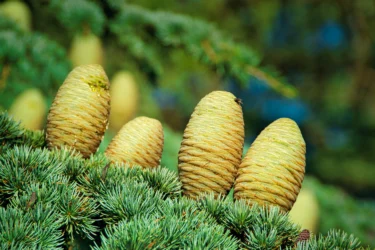
Deodar is scientifically known as Cedrus deodara, belonging to the Cedrus genus and Pinaceae family of evergreen plants. It is also known as Himalayan cedar in English and amadaru, devdaru and bhadradaru in Sanskrit1.
According to ancient Hindu scriptures, devadaru tree is considered a divine tree owing to its fragrance, lofty nature, and height. Deodar is grown in areas with temperatures below 10 degrees. They are mostly found in the western Himalayas, north-central India, northern Pakistan, eastern Afghanistan, western Nepal, and Tibet. The Himalayan deodar tree is grown at the height of 1200-3000 m (about 1.86 mi)2. It is also grown in China, Argentina, Germany, and France. Deodar trees are tall with long shoots and long needle-like leaves. There are different types of deodar cedar trees with numerous medicinal uses. Scroll down to read about deodar tree health benefits!
Deodar has 105 phytoconstituents that are identified in its different parts2. A few of the major chemical constituents found in the deodar are as follows:
Deodar might have the following properties1:
The existing studies show that deodar might have the following potential uses for overall health:
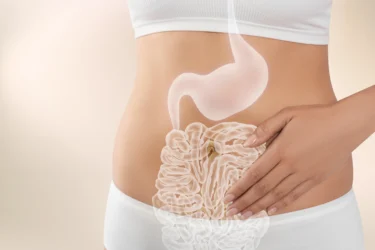
The complex food we eat is turned into simple nutrients by the process of digestion. The nutrients are later absorbed by different cells and are utilised to perform essential bodily functions. A study1 by Nadeem et. al in 2019 found that deodar wood extracts are carminative. This particular property of deodar might improve digestion and help in reducing bloating, flatulence, and constipation. It might lead to better absorption of nutrients causing a positive impact on overall health. However, it should not be used as an alternative medicine. It is best to consult a doctor if you suspect any digestive issues.

Cancer is caused when the body cells multiply rapidly and cause tissues to grow abnormally. A study3 by Shi et. al in 2016 found that deodar has flavonoids that inhibit the multiplication of cancerous cells and prevent the growth of tumours. Deodar might halt the progression of cancer. However, you should never self-medicate with deodar and consult a doctor before using it.

Mental health disorders are a rising public health concern. A study4 by Kumar et. al in 2014 found that deodar can increase the levels of serotonin in the brain, which can elevate mood. This property of deodar may be used in the management of stress, depression, anxiety and other mood disorders. However, if you have any symptoms of mental health disorder, instead of taking deodar, you should first consult a doctor.

Bacterial infections include typhoid, urinary tract infections, and skin and sinus infections. The bacteria grow and release toxins in the blood that can affect various organs, including the skin, lungs and brain. A study5 by Selvi et. al in 2007 found that extracts of deodar trees can inhibit the growth of the bacteria. Therefore, deodar could be used to effectively manage bacterial infections. Even so, it is advised to consult a doctor before self-medicating it.
Kala Azar or Leishmaniasis is a disease caused by a parasite, Leishmania donovani affecting the skin, mouth, lymph nodes and immune system. If not treated correctly, it can be dangerous. A study by Narayan et. al in 2017 found that deodar leaf extracts have bioactive compounds such as flavonoids and terpenoids that can positively affect the Kala Azar patients6. Although more studies are required to understand devdaru benefits, this property of deodar might be used in the treatment of Leishmaniasis. However, if you suspect any symptoms of the disease, it is best to consult a doctor for better outcomes.

People with diabetes have high sugar levels in the blood, which can negatively affect bones, eyes and the heart. A study7 by Jain et. al in 2014 found that deodar wood extracts can reduce blood sugar levels. It may be effective in diabetes. However, you should never replace your medicines with deodar extracts. It is advised to consult a doctor before self-medicating it.
The other potential uses of deodar are as follows:
Although a few studies have shown the devdaru tree benefits in various medical conditions, more extensive research with scientific validation is required to understand its effectiveness in the management of ailments such as cancer, arthritis and neurological disorders.
Deodar wood has many medicinal properties. It is a potential medicine for diseases like fever, dysentery, and diarrhoea due to its anti-inflammatory characteristics. It also might be beneficial for tackling urinary and pulmonary diseases8.
Dr. Rajeev Singh, BAMS
Cedrus deodara benefits might be reaped in the following ways:
You must consult a qualified doctor before taking any herbal supplements. Do not discontinue or replace an ongoing treatment of modern medicine with an ayurvedic/herbal preparation without consulting a qualified doctor.
According to some results, Deodar might be beneficial in wound healing. Certain compounds obtained from the methanolic extracts of Deodar wood might be beneficial in wound healing caused by burns9.
Dr. Siddharth Gupta, B.A.M.S, M.D (Ayu)
Deodar preparations are considered safe, and they have had no specific recorded side effects2. If you notice any unusual symptoms after taking them, you should consult an ayurvedic doctor who has prescribed the formulations.
General precautions must be taken while consuming deodar formulations. Here is a list of a few precautions to follow:
Also Read: Barley: Uses, Benefits & Side Effects
There is not enough evidence on the interaction of the deodar extracts with other drugs. Further studies are required. Therefore, you must consult your doctor if you are on any other medication before consuming deodar preparations.
Also Read: Vacha (Acorus calamus): Uses, Benefits and Side Effects By Dr. Rajeev Singh
All parts of the cedar plant have different medicinal benefits. Its life and wood extracts may be used to manage high blood sugar, insomnia, asthma, skin infections, joint pain and microbial infections.
Deodar oil may have anti-inflammatory and antifungal effects. It may be diluted and used on wounds for healing. It may be massaged onto the skin to relieve various skin infections1,2.
If you have sensitive skin and you want to use deodar essential oil, mix it with a carrier oil (such as coconut) to avoid skin irritations. Pregnant and breastfeeding women, children and the elderly should be careful before consuming any parts of the deodar tree. If you have any pre-existing diseases, you should consult a doctor before consuming deodar tree extract.
There are different types of deodar cedar trees that are known by different names in different regions and languages, such as Himalayan cedar in English, amadaru, devdaru, and bhadradaru in Sanskrit, deodar in Marathi, devdaar in Gujrati, devataram in Malayalam, gunduguragi in Kannada, and tunu maram in Tamil.
Deodar tree benefits in managing fever, inflammation, dyspepsia, insomnia, diabetes, asthma, mood disorders, arthritis, and microbial infections2.
Disclaimer: The information provided here is for educational/awareness purposes only and is not intended to be a substitute for medical treatment by a healthcare professional and should not be relied upon to diagnose or treat any medical condition. The reader should consult a registered medical practitioner to determine the appropriateness of the information and before consuming any medication. PharmEasy does not provide any guarantee or warranty (express or implied) regarding the accuracy, adequacy, completeness, legality, reliability or usefulness of the information; and disclaims any liability arising thereof.
Links and product recommendations in the information provided here are advertisements of third-party products available on the website. PharmEasy does not make any representation on the accuracy or suitability of such products/services. Advertisements do not influence the editorial decisions or content. The information in this blog is subject to change without notice. The authors and administrators reserve the right to modify, add, or remove content without notification. It is your responsibility to review this disclaimer regularly for any changes
7
0
Kodo millets, botanically known as Paspalum scrobiculatum, is a traditional grain belonging to the Poaceae family. It is often referred to in English as rice grass, ditch millet, or cow grass. Regionally, it is known as araka in Telugu and kodra in Marathi. The grains of kodo millet vary in colour from light red to dark grey and are cultivated annually.
The history of kodo millet cultivation in India dates back approximately 3,000 years. In addition to India, it is also grown in countries such as Russia, China, various parts of Africa, and Japan. Within India, it is primarily cultivated in the states of Madhya Pradesh, Tamil Nadu, Karnataka, Gujarat, and Chhattisgarh.
Among all the millets available, Kodo millets are well known for its resilience to drought and its ability to produce a reasonable yield within a short period. As a result, it holds significant economic importance, particularly in regions where agriculture is challenged by water scarcity. India leads the world in the production of kodo millet
Kodo millets are cultivated in the kharif season (monsoon season) and are available in different varieties, namely Indira kodo, Jawahar kodo, and TNAU. Kodo millets are processed into value-added foods and drinks. While kodo millet is appreciated for its nutritional content and is a staple in many traditional diets, it is important to note that any health-related benefits should be interpreted with caution. The grain may form part of a balanced diet, but it is not intended to diagnose, treat, cure, or prevent any medical condition. Individuals with specific health concerns should consult a qualified healthcare professional before making dietary changes1,2.
Did you know?
Kodo millet is a nutritious grain containing carbohydrates, protein, and dietary fibre. It also provides B-vitamins such as niacin and riboflavin, along with minerals like calcium, iron, and phosphorus. Additionally, it contains natural phytochemicals, including antioxidants and phenolic compounds such as vanillic acid, gallic acid, tannins, and ferulic acid.
Here are the nutritional components of kodo millet per 100 grams2:
In my own viewpoint, this humble grain is not only delicious but also has some surprising health benefits. Kodo millet is believed to have properties that might help in asthma. Not only that it might be beneficial for people suffering from migraine.
Dr. Siddharth Gupta, B.A.M.S, M.D (Ayu)
Scientific studies have explored various characteristics of kodo millet. Some of the observed and researched properties are outlined below:
Let me tell you that these tiny grains might be heroes for your gallbladder! Kodo millets, thanks to their high fibre content, have the potential to avoid the formation of gallstones12.
Dr. Rajeev Singh, BAMS
Some of the potential benefits of kodo millets are described as follows:

Hyperlipidemia is the elevation in lipid components like triglycerides, total cholesterol, and reeduced levels of high-density lipoprotein. An animal study4 investigated the potential effects of kodo millet on lipid levels in rats. The findings suggested that kodo millet consumption was associated with reduced levels of total cholesterol, triglycerides, and low-density lipoprotein (LDL), while increasing HDL levels. However, we need more clinical studies to support these claims in humans.
Literature shows that the consumption of kodo millets may have the potential to manage bacterial infections. A review5 conducted noted that kodo millets could inhibit the growth of bacteria like S.aureus, Bacillus cereus, Leuconostoc mesenteroides and Enterococcus faecalis which are organisms associated with infections such as urinary tract infections and diarrhoea. However, we need more studies to support these claims.

Type-2 diabetes is a metabolic disorder characterised by an increase in blood glucose due to decreased production or resistance to a hormone called insulin which regulates blood glucose. A review6 conducted suggested that kodo millets may have the potential to decrease blood glucose levels. This effect is attributed to polyphenols, which inhibit enzymes that break down carbohydrates into simpler sugars and increase blood glucose. Additionally, kodo millets have a low glycaemic index. Certain phenolic compounds found in kodo millets have been studied for their potential to inhibit enzymes such as aldose reductase. This enzyme is involved in the conversion of glucose to sorbitol, an accumulation of which has been linked to diabetic complications, including cataract formation. However, there are not enough studies to support these claims and therefore should only be used under the supervision of a medical professional.
Literature studies have supported the use of kodo millets may possess properties to reduce the risk of cancers. A review study2 indicated that kodo millets may potentially reduce cancer initiation and progression. This anti-cancer effect is attributed to the presence of phenolic acids, phytic acids, and tannins in the grain. However, we need more scientific evidence to support these claims.

Malnutrition is defined as the deficiency, excess, or imbalance in the intake of energy or nutrients. The term malnutrition addresses 3 broad groups of conditions as follows:
Kodo millets are highly nutritious due to the presence of carbohydrates, proteins, dietary fibres, vitamins (like niacin and riboflavin) and minerals (like calcium, iron, and phosphors). Kodo millets are also rich in antioxidants and phenolic compounds like vanillic acid, gallic acid, tannins, and ferulic acid. A review study6 suggested that kodo millets may help manage micronutrient-related malnutrition. Thus, the consumption of Kodo millet may positively impact malnutrition. Though scientific evidence to support these claims is limited, we need more studies to ascertain these claims with better results.

Though there are studies that show the benefits of kodo millets in various conditions, these are insufficient and there is a need for further studies to establish the true extent of the benefits of kodo millets on human health.
In my knowledge, kodo millets with their abundance of nutrients, have been found to have great benefits. They’re not just for filling your plate; they might actually help with inflammation, haemorrhages (excessive bleeding), and general weakness10.
Dr. Smita Barode, B.A.M.S, M.S.
You must consult a qualified doctor before taking any herbal supplements. Do not discontinue or replace an ongoing treatment of modern medicine with an ayurvedic/herbal preparation without consulting a qualified doctor.
I have read in a research paper that the dried ethanol extract of kodo millet husk, when consumed, may have interesting effects on both animals and humans. It has been observed that this extract might cause a calming effect, leading to tranquillity, in various animal species. Additionally, when a human volunteer took the extract, they also experienced possible drowsiness11.
Dr. Anuja Bodhare, B.A.M.S, M.D (Ayu)
A few side effects related to the consumption of kodo millets include:
However, if you experience any adverse reactions to Kodo millet, it is advised to discontinue its intake and immediately contact a doctor or your Ayurvedic physician who has prescribed it. They will be able to guide you appropriately for your symptoms.
Eating kodo millet is okay if taken in moderate amounts. However, general precautions must be followed in the following conditions:
Therefore, you must always seek the advice of your Ayurvedic physician before incorporating kodo millet into your routine, especially if you are on medication. They can provide personalised advice based on your medical history and current treatment plan, helping to avoid any potential interactions.
Kodo millet stands out as a grain with a rich history, impressive nutritional profile, and potential health benefits. Its drought resistance and economic value make it a vital crop, particularly in water-scarce regions. While research continues to explore its medicinal properties, incorporating kodo millet into a balanced diet may support overall health, when used under proper guidance.
Also Read: Puffed Rice: Uses, Benefits, Side Effects By Dr. Rajeev Singh
Kodo millet is called “Kodra” in Marathi.
The different kodo millet varieties available in the market include Indira kodo, Jawahar kodo, and TNAU.
Yes, kodo millets contain certain naturally occurring compounds, known as anti-nutrients, such as phytic acid and polyphenols. These substances reduce the availability of nutritional components and processing methods like soaking will help decrease the level of these anti-nutrients.
Yes, as kodo millet is low in fat content and high in protein and fibre, it increases satiety and reduces overeating, and may help in weight loss.
Contaminated or improperly stored kodo millet may cause kodo poisoning, potentially leading to elevated liver enzymes, nausea, vomiting, and, in severe cases, unconsciousness. The grain
also contains goitrogens, which may interfere with thyroid function and contribute to goitre if consumed excessively without adequate iodine intake.
Disclaimer: The information provided here is for educational/awareness purposes only and is not intended to be a substitute for medical treatment by a healthcare professional and should not be relied upon to diagnose or treat any medical condition. The reader should consult a registered medical practitioner to determine the appropriateness of the information and before consuming any medication. PharmEasy does not provide any guarantee or warranty (express or implied) regarding the accuracy, adequacy, completeness, legality, reliability or usefulness of the information; and disclaims any liability arising thereof.
35
3
According to Balinese mythology, a divine bird was sent to Earth carrying four seeds coloured red, white, black, and yellow. During its journey, the bird consumed the yellow seed, leaving only the red, white, and black ones. These are believed to represent the various types of rice grains known today.
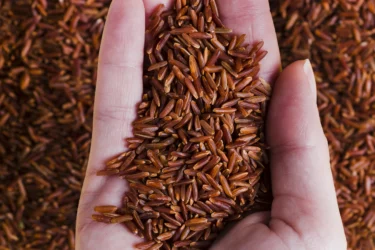
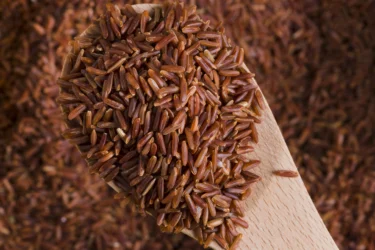
Among them, red rice stands out for its distinctive colour and traditional significance. Commonly referred to by different names such as Oryza longistaminata, Matta rice, Palakkadan Matta rice, and Rakthashali in Ayurveda, red rice owes its rich hue to the presence of anthocyanin, a natural antioxidant pigment.
Red rice can appear in several forms, which include wild, weedy, or cultivated and may be partially or fully covered with husk. It has been traditionally cultivated in regions such as Sri Lanka, China, the United States, Korea, and India. Within India, red rice is grown in various states, including Karnataka, Tamil Nadu, Kerala, Odisha, and Madhya Pradesh. Notable varieties include Patni from Maharashtra, Matali and Jatu from Kullu, and Matta from Kerala1.
Did You know?
Red rice is a nutritional powerhouse. It contains proteins, carbohydrates, mono-unsaturated fatty acids, vitamins, and minerals like zinc and iron. Additionally, red rice is a source of polyphenols, including vanillic acid and ferulic acid, as well as antioxidants like anthocyanins, proanthocyanidins, and flavonoids, which are responsible for its characteristic colour. The nutritional components of red rice per 100 grams are given below2:
Scientific studies have examined various aspects of red rice, and its consumption has been associated with several beneficial nutritional properties. Some of these observed characteristics are outlined below, based on available research and traditional dietary usage.
Some of the potential benefits of red rice are described as below:

Inflammation is the body’s natural defence mechanism in response to infection, stress, or tissue injury. It can be acute, such as in the case of fever, or chronic, as seen in long-term conditions like arthritis. A systematic review12 has reported that red rice may exhibit anti-inflammatory and antioxidant properties in certain experimental settings. Antioxidants are known to help protect cells from oxidative stress and may assist in reducing inflammatory responses. These potential effects are attributed to the presence of naturally occurring compounds in red rice, such as gamma-oryzanol, flavonoids, and phenolic compounds3.
While such findings are of interest, it is important to note that more robust scientific studies are needed to confirm these observations. At present, there is insufficient clinical evidence to support any definitive health claims regarding the management or treatment of inflammatory conditions through the consumption of red rice.

Breast cancer is one of the most commonly diagnosed cancers affecting women worldwide. Some preliminary research13 has investigated the potential effects of red rice on breast cancer cells in laboratory settings. Findings from these studies suggest that certain compounds present in red rice, such as polyphenols, particularly proanthocyanidins may influence cellular processes related to cancer progression. For example, red rice extracts have been observed to inhibit the activity of interleukin-6 (IL-6), a protein associated with cell growth and may also play a role in reducing cell migration in vitro4.
However, it is important to emphasise that these studies are experimental in nature, and the results have not been confirmed through large-scale clinical trials. At this stage, there is no conclusive evidence to support any preventive or therapeutic claims related to breast cancer, and further research is required. Individuals should consult with qualified healthcare professionals for medical advice or treatment.

Alopecia is the loss of hair or baldness. Red rice is naturally rich in protein and other nutrients, which are important for general health, including the maintenance of hair. Some experimental research5 has explored the potential impact of red rice on hair health. In one such study, red rice extract was found to inhibit the activity of the enzyme 5-alpha reductase, which is associated with hair loss in certain conditions. These findings suggest a possible link between compounds found in red rice and reduced hair shedding in laboratory models. However, these results are preliminary and have not been confirmed through extensive human studies. At present, there is insufficient scientific evidence to support the use of red rice in managing alopecia, and individuals experiencing hair loss are advised to seek guidance from a qualified medical professional.

Type 2 diabetes is characterised by elevated blood glucose levels either due to a decreased insulin level or resistance of the body to insulin (a hormone that regulates blood glucose levels). A study6 in 2020 investigated the potential effects of red rice in a diabetic mouse model. The findings suggested that red rice consumption may be associated with improved insulin sensitivity and a lower glycaemic response in that experimental context. These observations were attributed to the naturally low glycaemic index of red rice and the presence of certain bioactive compounds. While these results are scientifically noteworthy,
it is important to recognise that the study was conducted on animals, and further well-designed clinical trials in humans are necessary to confirm these outcomes. At present, there is not enough evidence to support any definitive health claims regarding the management of Type 2 diabetes through red rice consumption. Individuals with diabetes should consult a qualified healthcare provider for appropriate dietary and medical guidance.
Dyslipidemia is characterised by elevated cholesterol, including increased low-density lipoprotein, often referred to as ‘bad’ cholesterol, and decreased high-density lipoprotein (HDL), known as ‘good’ cholesterol. A review of existing research7 has noted that red yeast rice, which is a fermented form of red rice, may help reduce cholesterol levels by inhibiting its synthesis in the body.
Additionally, the presence of naturally occurring phytosterols and monounsaturated fatty acids in red rice has been associated with potential benefits in managing lipid profiles. These findings suggest that red rice might have a positive effect on dyslipidemia8. However, further rigorous studies are required to establish these claims with greater scientific certainty.
Literature indicates that diets rich in dietary fibre are generally associated with a reduced intake of fats and may contribute to improved digestive health. Traditional Chinese medicine has historically used red rice as a natural help for digestion8. As a good source of dietary fibre, red rice may support regular bowel movements and provide relief from constipation. Furthermore, red rice is naturally low in fat while being relatively high in protein and fibre, which can promote feelings of fullness, potentially reducing overeating and supporting metabolic health. These characteristics suggest that consuming red rice could be beneficial for digestion, relief from constipation, and maintaining a healthy weight1. However, further scientific studies are needed to confirm these effects.
Though there are studies that show the benefits of red rice in various conditions, these are insufficient and there is a need for further studies to establish the true extent of the benefits of red rice on human health.
As red rice is a good source of many nutrients, including phytochemicals, which are believed to possess properties that may support skin health and potentially contribute to anti-ageing effects15.
Dr. Rajeev Singh, BAMS
You must consult a qualified doctor before taking any herbal supplements. Do not discontinue or replace an ongoing treatment of modern medicine with an ayurvedic/herbal preparation without consulting a qualified doctor.
Also Read: Puffed Rice: Uses, Benefits, Side Effects By Dr. Rajeev Singh
Few side effects related to the consumption of red rice include:
However, if you experience any adverse reactions to red rice, it is advised to discontinue its use immediately and consult a doctor or the Ayurvedic physician who prescribed it. They can provide appropriate guidance based on your symptoms.”
Certain studies14 have explored the potential of red yeast rice in supporting bone health. Preliminary findings from these studies suggest that red yeast rice may have a role in promoting bone formation.
Dr. Siddharth Gupta, B.A.M.S, M.D (Ayu)
Eating red rice is okay if taken in moderate amounts. However, general precautions must be followed in the following conditions:
Also Read: Plums (Aloo Bukhara): Uses, Benefits, Side Effects & More!
Therefore, you must always seek the advice of your Ayurvedic physician about the possible interaction of red rice with other drugs and follow the prescription thoroughly, as they will know your health condition and other medications you are taking.
Also Read: Clove (Laung): Uses, Benefits, Side Effects and More!
Red rice is a nutrient-rich grain with potential health benefits supported by both traditional knowledge and preliminary scientific studies. While promising, its therapeutic claims require more clinical evidence for confirmation. As with any supplement, it should be consumed with caution and professional guidance.
Yes. In comparison with white rice, red rice is rich in zinc and iron which may offer several health benefits.
Some famous red rice varieties include Patni of Maharashtra, Matali and Jatu of Kullu, and Matta of Kerala.
Yes. Red rice is low in fat and high in protein and fibres, which increases satiety and reduces overeating, which may help in weight loss.
If red rice is fermented consumed improperly, it may be associated with a risk of liver injury. Excessive intake of red rice can lead to digestive discomfort, including indigestion, bloating, and stomach pain, primarily due to its high fibre and protein content. While red rice consumption is generally not known to cause allergic reactions, in some cases, it may be linked to symptoms such as itching, rashes, or swelling. The precise causes and mechanisms underlying these reactions are not yet fully understood.
Disclaimer: The information provided here is for educational/awareness purposes only and is not intended to be a substitute for medical treatment by a healthcare professional and should not be relied upon to diagnose or treat any medical condition. The reader should consult a registered medical practitioner to determine the appropriateness of the information and before consuming any medication. PharmEasy does not provide any guarantee or warranty (express or implied) regarding the accuracy, adequacy, completeness, legality, reliability or usefulness of the information; and disclaims any liability arising thereof.
8
Misal pav, a famous spicy Maharashtrian recipe is prepared using moth beans. Moth bean, also known as Matki, math, mat bean, moth, dew bean or Turkish gram, is an annual herbaceous legume (plant or seed/fruit belonging to the family Fabaceae). Moth beans or Vigna aconitifolia are legumes belonging to the family Fabaceae. They are greenish or yellow to brown in colour and oblong in shape. Moth beans originated in India and are widely cultivated in China, Pakistan, and Sri Lanka, and north-western desert areas of South Asia and the South-Western states of the United States. These seeds or pulses are grown at the end of the rainy season but are available throughout the year. Moth beans are used to prepare a variety of dishes. Apart from their culinary use, they’re highly nutritious. Let us find out more about the health benefits moth beans offer1.
Matki is rich in carbohydrates, proteins, vitamins (ascorbic acid and niacin) and minerals like calcium, iron, magnesium, zinc, etc., and phenolic compounds like cinnamic acid, caffeic acid, ferulic acid, etc. The nutrients in Matki are mentioned below.
I suggest that Matki may help you in your weight loss journey. Makti is known for its ability to lower cholesterol levels in the blood. I recently read a study that stated Matki may have anti-obesity activity due to its antioxidant and anti-hypercholesterolemic actions6.
Dr. Siddharth Gupta, B.A.M.S, M.D (Ayu)
Scientifically proven properties of Matki include:
Some of the potential benefits of Matki are described as under:
Diabetes is a metabolic disorder characterized by increased blood glucose levels. Glucosidase enzymes help in the digestion of carbohydrates and starch and cause an increase in blood glucose. Inhibition of this enzyme reduces blood glucose. This mechanism is used by the alpha-glucosidase inhibitor class of drugs, which are used to manage diabetes. Bhagyawant et al. conducted a review in 2019 showing polyphenols in Matki bind to the alpha-glucosidase enzyme and prevent the rise in blood glucose. This indicates that consuming Matki may help manage diabetes. However, we need more studies to support these claims4.

The immune system acts as a defense against foreign bodies and microorganisms like bacteria, viruses and fungi. An elevated body temperature or fever triggers the immune system to fight against the microorganisms entering the body. Matki or Moth beans are rich in copper and may protect the cells from damage due to free radicals and keep the immune system healthy. Additionally, in rural areas, moth beans are used for fever. This indicates that the consumption of Matki can have a positive impact on the immune system and may also help in managing fevers. However, no studies have been conducted yet to ascertain these claims, and we need more scientific evidence to support these results2,4.

Inflammation is a protective reaction of our body against dangerous stimuli like tissue injuries, allergies, etc. Anti-inflammatory agents are used to control inflammation, as seen in cardiovascular diseases, cancers, etc. Roy et al. 2010 conducted a study3 stating Matki contains phenolic compounds which have an anti-inflammatory effect in cardiac diseases and cancers. This suggests that consuming Matki may help manage inflammation. However, we need more clinical studies to support these claims.
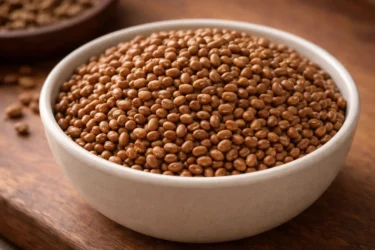
Malnutrition, which includes protein and micronutrient-related deficiency, is a leading cause of stunted growth in children. A literature review by Ayilara et al. in 2022 stated that Matki, although an underutilized legume, is highly nutritious due to the goodness of proteins, vitamins and minerals, and antioxidants5. This nutritional goldmine may help in managing malnutrition in children, but scientific evidence supporting it is limited, and we need more clinical studies to support these claims.

Matki is rich in antioxidants like carotenoids, flavonoids and phenols, which may positively impact vision. Antioxidants can lower the risk of eye-related disorders like age-related macular degeneration and age-related loss of vision along with improving normal vision. This indicates that Matki may have the potential to reduce the risk of eye disorders and improve vision. However, studies are yet to be done to ascertain these claims, and we need more scientific evidence to support these potential benefits4.

Though there are studies that show the benefits of Matki in various conditions, these are insufficient and there is a need for further studies to establish the true extent of the benefits of sweet potatoes on human health.
Not just for humans, Matki is useful for livestock as well. I recently read an article that says Matki may offer animals pleasant, exceptional drought-resistant pasture and hay during the hot season7.
Dr. Rajeev Singh, BAMS
You must consult a qualified doctor before taking any herbal supplements. Do not discontinue or replace an ongoing treatment of modern medicine with an ayurvedic/herbal preparation without consulting a qualified doctor.
Also Read: Praval Pishti: Uses, Benefits and Side effects By Dr. Rajeev Singh
A few side effects related to the consumption of Matki include:
However, if you experience any adverse reactions to Matki, it is advised to discontinue its intake and immediately contact a doctor or your Ayurvedic physician who has prescribed it. They will be able to guide you appropriately for your symptoms.
Also Read: Almonds: Uses, Benefits, Side Effects By Dr. Rajeev Singh
Eating Matki is okay if taken in moderate amounts. However, general precautions must be followed in the following conditions:
Therefore, you must always seek the advice of your Ayurvedic physician about the possible interaction of Matki with other drugs and follow the prescription thoroughly, as they will know your health condition and other medications you are taking.
The scientific name of Matki is Vigna aconitifolia. It is also known as math, mat bean, moth, dew bean, or Turkish gram locally1.
Yes, Matki is rich in antioxidants like carotenoids, flavonoids, and phenols, which may positively impact vision. However, to ascertain these claims, more studies should be conducted4.
Yes, being a good source of iron, moth beans may aid red blood cell formation and help manage anaemia. However, more studies are needed to support these claims. Therefore, it is advised to consult a doctor for proper treatment in case you have anaemia4.
Yes, the fibre content in Matki may aid bowel movements and may provide relief from constipation. However, scientific evidence supporting this is limited and we need more studies to support these claims. It is recommended to consult a doctor for proper treatment in case you have constipation4.
Bhadkaria et al. conducted a study in 2021 which showed that Matki, because of its potential to reduce blood pressure can result in side effects like light-headedness, cough, dizziness, etc. Additionally, its excess consumption can result in stomach pain, bloating and flatulence due to high content of fibre and protein4.
Disclaimer: The information provided here is for educational/awareness purposes only and is not intended to be a substitute for medical treatment by a healthcare professional and should not be relied upon to diagnose or treat any medical condition. The reader should consult a registered medical practitioner to determine the appropriateness of the information and before consuming any medication. PharmEasy does not provide any guarantee or warranty (express or implied) regarding the accuracy, adequacy, completeness, legality, reliability or usefulness of the information; and disclaims any liability arising thereof.
Links and product recommendations in the information provided here are advertisements of third-party products available on the website. PharmEasy does not make any representation on the accuracy or suitability of such products/services. Advertisements do not influence the editorial decisions or content. The information in this blog is subject to change without notice. The authors and administrators reserve the right to modify, add, or remove content without notification. It is your responsibility to review this disclaimer regularly for any changes.
2
Halim seeds, also known as garden cress seeds, are tiny reddish-brown seeds packed with nutrition and health benefits. Used for centuries in traditional medicine and cooking, they have been valued for their medicinal properties and rich nutrient profile.
These seeds come from Lepidium sativum, an edible herb belonging to the Brassicaceae family. Originally native to Egypt, the plant is now cultivated worldwide, including in India, where it is primarily grown in Madhya Pradesh, Gujarat, Rajasthan, and Uttar Pradesh. The plant produces light pink or white flowers and tiny seed pods, which are harvested for their seeds.
Halim seeds are also known by different names across regions, such as Holan, Chandrasura, Aliv seeds, and garden cress. With their impressive nutritional value, they have gained popularity as a superfood. Let’s explore the numerous health benefits these tiny seeds have to offer1.
Halim seeds are packed with the goodness of carbohydrates, proteins, fibers and minerals like calcium, phosphorus, zinc, etc. and phytochemicals like flavonoids, phenols, lectins, tannins, glycosides, etc. The nutritional components and bioactive components of Halim seeds are mentioned below:
Scientifically proven properties of Halim seeds include:
Based on my experience, I have found that the extract from halim seeds shows promising potential as an antifungal agent. It has been observed to effectively inhibit the growth of various fungal species. Halim seeds may possess strong antifungal properties, which could be beneficial in the management of fungal infections.
Dr. Siddharth Gupta, B.A.M.S, M.D (Ayu)
Some of the potential benefits of Halim seeds are described below:
Type 2 diabetes is a metabolic disorder characterised by hyperglycemia (an increase in blood glucose levels) with reduced or total loss of insulin (a hormone that regulates blood glucose in the body) function.
Qusti et al. conducted a study4 in 2016 to assess the effects of Halim seeds in diabetic rats. The study showed that Halim seeds showed a significant decrease in blood glucose levels. This effect was attributed to the inhibition of molecules which inhibit the insulin pathway. This indicates that Halim seeds may help in managing diabetes. However, we need more studies to support these claims in humans.

Strong bones reduce the risk of fractures and protect vital organs like the brain and heart from damage. To build strong bones and promote bone healing in fractures, calcium and Vitamin D play an important role.
Dixit et al. conducted a study1 on rats in 2020, stating that Halim seeds may positively impact bone health and help promote bone healing in case of fractures due to the presence of calcium and phosphorus in high amounts. This indicates that Halim seed consumption may have a positive impact on bone fractures, provided more human studies are done to support these claims.

Obesity is defined as an excessive or abnormal accumulation of fat in the body. A Body Mass Index (BMI)>25 kg/m2 is defined as overweight, and >30 kg/m2 is considered obese. Reducing body weight may help in managing obesity.
Dixit et al. conducted a study4 in 2020 to assess the effect of Halim seeds on obese rats; the study findings supported the use of Halim seeds for weight loss. This indicates that Halim seed consumption may help manage obesity by reducing weight. However, we need more studies to support these claims in humans.
Breast cancer is one of the most common cancers affecting women worldwide. Literature reviews support the use of dietary agents and a reduced risk of breast cancer.
Mahassni et al. conducted a literature review5 in 2013, stating Halim seeds contain phytochemicals like organo-sulfur compounds and phytosterols, which have antioxidant and anti-inflammatory effects and may inhibit cell multiplication, arrest the cancer cell cycle and cause apoptosis (cell death of cancer cells). This indicates that Halim seeds may exert an anti-cancer effect on breast cancer. However, there is limited evidence, and we need more studies to support these claims in humans.
Hyperlipidemia or hyperlipoproteinemia is defined as an increase in total cholesterol, a reduction in low-density lipoprotein or bad cholesterol and an increase in high-density lipoprotein or good cholesterol.
Yousef et al. conducted a study6 in 2014 to assess the effects of Halim seeds on hyperlipidemia; this study states that Halim seeds positively impacted lipid profiles. This effect is attributed to the inhibition of an enzyme, which aids the formation of cholesterol. This indicates that the consumption of Halim seeds may help manage hyperlipidemia. However, more studies should be conducted to claim these effects with more reliability.
In my practice, I have observed that halim seeds may exhibit significant antidiarrheal properties. It is believed to achieve this by inhibiting gastrointestinal propulsion and fluid secretion, resulting in a decreased frequency of bowel movements and reduced fluid loss.
Dr. Rajeev Singh, BAMS

Though there are studies that show the benefits of Halim seeds in various conditions, these are insufficient, and there is a need for further studies to establish the true extent of the benefits of Halim seeds on human health.
You must consult a qualified doctor before taking any herbal supplements. Do not discontinue or replace an ongoing treatment of modern medicine with an Ayurvedic/herbal preparation without consulting a qualified doctor.
According to a study9, it is stated that in addition to the nutritional components, Halim seeds also contain anti-nutrients like phytates and oxalates, which may interfere with the absorption of nutrients.
However, if you experience any adverse reactions to Halim seeds, it is advised to discontinue their intake and immediately contact a doctor or your Ayurvedic physician who has prescribed them. They will be able to guide you appropriately.
Also Read: Kayam Churna: Uses, Benefits, Side Effects and More
Consuming Halim seeds is okay if taken in moderate amounts. However, general precautions must be followed in the following conditions8:
The safety data regarding the use of Halim seeds in pregnant and breastfeeding women, the elderly and infants is limited; therefore, it is advised to take necessary cautions if you plan to add this herb to your dietary routine. It is advised to follow precautions and consume it in moderate amounts.
Consuming Halim seeds is contraindicated in the following situations:
Also Read: 14 Amazing Health Benefits of Pumpkin Seeds!
However, you must always seek the advice of your Ayurvedic physician about the possible interaction of Halim seeds with other drugs and follow the prescription thoroughly, as they will know your health condition and other medications you are taking8.
Also Read: Chia Seeds: Uses, Benefits, Side Effects, and More!
Yes, animal studies3 show that Halim seeds may help in weight loss. However, we need more studies to support these claims in humans. Therefore, it is advised to consult a doctor for proper treatment in case you have any weight-related issues.
The safety data regarding the use of Halim seeds in pregnancy is limited; therefore, it is advised to take necessary cautions if you plan to add this herb to your dietary routine. It is advised to consult a doctor for proper advice.
Yes, Halim seeds, due to their high iron content, may help in managing iron-deficiency anemia.
Disclaimer: The information provided here is for educational/awareness purposes only and is not intended to be a substitute for medical treatment by a healthcare professional and should not be relied upon to diagnose or treat any medical condition. The reader should consult a registered medical practitioner to determine the appropriateness of the information and before consuming any medication. PharmEasy does not provide any guarantee or warranty (express or implied) regarding the accuracy, adequacy, completeness, legality, reliability or usefulness of the information; and disclaims any liability arising thereof.
38
5


