Yoga is the science and art of healthy living”. It is a spiritual practice that attempts to bring harmony between the body and mind. The science of yoga is rooted in Indian origin and is now well-established worldwide. The practice of yoga was first described in Yoga Sutras, a classic text by Patanjali1. Yoga is known to integrate our physical, mental, and spiritual components to improve our overall health. This mind-body activity involves moving through a series of asanas (body postures) or pranayamas (breathing techniques). In this article, we will explore the health benefits of one such asana, parivrtta parsvakonasana.
Parivrtta parsvakonasana is a standing asana coupled with a spinal twist, in which one leg is stretched straight and the upper body is twisted, giving an intense stretch. The name comes from the Sanskrit words; “parivrtta”, which means turned round or revolved, “parsva”, which means side, “kona”, which means angle, and “asana”, meaning yoga pose or posture. This translates to revolved lateral angle pose in English2.
Did you know?
Parivrtta parsvakonasana must be done correctly for maximum health benefits. Let us now learn how to do parivrtta parsvakonasana:
Note: it is best to practice any asana empty stomach or a minimum of four hours have elapsed since you had a meal, whichever is sooner. The best time to practice parivrtta parsvakonasana is early morning, as the body is active and fresh.
Researchers believe that regular practice of yogasanas, including parivrtta parsvakonasana, may aid in diabetes. The yogasanas are believed to massage the internal organs and improve insulin sensitivity, which may lower blood sugar levels. Additionally, yogasanas like the Surya Namaskar may burn fat and glucose, lowering blood sugar levels7.
Dr. Rajeev Singh, BAMS
Keeping the origin and history in mind, let us now discuss some benefits of parivrtta parsvakonasana, which will make this asana worth trying. Enlisted below are a few health benefits of parivrtta parsvakonasana.

Arthritis is the swelling and inflammation of one or more joints in the body, which results in pain and stiffness in the joints. B.K.S. Iyengar, in his book3 “Light on Yoga”, states that the practice of parivrtta parsvakonasana may help in managing arthritis. However, there are no studies conducted yet to claim these effects and it is advised not to consider the practice of parivrtta parsvakonasana as an alternative to modern medicine. You should consult your doctor for proper treatment of arthritis. Additionally, you should practice this asana strictly under the guidance of a qualified trainer.
In my experience, osteoporosis, a bone disorder, may be reversed upto some extent with the regular practice of yogasanas, including Parivrtta Parsvakonasana. Parivrtta Parsvakonasana is known to enhance posture, produce better equilibrium, and expand the range of motion8.
Dr. Siddharth Gupta, B.A.M.S, M.D (Ayu)

Cardiovascular fitness tells about how well your body delivers oxygen to different body parts during prolonged periods of exercise. Moore et al. conducted a study4 in 2007 to assess the effect of yoga asanas on health. The results of this study showed that the practice of parivrtta parsvakonasana may help improve cardiovascular fitness. However, to claim these effects with greater reliability, we will need more studies. It is therefore advised to consult your doctor for the proper treatment and not rely on this asana alone. Additionally, its practice should be strictly done under the supervision of a qualified trainer.

A lipid panel is a test which is done to measure cholesterol in the blood. Literature studies show that the practice of yoga asanas may positively impact lipid panels. Marian et al. in 2016, conducted a study4, the findings of which showed that the practice of yoga asanas like parivrtta parsvakonasana may help in increasing good cholesterol and decreasing bad cholesterol. Thus, the practice of parivrtta parsvakonasana may positively impact lipid panel, but the practice of this asana should not be considered an alternative to modern medicine. So, consult your doctor for proper treatment and do not rely on this asana alone. Additionally, one should practise parivrtta parsvakonasana under the supervision of a qualified trainer.

Literature studies show that the practice of yoga may have a positive impact on anxiety. Street et al. 2020 conducted a study6, the results showed that the ashtanga yogasanas like parivrtta parsvakonasana may help in managing anxiety, improving sleep quality and may help in reducing stress. Thus, there is a potential that this asana may positively impact anxiety. However, it is recommended not to rely on this asana alone and consult a doctor for proper treatment. Additionally, it is best to practice this asana under the supervision of a qualified trainer.
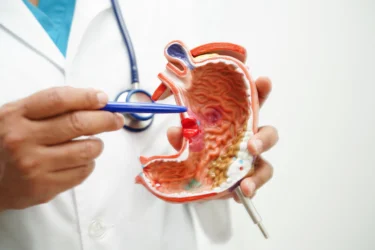
Gastric function includes the initiation of digestion of food by secretion of gastric acid or gastric juices; the undigested food is then removed from the body in the form of urine. Literature studies3 show that the practice of yoga asanas may have a positive impact on gastric function. B.K.S. Iyengar in his book “Light on Yoga”, has stated that the practice of parivrtta parsvakonasana asana may help in contracting and improving blood circulation to the abdominal organs and help improve digestion. It may also help in managing acidity and help remove the waste matter via the colon without straining. This indicates that the practice of parivrtta parsvakonasana may improve gastric function, but you should not consider this asana as an alternative to modern medicine. It is advised to consult your doctor for proper management of any gastric function abnormality. Also, you should practice this asana strictly under the guidance of a qualified trainer.

Note- The benefits mentioned above of parivrtta parsvakonasana are studied in a limited human population. To ascertain these claims in humans, more studies are required.
Although the practice of Yoga may help in the development of the mind and body, however, you should not consider yoga as an alternative to modern medicine. It is advised not to rely on Yoga alone to treat any condition. Kindly consult a qualified doctor for proper treatment. Additionally, any asana practice should be done under the supervision of a qualified trainer.
Also Read: Benefits of Utthita Trikonasana (Extended Triangle Pose) and How to Do it By Dr. Ankit Sankhe
While performing parivrtta parsvakonasana, caution needs to be taken in:
Following are the contraindications of parivrtta parsvakonasana:
Also Read: Benefits of Kurmasana (Tortoise Pose) and How to Do it by Dr. Himani Bisht
Parivrtta parsvakonasana is a standing asana coupled with a spinal twist, in which one leg is stretched straight and the upper body is twisted, giving an intense stretch. The name comes from the Sanskrit words “parivrtta”, which means turned round or revolved; “parsva” which means side, “kona”, which means angle, and “asana”, meaning yoga pose or posture. This translates to a revolving lateral angle pose in English. The practice of this asana may have a positive impact on arthritis, fitness, lipid panel, acidity and anxiety.
Also Read: Benefits of Baddha Padmasana (Bound Lotus Pose) and How to Do it By Dr. Himani Bisht
Parivrtta parsvakonasana is known as the revolved lateral angle pose in yoga.
Parivrtta parsvakonasana targets the Manipura chakra, which is known to control energy in the body.
Parivrtta parsvakonasana is a standing asana coupled with a spinal twist. It is a variation of parsvakonasana and is part of Iyengar yoga and ashtanga yoga.
There is limited information regarding the safety of parivrtta parsvakonasana in pregnancy. It is therefore advised to consult your doctor for proper guidance.
No, there are no studies which support the practice of parivrtta parsvakonasana on hair growth. Therefore, you should not rely on this asana alone and consult your doctor for proper treatment of hair loss.
1. Consulate General of India, Birmingham. Yoga: Origin, History And Development [Internet]. Birmingham: Consulate General of India Birmingham; 2015 Apr 25 [cited 2026 Jan 14]. Available from: https://cgibirmingham.gov.in/headline/display/11
2. Karuna Yoga Vidya Peetham. parivrtta Parsvakonasana – Revolved Side Angle Pose [Internet]. Slideshare; [cited 2026 Jan 14]. Available from: https://www.slideshare.net/slideshow/prevolved-side-angle-posepptx/261246509
3. Live With Yoga. Therapeutic Yoga for Arthritis [Internet]. Jaipur (IN): Live With Yoga; [cited 2026 Jan 14]. Available from: https://livewithyoga.org/yoga-for-arthritis/
4. Papp ME, Lindfors P, Nygren-Bonnier M, Gullstrand L, Wändell PE. Effects of High-Intensity Hatha Yoga on Cardiovascular Fitness, Adipocytokines, and Apolipoproteins in Healthy Students: A Randomized Controlled Study. J Altern Complement Med. 2016 Jan;22(1):81-7. doi: 10.1089/acm.2015.0082. Epub 2015 Nov 13. Erratum in: J Altern Complement Med. 2017 May;23(5):396. doi: 10.1089/acm.2015.0082.correx. PMID: 26565690; PMCID: PMC4739349. Available from: https://pmc.ncbi.nlm.nih.gov/articles/PMC4739349/
5. Ghazvineh D, Daneshvar M, Basirat V, Daneshzad E. The Effect of Yoga on the Lipid Profile: A Systematic Review and Meta-Analysis of Randomized Clinical Trials. Front Nutr. 2022 Jul 14;9:942702. doi: 10.3389/fnut.2022.942702. PMID: 35911119; PMCID: PMC9329825. Available from: https://pmc.ncbi.nlm.nih.gov/articles/PMC4739349/
6. Aakash. The impact of Ashtanga yoga on stress management and mental well-being: A systematic review of recent evidence. J Sports Sci Nutr [Internet]. 2024;5(2):95–104 [cited 2026 Jan 14]. Available from: https://www.researchgate.net/publication/399648445_The_impact_of_Ashtanga_yoga_on_stress_management_and_mental_well-being_A_systematic_review_of_recent_evidence_Aakash
7. Khedikar SG, Erande MP. Management of diabetes mellitus through aasana and pranayama. Int J Curr Med Pharm Res [Internet]. 2018 Sep 28 [cited 2026 Jan 14];4(9A):3656-60. Available from: https://www.researchgate.net/profile/Sachin-Khedikar/publication/328305138_MANAGEMENT_OF_DIABETES_MELLITUS_THROUGH_AASANA_AND_PRANAYAMA/links/5bc56bfe458515f7d9bf2675/MANAGEMENT-OF-DIABETES-MELLITUS-THROUGH-AASANA-AND-PRANAYAMA.pdf
8. Fishman LM. Yoga vs. Osteoporosis and Scoliosis: Series 1 with Scoliosis Session [Internet]. Manhattan (NY): Manhattan Physical Medicine and Rehabilitation; 2022 Dec 20 [cited 2026 Jan 14]. Available from: https://ipivot-now.com/wp-content/uploads/2023/01/2022-Final-OST-Manual-Ser-1-with-Scoliosis-Dec-20-2022.pdf
Disclaimer: The information provided here is for educational/awareness purposes only and is not intended to be a substitute for medical treatment by a healthcare professional and should not be relied upon to diagnose or treat any medical condition. The reader should consult a registered medical practitioner to determine the appropriateness of the information and before consuming any medication. PharmEasy does not provide any guarantee or warranty (express or implied) regarding the accuracy, adequacy, completeness, legality, reliability or usefulness of the information; and disclaims any liability arising thereof.
Links and product recommendations in the information provided here are advertisements of third-party products available on the website. PharmEasy does not make any representation on the accuracy or suitability of such products/services. Advertisements do not influence the editorial decisions or content. The information in this blog is subject to change without notice. The authors and administrators reserve the right to modify, add, or remove content without notification. It is your responsibility to review this disclaimer regularly for any changes.
 1
1
 1
1
Modern civilization has brought happiness coupled with unhealthy levels of competition and a compulsion to achieve targets, paving the way to a stressful life. To get an escape from this busy lifestyle, the quest for reliable methods to do the same has intensified. In this way, the practice of yoga has gained the limelight. The practice of yogasanas has benefitted all dimensions of health like physical, spiritual, mental and social and at the same time, has promoted harmony with nature and has helped in conserving the environment. In this blog, we will discuss the health benefits and other know how of one such asana, hasta uttanasana1.
Hasta uttanasana is a standing yoga posture of surya namaskara. The name comes from the Sanskrit words “hasta” meaning hand “ut” meaning intense “tan” meaning stretch and “asana” which means yoga or posture. In English, this yoga asana is called as raised arm pose. It is, therefore an intense backward stretch practiced as the second and eleventh pose of Surya namaskar2,3.
Did You Know?
Hasta uttanasana must be done correctly for maximum health benefits. One may perform hasta uttanasana in the following manner:
Note: It is best to practice any asana empty stomach or a minimum of 4 hours of having a meal, whichever is sooner. The best time to practice hasta uttanasana is during sunrise because this asana is part of surya namaskara, i.e. Salutation to the Sun.
Keeping the origin and history in mind, let us now discuss some benefits of hasta uttanasana, which will make this asana worth trying. Enlisted below are a few health benefits of hasta uttanasana.

Literature studies show that the practice of yoga asanas may positively impact obesity. Bhutkar et al. 2011 conducted a study3,4 to assess the effects of hasta uttanasana along with other sequences of surya namaskara. The results of this study showed that this yoga intervention helped in reducing body fat and body mass index (comparison of a person’s body weight to his height). Therefore, there is a potential that the practice of hasta uttanasana may potentially benefit weight loss and, thus, may have the potential to manage obesity. Additionally, the practice of this asana may enhance metabolism. However, we need more studies to assess these claims. Due to this limitation, you should not consider the practice of this asana as a remedy for the management of obesity. It is best to consult your doctor for the proper treatment. The practice of hasta uttanasana must be done strictly under the supervision of a qualified trainer.
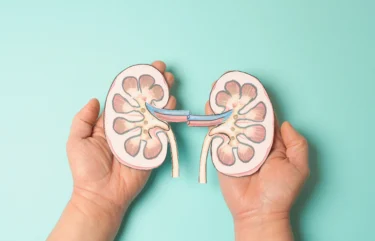
Surya namaskara or salutation to the almighty sun helps in unleashing various benefits for our body. A review by Venkatesh et al. in 2022 stated that hasta uttanasana, which is part of Surya namaskara helps in contracting and expanding muscles, which increases the blood flow towards the kidney. This may help in flushing out toxins from the body. Thus, the practice of hasta uttanasana may help in purifying blood via the kidney. To apply these findings, we will need more studies. It is therefore advised to consult your doctor for the proper treatment and not rely on this asana alone. Additionally, the practice of hasta uttanasana should be strictly done under the supervision of a qualified trainer5.

Cardiac diseases are one of the most common health issues and are the number one cause of death worldwide. People have started to realize that we can reduce the risk of cardiac diseases through lifestyle modifications like walking, exercises and yoga asanas. Venkatesh et al. conducted a review in 2022 which stated that the practice of hasta uttanasana may help reduce the risk factors like high heart rate, abnormal cholesterol and triglycerides levels. Thus, the practice of yogasanas like hasta uttanasana may reduce the risk of cardiac diseases. However, you should not consider this asana as an alternative to modern medicine. It is advised to consult your doctor for proper management of any heart disease. Also, you should practice this asana under the supervision of a qualified trainer only5.

Lungs are the vital organs of the respiratory system, which help in the process of breathing, delivering oxygen to different parts of the body and removing toxic wastes. Research shows that the practice of yogasanas may improve the functioning of the lungs. A review was conducted by Balayogi et al. in 2011 to assess the effect of different surya namaskar sequences on health. The study states that the practice of hasta uttanasana may help improve respiratory volumes and pulmonary functioning. This is due to the stretching of the abdomen, which causes the expansion of the lungs. Additionally, this asana may increase the blood supply to the lungs and help in removing toxins. Therefore, yoga asanas like hasta uttanasana may positively impact the functioning of the lungs. However, it is recommended not to consider this asana as an alternative to modern medicine. It is recommended to consult a doctor for proper treatment. Additionally, it is best to practice this asana under the supervision of a qualified trainer3,6.
Also Read: Benefits of Chaturanga Dandasana (Four Limbed Staff Pose) and How to Do it By Dr. Ankit Sankhe

Although the practice of Yoga may help in the development of the mind and body, However, you should not consider yoga as an alternative to modern medicine. It is advised not to rely on Yoga alone to treat any condition. Kindly consult a qualified doctor for proper treatment. Additionally, any asana practice should be done under the supervision of a qualified trainer.
Note: The benefits mentioned above of hasta uttanasana are studied in a limited human population. To ascertain these claims in humans, more studies are required.
Let me tell you a secret. Hasta Uttanasana along with the amazing Surya Namaskar sequence might have a hidden power. They may actually work their magic on our endocrine glands. And guess what? It might help bring balance during that tricky transition phase between childhood and adolescence for all the growing kids7.
Dr. Siddharth Gupta, B.A.M.S, M.D (Ayu)
As hasta uttanasana is practiced as a part of surya namaskara, the precautions and contraindications of Surya namaskara will apply to hasta uttanasana too.
Conditions, where hasta uttanasana should be performed with caution, are:
Conditions where hasta uttanasana is contraindicated include:
I may have some interesting news about Hasta Uttanasana and the Surya Namaskar sequence. They might have a special talent for relieving constipation and giving your digestion a little kickstart. So, if you’ve been dealing with any such abdominal complaints, these poses might just be your new best friends8.
Dr. Rajeev Singh, BAMS
Hasta uttanasana is a standing yoga posture of surya namaskara the name comes from the Sanskrit words “hasta” meaning hand and “ut” meaning intense, “tan” meaning stretch and “asana” which means yoga or posture. It is, therefore, an intense backward stretch practised as the second and eleventh pose of surya namaskara. The practice of this asana may potentially manage obesity, reduce the risk of cardiac diseases, helps in purifying the blood and improve the functioning of the brain, lungs, etc.
Also Read: Benefits of Uttanpadasana (Raised Leg Pose) and How to Do it By Dr. Ankit Sankhe
Hasta Uttanasana is a standing yoga posture of Surya Namaskara. The name comes from Sanskrit words “hasta” meaning hand, and “ut” meaning intense, “tan” meaning stretch and “asana” which means yoga or posture. In English, this asana is referred to as raised arms pose. It is, therefore, an intense backward stretch practised as the second and eleventh pose of surya namaskara1.
The practice of Hasta Uttanasana helps in activating Vishuddhi chakra. The activation of this chakra helps in unleashing freedom and happiness.
First, stand in Tadasana stand straight with your feet firm and aligned at shoulder level. Arms are in a relaxed position on either side. Next, inhale and slowly raise and stretch both arms above your head. Both of your arms will be shoulder width apart. Keep the legs straight and stiff. Next, bend your arms, head and upper body slightly backward. While bending, ensure you do not overstrain your upper body while bending. Breathe out, and slowly come back to the initial position2.
The mantra recited during the practice of Hasta Uttanasana is “Om Ravaye Namaha”, a salutation to the shining one, praised by everyone2.
Yes, the practice of Hasta Uttanasana may benefit weight loss and, thus, may potentially benefit obesity. However, you should not rely on this asana alone and consult your doctor for the proper management of obesity.
Disclaimer: The information provided here is for educational/awareness purposes only and is not intended to be a substitute for medical treatment by a healthcare professional and should not be relied upon to diagnose or treat any medical condition. The reader should consult a registered medical practitioner to determine the appropriateness of the information and before consuming any medication. PharmEasy does not provide any guarantee or warranty (express or implied) regarding the accuracy, adequacy, completeness, legality, reliability or usefulness of the information; and disclaims any liability arising thereof.
Links and product recommendations in the information provided here are advertisements of third-party products available on the website. PharmEasy does not make any representation on the accuracy or suitability of such products/services. Advertisements do not influence the editorial decisions or content. The information in this blog is subject to change without notice. The authors and administrators reserve the right to modify, add, or remove content without notification. It is your responsibility to review this disclaimer regularly for any changes.
4
0
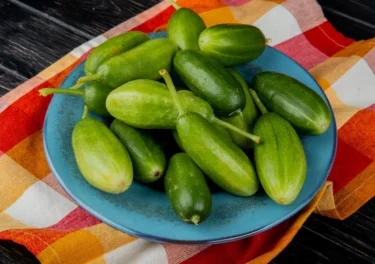
Have you ever noticed a bright green flower-shaped segmented fruit growing on the trees? The fruit is called Bilimbi in English. The scientific name of bilimbi is Averrhoa bilimbi, which belongs to the Oxalidaceae family. It is known as blimblim in French, mimbro in Spanish, belimbing asam in Malay and kaling pring in Thai. Bililmbi fruits are often eaten raw, used to make wine, vinegar and pickles and substitute for tamarind in dishes and also be used as a flavouring agent. In Thailand, Malaya and Singapore, bilimbi is very common. It is frequently grown in gardens across the plains of India and thrives in all the country’s warmest regions. Bilimbi or Averrhoa bilimbi, is a folk remedy for many ailments1,2. Let us have a look at some of them.
Did you know?
Bilimbi may contain bioactive compounds like amino acids, citric acid, cyanidin–3–O–h–D–glucoside, phenolics and sugars2. Additionally, 100 gm ripened fruit of bilimbi may contain the following nutritional components:
*unit is per 100g unless otherwise stated
Several studies have shown that bilimbi may have the following properties3:
Some of the potential uses of bilimbi are:

Bilimbi may help to improve liver health. The results of a study by Nagmoti et al. in 2010 suggested a significant increase in the activity of liver enzymes (SGOT, SGPT, ALP) and serum bilirubin levels. Increased levels of these enzymes may cause various liver diseases6. However, further studies are required to check if bilimbi can protect the liver. Therefore, you must consult your doctor if you have any symptoms of liver disease.

Leaf extracts of bilimbi may have anticancer properties against breast cancer. Bioactive compounds like terpenoids, flavonoids, tannins and saponins may kill cancer-causing cells (apoptosis and programmed cell death) and inhibit the growth of cancer-causing cells (proliferation)7. However, further studies are required to check if bilimbi may help in the case of breast cancer. Cancer is a dangerous disease therefore, you must consult your doctor if you suspect any symptoms of cancer instead of self-medicating.

According to the study8 conducted in 2004 by Tan et al., bilimbi may be beneficial in the case of diabetes mellitus. Bilimbi may reduce blood glucose levels. However, further studies are required to check if bilimbi can be beneficial in the case of diabetes. Therefore, you must check your blood sugar levels regularly and consult your doctor in case of abnormal blood glucose levels instead of relying on bilimbi fruit.
Bilimbi may reduce bad cholesterol (LDL, VLDL) and increase good cholesterol levels (HDL) due to bioactive compounds like terpenoids, tannins, phenols and flavonoids. This was shown in a study9 conducted by Mohan et al. in 2016. However more studies are required to check if bilimbi can be beneficial for lowering cholesterol levels. Therefore, you must check your cholesterol levels regularly and consult your doctor in case of high cholesterol levels. Bilimbi is in no way a solution to high cholesterol.

Flavonoids present in bilimbi may be responsible for lowering blood pressure, according to the studies conducted by Rafida et al. in 2021. The flavonoids may dilate the blood vessels and decrease the resistance to blood flow10. However, further studies are required to check if bilimbi is beneficial for lowering blood pressure. Therefore, you must check your blood pressure regularly and consult your doctor in case of high blood pressure.
Though studies show the benefits of bilimbi in various conditions, these are insufficient and there is a need for further studies to establish the true extent of the benefits of bilimbi on human health.
Of all the traditional uses of bilimbi that I have seen, one notable application is making infusions and decoctions of its leaves. These may be used as a protective medicine after childbirth16.
Dr. Siddharth Gupta, B.A.M.S, M.D (Ayu)
You can use bilimbi in the following ways:
You must consult a qualified doctor before taking bilimbi in large quantities or any herbal supplements. Do not discontinue or replace an ongoing treatment of modern medicine with an ayurvedic/herbal preparation without consulting a qualified doctor
Based on what I have noticed, the fruit juice of bilimbi is believed to have beneficial effects in addressing many health concerns. It has potentially been used in traditional remedies to manage various conditions such as whooping cough, scurvy, and even obesity16.
Dr. Rajeev Singh, BAMS
A case study of a 65 year-old woman by Chiang et al. in 2020 showed that bilimbi might hamper the nervous system and show the following symptoms12:
If you notice any reaction to consuming bilimbi, seek immediate medical attention. Consult your ayurvedic physician who has prescribed it to you; they will be able to identify the cause and treat it effectively.
According to some literature I came across, a syrup made from bilimbi fruit is believed to have medicinal properties. It is taken as a potential remedy for fever and inflammation, and it is also used to address rectal bleeding and provide relief from internal haemorrhoids17.
Dr. Smita Barode, B.A.M.S, M.S.
Also Read: Red Bananas: Uses, Benefits, Side Effects and More By Dr. Smita Barode
The following precautions should be taken before eating bilimbi:
It is advised to consult your doctor before consuming bilimbi if you have any pre-existing diseases.
Let me share an interesting observation. In Malaysia, people use either fresh or fermented bilimbi leaves for the management of venereal diseases, which are infections or conditions transmitted through sexual contact. It is a traditional remedy believed to be effective in addressing these specific health concerns18.
Dr. Anuja Bodhare, B.A.M.S, M.D (Ayu)
Also Read: Dill Leaves: Uses, Benefits, Side Effects By Dr. Smita Barode
Since not much data is available on the drug interactions with Bilimbi, let us know about the drug interactions of the fruits belonging to the genus of Bilimbi (Averrhoa).
You must consult your doctor before consuming bilimbi if you are on any other medication.
Also Read: Zucchini (Courgette): Uses, Benefits, Side effects and More!
Bilimbi may dilate the blood vessels and decrease the resistance to blood flow. However, you must check your blood pressure regularly and consult your doctor in case of high blood pressure10.
Billimbi may cause uncontrollable hiccups, mental confusion and seizures12. In case you notice a reaction after consuming bilimbi, seek immediate medical attention.
People with chronic kidney disease should be careful before consuming bilimbi13. Due to high levels of oxalates, bilimbi may lead to kidney stones12. You should consult your doctor before consuming bilimbi if you have any pre-existing diseases like kidney disorders.
Fresh fruit of bilimbi can be eaten raw. Pounded fresh bilimbi leaves yield juice through squeezing, which is provided once daily11. You must consult a qualified doctor before taking bilimbi in large quantities and do not replace your ongoing treatment.
Bilimbi may be beneficial in the case of diabetes mellitus as it may reduce blood glucose levels8. However, you must check your blood sugar levels regularly and consult your doctor in case of abnormal blood glucose levels.
Disclaimer: The information provided here is for educational/awareness purposes only and is not intended to be a substitute for medical treatment by a healthcare professional and should not be relied upon to diagnose or treat any medical condition. The reader should consult a registered medical practitioner to determine the appropriateness of the information and before consuming any medication. PharmEasy does not provide any guarantee or warranty (express or implied) regarding the accuracy, adequacy, completeness, legality, reliability or usefulness of the information; and disclaims any liability arising thereof.
Links and product recommendations in the information provided here are advertisements of third-party products available on the website. PharmEasy does not make any representation on the accuracy or suitability of such products/services. Advertisements do not influence the editorial decisions or content. The information in this blog is subject to change without notice. The authors and administrators reserve the right to modify, add, or remove content without notification. It is your responsibility to review this disclaimer regularly for any changes.
3
1
Ever heard of Draksharishta? Draksharishta is an ayurvedic preparation generally used for digestive issues, respiratory disorders and weakness. Draksharishta is a polyherbal medicine made using Draksha (Vitis vinifera), as its main component and 5-10% self-generated alcohol content. Polyherbal formulations include several medicinal herbs to increase their therapeutic effect1,2.
Vitis vinifera, belongs to the family Vitaceae and contains a high concentration of phenolic compounds. Resveratrol, catechins, epicatechin, quercetin, gallic acid and procyanidins are some of the phenolic compounds present in V. vinifera. These phenolic compounds show anti-oxidant, anti-inflammatory as well as antimicrobial effects on the body.
For the preparation of Draksharishta, 48.9 gms of draksha (V. Vinifera) is soaked in 1000ml of water. This mixture is then boiled till the water is reduced to 250ml and then filtered. 200 gms of jaggery is then added to this along with 1gm powdered mixture of all herbs [piper nigrum, piper longum, embelia ribes, Cinnamomum zeyleynicum (stem bark), Eletteria cardamomum (seeds), Cinnamomum tamala (leaves), Mesua ferrea (stamens) and Callicarpa macrophylla (flowers)] and 8 gms of Woodfordia fruticosa. The formulation is filtered again and fermented1,2.

Draksharishta is shown to have antimicrobial activity. A study3 was done by Tiwari in 2014 on the antimicrobial activity of Draksharishta as Draksharishta-M and Draksharishta-T (M- prepared using modern method and T- prepared using traditional method). Draksharishta prepared by both methods displayed a considerable zone of inhibition with a significant antibacterial action against common human infections like Staphylococcus aureus, bacillus subtilis, Salmonella typhii, Escherichia coli and Pseudomonas aeruginosa. Although Draksharishta has the potential to be used as an antimicrobial agent, it is best to consult a doctor for any signs of infection. Also, further studies are required in humans3.

In a study4 performed by Tiwari et al. in 2011, a high-fat diet given to hyperlipidemic rats for nine weeks showed a notable decrease in the atherogenic (the process of fat deposit formation in the arteries) index as compared to the rats given a normal diet. This shows the potential for the anti-hyperlipidemic property of Draksharishta in rats. However, more studies are required in humans to prove its efficacy4.

Kabir et al. in 2012 carried out studies5 in healthy mice and rats. These studies showed a significant pain-relieving effect in inflammation. Thus, there is a chance that Draksharishta shows pain-relieving activity. We suggest you take a professional opinion if you are suffering from pain of any kind. Although Draksharishta may have a potential benefit in managing pain, further studies should be conducted for the same5.

Inflammation is the body’s response to the presence of foreign substances. It aids in the removal of toxic substances from the body. An investigation5 done by Kabir et al. in 2012 on mice and rats showed a reduction in the release of prostaglandins (a chemical released in inflammation). Thus, Draksharishta may be used as an anti-inflammatory agent. However, for a safer and more efficient application, additional research is needed to completely comprehend the pharmacological profile of Draksharishta5.
I recently came across a study that says that according to research, ingesting a combination of Draksharishta with other herbs may help irritable bowel syndrome. Draksharishta is known for its anti-inflammatory properties10.
Dr. Siddharth Gupta, B.A.M.S, M.D (Ayu)

According to Pillai2 et al. in 2016, the main component of Draksharishta, i.e. draksha (V. vinifera) may have potential benefits for the management of various respiratory disorders such as cough, bronchitis, pulmonary disorders, tuberculosis, and common cold. Draksharishta may have a potential use in respiratory issues but further studies have to be done for safe consumption in humans. Always talk to a doctor before taking any ayurvedic or herbal medication2.
I recently came across a study that says that liquid Draksharishta is an Ayurvedic drug that has qualities for Balakaraka (tonic), Dipana (appetiser), Pachana (digestive), Malashodhana (laxative), Rasayana, and Hridya. It is used for constipation, Kshaya (debility), Kasa (cough), Swasa (asthma), Galaroga (throat disease), and Urakshata (chest problem)11.
Dr. Rajeev Singh, BAMS
A study2 conducted by Pillai et al. in 2016 states that Draksharishta, being a polyherbal formulation has potential in the management of many digestive disorders. However, it is not a substitute to conventional medicine. Furthermore, these claims have to be verified by humans. It is better to take a professional opinion before replacing any kind of medication2.

Tiwari et al. in 2011 carried out a study7 on the diuretic activity of Draksharishta in rats using two methods of preparation namely, Draksharishta M and Draksharishta T (where M and T indicate the preparation by modern and traditional methods respectively). This study shows a lot of potential for the use of Draksharishta as a diuretic. However, more studies are needed in humans to prove its further use. Consult a healthcare professional before consuming Draksharishta7.
Although there are studies that show the benefits of Draksharishta in several conditions, these are insufficient and there is a need of further studies to establish the true extent of the benefits of Draksharishta on human health.
I recently came across a study that says that due to its potent effects and pleasant taste similar to alcohol, people may take Draksharishta in excess and for extended periods regardless of a doctor’s prescription. I strongly recommend Draksharishta should be consumed with the doctor’s prescription11.
Dr. Smita Barode, B.A.M.S, M.S.
Draksharishta is available in the form of syrup and is used for managing and potentially managing various diseases. It may be consumed after meals or as prescribed by any health care provider.
You must consult a qualified doctor before taking any herbal supplements. Do not discontinue or replace an ongoing treatment of modern medicine with an ayurvedic/herbal preparation without consulting a qualified doctor.
As Draksharishta contains self-generated alcohol, it should be avoided in the case of pregnant and lactating women. Ayurvedic literature states the possible dangers of consuming medication that is improperly produced. The safety and efficacy of Draksharishta are not proven; so it is advised to consult a healthcare provider before consumption9.
Draksharishta is a fermented medication that contains 5-10% self-generated alcohol. Alcohol is shown to cause interactions with aspirin and NSAIDs (non-steroidal anti-inflammatory drugs). This can increase the risk of gastric mucosal damage and bleeding. Pepper is also used in Draksharishta, which is known to interact with barbiturates and NSAIDs8.
Consult your doctor before taking any other prescription or non-prescription (over-the-counter) medication along with Draksharishta.
Draksharishta is mainly composed of draksha (V. vinifera) along with other herbs like piper nigrum, piper longum, embelia ribes, Cinnamomum zeyleynicum (stem bark), Eletteria cardamomum (seeds), Cinnamomum tamala (leaves), Mesua ferrea (stamens) and Callicarpa macrophylla (flowers).
Draksharishta has various potential benefits such as antimicrobial activity, analgesic activity, anti-inflammatory activity and in reducing heart diseases.
Draksharishta is available in the market in syrup form marketed under different brand names.
Yes, Draksharishta is a polyherbal ayurvedic formulation in the Ayurvedic Formulary of India.
No, there are no proven skin benefits of Draksharishta.
Disclaimer: The information provided here is for educational/awareness purposes only and is not intended to be a substitute for medical treatment by a healthcare professional and should not be relied upon to diagnose or treat any medical condition. The reader should consult a registered medical practitioner to determine the appropriateness of the information before consuming any medication. PharmEasy does not provide any guarantee or warranty (express or implied) regarding the accuracy, adequacy, completeness, legality, reliability, or usefulness of the information; and disclaims any liability arising thereof.
Links and product recommendations in the information provided here are advertisements of third-party products available on the website. PharmEasy does not make any representation of the accuracy or suitability of such products/services. Advertisements do not influence the editorial decisions or content. The information in this blog is subject to change without notice. The authors and administrators reserve the right to modify, add, or remove content without notification. It is your responsibility to review this disclaimer regularly for any changes.
5
The seeds produced from the hemp plant are edible and nutritious. Scientifically, the hemp plant is the same as marijuana (Cannabis). Although they are related to the same genus, hemp seeds do not have the same activity as cannabis. Hemp seeds contain healthy fats, nutrients, and minerals, which provide numerous benefits to Human Health. Hemp is an ancient, unisexual plant known as Cannabis Sativa L., belonging to the family Cannabaceae. It is also referred to as industrial cannabis and is used in the energy, automobile, and construction markets. The seeds of hemp or cannabis are used as a functional food, a medicinal product, animal feed, and in the preparation of herbal formulations1,2. Let us discuss the importance and health benefits of Hemp seeds.
Nutritional contents of hemp seed per 100g2:
Did you know?
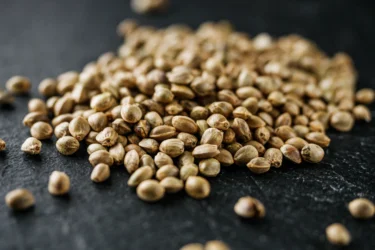
A study2 by Farinon et al.,2020, investigated the role of hemp seed in hypercholesterolemia caused by ovarian hormone deficiency. The experiment showed a positive result by providing unchanged levels of cholesterol and triglycerides in plasma with hemp seed supplements in the diet. This study reveals that hemp seed may potentially manage hypercholesterolemia, which develops due to ovarian hormone deficiency. More research concerning human efficacy needs to be conducted to validate the potential use of Hemp seeds2.

Leizer et al. 2000 reported3 that omega-3, 3 PUFA (Omega-3 Polyunsaturated Fatty Acids) present in hempseed oil may have an inhibitory effect on cancerous cells and might act as an anti-cancer agent. It has also shown inhibitory effects on tumour growth. Apart from Omega-3 PUFA, hemp seed oil also contains gamma-tocopherol in significant amounts, which also has anti-cancer properties. The gamma-tocopherol is known to inhibit the cancerous growth of colon cells and reduce the damage caused to the DNA by free radicals.
However, these hemp seeds have different bioactive compounds that may deactivate the free radicals. Further clinical data are needed for validation3. Cancer is a serious disease, and if you have any symptoms related to cancer, consult your doctor and do not self-medicate.
A study2 by Farinon et al. 2020 explained the potential functionality of hemp for human Health. Further, research studies have been conducted to validate the effect of hemp seed on fat deposition in arteries, commonly referred to as atherosclerosis. It was observed that supplementing hemp seeds with a high-fat diet may decrease cholesterol levels and may prevent atherosclerosis-related changes in the aorta (the artery responsible for carrying blood from the heart to other body parts). The consumption of hemp seeds also decreases triglyceride levels and inflammation, which may reduce oxidative stress. These findings suggested that hemp seed may have the potential against atherosclerosis, but more clinical trial data is required to establish its efficacy in humans2.

The anti-aging property of hemp seed is discussed by Farinon2 et al.,2020. They showed that hemp seed mixed with a vegetable diet might have a beneficial effect on promoting Health and longevity by significantly improving the morphology of the spleen and liver, gut flora, and memory, and decreasing inflammation. These findings suggest that hemp seed may slow the ageing process. However, more studies should be conducted to establish the true extent of its efficacy on humans2.

Acetylcholine is a chemical messenger which is responsible for the normal functioning of the body and brain. The acetylcholinesterase enzyme converts acetylcholine into choline and acetate. The acetylcholine synthesis decreases with age, but the acetylcholinesterase enzyme continues with its regular activity, leading to improper brain functioning. This improper brain functioning may affect memory and cognition in the long run, leading to dementia and Alzheimer’s disease. Potin and Saurel8, 2020 mention that hemp seeds’ protein can potentially inhibit the acetylcholinesterase enzyme. The inhibition of acetylcholinesterase may slow the progression of degeneration of brain diseases. Thus, it is suggested that hemp seed may have a potential for brain degeneration, but more research data is required to validate its efficacy in human health1.
Though studies show the benefits of Hemp seed in various conditions, these are insufficient, and there is a need for further studies to establish the true extent of the benefits of Hemp seed on human Health.
Based on my observations, hemp seed extracts contain antimicrobial, anti-inflammatory, anti-lipogenic, and collagen-promoting properties. Due to the presence of these properties, hemp seeds might be quite useful in reducing the occurrence of acne6.
Dr. Siddharth Gupta, B.A.M.S, M.D (Ayu)
Hemp seeds are healthy and nutritious nuts used by humans for various purposes. Some of the uses of hemp seed are:
One should always consult an Ayurvedic physician before consuming hemp seeds in large quantities or for therapeutic benefits. They will be the best person to prescribe the correct form and dosage for your health condition.
Some studies show that hemp seeds are a rich source of omega-3 fatty acids. These omega-3 fatty acids have anti-inflammatory properties. Due to these properties, hemp seeds might help in altering micro-organisms of the digestive tract which leads to improved digestion7.
Dr. Rajeev Singh, BAMS
Also Read: Stone Flower (Kalpasi): Uses, Benefits, Side Effects & More!
People suffering from gastric irritations, ulcers, and poor metabolism should avoid using hemp seed. Pregnant and lactating mothers, the elderly, and children should use the hemp seed and its oil only after consultation with a doctor.
Also Read: Sadabahar (Periwinkle): Uses, Benefits, Side Effects and More By Dr. Rajeev Singh
Since cannabinoids, one of the constituents of hemp seeds, may increase the risk of bleeding in patients taking warfarin (an anticoagulant). People must avoid the consumption of hemp seed and consult doctors when on medication5.
Also Read: Chitrakadi Vati: Uses, Benefits, Side Effects & More!
Hemp seeds contain protein, carbohydrates, and healthy fats, which make them edible as a nutritional product. It also comprises potassium, sodium, iron, magnesium, and calcium, which adds to its nutritional value2.
Hemp seed is beneficial to human health in various ways. It acts as an anti-cancer and anti-hypertensive. It may also help in managing the degeneration of brain cells and atherosclerosis. Hemp seeds may also improve the absorption of calcium in bones. If you have the above-mentioned issues, consult the doctor and do not self-medicate1,2,3..
The chemical constituents of hemp seeds may act as anti-nutritional agents. These agents may decrease the absorption of nutrients in the body. This property of the chemical components reduces the nutritional value of the product2. If you want to include the hemp seeds, consult your doctor and do not self-medicate.
Hemp seed may help increase the longevity of cells and improve the morphology of various organs in the body, like the spleen and liver. It may also enhance learning and memory along with locomotor activity2. But, before taking these hemp seeds, consult your doctor and do not self-medicate.
People on anticoagulants (blood thinners) must avoid consuming hemp seeds. In addition, pregnant and lactating females, the elderly, and children should consult the doctor before consuming hemp seed5.
Disclaimer: The information provided here is for educational/awareness purposes only and is not intended to be a substitute for medical treatment by a healthcare professional and should not be relied upon to diagnose or treat any medical condition. The reader should consult a registered medical practitioner to determine the appropriateness of the information before consuming any medication. PharmEasy does not provide any guarantee or warranty (express or implied) regarding the accuracy, adequacy, completeness, legality, reliability, or usefulness of the information; and disclaims any liability arising thereof.
Links and product recommendations in the information provided here are advertisements of third-party products available on the website. PharmEasy does not make any representation of the accuracy or suitability of such products/services. Advertisements do not influence the editorial decisions or content. The information in this blog is subject to change without notice. The authors and administrators reserve the right to modify, add, or remove content without notification. It is your responsibility to review this disclaimer regularly for any changes.
9
1
Plants have been used in various indigenous systems of medicine for ages. Literature survey has revealed potent biological activities of several plants, which are proven through many animal and human studies.
Kuth is one such indigenous plant found on the Indo Pakistan border and Jammu and Kashmir, the Himalayan range of Uttarakhand and Himachal Pradesh and the Western Ghats. It grows wildly in China and Pakistan as well. The botanical name of the kuth plant is Saussurea lappa, also known as S.costus, belonging to the family Asteraceae and is often referred to as costus. It is a perennial herb with purple flowers having a fluffy and feathery appearance. The fruit of kuth is curved, hairy and greyish1,2.
Different parts of costus or kuth have been widely used in Ayurveda and Unani forms of medicine since ancient times. The roots are used in relieving fever, cough and stomach ache, while a paste with mustard oil provides relief from pain in the joints, especially during winter. The several traditional uses of kuth promise its great demand in the pharmaceutical industry. Unfortunately, kuth is on the verge of extinction and has been listed in the Red Data Book of Indian Plants3.
The bioactive compounds present in kuth are:
Other bioactive compounds include flavonoids, glycosides, steroids, lignans and triterpenes2.
According to several studies, women who inhale Kuth oil while in labour may experience fewer sensations of discomfort. In my experience, the medication is believed to ease anxiety, trepidation, and associated symptoms. Its use leads to the need for minimal anaesthesia with reduced negative effects on the mother and the foetus.
Dr. Smita Barode, B.A.M.S, M.S.
Anti ulcer activity of kuth has been discussed by various researchers over a period. Zahara et al., 2019 in their review, discussed the potential of S.lappa. They mentioned that the administration of kuth root extract reduces the acidic secretion in the stomach and increases the movement of food from the stomach to the small intestine (gastric emptying), which results in a noteworthy improvement in ulcers. The herbal formulation UL 409 (mentioned by Madhuri et al., 2012 and Rathore et al., 2020) possesses anti ulcer activity in the stomach and also contains S.lappa or kuth as a major ingredient. All this research suggests that kuth may have the potential as an anti ulcer agent, yet more data is required to establish its true extent in human health1,2,6.
The dehydrocostus lactone, a bioactive compound present in the roots of kuth, has demonstrated anti-cancerous activity in various types of cancer. This includes cancerous growth in the regions of the lungs, liver, gastric route, oral route, colon, ovaries, intestines and prostate glands. Rathore et al., 2020 revealed that the anti-cancerous activity of kuth is due to its potential to stop the growth of cancer cells during the cell multiplication cycle. Madhuri et al. 2012 mention a study performed to evaluate the benefit of kuth extract against gastric cancer. During this study1,2,6 it was found that the extract of kuth, along with chemotherapy, reduced the growth of the cancerous cells. These results indicate that kuth may have potential as an anti-cancer agent, but more clinical data is required to validate its role in humans.
The chemical constituents of Kuth, like flavonoids, glycosides, lactones, etc., have beneficial properties that improve the contraction of heart muscles. Rathore et al. in 2020 showed in a study2 the potential of kuth in a rabbit heart. They measured the changes in the heart rate, contractions and pericardial fluid (fluid in the space around the heart) of a rabbit’s heart after the administration of kuth. The positive results reveal that the property of kuth is similar to that of cardiac protective agents that decrease the risk of heart related diseases. These findings suggest that kuth may have the potential for heart disease. More research needs to be undertaken in the future to have sufficient data on the protective activity of kuth on the heart.

S.lappa or kuth is often prescribed in Korean prescriptions for relieving inflammatory diseases. Zahara et al., 2019 revealed that kuth extract administered in animal models showed anti-inflammatory properties for acute and chronic inflammation. Rathore et al., 2020 also demonstrated that lactones present in the kuth root also showed positive results at different stages of inflammation. The dose of 200mg/kg of kuth root extract showed considerable anti-inflammatory activity when compared with standard drugs like indomethacin. Amara et al., 2017 mentioned that kuth may help in reducing the inflammation related to rheumatoid arthritis, asthma, gastritis and bronchitis. All the above results suggested that kuth may have potential as an anti-inflammatory agent, but further studies are required to validate its role in human health1,2,5.

Zahara et al., 2019 in their review article, described that the extract of kuth root has shown its potential in managing epilepsy and convulsions when administered at a dose of 100 to 300 mg/Kg. It was observed that the administration of kuth roots increased the time difference between the two seizures subsequently. It may be because of the presence of the alkaloids, essential oil and 4-hydroxybenzaldehyde (an approved anti-epileptic agent) in kuth root that benefitted in the initiation and occurrence of seizures. These findings were supported by various researchers on different animal models, suggesting that kuth may have some potential in epilepsy and convulsions. Further clinical research is necessary to establish the true extent of the benefits of kuth on human health1,2.
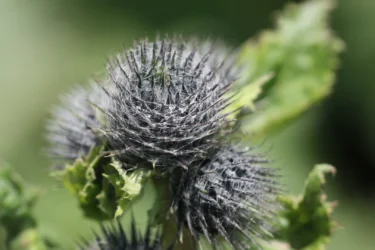
Though studies show the benefits of Kuth in various conditions, these are insufficient and there is a need for further studies to establish the true extent of the benefits of Kuth on human health.
From my knowledge, bad breath, dental caries, and gum disease are among the oral disorders for which Kuth may have great benefits. Streptococcus mutans, the bacteria causing tooth decay,may be less capable of causing caries if Kuth is consumed.
Dr. Rajeev Singh, BAMS
Various parts of kuth are used in different industries. Some of the uses are:
One should always consult an Ayurvedic physician before consuming kuth in large quantities or for therapeutic benefits. They will be the best person to prescribe you the correct form and dosage as per your health condition.
When a thorough investigation and clinical study on powerful hypoglycaemic plants from various locations of India were conducted to identify antidiabetic herbs utilised in Indian folklore and by various tribes, Kuth was discovered to be the most beneficial for diabetes. I recommend that people living with diabetes consume Kuth with a consultation from their doctor.
Dr. Siddharth Gupta, B.A.M.S, M.D (Ayu)
Kuth, being a medicinal plant, does not cause any harmful effects. Though, there are still some side effects, which include:
Despite being a safe medicinal herb, it should always be used in moderation.
Also Read: Turkey Berry (Solanum Torvum): Uses, Benefits and Side Effects by Dr. Rajeev Singh
Since there is no sufficient data available on the interaction of kuth with other drugs, further research is required for the same. One must consult the doctor if he or she is on allopathic medication before consuming kuth to avoid drug interactions.
Kuth is an indigenous medicinal plant with grey fruit and purple, fluffy feathers. It belongs to the family Asteraceae, commonly known as costus.
The kuth root has potential benefits in heart and liver diseases. It may also benefit in relieving epilepsy and convulsion along with anti-cancer, anti-inflammatory and anti-ulcer activities.
Yes, kuth/costus is a traditional plant used in Ayurvedic and Unani systems of medicine, which may help with cough, cold and fever. It has been used as a tonic and stimulant for the brain and liver.
Kuth plant is prohibited in people suffering from skin allergies, especially the perfumes and oils that form kuth roots. Elders, children and pregnant and lactating females should consult a doctor before consuming kuth.
Kuth has been used as a fragrant oil, fuel, fodder for cattle and insecticide for crops. It is also used as a hair dye and hair wash to bring lustre to hair. The medicinal use of kuth roots is to prepare local formulations to manage various pain and diseases.
Disclaimer: The information provided here is for educational/awareness purposes only and is not intended to be a substitute for medical treatment by a healthcare professional and should not be relied upon to diagnose or treat any medical condition. The reader should consult a registered medical practitioner to determine the appropriateness of the information and before consuming any medication. PharmEasy does not provide any guarantee or warranty (express or implied) regarding the accuracy, adequacy, completeness, legality, reliability or usefulness of the information; and disclaims any liability arising thereof.
Links and product recommendations in the information provided here are advertisements of third-party products available on the website. PharmEasy does not make any representation on the accuracy or suitability of such products/services. Advertisements do not influence the editorial decisions or content. The information in this blog is subject to change without notice. The authors and administrators reserve the right to modify, add, or remove content without notification. It is your responsibility to review this disclaimer regularly for any change
2
0
When diet is wrong, medicine is of no use. When diet is correct, medicine is of no need. Ayurveda allows us to cherish our innate nature and avail various health benefits. Ayurveda is a treasure trove of different herbal medicines and char magaz is a hidden gem commonly found in Indian kitchens. As the name suggests, char magaz is a blend of four (char) seeds which together may positively impact the brain (magaz). Char Magaz includes the seeds of melon (Cucumis melo), watermelon (Citrullus lanatus), pumpkin (Cucurbita pepo) and cucumber (Cucumis sativus). There are not enough studies conducted to assess the effect of char magaz in humans, so in this article, we will provide brief information on all these four seeds individually and considerations that you need to keep in mind if you plan to add this superfood to your diet1,2.
Did you know?
As there are not enough studies conducted on char magaz, the nutritional value of all four components (pumpkin, watermelon, cucumber and melon seeds) has not been evaluated. So, in the below, an attempt has been made to identify the nutritional components of individual seeds3,7.
Due to limited studies, the properties of char magaz are not well known. However, there are scientifically proven properties of individual seeds (pumpkin, watermelon, melon and cucumber), which will be discussed below:
Following are the properties of pumpkin seeds8:
List of the properties of cucumber seeds9:
The properties of watermelon seeds are11:
Enumerated below are properties of melon seeds12,13:
From what I’ve seen, char magaz, with its inclusion of pumpkin seeds, might offer various benefits due to its nutrient content. Pumpkin seeds are particularly rich in magnesium, a mineral that may play a vital role in promoting heart and bone health. Additionally, the presence of magnesium in pumpkin seeds may contribute to tolerating migraines, providing potential relief for those who experience such headaches15.
Dr. Siddharth Gupta, B.A.M.S, M.D (Ayu)
The potential of char magaz has not been studied in depth. however, the uses of pumpkin, melon, watermelon and cucumber seeds have been well established. In the section below, we will mention some of the potential benefits of these seeds individually and how combining these four may positively impact human health.

Many different ayurvedic treatments have been tested for managing diabetes; char magaz is one of them. Chen et al. conducted a review in 2005 which stated that pumpkin seeds might enhance insulin (a hormone that regulates blood glucose) levels. A review was conducted by Abinaya et al. in 2016, which stated that watermelon seeds potentially reduce elevated blood glucose levels. Wang et al., in 2018, stated that melon seeds might help with diabetes. This indicates char magaz may have the potential to manage diabetes. However, more studies are needed to support these claims with greater reliability8,11,13.
A lipid profile is a blood test which measures the number of triglycerides and cholesterol in the blood. An altered lipid profile is a risk factor for diseases like atherosclerosis, pancreatitis, etc. Soltani et al. conducted a study9 in 2016 this study showed that cucumber seeds could improve the lipid profile. As cucumber seeds are a vital component of char magaz, it may also be likely that char magaz has the potential to correct an abnormal lipid profile. However, more studies are needed to claim these effects. It is also advised to consult your physician for proper treatment and not consider char magaz as a remedy.
Non-alcoholic fatty liver disease (NAFLD) includes a range of liver diseases characterised by fat accumulation in the liver8. A review conducted by Maria et al. in 2022 stated that pumpkin seeds might help manage NAFLD due to unsaturated fatty acids in pumpkin seeds. Pumpkin seeds also help reduce oxidative stress and may reduce the chance of hepatic damage. This indicates that char magaz may have the potential to manage NAFLD. However, we need more studies to support these claims.

Breast cancer is a very common cancer and the leading cause of death in females globally. In India, breast cancer affected almost 118000 women in 2016 and has almost increased by 50% from 1965 to 1985. A review done by Maria et al. in 2022 stated that pumpkin seeds might have a chemotherapeutic potential against breast cancer. This effect is attributed to the presence of phytoestrogens in pumpkin seeds. Thus, it can be concluded that char magaz may reduce breast cancer risk. However, we need more studies to support these claims. So, it is advised to consult your doctor for the proper treatment of breast cancer8,10.
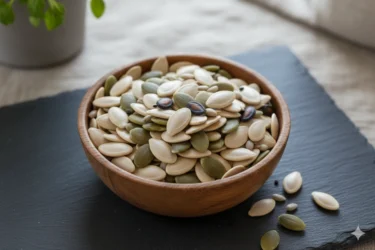
Though studies show the benefits of pumpkin, melon, cucumber and watermelon seeds in various conditions, these are insufficient to predict the benefits of Char magaz and there is a need for further studies to establish the true extent of the benefits of Char magaz on human health.
Based on my readings, cucumber seeds found in char magaz might contain beneficial oil that supports brain development and promotes a smooth body. It is also being used in ayurvedic preparations, highlighting its traditional use in promoting overall well-being16.
Dr. Rajeev Singh, BAMS
You must consult a qualified doctor before taking char magaz. Do not discontinue or replace an ongoing treatment of modern medicine with an ayurvedic/herbal preparation without consulting a qualified doctor.
However, if you experience any adverse reactions to char magaz, it is advised to discontinue its intake and immediately contact a doctor or your Ayurvedic physician who has prescribed it. They will be able to guide you appropriately for your symptoms.
Consuming Char Magaz is okay if taken in moderate amounts. However, general precautions must be taken.
Also Read: Cowpeas (Chawli): Uses, Benefits, Side Effects and More By Dr. Smita Barode
Limited studies have been conducted on char magaz. Therefore, it is difficult to assess the likelihood of interactions of char magaz with other medications, food, etc. Enlisted below are some potential interactions which may occur:
However, you must always seek the advice of your Ayurvedic physician about the possible interaction of char magaz with other medicines, as they will know your health condition and other medications you are taking8,9.
Also Read: Fennel (Saunf) Seeds: Uses, Benefits, Side Effects, and more!
As the name suggests, char magaz is a blend of four (char) seeds which together may positively impact the brain (magaz). Char magaz includes melon (Cucumis melo), watermelon (Citrullus lanatus), pumpkin (Cucurbita pepo) and cucumber seeds (Cucumis sativus)1.
No, the effect of char magaz on blood glucose is not studied yet, although there are few studies which show that pumpkin, melon and watermelon seeds may help in reducing blood glucose. It is always better to consult a doctor for proper management of elevated blood glucose and do not rely on self-medication8,11,13.
No, there are no known interactions of char magaz with food.
Yes, watermelon seeds which are part of char magaz, are known to help in weight loss. However, this potential use of char magaz has not been fully studied. Therefore, kindly consult your doctor for proper management of any weight-related issues and do not consider char magaz as an alternative to modern medicine10.
Consumption of pumkin seeds may aid in hair growth. So, there are chances that the consumption of char magaz may positively impact hair growth. However, there are not enough studies which support these claims. Therefore, it is always advised to consult your doctor for proper treatment14.
Disclaimer: The information provided here is for educational/awareness purposes only and is not intended to be a substitute for medical treatment by a healthcare professional and should not be relied upon to diagnose or treat any medical condition. The reader should consult a registered medical practitioner to determine the appropriateness of the information and before consuming any medication. PharmEasy does not provide any guarantee or warranty (express or implied) regarding the accuracy, adequacy, completeness, legality, reliability or usefulness of the information; and disclaims any liability arising thereof.
Links and product recommendations in the information provided here are advertisements of third-party products available on the website. PharmEasy does not make any representation on the accuracy or suitability of such products/services. Advertisements do not influence the editorial decisions or content. The information in this blog is subject to change without notice. The authors and administrators reserve the right to modify, add, or remove content without notification. It is your responsibility to review this disclaimer regularly for any change
1
0
Originating in the Vedic period, Ayurveda is an ancient Indian medicine system that relies on the principle that “life is an interplay of five elements-water, air, fire, space and earth.” Owing to Ayurveda, the knowledge of nature has been passed down from generation to generation. There are numerous ways to incorporate the science of Ayurveda into your life for healing; one such way is by using churnas, a mixture of herbs and natural ingredients. Trikatu churna is an age-old remedy used for some excellent health benefits. It is a mixture/powder (churna) of three (tri) most essential herbs (katu), namely adrak (ginger or Zingiber officinale), kali mirch (Black pepper or piper nigrum) and pippali (long pepper or Piper longum). In this article, we will learn more about Trikatu churna, its health benefits, side effects, precautions, etc1.
Did you know?
As already mentioned, Trikatu churna is a combination of Zingiber officinale, piper nigrum and piper longum3. All three herbs are rich in different nutrients and phytochemicals with medicinal value. The nutritional chart of Trikatu churna is given below:
Trikatu churna is rich in phytochemicals having a high medicinal value. The phytochemicals present in Trikatu churna include phytosterol, beta-sitosterol, acetic acid, amides, piperlongumine, genistein, E-beta carotene, etc2,5.
Trikatu churna shows numerous scientifically proven properties; some of which are mentioned below5:
Some of the potential benefits of Trikatu churna are described below.

Type II Diabetes is characterized by increased blood glucose due to reduced production or resistance to insulin (a hormone that regulates blood glucose). Ayurvedic formulations like churnas have been gaining the limelight for managing diabetes. Chabbra et al. conducted a study4 in 2022 that showed the presence of phytochemicals like genistein, piperlongumine, beta-sitosterol, beta-carotene, etc., in Trikatu churna. These phytochemicals regulate insulin resistance pathways and may help reduce blood glucose. Additionally, genistein may help improve insulin synthesis. This indicates that Trikatu churna may help manage Type II diabetes. However, to claim these results in humans, we need more studies. It is further advised not to self-medicate and consult your physician for proper management of diabetes5.

The liver is a large organ on the abdomen’s right side. It is mainly responsible for filtering waste from the body, including bilirubin, producing bile which helps to digest food and storing sugar in the body, which can later be used as an energy source. Different liver enzymes perform all these functions; any liver disease will be characterized by an abnormal value of these liver enzymes. Sharma et al. conducted a review1 that stated that Trikatu churna might exert a protective effect on the liver by improving liver enzymes and function. This may indicate that the Trikatu churna may protect the liver and help in conditions like alcoholic liver disease. However, more studies on humans are needed to support these claims. Additionally, it is advised not to rely on this churna as a remedy, and kindly consult your physician for the proper management of any liver disease1.

A lipid profile is a complete cholesterol test that measures total cholesterol, triglycerides, low-density lipoprotein (LDL), high-density lipoprotein (HDL), etc. Valsala et al., 2013 conducted an animal study5 to assess the effect of Trikatu churna on lipid profile. The consumption of this churna showed a declining trend in total cholesterol and triglycerides and helped increase high-density lipoprotein or good cholesterol levels. Thus, Trikatu churna may positively impact the lipid profile. However, we need more human studies to claim these results accurately. Also, it is advised not to consider this churna as an alternative to modern medicine; you should always consult your doctor for proper management of an abnormal lipid profile6.

Rheumatoid arthritis is a long-term inflammatory disease affecting the joints. It is manifested by inflammation and pain in the joints. Literature studies show that Trikatu churna may manage inflammatory conditions like rheumatoid arthritis. Vachana et al. conducted a study10 in 2014 which stated that Trikatu churna might help reduce inflammation due to the presence of phytochemicals like gingerol, piperine, etc. This indicates that Trikatu churna may potentially benefit rheumatoid arthritis and provide symptomatic relief. However, we need more studies to confirm these results with greater reliability. Additionally, you should not consider this churna as a remedy for managing rheumatoid arthritis; it is always advised to consult a physician for proper management7.

Digestive disorders are increasing globally and affecting people of all age groups. Christine et al. conducted a review6 in 2019 that stated that Trikatu churna might help improve digestion and gut flora and have a prebiotic effect. Additionally, it may have an anti-carminative effect (reduce flatulence) due to phytoconstituents like beta carotene, acetic acid, piperine, etc. Therefore, Trikatu churna may have the potential to manage digestive disorders and improve gut health. To claim these results in humans, we need more studies. It is further advised not to consider this churna as an alternative to modern medicine; kindly consider your doctor for proper management of any digestive disorder8.

Though there are studies that show the benefits of Trikatu churna in various conditions, these are insufficient and there is a need for further studies to establish the true extent of the benefits of Trikatu churna on human health.
Trikatu churna is believed to possess anti-inflammatory, anti-dyslipidaemic, and immune-modulatory characteristics and it might suppress certain pro-inflammatory cytokines. Based on some studies, Trikatu churna might be beneficial for managing COVID-19 cases11.
Dr. Siddharth Gupta, B.A.M.S, M.D (Ayu)
You must consult a qualified doctor before taking any herbal supplements. Do not discontinue or replace an ongoing treatment of modern medicine with an ayurvedic/herbal preparation without consulting a qualified doctor.
Also Read: Banana Leaf: Uses, Benefits, Side Effects By Dr. Smita Barode
Chanda et al. conducted an animal study7 that found Trikatu churna to be safe; however, there are no studies conducted on humans to assess the side effects of Trikatu churna. You should avoid excessive consumption of this churna as it may cause your blood glucose and lipid levels to drop too low.
However, if you experience any adverse reactions to Trikatu churna, it is advised to discontinue its intake and immediately contact a doctor or your Ayurvedic physician who has prescribed it. They will be able to guide you appropriately for your symptoms5,6,8.
Trikatu churna might be beneficial for managing various health issues like colds, coughs, nasal congestion, etc. Due to the presence of various phytochemicals, it might possess anti-microbial, anti-fungal, and analgesic properties and might be useful as a go-to remedy in common health conditions12.
Dr. Rajeev Singh, BAMS
Consuming Trikatu churna is okay if taken in moderate amounts. However, caution is warranted if you belong to special groups, as under:
Also Read: Gokshuradi Guggulu: Uses, Benefits, Side Effects and more!
However, you must always seek the advice of your Ayurvedic physician about the possible interaction of Trikatu churna with other drugs and follow the prescription thoroughly, as they will know your health condition and other medications you are taking.
Also Read: Talisadi Churna: Uses, Benefits and Side Effects By Dr. Rajeev Singh
Trikatu churna is an age-old remedy used for some excellent health benefits. It is a mixture/powder (churna) of three (tri) most essential herbs (katu), namely adrak (ginger or Zingiber officinale), kali mirch (Black pepper or piper nigrum) and pippali (long pepper or Piper longum)1.
Yes, Trikatu churna may help in weight loss and, thus, help manage obesity1.
Yes, Trikatu churna may help in the treatment of cough.
No, there are no proven results for the effects of Trikatu churna on hair loss.
The safety of Trikatu churna consumption in pregnancy is not well-established; it is therefore advised to avoid its use and consult your doctor for the same.
Disclaimer: The information provided here is for educational/awareness purposes only and is not intended to be a substitute for medical treatment by a healthcare professional and should not be relied upon to diagnose or treat any medical condition. The reader should consult a registered medical practitioner to determine the appropriateness of the information and before consuming any medication. PharmEasy does not provide any guarantee or warranty (express or implied) regarding the accuracy, adequacy, completeness, legality, reliability or usefulness of the information; and disclaims any liability arising thereof.
Links and product recommendations in the information provided here are advertisements of third-party products available on the website. PharmEasy does not make any representation on the accuracy or suitability of such products/services. Advertisements do not influence the editorial decisions or content. The information in this blog is subject to change without notice. The authors and administrators reserve the right to modify, add, or remove content without notification. It is your responsibility to review this disclaimer regularly for any changes.
2
2
“With the changing times, not only the country’s policymakers but the whole world is realising the importance of Ayurveda. Who would’ve thought that people in the upcoming generations would prefer a bottle of gooseberry or bottle gourd juices over carbonated drinks?” Despite this realization of the health benefits of plants and fruits, there are fruits like Phalsa which, although are high in nutrients but low in popularity. Phalsa is a plant that originates in Southeast Asian countries like India, Nepal, Sri Lanka and Bangladesh and is mainly grown for its fruit. The scientific name of the Phalsa fruit is Grewia asiatica, also known as the Indian Sherbet berry. It is a seasonal plant and the fruits are generally obtained in the summer. Phalsa fruit resembles grapes in its shape and size. They are purple in colour with a sour-sweet taste. The fruit is a powerhouse of vitamins and minerals and offers many health benefits; let us know more about those benefits1.
Phalsa fruit is rich in carbohydrates, fibres, proteins, vitamins A, B3 and C and minerals like potassium, calcium, iron and phosphorus. The phytochemicals present in Phalsa fruit include anthocyanins, tannins, phenols and flavonoids. The nutritional chart of this fruit is given below.
Phalsa fruit shows numerous scientifically proven properties; some of which are mentioned below1:
I’ve discovered that Phalsa fruits have a cooling effect on the body. Phalsa fruit is rich in phenols. This property makes it a potential natural remedy for excessive body heat9.
Dr. Siddharth Gupta, B.A.M.S, M.D (Ayu)
Some of the potential benefits of Phalsa fruit are described below.
Diabetes (Type I & II) is characterised by an increase in blood glucose due to a reduction or resistance to insulin (a hormone that regulates blood glucose). Literature shows that fruits rich in polyphenols may positively impact diabetes. Parveen et al. conducted a study2 on diabetic rabbits in 2013 to assess the effect of Phalsa fruit on blood glucose. This study showed a reduction in rabbits’ blood glucose after administering Phalsa fruit. Additionally, this fruit has a low glycemic index and the presence of polyphenols may help reduce blood glucose levels. This indicates that Phalsa fruit may help manage diabetes. However, to claim these results in humans, we need more studies. It is further advised not to self-medicate and consult your physician for proper management of diabetes3.
Dyslipidemia is characterised by an increase in total cholesterol and triglycerides. Studies have shown that Phalsa fruit may potentially control the altered parameters in dyslipidemia. An animal study4 conducted by Parveen et al. in 2013 showed a positive relationship between the consumption of this fruit and lipid levels. Rabbits administered Phalsa fruit extract (200mg/kg) showed reduced total cholesterol and triglycerides. This may indicate that this fruit’s consumption may help manage dyslipidemia. However, more studies on humans are needed to support these claims. Additionally, it is advised not to rely on Phalsa fruit as a remedy for managing dyslipidemia and kindly consult your physician for the proper management of dyslipidemia.

Breast cancer is one of the most common cancers affecting women worldwide; different ayurvedic treatments are being tested for their effectiveness towards breast cancer. A review2 by Muhammed et al. in 2013 states that Phalsa fruit contains smart molecules called anthocyanins which help reduce the multiplication of abnormal cells and the risk of cancers. Thus, it may be concluded that Phalsa fruit may reduce breast cancer risk. However, we need more human studies to claim these results accurately. Also, it is advised not to consider Phalsa fruit as an alternative to modern medicine; you should always consult your doctor for proper management of breast cancer.
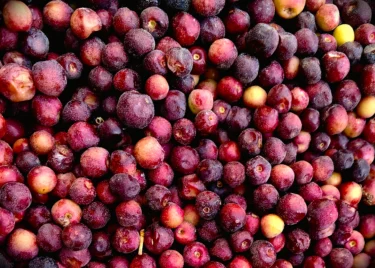
Traditionally, herbs, spices, leaves and fruits obtained from plants were used for managing bacterial infections. Muhammed et al. conducted a review2 in 2013 to test the efficacy of Phalsa fruit on different bacteria. The presence of polyphenols in Phalsa fruit inhibited the growth of S.typhi bacteria; thus, it may have the potential to manage bacterial infections like Typhoid caused by S.typhi bacteria. However, we need more studies to confirm these results in humans. Additionally, you should not consider Phalsa fruit as a remedy for managing Typhoid; it is always advised to consult a physician for proper management of Typhoid.

Depression is a mood disorder that results in sadness and loss of interest and may affect everyday activities. Previous studies have shown that healthy nutrition may help in managing various ailments. A study4 conducted by Imran et al. in 2021 stated that Phalsa fruit, due to the presence of antioxidants like phenols, anthocyanins, flavonoids, etc., may help in managing depression. Additionally, this fruit can potentially reduce anxiety (anxiolytic effect). Therefore, Phalsa fruit may have the potential to manage depression. To claim these results for humans, we need more studies. It is further advised not to consider Phalsa fruit as an alternative to modern medicine; kindly consider your doctor for proper management of depression5.

Though there are studies that show the benefits of Phalsa fruit in various conditions, these are insufficient and there is a need for further studies to establish the true extent of the benefits of Phalsa fruit on human health.
Let me give you a tip! Phalsa fruit might take care of your skin. Phalsa fruit is rich in antioxidants and numerous vitamins and minerals, which makes Phalsa a potential contributor to achieving flawless skin10.
Dr. Rajeev Singh, BAMS
You must consult a qualified doctor before taking any herbal supplements. Do not discontinue or replace an ongoing treatment of modern medicine with an ayurvedic/herbal preparation without consulting a qualified doctor.
Phalsa fruit is considered safe when eaten in minimal amounts. A few side effects related to the consumption of Phalsa fruit include:
However, if you experience any adverse reactions to Phalsa fruit, it is advised to discontinue its intake and immediately contact a doctor or your Ayurvedic physician who has prescribed it. They will be able to guide you appropriately for your symptoms.
Also Read: Mango (Aam): Uses, Benefits, Side Effects by Dr. Smita Barode
Consuming Phalsa fruit is okay if taken in moderate amounts. However, general precautions must be followed in the following conditions1:
Also Read: Hadjod (Cissus Quadrangularis): Uses, Benefits, Side Effects & More!
However, you must always seek the advice of your Ayurvedic physician about the possible interaction of Phalsa fruit with other drugs and follow the prescription thoroughly, as they will know your health condition and other medications you are taking.
Also Read: Shallaki (Boswellia serrata): Uses, Benefits, Side Effects & More!
Phalsa fruit resembles grapes in its shape and size. They are purple in colour and sour to sweet in taste1.
Phalsa fruit is called Grewia asiatica1.
In Hindi, Phalsa fruit is called Sherbet berry.
No, there are no proven results on the efficacy of the Phalsa fruit for reducing weight.
The safety of Phalsa fruit consumption in pregnancy is not well-established; it is therefore advised to consult your doctor if you plan to add Phalsa fruit to your diet.
Disclaimer: The information provided here is for educational/awareness purposes only and is not intended to be a substitute for medical treatment by a healthcare professional and should not be relied upon to diagnose or treat any medical condition. The reader should consult a registered medical practitioner to determine the appropriateness of the information and before consuming any medication. PharmEasy does not provide any guarantee or warranty (express or implied) regarding the accuracy, adequacy, completeness, legality, reliability or usefulness of the information; and disclaims any liability arising thereof.
Links and product recommendations in the information provided here are advertisements of third-party products available on the website. PharmEasy does not make any representation on the accuracy or suitability of such products/services. Advertisements do not influence the editorial decisions or content. The information in this blog is subject to change without notice. The authors and administrators reserve the right to modify, add, or remove content without notification. It is your responsibility to review this disclaimer regularly for any changes.
4
0
“Let food be your first medicine and kitchen be your first pharmacy”. This saying acknowledges the importance of eating healthy and using fruits and vegetables for their health benefits. One fruit that has gained limelight due to its health benefits is the Acai berry. It is a small round berry (usually the size of a grape) obtained from the Acai palm Euterpe oleracea Martius. It is green when immature and ripens to a dark purple colour. This plant is native to south and Central America. In India, it is called ‘kallaa pazham’ and its cultivation is limited to Kerala. Mostly in other parts of India, freeze-dried powder or purées are available. Let us know more about the health benefits of this super berry1.
Acai berries are packed with the goodness of dietary fibres, proteins and minerals like potassium, calcium etc. They are rich in fatty acids, especially palmitic, oleic and linoleic acid. The phytochemicals in Acai berries include anthocyanins and proanthocyanidins. The nutritional Value of Acai berry is given below.
Acai berry shows numerous scientifically proven properties; some of which are mentioned below3:
Based on some research10, the consumption of acai berries might help improve cognitive function in patients suffering from dementia.
Dr. Siddharth Gupta, B.A.M.S, M.D (Ayu)
Some of the potential benefits of Acai berries are described below.
Non-alcoholic fatty liver disease (NAFLD) is one of the most predominant liver diseases worldwide. Phenolic compounds, especially those belonging to the anthocyanin class, may help manage NAFLD. Pirrozi et al. in 2020 conducted a review3 that stated that Acai berry, due to a high content of phenolic compounds, may help reduce fat accumulation in the liver and may potentially benefit NAFLD. However, these results are not proven in any animal or human study and should not be generalised for treating NAFLD in humans.
Over the past few years, the Indian system of medicine has been formulating different extracts from herbs and seeds for managing cancers of the lung, breast, etc. Martinez et al. conducted a study4 in 2018 that showed that extract from Acai berries showed a protective effect against lung cancer. Additionally, phytochemicals like anthocyanins reduce the spread of cancer to other parts of the body. This shows that Acai berries may have the potential to manage lung cancer. However, further research is needed to ascertain these claims as the scientific evidence available is insufficient to claim these results in human beings.
Hypercholesterolemia is elevated blood cholesterol levels and is considered a risk factor for heart disease. Melina et al. conducted a study5 in 2009 showing that Acai berry consumption potentially impacted cholesterol levels in an animal model. These astonishing results show the importance of Acai berry in lowering blood cholesterol and thus, its potential to exert a protective effect on the heart. However, we need human trials to support these claims.
Inflammation is a part of the body’s defence mechanism, which helps remove harmful and foreign substances from the body and helps in the healing process. Ulcerative colitis and Crohn’s disease are two conditions characterised by inflammation of the intestines, which are clinically shown as symptoms like abdominal pain, diarrhoea, fatigue, weight loss, etc. A study6 by Kim et al. in 2011 assessed the potential of Acai berries in intestinal inflammation. The presence of anthocyanins in Acai berries helped in reducing inflammation. Thus, it can be concluded that Acai berries may potentially manage inflammation and can be used to manage intestinal inflammatory diseases. However, we need more scientific evidence to support these claims in humans.

Blood glucose is the main sugar found in the blood and is produced by the breakdown of food that we eat. Udani et al. conducted a study7 in 2011 showing that Acai berry helps reduce blood glucose and improve insulin (a hormone that regulates blood glucose) sensitivity. These astonishing results show the importance of Acai berry in lowering blood glucose levels and thus, its potential to manage diabetes. However, we need human trials to support these claims.

Though there are studies that show the benefits of Acai berry in various conditions, these are insufficient and there is a need for further studies to establish the true extent of the benefits of acai berry on human health.
According to some studies11, acai berry extracts might have some anti-oxidative effects due to the presence of some phenolic compounds, which might be beneficial in oral wound healing.
Dr. Rajeev Singh, BAMS
You must consult a qualified doctor before taking any herbal supplements. Do not discontinue or replace an ongoing treatment of modern medicine with an ayurvedic/herbal preparation without consulting a qualified doctor.
Data from the Natural Medicines comprehensive database from 2020 states that raw Acai berry juice consumption can lead to a disease known as American trypanosomiasis or Chagas disease. This only happens when Acai berry is contaminated with the parasite Trypanosoma cruzi. Chagas disease is characterised by the issues of the heart and digestive system.
However, if you experience any adverse reactions to Acai berries, it is advised to discontinue its intake and immediately contact a doctor or your Ayurvedic physician who has prescribed it. They will be able to guide you appropriately for your symptoms9.
Also Read: 8 Great Benefits of Sapota or Chikoo
Consuming Acai berry is okay if taken in moderate amounts. However, general precautions must be followed in the following conditions:
Also Read: Strawberry: Uses, Benefits, Side Effects By Dr. Smita Barode
However, you must always seek the advice of your Ayurvedic physician about the possible interaction of Acai berry with other drugs and follow the prescription thoroughly, as they will know your health condition and other medications you are taking.
Acai berry is a small round berry (usually the size of a grape) obtained from the Acai palm Euterpe oleracea Martius1.
In the market, Acai berry freeze-dried powder or purées are available1.
In India, Acai berry is called ‘kallaa pazham’.
Yes, Acai berries may help in weight loss5.
The Natural Medicines comprehensive database, 2020 states that raw Acai berry juice consumption can lead to a disease known as American trypanosomiasis or Chagas disease. This only happens when Acai berry is contaminated with a parasite Trypanosoma cruzi, Chagas disease is characterised by heart and digestive issues9.
Disclaimer: The information provided here is for educational/awareness purposes only and is not intended to be a substitute for medical treatment by a healthcare professional and should not be relied upon to diagnose or treat any medical condition. The reader should consult a registered medical practitioner to determine the appropriateness of the information and before consuming any medication. PharmEasy does not provide any guarantee or warranty (express or implied) regarding the accuracy, adequacy, completeness, legality, reliability or usefulness of the information; and disclaims any liability arising thereof.
Links and product recommendations in the information provided here are advertisements of third-party products available on the website. PharmEasy does not make any representation on the accuracy or suitability of such products/services. Advertisements do not influence the editorial decisions or content. The information in this blog is subject to change without notice. The authors and administrators reserve the right to modify, add, or remove content without notification. It is your responsibility to review this disclaimer regularly for any changes.
2
0