
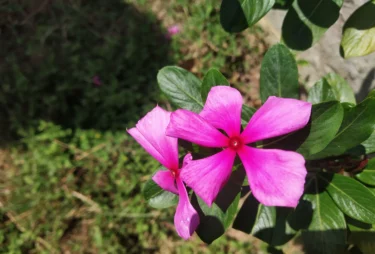
Sadabahar or sadaphuli is a small shrub bearing purple, pink, or white flowers throughout the year and hence called “Sadabahar”. Natively called “periwinkle” in English Catharanthus roseus originated in Madagascar. This ornamental plant is cultivated throughout tropical and subtropical areas. Nearly 12 species are identified, out of which two are popular ground covers (a plant that grows over an area of ground). All the species bear single flowers and have opposite leaves. When the flowers are plucked, they exude a milky juice. The flowers bloom in March or April. Alba variety has white flowers, Atropurpurea has purple flowers, and Alboplena bears white flowers. Periwinkle is a rich source of medicinal compounds, and you need to know how nature has encapsulated love and care for all of us with this amazingly beautiful plant. Let us read more about the various health benefits Sadabahar leaves has to offer1.
Did you know?
Sadabahar leaves and flower petals are rich in flavonoids, alkaloids, carbohydrates and phytochemicals like vincristine, vinblastine, vincardine, etc. The nutritional components of Sadabahar leaves are mentioned below:
Nutritional value of Sadabahar leaves2
The Sadabahar plant might act as a “diuretic.” Taking Sadabahar might make the body less effective at eliminating lithium. Lithium levels may rise as a result, which may have various side effects. I suggest if you are on lithium, see your doctor before consuming Sadabahar in any form. You might need to adjust your lithium dosage.
Dr. Siddharth Gupta, B.A.M.S, M.D (Ayu)
Scientifically proven properties of Sadabahar include1:
Some of the potential benefits of Sadabahar are described as under:

Type-2 diabetes is a metabolic disorder characterized by derangements (abnormalities) in blood glucose levels, due to decreased insulin (a hormone that regulates blood glucose) response or insulin resistance. Nammi et al. conducted a study in 2003 to assess the effects of sadabahar leaf juice on diabetic rats. The findings of this study stated that sadabahar had an anti-diabetic effect, attributed to increased secretion of insulin from beta cells of the pancreas. This indicates that sadabahar leaves may help in managing diabetes. However, we need more studies to support these claims in humans3.

Hypertension is defined as systolic blood pressure >130 mm Hg and diastolic blood pressure>80 mm Hg. Sadabahar as an anti-hypertensive (causing a decrease in blood pressure) agent has been used in folklore medicine. Ara et al. conducted a study in 2009 in hypertensive rats fed sadabahar leaves extract. The results of this study supported the use of sadabahar to manage high blood pressure, indicating that it may positively impact blood pressure. However, we need more studies to ascertain these claims in humans4.
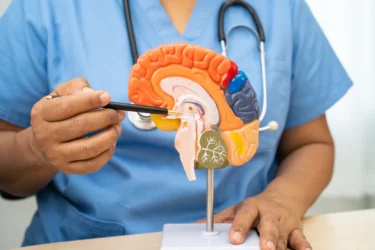
A literature review by Medina et al. In 2010 stated that sadabahar contains chemical compounds called alkaloids which are known to enhance cognitive function. This effect is attributed to the inhibition of an enzyme called phosphodiesterase enzyme. The inhibition of this enzyme increases the levels of bio-molecules known to regulate memory, learning, etc. This indicates that sadabahar can positively impact cognitive function5.

Androgenic Alopecia, or male pattern hair loss in men and female pattern hair loss in women, is a patterned and progressive hair loss. A review by Justin et al. was conducted in 2017, stating sadabahar may help manage androgenic alopecia. However, the exact mechanism behind this is unknown, and we need more scientific studies to claim these effects in humans6.

Vinca alkaloids are medicinal compounds obtained from the Madagascar periwinkle plant or sadabahar. Vinblastine, an important Vinca alkaloid, has anti-tumour activity and is widely used to manage testicular cancers. Vinorelbine, another alkaloid from sadabahar, finds use for managing breast cancers and osteosarcoma (bone cancer cells). This indicates that sadabahar may help manage cancers. However, the potent anticancer Vinca alkaloids are fully processed, and safety and toxicity are tested before use. We do not promote the use of sadabahar flowers or leaves for managing cancers7.
Though there are studies that show the benefits of Sadabahar in various conditions, but these are insufficient and there is a need for further studies to establish the true extent of the benefits of Sadabahar on human health.
Alzheimer’s disease (AD), a neurodegenerative illness of the central nervous system, affects 50–60% of people with dementia. It is distinguished by significant memory loss, emotional instability, and personality changes in later life. Studies have shown that the extracts of Sadabahar may aid in Alzheimer’s Disease as it has the potential to stimulate the nervous system. I suggest the consumption of Sadabahar with a doctor’s guidance and avoiding self-medication at all costs.
Dr. Rajeev Singh, BAMS
You must consult a qualified doctor before taking any herbal supplements. Do not discontinue or replace an ongoing treatment of modern medicine with an ayurvedic/herbal preparation without consulting a qualified doctor.
A few side effects related to the consumption of sadabahar include:
However, if you experience any adverse reactions to Sadabahar, it is advised to discontinue its intake and immediately contact a doctor or your Ayurvedic physician who has prescribed it. They will be able to guide you appropriately for your symptoms.
Also Read: Shankhpushpi: Benefits, Side Effects, Precautions & More!
Consuming Sadabahar is okay if taken in moderate amounts. However, general precautions must be followed in the following conditions:
Also Read: Sandalwood: Uses, Benefits, Side Effects & More!
However, you must always seek the advice of your Ayurvedic physician about the possible interaction of sadabahar with other drugs and follow the prescription thoroughly, as they will know your health condition and other medications you are taking3,9.
Also Read: Chitrakadi Vati: Uses, Benefits, Side Effects & More!
The scientific name of sadabahar is Catharanthus roseus1.
Depending on the colour of the flower, two-three varieties are known, these include Alba variety which has white flowers, Atropurpurea which has purple flowers and Alboplena bears white flowers1.
Yes, animal studies show that sadabahar has an anti-diabetic effect, attributed to increased secretion of insulin (a hormone that regulates blood glucose) from beta cells of the pancreas. However, we need more studies to support these claims in humans. Therefore, it is advised to consult a doctor for a proper treatment in case you suffer from diabetes3.
The safety data regarding the use of sadabahar in pregnancy and during breastfeeding is limited; therefore it is advised to take necessary cautions if you plan to add this herb to your dietary routine. It is advised to consult a doctor for proper advice11.
Loh et al. in 2008 stated that vincristine, an alkaloid derived from sadabahar can cause hair loss, constipation, hyponatremia (low sodium levels in the body) and peripheral neuropathy (nerve damage resulting in pain, weakness, etc). Additionally, the consumption of sadabahar petals or leaves in excess can result in unwanted effects like nausea, vomiting, headache and fever10.
Disclaimer: The information provided here is for educational/awareness purposes only and is not intended to be a substitute for medical treatment by a healthcare professional and should not be relied upon to diagnose or treat any medical condition. The reader should consult a registered medical practitioner to determine the appropriateness of the information and before consuming any medication. PharmEasy does not provide any guarantee or warranty (express or implied) regarding the accuracy, adequacy, completeness, legality, reliability or usefulness of the information; and disclaims any liability arising thereof.
Links and product recommendations in the information provided here are advertisements of third-party products available on the website. PharmEasy does not make any representation on the accuracy or suitability of such products/services. Advertisements do not influence the editorial decisions or content. The information in this blog is subject to change without notice. The authors and administrators reserve the right to modify, add, or remove content without notification. It is your responsibility to review this disclaimer regularly for any changes.
 10
10
 1
1
Chicory, kasni, or kasani is a tuberous taproot with rosette leaves grown widely in the winter season, although it originated in Europe. In India, Uttar Pradesh and Gujarat account for the maximum cultivation of chicory. The three basic varieties of chicory include radicchio, Belgian endive and puntarelle. Cichorium intybus or chicory is popular owing to its culinary, medicinal, and nutritional qualities found in buds, leaves, and roots. As a herbal remedy, chicory has been used for hundreds of years and continues to be used even today. Let us learn more about chicory’s health benefits and the considerations you need to keep in mind if you’re planning to add chicory to your diet1.
Chicory contains a potpourri of nutrients ranging from carbohydrates, vitamins and minerals, proteins, vitamins, and minerals. Major Phytochemicals in chicory include tannins, coumarins, flavonoids, sesquiterpene lactones, etc. The nutritional chart of chicory is given in the table below.
Chicory shows numerous scientifically proven properties; some of which are mentioned below:
Some of the potential benefits of chicory are described below.

The use of dietary components’ inhibitory and protective effects on breast cancer has increased. For example, Henryk et al. conducted a study3 in 1999 to assess the effects of chicory on breast cancer. The study findings show a lower number of rats bearing tumours, indicating that chicory may have anticancer properties towards breast cancer. However, more studies should be conducted on humans to claim these effects.
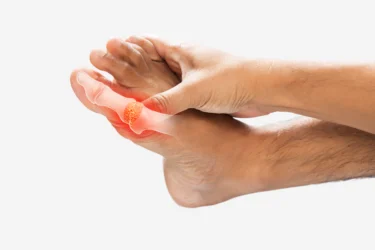
Hyperuricemia (Increased production and reduced excretion of uric acid) can result in gout, a type of arthritis which is characterized by redness, pain, and tenderness of joints. Wang et al. conducted a study4 in 2017 that states that chicory may have the potential to reduce uric acid levels. The possible mechanism behind this is the inhibition of the xanthine oxidase enzyme (which converts xanthine to uric acid) and increases the excretion of uric acid. This indicates that the consumption of chicory may potentially manage gout. However, more studies should be done to ascertain these claims with more reliability.

Type-2 diabetes shows elevated blood glucose levels due to low insulin levels (a hormone that regulates blood glucose) or resistance to insulin. Literature studies5 show that chicory contains inulin (a dietary fibre)) which is known to manage blood glucose levels. Ning et al. conducted a study in rats in 2017 stating chicory inulin may exert an anti-diabetic effect; thus reducing blood glucose. This indicates that the consumption of chicory may help manage blood glucose. However, more studies need to be done to claim these effects in humans.

The use of soluble fibers like inulin and their potential to manage lipid profile has received considerable attention. Kim et al. conducted a study in rats in 1998, stating chicory influences the lipid profile and causes an increase in high-density lipoprotein (HDL) or good cholesterol and reduces low-density lipoprotein (LDL) or bad cholesterol. This indicates that chicory may have a positive impact on lipid profile. However, we need more human clinical trials to support these claims6.
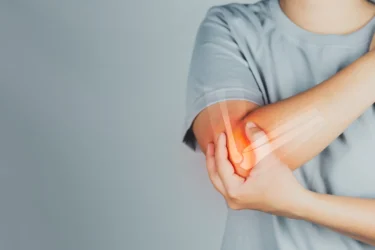
Bone health can be improved by improving bone mass and mineral density. Literature studies show that dietary carbohydrates and fibers like inulin are known to improve calcium absorption, which may positively impact bone health. In addition, Marcel et al. conducted a study7 in 2002 to assess the effects of chicory inulin on bone mineral density in rats; the findings of this study suggested that chicory inulin increases bone mineral density. This indicates that the consumption of chicory may help improve bone mineral density and, therefore, has the potential to improve bone health. However, more studies should be conducted on humans to claim these results.
Though there are studies that show the benefits of chicory in various conditions, these are insufficient and there is a need for further studies to establish the true extent of the benefits of chicory on human health.
The main function of the liver is to clear toxins. However, it’s the liver that is more susceptible to toxicity induced by drugs and other chemicals. This toxicity can lead to various hepatic conditions. In such cases, antioxidant agents can reduce the toxicity of the liver. Chicory is a herb that has various medicinal properties including antioxidant properties. Therefore, chicory might help in reducing hepatic toxicity8.
Dr. Siddharth Gupta, B.A.M.S, M.D (Ayu)
You must consult a qualified doctor before taking any herbal supplements. Do not discontinue or replace an ongoing treatment of modern medicine with an ayurvedic/herbal preparation without consulting a qualified doctor.
In Ayurveda, Chicory is widely used for its medicinal uses. Due to its anti-inflammatory properties, it is primarily used to manage doshas like pitta and kapha. To this list, we can add many other inflammatory conditions9.
Dr. Rajeev Singh, BAMS
Cadot et al. in 2003 stated7 chicory can result in an allergic syndrome. The allergic reaction to chicory is manifested by oral, skin-related (urticaria or skin rash) and respiratory symptoms like asthma.
Other indications of the adverse reactions of the body to chicory are described below:
However, if you experience any adverse reactions to chicory, it is advised to discontinue its intake and immediately contact a doctor or your Ayurvedic physician who has prescribed it. They will be able to guide you appropriately for your symptoms.
Also Read: Almonds: Uses, Benefits, Side Effects By Dr. Rajeev Singh
Chicory consumption by children, adults and elderly is okay if taken in moderate amounts. However, general precautions must be followed in the following conditions:
Also Read: Dronapushpi (Leucas aspera): Uses, Benefits and Side Effects By Dr. Rajeev Singh
Chicory is known to interact with drugs used in diabetes, if you take chicory and the prescribed drugs together, this may cause your blood glucose to drop too low. Therefore, it is advised to monitor your blood glucose closely if you are taking chicory.
Therefore, you must always seek the advice of your Ayurvedic physician about the possible interaction of chicory with other drugs and follow the prescription thoroughly, as they will know your health condition and other medications you are taking.
Also Read: Sanjivani Vati: Uses, Benefits and Side Effects by Dr. Smita Barode
Chicory or Cichorium intybus is also known as kasni or kasani locally1.
The three basic varieties of chicory include radicchio, Belgian endive and puntarelle1.
Yes, chicory aids the regulation of ghrelin or the hunger hormone, and increases the feeling of satiety. Thus the consumption of chicory increases satiety, reduces overeating and may help in weight loss. However, scientific evidence supporting these claims is limited and we need further studies to ascertain these effects. Therefore, it is advised to consult a doctor for proper treatment in case you have any weight-related issues1.
Yes, inulin in chicory acts as a prebiotic and may help improve digestive health. Additionally, the presence of fibre stimulates gastric acid, improves bowel movements and may help relieve constipation. However, there is a need to conduct more studies to support these claims. It is recommended to consult a doctor for proper treatment in case you suffer from constipation1.
Cadot et al. in 2003 stated7 chicory can result in an allergic syndrome. The allergic reaction to chicory is manifested by oral, cutaneous (urticaria or skin rash) and respiratory symptoms like asthma. Chicory consumption in excess can also result in abdominal pain, flatulence, bloating and other digestive problems, due to a high content of fibre. Additionally, chicory can exaggerate gallstones. However, the exact mechanism behind this is unknown.
Disclaimer: The information provided here is for educational/awareness purposes only and is not intended to be a substitute for medical treatment by a healthcare professional and should not be relied upon to diagnose or treat any medical condition. The reader should consult a registered medical practitioner to determine the appropriateness of the information and before consuming any medication. PharmEasy does not provide any guarantee or warranty (express or implied) regarding the accuracy, adequacy, completeness, legality, reliability or usefulness of the information; and disclaims any liability arising thereof.
Links and product recommendations in the information provided here are advertisements of third-party products available on the website. PharmEasy does not make any representation on the accuracy or suitability of such products/services. Advertisements do not influence the editorial decisions or content. The information in this blog is subject to change without notice. The authors and administrators reserve the right to modify, add, or remove content without notification. It is your responsibility to review this disclaimer regularly for any changes.
12
1
Humans are caught up with the rapidly changing life around us. We rarely have time for ourselves, especially for physical and mental health. Due to our busy schedules, we all became lazy and were affected by many illnesses. Living a sedentary lifestyle can have negative consequences on our health. Do not worry; heard of the phrase “Yoga se hi Hoga”? Yoga, a 3000-year-old ancient practice, uses components like asanas and pranayamas to improve physical and mental health. This post will highlight the steps, benefits, and much more of a popular asana called markatasana1. Let us discuss more the Markatasana and its health benefits.
Did you know?
Markatasana is also called the spinal twist pose, monkey pose, or markat asana. Markatasana is derived from Sanskrit words, “Markat”, meaning monkey, and “asana,” meaning yoga or posture. So, therefore it is also called the monkey pose2,3.
In my opinion, Markatasana may provide the added benefit of stimulating the spinal cord in the cervical area. This gentle yoga posture might provide a boost to the neck region, promoting flexibility and vitality in that part of the spine6.
Dr. Rajeev Singh, BAMS
Markatasana yoga must be done properly for maximum health benefits. One may perform Markatasana yoga in the following manner:
From my perspective, practising Markatasana might help relax the spine, relieving lower back pain, and stretching the muscles in your neck and shoulders. It’s a great yoga pose to try if you’re looking for some relief and relaxation in the mentioned areas6!
Dr. Siddharth Gupta, B.A.M.S, M.D (Ayu)
Keeping the origin and history in mind, let us discuss some benefits of Markatasana, which will make this asana worth trying. Enlisted below are a few health benefits of Markatasana.

A sedentary lifestyle characterized by long periods of inactivity can impair the ability of the body to break down fats. This leads to fat accumulation in the body, increases obesity, and increases the risk of other diseases. Shirley et al. conducted a study3 in 2014 to assess the effect of yoga intervention on obesity. The yoga intervention included asanas like Markatasana, and it was found that it resulted in a reduction in BMI. Additionally, the practice of this asana increases the levels of leptin, a hormone that regulates body weight. Therefore, yogasanas like Markatasana and other asanas may positively impact obesity. However, Markatasana should not be considered an alternative to modern medicine. Kindly consult a doctor for proper management of obesity. Additionally, it is advised to perform this asana under the supervision of a qualified trainer3.
A lipid profile is a blood test done to measure the body’s total cholesterol levels. Determination of cholesterol is important as an elevated level of cholesterol in the body can be a risk factor for various cardiac diseases. A study3 by Shirley et al. in 2014 stated that markatasana might help reduce total cholesterol, low-density lipoprotein, or bad cholesterol. Furthermore, this asana may help in reducing serum adiponectin and triglycerides. Thus, the Markatasana may positively impact your lipid profile, but depending on this, asana should not be considered an alternative to modern medicine. Kindly consult your doctor for the proper treatment of an abnormal lipid panel. Additionally, it is recommended to practice this asana under the supervision of a qualified trainer3.

Social anxiety disorder (SAD) or social phobia is immense nervousness in normal situations due to a fear of being watched by others. This issue is often ignored, and its management is still less understood. Danish et al. conducted a study4 in 2022 to assess the effect of yogasanas like Markatasana on health. A daily thirty-minute practice of asanas like Markatasana positively impacted SAD. Additionally, this asana helped in reducing the severity of bladder shyness and agoraphobia (fear of places or situations). However, it is recommended not to rely on this asana alone and consult a doctor to treat social phobia properly. Additionally, one should have proper training in this asana under the guidance of a qualified trainer4.

The COVID-19 pandemic, a global crisis, is an infectious disease caused by the SARS-CoV-2 virus. Immune-compromised individuals are always at a high risk of infections. Daily performing yogasanas like Markatasana helped build herd immunity, boost overall health immunity, and facilitate recovery. Thus, training Markatasana and other asanas may enhance the immune system and fight infections like COVID-19. But this asana should not be considered an alternative to modern medicine. So, kindly consult a doctor for proper treatment and not rely on this asana alone. Additionally, one should practice this asana under the supervision of a qualified trainer5.

The above-mentioned benefits of Markatasana are done in a limited human population and are purely based on a literature search. Therefore, we need more studies to ascertain these claims in larger populations.
Yoga exercise may help develop the mind and body; it is not a choice to modern medicine or treatment. Therefore, you must not rely on or depend on Yoga (asanas) alone to treat any condition. Instead, please consult a qualified or ayurvedic doctor who can assess your condition and advise accordingly. Furthermore, it is necessary to perform and learn Yoga under the supervision or guidance of a trained yoga expert to avoid any injuries.
If you have recently undergone abdominal or back surgery, I may advise you to avoid practising Markatasana. It’s important to seek further guidance and consultation from your doctor before starting this yoga practice6.
Dr. Smita Barode, B.A.M.S, M.S.
Also Read: Benefits of Utthita Parsvakonasana and How to Do it By Dr. Himani Bisht
Conditions where Markatasana should be performed with caution are:
Conditions where Markatasana is contraindicated include:
Also Read: Benefits of Tiryaka Tadasana (Swaying Palm Tree Pose) and How to Do it By Dr. Himani Bisht
Markatasana is also called the spinal twist pose or the monkey pose. Markatasana is derived from Sanskrit words, “Markat”, meaning monkey, and “asana,” meaning yoga or posture. So, therefore it is also called the monkey pose. Training this asana may help improve the lipid profile and decrease obesity, social anxiety disorder, and infections like Covid-19. Additionally, this asana may help increase postural stability, improve hand-grip strength, and relax the mind and body. The practice of this asana should not be considered an alternative to modern medicine. Additionally, the practice of this asana should be performed under the guidance of a qualified trainer.
Also Read: Benefits of Ardha Halasana (Half Plough Pose) and How to Do it By Dr. Ankit Sankhe
Markatasana is also called the spinal twist or monkey pose in yoga. Markatasana is derived from Sanskrit words, “Markat”, meaning monkey, and “asana,” meaning yoga or posture. So, therefore it is also called the monkey pose1.
Yes, the practice of Markatasana may help in managing obesity. A study by Shirley et al. in 2014 showed that the markatasana poses reduced BMI, hip and waist circumference, and body weight2.
One may perform Markatasana in the following manner:
Roll out a mat and lie on your back with your feet together on the ground. Extend the arms sideways at shoulder level. Next, inhale, bend both knees, and turn both legs to the right side. Rotate your head to the right and gaze at the right hand. This will give a spinal twist towards the right side. Breathe out and repeat the steps with another side (left).
The practice of this asana may help improve an abnormal lipid profile, manage obesity, reduce the severity of infections like covid-19 and help manage social anxiety disorder. Additionally, this asana may help increase postural stability, improve hand-grip strength, and relax the mind and body3,5.
In Indian mythology, many asanas are named after the vanara of the ancient scripture Ramayana. One such asana is markatasana or the monkey pose. This asana signifies a monkey posture, and it is believed that monkeys are easily distracted; there are even terms like “monkey-mind” describing a tendency of the human mind to leap from one object to the other. On the contrary, markatasana is a reclining posture focused on meditative practice.
Disclaimer: The information provided here is for educational/awareness purposes only and is not intended to be a substitute for medical treatment by a healthcare professional and should not be relied upon to diagnose or treat any medical condition. The reader should consult a registered medical practitioner to determine the appropriateness of the information and before consuming any medication. PharmEasy does not provide any guarantee or warranty (express or implied) regarding the accuracy, adequacy, completeness, legality, reliability or usefulness of the information; and disclaims any liability arising thereof.
Links and product recommendations in the information provided here are advertisements of third-party products available on the website. PharmEasy does not make any representation on the accuracy or suitability of such products/services. Advertisements do not influence the editorial decisions or content. The information in this blog is subject to change without notice. The authors and administrators reserve the right to modify, add, or remove content without notification. It is your responsibility to review this disclaimer regularly for any changes.
1
Modern technology has made our life sedentary. Most of us are glued to laptops, smartphones and other gadgets, which is putting us at risk of developing obesity, high blood pressure, high cholesterol, type II diabetes and heart diseases1.
Nowadays, the most common problem faced by men and women of all ages is neck pain and backache because of long hours of incorrect sitting posture, especially in front of the screen. It can further affect the spine’s alignment or stiffness in the surrounding muscles.
The issues can be resolved by adding a certain amount of physical activity to your lifestyle. The easiest way is to try practising hatha yoga. It includes easy physical postures combined with breathing exercises that improve strength, flexibility, and overall body health2. Hatha yoga has many poses, and one such effective pose is tiryaka tadasana or palm tree yoga. Let us look at how tiryaka tadasana can help us achieve a healthier body!
Did You Know?
The asana tiryaka tadasana is known as the swaying palm tree pose because of its posture. In English, the word ‘tiryaka’ means oblique, ‘tada’ means palm or mountain and ‘asana’ means pose, so it may also be called as an oblique mountain pose or palm tree pose. It is also known as parsva urdhva hastasana or upward salute side bend pose. The palm tree asana is a variant of the tadasana pose in which the body is bent on the sides. It is an excellent stretching pose that adds flexibility in the shoulder, spine and waist region3.
You can do tiryaka tadasana in the following manner3:
Some of the tiryaka tadasana benefits are as follows:
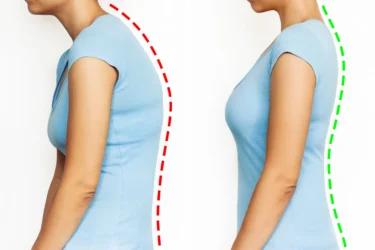
Body balance is important to stay stable in an upright position or while doing other movements. A study2 by Prado et al. in 2014 showed that when men aged 25-55 years, when engaged in 60-minute hatha yoga sessions three times a week for five months, improved their body posture and balance control. The study also showed that it might improve motor coordination and specific movement. Tiryaka tadasana, when performed with other hatha yoga asanas, may benefit the body’s postural balance control and may manage vestibular diseases2. However, more studies are required to check the effect of tiryaka tadasana; therefore, you should consult a doctor if you have postural issues.

Flexibility is the ability of the body to be able to move one or more joints of the body within their optimal range. A study4 by Grabara et al. in 2015 showed that the practice of hatha yoga for 90 minutes a week for 20 weeks had increased the mobility of spinal joints and flexibility of the hamstring muscles in women 50-79 years of age. Tiryaka tadasana being a part of hatha yoga asana, may improve spine flexibility4. However, more studies are required to check if tiryaka tadasana can alone benefit spinal flexibility. Therefore, you must consult a doctor if you experience reduced spinal flexibility.
From what I have observed so far, Triyaka Tadasana is like a special version of Tadasana that might do something really cool for your waist. It may give it a nice massage, loosens up those muscles, and give them a good workout. Plus, it might help your body balance out the right and left groups of muscles that help you stand up straight. So, it’s like a double charm for your waist and posture3!
Dr. Siddharth Gupta, B.A.M.S, M.D (Ayu)

The most common reason for back pain is muscle tension. A study5 by Crow et al. in 2015 showed that when you do yoga, your body muscles loosen up, muscle tension and pain reduces. The study shows that hatha yoga may be enough for back pain related to poor posture and stress. It may also improve body awareness, pain acceptance and coping mechanisms5. However, more research is required to understand tiryaka tadasana’s benefits, so you should consult a doctor if you experience back pain because of other medical conditions.
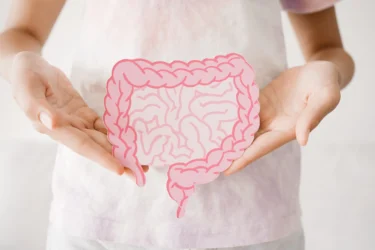
Tiryaka tadasana is a part of shankhprakshalana kriya, which the yoga practitioner uses to cleanse the intestine. A study6 by Mashyal et al. in 2014 showed that the shankhprakshalana kriya involves deep stimulation of basic reflexes that result in the cleaning of the intestine. It is then followed by a deep relaxation that results in better intestinal health and may regulate bowel movements6. However, more research is required to understand the exact benefit of the cleansing kriyas and tiryaka tadasana. So, if you have any intestinal discomfort, you should consult a doctor and seek treatment accordingly.

Yoga practice may help develop the mind and body; however, it is still not an alternative to modern medicine. Therefore, you must not rely on yoga alone to treat any condition. Instead, please consult a qualified doctor who can assess your condition and advise accordingly. Moreover, it is necessary to practice and learn yoga under the supervision of a trained yoga teacher to avoid any injuries.
Based on my experience, I have observed that Triyaka Tadasana might be a superhero pose for your abs. It may help tone and strengthen those rectus muscles, giving you a nice and firm core. But that’s not all. It also might work wonders for your spine by clearing any congestion and restoring its energy8.
Dr. Rajeev Singh, BAMS
You must avoid this pose if you have the following conditions:
Pregnant women shall be careful while performing tiryaka tadasana and must practice under the supervision of a qualified yoga expert.
With the guidance of a qualified and experienced yoga teacher/yoga expert, we can assess and analyse the risk factors and continue to practice tiryaka tadasana with precautions.
Also Read: Benefits of Utthita Parsvakonasana and How to Do it By Dr. Himani Bisht
The asana tiryaka tadasana is also known as the swaying palm tree pose. In English, ‘tiryaka’ means oblique, ‘tada’ means palm or mountain and ‘asana’ means posture. The palm tree asana may stimulate the mooladhara (root chakra) and manipura (solar plexus) of the body. Tiryaka tadasana may improve muscle strength, spinal flexibility and postural balance. It may be beneficial for patients who have back pain, intestinal problems, high blood pressure, obesity and postural disorders. People with a hernia, slipped disc, sciatica, spinal injuries and severe cervical and back pain should not do the palm tree pose. Pregnant women must be cautious when doing tiryaka tadasana. It would be best if you did this pose under the guidance of a professional yoga trainer.
Also Read: Benefits of Ardha Halasana (Half Plough Pose) and How to Do it By Dr. Ankit Sankhe
Tiryaka tadasana may be beneficial for patients who have back pain, intestinal problems, high blood pressure, irregular bowel movement, obesity and postural disorders. However, you must consult your doctor if you have symptoms of any such diseases instead of self-medicating.
Tiryaka tadasana is a part of shankhprakshalana kriya that cleanses the intestine and regulate bowel movement. However, you must consult your doctor if you have any symptoms of intestinal disorder6.
Tiryaka tadasana may stimulate the mooladhara (root chakra) and manipura (solar plexus) of the body3.
Tiryaka tadasana is also known as swaying palm tree pose, palm tree yoga, oblique mountain pose and parsva urdhva hastasana or upward salute side-bend pose.
People with a hernia, slipped disc, sciatica, spinal injuries, severe cervical pain, or severe headache, and those who recently had surgeries on the back, neck, chest, abdomen or legs should not perform tiryaka tadasana pose.
1. Dhuli K, Naureen Z, Medori MC, Fioretti F, Caruso P, Perrone MA, et al. Physical activity for health. J Prev Med Hyg [Internet]. 2022 Oct 17 [cited 2026 Jan 8];63(2 Suppl 3):E150–E159. Available from: https://pmc.ncbi.nlm.nih.gov/articles/PMC9710390/#:~:text=In%20addition%2C%20physical%20inactivity%20not,particularly%20on%20the%20Mediterranean%20diet.
2. Kasse C, Prado E, Raso V, Scharlach R. Hatha yoga on body balance. International Journal of Yoga. 2014;7(2):133. Available from: https://www.ncbi.nlm.nih.gov/pmc/articles/PMC4097898/
3. Swami Satyananda Saraswati. Asana, Pranayama, Mudra, Bandha. Yoga Publications Trust; 1973. Available from: https://www.yogkulam.org/books/Asana.pdf
4. Grabara M, Szopa J. Effects of hatha yoga exercises on spine flexibility in women over 50 years old. Journal of Physical Therapy Science [Internet]. 2015;27(2):361–5. Available from: https://www.ncbi.nlm.nih.gov/pmc/articles/PMC4339138/
5. Crow E, Jeannot E, Trewhela A. Effectiveness of Iyengar yoga in treating spinal (back and neck) pain: A systematic review. International Journal of Yoga. 2015;8(1):3. Available From: https://www.ncbi.nlm.nih.gov/pmc/articles/PMC4278133/
6. Mashyal P, Raghuram N, Bhargav H. Safety and usefulness of Laghu shankha prakshalana in patients with essential hypertension: A self controlled clinical study. Journal of Ayurveda and Integrative Medicine [Internet]. 2014 [cited 2022 Dec 23]; 5(4):227. Available from: https://www.ncbi.nlm.nih.gov/pmc/articles/PMC4296435/
7. Yang K, James KA. Yoga, as a transitional platform to more active lifestyle: a 6-month pilot study in the USA. Health Promotion International. 2014 Dec 18;31(2):423–9. Available from: https://academic.oup.com/heapro/article/31/2/423/1750098
8. Jagadish KRI. Nature’s Way: A Guide to Health Through Yoga and Herbal Remedies. New Delhi (India): India Research Press; 2007. Available from: https://books.google.co.in/books?id=genPwF_AnZUC&pg=PA419&lpg=PA419&dq=tiryaka+tadasana#v=onepage&q=tiryaka%20tadasana&f=false
Disclaimer: The information provided here is for educational/awareness purposes only and is not intended to be a substitute for medical treatment by a healthcare professional and should not be relied upon to diagnose or treat any medical condition. The reader should consult a registered medical practitioner to determine the appropriateness of the information and before consuming any medication. PharmEasy does not provide any guarantee or warranty (express or implied) regarding the accuracy, adequacy, completeness, legality, reliability or usefulness of the information; and disclaims any liability arising thereof.
Links and product recommendations in the information provided here are advertisements of third-party products available on the website. PharmEasy does not make any representation on the accuracy or suitability of such products/services. Advertisements do not influence the editorial decisions or content. The information in this blog is subject to change without notice. The authors and administrators reserve the right to modify, add, or remove content without notification. It is your responsibility to review this disclaimer regularly for any change
1
2
Yoga, rooted in Indian origin, has gained the limelight over the few years for its numerous health benefits. This 5000-year-old discipline was developed to unite mind and body. There are different forms of yoga but the purpose remains the same. Some yoga styles may be vigorous and intense, while others may be relaxing and meditative. Whatever type, yoga is always a great option for strengthening and stretching the body, focusing the mind and relaxing the spirit. Yoga focuses on asanas (poses) and pranayamas (breathing); one such asana is kandharasana. Here’s what you need to know about kandharasana1.
Did you Know?
Kandharasana, or shoulder pose yoga, is a yoga posture lifting the spine. The name is rooted in Sanskrit words ‘kandha’, meaning shoulder and ‘asana’, meaning ‘pose or posture’. Chakrasana is the preparatory pose for kandharasana. Any forward bending posture can be performed as a follow-up pose for kandharasana. In chakrasana, the back is arched, the head is lifted from the ground, and the whole body weight is supported on both the hands and legs. Whereas in kandharasana, the head rests on the ground, the chest and buttocks are raised, and the body weight is supported on the shoulders2,3.
Kandharasana must be done properly for maximum health benefits. One may perform Kandharasana in the following manner3:
When you perform Kandharasana, your back muscles arch upwards that might promote healing. By stretching yourself to your body’s limits, this asana might help in decreasing vertebral disc problems and back pain7.
Dr. Rajeev Singh, BAMS
Some benefits of this pose are as follows:

Cardiac health, or the health of the heart and blood vessels, is central to overall health. It plays an important role in pumping oxygen and nutrient-rich blood to different body parts. Poor cardiac health can be a risk factor for developing cardiac diseases. A study4 conducted by Divya et al. in 2016 stated that the practice of Kandharasana may help reduce heart rate and blood pressure. Additionally, practising it may help improve the heart’s ability to function during mild-moderate intensities. Therefore, Yogasanas like Kandharasana may positively impact cardiac health. However, Kandharasana should not be considered an alternative to modern medicine. Kindly consult a doctor for proper treatment of any cardiac disorders. Additionally, it is advised to practice this asana under the supervision of a qualified trainer4.
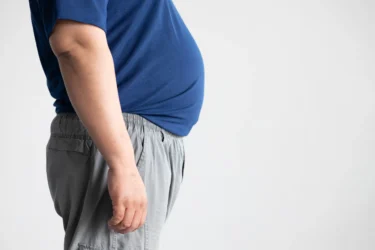
Obesity is the accumulation of body fat; if not controlled, it may become a risk factor for many diseases. Divya et al. conducted a study4 in 2016 to assess the health benefits of yoga interventions like kandharasana on obesity. The findings of this study showed that 41 days of practice with Kandharasana significantly reduced body weight and body mass index (BMI). Thus, the practice of asanas like Kandharasana may positively impact obesity, but the practice of this asana should not be considered an alternative to modern medicine. Kindly consult a doctor for the proper management of obesity. Additionally, it is recommended to practice this asana under the supervision of a qualified trainer4.

Menstruation or periods is natural vaginal bleeding that occurs as a part of a woman’s monthly cycle when no pregnancy occurs. Garima et al. conducted a review5 in 2022 to assess the effect of yogasanas like kandharasana on menstruation. The summary estimates of this review supported that the practice of kandharasana may help normalize menstruation. Thus, yogasanas like kandharasana might positively impact menstrual health. However, it is recommended not to rely on this asana alone and consult a doctor for proper treatment of any menstrual abnormalities. Additionally, one should practice this asana under the guidance of a qualified trainer5.

Lungs, a pair of air-filled organs located on either side of the chest, are responsible for supplying the body with oxygen and removing carbon dioxide. Along with other respiratory system organs (nose, mouth, airways, windpipe, etc.), the lungs help us breathe. Divya et al. conducted a study4 in 2016 to assess the effect of yoga interventions on the respiration system. Forty-one days of practicing yoga asanas like kandharasana increased the amount of oxygen in the body, thus improving breathing. Thus, the practice of kandharasana may positively impact the respiratory system, but the practice of this asana should not be considered an alternative to modern medicine. So, kindly consult a doctor for proper treatment of any respiratory issues, and do not rely on this asana alone. Additionally, one should practice this asana under the supervision of a qualified trainer4.

Hyperlipidemia is the elevation in lipid components like triglycerides, total cholesterol and reduced levels of high-density lipoprotein. A study4 by Divya et al. in 2015 stated that the practice of yogasanas like kandharasana resulted in a significant decrease in total cholesterol, triglycerides, and bad cholesterol. Additionally, kandharasana improved the level of good cholesterol in the body. This indicates that yogasanas like kandharasana may have a positive impact on hyperlipidemia. However, it is advised to consult a doctor to manage hyperlipidemia and not rely on this asana alone. Additionally, it is recommended to practice this asana under the supervision of a qualified trainer4.
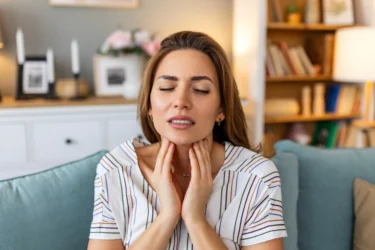
The thyroid gland helps regulate different body functions like metabolism, growth and development by releasing thyroid hormones in the blood. Iodine is an important element required for the synthesis of thyroid hormone. Iodine deficiency can result in a decreased synthesis of thyroid hormone; this condition is called hypothyroidism. A review6 done by Mohan et al. in 2022 stated that yogasanas like kandharasana might help manage hypothyroidism. Kandharasana activates the throat chakra (vishuddha chakra), which may improve the functioning of the thyroid gland and increase iodine availability in the body. This indicates that kandharasana may positively impact hypothyroidism. However, further studies need to be done to support these claims. Therefore, it is advised to consult a doctor for proper treatment of hypothyroidism and not rely on this asana alone. Additionally, one must perform this asana under the supervision of a qualified trainer6.
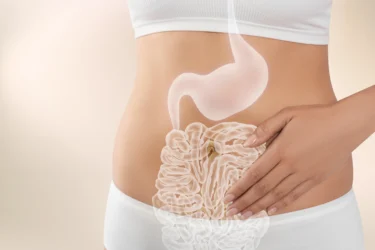
Note- The above-mentioned benefits of kandharasana are not proven in any human study yet, and are based on a literature search.
Yoga practice may help develop the mind and body; however, it is still not an alternative to modern medicine. Therefore, you must not rely on Yoga alone to treat any condition. Instead, please consult a qualified doctor who will be able to assess your condition correctly and advise accordingly. Moreover, it is necessary to practice and learn Yoga under the supervision of a trained yoga teacher to avoid any injuries.
I would highly recommend that you should perform Kandharasana either before or after any forward-bend position. Kandharasana usually acts as a preparatory pose for chakrasana. To avail maximum benefits, you can do three rounds of kandharasana or more according to your level of physical fitness7.
Dr. Siddharth Gupta, B.A.M.S, M.D (Ayu)
Conditions, where kandharasana should be performed with caution are:
Conditions, where kandharasana is contraindicated include3:
Also Read: Benefits of Markatasana (Monkey Pose) and How to Do it By Dr. Ankit Sankhe
Kandharasana, or shoulder pose yoga, is a posture lifting the spine. The name is rooted in Sanskrit words ‘kandha,’ meaning shoulder, and ‘asana,’ meaning ‘pose or posture.’ Chakrasana is the preparatory pose for kandharasana. Any forward bending posture can be performed as a follow-up pose for kandharasana The practice of this asana may help improve lipid profile, menstrual cycle, breathing, manage obesity and improve cardiac health. Additionally, this asana may help improve digestion, strengthen shoulders, improve postural stability and may provide relief from back pain, stress and anxiety.
Also Read: Benefits of Tiryaka Tadasana (Swaying Palm Tree Pose) and How to Do it By Dr. Himani Bisht
Kandharasana, or shoulder pose yoga, is a posture lifting the spine. The name is rooted in Sanskrit words ‘kandha,’ meaning shoulder, and ‘asana,’ meaning ‘pose or posture.’ Chakrasana is the preparatory pose for kandharasana. Any forward bending posture can be performed as a follow-up pose for kandharasana. In chakrasana, the back is arched, the head is lifted from the ground, and the whole body weight is supported on both the hands and legs. Whereas in kandharasana, the head rests on the ground, the chest and buttocks are raised, and the body weight is supported on the shoulders1.
Chakrasana is the preparatory pose for kandharasana2.
First, lie flat on your back on a mat. Next, take a deep breath and bend your knees, and place your feet flat on the mat with your heels touching your buttocks. Ensure your feet and knees are hip-width apart. Now, try to touch the ankles with your hands. This is the starting position. Next, slightly raise your buttocks and try to arch the back upward. Slowly lift your chest as high as possible, and avoid straining and moving the feet or shoulders. In this final position, your body will be supported by the head, neck, shoulders, arms, and feet. Breathe slowly and deeply and hold this pose for as long as possible. Breathe out and return to the initial position, and practice for four-five rounds3.
The practice of this asana may help improve lipid profile, breathing, cardiac health, and menstrual cycle and manage obesity and hypothyroidism. Additionally, this asana may help improve digestion, reduce stress and anxiety, relieve back pain, strengthen shoulders and improve postural alignment2,6.
The practice of Kandharasana is known to activate the third eye chakra (Ajna chakra), crown chakra (Sahasrara chakra), solar plexus (Manipura chakra) and throat chakra (Vishuddha chakra).
Disclaimer: The information provided here is for educational/awareness purposes only and is not intended to be a substitute for medical treatment by a healthcare professional and should not be relied upon to diagnose or treat any medical condition. The reader should consult a registered medical practitioner to determine the appropriateness of the information before consuming any medication. PharmEasy does not provide any guarantee or warranty (express or implied) regarding the accuracy, adequacy, completeness, legality, reliability, or usefulness of the information; and disclaims any liability arising thereof.
Links and product recommendations in the information provided here are advertisements of third-party products available on the website. PharmEasy does not make any representation of the accuracy or suitability of such products/services. Advertisements do not influence the editorial decisions or content. The information in this blog is subject to change without notice. The authors and administrators reserve the right to modify, add, or remove content without notification. It is your responsibility to review this disclaimer regularly for any changes.
1
0
Cowpea, an annual legume, is locally known as lobiya, crowder pea, coupe, southern pea, and black-eyed pea (due to a black scar or mark on its seed). Vigna unguiculata L. Walp. or cowpea, belongs to the Fabaceae family. Cowpea originated in Africa, although worldwide production has increased drastically over the past few years. In India, Uttar Pradesh is the leading producer of cowpeas, followed by Punjab, Haryana and Delhi. These are warm-season legumes (plants belonging to the Fabaceae family) with different varieties depending on the seed colour and type. A few of the varieties available in the market include brown eye, black eye, purple eye, crowder cowpeas etc. These are also called “hungry-season crop” as it was the first crop to be harvested before the cereal crops. Cowpeas leaves, fresh or dried seeds and pods containing seeds all are used as a nutritional component for livestock feed and the human diet. Let us learn more about the health benefits of adding cowpeas (dried seeds) to your dietary routine1.
Cowpeas are rich in proteins, fibers, vitamins like Vitamins A, C, E, and minerals like copper, iron, calcium, manganese, magnesium, sodium, etc. The nutrients present in 100g of cowpeas are mentioned below:
Scientifically proven properties of cowpeas include:
Some of the potential benefits of cowpeas are described as under:

Diabetes is a metabolic disorder characterized by increased blood glucose, and there has been growing interest in testing the potential of plant parts for managing diabetes. Barnes et al. conducted a study2 in 2015 that provides evidence of cowpeas as potential anti-diabetic agents. The anti-diabetic effect is attributed to the presence of cowpea protein molecules similar to insulin obtained from the pancreas of cows and pigs. This indicates that the consumption of cowpeas may manage diabetes. However, more human clinical trials should be conducted to ascertain these claims.

Hypertension or high blood pressure is defined as systolic blood pressure >130mmHg and/or diastolic blood pressure >80mmHg. Hypertension is majorly managed by the use of drugs called ACE inhibitors, which work by relaxing arteries and veins and reducing blood pressure. ACE is an enzyme (angiotensin-converting enzyme), which acts as a vasoconstrictor (substance that increases blood pressure). The inhibition of this enzyme will help reduce blood pressure. Renhart et al., 2014 conducted a study3 identifying a dipeptide from cowpeas with antihypertensive (blood pressure-reducing) properties similar to ACE inhibitors. Therefore, cowpeas may have the potential to manage high blood pressure, but we need more studies to assess these claims in humans.
Literature studies state cowpeas may help in improving the lipid profile. A study4 conducted by Frota et al. in 2015 showed that the consumption of cowpeas by 38 patients with high total cholesterol levels positively impacted their lipid profile. Consumption of cowpeas showed a reduction in total cholesterol, bad cholesterol and an increase in good cholesterol. This indicates that cowpeas may improve abnormal lipid profiles. However, studies including more patients should be conducted to increase the reliability of these results.
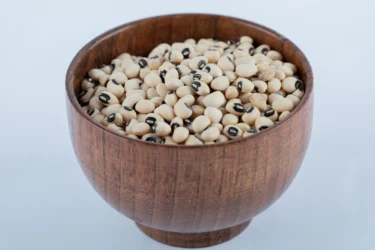
Broadly, undernutrition is categorized into stunting, underweight, wasting, and micronutrient-related deficiency. Indi et al. conducted a clinical trial5 in 2015 in Malawian children. Results show cowpeas, due to their high nutritional content, may help reduce stunting and improve children’s growth. This indicates that cowpeas may help improve undernutrition to an extent by reducing stunting and improving overall growth. However, we need more studies to be conducted globally to claim these results.

Osteoporosis is characterized by weak and brittle bones. It shows manifestations of lower back pain, fractures, and a stooped spine (hump-like structure). Although it is common in men and women, women after menopause are at an increased risk of osteoporosis due to a deficiency of hormones like estrogen. Yongsoon et al. conducted a study6 in 2013 to assess the effects of cowpeas on rat bones. The findings of this study showed that a diet containing cowpeas significantly improved bone mineral density and bone volume. These findings suggest that cowpeas can help in osteoporosis. However, to claim these effects in humans, we need more studies.
Though there are studies that show the benefits of cowpeas in various conditions, but these are insufficient and there is a need for further studies to establish the true extent of the benefits of cowpeas on human health.
I read an article that suggests you may maintain a healthy weight by eating cowpeas. Cowpeas are a good source of both soluble and insoluble fibre, which aids the body in controlling weight. Cowpeas’ high-quality, slow-digesting carbohydrates along with the protein also contribute to a feeling of satiety1.
Dr. Siddharth Gupta, B.A.M.S, M.D (Ayu)
You must consult a qualified doctor before taking any herbal supplements. Do not discontinue or replace an ongoing treatment of modern medicine with an ayurvedic/herbal preparation without consulting a qualified doctor.
Let me tell you the surprising facts about cowpeas. For men, a half-cup portion of cowpeas provides 40% of the daily required intake while for women, 52%. Cowpeas’ protein may contribute to an increase in energy levels.
Dr. Rajeev Singh, BAMS
A few side effects related to the consumption of cowpeas include:
However, if you experience any adverse reactions to cowpeas, it is advised to discontinue its intake and immediately contact a doctor or your Ayurvedic physician who has prescribed it. They will be able to guide you appropriately for your symptoms.
In my experience, a serving of cowpeas contains 13% of the daily recommended amount of vitamin A. By potentially defending your corneas, assisting your body in producing eye lubricant and supporting retina function, vitamin A enhances the health of your eyes.
Dr. Smita Barode, B.A.M.S, M.S.
Eating cowpeas is okay if taken in moderate amounts. However, general precautions must be followed in the following conditions:
Also Read: Shatavari (Asparagus): Uses, Benefits, Side Effects & More!
You must always seek the advice of your Ayurvedic physician about the possible interaction of cowpeas with other drugs and follow the prescription thoroughly, as they will know your health condition and other medications you are taking.
Also Read: Mushroom (Khumbi): Uses, Benefits, Side effects By Dr. Smita Barode
The scientific name of cowpeas is Vigna unguiculata L. Walp.
Depending on the seed colour and type, varieties available in the market include brown eye, black eye, purple eye, crowder cowpeas, etc.
Yes, cowpeas contain the amino acid tryptophan which helps in the formation of melatonin in the body. Melatonin may help improve sleep patterns and help in insomnia. However, more studies are needed to support these claims. Therefore, it is advised to consult a doctor for proper treatment in case you suffer from insomnia.
Yes, cowpeas are rich in fibre which helps in improving digestion and helps manage constipation. However, scientific evidence supporting this is limited and we need more studies to support these claims. It is recommended to consult a doctor for proper treatment in case you have constipation.
Ndubuaku VO et al. in 1989 stated that consumption of cowpeas can result in abdominal discomfort, vomiting, diarrhoea, indigestion, sleepiness, etc7.
Disclaimer: The information provided here is for educational/awareness purposes only and is not intended to be a substitute for medical treatment by a healthcare professional and should not be relied upon to diagnose or treat any medical condition. The reader should consult a registered medical practitioner to determine the appropriateness of the information and before consuming any medication. PharmEasy does not provide any guarantee or warranty (express or implied) regarding the accuracy, adequacy, completeness, legality, reliability or usefulness of the information; and disclaims any liability arising thereof.
Links and product recommendations in the information provided here are advertisements of third-party products available on the website. PharmEasy does not make any representation on the accuracy or suitability of such products/services. Advertisements do not influence the editorial decisions or content. The information in this blog is subject to change without notice. The authors and administrators reserve the right to modify, add, or remove content without notification. It is your responsibility to review this disclaimer regularly for any changes.
6
1
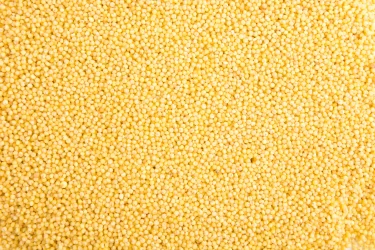
Foxtail millets, magical millets, or miracle grains are natively known as Kangni, Kang, and kakum. These are tiny seeds covered in a thin, crispy hull and are available in a light yellow brownish colour.
The cultivation of millets (Setalica italia) began in 8000 BC in China1. In India, these are widely grown in Karnataka, Andhra Pradesh, Maharashtra, and Tamil Nadu. Foxtail millets have a sweet and nutty flavor and are eaten as instant foods, ready-to-eat products, rice flour, etc. Apart from the culinary uses, it is a farmer-friendly (as it requires less water and other factors for cultivation) and health-friendly (due to its nutritional value) crop. Let us learn more about the health benefits of adding foxtail millets to your dietary routine.
Foxtail millets are packed with the goodness of proteins, carbohydrates, vitamins A and E, and minerals like phosphorus, calcium, magnesium, sodium, etc. The nutrients in foxtail millets per 100 g are mentioned below2:
From my perspective, foxtail millet might be a cost-effective alternative to animal protein foods. Its flour and protein concentrate may have excellent functional properties, making it versatile for various food applications. This might even open up the potential for developing affordable, protein-rich functional food products that can help manage lifestyle-related chronic diseases.
Dr. Rajeev Singh, BAMS
Scientifically proven properties of foxtail millets include:
Let me tell you a little secret. The nutrients found in foxtail millet might have special powers that can help ward off certain non-communicable diseases. By including foxtail millet in our diets, we may give our bodies the nutrients they need to stay healthy and avoid these diseases.
Dr. Smita Barode, B.A.M.S, M.S.
Some of the potential benefits of foxtail millets are described as under:

Some studies state that the occurrence of diabetes can be lowered by including whole grains like foxtail millet in your diet. A self-controlled clinical trial by Ren et al. (2018) found that foxtail millet has a low glycemic index, and daily consumption over 12 weeks significantly reduced fasting blood glucose and post-meal blood glucose levels in people with impaired glucose tolerance. Foxtail millet appeared to gently stimulate pancreatic β-cells (which produce insulin) without causing sharp blood sugar spikes4. Other lab research has also found that foxtail millet supplementation can improve insulin sensitivity and glucose metabolism. This indicates that consuming foxtail millet may help manage diabetes. However, more human trials are needed to support the claims obtained from animal experiments and in-vitro studies.

Hypertension or high blood pressure is a leading risk factor for many cardiovascular diseases. Hypertension is usually managed with drugs which work by relaxing the blood vessels that helps in reducing the blood pressure. It is believed that substances exerting similar effects are also found in food sources like foxtail millet. Chen et al. conducted a study in 2017 stating the consumption of foxtail millets caused a reduction in blood pressure in hypertensive rats. This indicates that the consumption of foxtail millet can have a positive impact on blood pressure8. Moreover, these grains help balance blood cholesterol levels, thereby being overall beneficial for heart health. However, we need more studies to support these claims.

Colorectal cancer is cancer of the colon and the rectum, located at the lower end of the digestive system. Literature suggests that the intake of whole grains or cereals can contribute to a lower risk of colorectal cancer. A study done by Zhang et al. in 2020 to assess the effects of foxtail millet on colorectal cancer showed that the ingestion of foxtail millet positively impacted colorectal cancer in mice9. They contain antioxidants which prevent free radicle damage to gut cells. Plus, they are rich in fiber and nutrients that are overall helpful in supporting digestive health. This suggests that consuming foxtail millets may have a protective role in colorectal cancers. However, we need more clinical studies to prove these claims.

To date, many chemical compounds obtained from plants have been shown to positively impact fungal infections. An experiment done by Wentao et al. in 2011 identified a novel antifungal protein molecule in foxtail millets, which is known to show activity against fungi like Botrytis cinerea and Alternaria alternate, responsible for allergies and asthma. Foxtail millets may inhibit the growth of these fungi and, thus, show antifungal activity against these species7. This indicates that foxtail millets may have the potential to manage fungal infections, but we need more clinical studies to support these claims.
Undernutrition (insufficient energy and nutrient intake are broadly divided into stunting, underweight, wasting, and micronutrient deficiencies. The main cause of undernutrition is a deficiency in nutrient intake. Seetha et al. conducted a meta-analysis in 2022, stating that adding millets to the diet may help improve undernutrition due to the presence of nutritional components like methionine (an essential amino acid), calcium, protein, zinc, etc. The findings of this study10 support the use of foxtail millets as a solution to undernutrition. However, more studies should be conducted in humans to ascertain these claims.
I recommend including foxtail millet in your diet to enjoy the benefits of a well-functioning digestive system. Foxtail millet, just like other millets, is packed with a type of fibre that is good for your body. This fibre is called crude fibre. One of the great things about crude fibre is that it might aid in the process of digestion and encourage smooth bowel movements. This means that foxtail millet may act as a natural laxative, promoting a healthy digestive system.
Dr. Siddharth Gupta, B.A.M.S, M.D (Ayu)
Though there are studies that show the benefits of foxtail millets in various conditions, these are insufficient and there is a need for further studies to establish the true extent of the benefits of these grains on human health.
I stumbled upon a study that showed the extract from foxtail millet may reduce inflammation. In the study, they induced swelling in the mice’s hind legs using a substance called carrageenan. When the mice were administered a foxtail millet extract, the swelling potentially went down. This suggests that foxtail millet might have natural anti-inflammatory properties. However, more studies are required to validate these results.
Dr. Anuja Bodhare, B.A.M.S, M.D (Ayu)
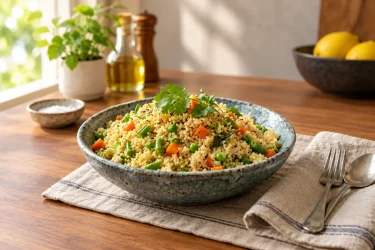
Foxtail millets can be used to make several dishes such as:
While foxtail millets are generally healthy to be consumed as a part of a balanced diet, remember to not overdo and consume in moderation.
Geberally, foxtail millets are safe to consume. However, a few side effects related to foxtail millets include:
If you experience any adverse reactions to foxtail millets, it is advised to discontinue its intake and immediately contact a doctor. They will be able to guide you appropriately for your symptoms.
Eating foxtail millet is okay if taken in moderate amounts. However, general precautions must be followed in the following conditions:
There is no significant interaction of foxtail millets with other drugs. However, you must always seek the advice of your dietician or doctor about the possible interaction of foxtail millets with other drugs and follow the prescription thoroughly, as they will know your health condition and other medications you are taking.
Foxtail millet is a nutrient-dense, gluten-free grain that has been a part of Indian diets for centuries and continues to gain attention as a versatile, farmer-friendly crop. Early research points to a range of potential benefits, from blood sugar and blood pressure support to antioxidant and gut-protective properties. This means foxtail millet can be a healthy addition to a balanced diet, but it should not be treated as a replacement for prescribed medical treatment for any condition. As with any dietary change, it’s best to consult your doctor or a qualified nutritionist, especially if you have an existing health condition, are pregnant, or are already taking medication, to understand how foxtail millet fits into your individual dietary needs.
Also Read: Talmakhana: Uses, Benefits and Side Effects by Dr. Smita Barode
The scientific name of foxtail millets is Setalica Italia. It is also known as Kangni, Kang or kakum locally.
There are three to four foxtail varieties available in the market, namely moharia, maxima, nana, and Indica.
Yes, foxtail millets are a rich source of iron and may increase haemoglobin (an iron-based protein) levels and may help manage anaemia. However, more studies are needed to support these claims. Therefore, it is advised to consult a doctor for proper treatment in case you have anaemia.
Yes, the fibre content in millets aid bowel movements and may provide relief from constipation. However, scientific evidence supporting this is limited and we need more studies to support these claims. It is recommended to consult a doctor for proper treatment in case you have constipation.
As foxtail millets are gluten-free, they may cause weight gain and increase the risk of certain chronic diseases. Gaitan et al. conducted a study in 1989 which showed that foxtail millets are rich in C-glycosylflavones which can lead to goitre or enlarged thyroid. Hence, its best to consult a doctor before including them in your routine diet, especially if are pregnant or have any medical conditions.
Disclaimer: The information provided here is for educational/awareness purposes only and is not intended to be a substitute for medical treatment by a healthcare professional and should not be relied upon to diagnose or treat any medical condition. The reader should consult a registered medical practitioner to determine the appropriateness of the information and before consuming any medication. PharmEasy does not provide any guarantee or warranty (express or implied) regarding the accuracy, adequacy, completeness, legality, reliability or usefulness of the information; and disclaims any liability arising thereof.
Links and product recommendations in the information provided here are advertisements of third-party products available on the website. PharmEasy does not make any representation on the accuracy or suitability of such products/services. Advertisements do not influence the editorial decisions or content. The information in this blog is subject to change without notice. The authors and administrators reserve the right to modify, add, or remove content without notification. It is your responsibility to review this disclaimer regularly for any changes.
23
3
Lotus seed is a quick snack to munch on while watching a movie. Lotus seed is also known as lotus nut or kamal seed. The scientific name of lotus seeds is Nelumbinis semen, derived from the lotus plant, Nelumba nucifera. It has been a functional food, medicine and vegetable for about 7000 years. There are two types of dried lotus seeds, one with white peel and the other with brown peel. Lotus seeds have been extensively produced and cultivated in India, Japan and China. Lotus food has been approved as food and medicine by ‘Ministry of Health of the People’s Republic of China’. Lotus seeds have fewer calories and are a host of nutrients; therefore, they play an essential part in the functions of the body1. Let us look at some of the health benefits of lotus seeds.
Did You Know?
Lotus seeds may contain several bioactive compounds like alkaloids, glycosides, triterpenoids, flavonoids, polyphenols, polysaccharides, essential oils and many more. Below are the nutritional components of Lotus seeds:
Several studies have shown that lotus seed may have the following properties:
Beta-galactosidase, a compound found in lotus seeds, can break the lactose molecule of milk and make it lactose-free. From my experience, the combination of lotus seeds and milk may aid lactose-intolerant people7.
Dr. Siddharth Gupta, B.A.M.S, M.D (Ayu)
Some of the potential uses of lotus seed are:

Excess weight in the body is due to adipocytes (fat cells). A study1 by Achike et al. in 2011 showed that lotus seeds may inhibit the formation of fat cells and reduce the weight of the fat tissues. In addition, polyphenols found in lotus seeds may improve the lipid profile in the body. However, further studies are required to check if lotus seeds can help to manage weight. Therefore, you must consult your dietician before making any diet changes.
From my perspective, lotus seeds might be your ally in your weight loss journey. Studies9 suggest that the resistant starch from lotus seed has the potential to decrease the blood sugar level and hence may aid in managing weight.
Dr. Smita Barode, B.A.M.S, M.S.

Alzheimer’s disease is a neurodegenerative disorder which results in memory loss and other mental impairments. Lotus seeds may have neuro-protective effects i.e, it may protect the nerve cells from damage as in the case of Alzheimer’s disease. A study1 by Kim et al. in 2014 showed that proanthocyanidins in lotus seeds may reduce brain ageing and cognitive impairment. In addition, lotus seeds may reduce the risk of Alzheimer’s disease by decreasing the harmful free radicals and accumulation of unnecessary calcium. However, further studies are required to check if lotus seeds can be beneficial in improving the symptoms of Alzheimer’s disease. You must consult your doctor if you suspect any symptoms of Alzheimer’s disease.

A study1 by Sugimoto et al. in 2008 showed that bioactive compounds like saponins, flavonoids, alkaloids and tannins may help to reduce anxiety and depression. The alkaloids in lotus seeds may increase the time of sleep. Getting good sleep may help manage depression. However, these studies were conducted on mice. Further studies on humans are required to check if lotus seeds may be beneficial for anxiety and depression.

A study1 by Tang et al. in 2017 showed that lotus seeds may have anti-microbial properties. Lotus seeds may disrupt the structure and function of the plasma membrane. Additionally, lotus seeds may inhibit the growth of Salmonella sp., Staphylococcus aureus, Escherichia coli., Klebsiella sp., Shigella, and Pseudomonas sp. However, more studies are required to confirm if lotus seeds can be used for microbial infections. You must consult your doctor if you experience any microbial infection.
A study3 by Mani et al. in 2010 showed that lotus seed might be used in the case of type 1 and type 2 diabetes. Various minerals present in lotus seeds may be beneficial for diabetes. For example, zinc in lotus seeds reduces oxidative stress in type 1 diabetes patients and transports glucose to the cells in type 2 diabetes patients. Chromium may increase the number of insulin receptors and glucose metabolism, thereby decreasing blood glucose levels in type 2 diabetes patients. However, further studies are required to check if lotus seeds can help to reduce blood glucose levels. You must check your blood sugar levels regularly and consult your doctor in case of abnormal blood sugar levels.

A study4 by Poornima et al. in 2013 showed that lotus seeds might act against lung cancer. A bioactive compound, nepherine in lotus seed, may kill the cancer-causing cell (apoptosis) and inhibit their growth. However, further studies are required to check if lotus seeds may act against cancer. Therefore, you must consult your doctor if you suspect cancer instead of self-medicating.

A study5 by Chakravarthi et al. in 2009 showed that the flavonoids in the lotus seeds might help to relieve pain. Lotus seeds may inhibit the cyclooxygenase enzyme, which is responsible for releasing pain mediators. However, further studies are required to check if lotus seeds can help relieve pain. Therefore, you must consult your doctor if you experience prolonged pain.
A study6 by Rai et al. in 2006 showed that flavonoids in lotus seeds might be responsible for their antioxidant potential. The flavonoids may destabilize the harmful free radicals (molecules in the body) and reduce oxidative stress by removing the free radicals from the body. This would reduce the risk of several diseases like diabetes, heart disease, liver disease, etc1. However, more studies are required to check the antioxidant potential of lotus seeds.
Though studies show the benefits of lotus seed in various conditions, these are insufficient, and there is a need for further studies to establish the true extent of the benefits of lotus seed on human health.
You can consume lotus seeds in the following ways:
You must consult a qualified doctor before taking lotus seeds in large quantities or any herbal supplements. Likewise, do not discontinue or replace an ongoing modern medical treatment with an ayurvedic/herbal preparation without consulting a qualified doctor.
Lotus seeds are known as a rich source of a compound, phytosterol. I recently read an article suggesting regular consumption of lotus seeds as phytosterol helps to lower cholesterol levels. From my perspective, lotus seeds might be a saviour to help cope with heart diseases8.
Dr. Rajeev Singh, BAMS
Excessive consumption of lotus seed may cause the following side effects:
If you notice any allergic reaction to consuming lotus seed, seek immediate medical attention. First, consult your ayurvedic physician who has prescribed it to you; they will be able to identify the cause and treat it effectively.
Also Read: Fennel (Saunf) Seeds: Uses, Benefits, Side Effects, and more!
You must take the following precautions before consuming lotus seeds:
Consult your doctor before consuming lotus seeds if you have any pre-existing diseases.
Also Read: Flax seeds (Alsi): Research-Backed Health Benefits
Lotus seeds may interact with diabetic medicines like insulin. You must consult your doctor before you consume lotus seeds if you are on diabetic medicines.
Also Read: Lotus Stem: Uses, Benefits, Side Effects By Dr. Smita Barode
Lotus seeds may be used to relieve pain, manage weight and reduce blood sugar levels. It may be used to reduce depression and anxiety. Lotus seeds can be used for microbial infections, cancer and Alzheimer’s disease. Additionally, lotus seeds can be used to protect the liver1,6. You must consult your doctor if you suspect any of the mentioned conditions instead of self-medicating.
Yes, lotus seeds are used to manage weight. Lotus seeds may inhibit the formation of fat cells (adipocytes) and reduce the weight of the fat tissues1. However, you must consult your dietician before making any diet changes.
Lotus seeds may interact with diabetic medicines like insulin. You must consult your doctor before you consume lotus seeds if you are on diabetic medicines.
Lotus seeds can be consumed as cooked, uncooked, ripened or raw. Lotus seeds can be used as roasted or ground and boiled into syrups1. You must consult a qualified doctor before taking lotus seeds in large quantities. Do not discontinue or replace an ongoing treatment of modern medicine with an ayurvedic/herbal preparation without consulting a qualified doctor.
Excessive consumption of lotus seeds may cause side effects. If you are allergic to nuts and seeds, you may also be allergic to lotus seeds. Lotus seeds may cause constipation, flatulence and bloating. If you notice any allergic reaction to consuming lotus seed, seek immediate medical attention. First, consult your Ayurvedic physician who has prescribed it to you; they will be able to identify the cause and treat it effectively.
Disclaimer: The information provided here is for educational/awareness purposes only and is not intended to be a substitute for medical treatment by a healthcare professional and should not be relied upon to diagnose or treat any medical condition. The reader should consult a registered medical practitioner to determine the appropriateness of the information and before consuming any medication. PharmEasy does not provide any guarantee or warranty (express or implied) regarding the accuracy, adequacy, completeness, legality, reliability or usefulness of the information; and disclaims any liability arising thereof.
Links and product recommendations in the information provided here are advertisements of third-party products available on the website. PharmEasy does not make any representation on the accuracy or suitability of such products/services. Advertisements do not influence the editorial decisions or content. The information in this blog is subject to change without notice. The authors and administrators reserve the right to modify, add, or remove content without notification. It is your responsibility to review this disclaimer regularly for any changes.
12
1
“The longest journey of any individual is the journey inwards”. Yoga wants people to focus on their inner awareness. Surya Namaskar is a series of twelve yoga asanas performed in a dynamic and breath-synchronized manner. Form, energy and rhythm are the three main components of Surya Namaskar. In addition, the twelve asanas are believed to give rise to “Prana”, the subtle force that stimulates the body. When performed in a sequential, steady and rhythmic manner in synchronization with the circadian rhythm (sleep-wake cycle), the rhythm of the cosmos is reflected in these asanas1. One such asana in the Surya Namaskar series is Pranam asana, also known as the praying pose. Let us look at some exciting features and benefits beyond the mat of the praying pose.
Did You Know?
Pranam asana, also called the praying pose, is the entering/starting pose of Surya namaskar (Sun salutation). The name has roots in the Sanskrit word “Pranama” (pay respect) and “asana” (posture/pose). It is also called the praying pose because, in this asana, hands are held together in “Anjali mudra” or namaskar. This asana, which is part of the Surya namaskar series, was propagated by the King of Aundh, Late Shri. Balasaheb Pant (1920s) and later by Shri Krishnamacharya and Sri K V Iyer2.
Following are the steps to perform Pranam asana correctly to avail of maximum benefits:
As far as my knowledge goes, the immune system plays a crucial role in defending the body against disease-causing agents. One interesting observation is that when the Pranam Asana is combined with other steps of Suryanamaskar, it may potentially enhance the efficiency of the immune system. This may contribute to better immunity supporting your ability to protect against infections and illnesses8.
Dr. Rajeev Singh, BAMS
This classic namaskar asana pose is known to provide several benefits to the mind and body, which are described as under:
Kawaljeet et al. conducted a study3 in 2010 to assess the effect of a six-week consistent Surya namaskar practice for female students in the age group of 17-25 years. A significant improvement was seen in the flexibility, muscular endurance and posture of these participants. Yoga postures like Pranam asana may help improve postural alignment when practised as a part of Surya Namaskar4. However, please do not rely on Pranam asana alone in case of any suspected postural issues. So, kindly see a doctor for proper treatment. It is best to practice this under the guidance of a trainer.
Subhash et al. conducted a study4 in 2018 on 60 obese individuals to assess the effect of Surya Namaskar on obesity. Six weeks of regular Surya Namaskar practices showed a significant reduction in Body Mass Index, systolic and diastolic blood pressure, total cholesterol and LDL-cholesterol (bad cholesterol). Findings supported that Pranam asana can have a positive impact on obesity when practised as part of the Surya Namaskar series5. However, you should not rely on Pranam asana alone. You must consult your doctor for proper treatment of obesity. Additionally, it is advised to practice this asana under the supervision of a qualified trainer.

Mullerpatan et al. conducted a study9 in 2013 to assess muscle activity while performing the 12 poses of Surya Namaskar. Results found that different asanas cause the activation of several muscles of the upper and lower body. The Prayer pose, when performed with other poses of Surya namaskar causes activation of many muscles of the body.6 However, in case of any MSD (muscular system disorder) it is recommended to consult a physician for proper treatment and do not rely on Pranam asana alone. In addition, it is advised to perform this yoga under the guidance of a qualified trainer.
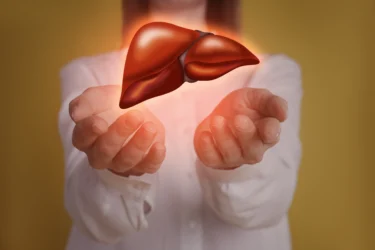
Dr. C.A. Kayelarasi et al. in 2019 conducted a study6 to assess the effect of yogasanas like Pranam asana on fat content in 40 subjects with non-alcoholic fatty liver disease, which is the accumulation of fat in the liver. The findings from abdominal sonography revealed decreased fat and restoration of liver function, which could be attributed to Pranam asana performed along with other postures of Surya Namaskar7. However, Pranam asana alone should not be considered a substitute for modern medicine. Consult a doctor if you have any hepatic (liver) disease, and perform this asana only under the guidance of a qualified yoga trainer.

Yoga practice may help develop the mind and body; however, it is still not an alternative to modern medicine. Therefore, you must not rely on Yoga alone to treat any condition. Instead, please consult a qualified doctor who will be able to assess your condition correctly and advise accordingly. Moreover, it is necessary to practice and learn Yoga under the supervision of a trained yoga teacher to avoid any injuries.
According to what I’ve observed, Pranam Asana may offer several benefits. One of its primary advantages is that it might help establish a state of concentration and calmness. By assuming this pose, you may prepare your mind and body for your busy day ahead2.
Dr. Siddharth Gupta, B.A.M.S, M.D (Ayu)
The general risks associated with the prayer pose include:
Note- It is always recommended to perform the asanas under the guidance of a qualified and experienced teacher. Please consult a doctor or yoga specialist while performing the asanas in the above-listed conditions.
Also Read: Benefits of Rajakapotasana (King Pigeon Pose) and How to Do it By Dr. Himani Bisht
Pranam asana, also called the praying or prayer pose, is one out of the twelve asanas of Surya Namaskar (sun salutation). The name has roots in the Sanskrit word “Pranama” (pay respect) and “asana” (posture/pose). This asana pays homage to the Sun, the source of all life forms.
This is the entering position of Surya Namaskar, which is entered in a standing position, standing firmly on the ground. Bring the hands close to the Anahata chakra (heart’s centre). The mantra enchanted during this asana is the “Om Mitray Namaha”. The praying pose helps in improving posture, helps prevent diabetes and obesity, helps to reduce anxiety and stress and revitalizes the mind and body.
Pranam asana is derived from the Sanskrit words “Pranam” (to pay respect) and “asana” (pose)2. Hence, it is essentially termed the prayer pose.
It is advised not to eat anything before practising Pranam asana as it is followed by other poses which involve stretching and squatting, which may put pressure on the stomach and can lead to consequences like vomiting.
Following are the steps involved while performing Pranam asana:
Stand upright with your feet held together. Close your eyes.
Bring your hands together in “Anjali Mudra” (Namaste position) near the Anahata chakra (Heart’s centre).
Focus on your breathing.
Repeat this asana during the first and last step of Surya Namaskar2.
The praying pose might help in improving posture, may help prevent diabetes and obesity, may help reduce anxiety and stress, and might revitalize the mind and body. It can improve the breathing process and think along with possible help in spiritual healing, etc4,7.
In a series of twelve poses of Surya Namaskar, Pranam asana is performed twice i.e., during the first and last step (Step 1 and Step 12).
Disclaimer: The information provided here is for educational/awareness purposes only and is not intended to be a substitute for medical treatment by a healthcare professional and should not be relied upon to diagnose or treat any medical condition. The reader should consult a registered medical practitioner to determine the appropriateness of the information and before consuming any medication. PharmEasy does not provide any guarantee or warranty (express or implied) regarding the accuracy, adequacy, completeness, legality, reliability or usefulness of the information; and disclaims any liability arising thereof.
Links and product recommendations in the information provided here are advertisements of third-party products available on the website. PharmEasy does not make any representation on the accuracy or suitability of such products/services. Advertisements do not influence the editorial decisions or content. The information in this blog is subject to change without notice. The authors and administrators reserve the right to modify, add, or remove content without notification. It is your responsibility to review this disclaimer regularly for any changes.
1
1
Yoga has been a popular practice for centuries, but its popularity has exploded in a few decades. With so many different styles and benefits, it’s no wonder why people of all age groups and backgrounds are turning to yoga. The practice of yoga can produce a physiological state opposite to the flight-or-fight response and brings a sense of balance and union between the mind and body1.
Whether you’re looking to improve your physical fitness, reduce stress, or connect with your spiritual side, there are many reasons to try yoga. Yoga often sees the practice of asanas, but where to begin? In this post, we’ll briefly introduce one of the asana, Parivrtta trikonasana and some tips on getting started.
Did you know?
Parivrtta trikonasana is also known as the revolved triangle pose or twisted triangle pose. The word is derived from Sanskrit words “Parivrtta”, meaning revolved or turned back, “trikona”, meaning triangle, and “asana”, meaning pose or posture. This asana is a counter pose to Uttihita trikonasana2.
Parivrtta trikonasana must be done properly for maximum health benefits. One may perform parivrtta trikonasana in the following manner:
Practising yoga can be quite beneficial for both physical and mental health. Practising certain yoga poses can give you relief from various health conditions like diabetes. Some studies show that practising parivrtta trikonasana might have beneficial effects on diabetes as this asana might reduce blood glucose levels.
Dr. Siddharth Gupta, B.A.M.S, M.D (Ayu)
Some benefits of this pose are as follows:
Decreased bone mineral density (BMD) can increase the risk of osteoporosis, a condition which is characterised by weak or brittle bones. Lu et al. conducted a study3 in 2005 to assess the effect of yoga on osteoporotic bone loss. The yoga intervention included several asanas, one of which was Parivrtta trikonasana. Ten years of yoga practice with asanas like Parivrtta trikonasana showed an increase in bone mineral density. Thus, the practice of Parivrtta trikonasana may improve bone mineral density, but should not be considered as an alternative to modern medicine. Kindly consult a doctor for proper treatment. Additionally, it is advised to practice this asana under the supervision of a qualified trainer3.

Regular yoga practice can help increase spinal flexibility. Malgorzata et al. conducted a study4 in 2015 to assess the effect of yoga intervention on spinal flexibility. The yoga intervention included several yoga asanas, one of which was Parivrtta trikonasana. 20 weeks of yoga intervention with asanas like Parivrtta trikonasana showed an improvement in spinal muscle flexibility and mobility regardless of age. Thus, the practice of asanas like Parivrtta trikonasana may help in improving spinal flexibility; however, one should not consider this asana as an alternative to modern medicine. Kindly consult your doctor for proper treatment. Additionally, it is recommended to practice this asana under the supervision of a qualified trainer4.
The liver plays an important role in detoxifying and removing toxins from the body. Yoga asanas may help stimulate the liver. Rathore et al. conducted a literature review5 on yoga postures and their anatomic correlation. The summary of this review supports the fact that the practice of parivrtta trikonasana helps in flushing the liver contents and thus accelerates the removal of toxins from the body. The possible mechanism behind this is the unilateral contraction of the internal oblique muscle, which is part of the abdominal wall. Thus, the practice of this asana may aid the detoxification process by the liver. However, no studies have been conducted yet to support these claims. It is therefore recommended not to rely on this asana alone and consult a doctor for proper treatment. Additionally, one should practice this asana under the guidance of a qualified trainer5.

A patient is said to be suffering from metabolic syndrome if he has three or more out of the following five cardiovascular risk factors.
Gowda et al. presented a case report6 in 2016 of a 50-year-old male patient who was suffering from metabolic syndrome. The patient underwent six weeks of yoga intervention, which included several asanas, one of which was Parivrtta trikonasana. The intervention showed a positive impact on metabolic syndrome, and all the clinical parameters were in the normal range. Thus, the practice of Parivrtta trikonasana may help in improving metabolic syndrome. However, there are no clinical studies conducted so far to support these claims. So, it is recommended to kindly consult a doctor for proper treatment and not rely on this asana alone. Additionally, one should practice this asana under the supervision of a qualified trainer6.
Note- The above-mentioned benefits of Parivrtta trikonasana are not proven in any human study yet, and are based on a literature search entirely.
Yoga practice may help develop the mind and body; however, it is still not an alternative to modern medicine. Therefore, you must not rely on Yoga alone to treat any condition. Instead, please consult a qualified doctor who will be able to assess your condition correctly and advise accordingly. Moreover, it is necessary to practice and learn Yoga under the supervision of a trained yoga teacher to avoid any injuries.
Often elderly people find it difficult to fall asleep or have good quality sleep. It is been observed that elderly people who practice yoga like parivrtta trikonasana daily might have better sleep quality. They might fall asleep quickly, sleeps without disturbances and feel energetic after waking up9.
Dr. Rajeev Singh, BAMS
Conditions where Parivrtta trikonasana should be performed with caution are:
Conditions, where Parivrtta trikonasana is contraindicated, include:
Also Read: Benefits of Parivrtta Parsvakonasana and How to Do It by Dr. Himani Bisht
Parivrtta trikonasana is also known as the revolved triangle pose or twisted triangle pose. The word is derived from the Sanskrit words “Parivrtta”, meaning revolved or turned back, “trikona”, meaning triangle, and “asana”, meaning pose or posture. This asana is a counter pose to Uttihita trikonasana. The practice of this asana may help in improving bone mineral density, metabolic syndrome, spinal flexibility, and the detoxification process of the liver. Additionally, this asana may help in improving balance, concentration, blood circulation to vital organs, and the breathing process.
Also Read: Benefits of Utthita Trikonasana (Extended Triangle Pose) and How to Do it By Dr. Ankit Sankhe
Parivrtta trikonasana is also known as the revolved triangle pose or twisted triangle pose. The word is derived from the Sanskrit words “Parivrtta”, meaning revolved or turned back, “trikona”, meaning triangle, and “asana”, meaning pose or posture. This asana is a counter pose to Uttihita trikonasana1.
One should continue to stay in the wheel pose for about 30-60 seconds, or as long as is comfortable2.
First, stand in Tadasana, take a deep breath, and with a jump, spread your legs sideways. Now, with the palms facing down, raise your arms sideways. Start by turning your right foot 90 degrees right and your left foot 60 degrees to the right. Ensure the left leg is stretched and tightened at the knee. Breathe out and rotate the trunk and the left leg towards the right, i.e., in the opposite direction, so as to bring your left palm near the outer side of your right foot. Next, stretch your right arm and bring it in line with the left arm, and look at the right thumb above. Ensure the knees remain firm. Stay in this position for half a minute. Next, breathe in and lift your left arm and rotate your trunk back to the original position.
Breathe out and repeat this asana with the opposite side2.
The practice of this asana may help in improving bone mineral density, metabolic syndrome, spinal flexibility, detoxification process of the liver. Additionally, this asana may help in improving balance, concentration, blood circulation to vital organs, and breathing process3,8.
1. Woodyard C. Exploring the therapeutic effects of yoga and its ability to increase quality of life. Int J Yoga [serial online] 2011 [cited 2022 Nov 10]; 4:49-54. Available from: https://pubmed.ncbi.nlm.nih.gov/22022122/
2. B.K.S. Iyengar. Light on Yoga. The bible of Modern Yoga-Its Philosophy and practice-by the world London: Thorsons.1966;108-109. Available at: https://www.academia.edu/41608993/Bks_iyengar_light_on_yoga
3. Lu YH, Rosner B, Chang G, Fishman LM. Twelve-Minute Daily Yoga Regimen Reverses Osteoporotic Bone Loss. Top Geriatr Rehabil. 2016 Apr;32(2):81-87. doi: 10.1097/TGR.0000000000000085. Epub 2015 Nov 5. PMID: 27226695; PMCID: PMC4851231. Available at: https://www.ncbi.nlm.nih.gov/pmc/articles/PMC4851231/
4. Grabara M, Szopa J. Effects of hatha yoga exercises on spine flexibility in women over 50 years old. J Phys Ther Sci. 2015 Feb;27(2):361-5. doi: 10.1589/jpts.27.361. Epub 2015 Feb 17. PMID: 25729168; PMCID: PMC4339138. Available at: https://www.ncbi.nlm.nih.gov/pmc/articles/PMC4339138/
5. Rathore M, Trivedi S, Abraham J, Sinha MB. Anatomical Correlation of Core Muscle Activation in Different Yogic Postures. Int J Yoga. 2017 May-Aug;10(2):59-66. doi: 10.4103/0973-6131.205515. PMID: 28546675; PMCID: PMC5433114. Available at: https://www.ncbi.nlm.nih.gov/pmc/articles/PMC5433114/
6. Gowda S, Mohanty S, Saoji A, Nagarathna R. Integrated Yoga and Naturopathy module in management of Metabolic Syndrome: A case report. J Ayurveda Integr Med. 2017 Jan-Mar;8(1):45-48. doi: 10.1016/j.jaim.2016.10.006. Epub 2017 Mar 16. PMID: 28318814; PMCID: PMC5377479. Available at: https://www.ncbi.nlm.nih.gov/pmc/articles/PMC5377479/
7. Indian Yoga Association. Parivrtta Trikonasana and benefits [Internet]. Posted 2016 Nov 26 [cited 2026 Jan 8]. Available from: https://www.indianyogaassociation.com/blog/parivrtta-trikonasana-and-benifits.html
8. School, N.Y. (2020) Parivrtta trikonasana (revolved triangle pose): How to do it and its benefits, Nada Yoga School Blog. Available at: https://www.nadyoga.org/blog/parivrtta-trikonasana-revolved-triangle-pose/ (Accessed: November 15, 2022).
9. Bankar MA, Chaudhari SK, Chaudhari KD, et al. Impact of long-term yoga practice on sleep quality and quality of life in the elderly. J Ayurveda Integr Med [Internet]. 2013 Jan-Mar;4(1):28–32 [cited 2026 Jan 8]. Available from: https://pmc.ncbi.nlm.nih.gov/articles/PMC3667430/
Disclaimer: The information provided here is for educational/awareness purposes only and is not intended to be a substitute for medical treatment by a healthcare professional and should not be relied upon to diagnose or treat any medical condition. The reader should consult a registered medical practitioner to determine the appropriateness of the information and before consuming any medication. PharmEasy does not provide any guarantee or warranty (express or implied) regarding the accuracy, adequacy, completeness, legality, reliability or usefulness of the information; and disclaims any liability arising thereof.
Links and product recommendations in the information provided here are advertisements of third-party products available on the website. PharmEasy does not make any representation on the accuracy or suitability of such products/services. Advertisements do not influence the editorial decisions or content. The information in this blog is subject to change without notice. The authors and administrators reserve the right to modify, add, or remove content without notification. It is your responsibility to review this disclaimer regularly for any changes.
1
0


