
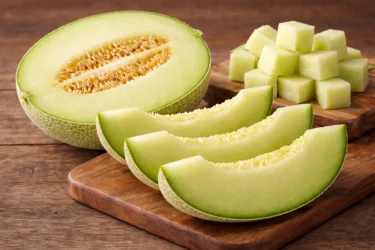
Cantaloupe is a summer-time, pulpy fruit which is also known as muskmelon or rock melon. These fruits have a hard outer skin, belong to the Cucurbitaceous family and are related to various other melons, squashes and cucumbers1. Cantaloupes of different varieties are grown all over the world; having a mild and sweet flavour with many important health benefits. In this article, you shall learn more about the health benefits of cantaloupe, its nutritional profile and potential side effects.
Cantaloupe has rich nutritional value comprising Vitamins A, B and C and minerals like sodium, magnesium and potassium. When considering cantaloupe calories, it’s worth noting that this fruit provides a tasty and low-calorie option for those seeking a nutritious addition to their diet. The fruit has zero cholesterol1 and listed below is the cantaloupe nutrition value per 1 cup of cantaloupe:
Did you know?
Due to its rich nutrient profile, Cantaloupe has several properties that can lead to a wide array of health benefits.
Cantaloupe or muskmelon is one of the fruits with high water content. Due to its high-water content, cantaloupe might be quite useful in regaining water loss while sweating after vigorous physical activity19.
Dr. Siddharth Gupta, B.A.M.S M.D (Ayu)
Cantaloupe is a tasty fruit, packed with nutrients. It is easily available and can potentially be beneficial for health when consumed in your routine diet.

Cantaloupe is rich in antioxidants and may help eliminate inflammation in the body. They fight off free radicals that are responsible for causing oxidative stress and cell damage, this helps lower the risk of developing serious health issues like diabetes, heart disease, arthritis and more. Cantaloupe has anti-inflammatory properties and can help relieve pain/discomfort in your joints and bones3,4.
While natural remedies can be helpful as adjunct, if you notice any symptoms of inflammation in the body, consult the doctor immediately for a timely diagnosis and treatment of the ailment.

Cantaloupes have vital nutrients to keep your heart healthy. Some initial studies7 have shown that melon extracts can help regulate heart beat and blood pressure by modulating nitrous-oxide mediated blood vessel contraction. They are rich in potassium which can also contribute to keeping the blood pressure in check8. Cantaloupes may also show some blood-thinning properties which are good for the heart. Plus, their fibre content helps to decrease “bad cholesterol” levels9.

Cantaloupe benefits the skin as it is loaded with vitamin A and vitamin C, these essential nutrients help in improving skin health. Vitamin A helps protect the skin from sun damage and vitamin C supports natural collagen production. Cantaloupe has high water content and keeps your skin healthy, imparting a youthful glow to your skin. It may help keep wrinkles at bay by maintaining skin elasticity, thus providing anti-ageing benefits. It can also help reduce the risk of UV induced damage to the skin, lower pigmentation and help with skin repair and regeneration10.

Cantaloupe fruit is a melon and is rich in beta carotenes which help in maintaining healthy vision. When absorbed by the body, these beta carotenes are converted into Vitamin A and are highly beneficial for the eyes. They help improve vision and play a role in lowing the risk of conditions like age-related macular degeneration and cataracts11,12. However, remember to always get your eyes checked by the doctor if you have vision problems.

Cantaloupe is beneficial for hair as it contains vitamins A and C, which play crucial roles in supporting overall hair health. Vitamin A aids in maintaining a healthy scalp, while vitamin C supports collagen production, contributing to hair strength. The hydrating properties of cantaloupe may help prevent dryness and promote a well-moisturised scalp. While more research is needed for conclusive evidence, incorporating cantaloupe into your diet as part of a nutrient-rich regimen could potentially benefit your hair13,14. Always consult with a healthcare or hair care professional for personalized advice.

Cantaloupe is said to offer significant health benefits during pregnancy. Rich in vitamins A, C and folate, it supports foetal development and boosts the immune system, crucial for the well-being of both the mother and baby15,16. The high-water content aids in hydration3, addressing a common concern during pregnancy. Additionally, cantaloupe’s natural sweetness provides a healthy alternative to satisfy pregnancy cravings. However, pregnant individuals should seek advice from healthcare professionals for personalised guidance on incorporating anything new in diet, including cantaloupes, to ensure optimal health for both mother and baby.
While initial studies have shown potential health benefits of cantaloupe, further large-scale human trials are needed to confirm these findings. Nonetheless, cantaloupe holds promising value as a delicious and nutrient-packed home remedy that can be great for your skin, hair and overall health.
Cantaloupes are delicious and can be used in many ways, including:
Cantaloupes are available throughout the year and you must consume them within 3 days of purchase for the freshest taste17. Adding cantaloupe to your daily diet will help you get all the nutrients required for the proper functioning of your body. Cantaloupes are loaded with vitamins, minerals and antioxidants, they are eaten by children and adults3.
However, before incorporating anything new into your routine diet, it is necessary to speak with a certified doctor, especially if you have a medical condition like diabetes or are on any medications. You must never discontinue or replace any ongoing medicine with an Ayurveda/herbal supplement without consulting a certified doctor.
Cantaloupe or muskmelon is a rich source of various nutrients like carbohydrates, proteins, vitamins, minerals, etc. As it is rich in various phytochemicals, it may exhibit anti-inflammatory and antioxidant properties that might be beneficial in various inflammatory diseases20.
Dr. Rajeev Singh, BAMS
In this section, let’s see how cantaloupe and muskmelon differ.

Cantaloupe is generally considered to be safe for consumption. Rarely only does it cause any allergy or side effects. However, you must avoid overconsumption of cantaloupe as it contains potassium and eating too much of it can harm your kidneys. Having too much potassium in your blood may also increase the risk of a heart attack18. Similarly, eating excess cantaloupe may not be good for your intestines and may cause diarrhoea, stomach cramps and other digestive problems. You must inform the doctor about any specific health problem before consuming cantaloupe. And also remember to not overdo the consumption for its benefits.
Also Read: Sonth: Uses, Benefits and Side effects by Dr. Smita Barode
You must avoid eating cantaloupe if it is unripe, keep it aside for a few more days and eat after it ripens. Always clean the cantaloupe properly before eating so that it has no harmful bacteria on it.
If you have any medical condition or are on any medication, you must consult your doctor before including cantaloupes in your routine diet. For instance:
If you suffer from an inflammatory condition of the gut or if you have undergone bowel surgery, you should monitor your fibre intake closely.
People with type 2 diabetes should also have this fruit with caution and consult the doctor to know the right serving size of cantaloupe for them.
Cantaloupe is a nutrient-dense “superfood” that supports almost everything from hydration and eye health to foetal development during pregnancy. While its high antioxidant and vitamin content promotes general wellness, moderation in consumption is key. Individuals with any medical concerns should always discuss with their doctor before regular consumption. Ultimately, when enjoyed as part of a balanced diet, this muskmelon can prove to be an effective and delicious health-booster.
Also Read: Khirni Fruit: Uses, Benefits and Side Effects by Dr. Smita Barode
Yes, eating cantaloupe every day will optimise its health benefits. However, it is advised to consult the doctor and discuss the benefits and risks of having cantaloupe every day. The health condition may vary from person to person, so you must know how much cantaloupe you should eat daily.
Yes, you may eat the seeds of a cantaloupe fruit. The crunchy seeds can be eaten raw or roasted, they must be dried and then you can roast them with salt, pepper and other seasonings. The seeds can also be added to blended drinks for more nutrition.
Cantaloupes can be stored as whole fruit or sliced. You can keep a cantaloupe in the fridge. To freeze cantaloupe best, you must wait until they are fully ripe. Once frozen, you may store the fruit in an airtight container in the freezer for up to three months.
Yes, cantaloupes are known for being especially easy to digest. They are mostly made up almost entirely of water and do not cause indigestion or any discomfort.
Cantaloupe is not typically considered keto-friendly as it contains a moderate amount of carbohydrates, which may impact ketosis. It’s advisable to consult with a healthcare professional or nutritionist for personalized advice on incorporating fruits into a ketogenic diet.
Cantaloupe can support weight loss due to its low-calorie and high-water content, promoting satiety. It’s essential to consult with a healthcare professional or nutritionist for personalized advice and to ensure it aligns with an individual’s overall dietary and health needs.
Cantaloupe contains natural sugars, but it is relatively low in overall sugar content compared to some other fruits. Individuals managing diabetes or concerned about sugar intake should consult with a healthcare professional to determine appropriate serving sizes and consider their overall dietary plan.
Yes, cut cantaloupe should be refrigerated to maintain its freshness and prevent bacterial growth. Store it in an airtight container or covered with plastic wrap to extend its shelf life.
Cantaloupe is generally well-tolerated, but some individuals may experience gas or bloating after consuming it due to its fibre content. If persistent issues arise, it’s advisable to consult a healthcare professional for personalized advice on dietary adjustments and potential underlying digestive concerns.
Yes, cantaloupe can be a good choice for diabetics as it is low in calories, rich in vitamins, and has a moderate glycaemic index, which means it has a gradual impact on blood sugar levels when consumed in moderation. However, individuals with diabetes should monitor their portion sizes and consult with a healthcare professional for personalized dietary advice.
Disclaimer: The information provided here is for educational/awareness purposes only and is not intended to be a substitute for medical treatment by a healthcare professional and should not be relied upon to diagnose or treat any medical condition. The reader should consult a registered medical practitioner to determine the appropriateness of the information and before consuming any medication. PharmEasy does not provide any guarantee or warranty (express or implied) regarding the accuracy, adequacy, completeness, legality, reliability or usefulness of the information; and disclaims any liability arising thereof.
Links and product recommendations in the information provided here are advertisements of third-party products available on the website. PharmEasy does not make any representation on the accuracy or suitability of such products/services. Advertisements do not influence the editorial decisions or content. The information in this blog is subject to change without notice. The authors and administrators reserve the right to modify, add, or remove content without notification. It is your responsibility to review this disclaimer regularly for any changes.
 21
21
 5
5
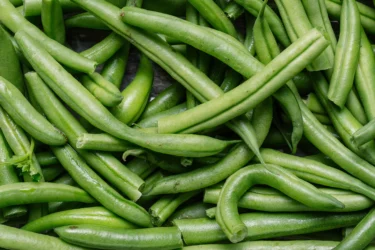
Green beans are unripe, young fruits of the common bean (Phaseolus vulgaris). They are referred to by many names, such as French beans (French- haricot vert), snap beans or string beans (modern varieties happen to be stringless). In the Philippines, Green beans are known as Baguio beans/ habichuelas to differentiate them from yardlong beans.
Green beans are different from other varieties of beans because the green beans are consumed and harvested while the enclosing pods are still intact and the bean seeds haven’t yet fully matured within. Originally, green beans were found in South and Central America, where there has been evidence of cultivation in Peru and Mexico for many years. The three common types of green beans come under the species category Phaseolus vulgaris. These three are snap or string beans with a round, flat pod; French or stringless beans that lack a fibrous, tough string running along the side of the pod; runner beans belonging to the separate species, Phaseolus coccineus.
Looking at the nutritional profile of French beans, raw green beans contain 90% water, 2% protein, 7% carbohydrates and negligible fat. In a 100-gram quantity of French beans, one is provided 31 calories and a moderate amount of vitamin K, vitamin C, manganese and vitamin B with other micronutrients in low quantity. Green beans are also a good source of thiamin, folate, riboflavin, potassium and magnesium.
The above information indicates the nutritional breakdown of about 150 grams of snap bean2.
French beans may have the following uses for human health:

Green beans or French beans can contain significant amounts of chlorophyll2, which can impede the carcinogenic effects of the heterocyclic amines that are created when meat is grilled at high temperatures1. So, it is recommended that those who like to have their grilled meat a little bit charred should balance the negative effects of their meal with boiled French beans.

The body needs protein in order to maintain hair, healthy bones, muscles and organs. Protein is also key in order to maintaining a healthy immune system. Although plant proteins lack one of the amino acids needed by the body, when combined with other protein sources, they can turn out to become complete proteins and still prove to be beneficial for the body3.

`French beans contain essential vitamins that include folate. A cup of raw green beans contains about 33 mcg of folate, which is almost 10% of the daily recommended dietary intake. Folate is a B vitamin that prevents birth defects and other neural tube defects.
A cup of raw green beans contains 12.2 mg of vitamin C, which is about 25% of the recommended daily intake. Vitamin C is an antioxidant that maintains the immune system and plays an integral role in collagen production, protecting the skin from oxidative stress.
A cup of raw French beans offers about 690 IU of vitamin A, which is a group of compounds referred to as retinoids. Vitamin A is important because it aids in healthy immunity, healthy vision and reproduction.
French beans are a good source of minerals such as manganese which has antioxidant properties and supports metabolism. Manganese also promotes the quick healing of wounds and supports bone health3.

One of the primary causes of depression is the imbalance of neurotransmitters and chemicals in the brain. Dopamine, serotonin and norepinephrine are essential for maintaining good brain health. At times, when their levels drop within the brain, it can lead to symptoms of depression. The chemical homocysteine hampers the production of norepinephrine and serotonin. French beans contain a decent amount of B9 or folate, which can help lower levels of homocysteine in the body. Thus, consuming French beans can be beneficial for brain health4.
Iron is an essential mineral required by the body in order to produce new red blood cells. The cells help in oxygen transportation in the body. A person suffering from anaemia or iron deficiency will feel fatigued most of the time, along with weakness and slow metabolism. So, someone suffering from anaemia can benefit from consuming French beans3. One hundred grams of French beans is equivalent to a person’s 25% of daily iron intake.
According to Harvard Medical School, increasing the amount of iron a woman of childbearing age consumes from plant sources including spinach, beans, pumpkin, and green beans may help with fertility. I read in an article and it said that, a woman’s degree of fertility and the amount of nutrients, particularly iron, she consumes, are related. Iron absorption can be enhanced by consuming foods high in vitamin C, such as tomatoes, bell peppers, or berries, together with meals high in iron2.
Dr. Siddharth Gupta, B.A.M.S, M.D (Ayu)

High cholesterol leads to a build-up of fat deposits within the arteries and decreases blood flow to the brain and heart, causing stroke or heart attack. French beans support good heart health because they don’t contain cholesterol. A cup of raw French beans contains 2.7 g of fibre, whereas the boiled variant contains 4.0 g of fibre along with soluble fibre. Soluble fibre can help reduce total cholesterol or bad cholesterol levels. French beans help to reduce inflammation and blood pressure, so consuming a cup of it daily can prove to be very healthy for you.
When fat builds up in the liver, it may result in fatty liver. It may emerge together with metabolic syndrome symptoms such as obesity, high cholesterol, high blood pressure, and others. Losing weight, managing blood sugar levels, and lowering blood levels of fats like triglycerides and low-density lipoprotein (LDL), or bad cholesterol are the mainstays of medical practitioners’ treatments for fatty liver disease. From my experience, beans are a wonderful alternative to animal proteins that are richer in fat for improving liver function2.
Dr. Rajeev Singh, BAMS
Also Read: Sonth: Uses, Benefits and Side effects by Dr. Smita Barode
French beans are extremely healthy, but there are certain side effects that people need to know about. Those who are on blood thinners should refrain from eating excessive French beans since they contain significant amounts of vitamin K. This vitamin can speed up the blood clotting process in wounds and counteract the effects of blood-thinning medications.
Excess consumption of French beans can give rise to digestive issues such as gas, flatulence and bloating. Aside from vitamin K, French beans also contain lectin, which can cause a number of gut-related problems. So, the ideal recommended daily intake for French beans is 1-2 cups daily.
Another factor is that French beans are best consumed cooked in some form. If you are buying canned French beans from the store, then cooking the French beans can also lower the sodium levels.
Also Read: Maple Syrup: Uses, Benefits, Side Effects By Dr. Smita Barode
While eating French beans, it is advised that you eat them cooked because raw beans contain lectin, which is a protein that acts as a natural insecticide or antifungal for plants. So, when French beans are consumed raw, the lectin present can bind to the surface cells of the digestive system and cause symptoms such as diarrhoea, vomiting, nausea and bloating.
If you do experience side effects, it is recommended that you consult a doctor.
Also Read: Jicama (Mexican Turnip): Uses, Benefits, Side Effects & More!
Consuming cooked French beans is always better than eating them raw. Although cooking the beans can decrease the nutritional value of some vitamins, it increases the levels of antioxidants such as isoflavones and carotenoids on the other hand. Cooking also inactivates the presence of harmful lectins that upset the digestive system.
French beans are highly nutritious with little fat and calorie content. Additionally, they have high dietary fibre and protein content, which helps one feel fuller for longer, negating the need to eat snacks in between meals.
Yes, French beans can be safely consumed by diabetics because they have a low glycemic index. They don’t increase the glucose levels in the blood and provide energy, nutrients and minerals while maintaining blood sugar.
A study conducted has revealed that French beans contain the molecule known as chlorophyll which lowers the risk of cancer. Chlorophyll imparts the green colour to French beans and contains anti-cancerous properties. It blocks carcinogens which are responsible for causing cancer.
Yes, French beans contain a good amount of vitamin B9 or folate, which is beneficial for pregnant women. It lowers the risk of developing congenital diseases in a foetus and reduces the chances of neural tube defects.
Disclaimer: The information provided here is for educational/awareness purposes only and is not intended to be a substitute for medical treatment by a healthcare professional and should not be relied upon to diagnose or treat any medical condition. The reader should consult a registered medical practitioner to determine the appropriateness of the information and before consuming any medication. PharmEasy does not provide any guarantee or warranty (express or implied) regarding the accuracy, adequacy, completeness, legality, reliability or usefulness of the information; and disclaims any liability arising thereof.
Links and product recommendations in the information provided here are advertisements of third-party products available on the website. PharmEasy does not make any representation on the accuracy or suitability of such products/services. Advertisements do not influence the editorial decisions or content. The information in this blog is subject to change without notice. The authors and administrators reserve the right to modify, add, or remove content without notification. It is your responsibility to review this disclaimer regularly for any changes.
14
We have almost forgotten the rich history and ancient wisdom that our grandparents and great-grandparents have passed down to us regarding the Indian traditional system of medicine called Ayurveda. Ancient pieces of literature like vedas tell us about the use of medicinal plants or the healing properties of herbs. One such plant of high nutritive and medicinal value is Pithecellobium dulce which belongs to the Fabaceae family the fruit obtained from this plant is called ‘jungle jalebi’. These fruits are widely distributed in India, Australia, South Africa and other parts of Asia. They are found during summers on thorny tall trees. The fruit has red and white flesh and black seeds inside. It is commonly known as hill tamarind. In Hindi, it is known as ‘dakhani babool’, it is called as ‘vilayatichinch’ in Marathi, ‘vilayati ambli’ in Gujarathi. In this article, we will learn all that you need to know about jungle Jalebi fruit, including its health benefits, side effects, precautions and considerations that need to be taken if you plan to take this fruit1,2.
Jungle jalebi fruit is rich in a variety of compounds, like carbohydrates, fats, proteins and dietary fibres and minerals like calcium, potassium, phosphorus and iron. Phytochemicals like saponins, flavonoids and phenols are also present in this fruit. The nutritional composition of this fruit is given below:
Nutritional value of jungle jalebi fruit3,4
Jungle jalebi fruit shows numerous scientifically proven properties, some of which are mentioned below:
Add Jungle Jalebi to your diet! These tropical fruit pods are low in calories, with only about 20-30 calories per pod and high in fibre, which can help you feel fuller for longer. They’re also packed with nutrients like vitamin C, which can support your metabolism and overall health9.
Dr. Rajeev Singh, BAMS
Let us now learn more about the health benefits of jungle jalebi fruit.

Literature studies support the fact that the consumption of fruits may help manage blood glucose. Kumar et al. conducted a study in 2017. The findings of this study2 showed that the consumption of jungle jalebi fruits in diabetic rats helped in reducing blood glucose. This effect is attributed due to the presence of saponin in this fruit which helps in blocking the enzymes responsible for the breakdown of starch into glucose. This indicates that this fruit has the potential to reduce blood glucose and thus may help manage diabetes. However, to claim these results in humans, we need more studies. It is further advised not to self-medicate and consult your physician for proper management of abnormal blood glucose.
If you’re concerned about your blood circulation, you may want to consider incorporating Jungle jalebi into your routine. These fruit pods are a good source of fibre and nutrients that can help improve circulation and prevent blood clots. They also contain antioxidants that can protect against inflammation, which is a common cause of blood flow problems10.
Dr. Ashok Pal, B.A.M.S.

A lipid panel is a complete cholesterol test that measures total cholesterol, triglycerides, low-density lipoprotein (LDL) and high-density lipoprotein (HDL). The literature states that exercising regularly and following a healthy diet consisting of fruits and vegetables may have a positive impact on the lipid panel. A study4 conducted by Murugesan et al. in 2019 stated that jungle jalebi fruit might help in reducing total cholesterol, triglycerides and low-density lipoprotein and may increase high-density lipoprotein. This indicates that jungle jalebi fruit may positively impact the lipid panel, but it is advised not to rely on this fruit as a remedy and kindly consult your physician for the proper management of an abnormal lipid panel.
Heart health is no joke, but Jungle Jalebi can make it sweet! Packed with antioxidants and nutrients, these fruit pods can help reduce inflammation, lower cholesterol levels, and improve blood flow – all essential for a healthy heart9.
Dr. Smita Barode, B.A.M.S, M.S.
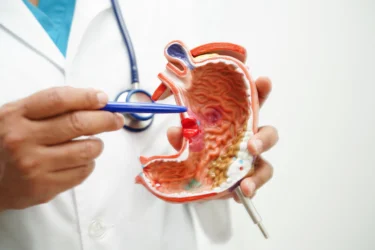
Unhealthy diets, including junk food, fried and spicy food and prolonged use of painkillers increase the chances of peptic or gastric ulcers. Literature studies show that jungle jalebi fruit may help those with chronic ulcers. Murugesan et al., in 2019, conducted a study that states that jungle jalebi fruit may help in managing peptic ulcers. It may be hypothesized that this fruit may help reduce acute inflammation of the stomach lining, which reduces the risk of ulceration. However, we need more studies to claim these results with greater reliability. Also, it is advised not to consider this fruit as an alternative to modern medicine you should always consult your doctor for the proper management of ulcers4.

Ayurveda, or the Indian system of medicine, supports the use of fruits like jungle jalebi for managing bacterial infections. A study4 conducted by Murugesan et al. in 2019 stated that jungle jalebi fruit might help inhibit the growth of bacteria like Klebsiella pneumonia and Bacillus subtilis which causes pneumonia, meningitis and wound infections. This effect is due to the presence of saponins and flavonoids in this fruit. This indicates that this fruit may have the potential to manage infections. However, you should not consider this fruit as an alternative to modern medicine it is always advised to consult a physician for the proper management of any bacterial infection.

Literature studies support the use of jungle jalebi fruit in managing fungal infections. Murugesan et al. conducted a study4 in 2019 that said that this fruit might help in inhibiting the growth of fungi like Penicillium digitatum, which causes fungal infections like mycosis. This indicates the potential of this fruit for managing fungal infections however, you should not consider this fruit as an alternative to modern medicine. You should consult your doctor for the proper management of any fungal infection.
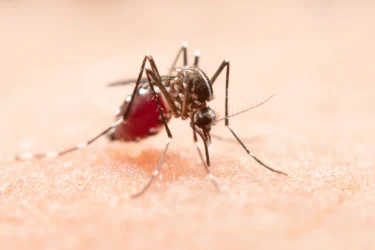
In the post-monsoon period, the incidence of mosquito-borne diseases like dengue and malaria also increases. Due to its medicinal properties, studies support the use of fruits like jungle jalebi for managing dengue and malaria. A study4 conducted by Murugesan et al. in 2019 stated that this fruit might have the potential to manage dengue and malaria. Additionally, this fruit may help manage the poisoning caused due to insect bites. Despite these benefits, you should not consider jungle jalebi as a substitute for modern medicine. For the proper management of dengue and malaria, you should take a proper consultation with a qualified physician.

Though there are studies that show the benefits of jungle jalebi fruit in various conditions, these are insufficient and there is a need for further studies to establish the true extent of the benefits of jungle jalebi fruit on human health.
You must consult a qualified doctor before consuming any herbal supplements. You should not discontinue or replace your ongoing treatment of modern medicine with an ayurvedic/herbal preparation without consulting your doctor.
Jungle Jalebi may be a natural way to combat stress and ageing. These fruit pods are packed with antioxidants that combat ageing and are high in vitamin C, which can help reduce stress8.
Dr. Siddharth Gupta, B.A.M.S, M.D (Ayu)
Takhtajan et al. conducted a review in 1997 which found that commonly reported side effects of plants belonging to the Fabaceae family include5:
However, if you experience any adverse reactions to jungle jalebi fruit, it is advised to discontinue its intake and immediately contact a doctor or your Ayurvedic physician who has prescribed it, as they will guide you properly for your symptoms.
Consuming jungle jalebi fruit is okay if taken in moderate amounts. However, the following considerations must be taken:
Also Read: Cranberry: Uses, Benefits, Side Effects & More!
However, you must always seek the advice of your Ayurvedic physician about the possible interaction of jungle jalebi fruit with other drugs.
Jungle jalebi may be a solution to your skin woes. It’s a natural way to treat dark spots and other skin problems without harsh chemicals. These fruit pods are rich in vitamin C, which can help brighten skin and reduce the appearance of dark spots. They also contain antioxidants that can protect against damage from the sun and other environmental factors10.
Dr. Anuja Bodhare, B.A.M.S, M.D (Ayu)
Also Read: Lavangadi Vati: Uses, Benefits, Side Effects & More!
Jungle Jalebi (Pithecellobium dulce) is a nutritionally rich wild fruit with promising potential in managing blood glucose, cholesterol, peptic ulcers, and bacterial and fungal infections. Its antioxidant and anti-inflammatory properties further add to its therapeutic value. However, the available research is largely limited to animal studies, and human clinical evidence remains insufficient. While safe in moderate amounts, caution is advised for pregnant women, children, and those on medications for diabetes or blood thinning, as interactions are possible. Medical consultation before use is strongly recommended.
Also Read: Drumstick (Sahjan): Uses, Benefits, Side Effects and More!
Jungle jalebi refers to the fruit obtained from the wild thorny trees of Pithecellobium dulce1,2.
In Hindi, jungle jalebi fruit is called as ‘dakhani babool’1,2.
The safety of jungle jalebi fruit consumption during breastfeeding is not well-established it is therefore advised to avoid its use and consult your doctor for the same.
No, there are no proven results on the effects of jungle jalebi fruits on hair loss.
Jungle jalebi fruit belongs to Fabaceae family the side effects of fruits belonging to this family include nausea, vomiting, dizziness and abdominal pain. Consuming this fruit in excess can result in toxicity which is manifested by respiratory depression and tremors.
Disclaimer: The information provided here is for educational/awareness purposes only and is not intended to be a substitute for medical treatment by a healthcare professional and should not be relied upon to diagnose or treat any medical condition. The reader should consult a registered medical practitioner to determine the appropriateness of the information and before consuming any medication. PharmEasy does not provide any guarantee or warranty (express or implied) regarding the accuracy, adequacy, completeness, legality, reliability or usefulness of the information and disclaims any liability arising thereof.
Links and product recommendations in the information provided here are advertisements of third-party products available on the website. PharmEasy does not make any representation on the accuracy or suitability of such products/services. Advertisements do not influence the editorial decisions or content. The information in this blog is subject to change without notice. The authors and administrators reserve the right to modify, add, or remove content without notification. It is your responsibility to review this disclaimer regularly for any changes.
6
2
For decades, plants have been used by people for their medicinal benefits from nature. Pushkarmool or pushkarmula is a medicinal plant. Pushkarmool is also known as Inula racemosa. Pushkarmula has found its references in many Ayurvedic works of literature. The plant blooms beautiful yellow flowers. It belongs to the Asteraceae family. Pushkarmool often grows in the Western Himalayas at elevations ranging from 1300 to 4500 metres1,2.
Pushkarmool has many medicinal properties and health benefits that are derived from its seeds, roots, leaves, and stems. Let us learn more about this beautiful plant!
Pushkarmool has a number of phytoconstituents that are obtained from different parts of the plant. A list of a few major chemical compounds is given below:
The properties of pushkarmool are as follows:
There are several potential benefits of pushkarmool on our health. They are as follows:

Firdous et al. in 2018 studied the anti-inflammatory effect of pushkarmool in rats. The study2 results showed that pushkarmool might be beneficial as an anti-inflammatory agent. However, more studies are needed to evaluate the efficacy of pushkarmool in humans. You should consider talking to an Ayurvedic doctor before taking pushkarmool.

A study4 was done by Singh et al. in 2016 on the antifungal properties of pushkarmool. The essential oil of pushkarmool showed potential anti-fungal activity. Pushkarmool may be used for its antifungal properties. However, additional research is required to comprehend the pharmacological profile of pushkarmool completely. One must consult an Ayurvedic doctor before replacing any medication.

A study2 was carried out by Firdous et al. in 2018 on the analgesic activity of pushkarmool in rats. The study showed that ethanol extract from the roots of pushkarmool showed analgesic activity. Thus, pushkarmool may be used as a painkiller. However, further research and studies are required to prove the efficacy of pushkarmool as a painkiller. It is advised to consult an Ayurvedic doctor before taking pushkarmool.

A study4 was done by Maurya et al. in 2020 on the antibacterial activity of pushkarmool. The study showed that isoalantolactone and sesquiterpene lactones showed potential antibacterial activity. However, the study was done on a small scale, and more research is needed to further prove the effectiveness of pushkarmool as an anti-bacterial agent.

A study2 was conducted by Firdous et al. in 2018, on the anti-oxidant effect of pushkarmool in rats. The study showed that the ethanol extract of pushkarmool may be used as an antioxidant. However, further research and studies are required to prove the efficacy of pushkarmool as an antioxidant. It is advised to consult an Ayurvedic doctor before taking pushkarmool.

Firdous et al. in 2018, conducted a study2 to check the anti-allergic activity of pushkarmool. The study showed that the hydro-alcoholic extract from the roots of pushkarmool might have potent antihistaminic activity. Pushkarmool has the potential to be used as an anti-allergic agent. Further studies are necessary to prove the pharmacological effect of pushkarmool on allergies. It is recommended to consult a doctor before taking pushkarmool for any allergies.

Khurana et al. in 2015, evaluated the role of pushkarmool on asthma. Their study5 showed that the root of pushkarmool might be beneficial in the management of asthma. Although pushkarmool may have potential in the management of asthma, further research is needed to evaluate the complete effect of pushkarmool. It is advised to consult a doctor before taking pushkarmool for asthma.

Maurya et al. 2020 studied the anti-diabetic activity of pushkarmool in their review. The study3 result concluded that pushkarmool when administered for diabetes mellitus showed positive effects on decreasing the blood glucose levels of the patients. Pushkarmool may have anti-diabetic properties. However, this study was done in a small population, and further studies are necessary to completely understand the activity of pushkarmool on diabetes. It is necessary to talk to a doctor before taking pushkarmool for diabetes.

The hepato-protective activity entails the ability to manage liver issues. A study2 was done by Firdous et al. in 2018 to evaluate the activity of pushkarmool in rats. The study showed that pushkarmool might be beneficial in preventing liver damage, meaning it shows potential hepato-protective activity. However, this study was done in animals, and human studies are needed to prove the effect of pushkarmool. It is recommended to consult a physician before taking pushkarmool for any liver issues.

Cardio-protective property is the property of a compound to help in reducing the occurrence of heart and heart-related disorders. A study3 was done by Maurya et al. in 2020 on the cardio-protective effect of pushkarmool. The study showed the potential of pushkarmool in different combinations with other medicines in managing various cardiac disorders like ischemic heart disease. It also may improve the function of the heart. However, more research is required to prove the efficacy of pushkarmool in managing heart disorders. One should consult an ayurvedic doctor before consuming pushkarmool for any heart disorders.

Singh et al. in 2016 conducted a study4 on the effects of pushkarmool on obesity and dyslipidemia. Dyslipidaemia is a condition caused by a poor diet that results in high levels of cholesterol and triglycerides. The study showed the positive effects of pushkarmool in reducing body weight and decreasing levels of triglycerides. However, further information is required to check the efficacy of pushkarmool. It is essential to consult a doctor before replacing pushkarmool with any type of medication.
Although there are studies that show the benefits of Pushkarmool in several conditions, these are insufficient and there is a need for further studies to establish the true extent of the benefits of Pushkarmool on human health.
I have an exciting secret to share with you about the roots of the pushkarmool plant. The root oil of this plant contains alantolactone. This compound may act as an expectorant, which might help with cough and mucus10.
Dr. Siddharth Gupta, B.A.M.S, M.D (Ayu)
Pushkarmool is available in the form of oil, ointment, syrup, powder and tablets. It should be taken twice or thrice a day before meals or as prescribed by your Ayurvedic doctor1,8.
You should talk to a qualified doctor before taking any herbal supplements. Do not discontinue or replace an ongoing treatment of modern medicine with an ayurvedic/herbal preparation without consulting a qualified doctor.
From what I have observed, the pushkarmool plant might also have certain commercial uses. The paste made from its roots may be effective for dressing wounds and ulcers because of its antiseptic properties. Additionally, it might also help alleviate pain and reduce swelling11.
Dr. Rajeev Singh, BAMS
Pushkarmool is quite safe to consume in small doses. Consuming any drug in excess quantity is not recommended.
It is necessary to consult your ayurvedic doctor or healthcare provider before taking pushkarmool. If any reaction is observed while taking pushkarmool alone or in combination with other drugs, immediately seek medical help.
I might tell you something fascinating about pushkarmool root powder. In some places, it is potentially used as a toothpowder to manage different dental problems!
Dr. Smita Barode, B.A.M.S, M.S.
Taking pushkarmool in small doses may be safe. However, certain precautions, as described below, should be taken:
According to certain studies, I have seen that using pushkarmool root powder with lukewarm water may have multiple benefits. It may act as a diuretic, helping with urine flow, and also has rejuvenating and anti-ageing properties.
Dr. Anuja Bodhare, B.A.M.S, M.D (Ayu)
Also Read: Galangal: Uses, Benefits, Side Effects and More!
Pushkarmool is known to have reactions with cardiovascular drugs metabolized by CYP3A4. Some commonly used cardiovascular drugs metabolized by CYP3A4 are clarithromycin/erythromycin, simvastatin, diltiazem/verapamil and prednisone.
Further studies on how pushkarmool acts, along with other drugs, need to be carried out. Always consult your doctor before taking pushkarmool along with other prescription or non-prescription drugs.
Also Read: Mandukaparni (Gotu Kola): Uses, Benefits, Side Effects, and more!
No, pushkarmool does not increase your blood sugar.
Yes, pushkarmool is available in the market in the form of powder.
Pushkarmool root has many potential health benefits. It may be anti-allergic, may be used for asthma and also may be used as a painkiller.
Yes, pushkarmool may have some benefits for the liver.
Yes, pushkarmool may be used as an antioxidant.
Disclaimer: The information provided here is for educational/awareness purposes only and is not intended to be a substitute for medical treatment by a healthcare professional and should not be relied upon to diagnose or treat any medical condition. The reader should consult a registered medical practitioner to determine the appropriateness of the information before consuming any medication. PharmEasy does not provide any guarantee or warranty (express or implied) regarding the accuracy, adequacy, completeness, legality, reliability, or usefulness of the information; and disclaims any liability arising thereof.
Links and product recommendations in the information provided here are advertisements of third-party products available on the website. PharmEasy does not make any representation of the accuracy or suitability of such products/services. Advertisements do not influence the editorial decisions or content. The information in this blog is subject to change without notice. The authors and administrators reserve the right to modify, add, or remove content without notification. It is your responsibility to review this disclaimer regularly for any changes.
6
0
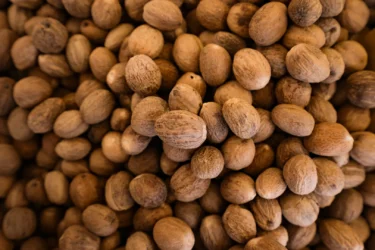
From religious ceremonies to mouth-fresheners, ‘paan supari’ has been an inseparable combination. We know a lot about the ‘paan’ leaves, but not enough attention has been given to ‘supari’ or betel nuts. Betel nuts are the seeds of the fruits of palm trees, which are mostly cultivated in eastern countries like Bangladesh, India, Malaya, Ceylon, Philippines and Japan. The scientific name of betel nut is Areca cattechu Linn. It is commonly known as Areca nut1. In this article, we will learn all that you might want to know about betel nuts, including their health benefits, side effects and precautions, to name a few.
Betel nuts are rich in a variety of compounds, like carbohydrates, proteins, fibres, minerals like calcium, copper, phosphorus, and iron and Vitamins like Vitamin B6 and C3. Betel nuts are also rich in phytochemicals, which have a high medicinal value. The phytochemicals present in betel nuts include alkaloids like arecoline, guvacoline, guvacine, arecaidine and polyphenols, which mostly include flavonoids like leucocyanidins, catechins, epicatechin and tannins. Here are the Nutritional components of betel nuts with their percentage values:
Betel nuts are also rich in phytochemicals, which have a high medicinal value. The phytochemicals present in betel nuts include alkaloids like arecoline, guvacoline, guvacine, arecaidine and polyphenols, which mostly include flavonoids like leucocyanidins, catechins, epicatechin and tannins4. Here are the phytochemical components of betel nuts with their percentage values:
Betel nuts show numerous scientifically proven properties, some of which are mentioned below:
Some of the health benefits of betel nuts for overall health are:
Literature studies16 support that the consumption of nuts may help manage blood glucose. Musdja et al. conducted a study7 in 2021. The findings of this study showed that betel nut consumption in diabetic rats helped in reducing blood glucose. This effect is attributed to the presence of alkaloids like arecoline and guvacoline. This indicates that betel nuts have the potential to reduce blood glucose and thus may help manage diabetes. However, to claim these results in humans, we need more studies. It is further advised not to self-medicate and to consult your physician for proper management of abnormal blood glucose.

Literature studies state that exercising regularly and following a healthy diet consisting of fruits, vegetables, and nuts may have a positive impact on blood pressure. A study4 conducted by Chen et al. in 2021 stated that betel nuts might improve blood circulation and help in reducing high blood pressure. The exact mechanism behind this effect is not known. Therefore, it is advised not to rely on betel nuts as a remedy, and kindly consult your physician for the proper management of hypertension.
A lipid profile is a complete cholesterol test which measures total cholesterol, triglycerides, low-density lipoprotein (LDL), high-density lipoprotein (HDL), etc. Peng et al. in 2015 conducted a review8, and the summary estimates of this review state that betel nuts may help in lowering elevated lipid levels. However, we need more studies to claim these results with greater reliability. Also, it is advised not to consider the consumption of betel nuts as an alternative to modern medicine; you should always consult your doctor for proper management of an abnormal lipid profile.
An infection occurs when germs like bacteria, viruses, fungi or parasites invade the body. Ayurveda, or the Indian system of medicine, helps support the use of household remedies for managing infections. A review9 conducted by Peng et al. in 2015 stated that betel nuts might help inhibit the growth of bacteria, viruses, fungi and parasites like tapeworms and ringworms. This effect is due to the presence of polyphenols and alkaloids in betel nuts. This indicates that these nuts may have the potential to manage infections. However, you should not consider these nuts as an alternative to medicines; it is always advised to consult a physician for proper management of any infection.

Literature studies support the use of betel nuts in reducing allergies. A study10 conducted in 2015, the summary states that betel nuts may have the potential to manage skin irritation and provide relief from allergies. The exact mechanism behind these effects is unknown; however, it can help reduce inflammation. It is advised to take a professional opinion for the proper treatment of any allergy or skin irritation. You should not consider betel nuts as an alternative to modern medicine.

According to studies11, arecoline, which is an alkaloid present in betel nuts, increases the secretion of human saliva and increases the contractions of the digestive system, which helps improve digestion. Traditionally, they have been used for managing constipation. Therefore, betel nuts may positively impact the digestive system. To claim these results with greater reliability, we need more studies. It is further advised not to consider these nuts as an alternative to modern medicine; kindly consult your doctor for proper management of any digestive disorder.

Though there are studies that show the benefits of betel nuts in various conditions, these are insufficient, and there is a need for further studies to establish the true extent of the benefits of betel nuts on human health.
You must consult a qualified doctor before consuming any herbal supplements. You should not discontinue or replace your ongoing treatment of modern medicine with an ayurvedic/herbal preparation without consulting your doctor.
Also Read: Masoor Dal: Uses, Benefits, Nutritional Value & more!
Liu et al. conducted a study in 201313, which found that commonly reported side effects of betel nuts include nausea, vomiting, dizziness and abdominal pain. A study17 in 2021 stated that betel nuts contain arecoline alkaloid; if consumed in larger amounts, it can be poisonous and may increase the risk of cancer.
However, if you experience any adverse reactions to betel nuts, it is advised to discontinue their intake and immediately contact a doctor or your Ayurvedic physician who has prescribed it, as they will guide you properly for your symptoms.
Also Read: Kayam Churna: Uses, Benefits, Side Effects and More
Consuming betel nuts is okay if taken in moderate amounts. However, the following considerations must be taken:
You may become addicted to betel nut chewing, watch out for symptoms of anxiety, insomnia and mood swings14. If you face these complaints, it is likely that you’re facing betel nut addiction. Consult your doctor for proper advice on betel nut withdrawal.
Consumption of betel nuts is contraindicated in people with:
Also Read: Kanchanar Guggulu: Benefits, Side Effects, Precautions & More!
However, you must always seek the advice of your Ayurvedic physician about the possible interaction of betel nuts with other drugs.
Betel nuts are the seeds of the fruits of palm trees which are mostly cultivated in eastern countries like Bangladesh, India, Malaya, Ceylon, Philippines and Japan1.
In Hindi, betel nuts are called supari.
No, there are no proven results on the effects of betel nuts on hair loss.
The safety of betel nut consumption during pregnancy is not well-established; it is therefore advised to avoid its use and consult your doctor for the same.
Disclaimer: The information provided here is for educational/awareness purposes only and is not intended to be a substitute for medical treatment by a healthcare professional and should not be relied upon to diagnose or treat any medical condition. The reader should consult a registered medical practitioner to determine the appropriateness of the information and before consuming any medication. PharmEasy does not provide any guarantee or warranty (express or implied) regarding the accuracy, adequacy, completeness, legality, reliability or usefulness of the information; and disclaims any liability arising thereof.
20
1
We all know about yoga and pranayama, but did you know about mudra science? Mudra science is an ancient science known to connect energies called vata (energy of movement), kapha (energy of lubrication), and pitta (energy of digestion). Mudras are known to be a means for the expression of internal feelings by the use of different gestures involving the hands, feet, and other parts of the body. Out of the five categories of mudras, hasta mudra, or hand gestures are known to have potential benefits on mental, physical, and emotional well-being. In this article, we will explore the health benefits of one such mudra, agni mudra1.
Agni mudra belongs to the hasta or the hand mudra category and is the most commonly practiced hasta mudra. It is also known as Surya mudra or the gesture of the sun. The name agni mudra comes from the Sanskrit word ‘agni’, which means fire, and ‘mudra’ means a seal lock or hand gesture. The practice of this mudra is known to eliminate the earth (Prithvi) element and increase the fire element (agni) present in the body2 .
Let us learn how to do agni mudra 2:
Note: Close your eyes and breathe normally, and perform this mudra daily for 45 minutes at a stretch or for 15 minutes three times a day. It is best to practice this mudra on an empty stomach in the morning.
Did you know?
Keeping the origin and history in mind, let us now discuss the benefits of agni mudra.
The thyroid gland is a small gland located at the front of your neck that is responsible for the production of the thyroid hormone, which plays an important role in growth, development, and metabolic processes. Kumar et al. conducted a study2 in 2022 proving that the practice of agni mudra may have a positive impact on thyroid function. However, the practice of this mudra should not be considered an alternative to modern medicine. So, consult your doctor for proper treatment of any thyroid disorder and do not rely on this mudra alone. Additionally, one should practice agni mudra under the supervision of a qualified trainer3.
Diabetes is one of the most common diseases affecting individuals globally. With this change, people now realize that in addition to medicines, diet and exercise may help manage diabetes. A study3 carried out by Raveendran et al. in 2018 explained that the practice of agni mudra, along with other mudras, may be effective in reducing blood glucose levels and managing diabetes. However, you should not consider the practice of this mudra as an alternative to modern medicine. You should consult your doctor for proper management of diabetes. Additionally, the practice of this mudra should be done strictly under the guidance of a qualified trainer4.
Literature shows that the practice of asanas, pranayamas, and mudras may positively impact mental health. A study6 conducted by Mukhopadhyay et al. in 2021 stated that agni mudra may help reduce stress and tension and may improve emotional and social well-being. This may help positively impact mental health. However, you should not rely on this mudra alone and consult your doctor for proper treatment of depression. Additionally, the practice of this mudra should be carried out under the guidance of a qualified trainer2.
As per studies, agni mudra is associated with the heating element of the body and is known to dissolve extra fat in the body; thus, it positively impacts obesity. Mukhopadhyay et al. 2021 conducted a study6 where it was found that the practice of agni mudra may help in weight loss and, thus, help manage obesity. The practice of this mudra should not be considered an alternative to modern medicine. So, consult your doctor for proper management of obesity and do not rely on this mudra alone. Additionally, one should practice agni mudra under the supervision of a qualified trainer3.
Literature studies support that the practice of yoga asanas, pranayamas, and mudras may positively impact cholesterol and, thus, reduce the risk of developing heart diseases. Kumar et al. conducted a study2 in 2022 that stated that the practice of agni mudra might help in lowering LDL or bad cholesterol. Even then, the practice of this mudra should not be considered as an alternative to modern medicine. You should consult your doctor for proper management of high cholesterol. Further, it is advised to practice agni mudra under the guidance of a qualified trainer3.
Research shows that the practice of yoga asanas, pranayamas, and mudras may have a positive impact on fever and seasonal flu. Kumar et al. in 2022 conducted a study2 showing that the practice of agni mudra may help manage fever. As the practice of this mudra is known to increase the fire element in the body, it is believed that this effect may have a positive impact on fever. Additionally, this mudra may help manage flu symptoms. However, the practice of this mudra should not be considered an alternative to modern medicine, and this mudra should be practised under the guidance of a qualified trainer3.
Note- The benefits of agni mudra are studied in a limited human population. Still, more research is needed to claim the positive effects of agni mudra.
Although the practice of yoga asanas, pranayamas, and mudras may help in the development of the mind and body, you should not consider them as an alternative to modern medicine. It is advised not to rely on mudras alone to treat any condition. Kindly consult a qualified doctor for proper treatment. Additionally, any mudra practice should be done under the supervision of a qualified trainer.
From my experience, the practice of Agni Mudra might have positive effects on body temperature regulation. When combined with Surya Namaskar (Sun Salutation) during winter or in other cold conditions, Agni Mudra may help maintain body temperature and lessen shivering6.
Dr. Siddharth Gupta, B.A.M.S, M.D (Ayu)
Also Read: Benefits of Adho Mukha Svanasana (Downward Facing Dog) and How to Do it
The precautions and contraindications of asanas should also be kept in consideration when performing mudras. Cautions need to be taken when performing agni mudra5:
In people with pitta dosha (agni or fire dominant) and Kapha dosha (Prithvi or earth dominant), caution needs to be taken as agni mudra increases the fire element and decreases the earth element in the body.
The contraindications of agni mudra are listed below5:
Note: It is best to consult your Ayurvedic physician for possible foods that may increase the level of agni in your body. It will be best to avoid the consumption of these foods while practicing agni mudra. Additionally, consult your physician to know about the nature of your body, also known as ‘Prakriti’.
In my experience, I have noticed that Agni Mudra might help provide relief from various issues caused by cold weather. It may help alleviate symptoms such as dry skin, sore throat, and even painful joints1.
Dr. Rajeev Singh, BAMS
Also Read: Benefits of Varun Mudra (Jala Mudra) and How to Do it By Dr. Ankit Sankhe
Agni mudra belongs to the hasta or the hand mudra category and is also known as Surya mudra as the sun signifies fiery energy. The name agni mudra comes from the Sanskrit word ‘agni’ which means fire, and mudra means a seal lock or hand gesture. The practice of this mudra is known to eliminate the earth (prithvi) element and increase the fire element (agni) present in the body. The practice of this mudra may help in exerting a positive impact on depression, diabetes, thyroid gland, cholesterol, obesity, fever, and constipation.
Also Read: Benefits of Ardha Matsyendrasana (Half Fish Pose) and How to Do it By Dr. Himani Bisht
Agni mudra belongs to the hasta or the hand mudra category2.
The name agni mudra comes from the Sanskrit word ‘agni’, which means fire and ‘mudra’ means a seal lock or hand gesture2.
The practice of this mudra may help in exerting a positive impact on diabetes, depression, obesity, fever, thyroid gland, fever and cholesterol2,4.
There is limited information regarding the safety of agni mudra during pregnancy. It is therefore advised to consult your doctor for proper guidance.
Agni mudra is also known as agni vardhak mudra as it is known to increase the ‘agni’ (fire) element in the body2.
1. Sunitha S, CP S. Mudra therapy and its classification. International Journal of Health Sciences and Research (IJHSR). 2021; 11(1):118-26. Available at: https://www.ijhsr.org/IJHSR_Vol.11_Issue.1_Jan2021/IJHSR16.pdf
2. Kumar SN, Venu A, Jaya MH. Effect of yoga mudras in improving the health of users: A precautionary measure practice in daily life for resisting the deadly COVID-19 disease. In Lessons from COVID-19 2022 Jan 1 (pp. 41-59). Academic Press. Available at: https://www.ncbi.nlm.nih.gov/pmc/articles/PMC9347266/
3. Raveendran AV, Deshpandae A, Joshi SR. Therapeutic role of yoga in type 2 diabetes. Endocrinology and Metabolism. 2018 Sep 1; 33(3):307-17. Available at: https://www.ncbi.nlm.nih.gov/pmc/articles/PMC6145966/
4. AYUSH Ministry, Government of India. Yoga Do’s & Don’ts by AYUSH Ministry [Internet].Available from: https://www.scribd.com/document/725756281/Yoga-do-dont-by-ayush-ministry
5. Shilpa S, Murthy CV. Understanding personality from Ayurvedic perspective for psychological assessment: A case. Ayu. 2011 Jan; 32(1):12. Available at: https://www.ncbi.nlm.nih.gov/pmc/articles/PMC3215408/
6. Mukhopadhyay K. Bandha (Inner Lock)-Mudra (Hand Gesture): Essences of Optimizing Health. Int J Adv Res Sci Commun Technol (IJARSCT). 2021 Nov;11(1):293-308. DOI: 10.48175/IJARSCT-2124. Available from: https://ijarsct.co.in/Paper2124.pdf
Disclaimer: The information provided here is for educational/awareness purposes only and is not intended to be a substitute for medical treatment by a healthcare professional and should not be relied upon to diagnose or treat any medical condition. The reader should consult a registered medical practitioner to determine the appropriateness of the information before consuming any medication. PharmEasy does not provide any guarantee or warranty (express or implied) regarding the accuracy, adequacy, completeness, legality, reliability, or usefulness of the information; and disclaims any liability arising thereof.
Links and product recommendations in the information provided here are advertisements of third-party products available on the website. PharmEasy does not make any representation of the accuracy or suitability of such products/services. Advertisements do not influence the editorial decisions or content. The information in this blog is subject to change without notice. The authors and administrators reserve the right to modify, add, or remove content without notification. It is your responsibility to review this disclaimer regularly for any changes.
4
1
The word yoga is derived from the Sanskrit word yuj, which means “to connect.” Due to its simplicity of use and astounding outcomes, yoga has won the hearts of everyone. Yoga is popular not only among the older generations but among, the younger generations as well.
Mudra therapy is an ancient and effective therapy taught by sages. Mudras denote a movement of the hands, eyes, and body. Mudras work on the principle of transfer of energy from a higher to a lower level. Mudras are simple and very effective. Adi mudra is a type of hasta mudra, meaning it is practiced using hand gestures.
Adi mudra connects all the fingers of the hand and forms a seal. It is a hand gesture performed while sitting on the ground or on a chair1,2,3.
Nowadays, stress has become part and parcel of our lives. If, like most people, you also suffer from stress, then Adi Mudra is the way to go!
There are many types of mudras. Adi or Adhi mudra is one of them. It is also known as primordial mudra or a baby’s gesture. Adi is a Sanskrit term meaning ‘first’. Adi mudra is one of the simplest mudras. It tends to focus on the breathing pattern and can be done along with asanas.
Adi mudra may assist in the improvement of the health of the human body and may help in the management of stress levels1,4.
Did You Know?
To get the optimal benefits of adi mudra, it is necessary to do it properly. Wear comfortable clothes while performing mudras. The steps to perform adi mudra are as follows:
Some of the potential benefits of adi mudra are as follows:

A study was carried out by Suresh M et al. in 2018 on the combined effects of mudra pranayama and sudarshan kriya on humans. The lung function of the volunteers was monitored before, during and after the study. The study6 results showed a significant improvement in the ECG, which could be attributed to improved lung function. More research, however, is required to demonstrate the impact of adi mudra on the lungs. Therefore, please see your doctor for better health outcomes.
Practising Adi mudra is quite beneficial for overall health. It might have many several effects which include relaxation of the nervous system, snoring reduction, increase in blood circulation to the brain, and capacity of the lung9.
Dr. Siddharth Gupta, B.A.M.S, M.D (Ayu)
Cortisol is a primary stress hormone in the body. An investigation done by Suresh et al. in 2018 randomly monitored the cortisol levels of the patients during the study6,7. There was a significant decrease in the plasma cortisol levels within 15 days and 85% of volunteers suffering from mild to moderate depression reported complete relief from stress and fatigue. However, further studies are required to check if adi mudra may be beneficial in managing stress and depression. Therefore, it is recommended to consult your doctor if you have high stress levels or symptoms of depression.
In a study6 conducted by Suresh M et al. in 2018, an electrocardiogram (ECG) of volunteers with mild to moderate hypertension was used to monitor their blood pressure. In this group of volunteers with high blood pressure (hypertension), there was a 25% reduction in blood pressure. However, more research is yet to be done to confirm if adi mudra may be beneficial for lowering blood pressure. Therefore, you must consult your doctor for abnormal blood pressure instead of self-medicating.
Adi mudra may potentially be used to reduce blood sugar levels. Research done by Suresh et al. in 2018 studied the blood sugar levels of a group of volunteers. The study reported the reversal of blood sugar parameters to normal. However, further studies are required to confirm if adi mudra may be beneficial for the management of blood sugar. Therefore, it is advised to consult your doctor if you have high blood sugar levels instead of self-medicating6.

In a study8 done by Vasan in 2022, the volunteers were evaluated based on their mental well-being in relation to the visual strain due to screen time. The study showed positive results in improving mental well-being and some reduction in the strain on the eyes by those who practised combined yoga therapy. For lack of better evidence, it can be said that adi mudra may have a positive relation to mental well-being. However, this claim needs further research to prove its efficacy for a larger population. Hence, it is better to take a professional opinion if you are facing mental health issues.
When you practise Adi mudra, your body uses clavicular (upper chest) breathing. This way Adi mudra might help in stimulation of the brain which is closely associated with the crown chakra10.
Dr. Rajeev Singh, BAMS

Yoga practice might be useful to stimulate the mind and body. That being said, it should not be used as an alternative to any medicine. One should not rely on yoga alone to treat any condition. Please consult a qualified healthcare professional who will be able to assess your condition properly. Moreover, it is important to practice and learn yoga under the supervision of a certified yoga teacher to avoid any injuries.
Also Read: Benefits of Chinmaya Mudra and How to Do it By Dr. Himani Bisht
There weren’t any associated risks or contraindications that have been investigated or reported to date. However it is important to take necessary precautions in some conditions while performing adi mudra. The most important conditions are listed below:
If you are performing adi mudra for any health problems, makes sure not to replace any kind of traditional care or medicine. Consult a doctor before self-medicating or replacing any kind of medication for yoga5.
With the guidance of an experienced and certified yoga instructor, we can further analyze the risk factors and continue to practice the exercise with precautions.
Also Read: Benefits of Dandasana (Staff Pose) and How to Do it By Dr. Ankit Sankhe
Mudras are an age old effective form of therapy. In Sanskrit, ‘adi’ means ‘first’ and mudras define gestures hence the name ‘primordial mudra’. Adi mudra may help guide the energy flow to certain parts of the body. It may help improve the flow of oxygen to the body, lower the blood sugar levels and decrease the cortisol levels (stress hormone), thereby perhaps decreasing stress, lowering bad cholesterol and increasing lung capacity. It is recommended to perform adi mudra under professional guidance.
Also Read: Benefits of Gyan Mudra and How to Do it By Dr. Ankit Sankhe
It may help improve the flow of oxygen to the body, lower blood sugar levels, and decrease cortisol levels (stress hormone), thereby decreasing stress, lower bad cholesterol and increasing lung capacity.
No, Adi mudra is different from Adishakti mudra.
Adi mudra may potentially increase the breathing capacity of the lungs, which in turn might be useful in COVID-19. Even so, it is better to consult a professional before substituting Adi Mudra for any kind of treatment or care.
Adi mudra may be beneficial in the management of stress and depression as it may potentially reduce cortisol levels (stress hormone).
Yes, adi mudra can be performed at home. However, it is advised to seek guidance from a certified yoga trainer or an experienced professional.
Disclaimer: The information provided here is for educational/awareness purposes only and is not intended to be a substitute for medical treatment by a healthcare professional and should not be relied upon to diagnose or treat any medical condition. The reader should consult a registered medical practitioner to determine the appropriateness of the information and before consuming any medication. PharmEasy does not provide any guarantee or warranty (express or implied) regarding the accuracy, adequacy, completeness, legality, reliability or usefulness of the information; and disclaims any liability arising thereof.
Links and product recommendations in the information provided here are advertisements of third-party products available on the website. PharmEasy does not make any representation on the accuracy or suitability of such products/services. Advertisements do not influence the editorial decisions or content. The information in this blog is subject to change without notice. The authors and administrators reserve the right to modify, add, or remove content without notification. It is your responsibility to review this disclaimer regularly for any changes.
4
2
All the requirements and needs of human life are provided by Nature (Earth). Nature contains everything from food to medicine. Modern drugs are completely dependent on Ayurveda drugs which we obtain from nature. These Ayurveda drugs can compete with chemical medicines and regular use of chemical medications will lead to adverse side effects. We present Sanjivani Vati as one Ayurvedic preparations most popular in India.
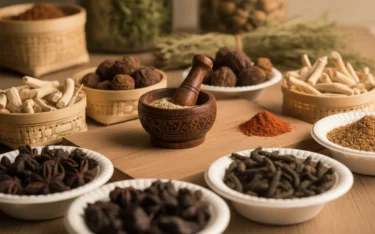
Sanjivani means “one that infuses life and strengthens the immune system” and Vati means “tablet”. It is a polyherbal preparation that contains a total of ten ingredients. Sanjivani Vati is prepared using ingredients such as Vidang, Sunthi, Vaca, Pippali, Gudduci, Haritaki, Bhallataka, Amla, Bibhitaka and Visa. These are finely powdered individually and then equally mixed with Gomutra to make small pills or vati and sun-dried. Gomutra is the essential binding agent used to make Sanjivani vati. It may be used to enhance the body’s immune system and may fight against various diseases1,2. Let us discuss the health benefits of Sanjivani Vati, its potential uses and much more.
Sanjivani Vati may contain many phytonutrients such as tannins, flavonoids, alkaloids, embelin, gingerols, gallic acids, terpenes and shogaols1,2.
Listed below may be the Sanjivani Vati ingredients:
Ingredients of Sanjivani Vati1.
Sanjivani Vati’s composition may be responsible for the following biological properties:
The following may be the potential uses of Sanjivani Vati:
The undigested food waste called ‘Aama’ is produced in the body due to weak digestion. It may get settled in the body and produce toxins. This may cause blockages in blood circulation tubes and increase cholesterol levels. Sanjivani Vati may have digestive properties and be used as a detoxification formulation. Regular consumption of Sanjivani Vati may help clear blockages and facilitate detoxification. It contains Triphala, which may help detoxify the digestive tract and eliminates Aama through stool1. More clinical evidence is required to support this claim. However, do not self-medicate consult with doctors and use it accordingly.
I may share with you that according to modern scientific studies, it has been suggested that the contents of Sanjivani Vati may have a beneficial effect on the liver. This is known as a hepato-protective effect, which means it may help protect and support the liver’s health6.
Dr. Rajeev Singh, BAMS

Typhoid is caused by bacteria which may cause a high fever. Sanjivani Vati may have anti-inflammatory and analgesic properties. It may help lower the fever encountered during typhoid and the pain associated with fever. Ayurvedic doctors have recommended that a daily intake of Sanjivani Vati with honey juice might help manage typhoid fever1,2. Further clinical studies are needed to develop the true use of Sanjivani Vati for dealing with typhoid fever. However, consult your doctors and get the proper medicine to recover safely.
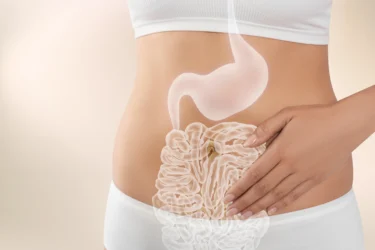
Sanjivani Vati may have the ability to improve the digestive system. The ingredients of Sanjivani Vati, such as Triphala and ginger, may be considered a common aid for digestion. It may help increase the production of digestive juices in the stomach, enhancing the digestion process. This may help the body to get rid of all the unwanted waste from the system and allow the absorption of nutrients3. However, more studies are needed to support its effects on human digestion. For digestion problems, seek medical help and avoid self-medication.

Gangrene is a condition that involves the decay and death of the skin tissue in the body. It may be due to insufficient blood supply to that portion. According to Bharati et al., 2019, applying Dashanga lepa to the affected area and taking an Ayurvedic formulation made from Sanjivani Vati and Kaishore guggulu may reduce gangrene and may heal the wound. Finally, it was reported that Sanjivani Vati might effectively and safely manage dry infection4. If you encounter such a condition, seek medical help and get prescribed medicine. Do not self-medicate.

Though studies show the potential uses of Sanjivani Vati in various conditions, these are insufficient and there is a requirement for further studies to establish the true scope of Sanjivani Vati’s benefits on human health.
From what I have observed, it’s interesting to note that Sanjivani Vati may have the potential to reduce the presence of ‘aama’ in the body. Aama refers to blockages that might occur in the body’s channels, which may contribute to the development of autoimmune disorders like sarcoidosis and rheumatoid arthritis5.
Dr. Siddharth Gupta, B.A.M.S, M.D (Ayu)
Before consuming large amounts of Sanjivani Vati, you should consult a qualified doctor. They will guide you through its form and dosage according to your health condition. Do not discontinue or replace an ongoing modern medical treatment with an Ayurvedic or herbal preparation of Sanjivani Vati without consulting an Ayurvedic physician.
Bhallataka and Vatsanabha, two of the ingredients in Sanjivani Vati, contain irritant oils. Some people may have allergic reactions to Bhallataka2.
When taken in the prescribed dosage by Ayurvedic physicians, Sanjivani Vati may be well-handled and tolerated in the human body.
However, no major studies on the side effects of Sanjivani Vati in humans have been conducted. As a result, more clinical interventions are required to determine the side effects of Sanjivani Vati. To avoid any side effects, consult your doctor for the proper treatment.
Also Read: Draksharishta: Uses, Benefits and Side Effects By Dr. Smita Barode
Sanjivani Vati may be well-tolerated and processed in the body. When taken in small quantities, it might be safe. However, eating in larger amounts is not recommended. Follow the few precautions given below:
Also Read: Shankh Bhasm: Uses, Benefits, Side Effects and More
Sanjivani Vati is an Ayurvedic formulation. Its components may or may not interact with other drugs. Further studies are needed to suggest the herb-drug interaction between Sanjivani Vati and other medicines. We recommend you consult a doctor before taking Sanjivani Vati and only take it in the prescribed dosage.
Also Read: Prabhakar Vati: Uses, Benefits, Side Effects, and more!
Sanjivani Vati is an Ayurvedic preparation most popularly used in India. Sanjivani means “one that infuses life and rejuvenates the immune system” and Vati means “tablet”. It is a polyherbal preparation that contains a total of ten ingredients. All the ingredients are individually powered and equally mixed with Gomutra to make small pills or vati and sun-dried1,2.
Sanjivani Vati comprises a total of ten ingredients. Sanjivani vati ingredients may include Vidang, Sunthi, Vaca, Pippali, Gudduci, Haritaki, Bhallataka, Amla, Bibhitaka and Visa in equal quantities and mixed with Gomutra3.
The properties of Sanjivani Vati may include antioxidant, analgesic, antispasmodic, carminative, anti-diarrhoeal, anti-inflammatory, anti-ulcer, anti-depressant, anti-asthmatic, anti-viral, expectorant, stimulant, stomachic, antimicrobial and antipyretic1,2. If you have the above-mentioned issues or problems, consult your doctor and do not self-medicate.
There are different forms of Sanjivani Vati available on the market. It may be available in solid dosage forms, such as Sanjivani Vati tablets1.
Sanjivani vati may be a detoxification formula for reducing ‘Aama’ (undigested toxic waste). Aama accumulation may cause high cholesterol levels and blockage of arteries1. Sanjivani vati may help in the removal of Aama. More information is needed to support this claim. However, do not self-medicate; consult with your doctors and use it accordingly.
Disclaimer: The information provided here is for educational/awareness purposes only and is not intended to be a substitute for medical treatment by a healthcare professional and should not be relied upon to diagnose or treat any medical condition. The reader should consult a registered medical practitioner to determine the appropriateness of the information and before consuming any medication. PharmEasy does not provide any guarantee or warranty (express or implied) regarding the accuracy, adequacy, completeness, legality, reliability or usefulness of the information; and disclaims any liability arising thereof.
Links and product recommendations in the information provided here are advertisements of third-party products available on the website. PharmEasy does not make any representation on the accuracy or suitability of such products/services. Advertisements do not influence the editorial decisions or content. The information in this blog is subject to change without notice. The authors and administrators reserve the right to modify, add, or remove content without notification. It is your responsibility to review this disclaimer regularly for any changes.
4
0
In the Ayurvedic medicine system, Vacha may be considered a well known medicinal herb used for over 100 years. Vacha, scientifically known as the Acorus calamus, belongs to the family Acoraceae. The Vacha plant is a grass like semi-aquatic herb that grows in moist, marshy lands like ponds, rivers and swamps. Vacha plant is an aromatic herb with creeping rhizomes which has a pleasant and sweet odour due to its essential oils. According to the Red Data Book, the Vacha plant has been considered one of the threatened species. It is native to India and grows in the marshy lands of Kashmir, Manipur and Nagaland. However, it is also found in other countries such as Europe, Russia, Asia, China, Sri Lanka, Japan, Burma, Indonesia, the USA and Canada. Other names of the Vacha plant are calamus, sweet calomel, sweet flag, sweet sedge, myrtle flag, Haimavati, Sadgrantha, Bach, Vekhand, etc1,3. Let us read more about the Vacha plant benefits, nutritional facts, potential uses and more.
One hundred grams of Vacha may have 121.65 Kcal of energy4. The nutritional value of the Vacha plant is as under:
β-asarone is the major phytochemical constituent present in Vacha. Furthermore, other phytonutrients like tannins, β carotene, phytic acids, choline, flavones, ethanol methanol, camphor, eugenol and phenols may also be present in Vacha1,2,4.
Vacha medicinal plant may include the following properties1,5:
The following may be the potential uses of Vacha:

Vacha may have anti-diarrhoeal activity. An animal study1,2 by Kapadia et. al in 2012 reported that Vacha plant extract might contain phytochemicals like glycosides and saponins. These phytochemicals in the extract may help relieve symptoms of diarrhoea and dysentery. The experimental analysis showed that a single dose of Vacha extract significantly decreased the severity of diarrhoea and reduced the rate of excretion in animal models. However, this information is insufficient as this study is conducted on animals. More human research is needed to suggest the uses of the Vacha plant for diarrhoea. If you have diarrhoea, consult with doctors and do not self-medicate.

A diet low in fibre might cause complications like constipation. A study4 by Oyenuga and Fetuga in 1975 suggests that the crude fibre content of the Vacha plant rhizome is as high as about 6.5%. Adding fibre to a diet might help absorb essential minerals in the stomach, increase the digestion process and decrease cholesterol absorption. However, excess consumption should be avoided. Hence Vacha may possess beneficial effects on constipation. Furthermore, clinical studies are needed to continue using Vacha for constipation. To solve your constipation problems, consult a specialist. Avoid self-medication.
The Vacha rhizome extract may have anti-ulcer activity. An animal testing experiment by Rafatullah et al. 1994 suggests that it may contain certain compounds that might stop the stomach’s acidic secretion and help defend the mucosal lining from ulcer causing agents2 . However, further research in humans is needed to use the Vacha plant for managing ulcers. If you have ulcers, kindly consult a qualified doctor and get proper treatment.

The Vacha plant in Ayurveda may have been listed as a traditional plant used as a brainpower-enhancing agent that can act against mental disorders including depression. A study1,2 by Manikandan et al., 2005 suggested that Vacha extract may decrease the brain lipid peroxide (free radicles damage the brain cells). This might have a beneficial effect on memory disorder and learning performance. When combined with Polygala root, Vacha might help maintain the mental well-being and intellectual power of the elderly. It may also help with memory loss, confusion, consciousness loss and forgetfulness. Vacha plant may act as a rejuvenator, enhancing brain functions and building memory power. More human research is required to study the true scope of Vacha on mental health. Consult a qualified doctor for any mental health difficulties.

Though studies show the potential uses of Vacha in various conditions, these are insufficient and there is a necessity for further studies to develop the scope of the benefits of Vacha on human health.
Based on what I have noticed, Vacha has been proven beneficial for various conditions in traditional medicine. It is known to possibly help reduce swelling and address skin conditions effectively.
Dr. Siddharth Gupta, B.A.M.S, M.D (Ayu)
You may use the Vacha plant as follows:
You should consult a qualified doctor before having Vacha in large quantities. Do not discontinue or replace an ongoing modern medical treatment with an ayurvedic/herbal preparation of Vacha without consulting an ayurvedic physician. They will guide you with its form and dosage per your health condition.
Judging from what I have seen, Vacha has a unique ability to control elevated body temperature caused by Glycopyrrolate (a medication). This might be helpful for patients who already have high body temperature, as it promotes sweating and helps regulate body heat6.
Dr. Rajeev Singh, BAMS
Safety analyses of Vacha on animals have shown that Vacha extract may have toxic effects. Below may be some Vacha plant side effects:
If you experience such side effects, immediately consult a doctor and get the proper treatment.
Based on my experience, I can say that Vacha works wonders when it comes to easing uncomfortable cold in children. It’s like a wonder medicine for cough and sore throat! By simply sucking on a small piece of Vacha, children with difficult cold and cough might find relief from these uncomfortable conditions7.
Dr. Smita Barode, B.A.M.S, M.S.
Having Vacha in small quantities might be safe. However, eating in more significant amounts may be harmful. Therefore, precautions are necessary:
Also Read: Barley: Uses, Benefits & Side Effects
Vacha plants may interfere with certain drugs/medicines, leading to herb drug interaction.
Therefore, you should avoid having Vacha preparations with any medicine and if any complications arise, take doctor’s consultations.
Also Read: Nishigandha (Tuberose): Uses, Benefits and Side effects by Dr. Smita Barode
The Vacha plant side effects may include stomach irritation, disturbed digestion, persistent constipation, gastroenteritis, diarrhoea and passage of blood into the faeces2,4. If you experience such side effects after having Vacha preparations, immediately consult a doctor and get appropriate medication.
Vacha plant in Hindi is called Bach in English is called Calamus, Sweet Calomel, Sweet Flag, Sweet Sedge, Myrtle Flag in Marathi is called Vekhand and in Sanskrit is called Haimavati and Sadgrantha1,3.
Vacha plant may have activities such as antifungal, antioxidant, antibacterial, anti-ulcer antispasmodic, analgesic, anti-inflammatory, anticonvulsant, blood sugar-lowering and lipid-lowering properties. It may also act as a rejuvenator, expectorant, calming and sleep-inducing agent. It may help relieve flatulence and help stop the abnormal growth of cancer cells1,5.
Animal studies by Taylor et al., 1967 and Goggelmann et al., 1983 suggest that Vacha plant may contain a photochemical called β-asarone, which might be carcinogenic. It might have the potential to cause tumours in animals3. However, more information is needed to suggest the carcinogenic effects of Vacha on humans. Therefore, before having it consult a doctor and do not self-medicate.
Vacha plant extract may interact with particular anti-depressant medicines (MAO inhibitors)3. Therefore, you should avoid having Vacha extract and anti-depressant drugs simultaneously to avoid herb-drug interaction.
Disclaimer: The information provided here is for educational/awareness purposes only and is not intended to be a substitute for medical treatment by a healthcare professional and should not be relied upon to diagnose or treat any medical condition. The reader should consult a registered medical practitioner to determine the appropriateness of the information and before consuming any medication. PharmEasy does not provide any guarantee or warranty (express or implied) regarding the accuracy, adequacy, completeness, legality, reliability or usefulness of the information; and disclaims any liability arising thereof.
Links and product recommendations in the information provided here are advertisements of third-party products available on the website. PharmEasy does not make any representation on the accuracy or suitability of such products/services. Advertisements do not influence the editorial decisions or content. The information in this blog is subject to change without notice. The authors and administrators reserve the right to modify, add, or remove content without notification. It is your responsibility to review this disclaimer regularly for any change
5
1
In yoga, ‘mudras’ are believed to be the gateway to the storehouse of magnetic energy. A ‘mudra’ is a hand gesture or posture that has a specific pattern of fingers. As per Ayurveda, the human body is made of five elements, namely earth, water, fire, space, and wind. Likewise, the five fingers of our hands are known to represent these five elements: the thumb represents fire, the forefinger represents wind, the middle finger symbolizes space, the ring finger symbolizes the Earth, and the little finger represents water. During the practice of mudras, when we apply pressure to the tips of the fingers, it results in the activation of certain regions in the brain and offers numerous health benefits. In this article, we will explore the health benefits of one such mudra, Rudra Mudra1,2.
Rudra mudra belongs to the ‘hasta’ or the hand ‘mudra’ category and is believed to have a powerful healing effect. The name rudra mudra comes from the Sanskrit word ‘rudra’, which is another name for Lord Shiva, and ‘mudra’ means a seal lock or hand gesture. It is a mudra dedicated to Lord Shiva and involves the thumb, index, and ring fingers that symbolize fire, air, and earth elements of the body3.
Note: It is best to practice any mudra with a relaxed mind, closed eyes, and a normal breathing pattern.
Did You know?
Let us learn how to do the Rudra mudra3:
If you’re seeking to enhance your concentration, I would suggest considering the practice of Rudra Mudra. This mudra is believed to be potentially beneficial in improving focus and concentration6.
Dr. Siddharth Gupta, B.A.M.S, M.D (Ayu)
Keeping the origin and history in mind, let us now discuss the benefits of Rudra Mudra.

A sedentary lifestyle and unhealthy diets may increase the risk of hypertension. Literature studies have shown that eating a healthy diet, exercising, and doing yoga may help in managing blood pressure along with proper treatment. Nagarajan et al. conducted a study3 in 2017 that brought to light that the practice of rudra mudra, along with other mudras, helped in reducing blood pressure. Thus, the practice of rudra mudra may positively impact hypertension, but the practice of this mudra should not be considered an alternative to modern medicine. So, consult your doctor for proper treatment of hypertension and do not rely on this mudra alone. Additionally, one should practice rudra mudra under the supervision of a qualified trainer3.

Obesity, which has now become a lifestyle disorder, is characterized by excessive fat accumulation and an excessive increase in body weight. Literature studies state that the practice of asanas, mudras, and pranayamas may have a positive impact on health. A study3 conducted by Nagarajan et al. in 2017 explained that the practice of rudra mudra, along with other mudras, may be effective in reducing body weight and managing obesity. Additionally, the practice of this mudra may improve the metabolism of food and digestion by stimulating the manipura chakra. However, you should not consider the practice of this mudra as an alternative to modern medicine. You should consult your doctor for proper management of obesity3.
Depression is a mood disorder that is characterized by a feeling of sadness and loss of interest, which can affect daily activities. Literature studies show that the practice of asanas, pranayamas, and mudras may positively impact depression. Umesh Yadav, a Yogacharya at Jawaharlal Nehru University in 2021, stated8 that Rudra Mudra may help reduce stress and anxiety; this indicates that Rudra Mudra may have the potential to manage depression however, you should not rely on this mudra alone and consult your doctor for proper treatment. Additionally, the practice of this mudra should be carried out under the guidance of a qualified trainer4.

Type II diabetes is characterized by increased blood glucose levels due to a deficiency or resistance to the insulin hormone, which is known to regulate blood glucose. Raveendran et al., in 2018, conducted a study4 that stated that the practice of hasta mudras may help reduce blood glucose levels and help manage type-II diabetes. Thus, the practice of rudra mudra may have the potential to show similar effects, but the practice of this mudra should not be considered an alternative to modern medicine. So, consult your doctor for proper treatment of Type-II diabetes and do not rely on this mudra alone. Additionally, one should practice rudra mudra under the supervision of a qualified trainer5.

Faulty postures and being inactive for long periods have increased the frequency of neck and back pain episodes. Literature studies support the practice of yoga asanas, pranayamas, and mudras, which may help in alleviating neck and back pain. Nagarajan et al. conducted a study3 in 2017 that stated that the practice of Rudra mudra may help manage neck and back pain, but the practice of this mudra should not be considered an alternative to modern medicine. You should consult your doctor for proper treatment of chronic neck and back pain. Further, it is advised to practice Rudra mudra under the guidance of a qualified trainer3.

Note: The benefits of rudra mudra are studied in a limited human population. Still, more research is needed to claim the positive effects of rudra mudra.
Rudra Mudra is a hand gesture that I often recommended for enhancing eyesight. Practising this mudra might have a positive impact on vision and may help improve eyesight over time when done consistently6.
Dr. Rajeev Singh, BAMS
Although the practice of yoga asanas, pranayamas, and mudras may help in the development of the mind and body, you should not consider them as an alternative to modern medicine. It is advised not to rely on mudras alone to treat any condition. Kindly consult a qualified doctor for proper treatment. Additionally, any mudra practice should be done under the supervision of a qualified trainer.
From my understanding, I have come to learn that practising Rudra Mudra might be beneficial in reducing cholesterol levels. It’s worth trying as a natural approach to boost your cardiovascular health7.
Dr. Smita Barode, B.A.M.S, M.S.
Also Read: Benefits of Varun Mudra (Jala Mudra) and How to Do it By Dr. Ankit Sankhe
As mudras are practised along with yogasanas, the cautions that need to be taken during the practice of asanas should also be kept in consideration when performing mudras. Cautions need to be taken in the mentioned scenarios when performing rudra mudra:
As any mudra is practised along with yogasanas, the contraindications of yoga asanas will also apply to the practice of mudras. The following are the contraindications of rudra mudra:
Also Read: Benefits of Bhujangasana and How to Do It By Dr. Ankit Sankhe
Rudra mudra belongs to the hasta or the hand mudra category and is believed to have a powerful healing effect. The name Rudra Mudra comes from the Sanskrit word ‘rudra’, which is another name for Lord Shiva, and mudra means a seal lock or hand gesture. The practice of this mudra may help in exerting a positive impact on depression, hypertension, obesity, and back and neck pain.
Also Read: Benefits of Bhastrika Pranayama (Bellow’s Breath) and How to Do It By Dr. Ankit Sankhe
The name Rudra Mudra comes from the Sanskrit word ‘rudra’, which is another name for Lord Shiva, and mudra means a seal lock or hand gesture3.
Rudra mudra belongs to the hasta or the hand mudra category3.
The practice of this mudra may help in exerting a positive impact on depression, type II diabetes, obesity, and back and neck pain3,5.
There is limited information regarding the safety of Rudra Mudra during pregnancy. It is therefore advised to consult your doctor for proper guidance.
Yes, studies have shown that Rudra Mudra may have a positive impact on obesity. However, you should not rely on this mudra alone and consult your doctor for proper management of obesity4.
Disclaimer: The information provided here is for educational/awareness purposes only and is not intended to be a substitute for medical treatment by a healthcare professional and should not be relied upon to diagnose or treat any medical condition. The reader should consult a registered medical practitioner to determine the appropriateness of the information and before consuming any medication. PharmEasy does not provide any guarantee or warranty (express or implied) regarding the accuracy, adequacy, completeness, legality, reliability, or usefulness of the information; and disclaims any liability arising thereof.
Links and product recommendations in the information provided here are advertisements of third-party products available on the website. PharmEasy does not make any representation on the accuracy or suitability of such products/services. Advertisements do not influence the editorial decisions or content. The information in this blog is subject to change without notice. The authors and administrators reserve the right to modify, add, or remove content without notification. It is your responsibility to review this disclaimer regularly for any changes.
8
1


