




Male Infertility: Causes, Symptoms, Treatment and More
By Dr. Charmi Shah +2 more

Medically reviewed by Dr. Charmi Shah
Last updated: Oct 16, 2026 Published on: May 11, 2026


Get,

to manage your symptom
Get your,

4 Cr+ families
benefitted

OTP sent to 9988776655



You’ve successfully subscribed to receive
doctor-approved tips on
Whatsapp

Get ready to feel your best.


Register to Avail the Offer
Send OTPBy continuing, you agree with our Privacy Policy and Terms and Conditions
Hi There,
Sign up on PharmEasy now!!


Trusted by 4 crore+ families

OTP sent to 9988776655
You have unlocked 25% off on medicines


Code: NU25

By Dr. Charmi Shah +2 more
Table of Contents
Planning for a baby is often filled with hope, but when things don’t go as expected, it can be confusing and stressful for both parents. What many people don’t realise is that fertility challenges are not limited to women; male factors can also contribute to them.
Male infertility refers to a man’s inability to achieve a pregnancy with his partner. It is a common but often overlooked factor in infertility. The good news is that in many cases, this is manageable with proper medical guidance and care1.

In this blog, we will cover male infertility causes, symptoms, diagnosis, and management options for male infertility, along with when to seek medical advice.
Infertility is not only a female issue. Male factors play a role in many cases. In fact, around one-third of infertility cases are due to male-related problems.
Male infertility refers to difficulty in achieving pregnancy with their partner even after having regular, unprotected intercourse for one year2.
The types of male infertility can be broadly classified as follows3:
Male infertility can occur due to problems in different parts of the male reproductive system (including the testes, sperm-carrying tubes, glands, and hormones involved in sperm production). Common male infertility causes include3:
These involve problems with the hormones that control sperm production. Hormones from the testicles and the pituitary and hypothalamus areas of the brain control sperm production. So, any imbalance in these hormones can affect fertility.
These can affect the production and quality of sperm:
These involve problems with movement of sperm through the reproductive system and their delivery during ejaculation. These may be caused by a blockage in the reproductive tract due to infections, injuries, or damage to the genital tract.
Note: In some men, semen analysis may be abnormal, but no clear cause of infertility is identified despite detailed evaluation. This is known as idiopathic male infertility and accounts for around 30% of male infertility cases4.
In most cases, men may not have any obvious symptoms of infertility, and the most common sign is difficulty in achieving pregnancy despite regular, unprotected intercourse. However, some male infertility symptoms may point to underlying issues, for example:
Certain factors can increase the risk of male infertility by affecting sperm production, quality, or delivery. Common risk factors include:
Infertility in men is diagnosed through a combination of medical history, physical examination, and laboratory tests. These include1,10:
The doctor will ask about health history, lifestyle, past illnesses, medications, and sexual history. A physical exam may be done to check the testicles and reproductive organs for any visible problems.
This is a key test for evaluating male infertility.
These tests check hormones like testosterone, luteinising hormone (LH), prolactin, and follicle-stimulating hormone (FSH) to see if there is a hormonal issue affecting sperm production. Blood tests for male infertility may also help identify infections, genetic conditions, vitamin deficiencies, and underlying health issues that can affect male reproductive health and fertility. Your doctor may also suggest blood tests that include many important parameters that can check a male’s reproductive health.
Tests like scrotal ultrasound help detect problems such as varicocele or blockages in the reproductive tract.
These may include:
The management of male infertility depends on its cause. In some cases, pregnancy may still occur naturally, but medical care can improve the chances. Your doctor may suggest and prescribe one of the following options for male infertility treatment1:
In cases of hormonal imbalance, therapies using hormones like human chorionic gonadotropin (hCG), FSH, or other medications may help improve sperm production, especially in specific conditions.
If male infertility treatment options like medications do not work, ARTs such as the following may be used to help achieve pregnancy:
Surgery may be needed to fix physical problems such as a varicocele or blockages in the reproductive tract. These procedures may help improve sperm flow and fertility in some men.
Male fertility is closely linked to lifestyle and overall health. So, making the right changes can help improve sperm quality and support reproductive health. Some options include1,11:

Eating foods rich in nutrients like omega-3 fatty acids, vitamins (C, E), zinc, and folate supports sperm production and protects sperm from damage. Therefore, following a diet rich in fruits, vegetables, whole grains, and healthy fats could be beneficial.

Both obesity and being underweight can affect hormones and reduce sperm production. So, trying to maintain an ideal weight may help improve fertility.

Moderate physical activity improves hormone levels and sperm quality, while too little or too much exercise may have negative effects.
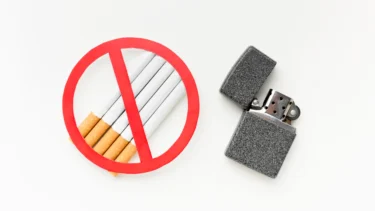
Smoking, excessive alcohol, and other recreational drugs (like marijuana) may affect sperm health. Thus, quitting or reducing their use may improve fertility over time.

Chronic stress can affect hormones and lower testosterone, impacting sperm production. So, if you feel stressed, management techniques like meditation or therapy might help.

Poor sleep or irregular sleep patterns can reduce sperm quality and affect fertility. Thus, getting proper sleep is important for hormone balance.

Excess heat (like hot tubs or tight clothing) and exposure to toxins, chemicals, or radiation might harm sperm production. So, you should try to avoid them as much as possible.

Regular intercourse, especially around ovulation, can improve chances of conception. Also, some lubricants (such as the artificial ones) may affect sperm movement and should be chosen carefully.
Also Read: HIV Cure: Is it possible? Know the Symptoms and Treatment Options
Knowing when to seek medical help can improve the chances of early diagnosis and management. You should consider seeing a doctor if you have1,5,6,7,11:
Note: Couples trying to conceive are generally advised to have regular intercourse every 2 to 3 days, undergo evaluation of both partners, and understand that improvements in sperm health may take around 3 months12.
Also Read: Varicocele – Symptoms, Causes, Home Remedies
Male infertility is a common yet often overlooked condition that can significantly affect a couple’s ability to conceive. Reasons for male infertility include sperm-related issues, hormonal imbalances, lifestyle influences, and underlying medical conditions.
The reassuring part is that many cases are manageable with the right diagnosis and care. From lifestyle changes and medications to advanced male infertility treatments like IVF and ICSI, there are multiple options available to improve the chances of conception.
Apart from this, seeking timely medical advice, making informed lifestyle choices, and addressing both physical and emotional aspects can make a meaningful difference. With the right support and approach, many couples can successfully achieve their goal of parenthood.
The main sign is difficulty in achieving pregnancy despite regular, unprotected intercourse for a year. Most men do not have obvious symptoms, so a semen analysis test is needed to confirm1.
Yes, smoking could lower sperm count, reduce sperm motility, and damage sperm quality13.Therefore, quitting might help improve fertility over time.
Heavy alcohol use can reduce testosterone levels and affect sperm production14. Occasional or moderate intake may have less impact, but excess drinking should be avoided.
Vaping may affect sperm quality due to the chemicals and nicotine in it15. Research is still growing, but it is considered potentially harmful to fertility, so precautions should be taken.
Not always. Some male infertility causes are temporary and manageable, while others may be long-term. It depends on the underlying cause. Thus, if there are concerns, you should always consult a doctor.
In some cases, genetic conditions or chromosomal abnormalities (such as Kallmann syndrome, Klinefelter syndrome, Young syndrome, etc.) could affect sperm production and function1.
Male infertility may be reversible in some cases, especially when caused by lifestyle factors, infections, or hormonal issues. However, not all cases might be fully reversed. Your doctor will be able to provide you with a better insight into this.
There is no strong proof or evidence that cell phones cause male infertility; however, long-term exposure to heat and radiation (like keeping phones in pockets) may affect sperm quality9. So, limiting exposure is a good precaution.
High caffeine and additives in energy drinks may affect sperm quality if consumed in excess16. Occasional intake may be fine, but overuse should be avoided.
1. Leslie SW, Soon-Sutton TL, Khan MA. Male Infertility. In: StatPearls. StatPearls Publishing; 2026. Accessed April 30, 2026. http://www.ncbi.nlm.nih.gov/books/NBK562258/
2. Male Infertility. Accessed April 30, 2026. https://medlineplus.gov/maleinfertility.html
3. Infertility. Accessed April 30, 2026. https://www.who.int/news-room/fact-sheets/detail/infertility
4. Corsini C, Boeri L, Candela L, et al. Is There a Relevant Clinical Impact in Differentiating Idiopathic versus Unexplained Male Infertility? World J Mens Health. 2023;41(2):354-362. doi:10.5534/wjmh.220069 https://pmc.ncbi.nlm.nih.gov/articles/PMC10042653/
5. Sexual Problems in Men. Accessed April 30, 2026. https://medlineplus.gov/sexualproblemsinmen.html
6. Paick S, Choi WS. Varicocele and Testicular Pain: A Review. World J Mens Health. 2019;37(1):4-11. doi:10.5534/wjmh.170010 https://pubmed.ncbi.nlm.nih.gov/29774668/
7. Infertility: MedlinePlus Medical Encyclopedia. Accessed April 30, 2026. https://medlineplus.gov/ency/article/001191.htm
8. El Osta R, Almont T, Diligent C, Hubert N, Eschwège P, Hubert J. Anabolic steroids abuse and male infertility. Basic Clin Androl. 2016;26:2. doi:10.1186/s12610-016-0029-4 https://pmc.ncbi.nlm.nih.gov/articles/PMC4744441/
9. Mortazavi SAR, Taeb S, Mortazavi SMJ, et al. The Fundamental Reasons Why Laptop Computers should not be Used on Your Lap. J Biomed Phys Eng. 2016;6(4):279-284. https://pmc.ncbi.nlm.nih.gov/articles/PMC5219578/
10. Sunder M, Leslie SW. Semen Analysis. In: StatPearls. StatPearls Publishing; 2026. Accessed May 4, 2026. http://www.ncbi.nlm.nih.gov/books/NBK564369/
11. Bocu K, Boeri L, Mahmutoglu AM, Vogiatzi P. Can lifestyle changes significantly improve male fertility: A narrative review? Arab J Urol Int J. 23(3):190-200. doi:10.1080/20905998.2024.2421626 https://pmc.ncbi.nlm.nih.gov/articles/PMC12308861/
12. Infertility-Prevention-and-Management-Guideline-.pdf. Accessed May 4, 2026. https://moh.gov.bt/wp-content/uploads/2025/02/Infertility-Prevention-and-Management-Guideline-.pdf?
13. The Effects of Cigarette Smoking on Male Fertility – PMC. Accessed April 30, 2026. https://pmc.ncbi.nlm.nih.gov/articles/PMC4639396/
14. Alcohol’s Effects on Male Reproduction – PMC. Accessed April 30, 2026. https://pmc.ncbi.nlm.nih.gov/articles/PMC6761906/
15. An Overview of E-Cigarette Impact on Reproductive Health – PMC. Accessed April 30, 2026. https://pmc.ncbi.nlm.nih.gov/articles/PMC10053939/
16. Ricci E, Viganò P, Cipriani S, et al. Coffee and caffeine intake and male infertility: a systematic review. Nutr J. 2017;16:37. doi:10.1186/s12937-017-0257-2 https://pubmed.ncbi.nlm.nih.gov/28646871/
Disclaimer: The information provided here is for educational/awareness purposes only and is not intended to be a substitute for medical treatment by a healthcare professional and should not be relied upon to diagnose or treat any medical condition. The reader should consult a registered medical practitioner to determine the appropriateness of the information and before consuming any medication. PharmEasy does not provide any guarantee or warranty (express or implied) regarding the accuracy, adequacy, completeness, legality, reliability or usefulness of the information; and disclaims any liability arising thereof.
Links and product recommendations in the information provided here are advertisements of third-party products available on the website. PharmEasy does not make any representation on the accuracy or suitability of such products/services. Advertisements do not influence the editorial decisions or content. The information in this blog is subject to change without notice. The authors and administrators reserve the right to modify, add, or remove content without notification. It is your responsibility to review this disclaimer regularly for any changes.


Comments

Leave your comment...
You may also like

























Comments