



Is Blood Cancer Curable? Types, Treatment, Survival & Recovery
By Dr. Vishesh Bharucha +2 more

Medically reviewed by Dr. Vishesh Bharucha
Last updated: Oct 14, 2026 Published on: Oct 14, 2026


Get,

to manage your symptom
Get your,

4 Cr+ families
benefitted

OTP sent to 9988776655



You’ve successfully subscribed to receive
doctor-approved tips on
Whatsapp

Get ready to feel your best.


Register to Avail the Offer
Send OTPBy continuing, you agree with our Privacy Policy and Terms and Conditions
Hi There,
Sign up on PharmEasy now!!


Trusted by 4 crore+ families

OTP sent to 9988776655
You have unlocked 25% off on medicines


Code: NU25

By Dr. Vishesh Bharucha +2 more
Table of Contents
Hearing a blood cancer diagnosis can raise one of the biggest questions: Is blood cancer curable or not? The answer to this question usually depends on the type of blood cancer, its stage, disease extent, and how well a patient responds to treatment.
Many blood cancers can be successfully treated, and some can be cured. Others may not be curable but can often be controlled for many years with modern treatments1,2. This blog explores the types of blood cancer, available treatments, survival, and what recovery may look like.
Blood cancer refers to a group of cancers that develop in the blood, bone marrow (which makes blood cells), or lymphatic system (which removes excess fluids and produces immune cells)3,4,5. The three main types of blood cancer are:
Depending on the type of cancer, abnormal cells can interfere with the normal function of the blood or immune system. When the bone marrow is affected, it may reduce the production of healthy blood cells, potentially causing anaemia, low platelet counts, or low levels of healthy white blood cells6. These changes may cause symptoms such as fatigue, increased bruising or bleeding, or a greater risk of infections6,7.
Before we go onto answering this, let’s first understand the difference between remission and cure.
Remission and cure are not always the same. Remission is a term used to describe the current state of a cancer patient. It means that the cancer is responding to treatments and symptoms of cancer have decreased or disappeared following treatment. Cure on the other hand means that the cancer is totally eliminated and has negligible chances of returning back. However, cancer cells may remain in the body in some cases (even when tests cannot detect them), and these cells can potentially cause the cancer to return later (relapse), which is why the term remission is more commonly used8,9.
The timing of relapse can vary depending on the type of blood cancer. Some blood cancers may return within the first few years, while some cancers may return much later10.
A person who remains in complete remission for several years may sometimes be considered cured (depending on the type of cancer)10.
So, coming onto the main question “Is Blood Cancer Curable?”
Yes, some blood cancers can be cured, although this is not true for every type1. Blood cancer is a broad term that includes different diseases, such as leukaemia, lymphoma, and multiple myeloma, and each can behave differently6.
Some blood cancers, such as Hodgkin lymphoma (a subtype of lymphoma), can be cured in many patients with appropriate treatment11. Other blood cancers may not currently have a definitive cure but can often be controlled for many years, sometimes with periods of remission and ongoing treatment2. So, if you are still wondering how curable blood cancer is, the answer depends on the specific type/subtype of cancer, risk category, biological features, and its response to treatment.
Note: A diagnosis of blood cancer does not automatically mean that it is incurable. Advances in chemotherapy, targeted therapies, immunotherapy, stem cell transplantation, and other treatments have significantly improved outcomes for many types of blood cancer12.
The possibility of cure varies considerably among blood cancers. Some types have high cure rates with appropriate treatment, while others can often be controlled for long periods but are not generally considered curable. Examples of blood cancers that can be cured in many patients include:
Note: These cure rates are approximate and can vary depending on factors such as age, stage, genetic characteristics, clinical risk factors, and response to treatment. Therefore, these figures should not be used to predict an individual’s outcome.
Several factors can influence the prognosis, or the likely outcome of blood cancer. Common factors that help doctors understand how the cancer may behave and how well it may respond to treatment include9:
Blood cancer treatment depends on many factors (listed above). Doctors may use one treatment or a combination of treatments depending on the individual case. Common treatment options include:
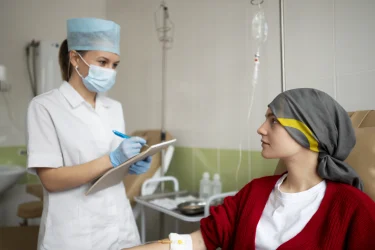
Uses medicines to destroy cancer cells or stop them from growing.

Uses medicines that target specific changes or proteins in cancer cells.
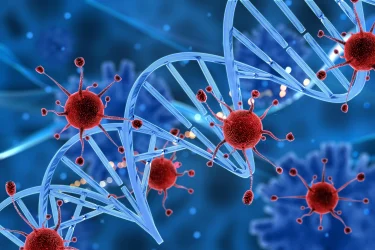
Helps the immune system recognise and fight cancer cells.
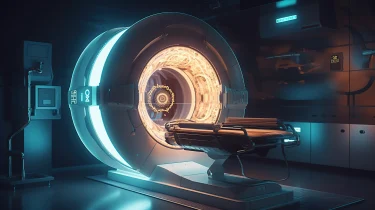
Uses high-energy ionising radiation to destroy cancer cells17,18.
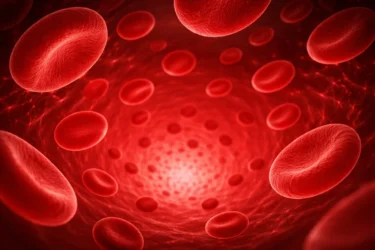
Replaces damaged/diseased blood-forming cells with healthy stem cells. It can be19:
Note: The treatment plan is personalised, and not everyone with blood cancer will have a similar type of treatment.
Yes, some blood cancers can be treated without traditional chemotherapy. Advances in targeted therapy and immunotherapy have made chemotherapy-free or largely chemotherapy-free approaches possible for selected patients20,21. For example, some people with chronic lymphocytic leukaemia (CLL) may receive targeted medicines (Bruton’s tyrosine kinase (BTK) inhibitors like ibrutinib), while certain patients with acute promyelocytic leukaemia (APL) may be treated with other targeted medicines (such as all-trans retinoic acid (ATRA) and arsenic trioxide) without conventional chemotherapy22,23.
Although targeted therapies are designed to act on specific molecular pathways or targets, they may still cause some side effects. For example, some targeted cancer drugs can cause skin problems, liver toxicity, or heart-related effects depending on the target and drug involved24,25. However, because targeted therapies are designed to act more selectively, they may cause fewer or different toxic effects than conventional chemotherapy26.
Other treatment approaches like stem cell transplantation are also available but require conditioning therapy before the stem cells are infused, which may include high-dose chemotherapy and, in some cases, radiation therapy27,28.
Therefore, the treatment approach depends on the type and subtype of blood cancer, its genetic features, overall health, and response to treatment. While chemotherapy remains important for many blood cancers, whether it can be avoided depends on the individual diagnosis and should only be decided by a haematologist or oncologist.
Yes, blood cancer can sometimes come back after treatment. This is known as a refractory or relapsed cancer29. It is important to note that a relapse does not necessarily mean that treatment options have run out. If it happens, your doctors may recommend different or additional treatments depending on the individual situation.
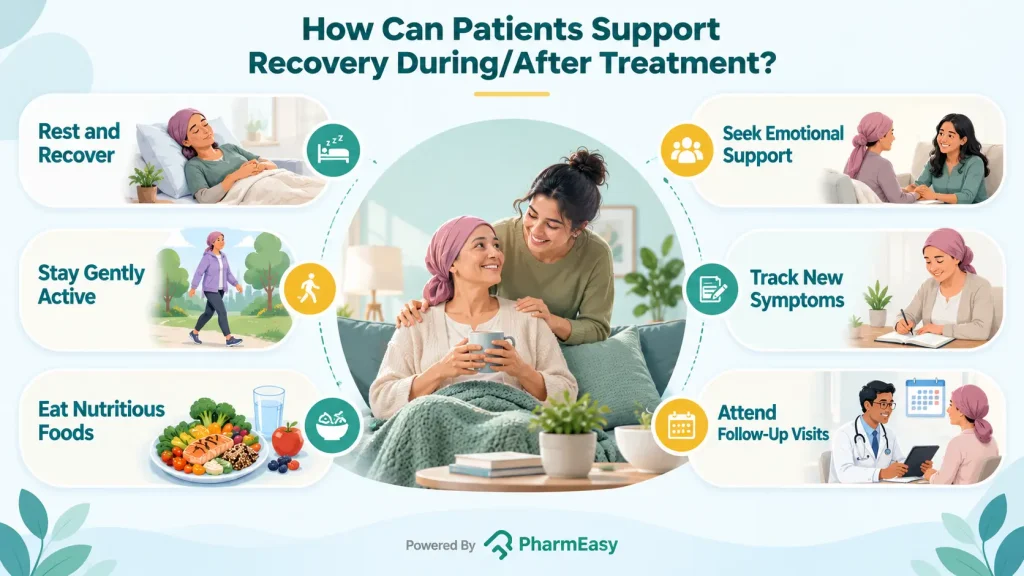
Recovery from cancer treatment can take time, and patients may experience changes in their energy, appetite, emotions, and daily routine during and after treatment. The following steps may help support physical and emotional well-being:
You should speak to your doctor if you experience any new, persistent, or worsening symptoms during or after blood cancer treatment. You should also contact your doctor/oncologist if you:
Important: Do not wait for your next scheduled appointment if you develop a concerning or severe symptom. In such cases, contact your doctor as soon as possible for advice on what to do.
Also Read: Blood Cancer: Symptoms, Causes, Types, Stages & Treatment Options
A blood cancer diagnosis can be frightening, but it does not always mean that the condition cannot be treated or cured.
Recent advances in cancer care have provided more treatment options and improved outcomes for many patients. However, the outlook varies from person to person. Therefore, understanding your diagnosis, following the recommended treatment plan, and staying in regular contact with your doctor are important steps throughout the journey.
Early diagnosis could help improve treatment options and outcomes for some types of blood cancer. However, the possibility of a cure depends on the specific type and subtype, its characteristics, and how well it responds to treatment2.
There is no fixed duration for remission. This is because it generally depends on the type of blood cancer, treatment, and other individual factors. Some people remain in remission for many years or permanently, while others may experience a relapse or recurrence8,30.
Most blood cancers are not directly inherited. However, having a family history of certain blood cancers may slightly increase a person’s risk38.
The rate of blood cancer progression depends on the specific type or subtype of blood cancer. Some forms, such as certain acute leukaemia, can progress rapidly without treatment, while others may develop more slowly39.
Untreated blood cancer can continue to grow and interfere with the production and function of healthy blood cells. This can lead to problems such as severe anaemia, infections, bleeding, organ damage, or other serious complications3,4,5. The effects depend on the specific type of blood cancer, so timely medical evaluation and treatment are important.
1. Lymphoma. NCI. August 17, 2026. Accessed October 5, 2026. https://www.cancer.gov/types/lymphoma
2. Howell DA, McCaughan D, Smith AG, Patmore R, Roman E. Incurable but treatable: Understanding, uncertainty and impact in chronic blood cancers—A qualitative study from the UK’s Haematological Malignancy Research Network. PLoS ONE. 2022;17(2):e0263672. doi:10.1371/journal.pone.0263672 https://pmc.ncbi.nlm.nih.gov/articles/PMC8830712/
3. Chennamadhavuni A, Iyengar V, Mukkamalla SKR, Shimanovsky A. Leukemia. In: StatPearls. StatPearls Publishing; 2023. Accessed October 5, 2026. http://www.ncbi.nlm.nih.gov/books/NBK560490/
4. Jamil A, Mukkamalla SKR. Lymphoma. StatPearls Publishing; 2023. Accessed October 5, 2026. http://www.ncbi.nlm.nih.gov/books/NBK560826/
5. Albagoush SA, Shumway C, Azevedo AM. Multiple Myeloma. StatPearls Publishing; 2023. Accessed October 5, 2026. https://www.ncbi.nlm.nih.gov/sites/books/NBK534764/
6. Blood Cancers. Accessed October 5, 2026. https://www.hematology.org/education/patients/blood-cancers
7. Signs and Symptoms of Acute Myeloid Leukemia (AML). Accessed October 5, 2026. https://www.cancer.org/cancer/types/acute-myeloid-leukemia/detection-diagnosis-staging/signs-symptoms.html
8. Can Cancer Be Cured? Does Treatment Cure Cancer? Accessed October 5, 2026. https://www.cancer.org/cancer/understanding-cancer/can-cancer-be-cured.html
9. Cancer Prognosis. NCI. November 24, 2014. Accessed October 5, 2026. https://www.cancer.gov/about-cancer/diagnosis-staging/prognosis
10. Relapsed and refractory blood cancer. The Leukaemia Foundation. June 17, 2026. Accessed October 7, 2026. https://www.leukaemia.org.au/education/refractory-cancer/
11. Kaseb H, Babiker HM. Hodgkin Lymphoma. StatPearls Publishing; 2023. Accessed October 5, 2026. http://www.ncbi.nlm.nih.gov/books/NBK499969/
12. Zhong Z, Yao R, Duan Y, et al. Advances and Challenges in Targeted Therapy and Its Combination Strategies for Leukemia. Biomedicines. 2025;13(7):1652. doi:10.3390/biomedicines13071652 https://pubmed.ncbi.nlm.nih.gov/40722724/
13. Al-Mahayri ZN, AlAhmad MM, Ali BR. Long-Term Effects of Pediatric Acute Lymphoblastic Leukemia Chemotherapy: Can Recent Findings Inform Old Strategies? Front Oncol. 2021;11:710163. doi:10.3389/fonc.2021.710163 https://pubmed.ncbi.nlm.nih.gov/34722258/
14. Alzahrani MF, Basahih T, Alotaibi G, et al. Survival and Outcome of Patients with Diffuse Large B-cell Lymphoma According to the Central Nervous System–International Prognostic Index. Saudi J Med Med Sci. 2025;13(3):205-209. doi:10.4103/sjmms.sjmms_654_24 https://pubmed.ncbi.nlm.nih.gov/40843225/
15. Villela L, Bolaños-Meade J. Acute myeloid leukaemia: optimal management and recent developments. Drugs. 2011;71(12):1537-1550. doi:10.2165/11593060-000000000-00000 https://pmc.ncbi.nlm.nih.gov/articles/PMC3676948/
16. Burkitt lymphoma. The Leukaemia Foundation. Accessed October 5, 2026. https://www.leukaemia.org.au/types-of-blood-cancer/lymphoma/non-hodgkin-lymphoma/burkitt-lymphoma/
17. Types of Cancer Treatment. NCI. July 31, 2017. Accessed October 5, 2026. https://www.cancer.gov/about-cancer/treatment/types
18. Blood cancer treatment types. Blood Cancer UK. Accessed October 5, 2026. https://bloodcancer.org.uk/understanding-blood-cancer/treatment/treatment-planning-types/blood-cancer-treatment-types/
19. Chakrabarty JLH, Rubinger M, Le-Rademacher J, et al. Autologous is Superior to Allogeneic Hematopoietic Cell Transplantation for Acute Promyelocytic Leukemia in Second Complete Remission. Biol Blood Marrow Transplant J Am Soc Blood Marrow Transplant. 2014;20(7):1021-1025. doi:10.1016/j.bbmt.2014.03.025 https://pmc.ncbi.nlm.nih.gov/articles/PMC4097890/
20. Huang B, Wang Y, Li Y, et al. Immunotherapy with or without low-intensity chemotherapy versus conventional chemotherapy as first-line treatment for newly diagnosed B-ALL patients fit for intensive chemotherapy: a propensity score-matched study. Front Med. 13:1843800. doi:10.3389/fmed.2026.1843800 https://pubmed.ncbi.nlm.nih.gov/42396165
21. Maakaron JE, Asch A, Popplewell L, et al. Magrolimab plus rituximab with or without chemotherapy in patients with relapsed/refractory diffuse large B-cell lymphoma. Blood Adv. 2024;8(22):5864-5874. doi:10.1182/bloodadvances.2024013338 https://pubmed.ncbi.nlm.nih.gov/39293083/
22. Davids MS, Stilgenbauer S, Tam CS. First-line treatment for CLL in the era of targeted therapy. Blood Cancer J. 2026;16(1):19. doi:10.1038/s41408-025-01434-2 https://pubmed.ncbi.nlm.nih.gov/41507154/
23. Iyer SG, Elias L, Stanchina M, Watts J. The treatment of acute promyelocytic leukemia in 2023: Paradigm, advances, and future directions. Front Oncol. 2023;12:1062524. doi:10.3389/fonc.2022.1062524 https://pubmed.ncbi.nlm.nih.gov/36741714/
24. Lin A, Giuliano CJ, Palladino A, et al. Off-target toxicity is a common mechanism of action of cancer drugs undergoing clinical trials. Sci Transl Med. 2019;11(509):eaaw8412. doi:10.1126/scitranslmed.aaw8412 https://pubmed.ncbi.nlm.nih.gov/31511426/
25. Tímár J, Uhlyarik A. On-Target Side Effects of Targeted Therapeutics of Cancer. Pathol Oncol Res. 2022;28:1610694. doi:10.3389/pore.2022.1610694 https://pubmed.ncbi.nlm.nih.gov/36213163/
26. Shuel SL. Targeted cancer therapies. Can Fam Physician. 2022;68(7):515-518. doi:10.46747/cfp.6807515 https://pubmed.ncbi.nlm.nih.gov/35831091/
27. Berning P, Fekom M, Ngoya M, et al. Hematopoietic stem cell transplantation for DLBCL: a report from the European Society for Blood and Marrow Transplantation on more than 40,000 patients over 32 years. Blood Cancer J. 2024;14(1):106. doi:10.1038/s41408-024-01085-9 https://pubmed.ncbi.nlm.nih.gov/38969655/
28. Zulu S, Kenyon M. Principles of Conditioning Therapy and Cell Infusion. In: Kenyon M, Babic A, eds. The European Blood and Marrow Transplantation Textbook for Nurses. Springer International Publishing; 2018:89-96. doi:10.1007/978-3-319-50026-3_6 https://pubmed.ncbi.nlm.nih.gov/31314314/
29. Blood cancer treatment aims. Blood Cancer UK. Accessed October 5, 2026. https://bloodcancer.org.uk/understanding-blood-cancer/treatment/treatment-planning-types/treatment-aims/
30. Recurrent Cancer. NCI. January 18, 2016. Accessed October 5, 2026. https://www.cancer.gov/types/recurrent-cancer
31. Everyday life during chemotherapy. Accessed October 5, 2026. https://www.cancerresearchuk.org/about-cancer/treatment/chemotherapy/living-with/everyday-life
32. Coping – Life After Cancer Treatment. NCI. December 2, 2014. Accessed October 5, 2026. https://www.cancer.gov/about-cancer/coping/survivorship/new-normal
33. Coping – Follow-Up Medical Care. NCI. December 2, 2014. Accessed October 5, 2026. https://www.cancer.gov/about-cancer/coping/survivorship/follow-up-care
34. Preventing Infections in People with Cancer. Accessed October 5, 2026. https://www.cancer.org/cancer/side-effects/infections/preventing-infections-in-people-with-cancer.html
35. Bleeding and Bruising and Cancer Treatment – Side Effects – NCI. April 29, 2015. Accessed October 5, 2026. https://www.cancer.gov/about-cancer/treatment/side-effects/bleeding-bruising
36. Signs and Symptoms of Cancer. Accessed October 5, 2026. https://www.cancer.org/cancer/diagnosis-staging/signs-and-symptoms-of-cancer.html
37. Blood cancer symptoms and signs. Blood Cancer UK. Accessed October 5, 2026. https://bloodcancer.org.uk/understanding-blood-cancer/about-blood-cancer/blood-cancer-signs-symptoms/
38. What is blood cancer? Blood Cancer UK. Accessed October 5, 2026. https://bloodcancer.org.uk/understanding-blood-cancer/about-blood-cancer/what-is-blood-cancer/
39. Li J, Wang Y, Dong C, Luo L. Advancements in leukemia management: Bridging diagnosis, prognosis and nanotechnology (Review). Int J Oncol. 2024;65(6):112. doi:10.3892/ijo.2024.5700 https://pmc.ncbi.nlm.nih.gov/articles/PMC11542963/
Disclaimer: The information provided here is for educational/awareness purposes only and is not intended to be a substitute for medical treatment by a healthcare professional and should not be relied upon to diagnose or treat any medical condition. The reader should consult a registered medical practitioner to determine the appropriateness of the information and before consuming any medication. PharmEasy does not provide any guarantee or warranty (express or implied) regarding the accuracy, adequacy, completeness, legality, reliability or usefulness of the information; and disclaims any liability arising thereof.
Links and product recommendations in the information provided here are advertisements of third-party products available on the website. PharmEasy does not make any representation on the accuracy or suitability of such products/services. Advertisements do not influence the editorial decisions or content. The information in this blog is subject to change without notice. The authors and administrators reserve the right to modify, add, or remove content without notification. It is your responsibility to review this disclaimer regularly for any changes.


Comments

Leave your comment...
You may also like





















Comments