




Mullein Tea: Health Benefits, Uses, Side Effects & More!
By Dr. Malavika Athavale +2 more

Medically reviewed by Dr. Malavika Athavale
Last updated: Sep 15, 2026 Published on: Oct 13, 2023


Get,

to manage your symptom
Get your,

4 Cr+ families
benefitted

OTP sent to 9988776655



You’ve successfully subscribed to receive
doctor-approved tips on
Whatsapp

Get ready to feel your best.


Register to Avail the Offer
Send OTPBy continuing, you agree with our Privacy Policy and Terms and Conditions
Hi There,
Sign up on PharmEasy now!!


Trusted by 4 crore+ families

OTP sent to 9988776655
You have unlocked 25% off on medicines


Code: NU25

By Dr. Malavika Athavale +2 more
Table of Contents
Mullein tea is a popular herbal beverage consumed due to its many proposed health benefits. It’s made from mullein plant leaves and flowers and has no caffeine. This tea is traditionally consumed for its potential health benefits.
In this post, we will delve deep into mullein tea’s health benefits. We’ll learn how it may help manage respiratory illnesses, viral infections, sleep, relaxation, and much more. We will also look at how to make and use this herbal brew.
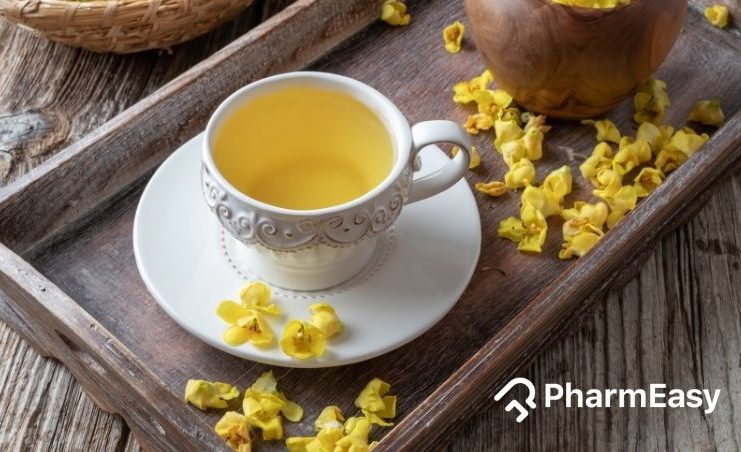
Mullein has been a staple in traditional medicine due to the numerous potential health benefits it offers. This section gives an insight into mullein’s botanical traits, historical usage, and chemical makeup.
Mullein is a plant genus with over 200 species. These plants primarily grow in Europe, Asia, and North America. The most common species used in mullein tea is Verbascum thapsus L., also called common mullein. This perennial plant has big, woolly leaves and pretty yellow flowers that bloom from June through September1.
Common mullein is easy to spot. It towers between 0.5 and 1.8 metres with a straight stem1. In its first year of growth, it develops a low-lying basal rosette with large woolly leaves. In the second year, it displays a tall stem studded with yellow flowers on top.
Mullein has a rich history in herbal treatments. Different parts of the plant, such as the leaves, flowers, and roots, have been utilised for various health issues. It was believed to help manage respiratory problems, digestive issues, and skin discomforts. It was also believed to be a possible management option for colds, coughs, and even tuberculosis1.
Mullein contains a significant amount of active compounds, including saponins, glycosides, flavonoids, and minerals. One of the key bioactive compounds found in mullein is verbascoside. This compound is well researched for its possible antioxidant, anti-inflammatory, and antineoplastic (anti-cancer) properties1.
Here’s a quick glimpse at some of the compounds in mullein and their properties:
With its rich past and unique chemical makeup, mullein tea promises a range of seemingly beneficial health perks. Let’s discover how drinking mullein tea benefits and powers up your health.

In the past, mullein tea has been used in different respiratory conditions like colds, coughs, bronchitis, and asthma2, probably due to its potential expectorant properties, which can help in removing mucus and phlegm and ease your breathing3. In addition, it may help improve inflammation in the airways owing to its possible anti-inflammatory properties.

Mullein tea is supposed to have antiviral properties that are attributed to the flavonoids and phenylethanoid glycosides in it. This might make it useful in certain viral infections3. In laboratory settings, mullein extracts have been shown to attack the influenza virus and herpes simplex virus4. Thus, drinking mullein tea may help protect you against viral infections by helping strengthen your immune system. However, more research is necessary to confirm these findings.

Mullein tea has long been proposed to be an immune system supporter. Making this tea a part of your wellness routine may strengthen your body’s natural defences, helping you avoid diseases and stay healthy.

Mullein tea is known to have antibacterial properties that might be effective in managing certain bacterial infections like lung (e.g., pneumonia and bronchitis), ear, and skin infections1,3. It is proposed to be beneficial in reducing acne, eczema, and other inflammatory disorders of the skin when applied as a lotion/oil due to its antibacterial properties. In laboratory studies, mullein extracts were useful against infection-causing bacteria, such as Klebsiella pneumoniae, Staphylococcus aureus, and Escherichia coli5.

Traditionally, people have turned to mullein tea to help promote calmness and relaxation. These effects may be associated with the flavonoids in it, which can help soothe the nervous system and promote a sense of peace or calmness6. Therefore, it may potentially be helpful in individuals with insomnia, i.e., difficulty in falling asleep. However, it should be used under the supervision of a healthcare professional.
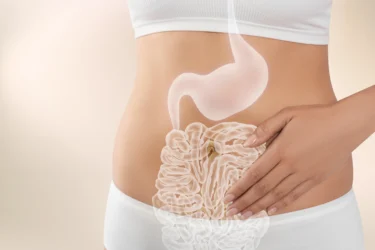
Mullein tea may also help heal your gut by helping in a range of gastrointestinal ailments. It is probably able to soothe gastrointestinal inflammation and encourage regular bowel movements due to its proposed anti-inflammatory and demulcent properties3. Although this tea may help your gastrointestinal issues, having a well-balanced diet is necessary for sustained relief.

Do you know mullein tea may have other additional potential health benefits? Besides its key merits, mullein tea may help in relieving joint pain, easing muscle spasms, and managing ear infections.
To my knowledge, mullein has anti-inflammatory properties and is used in various preparations of the herb that can be employed to enhance lung health and alleviate respiratory illness symptoms. It has minimal side effects11.
Dr. Siddharth Gupta, B.A.M.S, M.D (Ayu)
While mullein tea is largely safe to drink, there are some possible side effects of mullein tea and some precautionary measures one should be aware of, as follows:
Mullein, to my knowledge, is a herbal remedy for serious conditions like pneumonia, tuberculosis, and whooping cough. However, its prevalent use nowadays is directed towards less severe issues, including allergies, sore throats, and tonsillitis11.
Dr. Rajeev Singh, BAMS
If you plan to take mullein tea, here are some potential risks to consider:
If you wish to try mullein tea, follow these simple steps to prepare this delicious infusion:
Here is the step-by-step process for preparing a cup of mullein tea:
Ingredients
Procedure
OR
When buying mullein tea or dried leaves, choose good-quality products from trusted brands. Be sure to check the expiration date as the potency of the leaves may fade over time.
Also Read: Hibiscus Tea: Uses, Benefits, Side Effects By Dr. Smita Barode
Mullein tea may offer a range of health benefits, making it an option for those who prefer natural approaches. Its benefits range from support for respiratory issues to better relaxation and digestion.
As with any herbal supplement, it’s vital to consult with your healthcare provider before trying mullein tea, especially if you have any medical conditions or are on any medicines. By staying alert about its potential risks and side effects, you can safely and effectively enjoy the multitude of benefits mullein tea has to offer.
There is no specific dosage for mullein tea. However, many find that having 2 to 3 cups of mullein tea per day may offer optimal benefits.
While there are no specific contraindications for mullein tea, those who have plant allergies, women who are pregnant or nursing, or those with liver health concerns should discuss with their healthcare provider before drinking the tea.
Yes, you can grow mullein at home and make your own tea. Just be sure that you are growing the correct species (V. thapsus) and follow proper harvesting and preparation tricks for a safe and effective final brew.
Mullein tea may interact with certain medications. It’s essential to consult a healthcare professional before consuming mullein tea, especially if you’re taking medications, as it could potentially interfere with their effectiveness or cause adverse reactions.
1. Riaz M, Zia-Ul-Haq M, Jaafar HZE. Common mullein, pharmacological and chemical aspects. Revista Brasileira de Farmacognosia. 2013;23(6):948-959. doi:10.1590/S0102-695X2013000600012. Available from: https://www.sciencedirect.com/science/article/pii/S0102695X13701261
2. Taheri M, Salehi M, Mohammadi S, et al. The effects of hyssop and mullein tea on the clinical symptoms of COVID-19 patients. 2023;11. Doi: https://www.researchgate.net/profile/Mohammad-Taheri-49/publication/375369270
3. Blanco-Salas J, Hortigón-Vinagre MP, Morales-Jadán D, Ruiz-Téllez T. Searching for Scientific Explanations for the Uses of Spanish Folk Medicine: A Review on the Case of Mullein (Verbascum, Scrophulariaceae). Biology. 2021;10(7):618. doi:10.3390/biology10070618. Available from: https://pubmed.ncbi.nlm.nih.gov/34356473/
4. Abiri R, Abdul-Hamid H, Sytar O, et al. A Brief Overview of Potential Treatments for Viral Diseases Using Natural Plant Compounds: The Case of SARS-Cov. Molecules. 2021;26(13):3868. doi:10.3390/molecules26133868. Available from: https://www.mdpi.com/1420-3049/26/13/3868
5. Turker AU, Camper ND. Biological activity of common mullein, a medicinal plant. Journal of Ethnopharmacology. 2002;82(2-3):117-125. doi:10.1016/S0378-8741(02)00186-1. Available from: https://pubmed.ncbi.nlm.nih.gov/12241986/
6. The Science Behind Taking the Right Green Supplements. PSSRP. Published online August 18, 2021. doi:10.56831/PSSRP-04-132. Available from: https://primerascientific.com/pssrp
7. Rodriguez-Fragoso L, Reyes-Esparza J, Burchiel SW, Herrera-Ruiz D, Torres E. Risks and benefits of commonly used herbal medicines in Mexico. Toxicology and Applied Pharmacology. 2008;227(1):125-135. doi:10.1016/j.taap.2007.10.005. Available from: https://pubmed.ncbi.nlm.nih.gov/18037151/
8. Terzioglu Bebitoglu B. Frequently Used Herbal Teas During Pregnancy – Short Update. MMJ. Published online 2020. doi:10.5222/MMJ.2020.69851. Available from: https://pubmed.ncbi.nlm.nih.gov/32733750/
9. Teschke R, Andrade R. Drug, Herb, and Dietary Supplement Hepatotoxicity. IJMS. 2016;17(9):1488. doi:10.3390/ijms17091488. Available from: https://pubmed.ncbi.nlm.nih.gov/27608014/
10. Mullein milk/chai for happy lungs. Doi. Available from: https://www.thc.texas.gov/public/upload/historic_sites/caddo_mounds/lessons/week_8/Mullein%20milk%20%281%29.pdf
11. Cleveland Clinic. How Mullein Benefits Your Lungs. Health Essentials [Internet]. 2022 Dec 19 [cited 2026 Feb 25]. Available from: https://health.clevelandclinic.org/mullein-benefits
Disclaimer: The information provided here is for educational/awareness purposes only and is not intended to be a substitute for medical treatment by a healthcare professional and should not be relied upon to diagnose or treat any medical condition. The reader should consult a registered medical practitioner to determine the appropriateness of the information and before consuming any medication. PharmEasy does not provide any guarantee or warranty (express or implied) regarding the accuracy, adequacy, completeness, legality, reliability or usefulness of the information; and disclaims any liability arising thereof.
Links and product recommendations in the information provided here are advertisements of third-party products available on the website. PharmEasy does not make any representation on the accuracy or suitability of such products/services. Advertisements do not influence the editorial decisions or content. The information in this blog is subject to change without notice. The authors and administrators reserve the right to modify, add, or remove content without notification. It is your responsibility to review this disclaimer regularly for any changes.
 9
9 
Comments

Leave your comment...
You may also like





















Comments