Masturbating is a common and normal behaviour. In fact, it is often considered a part of healthy sexual development1. However, it is not a medically proven method for improving sexual function or health outcomes. In some cases, excessive masturbation might be associated with compulsive sexual behaviour disorder2. An activity meant to be pleasurable should not interfere with daily life or emotional well-being. In this article, we will explore possible reasons to reduce masturbating and practical ways to do so.
Friendly Reminder: The information shared here is for educational purposes only, and the reader should consult a registered medical practitioner before implementing any changes to their health routine.
How do you know if masturbation has become a concern? Masturbation can be a normal and healthy sexual behaviour for many individuals, and it does not indicate any serious problems. However, sometimes it might affect the way you think, act, and feel, and your day-to-day functioning. This may be associated with compulsive sexual behaviour, not just masturbation. You may experience changes in your behaviour that can affect your surroundings, loss of control, distress, or difficulty managing daily activities2.
The first step to address this is to accept the issue and be open to finding solutions. Signs that suggest you are excessively masturbating may include:
NOTE: Many people masturbate at some point in their lives, and it is healthy to do so. People may masturbate whether they are satisfied or unsatisfied with their sex life. The key is moderation, so that it does not interfere with daily life, relationships, or emotional well-being.
Did you know?
Here are some interesting facts that will give you an insight into this topic and its other facets.
It is absolutely normal to masturbate, and there are a lot of reasons why people do it. Some of the common reasons include:
If masturbation becomes difficult to control or interferes with your daily life, it may be time to address it. Here are a few simple strategies to support better self-control.

Pornography can be a trigger for people who masturbate frequently5. It may also influence a person’s thoughts, expectations, and behaviours related to sexuality. Limiting or avoiding exposure to explicit images, videos, or websites may help reduce the urge to masturbate and support healthier habits.

Diverting your mind by doing something else may help. Consider taking up a new hobby, such as swimming or hiking, which can replace time otherwise spent masturbating6. Working on personal goals and writing them down in a diary may also be helpful. Reminding yourself of these goals can help you stay motivated and redirect your energy towards other activities, reducing repeated thoughts about masturbation.

Masturbation does not always require medical treatment or therapy. However, if you feel unable to control the behaviour, experience distress, or notice problems with day-to-day functioning, it may be a sign of compulsive sexual behaviour2. In such situations, it is important to understand that managing this alone can be difficult. A healthcare professional may provide guidance and support to help address the issue. Not seeking help may affect mental well-being and could worsen distress over time. Therefore, consider speaking with a psychologist or therapist for appropriate support.

Did you know that many people socialise because they feel lonely? Engaging in social activities can help reduce repetitive or intrusive thoughts. Socialising keeps your mind diverted from masturbation and focused elsewhere. So make it a point to socialise with family, and friends or hit the gym to keep your body more productive.

Exercising regularly may help keep your mind healthy and balanced. Simple activities such as walking, jogging, running, or swimming can improve focus and may help reduce stress6. Physical activity can also help you feel calmer and more positive. Even setting aside 30 minutes a day for exercise can make a difference.
Sometimes erectile dysfunction, especially in elderly males, can be a sign of underlying undiagnosed coronary artery disease. These patients should get themselves screened for cardiac issues under the guidance of their physician before resorting to any therapies for erectile dysfunction.
Dr. Nikhil Yadav, MBBS, MD, CCEBDM
Excessive masturbation may be linked to underlying mental health concerns and, in some cases, problematic behavioural patterns. Feelings of intense guilt after masturbation can be one possible sign of compulsive sexual behaviour disorder, and some individuals may also turn to alcohol more frequently as a coping mechanism2. Masturbation may become a concern if it feels compulsive or difficult to control. It is generally normal, but it is important not to let it interfere with your well-being or daily life.
Yes, excessive masturbation may have physical and mental side effects.
Also Read: Does Masturbation Cause Weight Loss? Debunking Sexual Health Misconceptions
Masturbation is a normal sexual behaviour for many people and is generally not harmful when practised in moderation. However, if it becomes compulsive, causes distress, affects daily functioning, or leads to sexual or emotional difficulties, it may be helpful to seek guidance from a healthcare professional. Along with professional support, measures such as staying socially engaged and maintaining regular physical activity may help manage such concerns.
Excessive masturbation may be associated with both mental and physical discomfort in some individuals. Rather than focusing on specific numbers or limits, it is important to pay attention to how the behaviour affects your well-being, relationships, and daily life. The following frequently asked questions provide further clarity on this topic.
NOTE: Consult a doctor if you feel this behaviour is becoming difficult to control or is affecting your well-being. While masturbation is a normal and healthy part of human sexuality, doing it excessively may be associated with physical discomfort or emotional distress in some individuals.
Yes, women masturbate too. Just as men use their hands to masturbate, women may use their fingers.
Masturbation may offer some mental and physical benefits for some individuals. It may help with temporary stress relief and relaxation, and it is a safe sexual activity that does not carry the risk of pregnancy or sexually transmitted infections (STIs). However, it is not a proven method to prevent erectile dysfunction or other sexual health conditions, and its effects can vary from person to person.
Many people are told that masturbation is harmful and leads to several sexual or health problems. However, many of these claims are myths and are not supported by medical evidence. Common health issues that masturbation is often believed to
cause include:
-Blindness
-Penis curving
-Erectile dysfunction
-Shrinking penis
-Hairy body
-Pimples
-Infertility
-Low sperm count
-Memory loss
It is important to understand that masturbation does not cause these conditions. However, excessive or compulsive masturbation may sometimes be associated with issues such as skin irritation or tears, emotional distress, low mood, or changes in behaviour.
Moderate masturbation is generally considered normal and safe for people of all genders. It may help individuals understand their own bodies and what feels comfortable. It also carries no risk of pregnancy or sexually transmitted infections, as long as it is practised in a safe and hygienic manner.
Masturbation does not cause any meaningful loss of protein. Although very small amounts of protein may be released during ejaculation, this is too minimal to affect the body’s overall protein levels. With a balanced diet, protein loss related to masturbation is not a concern.
Disclaimer: The information provided here is for educational/awareness purposes only and is not intended to be a substitute for medical treatment by a healthcare professional and should not be relied upon to diagnose or treat any medical condition. The reader should consult a registered medical practitioner to determine the appropriateness of the information and before consuming any medication. PharmEasy does not provide any guarantee or warranty (express or implied) regarding the accuracy, adequacy, completeness, legality, reliability or usefulness of the information; and disclaims any liability arising thereof.
Links and product recommendations in the information provided here are advertisements of third-party products available on the website. PharmEasy does not make any representation on the accuracy or suitability of such products/services. Advertisements do not influence the editorial decisions or content. The information in this blog is subject to change without notice. The authors and administrators reserve the right to modify, add, or remove content without notification. It is your responsibility to review this disclaimer regularly for any changes.
 2557
2557  281
281Since ancient times, honey has been considered one of the most valued and appreciated food products. It is a natural product formed from the nectar of flowers by honeybees, also called Apis mellifera, belonging to the family Apidae. Honey is the only insect-derived natural product with potential nutritional, therapeutic, cosmetic, and industrial values. Honey might be helpful for several conditions like asthma, throat infection, eye diseases, hiccups, tuberculosis, dizziness, fatigue, piles, hepatitis, and constipation1.
Honey is a sweet, thick fluid produced by bees from plant nectars and is commonly used as a sweetener in food. It has several other names like Clarified Honey, Chestnut Honey, Beri Honey, Blossom Honey, Buckwheat Honey, Honeydew Honey, Madhu, Honig, Jellybush Honey, Manuka Honey, Medihoney, Langnese honey, Miel Blanc, Purified Honey, Tualang Honey, Wildflower and Thyme Honey, and Strained Honey2.
Honey contains the following nutrients:
Did you know that honey has been used as a medicine for thousands of years? Stone age paintings provide evidence of its medicinal use dating back 8,000 years. Ancient scrolls, tablets, and books, including Sumerian clay tablets (6,200 BC), Egyptian papyri (1,900–1,250 BC), Veda (5,000 years ago), the Holy Koran, the Bible, and the writings of Hippocrates (460–357 BC), all highlight the widespread and longstanding use of honey as a beneficial substance6.
Dr. Siddharth Gupta, B.A.M.S, M.D (Ayu)
Honey might have several properties including1:

The property of honey due to antioxidant activity is related to the brightness of the honey. Darker honey has been found to have a higher value of antioxidants. In studies, the phenolic compounds present in honey are found to be responsible for antioxidant activity. It can be used as a dietary antioxidant1.
Oxidative stress damages the deoxyribonucleic acid (DNA). Reactive oxygen species (ROS), also called free radicals, have roles in diabetes, cancer, gastritis, ageing, Alzheimer’s disease, cardiovascular diseases, gastrointestinal disorders, and several ulcers. Honey contains antioxidant compounds derived from pollen sources and might have the ability to reduce these oxidative reactions. It might help remove the ROS and may reduce DNA damage4.

Honey might have the potential to reduce inflammatory responses as seen in cell cultures, animal models, and clinical trials (in humans)1. Mostly, inflammation occurs during the healing process. During the healing process, mild inflammation is considered normal but harmful. It triggers the activity of leukocytes and therefore produces free radicals. Honey contains polyphenols that have the oxidising ability and might provide a subsequent anti-inflammatory effect by reducing nitric oxide production4.
The phenolic content present in honey may be responsible for anti-inflammatory activity. The flavonoids and phenolic compounds present in honey might block the cyclooxygenase-2 and nitric oxide synthase, which are responsible for inflammation1.

Honey contains antioxidants like polyphenols, monophenols, flavonoids, vitamin C that may be linked with a reduced risk of heart failure1. In a study daily intake of flavonoids was found to be linked with a reduced risk of heart-related diseases. Flavonoids might have some effect on heart-related diseases maybe by improving the blood flow to the heart, lowering blood clotting, and inhibiting low-density lipoprotein from oxidising5. Heart conditions are serious and must be diagnosed and treated by a doctor. Therefore, kindly consult a doctor.
In my experience, I have observed that honey consists mainly of carbohydrates, making up around 95-97% of its dry weight. However, it’s not just about carbs. Honey also contains essential elements like proteins, vitamins, amino acids, minerals, and organic acids. All these components work together to provide various health benefits, making honey a remarkable natural remedy6.
Dr. Rajeev Singh, BAMS

In a study, honey used in type 1 and 2 diabetes was found to lower the glycaemic index more (glycaemic index shows how quickly each food affects the blood sugar level) compared with glucose or sucrose used in diabetic patients. There In a study, honey used in type 1 and 2 diabetes might have the potential to lower the glycaemic index more (glycaemic index shows how quickly each food affects the blood sugar level) compared with glucose or sucrose used in diabetic patients. There was a lower rise in plasma glucose levels in diabetic patients given honey compared to diabetic patients given dextrose. It might also lower the blood lipids, homocysteine, and C-reactive protein levels in diabetic patients. Also, it was found that honey might help promote the secretion of insulin, may lower blood glucose levels, might help raise haemoglobin concentration, and might improve the lipid profile5. Kindly consult a doctor for the proper diagnosis and treatment of serious conditions such as diabetes.

The most effective and most studied use of honey might have potential wound healing properties. Applying honey as a wound dressing might help improve the healing process and may help quickly clear the infection. It might have a cleansing action on wounds, may help tissue regeneration, and might lower inflammation5. However, more research is required.

In traditional medicine, in traditional medicine, the antibacterial activity of honey is one of the most significant findings that was first recognised in 1892. It has been reported that honey might have an inhibitory effect on around 60 species of bacteria, including gram-positive, gram-negative, aerobes (microorganisms that grow in the presence of oxygen), and anaerobes (microorganisms that grow in the absence of oxygen). Honey may act as both bactericidal (kills bacteria) and bacteriostatic (stops bacterial growth) depending on the concentration used5.

Honey is described in a study as a potential effect of acting as a cancer vaccine as it might lower prolonged inflammation which is considered a risk factor for the growth of cancer. Honey might have high antioxidant content, and therefore it might show anticancer activity by stopping the spread of various cancer cells and enhancing the early death of these cancer cells. These cancer cells might include sarcomas, bone cancer, carcinomas, cancer cell lines, experimental cancers, and breast cancer3. However, cancer is a serious condition and must be diagnosed and treated by a doctor.
Though there are studies that show the potential uses of honey in various conditions, these are insufficient, and there is a need for further studies to establish the true extent of the benefits of honey on human health.
Based on my experience, I have observed that honey may offer benefits for neurological diseases. It has shown anxiolytic effects for reducing anxiety and also acts a potential antidepressant, anticonvulsant, and antinociceptive agent. Honey’s ability to reduce oxidative stress in the central nervous system can contribute to improved neurological health6.
Dr. Smita Barode, B.A.M.S, M.S.
Honey can be used:
Your Ayurvedic physician will prescribe you the form and dose as per your requirement.
You must consult a qualified doctor before taking any herbal supplements. Do not discontinue or replace an ongoing treatment of modern medicine with an ayurvedic/herbal preparation without consulting a qualified doctor.
Honey is primarily safe for most adults, but if the honey is produced from the nectar of rhododendrons (plant species, also called red tree), then it is relatively unsafe, as it may contain toxins that might cause chest pain, heart problems, and low blood pressure2.
Also Read: Aloe Vera: Uses, Benefits & Side Effects
Therefore, honey should be used cautiously.
Therefore, kindly consult a doctor and confirm if it is safe for you to consume honey.
Also Read: Pink Himalayan Salt: Uses, Benefits, Side Effects, Precautions & More!
No, applying honey for acne on the face doesn’t treat acne2.
Honey might be helpful for wounds. It might help reduce the pus and odour, may clean the wound, might lower the infection and pain, and may reduce the time for healing2. However, sufficient scientific evidence is not present. Therefore, ensure that you consult a doctor and get your wounds properly treated. Kindly do not self-medicate.
Applying honey preparations to burns may have the potential to help improve healing2. However, more research is required. Kindly consult a doctor. Do not self-medicate.
Honey might be used for application directly to the face, and it may help lower the redness2. However, more research is required to ascertain such possible effects of honey.
Honey is mainly found to be safe in adults, but it can be unsafe if the honey is produced from the nectar of rhododendrons. It may contain toxins that cause chest pain, low blood pressure, and heart problems2.
There is no sufficient data on its safe usage during pregnancy. Consult your doctor before using honey during pregnancy.
Avoid giving honey to infants under 12 months of age. It can be given to older children and adults2.
There is insufficient data on its safe usage during breastfeeding. Consult your doctor before using honey during breastfeeding.
Honey may be helpful for constipation1. However, more research is required to prove such effects. Kindly consult a doctor.
Allergic reactions to honey are rare but can be caused either due to bee protein or pollen in honey5.
Also Read: Sabudana: Uses, Benefits, Side Effects & More!
Disclaimer: The information provided here is for educational/awareness purposes only and is not intended to be a substitute for medical treatment by a healthcare professional and should not be relied upon to diagnose or treat any medical condition. The reader should consult a registered medical practitioner to determine the appropriateness of the information and before consuming any medication. PharmEasy does not provide any guarantee or warranty (express or implied) regarding the accuracy, adequacy, completeness, legality, reliability or usefulness of the information; and disclaims any liability arising thereof.
Links and product recommendations in the information provided here are advertisements of third-party products available on the website. PharmEasy does not make any representation on the accuracy or suitability of such products/services. Advertisements do not influence the editorial decisions or content. The information in this blog is subject to change without notice. The authors and administrators reserve the right to modify, add, or remove content without notification. It is your responsibility to review this disclaimer regularly for any changes.
7
1Often referred to as the “queen of herbs,” tulsi (Holy Basil) holds an important place in Ayurvedic and naturopathic systems, where it is valued for its potential to support the body’s natural healing processes. Not only do Tulsi leaves benefit people, but their flowers do too1. Tulsi can help you manage many health problems ranging from fever to kidney stones2. Ayurvedic texts have also categorised the wonder herb as a stimulant, antipyretic, and aromatic3.
In Hindu tradition, holy basil holds both spiritual and medicinal importance. It is commonly worshipped by Hindus across India during morning and evening rituals, and in Ayurveda, it has long been used as a natural remedy for various everyday health concerns.
Tulsi, also called Ocimum sanctum or holy basil, is a medicinal herb in the mint family and occurs in about 150 varieties worldwide. When applied to a wound, it emits a spicy scent. It is traditionally said to help clear mucus and phlegm from the respiratory tract, which is one reason it is often referred to as the “wonder herb”. The plant usually tastes bitter, and its roots, leaves and seeds are reported to contain several medicinal constituents3.
Tulsi tea is traditionally believed to support weight management and may help reduce anxiety. It has also been used in Ayurveda as a supportive herb for thyroid and diabetes care. The leaves are regarded as being as potent as the flowers, and adding tulsi leaves to hot water for steam inhalation is a common home remedy for a bad cold or sinus4.
From my perspective, Tulsi has a flavour profile that is both hot and bitter, and according to Ayurveda, it might be able to deeply penetrate the body’s tissues. It is believed to help dry up excess secretions in the tissues and may bring balance to the Kapha and Vata doshas, two of the three primary energies in the body according to Ayurvedic principles4.
Dr. Siddharth Gupta, B.A.M.S, M.D (Ayu)
There are three different types of tulsi or holy basil, namely.
Rama Tulsi is also called green leaf tulsi and this tulsi breed has light purple flowers and a clove-like scent to it. It contains eugenol, which is usually found in cloves and has a mellow flavor5.
This type of Tulsi is called purple leaf tulsi and has a clove-like aroma. It tastes like pepper in the mouth. This variety of tulsi is traditionally used to manage infections such as throat and respiratory issues, earaches, and certain skin conditions. The oil extracted from Krishna Tulsi has also been used as ear drops in traditional practices. It is also traditionally used to help in the managing malaria, indigestion, insomnia, and cholera5.
Vana Tulsi is a native to India, Sri Lanka, and the Northeastern parts of Africa. This type of tulsi is usually grown for medicinal purposes and it is imbibed into Indian religious beliefs. This type of tulsi grows in sunny and dry conditions. It has light green leaves that are accompanied by a lemony aroma and flavor. Vana Tulsi leaves increase immunity. It is usually used for preparing tea, which may provide health benefits such as increased physical and mental endurance and is believed to improve energy and vitality5.
I have a secret for you! If you’re looking for a natural boost to your overall charm and inner beauty, Tulsi might just be your weapon! According to Ayurveda, Tulsi might provide a radiant glow to your complexion, add sweetness to the voice, and promote beauty, intelligence as well as stamina4.
Dr. Rajeev Singh, BAMS
Tulsi is widely available in local markets. However, it is important to note that not all products may be fully organic, as the herb is sometimes cultivated in soil that may contain chemical residues from previous farming activities.
Traditionally, tulsi is considered beneficial and is believed to have minimal side effects. However, the quality of the soil and growing conditions can influence the purity of the final product.
Exposure to environmental pollutants can often contribute to common ailments such as cold, cough, and fever6. Tulsi has long been valued in traditional practices for supporting respiratory health. Today, organic tulsi tablets are easily available in many stores, and consuming herbal tulsi in this form may help support the body in managing common cold, cough, and fever.
In my experience, Tulsi isn’t just beneficial when consumed internally, but it may also have remarkable topical applications. When combined with black pepper, Tulsi paste might be effective in conditions like ringworm, eczema, and hives. Tulsi has been traditionally applied to wounds and even challenging skin diseases such as leprosy due to its antiseptic properties10.
Dr. Smita Barode, B.A.M.S, M.S.
Tulsi tablets consist of tulsi extract and the powder of tulsi leaves, which may help in managing conditions like common cold, cough, and some other respiratory tract conditions. Tulsi also helps in managing cold-related problems such as sneezing and runny nose7. Tulsi tablets can help you with all of these problems. The benefits of tulsi tablets include:
In my viewpoint, Tulsi might have some antiulcer properties! In experiments conducted on rats, it was observed that the plant extract protected the rats from developing gastric ulcers caused by substances like histamine, aspirin, reserpine, serotonin, aspirin, and indomethacin. These findings suggest that Tulsi may have potential benefits in protecting against gastric ulcers10.
Dr. Anuja Bodhare, B.A.M.S, M.D (Ayu)
It is important to follow the dosage and advice provided by a qualified healthcare professional when taking tulsi tablets. Tablets made from organically sourced tulsi can be a convenient way to include this traditional herb in your routine. These tablets are traditionally believed to support respiratory health and may help in managing common issues such as cold and cough. Always consult your physician before starting any new supplement7.
Let me tell you a secret, Tulsi might also be your heart’s best friend! It may have a beneficial effect on cardiac diseases and the weakness that comes with them. And guess what? Tulsi doesn’t stop there! It might also be a superhero for your cholesterol levels, helping to keep them in check12.
Dr. Ashok Pal, BAMS
Tulsi tablets are generally considered safe for most people when consumed in moderate amounts. However, some individuals may experience mild side effects like upset stomach or allergic reactions9. If you experience such side effects, consult your doctor immediately. If you have any pre-existing medical conditions or are taking medications, it’s essential to consult a healthcare professional before using Tulsi tablets.
Also Read: Lavender: Uses, Benefits, Side Effects, Precautions & More!
In Ayurveda, tulsi is considered an “elixir of life,” as it is known for its healing power and for managing various diseases8. It is also known for its spiritual use in Hinduism9. Tulsi leaves may also be used to reduce high blood glucose, blood pressure, lipid levels, and stress. However, further research is needed to understand the proper utilisation of tulsi in our day-to-day life and for any health conditions.
Also Read: Rhubarb: Uses, Benefits, Side effects and More By Dr. Smita Barode
Tulsi is known to have blood-thinning properties and should not be taken by people who are already on anti-blood-clotting medications. You must inform your doctor about your health condition and the medications you take so that he or she can guide you well.
You may not see the results immediately after taking holy basil but you will notice improvements after a week. It may take a little more time to show good results in some people. If you are taking holy basil to manage anxiety, stress and depression, you may see improvements after about 2 months of taking the medicine.
Yes, consuming holy basil on an empty stomach is believed to enhance its potential benefits. Tulsi is an integral part of Ayurveda, and it has multiple benefits when consumed in the right way for the right effects.
Yes, Tulsi tablets are believed to enhance immunity due to the presence of natural compounds like flavonoids and essential oils that have immunomodulatory effects. The regular consumption of Tulsi tablets is believed to help strengthen the body’s defense against certain health conditions.
Yes, Tulsi tablets can be taken as a daily supplement to support overall health. However, it’s advisable to follow the recommended dosage and consult a healthcare professional before starting any new supplement regimen.
Disclaimer: The information provided here is for educational/awareness purposes only and is not intended to be a substitute for medical treatment by a healthcare professional and should not be relied upon to diagnose or treat any medical condition. The reader should consult a registered medical practitioner to determine the appropriateness of the information and before consuming any medication. PharmEasy does not provide any guarantee or warranty (express or implied) regarding the accuracy, adequacy, completeness, legality, reliability or usefulness of the information; and disclaims any liability arising thereof.
Links and product recommendations in the information provided here are advertisements of third-party products available on the website. PharmEasy does not make any representation on the accuracy or suitability of such products/services. Advertisements do not influence the editorial decisions or content. The information in this blog is subject to change without notice. The authors and administrators reserve the right to modify, add, or remove content without notification. It is your responsibility to review this disclaimer regularly for any changes.
65
4People who have experienced mouth ulcers know the discomfort and pain that this condition can cause. Eating becomes next to impossible, and whatever little you try to ingest goes down very painfully. Stress has a big role to play in these ulcers appearing inside the mouth, along with malnutrition. The exact causes of mouth ulcers vary from person to person. Some of the common causes of mouth ulcers include:
Friendly Reminder: The information shared here is for educational purposes only and the reader should consult a registered medical practitioner before implementing any changes to their health routine.
Did You Know?
There are several drugs and medications available in the market that can provide temporary relief from the condition. It is important to consult a doctor for the correct diagnosis and treatment of oral ulcers. Simple home remedies may help in addition to the prescribed treatment. Here is a list of home remedies that are popular for mouth ulcers.

Honey has many beneficial properties. However, you may be unaware of the fact that it can also be effective for mouth ulcers. Apply honey to the ulcers and let it remain. Since the ulcers are inside the mouth, you can accidentally ingest the applied honey along with your saliva. However, it is essential that you keep applying honey to the ulcer spots after every few hours1.
Honey has antimicrobial properties and can aid in repairing any open wound quickly. Aside from reducing the ulcer, the honey also protects the area from infections.
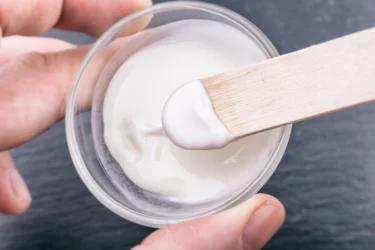
Take equal amounts of baking soda and water. Mix them to create a thick paste. Apply this paste to the mouth ulcer and let it dry out. Once the mixture has dried, rinse your mouth with water and gargle as well. This should be done three times a day.
Baking soda is actually a chemical compound named sodium bicarbonate. This compound is used in many home-cleaning solutions. It also acts as one of the best mouth ulcer cures, as it can reduce the pain significantly2. The baking soda neutralizes the acid formed by the ulcer, which eventually treats the condition.
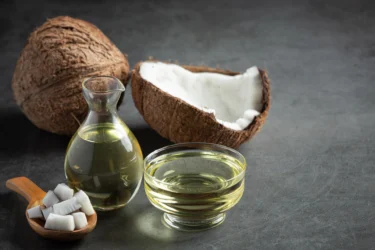
Coconut oil is used in a wide variety of activities across most of India. However, very few people are aware of its healing properties when it comes to mouth ulcers. Simply apply a bit of coconut oil to the surface of the ulcer and let it stay on. You can also apply it while going to sleep at night. Similar to honey, coconut oil includes antimicrobial properties that help to reduce ulcers naturally. The same compound also acts as an anti-inflammatory and analgesic treatment for your mouth ulcers. Applying the oil can reduce the pain caused by mouth ulcers.
Oil pulling where you swish oil in your mouth for several minutes might also help in healing mouth ulcers. Though it can be done with any oil, studies11 have shown that oil pulling especially with sesame oil might be more effective at reducing harmful bacteria in the mouth than chemical mouthwashes. It might also be effective in decreasing plaque and gum inflammation making it a great home remedy for better oral health.
Dr. Nayana Shetty, MBBS, MD
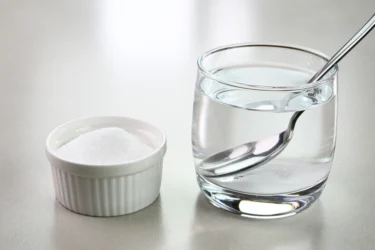
Mix a tablespoon of salt in a glass of lukewarm water. Now gargle thoroughly using this liquid. Once you are done, you can gargle with plain water to remove the salty taste from your mouth. Using this procedure, you can soothe some of the pain and discomfort that you experience during the mouth ulcer4. The antiseptic properties of salt are well known.

Who knew that simple toothpaste can help against mouth ulcers as well? However, any good toothpaste contains antimicrobial properties that can reduce the swelling and pain of mouth ulcers.
Apply the toothpaste using a Q-tip. Ensure that you cover the entire ulcer region with toothpaste. Leave the paste on for a few minutes before rinsing it off. You can keep applying the toothpaste each day until you see the whiteness disappear from the ulcer9. However, applying toothpaste to the ulcer can be quite painful. This pain can be offset by applying aloe vera gel on the spot.

Orange is a great source of Vitamin C, which can prevent and aid mouth ulcers. However, consuming a whole orange may be difficult when you are suffering from these ulcers. A great remedy for mouth ulcers is to drink two glasses of freshly squeezed orange juice every day.
Research has shown that Vitamin C deficiency can lead to mouth ulcers. Apart from this, Vitamin C is known to boost the immunity of a person, allowing their body to fight against all kinds of infections and diseases.
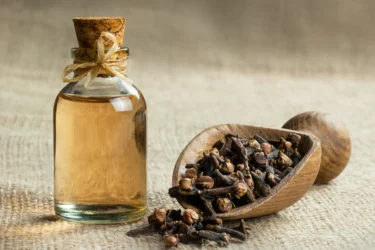
Clove is an essential part of one of the most used spice mixes in India, Garam Masala. Clove oil is extracted from the flower bud. This extract is used in a wide range of natural remedies, including toothache and mouth ulcers. In case of mouth ulcers, take a small piece of cotton and apply the oil directly to the ulcer. Wait till the ulcer tissue absorbs the oil.
Remember to rinse your mouth with warm water prior to the application of the clove oil. This will clean up the surface of the ulcer region. Clove contains eugenol and antimicrobial properties that help deal with all oral issues. The pain and inflammation are also treated by the application of this oil10.
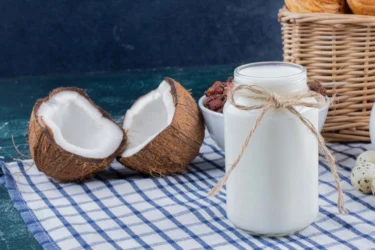
Use coconut milk to gargle when you are suffering from mouth ulcers. This is one of the best remedies for a mouth ulcer. When repeated three to four times each day, you are likely to feel a soothing effect and also reduced pain emanating from your ulcers5.
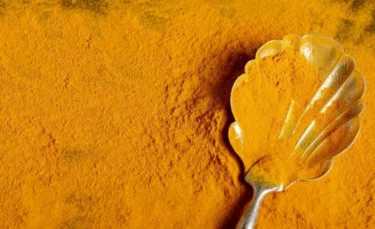
Turmeric is an antiseptic, which is used in almost all Indian dishes. Along with fighting infections, turmeric is also effective in battling against the inflammation and pain from mouth ulcers6. The product has antimicrobial properties as well.
Take a bit of turmeric powder and some water. Mix to form a thick paste. Apply this paste on the ulcers every morning and evening. Leave it on for a few minutes and then rinse it off properly. You should start noticing the difference immediately.
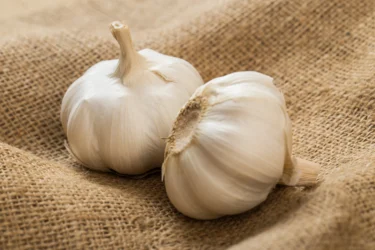
Garlic is another common item in every Indian kitchen. While it is commonly used to flavour curries and dals, garlic can also act as a great remedy for mouth ulcers. The Allisin compound present in garlic makes it antimicrobial, which helps against a range of infections7.
To use garlic, cut a clove in half and dab it on the ulcer spot for a minute or two. After this is done, rinse your mouth properly to remove the raw garlic odour from your breath. You can repeat this twice or even thrice each day.
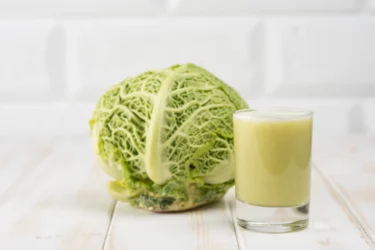
Boil a raw cabbage and puree it once after it is sufficiently boiled. Drink this juice three to four times each day to receive the needed benefits. Cabbage possesses anti-inflammatory properties that can reduce the pain in your mouth, allowing you to consume solid foods easily, even though you may be suffering from severe mouth ulcers.
Also Read: Easy Home Remedies for Bleeding Gums
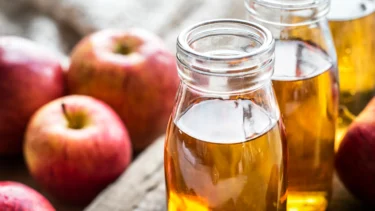
Next time you are at the grocer’s, pick up a bottle of apple cider vinegar. Take a tablespoon of this and mix it with half a cup of warm water. Take this solution inside your mouth and rinse with it. Keep repeating for a minute or two. Once this is done, rinse your mouth thoroughly with plain water. You can keep repeating this every morning and evening, till the time that the ulcer heals.
Apple cider vinegar has anti-bacterial properties that will kill the germs which caused the ulcer in the first place. It will also speed up your recovery.
These are some of the home remedies that will likely improve mouth ulcers. However, there are several kinds of mouth ulcers, each with a different cause and treatment. Some mouth ulcers where bleeding occurs may be more severe than normal ulcers. Try out these hacks and see whether you receive any benefits from them. If you do not notice any improvement, you should visit the doctor immediately.
It is important to understand that oral ulcer cure depends on the type and cause of the ulcer. A doctor can best advise you on this. Above mentioned remedies are popular but lack scientific evidence and may not be effective for everyone.
Capsicum found in chillies and bell peppers, is not just a spice but may also act as a natural remedy for mouth ulcers. Its anti-inflammatory properties may help reduce pain and promote the healing of mouth ulcers, making it a useful addition to your home treatment options.
Dr. Nayana Shetty, MBBS, MD
If you already have a mouth ulcer, avoid some food and drinks to prevent the condition from deteriorating further. You can avoid the following food in order to heal the mouth ulcer faster.
At any rate, most mouth ulcers take around 7 to 10 days to be completely cured. You should have no issue with it once a couple of weeks pass by.
Papaya, specially its fruit and latex (papain) may help with treating mouth ulcers. This fruit is rich in vitamins and papain has natural anti-inflammatory properties that may help in soothing irritation caused by mouth ulcers. Simply applying fresh papaya or papain directly to the affected area may provide relief.
Dr. Nayana Shetty, MBBS, MD
Also Read: Best Home Remedies for Wisdom Tooth Pain
As effective as home remedies may be, you must also have a backup plan in case the home remedies for mouth ulcers fail:
Some other telling signs that can indicate that your mouth ulcer is not just a normal ulcer but could maybe even be mouth cancer are if you smoke products containing tobacco if you drink alcohol quite frequently, and if are infected with human papillomavirus (HPV).
For the best result, follow the medications and home remedies advised by a doctor. The best way to avoid mouth ulcers, however, is to avoid overstressing yourself, maintain proper oral hygiene and follow a balanced diet.
Also Read: Home Remedies For Teeth Whitening By Dr. Siddharth Gupta
Most mouth ulcers are caused by things you can try to avoid, such as biting the inside of your cheek. Braces, badly fitting dentures, rough fillings or a sharp tooth are also responsible for mouth ulcers. Cuts or burns while eating or drinking, for example, hard food or hot drinks can aggravate mouth ulcer causes3, 4.
The combination of salt and hydrogen peroxide will help the sore caused by mouth ulcers heal faster. Sometimes the simplest remedy is the best. You can also add some salt to warm water and rinse for about 30 seconds to get relief.
Aphthous ulcers, also called canker sore, are small painful sores inside the mouth. They are oval-shaped ulcers with a yellow-grey centre that a red ring surrounds. Canker sores typically last 1–2 weeks8.
A mouth ulcer typically appears as a round or oval sore inside the mouth. It is often white, yellow, or gray in color, surrounded by redness, and can be painful or sensitive to touch8.
Yes, bananas can be beneficial for mouth ulcers due to their soft texture and high content of vitamins B6 and C, which can help in healing. They are also gentle on the irritated area and can provide relief from discomfort.
Mouth ulcers are not contagious. They are typically caused by factors such as minor injuries, stress, or certain foods, and cannot be transmitted from one person to another through direct contact or sharing utensils8.
Mouth ulcers can sometimes be a symptom of oral cancer, especially if they do not heal within a few weeks, are accompanied by other symptoms like persistent pain or changes in the mouth’s lining, or if there are risk factors such as tobacco use. It’s important to consult a healthcare professional for proper evaluation and diagnosis3.
B complex vitamins, especially B1 (thiamine), B2 (riboflavin), B6 (pyridoxine), and B12 (cobalamin), are beneficial for mouth ulcers as they support the health of mucous membranes and aid in wound healing. Taking B complex supplements or consuming foods rich in these vitamins can help reduce the frequency and severity of mouth ulcers3.
A mouth ulcer appears white due to the layer of dead cells and fibrin that form over the ulcerated area during the healing process. This white coating is part of the natural response of the body to protect the underlying tissue and aid in healing8.
It is not advisable to pop or burst a mouth ulcer. Doing so can increase pain, delay healing, and potentially lead to infection. It’s best to let mouth ulcers heal naturally and manage discomfort with appropriate oral care or medications as recommended by a healthcare provider.
Yes, a severe or persistent mouth ulcer can sometimes cause nearby lymph nodes to swell as part of the body’s immune response. This reaction typically occurs when the ulcer is inflamed or infected, prompting the lymph nodes to react and become swollen in an effort to combat the underlying issue.
Yes, mouth ulcers can cause referred pain to nearby areas such as the teeth, ears, or jaw. The discomfort may radiate due to shared nerve pathways or inflammation affecting adjacent tissues. Treating the underlying cause of the mouth ulcer can often alleviate these associated pains.
Mouth ulcers typically do not cause fever. However, if a mouth ulcer is severe, infected, or part of a larger systemic issue, it may occasionally be accompanied by a low-grade fever. In such cases, it’s advisable to consult a healthcare professional for proper evaluation and treatment.
Are mouth ulcers caused by stress?
Mouth ulcers themselves are not indicative of HIV (Human Immunodeficiency Virus) infection alone. However, persistent or recurring mouth ulcers can be a symptom of HIV/AIDS in conjunction with other signs like swollen lymph nodes, fatigue, and weight loss. Testing for HIV is necessary for accurate diagnosis if there is concern.
Yes, paracetamol can help alleviate the pain associated with mouth ulcers. It is an analgesic that can reduce discomfort, making it easier to eat and drink. However, it is important to follow the recommended dosage and consult a healthcare provider for persistent or severe pain.
Yes, rinsing with a saltwater solution can help alleviate pain and promote healing of mouth ulcers. The saltwater solution has antimicrobial properties that can reduce inflammation and prevent infection in the ulcerated area4.
Mouth ulcers themselves typically do not cause headaches directly. However, the discomfort or pain associated with severe mouth ulcers, especially if they are large or located in sensitive areas, may contribute to a headache due to increased stress or discomfort.
Smoking can contribute to the development of mouth ulcers. The chemicals in tobacco smoke irritate the delicate tissues of the mouth and throat, leading to increased susceptibility to ulcers. Additionally, smoking can impair the immune system’s ability to heal existing ulcers, prolonging their duration.
Yes, mouth ulcers can contribute to bad breath. The presence of an ulcerated area in the mouth can harbor bacteria and food debris, leading to an unpleasant odor. Additionally, the discomfort caused by mouth ulcers may reduce the effectiveness of regular oral hygiene practices, further exacerbating bad breath8.
Mouth ulcers themselves do not typically cause dry mouth. However, certain conditions that may lead to mouth ulcers, such as stress or certain medications, can also cause dry mouth as a separate symptom. A dry mouth can contribute to discomfort and may affect the healing process of mouth ulcers.
Disclaimer: The information provided here is for educational/awareness purposes only and is not intended to be a substitute for medical treatment by a healthcare professional and should not be relied upon to diagnose or treat any medical condition. The reader should consult a registered medical practitioner to determine the appropriateness of the information and before consuming any medication. PharmEasy does not provide any guarantee or warranty (express or implied) regarding the accuracy, adequacy, completeness, legality, reliability or usefulness of the information; and disclaims any liability arising thereof.
Links and product recommendations in the information provided here are advertisements of third-party products available on the website. PharmEasy does not make any representation on the accuracy or suitability of such products/services. Advertisements do not influence the editorial decisions or content. The information in this blog is subject to change without notice. The authors and administrators reserve the right to modify, add, or remove content without notification. It is your responsibility to review this disclaimer regularly for any changes.
352
18Ashwagandha (Withania somnifera) is a popular herb in the Ayurvedic system of medicine. It is a small shrub that belongs to the Solanaceae family. It might be useful for different diseases and mostly as a nervine tonic (has a soothing effect on nerves). Ashwagandha is commonly called Indian Ginseng or Indian winter cherry. Ashwagandha is known for its rasayana (tonic) property. Rasayana is a herbal or metallic formulation that stimulates a youthful physical and mental state of health as well as happiness1.
Ashwagandha is cultivated in dry regions of South Asia, Africa, and Central Asia. More than 50 chemical constituents have been isolated from different parts of the ashwagandha plant1.
Did you know?
In 100 grams of ashwagandha, the nutrients found are:
The potential properties of ashwagandha are2:
Ashwagandha is also called an ‘adaptogenic’ herb or a ‘royal’ herb since it helps reduce stress and helps your body adapt to changes. It rejuvenates various body systems like the immune, reproductive and endocrine systems9.
Dr. Siddharth Gupta, B.A.M.S, M.D (Ayu)
The potential uses of ashwagandha for human health are as follows:

Ashwagandha might have anxiolytic (anxiety-relieving) properties that are similar to that of the drug lorazepam. Both ashwagandha and lorazepam showed to help reduce anxiety in animal models. Ashwagandha might also exhibit potential antidepressant properties. This indicates that Ashwagandha might help with depression and anxiety1. However, more research is required. Anxiety and depression may need serious attention and one should seek medical help from a professional for it.

Ashwagandha might have potential anti-arthritic properties that may be widely accepted and reported. Ashwagandha might help relieve pain by soothing the nervous system. In an experimental study6, patients were given a formula containing ashwagandha. This herbal formulation showed the potential to reduce the severity of pain and disability1,4. However, arthritis is a serious condition and must be diagnosed and treated by a doctor.

Ashwagandha is a popular Ayurvedic rasayana and belongs to medhyarasayanas, a subgroup of rasayanas. Medhya means mental/intellectual ability. Ashwagandha might help enhance memory and intelligence. This potential of ashwagandha for cognition was seen in children with compromised memory and old age as anecdotal evidence1. However, such claims lack scientific backup. Therefore, more research is required.

The circulatory system and cardiovascular health are adversely affected due to mental stress. Stress also affects the body’s antioxidant defence system7. Ashwagandha might help the body adapt to stress. It may also be effective in improving mental and physical health5. However, more research is required to ascertain such claims.

In a study8, treatment with an aqueous extract of ashwagandha showed potential to increase the pain threshold (a point beyond which a trigger produces pain) compared to that of placebo, showing that ashwagandha might be an analgesic agent. However, further research is required to state these as concrete facts.

Ashwagandha might help deal with problems related to sleep and may contain sleep-inducing properties. It might also help one fall asleep faster and have an improved sleep quality7.
Though there are studies that show the potential uses of ashwagandha in various conditions, these are insufficient and there is a need for further studies to establish the true extent of the benefits of ashwagandha on human health.
Ashwagandha may be helpful in combating hair loss and promoting hair growth. Hair loss usually occurs due to stress. The lactones present in ashwagandha can reduce the levels of cortisol hormone in the body, which relieves stress10.
Dr. Anuja Bodhare, B.A.M.S, M.D (Ayu)
The important formulations of ashwagandha include:
It is also available in the form of tea, pills, gummies, or tincture. The roots, seeds, leaves, and flowers of ashwagandha can be used for medicinal purposes.
You must consult a qualified doctor before taking any herbal supplements. Do not discontinue or replace an ongoing treatment of modern medicine with an ayurvedic/herbal preparation without consulting a qualified doctor.
Did you know ashwagandha contains high levels of polyphenols, mainly catechin, which is responsible for its antioxidant actions? All the parts of ashwagandha, including the roots, leaves and fruits, are rich in catechin, which provides potential health benefits12.
Dr. Smita Barode, B.A.M.S, M.S.
The safety of the long-term use of ashwagandha has not been fully documented. However, the most common side effects of ashwagandha are:
The less common side effects are:
Also Read: Shilajit: Uses, Benefits & Side Effects By Dr. Anuja Bodhare
Ashwagandha might also cause liver damage. It is essential to call your healthcare provider when you experience any side effects, particularly those consistent with liver damage like itchy skin or jaundice7. Therefore, kindly consult an Ayurvedic physician before using ashwagandha. They will tailor the prescription according to your health needs.
Ashwagandha may be helpful in improving the performance of swimmers as it boosts stamina. It is possible that the duration that can be covered by swimmers taking ashwagandha is longer than those not taking it1.
Dr. Ashok Pal, B.A.M.S.
Ashwagandha must be avoided in some conditions like:
Kindly do not self-medicate, alter, replace, or discontinue any ongoing treatment. Please consult a doctor.
Ashwagandha is derived from two words: ashwa, meaning ‘horse’ and gandha, meaning ‘smell’. It is named so because the fresh roots of ashwagandha emit the smell of a horse. It is believed to boost vitality and strength in your body, comparable to a horse11.
Dr. Rajeev Singh, BAMS
It is essential to take precautions when using ashwagandha with:
To make sure that ashwagandha does not interfere with other medications, it is essential to consult your physician4.
Also Read: Arrowroot Powder: Uses, Benefits, Side Effects By Dr. Smita Barode
Ashwagandha is a well-known herb used in Ayurvedic medicine. Its common names include winter cherry and Indian ginseng. It is obtained from a small evergreen shrub known as Withania somnifera. Ashwagandha might be helpful for a wide variety of ailments7.
In India, ashwagandha is cultivated in Uttar Pradesh, Gujarat, Rajasthan, Punjab and Madhya Pradesh4.
The decoction of the roots of ashwagandha might be helpful for colds and chills. The root bark might be helpful for asthma4. Kindly do not self-medicate. Consult a doctor before taking ashwagandha for the common cold.
In Ayurvedic medicine, the root of ashwagandha is used as an anti-inflammatory agent by an Ayurvedic physician for dealing with tumours, swellings, scrofula (a type of tuberculosis), and rheumatoid arthritis (a condition affecting joints and bones)4. However, you are advised not to use ashwagandha for the above-mentioned conditions by yourself. Kindly consult an Ayurvedic physician for the same.
Ashwagandha is indicated in conditions like syncope (temporary loss of consciousness associated with insufficient blood flow to the brain), piles, tumours, cervical lymphadenitis (enlargement of neck lymph nodes), gout (a type of arthritis), diseases of the skin, vitiligo (a disorder that causes the skin to lose color), lockjaw, heart failure, abscesses (a painful collection of pus), stiffness of the knee, cachexia (muscle and weight loss), bone fracture and diabetic carbuncle (cluster of painful boils)4. Kindly consult a doctor. Do not self-medicate.
Ashwagandha, an adaptogenic herb, is known to reduce stress, boost immunity, improve cognitive function, and enhance overall vitality. Its active compounds may help regulate cortisol levels, promote relaxation, and support physical endurance, making it a popular choice in traditional medicine and wellness practices.
The recommended dosage of ashwagandha typically ranges from 300 mg to 600 mg per day for most adults, divided into two or three doses. However, it’s crucial to consult with a healthcare professional to determine the appropriate dosage based on individual health factors and specific needs.
While ashwagandha is generally not associated with weight gain, some studies suggest it may support weight management by reducing stress-related overeating and regulating cortisol levels. However, individual responses may vary, and it’s advisable to consult with a healthcare provider before incorporating ashwagandha into a weight management regimen.
Ashwagandha has been studied for its potential to increase testosterone levels in men with low levels or infertility issues, attributed to its ability to reduce stress and improve overall hormonal balance. While research shows promising results, individual responses may vary, and consulting with a healthcare professional is advisable before using ashwagandha for this purpose.
Disclaimer: The information provided here is for educational/awareness purposes only and is not intended to be a substitute for medical treatment by a healthcare professional and should not be relied upon to diagnose or treat any medical condition. The reader should consult a registered medical practitioner to determine the appropriateness of the information and before consuming any medication. PharmEasy does not provide any guarantee or warranty (express or implied) regarding the accuracy, adequacy, completeness, legality, reliability or usefulness of the information; and disclaims any liability arising thereof.
13
1Finger millet, commonly known as ragi, is a cereal grain widely eaten in South India and parts of Africa. It is often appreciated for its high fibre content and is naturally rich in calcium and iron, making it a valuable part of traditional diets.
Ragi is also commonly prepared as a porridge for infants in some regions, usually once they are a few weeks old and under proper guidance. Its smooth texture and mild taste make it a popular choice for early weaning foods in certain cultural practices1.
While ragi is sometimes included in diets focused on weight management or balanced blood sugar, it should be seen as part of an overall healthy eating plan. Anyone with specific health conditions, such as diabetes, should consult a healthcare professional for personalised advice.
Did you know?
Before the 1950s, whole grains such as ragi, brown rice, and barley were commonly grown using traditional farming methods and formed a significant part of regional diets in India. Over time, with the widespread adoption of polished white rice as a staple and lifestyle shifts brought on by urbanisation and the rise of the information technology sector, many people began relying more on processed and convenience foods.
As a result, there has been growing interest in returning to nutrient-rich whole grains like ragi, which are naturally high in fibre, calcium, and iron. Health professionals often recommend including such grains as part of a balanced diet. Unfortunately, ragi is less common in the diets of many teenagers today.
This article aims to highlight the potential long-term benefits of incorporating ragi into everyday meals as part of a healthy lifestyle.
Ragi contains a unique protein called eleusinian, which contributes to its nutritional value. It is often regarded as a good plant-based protein source, particularly for vegetarians. One of the amino acids present in ragi, methionine, makes up around 5% of its total protein content.
Ragi has been cultivated for centuries and is known for its ability to grow in high altitudes and survive in tough climatic conditions. Because the grain is so small, it is not polished like other cereals, which means it is usually consumed in a more natural, unprocessed form. This helps it retain more of its original nutrients, including complex carbohydrates2.
Ragi is naturally high in dietary fibre, which may help you feel fuller for longer and reduce the tendency to snack between meals. Because of this, it is often included in meal plans focused on healthy weight management.
It also contains an amino acid called tryptophan, which is thought to play a role in regulating appetite. Including ragi as part of a balanced breakfast is a common practice in many regions, as it can be both filling and nutritious3.
While ragi is sometimes recommended as part of a diet for managing blood sugar levels, it is not a substitute for medical treatment or insulin. Always consult a healthcare professional for personalised advice, especially if you have diabetes or other health conditions.
Ragi contains naturally occurring nutrients, including amino acids such as methionine and lysine. These nutrients, along with antioxidants found in the grain, are believed to support overall wellbeing and are sometimes linked to skin health when part of a balanced diet.
While ragi is not a treatment for skin conditions or ageing, a nutritious diet that includes whole grains may contribute to a healthy appearance over time. Its nutritional profile makes it a valued ingredient in many traditional diets4.
Ragi contains small amounts of Vitamin E, a nutrient that is known to support skin health as part of a balanced diet. Vitamin E contributes to maintaining the skin’s natural moisture and is often associated with helping the skin feel soft and well-nourished.
While it is not a medical treatment, including foods rich in vitamins, such as ragi can be a part of a healthy lifestyle that supports overall wellbeing.
Ragi is a source of plant-based protein, which plays an important role in overall nutrition. Since hair is largely made of a protein called keratin, consuming a balanced diet that includes adequate protein may support the body’s natural processes involved in hair growth5.
Ragi also contains nutrients such as magnesium and antioxidants, which are believed to contribute to general wellbeing. While ragi is not a remedy for hair loss or greying, maintaining good nutrition through whole grains like ragi can be part of a healthy lifestyle that supports the body’s functions, including those related to skin and hair.
Ragi is well known for being one of the richer plant-based sources of calcium among commonly consumed grains. Calcium is essential for the development and maintenance of healthy bones and teeth, and a balanced diet that includes calcium-rich foods can help support long-term bone health.
Approximately 100 grams of ragi contains around 350 milligrams of calcium, making it a valuable addition to vegetarian and plant-based diets6. Ragi porridge (commonly known as ragi kanji) is a traditional way to enjoy this grain, especially in parts of South India.
While dietary sources of calcium are important, individuals with specific health conditions—such as osteoporosis, should follow professional medical advice regarding supplementation or treatment.
Green ragi (sprouted finger millet) is traditionally included in the diets of many lactating women in parts of India. It is known to contain nutrients such as iron, calcium, and amino acids, which are important for overall maternal nutrition.
While a healthy diet can support a mother’s wellbeing during breastfeeding, it’s important to remember that dietary needs vary for each individual. Including nutrient-rich foods like green ragi may be beneficial as part of a balanced postnatal diet, but it should not be seen as a guaranteed way to influence breast milk production7.
Lactating women are encouraged to consult with a doctor or nutritionist to ensure they are meeting their nutritional needs for both themselves and their babies.
Ragi contains dietary fibre and natural compounds like polyphenols, which are often associated with slower digestion and a feeling of fullness. Compared to many other whole grains, ragi has a relatively high fibre content, which may help support steady energy levels throughout the day.
Some people include ragi in their meals as part of a diet aimed at maintaining balanced blood sugar levels. Its slower digestibility may contribute to prolonged satiety, which can be helpful in managing appetite8.
While ragi is considered a wholesome addition to a balanced diet, individuals with diabetes or related conditions should follow medical advice when planning their meals.
Ragi is a good source of dietary fibre, which plays an important role in supporting digestive regularity as part of a balanced diet. Fibre-rich foods like ragi may help promote smoother digestion and contribute to overall wellbeing.
Ragi is also versatile in the kitchen. From traditional dishes like ragi dosa and ragi balls (ragi mudde) to modern recipes like porridge or baked goods, it’s a wholesome grain that can be enjoyed in many delicious ways9.
Including ragi in your meals is one simple way to add variety and nutritional value to your diet.
In traditional food cultures, ragi is sometimes described as having a naturally cooling effect on the body, especially when consumed during the hot summer months. It is often included in meals for its light, wholesome qualities.
While ragi is not a treatment for mental health conditions such as anxiety, insomnia, or depression, including fibre-rich whole grains in your diet may support general wellbeing and help you feel nourished and satisfied10.
If you’re experiencing sleep disturbances or emotional stress, it’s important to speak with a qualified healthcare professional.
Ragi contains dietary fibre and natural plant compounds such as phytonutrients and lignans. These are studied for their potential roles in supporting digestive health and overall well-being when included as part of a balanced diet.
While some research has explored the relationship between fibre-rich diets and long-term health outcomes, ragi is not a treatment or preventive measure for cancer. Anyone concerned about their cancer risk should consult a qualified healthcare professional for personalised advice11.
Researchers1 have found that the rich antioxidant content of ragi may play a role in supporting tissue repair and wound healing.
Dr. Siddharth Gupta, B.A.M.S, M.D (Ayu)
While ragi offers notable nutritional value, its taste may be unfamiliar to those trying it for the first time. However, with regular inclusion in meals, many individuals become accustomed to its distinctive flavour. Given its versatility and composition, ragi can serve as a beneficial component of a balanced and varied diet when consumed as part of a healthy lifestyle.
Masala dosa is a much-loved dish across South Indian households. For those seeking to increase the nutritional value of their meals, ragi flour can be incorporated into the traditional dosa batter to prepare a variation known as ragi masala dosa. When served with potato curry, it offers a flavourful and satisfying breakfast option, combining taste with the benefits of whole grains.
Preparation Time: Approximately 35 minutes
Before you begin, ensure that you have the following ingredients ready:
How To Prepare Ragi Onion Masala Dosa
Preparation Time: Approximately 30 minutes
To prepare soft, flavourful, and healthy ragi idlis, ensure the following ingredients are assembled before beginning.
Ingredients of Ragi Idli
How To Prepare Ragi Idli
Also Read: 11 Incredible Health Benefits Of Fennel Seeds (Saunf)
Weight loss efforts often involve reducing sugar intake, which can be challenging for those with a sweet tooth. However, a nutritious alternative like ragi halwa allows you to satisfy occasional sweet cravings without compromising your health goals.
Ingredients of Ragi Halwa
How to Prepare Ragi Halwa
According to studies12, the phenolic content in ragi, particularly the tannins may help provide resistance against fungal infections. These compounds, concentrated in the outermost layer of the grain, act as a structural barrier to fungal invasion. Research indicates that acidic methanolic extracts from the ragi seed coat, which is rich in polyphenols, exhibit stronger antifungal and antibacterial activity compared to similar extracts from whole wheat.
Dr. Rajeev Singh, BAMS
While ragi is rich in essential nutrients and offers numerous health benefits, it should be consumed in moderation. Excessive intake may lead to an increase in oxalic acid levels in the body, which is not advisable for individuals with kidney stones. As part of a balanced diet, ragi can support overall wellbeing, but it should not become the sole focus of one’s nutritional habits.
Also Read: 12 Ways How Avocado (Butter Fruit) Can Benefit Your Overall Health And Skin
Incorporating ragi into your daily meals can offer a range of health benefits, from improved digestion to better bone health. Its rich nutritional profile makes it a valuable addition to a balanced diet. However, like any food, it should be consumed in moderation and tailored to individual health needs.
Also Read: 10 Best Foods For A Healthy Gut System
Yes, it is safe and beneficial to include ragi in your daily diet. Ragi is a nutritious whole grain rich in fibre, calcium, and iron. Its gluten-free nature and low glycaemic index makes it suitable for regular consumption supporting digestive health and overall well-being.
Individuals with a history of kidney stones or oxalate-related issues should limit their ragi intake due to its oxalate content. However, for those with gluten sensitivity or celiac disease, ragi is a safe option as it is gluten-free. Always seek personalised advice from a healthcare professional to assess if ragi is suitable for your specific health condition.
Yes, ragi is a valuable food for weight loss and diabetes management. Its high fibre content promotes a feeling of fullness, reducing overall calorie intake. The complex carbohydrates in ragi have a low glycaemic index, which helps in better blood sugar management, making it beneficial for individuals with diabetes.
Yes, ragi can be a beneficial addition to the diet during pregnancy. Its iron and calcium content supports the increased nutrient requirements during pregnancy, and the fibre may help in digestion. Pregnant women can include ragi in various forms, but it is advisable to consult a healthcare provider for personalised dietary recommendations.
Ragi is an excellent option for introducing solid foods to infants and toddlers. Its nutritional profile supports healthy growth and development. Ragi porridge or homemade ragi-based baby food can be introduced gradually to infants around six months of age, following the recommendations of paediatricians.
Disclaimer: The information provided here is for educational/awareness purposes only and is not intended to be a substitute for medical treatment by a healthcare professional and should not be relied upon to diagnose or treat any medical condition. The reader should consult a registered medical practitioner to determine the appropriateness of the information and before consuming any medication. PharmEasy does not provide any guarantee or warranty (express or implied) regarding the accuracy, adequacy, completeness, legality, reliability or usefulness of the information; and disclaims any liability arising thereof.
211
118Many individuals frequently experiment with various diets to maintain an ideal body weight. For those who struggle with restrictive or complicated plans, simple, home-based dietary practices using commonly available ingredients may offer supportive benefits. These methods, when adopted sensibly and under guidance, can complement a healthy lifestyle without depending on expensive supplements or extreme regimens.
While achieving and maintaining a healthy weight is important for individuals who are overweight or obese, it is equally essential to ensure that the diet remains nutritionally balanced. Some diets excessively restrict macronutrients like fats and carbohydrates, which may adversely affect metabolism and overall physiological functions. A sustainable plan should aim for moderation rather than elimination, supporting long-term health goals
So, which diet should you follow? What home remedies can help you to control your weight? What are the best supplements for weight loss? Read on to find the answers –

Lemon and honey are widely used household ingredients and are often included in morning routines. A warm glass of lemon water with a small amount of honey may support hydration, aid digestion, and provide a refreshing start to the day. While these ingredients have traditional uses and some health benefits, there is limited scientific evidence to suggest that they directly lead to fat loss. However, when incorporated into a balanced diet and healthy lifestyle, they may support general well-being1.
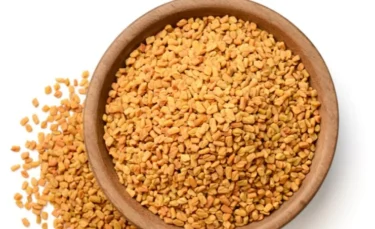
Many traditional Indian spices such as fenugreek seeds (methi), carom seeds (ajwain), and black cumin seeds (kali jeera) have been used in Ayurvedic and folk practices for digestive and metabolic support. Some preliminary studies suggest that these spices may help improve digestion and support metabolic health, which can indirectly aid in weight management. However, their role in directly reducing fat—especially in specific areas like the belly, is not conclusively proven.
A practical way to incorporate these spices is by dry roasting equal parts of fenugreek, carom, and black cumin seeds, grinding them into a fine powder, and consuming a small amount with warm water once daily. While this may help in improving digestion and metabolic support, sustainable weight loss primarily depends on balanced nutrition, physical activity, and overall lifestyle modifications.

Cinnamon (Dalchini) is a commonly used spice in Indian cooking, known for its distinct aroma and flavor. Some studies suggest that cinnamon may help improve insulin sensitivity and reduce blood sugar spikes, which could indirectly support weight management. However, it should be considered a supportive addition rather than a standalone solution for weight loss2.
A traditional method to include cinnamon in your routine is by preparing a simple infusion. Warm a glass of water, add 1–2 small cinnamon sticks, and let it steep. Once lukewarm, add a teaspoon of honey, mix, and strain. Consuming this on an empty stomach may offer digestive and metabolic support. However, this should complement a healthy diet and lifestyle, not replace them.
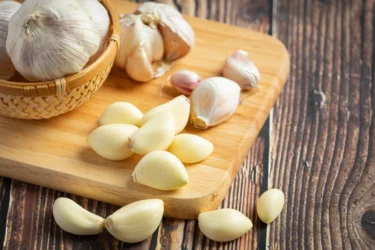
Garlic, a common kitchen ingredient, is well-known for its antimicrobial and anti-inflammatory properties. Some traditional practices suggest that consuming 1–2 raw cloves of garlic in the morning may support metabolism and overall health, which could indirectly aid in weight management. Although the strong flavor and smell may be challenging at first, regular use can become tolerable over time. It’s advisable to rinse your mouth afterward to reduce lingering odour3.
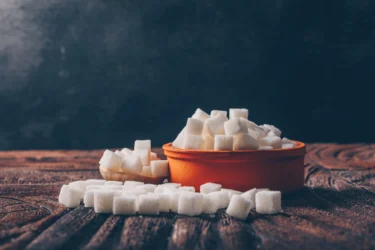
The sugars naturally found in fruits and vegetables are generally healthier than added or refined sugars. If your goal is weight loss, it is advisable to minimise your intake of processed sugars found in sweets, ice creams, and sugary beverages. Instead, focus on whole fruits and vegetables to satisfy your sweet cravings, as they come with the added benefit of fiber, vitamins, and minerals.
For example, vegetables like onions release a mild natural sweetness when sautéed slowly. This can enhance the flavour of your dishes without needing to add refined sugar. Similarly, carrots and certain types of pumpkin also contain naturally occurring sugars that contribute to a subtle sweetness. Using these ingredients creatively can help reduce your reliance on added sugars in cooking.

Drinking an adequate amount of water each day is a simple yet important factor in supporting healthy weight management. Many people do not consume enough water because they may not be aware of the recommended amounts or only drink when they feel thirsty4.

Getting adequate sleep is more of a lifestyle choice than a home remedy, but it is a simple and important step that everyone can adopt with some effort. Despite busy schedules and competing priorities, aim for at least 8 hours of sleep each night. Adequate sleep is as essential as maintaining a balanced diet for effective weight management5.
Sleep plays a critical role in regulating bodily functions, including hormone balance and digestive health. It helps maintain a healthy metabolic rate, which is important for reducing excess body fat and supporting overall weight loss.

Psychological factors play a significant role in shaping our lifestyle choices, including eating habits. The way our brain perceives our environment affects how much food we consume. For example, the size of the plate can influence portion size using a large plate may increase the risk of overeating.
This occurs because the brain associates plate size with the amount of food required. Larger plates tend to encourage larger portions, while smaller plates promote smaller servings. Eating from a smaller plate may help you feel satisfied with less food. Therefore, switching to a smaller plate can be a simple and effective strategy to support weight management6.

This eating pattern has been supported by research globally. Instead of consuming three large meals, breakfast, lunch, and dinner, try eating smaller, lighter meals every 3 to 4 hours. Consuming six lighter meals throughout the day helps prevent your stomach from being empty for long periods, which can support better digestion and energy levels7.
Eating frequent smaller meals can help prevent overeating. Long gaps between meals, such as between breakfast and lunch, can lead to excessive hunger and result in consuming larger portions. Having a small snack between meals reduces hunger and makes it easier to control portion sizes during main meals.

Meat, chicken and poultry should always be consumed only after proper cooking. However, some vegetables such as tomatoes, lettuce, spinach, carrots, and corn provide added nutritional benefits when eaten raw. Consider making a salad with these vegetables daily. Raw vegetables are an excellent source of fibre, which promotes healthy digestion. Efficient digestion is essential for the breakdown of fats and supports weight loss.
When consuming raw vegetables, it is advisable to choose organically grown produce whenever possible. Organic vegetables are free from insecticides and pesticides, which can be harmful when ingested raw. Incorporating raw organic vegetables into your diet is an effective natural strategy to support weight loss. Always ensure vegetables are thoroughly washed before consumption.
Also Read: Effective Home Remedies for Lice Removal

Proper chewing is essential for good digestion and helps prevent overeating. Studies show that people who eat slowly and chew their food thoroughly tend to consume fewer calories compared to those who eat quickly without chewing properly9.
Chewing breaks down food into smaller pieces and mixes it with saliva, which helps initiate digestion. When food is not chewed properly, the stomach takes longer to digest it, which may contribute to digestive problems and potential weight gain.
Additionally, eating slowly increases the likelihood of feeling full after consuming smaller portions.
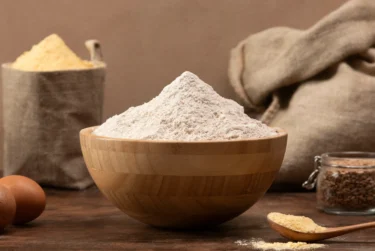
Grains are a staple food in India, consumed daily either in whole form or as flours. Whole grains offer the most health benefits. In contrast, refined grains or flours like maida are less healthy and may contribute to weight gain because they consist mainly of simple carbohydrates10. This is because the refined flours are made out of simple carbohydrates.
Whole grain flour (atta) is more beneficial as it contains a good amount of fibre along with carbohydrates. This fibre supports healthy digestion and bowel regularity. For rice, it is better to choose brown rice over white rice for the same reasons.

While this is not strictly a home remedy, quitting smoking is an important step if you want to lose weight. Smoking negatively impacts your health and can hinder your efforts to reduce excess weight. To support your weight loss and overall health, consider quitting smoking11.
Nicotine and other chemicals in cigarettes harm your body and can reduce your motivation and ability to exercise regularly. Quitting smoking can improve your overall health and make it easier to adopt an active lifestyle. Try to replace smoking with healthy habits such as a morning walk or jog.

Stress and tension are common in today’s fast-paced world, where many people juggle multiple responsibilities. While work and income are important, it is equally essential to take time to enjoy life’s simple pleasures. Studies show that individuals experiencing high stress levels may find it harder to lose weight compared to those who are more relaxed.
One effective approach is to practice meditation and breathing exercises regularly. These techniques can promote relaxation and support your weight management efforts. Breathing exercises also improve oxygen intake, which can enhance overall well-being12.
Another effective way to reduce stress is to plan family outings or vacations. Taking regular breaks throughout the year can help you feel rejuvenated and improve your overall happiness.
Yoghurt, a common ingredient in Indian kitchens, can be homemade or purchased from stores. It is most beneficial when consumed plain, without added sugar or flavoring. Made by fermenting milk, yoghurt contains beneficial probiotics that support gut health, along with essential nutrients found in milk13.
Yoghurt can be eaten on its own or used as a dressing for salads. It promotes the growth of healthy gut bacteria, which aid digestion. Additionally, yoghurt helps increase feelings of fullness, supporting appetite control without adding excessive calories.
In my experience of all the remedies for weight loss, Intermittent fasting for 16 hrs a day often gives good results in people who are otherwise healthy. But people with underlying conditions like diabetes, heart disease and kidney disease should not try fasting without consulting their doctor.
Dr. M.G. Kartheeka, MBBS, MD(Pediatrics)
Also Read: How To Lose Face Fat At Home Naturally

Natural fruit and vegetable juices can be a helpful way to meet your body’s nutritional needs without consuming excessive calories. These beverages are typically low in added sugars and fats, which may assist in managing your overall intake of high-calorie foods. It is important to note, however, that while such drinks are often marketed as ‘juice cleanses for weight loss’, they do not cleanse the body in a medical sense. Rather, their benefits are generally linked to reduced calorie intake and the provision of essential vitamins and minerals, which may be especially useful when following a calorie-controlled diet14.

Crash diets are extreme eating plans that often involve prolonged fasting or the exclusive consumption of fruit juices. Such approaches can be harmful, as they may lead the body to break down muscle tissue in addition to fat. Moreover, research suggests that any weight loss achieved through these methods is frequently temporary, with individuals often regaining the lost weight over time. As a result, these diets typically do not offer sustainable or long-term health benefits15.
Rather than following extreme diets, it is advisable to consume regular meals prepared with minimal oil, sugar, and salt. Incorporate a variety of vegetables and fruits into your daily routine, along with sources of protein such as eggs, poultry, or lean meats. Adopting and maintaining this kind of balanced eating pattern, alongside a healthy lifestyle, can support overall well-being and may contribute to gradual and sustainable weight management.
Also Read: Best Exercises to Lose Belly Fat That You Should Try
Consider trying these home-based suggestions and take note of how they work for you. If adopting all of them at once feels overwhelming, begin with just a few and focus on gradually integrating them into your daily routine. Consistent, steady efforts often lead to meaningful and lasting results. To make the process easier, establish a simple daily schedule that accommodates these practices without demanding too much of your time. As these tips are intended to be practical and manageable, they should fit well even within a busy lifestyle.
Also Read: Ajwain: Uses, Benefits, Side Effects, and More!
The most effective way to manage weight at home involves a combination of a calorie-controlled diet, regular physical activity, and adequate sleep. The suggestions provided throughout this article are intended to support this holistic approach. When implemented consistently, these practices can contribute to improved overall health and gradual, sustainable weight management.
Yes, a protein-rich diet would be low in fats and would contribute to increased muscle mass and fat reduction. Individuals can have a protein-rich diet to lose weight (by reducing fat consumption) and to gain weight (by increasing muscle mass).
Rapid weight loss is generally not advisable, as it often involves extreme dietary practices such as prolonged fasting or the elimination of essential macronutrients. These methods can be detrimental to your overall health and may not result in sustainable weight loss. In many cases, any weight lost through such approaches is quickly regained once the restrictive diet is discontinued. A gradual, balanced approach is far more beneficial in the long term.
Disclaimer: The information provided here is for educational/awareness purposes only and is not intended to be a substitute for medical treatment by a healthcare professional and should not be relied upon to diagnose or treat any medical condition. The reader should consult a registered medical practitioner to determine the appropriateness of the information and before consuming any medication. PharmEasy does not provide any guarantee or warranty (express or implied) regarding the accuracy, adequacy, completeness, legality, reliability or usefulness of the information; and disclaims any liability arising thereof.
149
9With the temperature soaring higher and higher every day, a drop in our energy and willpower to engage in practices essential for healthy living can be observed commonly. Working out during the summer months seems like a tedious task. The sweat, the rashes and the unforgiving heat of the sun are profound deterrents to us becoming fit and achieving the best of our health.
But here is a catch! We are doing it wrong. Not all diet plans or exercise regimes are made keeping in mind the summer season. Our bodies’ requirements alter with every changing season. In this blog, we will discuss some tips to remain fit and healthy, custom-made for the summer season.
During the summer season, our bodies lose water at a rapid rate. It is essential to replenish this lost water to keep the body’s electrolytes in balance and remain hydrated.
Food items that are rich in water content, cool the body and contain lots of essential vitamins and minerals are to be looked out for during the summer months. Seasonal fruits and veggies contain abundant nutrients.
Let us see some food items that can be enjoyed during the summers while keeping your healthy.
Plain curd is a powerful probiotic and aids in digestion. In the coastal states of India, curd rice is widely consumed1.

Tender Coconut water is a delicious natural health booster. It is filled with essential vitamins and minerals required to maintain the electrolyte levels2. You can even enjoy the sweet coconut kernel found during the growing stages of the tender coconut.

Sweet corn is a rich source of fiber, Vitamin A, Vitamin E and Vitamin B which is essential for a healthy skin, hair and eyes3. It may also slow down ageing. Sweet corn is a flexible ingredient and can be added to a wide variety of recipes.

Drinking buttermilk in the summer keeps you cool and hydrated, and it may also lower your risk of heatstroke4.

Beyond their taste, mangoes boost immunity and are excellent source of Iron and Magnesium5.

Watermelon coolers and mojitos deliver essential nutrients while providing a feeling of sophistication6.

Cucumber is loaded with water content which helps in cooling the body. It can be added as the perfect crunch to salads7.

Berries like blueberries and raspberries are full of antioxidants. This can be consumed in the form of smoothies or simply a munching snack.

Also known as Nimbu Pani, lemonades are very refreshing and can also be consumed by those who count their calories9.

You can easily prepare coolant drinks made with sattu by adding coriander leaves, mint leaves, salt or sugar as per your dietary requirements. This cooling drink not only refreshes you but also provides a good amount of proteins and fiber necessary for your body1.
Note: Although all these food sources are generally healthy, it’s ideal to consume them in moderation. Also, if you have any medical condition, discuss with your healthcare provider before incorporating anything new in your routine diet.
Being consistent and staying active despite the heat is the key to achieving fitness. Below are some workouts that can be enjoyed during the summer months11.

What better way to exercise and stay cool than swimming? Swimming is an activity that doesn’t feel very strenuous, yet helps shed excess weight massively.

Regular brisk walks early in the morning or during the evenings are a great way of staying active during the summer season.

Taking a break from the fast-paced city life and hiking in the hills is a good adventure sport that can be enjoyed in summer.

Ditch the car and take the bicycle instead to the local market. Cycling helps stay fit while additionally saving the fuel cost of the car.
Additionally, wearing sunscreen, protecting your eyes by wearing shades and wearing white loose clothes makes the summer life easy.
Dr. M.G. Kartheeka, MBBS, MD(Pediatrics)
Take a few basic measures to help beat the heat during summers, such as12,13:
Exercising early in the morning or late in the day to avoid intense heat and taking care of your hydration in summer with plenty of water and clear fluid is critical to maintain your health.
Dr. Ashish Bajaj, M.B.B.S., M.D. in Clinical Pharmacology and Toxicology
Consuming a balanced diet, staying active and protecting your skin from the sun as much as possible are some ways of leading a fit and healthy life during the summer season. If you are a person living with chronic conditions like diabetes, hypertension, etc. Talk to your doctor or nutritionist about the required modifications in your diet plan based on the changing season.
Disclaimer: The information provided here is for educational/awareness purposes only and is not intended to be a substitute for medical treatment by a healthcare professional and should not be relied upon to diagnose or treat any medical condition. The reader should consult a registered medical practitioner to determine the appropriateness of the information and before consuming any medication. PharmEasy does not provide any guarantee or warranty (express or implied) regarding the accuracy, adequacy, completeness, legality, reliability or usefulness of the information; and disclaims any liability arising thereof.
Links and product recommendations in the information provided here are advertisements of third-party products available on the website. PharmEasy does not make any representation on the accuracy or suitability of such products/services. Advertisements do not influence the editorial decisions or content. The information in this blog is subject to change without notice. The authors and administrators reserve the right to modify, add, or remove content without notification. It is your responsibility to review this disclaimer regularly for any changes.
35
3Zinc is a mineral required for several bodily processes. It is essential for cellular function, proper growth and development and overall health. Moreover, zinc can help support mucosal barrier integrity and modulate immune responses,and so is said to help the body fight infections1.
Although there are several food items rich in zinc, its deficiency is still common and widespread in India. Studies reveal that overall zinc deficiency was found to be highest in Orissa followed by Uttar Pradesh2. Fortunately, through dietary changes and supplements, it’s possible to reverse zinc deficiency.
In this blog, we will learn all about zinc deficiency, including its symptoms, how it is detected and how it can be treated.
Because your body doesn’t naturally produce zinc, you must obtain it through food or supplements. Zinc is a vital nutrient naturally present in some foods, added to others and also available as a dietary supplement. Zinc is responsible for several bodily functions. Some of the benefits provided by zinc include1,3:
Zinc is responsible for the smooth functioning of various cellular processes, immune systems, supporting physical growth and development, from birth, through adolescence, up to adulthood. During pregnancy, infancy and childhood, daily zinc requirements are said to increase4. Moreover, certain groups of people are more vulnerable to zinc deficiency and should be mindful of their zinc intake. The list includes5,6:
Acrodermatitis enteropathica is a rare autosomal recessive genetic disorder caused by impaired zinc absorption, seen
rashes and diarrhoea, particularly in children7.
Many times, zinc deficiency may not present with any detectable symptoms. However, there are chances that a person with zinc deficiency may experience symptoms such as8,9:
Zinc deficiency can worsen the course of diarrheal illnesses by impairing intestinal mucosal repair and immune defence. Zinc supplementation is shown to reduce duration and severity of acute diarrhoea, especially in children, and is recommended by WHO during diarrheal episodes.
Zinc is important for several vital functions in your body. If you’re a vegetarian, it might be more difficult to meet daily zinc intake, but you can explore supplements. To start boosting zinc intake, consider eating more:
Discuss with your doctor before including any new food item to your routine diet, especially if you have any medical conditions like diabetes.
Your doctor can treat your zinc deficiency right away with zinc supplements. These are available in multivitamins or as zinc gluconate, zinc sulphate or zinc acetate.
It is important to note that that zinc can interact with some antibiotics and high blood pressure medicines (diuretics). Zinc can interfere with the absorption of certain antibiotics, such as tetracyclines (e.g., doxycycline) and fluoroquinolones (e.g., ciprofloxacin), when taken at the same time.
Diuretics like thiazides (e.g., hydrochlorothiazide) can cause increased urinary zinc loss, potentially leading to deficiency with long-term use.
So, talk to your doctor about the right spacing between the dose of zinc-containing supplements and other medicines that you may be taking. This will reduce any chances of interaction between ongoing medicines.
Excess intake of zinc can also be harmful and zinc supplementation should be done under medical supervision. Common therapeutic doses range from 10–40 mg/day, but long-term use of >40 mg/day may cause copper deficiency and other side effects10. Zinc supplements are often prescribed for 2–3 months, depending on severity and underlying cause. The best practice is to take these supplements based on your doctor’s advice.
Also Read: What Is Biotin and Why Does Your Body Need It?
In most cases, a zinc deficiency is not an emergency, but it can affect the health in several ways. Zinc deficiency in men can be a cause of impotence, while zinc deficiency in pregnant women may affect the development of the baby. Zinc is an important supplement for people fighting chronic illnesses and acute infections. Zinc plays a critical role in managing diarrhoea, especially in children, along with oral rehydration solutions and other medications to reduce the severity of the illness.
Include zinc-rich foods in your diet, watch for any symptoms of zinc deficiency and get it treated at the earliest. Talk to your doctor about zinc supplementation and always take as advised.
Disclaimer: The information provided here is for educational/awareness purposes only and is not intended to be a substitute for medical treatment by a healthcare professional and should not be relied upon to diagnose or treat any medical condition. The reader should consult a registered medical practitioner to determine the appropriateness of the information and before consuming any medication. PharmEasy does not provide any guarantee or warranty (express or implied) regarding the accuracy, adequacy, completeness, legality, reliability or usefulness of the information; and disclaims any liability arising thereof.
28
1Being a mother is a blissful experience, but new mom challenges like finding the right kind of breast pump can be daunting. Before choosing any type of breast pump, you should consider whether your milk supply is well established, how rarely or often you are away from the baby and how many hours in a day.
If you are a new inexperienced mother unsure if you need an electric breast pump, a lightweight pump or a double pump, don’t worry. We have you covered. In this blog, we look at how to use breast pumps, various kinds of breast pumps and their benefits to help you decide which type of breast pump is best for you.
Breast pumps allow mothers to stimulate breast milk production and store it in a container by pumping their breasts with a manual or electric pumping device1. A typical pumping session lasts 10 to 15 minutes a breast2.
All breast pumps come with breast shields, which are cone-shaped cups that fit over your breasts and nipples3. Larger or replacement shields are often available with manufacturers if the standard breast shield is too small. Maintenance parts of a breast pump like tubing and duck valves also need timely replacement.
Selecting the correct flange size is essential to prevent nipple pain, ensure thorough breast drainage, and maintain an optimal milk supply4.
It is important to store breast milk appropriately after expression. Freshly expressed or pumped milk can be stored: At room temperature (77°F or colder) for up to 4 hours. In the refrigerator for up to 4 days. In the freezer for about 6 months is best; up to 12 months is acceptable.
Dr. M.G. Kartheeka, MBBS, MD
Breastfeeding mothers like using breast pumps for their ease of use and accessibility, efficiency, ease of cleaning, and affordability. But breast pumps are a motherhood necessity for several other reasons, such as:
Depending on which type of breast pump and how many rounds you make to express breast milk, pumping can take about 10 to 20 minutes. Since the body produces more prolactin at night, milk supply tends to be at its highest during this time7, but you can use a breast pump at any time of the day. Here’s how you can use a battery-based or electric breast pump.
Never store breast milk in disposable bottle liners or plastic bags that are not intended for storing breast milk, instead always prefer to use breast milk storage bags or clean, food-grade containers to store expressed breast milk.
Dr. Ashish Bajaj – M.B.B.S, M.D.
While searching for the best breast pumps for new mothers, you might come across terms like closed-system pump, open-system pump or overflow protection. To help you understand, here’s what these terms stand for:
This comes with a barrier that prevents milk from getting into the machine, that is, the overflow protection feature9. These hospital-grade breast pumps are most hygienic, but their tubes and small pieces can be difficult to sterilize. Closed systems are suitable for multiple users (like in NICU)10.
These don’t have any barriers and let you transfer milk flows through the tubes and other parts into the bottle. Since the milk can come in contact with the pumping mechanism, it can be less hygienic. Open systems are strictly for single-user use as they cannot be fully sterilized9,10.
When shopping for a breast pump, you should consider certain factors, including your pumping frequency, whether you use the pump outdoors or indoors, the noise level, weight and replacement parts of the pump and the cost.
You can find any of these breast pumps at the nearest drugstore, department store, maternity store and online retailers selling maternity products.
Freshly expressed or pumped milk can be stored: At room temperature (77°F or colder) for up to 4 hours, in the refrigerator for up to 4 days, in the freezer for about 6 months is best; up to 12 months is acceptable.
Dr. Ashish Bajaj – M.B.B.S, M.D.
Your choice will depend upon the duration and frequency of your time away from the baby, whether your milk is already established or not and if there is any medical necessity like preterm birth etc.
A single-breast manual pump will usually suffice if you are away from your baby only occasionally and for a few hours. But if you’re joining work full time and might not be available for breastfeeding throughout the day, an electric double-breast pump is quick and efficient. If you choose to pump both breasts simultaneously, make sure the breast pump comes with two breast shields11. You can also try a hands-free breast pump that fits inside your bra, allowing you to pump discreetly or at work.
For infants in the NICU or those born preterm, hospital-grade electric pumps are the preferred choice to effectively establish and sustain milk supply12.
It is best to buy the pump until after your baby is born, as you’ll know better about your milk production and pumping needs. But if in case of high-risk pregnancy or expected NICU admission cases, breast pump can be purchased beforehand. Lastly, it is important to store the expressed milk safely in a refrigerator in an airtight hygienic container.
Note: If you experience ongoing nipple pain, a sudden drop in milk supply, or frequent clogged ducts and mastitis, it is important to seek professional help. You should also consult a lactation specialist or doctor if you notice persistent blood in your milk. Getting expert advice early can help you resolve these issues quickly and keep your breastfeeding journey on track.
Also Read: Can You Increase Your Breast Size Naturally? Here’s What Doctors Want You To Know
Choosing the right breast pump depends on your unique lifestyle, whether you need a portable manual option for occasional use or electric pump for returning to work. By prioritizing a proper flange fit and following safe storage guidelines, you can successfully maintain your milk supply while ensuring your baby receives vital nutrition. Ultimately, having the right tools and knowledge empowers you to navigate the challenges of new motherhood with greater confidence and flexibility.
Disclaimer: The information provided here is for educational/awareness purposes only and is not intended to be a substitute for medical treatment by a healthcare professional and should not be relied upon to diagnose or treat any medical condition. The reader should consult a registered medical practitioner to determine the appropriateness of the information before consuming any medication. PharmEasy does not provide any guarantee or warranty (express or implied) regarding the accuracy, adequacy, completeness, legality, reliability, or usefulness of the information; and disclaims any liability arising thereof.
Links and product recommendations in the information provided here are advertisements of third-party products available on the website. PharmEasy does not make any representation of the accuracy or suitability of such products/services. Advertisements do not influence the editorial decisions or content. The information in this blog is subject to change without notice. The authors and administrators reserve the right to modify, add, or remove content without notification. It is your responsibility to review this disclaimer regularly for any changes.
2
1