
After a long and busy day, something is comforting about digging into food. However, experts say that dinner should be the lightest meal of the day. Owing to our hectic schedule, we end up doing the reverse of what is recommended, we eat light breakfasts and stuff ourselves at dinner. As a result of this unhealthy lifestyle, most of us are prone to several health issues, including obesity, risk of heart disease and blood sugar.
One of the easiest ways to keep your blood sugar and weight in check is to finish your dinner(and no snacking!) at least 2 to 3 hours before bedtime. Regardless of the calories in the food, eating late dinner causes high blood sugar levels and weight gain.
Read ahead to know the health benefits of eating breakfast like a king, lunch like a prince and dinner like a pauper. After all, we can only implement changes once we know what we will gain out of them.
Did you know that eating dinner late can contribute to metabolic dysfunctions, including impaired glucose metabolism? Studies7 have shown that humans experience negative effects on their metabolism when consuming meals late in the evening.
Dr. Rajeev Singh, BAMS
Experts suggest that dinner should be eaten within 7 pm. Eating an early and light dinner helps to improve sleep, improves digestion, boosts metabolism and also reduces blood pressure, keeping you healthy. Most health problems can be solved in a jiffy if we only start to eat our dinner early.

For those who are looking to lose weight, having an early and light dinner is the first and the most effective step in this journey1. Eating dinner early automatically leads to an effect similar to intermittent fasting, where the body converts the stored body fat into energy, rather than getting it from the glucose in the food that is currently being consumed. Stay healthy and steer clear of obesity, this is a silent killer!

Having an early dinner allows you at least 2-3 hours before bedtime. Since there is this gap, major parts of digestion have already occurred and the digestive system does not work when the body is at rest2. Also, the body works less to digest food and gets adequate rest. Eating late at night often causes indigestion, disturbing your sleep. As a result, you will end up waking more often and have disturbed sleep.
A properly functioning digestive system also improves bowel habits and makes the excretory system smoother.

Studies3 show that when we sleep, the blood pressure drops by nearly 10%, allowing the body to rest and recover. When we wake up, the blood pressure begins to rise. Eating a late dinner adversely affects blood pressure. As the blood pressure remains higher, there is an increased risk of heart attacks. Consuming dinner 2-3 hours before bedtime significantly reduces the chances of a heart attack.

Having late dinner increases the risk of type-II diabetes. Type-II diabetes occurs when the body is unable to use insulin correctly and efficiently. By eating dinner 2-3 hours before sleeping, the body is capable of utilizing insulin effectively. By maintaining proper insulin levels, the risk of type-II diabetes is significantly reduced4.
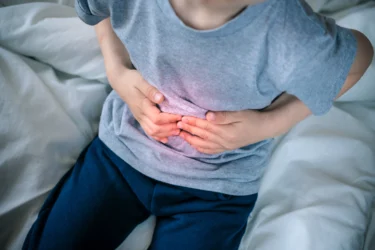
Eating late dinners often causes heartburn, increasing the risk of gastrointestinal diseases. Often, a burning sensation in the chest may be felt, caused by gas and a lot of bloating5. Experts suggest that people who eat their dinner early may have less acid reflux and heartburn.
Based on my experience, I have observed that individuals with duodenal ulcers often have higher levels of stomach acid in the early morning. To help improve your condition, I recommend having dinner around 6 pm, as this timing has shown to raise nocturnal gastric pH levels. By doing so, it may help reduce the acidity in your stomach and potentially alleviate symptoms associated with duodenal ulcers6.
Dr. Siddharth Gupta, B.A.M.S, M.D (Ayu)
Having an early dinner may sometimes be a hassle, often being difficult to do owing to work or other commitments. That being said, efforts must be made to eat as early as possible, keeping a sufficient gap between dinner and bedtime. Also, the dinner must be light, comprising fruits, vegetables, lentils and soups, rather than loaded with spices, thick curries, deep-fried food and excess sugar.
Also, light walking after dinner is considered to be effective in speeding up the digestive process. Sitting in vajrasana for 10 minutes is also proven to be effective.
Also Read: Drinking Water Before Bed – Is It A Good Idea?
Disclaimer: The information provided here is for educational/awareness purposes only and is not intended to be a substitute for medical treatment by a healthcare professional and should not be relied upon to diagnose or treat any medical condition. The reader should consult a registered medical practitioner to determine the appropriateness of the information and before consuming any medication. PharmEasy does not provide any guarantee or warranty (express or implied) regarding the accuracy, adequacy, completeness, legality, reliability or usefulness of the information; and disclaims any liability arising thereof.
Links and product recommendations in the information provided here are advertisements of third-party products available on the website. PharmEasy does not make any representation on the accuracy or suitability of such products/services. Advertisements do not influence the editorial decisions or content. The information in this blog is subject to change without notice. The authors and administrators reserve the right to modify, add, or remove content without notification. It is your responsibility to review this disclaimer regularly for any changes.
 20
20 
Varicose veins, also known as spider veins, varicose or varicosities, are twisted or enlarged veins, occurring mainly in the legs. Varicose veins occur when the veins become dilated, enlarged and overfilled with blood. They tend to be bluish purple or red in colour. Varicose veins is a common condition, especially among women. Around 25 to 30 per cent of adults suffer from varicose veins, especially in the lower legs1.
Regular veins have one-way valves that are designed to block blood from flowing backwards. When regular valves fail to perform as they are supposed to, blood begins to collect in the veins rather than continuing toward your heart. This causes the veins to enlarge. Varicose veins mostly occur in the lower leg area because these veins are the farthest from the heart with gravity making it more difficult for the blood to flow upwards2.
With blood accumulating in your veins, varicose may cause discomfort, inflammation and pain in the affected area. So, this condition requires proper diagnosis and management. However, in addition to that, your doctor may recommend certain changes in diet and food to help you temporarily deal with the discomfort.
Some of the food habit changes and additions you can inculcate in your diet are as follows:

Beetroots contain a naturally occurring compound called betacyanin. This compound is what majorly contributes to the red colour of beets. Betacyanin is a phytochemical compound that lowers the levels of homocysteine (an amino acid that forms proteins) in the body3. Having high levels of homocysteine can damage blood vessels and lead to blood clots4. Thus, beets can help improve the condition of varicose veins.
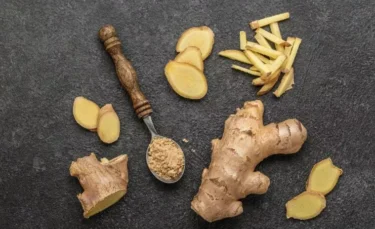
For many centuries, ginger has been used in Indian households as a spice as well as for its medicinal properties. It may help deal with the symptoms of varicose because it aids in increasing blood circulation and dissolving fibrin in the blood vessels5.
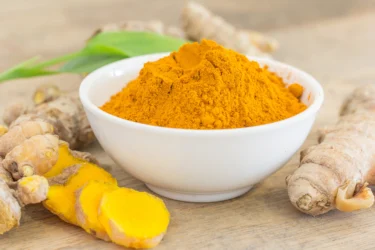
Since ancient times, turmeric has been used in Ayurvedic and traditional Chinese medicine to unclog blood vessels and promote effective blood circulation. Curcumin, an active ingredient in turmeric, increases the production of nitric oxide, which in turn facilitates better blood flow and circulation6
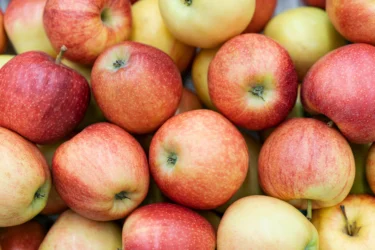
Fruits like apples, bananas and pears are high in fibre content. High fibre fruits lower the chances of inflammation and help with your overall health. Apples are high in rutin, a powerful antioxidant compound that helps to keep veins healthy.

Red and purple grapes are loaded with flavonoids and vitamins along with oligomeric proanthocyanidins, also known as OPCs, which some researchers believe could lessen vein and leg swelling8.

Like apples, cherries are loaded with rutin. Rutin is a flavonoid that helps lower cholesterol and blood pressure, as well as keep your veins healthy. In addition, this flavonoid is also anti-inflammatory, an excellent source of antioxidants and lowers the chance of blood clots9.
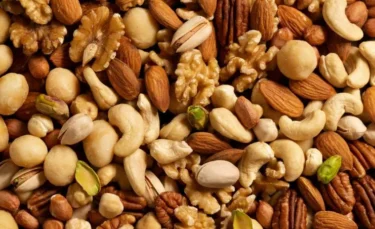
Nuts are rich in niacin and vitamin B3, which are essential nutrients for blood flow and help improve blood circulation10. Hemp, sunflower, flax and chia seeds are some foods rich in omega 3 fatty acids and fibre. They are also a good source of anti-inflammatory proteins that help in removing cholesterol and promoting blood flow quality11.
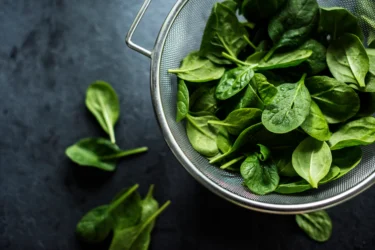
Leafy green vegetables such as kale and lettuce are excellent sources of magnesium, a mineral that plays a key role when it comes to managing blood circulation and blood flow12.

Some fats are good for your health and your veins, such as the fats found in avocado13. Avocados are also a great source of vitamins C and E, potassium and magnesium, overall helping in improved blood circulation.

Cinnamon is a powerful spice known for regulating blood sugar levels and insulin resistance in type 2 diabetes. Other benefits of cinnamon include the ability to increase blood flow and promote circulation. Cinnamon helps blood vessels to dilate and widen, which makes it easier for blood to flow throughout your body5.
While in traditional medicine, these foods have been recommended to be beneficial for varicose veins, there is limited scientific evidence to support their use. Nonetheless, they are worth a try. However, please remember that these should only be an adjunct to medical therapy and never a replacement. Also, if you have any other medical issue like diabetes, it’s best to discuss with your doctor before including any new food item in your routine diet.
Flavonoid-rich diets such as green leafy vegetables and grapes may aid in the reduction of varicose veins in some people. Flavonoids may increase blood flow, stopping the blood from pooling in the veins and aiding in its movement. They may also relax blood vessels and lower the blood pressure in the arteries, which may lessen the occurrence of varicose veins16.
Dr. Siddharth Gupta, B.A.M.S, M.D (Ayu)
The following list of foods to be avoided with varicose veins14,15:
Researchers have found that grape seed extract from the plant Vitis vinifera may help relieve swelling in the lower legs and other symptoms of varicose veins. However, I suggest grape seed extract should be taken only after the recommendation from the doctor as it may interact with some drugs like blood thinners17.
Dr. Rajeev Singh, BAMS
When it comes to varicose veins, it is best to consume homemade food items with the above ingredients. You must follow a healthy diet that is per your doctor’s suggestions and body needs. Here are some interesting recipes you may try on:
Also Read: Thinking About the Pegan Diet? Here’s What You Should Know
Blood vessels transport blood throughout the body, their health is essential for proper blood flow and overall circulation. Although medical treatment remains the cornerstone of management of blood vessel conditions like varicose veins, it’s a good idea to include food items that are beneficial for proper blood flow and avoid those that may harm. When you eat healthy foods and indulge in exercises that improve circulation, you are allowing your cardiovascular health to remain healthy and lessen your risk of problems like varicose veins.
Varicose veins are caused by increased blood flow towards the veins of the legs. The blood moves towards the heart by one-way valves in the veins. When the valves become weakened or damaged, blood can collect in the veins, causing them to swell.
If varicose veins are left untreated, the veins continue to get more damaged and there is increased pain and swelling. It may further lead to soreness and ulceration of the skin.
Some healthcare professionals believe it could be because you experienced an injury to that side of the body which caused damage to the veins or the valves of the veins.
According to some specialists, in very extreme cases, varicose veins might affect the arterial system of the heart, but this generally does not happen.
Disclaimer: The information provided here is for educational/awareness purposes only and is not intended to be a substitute for medical treatment by a healthcare professional and should not be relied upon to diagnose or treat any medical condition. The reader should consult a registered medical practitioner to determine the appropriateness of the information and before consuming any medication. PharmEasy does not provide any guarantee or warranty (express or implied) regarding the accuracy, adequacy, completeness, legality, reliability or usefulness of the information; and disclaims any liability arising thereof.
Links and product recommendations in the information provided here are advertisements of third-party products available on the website. PharmEasy does not make any representation on the accuracy or suitability of such products/services. Advertisements do not influence the editorial decisions or content. The information in this blog is subject to change without notice. The authors and administrators reserve the right to modify, add, or remove content without notification. It is your responsibility to review this disclaimer regularly for any changes.
28
1One of the easiest ways of ensuring that you stay fit and healthy is to go for a walk regularly. Walking every day in general has several health benefits, and brisk walking is an even more effective version1. So, what is brisk walking? Walking could be at any pace- slow, moderate, or fast. Brisk walking means walking at a pace that raises your metabolic rate, to achieve better fitness. Theoretically, brisk walking refers to a walking speed of 3 miles per hour2 and If you walk around 100 steps a minute, it can be considered as brisk walking, although it may vary from person to person3.
Did you know?
What is a better way of staying fit than by walking briskly with a companion in the evening breeze? It is not very strenuous, less time-consuming, and manages to keep the fun in fitness.
There are several health benefits of brisk walking. Some of them are the following:
Brisk walking ensures that the energy in your body is put to good use4. The surplus food in our body is converted and stored as fats. Brisk walking helps maintain healthy storage of fat and burns excess calories. It promotes efficient digestion and utilization of food and improves the metabolic rate.

A brisk walk may help clear your mind and be a healthy excuse to take a break from work. All the negative emotions that may accumulate throughout the day, find a vent for getting released through moderate physical activity that is not too exhausting5.
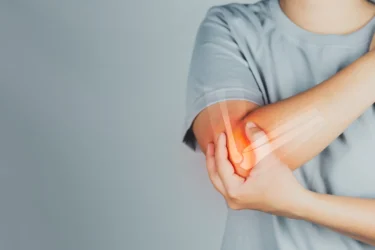
A regular brisk walk may improve your overall flexibility and strengthen your bones and joints4. An active lifestyle ensures a reduced risk of joint-related problems.

A healthy metabolism may be beneficial for maintaining a healthy body weight. A brisk walk, when teamed with a balanced and nutritious diet, is a great way of staying fit6.

Brisk walking may help lower the stress hormones of the body and release endorphins , which are responsible for feeling positive and one of the happy hormones, which are responsible for feeling positive and content5.

An active lifestyle ensures that you are more energetic. Brisk walking may not only increase your energy levels but may also help you retain it throughout the day so that you do not become tired easily.
Brisk walking is a great way to improve one’s health condition; however, people concerned with knee joint health can resort to cycling, which is a comparatively low-impact exercise with more benefits compared to brisk walking. One can start with indoor cycling with the least resistance mode and gradually increase the resistance as per the advice of their health coach and physician.
Dr. Nikhil Yadav, MBBS MD, CCEBDM
While you may think, what can be so difficult about walking, there are certain parameters, which if not followed, may render your efforts futile or even encourage negative results.
Let us review some common mistakes in brisk walking which you must address immediately.

People often make the mistake of walking at an improper speed when out for a brisk walk. A slow walk may not be doing enough for achieving your fitness goals. Walking at a fast pace might help in overall health compared to slow walking. However, a walk too fast may also make you feel exhausted soon and reduce the time and distance for which you walk. Thu, walking at a proper intensity and speed gives maximum benefits7. This, in the long run, will help you achieve your desired level of fitness.

A tense body including shoulders, neck and waist may restrict your range of motion. Keep your body relaxed, keep your shoulders away from your ears and swing your arms from your shoulders while walking to maintains alignment and walk at ease4,8.

A brisk walk should only be done in proper walking shoes1,2. Sneakers, sandals, or other kinds of footwear may lead to blisters and injuries and put undue pressure on your muscles and joints in the long run.

An improper posture while brisk walking, such as slouched shoulders or a hunched back may lead to postural disorders. It may make it difficult for you to breathe and lead to back pain. Keep your back straight, look forward about 10-20 feet in front of you, keep your shoulders away from ears and maintain a neutral pelvis while walking8.

It is a common practice to sip on packaged energy drinks or coffee or packaged fruit juice while on a walk. These beverages are processed and contain high levels of added sugar9. Try to choose water in case you feel thirsty while walking1,2. Take a sip of water at a time rather than gulping the whole water bottle. That will help you stay hydrated and feel active. Munch on some fresh fruits 15-30 minutes before going for a walk to meet your energy requirements10.

Tight and movement-restricting clothing items such as skin-fitting jeans and jumpsuits should be avoided when going for a walk. It can cause several skeletal and muscular disorders, and abnormal movement11. Activewear or light clothes breathable in nature should be worn to ensure maximum comfort while walking.
Also Read: 10 Amazing Health Benefits of Skipping Rope
Brisk walking is a great way of achieving fitness since it is convenient, less time-consuming and does not need a lot of equipment. However, some common mistakes such as wearing improper shoes, having a bad posture, or walking at an extremely high speed should be avoided to get optimum results from your daily brisk walk.
Also Read: What Happens When You Walk 10,000 Steps a Day?
Disclaimer: The information provided here is for educational/awareness purposes only and is not intended to be a substitute for medical treatment by a healthcare professional and should not be relied upon to diagnose or treat any medical condition. The reader should consult a registered medical practitioner to determine the appropriateness of the information and before consuming any medication. PharmEasy does not provide any guarantee or warranty (express or implied) regarding the accuracy, adequacy, completeness, legality, reliability, or usefulness of the information; and disclaims any liability arising thereof.
Links and product recommendations in the information provided here are advertisements of third-party products available on the website. PharmEasy does not make any representation on the accuracy or suitability of such products/services. Advertisements do not influence the editorial decisions or content. The information in this blog is subject to change without notice. The authors and administrators reserve the right to modify, add, or remove content without notification. It is your responsibility to review this disclaimer regularly for any changes.
80
10While the summer season is the perfect time to get into your beautiful, flowy summer dresses and spend time on the beach, it is also the season of sweat, rashes, and general exhaustion due to the scorching heat. Several bodily processes like digestion and temperature regulation are affected if we do not take adequate care of our bodies during this season1,2. This may result in several illnesses, many of which can be totally avoided if we take care of our hydration and nutrient needs in the summer.
Our bodies lose a lot of water and essential electrolytes through perspiration during summer. It may lead to dehydration and affect our bodies’ natural process of regulating the body temperature and cooling down2.
Here is why hydration is important:
Lethargy, weak or rapid pulse, low levels of consciousness and inadequate urine output are common signs of dehydration, adequate intake of water is very essential each day as there’s no mechanism for our body to store water.
Dr Ashish Bajaj, M.B.B.S., M.D. in Clinical Pharmacology and Toxicology
Here are a few signs that help you identify dehydration:
Different people need different amounts of water depending on their age, weight, gender, and pre-existing ailments. Read on to find out how much water different people need each day:
Water intake cannot be generalized for everyone. It varies from person to person. Drink as much water as you think your body needs. A person who is indoors all the time in an air-conditioned room may need less water than a person working in the sun. Urine color is a good indicator of your hydration. Dark-colored urine may indicate you are not drinking enough water, and that you should increase your fluid intake till urine color appears light yellow.
Dr. Arpit Verma, MBBS, MD (Pharmacology)
Apart from hydration, water provides several other benefits, such as the following:
It is recommended that men consume about 13 cups and women consume 9 cups of drinking water and/or other beverages. Do not forget that we get about 20% of our total water intake from water-rich foods such as fruits and vegetables.
Dr. M.G. Kartheeka, MBBS, MD(Pediatrics)
Here are a few tips to make sure you drink enough water throughout the day:
Also Read: Common Summer Season Diseases & How To Prevent Them?
Some people find it difficult to drink enough water and maintain adequate hydration levels in their bodies. The exact reason for this is not yet known, whether it is psychological or related to other body factors. However, staying hydrated, especially during the summer is important. So, what can you do to stay adequately hydrated? Aim for fluids in general instead of just water. Avoid drinks that contain added sugar or caffeine as these may interfere with your health in the long run.
Below are some water-based summer-friendly drinks that you can drink to keep yourself hydrated.
Also Read: Drinking Water Before Bed – Is It A Good Idea?
Drinking enough water during summer is vital to keep your body functioning efficiently and prevent dehydration. Proper hydration helps regulate body temperature and supports overall health. Along with water, including hydrating foods and healthy fluids can keep you refreshed and energised through the summer.
Disclaimer: The information provided here is for educational/awareness purposes only and is not intended to be a substitute for medical treatment by a healthcare professional and should not be relied upon to diagnose or treat any medical condition. The reader should consult a registered medical practitioner to determine the appropriateness of the information before consuming any medication. PharmEasy does not provide any guarantee or warranty (express or implied) regarding the accuracy, adequacy, completeness, legality, reliability, or usefulness of the information; and disclaims any liability arising thereof.
Links and product recommendations in the information provided here are advertisements of third-party products available on the website. PharmEasy does not make any representation of the accuracy or suitability of such products/services. Advertisements do not influence the editorial decisions or content. The information in this blog is subject to change without notice. The authors and administrators reserve the right to modify, add, or remove content without notification. It is your responsibility to review this disclaimer regularly for any changes.
4
Fissures are small cuts and tears in the lining of the anus. This is a painful medical condition that may cause difficulty in bowel movements, and you may notice some bleeding while passing stools1.
An anal fissure is usually caused due to passing of hard stools, diarrhoea, and rectal irritation. It is quite a common disease, around 1 in every 10 people is affected by it at some point in their life2. It may affect people of all ages and gender, but children and young adults between the age of 15 and 40 years are more likely to get anal fissures, and the chances of having it decreases as people get older. People who have had fissures in the past are more likely to have them in the future if the underlying cause is not addressed.
Some of the symptoms of a fissure include3–
As soon as you notice any of these symptoms, you must consult a doctor right away instead of self-diagnosing. The tear may take four to six weeks to get better on its own if it is small, but if a fissure persists beyond eight weeks, it is chronic and needs medical attention. Your doctor may recommend that you take medications such as stool softeners and topical ointments or recommend exercises for fissures to help relieve discomfort. In case your condition doesn’t seem to improve even after these, you may have to undergo surgical procedures.
If you are suffering from a fissure, regular exercise is recommended to manage your symptoms. The doctor will suggest a few exercises depending on your condition, these exercises can relax the anal muscles and ease bowel movements. Regular physical stimulation also helps lower the chances of constipation and improves circulation. Let us find out some of the right exercises for fissures to help you cope with the pain and discomfort.
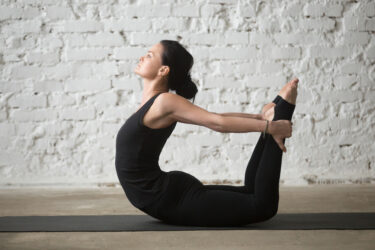
Also known as the bow curve pose, this exercise should be done by lying flat on your stomach. Try to bend your legs upwards at the knees, get them closer to the thighs and hold your ankles firmly with your arms stretched backwards. Now lift your ankles and stretch out your chest. Your whole body should be like the shape of a bow, and allow your weight to rest on your abdomen. Hold this position for about 5-6 seconds and then gently relax and return to your original position. You must repeat this for another 9-10 cycles and do this exercise twice daily. This will strengthen your pelvic floor muscles, help relieve constipation and promote digestion.

The triangle stretch exercise helps improve bowel movements and regulates digestion. Start by standing straight with your feet apart and gently move your right foot outwards and the left foot about 45 degrees inwards. The heels must be along your hips. Spread your arms out to either side of your body, parallel to the ground, with your palms facing downwards. Then bend to the right side and stretch so that the right palm touches the ground behind the right leg. Stretch your left hand up straight, perpendicular to the ground. You must hold this position for about 10 seconds. Repeat the same on the left side and continue this for 5 cycles daily to get positive benefits.

This exercise is also known as the legs up-the-wall pose and is a restorative yoga pose that is recommended for fissure patients. It creates pressure in your abdomen and allows good oxygen supply to the anal area, which helps improve digestive comfort. You may start by lying on your back and letting your hands rest on the floor next to your body. Keep the soles of your feet upwards and on the wall and raise both your legs up to a 90-degree angle. Keep breathing deeply and remain in this position for 10 minutes, and repeat it every day.

This is an easy exercise that helps promote relaxation and good blood circulation in the anus area. It also soothes and comforts the area4. Fill your bathtub with warm water and immerse the affected area in the warm water. Now, contract the muscle as if you are trying to stop passing gas or stool from the anus. Hold this and release, continue doing this, and concentrate on relaxing the muscle completely. Repeat this exercise every 3 minutes as you sit in the tub.
Brisk walking every day is itself a wonderful exercise and may help in regulating bowel movements. Make sure that you are not walking too fast and running out of breath, nor should you walk too slow, which causes no sweating. Walking helps promote overall good health. It lowers the chances of the formation of hard stools and stimulates and promotes blood flow, which is helpful if you have a fissure.
These are some of the exercises you can try doing regularly if you are suffering from or have recovered from fissures, which can also help keep problems like constipation in check. These exercises especially target the lower part of your body and ensure normal bowel movements, improve anal sphincter control, and also help manage daily stress. Do not perform these exercises without consulting your doctor if you have any orthopaedic problems.
Also Read: Best Food Diets For People With Anal Fissures
While exercises are good for you and may relieve symptoms of fissures, it is important to know which exercises you must do and which exercises you must avoid so that your condition doesn’t worsen. All kinds of intense workouts and strenuous exercises that tighten the butt muscles may aggravate your symptoms and are not recommended if you are suffering from a fissure. These are the activities to avoid:
Also Read: Safe Stretching Exercises You Can Try If Suffering From Phimosis
Fissure, even though a common disease, can make it difficult for you to live a normal life. You must consider consulting a doctor at the earliest if you notice any symptoms of fissures, he or she can help you with the right diagnosis and treatment. Practising the doctor-recommended exercises and following diet and lifestyle changes may prove to be helpful for you.
Also Read: What to Eat and What to Avoid in Anal Fistula
It is always recommended to consult a certified yoga instructor and understand the correct postures that can be practised by a person based on their health status. There are several yoga postures and exercises that may be good for a person with fissures5, but contraindicated for a person with back pain, joint pain, spine-related problems, and so on.
Most anal fissures start getting better after a few days or weeks and you can tell it by less or no sharp pain during bowel movements.
Chronic anal fissure symptoms may include painful bowel movements without bleeding.
Disclaimer: The information provided here is for educational/awareness purposes only and is not intended to be a substitute for medical treatment by a healthcare professional and should not be relied upon to diagnose or treat any medical condition. The reader should consult a registered medical practitioner to determine the appropriateness of the information and before consuming any medication. PharmEasy does not provide any guarantee or warranty (express or implied) regarding the accuracy, adequacy, completeness, legality, reliability or usefulness of the information; and disclaims any liability arising thereof.
114
7Piles or hemorrhoids are a medical condition that causes the veins around your rectum and lower anus to swell1. Symptoms of piles include pain and discomfort during and after passing stools while sitting and standing up, painful lumps in and around the anus, and bloody stools.
Piles can be both internal and external. Internal piles cannot always be diagnosed during the external examination, however, they sometimes may swell out of the anus region as in the case of external hemorrhoids. Piles is a disease that is not exactly rare, however, the symptoms can sometimes be easily missed as they are not always detectable and obvious. With surgery, piles can be removed. However, if your condition is not severe, your doctor may recommend some medicines, lifestyle and dietary changes that will help you cope with the condition. This article will shed light on the types of food you should eat to deal with piles more effectively.
Piles are a rather painful condition that causes discomfort when you are sitting or even standing. Fortunately, several food items can help reduce the risk factors of piles (constipation, bloating and other digestive issues) from occurring in the first place:
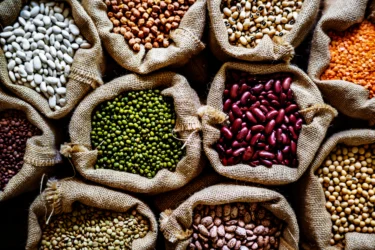
By making sure you are getting enough fibre in your diet daily, you can reduce the chances of piles flare-ups2. There are essentially two kinds of fibre that can be derived from food: soluble and insoluble. The soluble fibre forms a gel in your digestive tract and can be digested by friendly bacteria. On the other hand, insoluble fibre helps bulk up your stool3. Legumes include beans, lentils, peas, soybeans, peanuts and chickpeas that are loaded with both kinds of fibre but are especially rich in the soluble type. Lentils and other legumes can bulk up your stool, making it less likely that you have to strain when going to the bathroom.

Vegetables like cauliflower, Brussel sprouts, broccoli, bok choy, kale, arugula, tulips, cabbage and radishes are known for having an immense amount of insoluble fibre4. Cruciferous vegetables like these contain a plant chemical called glucosinolate that can easily be broken down by gut bacteria5, thus helping promote easy stool passing and helping reduce symptoms of a new flare-up of piles.

Turnips, beets, rutabagas, carrots, sweet potatoes and potatoes are root vegetables. They keep you full for a long time and are extremely nutritious. Besides, they are full of gut-friendly fibre. For example, cooked and cooled white potatoes contain a kind of carbohydrate known as resistant starch, which passes through your digestive tract undigested. Similar to soluble fibre, they help feed your gut bacteria and pass stool easily6.

Packed with vitamins like vitamin C and minerals, bell peppers are also a great option while adding fibre to your diet. A cup of mild bell peppers contains about 3.1 grams of fibre7. With a water content of about 93%, bell peppers are also very hydrating and help with clear stool passing.

Similar to legumes, whole grains are a nutritional powerhouse as they retain their germ, bran and endosperm, all of which are loaded with fibre content. Whole grains are known to be rich in insoluble fibre. The benefit of insoluble fibre is that, since it cannot be digested, it adds volume to your stool and helps you excrete with ease, with less pain and discomfort that comes with piles. Spelt, quinoa, barley, brown rice, oats, whole rye and corn are some beneficial whole grains. For example, you can prepare and consume oatmeal to reduce symptoms of piles. Oatmeal contains a special soluble fibre called beta-glucan, which benefits your gut microbiome by acting like a prebiotic, which in turn feeds the healthy gut bacteria and helps you excrete with ease8.

This vegetable brings life and colour to your plate, while also feeding you with an immense amount of fibre. There are various kinds of squash, like pumpkin, acorn squash, yellow squash, butternut squash and zucchini. Acorn squash has the highest amount of fibre, about 9 grams in every cup of this vegetable (205 grams). Sautéd, roasted or boiled squashes may help ward off any symptoms of piles.

They are an ideal addition to your diet to calm piles symptoms. Loaded with pectin and resistant starch, a single banana provides an average of 3 grams of fibre. The combination of pectin and resistant starch helps in clearing the stool easily.

Tomatoes contain loads of fibre and have good water content. It aids in easing symptoms of constipation by making you strain less while passing stools. Tomatoes contain a natural antioxidant called naringenin that, according to some scientists, has a laxative effect on constipation9.

Fruits like oranges, lemons and grapes are rich in vitamin C. The inner skin of these fruits, beneath the outer layer, has a lot of fibre. Citric fruits have ample water content that softens stools. Like tomatoes, citrus fruits also contain naringenin, a natural compound that has a laxative effect.
Based on the Dietary Guidelines for Americans, it is recommended that you consume an adequate amount of dietary fiber for optimal health. For a 2,000-calorie diet, this means aiming for around 28 grams of fiber per day2, 10.
Dr. Rajeev Singh, BAMS
Also Read: Potassium-Rich Fruits to Boost Your Potassium Levels Naturally
All food items that are low in fibre should be avoided. Some of them are as follows:
Also Read: 17 Protein-Rich Foods For a Healthy Life
Thus, with proper care, good food, discomfort, pain and inflammation caused by piles can be curbed and reduced while avoiding controversial food items. Depending on the severity of your condition, along with medication and a good diet, you should be able to overcome your condition in a few weeks to a few months.
Did you know that hemorrhoids are a common condition affecting both men and women? Surprisingly, more than half of adults over the age of 50 experience hemorrhoids at some point in their lives.
Dr. Siddharth Gupta, B.A.M.S, M.D (Ayu)
Also Read: Food Choices for Hernia: What to Eat and Avoid
In general, less severe piles conditions go away in a few days on their own with a well-balanced diet or with over-the-counter drugs. Larger haemorrhoids, particularly ones that cause a lot of pain, swelling and itchiness, will not go away on their own and may require treatment from a doctor to heal, like medication or may have to be surgically removed.
The consumption of eggs improves the movement of the intestines and helps in making the stool soft. Eating an egg daily gets rid of constipation and other stomach-related problems. Not only this, eggs contain a lot of protein and fat, which is beneficial for patients. Therefore, you can consume eggs in moderation if you have piles.
Papain present in raw papayas is beneficial to combat several health problems like excess of unhealthy mucus in the stomach, overcoming the deficiency of gastric juice, dyspepsia (indigestion) and intestinal irritation. The ripe fruit, if eaten regularly, corrects constipation, bleeding piles and chronic diarrhoea11.
Disclaimer: The information provided here is for educational/awareness purposes only and is not intended to be a substitute for medical treatment by a healthcare professional and should not be relied upon to diagnose or treat any medical condition. The reader should consult a registered medical practitioner to determine the appropriateness of the information and before consuming any medication. PharmEasy does not provide any guarantee or warranty (express or implied) regarding the accuracy, adequacy, completeness, legality, reliability or usefulness of the information; and disclaims any liability arising thereof.
108
6Waking up early is usually associated with snoozing your alarms and dreading going to work. This, however, is not the norm anymore! Early mornings are now seen as a respite for many. It is a time of undisturbed peace, serene skies and plenty of time to get recharged for your day. With the new social media trend of following a ‘billionaire’s routine’ which includes waking up at 5:00 am and following certain habits, we also bring you 7 reasons why you should wake up early in the morning!
While it may feel like a chore, waking up early soon becomes a habit and a good one that too to inculcate in one’s hectic routine. Not only can you benefit physically but also mentally.

When you wake up earlier than your scheduled time, not only can you savour your morning coffee but do a plethora of activities. Do not have time for your hobby? Simple, wake up early. Want to incorporate yoga into your routine? You know it, wake up early! Scientists have also proven the existence of sleep inertia. A two-four hour period after waking up where the brain is unable to function at its full capacity and a sleep-induced fog is experienced. Once you start changing your habit, your productivity and energy levels will increase massively.

Those who wake up early also tend to fall asleep at a prescribed time. Your body feels more tired and instead of staying up till 3:00 am binging a series, you will find yourself more inclined to take a rest. Going to bed early can enhance your energy and mood levels. This allows you to complete all four-six cycles of sleep so you can feel rejuvenated the next day2.

It is a scientifically proven fact that beauty sleep is needed to make your skin look fresh and younger. Sleep deprivation or inappropriate sleep cycles can cause fine lines, wrinkles, dark circles and acne. Your skin cells are regenerated while you sleep, fixing the UV damage and increasing the collagen and blood flow. Waking up early also gives you plenty of time to relish your skincare routine.
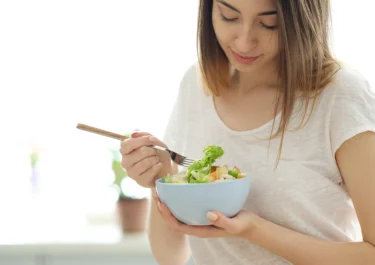
When you wake up early, you are automatically inclined towards treating yourself with a delicious breakfast that is healthy and makes you feel energized. Breakfast is the most important meal of the day. It gives you a boost of vitality and you can use the opportunity to be mindful of your consumption throughout the day3.

You have extra time to get ready and look your best for the day while enjoying the empty roads and no traffic jams. Waking up early leads to leaving the house earlier for your work, school or college. Less traffic leads to feeling enthusiastic and optimistic about the day while facing less pollution. What’s more, is that you are guaranteed to never be late for a meeting again!

If you are having trouble keeping track of things or nothing seems to be going according to plan you need some time to yourself. Waking up early can assist you in evaluating your plans with a clear and calm mind. Plan the day ahead of time, make a to-do list, journal or use a planner. All these are great ways to feel put together.
Also Read: 9 Easy Ways To Boost Your Immunity!

Research has proven that those who wake up early have shown better mental health symptoms. They are optimistic, satisfied and feel positive about situations. It also lowers the chance of mental illnesses which is usually found in those who go to sleep late and wake up late. This is also an excellent way of reducing stress because you have already started the day earlier.
As the brain is known to be more alert early in the morning, focusing on important tasks earlier in the day would go a long way to make better decisions and it is also known to improve memory and concentration.
Dr. Ashish Bajaj, M.B.B.S., M.D. in Clinical Pharmacology and Toxicology
Various studies1 suggests that rising early in the morning as described in ancient Indian tradition influences the process of attention and can improve the ability to recall.
Dr. M.G. Kartheeka,MBBS, MD(Pediatrics)
Lastly, we must aim to be kind to ourselves and sleep in late some days. Routine and reset days are as necessary as cheat days to maintain balance. Waking up early soon becomes a habit that leads us to be better versions of ourselves.
Also Read: Tips To Sleep Better At Night
1. Kumaran VS, Raghavendra BR, Manjunath NK. Influence of early rising on performance in tasks requiring attention and memory. Indian J Physiol Pharmacol. 2012 Oct-Dec;56(4):337-44. PMID: 23781653.Kumaran VS, Raghavendra BR, Manjunath NK. Influence of early rising on performance in tasks requiring attention and memory. Indian J Physiol Pharmacol. 2012 Oct-Dec;56(4):337-44. PMID: 23781653. Available from: https://pubmed.ncbi.nlm.nih.gov/23781653/
2. Kecklund G, Akerstedt T, Lowden A. Morning work: effects of early rising on sleep and alertness. Sleep. 1997 Mar;20(3):215-23. doi: 10.1093/sleep/20.3.215. PMID: 9178917. Available from: https://pubmed.ncbi.nlm.nih.gov/9178917/
3. Bougard C, Bessot N, Moussay S, Sesboue B, Gauthier A. Effects of waking time and breakfast intake prior to evaluation of physical performance in the early morning. Chronobiol Int. 2009 Feb;26(2):307-23. doi: 10.1080/07420520902774532. PMID: 19212843. Available from: https://pubmed.ncbi.nlm.nih.gov/19212843/
Disclaimer: The information provided here is for educational/awareness purposes only and is not intended to be a substitute for medical treatment by a healthcare professional and should not be relied upon to diagnose or treat any medical condition. The reader should consult a registered medical practitioner to determine the appropriateness of the information and before consuming any medication. PharmEasy does not provide any guarantee or warranty (express or implied) regarding the accuracy, adequacy, completeness, legality, reliability or usefulness of the information; and disclaims any liability arising thereof.
Links and product recommendations in the information provided here are advertisements of third-party products available on the website. PharmEasy does not make any representation on the accuracy or suitability of such products/services. Advertisements do not influence the editorial decisions or content. The information in this blog is subject to change without notice. The authors and administrators reserve the right to modify, add, or remove content without notification. It is your responsibility to review this disclaimer regularly for any changes.
108
13Dates are a popular type of fruit that have been around for a long time. The origin of dates can be traced back to almost 5320 BC. The fruit is a staple item for people in the Middle East and North Africa and is mainly cultivated in these regions1.
Dates are believed to be highly beneficial for the body due to their rich composition of macronutrients and many other healthy elements. To reap their health benefits, they should be included in your diet and there are many simple ways to do this.
In this article, we will be discussing about the nutrient profile and the potential health benefits of dates. We will also be discussing some date recipes which can help you incorporate dates into your routine diet.
Dates are basically tropical fruits that are grown on date palm trees. Scientifically known as Phoenix Dactylifera, they are proposed to be one of the healthiest fruits in the world. Dates are categorized as dry fruits and have been an important part of West Asian heritage.
The nutrition data of dates is power-packed. The fruits are packed with a lot of essential vitamins and other nutrients that can be extremely helpful to your overall health. When it comes to nutrition, their high fibre and carbohydrate content undoubtedly make them one of the healthiest dry fruits1.
Nutritional Value per 100g of dates:
These values may differ from variant to variant.
Dried or fresh dates are both very good sources of vitamins including B1, B2, B3, and B5. These are all essential vitamins that are required to maintain the optimum health of your body.
Thus, the high nutrient content of the fruit contributes to its highly beneficial properties.
In this section, we will be discussing the various benefits that dates may have for your health.
Dates are popular for providing energy to the body all through the day. This is because of their high calorie and natural sugar content. 100g of dates provide about 314 kilocalories of energy, making them a great source of energy boost1. The dry fruit version of dates is even richer in calories than the fresh fruit.
While much of this energy is in the form of sugars (like fructose and glucose), it has ample amounts of fibre and a low glycaemic index. This means that 2-3 dates at a time can be a safe source of low-fat energy even for diabetics.
The fibre content in dates fruit is extremely high, this can be highly beneficial to people who are suffering from health issues caused due to irregular bowel movements. Dates can help in regularising bowel movements when consumed daily. They can aid your digestive health and help you lead a healthy life. Therefore, it can be conclusively said that the date’s benefits on your overall diet are unparalleled2.
Inflammation is a reactive mechanism of the human body that helps fight against several diseases, trauma, and infections. The regulation of inflammatory agents plays a crucial role in maintaining the overall health of the patient. Dates are rich in compounds known as antioxidants that help fight inflammation in the body3.
When compared to other dried fruits in the same category, dates top the chart with the highest concentration of antioxidants. Dates are rich in antioxidants including:
These antioxidants are effective in reducing inflammation within the body and therefore help avoid the risk of several diseases.
Inflammatory cytokines such as Interleukin can be extremely dangerous to your brain. The increased presence of IL-6 (Interleukin 6) is attributed to the development of neurodegenerative diseases such as Alzheimer’s disease.
The regular use of dates has been found to be beneficial in reducing the IL-6 levels and thereby helping in reducing the risk of developing brain degenerative conditions such as Alzheimer’s. An in-vivo study4 on mice has also shown that the inclusion of date palm in the feed leads to the reduction of amyloid beta-protein activity which can reduce the production of plaques that can harm the brain. Plaques are highly dangerous and can lead to cell death causing severe conditions such as Alzheimer’s. The study4 also showed that consuming dates reduces issues related to anxiety disorder and also helps in boosting memory and learning.
The effects regular consumption of dates can have on your neural health are many. Dates are rich in nutrients such as potassium which is very beneficial for your neurological health. So, besides preventing degenerative diseases such as Alzheimer’s, dates can also help in the overall improvement of your brain and nervous system.
Eating dates benefits women as it is believed to increase the likelihood of natural labour, reducing the complications associated with caesarean deliveries. Some studies5 suggest that incorporating dates into a pregnant woman’s diet can help lower the pressure during childbirth owing to specific compounds present in dates that mimic oxytocin, facilitating healthy contractions. Additionally, the high tannin content in dates aids in the labour process, making it smoother and more comfortable for women. These date benefits in pregnancy make them a valuable addition to a pregnancy diet.
Dates have a compound called beta D-glucan which is advantageous in promoting anti-tumour activity within the body. The high concentration of antioxidants in dates also helps in reducing the activities of free radicals (elements that can cause cancer) and thereby reduce the risk of cancer occurrence3. Thus, daily consumption of dates may have a positive effect for avoiding cancer risks.
Bacterial infections are usually discomforting and can sometimes become dangerous also. Antibiotics are the mainstay for treating bacterial infections.. However, natural remedies like dates may also help alongside. A study12 conducted using extracts from the pits and leaves of date revealed that it had active resistance against certain harmful bacteria. It was found that dates can be beneficial against deadly microbes such as E. coli and pneumonia. But do remember to speak to your healthcare advisor before doing any treatment on your own.
Diabetes Mellitus is one of the most common diseases around the world. Diabetes is treated using a combination of several oral medicines and insulin supplementation.
It is proposed that dates have the ability to increase the production of insulin and also have several properties that can help reduce the rate of absorption of glucose from the intestine. This can help in reducing the risk that is posed by diabetes. The reduction of glucose absorption helps lower blood glucose levels that are beneficial for people suffering from diabetes6. The exact mechanism of how dates help in reducing the effects of diabetes is still being researched upon. Thus one should consume them within limits as prescribed.
Dates have various properties that can help your kidneys stay healthy in difficult circumstances. It is found that some varieties of date fruit can actively reduce the lesions caused by nephrological disorders. Date extracts can also help reduce excess plasma and creatinine in the kidney that improves the overall health of kidneys2.
There are various vitamins and minerals present in the fruit which can help in improving the sperm count and also in increasing sexual libido in males. The microelements that are constituents of date palm such as estrone and sterols, may play a role in improving male fertility3. Date pollen extracts are also studied widely for their positive effects on male sperm motility and count.
Dates are highly rich in micronutrients such as selenium, manganese, magnesium and copper7. These micronutrients help in the development of your bone health. Dates can be an important supplement to your diet if you are suffering from bone problems. The micronutrients in dates may also help in dealing with bone conditions such as osteoporosis. So, including dates as a part of your diet can be beneficial for your bones.
Dates are a very good alternative to harmful chemicals found in skincare products. The high concentration of vitamin C and vitamin D in dates ensures that your skin receives all the nourishment required for healthy glowing skin. Vitamin C & D works for the improvement of your skin’s elasticity which is very hard to maintain as you age.
The nutrients present in dates, are helpful in improving your skin health and making you look younger for a longer period of time8. Dates are also useful in maintaining a healthy balance of melanin in your skin by reducing the chances of it being deposited in various locations.
Dates are believed to be beneficial for hair loss possibly due to their high iron content. The increased iron content in dates helps in maintaining the blood flow to the scalp and providing the required nourishment9. The increased flow of oxygen to your scalp can facilitate the growth of new hair and possibly also reduce the rate of hair fall.
Excessive alcohol use can have a major effect on your productivity. There are various products that are used to counter alcohol-induced hangovers. Although not conclusively proved, it’s traditionally believed that soaked dates may help reduce the effects of inebriation and hangovers. It is seen in many tribal communities that date palm extracts are added to beer to reduce the intoxicating effect it has.
Dates are rich in vitamin A and their regular consumption may help protect your eyes from conditions like night blindness in the long run. Date palms are one of the oldest natural medicines that is used in traditional medicine forms to heal problems arising out of vitamin A deficiency, managing eye issues being one of them.
Substituting white sugar with dates that are turned into a paste can make your meal sweet and healthy as well as help your mange your weight at the same time. The high content of fructose in dates provides a caramel-like sweetness in the fruit. So, you can replace a lot of processed sugar in your diet by some natural date paste. Plus, dates have ample amounts of fibre and a low glycaemic index which are beneficial for weight management10. But remember to consume in moderation else they can have an opposite effect.
In some studies11, consuming dates regularly is compared with taking iron supplements for managing anaemia. The results showed that dates can be used to deal with anaemia by increasing the iron content in haemoglobin. This may help solve a problem with taking iron supplements regularly for anaemia as these supplements tend to cause gastric disturbances. While this is not one of the generalized health benefits of dates, it does go to show that this superfood can be surprisingly useful.
Did you know that date palms are incredibly resilient trees? They possess an amazing ability to survive and thrive in harsh environments. Despite challenging conditions like extreme heat, aridity, and limited water availability, date palms have adapted to these circumstances and can still produce their delicious and nutritious fruits. It’s truly fascinating how nature equips these trees to flourish even in the most adverse of circumstances13!
Dr. Siddharth Gupta, B.A.M.S, M.D (Ayu)
In the below section, we will show you the magic dates can bring to your diet when used correctly.
Making a smoothie for breakfast is one of the easiest things to do. It adds enough nutrition to the body to get through the morning.
Ingredients:
Method of Preparation:
An oatmeal breakfast can keep you up and running for a considerable amount of time. Introduce a little date to it and you have a superfood on your plate.
Ingredients:
Method of Preparation:
Caramel candies are always a delight. Mix it with the nutrition and the excellent taste of Tahini dates and you have a healthy candy to munch on.
Ingredients:
Method of Preparation
Oranges are an excellent source of a bunch of natural vitamins. Combine it with dates and you have a highly nutritious drink that is extremely tasty.
Ingredients:
Method of Preparation:
This vegan bread is a healthy date snack and a flavourful breakfast choice. Thanks to the dates, this bread has a hint of sweetness and can serve to be the perfect appetizer with dates for people who do not enjoy consuming sweetened food.
Ingredients:
Preparation:
Experiment using the above recipes to create an appetite for dates and improve your overall health.
Fascinating fact: Dates have been a dietary staple for over 5,000 years in the Middle East and North Africa, providing essential nutrition and sustenance to communities in arid regions. These ancient fruits have played a vital role in ensuring food security and nourishment in challenging environments14.
Dr Rajeev Singh, BAMS
Also Read: Amazing Health Benefits of the Avocado
Dates can be highly beneficial for overall health. They are packed with nutrients that are essential for proper functioning of the body. Dates can easily be incorporated in your diet to soak in their health benefits. They can be consumed as is or blended with baked goods to provide a sufficient amount of energy to keep to you going throughout the day. But remember, dates have a high natural sugar content, so they should not be consumed in large quantities. It’s important for individuals with diabetes or those concerned about blood sugar levels to consult with a healthcare professional before incorporating dates in routine diet.
Also Read: Sunflower Seeds: Nutrition, Benefits, Side Effects & More!
Dates are natural fruits that are high in fructose and sugar, which can make you fat. Yet, when consumed in moderation dates can actually help you in losing weight due to their high nutrition and fibre content, which can reduce your craving for fatty foods. But if you overeat dates, it can definitely make you put on a little more weight.
Glycaemic foods cause an increase in blood sugar, and using dates that are low on the glycaemic count instead can help in reducing the intake of glycaemic foods and maintain a healthy blood sugar level. But when consumed in large quantities, they may increase blood sugar levels. It’s best to discuss with your doctor before including them in your diet.
Dry dates are very hard to touch and need to be soaked in water for up to 5 hours to turn soft. You can then remove the seed easily and consume the pulp. Do not throw away the water yet as it gets infused with various nutrients and drinking it will ease digestion and constipation.
Dates are high in calories, and one must consume it in moderation. Eating too much of dates can cause stomach pain, bloating, diarrhoea and skin rash.
Dates at room temperature can last up to 3 months. When you keep them in the fridge, they retain quality and stay good for 6 and 12 months. If your dates are of the softer varieties, their shelf life will be shorter than those of the drier ones. For even longer storage, it is advised to always freeze the fruits to keep them good for longer.
Dates are typically not known to cause acidity for most individuals. However, in some cases, people with a sensitive stomach or acid reflux issues may experience discomfort if they consume dates in excess. It’s important to consult with a healthcare professional, who can provide personalized advice on dietary choices for those with specific digestive concerns.
Yes, dates can be beneficial for relieving constipation. They are high in dietary fibre, which can help soften stools and promote regular bowel movements when consumed as part of a balanced diet.
There is no scientific evidence to support the claim that eating dates can induce periods. Menstruation is a complex biological process influenced by hormones, and diet alone is unlikely to trigger or alter the menstrual cycle. If you have concerns about your menstrual cycle, it’s best to consult a healthcare professional for guidance.
Yes, dates can go bad if not stored properly. They have a limited shelf life, and factors like moisture and temperature can affect their quality. It’s essential to store them in a cool, dry place to extend their freshness.
Also Read: 13 Amazing Health Benefits of Walnuts (Akhrot)
Disclaimer: The information provided here is for educational/awareness purposes only and is not intended to be a substitute for medical treatment by a healthcare professional and should not be relied upon to diagnose or treat any medical condition. The reader should consult a registered medical practitioner to determine the appropriateness of the information and before consuming any medication. PharmEasy does not provide any guarantee or warranty (express or implied) regarding the accuracy, adequacy, completeness, legality, reliability or usefulness of the information; and disclaims any liability arising thereof.
216
38Piles also known as hemorrhoids are a medical condition that causes swelling of veins around the anal region. This swelling occurs in the lowermost part of the anus and can cause a considerable amount of pain and discomfort2.
Piles can either be internal, which cannot always be seen or felt by you, or external when enlarged they may protrude around the anal opening and can also be felt as small water-balloon-like swellings1. Piles is actually a common disease, while it is not entirely clear what causes it, constipation, prolonged diarrhoea, heavy lifting, low fibre diet, and pregnancy may trigger it. Your doctor may advise medications and some pain relievers, stool softeners and laxatives, topical creams, and ointments that can provide relief from the symptoms. But in some cases, surgery is required. Pills can cause immense pain and discomfort. Its symptoms include:
As soon as you notice any of the above-mentioned symptoms, you must consult a doctor right away instead of self-diagnosing. If piles persist for more than a week and do not get better with medications, you must seek medical advice.
Exercise is one of the recommended lifestyle changes to manage haemorrhoids and may be suggested by the doctor, depending on your condition3. Regular physical stimulation helps keep the bowels functioning properly, reduces issues with constipation and improves circulation. Read below to find out the right exercise for piles to help you cope with the pain and discomfort.
Did you know?

This kegel exercise is easy to do, it helps strengthen your pelvic floor muscles and can make passing stool much easier by relaxing your anal sphincter4. It also prevents uncomfortable straining. Start by lying on your back or sitting and contracting your anal muscles as if you are trying to stop yourself from passing gas. Hold this contraction for 5 seconds and release it for 10 seconds. Repeat this process 5 times and use only half your strength. Squeeze and relax the muscles as fast as you can for as long as possible. You may do this exercise 2 to 4 times throughout the day.

Practising deep breathing is one of the best exercises for piles. This exercise helps alleviate the pelvic floor muscle tension and promotes relaxation. Sit in an upright position and place your hands above your waist on either side of your lower rib cage. As you inhale, breathe deeply through your abdomen, allowing your belly to expand fully, and then slowly exhale by bringing your navel towards your spine. Continue this exercise for up to 5 minutes.
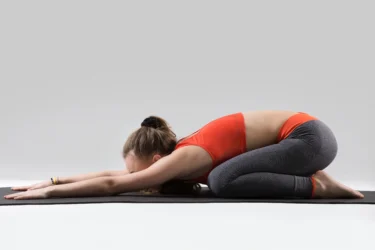
This is a very simple exercise that promotes better circulation around your anus and relieves constipation. It allows your lower back and hips to relax. Sit on your knees and lay down on the mat, place your hands on your lower abdomen to increase pressure on this area. Start the exercise by stretching your hands forward, in front of your head, and extend your arms as far as possible or relax them alongside your body. Rest in this position for up to 5 minutes and do this exercise regularly for good results.

This exercise boosts circulation around the anus area. It is great for alleviating discomfort and irritation. You must begin by sitting on your right side next to a wall, place your legs up on the wall, and lie down on your back. You may rest your arms in any comfortable position or gently massage your abdomen. Hold this position for up to 15 minutes5.

Applying pressure to your abdomen can help ease digestion. It also helps relax the muscles in your abdomen, buttocks and anus. This exercise or asana must be performed by lying on your back, bending one or both knees and drawing them in towards your chest. Now place your hands around your shins, clasping your hands or holding opposite elbows, and stay in this position for up to 1 minute.

This is another beneficial exercise that can strengthen and improve the flexibility in your inner thighs, groin, and knees. It will stimulate your abdominal organs and soothe any kind of digestive discomfort. Sit comfortably and place the soles of your feet together and your knees out wide, now interlace your fingers around your toes as you straighten up your spine. Stay in this particular position for up to 1 minute.
These are some of the exercises you can do in the comfort of your home. These exercises, when done regularly, can also help you in dealing with problems like constipation, which is often associated with piles. You may consider brisk walking and running which encourage healthy bowel movements, also, paddling (while lying on the bed) will improve your anal sphincter control as the lower part of your body is being built and strengthened.
While Yoga poses help improve the tone of the Sphincters, it is not primarily a treatment for piles. Piles should be treated by a proctologist first.
Dr. M.G. Kartheeka, MBBS, MD
Also Read: 8 Gentle Exercises That Can Help Ease Period Discomfort
Any strenuous or high-impact exercises may aggravate your symptoms of piles. These are the activities/exercises you must avoid:
Also Read: 8 Health Benefits Of Vajrasana!
Piles may seem like a common disease that many people ignore in the initial days, but this condition can cause a huge hindrance in your normal life. It leads to unnecessary stress and the condition may worsen quickly if ignored. It is not something you should feel shy about and consulting a doctor can provide you with relief from the symptoms of piles. It is true that exercise is helpful for piles, but you must also watch your diet if you want to see improvement in your condition. Try including more foods in your diet with high fibre content, drink plenty of fluids, and cut down on alcohol, caffeine, oily and fried foods. When you make these conscious changes in your lifestyle, you will be able to get back to normal life with confidence.
Also Read: Safe Stretching Exercises You Can Try If Suffering From Phimosis
In general, mild conditions of piles may go away within a few days on their own with the intake of a healthy diet, fluids, and over-the-counter drugs. Severe cases of piles may not go away on their own and require medication or surgery, as recommended by the doctor.
Dairy products like full cream milk, cheese, and heavy cream products should be avoided in excess if you are suffering from piles. Yoghurt, on the other hand, is loaded with probiotics that feed the gut bacteria and thus can be consumed.
Yes, kegel exercises may strengthen your pelvic floor muscles, which helps provide good support for internal haemorrhoids and prevent existing ones from protruding.
There is a chance of recurrence of piles after surgery if the underlying cause is not addressed. Talk to your doctor and sincerely follow the suggested lifestyle modifications in order to minimise the risk of recurrence after your pile’s surgery.
Disclaimer: The information provided here is for educational/awareness purposes only and is not intended to be a substitute for medical treatment by a healthcare professional and should not be relied upon to diagnose or treat any medical condition. The reader should consult a registered medical practitioner to determine the appropriateness of the information before consuming any medication. PharmEasy does not provide any guarantee or warranty (express or implied) regarding the accuracy, adequacy, completeness, legality, reliability or usefulness of the information; and disclaims any liability arising thereof.
69
4Did you know that a healthy sex life can benefit you in many ways? Besides being a way to make love with your partner, it can positively affect your overall health. Not only does it offer reproductive benefits, but healthy sex could improve your physical, mental, emotional, and social life too1.
In this article will provide you an insight about the health benefits of a good sex life and answers questions around how to improve your sex life. We’ll also look into a common query about frequency of sex and if making out everyday has special benefits.
A healthy sex life means understanding your partner well in bed and seeing what he/she wants the most. This will improve your sexual intimacy by making your sex life more interesting, and intimacy should always be consensual. Here are some health benefits of healthy sexual intercourse:
Intense sex makes your body release happy hormones called oxytocin and endorphins that boost intimacy and the urge to do it repeatedly1. These neurohormones aid in better sleep quality and a good sleep can help keeps you energetic through the day and boost your immune system.

Sex reduces stress by increasing endorphin hormones that are responsible for boosting mood. It is a form of exercise that can help lower stress and keep you calm2. Yet, remember there are other methods (e.g., exercise, meditation, therapy) too that are effective for relieving stress and often more practical.
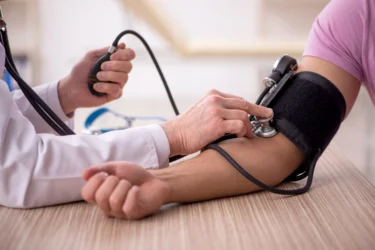
Excessive stress can contribute to elevated blood pressure. Sex helps by countering stress thereby avoiding the risks of developing a high blood pressure2. Masturbation can also temporarily reduce stress and lower hypertension risk, although there’s no direct evidence that it works in long-term. Further studies are needed to corroborate these findings.

Sexual activity may help reduce stress hormones in both men and women and thereby help in reducing stress. Since stress is directly affects ageing, regular sex can have indirect benefits for skin appearance3. This coupled with the happiness of a healthy relationship and positive thinking can give your skin a radiant glow.

Having sex during your period can actually ease the pain. Orgasms during sex can relieve menstrual cramps by releasing endorphins and causing uterine muscle relaxation, but this varies between individuals. It could be an uncomfortable feeling to do so, but it does help, and there are fewer risks of getting pregnant4.

The more sex you have, the more it naturally increases your sexual pleasures and desires. More sex aids in a longer, healthier, and stress-free life. But remember, a healthy relationship and good understanding are important factors in love-making, so pay attention to your partners needs and ques for a good sex life1,2.
Regular sex may help lower the risks of heart diseases such as stroke and high blood pressure. Moderately frequent sex can be a form of cardio activity and may strengthen the heart and make it function better1,2. However, sex may have only temporary effect and is not equivalent to sustained aerobic exercise, which is more effective for long-term heart health. More large-scale studies can help confirm this benefit.

Regular sex can help you lose weight!. Yes, daily sex is a natural way to burn calories. You can burn an estimated 3.6 kcal/min of sexual activity performed at moderate intensity5.

A healthy lifestyle, which includes regular sexual activity, contributes to improved well-being and possibly a longer life span. But sex is not the primary determinant of longevity and factors like diet, exercise, and genetics play a larger role6.

In general, men have more testosterone and less oestrogen, the opposite is true for women. Regular sex boosts the production of both these hormones in males and females7. This results in better sex drive, and possibly a stronger musculoskeletal system, and better heart health

One of the benefits of regular sex, similar to that of regular exercise, is that it helps stave off depression. Sex releases hormones like dopamine, serotonin, endorphins, as well as oxytocin which are the feel-good hormones that help to increase your happiness quotient and lower your risk of going into a depressive state. A note, however, is that a sudden lack of stimulation or reduction in sexual activity may lead to temporary mood changes or frustration for some. It’s important to deal with these positively1,2.

According to some studies8, regular sex is shown to help in nerve regeneration and memory function. It can stimulate the hippocampus, which is a part of your brain involved in memorization and learning, and negate the effects of chronic stress. Further studies are needed to prove this association.
NOTE: Getting an orgasm or masturbating can also aid in the above-mentioned benefits!
So, taking about the ideal frequency of sexual intercourse, the more it is, the better it is for your health and overall well-being! However, it’s important to understand that for a good sex life, more than the frequency, it’s the quality that matters. Frequency can be daily, once a week or even once a month, whatever both the partners are comfortable with.
Also Read: Natural Home Remedies for Breast Pain
A good sex life is determined by prioritizing your partner’s needs over yours. That’s the very first step to a successful relationship. Once you’ve got this, you can follow certain sex-boosting hacks to get the best out of you and your partner.
Bonus tip: Talk to your partner about your feelings: This is one way to get you both in the mood. Feel free to talk about your sexual desires to your partner and know his/her side of it too.
Also Read: Home Remedies For Vaginal Yeast Infection
Regular sex can have several health benefits, including relieving stress, burning calories, lowering risks of hypertension and heart disease, and boosting libido (sex drive). Despite the potential benefits, it is important to understand that the frequency of sex is not a measure of the love or happiness you share in your relationship. The ideal frequency is the one that is comfortable for both partners. It is important to discuss your and your partner’s sexual needs and desires to have a fulfilling sex life and reap its health benefits.
Also Read: 8 Gentle Exercises That Can Help Ease Period Discomfort
Here are some foods that may help improve your sex drive.
-Strawberries
-Walnuts
-Avocado
-Almonds
-Watermelons
-Garlic
However, more research is needed to confirm these claims.
NOTE: If you regularly consume alcohol, try to give it a break for some time. This will help you concentrate on making your partner feel the best in bed.
Yes, women have a better control over their sexual feelings. They might also live without the desire for sex for longer periods than men. Though they love sex, they need to stay safe before getting into sexual activity, which helps them decide if they need it or not. So, instill trust in your partner and be sensitive to the feelings that will make her give her best to you.
A semen analysis test is done to see if the man’s sperm count is in the healthy range. It is recommended that you do this before marriage to stay on the safer side. While male infertility is a factor in many cases, female infertility is also common. About one-third of infertility cases are attributed to male factors, one-third to female factors, and one-third to both or unexplained causes.
Tests for sexually transmitted infections should also be done.
Many people debate about the safety and merits of period sex. Unless you are extremely uncomfortable with the idea of having sex during your period, it is completely safe to do so. Additionally, when you have sex during your period you can enjoy the following benefits:
-Shorter period: muscle contractions at the time of period tend to push out uterine content faster making your period short.
-Increased libido: Many women have reported increased sex drive during their period which means they will experience greater pleasure
–Relief from period pain: At the time of orgasm, the uterine muscles contract and then release, which lowers the pain associated with cramps
In most cases, it is safe to have sex during your pregnancy. The baby is protected by the amniotic fluid and the uterus’s muscular walls. So, there is no risk of harming the baby during penetrative sex. However, you should avoid sex if your doctor has specifically asked you to due to past history of miscarriages, your placenta is too low in the uterus, you are expecting twins or triplets or you are in the final weeks of your pregnancy.
You should ideally wait for about 4-6 weeks before you can resume your sexual activity after you have given birth. If you feel uncomfortable even after 6 weeks, ensure to wait a little longer. Talk to your doctor about this.
Disclaimer: The information provided here is for educational/awareness purposes only and is not intended to be a substitute for medical treatment by a healthcare professional and should not be relied upon to diagnose or treat any medical condition. The reader should consult a registered medical practitioner to determine the appropriateness of the information and before consuming any medication. PharmEasy does not provide any guarantee or warranty (express or implied) regarding the accuracy, adequacy, completeness, legality, reliability or usefulness of the information; and disclaims any liability arising thereof.
669
30


