
If you are looking to add more fibre to your diet, there are plenty of options.
Fibres also known as roughage or bulk is a plant-based nutrient that are incredibly important for our body.
These dietary fibres are indigestible components of plant-based foods. They pass through the stomach without being broken down and reach the colon, where they help maintain a clean and healthy digestive system.
Certain types of dietary fibres help to lower your risk for heart disease, stroke, and diabetes, improve the health of your gut system and fight against constipation. It also contributes to improving the health of your skin and help you to lose weight. It may even help prevent colon cancer.
The recommended daily intake of fibre is 21 to 25 grams for women and 30 to 38 grams for men with variation with age1.
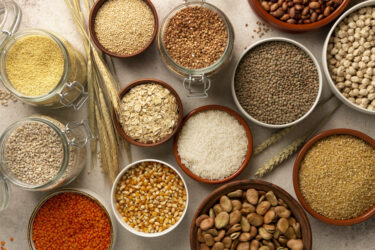
Even if you include high-fibre foods in your daily meals, you may still fall short of the recommended intake. Meeting your fibre needs can be particularly challenging if you’re relying heavily on vegetables alone. Fortunately, a variety of grain-based options are not only rich in fibre but also versatile and enjoyable. Here are some high fibre food options:
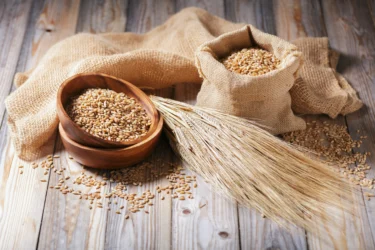
By adding 100 grams of cooked barley in your diet daily can get around 15 to 16 grams of fibre2. Also, you can add this high-fibre grain to roasted vegetables.
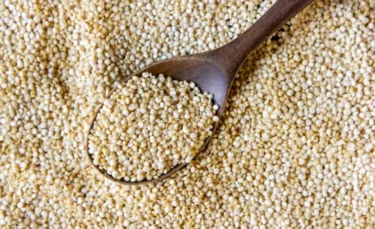
Quinoa is popular among health-conscious people. It is also loaded with proteins, magnesium, iron, and antioxidants. You can add quinoa to your weekly dinner rotation or stir in cinnamon and sugar for a sweet treat. Quinoa has around 14 to 15 grams of fibre per 100 grams2.
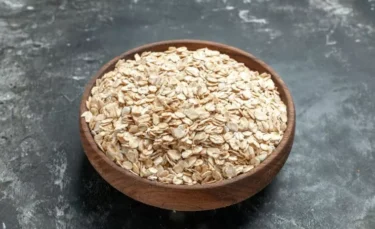
Oat contains a powerful soluble fibre – oat beta-glucan which helps to control blood sugar and cholesterol levels3. 100 grams of oats contain approximately 12 grams of fibre4. You can add it to cookies, muffins, or granola.

Whole-grain spaghetti can provide many health benefits as it is rich in fibre. 100 grams of whole-grain spaghetti can contain up to 7 grams of fibre5.
Did you know that insoluble fibre is known for its rapid passage through the gut? Additionally, it might also play a role in warding off gut infections12.
Dr. Siddharth Gupta, B.A.M.S, M.D (Ayu)

Popcorn is also called the ”king of snack foods”. You can sprinkle your favourite herbs and spices to enhanceits flavour. 100 grams of air-popped popcorn contain around 15 grams of fibre6.

This vegetable can be considered as a fibre vegetable but is also rich in nutrients such as, vitamin C, vitamin K, and vitamin B. Studies have shown that 200 grams of broccoli contains of fibre and can support the gut bacteria to stay healthy and balanced7.

Carrot is a root vegetable mainly known for its beta carotene content but it also contains fibres. 100 grams of carrots will give you 4 to 5 grams of fibre2.

These mini cabbages can be boiled, fried, or can be added raw in your bowl. They’re very high in fibres, vitamin K, potassium, folate, and potent cancer-fighting antioxidants8. 100 grams of Brussels sprouts contain around 4 grams of fibre2.
Did you know that soluble fibre, when consumed, acts like a sponge in the gut? It may slow down digestion of fast foods and help to lower blood sugar levels, making it particularly beneficial for individuals with diabetes12.
Dr. Rajeev Singh, BAMS

One of the best sources of fibre. 100 grams of artichokes can provide around 5 grams of fibre9.

Flavourful and healthy, fresh green peas are a great source of fibres and iron, vitamins A, and vitamin C. 100 grams of peas can give you around 6 to 7 grams of fibre2.

Avocado is widely enjoyed for its creamy flavour and health benefits. It is also loaded with various vitamins, antioxidants, and magnesium. 100 grams of avocados can give you around 7 grams of fibre2. But consult with a nutritionist or doctor before adding it to your diet.

Berries are usually known to be rich in antioxidants but they are also rich in fibres. 100 grams of gooseberries, strawberries, and blackberries can give you around 8, 2.5, and 4.5 grams of fibre, respectively2.
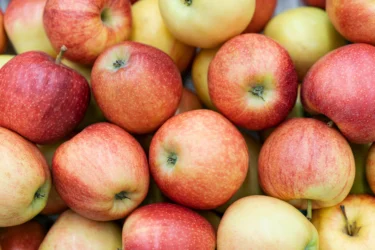
Apples are particularly rich in a type of soluble fibre called pectin. There are about 2 to 3 grams of fibre in 100 grams of apples.2 Studies have shown that apples are helpful in protecting arteries and lower cholesterol10.
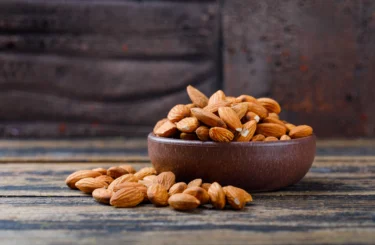
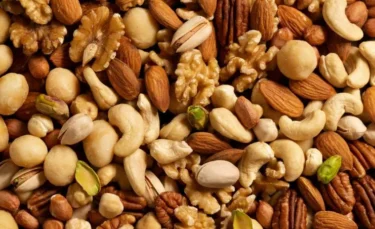
Almonds are high in fibre and many other nutrients such as healthy fats and vitamin E. 100 grams of almonds can give you around 13 grams of fibre2.
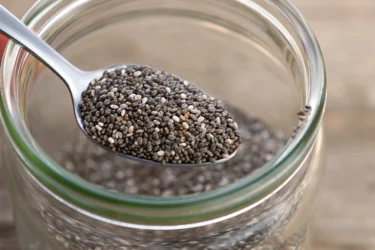
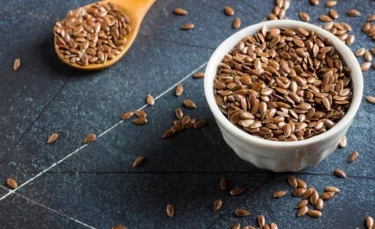
Chia seeds are super-foods loaded with soluble fibres. 100 grams of chia seeds provides around 34 grams of fibre11. It also contains a high amount of magnesium, phosphorus, and calcium.
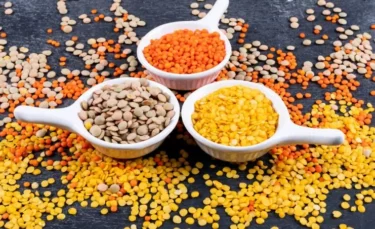
Lentils can be an excellent source of fibres. 100 grams of lentil (yellow and brown) can give you up to 17 grams of fibre2. They’re also very high in protein and loaded with many important nutrients.
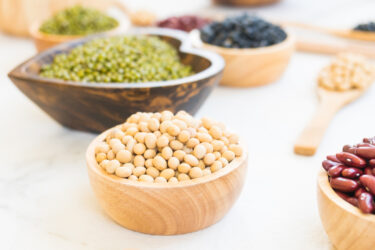
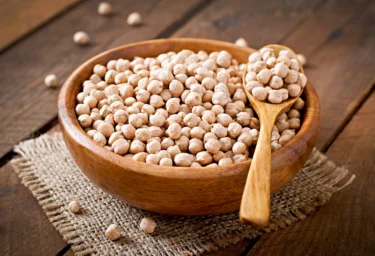
Beans such as kidney beans (or rajma) and soybeans are fibre-filled snacks. 100 grams of rajma (black, brown, or red) contains around 16 to 18 grams of fibre. 100 grams of soybeans (brown and white) can give around 21 to 23 grams of fibre2.
Fibre acts like a superhero for our bodies! It might help to lower the risk of conditions like heart disease and diverticular disease in addition to diabetes and constipation. By being a friend to our gut microbiome, fibre fights off chronic inflammation linked to these diseases and keeps us feeling healthy and happy13!
Dr. Smita Barode, BAMS, M.S.
Constipation is a common problem and everyone experiences from time to time. It is characterised by the feeling of being unable to pass stool completely or partially. Several factors can contribute to constipation, including lifestyle habits and dietary choices. Common symptoms include stomach cramps, a sensation of fullness, and even a loss of appetite.
While there are various medications available to relieve constipation, certain foods can be highly effective without causing side effects. Foods rich in fibre are particularly helpful in alleviating this problem by promoting regular bowel movements. Here are some high-fibre foods that can help relieve constipation:
. Here are some high fibre foods a person can eat to relieve constipation:
Fibre can a helpful ally in weight loss. By promoting a feeling of fullness, it can help curb your appetite, potentially leading to a reduction in calorie intake. If you’re aiming to lose weight, including fibre-rich foods in your diet may help you feel satisfied while consuming fewer calories.
Dr. Anuja Bodhare, B.A.M.S, M.D (Ayu)
Also Read: Top Food Sources of Calcium for Your Bones
Even though fibre is essential for your body, too much of it may not be good for you. Here are a few side effects of having too much high-fibre foods:
When checking food labels, keep an eye out for the ‘dietary fibre’ content. Fibre sources with at least 10% of the ‘per cent daily value’ for fibre are generally considered a good addition to your diet.
Dr. Ashok Pal, B.A.M.S.
Also Read: The Detailed 7 Days GM Diet Plan for Weight Loss
While it may seem beneficial to consume a large amount of fibre, it is essential to maintain a balanced intake. Excessive fibre can lead to digestive discomfort, such as bloating or gas. When adjusting your diet, it’s important to start gradually and listen to your body’s signals. Ensuring adequate hydration is crucial, as fibre works best when paired with sufficient water to prevent issues like constipation or indigestion.
If you’re unsure about the ideal amount of fibre for your needs, it’s always best to consult a healthcare professional for personalised advice.
Also Read: 15 Amazing Health Benefits of Ghee
Disclaimer: The information provided here is for educational/awareness purposes only and is not intended to be a substitute for medical treatment by a healthcare professional and should not be relied upon to diagnose or treat any medical condition. The reader should consult a registered medical practitioner to determine the appropriateness of the information and before consuming any medication. PharmEasy does not provide any guarantee or warranty (express or implied) regarding the accuracy, adequacy, completeness, legality, reliability or usefulness of the information; and disclaims any liability arising thereof.
 52
52
 3
3
Calcium is an essential mineral that builds our bones. Almost every cell in the body uses calcium in some way or the other, including muscles and the entire system. The body uses calcium to make the bones and teeth healthier and give them the strength to perform their activities smoothly.
Bone is a rigid organ that protects internal organs, produces red and white blood cells, stores minerals, and provides support for the body. It is full of calcium that makes our bones strong and flexible. As we age, the calcium level from our body reduces, and our bones get weaker. It is not only applicable to older people but also for everyone at all phases of their life. That is the reason why your doctor always recommends adding calcium-rich foods in your diet.
Your body is better able to absorb calcium from food than it can from supplements. It’s necessary to include calcium-rich foods in your diet, limit those that deplete calcium, and get enough magnesium and vitamins D and K to help in calcium absorption1.
The recommended daily intake of calcium4:
We may assume that milk is the best source of calcium, but you may be surprised to know that there are different foods that can help fulfil your calcium requirements. Here are some calcium-rich foods that you can add to your diet:

Milk is one of the best sources of calcium we all know. Milk is easily absorbed and digested by the body and is readily available every time. Milk consists of 100 mg to 180 mg of calcium for a 100 g serving. Additionally, milk is a good source of proteins, vitamin A, and vitamin D5.
When it comes to calcium absorption, not all foods are created equal. Dairy products and fortified foods have a higher absorption rate of about 30%, while certain compounds in plants can decrease absorption by forming indigestible salts with calcium. For instance, spinach has a much lower absorption rate of 5%, compared to milk at 27%11.
Dr. Rajeev Singh, BAMS

Soy milk is an alternative for lactose-intolerant people. Fortified soymilk is an excellent source of calcium, vitamin D, and proteins. On average, cup soymilk enhanced with calcium contains 80 to 500 mg3.
These tiny, nutritional powerhouses are rich in calcium, and include chia seeds, poppy seeds, and celery which contribute to 250 to 600 mg of calcium for a 100 g serving. It also contains essential fatty acids and proteins that can benefit your bone health. Chia seeds contain-Boron that promotes the growth of bones and helps the body metabolise calcium, phosphorus , and magnesium1,5.

All dairy products like yogurt are a rich source of calcium. Particularly low-fat yogurt is a good source of fibre, and a cup of low-fat yogurt contains 300 grams of calcium3.
Did you know that the calcium content of food can be influenced by its fat content? It’s fascinating how foods with higher fat levels tend to have slightly lower amounts of calcium. By opting for lower-fat options, you can not only make healthier choices but also ensure you’re getting the most out of your calcium intake11.
Dr. Smita Barode, B.A.M.S, M.S.

Another addition to the foods which are rich in calcium is cheese, it is a good source of calcium and proteins. Your body absorbs calcium from dairy products faster than plant sources, so try to add more dairy products in your diet. Cheese can provide 1g of calcium for a 100g serving,5.
Almonds are a rich source of calcium, fatty acids, vitamin E, antioxidants, and proteins. They help to strengthen your bones, keep your heart healthy, and improve memory power. 15 almonds contain about 40mg of calcium6. However, a handful of almonds would contribute to a high amount of fats and calories, so you should limit their intake to smaller portions and seek a doctor’s advice on its benefit to your diet7.
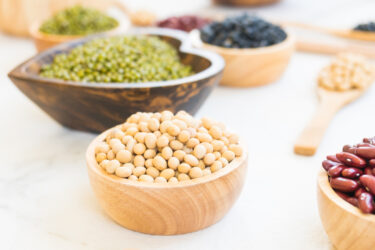
We all know beans and lentils are high in fibres, proteins, and other nutrients, but some are rich in calcium too. Beans and lentils like soybeans, green beans, red millets, and peas contain enough calcium that may help you not worry about the calcium requirements4.

Canned fishes like canned salmon and sardines can be a good option of calcium if you are non-vegetarian. Its bones, where most of the calcium resides. Their bones are edible and soft. You can mash and serve them, so they’re undetectable in many dishes. Create a spread to serve on toast or make fish cakes. And if you like whole sardines or chunks of salmon, add them to salads. But any canned fish does contain preservatives, so do check with your healthcare practitioner if you suffer from any clinical ailments like hypertension4.
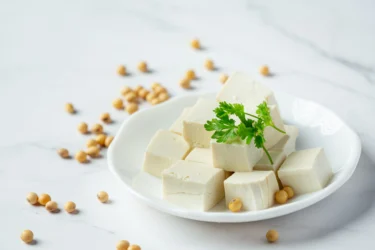
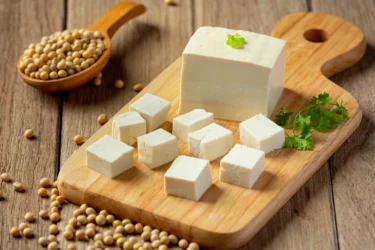
If you are vegan and diet conscious, then tofu would be a smart choice to get your calcium requirements. Tofu is naturally gluten-free and contains no cholesterol. Raw, firm tofu contains around 832 mg of calcium per cup6. It’s also an excellent source of protein and you can add it to scrambles, stir-fry, salads, and more.

Raw and dried figs are full of fibres, antioxidants, proteins, with a lot of calcium. This sweet-dessert like fruit contains 65 mg of calcium for 2 dried figs8. They can be eaten as a snack or as a part of your salads.
Also Read: High Energy Giving Foods To Solve Your Energy Woes

Whey is a type of protein found in milk that has been well studied for its potential health benefits. It is also an excellent protein source and full of rapidly digested amino acids, which help promote muscle growth and recovery. Whey is also high in calcium. Some studies9 have also shown that whey-rich diets to increase weight loss and improve blood sugar management.

Leafy green vegetables are incredibly healthy and many of them are high in calcium, including collard greens, spinach and kale. Leafy vegetables like spinach are high in oxalates, which are naturally occurring compounds that bind to calcium and impair its absorption6.

Rhubarb is rich in calcium, fibre, vitamin K and smaller amounts of other vitamins and minerals. It also contains prebiotic fibre, a type of fibre that can promote the growth of healthy bacteria in your gut10.
Did you know that calcium plays a vital role in our growth and development? When we’re born, our bodies already have a small but significant amount of calcium, ranging from 26 to 30 grams. As we grow, this calcium level increases rapidly, reaching approximately 1,200 grams in women and 1,400 grams in men by adulthood11.
Dr. Siddharth Gupta, B.A.M.S, M.D (Ayu)
Also Read: 18 Best Foods to Ease Your Cough and Cold
Calcium is an essential mineral that should be obtained through your diet. If you have low calcium, it may lead to muscle atrophy (stiffness and rigidity), dysfunction of nerves, and reduced appetite. Likewise, excess calcium can also pose a threat to the body. Hence, the key is to consume a balanced amount of calcium as your body requires with prior consultation from a healthcare provider to help you attain the maximum benefit of calcium supplementation through your diet.
Also Read: Vitamin D for Women – Daily Need, Normal Range, Deficiency & Solution
1. Office of Dietary Supplements – Calcium [Internet]. Nih.gov. 2025 [cited 2025 Apr 24]. Available from: https://ods.od.nih.gov/factsheets/Calcium-HealthProfessional/?uid=febe3c7da5421s16
2. NHS. Food for healthy bones [Internet]. nhs.uk. 2022 [cited 2025 Apr 24]. Available from: https://www.nhs.uk/live-well/bone-health/food-for-strong-bones/
3. General (US) O of the S. Table 7-2, Selected Food Sources of Calcium [Internet]. www.ncbi.nlm.nih.gov. 2004 [cited 2025 Apr 24]. Available from: https://www.ncbi.nlm.nih.gov/books/NBK45523/table/ch7.t2/
4. Harvard T.H. Chan School of Public Health. Calcium [Internet]. The Nutrition Source. 2020 [cited 2025 Apr 24]. Available from: https://nutritionsource.hsph.harvard.edu/calcium/
5. Cormick G, Belizán JM. Calcium Intake and Health. Nutrients [Internet]. 2019 [cited 2025 Apr 24];11(7):1606. Available from: https://pmc.ncbi.nlm.nih.gov/articles/PMC6683260/
6. Better Health Channel. Calcium [Internet]. Better Health Channel. Better Health Channel; 2021 [cited 2025 Apr 24]. Available from: https://www.betterhealth.vic.gov.au/health/HealthyLiving/calcium
7. Almonds [Internet]. The Nutrition Source. 2018 [cited 2025 Apr 24]. Available from: https://nutritionsource.hsph.harvard.edu/food-features/almonds/
8. Know Your Bones [Internet]. Bone Health New Zealand. 2025 [cited 2025 Apr 24]. Available from: https://bones.org.nz/media/anhhkuqk/onz00065-bone-health-factsheet-calcium-9-0.pdf
9. Almario RU, Buchan WM, Rocke DM, Karakas SE. Glucose-lowering effect of whey protein depends upon clinical characteristics of patients with type 2 diabetes. BMJ Open Diabetes Research & Care [Internet]. 2017 Jul [cited 2025 Apr 24];5(1):e000420. Available from: https://pmc.ncbi.nlm.nih.gov/articles/PMC5530249/
10. Shkembi B, Huppertz T. Calcium Absorption from Food Products: Food Matrix Effects. Nutrients [Internet]. 2021 Dec 30 [cited 2025 Apr 24];14(1):180. Available from: https://www.ncbi.nlm.nih.gov/pmc/articles/PMC8746734/
11. Office of Dietary Supplements. Calcium. Office of Dietary Supplements – National Institutes of Health. [cited 2025 May 12]. Available from: https://ods.od.nih.gov/factsheets/Calcium-HealthProfessional/
Disclaimer: The information provided here is for educational/awareness purposes only and is not intended to be a substitute for medical treatment by a healthcare professional and should not be relied upon to diagnose or treat any medical condition. The reader should consult a registered medical practitioner to determine the appropriateness of the information and before consuming any medication. PharmEasy does not provide any guarantee or warranty (express or implied) regarding the accuracy, adequacy, completeness, legality, reliability or usefulness of the information; and disclaims any liability arising thereof.
191
17
PCOD (Polycystic Ovarian Disease), often used interchangeably with PCOS (Polycystic Ovary Syndrome), is a common hormonal disorder affecting women of reproductive age. The hormonal imbalance in the body produces more male hormones than needed which leads to problems in menstruation and fertility along with other issues. Women with PCOD may have irregular or prolonged menstrual cycles, as well as high levels of male hormones.
PCOD results in enlarged ovaries with multiple small follicles and is associated with hormonal imbalance, irregular periods, and difficulty in conceiving.The ovaries may produce a large number of tiny collections of fluid (follicles) and do not release eggs on a regular basis. If left untreated, PCOD can cause more serious problems like heart disease and diabetes1.
In PCOD, many small sacs called follicles fill up with fluid inside the ovaries. Each follicle contains an immature egg that does not mature enough to release the egg by a process called ovulation. The absence of ovulation leads to hormonal imbalance and an excess release of male hormones. Research has not found the exact reason why PCOD occurs as the cause of PCOD is multifactorial and include2:
PCOD signs and symptoms usually appear around the time of puberty, typically noticeable at the time of a girl’s first menstrual period. However, PCOD can also develop later in life, particularly, as a result of significant weight gain. Many women may not realise that they have PCOD, but there are certain common signs and symptoms to look out for, these may include the following2:
Unwanted hair on the face, neck or other body parts is a symptom of hormonal imbalance as seen in PCOD. People often opt for hair removal sessions without consulting a doctor. Instead of just opting for these procedures, consult your gynaecologist or endocrinologist for proper diagnosis and treatment.
Dr. Arpit Verma, MBBS MD (Pharmacology)
PCOD, if untreated, may increase the risk of3,4:
Also Read: 5 Early Signs Of Labour Every Expecting Mother Should Know
PCOD5 is a condition without a cure. You may, however, manage the illness with appropriate treatment and lifestyle changes. Taking a ultrasound or blood tests that assess LH/FSH ratio, anti-müllerian hormone, and androgen levels may help to diagnose PCOD. Treatment usually focuses on symptom control and long-term metabolic health. This may include7,8:
Research9 indicates that women with PCOD are potentially at high risk for CNS and cardiovascular disease. Many of these women have extremely high levels of serum lipoprotein, blood glucose, and cholesterol, which also increase the risk of insulin resistance. Women with PCOD may also have a higher risk for developing endometrial cancer.
Dr. M.G. Kartheeka, MBBS, MD (Pediatrics)
Also Read: IVF (In Vitro Fertilization): What is It, Procedure, Steps, Side Effects & More
If you experience irregular periods, unwanted hair growth, or difficulty conceiving, do not ignore these signs. Consult your gynaecologist or endocrinologist for a comprehensive diagnosis and treatment as it can help prevent complications.
Also Read: Effective Home Remedies For Vaginal Dryness
Disclaimer: The information provided here is for educational/awareness purposes only and is not intended to be a substitute for medical treatment by a healthcare professional and should not be relied upon to diagnose or treat any medical condition. The reader should consult a registered medical practitioner to determine the appropriateness of the information and before consuming any medication. PharmEasy does not provide any guarantee or warranty (express or implied) regarding the accuracy, adequacy, completeness, legality, reliability or usefulness of the information; and disclaims any liability arising thereof.
257
30
Chia seed oil has gained attention as a plant-based source of omega-3 fatty acids and skin-nourishing nutrients. Extracted from chia seeds (Salvia hispanica), this oil is commonly used in cooking, supplements, and topical skincare products.
While chia seeds themselves are rich in fibre and protein, the oil primarily provides healthy fats, especially alpha-linolenic acid (ALA), a plant-derived omega-3 fatty acid. Because of its nutritional profile, chia seed oil is often discussed for its potential role in supporting heart health, skin hydration, and overall wellness when used as part of a balanced lifestyle1.
In this article, we explore its possible benefits, uses, safety considerations, and how it differs from whole chia seeds.
Chia seed oil is obtained by cold-pressing chia seeds to extract their natural fat content. Unlike whole chia seeds, which contain fibre and protein, the oil mainly consists of polyunsaturated fatty acids, particularly omega-32.
It is used in:
Because omega-3 fatty acids are sensitive to heat, chia seed oil is generally recommended for low-temperature or no-heat culinary use.
Chia seed oil is highly nutritious and is the best source of:
It does not provide significant amounts of fibre, protein, or minerals. These nutrients are mainly found in whole chia seeds and are largely absent in the oil form5.
Chia seeds and chia seed oil may sound similar, but they serve different purposes. Seeds offer fibre and fullness benefits, while the oil mainly delivers concentrated healthy fats. Here’s a quick comparison to help you understand which one fits your needs better3,6.
| Feature | Chia Seeds | Chia Seed Oil |
| Fibre | High | Minimal |
| Protein | Present | Minimal |
| Omega-3 and omega-6 | High | Very high concentration |
| Best Used For | Digestion & satiety | Skin & healthy fats |
Studies9 suggest that the essential oil found in chia seeds includes compounds believed to act as a repellent to many different types of insects. In my opinion, use and apply chia seed oil to stay protected from insects.
Dr. Siddharth Gupta, B.A.M.S, M.D (Ayu)
While research on chia seed oil is still evolving, its fatty acid profile suggests several areas where it may offer supportive benefits when included as part of a balanced diet or skincare routine.

Chia seed oil contains omega-3 and omega-6 fatty acids that may help maintain the skin’s natural barrier. These fats can support moisture retention and contribute to smoother, more hydrated skin when used topically or consumed as part of a varied diet3.

Its lightweight and non-greasy texture makes it suitable for individuals experiencing mild dryness. The fatty acids in the oil may help reduce moisture loss or itchiness and support skin comfort1, particularly in environments with low humidity.

When applied to the scalp or hair shaft, chia seed oil may help improve hair texture by reducing dryness and enhancing shine by nourishing your hair. It might also keep your hair moisturised, which may reduce the appearance of frizz and brittleness7.

The presence of plant-based omega-3 fatty acids in chia seed oil suggests a potential role in maintaining cardiovascular health. Diets containing healthy unsaturated fats in place of excessive saturated fats may help support cholesterol balance and overall heart function1,3.

Omega-3 fatty acids are associated with maintaining normal brain structure and function. While chia seed oil should not be considered a treatment for neurological conditions, incorporating plant-based omega-3 sources into a balanced diet may contribute to long-term cognitive wellness3,7.

Omega-3 fatty acids are known to play a role in regulating inflammatory processes in the body. Including a healthy source of these fats in the form of chia seed oil may help support joint comfort and general wellness when combined with a healthy lifestyle1.

For individuals who consume little or no fish, chia seed oil may serve as a convenient plant-based option to help diversify fat intake and maintain dietary variety1.
Chia seed oil may be particularly useful for:
Sometimes, all the remedies you are looking for are in your kitchen; you just have to look for them. Here are some ways you can use chia seed oil to benefit your hair, skin, and body!
Although chia seed oil is generally well tolerated, the following precautions should be kept in mind:
Also Read: Chia Seeds: Uses, Benefits, Side Effects, and More!
Chia seed oil is a nutrient-rich, plant-based oil best known for its high omega-3 content and skin-friendly fatty acids. It may support skin hydration, hair nourishment, and overall wellness, especially for those following vegetarian or vegan diets. While it lacks the fibre and protein found in whole chia seeds, it can still be a valuable addition to a balanced diet or skincare routine when used in moderation and with proper precautions.
Chia seed oil contains concentrated healthy fats, especially omega-3 fatty acids, but lacks the fibre and nutrients present in whole seeds.
The moisturising properties of chia seed oil may help soothe dryness and flakiness when used as part of a regular scalp care routine.
Due to its omega-3 content and antioxidant properties, chia seed oil may help soothe mild redness or irritation when used topically. However, it should not replace prescribed treatments for chronic inflammatory skin conditions.
For most healthy individuals, moderate daily use of chia seed oil as part of a balanced diet or skincare routine may be suitable. Consistency should be guided by overall nutritional intake and personal tolerance.
Because it is sensitive to light and heat, storing it in a cool, dark place or refrigeration can help preserve its nutritional quality and prevent oxidation.
1. Paarakh PM, Mishra S, Tanushree, et al. Chia Seeds : A Comprehensive Review. 2025;18(2). doi:https://doi.org/10.52711/0974-360X.2025.00134
2. Akinfenwa AO, Cheikhyoussef A, Cheikhyoussef N, Hussein AA. Cold pressed chia (Salvia hispanica L.) seed oil. In: Cold Pressed Oils. Elsevier; 2020:181-190. doi:10.1016/B978-0-12-818188-1.00015-3. Available from: https://www.researchgate.net/publication/343183417_Cold_pressed_chia_Salvia_hispanica_L_seed_oil
3. Mburu M. The Role of Chia Seeds Oil in Human Health: A Critical Review. EJFOOD. 2021;3(4):1-4. doi:10.24018/ejfood.2021.3.4.270. Available from: https://www.researchgate.net/publication/353899036_The_Role_of_Chia_Seeds_Oil_in_Human_Health_A_Critical_Review
4. Kulczyński B, Kobus-Cisowska J, Taczanowski M, Kmiecik D, Gramza-Michałowska A. The Chemical Composition and Nutritional Value of Chia Seeds—Current State of Knowledge. Nutrients. 2019;11(6):1242. doi:10.3390/nu11061242. Available from: https://pubmed.ncbi.nlm.nih.gov/31159190/
5. Artisan Cold-Pressed Chia Oil. US Department of Agriculture. 2022. Doi: . Available from: https://fdc.nal.usda.gov/food-details/2284234/nutrients
6. Chia Seed. 2021. Doi: https://fdc.nal.usda.gov/food-details/2093316/nutrients.
7. Motyka S, Koc K, Ekiert H, Blicharska E, Czarnek K, Szopa A. The Current State of Knowledge on Salvia hispanica and Salviae hispanicae semen (Chia Seeds). Molecules. 2022;27(4):1207. doi:10.3390/molecules27041207. Available from: https://pubmed.ncbi.nlm.nih.gov/35208997/
8. Chia seed allergy and cross reactivity. 2018. Doi: https://www.aaaai.org/allergist-resources/ask-the-expert/answers/old-ask-the-experts/chia-seed
9. Ullah R, Nadeem M, Khalique A, Imran M, Mehmood S, Javid A, Hussain J. Nutritional and therapeutic perspectives of Chia (Salvia hispanica L.): a review. J Food Sci Technol. 2016 Apr;53(4):1750-8. doi: 10.1007/s13197-015-1967-0. Epub 2015 Oct 1. PMID: 27413203; PMCID: PMC4926888. Available from: https://pmc.ncbi.nlm.nih.gov/articles/PMC4926888/
Disclaimer: The information provided here is for educational/awareness purposes only and is not intended to be a substitute for medical treatment by a healthcare professional and should not be relied upon to diagnose or treat any medical condition. The reader should consult a registered medical practitioner to determine the appropriateness of the information and before consuming any medication. PharmEasy does not provide any guarantee or warranty (express or implied) regarding the accuracy, adequacy, completeness, legality, reliability or usefulness of the information; and disclaims any liability arising thereof.
Links and product recommendations in the information provided here are advertisements of third-party products available on the website. PharmEasy does not make any representation on the accuracy or suitability of such products/services. Advertisements do not influence the editorial decisions or content. The information in this blog is subject to change without notice. The authors and administrators reserve the right to modify, add, or remove content without notification. It is your responsibility to review this disclaimer regularly for any changes.
29
1
We commonly keep hearing the term “carbohydrates” when it comes to diet, but have you ever wondered what actually a carbohydrate is? What do carbohydrates do, and how to include healthy carbohydrates in your diet? All of these problems seem relatively simple, but for many people, they can be very troublesome. Because, just like nutrition, there are many controversies (and misunderstandings) about carbohydrates.
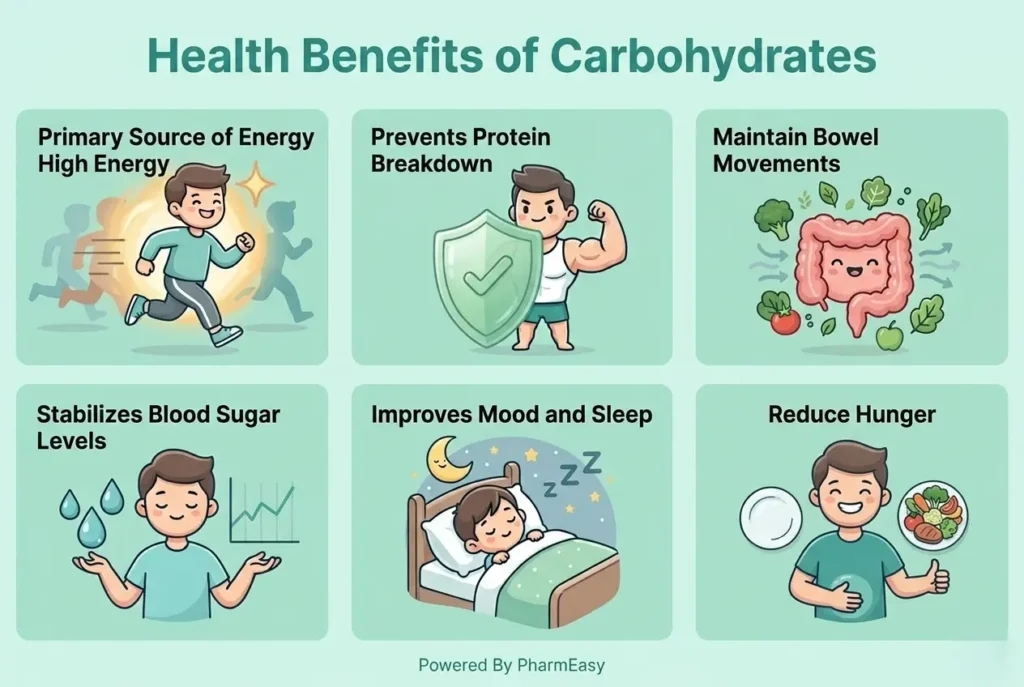
Carbohydrates are one of the three macronutrients (other than fat and protein) that our body uses for energy absorption1. Each gram of carbohydrate provides our body with four calories2. All carbohydrates are mainly sugar molecules, and there are two main types: simple carbohydrates and complex carbohydrates1.
Simple carbohydrates include sugars with the most basic molecular structure: monosaccharides and disaccharides. Some examples include fructose (found in fruits), lactose (found in milk), and sucrose (found in sugar). Complex carbohydrates are three or more simple sugars linked together and have a more complex molecular structure. These include starch (found in wheat and potatoes) and fibre (found in vegetables, seeds and brown rice)3.
Let’s see the types of carbohydrates to understand which one is healthier and should be included in your diet.
As mentioned, simple carbohydrates are made using only one sugar unit, commonly known as monosaccharides, and 2 sugar units, commonly known as disaccharides. Simple carbs are very fast in digestion and thus responsible for spiking your blood sugar levels. Simple carbs include lactose, fructose, sucrose, glucose, and maltose. The sources mainly include table sugar, candy, honey, and syrups. Since they digest quickly, they provide instant energy3.
Complex carbohydrates contain at least three sugars; oligosaccharides contain three to ten simple sugar units; polysaccharides can contain hundreds of sugars; complex carbohydrates, such as beans, whole grains, starchy vegetables, pasta, and bread, provide relatively long-lasting energy for the human body. Since complex carbs take time to digest, they can help control your blood sugar levels3.
It is important to note that when whole grains are processed and their outer layer or bran is removed, refined carbohydrates (such as white rice and white flour) act more like simple carbohydrates in your body4.
Did you know?
If you are looking for healthy carbohydrate foods, incorporating vegetables, fruits, whole grains, milk, and dairy products can be the main carbohydrate food sources1,3. Grains and some vegetables (such as corn and potatoes) have a high starch content, while sweet potatoes have a higher sucrose content than starch3,5. Dark green fruits and vegetables contain little or no starch but contain sugar and fibre5.
Choose high-fibre foods as much as possible, such as whole grains and pieces of bread, beans, vegetables, and fruits1. Generally, vegetables and fruits are not the most concentrated sources of fibre, but they are important foods that need to be promoted because they contain important micronutrients5. Similarly, milk and dairy products that contain lactose usually do not contain fibre, but they are also an important food source of carbohydrates as well as provide calcium, vitamin D, and protein in the diet6.
I imply focusing on getting most of your carbohydrates from whole grains, dairy, fruits, and vegetables rather than relying on refined grains. When choosing grains, be sure to look for products that have the ‘whole grain’ label. This way, you may easily identify and enjoy the benefits of the fibre and nutrients that come from consuming whole grains13.
Dr. Smita Barode, B.A.M.S, M.S.
I would propose incorporating legumes like peas into your diet, as they might be a great source of carbohydrates. These nutritious foods may provide a steady release of energy and might be a healthy addition to your meals11.
Dr. Siddharth Gupta, B.A.M.S, M.D (Ayu)
When you eat carbohydrates, your body breaks them down into simple sugars, which are absorbed by the blood. When the sugar level in your body rises, the pancreas releases a hormone called insulin. Insulin is very important for removing sugar from the blood in the cells, where sugar can be used as energy. If this process proceeds quickly as with simple sugars, you may soon feel hungry. If the process is slow, like with complex carbs, you will feel full longer3.
These types of complex carbohydrates will keep you energetic for a long time. The carbohydrates in certain foods (mostly foods with many simple sugars) can cause your blood sugar to rise faster than other foods. Scientists have been investigating whether the carbohydrates in foods that cause a sharp rise in blood sugar may be related to health problems such as diabetes and heart disease. By limiting simple sugars (such as in sweets, sugary drinks and refined grains) and eating more complex carbohydrates (such as whole grains, legumes, whole fruits and vegetables), you may achieve the benefits of carbohydrates without compromising your health.
I would encourage considering quinoa as another good option. It is a nutty-flavoured grain that may offer a good source of carbohydrates for energy. Not only that, but it might also deliver a range of other essential nutrients12.
Dr. Rajeev Singh, BAMS
Note: It’s ideal to consult a dietician for a personalised plan especially if you have any medical conditions like diabetes.
Carbohydrates are an essential part of a healthy diet, as they provide energy and several nutrients which are required for the body to function. There are two main types of carbohydrates: simple and complex. Simple carbs digest fast and increase the blood glucose level, while complex carbs slow down the digestion and avoid sudden glucose spikes. Therefore, choosing more complex carbs such as whole grains, fruits, vegetables, etc., may be more beneficial for health compared to low carbs. In conclusion, including healthy carbohydrate sources in balanced amounts can improve overall health and well-being.
Carbohydrates can be part of a balanced weight loss diet when consumed in moderation, focusing on complex carbohydrates like whole grains, fruits, and vegetables. However, excessive intake of refined carbohydrates may contribute to weight gain. Consulting with a healthcare professional is crucial for personalized advice.
While carbohydrates are not typically considered bodybuilding food, they play a crucial role in providing energy for workouts and supporting muscle recovery. Protein is the primary nutrient associated with muscle building, but carbohydrates contribute to overall energy needs during physical activities.
Consuming excess carbohydrates, especially refined and simple sugars, can contribute to weight gain if overall caloric intake exceeds energy expenditure. However, balanced intake of complex carbohydrates as part of a well-rounded diet is not inherently fattening and can be a crucial component of a healthy lifestyle. Consulting with a healthcare professional can help determine an individualized approach.
Carbohydrate consumption alone does not directly cause diabetes. However, an unhealthy diet high in refined carbohydrates, coupled with other lifestyle factors, can contribute to the development of type 2 diabetes. Regular medical check-ups and a balanced diet are essential for diabetes prevention.
The conversion of carbohydrates to proteins is not a direct process in the human body. While the body can convert some amino acids from the breakdown of carbohydrates, the primary source of protein synthesis is dietary protein intake.
Carbohydrates indirectly support muscle building by providing essential energy for workouts and aiding in muscle recovery. However, the primary nutrient associated with muscle development is protein, so a balanced diet that includes both carbohydrates and protein is crucial for effective muscle building.
While individual responses vary, there’s limited evidence linking high-glycaemic diets, including refined carbohydrates, to increased acne risk. Maintaining a balanced diet and overall skincare practices play important roles in skin health.
Disclaimer: The information provided here is for educational/awareness purposes only and is not intended to be a substitute for medical treatment by a healthcare professional and should not be relied upon to diagnose or treat any medical condition. The reader should consult a registered medical practitioner to determine the appropriateness of the information and before consuming any medication. PharmEasy does not provide any guarantee or warranty (express or implied) regarding the accuracy, adequacy, completeness, legality, reliability or usefulness of the information; and disclaims any liability arising thereof.
Links and product recommendations in the information provided here are advertisements of third-party products available on the website. PharmEasy does not make any representation on the accuracy or suitability of such products/services. Advertisements do not influence the editorial decisions or content. The information in this blog is subject to change without notice. The authors and administrators reserve the right to modify, add, or remove content without notification. It is your responsibility to review this disclaimer regularly for any changes.
1
2
A hot summer day can take a toll on your body. But a glass of fresh lemonade is the most refreshing drink one can have in summers. Lemonade instantly refreshes and calms your body. The easiest go to drink, that can be made in a few minutes.
Lemon is a flavoured fruit. A small quantity of lemon juice can make its remarkable presence in foods and beverages. Adding few drops of lemon juice to curries, soup or drinks, instantly elevates their taste.
Lemons have been around for years. This round, vibrant fruit from the flowering plant family named Rutaceae is scientifically known as a citrus lemon. This bright yellow coloured citrus fruit has a tangy sour taste due to its richness in citric acid. Though they are available in different shapes and sizes across the planet, lemon has its origin in Assam and other parts of Myanmar and China.
An interesting fact about lemon is that it is a very rich source of Vitamin C. And in 1700s, James Lind found that lemons were very useful in treating a medical condition called scurvy (scurvy is a condition caused by low levels of vitamin C in the body)1.
Lemon is a rich source of vitamin C and is also enriched with Vitamin B6, copper, potassium, magnesium, zinc, flavonoids, antioxidants and phosphorus. It is low in calories and fat. Vitamin C present in the lemon also helps in the process of iron absorption in the body.
Lemon is a versatile fruit which has several potential health benefits. These include:

Lemons are the best source of vitamin C and antioxidants. Research suggests that these two nutrients are beneficial for heart health and help prevent heart disease and stroke. However, certain fibres present in lemon can also help lower some risk factors for heart diseases.
Consuming lemon juice may help reduce high blood pressure. Moreover, lemon contains two plant compounds, hesperidin and diosmin, known to lower cholesterol2. These factors suggest its positive effect for heart health.

We all know that lemon is an immunity-boosting fruit as it contains a high amount of vitamin C and antioxidants. It helps to build the immune system and to fight against the germs that causes common cold and the flu. Patients are often advised to consume lemon cough drops when they are suffering from a throat infection. This is because lemons are naturally endowed with antibacterial properties which will lessen the bacterial effects and bring about relief3,4.

Lemon contains a high amount of soluble fibres that helps in regular bowel movements and also helps improve digestion. The main fibre present in lemon is pectin which helps to improve gut health by increasing the digestion rate of starch and sugar5.
Ayurveda medicine believes that drinking a glass of water with lemon juice with its pulp in the morning can kick-start your digestion process. It also helps you have a healthy digestive system.
In my experience, your body will be able to absorb more iron from your diet’s plant-based foods if you use lemon. Anaemia, which is characterized by the deficiency of iron in the red blood cells. Among many reasons responsible for it, it is frequently associated with an iron shortage in your diet that may be corrected by maintaining adequate iron levels. So, apart from taking an iron-rich diet, you should include good amount of vitamin C in your diet for better absorption of iron.
Dr. Siddharth Gupta, B.A.M.S, M.D (Ayu)

Fully squeezed lemon in a glass of lukewarm water with a tablespoon of honey may help support healthy weight in many. Lemon contains a compound called pectin. It is a fibre that expands after ingestion, making you feel full sooner and longer. It will prevent you from snacking on unhealthy foods that will lead to weight gain. Pectin is present in the lemon pulp, so consuming lemon as a whole is essential5,6.
Vitamin C, which supports immune system defence and may aid in the body’s ability to fight illness, can be found in one lemon, providing around half of the daily required dose. Lemons have citrus flavonoids as well. From my perspective, you may lessen your chance of developing brain illness and other degenerative diseases by consuming antioxidants that combat free radicals and have anti-inflammatory properties.
Dr. Rajeev Singh, BAMS

Lemon and lemon juice are a rich source of vitamin C and antioxidants that help fight against free radicles that can cause deadly diseases like cancer. Animal studies suggest that compounds present in the lemon, limonene and naringenin, have anti-cancer properties. However, human studies are required to observe these effects7.

We all know that vitamin C is an essential vitamin for teeth and gums. And, being a rich source of vitamin C, lemon is beneficial for certain mouth conditions. For instance, in scurvy, which is a type of collagen fibre disease resulting from a lack of vitamin C leading to swollen and gums, lemon is said to be helpful. Also, lemon juice may have painkilling effects when applied locally to areas where there is a toothache. It may also help in reducing inflammation1.
Although believed to be healthy for gum issues, lemon juice contains an acid that, when consumed in large quantities, may erode tooth enamel and result in cavities. I strongly recommend making sure you take lemon juice with enough water to offset the acidity.
Dr. Smita Barode, B.A.M.S, M.S.

As per a study published in the Journal of Nutrition and Metabolism, daily intake of lemon along with 30-60 minutes of brisk walking can keep your high blood pressure in check. Those who consumed lemons, showed reduced signs of hypertension as opposed to those who did not8. Thus, lemon can be used as an adjunct along with medical treatment for high blood pressure.

High levels of citric acid present in the fresh fruit as well as the lemon juice concentrate can improve urinary citrate levels two-fold without altering the total urinary volume. Studies have revealed that lemonade or lemon juice concentrate can prevent kidney stones by forming urinary citrate which acts as a preventive method for crystal development9.

Lemons contain high amount of vitamin C, which is required to generate collagen. Collagen gives our skin a plump and youthful look. It helps to reduce the fine lines on the face and make your skin clear. Moreover, vitamin C also inhibits melanin production in skin cells thus avoiding pigmentation. It also aids in faster recovery of wounds and avoids easy bruising of skin10.
Lemon is high in vitamin C which boosts collagen and improves hair growth by stimulating hair follicles10,11. If you have been suffering from hair loss you can mix two tablespoons of lemon juice with aloe vera gel and apply this to your scalp 30 minutes before your bath and then wash it off with a gentle hair cleanser.
Although studies have shown beneficial effects of lemon for overall health, further large-scale human trials are needed to confirm these benefits. Nonetheless, this tiny nutrition-packed fruit has been used for centuries in ayurvedic practise and when consumed in moderation, can be a great addition to your diet. However, if you have any medical conditions, it’s best to consult your doctor before including anything new into your routine diet.
Anything consumed in excess can have a negative impact on your health. Although it’s very nutritious, excessive lemon juice intake may result in the following adverse effects:
Also Read: Tangerine: Uses, Benefits & Side Effects
Lemon is a small yet power-packed fruit with all nutrients. It is a rich source of Vitamin C which can help keep infections at bay and be great for your skin and hair. It can also help support your heart, kidney and digestive health and aid in weight management. Consuming lemon juice as part of a balanced diet will not just add to taste but also prove to be nutritious and healthful.
1. Maxfield L, Crane JS, Daley SF. Vitamin C Deficiency (Scurvy) [Internet]. National Library of Medicine. StatPearls Publishing; 2023. Available from: https://www.ncbi.nlm.nih.gov/books/NBK493187/
2. Mahmoud AM, Hernández Bautista RJ, Sandhu MA, Hussein OE. Beneficial Effects of Citrus Flavonoids on Cardiovascular and Metabolic Health. Oxidative Medicine and Cellular Longevity [Internet]. 2019 Mar 10;2019:1–19. Available from: https://www.hindawi.com/journals/omcl/2019/5484138/
3. Texas.gov. 2025 [cited 2025 Nov 5]. Available from: https://www.trs.texas.gov/learning-resources/publications/pulse/7-immune-boosting-foods-flu-season
4. Farhat G, Cheng L, Emad A. S. Al-Dujaili, Zubko M. Antimicrobial Potential of Pomegranate and Lemon Extracts Alone or in Combination with Antibiotics against Pathogens. International Journal of Molecular Sciences [Internet]. 2024 Jun 25;25(13):6943–3. Available from: https://www.mdpi.com/1422-0067/25/13/6943
5. Pascale N, Gu F, Larsen N, Jespersen L, Respondek F. The Potential of Pectins to Modulate the Human Gut Microbiota Evaluated by In Vitro Fermentation: A Systematic Review. Nutrients. 2022 Sep 2;14(17):3629. Available from: https://pmc.ncbi.nlm.nih.gov/articles/PMC9460662/
6. Village of Twin Lakes, WI [Internet]. Village of Twin Lakes, WI. 2025 The-ultimate-guide-choosing-the-best-fruit-for-weight [cited 2025 Nov 5]. Available from: https://www.twinlakeswi.gov/support/the-ultimate-guide-choosing-the-best-fruit-for-weight-2304d570-loss-2/
7. Song JK, Bae JM. Citrus Fruit Intake and Breast Cancer Risk: A Quantitative Systematic Review. Journal of Breast Cancer. 2013;16(1):72. Available from: https://pmc.ncbi.nlm.nih.gov/articles/PMC3625773/
8. Kato Y, Domoto T, Hiramitsu M, Katagiri T, Sato K, Miyake Y, et al. Effect on Blood Pressure of Daily Lemon Ingestion and Walking. Journal of Nutrition and Metabolism [Internet]. 2014;2014:1–6. Available from: https://www.ncbi.nlm.nih.gov/pmc/articles/PMC4003767/
9. Ruggenenti P, Caruso MR, Cortinovis M, Perna A, Peracchi T, Giuliano GA, et al. Fresh lemon juice supplementation for the prevention of recurrent stones in calcium oxalate nephrolithiasis: A pragmatic, prospective, randomised, open, blinded endpoint (PROBE) trial. eClinicalMedicine [Internet]. 2022 Jan 1;43:101227. Available from: https://www.sciencedirect.com/science/article/pii/S2589537021005083?via%3Dihub
10. Pullar JM, Carr AC, Vissers MCM. The Roles of Vitamin C in Skin Health. Nutrients. 2017 Aug 12;9(8):866. Available from: https://pmc.ncbi.nlm.nih.gov/articles/PMC5579659/
11. Almohanna HM, Ahmed AA, Tsatalis JP, Tosti A. The Role of Vitamins and Minerals in Hair Loss: A Review. Dermatology and therapy [Internet]. 2019;9(1):51–70. Available from: https://www.ncbi.nlm.nih.gov/pubmed/30547302
12. Gastroesophageal reflux – discharge: MedlinePlus Medical Encyclopedia [Internet]. Medlineplus.gov. 2019. Available from: https://medlineplus.gov/ency/patientinstructions/000197.htm
13. Mouth sores: MedlinePlus Medical Encyclopedia [Internet]. medlineplus.gov. Available from: https://medlineplus.gov/ency/article/003059.htm
14. Migraine: MedlinePlus Medical Encyclopedia [Internet]. Medlineplus.gov. 2015. Available from: https://medlineplus.gov/ency/article/000709.htm
Disclaimer: The information provided here is for educational/awareness purposes only and is not intended to be a substitute for medical treatment by a healthcare professional and should not be relied upon to diagnose or treat any medical condition. The reader should consult a registered medical practitioner to determine the appropriateness of the information and before consuming any medication. PharmEasy does not provide any guarantee or warranty (express or implied) regarding the accuracy, adequacy, completeness, legality, reliability or usefulness of the information; and disclaims any liability arising thereof.
Links and product recommendations in the information provided here are advertisements of third-party products available on the website. PharmEasy does not make any representation on the accuracy or suitability of such products/services. Advertisements do not influence the editorial decisions or content. The information in this blog is subject to change without notice. The authors and administrators reserve the right to modify, add, or remove content without notification. It is your responsibility to review this disclaimer regularly for any changes.
102
7
Almonds are said to be one of the world’s most loved tree nuts, which are highly nutritious and filled with fats, vitamins, minerals, and antioxidants. Most people are aware that almonds are good for your health, but the question lies, what are their health benefits?
Whether you’re enjoying ice cream topped with almonds or sipping on a glass of almond milk, this nut not only delights your taste buds but also supports a healthy diet. How can something this small offer so many nutritional benefits? Let’s see how.
Almonds are considered healthy, but how exactly do they support you in the long run? Here are some essential facts about almonds and how they can benefit you1.
Almonds are known to offer several health benefits, so what happens when you add them to your daily diet? Here are some advantages and uses of almonds.
According to a recent study2, almonds had high amounts of vitamin E and also reduced the risk of high LDL cholesterol. By boosting the levels of vitamin E in your bloodstream, antioxidants are generated that prevent the clogging of your cells. Thus consuming a handful of almonds daily can generate more vitamin E into your bloodstream, which can effectively reduce your risk of high cholesterol levels.
Eating almonds and other nuts is considered to be good for your heart. As per a recent study3, researchers found that almonds may reduce the risk of heart disease by regulating blood pressure and reducing inflammation. In fact, the Mediterranean diet, which includes a lot of nuts has been recommended for the prevention of cardiovascular disease as per American College of Cardiology/American Heart Association (ACC/AHA) guidelines.
Almonds may help regulate blood sugar levels, especially in people with type 2 diabetes, as they have a low glycaemic index. They also contain magnesium, which supports insulin function and may improve insulin sensitivity. The consumption of a handful of almonds regularly may help lower fasting blood glucose and HbA1c levels3.
Low magnesium levels may be associated with high blood pressure, which may eventually lead to heart attacks, strokes or kidney failure. Almonds contain magnesium, which may help regulate blood pressure. If your body lacks magnesium, you must add almonds to your diet3.
Almonds are said to contain high levels of vitamin E, an antioxidant that protects your cells from damage. Higher vitamin E intake may help reduce the risk of conditions like Alzheimer’s disease, cancer, or heart disease. However, it is essential to consume vitamin E in moderation as the excessive intake of vitamin E may carry health risks1,2.
Almonds are high in protein and fibre, which help you feel full for a longer duration. This may help weight management by regulating your caloric intake2,3.
Almonds are nutrient-rich edible seeds and contain a healthy amount of carbohydrates, protein, fibre, fat, vitamin E, manganese, and magnesium3.
Almonds are a high source of vitamin E, which protects your eyes and may help reduce age-related changes to the lens of your eye. However, it is important to consume them in moderation as they can contribute to weight gain if consumed in excessive amounts4.
Almonds are a rich source of antioxidants that may help protect against oxidative stress, a factor associated with inflammation, cancer, ageing, and other health concerns. As per a study3, consuming about 84 grams of almonds per day can increase antioxidants in your body and may protect your body against inflammation, ageing, and other effects of oxidative stress2.
Almonds are often included in most skincare products as they have several benefits for your skin. They contain a flavonoid (that is also found in green tea and broccoli), which nourishes the skin and offers anti-ageing properties5.
Almonds may be used to make bones stronger. I strongly recommend the consumption of almonds regularly in your diet. Almonds are known for being rich in calcium and phosphorus, which may help build stronger bones9.
Dr. Siddharth Gupta, B.A.M.S, M.D (Ayu)
Almonds are high in fibre, proteins, vitamins, minerals, phytochemicals, and unsaturated fats. All these may have anti-cancer properties. Fibre supports digestion by helping the food move through the digestive system more easily, which may be a factor in reducing the risk of colon cancer. They also contain vitamin E and flavonoids that may help against breast cancer6.
Almonds contain nutrients like L-carnitine and riboflavin7, which play a role in supporting the growth of brain cells and many cognitive processes. They also contain phenylalanine, which helps cognitive function. Consuming just five almonds every morning can help you boost your brain function.
Anaemia is usually caused when red blood cells do not carry enough oxygen to the body’s tissues. Almonds contain nutrients like copper, iron and certain vitamins that support the production of haemoglobin and, as a result, may be helpful in reducing the risk of anaemia.
Almonds contain magnesium, a mineral that supports the nervous system and helps maintain a healthy metabolic rate. Magnesium is involved in keeping the bones healthy. The benefits of almonds surpass those of peanut butter.
Almonds are considered to be helpful in managing and avoiding acne, blackheads and whiteheads by regulating the oil balance of the skin due to the fatty acids in them. Applying almond oil to your skin also helps in reducing skin rashes.
Almond oil nourishes and moisturises the skin and may be useful in the management of stretch marks. You can warm up the oil, apply it to the stretch marks twice a day, and leave it on for an hour each time. Many people notice a visible difference in the appearance of your stretch marks over time with this oil.
Almond oil is commonly used as a hair care product to nourish the scalp and hair. It may reduce common hair concerns, such as hair fall and premature greying. Almond oil also supports the management of dandruff as it nourishes the scalp. Over time, it can give your hair a silkier and shinier appearance.
Almonds are a source of magnesium, a mineral that is important for many functions in the body, including hair growth. Magnesium deficiency can lead to hair loss. Including almonds in your diet can reduce hair thinning caused by low magnesium levels and boost hair growth8.
Bitter almond oil is useful in the management of joint pain, haemorrhoids, hair loss, and acne. The compound amygdalin in bitter almonds, has an anti-cancer effect. However, it is also toxic and should not be consumed in large amounts as it may cause poisoning due to its cyanide content8.
Almonds and milk both contain potassium. When combined, almonds and milk offer a potassium boost, which may support improved memory and cognitive performance7.
Almonds contain folic acid, which is essential for the growth and development of the unborn baby. Folic acid also plays a role in supporting foetal nervous system and brain development, and may help reduce the risk of neural tube defects. Thus, consuming almonds in moderation can help support healthy foetal development10.
Although almonds have a lot of calories, they may lower your risk of weight gain and obesity, provided you pay attention to portion control in your daily food intake. As a result of the good quality of protein and fibre in the nuts, you feel fuller more quickly, allowing you to consume fewer calories while still satiating your appetite. I recommend including almonds in your daily routine11.
Dr. Rajeev Singh, BAMS
Although almonds are good for your health, they should not be consumed excessively. Here are some of the risks associated with over-consumption of almonds.
Note: Do not consume almonds if you are allergic to them.
Also Read: 17 Health Benefits of Dates And Date Recipes
If you are allergic to almonds or other nuts, it is essential to educate yourself on how to manage your allergy. Here are a few basic precautions to keep in mind:
It is important to reach out to a medical professional as early as possible when faced with an allergic reaction.
Also Read: Sunflower Seeds: Nutrition, Benefits, Side Effects & More!
Almonds are a nutritious addition to a balanced diet, offering numerous health benefits when consumed in moderation. They support overall well-being but should be enjoyed with awareness of possible allergies and individual dietary needs.
Also Read: Amazing Benefits of Barley Water and How to Make It
Like any food, almonds should also be consumed in moderation. Eating too many almonds may lead to health issues, such as:
-Weight gain
-Digestive problems
-Kidney stones
-Nut allergies
-Symptoms of toxicity
Although almonds are considered healthy, the amount you eat should match your health goals. For example, if you want to gain weight, you can eat up to 40 almonds a day, spread throughout the day. However, if you want to manage or lose weight, just 5 almonds with a glass of milk for breakfast should suffice for you.
Almond skin contains tannin, which affects the absorption of nutrients. Soaking almonds in lukewarm water helps soften the skin, making it easier to peel and improving nutrient absorption. Soaked and peeled almonds can also be blended to make homemade almond milk.
There are two types of almonds, sweet and bitter. Sweet almonds are commonly used in everyday diet. Bitter almonds contain glycoside amygdalin, which is toxic and may even be fatal as it can release hydrogen cyanide. While almonds have many health benefits, they should be eaten in moderation. Excessive consumption, especially of bitter almonds, can be fatal. For a healthy lifestyle, you can add sweet almonds to your regular diet.
Disclaimer: The information provided here is for educational/awareness purposes only and is not intended to be a substitute for medical treatment by a healthcare professional and should not be relied upon to diagnose or treat any medical condition. The reader should consult a registered medical practitioner to determine the appropriateness of the information and before consuming any medication. PharmEasy does not provide any guarantee or warranty (express or implied) regarding the accuracy, adequacy, completeness, legality, reliability or usefulness of the information; and disclaims any liability arising thereof.
157
4
Usually known for its association with fasting, fox nuts are popularly known as ‘Makhana’. Makhana has been used for centuries as a snack food because of its many benefits. Fox nuts help to strengthen the spleen and kidneys and the Chinese use them as medicine. Almonds, walnuts, cashews and other dry fruits fall pale in comparison to fox nuts when it comes to nutritional value. Indian cuisine makes ample use of these nuts. They can be had roasted with a sprinkling of spices and condiments to provide a tasty treat1.
Makhana is high in protein and fibre while being naturally low in fat. Here’s a breakdown of its nutritional value per 100 grams of raw makhana2:
Magnesium, present in significant amounts, plays a crucial role in maintaining normal metabolism, supporting muscle and nerve function, and protein production. Makhana is also a good source of carbohydrates and contains other important minerals like iron, which is vital for healthy blood.
In summary, fox nuts are a nutrient dense food that can be a valuable addition to your diet, particularly if you’re looking to boost your intake of minerals and fibre.
Incorporating fox nuts into your diet might be a good source for energy. Foxnuts are a nutritious food rich in carbohydrates (75.04%), protein (11.16%), and low in fat (0.5%). They also contain important minerals like calcium (0.27%), phosphorus (0.28%), and iron (0.006%).
Dr. Siddharth Gupta, B.A.M.S, M.D (Ayu)
Here are some of the key health benefits of including fox nuts in your diet:
The high protein content makes them an important part of fasting food because a handful can provide you with energy to last the entire day. Most snacks are either deep-fried or have a high amount of preservatives and additives. Having a bowl of fox nuts will fill you up and also keep the calories in check.
The abundance of antioxidants makes them an anti-ageing food. A handful every day can keep you looking younger and making your skin glow. But do not eat them as a fried snack. Gallic acid and chlorogenic acid as well as epicatechin are some of the beneficial antioxidant substances found in makhana. These may play a role in reducing the risk of heart disease, cancer and chronic conditions like diabetes.
The healthy fat and low quantity of low saturated fat content makes them a great snack food for diabetics and heart patients. These properties make makhanas a good weight-loss food as well. In certain animal studies8, makhana extract was shown to reduce triglyceride and cholesterol levels and improve symptoms of fatty liver disease. A similar study8 showed a reduction of the same markers in rats with diabetes. Although further studies are required, the benefits of fox nuts make it a valuable food item for those looking to support their heart health.
The high fibre content helps with digestion and helps prevent constipation by adding bulk to stool3.
Fox nuts are great detoxifying agents that help flush out toxins from the body, benefiting the spleen4, which is an organ vital for recycling red blood cells and supporting the immune system3.
High in thiamine, fox nuts may help with cognitive function by the production of acetylcholine, a key neurotransmitter involved in nerve function.
Fox nuts release glucose slowly into the bloodstream, helping to keep you full longer and stabilising blood sugar levels.
Fox nuts are a great option for those with wheat allergies, offering high protein and carbohydrate content without gluten3.
The high levels of magnesium and potassium, and low sodium, fox nuts are ideal for weight management and people with hypertension, as they help lower blood pressure naturally9.
The natural compound in fox nuts (kaempferol) reduces inflammation in the body9. Inflammation is a contributing factor to most modern diseases like diabetes, arthritis, and rheumatism. Fox nuts also have antibacterial properties which may be beneficial against infections.
Rich in calcium, fox nuts support strong bones and teeth, making them a great addition to your diet for bone health.
I recommend consuming around 30 grams of popped foxnuts per day to benefit from their nutritional value and support your dietary protein intake. Including them as a snack or incorporating them into your meals can be a nutritious addition to your diet.
Dr. Rajeev Singh, BAMS
Here are a few quick and easy recipes to add makhana to your diet5,6:
Also Read: Sunflower Seeds: Nutrition, Benefits, Side Effects & More!
Fox nuts are a low-fat, high-fibre snack that also offers a good amount of protein and carbohydrates. This makes them a nutritious addition to your diet when consumed in moderation. If you’re aiming for specific health goals, such as weight loss, including a small portion of fox nuts daily can be beneficial. However, to determine the right intake based on your individual needs, it’s best to consult a nutritionist or dietitian1.
I would advise incorporating popped foxnuts into your diet as a source of protein if you are vegan. They offer good protein quality and digestibility. Popped foxnuts can contribute to your overall protein intake and provide a nutritious alternative or simply an addition to your meals or snacks.
Dr. Smita Barode, B.A.M.S, M.S.
While fox nuts are healthy, excessive consumption may lead to certain side effects such as7:
Also Read: Amazing Health Benefits of the Avocado
There are several health advantages of incorporating makhana in your diet, ranging from stronger bones and increased immunity to better digestion and heart health. Packed with vitamins and antioxidants, these can be a great addition to your everyday diet. They are also adaptable and simple to use in a variety of recipes, such as desserts, main courses, and snacks. But remember, consumption in moderation is important. Also, if you have any medical problems, discuss with your doctor before including any new food items, including makhanas, in your routine diet.
Also Read: Paneer: Uses, Benefits, Side Effects By Dr. Smita Barode
Makhana is good for balancing the body’s energies (vata and pitta) because it helps keep the body cool and moist.
Makhana or fox nuts are a great snack for in-between meals or even at midnight. They are low in sodium, cholesterol and fat while being high in protein. They are also gluten free, making it ideal for people who are allergic to gluten.
Yes, makhanas help improve digestion and keep constipation at bay. They are great anti-ageing foods because they have an abundance of antioxidants. A handful of makhanas every day will also give you youthful skin. Remember to not consume it as a fried snack.
Disclaimer: The information provided here is for educational/awareness purposes only and is not intended to be a substitute for medical treatment by a healthcare professional and should not be relied upon to diagnose or treat any medical condition. The reader should consult a registered medical practitioner to determine the appropriateness of the information and before consuming any medication. PharmEasy does not provide any guarantee or warranty (express or implied) regarding the accuracy, adequacy, completeness, legality, reliability or usefulness of the information; and disclaims any liability arising thereof.
186
6
Iron deficiency can lead to anaemia, often leaving us feeling fatigued and low on energy. In addition to tiredness, it may cause symptoms like dizziness, lightheadedness, poor concentration, irritability, paleness of skin, shortness of breath, heart palpitations, brittle nails, and even damaged hair.
Iron is an essential mineral in our bodies, playing a key role in vital functions. It is a major component of hemoglobin (Hb) in red blood cells (RBCs), which is responsible for transporting oxygen from the lungs to various parts of the body[1].
In muscles, iron is present in the form of myoglobin, which stores oxygen for use when needed by the body[1].



If you are a non-vegetarian, making seafood, poultry, and red meat a regular part of your diet will ensure your haemoglobin (Hb) levels will stay above average.
Researchers have found that iron deficiency risks are lesser in people who consume poultry, meat, and fish regularly[8].
I would recommend incorporating eggs in your diet to give your body the iron it needs. These versatile little powerhouses not only provide a wide range of essential nutrients but also contain a good amount of iron. Just one large egg (100g) contains approximately 1.75 mg of iron, which can cover your daily requirement.
Dr. Rajeev Singh, BAMS

Who said that iron-rich food has to be boring? Dark chocolate may satisfy our taste buds and also add to the iron content of our body.
Eating a bit of dark chocolate after every meal goes a long way in adding to our body’s iron reserves, but it should not be overdone as it has a good amount of calories as well.

Also Read: How To Increase Platelet Count Naturally
I would suggest adding white mushrooms to your meals if you’re looking to boost your iron intake in a delicious and nutritious way. A cooked cup of white mushrooms (about 156 grams) contains approximately 2.7 mg of iron.
Dr. Smita Barode, B.A.M.S, M.S.
Also Read: 8 Most Effective Foods To Fight Thyroid!
Iron overload disorders are a group of medical conditions that cause excessive iron accumulation in the body. Hereditary diseases like hemochromatosis are a genetic condition that makes a person’s body absorb excessive iron from food and drinks.
The human body is unable to excrete excess iron, which leads to this iron storage in various organs of the body, like the pancreas, liver and heart, which may give rise to organ failure and damage. Damage to the pancreas can cause diabetes, while excessive iron in the body, if left untreated, can turn the colour of the skin bronze.
There are mainly two types of iron overload diseases: primary hemochromatosis (genetic mutation) and secondary hemochromatosis (results of a condition). While the former kind of iron overload disease can happen if the family carries the same, the secondary condition can result from some kind of anaemia like thalassemia, chronic liver disease or some alcohol-related liver disease.
With early diagnosis and treatment, a person can expect a normal life. However, regular check-ups and blood tests may go on for life. The treatment depends upon the severity of the person, but if left untreated, it can increase the complications and add on to other medical situations.
I would recommend incorporating palm hearts into your meals if you’re looking to increase your iron intake. In just one cup(146g) of palm hearts, you can find approximately 4.6 mg of iron.
Dr. Anuja Bodhare, B.A.M.S, M.D (Ayu)
Also Read: The Detailed 7 Days GM Diet Plan for Weight Loss
Disclaimer: The information provided here is for educational/awareness purposes only and is not intended to be a substitute for medical treatment by a healthcare professional and should not be relied upon to diagnose or treat any medical condition. The reader should consult a registered medical practitioner to determine the appropriateness of the information and before consuming any medication. PharmEasy does not provide any guarantee or warranty (express or implied) regarding the accuracy, adequacy, completeness, legality, reliability or usefulness of the information; and disclaims any liability arising thereof.
176
9
Did you know that 15 out of 1000 women and 1 in 1000 men experience thyroid problems?1 While it’s important to monitor your diet if you have a thyroid condition, paying attention to lifestyle factors is just as crucial.
The thyroid gland plays a key role in managing the metabolic function of the body. When the thyroid does not function properly, it can affect the entire body. Individuals with thyroid issues may experience symptoms such as depression, weight gain, fatigue, low body temperature, hair fall, sensitivity to light, and reduced stamina. It’s important to understand how to manage thyroid conditions properly, including the key dos and don’ts.
Thyroid disorders affect approximately 1-10% of the adult general population, with women being 8 to 9 times more likely to be affected than men2,3.
Before we dive into the dos and don’ts of thyroid care, it is important to recognise the signs of thyroid problems. There are two main types of thyroid conditions: hyperthyroidism, which occurs when the thyroid is overactive, and hypothyroidism, which occurs when the thyroid is underactive.
If you have hyperthyroid issues, you may experience any of the following symptoms:
If you have hypothyroid issues, you may experience any of the following symptoms:
If you notice one or more of these symptoms, you should speak with a doctor immediately and request a blood test. Apart from confirming a diagnosis, your doctor will guide you with a list of dietary dos and don’ts for thyroid issues (some of which we’ve listed below). Note that, while dietary precautions are important for thyroid patients, it’s even more crucial to take the prescribed medication in the correct dosage.
Thyroid hormones control the basal metabolic rate in the body, hence the weight loss or gain in thyroid diseases. Regular thyroid profile testing and adjustment of dose by an endocrinologist is of paramount importance.
Dr. M.G. Kartheeka, MBBS, MD(Pediatrics)
It is important to check thyroid levels regularly, measuring TSH, T3, T4, and sometimes free T3 and T4 levels. Whether you get it done from the convenience of your home or visit a laboratory, it is up to you. If you have symptoms of a thyroid disorder, it is important to have a frank discussion with your doctor regarding your symptoms and get a physical examination done to seek clarity on the exact cause of your symptoms7.
Individuals with thyroid issues may be recommended to drink distilled water as chlorine, fluoride and bromine levels are low in distilled water and it is iodine-free, which helps the thyroid to function properly. Distilled water may also be helpful in cleaning the liver and kidneys of toxins.
Individuals with thyroid issues must have foods with vitamin B such as crabs, shellfish, and brazil nuts as these foods contain selenium, a mineral that is needed for optimal thyroid function. Tyrosine is necessary for the production of thyroid hormones. Tyrosine-based foods, such as almonds, sesame seeds, and oats may help reduce inflammation and help enhance health. Antioxidant-rich foods like fresh vegetables and fruits may also help reduce inflammation and support overall thyroid health8,9.
Smoking and drinking alcohol should be avoided in individuals with thyroid disorders. Alcohol can suppress thyroid gland function, while tobacco or smoking may interfere with iodine uptake and disrupt normal thyroid hormone synthesis. Smoking is also associated with an increased risk of Graves’ disease (hyperthyroidism) and may worsen thyroid eye disease10,11.
Caffeine is a stimulant that can temporarily increase the heart rate and blood pressure. Sugar also has detrimental effects on the body. Caffeine has antioxidant properties, so consuming it in small amounts may have an anti-inflammatory effect. However, consuming more than the recommended amount of caffeine can alter the TSH levels produced by the pituitary gland.
Many individuals with thyroid conditions may find it difficult to understand the changes happening in their body and often turn to the internet for answers. However, online sources can vary in accuracy and may lead to confusion or unnecessary concern.
It’s helpful to be aware of the common symptoms and conditions linked to thyroid issues. However, it’s important to consult a qualified doctor for an accurate diagnosis and appropriate medical guidance before starting any treatment or management plan.
By understanding the signs of thyroid problems and following the right medical advice, you can take control of your health and manage symptoms effectively. A balanced approach involving regular check-ups, the right medications, and healthy lifestyle habits is key to supporting thyroid function.
Also Read: Effective Care and Natural Masks for Acne
Disclaimer: The information provided here is for educational/awareness purposes only and is not intended to be a substitute for medical treatment by a healthcare professional and should not be relied upon to diagnose or treat any medical condition. The reader should consult a registered medical practitioner to determine the appropriateness of the information and before consuming any medication. PharmEasy does not provide any guarantee or warranty (express or implied) regarding the accuracy, adequacy, completeness, legality, reliability or usefulness of the information; and disclaims any liability arising thereof.
168
27


