You may see cluster beans on your plate and lose all motivation to eat. What if we tell you that cluster beans are much more than a bland vegetable?
Cluster beans are a rich source of fiber and proteins. They are also packed with other nutrients and may provide potential health benefits. Scientifically known as Cyamopsis tetragonoloba, cluster beans are leguminous plants belonging to the Fabaceae family. They are commonly known as Guar in Hindi1.
To know more about cluster bean properties and nutritional value, continue reading!
Did you know?
Cluster beans are a good source of fiber, protein, and carbohydrates. In addition to these macronutrients, cluster beans provide essential minerals like calcium and iron.
Various potential beneficial properties of cluster beans are given below.
Cluster beans are a rich source of dietary fibre. Dietary fibres are highly beneficial for digestive health. Therefore, consuming cluster beans might be helpful to increase bowel movements, provide relief from constipation, and help in removing toxins from the body6.
Dr. Siddharth Gupta, B.A.M.S, M.D (Ayu)
Potential uses of cluster beans for various medical conditions are given below. So next time you see cluster beans on your plate, you might want to avoid skipping it.

Pod extract of cluster beans reduced blood glucose levels in rats with diabetes during an animal trial. The blood glucose-reducing activity of cluster beans has also been observed in other animal trials. Therefore, we might see use of cluster beans to help manage blood glucose levels in persons with diabetes with some more research3. However, these properties have been in animal studies and large human trials are required to support the use of cluster beans to manage diabetes. Therefore, you should not cluster beans as an alternative to medical treatment for diabetes without consulting your doctor first.

The use of cluster beans in the diet reduced blood cholesterol levels, with a substantial increase in good cholesterol (high-density lipoprotein, HDL)3. However, more research is required to support the use of cluster beans for increased blood cholesterol in humans. Therefore, avoid using cluster beans or other herbal remedies as an alternative to modern medical treatment.

Cluster bean extract could reduce the intensity of stomach lesions caused by stress. It could also strengthen the mucosal barrier and provide a protective action for the stomach lining. Cluster beans could also help reduce inflammation associated with ulcers, which may promote healing3. All of these benefits have been seen in studies. However, not enough research shows these benefits in humans. If you are suffering from stomach ulcers or any stomach condition, you need to consult your healthcare provider and receive appropriate treatment.

Cluster bean extract could positively affect the healing process when tested for its wound-healing potential. It could promote healing and increase the tensile strength. The extract could also reduce inflammation, which may help accelerate wound healing3. Larger studies in humans could show us the true extent of benefit of cluster beans for wound healing. Before using them for wound healing, contact your doctor and receive proper treatment. Avoid using herbal remedies to treat your wounds without consulting your doctor first.

Though studies show the benefits of cluster beans in various conditions, these are insufficient and there is a need for further studies to establish the true extent of the benefits of cluster beans on human health.
Cluster beans contain various vitamins and minerals. It contains minerals like calcium and phosphorus that might be beneficial for improving bone health. Similarly, cluster beans also contain vitamins like folic acid which might be beneficial for the normal growth of the foetus in the mother’s womb6.
Dr. Rajeev Singh, BAMS
There are several ways to make cluster beans a part of your diet.
You must consult a qualified doctor before taking cluster beans or herbal supplements. Do not discontinue or replace an ongoing treatment of modern medicine with an ayurvedic/herbal preparation without consulting a qualified doctor.
Cluster beans are rich in fiber. Increasing your fiber intake suddenly may cause stomach pain and gas. Therefore, you are advised to consume cluster beans in moderation and increase your fiber intake gradually4.
Also, before using cluster beans for their health benefits or against a disease condition, talk to a healthcare provider about the possible side effects of cluster beans.
There is a lack of data on the interactions of cluster beans with other drugs and medicines. Therefore, if you are taking medicines for any health conditions, consult your doctor about the possible interactions of the medicine with other herbs and drugs.
Also Read: Broccoli: Uses, Benefits, Side Effects By Dr. Rajeev Singh
The potential uses of cluster beans against conditions like diabetes, blood cholesterol, wounds and stomach ulcers have been observed in animal trials3. Large-scale human trials are required to justify the use of cluster beans for these conditions in humans. Therefore, you are advised not to use cluster beans or other remedies for any disease condition without consulting your doctor.
Cluster beans may be used as an excellent nutritional source during pregnancy5. However, pregnant women are advised not to consume cluster beans in excess as it may cause side effects.
Cluster beans are high in dietary fibre. Increasing your daily fibre intake suddenly may lead to side effects like abdominal pain and bloating. Therefore, you are advised to use cluster beans in moderation4.
Cluster beans are rich in dietary fibre4. Dietary fibres have many health benefits. Dietary fibres help you feel fuller for a more extended period, provide fewer calories and reduce the risk of obesity and diabetes4. Therefore, you may consume cluster beans to manage weight. However, if you wish to lose or manage weight, you should talk to a dietician and consult about the benefits and limitations of each diet.
Disclaimer: The information provided here is for educational/awareness purposes only and is not intended to be a substitute for medical treatment by a healthcare professional and should not be relied upon to diagnose or treat any medical condition. The reader should consult a registered medical practitioner to determine the appropriateness of the information and before consuming any medication. PharmEasy does not provide any guarantee or warranty (express or implied) regarding the accuracy, adequacy, completeness, legality, reliability or usefulness of the information; and disclaims any liability arising thereof.
Links and product recommendations in the information provided here are advertisements of third-party products available on the website. PharmEasy does not make any representation on the accuracy or suitability of such products/services. Advertisements do not influence the editorial decisions or content. The information in this blog is subject to change without notice. The authors and administrators reserve the right to modify, add, or remove content without notification. It is your responsibility to review this disclaimer regularly for any changes.
 5
5
 0
0
Diabetes is slowly evolving into a global pandemic. An increased prevalence of diabetes from 4% in 1995 to 5.4% by the year 2025 was estimated1. The IDF projects that the global prevalence of diabetes will rise to 12.2% (783.2 million people) by 20452.
Further, a prediction was made by WHO that the rise of diabetes cases will mainly be witnessed in developing countries. Insulin insufficiency (decreased insulin production) or insulin dysfunction (improper functioning of insulin) might be what leads to this complex disorder, i.e., diabetes. It is a disease in which multiple factors play a role and can lead to several complications if left untreated. Therefore, the approach to treating it might also be multi-faceted. However, the choice of treatment is at the discretion of your doctor.
If you have diabetes, you might experience the following symptoms:
Other symptoms that you might notice are:
When we eat food, it gets broken down by the digestive system into its various nutrients. The carbohydrate that is present in food is broken down into glucose, i.e., sugar, which requires assistance to reach its destination, i.e., the cells. A hormone called insulin (secreted by the pancreas) assists this glucose transport to cells and plays a key role in glucose absorption into the cells.
In diabetes, the pancreas either does not produce enough insulin, along with the cells that do not respond to the presence of insulin and cannot utilize it (Type 2 diabetes), or the pancreas does produce a very small amount of insulin (Type 1 diabetes). As a result, there is an increase in blood glucose levels, which is referred to as diabetes. However, different reasons can lead to the development of diabetes. Moreover, there are different types of diabetes.
Active research is being conducted in various parts of the world on treating diabetes, but there is a need for more research to reach any conclusion. However, based on the currently available data, the following remedies might be helpful for diabetes. Please make a note that diabetes is a serious condition and must be diagnosed and treated only by a medical doctor.

Stress might be the reason behind your rising blood sugar levels. Learning ways to manage stress might be of help in such conditions. Deep breathing, walking, meditation, working out, pursuing a hobby, gardening, and listening to your favourite music might be helpful to de-stress. Approaching a mental health counsellor and asking for help might also be a good first step towards coping with stress better. Therefore, you should discuss this with your doctor and reach a proper conclusion regarding methods of stress management.

It is important to consult a doctor or nutritionist and decide on a suitable diet plan for your health needs. Your doctor might recommend that you eat foods that are rich in fibre, like whole grains, fruits, and vegetables etc. They might recommend drinking water instead of juices and soda. These carefully devised dietary changes, prescribed by your doctor, might prove to be helpful for diabetes.

Your doctor might recommend that you stay active most days and exercise regularly to stay fit and active. This might be helpful to lose weight if you are overweight, maintain a healthy weight, and control blood sugar levels as well. You can start exercising by taking frequent and short walks during the day. Then, you can slightly ramp up your exercise routine by trying out various other forms of exercise like yoga, stretch bands, etc. However, you should consult a professional before deciding on and adapting to a new exercise routine.

An animal study6 on rabbits found that dried onion powder might have a potential blood sugar-lowering (anti-hyperglycaemic) effect. Another study6 on rats showed that a bioactive compound present in onion might have a blood glucose-lowering effect. In yet another study6 conducted on patients with diabetes, the blood sugar-reducing potential of onion juice was noted. However, more research is required to prove the effects of diabetes home remedies Ayurveda might have to offer. Kindly consult an Ayurvedic physician before using any herbal supplement or remedy, keeping in mind the potential risks associated with any form of supplement and therapy, along with the risks involved when being treated with multiple forms of therapy simultaneously .

Bel, also known as Bengal quince or Bilva, is scientifically referred to as Aegle marmelos. It was seen in studies6, 7 that the leaves of the bel tree might have the potential to lower the sugar, urea, and cholesterol of the blood. It might also help to stop the sudden rise of blood sugar that usually occurs after eating food. However, more studies are required to prove the effects of such a natural cure for diabetes. Please do not use it without consulting a doctor.
It is important to undergo foot examination, eye examination, and perform kidney function tests at least every six months to one year for a diabetic patient (type 1 or type 2) as per international guideline recommendations as these are commonly involved organs which show complications as the disease progresses.
Dr. Ashish Bajaj, M.B.B.S., M.D. in Clinical Pharmacology and Toxicology

Animal studies6 have shown that neem might help lower blood sugar. It might help increase glucose uptake by cells and deposition of glycogen (complex sugar-containing glucose) in rats. However, more human studies are required on the possible use of neem for diabetes. You should consult a doctor.

Its scientific name is Acacia arabica. It is found commonly all over India in the wild. It might have an anti-diabetic effect by potentially helping the release of insulin hormone and lowering blood glucose levels. In animal studies8, the seeds of babul were found to have the potential to decrease blood glucose levels by affecting the cells of the pancreas, which might help in insulin production. However, more studies are required to prove such claims; therefore, you should consult a doctor.

Aloe vera is another such herb which might have the potential to aid in managing diabetes. Animal studies8 have shown that Aloe vera might potentially decrease blood glucose and increase the capacity of cells to utilize glucose. It might also influence the secretion of insulin from the pancreatic cells9. However, more research is required to prove the potential uses of aloe vera for diabetes. Therefore, please consult a doctor.
Though there are studies that show the benefits of the given herbs and home remedies in diabetes, these are insufficient. There is a need for large-scale human studies to establish the true extent of the benefits of these home remedies on human health. Thus, these should only be taken with caution and never as a substitute for medical treatment.
Several medicinal plant have shown to be effective in different stages of diabetes, such as curcumin is proposed to be used as one of interventions in pre-diabetes therapy to prevent the progression of T2DM due to its proven benefits and safety profile,26 whereas, cinnamon can be a better option for diabetic patients who are having co-existing hypertension, and on the other hand, the extract of Aloe vera leaf gel with doses of demonstrated increased levels of insulin from regenerated pancreatic beta-cells10.
Dr. M.G. Kartheeka, MBBS, MD(Pediatrics)
Also Read: 45 Food Items That May Help To Control Blood Sugar!
Suppose you have not been diagnosed with diabetes and notice the symptoms of diabetes such as frequent urination, increased thirst, etc.; then you should visit a doctor and get a clear diagnosis. Your doctor will examine you thoroughly and reach a conclusion.
If you have already been diagnosed with diabetes, then you should visit a doctor if:
You must not rely on home remedies alone for the treatment of the condition and should consult a qualified doctor for any advice for the condition if the symptoms do not improve with home remedies.
Diabetes is a complex medical condition, and many factors might have a role in it. There are many factors that may affect the blood glucose level. It might occur due to the improper production or function of insulin, which is released from the pancreas. If you have diabetes, you might experience weakness, increased thirst, frequent urination, etc. Some home remedies that might help with diabetes are stress management, proper diet, onion, bel, etc. However, you should consult a doctor for the proper diagnosis and treatment of diabetes. If you are a known diabetic, ensure that you regularly consult your doctor, especially when your glucose levels reach out of the target range.
Also Read: How to Reduce Blood Sugar Level Immediately
No. Diabetes does not go away on its own. Please consult a doctor to receive a proper diagnosis and treatment plan for diabetes. Diet, exercise, and medicines form the keystones of managing and reversing diabetes.
Yes. Your doctor might recommend that you exercise as one of the most important ways for lowering and managing blood sugar, along with making you fitter.
Your doctor might recommend you include fruits and vegetables in your diet as they are rich in fibre. However, some fruits might be better to avoid. Therefore, kindly consult a doctor as to the fruits that can and cannot be consumed
Diabetes is a serious condition and must be diagnosed and treated by a doctor. However, some of the potential home remedies that might help with diabetes are onions, Bel, Neem, exercise, good food, stress management, etc. However, more research is required regarding the potential use of such natural remedies for diabetes. Kindly consult a doctor.
Disclaimer: The information provided here is for educational/awareness purposes only and is not intended to be a substitute for medical treatment by a healthcare professional and should not be relied upon to diagnose or treat any medical condition. The reader should consult a registered medical practitioner to determine the appropriateness of the information and before consuming any medication. PharmEasy does not provide any guarantee or warranty (express or implied) regarding the accuracy, adequacy, completeness, legality, reliability or usefulness of the information; and disclaims any liability arising thereof.
Links and product recommendations in the information provided here are advertisements of third-party products available on the website. PharmEasy does not make any representation on the accuracy or suitability of such products/services. Advertisements do not influence the editorial decisions or content. The information in this blog is subject to change without notice. The authors and administrators reserve the right to modify, add, or remove content without notification. It is your responsibility to review this disclaimer regularly for any changes.
15
1
Ever thought the tangy sweet juice of kiwi fruit can be beneficial for diseases? You heard it right the refreshing kiwi fruit juice is rich in nutrients. It is scientifically known as Actinidia deliciosa and belongs to the family Actinidia. Kiwi is an exotic seasonal fruit. Kiwi fruit is dull brown with hairy skin on the outside with a beautiful bright translucent green colour on the inside. The inside also has several tiny black seeds and a creamy white core.
The taste of kiwi is a unique combination of sweet, sour and tangy. Kiwi fruit is native to southwest China. Though New Zealand is the major producer of Kiwi, it is grown in some regions of India as well. They are usually found in temperate forests. Kiwi fruit is of green and gold varieties. The gold one has a sweet tropical taste1.
Did you know?
Nutritional Value of Kiwi Fruit2
The properties of the kiwi fruit are as follows. Kiwi juice may also show similar properties.
The uses of kiwi fruit are given below. Kiwi fruit juice may also show similar effects.

Kiwi juice has a unique combination of phytochemicals that may have gastrointestinal benefits. Kiwi fruit juice may aid in digestion. It may help reduce irritability, reduce the problem of indigestion and may be beneficial in vomiting. In addition, kiwi fruit juice may help relieve constipation. Studies show the enzyme actinidin in kiwi fruit may help digest proteins in the small intestine and stomach. However, you must seek medical advice if you are experiencing abdominal discomfort1.

Glycemic index refers to how fast food affects the blood sugar level on food intake. Kiwi juice has a low glycaemic index which may be beneficial for diabetic patients. This means it has minimal effect on an increase in blood sugar level. In addition, the fibres present in kiwi juice may help to keep diabetes under control4. Kiwi juice contains natural sugar alcohol and inositol, which may help regulate diabetes. However, it is essential to check your blood sugar levels and consult your doctor rather than self-medication3.

Phytoconstituents of kiwi juice like antioxidants, carotenoids, vitamins and fibres may be beneficial for cancer. Kiwi juice may act against the cancer cells without affecting the normal cells. Kiwi fruit juice may act against the initiation of cancer. The dietary fibre present in kiwi juice may help in colon cancer. A phytochemical catechin present in kiwi juice may help reduce the toxicity caused by anti-cancer agents. Another phytochemical, lutein, may be used for lung or prostate cancer. Cancer is a dangerous disease therefore, it is important to have a professional opinion instead of self-medication4.

There may be potential kiwi juice benefits for the skin. Kiwi juice is rich in vitamin C and vitamin E, which improve overall skin health. Vitamin C acts as an antioxidant, and may reduce wrinkles, damage caused by sun, pollution and smoke and keep the skin vibrant and young. Vitamin C may be responsible for the formation of collagen, which is a protein that helps to keep the skin firm. The vitamin E present in kiwi juice may keep the skin supple. You must consult your doctor if you have any skin related disorders4.
From what I’ve seen, kiwis might be vitamin C packets for you to relish. Vitamin C is pretty awesome because it may help your body absorb iron, which is very important for healthy red blood cells. Those red blood cells carry oxygen to all your organs and tissues, so you may stay healthy. So, by enjoying a glass of kiwi juice, you’re not only offering a delightful drink to your taste buds but also providing your body with essential vitamins6.
Dr. Rajeev Singh, BAMS

Fibres and potassium present in kiwi juice may help to support heart health. Fibres in kiwi juice may lower cholesterol and improve heart health. In addition, an increase in potassium intake and decreasing sodium intake may help to regulate the heart rate. Kiwi juice is also rich in omega-3 fatty acids, which may reduce the risk of coronary heart disease and stroke. You must get medical advice immediately if you have any heart disease symptoms or have a history of any heart diseases4.

There may be a potential use of kiwi juice for hair growth. Kiwi juice is a good source of minerals like zinc, magnesium and phosphorus. Vitamin C and E in kiwi juice may help reduce hair fall. The copper in kiwi juice may help retain the hair’s natural colour. Kiwi juice has iron which may help strengthen the hair4.

Kiwi juice may be beneficial for macular degeneration, which affects the retina. Kiwi juice is rich in phytochemical lutein, a carotenoid that may protect the eye. Therefore, lutein is beneficial in age-related blindness. Our body cannot produce lutein therefore, kiwi juice may benefit retinal degeneration. You must seek medical help immediately if you have a loss of vision4.

Potassium present in kiwi juice may help to regulate blood pressure. It may oppose the effect of sodium in the body since high levels of sodium may cause high blood pressure. More studies are required on the potential use of kiwi juice to maintain blood pressure. However, if you have high blood pressure, it is important to seek medical help rather than self-medicating4.
Though studies show the benefits of kiwi juice in various conditions, these are insufficient, and there is a need for further studies to establish the true extent of the benefits of kiwi juice on human health.
In my view, drinking kiwi juice might offer several benefits for your health. Kiwi is especially high in vitamin K! It may thus be beneficial in promoting healthy blood clotting and strong bones7.
Dr. Smita Barode, B.A.M.S, M.S.
Kiwi juice can be prepared in the following way:
First, the kiwi fruit is thoroughly cleaned with water, and then abrasive side of a cleaning sponge is used to remove the hair on the kiwi fruit. The hard top part is then removed. Kiwi fruit is diced into small pieces and blended until smooth. Finally, kiwi juice is ready to be consumed.
You must consult a qualified doctor before taking any herbal supplements. Likewise, do not discontinue or replace an ongoing modern medical treatment with an ayurvedic/herbal preparation without consulting a qualified doctor.
I chanced upon research where they found that eating two kiwifruits every day for six weeks might make you feel happier. Yep, you heard it right! The researchers noticed that people who consumed kiwi regularly experienced a trend towards feeling less down and blue. So, if you’re looking for a natural mood booster, kiwi juice might be worth a try5.
Dr. Siddharth Gupta, B.A.M.S, M.D (Ayu)
Some of the side effects associated with kiwi juice are as follows:
If you experience any side effects or discomfort after consuming kiwi juice, you must seek medical help immediately.
Also Read: Grape Juice: Uses, Benefits, Side Effects and More!
General precautions shall be taken before consuming kiwi juice. You should consult your doctor before consuming kiwi juice during pregnancy and lactation. Special care should be taken while giving kiwi juice to newborns and the elderly. You must be cautious if you are taking any medication, and you should consult your doctor before consumption of kiwi juice.
I’ll let you on a little secret. When it comes to boosting your immune system, vitamin C might be a champion nutrient. And guess what? Kiwis are loaded with vitamin C! These little green fruits are not only packed with nutrients, but they may also provide 230% of your daily vitamin C needs. So, if you want to give your immune system a boost, sipping on some kiwi juice might be a delicious and healthy way to do it7.
Dr. Anuja Bodhare, B.A.M.S, M.D (Ayu)
Also Read: Avocado Juice: Uses, Benefits, Side Effects and More!
There is no evidence of the interaction of kiwi juice with other drugs; therefore, further studies must be conducted. However, you should take medical advice before consuming kiwi juice, especially if you have any pre-existing health conditions or are taking any medications.
Also Read: Papaya Juice: Uses, Benefits, Side Effects and More!
Kiwi juice may be used to improve digestive health, skin health, hair health, eye health and heart health. It may also benefit diabetes and cancer and lower high blood pressure1. However, it is advised to get diagnosed and seek medical help instead of opting for self-medication.
Kiwi juice is rich in vitamin C and E, which may improve hair health. The copper present in kiwi juice may help to retain the hair colour4.
Kiwi Juice has several nutrients like vitamin C and E, potassium, natural sugars and many more that may be beneficial for several diseases. Kiwi juice may be used for diseases like cancer, diabetes or high blood pressure2,4. However, it is advised to seek professional help instead of self-medication.
Side effects due to kiwi juice may be allergies that may range from localized irritation in the mouth to life threatening allergic reactions like anaphylaxis and inflammation of the pancreas3. If you experience any side effects or discomfort after consuming kiwi juice, you must seek medical help immediately.
There is not enough data on whether pregnant women can safely consume kiwi juice. However, it is advised to consult your doctor before consuming kiwi juice during pregnancy.
Disclaimer: The information provided here is for educational/awareness purposes only and is not intended to be a substitute for medical treatment by a healthcare professional and should not be relied upon to diagnose or treat any medical condition. The reader should consult a registered medical practitioner to determine the appropriateness of the information and before consuming any medication. PharmEasy does not provide any guarantee or warranty (express or implied) regarding the accuracy, adequacy, completeness, legality, reliability or usefulness of the information; and disclaims any liability arising thereof.
Links and product recommendations in the information provided here are advertisements of third-party products available on the website. PharmEasy does not make any representation on the accuracy or suitability of such products/services. Advertisements do not influence the editorial decisions or content. The information in this blog is subject to change without notice. The authors and administrators reserve the right to modify, add, or remove content without notification. It is your responsibility to review this disclaimer regularly for any changes.
7
0
In vegetables, side dishes and salads, there are many ways to make this popular vegetable, known as green pea, a part of your diet. Green peas protein can also help fulfil your body’s daily protein requirement.
Pea or green pea is one of the major food legumes in the world. It ranks fourth in legume productions worldwide after soybean, peanut and dry bean. Scientifically known as Pisum sativum, it belongs to the Fabaceae family. Some people also call green peas as garden pea, sweet pea, honey pea, or sugar pea1.
Green peas are an important part of our diet due to the presence of carbohydrates, proteins, vitamins, minerals, and other nutrients. You are highly likely to see peas vegetable in every Indian household. Green peas are now grown worldwide for human and animal consumption. However, these sweet peas originated in southwestern Asian countries like India, Afghanistan, and Pakistan1,2.
To know more about green peas benefits and more, continue reading!
Did you know?
Green peas can be a source of many vitamins, minerals and macronutrients like carbohydrates, proteins and fibre. The nutritional value of green peas or green peas nutrition per 100 grams of serving is given below3.
All the nutrients and phytochemicals present in green peas lend it the following properties that might be beneficial:
Let me tell you a secret! Green peas may be used to make paneer! Yes, you read it right! Traditionally, we’ve tofu paneer made of soybeans for its high protein content. Recently, green peas have caught the attention of all the researchers. Green peas are a proven source of protein and other nutrients. I recently read in an article that green peas might be used as a substitute for soybeans tofu for manufacturing paneer6.
Dr. Siddharth Gupta, B.A.M.S, M.D (Ayu)
Various lab studies have shown the potential of green peas for maintaining the heart, stomach and metabolic health in humans. However, larger studies are needed to understand the true depth of health benefits this humble vegetable can lend us as we innocently combine them in our peas pulao!

Due to its high fibre content and low glycemic index, green peas may help manage blood glucose levels. Low glycemic index foods are known to cause a lower spike in blood glucose levels as found in a study. The participants were given foods made with pea flour which caused a lower spike in blood glucose compared to the control groups who did not receive pea flour in their food. The green peas diet could help manage type two diabetes as seen in another clinical trial2. However, if you have diabetes, you must contact your healthcare provider before using any herb or vegetable to mitigate your symptoms.

The high fibre content of green peas may help you manage weight. During a trial, bread made with pea fibre could increase the duration of satiety, which may help weight management by cutting down on overall calorie intake. However, there is a lack of studies on green peas about their effects on weight. More studies are needed to understand about the ways a green peas diet may influence weight management, waist circumference, and body mass index2. Also, before making any changes to your diet, you are advised to consult your doctor or nutritionist. They will be able to guide you better to make suitable choices as per your specific requirements.

Green peas are rich in fibre. Foods rich in fibre are known to reduce blood pressure and improve lipid levels in the blood. Many studies conducted on the legumes diet have shown improvements in heart health. Therefore, involving green peas in your diet may positively affect your heart2. However, more studies are required to consolidate the effectiveness of green peas on humans. Therefore, its best to consult your doctor before using green peas or any other vegetable for the heart. If you are suffering from any heart conditions, always reach out to your doctor first.

A diet rich in green peas may promote bowel movement and help relieve constipation. Green peas have displayed positive effects on intestinal bacteria and improved their metabolic activity during laboratory trials. A green pea diet may improve the functionality of the gut2. These benefits have been observed in trials and may help improve digestion. However, suppose you have any condition related to the stomach. In that case, you must adhere to the doctor’s advice and avoid taking any vegetable or herb without consulting them.
Though some studies show the benefits of green peas in various conditions, these are insufficient, and there is a need for further research to establish the true extent of the benefits of green peas on human health.
I recently read in an article that green peas contain other insignificant components, saponins and phytates that may be good for human health. Due to this, green peas may have anticancer and hypocholesterolemic effects2.
Dr. Rajeev Singh, BAMS
Green peas contain plenty of nutrients, and you can make them a part of your diet. You can cook them or boil them lightly before eating4.
However, you must consult a qualified doctor before taking green peas in large quantities as herbal supplements. Do not discontinue or replace an ongoing treatment of modern medicine with an ayurvedic/herbal preparation without consulting a qualified doctor.
Green peas are possibly safe in moderate amounts. However, many people may react differently to some common foods. If you are experiencing any side effects after eating green peas, immediately contact your doctor.
Also, before using it for peas benefits in any health condition, you need to consult your healthcare provider about potential side effects.
Here are some general precautions you need to take before using green peas.
Also, suppose you want to use green peas for any health conditions. In that case, you need to consult your doctor about its limitations or any possible precautions you need to take.
There is not enough data about the interactions of green peas with other drugs. However, if you are taking medication for any health condition, you need to consult your doctor about the potential interactions of the medication with herbs and vegetables. This will help you make well-informed choices.
Also, before using green peas or any herbal supplement as a medicine, you need to reach out to your healthcare provider first. Avoid using herbal supplements without consulting with your doctor.
Green peas may be used for the conditions of the stomach and heart. It may also help with diabetes and weight management2. You may add green peas to your diet for all their nutritional benefits3. However, you must consult your healthcare provider or doctor before using green peas or any herb against disease conditions. Avoid using green peas as medicine without consulting your doctor.
Green peas are packed with nutritional benefits. Green peas contain carbohydrates, proteins, plenty of fibre and sugars. Besides these macronutrients, green peas contain vitamins A, B and C, iron, calcium, potassium, and sodium minerals3.
Green peas are rich in fibre that may help you manage weight. However, more studies are needed to understand how adding green peas to the diet may help with weight management and body mass index2. You need to consult a nutritionist before making changes to your diet. They will be able to guide you about the limitations and precautions you might need to take.
Green peas are consumed as food across the country. However, people may react differently to some common foods and dishes. If you experience any side effects after consuming green peas, you must immediately reach out to your healthcare provider.
1. Rungruangmaitree R, Jiraungkoorskul W. Pea, Pisum sativum, and Its Anticancer Activity. Pharmacogn Rev. 2017 Jan 1;11(21):39–42. Available from: https://pubmed.ncbi.nlm.nih.gov/28503053/
2. Dahl WJ, Foster LM, Tyler RT. Review of the health benefits of peas (Pisum sativum L.). British Journal of Nutrition. 2012 Aug;108(S1):S3–10. Available from: https://www.cambridge.org/core/journals/british-journal-of-nutrition/article/review-of-the-health-benefits-of-peas-pisum-sativum-l/1C97E78717EF51A80A80D4E09A233AE8
3. FoodData Central [Internet]. [cited 2022 Jul 1]. Available from: https://fdc.nal.usda.gov/food-details/2644291/nutrients
4. Health and Social Services. Peas [Internet]. [cited 2022 Jul 4]. Available from: https://www.hss.gov.nt.ca/en/services/nutritional-food-fact-sheet-series/peas
5. Diet Chart for Women in West India. National Informatics Centre. Ministry of Women and Child Development. Government of India. Available from: https://www.nin.res.in/downloads/6westindia.pdf
6. Amin R, Ud-Din Z, Ghadge M. Cottage cheese from blends of fresh green peas (Pisum sativum L.) and dairy milk: process and quality characteristics. LWT – Food Sci Technol. 2023;162:113616. doi:10.1016/j.lwt.2022.113616. Available from: https://www.sciencedirect.com/science/article/pii/S0023643822001980
Disclaimer: The information provided here is for educational/awareness purposes only and is not intended to be a substitute for medical treatment by a healthcare professional and should not be relied upon to diagnose or treat any medical condition. The reader should consult a registered medical practitioner to determine the appropriateness of the information and before consuming any medication. PharmEasy does not provide any guarantee or warranty (express or implied) regarding the accuracy, adequacy, completeness, legality, reliability or usefulness of the information; and disclaims any liability arising thereof.
Links and product recommendations in the information provided here are advertisements of third-party products available on the website. PharmEasy does not make any representation on the accuracy or suitability of such products/services. Advertisements do not influence the editorial decisions or content. The information in this blog is subject to change without notice. The authors and administrators reserve the right to modify, add, or remove content without notification. It is your responsibility to review this disclaimer regularly for any changes.
7
2
People are becoming increasingly aware of the importance of a healthy diet. Fruits play a key role in a healthy diet because of the presence of fibre, and a host of vitamins and minerals. Raw bananas are also called green bananas they are unripe, have a firm flesh and are less sweet than a ripe banana. Scientifically known as Musa, bananas are one of the most widely grown fruits across the world1,2. Because of the presence of phytochemicals and nutrients, bananas are considered an important fruit in terms of nutritional value and properties3.
To find out more about this wondrous fruit, continue reading!
Raw bananas are packed with many nutrients which make this humble and extremely common fruit full of potential health benefits. They contain many vitamins and minerals, are a good source of fibre, carbohydrates and sugar. The nutritional value of raw bananas per 100grams of serving is given below.
Essential vitamins and minerals are found in raw bananas. They are particularly high in vitamins B6 and C. A mineral that may be excellent for healthy hair and skin is vitamin C. It may strengthen your immune system as well. Antioxidants included in it might shield your body from harm. However, vitamin B6 aids in the transformation of food into energy. It may strengthen the brain and is healthy for the heart. Raw bananas also contain fibre, potassium, phosphorus, magnesium, zinc, and other nutrients and minerals.
Dr. Smita Barode, BAMS
The underrated raw banana has potential health benefits as given below:
From my perspective, consuming raw bananas is a great way to get a lot of potassium. Potassium-rich foods are good for your kidneys and may lower your blood pressure. However, it is recommended that those with chronic kidney illness soak the bananas overnight before eating them.
Dr. Siddharth Gupta, B.A.M.S, M.D (Ayu)
Potential uses of raw bananas against various disease conditions are given below.

Bananas are an essential part of the Dietary Approaches to Stop Hypertension (DASH) diet. Bananas contain plenty of potassium, an important electrolyte for maintaining heart health. Less potassium and more sodium can lead to high blood pressure. An excessive amount of sodium in the blood can retain excess water, which puts pressure on the walls of blood vessels. Adding more potassium to the diet may help eliminate extra sodium in the blood, thereby easing high blood pressure2. If you are suffering from any heart diseases or high blood pressure, you should reach out to your healthcare provider before using any fruit or herb alone to manage your symptoms. Larger human trials are needed to establish the role of raw bananas in managing heart health.
Raw bananas contain a specific type of carbohydrate that resists digestion in the small intestine. This carbohydrate gets absorbed slowly into the blood circulation. The starch helps with the growth of good bacteria that aid in digestion. The bacteria break down the starch and form short-chain fatty acids. These short-chain fatty acids may help avoid chronic diseases like ulcerative colitis, Crohn’s disease, diarrhoea (associated with antibiotic use) and other digestive disorders2.
Also, the high potassium content of raw bananas may help people with diarrhoea or vomiting replete their lost electrolytes2. No wonder everyone recommends eating a banana if you have an upset stomach. In case of any digestive issue, always consult a doctor before using any fruit or vegetable alone to manage your symptoms. Making well-informed choices will help you prevent the condition from worsening.
The significant amount of fibre in raw bananas is well recognised. From my experience, consuming foods high in fibre may facilitate digestion and lessen constipation. Additionally, fibre may help to maintain tight control over blood sugar levels. By eating more raw bananas, you may lower your blood cholesterol levels. This may lower the risk of stroke and may support the heart’s healthy operation. Additionally, it might speed up the recovery after a stroke.
Dr. Rajeev Singh, BAMS

Bananas also contain resistant starch, which may act like dietary fibre and may contribute to a feeling of satiety as it is digested slowly2. If you want to lose or manage weight, you must make diet-related choices after consulting your dietician or nutritionist. Avoid using any fruit or herb without consulting them first.

Raw bananas have a low glycaemic index of 42. A low glycaemic index of less than 55 means the food will not raise blood sugar levels significantly. Resistant starches found in bananas produce a low glucose spike in the bloodstream as they are broken down slowly, contributing to the lower glycaemic index. Raw bananas have shown antidiabetic potential during several human and animal trials conducted. Raw bananas also showed improved insulin sensitivity and reduced kidney and liver complications associated with diabetes during a study1 conducted on humans. However, if you have diabetes, it is important to stick to the doctor’s advice and treatment. Avoid using fruits or vegetables to manage symptoms without consulting a doctor first.
Though some studies show the benefits of raw bananas in various conditions, these are insufficient and there is a need for further studies to establish the true extent of the benefits of raw bananas on human health.
Here is how you can use raw bananas in your diet.
You must consult a qualified doctor before taking raw bananas or herbal supplements. Do not discontinue or replace an ongoing treatment of modern medicine with an ayurvedic/herbal preparation without consulting a qualified doctor.
There is not much information on the side effects associated with the use of raw bananas. However, some people may react differently to some common fruits and vegetables. If you experience any side effects or discomfort after eating a raw banana, you need to immediately contact your healthcare provider.
Also, avoid using raw bananas are any other fruits for their properties or against any health conditions without consulting your doctor.
Also Read: Sweet Corn (Makkai): Uses, Benefits, Side Effects and More!
Here are some general precautions you can take while using raw bananas:
Before using raw bananas for any disease condition, make sure you have consulted with your doctor about the possible precautions. It will help you avoid any unwanted effects.
Also Read: Pumpkin (Kaddu): Uses, Benefits, Side Effects By Dr. Rajeev Singh
There is a lack of data reporting interactions of raw bananas with medicines. Therefore, if you are taking medication for a medical condition, you must consult your doctor regarding possible drug interactions with fruits and vegetables. This will help you avoid unwanted health effects.
Also, avoid using green bananas or other fruits as medicine without consulting your doctor or healthcare provider.
Also Read: Snake Gourd: Uses, Benefits, Side Effects and More!
Raw bananas have shown potential uses for many diseases, such as heart disease, diabetes, and digestive issues. It may also be helpful in weight management1,2. However, you must consult your healthcare provider before using raw bananas against these conditions. Avoid using fruit or herbs to manage health conditions without consulting your doctor.
Eating raw bananas may help with weight management because of a particular type of starch. This starch may act like dietary fibre and contributes to a feeling of satiety for a more extended period as it is digested slowly2. These properties may help you manage weight. However, before making any changes in your diet or using any fruit or herb for weight loss, you need to talk to your dietician or nutritionist.
Raw bananas have plenty of vitamin C4. Vitamin C may help manage skin pigmentation, skin damage, and loosening of the skin caused due to overexposure to ultraviolet radiation5. You may use raw bananas in your diet to get these effects. However, if you have any skin condition. It is better to consult with a skin doctor before you use any fruit or herb for your problems.
There is a lack of information reporting the side effects of raw bananas on humans. However, if you experience any side effects or discomfort, discontinue its use and contact your healthcare provider immediately.
Disclaimer: The information provided here is for educational/awareness purposes only and is not intended to be a substitute for medical treatment by a healthcare professional and should not be relied upon to diagnose or treat any medical condition. The reader should consult a registered medical practitioner to determine the appropriateness of the information and before consuming any medication. PharmEasy does not provide any guarantee or warranty (express or implied) regarding the accuracy, adequacy, completeness, legality, reliability or usefulness of the information; and disclaims any liability arising thereof.
Links and product recommendations in the information provided here are advertisements of third-party products available on the website. PharmEasy does not make any representation on the accuracy or suitability of such products/services. Advertisements do not influence the editorial decisions or content. The information in this blog is subject to change without notice. The authors and administrators reserve the right to modify, add, or remove content without notification. It is your responsibility to review this disclaimer regularly for any changes.
9
2
Elephant yam is commonly known as suran or jimikand. Its scientific name is Amorphophallus paeoniifolius and belongs to family Araceae. Three local varieties of elephant yam are found in India, namely Gajendra, Sree Padma and Kusum. It is a local staple food in several countries and is cultivated as an intercrop with turmeric and bananas. Elephant yam is the herbaceous, perennial crop of south-eastern Asian origin and has attained the status of cash crop in India1,2. Elephant yam is a potential tropical tuber crop. Mainly, the tuber of elephant yam is rich in nutrients. The tubers of elephant yam are extremely acrid and irritate the mouth and throat because of excessive calcium oxalate content3. Read more about the health benefits of elephant yam.
Did you know?
100 grams of elephant yam provides the following amount of nutrients4:
Several studies have found that different parts of elephant yam may have potential properties as those mentioned below:
I’ll let you in on a little secret. The elephant yam has another amazing benefit up its sleeve! It’s been found to contain a high amount of omega fatty acids. Now, these fatty acids might be extremely beneficial for our bodies, especially when it comes to regulating our good cholesterol levels. They may do a fantastic job of keeping our hearts happy and healthy12.
Dr. Siddharth Gupta, B.A.M.S, M.D (Ayu)
Elephant yam has been used in Ayurveda and Folk medicine6. It has several uses as described:
The ability of elephant yam to lower sugar levels has been proven experimentally. Elephant yam contains flavonoids that may stimulate the secretion of insulin. Elephant yam may help minimise complications related to diabetes. However, consult your doctor for a proper diagnosis in case of high blood sugar7.

The tuber of elephant yam may help relieve pain. The analgesic activity of elephant yam extract was evaluated on mice. Elephant yam may inhibit the synthesis of prostaglandins, which are responsible for inflammation. It may be used to reduce the side effects of conventional analgesics as an add-on drug8. Consult a doctor if the pain lasts long and is unbearable instead of self-medication.

Elephant yam is used in traditional medicine for gastrointestinal disorders like piles, abdominal pain and constipation. The property of increasing gastrointestinal motility has been tested on Wistar rats. It was proven that elephant yam increases motility in the stomach (gastrokinetic action); therefore, it may be used to treat gastrointestinal disturbances2.

The extract of elephant yam was used to determine its antifungal and antibacterial properties. It showed significant antibacterial activity against some gram-negative and gram-positive bacteria. A phytoconstituent present in elephant yam may possess antibacterial and antifungal activity, which may treat infections caused by microorganisms5.
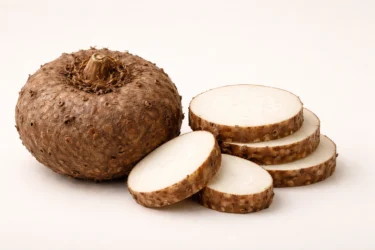
The elephant yam tuber may possess the properties to destroy parasitic worms. Studies5 to test the anthelmintic activity of elephant yam against earthworms showed that it may paralyze and kill the earthworm5. There are a variety of parasites that affect humans and these studies seem insufficient to define the extent to which elephant yam will be beneficial to humans.

The flavonoid quercetin, which was isolated from elephant yam, may prevent liver damage. Studies conducted on the rat liver to evaluate the hepatoprotective properties showed that elephant yam might bring down the increased enzyme level, increase the protein level and improve the texture of the damaged liver cells5. This indicates it may have some effect on the human liver, but human studies are needed to establish this. You must consult your doctor for advice on any liver-related condition.

There may be a potential use of elephant yams for weight loss. Elephant yam can be a part of several healthy recipes. Roasting elephant yam may be preferred over boiling it to preserve the nutrients. Elephant yam may have an excellent nutritional value, making it a healthy food choice9. However, do not make any changes in your diet without consulting a nutritionist.

Elephant yam may be effective against ulcerative colitis. A study10 conducted on Wistar rats showed that certain phytoconstituents present in elephant yam might exhibit anti-colic effects.
Though studies show the benefits of the herb in various conditions, these are insufficient, and there is a need for further studies to establish the true extent of the benefits of herbs on human health.
Judging from what I’ve witnessed, elephant yam may have impressive effects on our digestive system. It’s a real multitasker! It has been known to potentially address various digestive issues such as vomiting, loss of appetite (anorexia), and indigestion (dyspepsia). It might be like a magical remedy for common stomach troubles.
Dr. Rajeev Singh, BAMS
Elephant yam can be used in the following ways:
You must consult a qualified doctor before taking any herbal supplements. Do not discontinue or replace an ongoing treatment of modern medicine with an ayurvedic/herbal preparation without consulting a qualified doctor.
A few elephant foot yam side effects that were observed in studies are:
Moreover, if you experience any additional adverse reactions to elephant yam, immediately contact a doctor or your Ayurvedic physician who has prescribed it. They will be able to guide you appropriately for your symptoms.
Also Read: Zucchini (Courgette): Uses, Benefits, Side effects and More!
General precautions should be taken while having elephant yam as any other general medicine. Special care should be taken by pregnant women and lactating mothers. You must consult your doctor before having elephant yam. Precaution should be taken before giving elephant yam to elderly or children. In such cases, you must have elephant yam only if it is prescribed by your doctor.
Also Read: Star Anise (Chakra Phool): Uses, Benefits, Side Effects and More!
There is not enough evidence on interaction of elephant yam with other drugs. Further studies on interaction of elephant foot yam are required. Therefore, it is essential to consult your doctor if you are on any other medication before consuming elephant foot yam.
Also Read: Palm Sugar: Uses, Benefits, Side Effects By Dr. Smita Barode
There is a need for more research as there is not enough evidence on interaction of elephant yam with other drugs. Therefore, it is essential to consult your doctor if you are on any other medication before consuming elephant foot yam.
Elephant foot yam may be potentially used to treat diabetes, liver, and gastrointestinal diseases5. It may also be used as an antifungal, antibacterial and anthelmintic5. The side effects of elephant yam may be itching and burning sensation in the mouth, pruritis, erythema, wheal on external skin or hands, may cause urinary oxalate secretion and may increase the amount of faeces. You must seek immediate medical help if you experience any of these side effects.
Elephant yam contains fats, proteins, dietary fibres, calcium, magnesium, sodium, potassium, other minerals, and phytoconstituents5.
No, as of now, no studies have shown use of elephant yam for Covid-19.
Elephant yam may have cytotoxic property (ability to kill cells which can be beneficial in tumour growth), therefore elephant yam may be used for cancer5 . However, cancer is a serious health condition and requires proper diagnosis and treatment. Therefore, a doctor’s consultation is necessary.
Disclaimer: The information provided here is for educational/awareness purposes only and is not intended to be a substitute for medical treatment by a healthcare professional and should not be relied upon to diagnose or treat any medical condition. The reader should consult a registered medical practitioner to determine the appropriateness of the information and before consuming any medication. PharmEasy does not provide any guarantee or warranty (express or implied) regarding the accuracy, adequacy, completeness, legality, reliability or usefulness of the information; and disclaims any liability arising thereof.
Links and product recommendations in the information provided here are advertisements of third-party products available on the website. PharmEasy does not make any representation on the accuracy or suitability of such products/services. Advertisements do not influence the editorial decisions or content. The information in this blog is subject to change without notice. The authors and administrators reserve the right to modify, add, or remove content without notification. It is your responsibility to review this disclaimer regularly for any changes.
21
1
Ever enjoyed an avocado dip at a party? Or savoured creamy pulp of the fruit in a fresh salad? Avocado is also known as butter fruit and was first cultivated in Mexico. Famously, avocado has been used in various salads, dips and juice1. Avocado belongs to the family Lauraceae2. Avocado is considered to be an energy-giving and primary topical food. Avocado has been widely used in the pharmaceutical and cosmetic industry due to the different levels of oils present in the pulp3.
Current lifestyle and eating habits cause health problems. Thus, we need to look out for a practical and effective solution to attain better health. Health concerns and knowledge has shifted inclination towards fruit juices over conventional beverages like tea, coffee, aerated drinks, etc. It is the era of increased self-awareness and making better choices for our own good. A quick and power-packed drink is the need of the hour. Remember, avocado fruit may be a best-selling option to make a nutritious and nourishing fruit juice3.
Did you know?
Avocado juice contains the nutrition of the whole avocado fruit, which is as follows:
Avocado juice is considered a superfood. It is packed with various nutrients such as fibre, and potassium. These nutrients are responsible for maintaining digestive health. Therefore, avocado juice might be beneficial for maintaining digestion. Additionally, avocado juice keeps bloating from occuring as it has low-fructose content12.
Dr. Siddharth Gupta, B.A.M.S, M.D (Ayu)
Studies have shown that avocado juice may have the following properties:
When avocado juice is included in the daily routine, it may help in chronic diseases. Some of the potential uses of avocado are given below. In addition, it may be stated that avocado juice may also show similar effects as the fruit itself.

Studies were conducted to check if long-term intake of avocado reduced the risk of heart-related diseases. The study5 was conducted on almost 69000 women and 42000 men for about 30 years. The results showed that people who had consumed avocado juice showed a reduced risk of cardiovascular diseases compared to those who did not consume it. Drinking avocado juice in place of food high in fat may benefit cardiovascular health. Avocado is rich in potassium, which may help regulate blood pressure and create a steady heartbeat. Heart diseases can be dangerous therefore you should get professional help. Special precautions shall be taken if you have a history of heart disease.

According to American Heart Association, avocado may help in reducing bad cholesterol. Oleic acid is a good fat present in avocado, which may help lower cholesterol. Phytosterol in avocado may help reduce cholesterol absorption, thereby reducing bad cholesterol levels in the body. However, it is essential to get your cholesterol levels checked and consult your doctor in case of high cholesterol level5.

Avocados may help treat type 2 diabetes. Firstly, avocado juice has a low glycemic index thereby, it may not cause an increase in sugar levels in the blood. Secondly, studies have found that consuming unsaturated fats (good fats) instead of saturated fats (bad fats) may reduce the risk of type 2 diabetes by increasing insulin sensitivity. You must get your diabetes checked and consult your doctor for proper medication in case of high blood sugar level5.

Avocado contains a phytoconstituent carotenoid. Leutin and zeaxanthin are fat-soluble carotenoids found in the human eye and may protect them from harmful ultraviolet rays. Therefore, a diet rich in carotenoids may reduce the risk of cataracts and muscular degeneration. However, if you face any abnormality in vision or your eye health, you must consult your doctor instead of opting for self-medication5.
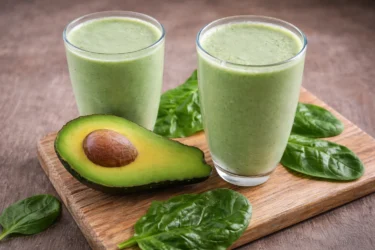
The fibrous content in the avocado juice may act as a prebiotic, which is helpful for gut-friendly bacteria. The bacteria present in the intestine digest the fibres of avocado juice. They further break down the fibres into short-chain fatty acids, which may help in several chronic diseases5.
Body mass index and lower weight may be related to healthy food consumption. Several studies show that avocado might help in weight management. Avocados may have medium energy density and dietary fibres. You must consult a nutritionist for further assistance in diet changes and weight management6.

Some clinical studies of avocados have suggested that a plant constituent, xanthophylls found in avocados may have antioxidant and DNA protective properties. It may also have anti-ageing properties. Studies showed that DNA damage accelerated the ageing process6.

Osteoarthritis affects most people when they age or gain weight. It involves a continuous deterioration of joint cartilage. This deterioration of joints may be due to oxidative and inflammatory stress. The avocado’s antioxidative and pain-relieving properties may help treat hip and knee osteoarthritis. You should consult your doctor if you are experiencing severe pain or any other symptoms6.
Skin is the first to show signs of visible ageing. The carotenoid present in avocado may help to combat the damage caused to the skin by inflammatory and oxidative stress of the ultraviolet rays. Roberts et al. studied that phytoconstituents leutin and zeaxanthin present in avocado may help the skin against damage from UV and visible radiation. Studies have also shown that avocado may help to reduce wrinkles and enhance wound healing activity. If you see or feel any abnormality in your skin, you must consult your doctor instead of self-medicating6.
Though studies show the benefits of avocado in various conditions, these are insufficient, and there is a need for further studies to establish the true extent of the benefits of avocado on human health.
Some studies show that avocado fruit extracts contain anti-inflammatory, antioxidant, and anti-cancer properties. Thus, drinking avocado juice might be useful for fighting many diseases like cancer, diabetes, etc.
Dr. Rajeev Singh, BAMS
Avocado juice can be prepared as described. Avocado fruit is cleaned thoroughly with water. The fruit is then peeled. The pulp from the avocado fruit is blended. Other additives like honey and water can be added to the beverage as necessary1.
You must consult a qualified doctor before taking any herbal supplements. Do not discontinue or replace an ongoing treatment of modern medicine with an ayurvedic/herbal preparation without consulting a qualified doctor.
Also Read: Neera (Palm Nectar): Uses, Benefits, Side Effects & More
The side effects of avocado juice may be as follows:
However, if you experience any adverse reactions to avocado juice, immediately contact a doctor or your Ayurvedic physician. They will be able to guide you appropriately for your symptoms.
The following precautions should be considered while consuming avocados:
Also Read: Apple Juice: Uses, Benefits, Side Effects and More!
Avocado juice is high in potassium which may interact with drugs like captopril, lisinopril, ramipril and diosgenin, which are used in hypertension11. Consult your doctor if you are taking any other medication before consuming avocado juice.
Also Read: Papaya Juice: Uses, Benefits, Side Effects and More!
Avocado juice may be used for cardiovascular diseases, lowering cholesterol, managing diabetes, improving eye and skin health, and treating osteoarthritis5,6. The given benefits will require further research and thus, it is best to take advice from a qualified doctor for proper suggestions.
The carotenoid present in avocado may help to combat the damage caused to the skin by inflammatory and oxidative stress of the ultraviolet rays. Plant compounds like leutin and zeaxanthin may help protect the skin, reduce wrinkles, and enhance wound healing activities6. Seek advice from a dermatologist for any issue related to the skin for proper guidance.
Drugs like captopril, lisinopril and ramipril may interact with avocado juice.
Avocado juice may be used for weight control and weight management. However, you should consult a nutritionist for further assistance in diet change6.
The possible side effects associated with avocado juice are hypersensitivity reactions, skin reactions and other allergic reactions.
Disclaimer: The information provided here is for educational/awareness purposes only and is not intended to be a substitute for medical treatment by a healthcare professional and should not be relied upon to diagnose or treat any medical condition. The reader should consult a registered medical practitioner to determine the appropriateness of the information and before consuming any medication. PharmEasy does not provide any guarantee or warranty (express or implied) regarding the accuracy, adequacy, completeness, legality, reliability or usefulness of the information; and disclaims any liability arising thereof.
Links and product recommendations in the information provided here are advertisements of third-party products available on the website. PharmEasy does not make any representation on the accuracy or suitability of such products/services. Advertisements do not influence the editorial decisions or content. The information in this blog is subject to change without notice. The authors and administrators reserve the right to modify, add, or remove content without notification. It is your responsibility to review this disclaimer regularly for any changes.
2
2
Many varieties of grapes are grown in the world. However, the European species (Vitis vinifera) and the American species (Vitis labrusca) are mainly utilized for making grape juice and wine. They contain a high amount of bioactive compounds that may make grapes more than just a delicious fruit for juices and wine! The nature of the grape, planting and storage conditions along with the industrial process used for the production of the grape juice may interfere with its potential health- related properties1.
Grape juice has a unique colour, flavour and aroma. It is a non-fermented juice and can be conserved when subjected to treatment. When fresh grape juice undergoes alcoholic fermentation, we obtain one of the world’s loved drinks – wine. The bioactive compounds and properties of grape juice are slightly different from that of wine. Let’s read and find out more about the properties, potential uses and side effects of grape juice1.
The percentage content of nutrients present in 100g grape juice are as follows:
Minerals present in grape juice:
Vitamins present in grape juice:
Did you know?
Researchers have studied this delicious drink quite a bit and have identified that grape juice might possess the following properties:
Grape juice might have potential health benefits. However, right now, there is no clear evidence that states the effects of grape juice on our health. So, according to the currently available studies, the following are the potential uses of grape juice.

A recent study3 conducted by Cheng et al. in the year 2017 showed that grape juice might have the potential to help reduce oxidative stress. It was observed that grape juice might exhibit this effect due to the antioxidant activity it might possess. Grape juice might help improve the enzymatic activity of certain enzymes (SOD, GP, etc.) which might possibly help reduce the oxidative stress in the body. However, there is a need for more research to prove such effects of grape juice on human health.
Grapes, which are rich in antioxidants, may aid in the battle against free radicals, which are chemicals that may harm cells and perhaps cause cancer. To help lower the risk of cancer, antioxidants minimise what is known as oxidative stress. Resveratrol, an antioxidant found in grapes, may prevent cancer by lowering inflammation and preventing the development of cancer cells. In addition to these antioxidants, grapes also contain catechins, quercetin, and anthocyanins, which together may be particularly effective against cancer. Hence, I strongly recommend the daily consumption of grape juice in the right amount7.
Dr. Rajeev Singh, BAMS
In a study4 conducted on animals in 2018, it was seen that grape juice might have the potential to help lower the level of lipids in our blood. Other studies reached similar conclusions. This may be due to the presence of bioactive compounds in grape juice. However, there is a need for more studies on humans to understand the effects of grape juice on lipids (fats) in the body. The diagnosis and treatment of cholesterol should be made by a doctor. So, make sure that you consult a doctor.

Several studies5 have shown that grape juice might help the liver. This effect might be due to its possible lipid-lowering effect. This potential property may be attributed to the bioactive compounds present in grape juice. However, more studies are required to prove its effects on humans. Conditions of the liver can be serious so ensure that you visit a doctor if you suspect an underlying liver condition.

Seymour and Bolling, in their study6 conducted on mice in 2016, found that grape juice might possesses anti-inflammatory property. It is hypothesised that the compounds in grape juice might interfere with the pathways of inflammation and might help reduce inflammation. However, there is a need for more research to prove such claims.

As per recent studies1 conducted by Hakova et al. 2020; Cicero, Ruscica and Banach 2019; Rameshrad et al 2019, and Sun et al.2008, it seems that grape juice has a bioactive compound called resveratrol that might have the potential to protect against diseases of the nerves. Researchers think that grape juice might help with Alzheimer’s, Parkinson’s and other chronic degenerative diseases of the nerves. However, a lot of research has to be conducted to back up such claims.
Though there are studies that show the potential uses of grape juice in various conditions, these are insufficient, and there is need for further studies to establish the true extent of the benefits of grape juice on human health.
Because it contains a lot of vitamin C, grape juice may support your immune system’s defence against viral and bacterial illnesses, including yeast infections. From my knowledge, if we have a strong immune system, our body is better able to fight against and avoid any sudden, brief illness7.
Dr. Siddharth Gupta, B.A.M.S, M.D (Ayu)
You can use grape juice by either purchasing it from the market or you can prepare fresh grape juice at home. Fresh grape juice at home can be prepared by following the given method:
However, you should not use grape juice without consulting with your doctor about its safety for your health.
You must consult a qualified doctor before taking any herbal supplements. Do not discontinue or replace an ongoing treatment of modern medicine with an ayurvedic/herbal preparation without consulting a qualified doctor.
Also Read: Carrot Beetroot Juice: Uses, Benefits, Side Effects and More!
More research is required to verify the side effects of grape juice on human health. The data present is not sufficient either to fully validate its side effects or its absolute safety. If you notice any symptoms from drinking grape juice, you should consult your doctor immediately. They will be able to guide you regarding the safety of grape juice on your health. Kindly do not use grape juice as medicine without consulting a doctor. It is at the discretion of your doctor to choose the therapy required for your health condition basis your consultation with them. Therefore, you should consult an Ayurvedic physician for further information.
General precautions must be taken before using grape juice. You should especially be careful while giving it to children and elderly individuals. You should take extra caution while giving it to pregnant women and breastfeeding mothers as well. As the evidence present is not sufficient to claim the safety of grape juice for human health, you should consult a doctor before using grape juice. Kindly do not self-medicate, replace, alter, or discontinue any ongoing treatment on your own.
Also Read: Papaya Juice: Uses, Benefits, Side Effects and More!
There is not enough data to suggest that grape juice does not react to it any other drugs. There is a need for more research to prove the absolute safety of grape juice for human health. Therefore, you should always consult your doctor before using grape juice. You should especially be careful if you are undergoing any treatment and are taking medications.
Also Read: Apple Juice: Uses, Benefits, Side Effects and More!
Grape juice might have the potential to help with lowering oxidative stress for the heart, inflammation, etc. However, these potential uses need to be backed up by more research to be able to use grape juice as a therapeutic drink. Please do not use it to self-medicate, alter, replace or discontinue an ongoing treatment3.
There is not enough evidence stating the safety of grape juice for pregnant women. Therefore, it is better to consult a doctor before giving grape juice to pregnant women.
Various nutrients and bioactive compounds are present in grape juice. It contains carbohydrates, proteins, fats, fibre, vitamins (A, C, B) and minerals (zinc, potassium, etc.). One of the bioactive compounds that it may contain is resveratrol2.
There are no reports or studies claiming the potential use of grape juice for skin. There will be a need for more studies to prove such claims. Please visit a doctor before using grape juice for its apparent benefits.
Grape juice might be helpful for the liver. Bioactive compounds present in grape juice and the possible lipid-lowering effect of grape juice might have a positive effect on the health of the liver. However, there is a need for more research on humans to prove the potential use of grape juice for the liver. Kindly do not self-medicate, alter, or discontinue any ongoing treatment on your own. Liver conditions can be serious and should be diagnosed and treated by medical professionals3.
You should consult a doctor before drinking grape juice everyday as it can have unknown effects on different people. Kindly do not self-medicate.
1. Barbalho SM, Bueno Ottoboni AMM, Fiorini AMR, Guiguer ÉL, Nicolau CCT, Goulart R de A, et al. Grape juice or wine: which is the best option? Crit Rev Food Sci Nutr [Internet]. 2020 Dec 15;60(22):3876–89. Available from: http://www.ncbi.nlm.nih.gov/pubmed/31920107
2. Bedê TP, de Jesus V, Rosse de Souza V, Mattoso V, Abreu JP, Dias JF, et al. Effect of grape juice, red wine and resveratrol solution on antioxidant, anti-inflammatory, hepactic function and lipid profile in rats feds with high-fat diet. Nat Prod Res [Internet]. 2021 Dec;35(23):5255–60. Available from: http://www.ncbi.nlm.nih.gov/pubmed/32400183
3. Junior JB, Arantes DAC, Siqueira Leite KC, de Souza Gil E, Rocha ML. Protective Effects of Grape Juice on Vascular Damage Induced by Chlorine Free Radical in Rats. Prev Nutr Food Sci. 2021 Dec 31;26(4):417-424. doi: 10.3746/pnf.2021.26.4.417. PMID: 35047438; PMCID: PMC8747961. Available from: https://pmc.ncbi.nlm.nih.gov/articles/PMC8747961/
4. Lupoli R, Ciciola P, Costabile G, Giacco R, Minno MNDD, Capaldo B. Impact of Grape Products on Lipid Profile: A Meta-Analysis of Randomized Controlled Studies. J Clin Med. 2020 Jan 22;9(2):313. doi: 10.3390/jcm9020313. PMID: 31979098; PMCID: PMC7073656. Available from: https://pmc.ncbi.nlm.nih.gov/articles/PMC7073656/
5. Kim MJ, Kim MJ, Han DW, Kim JI. Hepatoprotective Effect of Fresh Grape Juice Prepared by a Low-Speed Masticating Juicer in db/db Mice. Prev Nutr Food Sci. 2019 Mar;24(1):95-101. doi: 10.3746/pnf.2019.24.1.95. Epub 2019 Mar 31. PMID: 31008102; PMCID: PMC6456238. Available from: https://pmc.ncbi.nlm.nih.gov/articles/PMC6456238/
6. Seymour EM, Bolling SF. Grapes and Inflammation. In: Grapes and Health. 2016. p. 77–97. doi:10.1007/978-3-319-28995-3_5. Available from: https://www.researchgate.net/publication/303542070_Grapes_and_Inflammation
7. Cleveland Clinic. 10 Health Benefits of Grapes [Internet]. Cleveland, OH: Health Essentials, Cleveland Clinic; 15 Nov 2021 [cited 2026 Jan 22]. Available from: https://health.clevelandclinic.org/health-benefits-of-grapes
Disclaimer: The information provided here is for educational/awareness purposes only and is not intended to be a substitute for medical treatment by a healthcare professional and should not be relied upon to diagnose or treat any medical condition. The reader should consult a registered medical practitioner to determine the appropriateness of the information and before consuming any medication. PharmEasy does not provide any guarantee or warranty (express or implied) regarding the accuracy, adequacy, completeness, legality, reliability or usefulness of the information; and disclaims any liability arising thereof.
Links and product recommendations in the information provided here are advertisements of third-party products available on the website. PharmEasy does not make any representation on the accuracy or suitability of such products/services. Advertisements do not influence the editorial decisions or content. The information in this blog is subject to change without notice. The authors and administrators reserve the right to modify, add, or remove content without notification. It is your responsibility to review this disclaimer regularly for any changes.
3
4
When someone says “A for…” almost all of us complete the sentence by saying apple without even batting an eyelid. If you think about it, you will find that apples are so common all across the world that they are featured in legends and fairy tales. You might notice that it dropped in on crucial scientific discoveries too (remember Newton and his apple tree that led to the discovery of gravity?). So, though the apple might seem like a humble fruit, it might have hidden greater potential.
Apples have caught the attention of researchers worldwide and for all the good reasons. It is a versatile, accessible and inexpensive fruit. Moreover, it has various bioactive components in it which might have various positive health benefits. You might have heard the saying “An apple a day keeps the doctor away”, let’s read and find out if the mentioned proverb holds some value1.
Did You Know?
The nutrients present in apple juice are as follows
| Nutrients | Percentage content |
| Water | 88.2 |
| Carbohydrate | 11.3 |
| Protein | 0.1 |
| Fats | 0.13 |
| Sugar | 9.62 |
| Fibre | 0.2 |
Apple juice might have the following properties that might be helpful for us:
A study I came across explored the use of dilute apple juice as a form of initial oral hydration in children with mild gastroenteritis and minimal dehydration. Using dilute apple juice as a suitable alternative for children with mild gastroenteritis might provide relief and potentially lead to fewer negative outcomes compared to using electrolyte maintenance solutions3.
Dr. Siddharth Gupta, B.A.M.S, M.D (Ayu)
Apple juice might possess the properties mentioned above and may be truly a boon for our health. However, there is a need for more research that can provide concrete scientific evidence for the use of apple juice for its health benefits. The potential uses mentioned below are drawn from the studies currently available.
White et al. conducted a randomized control trial and studied the effect of apple juice on the blood sugar level in people. The team of researchers found that the blood sugar levels did not increase after drinking apple juice. They also found that apple juice might also help in decreasing blood sugar after some time. This shows that apple juice might potentially help people with diabetes. However, there is a need for more studies to confirm such claims1. Moreover, diabetes is a serious condition that must be diagnosed and treated by a doctor, and not treated at home.

In a special study conducted by Wruss et al., researchers found that apple juice might potentially reduce oxidative stress in the body due to its apparent antioxidant activity. They found an increase in antioxidant activity just after the introduction of apple juice, but it decreased after some time and increased again after a few more hours. Therefore, the potential use of apple juice as an antioxidant to help reduce oxidative stress is still unclear and will require more studies to prove it.
In light of what I’ve perceived, based on some research, it says that oxidative stress might play a role in causing asthma, both in experimental models and in humans. Here’s the good news! Apple products, such as apple juice, may protect against asthma due to their antioxidant properties and the presence of beneficial plant compounds5.
Dr. Smita Barode, B.A.M.S, M.S.
Multiple studies were conducted to study the possible effect of apple juice on body fat. Some of them showed no significant change in body fat. However, a study1 by Barth et al. on men showed that apple juice might help with body fat reduction, but the results were inconsistent. They found that the person’s genetic makeup might play an important role. They didn’t find any difference in body mass index and waist circumference. Therefore, more studies will be required to ascertain the potential use of apple juice for weight management.

Apple juice might have potential use for cancer. This may be due to the action of apple juice as an antioxidant. It might help reduce the oxidative stress and possible DNA damage that causes cancer. Thereby, it may help with cancer. However, there is a need for much more extensive research to prove such claims1. Cancer is a serious condition and must be diagnosed and treated by a doctor.

Several studies were conducted on the potential use of apple juice for diseases related to the brain. Some of the studies showed that apple juice might be helpful for people with dementia and Alzheimer’s disease. It might help with the symptoms of dementia like anxiety, delusion and agitation. However, more studies are required to prove the potential use of apple juice for diseases related to the brain1. Please ensure you consult a doctor as diseases of the brain are serious and should be diagnosed and treated by a doctor.
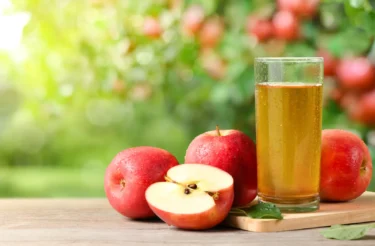
The other potential uses of apple juice are:
Though there are studies that show the potential uses of apple juice in various conditions, these are insufficient and there is a need for further studies to establish the true extent of the benefits of apple juice on human health.
Based on my observations, some findings suggest apple products like apple juice might have a protective effect on colon diseases. This may be attributed to the increased availability of polyphenols in the colon by consuming such apple products4.
Dr. Rajeev Singh, BAMS
You may use apple juice in the following ways:
You must consult a qualified doctor before taking any herbal supplements. Likewise, do not discontinue or replace an ongoing treatment of modern medicine with an ayurvedic/herbal preparation without consulting a qualified doctor.
It was observed in a study that clear apple juice might have some negative effects on women. So, it is better that you visit a doctor and take their advice before drinking apple juice. There might be more side effects of drinking apple juice which may be validated with further studies. However, presently there is limited knowledge about the side effects of apple juice on humans. Therefore, you should consult a doctor before using apple juice. Kindly do not self-medicate, alter, replace or discontinue any ongoing treatment on your own1.
Also Read: Carrot Beetroot Juice: Uses, Benefits, Side Effects and More!
It is important to take a few general precautions before drinking apple juice, as all of its effects on humans are not fully known. You should be especially careful while giving it to children and elderly individuals. Extra caution is also to be taken by pregnant and breastfeeding women. Kindly do not self-medicate, alter, replace or discontinue any treatment on your own. Instead, you should visit a doctor and seek medical advice.
Also Read: Cucumber Juice: Uses, Benefits, Side Effects and More!
There is a need for more studies to establish that apple juice does not react adversely to any drug. So, it cannot be considered safe unless more research is done with conclusive results. Therefore, it is advised that you consult a doctor before using apple juice for human health. One must always disclose all the current medications being used so that the doctor can advise accordingly.
Also Read: Watermelon Juice: Uses, Benefits, Side Effects and More!
Apple juice contains various nutrients that might help with diabetes, heart health, inflammation, etc. However, more studies are required to prove such claims1. However, more research is required. Moreover, one must consult a doctor for all serious conditions.
There is no evidence that drinking apple juice on an empty stomach may be helpful. Therefore, there is a need for more research.
No. You should consult a doctor and your doctor will advise you if drinking apple juice is required or not. Kindly do not self-medicate. Do not alter, replace or discontinue any ongoing treatment.
There is no evidence claiming that apple juice can fight all diseases. In fact, there is no evidence that any one single food item can fight against all disease. More thorough research will be required to prove such statements. Its wise to not fall prey such false claims for any food items.
Apple juice contains carbohydrates, proteins, sugars, vitamins (A, C, B) and minerals (iron, calcium, potassium, etc.)2.
A study showed that clear apple juice might have negative effects on women. There may be more side effects of apple juice as well. However, there is a need for more research to study all the side effects of drinking apple juice. Therefore, you should consult a doctor before drinking apple juice1.
A few studies conducted showed that apple juice might help to reduce fat in the body while a few other studies showed that it had no significant effect on weight. Therefore, the amount of research present is inconclusive on the potential effects of apple juice on weight management. More studies will be required to prove such claims1.
No reports or studies are available to claim the potential use of apple juice for skin. Therefore, more studies will be required to prove the possible effects of apple juice on the skin, if any.
The potential uses of apple juice for women and men are similar. There are no separate benefits of apple juice stated for men presently. Apple juice might help with diabetes, cancer, oxidative stress, etc. However, there is a need for more studies to prove such claims1. Please ensure that you consult a doctor for health issues.
Disclaimer: The information provided here is for educational/awareness purposes only and is not intended to be a substitute for medical treatment by a healthcare professional and should not be relied upon to diagnose or treat any medical condition. The reader should consult a registered medical practitioner to determine the appropriateness of the information and before consuming any medication. PharmEasy does not provide any guarantee or warranty (express or implied) regarding the accuracy, adequacy, completeness, legality, reliability or usefulness of the information; and disclaims any liability arising thereof.
Links and product recommendations in the information provided here are advertisements of third-party products available on the website. PharmEasy does not make any representation on the accuracy or suitability of such products/services. Advertisements do not influence the editorial decisions or content. The information in this blog is subject to change without notice. The authors and administrators reserve the right to modify, add, or remove content without notification. It is your responsibility to review this disclaimer regularly for any changes.
5
1
Cranberries are typically sour, a bit sweet and rarely bitter. These delicious little berries are considered a functional food. Add to your salads or simply grind them in a jar, cranberries make for excellent addition to any dish. Cranberry juice is a delicious beverage with an attractive bright red color thanks to the anthocyanin pigment present in it. It has high amount of acidity and tartness and less amount of sugars, making it a great combination with other sweet fruit juices1,2.
Cranberry juice can be easily made at home; you need fresh ripe cranberries. The juice can be obtained by cold pressing or simply blending the berries in a juicer. If you don’t like their sour taste, add some sugar to cut through the sourness. You can also store the cranberry juice in a sealed dark container till you feel like sipping on it at a later time1.
The cranberry plant that produces these berries is an evergreen shrub mainly grown for its red, delicious cranberries. It is cultivated in North and South America, Great Britain, Australia, Newzealand and Europe. It is scientifically known as Vaccinium and belongs to the family Ericaceae2.
Let’s read more about this sweet and sour juice and its potential uses, benefits, and side effects.
Did you know?
Cranberries are healthy fruits with a whopping 85% water content. Cranberry juice has high nutritional value because of its chemical composition. It has a relatively low sugar content and a high amount of organic acids, vitamins, minerals, flavonoids, and anthocyanins2. It is packed with vitamins, minerals and antioxidants.
The nutritional value of cranberry juice is as follows:
Cranberry juice is a rich source of valuable phytochemicals, such as vitamins and phenolic compounds, which may contribute to its biological properties listed below2.
Back in the day, Native Americans used cranberries to tackle the damage done by arrow wounds. Cranberries were also used to dye rugs and blankets. Now, cranberries have shown a myriad of health benefits6.
Dr. Siddharth Gupta, B.A.M.S, M.D (Ayu)
Cranberry juice might be beneficial for health and may be recommended for daily use owing to its high nutritional profile. Some potential uses of cranberry juice are as follows:

The most well-known benefits of cranberry juice are that it may be beneficial for urinary tract infections (UTI). The UTI incidence increases with age. Few antibiotics are proven effective, but they carry side effects too. Therefore, non-antibiotic strategies like drinking cranberry juice have been considered4.
The health benefits of cranberry juice might be associated with the presence of A-type proanthocyanidins antioxidant. It may decrease the attachment activities of bacteria that cause urinary tract infections. The French Food Safety Authority (Apr 2004) statement suggests that proanthocyanidins from cranberries might help reduce the adhesion of certain E. coli types pathogenic bacteria to the urinary tract1.
This information is insufficient because there is lack of studies in humans. We require more human trials to back this claim. Therefore, you should speak to your doctor and only then have cranberry juice for UTIs.
The benefits of cranberry juice may be because of its antioxidant activity. Anthocyanins are important antioxidants that might be effective in lowering cholesterol levels. They play an important role in free-radical scavenging, which might benefit by reducing the low-density lipoproteins (the ”bad” cholesterol) in the body and may help produce ”good” cholesterol1.
However, this information is insufficient as these studies are not done on humans. Hence, more studies on humans are required to back this claim. Therefore, it is essential to first speak to your concerned doctors and only use cranberry juice as a medicine.

The health benefits of cranberry juice may have potential uses in the management of dental disease. The antibacterial properties of cranberry juice might stop the sticking of bacteria to the surface tooth, which may be beneficial in decreasing the formation of dental plaques. However, this information is insufficient and requires more clinically tested proof on humans4. Therefore, it is necessary to take a doctor’s advice before using cranberry juice for dental health.

Though there are studies showing the benefits of cranberry juice in various conditions, these are insufficient, and there is a need for further studies to establish the true extent of the benefits of cranberry juice on human health. Every person may respond differently to these herbs. Therefore, it is important to consult a doctor before using cranberry juice for any medical condition as a replacement for conventional medical treatment.
Cranberries may help improve digestive health for people consuming an animal-based diet. Cranberries do so by reducing the bad microbes found in the colon7.
Dr. Rajeev Singh, BAMS
The cranberry juice uses are as follows:
You should consult an Ayurvedic physician before drinking cranberry juice on a daily basis. In addition, we recommend you do not replace or discontinue your ongoing medications with any herbal preparations without seeking the medical advice of a doctor. They will guide the best form and dosage in which the herb can be used per your health condition.
Also Read: Carrot Beetroot Juice: Uses, Benefits, Side Effects and More!
Drinking cranberry juice every day in moderate volume has not shown any side effects4. However, excess consumption might be dangerous to health. The cranberry juice side effects are described as follows: Cranberry juice contains a high amount of oxalate and long-term intake may precipitate urinary stone formation, which might lead to kidney stones4.
However, if you already have kidney-related issues, we recommend you avoid having the juice. And if you experience such side effects, immediately seek medical attention from your physician. They will prescribe you a better treatment.
Drinking cranberry juice in a moderate dosage is safe. However, general precautions must be followed.
Also Read: Cucumber Juice: Uses, Benefits, Side Effects and More!
The bioactive compound such as antioxidants and flavonoids of cranberry juice might interact with other drugs resulting in herb-drug interaction. This phenomenon might affect the complete metabolism of certain drugs5.
Thus, if you take blood-thinning drugs, you must consult an Ayurvedic physician before consuming cranberry juice. They will direct you to the better way to have cranberry juice as a herb.
Also Read: Amla Juice: Uses, Benefits, Side Effects and More!
Cranberry juice contains vitamin C, vitamin E, vitamin B2, vitamin B3, vitamin B1, vitamin B9, vitamin B6, vitamin K and vitamin A3.
Drinking cranberry juice in small quantities is considered safe until excessive consumption happens4. However, no report was recorded related to any side effects of cranberry juice during pregnancy. Therefore, before having it, one should take advice from a qualified doctor to avoid any complications.
The essential phytochemicals such as proanthocyanins, carotenoids, flavonoids, Vitamin C and phenolic acids are present in cranberry juice. These are the principal substances that might be responsible for the anti-cancer, antioxidant, antibacterial and glucose-lowering activity2. However, a doctor’s consultation is necessary prior to use cranberry juice. They will prescribe you the best dosage form according to your health condition.
Cranberry juice may have antibacterial activity. Drinking cranberry juice might be one of the non-antibiotic strategies that may be beneficial in managing recurrent urinary tract infections. However, this data is insufficient and requires more information on human trials. Therefore, without well-designed controlled trials, this strategy cannot be clinically recommended4.
Yes. There is a case reported5 by Suvarna et al. (2003) that suggested cranberry juice might interact with other drugs such as (warfarin, digoxin, and phenytoin). The case study was of a seventy-year-old man who died of a gastrointestinal (digestive tract) and pericardial (heart-sac) haemorrhage (bleeding). Therefore, it is essential to consult a doctor before using cranberry juice for any health condition. In addition, we recommend you do not change your ongoing treatment with any herbal preparations.
1. Ilić DP, Troter DZ. Cranberry (Vaccinium macrocarpon L.) fruit juice from Serbia: UHPLC-DAD-MS/MS characterization, antibacterial and antioxidant activities. LWT. 2021;146(1):111399. doi:10.1016/j.lwt.2021.111399. Available from: https://www.researchgate.net/publication/350454187_Cranberry_Vaccinium_macrocarpon_L_fruit_juice_from_Serbia_UHPLC-_DAD-MSMS_characterization_antibacterial_and_antioxidant_activities
2. Bobis, O., Nayik, G.A., Wagay, J.A., Farooq, U., Zehra, A., Nanda, V. (2020). Cranberry. In: Nayik, G.A., Gull, A. (eds) Antioxidants in Fruits: Properties and Health Benefits. Springer, Singapore; 2020. p.479–505. Available from: https://link.springer.com/chapter/10.1007/978-981-15-7285-2_25
3. United States Department of Agriculture [Internet] Cranberry juice, unsweetened; 2019 Apr 1. [cited 2022 Jul 1]. Available from: https://fdc.nal.usda.gov/fdc-app.html#/food-details/168117/nutrients
4. Harkins KJ. What’s the use of cranberry juice? Age and Ageing. 2000;29(1):9–12. Available from: https://pubmed.ncbi.nlm.nih.gov/10690688/
5. Sylvan L, Justice NP. Possible interaction between warfarin and cranberry juice. BMJ (Clini Res ed). 2003;327(7429):1454–1454. Available from: https://europepmc.org/backend/ptpmcrender.fcgi?accid=PMC300803&blobtype=pdf
6. Neto CC, Vinson JA. Cranberry. In: Benzie IFF, Wachtel-Galor S, editors. Herbal Medicine: Biomolecular and Clinical Aspects. 2nd ed. Boca Raton (FL): CRC Press/Taylor & Francis; 2011. Chapter 6. PMID: 22593931. Available from: https://pubmed.ncbi.nlm.nih.gov/22593931/
7. Cleveland Clinic. Are Cranberries Healthy? 6 Surprising Benefits [Internet]. Cleveland, OH: Health Essentials, Cleveland Clinic; 26 Jan 2022 [cited 2026 Jan 22]. Available from: https://health.clevelandclinic.org/benefits-of-cranberries
Disclaimer: The information provided here is for educational/awareness purposes only and is not intended to be a substitute for medical treatment by a healthcare professional and should not be relied upon to diagnose or treat any medical condition. The reader should consult a registered medical practitioner to determine the appropriateness of the information and before consuming any medication. PharmEasy does not provide any guarantee or warranty (express or implied) regarding the accuracy, adequacy, completeness, legality, reliability or usefulness of the information; and disclaims any liability arising thereof.
Links and product recommendations in the information provided here are advertisements of third-party products available on the website. PharmEasy does not make any representation on the accuracy or suitability of such products/services. Advertisements do not influence the editorial decisions or content. The information in this blog is subject to change without notice. The authors and administrators reserve the right to modify, add, or remove content without notification. It is your responsibility to review this disclaimer regularly for any changes.
3
0