
Yoga is a rich treasure with techniques beneficial for physical, mental, and spiritual well-being. In this era of expensive pharmacotherapy with innumerable side effects, it is difficult to manage diseases like hyperthyroidism or hypothyroidism, cardiovascular conditions, obesity, and diabetes.
Therefore, introducing physical exercises like yoga can gradually hasten the recovery process. Though it evolved and flourished in India, the introduction of yoga in Western culture gained much popularity and has become a statement of an optimum lifestyle in the upper-middle classes1.
Yoga involves a lifestyle that requires maintaining certain postures (Asanas) along with controlling breathing, thoughts, and enchanting mantras (recital phrases), unlike other exercises that focus on muscle stress, repetitive movements, and heavy breathing. In yoga, body is relaxed and blood requirement is reduced. This is opposite to aerobics, zumba and other exercises that increase the workload on heart to pump more blood. Yoga triggers the neuronal hormones that add significant benefits to mental and spiritual well-being1.
One of the countless postures in yoga is the ‘Shoulder stand’, also known as Sarvangasana.
Did You Know?
Sarvangasana is a posture where the whole body is balanced on the shoulder and is therefore, also known as a Shoulder stand.
Sarvangasana constitute 3 words “Sarva”, “anga” and “asana”. “Sarva” means “all”, “anga” means body part and “asana” means posture. As the name indicates, Sarvangasana is the posture involving the whole body.
It is referred to as the Queen of asanas because it maintains the physical and mental health of an individual2.
Asanas that involve postural inversion are not part of traditional practice, as the three classic hatha yoga texts do not mention these postures. They have only recently gained more popularity with increased visibility through social networks3. It is the most effective way to streamline the body and mind. It may help in attaining peace, containment and happiness4.
Sarvangasana or shoulder pose is to be practiced in the presence of trained yoga professionals. The steps to be followed while performing this asana are:
Do not strain your body by holding the final position for long during the initial practice. Increase the duration gradually from three to five minutes. Perform Sarvangasana only once during the yoga session2.
By regularly practising Sarvangasana, you can improve your posture, relieve back discomfort, and enhance overall spinal health. I recommend practising Sarvangasana (Shoulder Stand Pose) to alleviate stiffness in the back muscles caused by poor posture or prolonged standing. This pose involves stretching and lengthening the back muscles, helping to release tension and improve flexibility7.
Dr. Rajeev Singh, BAMS
Sarvangasana offers several benefits to improve physical and spiritual health. Some of the potential benefits are:
Sarvangasana may improve the blood supply to the brain. There is an increased influx of blood to the brain during the shoulder stand position. This increased influx can also help in nourishing the hair and hydrating the scalp, thus helping in preventing hair loss and improving hair growth.
An increase in blood supply to facial muscles may lead to glowing skin. The greater blood flow may also help in keeping ourselves active and energized2.
Sarvangasana may help in decreasing the production of thyroxin hormone responsible for causing hyperthyroidism. The inverted position during shoulder stand allows the heart to pump the blood to the brain and the thyroid gland and helps in curing thyroid-related disorders. The potential benefit of the blood flow during Sarvangasana is on respiration, increasing the digestive and excretory processes, and strengthening the nervous system, which is controlled by the thyroid and parathyroid glands. When the thyroid gland functions properly, all of the above-mentioned systems of the body work effectively2.
Kumar et al. 2017 mention a study5 involving 20 patients with diabetes (increased glucose level) subjected to 40 days of yoga, involving sarvangasana as one of the postures, showed a decrease in glucose levels and changes in insulin levels. The shoulder stand pose improves the functioning of pancreas, responsible for insulin production. The enhanced insulin production may help in decreasing the risk of diabetes. The involvement of asanas or postures in daily life does not have any adverse effects, and can be used as an alternate means to improve health4.
The shoulder stand may help in increasing the blood pressure of patients with low blood pressure. A study6 conducted by Naidu, S.T. et.al., 2015 on postural inversion in yoga and its effects on cardiovascular parameters, mentions that there was an increase in diastolic and systolic blood pressure during the sarvangasana. The increase in blood pressure depends on various factors especially the population (healthy or on patients with blood pressure fluctuations) performing the sarvangasana3.
Over the years, I have found that practising Sarvangasana (Shoulder Stand Pose) can help counteract the pooling of blood in the legs and abdomen. This pose involves elevating the legs above the heart, which promotes return of the blood from the organs and improves overall circulation7.
Dr. Siddharth Gupta, B.A.M.S, M.D (Ayu)
Also Read: Benefits of Halasana (Plough Pose) and How to Do It By Dr. Himani Bisht
Some of the contraindications related to Sarvangasana are:
The important point to consider while doing postural inversion is to perform it smoothly and slowly and it should be only practiced with a trained yoga teacher.
Also Read: Benefits of Prana Mudra and How to Do it By Dr. Himani Bisht
Tension and stress are part of everyday life, but they should not affect the mind and body. Performing sarvangasana helps de-stress by relieving the pain and increasing the blood supply to all parts of the body. However, it is necessary to follow precautions while performing sarvangasana to avoid the associated physical risks. Given the rising popularity of postural inversions in yoga, through social media, it is important to do additional research on the benefits and risks.
Also Read: Benefits of Bhramari Pranayama and How to Do it By Dr. Himani Bisht
Sarvangasana is also known as “shoulder stand”. It is an inversion posture where the whole body is balanced on the shoulder2.
People suffering from high blood pressure, slipped disc, vertigo, atherosclerosis, cerebral thrombosis migraine, pregnant and lactating women and people with diabetic retinopathy and who have undergone surgery should avoid shoulder stand. Sarvangasana should also be avoided in patients suffering from cold, flu and sinus problems2.
For beginners, the final position of Sarvangasana or shoulder stand should be held for a few seconds. It can be gradually increased with the practice for about three to five minutes2.
The shoulder stand or Sarvangasana may help in improving blood circulation and digestion. It may also help in rejuvenating the body and maintaining balance and posture of the body. Sarvangasana may increase blood pressure, which can be used as a potential benefit for patients with low blood pressure4.
This asana should only be performed once at the end of completion of other asanas during the yoga session. An easy relaxing posture after performing sarvangasana or shoulder stand is Shavasana (corpse pose)2.
Disclaimer: The information provided here is for educational/awareness purposes only and is not intended to be a substitute for medical treatment by a healthcare professional and should not be relied upon to diagnose or treat any medical condition. The reader should consult a registered medical practitioner to determine the appropriateness of the information and before consuming any medication. PharmEasy does not provide any guarantee or warranty (express or implied) regarding the accuracy, adequacy, completeness, legality, reliability or usefulness of the information; and disclaims any liability arising thereof.
 6
6
 1
1
Cod liver oil is the best source of vitamins and fatty acids. Cod liver oil is obtained from the fish where the liver is used to extract the liver oil. Hippocrites and Pliny mentioned the use of fish oils for medicine preparation. In England for the first time, doctors used cod liver oil as medicine and the liver of cod fish is considered a delicacy in several parts of the world. Fresh oil from cod liver fish is often used as butter and Gadus morhua is the scientific name for cod fish. The presence of vitamins and essential acids in cod liver oil may be helpful for humans in various ways1. Let us look at some of the cod liver oil benefits.
Did you know?
Cod liver oil is rich in vitamins and an excellent source of omega-3 fatty acids. The nutritional value of cod liver oil2 is:
Cod liver oil may have the following properties:
Based on my experience, I highly recommend incorporating cod liver oil supplements into your diet. It is known to be rich in Vitamin A and Vitamin D, hence potentially promoting new blood cell formation and bone growth. This makes it a healthy choice to support overall well-being12.
Dr. Siddharth Gupta, B.A.M.S M.D (Ayu)
The potential cod liver oil uses are as follows:
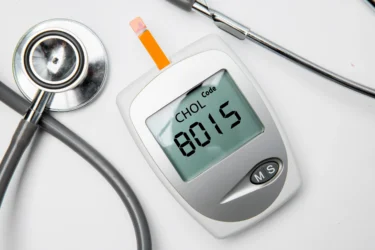
Regular intake of omega-3 fatty acids may reduce the formation of bad cholesterol in the human body. Cod liver oil is a rich source of vitamins and omega-3 fatty acids. The presence of these compounds may help in reducing cholesterol in humans. However, large-scale studies are required to evaluate the effect of cod liver oil on lowering cholesterol levels3. You must check your cholesterol levels regularly and consult your doctor in case of high cholesterol levels.
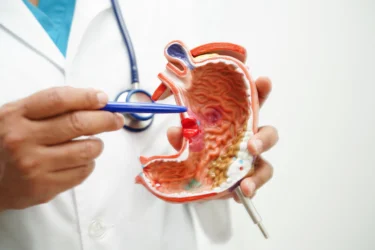
The presence of vitamins and essential fatty acids may help in antioxidant activity which may lead to eliminating the free radicals. Cod liver oil may protect against gastric ulcers which may reduce acid secretion and protect the inner lining of the stomach4. However, further studies are required to evaluate the anti-ulcer activity of cod liver oil. You must consult your doctor if you develop ulcers instead of self-medication.

Cod liver oil may be used in case of myocardial infarction, which is heart disease. Omega-3 fatty acids present in cod liver oil may reduce the incidence of myocardial infarction. Further large-scale studies are required to check the effect of cod liver oil on heart diseases5. However, if you experience any symptoms of heart disease, you must immediately contact your doctor.
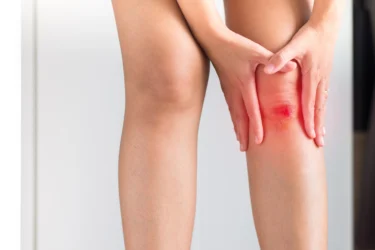
The topical application of cod liver oil may be used to heal wounds. Studies on mice showed that the vitamin A present in cod liver oil might increase the rate of epithelialisation (formation of skin cells on the wound) and increase the rate of neovascularisation (formation of blood vessels from the existing ones)6. Further studies on humans are required to evaluate the process of wound healing by cod liver oil. If the wound is severe, you must consult your doctor immediately before trying to self-medicate.

Cod liver oil may contain polyunsaturated fatty acids like omega-3 fatty acids, which may keep the skin hydrated and reduce the dryness of the skin. The fatty acids may benefit the skin glow and may also suppress itching7. Further, studies on humans are required to check the effect of cod liver oil on human skin. If you have any skin-related issues, you must consult your doctor before using cod liver oil supplementation for the skin.
Also Read: Oregano: Uses, Benefits, Side Effects By Dr. Smita Barode

Cod liver oil may be used against the coronavirus. Vitamin D in cod liver oil may protect against respiratory infections and reduce the risk of asthma exacerbations. Omega-3 fatty acids like eicosapentaenoic acid and docosahexaenoic acid present in cod liver oil may improve immune function8. However, further studies are required to check the effect of cod liver oil on COVID-19 patients. If you experience severe symptoms of COVID-19, you must consult your doctor.

Rickets is a disease that predominantly occurs in children and leads to the development of weak bones. Vitamin D deficiency may cause rickets and the Vitamin D in cod liver oil may help in the case of rickets to overcome10. However, further studies on humans are required. You must consult your doctor if your child is experiencing any symptoms of rickets.
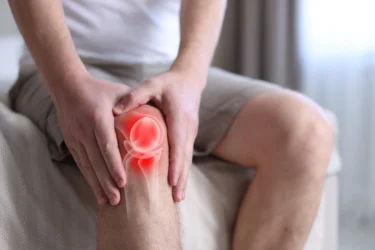
Rheumatoid arthritis is associated with swelling and pain in joints. Studies showed that regular intake of cod liver oil might reduce morning stiffness and joint pain11. However, if you experience a lot of pain, you must consult your doctor.
Cod liver oil is an excellent source of omega-3 fatty acids and vitamins A and D that may help relieve inflammation and boost immunity. I read an article suggesting regular intake of cod liver oil supplements may aid bronchitis and help alleviate the inflammation of the lungs passage and symptoms such as coughing and wheezing13.
Dr. Rajeev Singh, BAMS
Though studies show the benefits of cod liver oil in various conditions, these are insufficient, and there is a need for further studies to establish the true extent of the herb’s benefits on human health.
Also Read: Tomato Juice: Uses, Benefits, Side Effects By Dr. Smita Barode
Cod liver oil can be consumed in the following way:
You must consult a qualified doctor before taking Cod liver oil. Likewise, do not discontinue or replace an ongoing modern medical treatment with an ayurvedic/herbal preparation without consulting a qualified doctor.
Also Read: Spinach Juice: Uses, Benefits, Side Effects By Dr. Smita Barode
Cod liver side effects are given below:
I just read research suggesting a combination of cod liver oil with virgin coconut oil may be a fantastic weapon to enhance endurance in athletes. This union comes with antioxidant, anti-inflammatory and immune-boosting properties, making it a potential natural immune and performance booster for athletes14.
Dr. Smita Barode, B.A.M.S M.S.
The following precautions shall be taken with cod liver oil:
Cod liver oil may interact with the following drugs:
Also Read: Lettuce: Uses, Benefits, Side Effects By Dr. Rajeev Singh
Cod liver oil may be advantageous due to its cholesterol-lowering activity, anti-ulcer property, protecting of the heart from diseases, wound healing, skin protection, protection against viruses, and reducing pain3,9.
Cod liver oil may interact with anti-diabetic drugs and antiplatelet drugs.
Cod liver oil is rich in vitamin A and vitamin D2
Yes, cod liver oil is good for reducing the levels of bad cholesterol3
Cod liver oil side effects may include heartburn, upset in the stomach, bleeding and nausea9.
1. Guy RA. The history of cod liver oil as a remedy. American Journal of Diseases of Children. 1923 Aug 1;26(2):112-6. [cited 2022 Aug 20] Available from: https://jamanetwork.com/journals/jamapediatrics/article-abstract/1173883
2. FoodData Central [Internet]. [cited 2022 Aug 20]. Available from: https://fdc.nal.usda.gov/fdc-app.html#/food-details/173577/nutrients
3. Fatima F, Memon A, Zafar S, Amar Z, Subhan Talpur A, Hashim S, et al. Role of Cod Liver Oil in Reducing Elevated Lipid Parameters. Jinnah Postgraduate Medical Centre [Internet]. 2021 [cited 2022 Aug 20]; Available from: https://pubmed.ncbi.nlm.nih.gov/34277179/
4. Narkhede KP, Satapathy T, Pandit B. Protective effect of cod liver oil in experimentally induced gastric ulceration in rats. Research Journal of Pharmacy and Technology [Internet]. 2019 Jan 1 [cited 2022 Aug 20];12(1):5–10. Available from: https://www.researchgate.net/publication/331545165_Protective_effect_of_Cod_Liver_Oil_in_Experimentally_Induced_Gastric_Ulceration_in_Rats
5. Mal M, Kumar A, Meraj A, Devi A, Mañego AMB, Anjum Z, et al. Role of Cod Liver Oil in Preventing Myocardial Infarction. Cureus [Internet]. 2021 Jun 30 [cited 2022 Aug 20];13(6). Available from: https://www.ncbi.nlm.nih.gov/pmc/articles/PMC8324067/
6. L.H. Terkelson, A Eskild- Jensen, H Kjeldsen, John H Barker. Topical application of cod liver oil ointment accelerates wound healing: An experimental study in wounds in the ears of hairless mice [Internet]. [cited 2022 Aug 20]. Available from: https://www.researchgate.net/publication/12558986_Topical_application_of_cod_liver_oil_ointment_accelerates_wound_healing_An_experimental_study_in_wounds_in_the_ears_of_hairless_mice
7. Barcelos RCS, de Mello-Sampayo C, Antoniazzi CTD, Segat HJ, Silva H, Veit JC, et al. Oral supplementation with fish oil reduces dryness and pruritus in the acetone-induced dry skin rat model. J Dermatol Sci [Internet]. 2015 Sep 1 [cited 2022 Aug 20];79(3):298–304. Available from: https://pubmed.ncbi.nlm.nih.gov/26195090/
8. Clinicaltrials.gov. Protocol for the Cod Liver Oil for Covid-19 Prevention Study Contents. https://clinicaltrials.gov/ProvidedDocs/23/NCT04609423/Prot_SAP_001.pdf
9. Cod Liver Oil: MedlinePlus Supplements [Internet]. [cited 2022 Aug 20]. Available from: https://medlineplus.gov/druginfo/natural/1040.html#Description
10. Rajakumar K. Vitamin D, cod-liver oil, sunlight, and rickets: a historical perspective. Pediatrics [Internet]. 2003 [cited 2022 Aug 20];112(2). Available from: https://www.researchgate.net/publication/10631397_Vitamin_D_Cod-Liver_Oil_Sunlight_and_Rickets_A_Historical_Perspective
11. Gruenwald J, Graubaum HJ, Harde A. Effect of cod liver oil on symptoms of rheumatoid arthritis. Advances in Therapy [Internet]. 2002 [cited 2022 Aug 20];19(2):101–7. Available from: https://www.researchgate.net/publication/11306057_Effect_of_cod_liver_oil_on_symptoms_of_rheumatoid_arthritis
12. Holmes AD, Pigott MG, Bowser LP. The value of cod liver oil in the treatment of anemia. N Engl J Med [Internet]. 1933 [cited 2026 Jan 7]; Available from: https://www.nejm.org/doi/full/10.1056/NEJM193310262091708
13. Linday LA. Cod liver oil, young children, and upper respiratory tract infections. J Am Coll Nutr [Internet]. 2010 Dec;29(6):559–562 [cited 2026 Jan 7]. Available from: https://pubmed.ncbi.nlm.nih.gov/21677119/
14. Pavithra V, Janhavi P, Natasha J, Neelam R, Mrityunjaya M, Selvi MK, Veeranna RP. A blend of cod liver oil and virgin coconut oil improves the endurance performance in mice. Sport Sci Health [Internet]. 2022 Sep 6 [cited 2026 Jan 7];18(4):1229–1241. Available from: https://link.springer.com/article/10.1007/s11332-022-01001-3
Disclaimer: The information provided here is for educational/awareness purposes only and is not intended to be a substitute for medical treatment by a healthcare professional and should not be relied upon to diagnose or treat any medical condition. The reader should consult a registered medical practitioner to determine the appropriateness of the information and before consuming any medication. PharmEasy does not provide any guarantee or warranty (express or implied) regarding the accuracy, adequacy, completeness, legality, reliability or usefulness of the information; and disclaims any liability arising thereof.
Links and product recommendations in the information provided here are advertisements of third-party products available on the website. PharmEasy does not make any representation on the accuracy or suitability of such products/services. Advertisements do not influence the editorial decisions or content. The information in this blog is subject to change without notice. The authors and administrators reserve the right to modify, add, or remove content without notification. It is your responsibility to review this disclaimer regularly for any changes.
17
You noticed lettuce in your favourite food items like sandwiches, burgers, and salads which gives additional crunchiness. Lettuce has many health benefits and can be included in our regular diet. The scientific name of lettuce is Lactuca sativa and consumed worldwide. China is the largest producer of lettuce, and the most consumed countries are the USA and Western Europe.
The lettuce comes in different sizes and shapes and is available throughout the year. Lettuce is a rich source of fibre, iron, vitamin C and folate while it has less sodium, calories and fat1. The low calorie and rich source of vitamins and fibre make lettuce special. The following sections contain more information regarding the potential uses and nutritional facts of lettuce.
Did you know?
Macronutrients:
Vitamins:
Minerals:
Nutritional value of lettuce per 100g of serving3
Lettuce for kidney associated symptoms! Researchers believe that lettuce might be helpful in reducing kidney-associated symptoms such as pruritis (skin irritation). Lettuce has an anti-inflammatory nature6.
Dr. Siddharth Gupta, B.A.M.S, M.D (Ayu)
The properties of lettuce are given below.
Lettuce may help you slow down the ageing process! Lettuce may offer a natural anti-ageing treatment, according to researchers. Antioxidants are thought to be abundant in lettuce7.
Dr. Rajeev Singh, BAMS
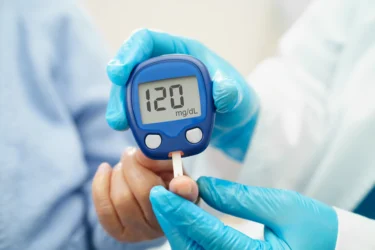
Enzymes like α-amylase and α-glucosidase are responsible for breaking down starch into glucose. This elevates blood glucose levels and regular intake of lettuce may inhibit these enzymes. The presence of these compounds in the lettuce may reduce blood glucose levels. Thus, lettuce might be helpful for diabetic patients4. However, more research is required regarding the effect of lettuce. Moreover, diabetes is a major health issue and requires proper diagnosis. Kindly consult a doctor and do not self-medicate.

Heart diseases are one of the significant risks to public health. Many studies report that consuming green leafy vegetables may help in reducing heart diseases. Lettuce is low in fats, calories and a rich source of fibre and vitamins. Being low in fat and rich in fibre might contribute to low cholesterol levels. Moreover, Vitamin E and Vitamin C present in lettuce might be responsible for the antioxidant potential of lettuce1. These two effects (cholesterol-lowering and antioxidant potential) might reduce the risk factors related to heart diseases. Therefore, lettuce might be helpful against heart disease4. However, if you are suffering from any heart disease, adhere to the doctor’s advice and treatment. Do not self-medicate.

Research showed that daily intake of lettuce might be associated with a reduced risk of lung cancer. A high amount of phenolic compounds are present in lettuce which might be responsible for its anticancer potential. It was seen that lettuce might potentially inhibit the growth and multiplication of cancer cells in the body. In addition, it might also help in initiating the elimination of defective cancer cells from the body through a process called apoptosis (programmed cell death)4. More studies on humans are awaited to support the use of lettuce against human cancer cells. Therefore, you need to consult a doctor before using herbal remedies for cancer.

Lettuce contains more amount of vitamins and phytochemicals4. Vitamin C and phytochemicals present in lettuce might help activate and boost immunity1. However, more studies are required to support the use of lettuce in any immunological conditions. Therefore, if you notice any problems related to the immune system, reach out to your healthcare provider and get a proper diagnosis.
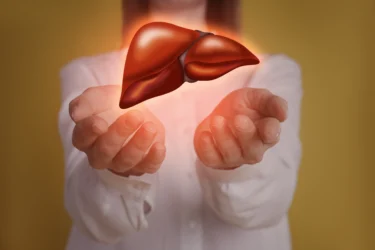
Consuming lettuce may help protect the liver from damage by restoring the levels of liver enzymes and improving liver performance. The antioxidant property of lettuce might be responsible for its liver protective effects. The phenolic compounds present in lettuce have shown good antioxidant potential. The antioxidant may reduce the damage induced by free radicals and may protect the liver4. If you experience liver problems, talk to a healthcare provider before using lettuce as a remedy. Do not self-medicate.

Adding lettuce to a regular diet may protect the brain from damage. The antioxidant and anti-degenerative (preventing degeneration of neurons) properties of lettuce might be due to phenolic compounds present in the lettuce. Consuming lettuce may prevent brain damage caused due to ischemia (low blood oxygen levels). The bioactive components present in lettuce might help against ischemia and reperfusion (restored blood flow) damage caused to the brain by interfering with the expression of neurotrophin-3 and nerve growth factor4. These properties of lettuce have been observed in lab studies and more studies are needed to claim the use of lettuce for brain-related conditions. In case of any brain conditions, talk to a healthcare provider.
Though many studies show the benefits of lettuce in various conditions, these studies are insufficient. Therefore, there is a need for further research to establish the true extent of the benefits of lettuce on human health.
Did you know that lettuce might aid in weak and brittle bones? According to researchers, lettuce might lead to healthy and strong bones since it contains a lot of vitamin K, which retains bone mass7.
Dr. Smita Barode, B.A.M.S, M.S.
Lettuce can be consumed raw, because of which most of its nutrients are conserved. It is popularly used in salads1.
You must consult a qualified healthcare provider before taking lettuce or any herbal ingredients. Do not replace or discontinue an ongoing treatment of modern medicine with an ayurvedic/herbal preparation without consulting a qualified doctor.
Side effects associated with the usage of lettuce are given below.
Before using lettuce for its health benefits, make sure to consult a doctor about the side effects associated with its use. This will help avoid side effects.
Also Read: Dhania (Coriander): Uses, Benefits & Side Effects
These are some precautions you must take while using lettuce.
Before consuming lettuce for its benefits on health, talk to a healthcare provider about the possible side effects associated with its use.
Also Read: Soybean: Uses, Benefits, Side Effects By Dr. Rajeev Singh
There is a lack of sufficient information on the interactions of lettuce with other drugs. Therefore, you are advised to exercise precautions. If you are receiving medical treatment for a particular health condition, talk to your doctor regarding the possible interaction of the treatment with other herbs and drugs. This will help you make well informed choices.
Also Read: Besan: Uses, Benefits, Side Effects By Dr. Rajeev Singh
Lettuce is packed with nutritional and phytochemical components. Therefore, lettuce may show potential uses against diabetes and cancer. In addition, consuming lettuce might positively affect the liver, brain and immunity4. However, if you are suffering from any disease condition, you are advised to consult a doctor before using lettuce for your symptoms.
Lettuce (Salad Patta) leaves are low in calories and contain high fibre and vitamins3. Therefore, you can add lettuce to your diet to manage weight. However, talking to a nutritionist before making significant changes in your diet is essential. By getting professional help, you make better choices for your health.
Consuming lettuce in excess can cause many side effects. These are mydriasis (dilation of the pupil), photophobia (inability to look at bright light), dizziness, heart and breathing difficulty, excessive sweating, hallucinations, and induced sleep4.
Consuming lettuce may help lower blood glucose levels. It might interfere with the activity of enzymes that might cause an increase in blood glucose levels. Thus, this might help and may reduce diabetes4. These effects have been observed in lab trials. However, large-scale human tests are needed to support the use of lettuce against diabetes. Therefore, avoid using lettuce for diabetes before consulting your healthcare provider. Do not self-medicate.
Yes, lettuce can be eaten raw and is popularly used for making salads1.
Disclaimer: The information provided here is for educational/awareness purposes only and is not intended to be a substitute for medical treatment by a healthcare professional and should not be relied upon to diagnose or treat any medical condition. The reader should consult a registered medical practitioner to determine the appropriateness of the information and before consuming any medication. PharmEasy does not provide any guarantee or warranty (express or implied) regarding the accuracy, adequacy, completeness, legality, reliability or usefulness of the information; and disclaims any liability arising thereof.
Links and product recommendations in the information provided here are advertisements of third-party products available on the website. PharmEasy does not make any representation on the accuracy or suitability of such products/services. Advertisements do not influence the editorial decisions or content. The information in this blog is subject to change without notice. The authors and administrators reserve the right to modify, add, or remove content without notification. It is your responsibility to review this disclaimer regularly for any changes.
11
1
The first thing that comes to our mind when we think about oregano is pizza. Oregano is commonly used in the preparation of pizza, and pasta and used as a seasoning. It is also said that “it’s best to think of oregano as a flavour rather than a genus or spices”, Dr Arthur O. Tucker1. Oregano belongs to the Lamiaceae family (mint family), which includes over 200 genera. The plants of this family are mainly used for culinary, medicinal, ornamental and fragrance purposes. The oregano plant mainly grows in mountain regions with rocky, calcareous soil and is native to the Mediterranean and Eurasia. The plants grow only a few inches tall with tiny flowers which may be pink, purple, or white in colour. The leaves of oregano appear in a variety of shapes such as the oval, heart-shaped and round with a hairy-fuzzy in appearance1. In recent days the use of oregano increased due to its health benefits and this is one of the longest-selling herbs1. Let us discuss the importance of oregano.
The total energy of 100gm oregano is 265 kcal and the nutrients present in oregano are as follows:
The vitamins present in oregano are as follows:
Oregano might possess the following properties:
Oregano may contain different bioactive compounds, and the potential uses of oregano are as follows.

It has been seen that oregano might help in inhibiting the bacteria Helicobacter pylori which is responsible for causing gastritis in humans. A study3 on humans explained that the oregano might be effective against parasites causing enteric infections in humans. Therefore, oregano might be effective against bacteria and parasites causing stomach infections. However, consult your doctor if you have severe stomach pain or any other infections in the stomach.

Studies on animals reported that oregano might have activity against the encephalitis virus. It is hypothesised that the oregano might inhibit the activity against HIVE type 1 reverse transcriptase which might interfere with the activity of the virus due to the presence of rosmarinic acid in it. Further research is required on humans to see the effectiveness of oregano against viral infections3.

Numerous researchers have seen that oregano might have the potential to alleviate inflammation. The active component thymol, which is present in oregano might be effective in reducing the release of an inflammatory marker called elastase. In addition, rosmarinic acid might also interfere with inflammatory processes and cause a decrease in the release of elastase. Therefore, oregano might be effective in lowering inflammation3.
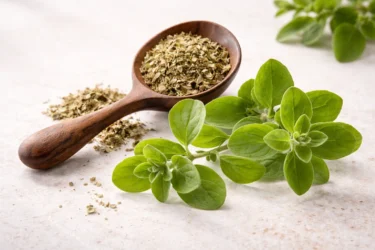
When compared to others, oregano might exhibit a greater antioxidant property. In studies, it was seen that oregano might have phytochemicals which neutralize the free radicals to safeguard the cells, tissues, and DNA. This might help in reducing the oxidative stress in the body which is the leading cause of many metabolic diseases. This activity of oregano might be due to the presence of various phytochemicals in it. However, the composition of different oregano species and their antioxidant property varies3.

Oregano might have potential effects on diabetes. It was seen in studies that oregano might interfere with and inhibit alpha-glucosidase which is involved in glucose metabolism. Further, it is observed that when oregano is given orally to mice might help in lowering the blood glucose levels. However, such claims need to be proved by more research. Moreover, diabetes is a serious condition and must be diagnosed and treated by a doctor. Do not self medicate3.
Studies have shown that the bioactive components present in oregano, such as carvacrol and gamma-terpinene might be effective in reducing the cholesterol levels in the blood. It might be effective in reducing cholesterol and triglyceride levels. Therefore, it might be helpful against heart diseases also and more research is required to prove these potential effects3.

Some studies have shown that oregano might have potential uses against cancer. Carvacrol and rosmarinic acid present in oregano may avoid DNA damage and may also suppress the cancer cells. Thymol and carvacrol in the oregano may help in eliminating melanoma (Skin cancer) cells. However, kindly consult a doctor for the proper diagnosis and treatment of cancer. Do not self-medicate3.
Though there are studies that show the potential uses of oregano in various conditions, these are insufficient and there is a need for further studies to establish the true extent of the benefits of oregano on human health.
In my opinion, oregano might offer a beneficial advantage owing to its natural chemical content. These chemicals found in oregano may possess properties that might provide relief from cough symptoms. Thus, by incorporating oregano into your diet or using it as an herbal remedy, you may experience its cough-suppressing benefits4.
Dr. Siddharth Gupta, B.A.M.S, M.D (Ayu)
As we already know, oregano is one of the key ingredients in pasta and pizza. It is also known as “The Heart and soul of Mediterranean cuisine”. They are used for cooking and as flavouring agents in many dishes all over the world1.
You must consult a qualified doctor before taking oregano or any other herbal supplements. Do not discontinue or replace an ongoing treatment of modern medicine with an ayurvedic/herbal preparation without consulting a qualified doctor.
In this engrossing study I came across, researchers explored the effects of oregano essential oil (OEO) on depression and stress-related genes in rats. They found that OEO might help reduce depressive symptoms caused by chronic stress. These findings suggest that OEO may have potential as an antidepressant, but its impact on stress-related genes requires further investigation5.
Dr. Rajeev Singh, BAMS
Some individuals might be allergic to oregano and should not use them. Make sure that you test for allergy to oregano before consuming it. Pregnant women should also consult a doctor before consuming oregano as it might have some effects1.
However, oregano might have side effects which need to be explored further by research. Until any specific data is found, the specific side effects of oregano cannot be stated. Furthermore, due to insufficient research, oregano cannot be declared to have any side effects as well. Therefore, kindly consult your doctor before using oregano.
From what I have read so far, research has shown that substances found in oregano oil, such as rosmarinic acid and carvacrol, might have protective effects on the liver. In animal studies, these compounds were found to protect liver cells from lead toxicity and safeguard the liver from damage. These findings suggest that oregano oil and its components may have beneficial effects on liver health, but further research is needed to explore their potential as therapeutic agents6.
Dr. Smita Barode, B.A.M.S, M.S.
Also Read: Puffed Rice: Uses, Benefits, Side Effects By Dr. Rajeev Singh
Ensure that you are not allergic to oregano before consuming it1.
Pregnant women should consult a doctor and ensure that it is safe for them to consume oregano, as it might have some effect on them1.
There are no reports regarding the effects of oregano in children, therefore kindly consult a doctor before giving oregano to children.
Also Read: Spring Onion: Uses, Benefits, Side Effects By Dr. Smita Barode
Oregano might interact with certain drugs and may alter their activity. However, no such data has been found. Therefore, there is a need for more research regarding the interaction of oregano with other drugs. Kindly ensure that you discuss the safety of consuming oregano with your doctor before consuming it. Especially if you are on medication and are undergoing treatment for any condition.
Also Read: Thyme (Banajwain): Uses, Benefits, Side Effects and More By Dr. Rajeev Singh
Oregano might have potential uses for human health, due to its antioxidant, anti-microbial, anti-bacterial, antiviral, anti-parasitic, anti-diabetic, and cholesterol-lowering properties. However, these potential uses need to be proved by further research. Kindly consult a doctor and do not self-medicate3.
The various nutrients present in oregano are carbohydrates, fats, proteins, sugars, fibre, minerals (calcium, potassium, zinc), and vitamins (A, D, E, K and B)2.
It is advised to consult a doctor and take prior medical opinion as it is seen in some studies that it might affect pregnant women. Therefore, pregnant women must consult a doctor before consuming oregano1.
There are no reports regarding the effects of oregano on the skin. Therefore, there is a requirement for more research regarding this subject.
There have been a few reports of allergies being caused due to oregano. Therefore, you may have an allergy to oregano. It is advised that you consult a doctor and get tested for allergies1.
Also Read: Raw Banana: Uses, Benefits, Side Effects and More!
Disclaimer: The information provided here is for educational/awareness purposes only and is not intended to be a substitute for medical treatment by a healthcare professional and should not be relied upon to diagnose or treat any medical condition. The reader should consult a registered medical practitioner to determine the appropriateness of the information and before consuming any medication. PharmEasy does not provide any guarantee or warranty (express or implied) regarding the accuracy, adequacy, completeness, legality, reliability or usefulness of the information; and disclaims any liability arising thereof.
Links and product recommendations in the information provided here are advertisements of third-party products available on the website. PharmEasy does not make any representation on the accuracy or suitability of such products/services. Advertisements do not influence the editorial decisions or content. The information in this blog is subject to change without notice. The authors and administrators reserve the right to modify, add, or remove content without notification. It is your responsibility to review this disclaimer regularly for any changes.
3
0
Throughout North-eastern North America, you can find a tree called the sugar maple (Acer saccharum). The sap (liquid present in the tree) of this tree is used to produce maple syrup which is one of the most consumed natural sweeteners worldwide. Boiling the sap of this tree gives maple syrup and forms an important part of traditional medicine1. Maple syrup contains sucrose, oligosaccharides, amino acids, mineral, vitamins and phytochemicals. However, all maple syrup is not the same and the composition of maple syrup changes with the climatic condition and season of production. These differences contribute to the difference in the aroma, colour and taste of the maple syrup.
There are different grades of maple syrup depending on the colour and flavour. The grades range from light-coloured, dark-coloured, and strongly-flavoured maple syrup. Regardless of the grade, it might possess health benefits. The following sections will discuss various aspects of maple syrup.
The total energy obtained from 100g of maple syrup is 333 kcal. The following nutrients are present in maple syrup2.
I may give you a secret tip for choosing the healthiest maple syrup: go for the darker ones! A study8 discovered that darker syrups might contain higher levels of beneficial antioxidants compared to lighter syrups. So, by opting for the darker syrup, you may get an extra dose of those good-for-you antioxidants to support your health.
Dr. Siddharth Gupta, B.A.M.S, M.D (Ayu)
Maple syrup might have the following properties:
The presence of various bioactive components in maple syrup might be of helpful to human health in the following aspects
Abscisic acid is a bioactive compound that might be beneficial for human health. In 2007, Guri et al. found in their studies3 that maple syrup might have enough concentration of abscisic acid. Later, at Laval University, Dr Yves Desjardin conducted research and found that the high levels of abscisic acid in maple syrup might be helpful for metabolic syndromes and the fight against diabetes. This is because it might promote the absorption of sugar by muscles. Therefore, maple syrup might be helpful for diabetes. However, more research is required to prove these effects. Moreover, the serious condition of diabetes must be treated by a doctor.

A study4 by Abou-Zaid showed that maple syrup contains a wide range of phenolic compounds. These compounds act as antioxidants and might neutralise the free radicals, thus maple syrup lowers oxidative stress. Therefore, maple syrup might be a healthier choice. But do not self-medicate.
Maple syrup contains minerals like zinc and manganese and these minerals might prove to be good for the heart. Zinc is needed for the proper functioning of the cells of the blood vessel (endothelial cells). It may safeguard the inner linings of blood vessels (LDL, i.e., bad cholesterol) and might help in atherosclerosis (blocking of blood vessels by fat deposition). Manganese might also play a role in heart health by potentially influencing the amount of good cholesterol (HDL) in the blood. Therefore, maple syrup might aid in the maintenance of heart health. However, if you have heart problems consult a doctor before taking maple syrup.

Studies5 have shown that zinc is vital for the immune system and may influence the number of white blood cells. Whereas manganese present in the maple syrup might also act as an immunostimulant (activate immunity) which, may also help in healing and lessen the inflammation. Overall, the presence of both zinc and manganese in maple syrup might be good human body.
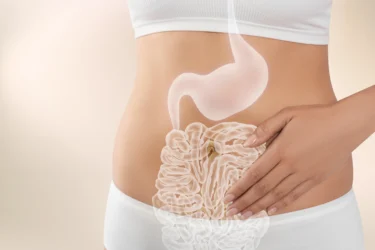
Probiotics are good bacteria that help digestion, and the immune system and are good for the maintenance of overall health. Researchers6 on maple syrup showed that it might have the potential to use in the development of probiotics. Most of the probiotics available on the market are dairy-based, and maple syrup as a probiotic might open new avenues. However, further research is required on this subject to develop maple syrup-based probiotics.
A few studies7 have revealed that maple syrup might have a potential anti-cancer effect. It was seen that maple syrup might help in reducing the growth of cancer cells by interfering with the signalling pathway. It may affect the growth of gastrointestinal cancer cells. Therefore, it is hypothesised that maple syrup might be of help in developing anti-cancer drugs. However, these claims need to be scientifically backed up by more research. Do not self-medicate.

Additionally, maple syrup might be potential in the following ways:
Though there are studies that show the potential uses of maple syrup in various conditions, these are insufficient and there is a need for further studies to establish the true extent of the benefits of maple syrup on human health.
Also Read: Pine Nuts: Uses, Benefits, Side Effects By Dr. Rajeev Singh
You can simply add maple syrup instead of sugar, as it is a natural sweetener. It is usually added to breakfast cereals, over pancakes, desserts, cakes, etc.
You must consult a qualified doctor before taking maple syrup in large quantities. Do not discontinue or replace an ongoing treatment of modern medicine with an ayurvedic/herbal preparation without consulting a qualified doctor.
I stumbled upon a study9 that looked into the effects of maple syrup extract (MSX) on Alzheimer’s disease (AD). The researchers found that when MSX was orally administered to mice with AD-like symptoms, it might reduce brain inflammation by decreasing the expression of certain inflammatory proteins. These findings suggest that MSX may hold potential as a dietary intervention for AD, but more research is needed to fully understand its benefits and implications.
Dr. Rajeev Singh, BAMS
There are no specific side effects of maple syrup stated. However, if you notice anything out of the ordinary after consuming maple syrup you should immediately consult a doctor. Moreover, it is advised that you consult your doctor and confirm if maple syrup is good for you.
Also Read: Triphala Ghrita: Uses, Benefits, Side effects & more!
General precautions should be exercised while consuming maple syrup for the first time. Moreover, it is better to consult a doctor and confirm if it is safe for you to consume maple syrup, especially if you are pregnant or breastfeeding. You should be extra cautious before giving it to children as well. Kindly consult a doctor.
You should consult a doctor before taking medicines if you are undergoing any treatment or medication. Maple syrup might have an unknown effect on certain drugs. More research is required to claim such effects of maple syrup on other drugs.
Also Read: Strawberry: Uses, Benefits, Side Effects By Dr. Smita Barode
Maple syrup might help by acting as an antioxidant, anti-diabetic, probiotic, immunity-enhancer, anti-cancer agent and anti-atherosclerotic agent. However, more research is needed to establish the presence of these properties in maple syrup.
Yes, maple syrup is a natural sweetener. It is the sap (liquid of the tree) obtained from a tree called sugar maple (Acer saccharum) which is mainly found in North-eastern North America.
The nutrients such as sugar and carbohydrates, minerals such as zinc, calcium, iron, sodium, and many more bioactive components are present in maple syrup.
Some reports claim that it might help in weight management and these reports need to be proved by more research. It is advised that you consult your doctor and confirm whether it is safe for you to use maple syrup for weight management.
Maple syrup might be helpful to people with diabetes. It might help in stimulating the pancreatic cells to release insulin and increase muscle sugar absorption. These actions might be beneficial against diabetes. However, further research is to be carried out to claim the action of maple syrup in diabetic people.
There is no evidence or reports regarding the effect of maple syrup on the skin. There is a need for more research on this subject.
1. Yamamoto T, Sato K, Kubota Y, Mitamura K, Taga A. Effect of dark-coloured maple syrup on cell proliferation of human gastrointestinal cancer cell. Biomed Reports [Internet]. 2017 Jul;7(1):6–10. Available from: https://www.spandidos-publications.com/10.3892/br.2017.910
2. Saraiva A, Carrascosa C, Ramos F, Raheem D, Lopes M, Raposo A. Maple Syrup: Chemical Analysis and Nutritional Profile, Health Impacts, Safety and Quality Control, and Food Industry Applications. Int J Environ Res Public Health. 2022 Oct 21;19(20):13684. doi: 10.3390/ijerph192013684. PMID: 36294262; PMCID: PMC9603788. Available from: https://pmc.ncbi.nlm.nih.gov/articles/PMC9603788/
3. Mohammed F, Sibley P, Abdulwali N, Guillaume D. Nutritional, pharmacological, and sensory properties of maple syrup: a comprehensive review. Heliyon. 2023;9(9):e19216. doi:10.1016/j.heliyon.2023.e19216. Available from: https://www.sciencedirect.com/science/article/pii/S2405844023064241#:~:text=Indeed%2C%20based%20on%20an%20abscisic,in%20a%20few%20natural%20foods.
4. Abou-Zaid MM, Nozzolillo C, Tonon-McLellan A, Coppens M, [et al]. High-Performance Liquid Chromatography Characterization and Identification of Antioxidant Polyphenols in Maple Syrup. Pharm Biol. 2008;46(1-2):117-125. doi:10.1080/13880200701735031. Available from: https://www.researchgate.net/publication/228775961_High-Performance_Liquid_Chromatography_Characterization_and_Identification_of_Antioxidant_Polyphenols_in_Maple_Syrup
5. Wessels I, Maywald M, Rink L. Zinc as a Gatekeeper of Immune Function. Nutrients. 2017 Nov 25;9(12):1286. doi: 10.3390/nu9121286. PMID: 29186856; PMCID: PMC5748737. Available from: https://pmc.ncbi.nlm.nih.gov/articles/PMC5748737/
6. Khalf M, Dabour N, Kheadr E, Fliss I. Viability of probiotic bacteria in maple sap products under storage and gastrointestinal conditions. Bioresour Technol. 2010;101(20):7966–7972. doi:10.1016/j.biortech.2010.05.053. Available from: https://www.sciencedirect.com/science/article/abs/pii/S0960852410009090
7. Yamamoto T, Sato K, Kubota Y, Mitamura K, Taga A. Effect of dark-colored maple syrup on cell proliferation of human gastrointestinal cancer cell. Biomed Rep. 2017 Jul;7(1):6-10. doi: 10.3892/br.2017.910. Epub 2017 May 16. PMID: 28685052; PMCID: PMC5492655. Available from: https://pmc.ncbi.nlm.nih.gov/articles/PMC5492655/
8. Legault J, Girard-Lalancette K, Grenon C, Dussault C, Pichette A. Antioxidant activity, inhibition of nitric oxide overproduction, and in vitro antiproliferative effect of maple sap and syrup from Acer saccharum. J Med Food. 2010 Apr;13(2):460-8. doi: 10.1089/jmf.2009.0029. PMID: 20132041. https://pubmed.ncbi.nlm.nih.gov/20132041/
9. Rose KN, Barlock BJ, DaSilva NA, Johnson SL, Liu C, Ma H, Nelson R, Akhlaghi F, Seeram NP. Anti-neuroinflammatory effects of a food-grade phenolic-enriched maple syrup extract in a mouse model of Alzheimer’s disease. Nutr Neurosci. 2021 Sep;24(9):710-719. doi: 10.1080/1028415X.2019.1672009. Epub 2019 Oct 4. PMID: 31583972. Available from: https://pubmed.ncbi.nlm.nih.gov/31583972/
Disclaimer: The information provided here is for educational/awareness purposes only and is not intended to be a substitute for medical treatment by a healthcare professional and should not be relied upon to diagnose or treat any medical condition. The reader should consult a registered medical practitioner to determine the appropriateness of the information and before consuming any medication. PharmEasy does not provide any guarantee or warranty (express or implied) regarding the accuracy, adequacy, completeness, legality, reliability or usefulness of the information; and disclaims any liability arising thereof.
Links and product recommendations in the information provided here are advertisements of third-party products available on the website. PharmEasy does not make any representation on the accuracy or suitability of such products/services. Advertisements do not influence the editorial decisions or content. The information in this blog is subject to change without notice. The authors and administrators reserve the right to modify, add, or remove content without notification. It is your responsibility to review this disclaimer regularly for any changes.
5
0
We have always greatly enjoyed while having puffed rice as chaat on Indian streets but never realised that it could also have some health benefits. Puffed rice is one of the staple foods in India, commonly called as murmura, muri, and parmal. One can endlessly munch upon puffed rice while binge-watching an OTT show. Moreover, its crunchy texture makes it a popular option for healthy snacks and it is a quick alternative if unexpected guests show up. In India, puffed rice is often offered as a prasad in religious places.
Rice is one of the essential crops in Asian countries and puffed rice is made from rice in the presence of high pressure, heat and steam. Various methods of puffing include hot air popping, dry heat, sand and salt treated, popping in hot oil, gun puffing and microwave heating. Let us discuss, some astonishing health benefits of eating puffed rice1.
The amount of nutrients present in 14g of puffed rice is given below:
The properties of puffed rice are given below:
Some of the puffed rice health benefits are given below:

High sodium levels can elevate blood pressure but the sodium levels in puffed rice are relatively low. Therefore, it may be a good addition as a snack for individuals suffering from high blood pressure or hypertension1. Further studies are required to assess the effect of puffed rice on high blood pressure. You must check your blood pressure regularly and consult your general physician in case of high blood pressure.

Puffed rice contains insoluble fibres and may help in protecting against cancerous cells. These insoluble fibres pass quickly through the colon region which flushes cancer-causing compounds from the body. Thus, regular consumption of puffed rice may reduce the risk of colon cancer.
Further investigation to check the effect of puffed rice on the cancer is required and you should consult your doctor for the same.

Puffed rice is a rich source of carbohydrates and it generates energy slowly, leading to a steady level of energy. The carbohydrates in puffed rice may serve as fuel to the body and help in the smooth functioning of the brain1. However, further studies on animals and humans are required to check whether puffed rice is as safe and effective as it appears in these studies.

There is a possibility that puffed rice is good for weight loss. Puffed rice can form an essential part of a balanced diet. In addition, it does not contain harmful fats; therefore, it may be beneficial for weight loss1. You must consult a nutritionist for further assistance in diet changes and weight management.

Puffed rice contains the niacin, vitamin D, calcium, fibre, iron, thiamine and riboflavin. Therefore, regular consumption of puffed rice may overcome vitamin deficiency1. However, further studies on humans and animals are required to check the efficiency of puffed rice in case of vitamin deficiency. Suppose you are diagnosed with a vitamin deficiency; you must consult your doctor and take relevant supplements instead of self-medicating.
Cholesterol levels in puffed rice are low and it is practically of all harmful fats. For these reasons, puffed rice may be included in the diet of people with high cholesterol levels1. Further studies are required to check how puffed rice can be helpful in case of high cholesterol in patients. You must check your cholesterol and consult your doctor to undergo proper treatment instead of self-medicating.
Though studies show the benefits of puffed rice in various conditions, these are insufficient, and there is a need for further studies to establish the true extent of the benefits of puffed rice on human health.
Puffed rice is highly nutritious and packed with many macros and micronutrients. Puffed rice can be fortified with dietary fibre, protein, zinc, iron and vitamins A and C. Consuming fortified puffed rice in moderation can aid in your overall health2.
Dr. Siddharth Gupta, B.A.M.S, M.D (Ayu)
Puffed rice is readily available in packets in local stores and can be munched upon as it is or included in our daily diet. It is used in the preparation of Indian chaat foods like bhel puri, poha and a sweet dish like murmura laddu. Jalmuri is prepared by tossing onion, tomato, cucumber, green chillies and peanuts in the puffed rice. Masala and mustard oil are added to the same to enhance the flavour.
You must consult a qualified doctor before taking any puffed rice in large quantity. Likewise, do not discontinue or replace an ongoing modern medical treatment with an ayurvedic/herbal preparation without consulting a qualified doctor.
A bowl of ready-to-eat puffed rice (one cup) contains 77% of calories, 96% of carbohydrates, 58% of proteins and 32% of fats1.
Dr. Rajeev Singh, BAMS
Puffed rice, has no specific side effects and as yet no reactions have been noticed on using it. However, seek immediate medical attention if you experience any side effects. Consult your ayurvedic physician who has prescribed it to you; they will be able to identify the cause and treat it effectively.
Also Read: Suji (Semolina): Uses, Benefits, Side Effects By Dr. Rajeev Singh
Puffed rice is one of the staple foods and a common ingredient in the regular diet. General precautions should be taken while having puffed rice if you are taking other general medicine. Pregnant women, lactating mothers should take special care. You must consult your doctor before having puffed rice. Precautions should be taken before giving puffed rice to the elderly or childre,n and you must have puffed rice only if your doctor prescribes it.
Also Read: Black Rice: Uses, Benefits, Side Effects By Dr. Rajeev Singh
There is not enough evidence on the interaction of puffed rice with other drugs. Further studies on the interaction of puffed rice are required. Therefore, you must consult your doctor if you are on any other medication before consuming puffed rice in larger than usual quantities.
Puffed rice may be used in case of high blood pressure, for weight management, to reduce the risk of cancer, for vitamin deficiency, in diet for individuals with high cholesterol levels and as an energy source. However, there is need for large scale human studies to confirm these benefits.
Yes, puffed rice may be used for weight loss since it does not contain harmful fats. However, its best you consult your dietitian for the same.
Puffed rice, a natural preparation, has no specific side effects. However, if any reaction is noticed on eating it, seek immediate medical attention. Consult your ayurvedic physician who has prescribed it to you; they will be able to identify the cause and treat it effectively.
Puffed rice is rich in carbohydrates and acts as an energy source. Along with that it contains insoluble fibres, proteins, calcium, vitamins, iron and potassium1.
No, there are no studies that suggest the use of puffed rice for headaches.
1. Cereals ready-to-eat, fortified, puffed, rice nutrition facts and analysis. [Internet]. [cited 2022 Aug 17]. Available from: https://www.nutritionvalue.org/Cereals_ready-to-eat%2C_fortified%2C_puffed%2C_rice_nutritional_value.html
2. Micronutrient and Protein-Fortified Whole Grain Puffed Rice Made by Supercritical Fluid Extrusion. J Agric Food Chem. 2013;61(35):8257-8263. doi: 10.1021/jf3034804. Available from: https://pubs.acs.org/doi/10.1021/jf3034804
Disclaimer: The information provided here is for educational/awareness purposes only and is not intended to be a substitute for medical treatment by a healthcare professional and should not be relied upon to diagnose or treat any medical condition. The reader should consult a registered medical practitioner to determine the appropriateness of the information and before consuming any medication. PharmEasy does not provide any guarantee or warranty (express or implied) regarding the accuracy, adequacy, completeness, legality, reliability or usefulness of the information; and disclaims any liability arising thereof.
Links and product recommendations in the information provided here are advertisements of third-party products available on the website. PharmEasy does not make any representation on the accuracy or suitability of such products/services. Advertisements do not influence the editorial decisions or content. The information in this blog is subject to change without notice. The authors and administrators reserve the right to modify, add, or remove content without notification. It is your responsibility to review this disclaimer regularly for any changes.
24
2
Strawberries are universally loved fruit, and which is used in the preparations of milkshakes, jellies, and jams to pastries. Strawberry lends its vibrant colour, provides a sweet taste to various food-related items, and can also be used to develop strawberry cream. Strawberries can grow all over the world and USA is the leading producer of strawberries. Strawberries belong to the family Rosaceae and the genus Fragaria. Strawberrys is grown in sub-tropical, temperate, Mediterranean and grassland regions. The strawberry is a herbaceous, perennial plant and unlike its name suggests, the strawberry is not a true berry. Strawberry is a rich source of carbohydrates, fibers, and sugars. Let us look at some of the health benefits of strawberries1.
Nutritional Content of Strawberry (raw fruit)2
Strawberry contains the following nutrients:
Did you know that strawberries are a great source of vitamin C? This essential nutrient is important for wound healing, as it helps your body produce collagen, a protein that’s crucial for healthy skin and tissues. Plus, vitamin C is important for maintaining healthy cartilage in your joints, which can help prevent painful conditions like osteoarthritis6.
Dr. Anuja Bodhare, B.A.M.S, M.D (Ayu)
Strawberry may possess the following properties:
Give your cognitive abilities a boost with strawberries! Strawberries contain antioxidants that safeguard your cells and compounds called flavonoids, which have been linked to improved cognitive function and memory5.
Dr. Siddharth Gupta, B.A.M.S, M.D (Ayu)
There are several health benefits of eating strawberries every day. Some of the potential benefits of strawberries follows:
Inflammation is a biological process that helps the body from various diseases and helps in wound healing. Fault in the process of inflammation can cause damage to the body and may lead to the progression of multiple diseases like diabetes, cancer, Alzheimer’s disease, and heart problems. Several study model results have shown that strawberries may have anti-inflammatory properties and these properties of strawberries may be due to the presence of vitamins and polyphenols3. You must consult your doctor if you are experiencing any unusual symptoms or discomfort and get diagnosed with diseases that may have been caused due to fault in the mechanism of inflammation.
Strawberries may possess properties that can protect the heart. The presence of constituents like flavonoids, anthocyanin, phenolic compounds, and other micronutrients may protect the heart by reducing cardiovascular risk. A study8 was conducted on human volunteers, who consumed strawberries regularly. The results showed that the risk of hypertension was reduced for individuals who consumed strawberries regularly3. However, if you are experiencing any heart disease symptoms or history, you must immediately consult your doctor. Do not self-medicate.
Strawberries are a delicious and nutritious source of vitamin B. Folate is essential for healthy cell growth and development and it’s particularly important for pregnant women, as it can help keep away the developing foetus from having birth defects6.
Dr. Smita Barode, B.A.M.S, M.S.

Atherosclerosis is the narrowing of arteries due to the deposition of cholesterol, and other substances on the inner walls of arteries. Studies showed that the consumption of freeze-dried strawberries may decrease bad cholesterol3. However, you must consult your doctor if you are diagnosed with atherosclerosis instead of self-medicating.

Strawberries may reduce obesity and manage weight by suppressing adipose tissue growth (body fat). In addition, studies showed that consuming strawberries may reduce the risk of heart disease in obese individuals3. However, you must consult your doctor if you are overweight and get proper treatment instead of self-medicating.
Strawberry may be beneficial in the case of type 2 diabetes. Strawberry contain flavonoids that may show anti-diabetic action by inhibiting glucose uptake and maintaining the blood-sugar level. A study3 showed that consumption of whole strawberry fruit might be associated with a reduced risk of type 2 diabetes. However, if you have high blood sugar levels, you must consult your doctor and get proper treatment instead of self-medicating.

Strawberries may play a defensive role in the body for certain types of cancers. A study conducted showed that strawberries might reduce the risk of esophageal squamous cell carcinoma. Strawberries may also help to reduce the risk of head and neck cancer. Strawberries when consumed after an amine-rich diet may inhibit the cancer precursors3. However, cancer is a serious disease; you must consult your doctor and take proper treatment instead of self-medicating.
Exposure to the sun’s UV rays can be tough on your skin, leading to premature ageing, sunburn and even an increased risk of skin cancer. But did you know that strawberry extract may be able to help? Recent research suggests that the antioxidants and other compounds found in strawberries may have powerful photoprotective effects7.
Dr. Ashok Pal, BAMS

Strawberries may be beneficial to nervous system-related disorders. Constituents of strawberries like phenolic acids, flavonoids, and terpenes may play a role in neurodegenerative disorders by protecting the nervous system3. However, you must consult a doctor if you experience any symptoms of disorders related to the nervous system. Do not self-medicate.

Strawberries may show antibacterial activity against several bacteria. Strawberries contain different phenolic compounds which may deactivate the bacteria3. However, if you suspect a microbial infection, you must get it diagnosed and consult a doctor for proper medication instead of self-medicating.
A sweet way to strengthen your immune system! Strawberries are packed with immune-boosting nutrients like vitamin C, which can help your body produce more white blood cells and fight off harmful pathogens5.
Dr. Rajeev Singh, BAMS
Strawberries can be consumed as fresh fruit. However, you must wash the fruit thoroughly with water before consuming it.
It can also be consumed in jam, jelly, milkshakes, yoghurt, and smoothie1.
You must consult a qualified doctor before taking strawberries in large quantities or any other herbal supplements. Likewise, do not discontinue or replace an ongoing modern medical treatment with an ayurvedic/herbal preparation without consulting a qualified doctor.
Also Read: Peaches: Uses, Benefits, Side Effects and More!
Strawberry, a natural substance has no specific side effects. However, if any reaction is noticed on using it, seek immediate medical attention. Consult your ayurvedic physician who has prescribed it to you; they will be able to identify the cause and treat it effectively.
Also Read: Mulberry: Uses, Benefits, Side Effects and More!
General precautions should be taken with strawberries, as in any other general medicine. Pregnant women and lactating mothers should take special care. You must consult your doctor before having strawberries. Precaution should be taken before giving strawberries to the elderly or children. In such cases, you must have strawberries only if your doctor prescribes them.
Also Read: Cherries: Uses, Benefits, Side Effects and More!
You must not consume strawberries with the following drugs:
Consult your doctor if you are taking any other medication before consuming strawberries.
Also Read: Star Fruit: Uses, Benefits, Side Effects and More!
Strawberries may help in the case of inflammation, heart diseases, atherosclerosis, obesity, diabetes, cancer, neurodegenerative disorders, and microbial infection. However, you must not self-medicate and consult your doctor in case you experience any symptoms of the mentioned disease3.
No, there are no studies related to it.
Aspirin, anticoagulants, antiplatelets and NSAID (Non-steroidal anti-inflammatory drugs) may interact with strawberries4. Therefore, consult your doctor if you are taking any other medication before consuming strawberries.
Strawberry contains proteins, carbohydrates, fibres, sucrose, fructose, calcium, magnesium, vitamin C, vitamin B6 and other nutrients2.
Yes, strawberries may be used against fungal infections.
1. Strawberries | Food Source Information [Internet]. [cited 2022 Aug 18]. Available from: https://www.chhs.colostate.edu/fsi/food-articles/produce/strawberries/
2. FoodData Central [Internet]. [cited 2022 Aug 18]. Available from: https://fdc.nal.usda.gov/fdc-app.html#/food-details/167762/nutrients
3. Afrin S, Gasparrini M, Forbes-Hernandez TY, Reboredo-Rodriguez P, Mezzetti B, Varela-López A, et al. Promising Health Benefits of the Strawberry: A Focus on Clinical Studies. Journal of Agricultural and Food Chemistry [Internet]. 2016 Jun 8 [cited 2022 Aug 18];64(22):4435–49. Available from: https://pubs.acs.org/doi/abs/10.1021/acs.jafc.6b00857
4. Hayk S. Arakelyan. Strawberry Dangerous Interactions [Internet]. [cited 2022 Aug 18]. Available from: https://www.researchgate.net/publication/341640658_Strawberry_Dangerous_Interactions
5. Flora B. All the reasons you should eat strawberries. Cleveland Clinic Health Essentials [Internet]. 2023 Mar 30 [cited 2026 Jan 7]. Available from: https://health.clevelandclinic.org/benefits-of-strawberries
6. Haraminac E. Why strawberries? MSU Extension [Internet]. East Lansing (MI): Michigan State University Extension; 2013 Apr 10 [cited 2026 Jan 7]. Available from: https://www.canr.msu.edu/news/why_strawberries
7. Gasparrini M, Forbes-Hernandez TY, Afrin S, Alvarez-Suarez JM, González-Paramás AM, Santos-Buelga C, et al. A pilot study of the photoprotective effects of strawberry-based cosmetic formulations on human dermal fibroblasts. Int J Mol Sci [Internet]. 2015 Aug 4 [cited 2026 Jan 7];16(8):17870–17884. Available from: https://pmc.ncbi.nlm.nih.gov/articles/PMC4581226/
8. Basu A, Izuora K, Betts NM, Ebersole JL, Scofield RH. Dietary strawberries improve biomarkers of antioxidant status and endothelial function in adults with cardiometabolic risks in a randomized controlled crossover trial. Antioxidants (Basel) [Internet]. 2021 Nov 16 [cited 2026 Jan 7];10(11):1730. Available from: https://pubmed.ncbi.nlm.nih.gov/34829601/
Disclaimer: The information provided here is for educational/awareness purposes only and is not intended to be a substitute for medical treatment by a healthcare professional and should not be relied upon to diagnose or treat any medical condition. The reader should consult a registered medical practitioner to determine the appropriateness of the information and before consuming any medication. PharmEasy does not provide any guarantee or warranty (express or implied) regarding the accuracy, adequacy, completeness, legality, reliability or usefulness of the information; and disclaims any liability arising thereof.
Links and product recommendations in the information provided here are advertisements of third-party products available on the website. PharmEasy does not make any representation on the accuracy or suitability of such products/services. Advertisements do not influence the editorial decisions or content. The information in this blog is subject to change without notice. The authors and administrators reserve the right to modify, add, or remove content without notification. It is your responsibility to review this disclaimer regularly for any changes.
4
1
The gall bladder is an organ on the right side of the abdomen and is located below the liver. It stores the digestive juice (bile) secreted by your liver, which is then released into the small intestine to help break down fats. Cholelithiasis is the medical term for gallstones, which are solid deposits formed in the gall bladder. These occur in a range of sizes and can be single or multiple in number.
The symptoms of gall bladder stones may include abdominal pain, indigestion, back pain, fever, and vomiting1. In case you experience any of these symptoms for over a few hours or repeatedly, consult your doctor for diagnosis and treatment.
Remember, diet can play an important role in managing the symptoms of many conditions, including gall bladder stones. So, what should you eat and what foods should you avoid when you have gall bladder stones?
As a doctor, I advise individuals with gallstones to incorporate foods rich in vitamin B and iron into their diet. Some examples may include whole grains, dark leafy greens like spinach and kale, and sea vegetables. These nutrient-rich foods may provide essential vitamin B and iron, which are important for maintaining overall health.
Dr. Anuja Bodhare, B.A.M.S, M.D (Ayu)
A healthy diet may not help to fight all the symptoms of gall bladder stones or save you from surgery; however, it may help avoid worsening of the symptoms. This article aims to provide a guideline on what foods you should include in your diet to help reduce the stress on your gall bladder. We recommend consulting a doctor and a nutritionist for an appropriate meal plan.
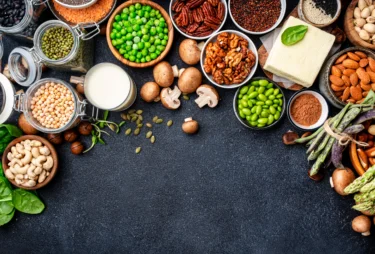
It is common knowledge that plant-based foods such as fruits and vegetables are rich in nutrients, which are essential for the body to stay healthy and functional. They also provide an ample amount of vitamins, minerals, and antioxidants. These antioxidants help remove toxins and free radicals produced by natural processes and processed food. A build-up of toxins can break down the body’s natural balance and cause cell damage. Plant-based foods offer the nutrition needed to get better and help reduce the stress on the digestive system2. Another advantage is that plant-based foods decrease the risk of cholesterol, which may help manage gallbladder stones associated with cholesterol.
As a piece of advice that I consistently offer to patients with gallstones, I recommend basing their meals on starchy carbohydrates such as bread, pasta, rice, and potatoes. By focusing on these wholesome carbohydrates, individuals with gallstones may create a nourishing and gallstone-friendly diet that promotes good health that contributes to a better you9!
Dr. Smita Barode, B.A.M.S, M.S.
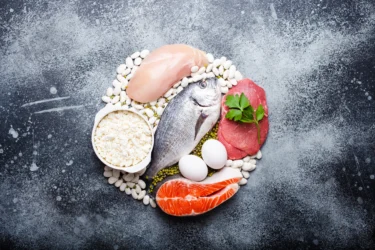
Including a source of protein that is low in saturated fat might help lower the levels of bad cholesterol in our bodies. Red meat, a good source of protein, is high in fat, which can put stress on the gall bladder. Thus, choosing lean protein sources might help you manage the symptoms of gall bladder stones. Some common options are:
You should avoid dairy products and also processed meats as they generally have higher salt content. According to a study published in the database of the National Institutes of Health, a higher intake of vegetable protein might help lower the risk of gall bladder conditions3.
Based on my personal experience, I have found a great way to add more fruits to a gallstone-friendly diet. I recommend including fruits like bananas, berries, or a handful of dried fruit in your breakfast cereal. By doing so, you may enjoy a delicious and nutritious start to your day while ensuring you incorporate the benefits of fruits into your diet.
Dr. Rajeev Singh, BAMS
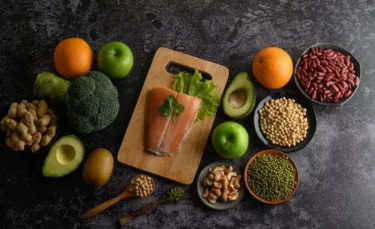
Fibre is essential for good digestive health and enhances the movement of food through our gut. Thus, fibre-rich foods help lower the production of secondary bile acids, which can help decrease the stress on the gall bladder. According to a study published in the National Library of Medicine, a high-fibre diet helped decrease the production of biliary sludge (thick bile that can form gallstones)4. An increase in the amount of this sludge means an increase in the risk of gall bladder diseases. Thus, people who follow a fibre-rich diet might be at a reduced risk of gallbladder stones. It also suggests that a fibre-rich diet might offer relief to people affected with gall bladder stones. Some sources of fibre are:-
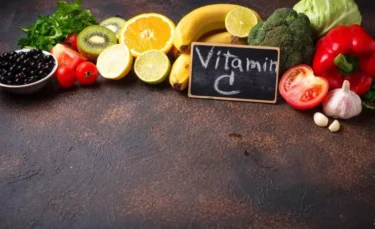
According to a hospital case study published by the National Library of Medicine, vitamin C, magnesium, and folate can help reduce the risk of gall bladder diseases and improve your gall bladder health5. Some sources high in vitamin C are:-
As part of a gallstone-friendly diet, I may suggest incorporating healthy fats such as fish oil. It may help support the regular contraction and emptying of the gallbladder8.
Dr. Siddharth Gupta, B.A.M.S, M.D (Ayu)
Now that we know about what foods we should include in our diet for a healthy gall bladder, let us look at foods we should avoid.

Unrefined carbohydrates are considered to be healthy and some sources, like whole grains and cereals, can provide essential nutrients. However, refined carbohydrates are more difficult to digest and may increase the risk of gall bladder diseases6. Some carbohydrates that you need to steer clear of are:-

The bile produced in the gall bladder helps dissolve fats. However, it is difficult to break down saturated and trans fats, which may add to the stress on the gall bladder2. Some major sources of unhealthy fats are:-

Despite taking precautions, in some cases, the gallbladder may still need to be removed. Removal of the gall bladder does not have any serious adverse effects on the body’s digestive system. However, other body systems will take time to adjust, during which the individual must make certain dietary changes to accommodate the body’s condition. Some common tips include:-
Always be sure to consult your doctor if you have nausea and pain.
Also Read: Top Non Dairy Calcium Rich Foods to Add to Your Daily Diet
The management of gall bladder stones primarily depends on adopting a balanced, plant-based diet with lean proteins, fibre-rich foods, and adequate vitamin C. Removing refined carbohydrates and unhealthy fats from your diet may help you avoid further stone formation. After gall bladder removal, eating smaller, lighter meals and allowing your digestive system time to adjust may help support faster recovery and long-term digestive health.
It is important to adopt a diet that puts less stress on the digestive system and is rich in fibre to help promote digestion. Refer to the article for detailed guidelines.
Avoid oily and deep-fried foods. Anything that triggers indigestion or bloating must be avoided.
Some common drinks that you can safely consume while you have gallstones are apple cider vinegar, apple juice, peppermint tea, turmeric tea, buttermilk and water. You should avoid drinks like caffeine that can further upset your digestive system.
The best way to get rid of pain due to gallbladder stones is by the surgical removal of the gallbladder. Other ways can be the medicines advised by your doctor.
Disclaimer: The information provided here is for educational/awareness purposes only and is not intended to be a substitute for medical treatment by a healthcare professional and should not be relied upon to diagnose or treat any medical condition. The reader should consult a registered medical practitioner to determine the appropriateness of the information and before consuming any medication. PharmEasy does not provide any guarantee or warranty (express or implied) regarding the accuracy, adequacy, completeness, legality, reliability or usefulness of the information; and disclaims any liability arising thereof.
Links and product recommendations in the information provided here are advertisements of third-party products available on the website. PharmEasy does not make any representation on the accuracy or suitability of such products/services. Advertisements do not influence the editorial decisions or content. The information in this blog is subject to change without notice. The authors and administrators reserve the right to modify, add, or remove content without notification. It is your responsibility to review this disclaimer regularly for any changes.
59
6
Traditional white rice might be a part of your regular diet. But what if we told you a healthier variety of rice is available for you? Yes, you heard it right! Rice of various colours has been grown in Asia for a long time and is considered as a staple food. Black (pigmented rice) rice is one of the rice varieties and its scientific name is Oryza sativa which is also called imperial rice and forbidden rice. Black rice is reserved for the royal people in China during the olden days and it is a rich source of nutrition1.Traditional white rice has other pigmented varieties, among which black rice is gaining attention due to its beneficial properties, and nutritional value and is considered a functional food1. Unlike typical white rice, most of the outer layers of the black rice are retained during milling. Thus, the bran along with the germ layer is highly nutritious and may be beneficial for health1. Let us discuss the importance and health benefits of black rice.
The following nutrients might be present in black rice
Black rice may have the following properties:
Let me tell you a secret about a special category of compounds called black rice anthocyanins (BRACs). These unique substances are extracted from the outer layer of black rice. BRACs have been shown to have a superhero-like ability to inhibit the development of cancer. They might interfere with the signals inside our cells that contribute to cancer growth, progression, and spreading to other parts of the body7.
Dr. Siddharth Gupta, B.A.M.S, M.D (Ayu)
Black rice may have potential uses and some of the potential benefits of black rice are given below.

Regular intake of black rice might help to reduce the risk of type 2 diabetes due to the presence of phenolic compounds. The phenolic compounds present in the black rice might interfere with the pancreatic a-amylase and intestinal a-glucosidase which are responsible for breaking down the sugars. This may lead to a decrease in blood glucose levels and may reduce the risk of type 2 diabetes1. However, diabetes is a chronic illness that requires you to strictly adhere to the doctor’s advice and treatment. Do not self-medicate.
The antioxidant potential of black rice may help against oxidative damage and helps in eliminating free radicals. Free radicals might contribute to chronic diseases and inflammation in the body which indirectly leads to oxidative stress1. The phenolic and bioactive compounds in black rice may be helpful in antioxidant activity. Therefore, black rice may be the potential to reduce oxidative stress and may help against various diseases. However, in case of any chronic illness, you must contact your healthcare provider and get a proper diagnosis and treatment.
Adding black rice to your diet might help you manage heart diseases like hypertension and atherosclerosis (accumulation of cholesterol in the artery walls). Regular intake of black rice may reduce cholesterol levels and inflammation in the walls of blood vessels. This may help in reducing the risk of atherosclerosis and blood pressure. Additionally, the flavonoids present in black rice may also reduce the risk of high blood pressure. Therefore, black rice might be helpful for the heart and maintaining proper blood pressure2. However, in case of any heart disease, you must contact your healthcare provider and get a proper diagnosis and treatment.

Black rice is a rich source of fibre which helps in clearing out the toxins from the stomach. High fibre content may help with regular bowel movements. These properties may reduce stomach problems like gas, constipation, stomach ulcers, and haemorrhoids. Adding sufficient fibre to the diet may be an excellent way to eliminate stomach problems2. However, if you are experiencing any stomach problems, you need to contact a qualified physician and get treated. Do not self-medicate.
Though studies have shown the benefits of black rice in various conditions, more research is needed to establish the extent of the benefits of black rice on human health.
Recently, I came across a study6 conducted on rats that showed some exciting results. It revealed that black rice anthocyanins (BRACs) could potentially shield the retina from damage caused by light exposure. This means that the compounds found in black rice might be used in tackling injuries to the retina caused by exposure to certain types of light. It’s important to highlight that these findings, although promising, are yet to be confirmed through human studies.
Dr. Rajeev Singh, BAMS
You may use black rice as an alternative to traditional white rice.
You must consult a qualified physician before taking black rice in large amounts or any other herbal supplements. Do not discontinue or replace an ongoing treatment of modern medicine with an ayurvedic/herbal preparation without consulting a qualified doctor.
From my perspective, black rice is a fantastic choice for people who want to avoid gluten. The best part is that black rice is naturally free of gluten, unlike certain types of rice and whole-grain products5.
Dr. Smita Barode, B.A.M.S, M.S.
Black rice is rich in fibre. Consuming too much black rice may cause problems like gas and abdominal pain. Therefore, you are advised to eat black rice in moderation3.
If you experience adverse reactions to black rice, immediately contact a doctor or your Ayurvedic physician who has prescribed it. They will be able to guide you appropriately for your symptoms.
Guess what I discovered about black rice? It’s like a superhero among grains! The outer layer of black rice has loads of anthocyanin, an antioxidant even higher than other grains. This antioxidant may provide health benefits like anti-ageing, improved brain function, and reduced inflammation4.
Dr. Anuja Bodhare, B.A.M.S, M.D (Ayu)
You need to take these precautions while using black rice.
There is a lack of sufficient data supporting the safe use of black rice for pregnant women. Therefore, make sure you have consulted with a healthcare provider before consuming black rice. Being rich in fibre, black rice might lead to problems like gas and abdominal pain if consumed in excess. Therefore, the elderly should stick to moderate food amounts. Children should consume black rice under the supervision of elders.
Also Read: Suji (Semolina): Uses, Benefits, Side Effects By Dr. Rajeev Singh
There is a lack of information on the interaction of black rice with other drugs and medicines. If you are receiving medical treatment for any health condition, make sure to talk to the healthcare provider about the interactions of the treatment with other herbs and medicines.
Also Read: Goji Berry: Uses, Benefits, Side Effects By Dr. Rajeev Singh
Black rice has potential uses against diseases like diabetes, heart disease and other chronic illnesses. It might also be a good choice for weight management. Adding black rice to the diet might be a good choice because of its nutritional value1,2. However, before using black rice for any disease condition, talk to a healthcare provider. Do not self-medicate.
Black rice is a rich source of fibre and vitamins. Increasing fibre intake might help your stomach feel full and satisfied for a long period. This may reduce food intake and may help in weight management2. However, you can meet with a certified nutritionist for proper weight management.
Black rice is rich in fibre. Increasing your fibre intake can cause stomach pain and flatulence (gas)3. Therefore avoid overconsumption of black ice in large quantities.
Black rice might be an excellent dietary choice for diabetic people. The phenolic compounds present in black rice may help reduce blood glucose levels1. However, if you have diabetes, you are advised to strictly adhere to your doctor’s advice.
Yes, black rice might help in lowering blood pressure and may help in reducing the risk of high blood pressure2. However, you should consult a doctor before consuming black rice for any condition.
1. Ito VC, Lacerda LG. Black rice (Oryza sativa L.): A review of its historical aspects, chemical composition, nutritional and functional properties, and applications and processing technologies. Food Chem [Internet]. 2019 Dec 15 [cited 2022 Aug 16];301. Available from: https://pubmed.ncbi.nlm.nih.gov/31394335/
2. Cherik R. Sangma H, Parameshwari S. Health benefits of black rice (Zizania aqatica) – a review. Materials Today: Proceedings. 2021 Jul 27; Available from: https://www.sciencedirect.com/science/article/pii/S2214785321051166
3. Dietary fibre – Better Health Channel [Internet]. [cited 2022 Jul 21]. Available from: https://www.betterhealth.vic.gov.au/health/healthyliving/fibre-in-food
4. Li X, Wang X, Wang K, Yang X, Liu X, Chen J, Li J, Wang J, Guo Q, Wang H. Black rice anthocyanin extract enhances the antioxidant capacity in PC12 cells and improves the lifespan by activating IIS pathway in Caenorhabditis elegans. Comp Biochem Physiol C Toxicol Pharmacol. 2023 Mar;265:109533. doi: 10.1016/j.cbpc.2022.109533. Epub 2022 Dec 20. PMID: 36549628. Available from: https://pubmed.ncbi.nlm.nih.gov/36549628/https://pubmed.ncbi.nlm.nih.gov/36549628/
5. Cleveland Clinic. The Health Benefits of Forbidden Rice [Internet]. Cleveland Clinic; 2022 Jul 7 [cited 2026 Jan 5]. Available from: https://health.clevelandclinic.org/forbidden-rice-benefits
6. Jia H, Chen W, Yu X, Wu X, Li S, Liu H, Liao J, Liu W, Mi M, Liu L, Cheng D. Black rice anthocyanidins prevent retinal photochemical damage via involvement of the AP-1/NF-κB/Caspase-1 pathway in Sprague-Dawley rats. J Vet Sci. 2013;14(3):345-53. doi: 10.4142/jvs.2013.14.3.345. Epub 2013 Jun 28. PMID: 23820171; PMCID: PMC3788161. Available from: https://pmc.ncbi.nlm.nih.gov/articles/PMC3788161/
7. Zhou J, Zhu YF, Chen XY, Han B, Li F, Chen JY, Peng XL, Luo LP, Chen W, Yu XP. Black rice-derived anthocyanins inhibit HER-2-positive breast cancer epithelial-mesenchymal transition-mediated metastasis in vitro by suppressing FAK signaling. Int J Mol Med. 2017 Dec;40(6):1649-1656. doi: 10.3892/ijmm.2017.3183. Epub 2017 Oct 11. PMID: 29039492; PMCID: PMC5716451. Available from: https://pmc.ncbi.nlm.nih.gov/articles/PMC5716451/
Disclaimer: The information provided here is for educational/awareness purposes only and is not intended to be a substitute for medical treatment by a healthcare professional and should not be relied upon to diagnose or treat any medical condition. The reader should consult a registered medical practitioner to determine the appropriateness of the information and before consuming any medication. PharmEasy does not provide any guarantee or warranty (express or implied) regarding the accuracy, adequacy, completeness, legality, reliability or usefulness of the information; and disclaims any liability arising thereof.
Links and product recommendations in the information provided here are advertisements of third-party products available on the website. PharmEasy does not make any representation on the accuracy or suitability of such products/services. Advertisements do not influence the editorial decisions or content. The information in this blog is subject to change without notice. The authors and administrators reserve the right to modify, add, or remove content without notification. It is your responsibility to review this disclaimer regularly for any changes.
26
4
Suji is also known as semolina which is called rava in Indian households, is a by-product of durum wheat. Suji, also known as coarse middlings, is made from durum wheat, scientifically called Triticum durum, a cereal crop widely cultivated in the Mediterranean region. Suji is a versatile ingredient that can be used for breakfast, lunch, dinner, or snacks. It is particularly convenient on busy days as it can be cooked quickly into a variety of dishes. In Indian cuisine, suji is extensively used to prepare popular recipes such as rava dosa, upma, dhokla, and many others. Let’s explore some of the benefits of semolina (suji)1.
Suji contains various nutritional components given as follows2:
Suji may possess the following properties3:
Some of the potential uses of suji are described as follows:
Suji may have immunoregulatory properties (balancing the immune cell functions) that may help to build immunity. A constituent arabinoxylan, present in suji may also help in stimulating the immune system to fight against diseases. Further studies are required to assess the true effect of suji on the immune system in the human body3.
Suji may have anti-diabetic properties due to the presence of a plant constituent, arabinoxylans. Consumption of suji may lower the blood sugar level rise after that meal. However, you must check your blood sugar level regularly and consult your doctor in case of high blood sugar levels instead of self-medicating3.
Suji may be used in the case of cardiovascular diseases to improve heart health. Tocopherol and phenols which are the plant constituents present in suji may reduce the risk of heart diseases. However, further studies are required to study the effect of suji on the human heart. Seek medical help immediately if you experience any symptoms related to heart disease3.
Suji is an important source of dietary fibre and consumption of dietary fibre may be associated with a reduced risk of colon cancer. However, further studies on animals and humans are required to check the effect of suji on reducing the risk of colon cancer. Cancer is a serious disease; therefore, so it is essential to seek proper medical treatment rather than attempting to self-medicate3.
Suji is a good source of dietary fibre and it plays an important role in gastrointestinal function (function related to the stomach and intestine). Suji may help accelerate digestion and increase the faecal bulk, potentially supporting overall digestive health and promoting regular bowel movements. Further studies are required to check the effect of suji on the digestive health of humans. However, you must consult your doctor if you feel discomfort in your stomach3,5.
Suji may be used to control the cholesterol levels in the body, possibly due to a compound called arabinoxylans, which has antioxidant properties. However, further studies are required to check the activity of suji for controlling cholesterol. It is important to have your cholesterol levels checked regularly and to consult your doctor if you have high cholesterol3,6.
The dietary component that encourages the development of healthy intestinal bacteria is known as prebiotics. Suji may have a prebiotic effect that supports gut health. This effect is thought to be linked to a component called arabinoxylans, which may help reduce the risk of several chronic diseases. The prebiotic properties of suji might promote easier bowel movements, support healthy intestinal function, and enhance immune response. However, further research is needed to fully evaluate the prebiotic effects of suji on the human body3.
Suji may possess antioxidant properties, primarily due to the presence of ferulic acid. It may help deactivate and eliminate harmful free radicals, which are linked to the development of various chronic diseases. This activity could enhance the function of enzymes responsible for the body’s antioxidant defence. However, further studies are needed to confirm the antioxidant effects of suji in humans3.
Though studies show the benefits of suji in various conditions, these are insufficient. There is a need for further studies to establish the true extent of the benefits of suji on human health.
Based on my experience, durum wheat, including its whole grains and whole-grain flour may possess antimicrobial properties. This is attributed to the presence of Azelaic Acid (AzA), a compound known for its antibacterial and anti-inflammatory effects. AzA is commonly used in the treatment of conditions such as acne vulgaris and rosacea, and its presence in durum wheat suggests it may play a role in the grain’s antimicrobial benefits9.
Dr. Rajeev Singh, BAMS
Suji is a versatile ingredient that can be used in a variety of cuisines. It is commonly used to prepare traditional dishes such as idli, dosa, dhokla, upma, pasta, cakes and many more food items can be made from suji.
You must consult a qualified doctor before taking suji regularly. Do not discontinue or replace an ongoing treatment of modern medicine with an ayurvedic/herbal preparation without consulting a qualified doctor.
Since suji is made of durum wheat, it may trigger a wheat allergy in some individuals. Possible side effects of a wheat allergy include5:
Did you know that durum wheat, scientifically known as Triticum durum, is the second most cultivated species of wheat species after the common wheat? Interestingly, durum wheat is particularly rich in gluten and is considered the toughest among all wheat varieties8.
Dr. Siddharth Gupta, B.A.M.S, M.D (Ayu)
Consumption of suji may be a risk for those who are allergic and intolerant5.
General precautions should be taken while having suji, as in any other general medicine. Pregnant women and lactating mothers should take special care. You must consult your doctor before having suji. Precautions should be taken before giving suji to the elderly or children. In such cases, you must have suji only if your doctor prescribes it.
Also Read: Pudina (Mint): Uses, Benefits, Side Effects & More!
There is not enough evidence on the interaction of suji with other drugs. Further studies on the interaction of suji are required. Therefore, it is essential to consult your doctor if you are on any other medication before consuming suji.
Also Read: 15 Amazing Health Benefits of Ghee
Suji is a nutritious and versatile ingredient with potential health benefits like improved digestion, heart health, and immunity. However, more research is needed to confirm these effects in humans. Individuals with wheat allergies or medical conditions should consult a doctor before regular consumption.
Also Read: Poha: Uses, Benefits, Side Effects & More
Suji may be used to improve immunity, in case of diabetes, lower cholesterol, improve heart health, reduce the risk of colon cancer, improve digestive function and as a prebiotic.
Suji’s side effects may include nausea and vomiting, indigestion, diarrhoea, sneezing, and headaches. Consumption of suji may be detrimental for those who are allergic and intolerant to gluten.
Plant constituents like tocopherols and phenols may protect the heart and reduce the risk of heart diseases.
Yes, semolina may reduce the risk of colon cancer. Cancer is a serious disease; therefore, you must get proper treatment for it instead of self-medicating.
Yes, semolina may help in weight management due to the presence of fibres in it.
1. Abecassis, Joel & Autran, J.C. & Feillet, P. (2001). Durum wheat, semolina and pasta quality. Recent achievements and new trends. Available from: https://www.researchgate.net/publication/342029017_Durum_wheat_semolina_and_pasta_quality_Recent_achievements_and_new_trends
2. Food Data Central [Internet]. [cited 2022 Aug 9] Available from: https://fdc.nal.usda.gov/fdc-app.html#/food-details/168933/nutrients
3. María Ciudad-Mulero, Lillian Barros, ngela Fernandes, Isabel C.F.R. Ferreira, M Jesús Callejo, M Cruz Matallana-González, Virginia Fernández-Ruiz, Patricia Morales, José M. Carrillo. 2020;12(2): 504. Available from: 10.3390/nu12020504
4. Biswas P, Jayaseelan P, Das M, Sikder A, Chaudhury K, Banerjee R. Processing of semolina, a wonder resource for resistant starch production: In vitro digestibility and biochemical evaluation. International Journal of Biological Macromolecules [Internet]. 2022 Dec 1 [cited 2025 May 23];222:1918–24. Available from: https://www.sciencedirect.com/science/article/abs/pii/S0141813022022206
5. Kamble DB, Singh R, Rani S, Upadhyay A, Kaur BP, Kumar N, et al. Evaluation of structural, chemical and digestibility properties of multigrain pasta. Journal of Food Science and Technology [Internet]. 2020 Jul 3 [cited 2025 May 23];58(3):1014–26. Available from: https://pmc.ncbi.nlm.nih.gov/articles/PMC7884569/
6. Manzur‐Chávez A, Mareyli R, Palma‐Rodríguez HM, Efigenia Montalvo‐González, Apolonio Vargas‐Torres. Cooking effect on the physicochemical and antioxidant activity of spaghetti added with colored corn flour. JSFA Reports [Internet]. 2022 Jun 10 [cited 2025 May 23];2(7). Available from: https://www.researchgate.net/publication/360913941_Cooking_effect_on_the_physicochemical_and_antioxidant_activity_of_spaghetti_added_with_colored_corn_flour
7. B. Simonato, Pasini G, Zorzi MD, M. Vegro, A. Curioni. Potential allergens in durum wheat semolina and pasta: Fate during cooking and digestion. Italian Journal of Food Science [Internet]. 2004 Jan 1 [cited 2025 May 23];16(2):151–63. Available from: https://www.researchgate.net/publication/286816729_Potential_allergens_in_durum_wheat_semolina_and_pasta_Fate_during_cooking_and_digestion
8. Baniwal P, Mehra R, Kumar N, Sharma S, Kumar S. Cereals: Functional constituents and its health benefits. The Pharma Innovation. 2021 [cited 2025 Jun 23]. Available from: https://doi.org/10.22271/tpi.2021.v10.i2e.5681
9. Spaggiari C, Annunziato G, Spadini C, Montanaro SL, Iannarelli M, Cabassi CS, et al. Extraction and Quantification of Azelaic Acid from Different Wheat Samples (Triticum durum Desf.) and Evaluation of Their Antimicrobial and Antioxidant Activities. Molecules. 2023 [cited 2025 Jun 23]. Available from: https://www.mdpi.com/1420-3049/28/5/2134
Disclaimer: The information provided here is for educational/awareness purposes only and is not intended to be a substitute for medical treatment by a healthcare professional and should not be relied upon to diagnose or treat any medical condition. The reader should consult a registered medical practitioner to determine the appropriateness of the information and before consuming any medication. PharmEasy does not provide any guarantee or warranty (express or implied) regarding the accuracy, adequacy, completeness, legality, reliability or usefulness of the information; and disclaims any liability arising thereof.
22
3


