
There is often a confusion between cholesterol and triglycerides, as both are types of lipids found in the blood. Elevated levels of either can significantly increase the risk of cardiovascular disease (CVD)1.
In 2022, an estimated 19.8 million people died from CVDs worldwide, accounting for approximately 32% of all global deaths, with heart attack and stroke responsible for 85% of these deaths2.
This blog explores what they are, how they differ, their ideal levels, and practical ways to keep them under control.
Cholesterol is a waxy, fat-like substance found in all cells of the body3. It plays an important role in building and maintaining cell walls and is needed to make hormones, vitamin D, and bile acids (substances that help to digest food). The liver makes most of the cholesterol the body needs, while the rest comes from foods such as meat, eggs, and dairy products. Although HDL cholesterol (good cholesterol) is essential for good health, too much LDL cholesterol (bad cholesterol) in the blood is a well-established cause of atherosclerotic cardiovascular disease (ASCVD)1,4. HDL participates in reverse cholesterol transport, but this mechanism is more complex than simply removing cholesterol from arteries.
Triglycerides are the most common type of fat in the body and are the body’s main way of storing energy5. After you eat, excess calories that the body does not need right away are converted into triglycerides and stored in fat cells for future energy use. When the body needs energy between meals or during physical activity, these stored triglycerides are broken down and used as fuel. Triglycerides also help keep the body warm and protect organs. However, high triglyceride levels are associated with an increased risk of heart disease. This risk is mainly linked to triglyceride-rich lipoproteins and remnant cholesterol (cholesterol carried in triglyceride-rich fat particles in your blood), rather than triglycerides directly causing the hardening and narrowing of the arteries5,6.
Note: Cholesterol helps build and maintain the body, while triglycerides store and provide energy. Both are necessary for normal functioning of the body; however, keeping their levels within a healthy range is important for protecting the heart.
The table below explains key details about triglycerides vs cholesterol to help you understand their roles better1,3,5,7:
| Feature | Cholesterol | Triglycerides |
| Main Function | Helps build cell membranes and is used to produce hormones, vitamin D, and bile acids for digestion | Stores excess calories and provides energy when the body needs it. |
| Primary Source | Produced mainly by the liver | Formed from excess calories consumed through food, especially carbohydrates, fats, and sugars |
| How It Travels in Blood | Carried by lipoproteins such as low-density lipoprotein (LDL) and high-density lipoprotein (HDL) | Transported primarily by chylomicrons and VLDL (very-low-density lipoproteins) |
| Normal Range | Total cholesterol: <200 mg/dL LDL: <100 mg/dL HDL: ≥60 mg/dL | <150 mg/dL |
| Health Risk When Elevated | High LDL cholesterol can accumulate on the inside of artery walls, increasing the risk of atherosclerosis, heart attack, and stroke | High triglyceride levels are associated with an increased risk of ASCVD (due to triglyceride-rich lipoproteins and remnant cholesterol). Very high triglyceride levels (≥500 mg/dL), especially ≥1000 mg/dL, can also greatly increase the risk of acute pancreatitis. |
The most common test used to measure cholesterol and triglycerides is lipid profile (lipid panel). This cholesterol and triglycerides test helps assess cardiovascular health and identify abnormalities in blood lipid levels8.
1. Purpose
2. What It Measures
3. Fasting Requirements
4. When to Get Tested
Note: Follow-up testing may be required to monitor response to treatment or lifestyle modifications.
Making healthy food choices may help improve cholesterol and triglyceride levels and reduce the risk of heart disease. Foods that can help lower cholesterol and triglyceride levels include9,10:
Foods that may increase cholesterol or triglyceride levels should be limited. These include:
Healthy lifestyle changes may help lower cholesterol and triglyceride levels and improve overall heart health. Some options include:





Also Read: High LDL (Bad) Cholesterol: Causes, Symptoms & How to Reduce It
While mild changes in cholesterol and triglyceride levels can often be managed through lifestyle modifications, it is important to consult a doctor if you have concerns about your heart health or lipid levels.
You should seek medical advice if:
Also Read: Low HDL (Good) Cholesterol: Causes, Symptoms & How to Increase It
Cholesterol and triglycerides are both essential fats that play important roles in the body; however, elevated levels of both can increase the risk of heart disease, heart attack, and stroke. Therefore, understanding the differences between cholesterol and triglycerides, knowing the levels of both, and getting regular lipid profile tests can help you stay on top of your cardiovascular health.
Healthy lifestyle habits (such as eating a balanced diet, staying physically active, maintaining a healthy weight, avoiding smoking, and limiting alcohol intake) can go a long way in improving cholesterol and triglyceride levels and reducing the risk of heart conditions.
Neither is necessarily ‘worse’ than the other. Both may increase the risk of CVDs when their levels are elevated. High LDL (bad) cholesterol is a well-established risk factor for atherosclerosis, while high triglycerides are also linked to heart disease and often occur alongside conditions such as obesity or diabetes3,5. However, your overall cardiovascular risk is determined by your complete lipid profile and other health conditions.
High triglycerides may occur even when cholesterol levels are normal. Common causes include consuming excess calories, diets high in sugar or refined carbohydrates, obesity, physical inactivity, excessive alcohol intake, uncontrolled diabetes, and certain medications5. Consulting a doctor can help identify the reason for elevated triglyceride levels and guide appropriate management.
Cholesterol and triglycerides are both lipids (serving different functions) that circulate in the bloodstream. Cholesterol helps build cells and produce hormones, while triglycerides store energy1.1 Both are measured in the lipid profile test8.
High cholesterol and triglycerides usually do not cause noticeable symptoms, including fatigue. However, they can contribute to CVDs that may result in fatigue, shortness of breath, or difficulty performing physical activities13. If you experience persistent fatigue, you should consult a doctor for further evaluation.
Triglycerides do not directly cause high cholesterol. However, both can be elevated due to similar factors such as an unhealthy diet, obesity, lack of physical activity, diabetes, or genetic conditions. As a result, high triglycerides and high cholesterol often occur together3,5.
Long-term stress may contribute to higher cholesterol and triglyceride levels. Stress triggers the release of hormones, which may affect how the body processes fats and can lead to increased triglyceride levels14. In addition, stress may lead to unhealthy lifestyle habits such as overeating, smoking, excessive alcohol consumption, and physical inactivity, which could contribute to elevated cholesterol and triglyceride levels12.
1. Cox RA, García-Palmieri MR. Cholesterol, Triglycerides, and Associated Lipoproteins. In: Walker HK, Hall WD, Hurst JW, eds. Clinical Methods: The History, Physical, and Laboratory Examinations. 3rd ed. Butterworths; 1990. Accessed June 2, 2026. http://www.ncbi.nlm.nih.gov/books/NBK351/
2. Cardiovascular diseases (CVDs). Accessed June 2, 2026. https://www.who.int/news-room/fact-sheets/detail/cardiovascular-diseases-(cvds)
3. Cholesterol. Accessed June 2, 2026. https://medlineplus.gov/cholesterol.html
4. Huff T, Boyd B, Jialal I. Physiology, Cholesterol. In: StatPearls. StatPearls Publishing; 2026. Accessed June 2, 2026. http://www.ncbi.nlm.nih.gov/books/NBK470561/
5. Triglycerides. Accessed June 2, 2026. https://medlineplus.gov/triglycerides.html
6. Services D of H& H. Triglycerides. Accessed June 2, 2026. http://www.betterhealth.vic.gov.au/health/conditionsandtreatments/triglycerides
7. Cholesterol Levels: What You Need to Know. Accessed June 2, 2026. https://medlineplus.gov/cholesterollevelswhatyouneedtoknow.html
8. Lipid profile test: MedlinePlus Medical Encyclopedia. Accessed June 2, 2026. https://medlineplus.gov/ency/article/007812.htm
9. How to Lower Cholesterol with Diet. Accessed June 2, 2026. https://medlineplus.gov/howtolowercholesterolwithdiet.html
10. Services D of H& H. Cholesterol – healthy eating tips. Accessed June 2, 2026. http://www.betterhealth.vic.gov.au/health/conditionsandtreatments/cholesterol-healthy-eating-tips
11. High cholesterol – How to lower your cholesterol. nhs.uk. May 28, 2019. Accessed June 2, 2026. https://www.nhs.uk/conditions/high-cholesterol/how-to-lower-your-cholesterol/
12. Jan 2 LR, 2025. Lifestyle Changes to Prevent a Heart Attack. www.heart.org. Accessed June 2, 2026. https://www.heart.org/en/health-topics/heart-attack/life-after-a-heart-attack/lifestyle-changes-for-heart-attack-prevention
13. Khan MR, Haider ZM, Hussain J, Malik FH, Talib I, Abdullah S. Comprehensive Analysis of Cardiovascular Diseases: Symptoms, Diagnosis, and AI Innovations. Bioengineering. 2024;11(12):1239. doi:10.3390/bioengineering11121239 https://pubmed.ncbi.nlm.nih.gov/39768057/
14. Anni NS, Jung SJ, Shim JS, Jeon YW, Lee GB, Kim HC. Stressful life events and serum triglyceride levels: the Cardiovascular and Metabolic Diseases Etiology Research Center cohort in Korea. Epidemiol Health. 2021;43:e2021042. doi:10.4178/epih.e2021042 https://pubmed.ncbi.nlm.nih.gov/34126706/
Disclaimer: The information provided here is for educational/awareness purposes only and is not intended to be a substitute for medical treatment by a healthcare professional and should not be relied upon to diagnose or treat any medical condition. The reader should consult a registered medical practitioner to determine the appropriateness of the information and before consuming any medication. PharmEasy does not provide any guarantee or warranty (express or implied) regarding the accuracy, adequacy, completeness, legality, reliability or usefulness of the information; and disclaims any liability arising thereof.
Links and product recommendations in the information provided here are advertisements of third-party products available on the website. PharmEasy does not make any representation on the accuracy or suitability of such products/services. Advertisements do not influence the editorial decisions or content. The information in this blog is subject to change without notice. The authors and administrators reserve the right to modify, add, or remove content without notification. It is your responsibility to review this disclaimer regularly for any changes.


Most of us have heard people talk about the dangers of high cholesterol. But have you heard about problems caused by low cholesterol? Yes, that can happen too, especially with low high-density lipoprotein (HDL), often called the good cholesterol, and yes, it deserves attention!
Cholesterol is a fatty substance that is essential for many important functions in the body. It helps maintain the structure and flexibility of cell membranes. It also plays a key role in producing vitamin D, hormones such as cortisol and testosterone, and bile acids that aid digestion and the absorption of vitamins A, D, E, and K. Since cholesterol does not dissolve easily in blood, it is transported through the bloodstream by lipoproteins (biochemical molecules made of protein and fat) such as HDL, low-density lipoprotein (LDL), and very-low-density lipoprotein (VLDL), which together contribute to total cholesterol levels. Abnormal levels of any of these lipoproteins can lead to health problems, particularly those related to heart health1.
In this blog, we will explore what HDL cholesterol low means, its causes, symptoms, risks, and effective ways to increase it naturally and maintain better heart health.
As discussed, cholesterol travels through the bloodstream with the help of lipoproteins. Among these, LDL and HDL are the two main types.
The following table provides the average values for optimal HDL cholesterol levels4.
| Group | Healthy HDL Level | Low HDL Level |
| Men (Age 20 or Older) | Greater than or equal to 60 mg/dL | Less than 40 mg/dL |
| Women (Age 20 or Older) | Greater than or equal to 60 mg/dL | Less than 50 mg/dL |
Note: Results may vary from person to person and should always be interpreted by a doctor.
Low HDL cholesterol means the body is becoming less effective at clearing excess cholesterol from the bloodstream. This can increase the risk of plaque buildup in the arteries, coronary artery disease, heart attack, and stroke5.
Important: Low HDL is considered an independent risk factor for cardiovascular disease5.
HDL cholesterol low usually does not cause noticeable symptoms in most people and is often detected during a routine blood test. However, certain underlying conditions associated with low HDL may show physical signs that can indicate an increased cardiovascular risk.
Some low HDL cholesterol symptoms include6:
The answer to why HDL cholesterol is low can lie in several medical, genetic, and medication-related factors. Certain low HDL cholesterol causes include6:
Some inherited disorders affect cholesterol metabolism and lead to very low HDL levels. These include6:
Note: Certain medications may also contribute to low HDL cholesterol levels, including beta blockers and anabolic steroids.
Many lifestyle factors can affect HDL cholesterol levels in the body. Common risk factors of low HDL cholesterol include6:
Low HDL cholesterol is usually diagnosed through a fasting lipid profile blood test, which measures6:
In some cases, additional tests such as nuclear magnetic resonance (NMR) may be used to measure lipoprotein particle numbers, although these tests are not routinely used.
Doctors may also recommend other investigations to identify underlying causes associated with low HDL cholesterol. These may include6:
Note: Although these signs may occur in some cases, HDL cholesterol low itself is usually ‘silent.’ Regular cholesterol screening is therefore important for early detection and management.
There is currently no specific treatment recommended solely to increase HDL cholesterol levels. Instead, management mainly focuses on reducing overall cardiovascular risk and improving heart health through lifestyle changes.
However, some cholesterol-lowering medications, such as statins, may slightly increase HDL levels while effectively lowering LDL cholesterol. Another medication called niacin might significantly raise HDL cholesterol levels; however, studies have shown limited additional cardiovascular benefit when added to standard statin therapy6.
Important: Do not self-medicate or start any cholesterol-lowering medicines or supplements without consulting a doctor. Proper medical evaluation and guidance are important to determine the underlying cause of low HDL cholesterol and the most appropriate treatment approach.
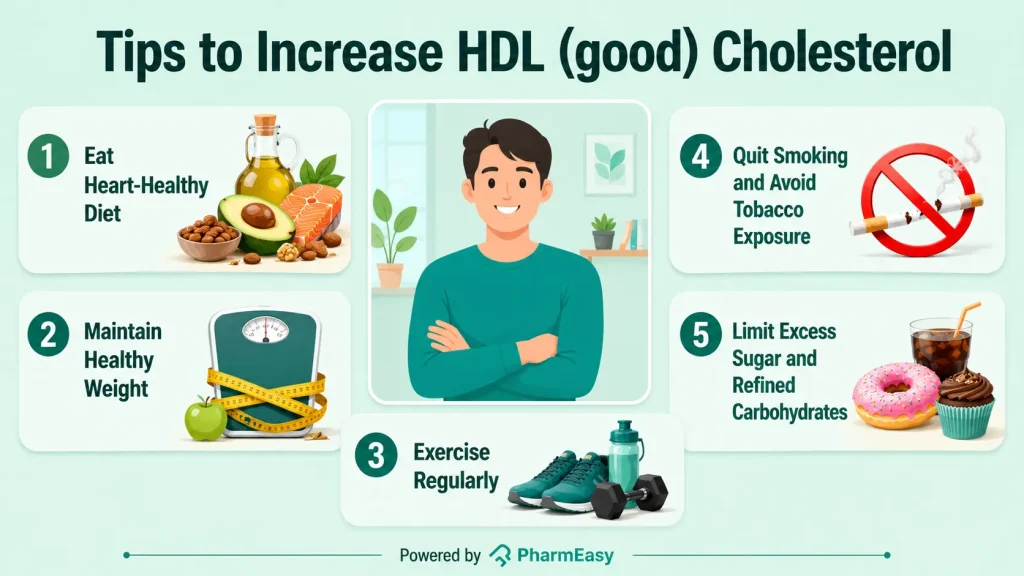
Making healthy lifestyle changes can help improve HDL cholesterol levels and support overall heart health. Some effective ways to increase HDL cholesterol include2:
Choose healthy unsaturated fats over saturated and trans fats. We will discuss more dietary options in the next section.
Losing excess weight (especially around the waist) can help raise HDL cholesterol levels and reduce cardiovascular risk.
Regular physical activity, especially aerobic exercises such as walking, jogging, cycling, or swimming, can help increase HDL cholesterol while lowering LDL (bad) cholesterol. Aim for at least 30 minutes of exercise on most days of the week.
Smoking lowers HDL cholesterol levels and damages blood vessels. Quitting smoking can improve HDL levels and overall heart health.
Reducing sugary foods, sweetened beverages, and refined carbohydrates may help improve HDL cholesterol levels.
Excessive alcohol consumption can contribute to weight gain and negatively affect cholesterol levels. So, alcohol should only be consumed in moderation, if at all.
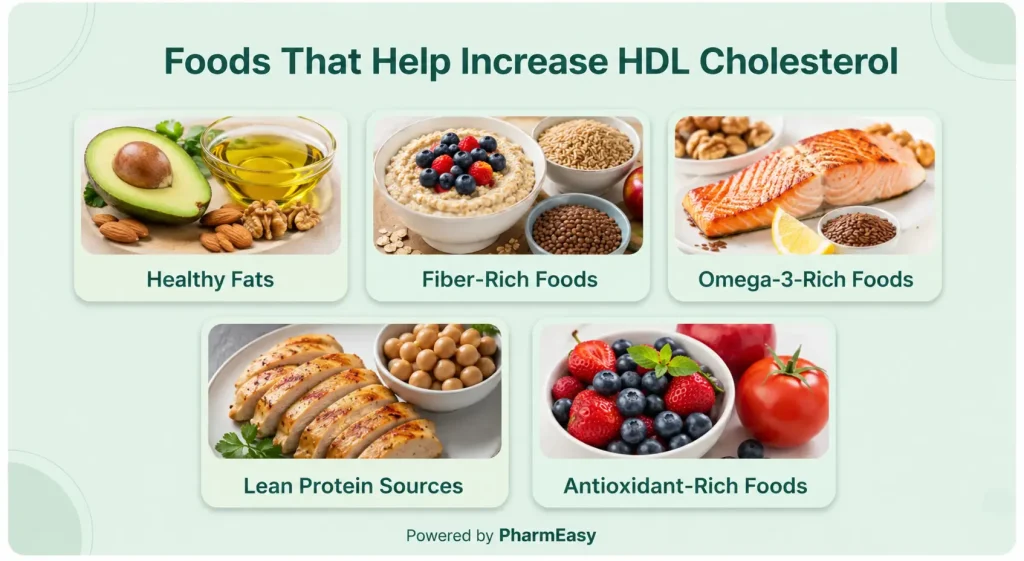
Including heart-healthy foods in your daily diet may help improve HDL cholesterol levels and support overall cardiovascular health. Some beneficial food options include:
At the same time, it is important to limit fried foods, processed snacks, sugary foods, trans fats, and excessive saturated fats, as these may negatively affect cholesterol levels and heart health2.
Low HDL cholesterol can increase the risk of several health complications, particularly those related to heart and blood vessel health. Possible complications include6:
Regular health checkups and lipid profile testing can help detect low HDL cholesterol early and reduce the risk of future heart-related complications. You should consult a doctor if you:
Also Read: High LDL (Bad) Cholesterol: Causes, Symptoms & How to Reduce It
HDL, or good cholesterol, plays an important role in protecting heart health by helping remove excess cholesterol from the bloodstream. Low HDL cholesterol levels may increase the risk of heart disease, stroke, and other metabolic complications, especially when combined with unhealthy lifestyle habits or underlying medical conditions.
Although low HDL often does not cause noticeable symptoms, regular cholesterol screening can help with early detection and management. Further, adopting healthy lifestyle habits such as eating a balanced diet, exercising regularly, maintaining a healthy weight, and avoiding smoking can help improve HDL levels and support overall cardiovascular health.
If you have persistently low HDL cholesterol or other risk factors for heart disease, consult a doctor for proper evaluation, diagnosis, and personalised treatment guidance.
HDL cholesterol usually improves with diet. This may support better HDL levels over time2.
Some drinks, such as green tea, have shown benefits in helping reduce LDL (bad) cholesterol levels, although their effect on raising HDL cholesterol is not very significant10. Thus, focusing on an overall healthy lifestyle, balanced diet, regular exercise, and weight management is more important for improving HDL cholesterol levels and supporting heart health
Yes. Low HDL cholesterol can increase the risk of plaque buildup in the arteries, heart disease, stroke, and other cardiovascular complications, especially when combined with high LDL cholesterol or other risk factors6.
Improving HDL cholesterol levels depends on lifestyle changes, diet, exercise habits, weight management, and overall health. A doctor can help guide this process based on your individual medical history, risk factors, and test results.
In general, higher HDL (‘good’) cholesterol levels are considered better for heart health because HDL helps remove excess cholesterol from the bloodstream. Low HDL levels may increase the risk of heart disease and stroke3,6. However, cholesterol levels should always be interpreted in the context of your overall health, medical history, and other lipid levels. You should always consult a doctor for proper evaluation and personalised guidance.
Fruits rich in fibre and antioxidants may help support healthy HDL levels. These include apple, grapes, mango, pineapple, watermelon, orange, kiwi, pomegranate, avocado, and papaya, as part of a balanced, heart-healthy diet11.
1. Huff T, Boyd B, Jialal I. Physiology, Cholesterol. In: StatPearls. StatPearls Publishing; 2026. Accessed May 19, 2026. http://www.ncbi.nlm.nih.gov/books/NBK470561/
2. HDL: The “Good” Cholesterol. Accessed May 19, 2026. https://medlineplus.gov/hdlthegoodcholesterol.html
3. CDC. LDL and HDL Cholesterol and Triglycerides. Cholesterol. March 13, 2026. Accessed May 19, 2026. https://www.cdc.gov/cholesterol/about/ldl-and-hdl-cholesterol-and-triglycerides.html
4. Cholesterol Levels: What You Need to Know. Accessed May 19, 2026. https://medlineplus.gov/cholesterollevelswhatyouneedtoknow.html
5. Rezkalla SH, MD RAK. Low HDL—The Challenge. Clin Med Res. 2025;23(2):60-66. doi:10.3121/cmr.2025.1970 https://pubmed.ncbi.nlm.nih.gov/40813253/
6. Van Name JP, Sharma S. Low HDL Cholesterol(Archived). In: StatPearls. StatPearls Publishing; 2026. Accessed May 19, 2026. http://www.ncbi.nlm.nih.gov/books/NBK560749/
7. Liu AG, Ford NA, Hu FB, Zelman KM, Mozaffarian D, Kris-Etherton PM. A healthy approach to dietary fats: understanding the science and taking action to reduce consumer confusion. Nutr J. 2017;16:53. doi:10.1186/s12937-017-0271-4 https://pubmed.ncbi.nlm.nih.gov/28854932/
8. Richter CK, Skulas-Ray AC, Champagne CM, Kris-Etherton PM. Plant Protein and Animal Proteins: Do They Differentially Affect Cardiovascular Disease Risk?12. Adv Nutr. 2015;6(6):712-728. doi:10.3945/an.115.009654 https://pmc.ncbi.nlm.nih.gov/articles/PMC4642426/
9. Rahaman MdM, Hossain R, Herrera‐Bravo J, et al. Natural antioxidants from some fruits, seeds, foods, natural products, and associated health benefits: An update. Food Sci Nutr. 2023;11(4):1657-1670. doi:10.1002/fsn3.3217 https://pmc.ncbi.nlm.nih.gov/articles/PMC10084981/
10. Hartley L, Flowers N, Holmes J, et al. Green and black tea for the primary prevention of cardiovascular disease. Cochrane Database Syst Rev. 2013;2013(6):CD009934. doi:10.1002/14651858.CD009934.pub2 https://pubmed.ncbi.nlm.nih.gov/23780706/
11. Zuraini NZA, Sekar M, Wu YS, et al. Promising Nutritional Fruits Against Cardiovascular Diseases: An Overview of Experimental Evidence and Understanding Their Mechanisms of Action. Vasc Health Risk Manag. 2021;17:739-769. doi:10.2147/VHRM.S328096 https://pubmed.ncbi.nlm.nih.gov/34858028/
Disclaimer: The information provided here is for educational/awareness purposes only and is not intended to be a substitute for medical treatment by a healthcare professional and should not be relied upon to diagnose or treat any medical condition. The reader should consult a registered medical practitioner to determine the appropriateness of the information and before consuming any medication. PharmEasy does not provide any guarantee or warranty (express or implied) regarding the accuracy, adequacy, completeness, legality, reliability or usefulness of the information; and disclaims any liability arising thereof.
Links and product recommendations in the information provided here are advertisements of third-party products available on the website. PharmEasy does not make any representation on the accuracy or suitability of such products/services. Advertisements do not influence the editorial decisions or content. The information in this blog is subject to change without notice. The authors and administrators reserve the right to modify, add, or remove content without notification. It is your responsibility to review this disclaimer regularly for any changes.
Cholesterol is a wax-like, fatty substance found in the body essential for building cells, producing hormones, and supporting digestion. There are different types of cholesterol such as low-density lipoprotein (LDL), high-density lipoprotein (HDL), and very low-density lipoprotein (VLDL)1.
LDL cholesterol is generally referred to as bad cholesterol because when it is in excess, it can accumulate in the arteries, increasing the risk of heart disease2. Since high LDL cholesterol usually does not cause noticeable symptoms in the early stages3, many people may be unaware of their condition until difficulties arise.
This article will guide you about the possible effects of high LDL cholesterol as well as its causes, risk factors and management strategies.
LDL stands for low-density lipoprotein. The body needs some LDL cholesterol for normal functioning. However, LDL is known as bad cholesterol because when it is inexcess it can accumulate within the arteries and form fatty deposits known as plaques (atherosclerosis)1,2. As plaque accumulates, the arteries narrow and harden, decreasing blood flow to vital organs including the heart and brain. If a plaque breaks open, it may form a blood clot that can completely block blood flow. This may lead to:
On the other hand, HDL cholesterol is known as good cholesterol because it helps remove excess cholesterol from the bloodstream1.
LDL cholesterol levels are measured through a fasting blood test called lipid profile and are usually expressed in milligrams per decilitre (mg/dL). Here is a table which shows different ranges of LDL cholesterol.
| LDL Cholesterol Level | Category |
| Less than 100 mg/dL | Optimal |
| 100-129 mg/dL | Near optimal (above optimal) |
| 130-159 mg/dL | Borderline high |
| 160-189 mg/dL | High |
| 190 mg/dL and above | Very high |
Note: LDL cholesterol levels can vary slightly based on the laboratory, age, medical history, and personal risk factors. Always consult a doctor for proper interpretation of your lipid profile results and personalised medical advice.
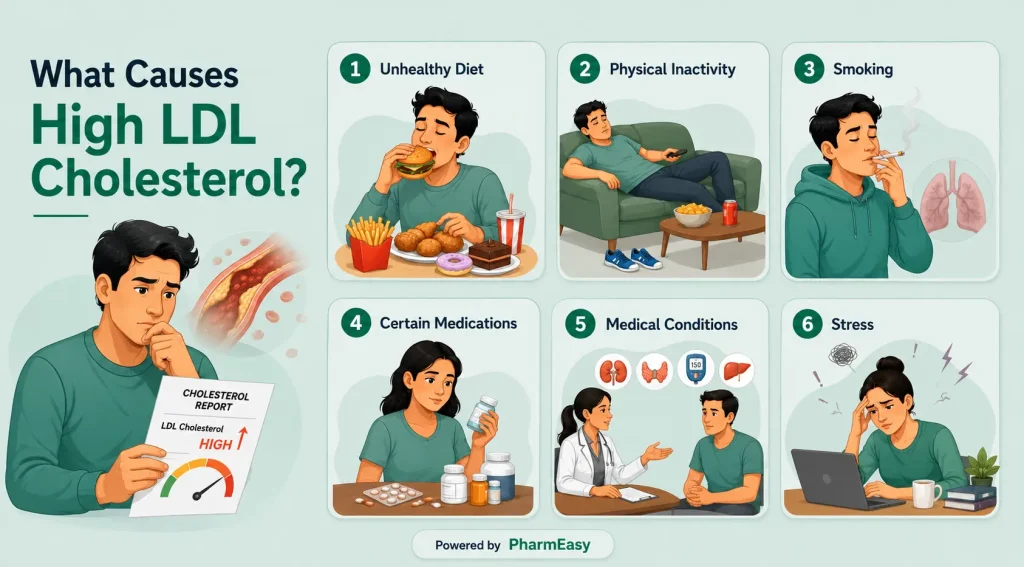
Several factors can increase LDL cholesterol levels. Here are some factors that explain what causes high LDL cholesterol levels.
Note: Reasons for high LDL cholesterol can vary among individuals. Therefore, proper diagnosis is important.
High LDL cholesterol symptoms are rarely apparent in the early stages. Many people find out only after a regular blood test or when issues arise. Severe or long-standing high LDL cholesterol can sometimes cause symptoms due to restricted blood flow causing severe conditions3,4,5. These may include the following:
Note: These symptoms typically reflect complications from long-term plaque buildup, not high LDL itself. Consult a doctor for proper evaluation and diagnosis.
The following are some risk factors that can contribute to high LDL Cholesterol:
Your doctor might suggest a lipid profile test to measure the LDL cholesterol levels. This test measures:
From this test results, high LDL cholesterol means there is an increased risk of artery clogs which can cause heart disease and other complications2.
The doctors may recommend this test:
Note: Lipid profile results should always be interpreted by a doctor along with your medical history, symptoms, and overall health condition.
As a part of high LDL cholesterol treatment, your doctor might prescribe certain medications if the cholesterol levels do not come down with lifestyle changes alone2. There are different types of medicines your doctor might give; these include the following:
Note: These medications should only be taken as prescribed by a doctor. The type of medication and dosage may differ depending on the patient’s cholesterol levels, overall health, and medical history. Do not start, stop, or change any medicine without first consulting a doctor.
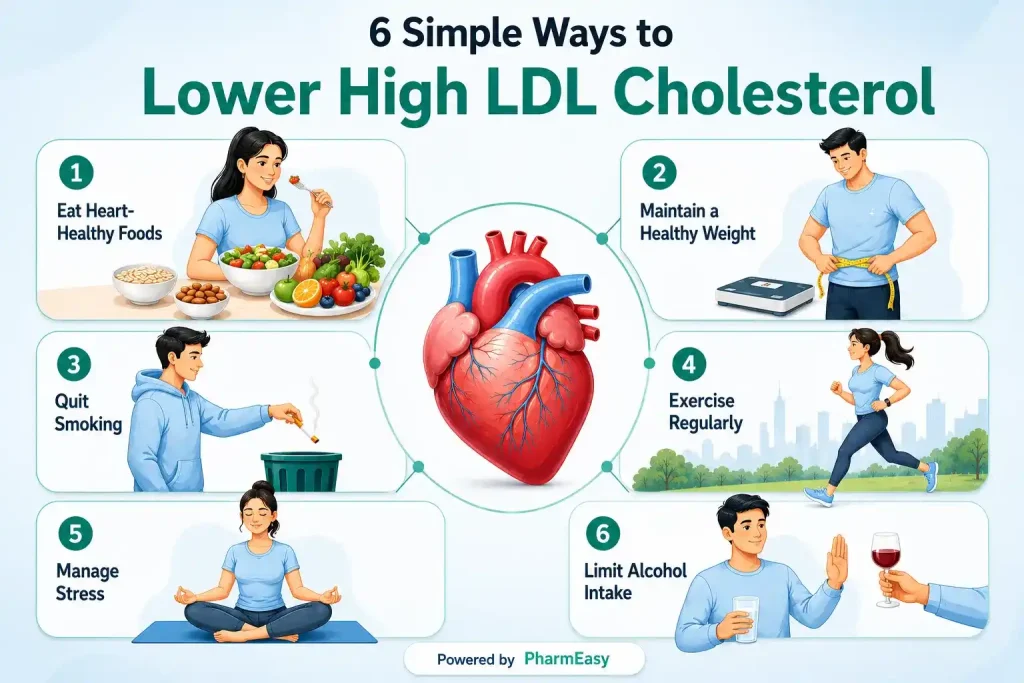
High LDL cholesterol can often be reduced through healthy lifestyle changes. The following are some simple ways by which you can help manage your LDL levels along with a proper medical treatment:
Note: Lifestyle changes may assist manage high LDL cholesterol, but their effectiveness may differ from person to person. Some people may also need medications or other medical treatments depending on their cholesterol levels, overall health, and risk of heart disease. Always seek the opinion of a doctor for an accurate diagnosis, treatment, and individualised care.
Certain foods can help naturally reduce LDL cholesterol levels. These include the following:
Note: This information is for educational purposes only and should not be considered medical advice. Diet alone may not be sufficient to control high LDL cholesterol in all cases. It is important to see a doctor or a dietician for an accurate treatment and dietary recommendations.
Also Read: High Alkaline Phosphatase Levels: Causes, Symptoms & Treatment
If left untreated, high LDL cholesterol can lead to serious health problems, such as:
Hence, it is important to check your cholesterol levels as a part of routine checkup, as high LDL levels can cause severe blockage of the arteries, thereby contributing to life-threatening if not treated on priority.
You should consult a doctor if you have a family history of high cholesterol or heart disease, are experiencing symptoms such as chest pain, shortness of breath, or leg pain, or have conditions such as diabetes, obesity, or high blood pressure. If your cholesterol readings continue to rise even after lifestyle adjustments, it is important to get medical care.
Also Read: High Triglycerides: Causes, Symptoms, Diagnosis & How to Reduce It
High LDL cholesterol is a frequent health issue with no early warning signs. If not addressed, it can raise the risk of heart disease and stroke. Healthy habits including eating nutritious foods, exercising regularly, maintaining a healthy weight, and following medical advice can all help lower LDL cholesterol and safeguard heart health.
Yes, high LDL cholesterol can be reduced and controlled by adopting good lifestyle habits such as a balanced diet, frequent exercise, weight management, and quitting smoking. In some cases, doctors may also recommend medications to help lower LDL cholesterol and lower the risk of heart disease2.
Although it is difficult to reduce LDL levels in seven days, a healthy lifestyle can slowly help reduce it. You can start by avoiding fried and processed foods, eating more fruits, vegetables, oats, and nuts, and exercising regularly. Quitting smoking, reducing alcohol intake, and staying physically active can also help improve cholesterol levels quickly1,2,3.
Drinks such as green tea, oat-based drinks, low-fat milk, and smoothies made with fruits and vegetables may help lower cholesterol levels. Limiting sugary drinks and alcohol can also support better heart health2,13,14.
For most healthy people, eating 1–2 eggs a day is generally considered safe and may not significantly raise cholesterol levels. However, people with high cholesterol, diabetes, or heart disease should consult a doctor about the right amount for their diet15.
The LDL level by age is given below:
Children younger than 19: < 110 mg/dL16
Adults: < 100 mg/dL (optimal)2
However,for people with certain heart conditions, doctors may recommend keeping LDL cholesterol at even lower levels to reduce the risk of heart-related complications.
1. Cholesterol Med. 2025. doi:https://medlineplus.gov/cholesterol.html
2. LDL: The “Bad” Cholesterol. 2024. doi:https://medlineplus.gov/ldlthebadcholesterol.html
3. Cholesterol. 2024. doi:https://www.healthdirect.gov.au/cholesterol
4. Peripheral Arterial Disease. 2025. doi:https://medlineplus.gov/peripheralarterialdisease.html
5. Stroke. 2025. doi:https://medlineplus.gov/stroke.html
6. Herink MC. Medication Induced Changes in Lipids and Lipoproteins. 2025. doi:https://www.ncbi.nlm.nih.gov/books/NBK326739/
7. Duntas LH. Thyroid Disease and Lipids. Thyroid. 2002;12(4):287-293. doi:10.1089/10507250252949405 https://pubmed.ncbi.nlm.nih.gov/12034052/
8. Lipid profile test. 2024. doi:https://medlineplus.gov/ency/article/007812.htm
9. Cholesterol-Lowering Medicines. 2024. doi:https://www.cdc.gov/cholesterol/treatment/cholesterol-lowering-medicines.html
10. Ray KK, Ference BA, Séverin T, et al. World Heart Federation Cholesterol Roadmap 2022. gh. 2022;17(1):75. doi:10.5334/gh.1154 https://pubmed.ncbi.nlm.nih.gov/36382159/
11. Heart-Healthy Living. 2022. doi:https://www.nhlbi.nih.gov/health/heart-healthy-living/healthy-foods
12. Soybeans and soy foods. 2026. doi:https://www.betterhealth.vic.gov.au/health/healthyliving/soybeans
13. High Cholesterol = High Kidney Disease Ri. 2014. doi:https://www.kidney.org/news-stories/high-cholesterol-high-kidney-disease-risk
14. Xu R, Yang K, Li S, Dai M, Chen G. Effect of green tea consumption on blood lipids: a systematic review and meta-analysis of randomized controlled trials. Nutr J. 2020;19(1):48. doi:10.1186/s12937-020-00557-5 https://pubmed.ncbi.nlm.nih.gov/32434539/
15. Shin JY, Xun P, Nakamura Y, He K. Egg consumption in relation to risk of cardiovascular disease and diabetes: a systematic review and meta-analysis. The American Journal of Clinical Nutrition. 2013;98(1):146-159. doi:10.3945/ajcn.112.051318 https://pubmed.ncbi.nlm.nih.gov/23676423/
16. High Cholesterol in Children and Teens. 2024. doi:https://medlineplus.gov/highcholesterolinchildrenandteens.html
Disclaimer: The information provided here is for educational/awareness purposes only and is not intended to be a substitute for medical treatment by a healthcare professional and should not be relied upon to diagnose or treat any medical condition. The reader should consult a registered medical practitioner to determine the appropriateness of the information and before consuming any medication. PharmEasy does not provide any guarantee or warranty (express or implied) regarding the accuracy, adequacy, completeness, legality, reliability or usefulness of the information; and disclaims any liability arising thereof.
Links and product recommendations in the information provided here are advertisements of third-party products available on the website. PharmEasy does not make any representation on the accuracy or suitability of such products/services. Advertisements do not influence the editorial decisions or content. The information in this blog is subject to change without notice. The authors and administrators reserve the right to modify, add, or remove content without notification. It is your responsibility to review this disclaimer regularly for any changes.
कोलेस्ट्रॉल टेस्ट एक खून परीक्षण है जो आपके शरीर में कोलेस्ट्रॉल की मात्रा को मापता है। यह परीक्षण आपकी धमनियों (arteries) में फैटी डिपॉजिट का बिल्ड-अप करने के जोखिम को निर्धारित करने में मदद कर सकता है।
कोलेस्ट्रॉल परीक्षण आपके खून कोलेस्ट्रॉल के स्तर को मापता है। यह आपके हृदय स्वास्थ्य का मूल्यांकन करने में मदद करता है और स्ट्रोक, हृदय रोग जैसी हृदय संबंधी बीमारियों के जोखिम कारकों का मूल्यांकन करता है।
हृदय जोखिम मूल्यांकन परीक्षणों के हिस्से के रूप में एक कोलेस्ट्रॉल परीक्षण निर्धारित किया जाता है। आपके खून में अत्यधिक कोलेस्ट्रॉल आपकी धमनियों (arteries) और खून वाहिकाओं को नुकसान पहुंचा सकता है। इससे आपको स्ट्रोक, हार्ट अटैक और दिल की अन्य बीमारियां होने का खतरा बढ़ जाता है।
यदि आपके पास निम्नलिखित में से एक या अधिक जोखिम कारक हैं – तो आपको कोलेस्ट्रॉल परीक्षण की आवश्यकता हो सकती है :
अध्ययनों में बताया गया है कि भारत में 25-30% शहरी आबादी और 15-20% ग्रामीण आबादी में उच्च कोलेस्ट्रॉल का स्तर है।
कोलेस्ट्रॉल परीक्षण के लिए आपको अपने खून का नमूना परीक्षण के लिए देना आवश्यक है। आप इस परीक्षण के साथ अकेले टोटल कोलेस्ट्रॉल के लिए परीक्षण कर सकते हैं या लिपिड प्रोफाइल परीक्षण के साथ अपने लिपिड स्तर की एक विस्तृत तस्वीर प्राप्त कर सकते हैं।
आपका डॉक्टर आपको निम्नलिखित कारकों के आधार पर कोलेस्ट्रॉल परीक्षण दोहराने के लिए कह सकता है :
लक्षणों के प्रकट होने से पहले संभावित स्वास्थ्य बीमारियों के निदान में एक कोलेस्ट्रॉल परीक्षण का उपयोग किया जाता है। कोलेस्ट्रॉल परीक्षण के परिणामों की मदद से, आप हृदय रोगों के विकास के लिए अपने जोखिम का निर्धारण कर सकते हैं।
दिल की समस्याओं के लिए अपने जोखिम कारकों के आधार पर, आपको स्क्रीनिंग के लिए कोलेस्ट्रॉल परीक्षण को दोहराना पड़ सकता है।
कोलेस्ट्रॉल परीक्षण रिपोर्ट आपके खून में टोटल कोलेस्ट्रॉल के स्तर को मापती है। यदि आप सभी प्रकार के कोलेस्ट्रॉल के स्तर का पूरा परिणाम चाहते हैं, तो आपको लिपिड प्रोफाइल टेस्ट का विकल्प चुनने की आवश्यकता हो सकती है।
कोलेस्ट्रॉल परीक्षण आपके शरीर में टोटल खून कोलेस्ट्रॉल के स्तर को मापता है। आपके खून में अलग-अलग तरह के कोलेस्ट्रॉल पाए जाते हैं। ये उच्च घनत्व (density) वाले लिपोप्रोटीन, कम घनत्व वाले लिपोप्रोटीन और बहुत कम घनत्व वाले लिपोप्रोटीन होते हैं। यह परीक्षण इन सभी कोलेस्ट्रॉल अणुओं के संयुक्त योग को मापता है। यदि आप कम घनत्व वाले लिपोप्रोटीन (एलडीएल) कोलेस्ट्रॉल, उच्च घनत्व वाले लिपोप्रोटीन (एचडीएल) कोलेस्ट्रॉल और ट्राइग्लिसराइड्स के व्यक्तिगत उपायों के लिए परीक्षण करना चाहते हैं, तो आपको लिपिड प्रोफाइल परीक्षण प्राप्त करने की आवश्यकता होगी।
यह भी पढ़ें: कैल्शियम टेस्ट (Calcium Test): क्या है, खर्च, नॉर्मल रेंज, कैसे होता है, क्यों और कब करना चाहिए?
35 साल से अधिक उम्र के दोनों लिंगों के लिए कोलेस्ट्रॉल टेस्ट निर्धारित है। निम्नलिखित मानदंडों वाले लोगों को अपने कोलेस्ट्रॉल खून परीक्षण को पूरा करने की आवश्यकता है :
यह भी पढ़ें: फेरिटिन टेस्ट (Ferritin Test): क्या है, खर्च, नॉर्मल रेंज, कैसे होता है, क्यों और कब करना चाहिए
एक साधारण खून परीक्षण आपको आसानी से अपने कोलेस्ट्रॉल के स्तर की जांच करने में मदद करेगा।
घर पर अपने कोलेस्ट्रॉल की जांच करने के लिए, आप एक पैथोलॉजी लैब से कोलेस्ट्रॉल जांच बुक कर सकते हैं। आपका सैंपल घर से ही कलेक्ट कर लिया जाएगा अगर लाभ होम कलेक्शन की सुविधा देती हो तो।
आपको अपने कोलेस्ट्रॉल परीक्षण से पहले 10-12 घंटे उपवास करने की आवश्यकता है। कोलेस्ट्रॉल टेस्ट से पहले 12 घंटे तक कुछ भी ना खाये या पीये।
कोलेस्ट्रॉल को कम करने का सबसे अच्छा तरीका स्वस्थ, पोषक तत्व-घन खाद्य पदार्थ जैसे फल, सब्जियां, साबुत अनाज और दुबला प्रोटीन खाना है। रोजाना 30-45 मिनट व्यायाम करें और ट्रांस फैट्स, सैचुरेटेड फैट्स, शुगर और प्रोसेस्ड फूड्स से बचें।अगर कोलेस्ट्रॉल लेवल ज्यादा है तो डॉक्टर की सलाह से उचित दवाइयां भी ले लेनी चाहिए।
यदि आप टेस्ट के पहले उपवास नहीं करते हैं तो आपके कोलेस्ट्रॉल का स्तर सटीक नहीं हो सकता है। 12 घंटे के लिए उपवास सबसे सटीक परिणाम देता है क्योंकि एलडीएल कोलेस्ट्रॉल का स्तर आपके खाने से प्रभावित होता है।
जीवनशैली की कुछ आदतों में सुधार के बाद समय के साथ कोलेस्ट्रॉल का स्तर गिर जाता है। यदि आप दवाओं पर हैं, तो आप 6-8 सप्ताह के भीतर अपने कोलेस्ट्रॉल के स्तर में परिवर्तन देख सकते हैं।
अध्ययनों से पता चला है कि कॉफी बाइल एसिड्स और न्यूट्रल स्टेरोल्स के स्तर को कम करती है। इसके कारण कोलेस्ट्रॉल का स्तर बढ़ जाता है।
नहीं, पानी पीने से कोलेस्ट्रॉल टेस्ट पर असर नहीं पड़ता है।
Disclaimer: The information provided here is for educational/awareness purposes only and is not intended to be a substitute for medical treatment by a healthcare professional and should not be relied upon to diagnose or treat any medical condition. The reader should consult a registered medical practitioner to determine the appropriateness of the information and before consuming any medication. PharmEasy does not provide any guarantee or warranty (express or implied) regarding the accuracy, adequacy, completeness, legality, reliability or usefulness of the information; and disclaims any liability arising thereof.
Links and product recommendations in the information provided here are advertisements of third-party products available on the website. PharmEasy does not make any representation on the accuracy or suitability of such products/services. Advertisements do not influence the editorial decisions or content. The information in this blog is subject to change without notice. The authors and administrators reserve the right to modify, add, or remove content without notification. It is your responsibility to review this disclaimer regularly for any change
15
0
Generic medicine is a medicine that contains the same active ingredient and is intended to provide the same therapeutic effect as its branded counterpart1.
Many people prefer buying generic medicines as they are affordable. Generic medicines are receiving attention in India due to growing awareness of affordable healthcare options. This blog will cover what generic medicines are, common generic medicines in India, and tips to safely buy generic medicines in India, which helps in making informed choices.
Generic medicines are medicines identified by their active ingredient and are used to treat or manage specific health conditions. In India, many commonly used medicines are included in the National List of Essential Medicines (NLEM), which identifies medicines considered important for meeting the country’s priority healthcare needs1,2.
The appropriate medicine, strength, dose, and duration depend on your individual health condition and should be determined by your consulting doctor. You must discuss with your doctor before starting on any medications or switching from branded medicine to generic medicine. The following generic medicine lists common generic medicines used for some of the common health conditions:
Also Read: Generic Medicines for High Blood Pressure: Safety, Types & Benefits
Also Read: Generic Medicines for Diabetes: Options, Safety and How Much You Can Save
A single medicine can have many brand names because several pharmaceutical companies might make the same generic medicine and give their products different brand names. The generic name refers to the active ingredient, while the brand name is chosen by the company that makes the medicine. For example, several companies may manufacture paracetamol and sell it under different brand names31.
The various available brands could look different, but the active medicine remains the same in case of the generic medicine. Regulatory authorities emphasize that an approved generic must have the same active ingredient, strength, dosage form, and route of administration as the corresponding brand name medicine, and must meet required standards for safety, effectiveness, and quality1.
Another reason many brands exist is competition between manufacturers. Every brand gives its product a unique name to make it easier to recognise and remember. Authorities explain that multiple brands producing the same generic medicine can be approved, and this competition can actually help make medicines more affordable and improve access to treatment32.
Some of the tips to ensure safe generic medicine use in India:
Generic medicines are expected to remain an important part of India’s effort to make treatment more affordable and accessible. The Government’s Pradhan Mantri Bhartiya Janaushadhi Pariyojana (PMBJP) aims to increase access to quality generic medicines and promote their use among the public. Government reports also state that medicines supplied through Jan Aushadhi Kendras are generally priced about 50 to 80% lower than leading branded products, which can help reduce the cost of treatment35,36.
However, wider use of generic medicines still faces challenges such as public acceptance, awareness, maintaining reliable availability and fighting counterfeit products. The Department of Pharmaceuticals specifically identifies the need to dispel the belief that low priced generic medicines are of inferior quality or less effective, while its reports also emphasise maintaining adequate medicine stocks. Continued awareness, efforts and improvements in supply and access will therefore be important for the future growth of generic medicines in India35,37.
Generic medicines can offer an affordable way to access essential treatment opitions while containing the same active ingredients as their corresponding branded medicines. In India, government initiatives such as the Pradhan Mantri Bhartiya Janaushadhi Pariyojana (PMBJP) aim to improve access to quality generic medicines at affordable prices and reduce patients’ out of pocket healthcare costs. As awareness and access continue to grow, choosing medicines based on their active ingredient, strength, quality, and appropriate medical advice can help people make informed decisions about their healthcare choice.
There is no single generic brand that can be called the “best” for everyone; what matters is choosing the correct medicine and getting it from a reliable source after discussing with your doctor. The Government of India’s Department of Pharmaceuticals states that the Jan Aushadhi programme aims to provide quality generic medicines at affordable prices36.
Yes, quality assured generic medicines can be a safe and affordable treatment option when obtained through reliable sources. The Government of India states that the PMBJP aims to make quality generic medicines available at affordable prices through Jan Aushadhi Kendras36.
Yes, generic medicines supplied through India’s Jan Aushadhi programme undergo quality checks before reaching patients. The Government of India states that these medicines are procured from WHO GMP certified suppliers and that each batch is tested at NABL accredited laboratories before being supplied to Jan Aushadhi Kendras35.
Yes, you can ask your doctor whether a generic medicine is suitable for you. In India, government guidance states that physicians should, as far as possible, prescribe medicines using their generic names and ensure their rational use38.
1. Research C for DE and. Generic Drug Facts. FDA. Published online June 2, 2026. Accessed August 17, 2026. https://www.fda.gov/drugs/generic-drugs/generic-drug-facts
2. NLEM, 2022.pdf. Accessed August 17, 2026. https://cdsco.gov.in/opencms/resources/UploadCDSCOWeb/2018/UploadConsumer/nlem2022.pdf
3. Acetaminophen: MedlinePlus Drug Information. Accessed August 17, 2026. https://medlineplus.gov/druginfo/meds/a681004.html
4. Ibuprofen: MedlinePlus Drug Information. Accessed August 17, 2026. https://medlineplus.gov/druginfo/meds/a682159.html
5. Diclofenac: MedlinePlus Drug Information. Accessed August 21, 2026. https://medlineplus.gov/druginfo/meds/a689002.html
6. Amlodipine: MedlinePlus Drug Information. Accessed August 17, 2026. https://medlineplus.gov/druginfo/meds/a692044.html
7. Hydrochlorothiazide: MedlinePlus Drug Information. Accessed August 17, 2026. https://medlineplus.gov/druginfo/meds/a682571.html
8. Telmisartan: MedlinePlus Drug Information. Accessed August 21, 2026. https://medlineplus.gov/druginfo/meds/a601249.html
9. Metformin: MedlinePlus Drug Information. Accessed August 17, 2026. https://medlineplus.gov/druginfo/meds/a696005.html
10. Glimepiride: MedlinePlus Drug Information. Accessed August 17, 2026. https://medlineplus.gov/druginfo/meds/a696016.html
11. Human Insulin Injection: MedlinePlus Drug Information. Accessed August 21, 2026. https://medlineplus.gov/druginfo/meds/a682611.html
12. Atorvastatin: MedlinePlus Drug Information. Accessed August 17, 2026. https://medlineplus.gov/druginfo/meds/a600045.html
13. Omeprazole: MedlinePlus Drug Information. Accessed August 11, 2026. https://medlineplus.gov/druginfo/meds/a693050.html
14. Pantoprazole: MedlinePlus Drug Information. Accessed August 17, 2026. https://medlineplus.gov/druginfo/meds/a601246.html
15. Ranitidine: MedlinePlus Drug Information. Accessed August 21, 2026. https://medlineplus.gov/druginfo/meds/a601106.html
16. Cetirizine: MedlinePlus Drug Information. Accessed August 17, 2026. https://medlineplus.gov/druginfo/meds/a623043.html
17. Chlorpheniramine: MedlinePlus Drug Information. Accessed August 17, 2026. https://medlineplus.gov/druginfo/meds/a682543.html
18. Amoxicillin: MedlinePlus Drug Information. Accessed August 17, 2026. https://medlineplus.gov/druginfo/meds/a685001.html
19. Amoxicillin and Clavulanic Acid: MedlinePlus Drug Information. Accessed August 17, 2026. https://medlineplus.gov/druginfo/meds/a685024.html
20. Azithromycin: MedlinePlus Drug Information. Accessed June 22, 2026. https://medlineplus.gov/druginfo/meds/a697037.html
21. Cefixime: MedlinePlus Drug Information. Accessed August 21, 2026. https://medlineplus.gov/druginfo/meds/a690007.html
22. Ciprofloxacin: MedlinePlus Drug Information. Accessed August 21, 2026. https://medlineplus.gov/druginfo/meds/a688016.html
23. Montelukast: MedlinePlus Drug Information. Accessed August 17, 2026. https://medlineplus.gov/druginfo/meds/a600014.html
24. Budesonide: MedlinePlus Drug Information. Accessed August 17, 2026. https://medlineplus.gov/druginfo/meds/a608007.html
25. Albuterol: MedlinePlus Drug Information. Accessed August 21, 2026. https://medlineplus.gov/druginfo/meds/a607004.html
26. Diazepam: MedlinePlus Drug Information. Accessed August 21, 2026. https://medlineplus.gov/druginfo/meds/a682047.html
27. Carbamazepine: MedlinePlus Drug Information. Accessed August 21, 2026. https://medlineplus.gov/druginfo/meds/a682237.html
28. Clotrimazole Topical: MedlinePlus Drug Information. Accessed August 21, 2026. https://medlineplus.gov/druginfo/meds/a618059.html
29. Fluconazole: MedlinePlus Drug Information. Accessed August 21, 2026. https://medlineplus.gov/druginfo/meds/a690002.html
30. Hydrocortisone: MedlinePlus Drug Information. Accessed August 21, 2026. https://medlineplus.gov/druginfo/meds/a682206.html
31. Brand to Generic Medication Information. Powys Teaching Health Board. Accessed August 17, 2026. https://pthb.nhs.wales/services/pharmacy-and-medicines-management/public/brand-to-generic-medication-information/
32. Research C for DE and. Generic Drugs. FDA. March 13, 2025. Accessed August 17, 2026. https://www.fda.gov/drugs/buying-using-medicine-safely/generic-drugs
33. Supply of Generic Medicines. Accessed August 17, 2026. https://www.pib.gov.in/PressReleasePage.aspx?PRID=2246069®=48&lang=2
34. Medicines at Jan Aushadhi Kendras. Accessed August 17, 2026. https://www.pib.gov.in/PressReleasePage.aspx?PRID=2227622®=48&lang=2
35. Annual Report 2026.cdr. Accessed August 17, 2026. https://pharma-dept.gov.in/sites/default/files/Annual%20Report%202025-26.pdf
36. Janaushadhi Scheme | Department of Pharmaceuticals. Accessed August 17, 2026. https://www.pharma-dept.gov.in/janaushadhi-scheme
37. Pharma -2015-16.pdf. Accessed August 17, 2026. https://www.pharma-dept.gov.in/sites/default/files/Pharma%20-2015-16.pdf
38. GENERIC NAMES OF MEDICINE IN MEDICAL PRESCRIPTIONS. Accessed August 17, 2026. https://www.pib.gov.in/Pressreleaseshare.aspx?PRID=1797698&lang=2®=48
Disclaimer: The information provided here is for educational/awareness purposes only and is not intended to be a substitute for medical treatment by a healthcare professional and should not be relied upon to diagnose or treat any medical condition. The reader should consult a registered medical practitioner to determine the appropriateness of the information and before consuming any medication. PharmEasy does not provide any guarantee or warranty (express or implied) regarding the accuracy, adequacy, completeness, legality, reliability or usefulness of the information; and disclaims any liability arising thereof.
Links and product recommendations in the information provided here are advertisements of third-party products available on the website. PharmEasy does not make any representation on the accuracy or suitability of such products/services. Advertisements do not influence the editorial decisions or content. The information in this blog is subject to change without notice. The authors and administrators reserve the right to modify, add, or remove content without notification. It is your responsibility to review this disclaimer regularly for any changes.
Do you often feel unusually tired, unwell, or uncomfortable in your upper abdomen without knowing why? Many women may link these changes to stress or hormonal fluctuations. However, they can also be signs of fatty liver disease, especially when risk factors such as weight gain, diabetes, high cholesterol, polyendocrine metabolic ovarian syndrome (PMOS), or menopause are present1. This blog explains the common symptoms of fatty liver in women, why they may happen, and when to speak with a doctor.
Fatty liver disease means there is excess accumulation of fat within liver cells, exceeding 5%–10% of total liver weight, a condition called steatosis2,3. The liver produces bile, which helps digest fats and supports the absorption of fat-soluble substances, stores energy, and metabolises waste products from the body2. Excess fat accumulation can cause inflammation of the liver and may lead to swelling of the liver cells due to fat deposition, scarring (also known as liver fibrosis), or long-term liver damage in the form of cirrhosis if it is not managed3.
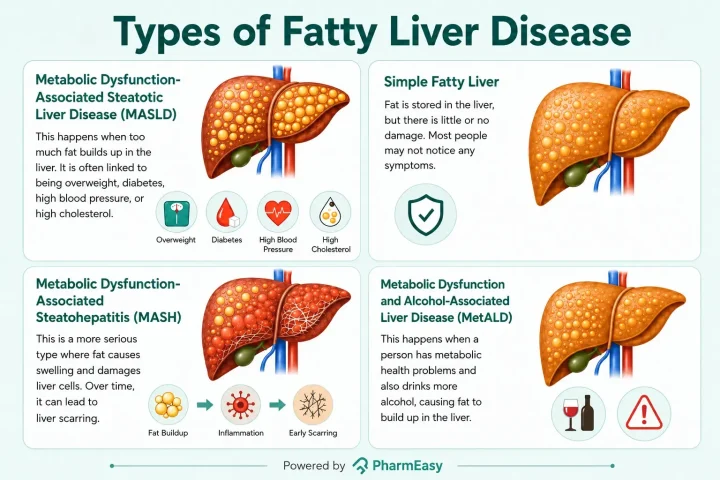
Fatty liver disease is renamed steatotic liver disease. The common forms are:
Fatty liver can affect both women and men. In women, the risk may increase with hormonal changes after menopause and with conditions such as PMOS, which can be linked to insulin resistance and weight gain. If fatty liver is not managed, it can progress in some people to liver inflammation, injury to the liver cells, or liver failure5.
Fatty liver disease often has no clear symptoms, and hence it is important to screen for MASLD6. When symptoms do occur, they may be mild and easy to confuse with other health issues. Symptoms may very rarely include:
Symptoms that may suggest more serious liver damage/end stage liver disease, requiring urgent medical care, include:
Several factors can increase a woman’s risk of developing fatty liver disease. These include:
Doctors diagnose fatty liver disease based on a person’s medical history, symptoms, and other associated risk factors such as concomitant alcohol use or chronic viral hepatitis, physical examination, and test results. They may recommend:
Treatment mainly focuses on healthy lifestyle changes and managing related health conditions. The goal is to reduce fat in the liver, lower the chance of scarring, and improve overall health. It is recommended to start the following:

If you are overweight, gradual and steady weight loss can reduce liver fat. Even modest weight loss (target of 0.7-1 kg/ week while maintaining a sustainable diet) may help, and larger sustained weight loss may improve liver swelling and scarring in some people5,9.

Inherently, a staple Indian diet lacks protein; hence, incorporating adequate protein helps counteract the quantity of fat and carbohydrate intake, in turn leading to a balanced meal. A balanced diet with vegetables, fruits, whole grains, pulses or lean proteins, and healthy fats can support liver health. It is helpful to abstain from alcohol- there is no “safe limit” of alcohol it is not recommended in small quantities, sugary drinks, sweets, fried foods, processed foods, and foods high in saturated fat. Quitting smoking is also important for overall health9.

Activities such as brisk walking, cycling, swimming, along with strength exercises can help improve blood sugar control, blood pressure, cholesterol levels, and weight. Many guidelines suggest aiming for about 150 minutes of moderate activity or 75 minutes of intense physical activity each week, if your doctor says it is safe for you9.
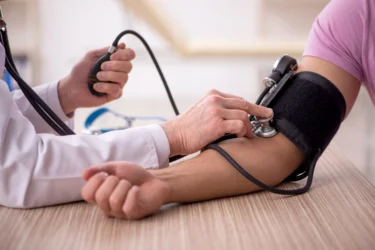
Managing conditions such as type 2 diabetes, high cholesterol, high blood pressure, and PMOS can help reduce the risk of fatty liver progression5,9.
Follow-up tests may be recommended to track liver health and check for any signs of progression.
Speak with a doctor if you have:
Fatty liver disease in women often has no symptoms at first, but it can become serious if it is not managed. Knowing your risk factors, maintaining a healthy weight, eating a balanced diet, staying active, and abstaining from alcohol can help protect your liver. Regular check-ups are especially important for women with diabetes, PCOS, obesity, high blood pressure, or high cholesterol.
Also Read: Best Exercises for Fatty Liver You Should Try
Yes, fatty liver can be asymptomatic (without any specific symptoms) in both men and women during the early stages. However, when symptoms occur, women may experience fatigue, a general feeling of being unwell, or abdominal discomfort1,11.
Yes, PMOS can increase the risk of fatty liver, as it is associated with insulin resistance, weight gain, hormonal changes, etc5.
Yes, menopause can increase the risk of fatty liver disease, as the decline in oestrogen levels during this phase is associated with increased fat accumulation in the liver5.
Women with fatty liver should limit foods high in sugar, unhealthy fats, and refined carbohydrates, as they can increase fat buildup in the liver. Examples include sugary drinks, sweets, processed foods, and fried foods9.
Fatty liver symptoms in females are generally similar to those in males, but many people may not experience symptoms in the early stages11. However, women may have certain risk factors, such as menopause and PMOS, that can increase their likelihood of developing fatty liver disease5.
Fatty liver disease may cause bloating or a feeling of fullness in some people. However, weight gain is generally a risk factor for fatty liver, rather than a direct symptom of the condition5.
Disclaimer: The information provided here is for educational/awareness purposes only and is not intended to be a substitute for medical treatment by a healthcare professional and should not be relied upon to diagnose or treat any medical condition. The reader should consult a registered medical practitioner to determine the appropriateness of the information and before consuming any medication. PharmEasy does not provide any guarantee or warranty (express or implied) regarding the accuracy, adequacy, completeness, legality, reliability or usefulness of the information; and disclaims any liability arising thereof.
Links and product recommendations in the information provided here are advertisements of third-party products available on the website. PharmEasy does not make any representation on the accuracy or suitability of such products/services. Advertisements do not influence the editorial decisions or content. The information in this blog is subject to change without notice. The authors and administrators reserve the right to modify, add, or remove content without notification. It is your responsibility to review this disclaimer regularly for any changes.
Have you noticed any dullness, tiredness or puffiness in your face when you look in the mirror, even when you were feeling normal all day? These symptoms are often ignored as being due to a sedentary lifestyle, such as lack of sleep, exercise and stress, however, they can sometimes be a sign of certain medical conditions. In this article, we will discuss how fatty liver can affect your face, what its causes and symptoms are, and when to seek medical help.
The liver is the chief organ that processes toxins and waste materials in the body, it also behaves as a storage house. In a healthy liver, there is little to no fat accumulation. However, when there is increased caloric intake or alcohol use, the liver turns this into fat and stores it. When excess fat is stored in the liver, it is termed fatty liver1. As fatty liver advances, it can lead to severe inflammation and hardening of liver tissue called cirrhosis. In patients with advanced liver diseases, including fatty liver, skin changes are often visible, even though they are non-specific. These changes can be seen on the hands, palms, neck or face2.
Liver facies is a term that is used to describe the facial features that are seen associated with the late stages of liver diseases like cirrhosis. It can include dullness, tiredness, yellowing of the skin, pigmentation on the face, and a puffy appearance of the face3,4.
Did You Know?
Causes of fatty liver symptoms on face include impaired liver function due to any of the below-listed reasons3:
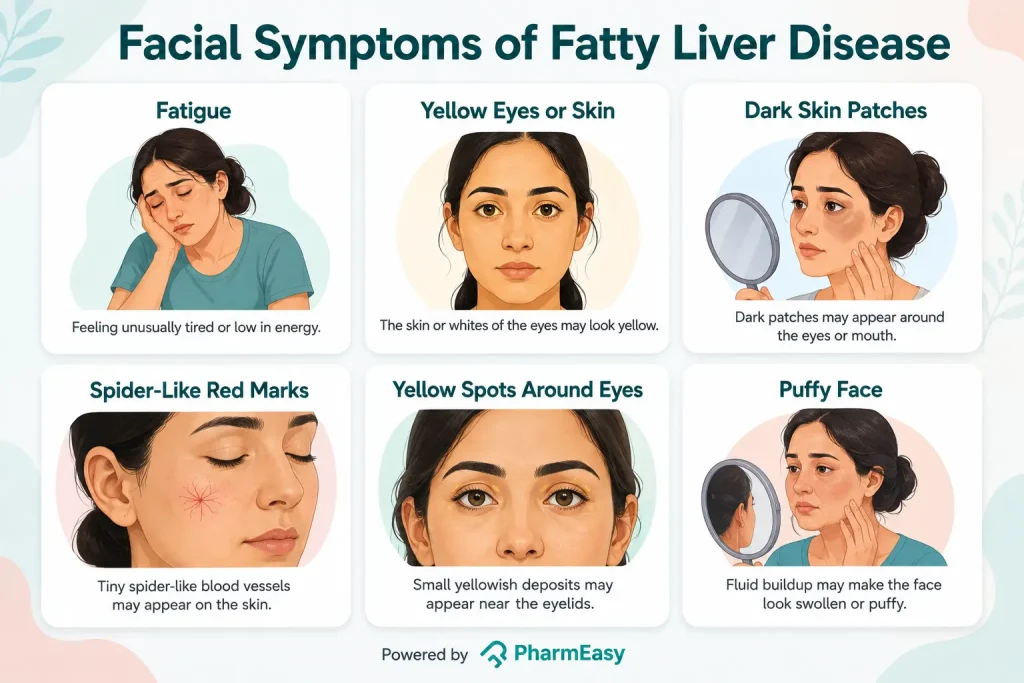
Fatty liver usually asymptomatic at the early stages. However, in later stages of the disease, symptoms can be manifested. Fatty liver symptoms on face in advanced disease can include jaundice, pigmentations, spider angiomas and xanthomas.
Diagnosis of fatty liver disease includes taking a proper medical history, physical evaluation and performing some tests14,15.
Treatment options for fatty liver rely more on lifestyle changes, weight management, dietary adjustments and managing underlying conditions.

In patients who are overweight, moderate exercise may be beneficial in managing fatty liver disease(150 minutes of moderate/ 75-100 minutes of vigorous physical activity every week along with strength/ resistance training)19. Being physically active will also contribute to counteracting the sarcopenia associated with liver disease even in the – target 5-10% of weight loss at least is also helpful in the management20. In people with fatty liver disease, alcohol consumption is also advised to be abstinent21.
Weight loss can be achieved by healthy diets, physical activities, some medicines and bariatric surgery19. At least 5-10%of body weight loss can help in the reduction of fat in the liver20. Your doctor will advise you to reduce the weight gradually(0.7-1.0 kg/week). along with a caloric restriction based on the physical activity & lifestyle can further aid in lowering inflammation of liver19,20.

Your doctor will advise you to consume a balanced diet and avoid some types of foods. Fatty foods should be avoided; instead, unsaturated fats, particularly omega-3 fatty acids containing foods, are recommended. Foods which are less prone to increase blood glucose (low glycaemic index), including vegetables, are preferred compared to high glycaemic index foods such as white rice and potatoes. These can be consumed in moderation as long as a caloric deficit can be maintained. Sugar like fructose containing foods are advised to be avoided, which include sweetened beverages, tea and juices. Table sugar needs to be avoided21. Since processed foods are high in calories, saturated fats, carbohydrates and salts and low in fibre, vitamins and minerals, limiting such foods is also beneficial22.
In people with fatty liver disease, along with marked obesity, increased blood pressure, blood sugar and disturbed fat profiles are commonly present. These features are more prone to badly affect heart health as well. Proper screening and appropriate management of these underlying conditions help reduce disease and death related complications associated with the heart as well as improve fatty liver disease19.
Earlier, medicines directly targeting liver damage were limited. However, certain medicines have been approved later specifically for this condition, which include saroglitazar, resmiterom and some GLP-1 medicines. Management with Saroglitazar has shown improvements in liver enzymes, serum glucose and fats, while further evidence is needed to determine the effectiveness and safety of resmetirom in liver disease23,24.
GLP-1 receptor agonists can also be involved in the treatment by improving liver enzymes and preventing fat accumulation in the liver. A decreased body weight along with optimised blood sugar levels can also be contributed to the mechanism of improving fatty liver
disease25. Also, insulin-sensitising drugs such as metformin might be beneficial in people having diabetics along with fatty liver disease. Please consult your doctor for appropriate recommendations.
Also Read: Recognising Fatty Liver Warning Signs in Females
Maintaining healthy lifestyle choices can be helpful for overall health of the liver and preventing the progression of fatty liver disease. It can include the following:

Being physically active regularly can help avoid fatty liver disease. Aiming minimum of 150 minutes of physical activity per week is beneficial. strengthening activities can be picked up with a slow start and slow progress. However, if there are any health problems or injuries, discussing this with your doctor is advised20.
Limiting foods containing fat and sugars is advised, as this may lead to obesity and thereby to fatty liver disease. Vegetables and whole grains are suggested compared to white bread, rice or potatoes, as these can increase the sugar level in the blood. Similarly, sweetened drinks, tea or juices should also be avoided. Fatty and processed foods should be avoided21.

Maintaining a healthy weight can help in preventing fatty liver disease. However, a gradual weight loss is recommended20.

All consumption of alcohol might lead to alcoholic liver disease, so minimising usage can help in prevention21.
In people with high blood sugar levels or diabetes, chances of getting metabolic-associated fatty liver disease are higher. So, managing blood sugar levels can help in overall liver health and preventing the disease12.
Also Read: Best Exercises for Fatty Liver You Should Try
Doctor consultation is recommended in the following cases:
Liver Facies includes the facial symptoms that are seen in the late stage of liver disease, which can include fatigue, facial puffiness, jaundice, pigmentations, spider angioma and xanthomas. The causes for these changes are contributed to poor liver detox function, some hormonal imbalances, insulin resistance and abnormal fat levels in the body. A healthy lifestyle including regular exercise, maintaining a healthy diet and weight and avoiding alcohol can help in preventing as well as managing this condition.
Yes. Fatty liver can produce several skin changes, which include spider-like blood vessels (spider angioma), redness on the palms (palmar erythema), small blood vessels seen through the skin (paper-money skin) and yellow lesions around eyelids (xanthelasma)2.
Yes. In patients with advanced fatty liver disease, fluid retention can occur, which can result in swelling (oedema). So, a puffy face might result in later stages of fatty liver disease4,11.
Yes. A diffuse greyish-brown pigmentation over the sunlight exposed areas can be noted in fatty liver patients. This pigmentation is more noted around the eyes and mouth on the face3.
In advanced liver diseases, some people might face nutritional deficiencies such as zinc deficiency. This zinc deficiency can affect the skin around the mouth or eye regions on the face. This can develop eczema-like rashes or blistering skin lesions. However, these changes are more related to nutritional deficiency26.
Red face might not be a typical feature in fatty liver disease. However, in advanced liver disease (cirrhosis), lesions with a central red spot and small blood vessels radiating outwards (spider angiomas) might develop3.
Facial features that are seen in advanced stages of liver disease can include yellowing of the skin and eyes, spider angiomas, yellowish lesions deposited around the eyes (xanthelasma) and diffuse pigmentation around the eyes and mouth3.
Fatty liver might not deposit fat in the face. However, in an advanced disease stage, facial swelling might result due to fluid retention, but it is not due to excess fat4.
1. Australia H. Fatty liver. June 23, 2025. Accessed July 21, 2026. Available from: https://www.healthdirect.gov.au/fatty-liver
2. Dogra S, Jindal R. Cutaneous manifestations of common liver diseases. J Clin Exp Hepatol. 2011;1(3):177-184. doi:10.1016/S0973-6883(11)60235-1 Available from: https://pubmed.ncbi.nlm.nih.gov/25755383/
3. Bhandari A, Mahajan R. Skin Changes in Cirrhosis. J Clin Exp Hepatol. 2022;12(4):1215-1224. doi:10.1016/j.jceh.2021.12.013 Available from: https://pubmed.ncbi.nlm.nih.gov/35814509/
4. Maekawa H, Toda G. [Edema in liver disease]. Nihon Rinsho Jpn J Clin Med. 2005;63(1):80-84. Available from: https://pubmed.ncbi.nlm.nih.gov/15675322/
5. Symptoms & Causes of NAFLD & NASH – NIDDK. National Institute of Diabetes and Digestive and Kidney Diseases. Accessed July 31, 2026. Available from: https://www.niddk.nih.gov/health-information/liver-disease/nafld-nash/symptoms-causes
6. Steatotic Liver Disease. Accessed July 31, 2026. Available from: https://medlineplus.gov/steatoticliverdisease.html
7. Teng ML, Ng CH, Huang DQ, et al. Global incidence and prevalence of nonalcoholic fatty liver disease. Clin Mol Hepatol. 2023;29(Suppl):S32-S42. doi:10.3350/cmh.2022.0365 Available from: https://pubmed.ncbi.nlm.nih.gov/36517002/
8. Nogueira JP, Cusi K. Role of Insulin Resistance in the Development of Nonalcoholic Fatty Liver Disease in People With Type 2 Diabetes: From Bench to Patient Care. doi:10.2337/dsi23-0013 Available from: https://pubmed.ncbi.nlm.nih.gov/38385099/
9. Nagata C, Konish K, Tamura T, et al. Skin pigmentation is inversely associated with insulin resistance in healthy Japanese women. Diabetes Metab. 2016;42(5):368-371. doi:10.1016/j.diabet.2016.04.001 Available from: https://pubmed.ncbi.nlm.nih.gov/27161346/
10. CDC. Diabetes and Your Skin. Diabetes. May 21, 2024. Accessed July 31, 2026. Available from: https://www.cdc.gov/diabetes/signs-symptoms/diabetes-and-your-skin.html
11. Kattula SRST, Avula A, Baradhi KM. Anasarca. In: StatPearls. StatPearls Publishing; 2026. Accessed July 22, 2026. Available from: http://www.ncbi.nlm.nih.gov/books/NBK519013/
12. Fatty Liver Disease. Liver Foundation. Accessed July 31, 2026. Available from: https://liver.org.au/your-liver/liver-diseases/fatty-liver-disease/
13. Liu T, Xi T, Dong X, Xu D. Research progress on pathogenesis of skin pigmentation in chronic liver disease. Biomol Biomed. 2024;25(6):1218-1232. doi:10.17305/bb.2024.11085 Available from: https://pubmed.ncbi.nlm.nih.gov/39689154/
14. Diagnosis of NAFLD & NASH – NIDDK. National Institute of Diabetes and Digestive and Kidney Diseases. Accessed July 21, 2026. Available from: https://www.niddk.nih.gov/health-information/liver-disease/nafld-nash/diagnosis
15. Nonalcoholic fatty liver disease: MedlinePlus Medical Encyclopedia. Accessed July 21, 2026. Available from: https://medlineplus.gov/ency/article/007657.htm
16. Liver Function Tests: MedlinePlus Medical Test. Accessed July 31, 2026. Available from: https://medlineplus.gov/lab-tests/liver-function-tests/
17. Diagnosis of Cirrhosis – NIDDK. National Institute of Diabetes and Digestive and Kidney Diseases. Accessed July 31, 2026. Available from: https://www.niddk.nih.gov/health-information/liver-disease/cirrhosis/diagnosis
18. Ferraioli G, Soares Monteiro LB. Ultrasound-based techniques for the diagnosis of liver steatosis. World J Gastroenterol. 2019;25(40):6053-6062. doi:10.3748/wjg.v25.i40.6053 Available from: https://pubmed.ncbi.nlm.nih.gov/31686762/
19. Adams LA, Angulo P. Treatment of non‐alcoholic fatty liver disease. Postgrad Med J. 2006;82(967):315-322. doi:10.1136/pgmj.2005.042200 Available from: https://pubmed.ncbi.nlm.nih.gov/16679470/
20. Treatment for NAFLD & NASH – NIDDK. National Institute of Diabetes and Digestive and Kidney Diseases. Accessed July 22, 2026. Available from: https://www.niddk.nih.gov/health-information/liver-disease/nafld-nash/treatment
21. Eating, Diet, & Nutrition for NAFLD & NASH – NIDDK. National Institute of Diabetes and Digestive and Kidney Diseases. Accessed July 22, 2026. Available from: https://www.niddk.nih.gov/health-information/liver-disease/nafld-nash/eating-diet-nutrition
22. Henney AE, Gillespie CS, Alam U, Hydes TJ, Cuthbertson DJ. Ultra-Processed Food Intake Is Associated with Non-Alcoholic Fatty Liver Disease in Adults: A Systematic Review and Meta-Analysis. Nutrients. 2023;15(10):2266. doi:10.3390/nu15102266 Available from: https://pubmed.ncbi.nlm.nih.gov/37242149/
23. Effects of saroglitazar in the treatment of non-alcoholic fatty liver disease or non-alcoholic steatohepatitis: A systematic review and meta-analysis – ScienceDirect. Accessed August 17, 2026. Available from: https://www.sciencedirect.com/science/article/abs/pii/S2210740123000992
24. Shakeel L, Shaukat A, Akilimali A. Resmetirom: A Breakthrough in the Treatment of Metabolic Dysfunction–Associated Steatotic Liver Disease (MASLD). Health Sci Rep. 2025;8(6):e70920. doi:10.1002/hsr2.70920 Available from: https://pmc.ncbi.nlm.nih.gov/articles/PMC12174658/
25. Nevola R, Epifani R, Imbriani S, et al. GLP-1 Receptor Agonists in Non-Alcoholic Fatty Liver Disease: Current Evidence and Future Perspectives. Int J Mol Sci. 2023;24(2):1703. doi:10.3390/ijms24021703 Available from: https://pubmed.ncbi.nlm.nih.gov/36675217/
26. Shuaibi S, AlSejari N, Farhud S, Nguyen J, McIntyre C. Cutaneous Implications of Liver Cirrhosis: A Case of Acrodermatitis Enteropathica. Cureus. 17(4):e82734. doi:10.7759/cureus.82734 Available from: https://pmc.ncbi.nlm.nih.gov/articles/PMC12094836/
Disclaimer: The information provided here is for educational/awareness purposes only and is not intended to be a substitute for medical treatment by a healthcare professional and should not be relied upon to diagnose or treat any medical condition. The reader should consult a registered medical practitioner to determine the appropriateness of the information and before consuming any medication. PharmEasy does not provide any guarantee or warranty (express or implied) regarding the accuracy, adequacy, completeness, legality, reliability or usefulness of the information; and disclaims any liability arising thereof.
Links and product recommendations in the information provided here are advertisements of third-party products available on the website. PharmEasy does not make any representation on the accuracy or suitability of such products/services. Advertisements do not influence the editorial decisions or content. The information in this blog is subject to change without notice. The authors and administrators reserve the right to modify, add, or remove content without notification. It is your responsibility to review this disclaimer regularly for any changes.
As people get older, they are more likely to take multiple medicines regularly to manage long-term conditions such as high blood pressure, diabetes, high cholesterol, or heart disease. However, more medicines would mean more money spent on overall health benefits. To cope with the increasing financial burden, many older adults may consider switching from brand-name medicines to generic alternatives. Generic medicines contain the same active ingredients as their brand-name counterparts and are generally available at a lower cost1.
This blog explains whether generic medicines are safe and effective for older adults. It also covers potential benefits and key points to discuss with a doctor before switching from a brand-name medicine.
Generic medicines contain the same active ingredient as the brand-name medicine. FDA-approved generics are generally expected to work the same way and provide the same clinical benefits and risks as the brand-name version when they meet FDA standards for quality, safety, strength, and effectiveness1.
Research also supports the use of generics in most situations. Harvard Health reports that previous studies have usually found little difference between generic and brand-name medicines, with generics generally working just as well for many health conditions2. Generic medicines can therefore be an effective and more affordable option for many older adults. However, anyone who notices new symptoms, worsening symptoms, or changes in how they feel after a switch should contact their doctor1,2.
Geriatric pharmacology is the study of how medicines affect older adults. As people age, changes in the body can affect how medicines enter the bloodstream, move through the body, are broken down, and are removed. These changes can alter how well a medicine works and may increase the risk of side effects or drug interactions3,4,5.
In simple terms, this field helps healthcare professionals choose, adjust, and monitor medicines more safely for older adults3,4,5.
Medication management can be more challenging for older adults because they often have several health conditions, take multiple medicines, and may have age-related changes that affect safe medicine use. Important factors include6:
Older adults commonly use medicines for long-term conditions, so choosing the right medicine and reviewing it regularly are important parts of elderly care7. Examples of brand-name medicines and their generic names include:
| Health Condition | Branded Medicine Examples | Generic Medicine |
| High Blood Pressure | Prinivil, Zestril, Norvasc8,9 | Lisinopril, amlodipine8,9 |
| Type 2 Diabetes | Glucophage, Fortamet, Riomet10 | Metformin10 |
| High Cholesterol | Lipitor, Atorvaliq11 | Atorvastatin11 |
| Hypothyroidism | Synthroid, Levoxyl, Tirosint12 | Levothyroxine12 |
| Acid Reflux (GERD) | Prilosec13 | Omeprazole13 |
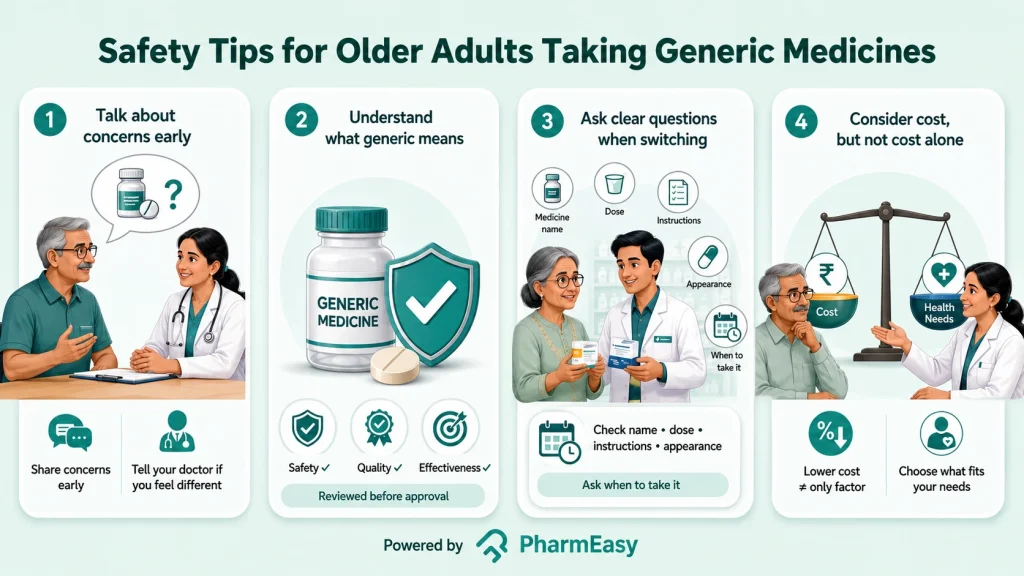
Safety tips for older adults who are taking or considering generic medicines include14:
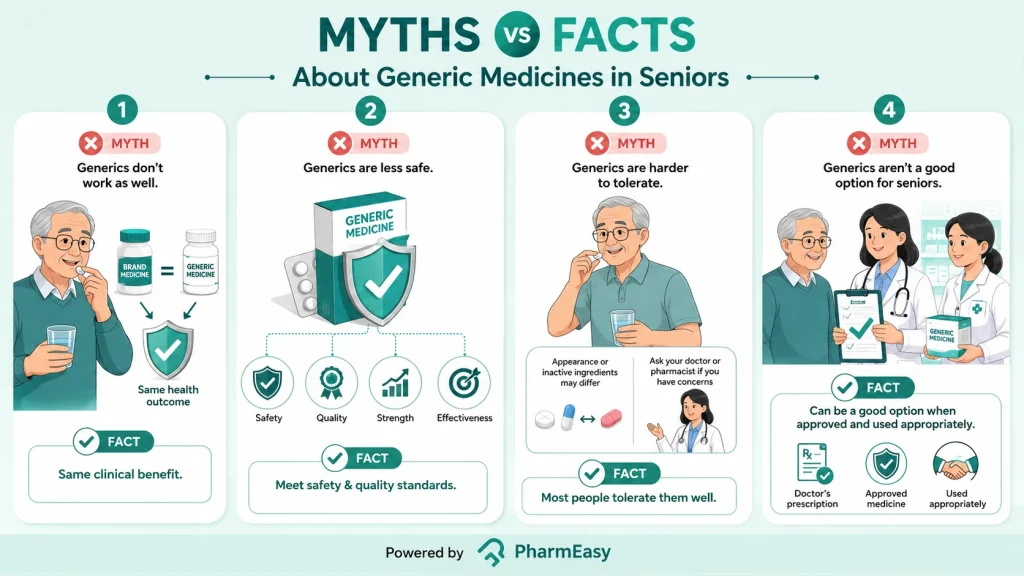
Common myths and facts about generic medicines in older adults include1,14:
1. Myth: Generic medicines do not work as well as brand-name medicines.
Fact: FDA-approved generic medicines are made to work in the same way and provide the same clinical benefit as the brand-name medicine.
2. Myth: Generic medicines are less safe than brand-name medicines.
Fact: Generic medicines must meet standards for safety, quality, strength, and effectiveness. If a person has concerns or new symptoms, they should discuss them in a timely manner with a healthcare professional.
3. Myth: Generic medicines are always harder to tolerate.
Fact: Most people tolerate generics well. Some generics may look different or contain different inactive ingredients, so patients should report any new or bothersome symptoms after a switch.
4. Myth: Generic medicines are not a good option for older adults.
Fact: Generics can be a good option for many older adults when approved and used appropriately. The best choice depends on the person’s health conditions, ongoing medicines, and advice from their doctor.
Older adults often take multiple medicines, making medication management more complex. Doctors and pharmacists work together as part of an interprofessional healthcare team to improve medicine use and reduce medication-related problems in older adults15.
Doctors prescribe medicines and make treatment decisions. Pharmacists review medicine lists, check for possible medicine-related problems and suggest ways to improve safety in such scenarios, answer questions about how to take medicines. Working together, doctors and pharmacists can help reduce problems related to multiple medicines and support safer treatment for older adults15,16.
Also Read: How to Identify Generic Medicines: Label Reading, Verification and Safety Tips
Older adults should consult a doctor if they have questions before switching to a generic medicine, if their pill looks different than expected, or if they develop new symptoms after a switch. They should also seek advice before stopping, changing, or doubling any medicine. Clear communication and accurate information from a doctor can help older adults understand their treatment and use medicines more safely and confidently14.
Generic medicines can be safe and effective for many older adults when they are approved by regulatory authorities (FDA) and used as directed. Because older adults often take several medicines and may process medicines differently as they age, regular medicine reviews and open communication with doctors are important. Understanding what generics are, asking questions during a switch, and reporting new symptoms promptly can help older adults get the benefits of treatment while reducing avoidable risks.
Older adults commonly use medicines for long-term conditions. These may include medicines for high blood pressure, heart disease, diabetes, high cholesterol, pain, and other conditions, depending on each person’s health needs7.
Some medicines can be risky for older adults and may be considered potentially inappropriate in certain situations. Examples include some antihistamines, benzodiazepines, tricyclic antidepressants, nonsteroidal anti-inflammatory drugs, and antipsychotics. These medicines are not always unsafe, but they should be used only when the benefits outweigh the risks and with appropriate medical supervision17.
Yes. Older adults can ask their doctor whether a lower-cost generic option is available. They should not change medicines on their own, because ageing, other health conditions and their related medications can affect how safely medicines work in an individual5.
Yes. FDA-approved generic medicines can be suitable for long-term conditions because they must meet standards for safety, quality, strength, effectiveness, and intended use. They contain the same active ingredient as the brand-name medicine, although patients should continue regular follow-up and report any concerns after a switch1.
1. Research C for DE and. Generic Drug Facts. FDA. Published online June 2, 2026. Accessed August 11, 2026. https://www.fda.gov/drugs/generic-drugs/generic-drug-facts
2. Do generic drugs compromise on quality? Harvard Health. January 1, 2018. Accessed August 11, 2026. https://www.health.harvard.edu/healthy-aging-and-longevity/do-generic-drugs-compromise-on-quality
3. Andres TM, McGrane T, McEvoy MD, Allen BFS. Geriatric Pharmacology: An Update. Anesthesiol Clin. 2019;37(3):475-492. doi:10.1016/j.anclin.2019.04.007. https://pubmed.ncbi.nlm.nih.gov/31337479/
4. Hilmer SN, McLachlan AJ, Le Couteur DG. Clinical pharmacology in the geriatric patient. Fundam Clin Pharmacol. 2007;21(3):217-230. doi:10.1111/j.1472-8206.2007.00473.x. https://pubmed.ncbi.nlm.nih.gov/17521291/
5. Research C for DE and. As You Age: You and Your Medicines. FDA. Published online April 3, 2026. Accessed August 11, 2026. https://www.fda.gov/drugs/information-consumers-and-patients-drugs/you-age-you-and-your-medicines
6. Marek KD, Antle L. Medication Management of the Community-Dwelling Older Adult. In: Hughes RG, ed. Patient Safety and Quality: An Evidence-Based Handbook for Nurses. Advances in Patient Safety. Agency for Healthcare Research and Quality (US); 2008. Accessed August 11, 2026. http://www.ncbi.nlm.nih.gov/books/NBK2670/
7. Garratt SM, Prasad M, Ottosen K, Manias E. Regular Medications Administered to Older Adults in Aged Care Facilities: A Retrospective Descriptive Study. J Clin Nurs. 2026;35(1):363-374. doi:10.1111/jocn.17856. https://pubmed.ncbi.nlm.nih.gov/40523868/
8. Lisinopril: MedlinePlus Drug Information. Accessed August 11, 2026. https://medlineplus.gov/druginfo/meds/a692051.html
9. Amlodipine: MedlinePlus Drug Information. Accessed August 11, 2026. https://medlineplus.gov/druginfo/meds/a692044.html
10. Metformin: MedlinePlus Drug Information. Accessed August 11, 2026. https://medlineplus.gov/druginfo/meds/a696005.html
11. Atorvastatin: MedlinePlus Drug Information. Accessed August 11, 2026. https://medlineplus.gov/druginfo/meds/a600045.html
12. Levothyroxine: MedlinePlus Drug Information. Accessed August 11, 2026. https://medlineplus.gov/druginfo/meds/a682461.html
13. Omeprazole: MedlinePlus Drug Information. Accessed August 11, 2026. https://medlineplus.gov/druginfo/meds/a693050.html
14. Iosifescu A, Halm EA, McGinn T, Siu AL, Federman AD. Beliefs about generic drugs among elderly adults in hospital-based primary care practices. Patient Educ Couns. 2008;73(2):377-383. doi:10.1016/j.pec.2008.07.012. https://pmc.ncbi.nlm.nih.gov/articles/PMC2739237/
15. Lee JK, Alshehri S, Kutbi HI, Martin JR. Optimizing pharmacotherapy in elderly patients: the role of pharmacists. Integr Pharm Res Pract. 2015;4:101-111. doi:10.2147/IPRP.S70404. https://pmc.ncbi.nlm.nih.gov/articles/PMC5741014/
16. Sadeq A, Strugaru M, Almutairi M, Stewart D, Ryan C, Grimes T. Interprofessional Interventions Involving Pharmacists and Targeting the Medicines Management Process Provided to Older People Residing in Nursing Homes: A Systematic Review and Meta-Analysis of Randomised Controlled Trials. Drugs Aging. 2022;39(10):773-794. doi:10.1007/s40266-022-00978-3. https://pubmed.ncbi.nlm.nih.gov/36194370/
17. Hanlon JT, Semla TP, Schmader KE. Alternative Medications for Medications Included in the Use of High-Risk Medications in the Elderly and Potentially Harmful Drug–Disease Interactions in the Elderly Quality Measures. J Am Geriatr Soc. 2015;63(12):e8-e18. doi:10.1111/jgs.13807. https://pmc.ncbi.nlm.nih.gov/articles/PMC4890629/
Disclaimer: The information provided here is for educational/awareness purposes only and is not intended to be a substitute for medical treatment by a healthcare professional and should not be relied upon to diagnose or treat any medical condition. The reader should consult a registered medical practitioner to determine the appropriateness of the information and before consuming any medication. PharmEasy does not provide any guarantee or warranty (express or implied) regarding the accuracy, adequacy, completeness, legality, reliability or usefulness of the information; and disclaims any liability arising thereof.
Links and product recommendations in the information provided here are advertisements of third-party products available on the website. PharmEasy does not make any representation on the accuracy or suitability of such products/services. Advertisements do not influence the editorial decisions or content. The information in this blog is subject to change without notice. The authors and administrators reserve the right to modify, add, or remove content without notification. It is your responsibility to review this disclaimer regularly for any changes.
Heart attacks can sometimes be ‘silent’, and simple blood tests may reveal important information about heart damage that might otherwise go unnoticed. One such marker is troponin, a protein that can provide early clues about heart injury.
Changes in troponin levels can help your doctor determine if the heart is experiencing any damage/injury due to events such as a heart attack. But what do normal troponin levels look like, and can there be high troponin levels with no heart attack?
In this blog, we will explore the cardiac troponin test, discuss what level of troponin indicates heart attack, compare troponin T vs troponin I, and explain the key troponin I and T differences to help you better understand these critical heart markers.
Troponin is a protein that is found in the heart muscle cells. Normally, only small amounts of troponin are present in the bloodstream. However, if the heart muscle is damaged, such as during a heart attack, these proteins are released into the bloodstream, causing troponin levels to rise.
Troponin consists of three protein components, T, I, and C. Of these, troponin T and troponin I are primarily associated with the heart (cardiac troponins) and can therefore be used as indicators of cardiac injury1. Since troponin is highly specific to the heart, the troponin test has become the preferred tool for detecting heart injury2.
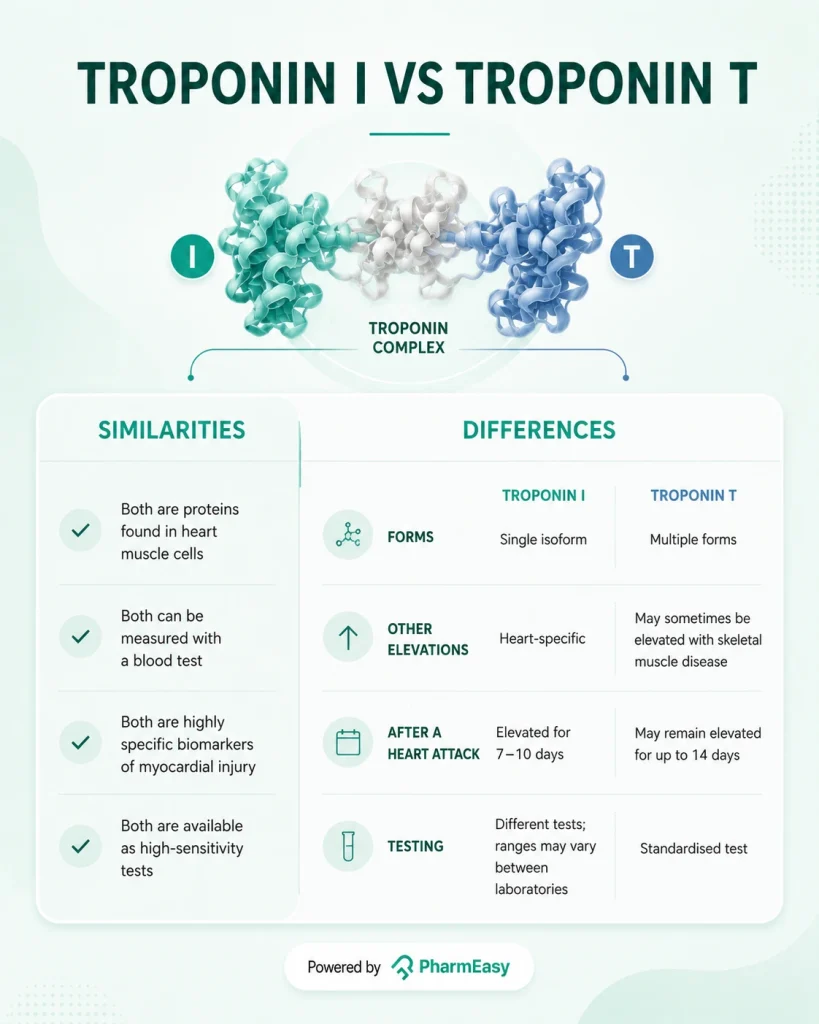
Troponins I and T are two types of troponin that are used for the same purpose. They are not identical, but are very effective at detecting a heart attack and understanding the prognosis of the individual.
Here are a few similarities and differences between them:
Despite the differences, both troponin I and troponin T can be accurately measured and are reliable indicators of heart muscle injury.
Troponin levels are very low in individuals who are healthy. Higher-than-normal troponin levels indicate that heart muscle may be damaged and is releasing troponin into the blood4. However, this does not, by itself, confirm a heart attack. To diagnose a heart attack, the doctor will interpret the troponin test result along with ECG findings and the individual’s symptoms such as chest pain2.
Because different laboratories use different methods (assays) to measure troponin, the normal range depends on the assay used. The result is interpreted by comparing it with the 99th-percentile upper reference limit (URL) provided by that laboratory. A value above the 99th percentile URL for that specific assay is considered elevated6.
| Troponin Results | Interpretation based on 99th Percentile URL |
| Below 99th percentile URL | Considered within the normal range for that specific test |
| Above 99th-percentile URL | May indicate heart muscle injury7 and should be interpreted along with other parameters like the individual’s symptoms, ECG findings, and repeat troponin measurements |
Troponin levels, if elevated, are usually measured more than once over several hours. A rising and falling pattern, particularly when at least one value is above the 99th-percentile URL, is more suggestive of a sudden heart injury than a stable elevated value7.
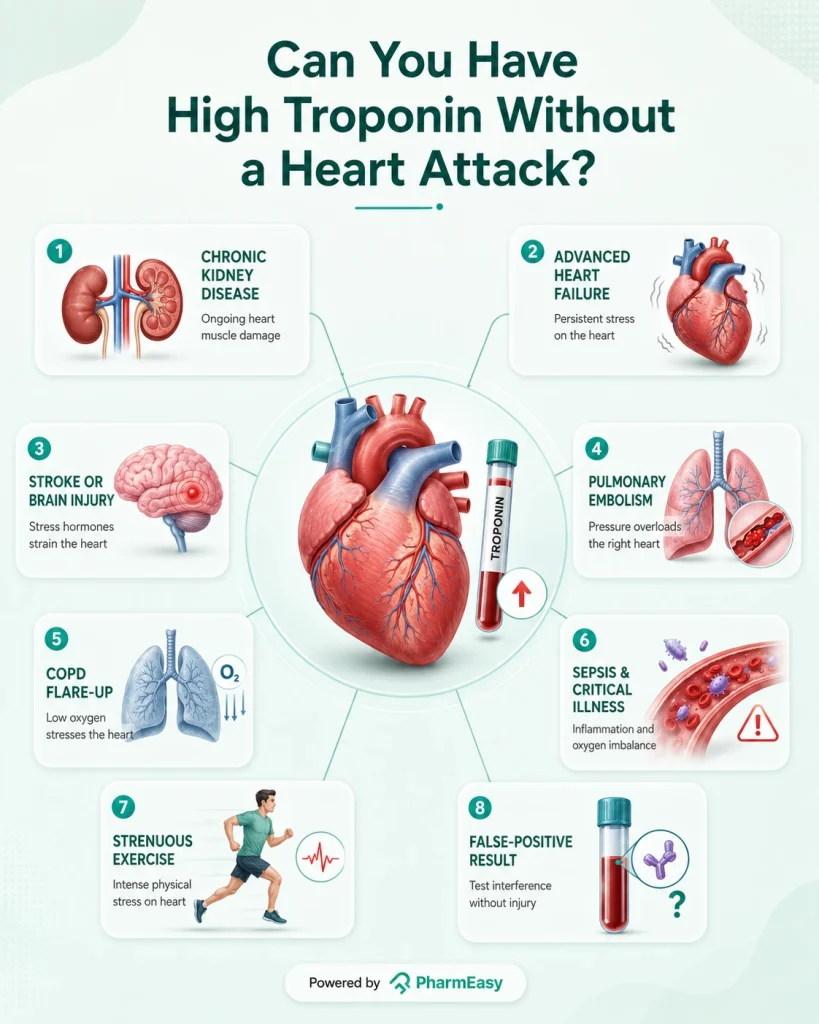
High troponin levels with no heart attack are possible and can occur in several medical conditions, such as:
Note: To diagnose acute myocardial infarction (AMI), doctors look for a rise or fall in troponin levels, with at least one value above the normal upper limit (99th percentile), along with other signs that the heart muscle is not getting enough blood. However, a rise or fall in troponin levels indicates acute heart muscle injury, but it does not always mean a heart attack. Other conditions, such as myocarditis, pulmonary embolism, severe infection (sepsis), and very fast or abnormal heart rhythms, can also cause troponin levels to rise and fall.
The troponin test is not typically used as a screening test, as troponin tests are usually done in hospital settings. However, high-sensitivity cardiac troponin (hs-cTn) tests can detect extremely small amounts of troponin in the blood, which enables doctors to diagnose or rule out acute coronary syndromes (conditions such as heart attack that cause sudden reduction/blockage of blood flow to the heart) earlier. Evidence suggests that hs-cTn tests may be of use in identifying the risk of cardiovascular disease in individuals who seem healthy or are asymptomatic2,9.
Preventive cardiac testing is not necessary for everyone, but it may be worth discussing with your doctor if you:
Note: Routine high-sensitivity troponin (hs-cTn) testing is not recommended for people without symptoms. Instead, your doctor may recommend checking blood pressure, cholesterol, blood sugar, and overall heart disease risk.
A heart-healthy lifestyle can help manage key cardiovascular risk factors. You can support heart health by following these tips:
Consult a doctor if you experience symptoms that may suggest a heart problem, such as:
These symptoms require immediate medical attention.
Also Read: High-Sensitivity Troponin I (hs-Trop I) Test: What It Is, Normal Range, Meaning & Why It Matters
Troponin testing can provide valuable information about heart health and help identify signs of heart muscle injury. Understanding troponin levels can support early awareness of cardiovascular risk. For the most accurate assessment, troponin testing and preventive heart screening should always be guided by a healthcare professional.
Yes, severe emotional stress can, in rare cases, trigger Takotsubo cardiomyopathy (also known as “broken heart syndrome”), a temporary heart condition that may lead to increased troponin levels.12
Yes. During a hypertensive emergency (a severe, sudden rise in blood pressure), the heart may experience significant strain, leading to elevated troponin levels13.
The length of time troponin levels remain high depends on the type of troponin and the cause and extent of the heart injury. In general, troponin I may remain elevated for about 7–10 days, while troponin T can stay elevated for about 14 days after heart muscle damage4.
The cardiac troponin test is highly accurate and the gold standard for detecting heart muscle damage, such as that caused by a heart attack (myocardial infarction)4.
Troponin test results are usually available within 1–2 hours. Once the results are ready, your doctor will explain what they mean and whether any further testing or treatment is needed4.
Disclaimer: The information provided here is for educational/awareness purposes only and is not intended to be a substitute for medical treatment by a healthcare professional and should not be relied upon to diagnose or treat any medical condition. The reader should consult a registered medical practitioner to determine the appropriateness of the information and before consuming any medication. PharmEasy does not provide any guarantee or warranty (express or implied) regarding the accuracy, adequacy, completeness, legality, reliability or usefulness of the information and disclaims any liability arising thereof.
Links and product recommendations in the information provided here are advertisements of third-party products available on the website. PharmEasy does not make any representation on the accuracy or suitability of such products/services. Advertisements do not influence the editorial decisions or content. The information in this blog is subject to change without notice. The authors and administrators reserve the right to modify, add, or remove content without notification. It is your responsibility to review this disclaimer regularly for any changes.
Chest pain does not always mean a heart attack. Many people with heart muscle injury may have no chest pain, while chest pain can also have non-cardiac causes, such as muscle, digestive, or lung problems. In such situations, a simple blood test, such as the high-sensitivity troponin I test, can provide valuable clues, helping doctors quickly determine whether the heart has been damaged and guide timely treatment.
The high-sensitivity troponin I test can be used to assess the individual for a heart attack, as the test can detect heart-specific proteins in the bloodstream quickly1.
In this article, we’ll explain what is troponin test, how it works, the troponin normal range, what the results mean, who may need the test, and why it plays an important role in assessing heart health.
Cardiac troponin I (cTnI) is a special form of protein found only in heart muscle cells. It differs from other types of troponin found in the body and can be identified on laboratory tests, making troponin I one of the most reliable and accurate markers of heart muscle damage2. When the heart muscle is injured, such as during a heart attack, troponin I is released into the bloodstream and can be used for early diagnosis and treatment of heart conditions.
The high-sensitivity troponin I (hs-cTnI) test is a blood test that measures very small amounts of cardiac troponin I (a protein released when the heart muscle is injured). It is mainly used when doctors suspect acute coronary syndrome (ACS), including a heart attack, or other heart muscle injury. When compared with conventional troponin tests, hs-cTnI can detect very low levels of troponin and may detect heart muscle injury earlier (depending on when the injury occurred)3.
However, a high hs-cTnI level does not always mean a heart attack. Troponin I is specific to heart muscle, but levels can also rise with conditions such as myocarditis, heart failure, pulmonary embolism, severe infection (sepsis), kidney disease, and very fast heart rhythms4.
Troponin is a group of three proteins, troponin I (TnI), troponin C (TnC), and troponin T (TnT). These proteins work together to regulate muscle contractions. Of these, troponin I and troponin T may be used as markers to detect heart muscle damage5.
High-sensitivity troponin I (hs-cTnI) tests can detect extremely small amounts of cardiac troponin I (cTnI) in the blood. This increased sensitivity allows small changes in troponin levels to be identified and may help rule out a heart attack sooner after the onset of acute chest pain. It also helps people with normal troponin levels to be discharged earlier.
A single high troponin level indicates heart muscle injury, but it does not necessarily mean a heart attack. To diagnose an acute myocardial infarction (AMI), doctors look for a rise or fall in troponin levels, along with other evidence of reduced blood flow to the heart, such as symptoms, ECG changes, imaging findings, or angiographic findings.
Because different laboratories use different testing methods (assays), there is no single normal value for everyone. Instead, each laboratory interprets the result using its own 99th-percentile upper reference limit (URL), which is different in men and women9.
Examples of sex-specific 99th-percentile upper reference limits used by different hs-cTnI assays are shown below.
| Manufacturer9 | Assay9 | 99th centile (ng/l) – Males9 | 99th centile (ng/l) – Females9 |
| Abbott Diagnostics | Alinity i STAT hs-cTnI | 34.2 | 15.6 |
| Beckman Coulter | Access hs-cTnI | 19.8 | 11.6 |
| bioMérieux | VIDAS hs-cTnI | 25 | 11 |
| Ortho Clinical Diagnostics | VITROS hs-cTnI | 12 | 9 |
| Quidel | TriageTrue hs-cTnI | 25.7 | 14.4 |
| Siemens Healthcare | ADVIA Centaur hs-cTnI | 57.27 | 36.99 |
The results could conclude:
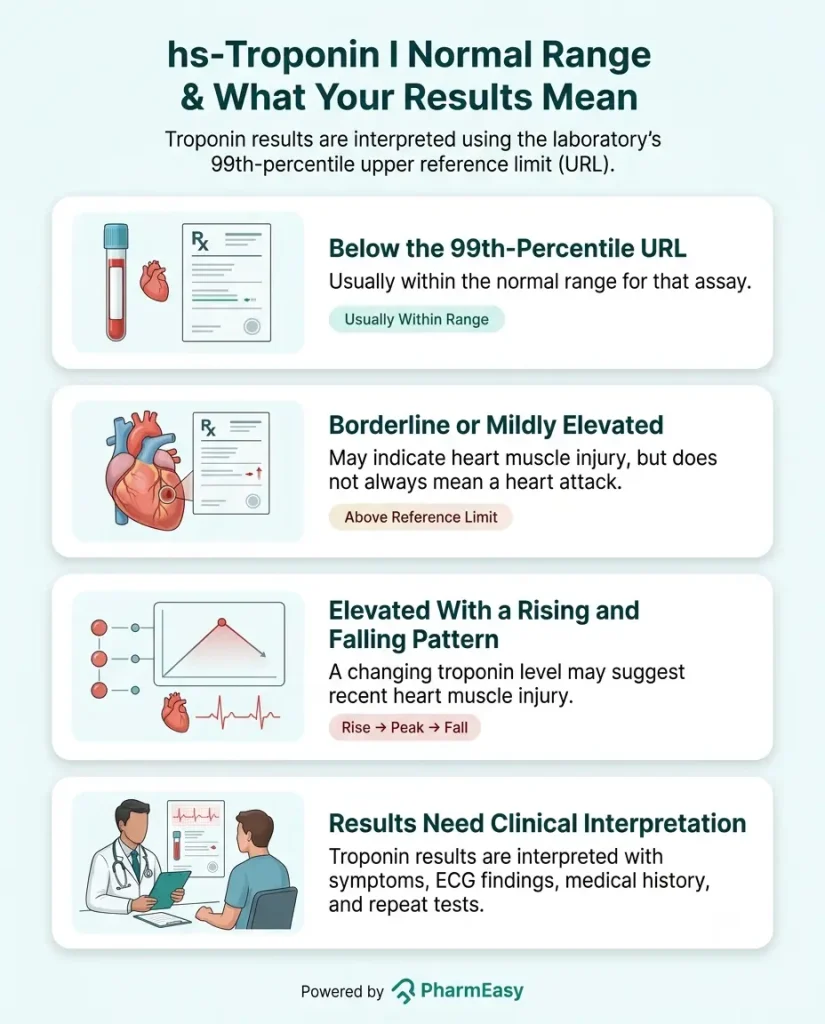
Also Read: Triglycerides vs Cholesterol: Levels, Differences, and How to Reduce It
A troponin I test is not a routine screening test. It is mainly used when doctors suspect an acute myocardial infarction (heart attack) or other acute heart muscle injury. A troponin I test is usually recommended in individuals with:
The troponin I test involves collecting a small blood sample from a vein in your arm using a sterile needle. You may experience a slight prick or stinging sensation when the needle is inserted or removed. The entire procedure is quick and typically takes less than 5 minutes.
The test does not require any special preparation. It is important to tell your healthcare professional if you are taking vitamin B7 (biotin) supplements, as they can lower troponin levels1.
Turnaround time for a troponin test can vary depending on the laboratory, hospital, and type of test used. Results may sometimes be available within a short time, but some laboratories may take longer. The high-sensitivity troponin I test result is interpreted along with the individual’s symptoms, medical history, and ECG results. Rapid testing options are also available through the troponin I rapid test9.
You should consult a doctor if you experience symptoms suggestive of heart attack or other serious heart condition, such as:
These symptoms require emergency medical assistance. In these situations, a high-sensitivity troponin I test is used as part of emergency evaluation rather than as a routine test.
Also Read: Hemolysis: Meaning, Causes, Types, Symptoms, Diagnosis & Treatment
The high-sensitivity troponin I (hs-cTnI) test is one of the most accurate blood tests for detecting heart muscle injury, and it can detect even small changes in troponin levels. It is usually interpreted along with the individual’s symptoms, ECG report, and medical history and helps doctors diagnose or rule out serious heart conditions quickly and take timely decisions for treatment. This is useful when early diagnosis and treatment are essential, for example, in patients who visit the emergency room.
High troponin I levels indicate that the heart muscle has been injured. Although a heart attack is one of the most common cause of high troponin levels, they may also be caused by conditions such as heart failure, pulmonary embolism, or chronic kidney disease1.
Yes. High-sensitivity troponin I (hs-cTnI) tests can detect much smaller amounts of troponin than older tests and can identify heart muscle injury earlier. This allows doctors to diagnose or rule out a heart attack more quickly in patients with chest pain, especially when time is of essence, for example, in the emergency department10.
No, fasting is not required before a high-sensitivity troponin I test. A healthcare professional collects a blood sample from a vein in your arm using a small needle. Biotin supplements may interfere with the test results; therefore, if you are taking biotin supplements, inform your doctor before the test1.
Yes, troponin can be high without a heart attack. Some conditions in which troponin can be elevated include heart muscle inflammation, heart failure, sepsis, strenuous exercise, chest injuries, blood clots in the lungs, chronic kidney disease, irregular heartbeat, or severe COVID infection.
Disclaimer: The information provided here is for educational/awareness purposes only and is not intended to be a substitute for medical treatment by a healthcare professional and should not be relied upon to diagnose or treat any medical condition. The reader should consult a registered medical practitioner to determine the appropriateness of the information and before consuming any medication. PharmEasy does not provide any guarantee or warranty (express or implied) regarding the accuracy, adequacy, completeness, legality, reliability or usefulness of the information; and disclaims any liability arising thereof.
Links and product recommendations in the information provided here are advertisements of third-party products available on the website. PharmEasy does not make any representation on the accuracy or suitability of such products/services. Advertisements do not influence the editorial decisions or content. The information in this blog is subject to change without notice. The authors and administrators reserve the right to modify, add, or remove content without notification. It is your responsibility to review this disclaimer regularly for any changes.


