
Garlic is a spice that is used in the kitchen for centuries. This herb is known to have curative and medicinal properties because of its antibacterial and antiseptic nature. These beneficial properties of garlic are because of a compound, allicin. Garlic is also rich in minerals like phosphorus, zinc, potassium, and magnesium. Vitamin C, vitamin K, folate, niacin and thiamine also are found abundantly in garlic1,2.
Here is the nutritional chart for 100 grams of raw garlic. Note that 1 medium to large garlic clove weighs between 3-8 grams each. The RDI- Percentage of recommended daily intake of garlic is as follows5:
Vitamins
Minerals

Benefits of eating raw garlic are many, as raw garlic has the potential to reduce cough and cold in children and adults3. Research4 suggests that using garlic may help relieve symptoms of congestion in children.

Garlic benefits cardiac health because allicin, a compound found in garlic stops the oxidizing of LDL (bad cholesterol). This reduces cholesterol levels and improves heart health. Regular consumption of garlic reduces the incidence of blood clots and thus helps prevent thromboembolism . Garlic also lowers blood pressure so is good for patients with hypertension1,3,6.

Several studies7 suggest that garlic may be beneficial for brain health because of its antioxidant and anti-inflammatory properties It may be effective in neurodegenerative diseases like Alzheimer’s and dementia6.

Digestive problems improve with the inclusion of raw garlic in the diet. It has shown beneficial effects on the intestines and also reduces inflammation. Eating raw garlic helps to clear out intestinal worms. The advantage of garlic is it promotes the growth of good bacteria and reduces the bad bacteria thus helping in better digestive health6.

Research1 suggests that those who have diabetes may observe their blood sugar levels improve by eating raw garlic, but always consult a doctor to know if this can be beneficial to your case before making changes to your diet.

Garlic may help reduce free radicals and damage to the DNA. The zinc in garlic may promote immunity and the vitamin C may help with infections. Garlic may also be beneficial in eye and ear infections because of their antimicrobial properties1,2.

Garlic helps prevent acne and lightens acne scars. Cold sores, psoriasis, rashes, and blisters may benefit from the application of garlic juice. It may also protect against UV rays and therefore may benefit from ageing8. Garlic may cause skin irritation and chemical burns so use it only under the guidance of a doctor.
Based on my observations, garlic has been potentially used in traditional medicine for ages. It’s pretty fascinating how it can be helpful in different things. For instance, studies2 have shown that garlic may be effective in dealing with warts, denture stomatitis, venous ulcers, and even skin wounds. So, if you’re dealing with any of these issues, using garlic might just do the trick.
Dr. Smita Barode, B.A.M.S, M.S.

Research1 suggests that garlic may benefit cancer and peptic ulcer because of the high amount of antioxidants. Garlic, may help protect the body against lung, prostate, bladder, stomach, liver and colon cancer. The antibacterial property of garlic helps prevent peptic ulcers as it helps remove the pathogen from the gut2,6.

Garlic reduces the expression of genes responsible for the formation of adipose cells which store fat. It also increases thermogenesis in the body and leads to the burning of more fat and the lowering of LDL (bad cholesterol)2.
Apart from the fact that it is good for weight loss, garlic is highly nutritional. In fact, one clove of raw garlic, which is around 3 grams, contains2,3:

Garlic is considered one of the best ”performance enhancing” substances. In olden times, garlic was used to treat fatigue and improve the work capacity of labourers. Studies on rodents suggest consuming garlic helps in improving exercise performance. People who had heart disease consumed garlic for 6 weeks and this resulted in a 12% reduction in their heart rate and better exercise capacity9.

Fresh garlic juice has the potential to reduce the growth of E. coli bacteria that cause urinary tract infection (UTI). It also helps prevent kidney infections.
Garlic reduces infections on wounds, promotes hair growth, bone health and liver health2. Most of the home remedies are effective only if garlic is consumed raw but should be done only with the supervision of a healthcare provider.

According to studies11 from Japan, raw garlic when aged in a mixture of water and alcohol may have significant effects on exercise endurance. Human studies have also been conducted that have shown that garlic can indeed improve the symptoms of exercise fatigue.
For people who are susceptible to lead poisoning due to occupational hazards, garlic may be the best organic solution. Research suggests that garlic is safer and better at reducing lead poisoning of the blood than d-Penicillamine, which is the common drug used to treat the same10.
Also Read: Natural Blood Thinners: Benefits, Risks, and Precautions

Menopause in older women has often been associated with a lack of the female hormone known as oestrogen due to irregular production of a protein known as a cytokine. Consumption of garlic has been seen to regulate this to some extent and therefore, may be effective in overcoming oestrogen deficiency after menopause1.

Consuming garlic in your regular diet can also help to prevent or reduce the onset of osteoarthritis. Research has shown that garlic contains a compound known as diallyl disulphide which helps to maintain bone density and therefore can potentially delay the onset of bone-related ailments like osteoarthritis.
From what I have seen, garlic oil might possess anti-inflammatory properties. In cases of soreness and inflammation in joints or muscles, applying garlic oil topically may be beneficial2. Rubbing the affected area with garlic oil can potentially help reduce inflammation and provide relief.
Dr. Siddharth Gupta, B.A.M.S, M.D (Ayu)

Garlic is also believed to help reduce the stickiness of the platelets in your blood. These platelets are responsible for the clotting of blood. Consuming a healthy dose of garlic can help reduce the excessive clotting effect of platelets on the blood. Therefore, it may help prevent unnecessary blood clots inside arteries that may reach up to your heart causing a heart attack.
I think that garlic might be good for your arteries and blood pressure. When we eat garlic, the sulphur in it gets converted into a gas called hydrogen sulphide2. This gas may help expand our blood vessels, which makes it easier to control blood pressure. However, it’s always a good idea to talk to your doctor about whether adding more garlic to your diet might be beneficial or not.
Dr. Rajeev Singh, BAMS
Also Read: 10 Health Benefits of Giloy – The Ultimate Immunity Booster
When you take cooked garlic by mouth it is usually, safe but can cause side effects such as bad breath, heartburn, gas, and diarrhoea. If you take raw garlic by mouth, the side effects are often worse and may increase the risk of bleeding and cause allergic reactions in some people.
Garlic products like gels and pastes are usually safe. But may cause skin damage that is similar to a burn, especially raw garlic may cause severe skin irritation.
One must avoid having excess amounts of garlic during pregnancy or if breastfeeding. Children can take it in doses of up to 300 mg three times daily for up to 8 weeks and not more than that, people with the bleeding disorders must avoid garlic, if you undergo surgery, do not consume garlic as it may prolong bleeding and interfere with blood pressure. Doctors may advise to stop having garlic two weeks before surgery and garlic may lower blood sugar levels.
Yes, garlic may reduce cholesterol levels, especially LDL (bad) cholesterol, when consumed regularly as part of a balanced diet. Its active compounds may help inhibit cholesterol synthesis in the liver and may improve overall cardiovascular health.
Garlic is generally not recommended for individuals with acidity or acid reflux problems. It can potentially worsen symptoms due to its ability to stimulate gastric acid secretion. People prone to acidity should limit garlic intake and consult a healthcare provider for personalised dietary recommendations.
Garlic has antioxidant and anti-inflammatory properties that may benefit liver health by supporting its detoxification processes. Regular consumption of garlic in moderation as part of a balanced diet can potentially help protect the liver from oxidative stress and inflammation. However, individual responses may vary, and consulting a healthcare provider is advisable for specific liver health concerns.
Yes, consuming excessive amounts of garlic can lead to digestive discomfort, such as upset stomach, bloating, and gas. In some cases, it may also cause heartburn or worsen acid reflux symptoms. Moderation is key to avoiding these issues while still benefiting from garlic’s health-promoting properties.
Garlic may help reduce creatinine levels by supporting kidney function and supporting overall cardiovascular health. Its antioxidant properties can help in reducing oxidative stress in the kidneys. However, specific benefits vary among individuals, and it should not replace medical treatment for kidney conditions.
Garlic is believed to have a positive impact on testosterone levels by enhancing antioxidant status and reducing oxidative stress, which may indirectly support testosterone production. However, more research is needed to establish garlic’s direct influence on testosterone levels in humans.
Garlic has been studied for its potential antibacterial properties, including against H. pylori, the bacteria associated with stomach ulcers. Its active compounds, such as allicin, may inhibit H. pylori growth and contribute to reducing bacterial load in the stomach. However, more research is needed to confirm garlic’s effectiveness as a treatment for H. pylori infection.
There is limited scientific evidence suggesting garlic can directly reduce high prolactin levels. However, its antioxidant properties may support overall hormone balance and contribute to general health benefits, potentially aiding in the regulation of prolactin levels indirectly. Consulting with a healthcare provider for appropriate treatment options is advisable for managing high prolactin levels.
Garlic is not acidic; in fact, it has a slightly alkaline pH. However, it can stimulate gastric acid secretion in some individuals, potentially exacerbating acidity or acid reflux symptoms. Monitoring individual tolerance is recommended when consuming garlic, especially for those prone to digestive issues.
Swallowing garlic may not directly help with acne. However, some people believe that the antibacterial properties of garlic, when ingested or applied topically, can potentially help with acne-causing bacteria. Its anti-inflammatory properties may also contribute to reducing inflammation associated with acne.
Yes, garlic is believed to have thermogenic properties that can increase body heat slightly when consumed in larger quantities. This effect is attributed to its ability to stimulate circulation and metabolism. However, the increase in body heat is typically mild and varies among individuals.
Garlic offers several health benefits. It has antioxidant properties that protect cells from oxidative damage, supports cardiovascular health by improving cholesterol levels and blood pressure, and may have antibacterial and anti-inflammatory effects. Regular consumption of garlic as part of a balanced diet can contribute to overall health and well-being.
Garlic is not recommended for dogs as it can be toxic, especially in large amounts. It contains compounds that can damage red blood cells in dogs, leading to a condition called haemolytic anaemia. It’s safer to avoid feeding garlic to dogs and consult a veterinarian for appropriate dietary choices.
Eating garlic on an empty stomach may boost immunity, improve digestion, lower blood pressure, and support heart health. It also helps detoxify the body and may aid in weight management. However, it is important to consume garlic under the guidance of a healthcare professional to avoid any adverse effects or interactions with medications.
Disclaimer: The information provided here is for educational/awareness purposes only and is not intended to be a substitute for medical treatment by a healthcare professional and should not be relied upon to diagnose or treat any medical condition. The reader should consult a registered medical practitioner to determine the appropriateness of the information and before consuming any medication. PharmEasy does not provide any guarantee or warranty (express or implied) regarding the accuracy, adequacy, completeness, legality, reliability or usefulness of the information; and disclaims any liability arising thereof.
 877
877
 8
8
Since the COVID-19 pandemic, many people have become more interested in strengthening their immunity. What better way to do this than by consuming a natural immunity booster like Moringa1?
Every part of the Moringa tree is used in traditional medicine as it offers amazing health benefits. Today, Moringa is beginning to gain more popularity as a nutritious superfood2.
This herb is one of the more effective & essential medicinal plants in Ayurveda. Moringa is called the drumstick tree or the miracle tree3.
Based on my experience, Moringa has been studied for its potential benefits in controlling diabetes. It’s reported that Moringa leaves can help reduce blood glucose levels shortly after consumption6.
Dr. Siddharth Gupta, B.A.M.S, M.D (Ayu)
Moringa may have the following health benefits:

Moringa is considered a potent immunity booster. Its high antioxidant content may support immune defense and help reduce the risk of infections4. Moreover, moringa is also rich in iron and vitamin A – nutrients that enhance the functioning of the immune system5.
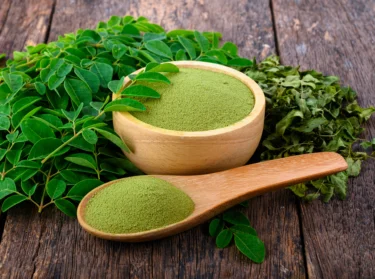
Without the proper nutrients, your body cannot function at its best. Although we may ignore it, irregular eating habits and consuming unhealthy foods can make us really sick!
But moringa, commonly called drumsticks, can help fix this problem. It is packed with vital nutrients like protein and iron; vitamins like A, B, and C; and minerals like magnesium and may have the following benefits based on its nutrients6:
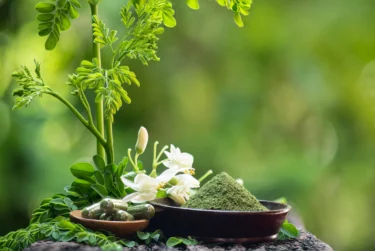
Most illnesses can be traced to cell damage. What causes cell damage then? Free radicals! They initiate a process called oxidation that damages our cells. Damaged cells do not do their work properly and may lead to illness12. The antioxidants in Moringa may help eliminate free radicals from your body, thus reducing oxidative stress2.
High levels of blood sugar can cause diabetes, which can cause serious health problems. So what should you do to avoid high blood sugar? Not only must you be careful with your diet, but you must also keep your blood sugar levels steady13. Some studies suggest Moringa may help lower fasting blood sugar levels2.

A little bit of inflammation or swelling is a sign that your immunity is fighting off an infection. But long-term or chronic inflammation could trigger heart problems and arthritis14. Moringa has powerful anti-inflammatory properties. Moringa seeds may also aid in arthritis and heart disease by reducing the inflammation and oxidative stress2,15.
From what I have seen, Moringa extract has been found to have beneficial effects on wound healing. These extracts show pro-healing action, meaning they may promote the healing process and have characteristics that support the body’s natural ability to heal wounds6.
Dr. Rajeev Singh, BAMS

Moringa can help you if you have bone and joint disorders, as it may reduce stiffness and inflammation in the joints. Arthritis (both rheumatoid arthritis and osteoarthritis) and gout are two leading problems of bones and joints that affect a major segment of the population. Moringa leaves are one of the most powerful parts of the plant, and when you consume them, the compounds in the leaves will help to reduce inflammation, pain and stiffness in your joints16,17
Also Read: Celtic Salt: Benefits, Nutritional Value, Side Effects & More!
When consumed in moderate amounts, Moringa does not have any specific side effects. However, if you notice any symptoms after eating moringa, you must visit a doctor immediately. It is important to consult a doctor to check whether it is safe for you to eat moringa.
Moringa may have the following side effects:
Also Read: 16 Health Benefits of Moringa Leaves
Moringa leaves are highly nutritious and beneficial for people who lack essential nutrients. They contain anti-oxidants, vitamins, and minerals that contribute to various body functions7. However, while moringa has been widely used in traditional medicine and studied for several health effects, stronger scientific evidence is still needed to confirm many of these claims. Including moringa as part of a balanced diet may be beneficial, but it should not replace medical treatment. If you plan to use moringa for specific health concerns, speak to your doctor first.
Also Read: Ashoka Tree: Uses, Benefits, Side Effects and More!
Disclaimer: The information provided here is for educational/awareness purposes only and is not intended to be a substitute for medical treatment by a healthcare professional and should not be relied upon to diagnose or treat any medical condition. The reader should consult a registered medical practitioner to determine the appropriateness of the information and before consuming any medication. PharmEasy does not provide any guarantee or warranty (express or implied) regarding the accuracy, adequacy, completeness, legality, reliability or usefulness of the information; and disclaims any liability arising thereof.
Links and product recommendations in the information provided here are advertisements of third-party products available on the website. PharmEasy does not make any representation on the accuracy or suitability of such products/services. Advertisements do not influence the editorial decisions or content. The information in this blog is subject to change without notice. The authors and administrators reserve the right to modify, add, or remove content without notification. It is your responsibility to review this disclaimer regularly for any changes.
61
2
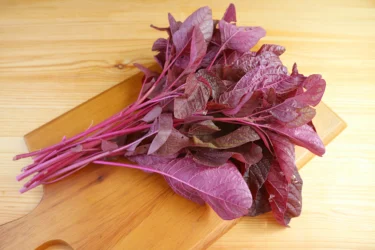
While leafy greens like kale, spinach, lettuce, and fenugreek are commonly recommended for their health benefits, amaranth, also known as chaulai, has often been unnoticed. Resembling spinach in appearance, amaranth is primarily found in the foothills of the Himalayas and along the coasts of South India. This versatile plant comes in a range of colours, including gold, red, green, and purple. Historically, amaranth seeds were a staple food for many ancient civilizations, including the Aztecs. In recent years, amaranth has regained popularity as a superfood, especially after studies revealed the numerous health benefits of its seeds.
Amaranth leaves are gaining popularity due to their rich nutritional content, including essential vitamins, potassium, and fibre, which may help reduce the risk of heart disease. As a result, they are considered a heart-healthy food. In addition, the seeds of the amaranth plant provide a valuable source of gluten-free protein. Native to tropical climates, amaranth is found across various regions of India, with leaves ranging from green, gold, purple, or red depending on the area where it grows.
Amaranth is often used as part of winter dishes such as saag sometimes considered a less popular alternative to spinach. However, they are in fact nutritionally superior to many commonly consumed leafy greens. Amaranth leaves are a powerhouse of essential nutrients, making them a valuable addition to a balanced diet. Let’s explore some of the key health benefits they offer.

Amaranth leaves are a storehouse of essential phytonutrients and antioxidants that help to reduce inflammation in the body and provide an extra boost of nutrition to one’s health1.

Amaranth leaves are an excellent choice for those seeking a nutrient-dense, low-calorie food. Just 100 grams of these leaves contain only 371 calories, with negligible fat and no cholesterol, making them ideal for individuals aiming to manage or reduce their weight2.
In addition to being low in calories, amaranth leaves are rich in both soluble and insoluble fibre, which support digestive health and help in regulating cholesterol levels. The combination of fibre and protein in these leaves may promote satiety, reduce appetite, and contribute to healthy weight management. These attributes make amaranth leaves a valuable addition to a balanced, heart healthy diet.
Amaranth leaves are a valuable source of iron, a vital mineral required for the production of red blood cells and for supporting cellular metabolism. To enhance the absorption of iron from plant-based sources like amaranth, it is recommended to consume them alongside a source of vitamin C, which helps in maximizing iron uptake in the body3. For example, adding a dash of lemon juice to cooked amaranth leaves or pairing the dish with a glass of orange juice can significantly improve iron absorption and help boost overall nutritional benefit.

Amaranth leaves are an excellent source of vitamin C, a powerful water-soluble antioxidant essential for maintaining overall health1. Having 100 grams of the leaves will meet 70% of your daily requirement for vitamin C. This vitamin is a water-soluble vitamin and helps in fighting off infections and in wound healing4. It also helps to reduce the effect of free radicals in the environment which cause ageing and many types of cancer.
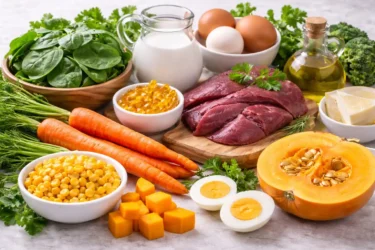
Amaranth leaves are rich in vitamin A and a cup of amaranth leaves may meet 97% of your daily requirement of vitamin A. They are also rich in flavonoid polyphenolic antioxidants like beta-carotene, zeaxanthin, and lutein which provide a protective layer against oxidative stress caused by free radicals. Vitamin A is also needed for healthy skin and proper vision1.
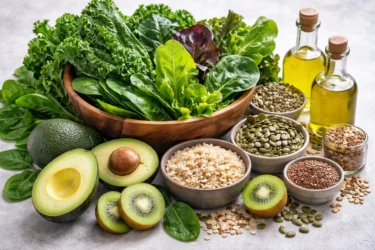
Amongst all the green leafy vegetables, amaranth leaves have the highest quantity of vitamin K. This vitamin is needed for bone health and also plays an important role in blood clotting. It promotes osteoblastic activity and strengthens bone mass. It is also beneficial for those who have Alzheimer’s disease as it controls the neural damage in the brain1.

Amaranth leaves are rich in B vitamins, these include, folates, riboflavin, niacin, and thiamine. They help prevent birth defects in newborn babies and are needed for optimal mental and physical health1.
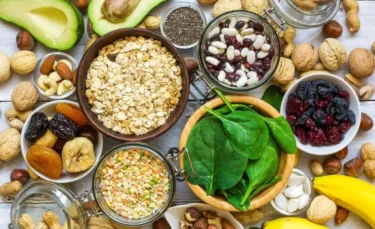
The leaves of this plant are rich in potassium, which supports cardiac health. Potassium is necessary to maintain a balanced cellular fluid environment. It also controls the heart rate in the human body1.

The seeds of the amaranth plant are used as a grain substitute and can be ground to be made into flour. This protein-rich flour is entirely gluten-free, so it is incredibly beneficial for those who have gluten intolerance5.
Amaranth leaves and seeds are excellent sources of plant-based protein, surpassing even oats in protein content1. Obtaining protein from plant sources is often considered a healthier alternative to animal-based proteins, as it typically involves lower levels of fat and cholesterol. The high protein content in amaranth leaves may also help in appetite regulation. Protein-rich foods contribute to a feeling of fullness by lowering insulin levels and promoting satiety, which can be beneficial for those aiming to manage their weight or reduce overall calorie intake.

Amaranth leaves have lysine, an essential amino acid that is needed for energy production and helps in the absorption of calcium. Lysine in amaranth may also promote hair growth and is beneficial to the skin. Those who have hair loss or greying may benefit significantly from eating amaranth leaves1.
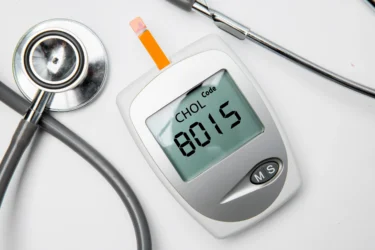
Amaranth leaves are known to lower bad cholesterol, which are responsible for many cardiac problems6.
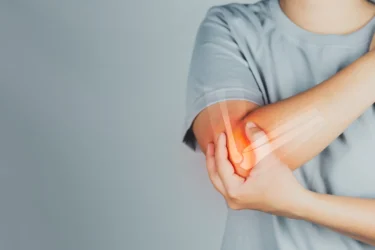
Amaranth leaves are rich in calcium and thus are beneficial for those who have osteoporosis and other bone health problems related to a deficiency of calcium7.

Amaranth leaves are often recommended for individuals recovering from illness or those observing fasts, as they are easy to digest. Amaranth leaves are also helpful in supporting digestive health such as in cases of diarrhoea and minor internal bleeding (haemorrhages). Regular consumption has been known to be associated with improved digestion and overall gastrointestinal well-being, making them a suitable addition to a diet focused on recovery and nourishment8.
Amaranth leaves are known by a variety of names across different cultures and regions. Some of the commonly used names include African spinach, callaloo, bush greens, Chinese spinach, Joseph’s coat, and golden grain of the Gods. The term “Amaranth” is derived from the Greek word amarantos, meaning “unfading”, a name that reflects the ancient belief of the plant’s enduring and resilient nature. This symbolism, along with its nutritional richness, has contributed to amaranth’s esteemed status throughout history10.
Dr. Siddharth Gupta, B.A.M.S, M.D (Ayu)
Also Read: Harad: Uses, Benefits, Side Effects, and More!
Amaranth leaves are highly versatile and feature in a variety of traditional dishes across India and other parts of the world. In India, the red variety of amaranth is most commonly used in cooking. It is often prepared by sautéing the leaves with spices, garlic, and onions, a dish popularly known as lal saag or chaulai saag. In some regions, the leaves are cooked with lentils and served with rice or roti, referred to as dal saag.In Andhra Pradesh, a well-known preparation is thotakura pappu, made by cooking amaranth leaves with moong dal or toor dal. Another regional variation includes a curry made with gram flour and amaranth leaves. In Kerala, the dish is known as cheera thoran, where the leaves are finely chopped and sautéed with grated coconut, chilies, curry leaves, and other traditional spices. In Tamil Nadu, the dish keerai masial is a simple and nutritious preparation served with steamed rice.
Beyond Indian cuisine, Amaranth is also enjoyed in other cultures. Fresh, tender leaves and shoots can be eaten raw in salads or consumed as a juice9. In China, amaranth is called yin-tsai and is used in a variety of soups and stir-fries. In Greece, the leaves are known as vleeta and are part of a dish called Vrasta Chorta, which includes dandelion, mustard greens, chicory greens, and is typically served with extra virgin olive oil and lemon juice.
Did you know? Amaranth leaves can be used as a food colouring agent. The common shades that are used are pink or red. Nowadays, the ‘amaranth’ food colouring agent is termed Red Dye No.2 and was banned in the United States in 197610.
Dr. Rajeev Singh, BAMS
Also Read: Incredible Health Benefits of Guava Fruit & Its Leaves
Amaranth leaves and grains are known as a superfood because they are beneficial for almost every organ of the body. Their mild, earthy flavour makes them easy to incorporate into everyday meals. whether stir-fried, combined with lentils, or prepared in traditional dishes. Rich in protein, calcium, iron, magnesium, zinc, copper, manganese, and essential vitamins, amaranth offers significantly more than many other leafy greens.
Notably, copper and manganese contribute to the body’s antioxidative defence, with copper also playing a vital role in the production of red blood cells. Zinc supports growth, immune function, and digestive health, making amaranth an excellent choice for overall nourishment.
Also Read: Curry Leaves (Kadi Patta): Uses, Benefits, Side Effects and More!
Disclaimer: The information provided here is for educational/awareness purposes only and is not intended to be a substitute for medical treatment by a healthcare professional and should not be relied upon to diagnose or treat any medical condition. The reader should consult a registered medical practitioner to determine the appropriateness of the information and before consuming any medication. PharmEasy does not provide any guarantee or warranty (express or implied) regarding the accuracy, adequacy, completeness, legality, reliability or usefulness of the information; and disclaims any liability arising thereof.
190
4
The current societal environment is marked by a changing perception of beauty, which can largely be attributed to advertising and media portrayals of an ‘ideal’ body type. This often pressurises vulnerable young people to fit into a ‘society-approved’ mould.
Losing weight and attaining an ideal body type feature prominently on most people’s to-do lists, whether as a New Year’s resolution or while planning for a big event or holidays. While maintaining a healthy weight is important for long-term health, the diet industry thrives on people’s desire for rapid weight loss, often promoting quick results over healthier approaches.
What we fail to realise is that extreme diets can pose many health risks. There are no true shortcuts to healthy weight loss, which is best achieved through a balanced diet, regular physical activity, and healthy lifestyle habits1.
In the quest to lose weight quickly and easily, most people tend to go on an extreme diet. This usually involves reducing their calorie intake substantially to lose a lot of weight in a short period, which essentially pushes the body beyond its healthy limits.
As a general guide, men typically need around 2500 calories a day and women about 2000 calories a day, depending on their age and activity levels. Individuals with obesity may be recommended a calorie-controlled diet to achieve a healthy weight, but this should be ideally planned under a doctor’s or dietitian’s supervision. Many dietitians advise gradual weight loss of about one or two pounds a week. Losing weight faster than this through dieting is generally considered extreme dieting2.
While extreme dieting may have the desired effect of rapid weight loss, it is often associated with many potential health risks due to severe calorie restriction and limited food variety. Extreme dieting may not be sustainable as it may lead to an increased risk of disordered eating behaviours like binge eating and an unhealthy relationship with food. If you are considering an extreme diet, you should ensure that you have a full understanding of the possible health risks and side effects of reducing calorie intake and restricting your food choices3.
In my experience and research, I advise against extreme dieting, especially for young individuals. In a study, it was found that self-led extreme dieting actually led to more weight gain over time. Instead, focus on adopting balanced and healthy eating habits to maintain a healthy weight in the long term.
Dr. Rajeev Singh, BAMS
Extreme diets yield extreme results but not always in the way you would like. They are more likely to make you feel fatigued, moody, nauseous, or irritable. They may also lead to electrolyte imbalance, reduced immunity, hair loss, and digestive issues like bloating and constipation4,6. In the long term, they can set you up for metabolism problems, rebound weight gain and life-threatening medical conditions. The following is a breakdown of the changes that happen in your body when you follow extreme diets like completely eliminating carbohydrates, following a liquid-only diet, or severely calorie-restricted diet.

The immediate ‘success’ of a crash diet is just an illusion, as any pounds that are lost most likely come from water rather than body fat. When on a restricted-calorie or carbohydrate intake, the first source of energy the body burns, long before fat, is glycogen. Glycogen, a form of carbohydrate stored in the liver and muscles, is bound to water, so its depletion leads to significant fluid loss. As a result, dehydration may occur, with symptoms like headache, fatigue, and dizziness7.
Since extreme diets may be associated with yo-yoing or gaining back all of the weight that was lost on a diet, they may contribute to insulin resistance and potentially type 2 diabetes8.

Malnutrition and extreme diets are deeply connected. Malnutrition can lead to the atrophy of muscles throughout the body, leading to muscle wasting. If weight loss is extremely fast, the muscles of the heart can atrophy. Extremely low-calorie liquid diets, for instance, have been linked to ventricular arrhythmias and death. A weakened heart is a serious problem that can be life-threatening2,9.

When one is following extreme diets, the body experiences a calorie deficit and energy levels drop, metabolism will naturally slow to conserve energy. This can stall weight loss and lead to the loss of muscle tone

In the case of extreme diets, severe diet restriction leads to many nutrient deficiencies such as carbohydrates, proteins, vitamins (especially vitamins A, D, E, and K) and minerals like calcium, phosphorus, and sodium. These are essential food groups, and their deficiency can cause numerous health conditions10.

Losing weight very quickly, especially by following extremely low-calorie diets, may lead to the release of more cholesterol into the bile and incomplete emptying of the gallbladder, both of which can increase the chances of developing gallstones11.

Severe reduction in calorie intake may affect the function of key hormones such as leptin, thyroid hormone (triiodothyronine or T3), testosterone, and oestrogen (estradiol), which are involved in appetite control, metabolism, and reproductive health. This may contribute to symptoms such as irregular periods, reduced fertility, low energy levels, and changes in mood5.

Severely restricted and long-term dieting or rapid weight loss can disturb the body’s natural hormone balance, which plays an important role in regulating the menstrual cycle. This makes the body reduce the hormone production needed for regular periods. As a result, menstrual cycles may become irregular, delayed, or stop completely for some time, leading to the absence of periods (amenorrhoea)5,12.
Following a restricted diet for a long timemay reduce the availability of calcium and vitamin D in the body, potentially leading to weakened bones and increasing fracture risk13.

According to research published in The Journal of Neuroscience, extreme diets or crash diets, even if they contain an adequate supply of carbohydrates, increase the levels of the stress hormone corticosterone in the brain, making it more susceptible to stress, increasing the risk of depression and potentially increasing the risk of future binge-eating behaviours14.
Based on what I’ve seen in adults, chronic dieting can lead to various symptoms such as constantly thinking about food, feeling easily distracted and irritable, experiencing fatigue, and having a tendency to overeat or even binge eat. The mechanism behind this is that restrictive dieting can put the body in a state of deprivation, leading to increased cravings and a heightened focus on food.
Dr. Siddharth Gupta, B.A.M.S, M.D (Ayu)
If you have been fasting for a long time or are on a low-calorie diet and experience the following symptoms, you should consult a doctor at the earliest:
While extreme diets may seem tempting because they promise fast results, they often place unnecessary stress on the body and can be difficult to sustain. In contrast, choosing a healthy approach to weight loss supports the body’s natural processes and reduces the risk of side effects such as weakness, nutrient deficiencies, and hormonal imbalance. A steady, well-planned approach seems to be the best way to lose weight as it helps the body adapt safely to changes in diet and activity.
Healthy weight loss focuses on balanced meals, regular physical activity, and realistic goals that fit into everyday life. This method helps preserve muscle, maintain energy levels, and support overall physical and mental wellbeing. Although progress may be slower, healthy weight loss is more sustainable and increases the chances of maintaining results in the long term.
Extreme diets may lead to quick weight loss, but they often place significant strain on the body and increase the risk of both short- and long-term health problems. A healthier approach that focuses on balanced nutrition, regular physical activity, and gradual weight loss is safer and more sustainable in the long term. If you are concerned about your weight or eating habits or need advice on how to safely diet and lose weight, seek guidance from a dietitian or doctor.
Disclaimer: The information provided here is for educational/awareness purposes only and is not intended to be a substitute for medical treatment by a healthcare professional and should not be relied upon to diagnose or treat any medical condition. The reader should consult a registered medical practitioner to determine the appropriateness of the information and before consuming any medication. PharmEasy does not provide any guarantee or warranty (express or implied) regarding the accuracy, adequacy, completeness, legality, reliability or usefulness of the information and disclaims any liability arising thereof.
Links and product recommendations in the information provided here are advertisements of third-party products available on the website. PharmEasy does not make any representation on the accuracy or suitability of such products/services. Advertisements do not influence the editorial decisions or content. The information in this blog is subject to change without notice. The authors and administrators reserve the right to modify, add, or remove content without notification. It is your responsibility to review this disclaimer regularly for any changes.
5
2


