




Foods You Must Eat To Stay Healthy In Monsoon!
By Dr. Nikita Toshi +2 more

Medically reviewed by Dr. Avinav Gupta
Last updated: Sep 15, 2026 Published on: Mar 25, 2022


Get,

to manage your symptom
Get your,

4 Cr+ families
benefitted

OTP sent to 9988776655



You’ve successfully subscribed to receive
doctor-approved tips on
Whatsapp

Get ready to feel your best.


Register to Avail the Offer
Send OTPBy continuing, you agree with our Privacy Policy and Terms and Conditions
Hi There,
Sign up on PharmEasy now!!


Trusted by 4 crore+ families

OTP sent to 9988776655
You have unlocked 25% off on medicines


Code: NU25

By Dr. Nikita Toshi +2 more
Table of Contents
The monsoon season is a welcome change after four long months of scorching summer heat. However, while monsoon offers respite from the heat, it comes with its share of health risks. This is because of the weather changes (temperature and humidity), which facilitate the spread of some diseases significantly during this season. However, seasonal changes in weather and humidity may be associated with a higher occurrence of certain infections, digestive discomfort, and allergies in some individuals. But there is always a way to enjoy most of this season by following a few precautions and a healthy diet.


Instead of opting for unhealthy roadside snacks, consider a bowl of steamy hot soup if you are hungry. It can be filling and is packed with nutrients, and is easy to digest. A bowl of chicken soup or vegetable corn soup garnished with black pepper, garlic, and ginger can contribute to your daily fluid intake while providing a comforting and nourishing meal throughout the day2.
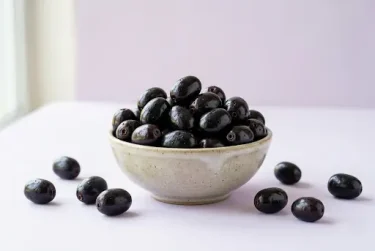
Fruits like Jamun and Plums can be a nutritious addition to a balanced monsoon diet. Jamun has a sweet but slightly tangy flavor3. Juice made of Jamun also contains bioactive phytochemicals, which can protect the liver from getting damaged and can improve your metabolism. On the other hand, tangy and sweet plums are filled with antioxidants, vitamins, and minerals that contribute to overall nutritional intake.

Sprouts are good for your health in all seasons, particularly in the monsoon. Sprouts are a nutrient-dense food option rich in plant-based proteins, vitamins, and minerals that support overall health and contribute to normal immune function. To reduce the risk of foodborne illness, ensure that sprouts are thoroughly washed and prepared hygienically before consumption.

Herbal tea, such as tulsi tea and ginger tea are popular choice for soothing comfort during the monsoon season. Consuming warm herbal teas can help maintain optimal hydration and alleviate throat discomfort often associated with seasonal transitions. Add a few drops of honey to enhance flavor and provide traditional soothing relief.” While ginger contains bioactive compounds like gingerols, which have been studied in laboratory settings for their antioxidant and anti-inflammatory properties, these beverages are intended to support overall well-being rather than prevent or treat medical conditions like the cold or flu.
During monsoons, you crave ginger tea more than often. It is scientifically proven that ginger might reduce inflammation and infections due to its anti-inflammatory and antimicrobial activities11.
Dr. Siddharth Gupta, B.A.M.S, M.D (Ayu)
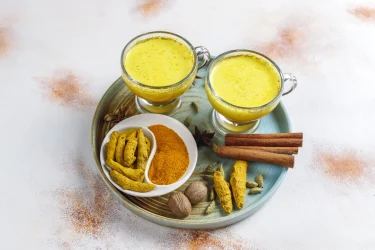
A common kitchen ingredient, turmeric can be consumed in any form during every season. It contains curcumin and other naturally occurring compounds that have been studied for their antioxidant and anti-inflammatory properties7. Integrating a moderate amount of turmeric into your diet, such as a warm milk infusion at night, serves as a comforting beverage that supports general well-being during seasonal changes. However, dietary turmeric does not function as a therapeutic shield against infections.
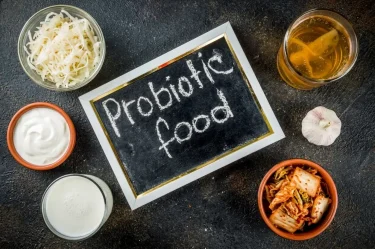
Including fermented foods like yogurt and buttermilk into your diet can support digestive health during the monsoon season. Probiotics are living microorganisms that reside in our gut or intestinal tract. Probiotics, when consumed in adequate amounts, may support digestive health in some individuals. However, their effects can vary depending on the individual, the specific strain, and the amount consumed.

Lemon is a great source of vitamin C that acts as an antioxidant and contributes to the normal function of the immune system. While the monsoon season increases the risk of exposure to food and waterborne pathogens, dietary vitamins support cellular health, which in turn can protect you from infection. Lemon is a rich dietary source of Vitamin C and citric acid, which naturally support general well-being. The citric acid in lemon can assist in maintaining a favorable digestive environment that supports optimal nutrient breakdown, while its Vitamin C content acts as an essential nutrient that can contribute to healthy bone matrix and skeletal structure. Having lemon juice or squeezing some on your food or salads is a good way to add nutrition into your body.
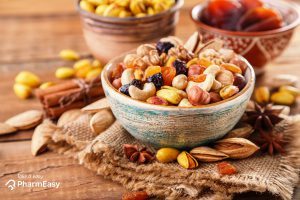
Dates, almonds, walnuts, and cashews can be nutritious snack options throughout the year, including during the monsoon season. These foods provide a variety of nutrients, including healthy fats, fiber, vitamins, and minerals, making them a valuable addition to a balanced diet. Nuts and dry fruits contain nutrients such as riboflavin ( vit B2 )and niacin (vit B3), which contribute to normal energy metabolism and overall nutritional intake. They also contain antioxidants that help protect cells from oxidative stress. Choosing nuts, dry fruits, and seeds as snacks can be a healthier alternative to highly processed foods as part of an overall balanced lifestyle.
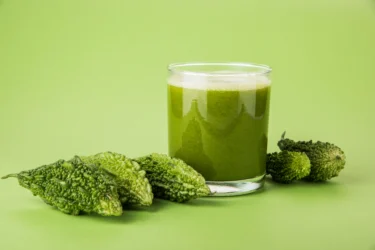
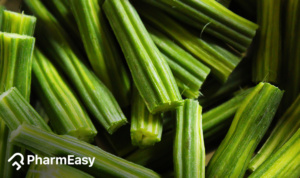
As bitter as it may taste, karela is one of the most powerful foods you can add to your monsoon diet. It is an excellent source of essential antioxidants, vitamins A, C, and folate, which contribute to the normal function of the immune system and help protect cells from oxidative stress. Some studies show Karela may help to keep your blood clean and may support normal metabolic function and digestive health. Further, karela may assist the liver’s natural detoxification processes. Try it as a stir-fry, juice, or a light sabzi13.
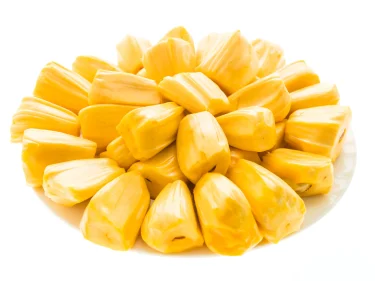
Jackfruit is a nutrient-dense whole food rich in dietary fiber, Vitamin C, potassium, and B-complex vitamins, making it a wholesome addition to a seasonal diet. Its high fiber content supports digestive regularity and assists in maintaining general gut health. Jackfruit also contains powerful antioxidants that contribute to the normal function of the immune system and help protect cells from oxidative stress. Whether enjoyed as a hearty raw jackfruit curry or as a naturally sweet ripe fruit, it is a delicious and nutritious way to stay strong through the season14.
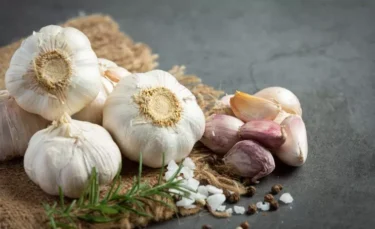
Garlic is a traditional culinary herb containing bioactive organosulfur compounds, such as allicin, which have been studied in laboratory settings for their antioxidant and antimicrobial properties. Incorporating moderate amounts of garlic into freshly prepared, warm meals during the monsoon season serves as a flavorful addition that supports general physiological well-being12.
Garlic has shown multiple effects like anti-bacterial, anti-fungal, anti-viral, and antioxidant. These medicinal actions of garlic might be beneficial in tackling cough, cold, and flu-like conditions, especially in children12.
Dr. Rajeev Singh, BAMS
Certain foods may require extra caution during the monsoon because warm and humid conditions can increase the risk of contamination if food is not stored, handled, or prepared properly. The following is a list of food items that may require extra caution to eat during the rainy season.
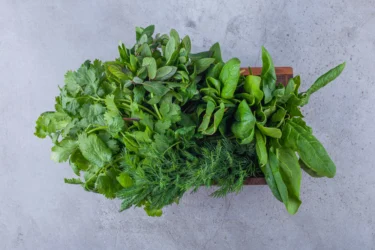
Raw leafy vegetables should be eaten with extra care during the monsoon. The damp and humid weather can make it easier for germs to stick to fresh produce. If these vegetables are not washed properly, they may cause stomach discomfort or food poisoning in some cases. To stay safe, wash leafy greens thoroughly before eating them. Whenever possible, choose cooked vegetables during the rainy season. Eg: Spinach, lettuce, cabbage, methi, and other raw salad greens15.

Street-side cut fruits may expose you to harmful bacteria and viruses, as cut fruits sold outdoors are left uncovered for long periods, they may be exposed to dust, flies, and contaminated water for long periods. The lack of proper hygiene and refrigeration makes them highly susceptible to microbial growth, which can increase the risk of stomach upset or foodborne illness. Instead, choose whole fruits that can be washed and cut fresh at home16. Eg: Cut watermelon, papaya, pineapple, guava, and mango slices sold at roadside stalls.

it is advisable to take extra care when eating street chaat during the monsoon. Street chaat can increase the risk of foodborne illnesses. During the monsoon, it is typically prepared in open, unhygienic conditions using water and ingredients that may be contaminated. The combination of raw ingredients, tamarind water, and chutneys made without proper sanitation significantly raises the risk of infections like typhoid, cholera, and hepatitis A17. Eg: Pani puri, bhel puri, dahi puri, sev puri, and other roadside chaats.

Seafood should be avoided or consumed with extra caution during the rainy season, as monsoon is the breeding season for most fish and shellfish, making them more prone to contamination and bacterial growth. Water bodies also tend to get polluted during heavy rains, which directly affects the quality and safety of seafood available in the market. Poorly stored or undercooked seafood during this season can lead to severe food-borne illness and digestive issues18. Eg: Raw or lightly cooked fish, prawns, crabs, oysters, and other shellfish.
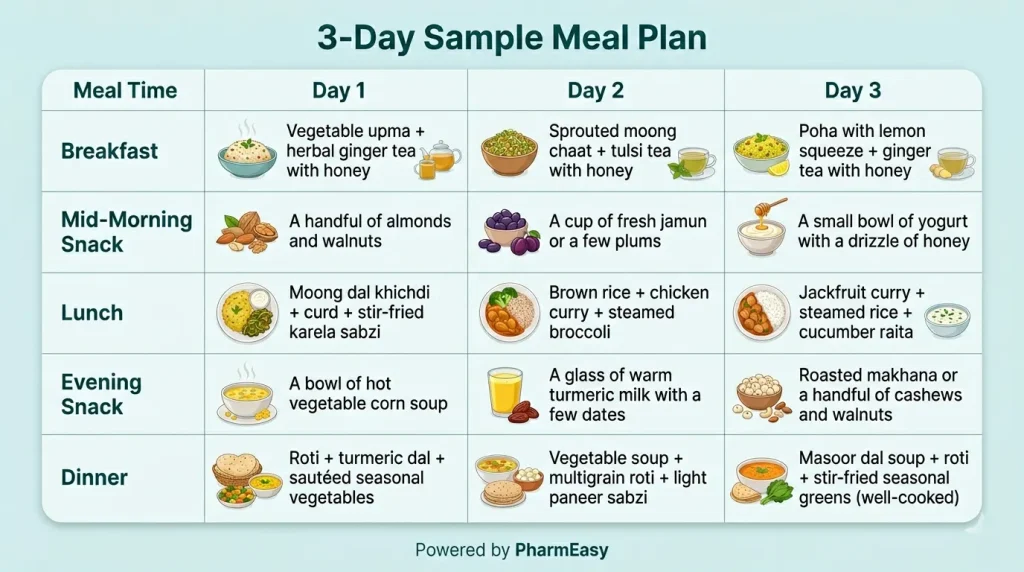
Eating right during the rainy season does not have to be complicated. Here is a simple and nutritious 3-day meal plan to help you stay healthy, energised, and infection-free this monsoon.
The monsoon season calls for a little extra care from the inside out. These time-tested, easy-to-make recipes are packed with natural ingredients that may support your body’s natural wellness, and keep you feeling warm and energised through the rainy days.

A traditional Indian home remedy, ginger-tulsi kadha has been trusted for generations, that contain natural plant compounds and antioxidants that help support overall well-being and maintain normal immune health. Sipping this warm drink is an excellent way to naturally soothe a dry or scratchy throat and provide comforting relief from seasonal dampness.
Ingredients:
Method of Preparation:

This warm, flavorful soup is made with a combination of traditional kitchen ingredients that are perfect for the rainy season. Turmeric contains natural plant compounds known for their antioxidant properties, while garlic has long been used in home cooking to support overall well-being. Together, these ingredients make this soup a nutritious addition to your diet that contributes to normal immune health. It is light on the stomach, easy to digest, and deeply comforting on a rainy evening.
Ingredients:
Method of Preparation:

Simple and comforting, this warm pepper soup is an excellent choice to help take the chill off during a damp, rainy day. Black pepper contains piperine, a natural plant compound known for its antioxidant properties that help protect your body’s cells from everyday stress. Sipping this warm, light broth provides a soothing sensation for your throat, helps keep you hydrated, and supports your natural digestive process. It is light, soothing, and perfect for days when you feel under the weather.
Ingredients:
Method of Preparation:
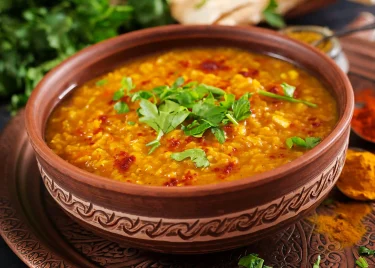
A beloved monsoon comfort food, spiced moong dal khichdi is the ultimate one-pot meal that is gentle on the stomach yet deeply nourishing. The combination of moong dal and rice provides a complete plant-based protein profile, which is easy for the body to absorb, while the spices turmeric, cumin, and ginger support your natural digestive process and contribute to overall well-being. It is wholesome, easy to prepare, and perfect for all ages.
Ingredients:
Method of Preparation:

A staple of South Indian kitchens, herbal rasam is a thin, tangy, and spiced broth that is a true immunity elixir during the monsoon. Packed with the goodness of tamarind, tomatoes, black pepper, and cumin, rasam that supports your natural digestive process and contributes to overall well-being. Sipping this warm, aromatic soup provides a soothing sensation for your throat and helps keep you hydrated on damp rainy days. It can be had as a soup, drunk straight from a cup, or mixed with rice for a light and healing meal19.
Ingredients:
Method of Preparation:
Staying hydrated during the monsoon is just as important as any other season, even if you do not feel as thirsty as you would in summer. The humidity and dampness can mask your body’s need for fluids, making it easy to fall short on hydration. Plain water is always essential, but these wholesome, flavourful beverages not only keep you hydrated but also contribute to your overall well-being to help you sail through the rainy season with ease.

Jeera water is one of the simplest and most effective hydration drinks you can prepare at home during the monsoon. Cumin seeds contain natural plant compounds that support healthy digestion and help maintain gut comfort. which can be useful during the humid monsoon months when digestion sometimes slows down. Regular consumption of jeera water supports your body’s natural metabolic processes and contributes to keeping your digestive system running smoothly and predictably20.
How to Prepare:

There is nothing quite like a steaming cup of ginger tea on a cold and rainy day. Ginger contains natural plant compounds that support healthy digestion and help maintain stomach comfort during the humid monsoon months, soothes an irritated throat, while supporting your body’s natural baseline immunity, and improves digestion. Drinking ginger tea regularly during the monsoon may help you stay warm, hydrated, and comfortable
How to Prepare:

Fresh coconut water is a natural electrolyte drink that replenishes minerals lost through sweating and keeps the body well-hydrated through the humid monsoon days. Rich in potassium, magnesium, and calcium, which contribute to maintaining normal fluid balance and support your body’s overall well-being. Light, refreshing, and naturally sweet, coconut water is one of the cleanest and most nourishing hydration options you can choose this season21.
How to Prepare:

A glass of lemon water is one of the easiest and most refreshing ways to stay hydrated during the monsoon. Lemon is a natural source of vitamin C, which has an essential antioxidant that contributes to the normal function of the immune system and helps maintain healthy skin. Enjoying a glass of lemon water helps maintain normal hydration levels and supports your natural digestive process
How to Prepare:

A traditional Indian drink that has stood the test of time, buttermilk is a probiotic-rich hydration powerhouse that is especially beneficial during the monsoon. Made from churned curd, buttermilk supports gut health by promoting the growth of good bacteria, aids in digestion, and helps cool the body naturally. It is light on the stomach, easy to digest, and helps prevent common monsoon digestive issues like bloating, acidity, and loose motions22.
How to Prepare:
The monsoon season brings with it a host of tempting comfort foods. For individuals managing diabetes or polycystic ovary syndrome (PCOS), maintaining balanced eating habits throughout the season can help support their overall dietary goals. The good news is that with a few simple swaps and smart additions, you can enjoy a nourishing and satisfying monsoon diet that works in your favour.
Managing blood sugar during the monsoon requires choosing foods that are low on the glycaemic index (GI), high in fibre, and easy to digest. Here is how you can modify your monsoon diet to keep your blood sugar levels stable and your immunity strong23.
A balanced and nutritious diet can play an important role in the overall management of polycystic ovary syndrome (PCOS). Choosing a variety of nutrient-dense foods, including whole grains, vegetables, fruits, legumes, nuts, seeds, and other minimally processed foods, can help support overall health and dietary goals. During the monsoon season, maintaining regular meal patterns and making mindful food choices can help you meet your nutritional needs while enjoying seasonal foods. The following suggestions focus on incorporating wholesome foods and balanced meals as part of a healthy lifestyle.
Besides healthy eating, a few health tips, such as the following, can lower your chances of being affected by a host of illnesses:
PharmEasy’s Monsoon Gastro Stomach Infection Package has 33 tests, including Complete Blood Count (CBC), Test for Typhoid, Hepatitis, liver enzymes, etc., to help your doctor detect a plethora of monsoon-related infections and diseases. Don’t take it lightly if you see any symptoms of stomach or skin infection, fever, etc.
Have a healthy and safe monsoon! These lifestyle tips can keep you healthy and safe during monsoons. Instead of binging on fast and oily foods, make these nutritional energy-giving foods a part of your lifestyle. Also, pay attention to good hygiene.
The monsoon season can increase the risk of infections, digestive issues, and seasonal illnesses due to high humidity, contaminated food and water, and changes in the environment. However, making mindful dietary choices and maintaining proper hygiene can go a long way in supporting overall health during this time. Including freshly cooked, nutrient-rich foods such as soups, probiotics, herbal teas, seasonal fruits, and nuts10 may help support immunity and digestion, while limiting oily, stale, and unhygienic foods may reduce the risk of stomach-related problems.
Also Read: What Is Hantavirus? Symptoms, Causes, & Effective Prevention
You can include warm, freshly cooked, and light foods such as:
Steamed rice, khichdi, soups, and porridges
Seasonal fruits like pomegranate, apples, pears, and bananas.
Herbal teas and warm water6
Cooked vegetables instead of raw salads
Foods rich in vitamin C and antioxidants
Probiotic foods8 in moderation if tolerated well
Spices such as ginger11, turmeric, black pepper, cumin, and garlic may also help support digestion and immunity.
It is generally recommended to avoid:
Street food and uncovered foods
Raw leafy vegetables and salads that may carry germs
Cut fruits sold outside
Excess oily, fried, or spicy foods
Stale or refrigerated leftovers
Seafood from unreliable sources during heavy rains
These foods may increase the risk of stomach infections or digestive discomfort.
Curd is not harmful for everyone during the monsoon, but some people may experience , bloating, or indigestion after consuming it in humid weather. If you are prone to cough, cold, sinus issues, or weak digestion, it may be better to consume curd in moderation and preferably during the daytime rather than at night.
Fresh homemade curd is generally safer than stale or improperly stored curd
Cucumber can be eaten during the monsoon if it is washed properly and consumed fresh. However, because it contains high water content and is usually eaten raw, it may sometimes increase the risk of stomach infections if hygiene is poor. People with sensitive digestion may prefer lightly cooked vegetables instead of raw cucumber during this season
Chicken itself is not unhealthy during the monsoon if it is fresh, hygienically handled, and thoroughly cooked. However, improperly stored or undercooked chicken may carry bacteria that can cause food poisoning. During the rainy season, food spoilage may happen faster due to humidity, so extra care with meat hygiene and cooking is important.
Avoid raw, half-cooked, or roadside meat preparations.
You can support digestion during the monsoon by:
Eating freshly cooked meals
Drinking enough clean, boiled, or filtered water
Avoiding overeating
Including ginger11, cumin, ajwain, and turmeric in meals
Limiting oily and processed foods
Eating at regular times
Staying physically active with light exercise or walking
If digestive symptoms such as severe diarrhea, vomiting, fever, or persistent stomach pain occur, medical attention may be needed.
Disclaimer: The information provided here is for educational/awareness purposes only and is not intended to be a substitute for medical treatment by a healthcare professional and should not be relied upon to diagnose or treat any medical condition. The reader should consult a registered medical practitioner to determine the appropriateness of the information before consuming any medication. PharmEasy does not provide any guarantee or warranty (express or implied) regarding the accuracy, adequacy, completeness, legality, reliability or usefulness of the information; and disclaims any liability arising thereof.
Links and product recommendations in the information provided here are advertisements of third-party products available on the website. PharmEasy does not make any representation on the accuracy or suitability of such products/services. Advertisements do not influence the editorial decisions or content. The information in this blog is subject to change without notice. The authors and administrators reserve the right to modify, add, or remove content without notification. It is your responsibility to review this disclaimer regularly for any changes.
 9
9  2
2Comments

Leave your comment...
You may also like























Comments